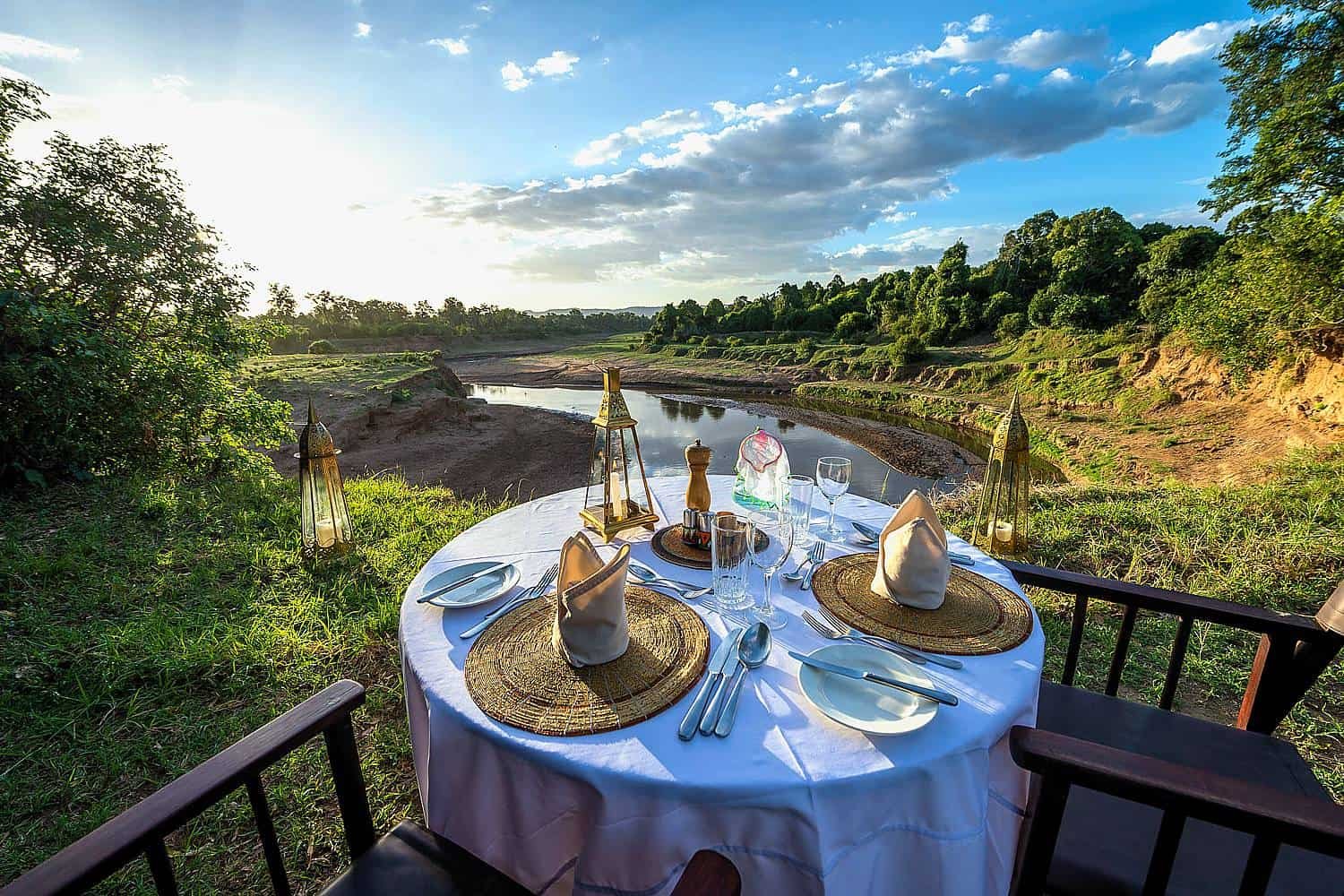
For classic Big Five game viewing, the winter dry season — roughly May to September — is the easiest time to see wildlife in South Africa: the bush thins out, animals gather at water, and the malaria-risk areas are at their lowest risk. But the green summer (November to March) is lush, bird-rich, warm and far better value, and the Cape is at its glorious best. There is no bad time; there is only the right time for you.
May to September — the dry-season sweet spot
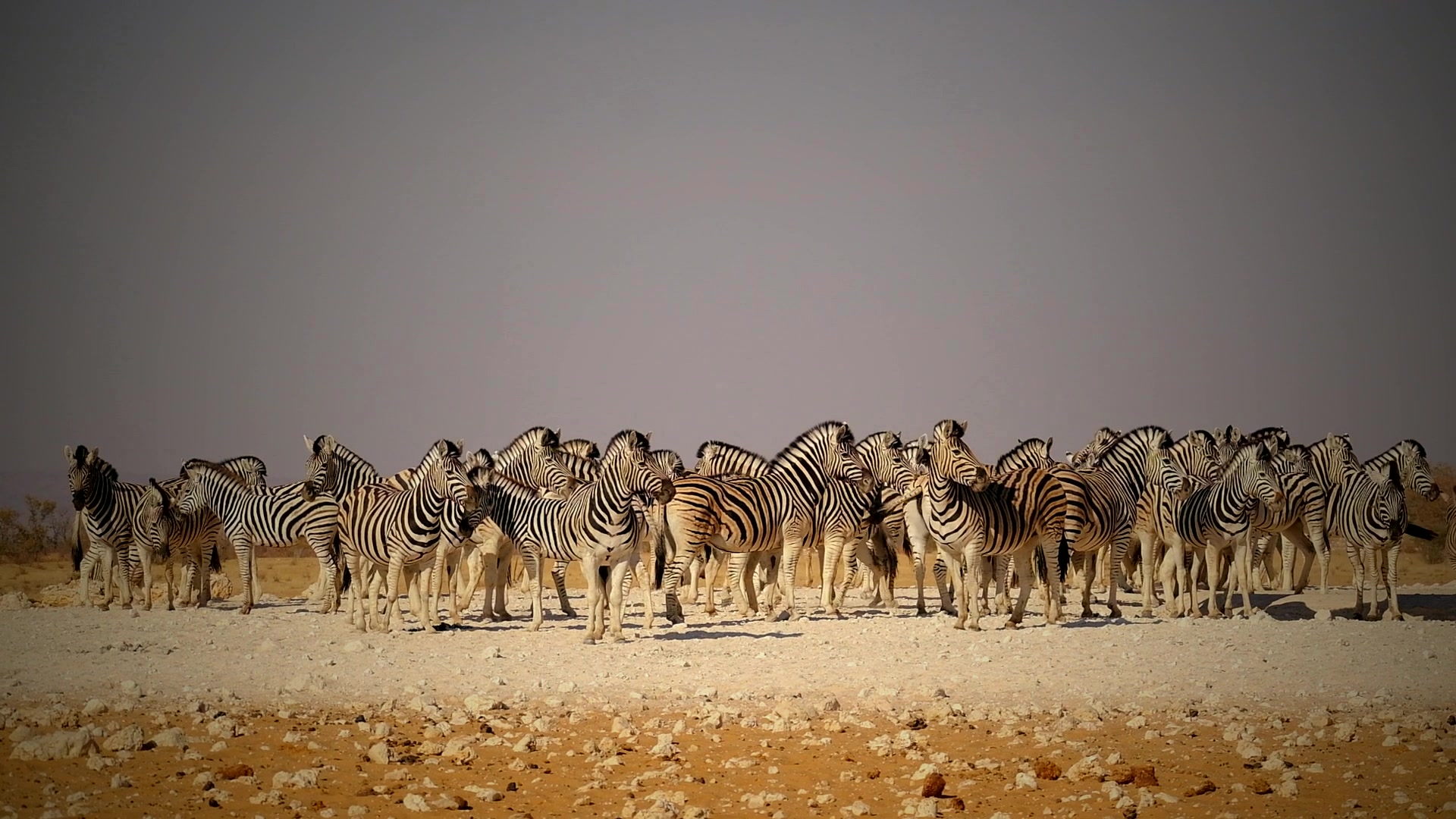
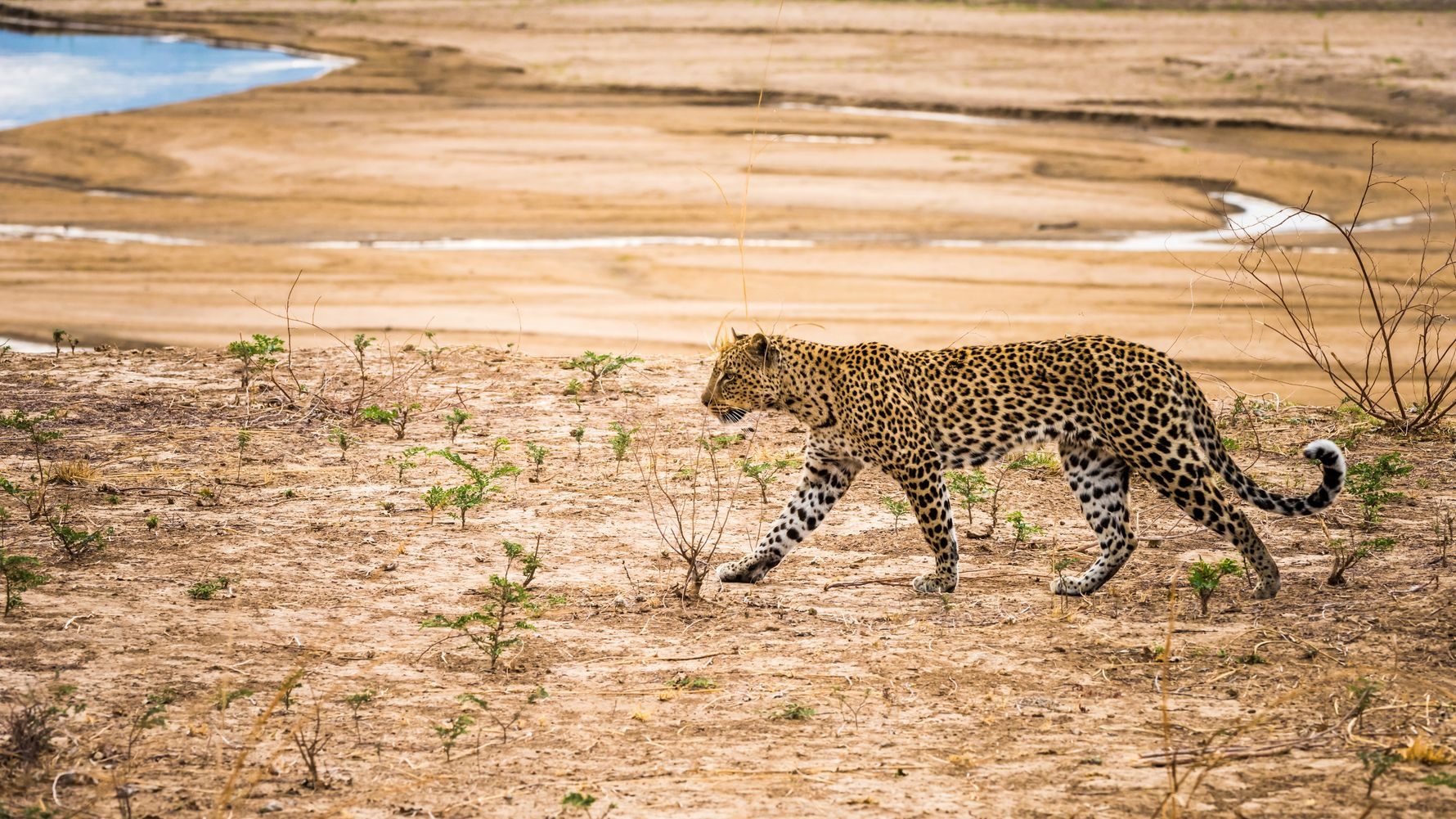
These are the flagship safari months. Vegetation dies back, waterholes become magnets, and predators are easier to find. Mornings are cold — pack layers for open vehicles — but days are clear and mild. This is peak game viewing in the Kruger and the Sabi Sands, and the driest, most comfortable window for the whole country. It is also the busiest and priciest, so book early.
October to November — the shoulder
Spring is a wonderful, underrated window. The first rains green the bush, migrant birds arrive, and impala begin dropping their lambs — which brings predators into the open. Prices sit below peak, crowds thin, and the heat has not yet peaked. For value with excellent wildlife, this is our quiet favourite.
December to March — the green season
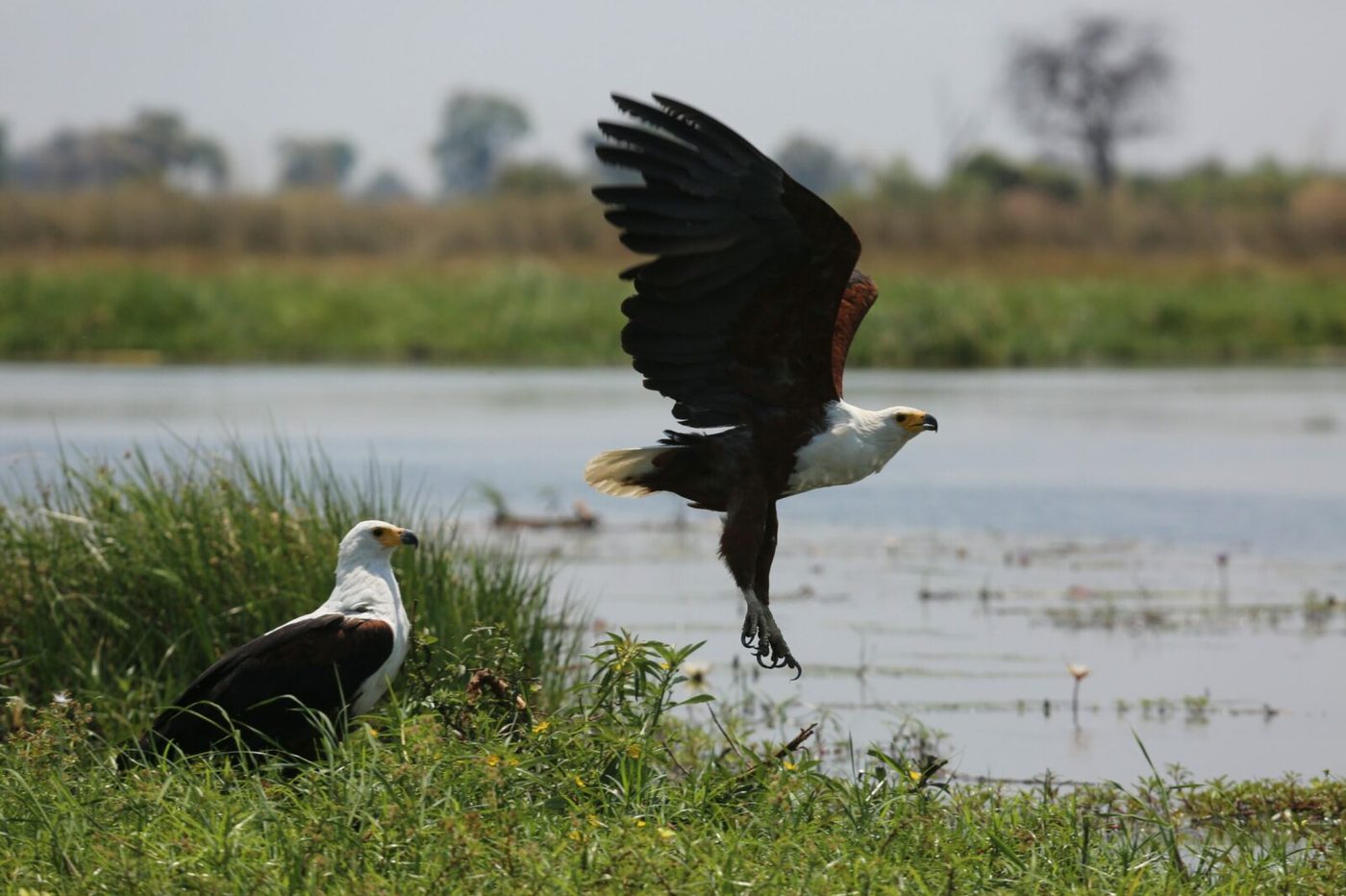
Summer is hot, humid and occasionally stormy, but it is spectacular in its own right: emerald landscapes, dramatic skies, newborn animals and the best birding of the year. Game viewing is a little harder in thick bush, but rates fall and lodges feel intimate. Pair it with the Cape, which is in full summer swing from December to February.
Region by region
South Africa's size means seasons vary. The Kruger and Sabi Sands (Lowveld) follow the dry-winter/green-summer pattern above. The Eastern Cape is malaria-free and mild year-round — ideal for families. The Cape (Cape Town, the Winelands, the Garden Route) is a winter-rainfall zone, so its best weather is the opposite: November to March. A classic combined trip pairs a Cape summer with a Lowveld safari.
Best months for specific goals
For guaranteed Big Five, go June to September. For value and fewer crowds, go October to November or March to April. For birding and baby animals, go November to February. For combining safari with Cape Town and the Garden Route, go November to March, when the coast is at its best.
| Months | Season | Game viewing | Crowds & price | Best for |
|---|---|---|---|---|
| May–Sep | Dry winter | Excellent | High | Big Five, comfort |
| Oct–Nov | Spring shoulder | Very good | Moderate | Value, newborns |
| Dec–Feb | Green summer | Good | High (Cape) | Birding, Cape combo |
| Mar–Apr | Autumn shoulder | Very good | Moderate | Value, lush scenery |
Explore these safari destinations
Discover the parks and reserves behind this guide:
Safaris to plan around the season
Private journeys we tailor to your dates and budget:
- Ultimate Big Five Kruger Safari — 7 days, from $6,500 pp
- Luxury Sabi Sands Safari — 5 days, from $4,000 pp
- Malaria-Free Big Five, Eastern Cape — 5 days, family-friendly
- Ultimate South Africa Safari — 14 days, Cape to Kruger
Related Reading
Start Planning
Every safari we craft is private and built entirely around you — your dates, your pace, your budget and the wildlife you most want to see. Our specialists have travelled this ground themselves and design each itinerary by hand. Speak to our team to begin, or browse our safari packages for inspiration.