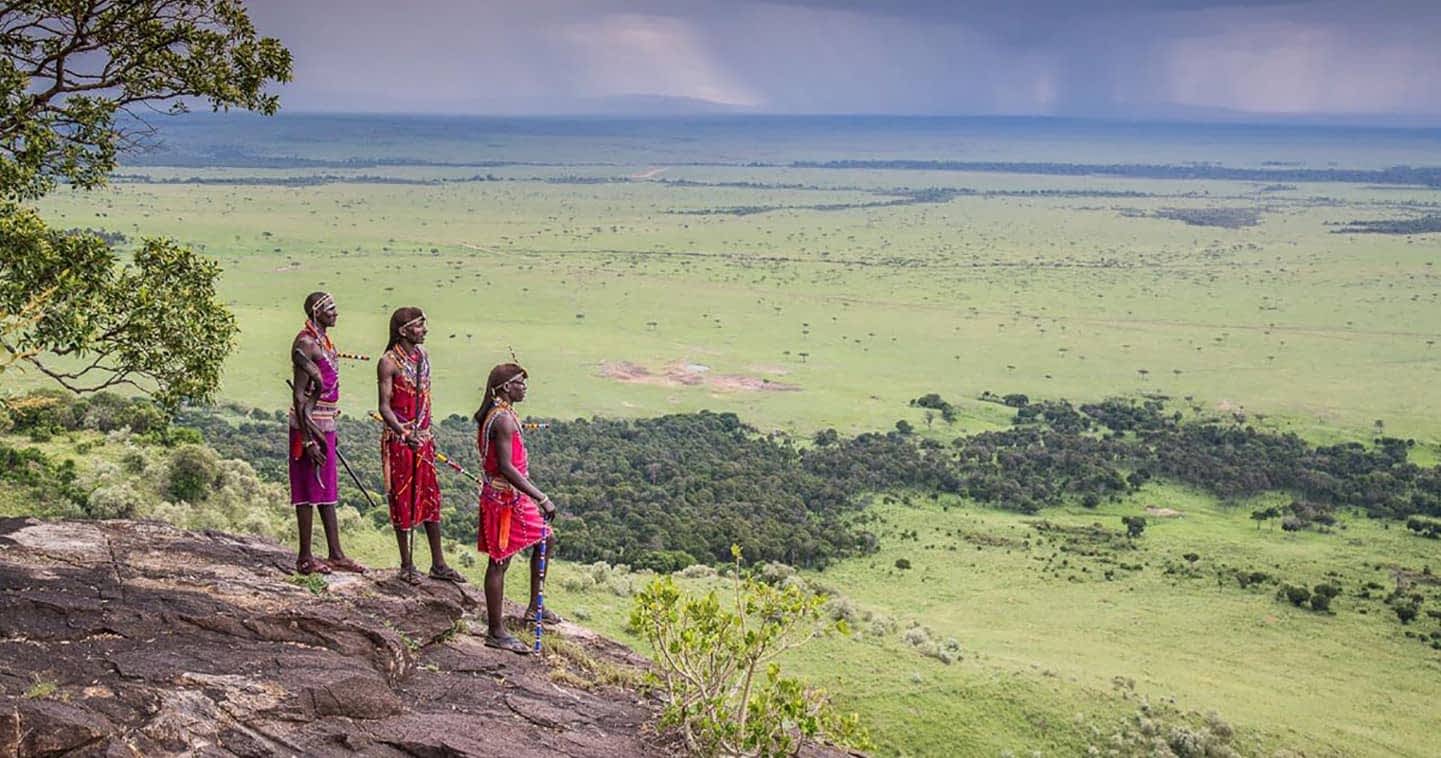
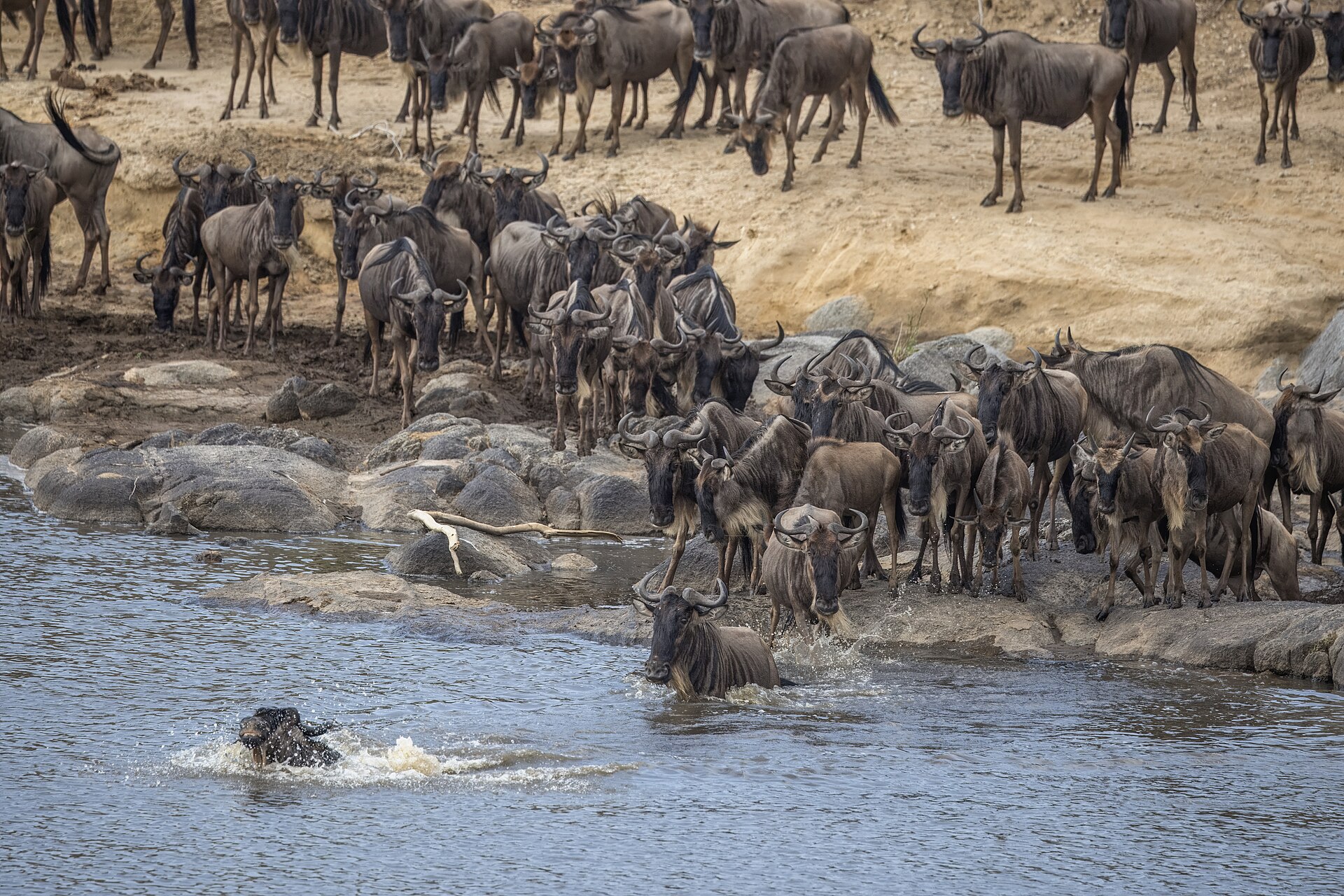
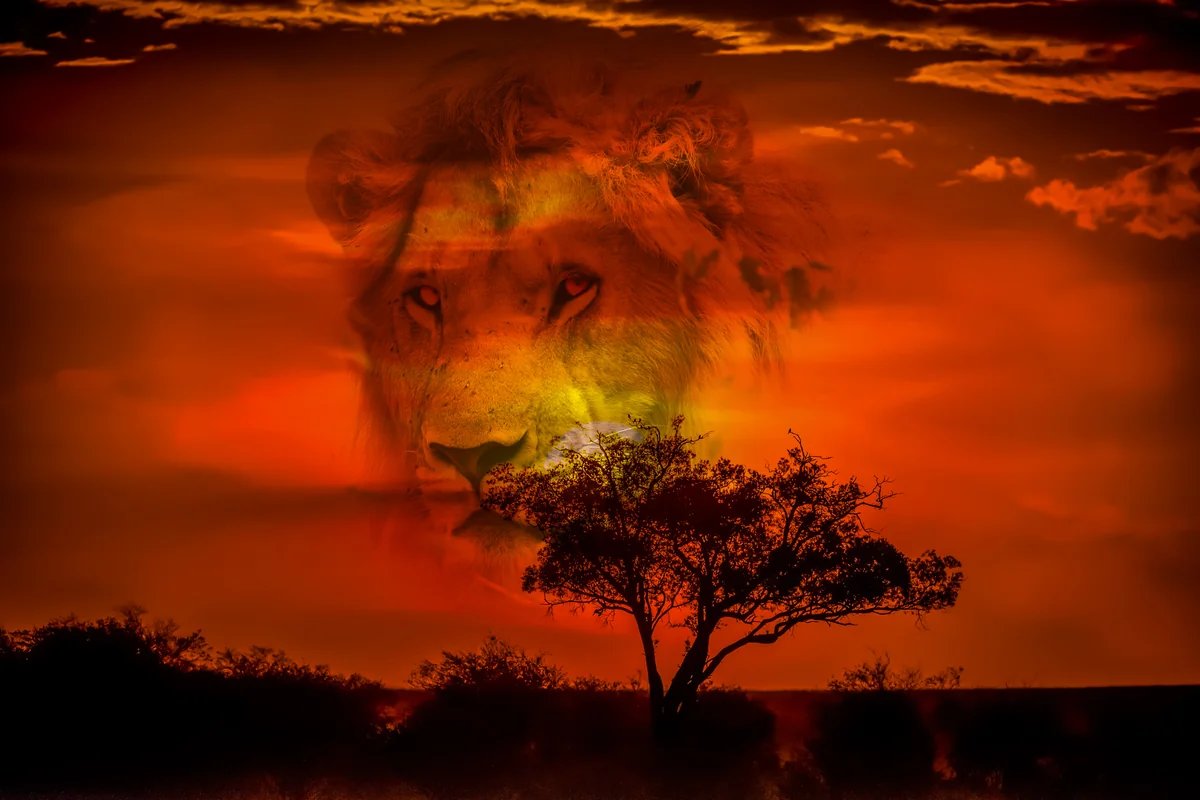
Kenya's flagship window is July to October, when the dry season delivers superb big-cat viewing and the Great Migration's dramatic Mara River crossings reach the Masai Mara. A second dry season, January to February, is warm, clear and excellent. The long rains (April–May) are the quietest and cheapest, while the green season offers value and wonderful birding.
🦁 Planning Your Kenya Safari?
For the complete kenya safari resource - expert guides, honest costs, luxury lodges, curated itineraries, and everything you need to plan your trip - visit our comprehensive hub:
View Complete Kenya Safari Hub →July to October — the migration and the crossings
This is peak Kenya. The wildebeest herds pour into the Masai Mara and the electric Mara River crossings unfold, with predators shadowing every move. Big-cat density here is the highest in Africa. It is the busiest and most expensive window, and the best conservancy camps book out well ahead — but the drama is unmatched.
January to February — the short dry season
After the short November rains, the land dries and greens beautifully. Skies are clear, temperatures pleasant, and wildlife viewing across the Mara, Amboseli and Laikipia is excellent — often with far fewer vehicles than the migration peak. This is a superb, slightly under-the-radar time to travel.
March to May — the long rains
The wettest months bring dramatic skies, lush scenery and the lowest prices of the year. Some roads get muddy and a few camps close, but wildlife remains and birding is spectacular. For photographers and value-seekers who do not mind an afternoon shower, this can be a rewarding, uncrowded time.
Beyond the Mara — Amboseli, Laikipia and Samburu
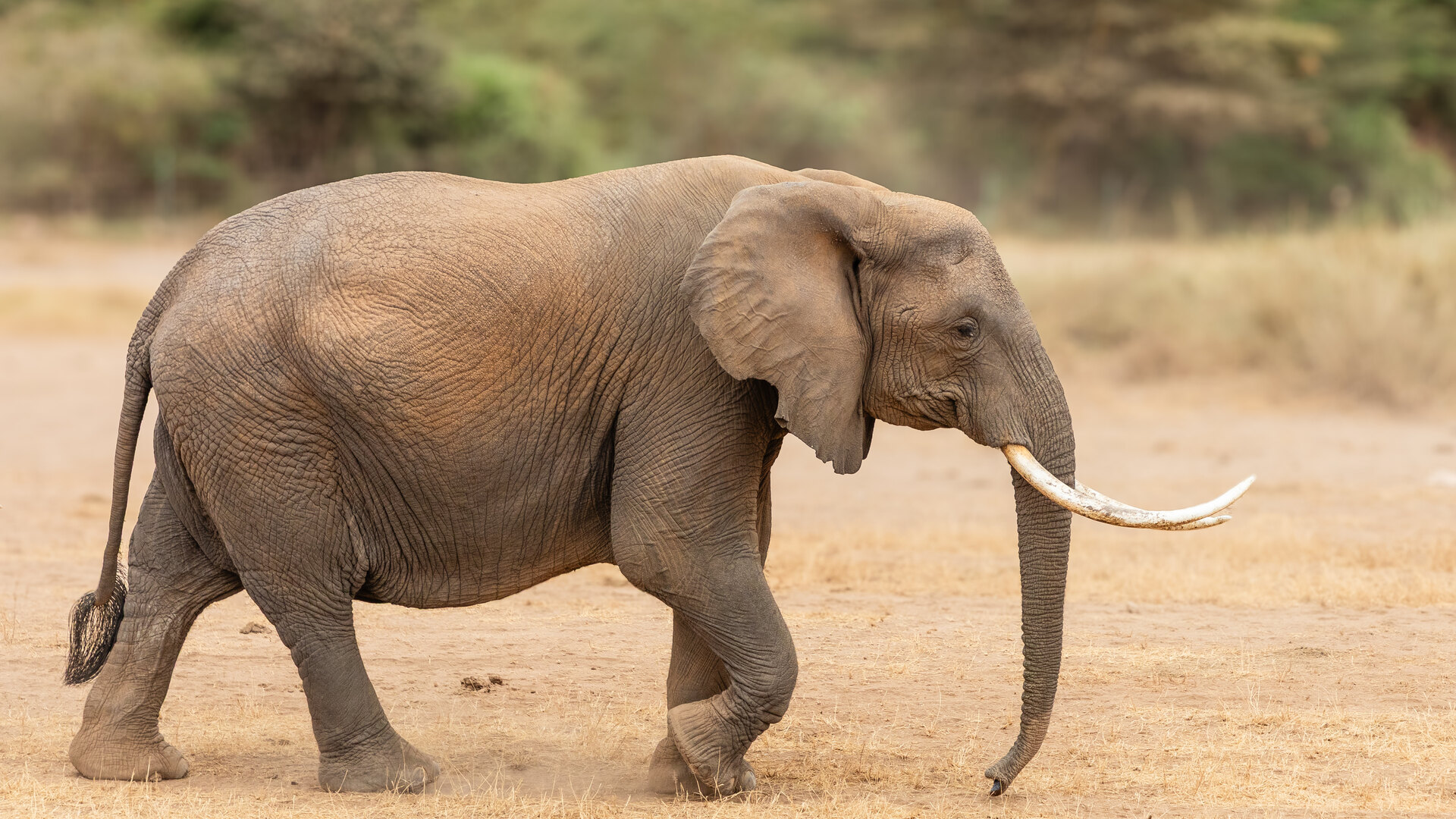
Kenya is far more than the Mara. Amboseli offers legendary elephants beneath Kilimanjaro, best in the dry months. Laikipia's private conservancies deliver rhino, wild dog and walking safaris year-round. Samburu in the arid north holds special northern species and is excellent in the dry season. Combining the Mara with one of these creates a richer, less crowded trip.
Best months for specific goals
For the river crossings, go August to October. For uncrowded dry-season game viewing, go January to February. For value and birding, go March to May or November. For Amboseli's elephants and Kilimanjaro views, go June to October or January to February.
| Months | Season | Migration | Crowds & price | Best for |
|---|---|---|---|---|
| Jul–Oct | Long dry | Crossings in Mara | Very high | Migration, big cats |
| Jan–Feb | Short dry | Herds in Tanzania | Moderate | Clear, quieter |
| Mar–May | Long rains | — | Low | Value, birding |
| Nov–Dec | Short rains | — | Moderate | Green, newborns |
Explore these safari destinations
Discover the parks and reserves behind this guide:
- Masai Mara Kenya
- Amboseli National Park
- Laikipia Plateau
- Samburu National Reserve
- Tsavo National Parks
- Lake Nakuru & the Great Rift Valley
Safaris to plan around the season
Private journeys we tailor to your dates and budget:
- Kenya Big Cats Experience — 5 days, from $6,800 pp
- Maasai Mara Explorer — 4 days, from $3,900 pp
- Amboseli & Tsavo Southern Kenya Safari — 7 days, elephants & Kilimanjaro
- Samburu & Laikipia Northern Kenya Safari — 7 days, the wild north
Related Reading
Start Planning
Every safari we craft is private and built entirely around you — your dates, your pace, your budget and the wildlife you most want to see. Our specialists have travelled this ground themselves and design each itinerary by hand. Speak to our team to begin, or browse our safari packages for inspiration.