The difference between a comfortable safari and a frustrating one often comes down to one thing: what is in your bag. Pack the right neutral layers and you glide through freezing dawn drives, blazing midday sun, dusty roads and chilly evenings without a second thought. Pack the wrong things — a hard suitcase that will not fit the plane, white clothes that turn beige with dust, nothing warm for a 6 a.m. game drive — and you spend the trip improvising.
This is the only safari packing list you need. It covers exactly what to wear, the best safari colours and what to avoid, the essentials people forget, light-aircraft luggage rules, and a printable checklist at the end. Bookmark it before you start packing.
Pack light, neutral layers for the bush.
Quick Answer
Pack neutral, lightweight layers in khaki, beige, olive and brown — never bright colours, white or camouflage. Mornings are cold and middays hot, so layering is essential.
Do not forget sun protection, insect repellent, binoculars, a camera with spare batteries, any medication, and a soft duffel bag (vital for fly-in safaris with strict weight limits).
The Golden Rules of Safari Packing
Five principles guide everything below:
- Pack light. Lodges do laundry — often same-day — so three or four outfits you re-wear is plenty even for two weeks.
- Layer up. Mornings can be near-freezing and afternoons hot. Dress in layers you peel off as the day warms.
- Stick to neutral colours. Khaki, olive, beige, brown and stone keep you cool, hide dust and help you blend into the bush.
- Soft bags only. Light aircraft will not take hard or wheeled cases. Use a soft duffel.
- Comfort over fashion. Safari is casual. Nobody dresses up; everybody re-wears.
Best Colours to Wear on Safari
Colour matters more on safari than on any other trip, for three reasons: blending in, staying cool, and avoiding insects.
Wear these
Muted earth tones — khaki, olive green, tan, beige, stone, brown and soft grey. They blend into the landscape so wildlife stays relaxed, they reflect heat, and crucially they hide the fine red dust that coats everything on a game drive.
Avoid these
- White and pale pastels — they stand out to animals and show dust the instant you sit down.
- Dark blue and black — these colours attract tsetse flies in parts of East and Southern Africa, and their bite stings.
- Bright colours and bold patterns — they make you conspicuous and can unsettle wildlife, especially on walks.
- Camouflage — wearing military-style camo is illegal or restricted in several African countries. Never pack it.
What to Wear: Clothing Checklist
Daytime
- 2–3 short-sleeved shirts or T-shirts in neutral colours.
- 1–2 long-sleeved shirts (sun and insect protection, and warmth at dawn).
- 2 pairs of lightweight trousers and/or convertible zip-off trousers.
- 1–2 pairs of shorts.
- Underwear and moisture-wicking socks for each day (these are light, so bring enough).
Warm layers (essential — even in summer)
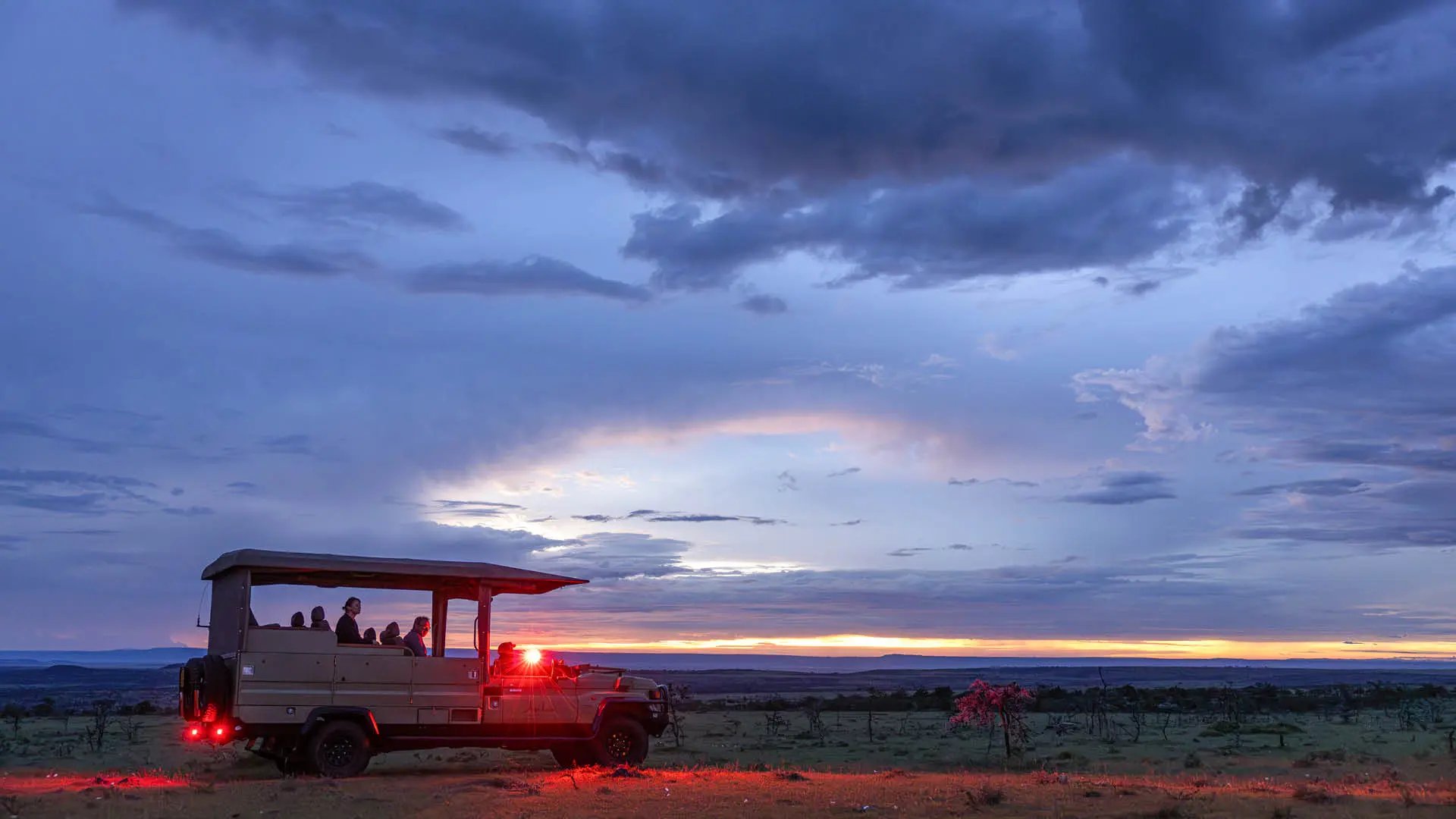
Open game-drive vehicles at dawn are genuinely cold, especially in the dry-season winter (June–August). Bring:
- A warm fleece or jumper.
- A windproof, water-resistant jacket.
- In winter (June–August): a beanie, gloves and a scarf or buff — you will be grateful at 6 a.m.
Footwear
- Comfortable closed walking shoes or light hiking boots — broken in before you travel.
- Sandals or flip-flops for the lodge and pool.
Evenings & extras
- Long trousers and a long-sleeved top for dinner (warmth and insect protection).
- A swimsuit — most lodges have a pool.
- A light scarf or sarong (versatile for sun, dust and cool evenings).
- One smart-casual outfit if your trip starts or ends with a city hotel or fine-dining lodge.
Safari Essentials You Must Not Forget
Sun & insect protection
- High-SPF sunscreen and SPF lip balm — the African sun is fierce.
- A wide-brimmed hat and good sunglasses.
- DEET-based insect repellent.
- Antimalarial tablets if your destination requires them (more in our note below).
Wildlife & tech
- Binoculars — the most under-packed safari essential. One pair per person transforms every sighting.
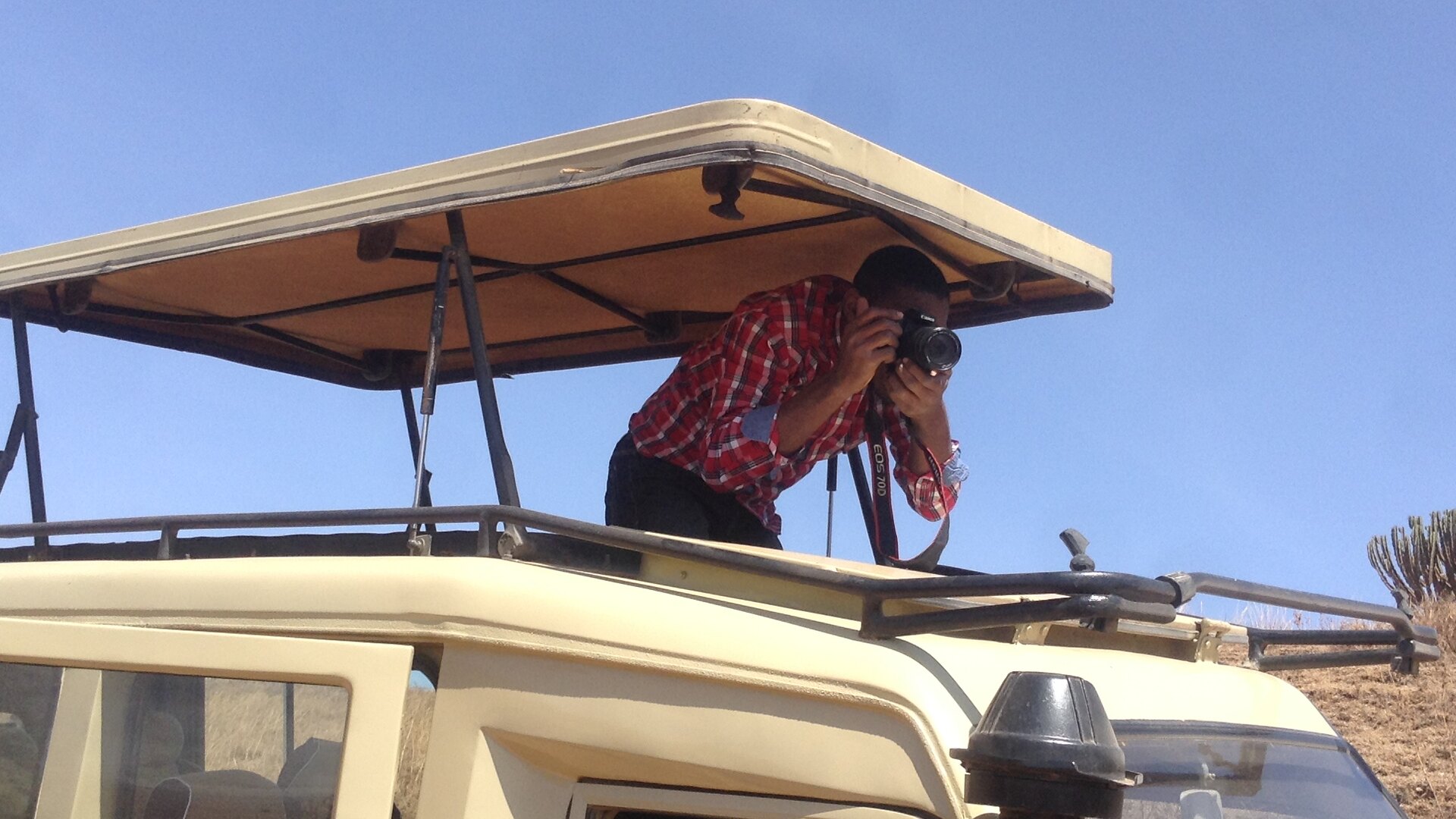
- Camera, spare batteries and plenty of memory cards (see our safari photography guide).
- A power bank — charging can be limited at remote camps.
- A universal/Southern African plug adapter (South Africa uses the large round three-pin Type M; bring a multi-adapter).
Health & documents
- Personal medication in original packaging, plus a small first-aid kit (plasters, painkillers, rehydration salts, antihistamine).
- Passport (valid 6+ months with blank pages), printed flight and lodge confirmations, travel insurance details.
- Yellow-fever certificate if your route requires it, and copies of everything stored on your phone.
- Cash in small US-dollar notes for tipping and curios.
Comfort
- A refillable water bottle.
- A small daypack for game drives.
- Wet wipes and hand sanitiser for dusty drives.
- A headlamp or small torch for walking around camp at night.
Luggage Limits & the Right Bag
This trips up more travellers than anything else. If your safari includes a fly-in by light aircraft — common in the Okavango Delta, remote Zambia, the Serengeti and many premium camps — strict rules apply.
Light-aircraft rules
- Weight: typically 15–20 kg (33–44 lb) total, including hand luggage. Confirm your exact limit.
- Bag type: soft-sided duffel only — no rigid frame, no wheels — so it fits small holds. Hard cases may be refused.
- Camera gear usually counts toward your allowance; tell us in advance if you carry a lot.
Read our fly-in safari guide for how light-aircraft safaris work. Even on road-based safaris, a soft bag is easier to handle. Pair it with a small daypack for drives.
Pack less than you think
Because almost every lodge offers laundry — frequently same-day — you can comfortably do a two-week safari with a week's clothing or less. Re-wearing neutral layers is the norm, not the exception, and it keeps you well under the weight limit with room for that extra camera lens.
Seasonal Adjustments
Dry season (May–October) — winter
Warm, sunny days but cold mornings and nights. Prioritise warm layers: fleece, jacket, beanie and gloves for dawn drives. Less rain gear needed. This is peak game-viewing season — see our best time to go on safari guide.
Green season (November–March) — summer
Hot, humid days with afternoon thunderstorms. Add a light rain jacket, quick-dry fabrics and extra insect repellent (this is higher malaria-risk season in affected areas). Mornings are milder so you need fewer heavy layers.
What to Leave at Home
- Hard or wheeled suitcases (for fly-in trips).
- White, bright, dark-blue, black and camouflage clothing.
- High heels and formal wear — safari is casual everywhere.
- Excess jewellery and valuables.
- Drones (banned in most national parks and reserves without special permits).
- More than you can carry yourself.
Printable Safari Packing Checklist
Clothing: neutral T-shirts/shirts · long-sleeve shirts · lightweight trousers · shorts · fleece/jumper · windproof jacket · beanie & gloves (winter) · underwear & socks · swimsuit · sleepwear · scarf/buff · closed walking shoes · sandals.
Essentials: binoculars · sunscreen & lip balm · hat · sunglasses · insect repellent · antimalarials (if needed) · personal medication · first-aid kit · power bank · plug adapter · camera, batteries & cards · refillable water bottle · daypack · headlamp · wet wipes & hand sanitiser.
Documents: passport (6+ months) · visas · flight & lodge confirmations · travel insurance · yellow-fever certificate (if required) · US-dollar cash for tips · copies stored on phone.
A Note on Malaria
Some safari regions carry malaria risk and require antimalarial tablets plus diligent use of repellent and long sleeves at dusk. If you would prefer to skip the medication — ideal for families with young children and pregnant travellers — choose a malaria-free reserve. See our malaria-free safari guide for the best options.
Ready to Pack? Let's Build Your Trip
Once your bag is sorted, the only thing left is the safari itself. We design private trips with the right lodges, the right season and the right pace for you.
Start with the Classic Kruger Safari, the Big Five Luxury Safari, or the comprehensive Ultimate South Africa Safari. New to safari? Read our first-timer's planning guide, or get in touch and we will handle every detail so all you need to do is pack.