Choosing the right clothing for safari makes a huge difference to your comfort and experience. The golden rule is neutral, layered and practical. This guide explains why certain colours and fabrics matter, what to wear for different activities and how to pack efficiently.
The Neutral Colour Rule
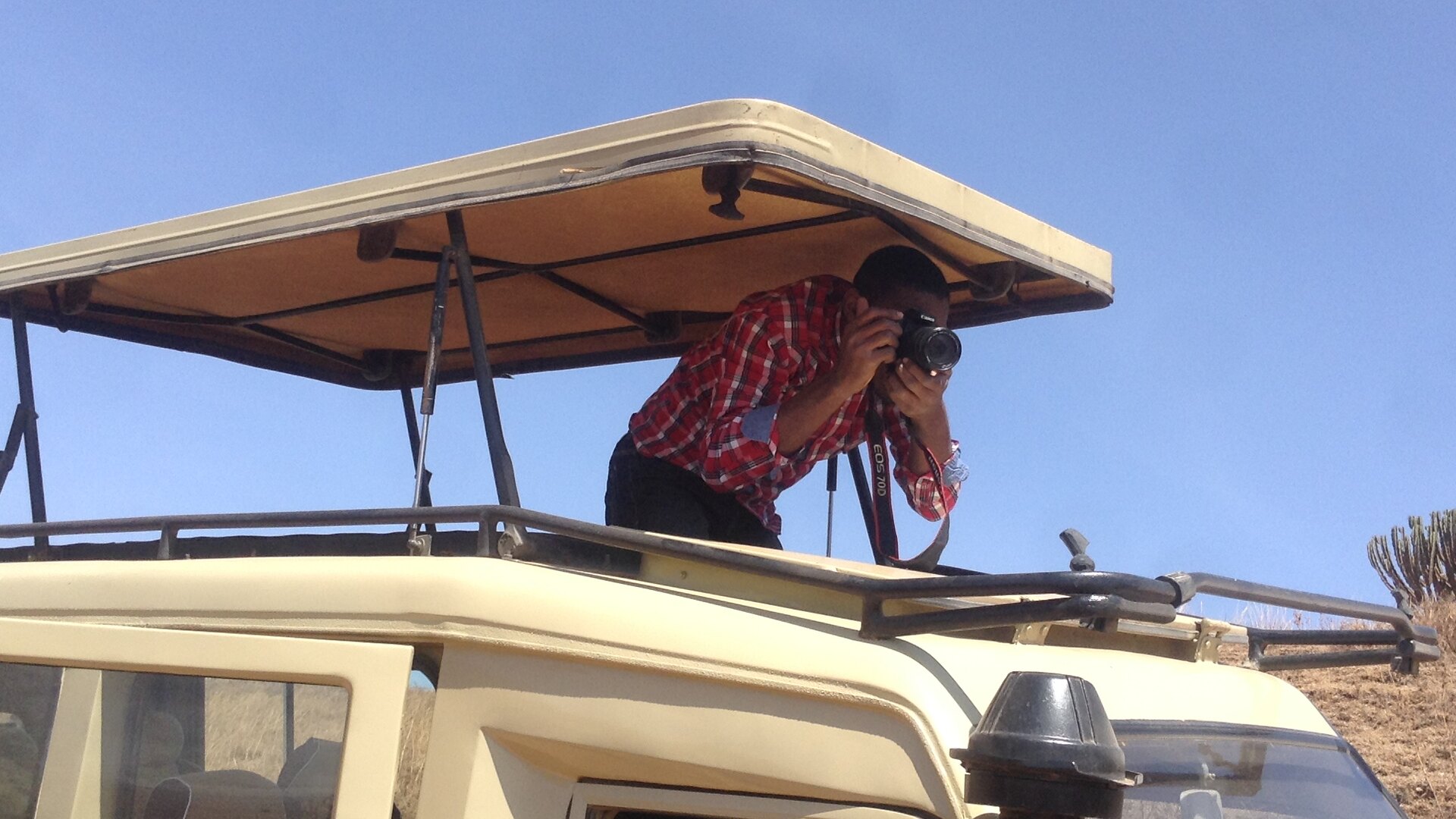
Safari clothing should be neutral — khaki, beige, olive, brown and muted greens. These colours help you blend into the environment and avoid startling wildlife. Bright whites attract tsetse flies and insects, while dark blacks absorb heat. Stick to earth tones for game drives and walking safaris.
Layering for Temperature Swings
Safari days start freezing and end warm, so layering is essential. Begin with a base layer, add a long-sleeved shirt, then a fleece or light down jacket for dawn drives. As the sun climbs, peel off layers. A windproof outer shell protects against early-morning cold and evening breezes.
Fabric Choices That Work
Lightweight, breathable natural fibres like cotton and linen work well in the heat, while merino wool and synthetics layer efficiently for cold mornings. Quick-dry fabrics are ideal for wet-season safaris. Avoid heavy denim and stiff fabrics that trap heat and take forever to dry.
Safari Wardrobe Essentials
| Item | Purpose | Notes |
|---|---|---|
| Neutral shirt (long sleeve) | Sun & insect protection | Khaki, beige or olive |
| Neutral trousers / shorts | Comfort & blending in | Lightweight, breathable |
| Fleece or jacket | Cold mornings | Easy to layer and remove |
| Wide-brimmed hat | Sun protection | Essential year-round |
| Closed walking shoes | Bush walks, uneven ground | Broken in and comfortable |
| Sunglasses | Glare and UV | Polarised ideal |
Footwear for Safaris
Comfortable closed walking shoes or lightweight hiking boots are essential for walking safaris and uneven terrain. For game drives and around camp, sandals or slip-ons give your feet a break. Avoid open-toed shoes on bush walks, and ensure everything is broken in before you travel.
Sun and Insect Protection
Long sleeves and long trousers protect against both sun and mosquitoes, especially at dawn and dusk when insects are most active. A wide-brimmed hat shields your face and neck, and a buff or scarf keeps dust off. Apply sunscreen to any exposed skin regardless of cloud cover.
What Not to Wear
Avoid camouflage patterns, as they can be illegal in some countries and parks. Skip perfume and strong scents that attract insects. Leave jewellery and valuables at home, and do not wear anything you cannot afford to get dusty or dirty. Safari is casual and practical.
Recommended Safari Experiences
Masai Mara Explorer
Neutral clothing essential for close game viewing.
Ultimate Walking Safari Zambia
Closed shoes and layers critical for bush walks.
Classic Kruger Adventure
Cold winter mornings; warm layers needed.
Explore the Destinations
Related Reading
Ready to Plan Your Safari?
Speak to our team for personalised advice, health guidance and safe, trusted itineraries.