Key Takeaways
- Pack neutral, earthy colours — khaki, olive, beige, brown — and avoid bright colours, white, black and camouflage.
- Layer for the temperature swing: cold pre-dawn drives warm quickly to hot afternoons, especially in winter.
- Good binoculars (8x42 or 10x42) are the single most valuable thing you can pack.
- For cameras, aim for at least 200mm of zoom reach, and bring spare batteries and memory cards.
- Fly-in safaris require soft bags only, usually within a 15-20kg limit — check your airline and pack light.
- Almost everyone overpacks; lodges offer laundry, so bring less than you think and travel easy.
The Golden Rules of Safari Packing
Before the list itself, three principles make every other decision easy. First, dress in neutral, earthy colours — khaki, olive, beige, brown and stone. They blend into the bush, hide the inevitable dust, and do not startle wildlife. Bright colours and stark white stand out; dark blue and black are best avoided as they attract certain insects; and camouflage is a poor idea in Africa, where it carries military associations. Get the colour palette right and half the packing is done.
Second, think in layers, not outfits. A Kruger day can begin at a shivering five degrees on a pre-dawn drive and climb to a shirt-sleeve thirty by lunchtime, so you want warm layers you can peel off rather than a single heavy coat. Third, travel light — genuinely light. Lodges and camps almost all offer laundry, fly-in aircraft enforce strict weight limits, and a heavy bag is a burden at every transfer. Nearly everyone overpacks; the seasoned traveller brings half as much and enjoys the trip twice as easily.
Clothing: What to Wear and What Colours
Build your clothing around a few days of mix-and-match neutrals, knowing you can wash as you go. For most trips you want two or three pairs of lightweight trousers, a pair of shorts, several breathable short and long-sleeved shirts, and a warm fleece or jacket. Long sleeves and trousers do double duty in the evening, protecting against both the chill and mosquitoes. Add comfortable closed walking shoes or trainers, a pair of sandals for camp, a wide-brimmed hat, sunglasses and a swimsuit, as many lodges have a pool.
The single biggest packing mistake is underestimating the cold of a winter dawn drive. From May to September, sitting in an open vehicle at first light with the wind chill of movement, you will want a beanie, gloves and a proper warm layer — and then you will happily shed them all by nine o'clock. In the wet summer, pack a light rain jacket and quick-drying fabrics. Whatever the season, choose soft, natural, comfortable materials in those all-important earth tones, and resist the urge to bring a fresh outfit for every day.
Gear and Gadgets Worth Their Weight
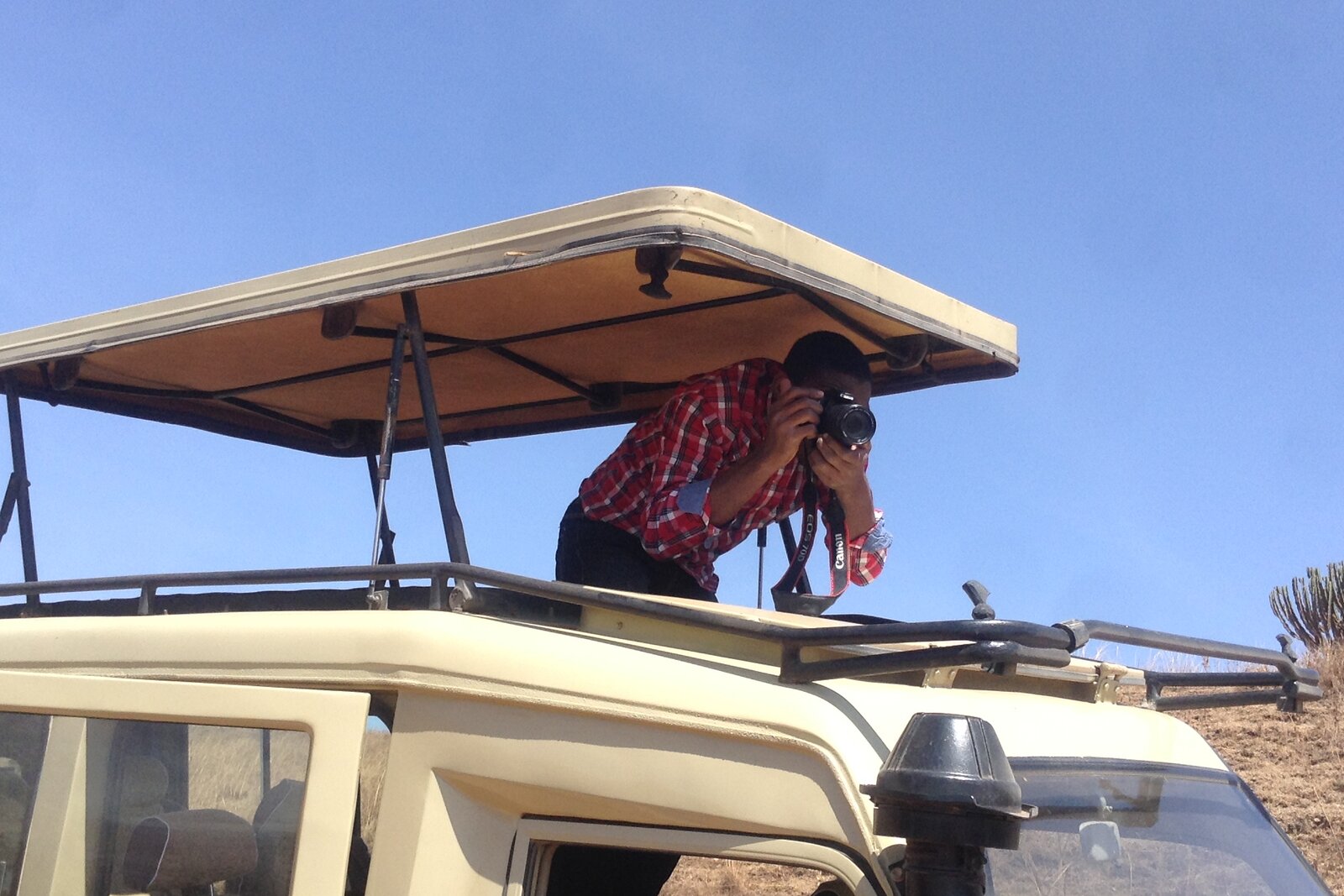
If you pack one piece of gear well, make it binoculars. A good pair — 8x42 or 10x42 is the safari sweet spot — transforms every sighting, letting you follow a distant leopard, study a bird's plumage or watch behaviour you would otherwise miss entirely. Even where a guide carries a spare, having your own is far better. After that comes the camera. For wildlife, reach matters: aim for at least 200mm of zoom, ideally 400mm or more, whether on a mirrorless body, a DSLR or a lighter superzoom bridge camera. Bring more memory cards and spare batteries than you expect to need, because cold mornings drain power and you will shoot far more than you plan to.
Round out the kit with the small things that quietly matter: a headtorch for camp paths and pre-dawn starts, a power bank and the right plug adaptor, a soft beanbag or rolled fleece to steady a long lens on the vehicle, and a small daypack for water, sunscreen and your camera on drives. A reusable water bottle, a pair of earplugs for light sleepers and a good book for the midday lull all earn their place. Leave the drone at home, though — they are prohibited in national parks and most reserves without special permits.
Toiletries, Health and Sun Protection
The Lowveld sun is fierce, so sun protection heads the health list: a high-factor sunscreen, a wide-brimmed hat, sunglasses and a lip balm with SPF. Insect protection comes next — a good repellent for the dusk-to-dawn hours, and long sleeves to go with it. Pack a small personal first-aid kit with plasters, painkillers, antihistamine, rehydration salts and any personal medication in its original packaging, plus hand sanitiser and wet wipes for dusty drives. If you are taking anti-malaria tablets, keep them in your hand luggage and follow your doctor's instructions.
Beyond that, keep toiletries minimal — lodges and camps provide soap, shampoo and the basics, so a compact wash bag is plenty. A moisturiser and eye drops help with the dry, dusty air, and a small microfibre towel is handy for self-drive trips. The theme, once again, is restraint: the bush is a relaxed, practical place, and nobody has ever wished on safari that they had brought more toiletries. Bring what keeps you healthy and comfortable, and leave the rest.
| Category | The Essentials to Pack |
|---|---|
| Clothing | Neutral-colour layers, warm fleece, hat, closed shoes, swimwear |
| Optics | Binoculars (8x42 / 10x42) — the top priority |
| Camera | Zoom of 200mm+ (400mm ideal), spare batteries, extra cards |
| Sun & insects | High-SPF sunscreen, sunglasses, repellent, lip balm |
| Health | Personal first-aid kit, medication, any malaria tablets |
| Fly-in rule | Soft bags only, typically 15-20kg total — check your airline |
Documents, Money and Practicals
Get the paperwork right and everything else flows. Bring your passport with at least six months' validity and a couple of blank pages, any visa you require, and — if travelling with children — the documents South Africa asks for, such as an unabridged birth certificate, which we will confirm for your nationality and family. Carry printed and digital copies of your itinerary, flight details, lodge vouchers and travel insurance policy, and keep a photo of your passport in your phone and email as a backup.
For money, a mix works best: a credit or debit card for lodges and larger payments, and some South African rand in cash for tips, curios and small purchases where cards are not taken. Tipping guides, trackers and camp staff is customary, so having small notes to hand is genuinely useful. Bring a universal plug adaptor for South Africa's sockets and keep your devices charged, as game-drive photography is hungry for power. None of this is complicated, but having it organised before you fly turns arrival into a pleasure rather than a scramble.
Luggage Rules and Fly-In Weight Limits
If any part of your trip involves a light-aircraft transfer — as most fly-in safaris to the private reserves do — the luggage rules are stricter than on a normal flight, and they catch people out. The aircraft are small, with narrow luggage holds, so they require soft-sided bags rather than hard-shell suitcases, and they enforce a total weight limit, commonly around 15 to 20 kilograms per person including your hand luggage and camera bag. Exceed it and you may have to leave items behind or pay for an extra seat.
The solution is simply to pack light and lean on the laundry service that nearly every lodge provides, often same-day. A handful of mix-and-match neutrals, washed as you go, will comfortably see you through a two-week trip. Roll rather than fold to save space, wear your heaviest items on the plane, and keep valuables, medication and a change of clothes in your hand luggage. For self-drive trips the rules relax, but the wisdom holds: a lighter bag makes every transfer, every camp change and every early start easier. We confirm the exact luggage allowance for every itinerary, so you are never surprised at the airstrip.
Let Us Handle the Planning — You Just Pack
A great safari should feel effortless from the first morning, and packing right is a big part of that. Tell us your dates and style and we will send you a tailored packing checklist for your exact season and itinerary, confirm any luggage limits for fly-in legs, and take care of every booking, transfer and detail in between. All you have to do is throw a few neutrals and your binoculars into a soft bag — and get excited.
Planning Your First Kruger Safari?
Our specialists will build your trip and send a tailored packing list for your season and route — plus confirm every fly-in luggage limit — so you arrive perfectly prepared and travelling light.
Ready to explore? Browse our safari tours and packages →