Key Takeaways
- Most visitors need a visa (US$50 single-entry on arrival or via the official e-visa portal) — and should know the difference between Kilimanjaro International (JRO) and tiny Arusha Airport (ARK) for bush flights.
- Bring clean, crisp US-dollar notes issued 2009 or later — older or worn notes are widely refused; cash is essential for tips and incidentals.
- Wear khaki, olive and beige on safari and avoid dark blue and black, which attract tsetse flies; dress modestly in Zanzibar and Stone Town.
- Tanzania enforces a strict single-use plastic-bag ban — leave plastic bags at home, carry a reusable water bottle, and never drink the tap water.
Why a Little Preparation Goes a Long Way
Tanzania is East Africa at its most magnificent — the Serengeti's endless plains, the Ngorongoro Crater, Kilimanjaro's snows and Zanzibar's turquoise coast. It is also a country with its own rhythms, rules and small logistical quirks that can trip up the unprepared traveller. The difference between a good trip and a seamless one very often comes down to a handful of things you wish you had known before you flew.
None of it is difficult — but almost all of it is easy to miss. Which airport you land at changes your entire first day. The condition of the dollar notes in your wallet decides whether you can tip your guide. The colour of your shirt affects how many tsetse flies find you. And a plastic shopping bag tucked in your luggage can cause real trouble at customs.
We have guided travellers across Tanzania for years, and these are the tips we give our own guests before every departure — the practical, insider knowledge that lets you step off the plane already at ease. Read this before you pack, and you'll travel like someone who has done it a dozen times.
1. Visas & the Two Airports You Might Land At
Most nationalities — including US, UK, EU, Australian and Canadian passport holders — need a tourist visa for Tanzania. You can buy a single-entry visa on arrival for US$50 in cash, but we strongly recommend applying in advance through the official Tanzanian e-visa portal to skip the airport queue. Your passport must be valid for at least six months beyond your travel dates, with two blank pages.
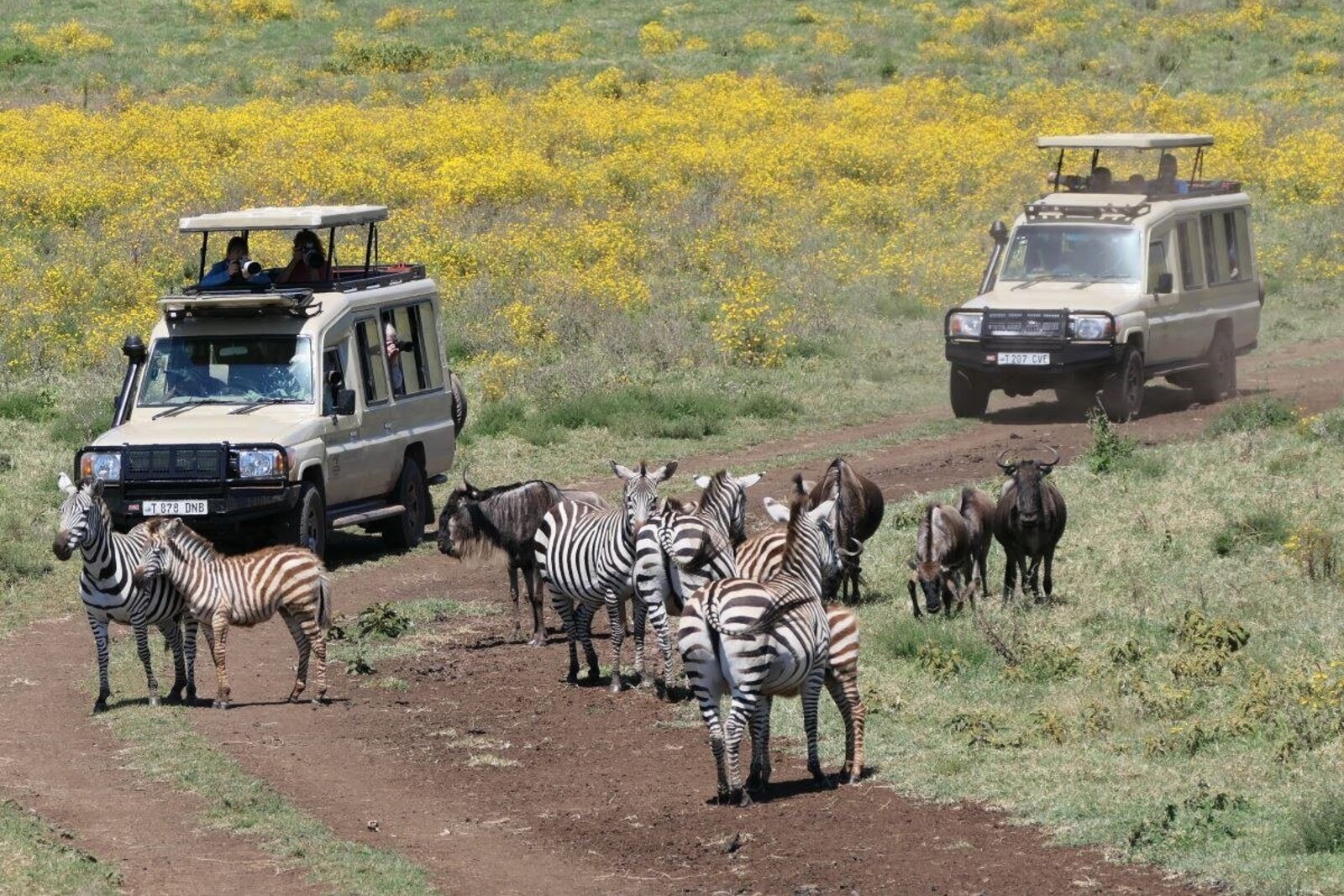
Just as important is knowing where you land. Kilimanjaro International Airport (JRO) handles most international arrivals for the northern safari circuit and sits between Arusha and Moshi. Tiny Arusha Airport (ARK), by contrast, is the hub for domestic light-aircraft flights out to the Serengeti and other bush airstrips — and it is a completely separate airport, often confused with JRO. If your itinerary includes a bush flight, build in the transfer time between the two.
For Zanzibar and the southern parks, you may instead route through Julius Nyerere International in Dar es Salaam or fly direct to Zanzibar's Abeid Amani Karume Airport. We arrange every transfer and confirm exactly which airports your itinerary uses — so you are never left guessing at a terminal.
Related journey: Tanzania Northern Circuit Safari →
2. Money, Tipping & the Crisp-Dollar Rule
Cash is king in Tanzania, and the currency that matters most for travellers is the US dollar. The single most important thing to know: bring clean, crisp notes issued in 2009 or later. Older, torn, marked or faded notes are routinely refused by banks, lodges and the visa desk — a genuine surprise to first-time visitors. Bring a range of small and large denominations, kept flat and undamaged.
Tipping is customary and genuinely appreciated across the safari industry. As a guide, budget roughly US$20–25 per guest per day for your safari guide, US$10–15 per day for camp and lodge staff (usually via a communal tip box), and a few dollars for airport and hotel porters. On Kilimanjaro climbs, tipping the crew is a significant, expected part of the cost. We provide a detailed tipping guide with every booking so there are no awkward moments.
The local currency is the Tanzanian shilling, useful for small purchases, curios and markets. Cards are accepted at larger hotels and lodges, but often carry a surcharge and cannot be relied upon in the bush. ATMs exist in the towns but not on safari — so draw or carry what you need before you head out to the parks.
3. What to Wear — and the Tsetse-Fly Colour Rule
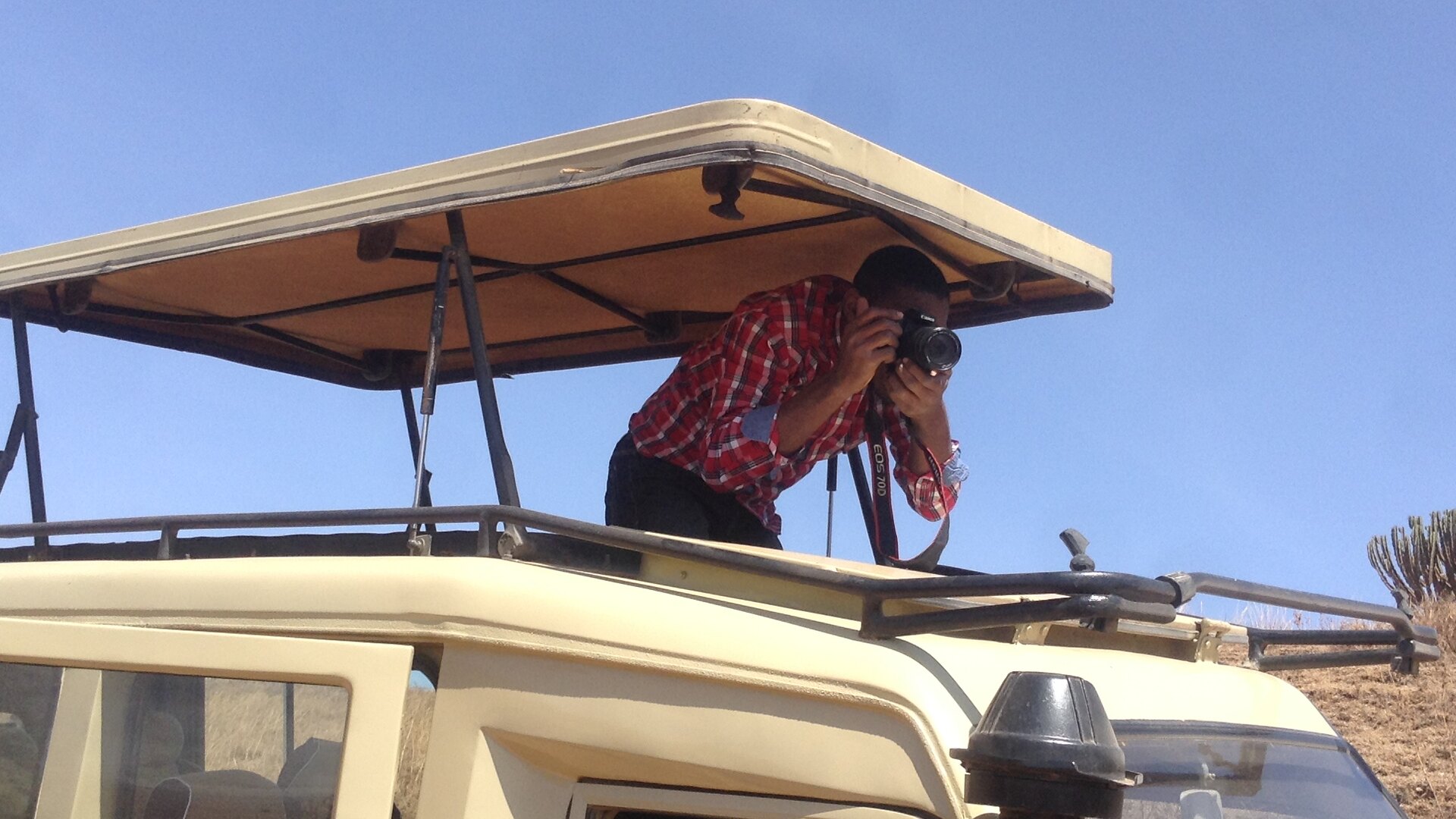
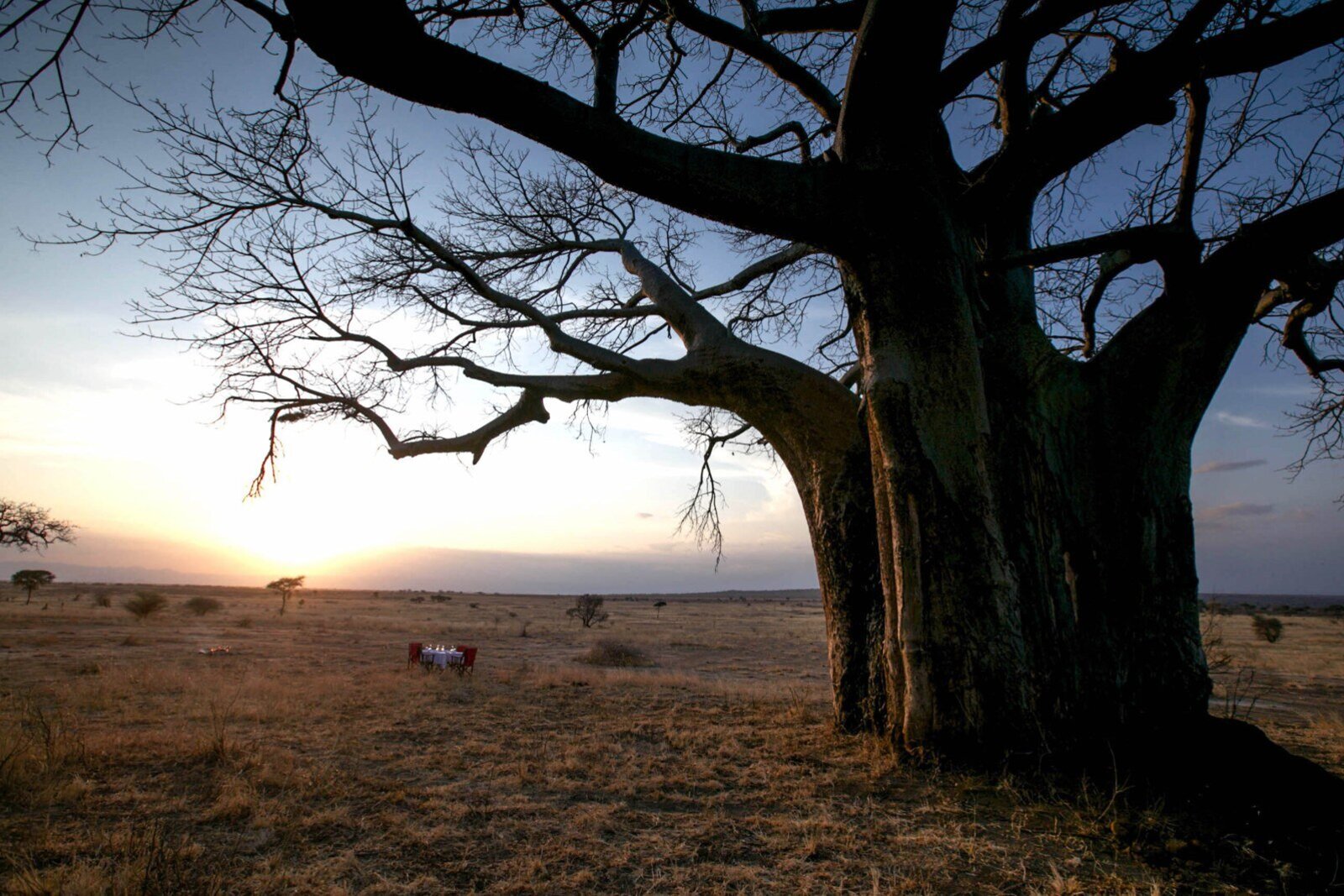
Safari dressing is practical, not fashionable. Stick to neutral earth tones — khaki, olive, beige, soft brown — which blend into the bush and don't spook wildlife. Crucially, avoid dark blue and black: tsetse flies are strongly drawn to these colours, and in fly belts like Tarangire the wrong shirt can turn a game drive uncomfortable. Leave the bright white too (it shows every speck of dust) and the camouflage (illegal for civilians in several African countries).
Pack layers. Morning game drives before sunrise can be genuinely cold, even in the tropics, while midday bakes — so a warm fleece and a windproof top over a light long-sleeved shirt is the winning formula. Long sleeves and trousers also protect against sun and mosquitoes at dawn and dusk. A wide-brimmed hat, good sunglasses and closed walking shoes complete the kit.
For Zanzibar and Stone Town, respect local custom by dressing modestly away from the beach — covering shoulders and knees in town and especially near mosques. Zanzibar is a predominantly Muslim island, and modest dress is a simple courtesy that is always warmly received. Swimwear is for the beach and resort only.
4. Swahili Greetings & Cultural Etiquette
A few words of Swahili open every door in Tanzania. “Jambo” (hello) and “Habari?” (how are you?) are the universal greetings; “asante” (thank you), “asante sana” (thank you very much) and “karibu” (you're welcome / welcome) will carry you a long way. And of course “hakuna matata” — no worries — is genuinely used. Tanzanians greet warmly and unhurriedly; taking the moment to greet before launching into a question is simple good manners.
Respect runs deep in Tanzanian culture. Always ask before photographing people, especially the Maasai, who may request a small fee — agree it first and honour it. Use your right hand for giving, receiving and eating. Dress and behave modestly in villages and towns, and greet elders first. These small courtesies transform how you are received.
Patience is itself a cultural value here — “pole pole” means slowly, slowly, and it is a way of life, not a delay. Bush flights shift, transfers take longer than the map suggests, and the day unfolds at Africa's pace. Travel with that rhythm rather than against it, and Tanzania rewards you with a warmth that is impossible to fake.

Related journey: Tanzania & Zanzibar Cultural Safari →
5. Health, Water & the Plastic-Bag Ban
A little health preparation is essential. Most of Tanzania is a malaria area, so consult your doctor about antimalarial prophylaxis well before you travel, and pack a good insect repellent for dawn and dusk. A yellow-fever vaccination certificate is required if you are arriving from (or transiting) a yellow-fever country — including some East African neighbours — so check your full routing. Comprehensive travel insurance that covers safari activities and medical evacuation is non-negotiable.
Never drink the tap water. Lodges and camps provide safe filtered or bottled water freely, and it's easy to stay hydrated — the dry heat and altitude on the northern circuit dehydrate you faster than you expect. Carry a reusable water bottle to refill (better for you and for Tanzania), and be cautious with ice, salads and unpeeled fruit outside of reputable lodges.
Finally, a rule that catches many travellers out: Tanzania enforces a strict ban on single-use plastic carrier bags. Do not bring plastic shopping bags in your luggage — they can be confiscated at the airport. The one exception is a clear zip-lock bag for toiletries, which is permitted. Pack a couple of reusable fabric bags instead, and you'll sail through customs.
6. Go Beyond the North — and Mind Zanzibar's Pace
The northern circuit — Serengeti, Ngorongoro, Tarangire, Lake Manyara — is world-famous for good reason, and most first trips centre on it. But Tanzania's south and west hold extraordinary, far quieter wilderness. Nyerere National Park (the former Selous) and Ruaha offer raw, uncrowded game viewing and superb wild-dog country, while the remote Mahale Mountains and Gombe on Lake Tanganyika are the place to track wild chimpanzees. If you have the time, adding a southern or western leg rewards you with solitude the north can no longer promise.
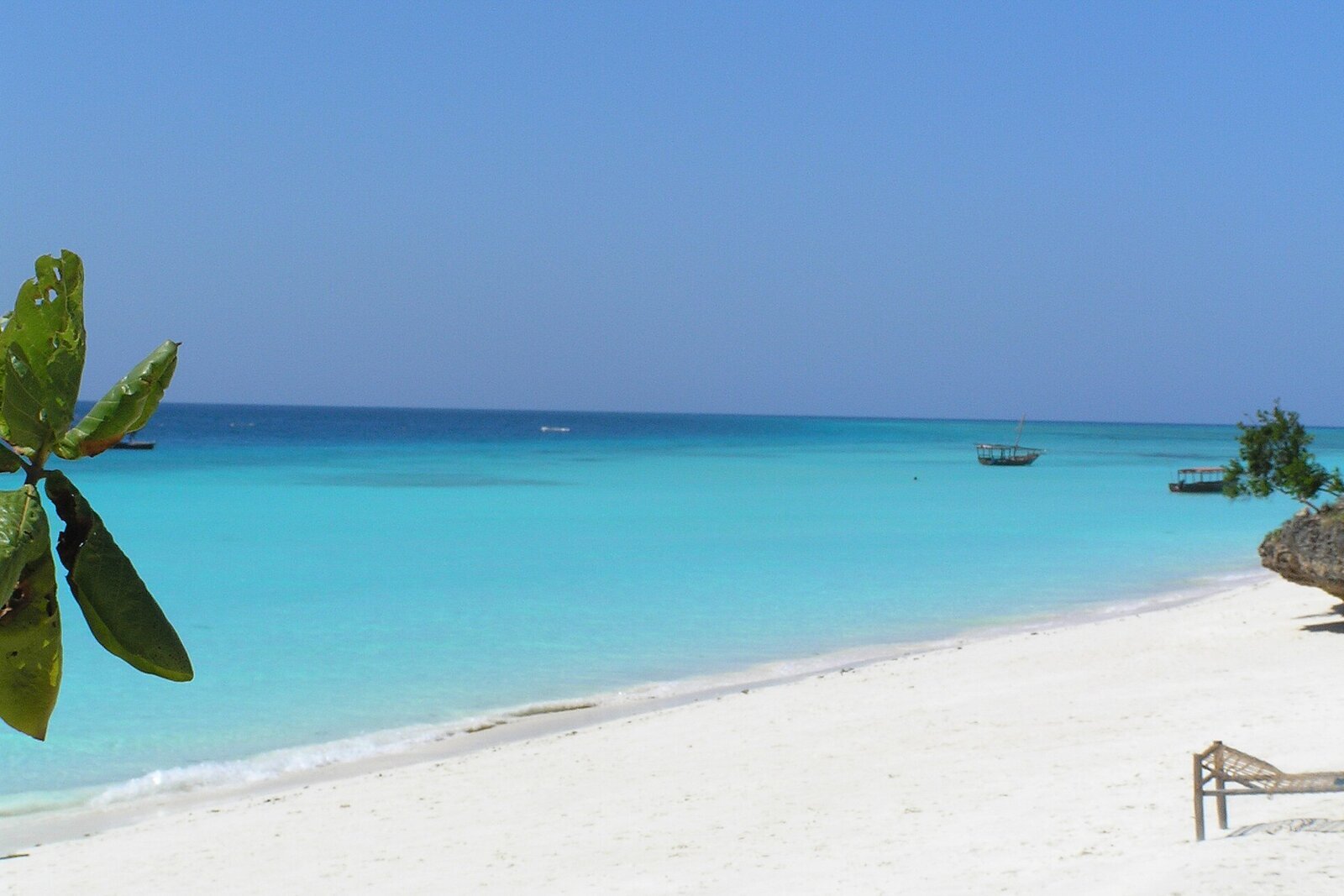
If you're pairing safari with Zanzibar — and you should — understand that the island runs on a different clock. After the early-rising intensity of the bush, Zanzibar is deliberately slow: long lunches, tidal swims, unhurried afternoons in Stone Town's alleys. Give it at least three or four nights, and let the pace change be part of the pleasure rather than a frustration.
The east-coast beaches also swing with dramatic tides — at low tide the lagoon retreats far out, revealing sandbars and seaweed farmers at work; at high tide it returns turquoise and swimmable. The northern beaches at Nungwi and Kendwa hold their water better if all-day swimming matters to you. We match the coast to your priorities when we build the itinerary.
Related journey: Tanzania & Zanzibar Bush & Beach Safari →
| Tip | What to Know | Why It Matters |
|---|---|---|
| Visa | US$50 on arrival or official e-visa; passport valid 6+ months | Avoids airport delays and refusals |
| US dollars | Crisp notes dated 2009 or later, various denominations | Older/worn notes are widely refused |
| Airports | JRO (international) vs Arusha ARK (bush flights) — separate | Prevents missed connections |
| Tipping | ~US$20–25/day guide; US$10–15/day camp staff | Customary and appreciated across the industry |
| Clothing | Khaki/olive/beige; avoid dark blue & black (tsetse flies) | Comfort on drives; modesty in Zanzibar |
| Water & plastic | Never drink tap water; single-use plastic bags banned | Health, and avoiding customs trouble |
Every one of these is small on its own — together they are the difference between a smooth trip and a stressful one. When you travel with us, we handle the logistics and send a full pre-departure pack covering all of it, tailored to your exact itinerary.
When to Go to Tanzania
Tanzania's classic safari season is the long dry spell from June to October, when wildlife concentrates around water, vegetation thins for easier viewing, and the Great Migration's dramatic Mara River crossings play out in the northern Serengeti (roughly July to October). This is peak season — the finest game viewing and the busiest, priciest lodges — so book well ahead.
The green season from December to March is Tanzania's other jewel: the southern Serengeti's calving season brings hundreds of thousands of wildebeest births and intense predator action, the landscapes are lush and photogenic, and rates are lower. The short rains (November) and long rains (April to May) bring afternoon showers, the greenest scenery, the lowest prices and the fewest vehicles — a wonderful time for those who don't mind some rain.
For Zanzibar, aim for the dry windows of June to October and December to February for the calmest seas and clearest snorkelling. Combine peak northern-circuit season (June–October) with a Zanzibar finish and you get the best of Tanzania on both counts — which is exactly how we build most bush-and-beach itineraries.
Travel Tanzania the Easy Way
Tanzania is a straightforward country to enjoy — once someone has handled the moving parts. When you travel with us, the visa guidance, the airport transfers between JRO and the bush strips, the crisp-dollar advice, the packing list, the tipping guide and the health checklist all arrive in one clear pre-departure pack, tailored to your itinerary. You simply arrive and enjoy.
More than logistics, we bring judgement: which parks suit your season and your pace, when to go north for the migration and when the quieter south rewards you more, how many nights Zanzibar really needs, and which lodges earn their price. Every itinerary is built around you, with one expert team from your first enquiry to your final sunset.
Tell us your dates and what calls to you — the Serengeti's migration, the Ngorongoro Crater, a chimpanzee trek in the west, a barefoot Zanzibar finish — and we'll design a seamless Tanzanian journey with every one of these details already taken care of. That is how Tanzania is meant to be travelled.
Planning a Tanzania Safari?
Let us handle the visas, transfers, packing and tipping guidance — and design a seamless Serengeti, Ngorongoro and Zanzibar journey around your dates. Arrive prepared; travel effortlessly.