Key Takeaways
- Botswana offers visa-free entry for up to 90 days for most visitors (USA, UK, EU, Canada, Australia) — you'll need a passport valid for at least six months.
- The pula (BWP) is the local currency, but USD is widely accepted at safari lodges and camps. Expect US$800-1,500 per person per night at Okavango Delta camps.
- Botswana is Africa's most expensive safari destination by design — the government limits visitor numbers to protect wilderness areas, so expect small camps (6-12 rooms) and premium pricing.
- The dry season (May to October) is peak safari time — animals congregate at water sources, and the weather is clear. The wet season (November to April) is lush, green and cheaper, with excellent birding.
- Malaria prophylaxis is essential for all safari areas (Okavango Delta, Chobe, Moremi, Makgadikgadi). Tap water is unsafe; drink bottled water only.
- Maun is the gateway to the Okavango — you'll fly into Maun, then take a light aircraft transfer to your camp (15kg baggage limit, soft bags only).
Visa & Entry — Visa-Free for Most
Botswana grants visa-free entry for up to 90 days to citizens of over 100 countries, including the USA, UK, Canada, Australia, New Zealand, EU member states, South Africa and most Commonwealth nations. You'll need a passport valid for at least six months beyond your departure date, with at least two blank pages for entry and exit stamps. Immigration at Maun or Kasane airports is straightforward — expect a few questions about the purpose of your visit (safari) and your accommodation (have your lodge confirmation handy).
If your country isn't on the visa-free list, you'll need to apply for a tourist visa in advance through a Botswana embassy or consulate. The visa fee is around US$50, and processing takes 5-10 working days. You'll need proof of accommodation, a return flight, and travel insurance. Transit passengers flying through Maun or Gaborone en route to another country (e.g., Victoria Falls) don't need a visa if staying airside.
A yellow fever certificate is required only if you're arriving from a country where yellow fever is endemic (e.g., Zambia, Zimbabwe if coming via Victoria Falls, parts of Tanzania). If you're flying direct from Johannesburg, Cape Town or Europe, no yellow fever certificate is needed. However, if you're combining Botswana with Zambia (Victoria Falls, South Luangwa) or Zimbabwe (Hwange), get vaccinated before you leave home and carry the yellow card.
Money — Pula vs USD at Lodges
Botswana's currency is the pula (BWP), meaning "rain" in Setswana — a precious commodity in this semi-arid country. The exchange rate is around BWP 13-14 to US$1. You'll need pula for incidental expenses in Maun (meals at local cafés, curio shops, tips for porters), but almost all safari lodges and camps quote prices in US dollars and accept payment in USD, credit cards (Visa/Mastercard) or bank transfers. Bring small-denomination USD bills (US$1, $5, $10, $20) for tips; larger bills (US$50, $100) can be hard to break in remote areas.
ATMs are found in Maun, Kasane and Gaborone, but they're scarce elsewhere — and they frequently run out of cash or have connectivity issues. Withdraw pula before heading to your camp, and carry more cash than you think you'll need. Credit cards are accepted at upmarket lodges and hotels, but many remote camps operate on a cash-only basis or require pre-payment via bank transfer before arrival. Some camps don't have card machines at all — check with your lodge in advance.
Tipping is customary and expected. Safari guides and trackers: US$20-30 per person per day for guides, US$10-15 for trackers, pooled and handed over at the end of your stay in an envelope. Camp staff (waiters, housekeepers, managers): US$10-20 per person per day, placed in a communal tip box. Mokoro pole rs (the guides who pole traditional canoes): US$5-10 per outing. Tips in USD or pula are both fine; most guides prefer USD.
High-Cost Luxury Positioning — Why Botswana Is Expensive
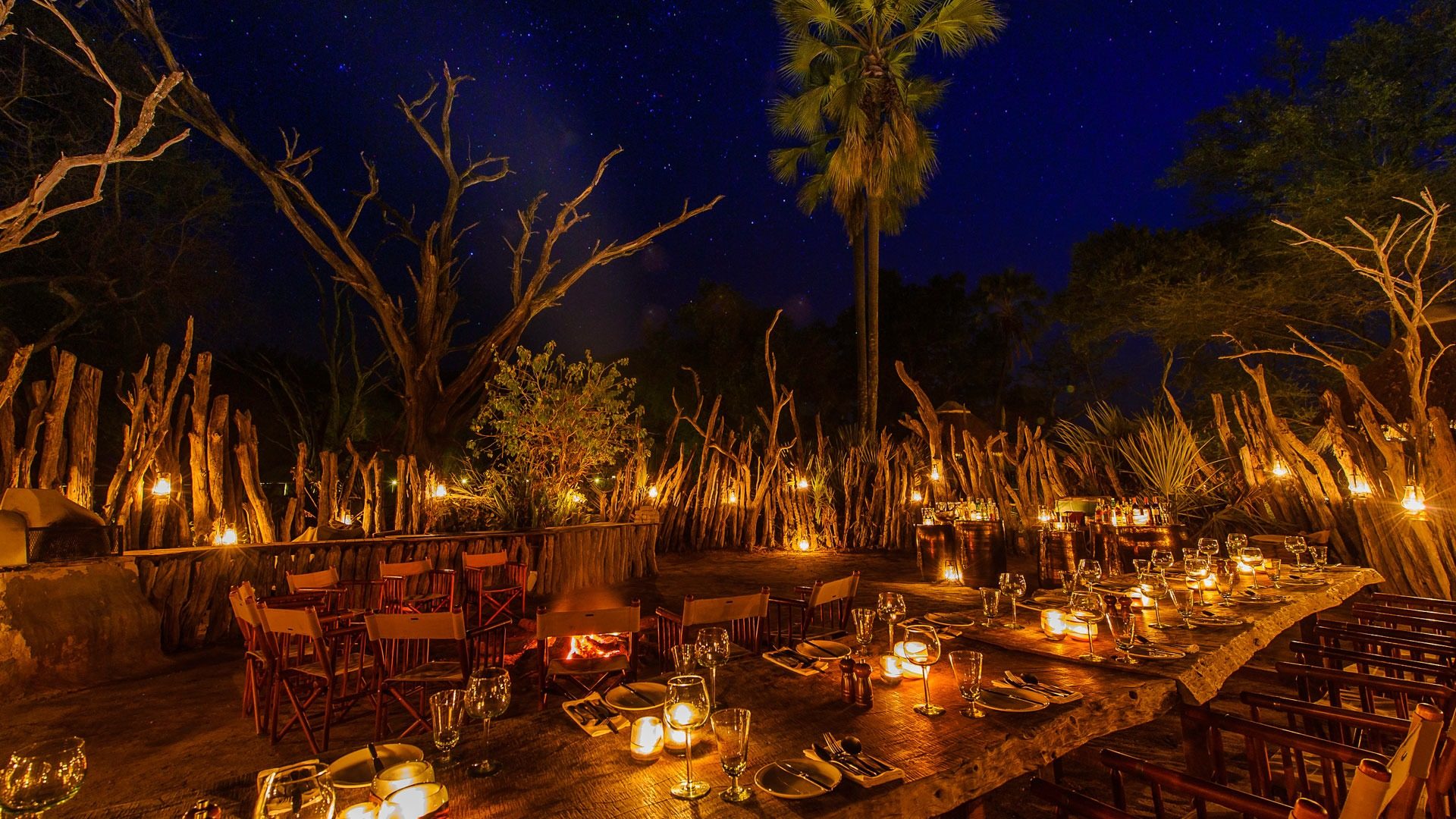
Botswana is Africa's most expensive safari destination, and it's expensive by design. The government adopted a "high-value, low-volume" tourism strategy in the 1960s to protect the Okavango Delta and other wilderness areas from mass tourism. The result: small, exclusive camps (typically 6-12 rooms), private concessions with strict vehicle limits, and premium pricing that keeps visitor numbers low. Expect to pay US$800-1,500 per person per night at Okavango Delta camps, including accommodation, all meals, drinks, game drives, mokoro trips and laundry. Budget safari camps barely exist; even "affordable" options start around US$400-500 per night.
This pricing model has worked brilliantly for conservation. Botswana's wildlife populations are thriving — elephant numbers in Chobe exceed 100,000, wild dog packs are stable, and the Okavango Delta remains one of the world's last intact wetland ecosystems. The trade-off for visitors: fewer crowds, pristine landscapes, expert guides, and a genuine sense of wilderness. You'll rarely see more than two or three other vehicles on a game drive, and some concessions allow off-road driving and night drives (banned in neighbouring countries).
If your budget is tight, consider visiting during the "green season" (November to April): rates drop by 30-50%, the landscapes are lush and dramatic, and birding is spectacular. Or combine Botswana with South Africa or Namibia, spending 3-4 nights in the Okavango or Chobe and the rest of your trip in more affordable destinations.
Dry Season vs Wet — When to Visit
Botswana has two distinct seasons: the dry season (May to October) and the wet season (November to April). The dry season is peak safari time — animals congregate at permanent water sources (the Okavango channels, Chobe River, Savuti waterholes), grass is short, and game viewing is at its best. June to August is winter: mornings are cold (5-10°C), so pack warm layers for dawn game drives. September and October are hot (35-40°C during the day) but offer incredible game viewing as water sources dry up and animals cluster in predictable spots.
The wet season (November to April) is Botswana's "green season" — afternoon thunderstorms drench the landscape, turning the dusty plains into lush grasslands carpeted with wildflowers. Migratory birds arrive in huge numbers, and baby animals (zebra, wildebeest, impala) are born. The Makgadikgadi Pans flood, attracting one of Africa's last great zebra migrations (November to March). Game viewing is tougher — animals disperse across the plains, and thick vegetation obscures sightings — but the landscapes are stunning, crowds are minimal, and lodge rates drop by 30-50%.
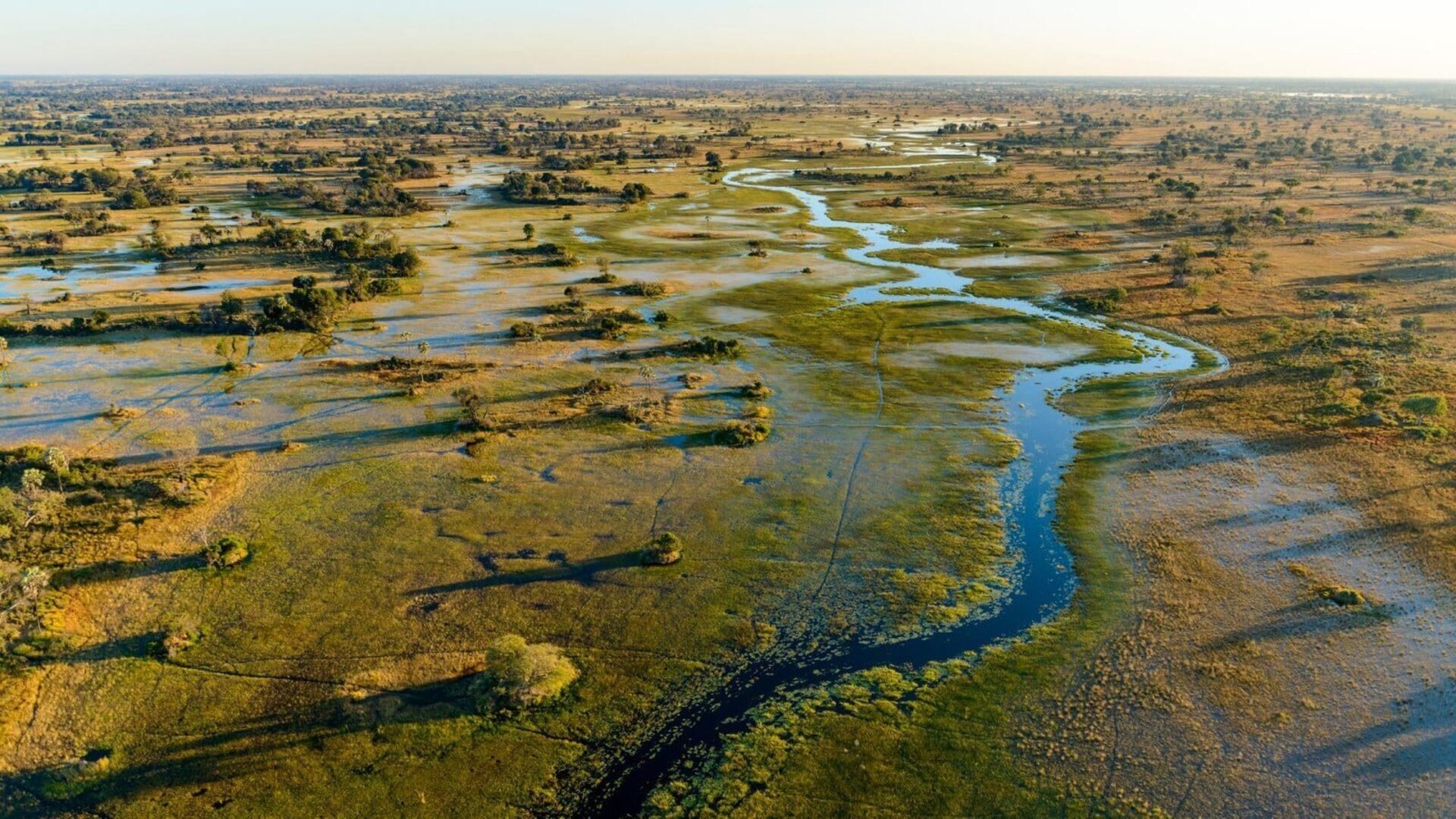
Mokoro safaris (traditional dugout canoe trips) run year-round in the Okavango Delta, though water levels vary. May to September sees the annual flood (counterintuitively, the flood arrives during the dry season, fed by rains in the Angolan highlands). This is the best time for mokoro trips — the channels are full, and you can glide deep into the papyrus-lined waterways. October to April is drier in the Delta, but mokoro trips still run; you'll just pole through shallower channels.
Malaria, Health & Mokoro Safety
Malaria is endemic across all of Botswana's safari areas, including the Okavango Delta, Chobe National Park, Moremi Game Reserve and the Makgadikgadi Pans. Prophylaxis is essential — consult your doctor 4-6 weeks before travel. Malarone (atovaquone/proguanil) and doxycycline are the most commonly prescribed options. Start taking tablets two days before arrival, continue daily throughout your stay, and for seven days after leaving. Combine with DEET-based insect repellent (30-50% DEET), long sleeves and trousers at dusk, and sleep under mosquito nets (provided by all lodges).
Tap water is unsafe to drink throughout Botswana. Lodges and camps provide bottled water, and most use borehole water (safe for showering and teeth-brushing after boiling or filtering). Drink 2-3 litres of bottled water per day — the dry season heat is intense, and dehydration is common. Avoid ice in drinks at local restaurants in Maun or Kasane (upmarket lodges use filtered water for ice).
Mokoro trips are guided and very safe. Your poler (the guide who poles the traditional dugout canoe) is trained to read the environment and avoid hippos and crocodiles. Mokoros glide silently through shallow channels, so wildlife often ignores them. However, hippos and crocs are territorial and unpredictable — never swim, trail your hands in the water, or stand up in the mokoro without your guide's permission. Always follow your guide's instructions, and don't attempt to pole yourself unless invited. Life jackets are rarely provided (mokoros are shallow and stable), but non-swimmers should ask for one in advance.
Getting to Maun & Remote Camps
Maun is Botswana's safari gateway — a dusty frontier town on the edge of the Okavango Delta, home to safari lodges, charter airlines and curio markets. Most international visitors fly into Johannesburg (South Africa), then take a connecting flight to Maun (1h 30min). Air Botswana, Airlink and South African Airways operate daily flights. Kasane (gateway to Chobe National Park) is another entry point, with flights from Johannesburg and Victoria Falls.
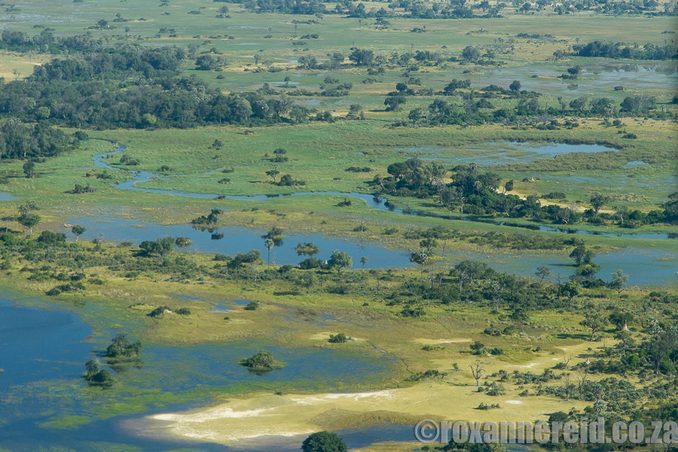
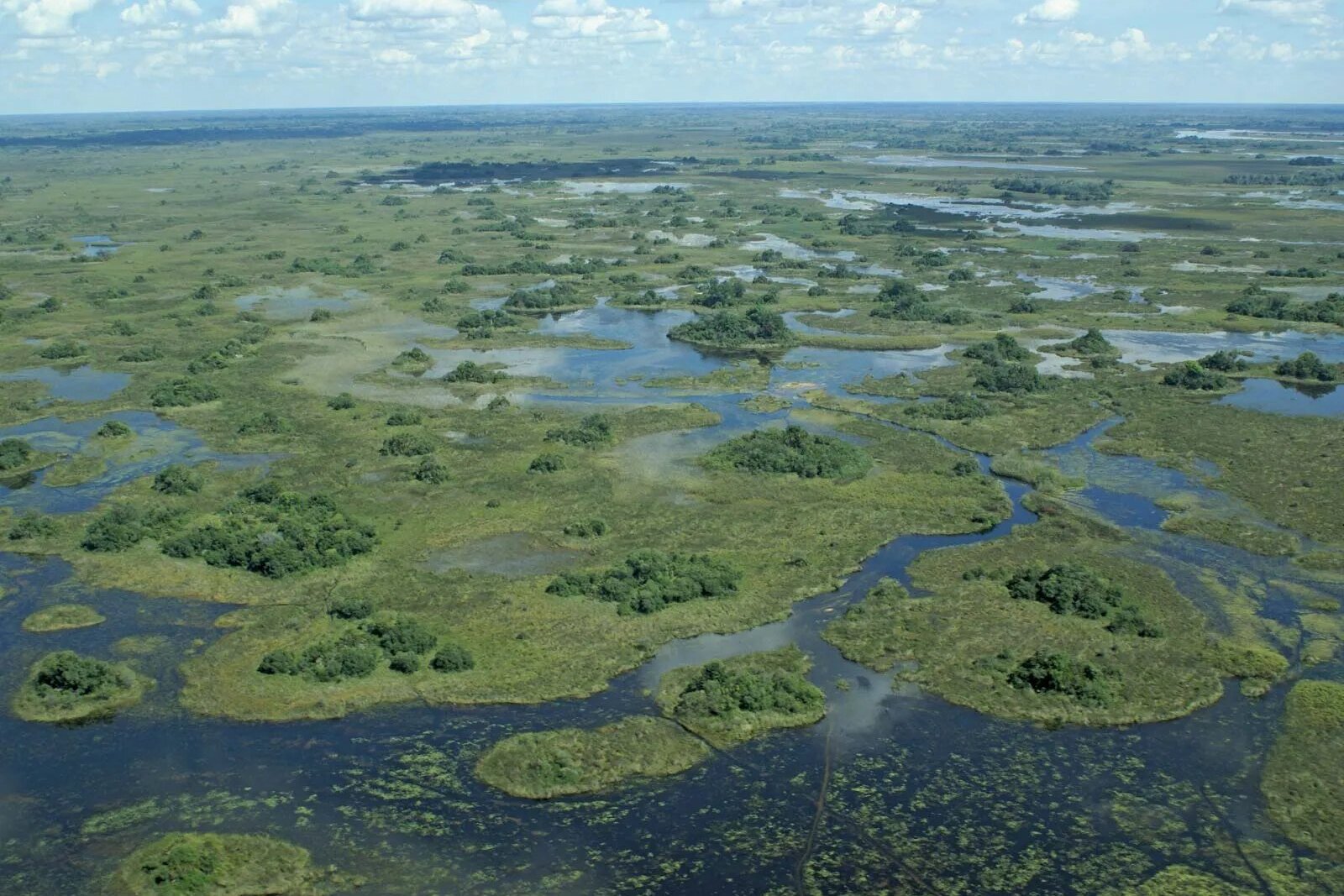
From Maun, you'll transfer to your camp via light aircraft — there are no roads in the Okavango Delta, so all camps are accessed by small charter planes (Cessna 206, 208 Caravan). These flights land on remote bush airstrips near your camp, where a guide meets you in a 4x4 for the final transfer (typically 10-30 minutes). The flights are scenic and thrilling, offering aerial views of the Delta's channels, islands and wildlife.
Baggage limits are strict: 15 kg per person (including hand luggage), in soft bags only. Hard-shell suitcases don't fit in the small planes, and most camps won't accept them. Pack light, use a soft duffel bag or rucksack, and leave excess luggage in storage at your Johannesburg or Maun hotel. Camps provide laundry services, so you don't need a week's worth of clothes. Binoculars, cameras and a small daypack count toward your 15 kg limit, so weigh everything before you leave.
Many remote camps operate on a cash-only basis for curios and bar bills (included drinks cover house wine, beer and spirits, but premium brands and champagne are charged separately). Bring enough USD or pula to cover tips and incidental expenses. Some camps accept credit cards, but connectivity is patchy in the Delta, and card machines often fail. Pre-pay your accommodation and activities via bank transfer before arrival to minimise cash needs.
Ready for the Okavango? Browse our Botswana safari packages →