Key Takeaways
- Kenya requires an eVisa for most visitors (apply online, US$51, processing 7-10 days) — start the application early to avoid delays.
- A yellow fever certificate is mandatory if you're arriving from a country where yellow fever is endemic (e.g., Uganda, Ethiopia, South Sudan, parts of Brazil).
- The Kenyan shilling (KES) is the local currency, but USD is widely accepted at safari lodges, hotels and tour operators. Bring small-denomination USD bills (US$1, $5, $10) for tips.
- Malaria prophylaxis is essential for all safari areas (Masai Mara, Amboseli, Tsavo, the coast) — consult your doctor 4-6 weeks before travel. Tap water is unsafe; drink bottled water only.
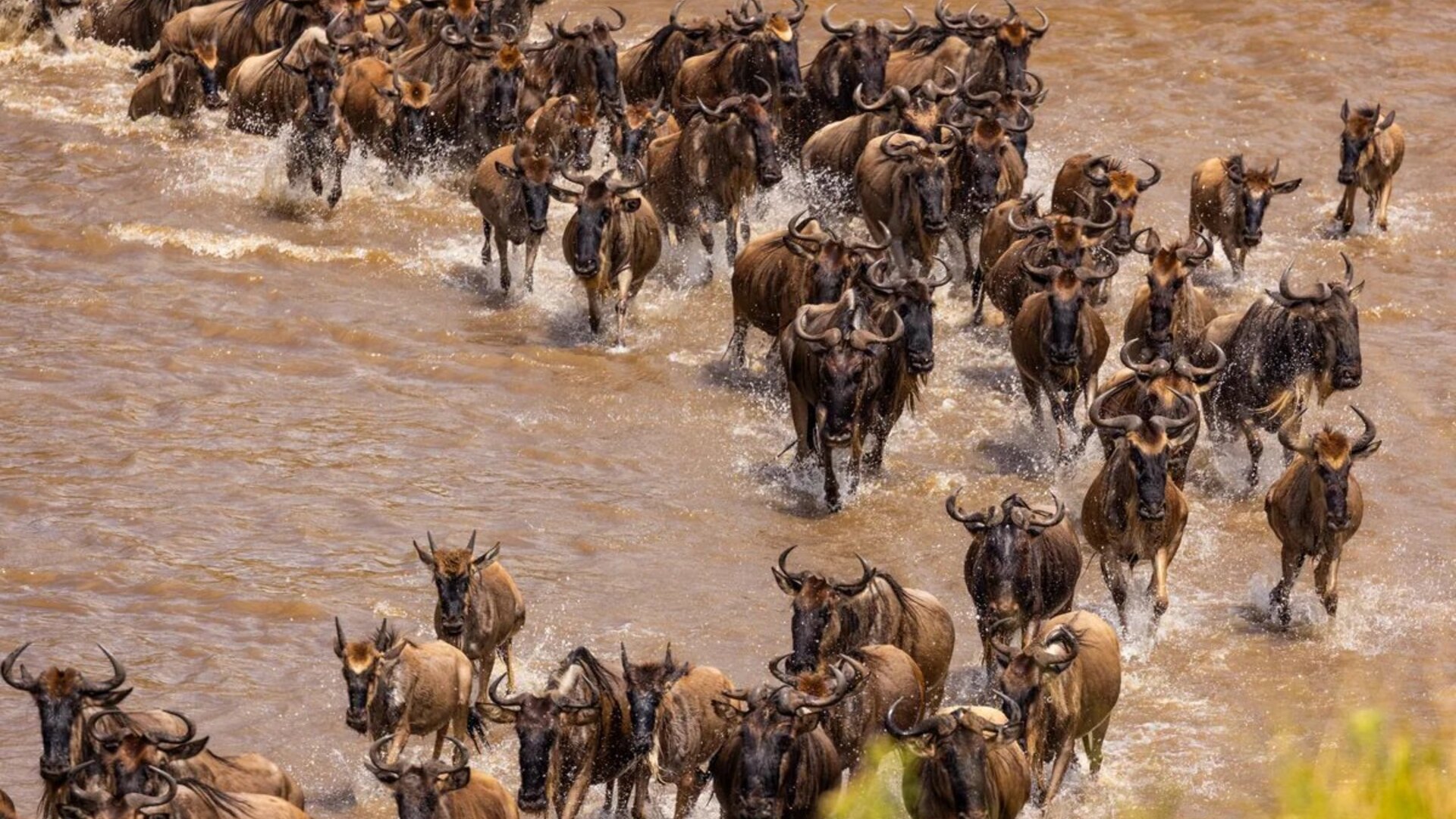
- The dry season (June-October, January-February) is peak safari time — the Great Migration river crossings happen July-October in the Masai Mara.
- Learn basic Swahili: "jambo" (hello), "asante" (thank you), "hakuna matata" (no worries). A warm handshake and a smile go a long way.
Visa & Yellow Fever — What You Need
Kenya replaced visa-on-arrival with a mandatory eVisa system in January 2024. All visitors (except East African Community citizens) must apply online before travel through the official eTA portal at eta.immigration.go.ke. The single-entry tourist eVisa costs US$51 and is valid for 90 days. Processing takes 3-7 working days, though delays are common — apply at least two weeks before your departure date to avoid stress.
You'll need a passport scan (valid for at least six months), a recent passport photo, proof of accommodation (hotel bookings or safari itinerary), and a return flight ticket. The system emails an approval letter, which you present (digitally or printed) to immigration on arrival at Jomo Kenyatta International Airport in Nairobi or Moi International in Mombasa. Transit passengers continuing to another country within 72 hours don't need a visa.
Yellow fever vaccination is mandatory if you're arriving from a country where yellow fever is endemic — this includes Uganda, Tanzania (Zanzibar is exempt), Ethiopia, South Sudan, the DRC, and parts of South America. If you're flying direct from Europe or North America, no yellow fever certificate is required. However, most Kenya safaris combine with Tanzania or Uganda (gorillas), so it's safer to get vaccinated before you leave home. Carry the yellow card (International Certificate of Vaccination) — immigration officials will ask for it at passport control.
Money — Shilling vs USD at Lodges
Kenya uses the Kenyan shilling (KES), with an exchange rate of around KES 130-140 to US$1. You'll need shillings for daily expenses in Nairobi, Mombasa and towns: meals at local restaurants, market purchases, taxis (non-Uber), tips for petrol attendants and porters. ATMs are widespread in cities and towns; Visa and Mastercard are accepted, though machines can run out of cash on weekends or public holidays. Withdraw from bank-affiliated ATMs (Equity, KCB, Barclays) inside shopping centres for security.
Safari lodges, tented camps and upmarket hotels prefer payment in US dollars — and many quote prices exclusively in USD. Bring clean, recent US bills (post-2013 series; older notes are often rejected) in small denominations: US$1, $5, $10, $20 for tips, US$50 and $100 for larger payments. Safari guide tips are typically US$15-30 per person per day, trackers US$10-15. Hand tips over at the end of your stay in an envelope, with a thank-you note if you wish.
M-Pesa, Kenya's mobile money system, is ubiquitous. Locals use it for everything from paying restaurant bills to buying petrol. As a visitor, you can set up M-Pesa by buying a Safaricom SIM card (KES 100) and loading credit at any M-Pesa agent (found in every town). It's useful for small payments and tipping drivers, though cash and card still work fine for tourists.
Swahili Basics & Cultural Etiquette
Swahili (Kiswahili) is Kenya's national language alongside English, and learning a few phrases earns instant smiles and goodwill. "Jambo" (hello) is the tourist-friendly greeting; locals use "habari" (how are you?) and respond "nzuri" (good). "Asante" means thank you, "asante sana" is thank you very much. "Hakuna matata" — made famous by The Lion King — genuinely means "no worries" or "no problem", and Kenyans use it daily. "Karibu" means welcome; you'll hear it constantly at lodges and restaurants.
Handshakes are important in Kenyan culture. Expect a warm, firm handshake when meeting anyone — guides, lodge staff, even strangers in rural areas. It's polite to shake hands again when saying goodbye. In Masai communities, a traditional greeting involves clasping hands and holding the grip while exchanging pleasantries; don't rush it. Eye contact and a genuine smile are valued.
Dress modestly outside safari lodges and beach resorts, especially in Nairobi, Mombasa's old town and rural areas. Shorts and sleeveless tops are fine on safari and at the coast, but cover shoulders and knees when visiting villages, markets or religious sites. Public displays of affection are frowned upon in rural areas. Photographing people without permission is rude — always ask first, and accept gracefully if someone declines. Offering a small tip (KES 50-100) in exchange for a photo is common and appreciated.
Health & Malaria Prevention
Malaria is endemic across most of Kenya, including the Masai Mara, Amboseli, Tsavo, Samburu and the entire coast (Mombasa, Diani, Lamu). Nairobi and the highlands (above 2,500m) are low-risk, but it's safer to take prophylaxis for your entire Kenya trip. Consult your doctor 4-6 weeks before travel; Malarone (atovaquone/proguanil) and doxycycline are the most commonly prescribed options. Start taking tablets two days before arrival, continue daily throughout your stay, and for seven days after leaving. Combine with DEET-based insect repellent, long sleeves at dusk, and sleeping under mosquito nets (provided by all safari lodges).
Tap water is unsafe to drink throughout Kenya. Lodges and hotels provide bottled water; budget 2-3 litres per person per day. Avoid ice in drinks at street cafés and local restaurants (upmarket hotels and lodges use filtered water for ice). Brush your teeth with bottled water, and don't swallow water in the shower. Altitude sickness can affect visitors to Nairobi (1,795m) and the highlands (Aberdares, Mount Kenya); symptoms include headaches, nausea and dizziness. Drink plenty of water, avoid alcohol on arrival day, and ascend gradually if trekking.
Pack a basic medical kit: paracetamol (Tylenol), antihistamines, rehydration salts, anti-diarrhoea tablets (Imodium), plasters and antiseptic cream. Sunscreen (SPF 50+) is essential — the equatorial sun is fierce, even on overcast days. Travel insurance with medical evacuation cover is non-negotiable; Nairobi has excellent private hospitals (Aga Khan, Nairobi Hospital), but safari areas are remote, and evacuation by flying doctor can cost US$10,000+.
Climate & What to Pack
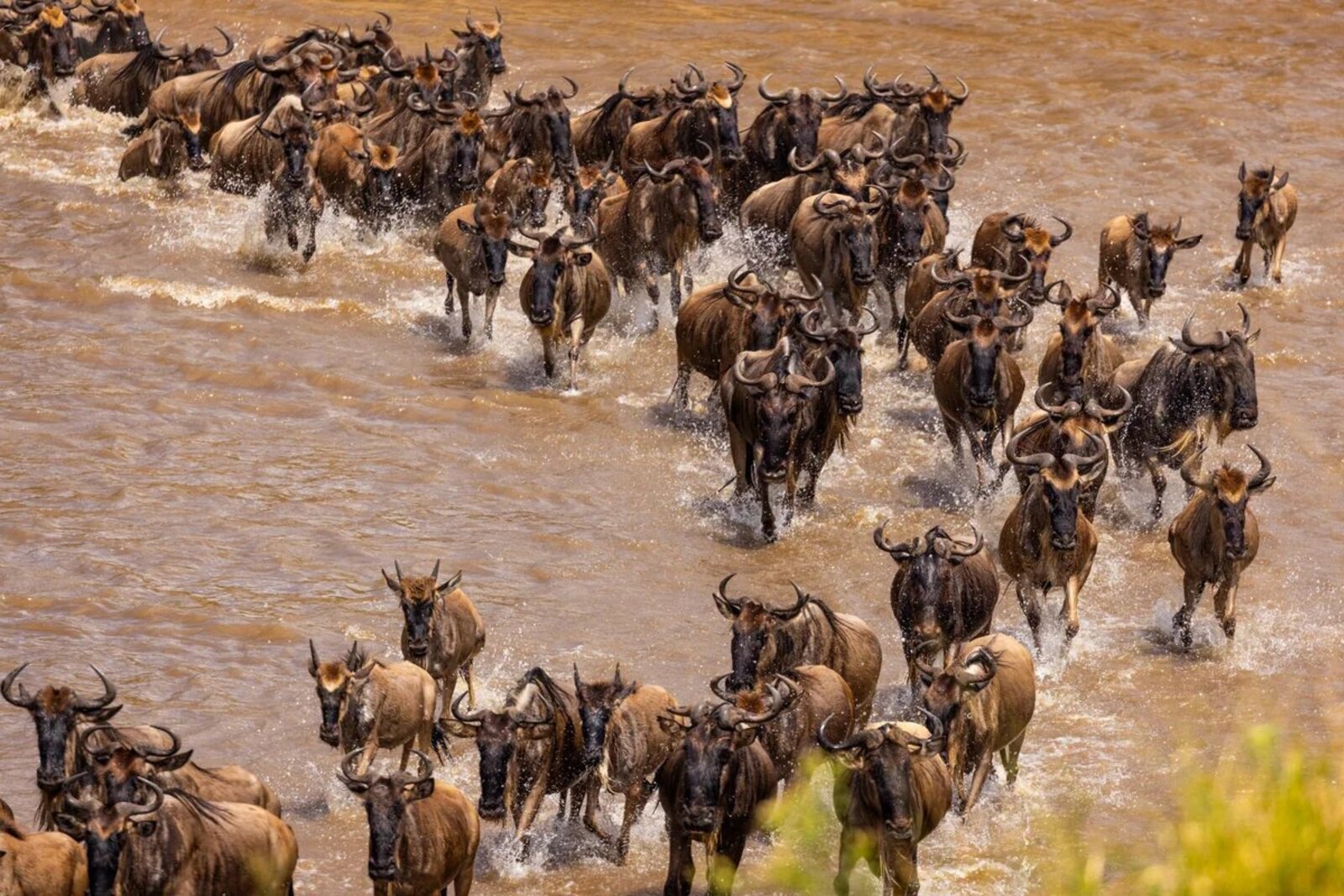
Kenya straddles the equator, so it has two rainy seasons rather than traditional summer/winter. The "long rains" run from late March to May, the "short rains" from November to early December. These are not monsoon-style deluges — expect afternoon thunderstorms that clear quickly, leaving lush green landscapes and dramatic skies. The dry seasons (June to October and January to February) are peak safari time: animals congregate at water sources, grass is short, and the Great Migration river crossings happen in the Masai Mara from July to October.
Temperatures vary by region and altitude. Nairobi and the highlands are cool year-round: 10-22°C (50-72°F), with cold nights. The Masai Mara, Amboseli and Samburu are hot during the day (25-30°C / 77-86°F) but surprisingly cold at dawn on game drives — expect 8-12°C (46-54°F) at 6am. The coast (Mombasa, Diani, Lamu) is hot and humid year-round: 28-32°C (82-90°F), with high humidity that can feel oppressive.
What to pack: neutral-coloured clothing (khaki, beige, olive, brown) for safaris — avoid bright colours and black (attracts tsetse flies). Layers are essential: a fleece or light down jacket for early-morning game drives, a wide-brimmed hat, sunglasses, sunscreen (SPF 50+), and DEET insect repellent. Long sleeves and trousers for dusk (mosquito protection). A light rain jacket or poncho for the rainy seasons. Comfortable walking shoes (closed-toe) and sandals for lodges. Binoculars (8x42 or 10x42) are essential for game viewing. Plug adapters: Kenya uses Type G plugs (three rectangular pins, same as the UK). Bring a universal adapter with USB ports for charging cameras and phones.
Getting Around & Safety
Nairobi's traffic is chaotic, especially during rush hours (7-9am, 5-7pm). Uber and Bolt (East Africa's Uber equivalent) are safe, affordable and ubiquitous — use them for all city transport rather than hailing random taxis. Safaricom (Kenya's main mobile network) also offers Little Cab, a local ride-hailing app. Avoid walking at night in Nairobi, even in upmarket areas like Westlands or the CBD; muggings are common. During the day, stick to busy streets, shopping centres (Sarit Centre, Westgate Mall, Village Market) and tourist zones (Karen, Giraffe Centre).
Safari lodges arrange all transport between Nairobi and game reserves — typically via domestic flights (Wilson Airport to Masai Mara airstrips) or private 4x4 transfers. Domestic flights with Safarilink, AirKenya and Fly540 are reliable and save hours of bone-rattling road travel. If you're self-driving to the Mara (not recommended unless you're experienced), roads are rough, especially the last 80 km from Narok; a 4x4 is essential. Allow 5-6 hours from Nairobi to the Mara by road.
Kenya is generally safe for tourists, but petty theft (pickpocketing, bag-snatching) is common in Nairobi and Mombasa. Keep valuables hidden, don't wear flashy jewellery, and carry only the cash you need for the day. Safari areas and lodges are extremely safe — the only danger is wildlife, which is managed by trained guides and rangers. Terrorism is a low but real risk: the Westgate Mall attack (2013) and Dusit D2 hotel attack (2019) targeted Nairobi, and Al-Shabaab has conducted isolated attacks near the Somali border. Stick to tourist areas, avoid the north-eastern border regions (Garissa, Mandera), and monitor FCO/State Department travel advice.
Ready for the Mara? Browse our Kenya safari packages →