We're Open8am–6pm SAST
WishlistPartner Portal
← Back to BlogSafari

Serengeti Safari Tips for First-Timers: 15 Things to Know (2026)

Audio EditionListen to this story
0:000:00
Narrated by George — audio edition

Key Takeaways

  • Time your trip to the migration if you can, but know the Serengeti is superb in every month.
  • Choose your region to match the season — the south for calving, the west for the corridor, the north for river crossings.
  • Pack layers for cold mornings and hot afternoons, and stick to a soft bag within the light-aircraft weight limit.
  • Book your balloon flight and your camps the moment you confirm — the best sell out months ahead.
  • Mobile camps follow the herds and put you right among the herds; permanent lodges trade some mobility for comfort.
  • Avoid the July-August peak if you want fewer vehicles — June and September are spectacular and quieter.

Your first safari is one of the great thresholds in a travelling life, and the Serengeti is the finest stage on which to cross it. But a first safari also brings a hundred small questions, and the answers make the difference between a good trip and an unforgettable one. We have sent hundreds of first-timers into these plains, and the fifteen tips below are the lessons we share with every one of them.

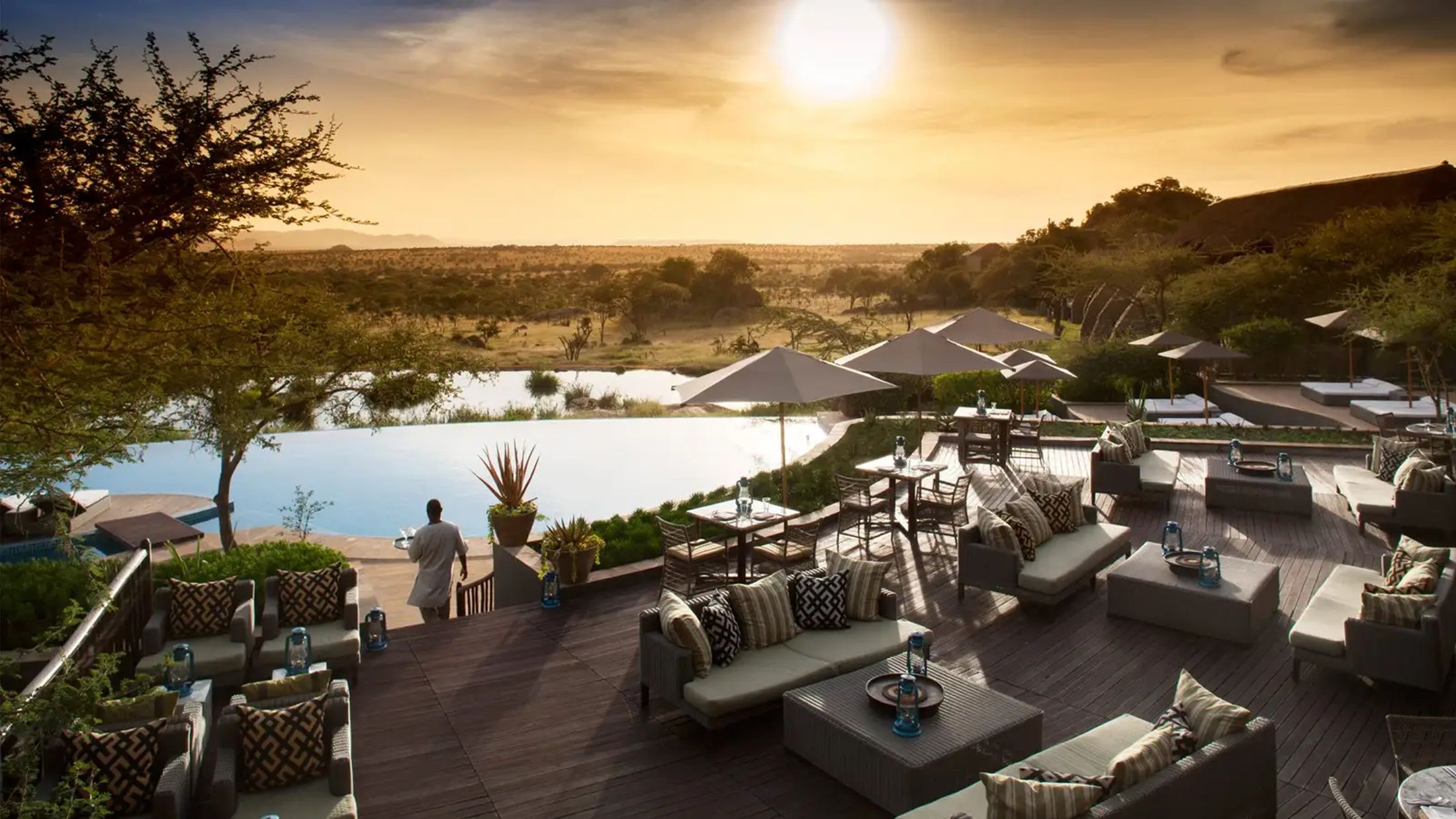
Cinematic footage from the Serengeti — the plains that make first-timers fall in love with Africa.

Timing: When to Go (Tips 1–3)

1. Time your visit to the migration if you can — but relax about it. The Great Migration is the headline act, yet the Serengeti holds resident lions, leopards, cheetahs, elephants and vast plains game in every month. If your dates are fixed, do not despair; we will send you to the region where the wildlife is best at that time.

2. Know the migration calendar. Very broadly: calving on the southern plains from January to March, the herds moving through the western corridor from May to July, and the dramatic Mara River crossings in the north from August to October. The animals do not read calendars, so treat these as guidance rather than guarantee.

3. Consider the shoulder months. June and September deliver spectacular game viewing with noticeably fewer vehicles than the July-August peak. If you have any flexibility, these are our favourite months of all.

Choosing Your Region (Tips 4–6)

4. Match your camp to the season. The Serengeti is enormous, and where you stay should follow the herds. A camp in the south in February puts you among the calving; the same camp in August leaves you hours from the action. This is the single most important planning decision, and it is exactly where a specialist earns their keep.

5. The north for the crossings. If witnessing wildebeest plunge across a crocodile-filled river is your dream, base yourself in the northern Serengeti from August to October, close to the Mara River.

6. Do not try to see it all. Resist the urge to hop between four regions in a week. Two well-chosen bases, with time to settle and let your guide work an area, will always beat a frantic dash.
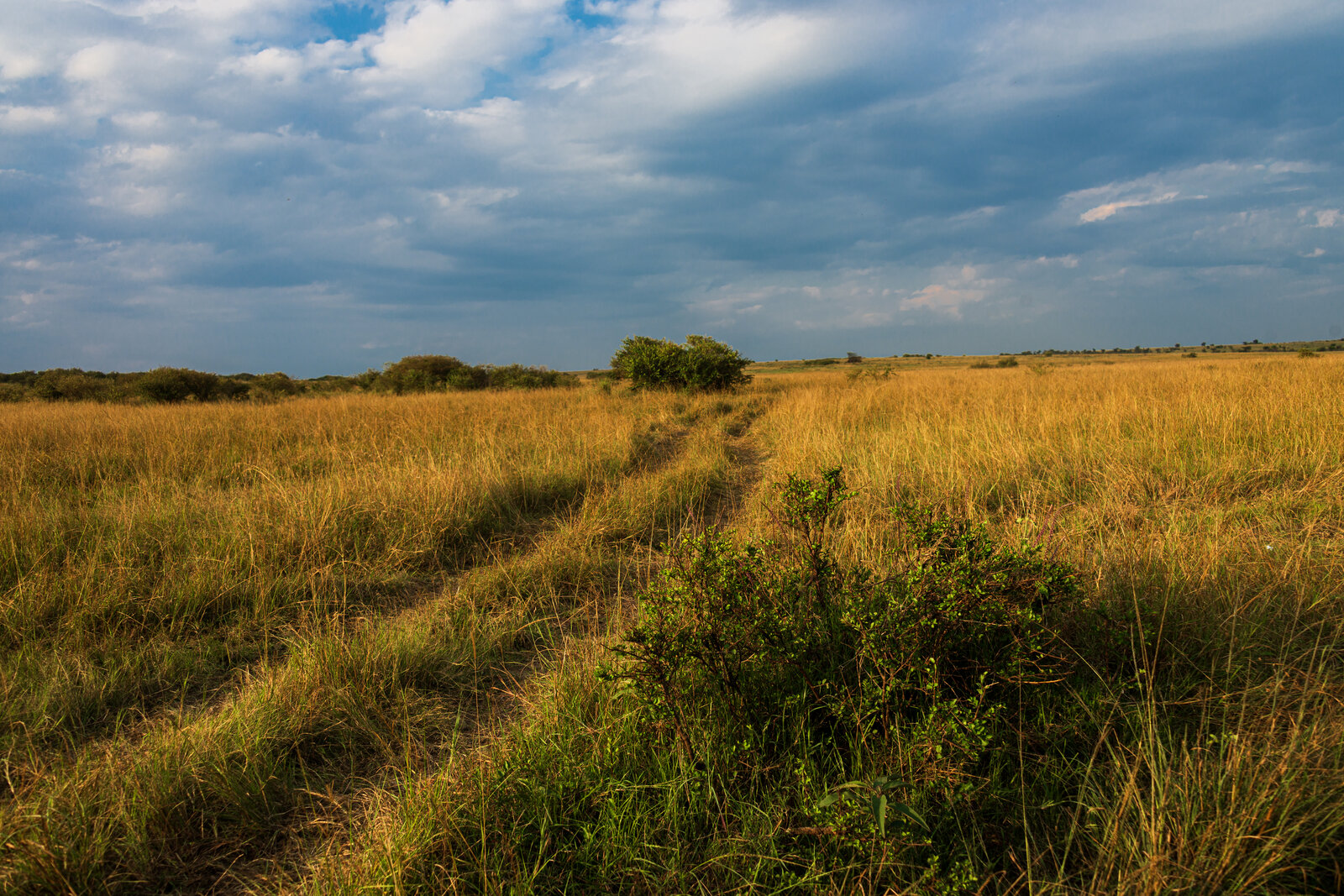
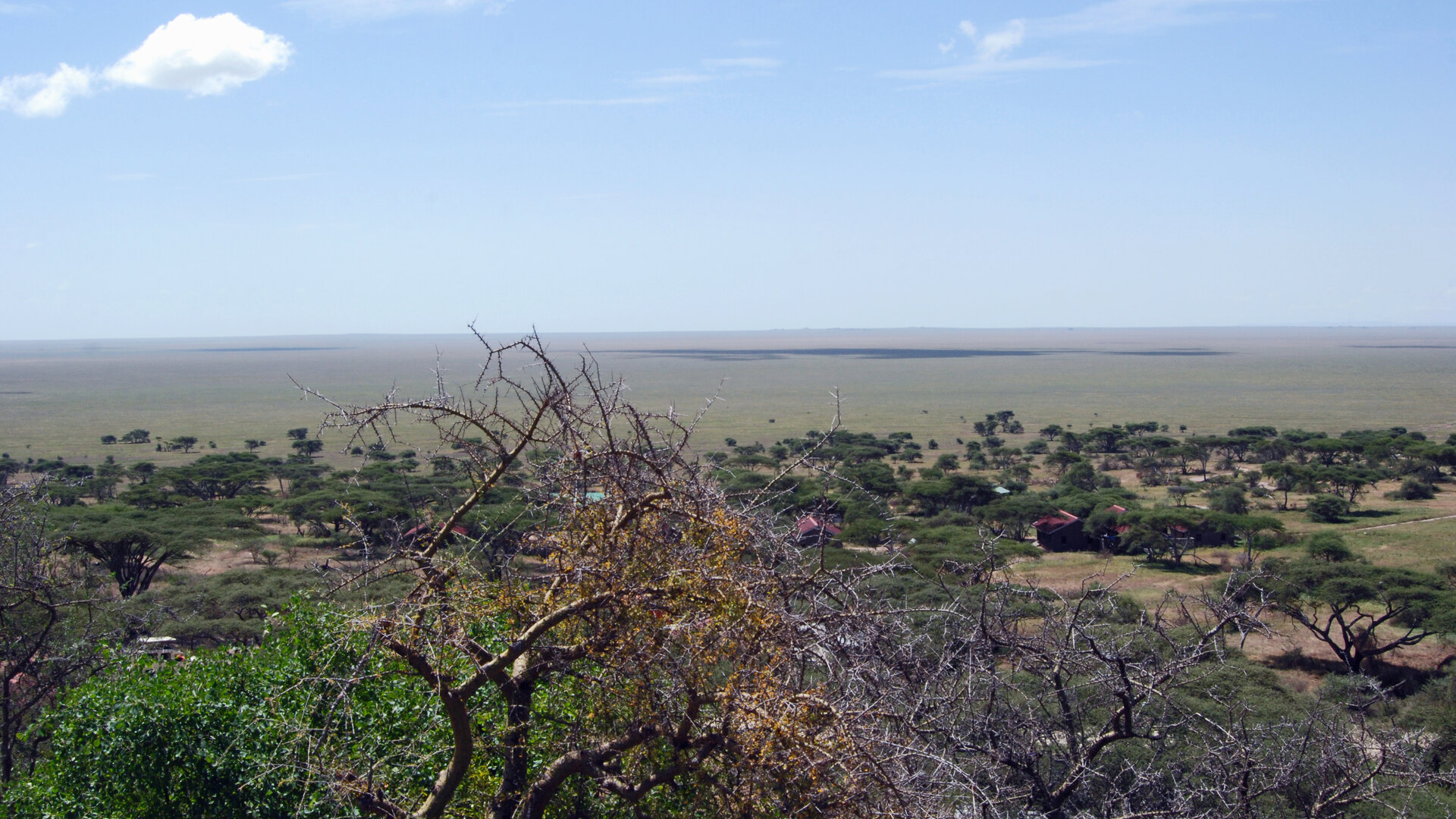
A game-drive track winding across the golden plains of the Serengeti
A game-drive track winds across the plains — choosing the right region is the key to a great first safari.

Packing and Practicalities (Tips 7–9)

7. Pack layers. Dawn game drives are genuinely cold, and by midday the sun is fierce. A warm fleece and a windproof layer for the mornings, light neutral-coloured cottons for the day, and a hat and good sunglasses are essential.

8. Travel light in a soft bag. Light aircraft between airstrips enforce strict weight limits, usually around 15kg in a soft duffel. Most camps offer same-day laundry, so you need far less than you think.

9. Bring the right kit. Binoculars for every traveller (not one pair to share), a camera with a decent zoom, a power bank, and any personal medication. Sort your yellow-fever and malaria advice with your doctor well ahead of departure.

Booking the Big Experiences (Tips 10–11)

10. Book your balloon flight the moment you confirm. A dawn balloon safari over the Serengeti is the experience first-timers treasure most, and baskets hold only twelve to sixteen guests. They sell out months in advance in peak season, so reserve yours as soon as your dates are set.

11. Secure the best camps early. The finest small camps have very few tents, and the best-placed ones for each season book up a year or more ahead. Early planning is not about pressure — it is about getting the right camp in the right place at the right time.
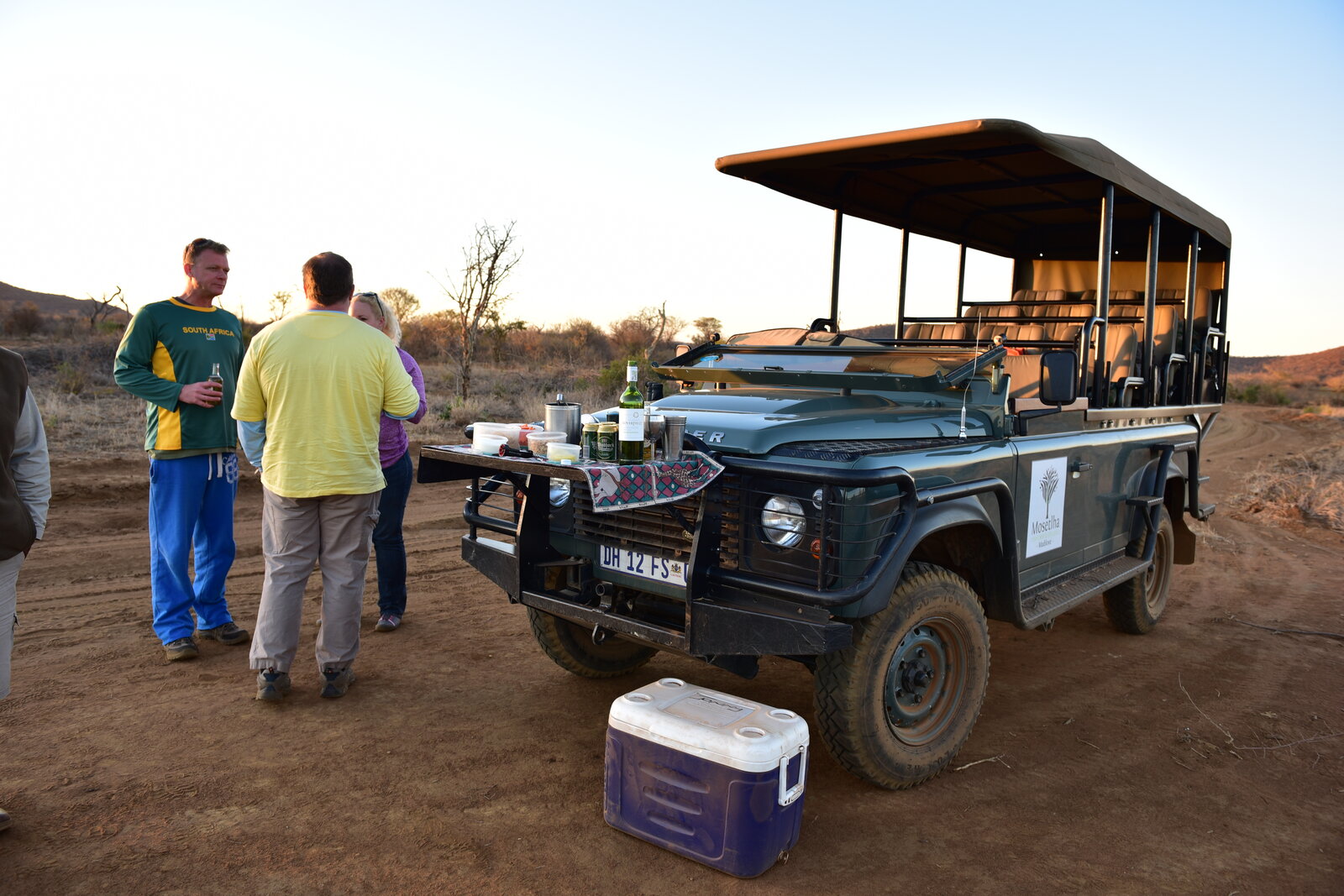
Guests enjoying sundowners beside an open safari vehicle in the bush
Sundowners beside the vehicle — the small rituals that make a first safari unforgettable.

Mobile Camps vs Permanent Lodges (Tips 12–13)

12. Mobile camps follow the herds. Seasonal mobile camps move two or three times a year to stay close to the migration, so you wake close to the herds. They are more intimate and more adventurous, with proper comfort but a lighter footprint.

13. Permanent lodges offer more. Established lodges bring swimming pools, larger rooms, spas and the reassurance of a fixed base. The trade-off is that you may be further from the herds at certain times of year. For a first safari, a blend of the two often works beautifully.

Crowds and the Little Things (Tips 14–15)

14. Beat the crowds. The central Seronera area and the July-August crossings draw the most vehicles. Ask for early starts to be first out at dawn, choose private conservancies where you can, and lean towards the shoulder months for a quieter experience.

15. Trust your guide and slow down. Your guide's eyes and knowledge are your greatest asset — tell them what you most want to see and then let them lead. Tip fairly at the end (a guideline is around US$20 to US$25 per guest per day for your guide). And above all, resist the urge to rush on. The Serengeti gives its finest moments to those who wait.

Ready to explore? Browse our safari tours and packages →
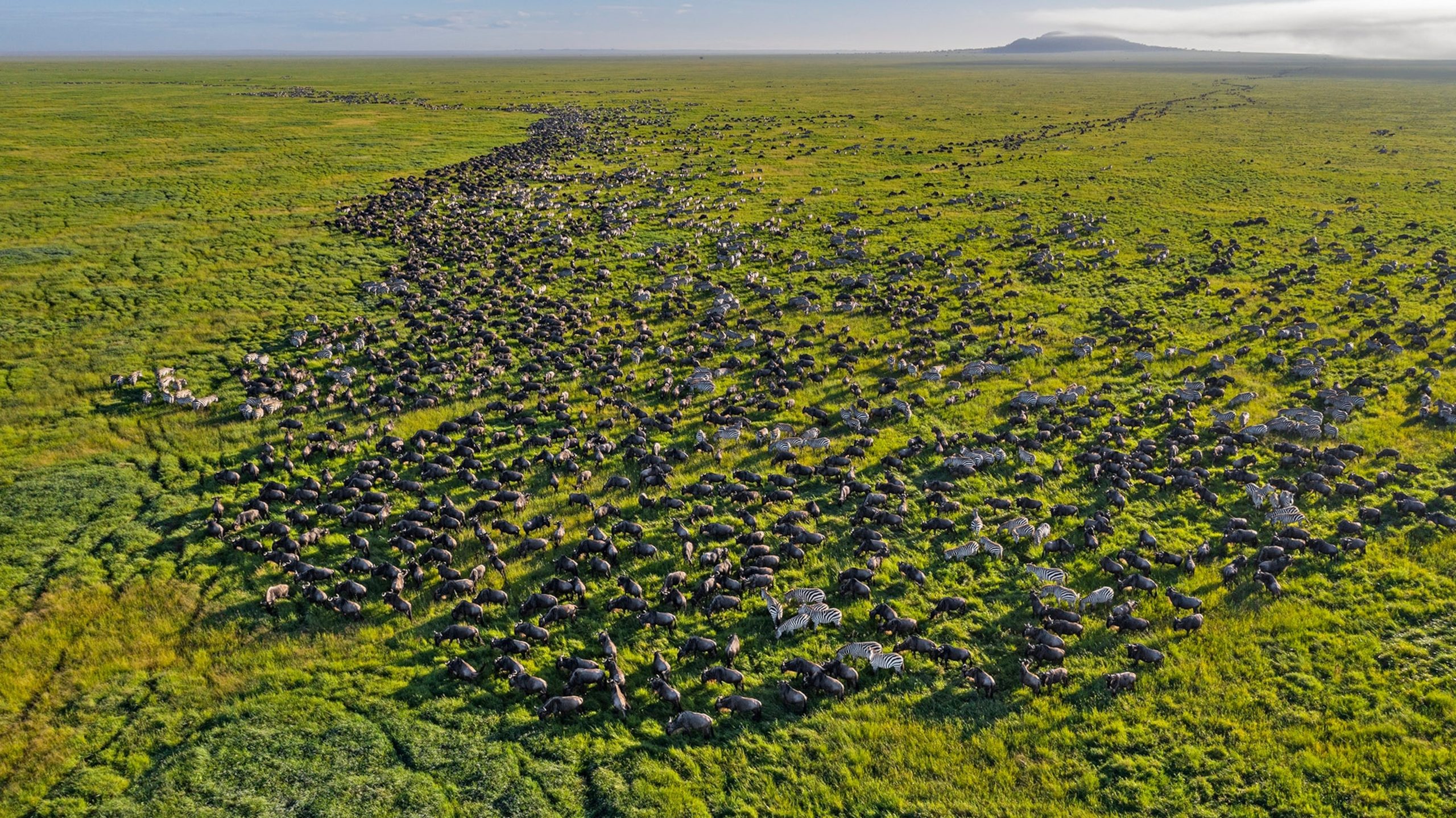
SERENGETI SAFARI TIPS FOR FIRST-TIMERS

15 things every first-time visitor needs to know

When to go, which region to choose, what to pack, when to book your balloon flight and how to avoid the crowds. The hard-won lessons we share with every first-timer heading to the Serengeti.

Frequently Asked Questions

The Serengeti is superb year-round, so the best time depends on what you want to see. For the migration, aim for the southern plains from January to March for calving, or the north from August to October for the river crossings. If you can be flexible, June and September offer wonderful game viewing with far fewer vehicles than the July-August peak.

Plan at least three to four nights in the Serengeti so you have time to settle, let your guide work an area and see the plains in different light. Most first-timers combine this with Ngorongoro Crater and often Tarangire, making a seven-to-ten-day northern-circuit trip. Adding a few days on Zanzibar afterwards rounds it off beautifully.

Pack layers — a warm fleece and windproof for cold dawn drives, and light neutral-coloured cottons for hot afternoons, plus a hat and good sunglasses. Bring binoculars for every traveller, a camera with a zoom, a power bank and any personal medication. Keep it all in a soft duffel within the roughly 15kg light-aircraft limit; most camps offer same-day laundry.

Mobile camps move with the seasons to stay close to the migration, so you wake right among the herds — intimate and adventurous, with real comfort. Permanent lodges offer pools, larger rooms and a fixed base, but may sit further from the herds at certain times. For a first safari, a blend of the two often gives the best of both.

Travel in the shoulder months of June or September rather than the July-August peak, ask for early-morning starts so you are first out at dawn, and choose camps in the quieter regions or in private conservancies where vehicle numbers are capped. A good specialist will place you deliberately away from the busiest areas.

Yes — book it the moment you confirm your safari. A dawn balloon flight is the experience first-timers treasure most, and each balloon carries only twelve to sixteen guests, so they sell out months ahead in peak season. Reserving early guarantees your place and lets us schedule it on the right morning of your trip.

Make It Happen

Safari Packages

Ready to experience it yourself?

Let our local experts craft a private journey around the places you just read about.

Explore ToursPlan My Trip
Curated For You

You May Also Like

A hot air balloon drifting over the golden Serengeti plains and acacia trees at dawnSafari

Top 10 Things to Do in the Serengeti 2026 — Beyond Game Drives

The Serengeti is the greatest wildlife show on earth — but it is so much more than game drives alone. From floating above the plains in a hot air balloon at sunrise to walking alongside your guide through the bush, from standing in the cradle of humankind at Olduvai Gorge to sharing tea with a Maasai elder, these are the top 10 things to do in the Serengeti that turn a safari into the journey of a lifetime.

5 Aug 2026 · 16 min
An aerial view of the Okavango Delta's silver channels and emerald islands in Botswana contrasted with the classic bushveld of Kruger National ParkSafari

Okavango Delta vs Kruger 2026: The Water Wilderness vs the Classic Bushveld

The Okavango Delta and Kruger National Park are the two great safari icons of Southern Africa — and they could hardly be more different. The Okavango is the world’s largest inland delta: a shimmering water wilderness of palm islands and papyrus channels, explored by mokoro, famous for wild dogs and pristine exclusivity — and priced as one of Africa’s ultimate luxuries. Kruger is the archetypal bushveld: a vast, accessible, astonishingly affordable park where you can self-drive to a full Big Five, and where the private Sabi Sand reserves deliver the finest leopard viewing on earth. So which one wins? We break it into ten decisive rounds — landscape, water, Big Five, predators, wild dogs, safari style, exclusivity, cost and logistics — with a full comparison table, honest price tiers and the verdict on which to choose, or how to combine both.

5 Aug 2026 · 17 min read
A herd of elephants marches across a golden Amboseli pan at pink dawn beneath the snow-capped dome of Mount Kilimanjaro in KenyaSafari

Amboseli vs Masai Mara 2026: Elephants & Kilimanjaro vs the Great Migration & Big Cats

Amboseli and the Masai Mara are the two crown jewels of a Kenyan safari — and they could hardly be more different. Amboseli is small, flat and cinematic: vast elephant herds and the last of the great super-tuskers marching beneath the snow-capped dome of Kilimanjaro, with flamingo-filled swamps and over 400 bird species. The Masai Mara is the Africa of the imagination: endless golden plains, the most electrifying big-cat viewing on earth, and above all the Great Migration’s heart-stopping river crossings from July to October. So which one wins? We break it into eleven decisive rounds — landscape, migration, elephants, big cats, birdlife, photography, crowds, culture, cost and logistics — with a full comparison table, price tiers and the honest verdict on which park to choose, or how to combine both.

5 Aug 2026 · 17 min read
Simple, Personal, Expert-Led

How It Works

From first message to the trip of a lifetime — planning your safari with us is effortless.

  1. 1

    Share Your Dream

    Tell us who is travelling, your dates and what you long to see. One quick message is all it takes to begin.

  2. 2

    We Design It

    Your specialist crafts a private, tailor-made itinerary — the right camps, the right season, every detail considered.

  3. 3

    Refine Together

    We fine-tune the journey with you until every day feels perfect, then handle flights, transfers and permits.

  4. 4

    Travel With Confidence

    Set off knowing every detail is handled and a dedicated specialist is on call from your first game drive to home.

Your Journey Starts Here

Let Our Experts Craft Your Perfect Safari

Every itinerary is handcrafted by our team of local specialists who have spent 18+ years exploring Southern and East Africa. From Big Five game drives to gorilla trekking — we create journeys that stay with you forever.

Start PlanningChat with Us
Chat