Key Takeaways
- Botswana is a fly-in, small-camp destination — not big lodges and coach tours
- A first trip of 7–10 days combining two or three regions works beautifully
- The dry season (May–October) is the easiest and most rewarding time for beginners
- Days follow a gentle rhythm around two guided activities and the light
- Pack light in neutral colours — light aircraft have strict luggage limits
- Malaria precautions apply in the north; camps are comfortable and safe
How a Botswana Safari Actually Works
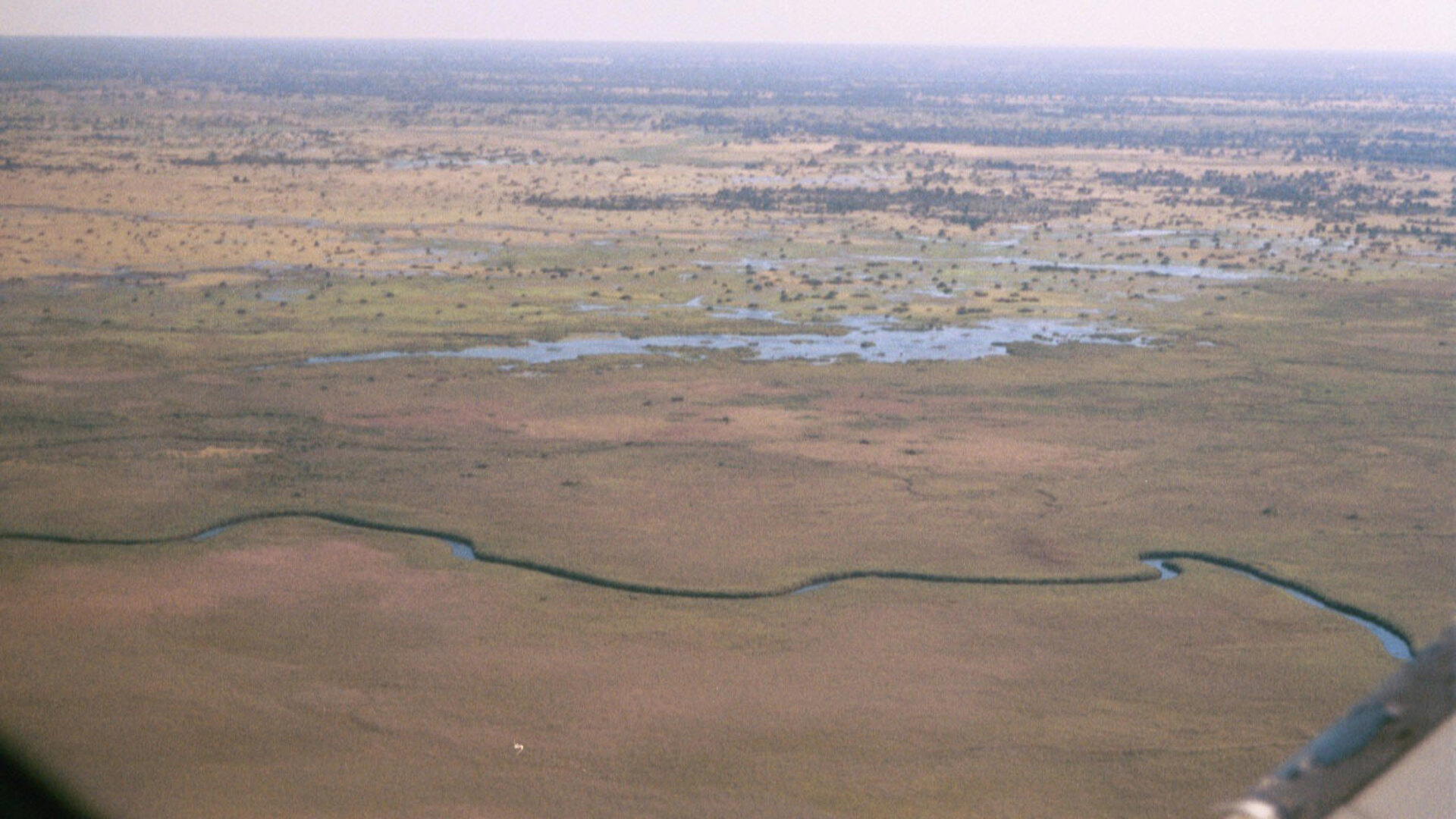
If your mental image of a safari is a big lodge, a car park full of minibuses and a buffet dinner, set it aside — Botswana works quite differently, and understanding that early makes planning far easier. Here, safari means small camps of eight to twelve rooms, set deep in vast private concessions and reached only by light aircraft. You do not drive yourself between them; you hop by tiny plane from airstrip to airstrip, your luggage in a soft bag, watching the delta unfurl below. Each camp is a self-contained world with its own guides, vehicles and slice of wilderness.
Because the camps are small and the areas private, you are rarely near another vehicle, and your guide can go off-road to follow a leopard or a pack of wild dogs. Meals, drinks and activities are almost always included, so once you arrive there is little to organise and nothing extra to pay at each turn. It is safari at its most immersive and personal — and for a first-timer, it is a wonderfully easy way to travel once you are there. For the bigger picture on when to come, see our best time to visit Botswana guide.
Where a First-Timer Should Go
For a first Botswana safari, we almost always recommend combining two or three contrasting regions rather than staying in one place. The classic first-timer's route pairs a water-rich Okavango Delta camp — for mokoro rides, boat cruises and leopard-rich islands — with a big-game area such as the Moremi, Khwai or Linyanti, where lion, elephant and wild dog roam. If time allows, the Chobe riverfront adds its famous elephant herds and relaxed boat cruises as a finale.
This variety is the secret to a great first trip: the delta shows you the gentle, watery magic that makes Botswana unique, while the drier areas deliver the classic big-game drama first-timers dream of. Seven days lets you do two regions comfortably; ten days lets you add a third without rushing. Our 10-day Botswana itinerary is the ideal template for a first visit.
7 days vs 10 days: which is right for you?
| Duration | Itinerary Shape | Best For | Indicative Cost (couple) |
|---|---|---|---|
| 7 days | 2 regions: Okavango Delta (3–4 nights) + Moremi or Linyanti (3–4 nights) | First-timers with limited time who want water & big game | US$8,400 – US$28,000 |
| 10 days | 3 regions: Delta (3 nights) + Moremi/Linyanti (3–4 nights) + Chobe (3 nights) | First-timers who want the complete Botswana experience without rushing | US$12,000 – US$40,000 |
Prices all-inclusive of meals, drinks, activities and inter-camp bush flights. Rates vary by season and camp tier.
Best months for a first-timer (at a glance)
| Month | Weather & Conditions | First-Timer | Game | Value |
|---|---|---|---|---|
| Jan | Green season, hot, afternoon rains | ⭐⭐⭐ | ⭐⭐⭐ | ⭐⭐⭐⭐⭐ |
| Feb | Green season, newborns, birding | ⭐⭐⭐ | ⭐⭐⭐ | ⭐⭐⭐⭐⭐ |
| Mar | Rains taper, Delta filling | ⭐⭐⭐⭐ | ⭐⭐⭐⭐ | ⭐⭐⭐⭐⭐ |
| Apr | Dry, comfortable, flood rising | ⭐⭐⭐⭐ | ⭐⭐⭐⭐ | ⭐⭐⭐⭐ |
| May | Dry, cool mornings, flood high | ⭐⭐⭐⭐⭐ | ⭐⭐⭐⭐ | ⭐⭐⭐⭐ |
| Jun | Peak flood, dry, perfect for first-timers | ⭐⭐⭐⭐⭐ | ⭐⭐⭐⭐⭐ | ⭐⭐⭐ |
| Jul | Peak flood, dry, cool nights, stunning | ⭐⭐⭐⭐⭐ | ⭐⭐⭐⭐⭐ | ⭐⭐⭐ |
| Aug | Dry, superb game, easiest for beginners | ⭐⭐⭐⭐⭐ | ⭐⭐⭐⭐⭐ | ⭐⭐⭐ |
| Sep | Dry, hot, concentrated game | ⭐⭐⭐⭐⭐ | ⭐⭐⭐⭐⭐ | ⭐⭐⭐ |
| Oct | Very hot, dusty, dramatic sightings | ⭐⭐⭐⭐ | ⭐⭐⭐⭐⭐ | ⭐⭐⭐ |
| Nov | First rains, fresh, beautiful | ⭐⭐⭐⭐ | ⭐⭐⭐ | ⭐⭐⭐⭐⭐ |
| Dec | Green season, afternoon rains | ⭐⭐⭐ | ⭐⭐⭐ | ⭐⭐⭐⭐⭐ |
Where First-Timers Actually Sleep
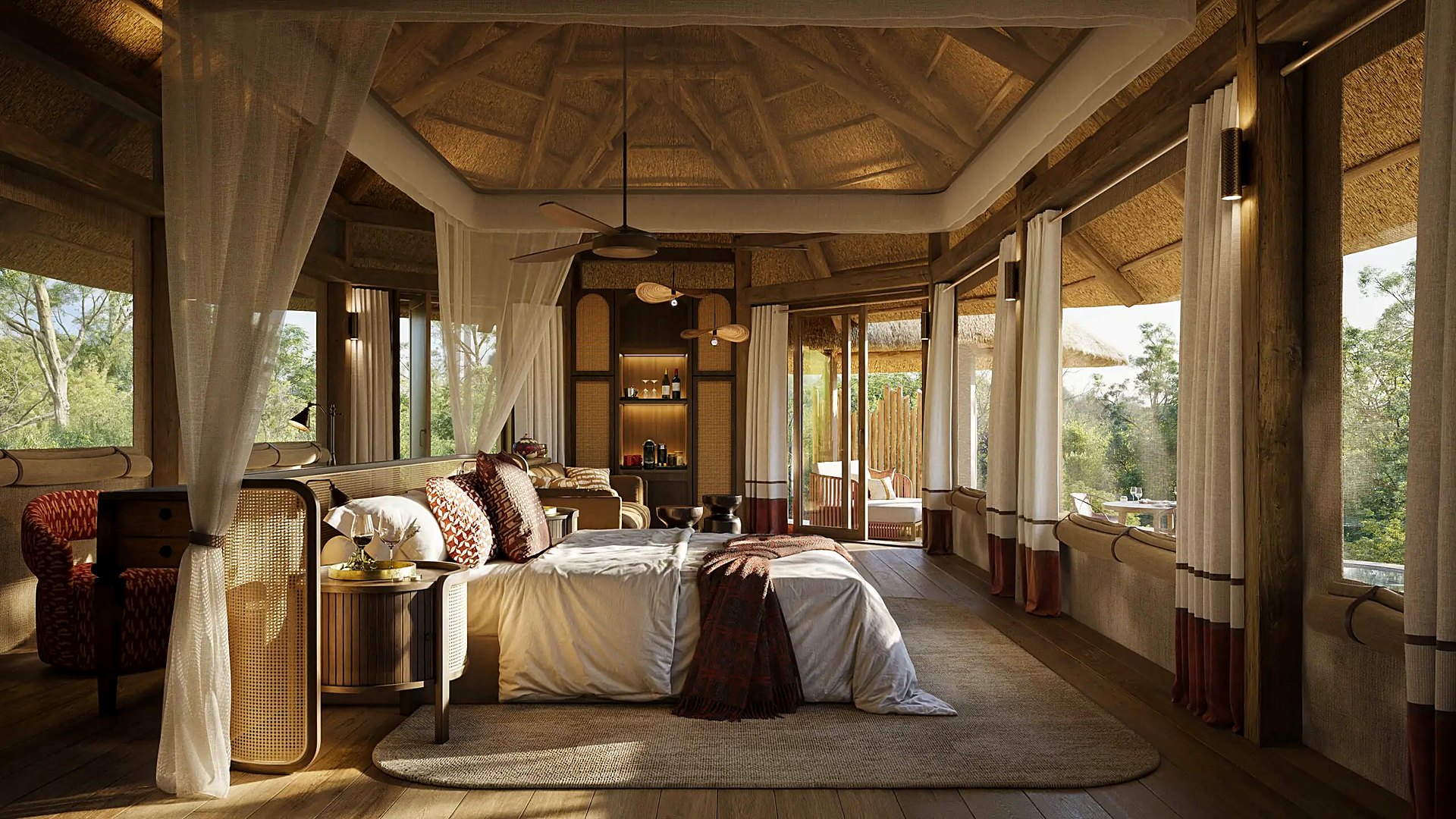
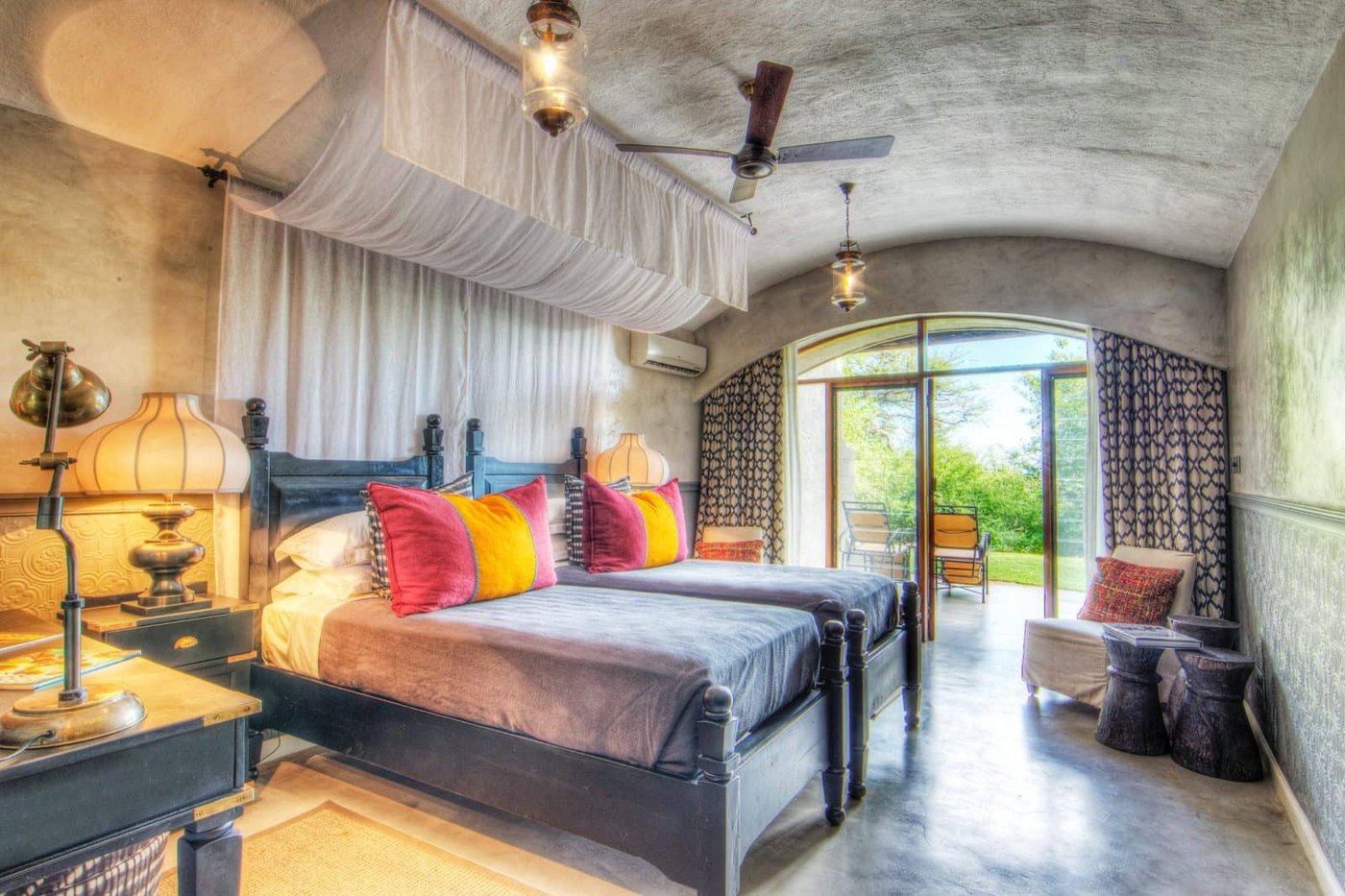
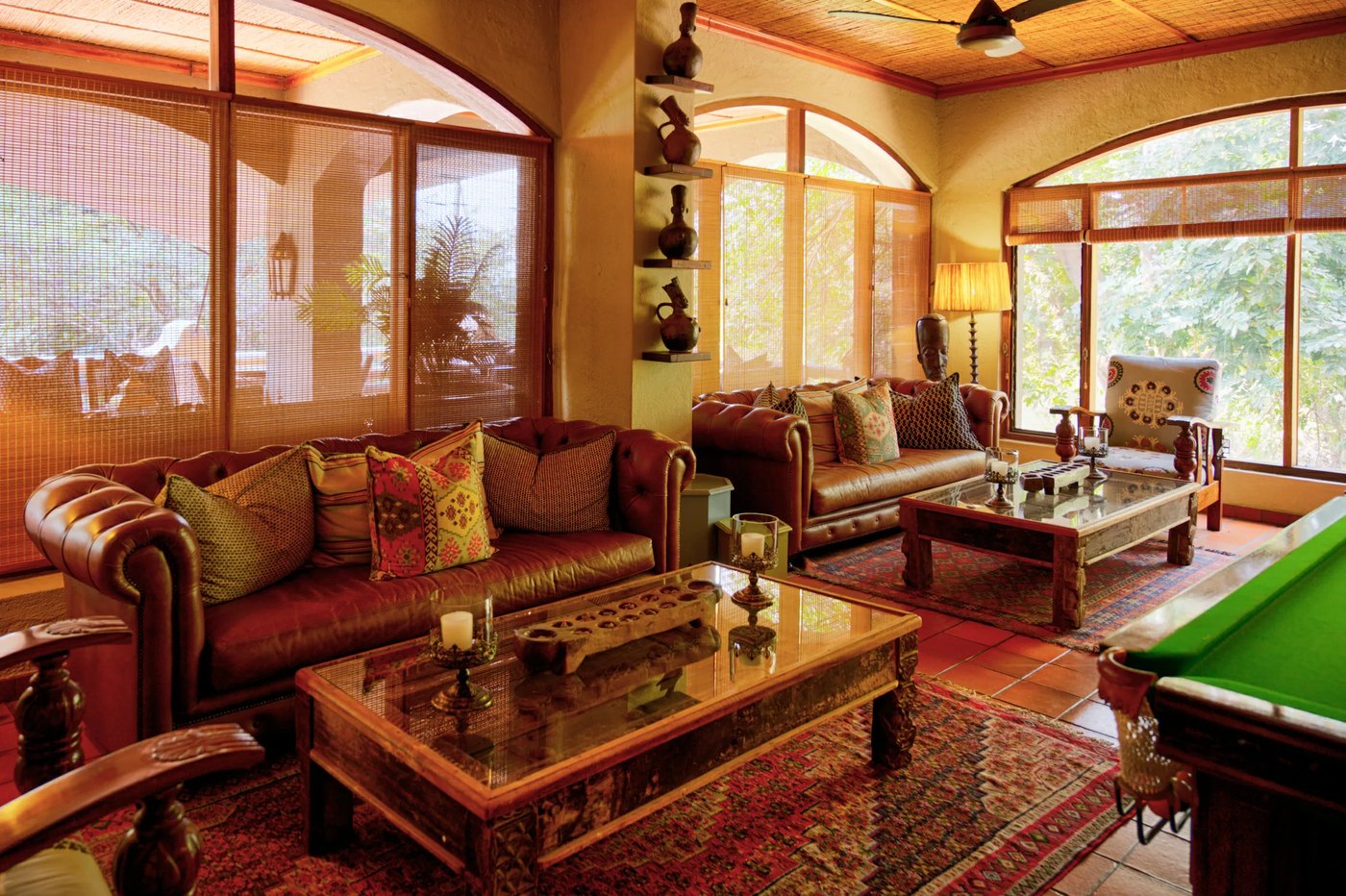
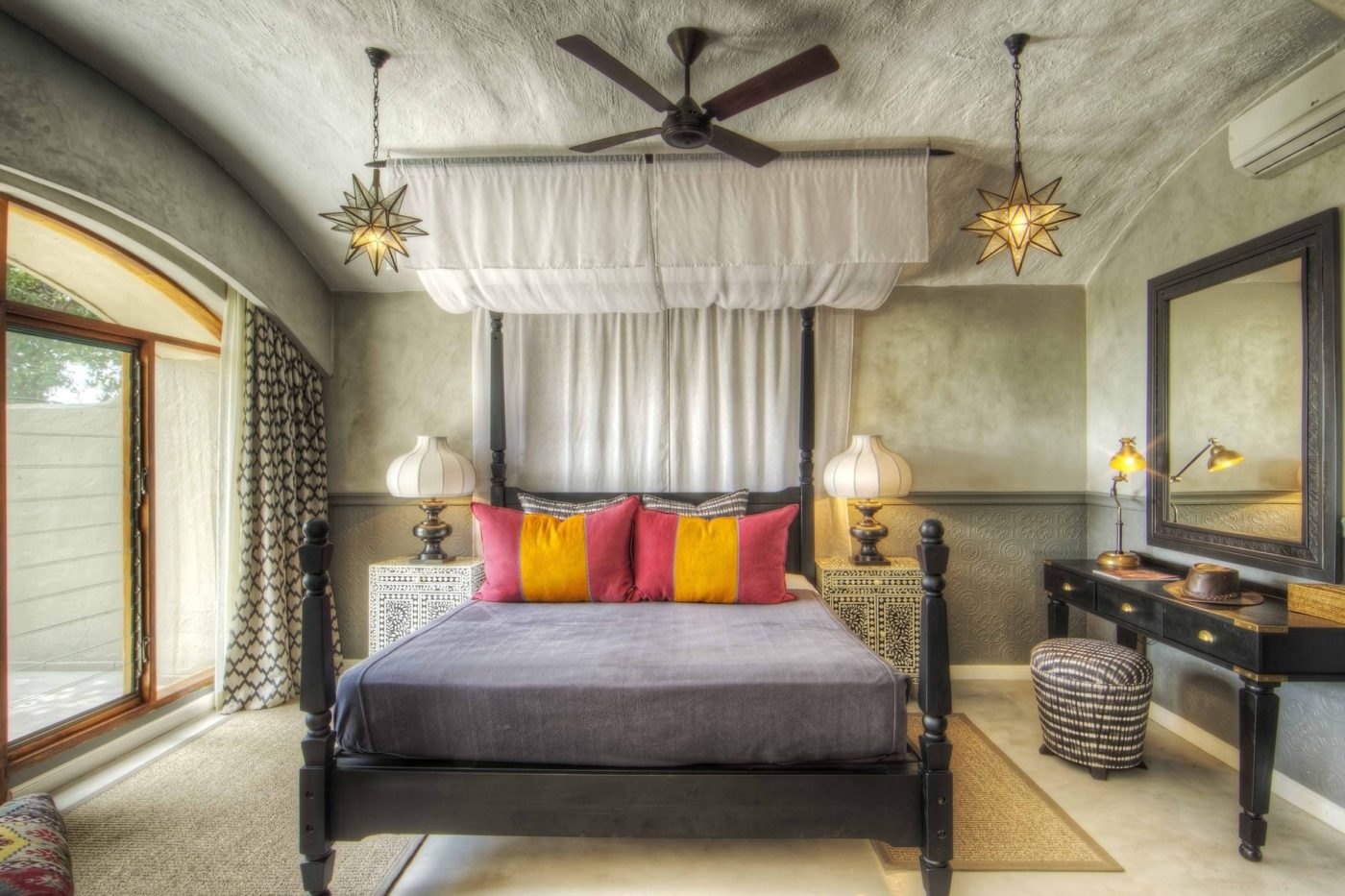
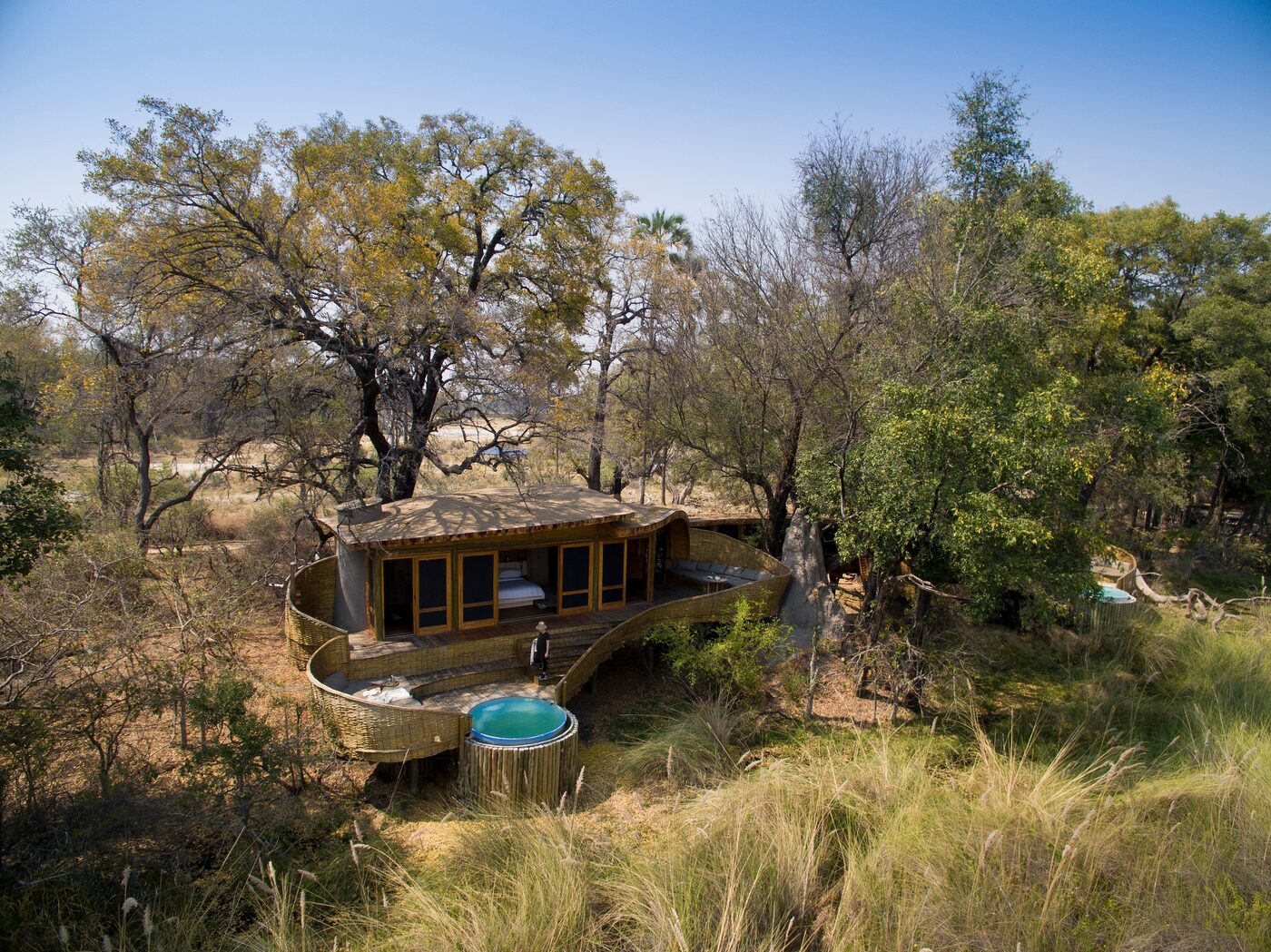
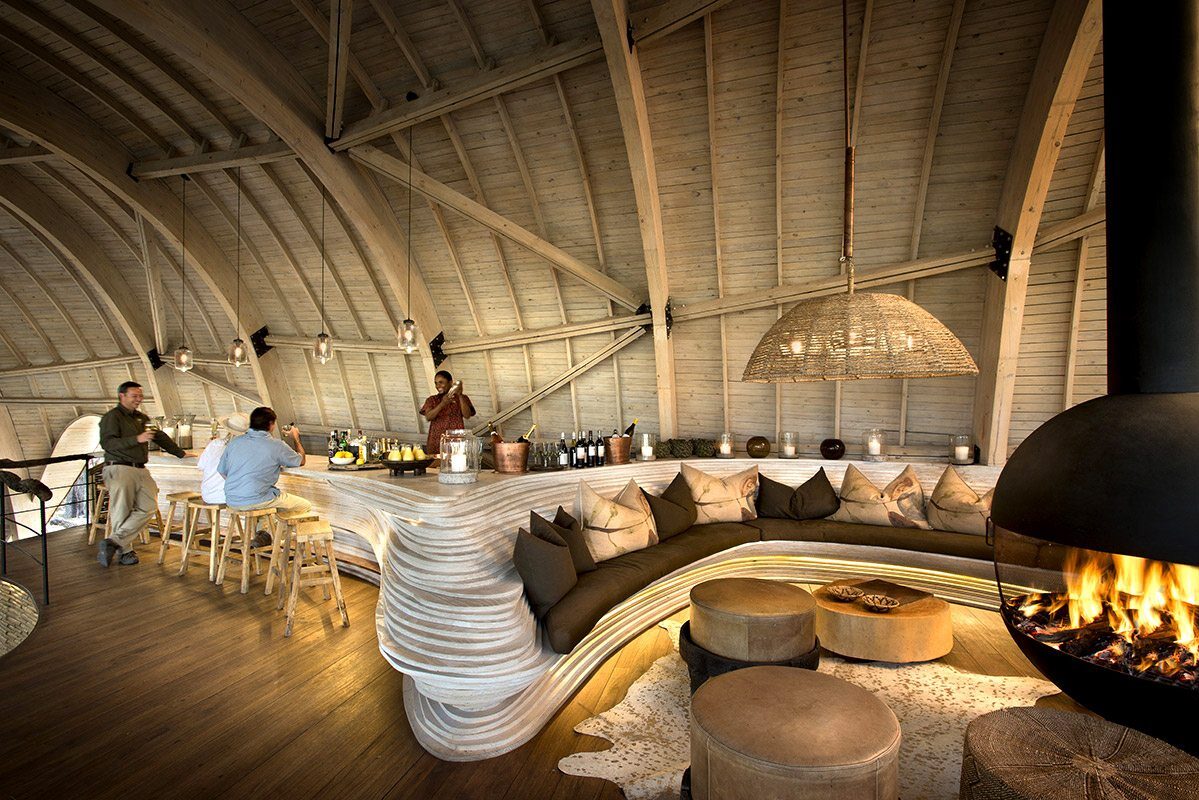
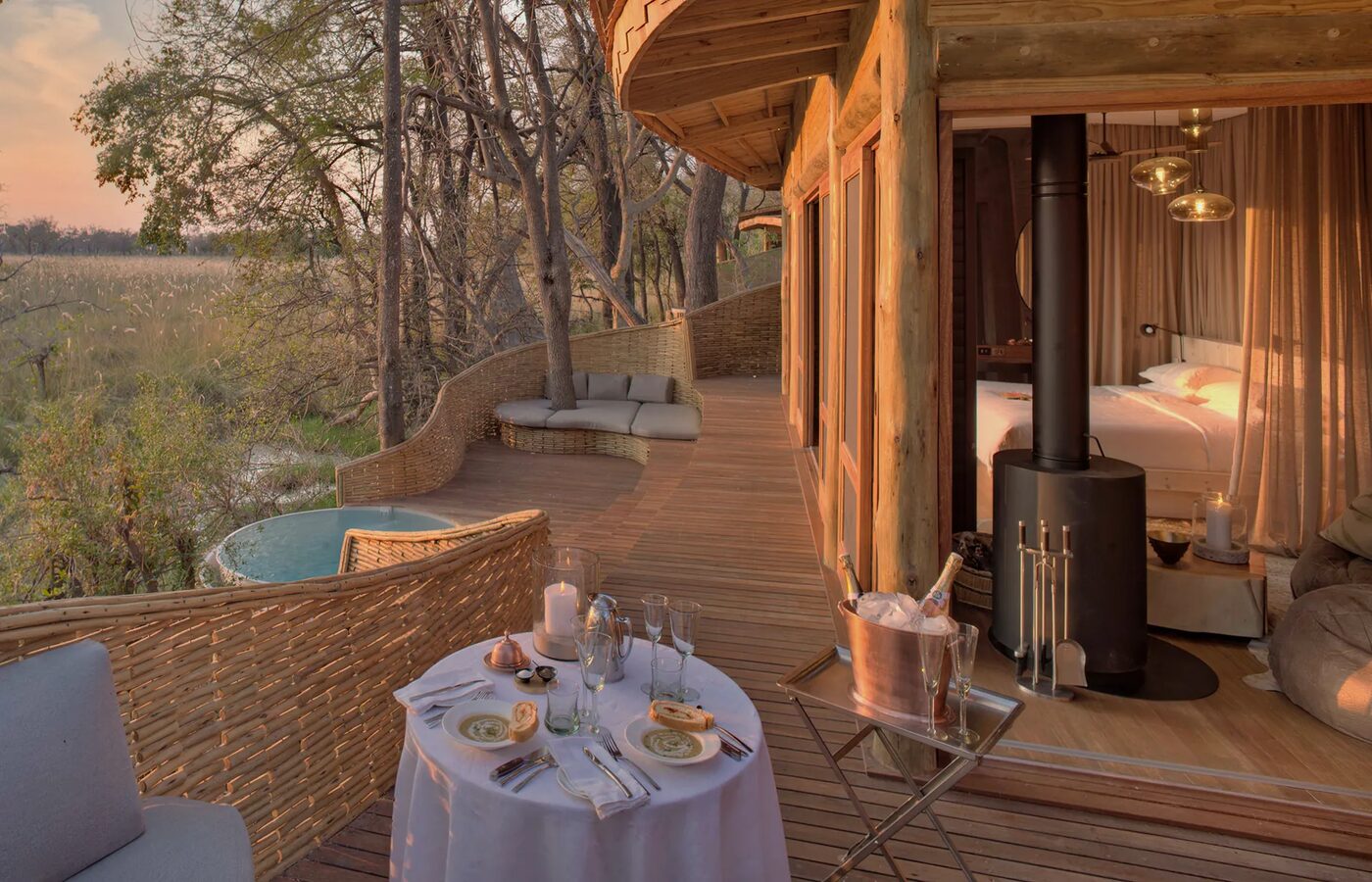
One of the biggest surprises for first-timers is just how comfortable a Botswana safari camp is. You are deep in the wilderness, yet you sleep in a proper bed under crisp linen, shower with a view, and often have your own plunge pool. Here are three camps we send first-timers to again and again — from the easiest, road-accessible riverfront lodge in Chobe, to two classic Okavango Delta camps. Swipe each gallery to see the rooms, pools and living spaces waiting for you:


What a Typical Day Looks Like
The rhythm of a safari day is one of its great pleasures, and it is the same at almost every camp. You wake before dawn to a gentle call and a hot drink, then head out on the morning game drive while the air is cool and the animals active. After two or three hours — with a coffee-and-rusks stop in a beautiful spot — you return for a leisurely brunch. The heat of the middle of the day is for resting: a siesta, the pool, a book on your deck, perhaps a spa treatment or simply watching the waterhole.
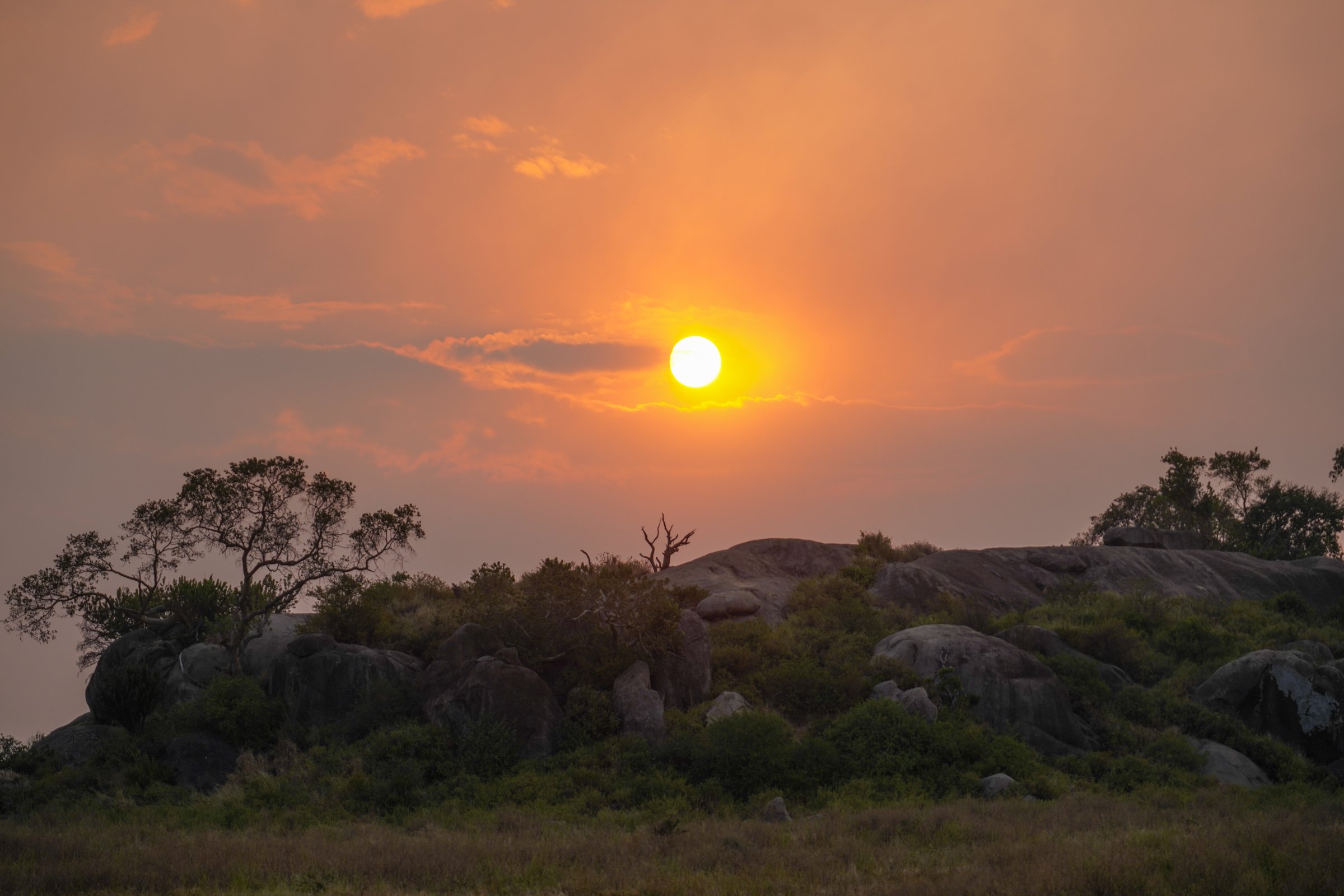
As the afternoon cools you head out again — a game drive, a mokoro glide or a boat cruise — timed to end with a sundowner drink as the sky ignites. Back in camp, dinner is a convivial affair, often around a fire under a staggering canopy of stars, before an early night ahead of the next dawn. It is active but unhurried, and it quickly becomes addictive.
What to Pack (and the Luggage Rule)
The golden rule of packing for Botswana is: pack light, in soft bags. Light aircraft impose strict luggage limits — typically 20kg (44lb) per person including hand luggage, in a soft-sided bag with no rigid frame. This surprises many first-timers, but camps do laundry daily, so you need far less than you think. Bring neutral colours (khaki, olive, beige, brown) and avoid bright white, dark blue and black (the latter can attract tsetse flies).
Beyond clothes, the items first-timers most value are a good pair of binoculars, proper sun protection (hat, high-factor cream, sunglasses), a warm fleece and windproof for chilly early drives, insect repellent, and any personal medication. Everything else the camp provides.
Health, Safety and Money
Botswana's safari north is a malaria area, so consult your doctor about antimalarial prophylaxis well before you travel, and pack repellent and cover up at dusk. No vaccinations are compulsory for most travellers, but check the latest requirements and ensure routine jabs are current. The green summer season carries a higher malaria risk than the dry winter, which is one more reason first-timers often favour the dry months.
Safety, in the sense most people worry about, is rarely an issue — Botswana is one of Africa's most stable, peaceful and well-run countries, and the camps are professionally managed. You will be briefed on the simple bush-safety rules (don't walk unescorted at night, listen to your guide) and then you can relax. On money: camps are largely cashless, with extras billed to your account, so you mainly need cash (US dollars or Botswana pula) for staff gratuities. Comprehensive travel insurance including medical evacuation is essential — and often partly provided by the camps.
What a First Botswana Safari Costs
Botswana sits at the premium end of African safari, and for good reason — low-volume, high-value tourism keeps it gloriously uncrowded. A first trip typically runs from about US$600 to over US$2,000 per person per night, all-inclusive of meals, drinks, activities and the bush flights between camps. Here is how it breaks down for 2026:
| Tier | Per person / night | What you get |
|---|---|---|
| Premium | US$600 – US$900 | Excellent Delta and Chobe camps, fully inclusive, perfect for a first safari |
| Luxury | US$900 – US$1,400 | Top-tier camps (Mombo, Vumbura, Duba), superb guiding, private concessions |
| Ultra-luxury | US$1,400 – US$2,000+ | Exclusive-use camps, private guides & vehicles, every detail perfected |
| 7-night first trip (couple) | US$8,400 – US$28,000 | |
| 10-night first trip (couple) | US$12,000 – US$40,000 | |
All-inclusive of meals, drinks, game activities and bush flights. Green-season rates (Nov–Apr) typically 20–30% lower.
Planning Your First Trip With Confidence
The single best decision a first-timer can make is to plan through a specialist rather than piecing it together alone. Botswana's camps, flights and concessions form a complex web, and the difference between a good trip and a great one lies in choices that are hard to see from the outside — which camp suits your style, how to sequence the flights, when to travel, which areas pair well. A specialist handles the logistics invisibly, so all you do is arrive and enjoy.
We have guided countless first-timers through their maiden Botswana safari, and we take real joy in it. Tell us what you dream of seeing, your dates and your budget, and we will build a trip that eases you in gently, maximises your wildlife, and leaves you — as it leaves almost everyone — already planning your return.
Private Tours Cape Town specialises in flawless first Botswana safaris — the right camps, seamless flights and expert guidance, so your first taste of the delta is everything you hoped.