Key Takeaways
- A fly-in safari links remote camps by light aircraft — the standard way to explore Botswana
- Most flights depart Maun or Kasane; hops between camps take 15–45 minutes
- Strict luggage limit — usually 20kg total in a soft bag (no hard suitcases)
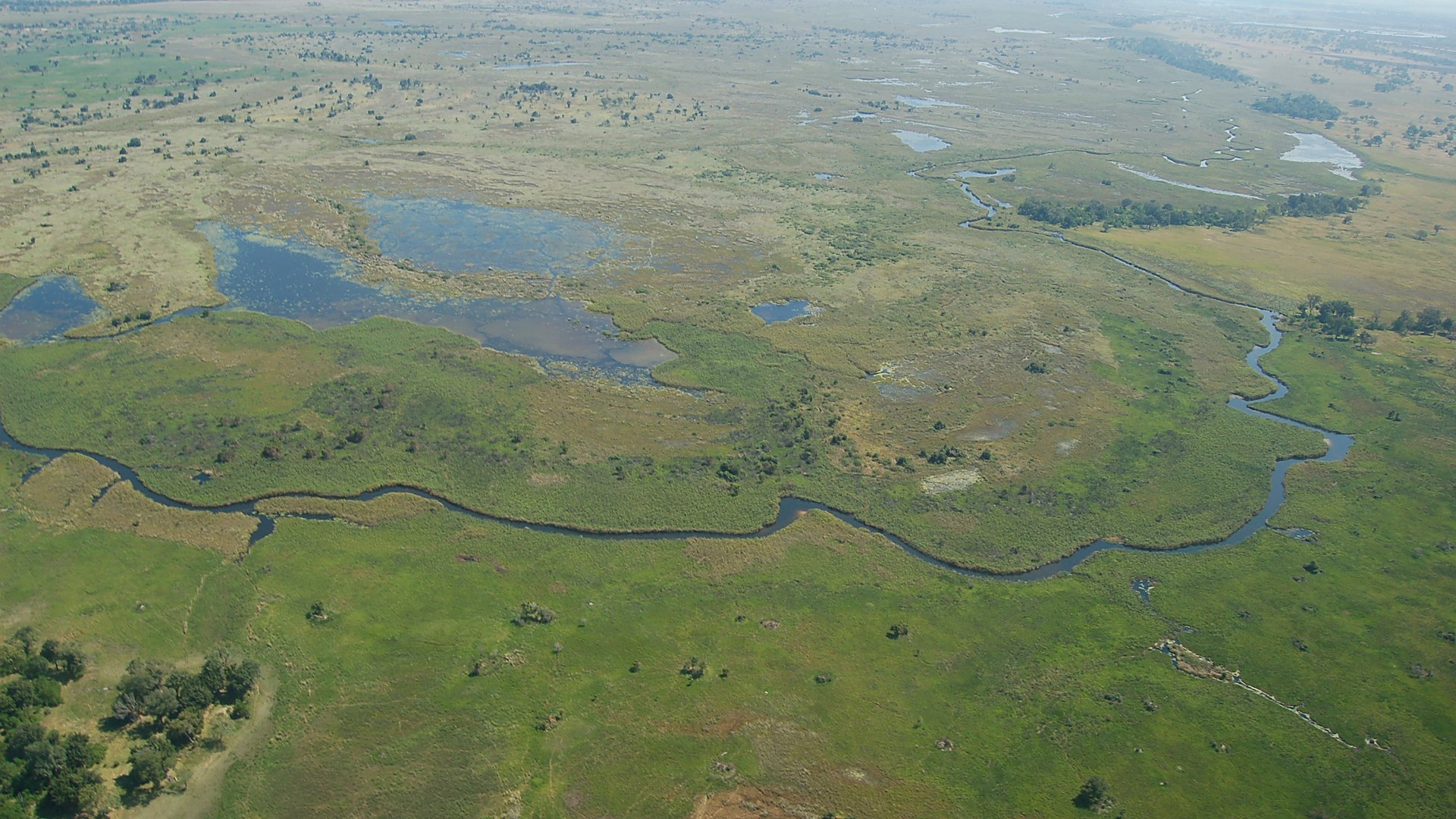
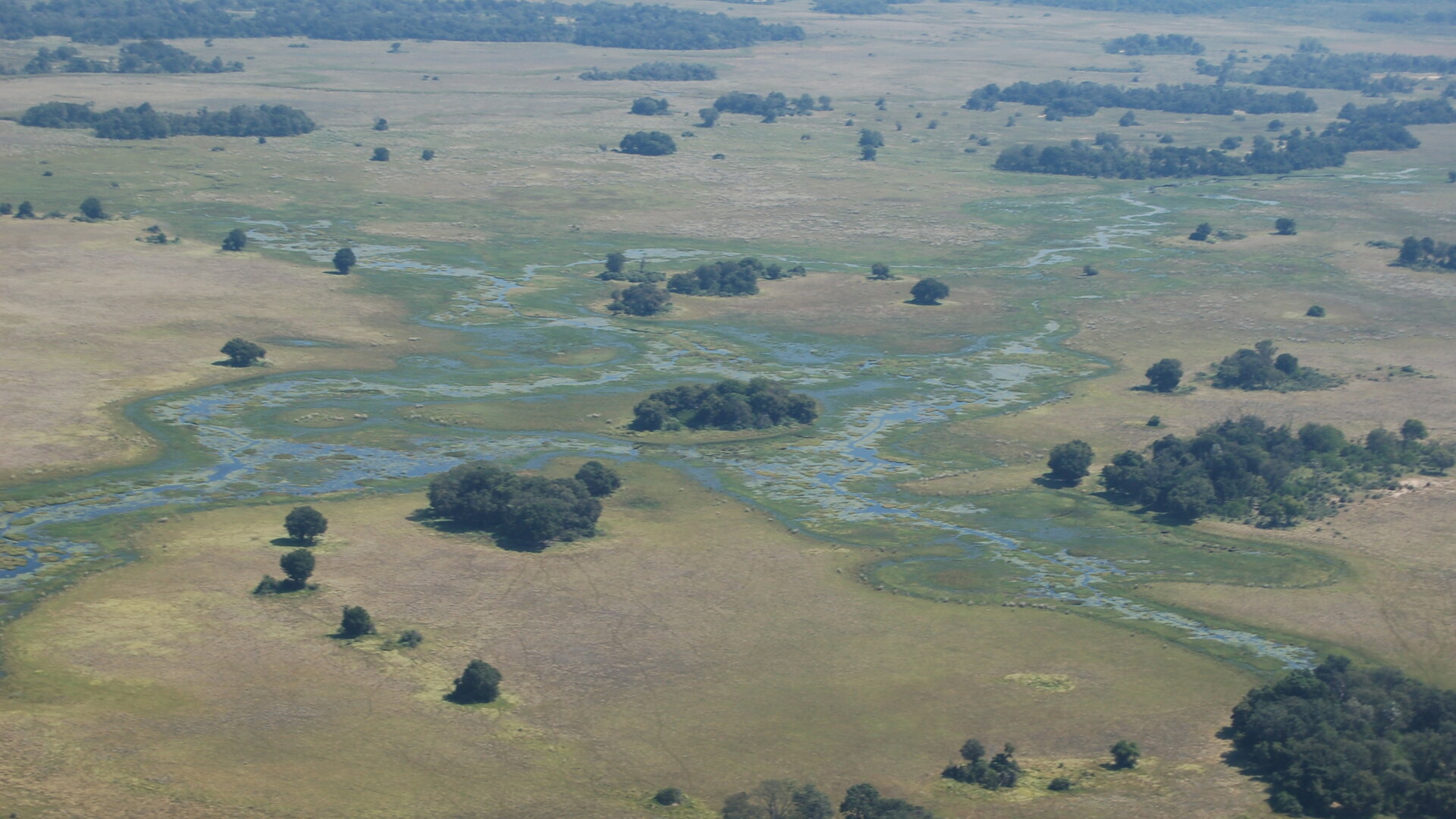
- The scenic low-level flights over the Delta are a highlight in their own right
- Ideal itinerary: 2–3 camps across different habitats (water, land, desert) over 7–10 days
- Inter-camp flights typically add ~$400–900 per person depending on the route
What Is a Fly-In Safari?
In much of Africa you drive between destinations. In Botswana, you fly. The country's finest camps sit deep inside vast private concessions and the roadless heart of the Okavango Delta, unreachable by ordinary vehicle — so you travel between them the way the wilderness demands: by light aircraft, landing on grass and gravel airstrips scratched out of the bush.
This is a fly-in safari, and it is the classic Botswana experience. You arrive by international flight into Maun or Kasane, then board a small plane — often a six- to twelve-seat Cessna Caravan or similar — for the short hop to your first camp. Over the coming days you'll criss-cross the Delta by air, spending a few nights at each camp before flying on to the next, your guide waiting at every airstrip.
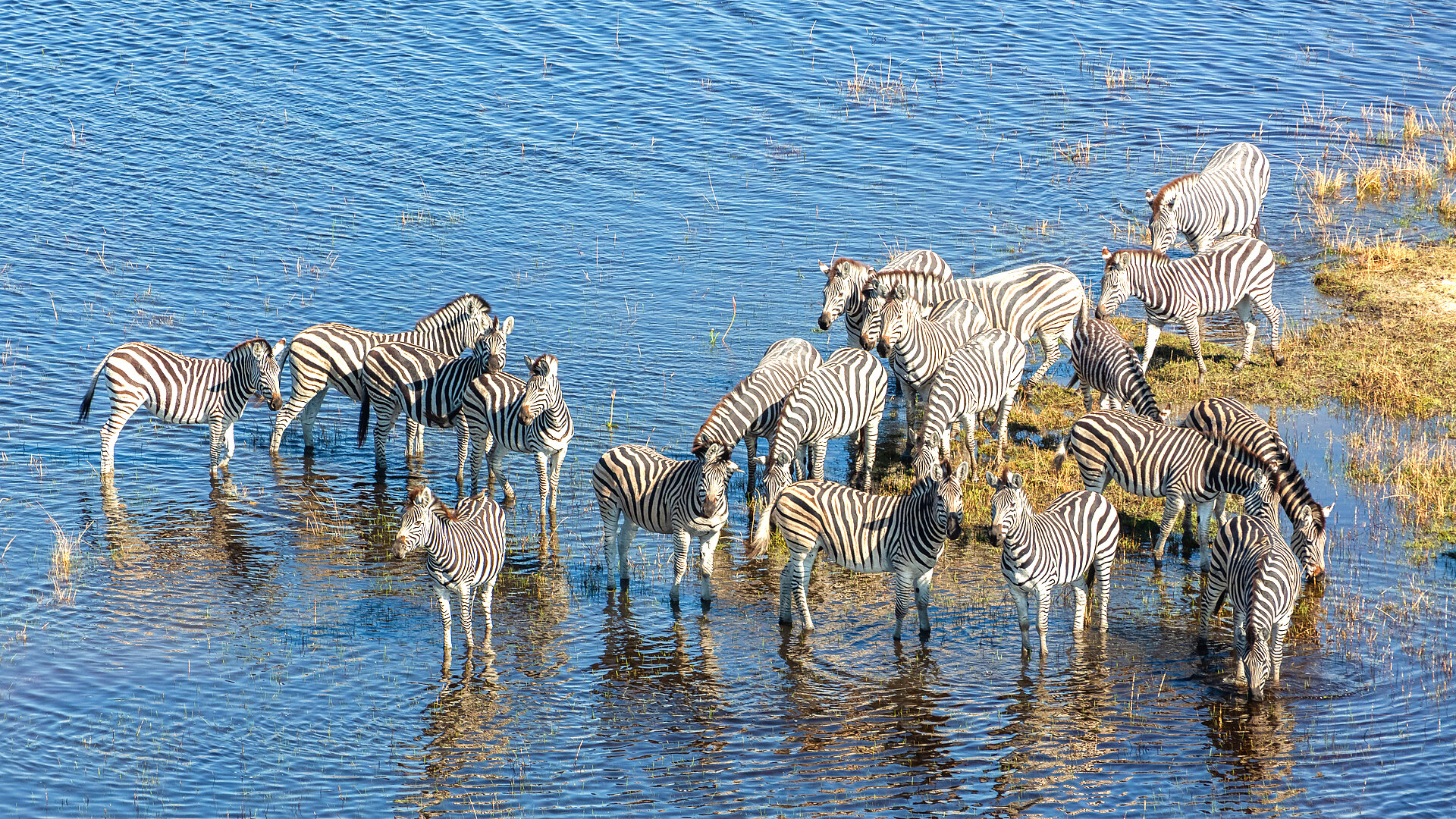
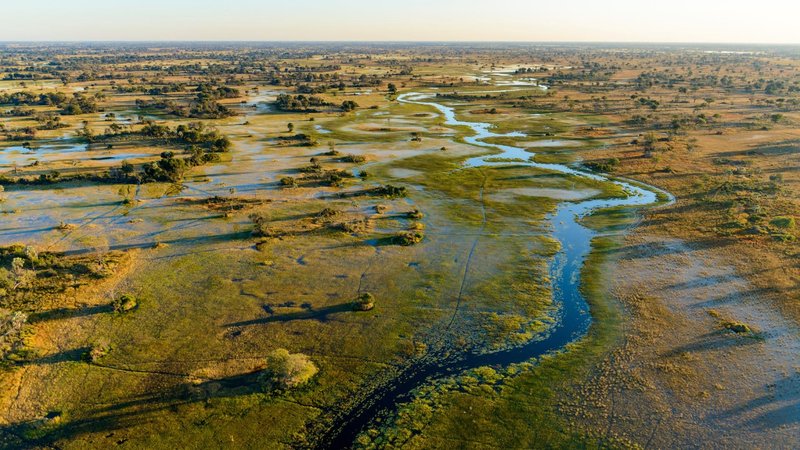
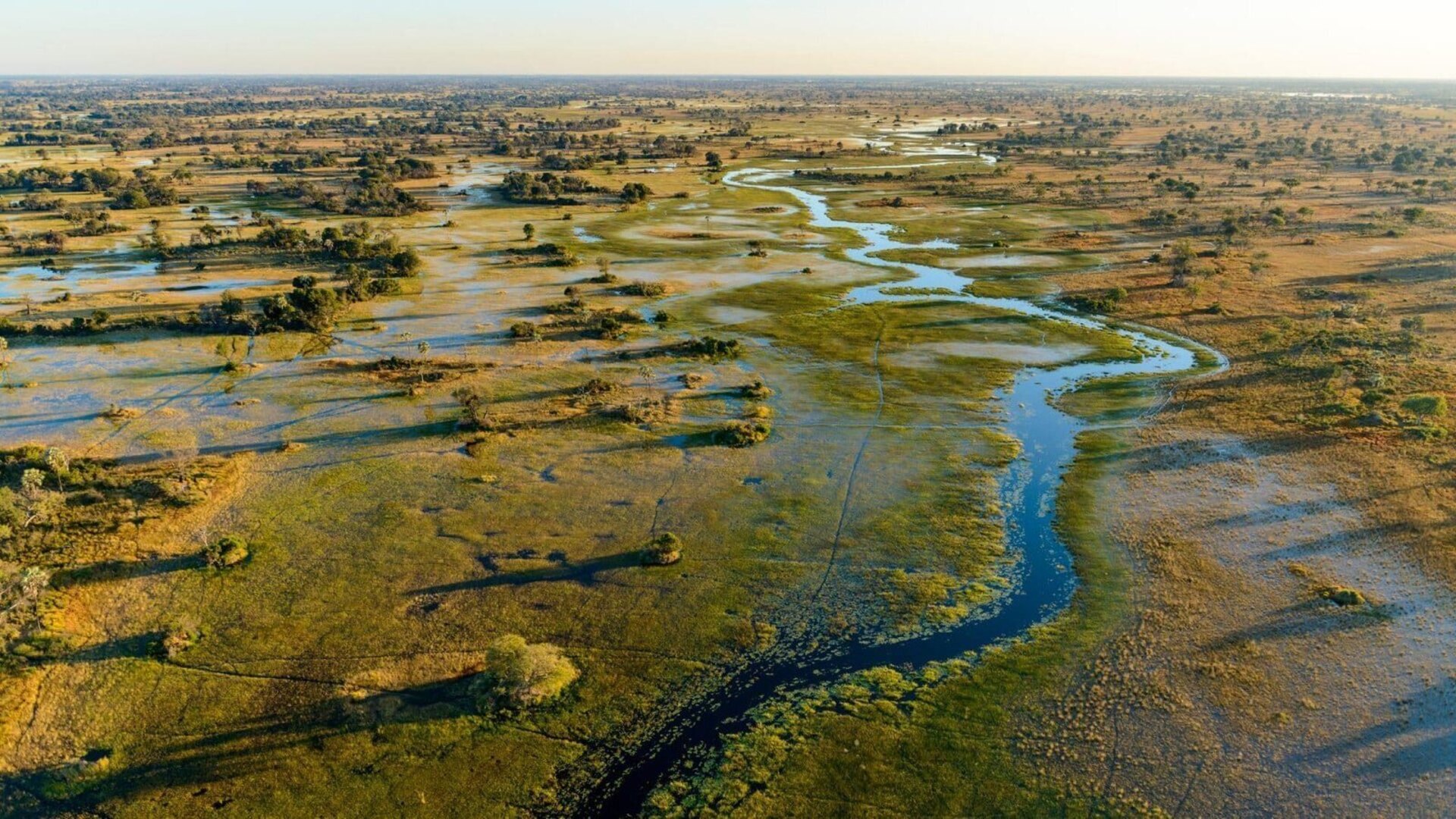
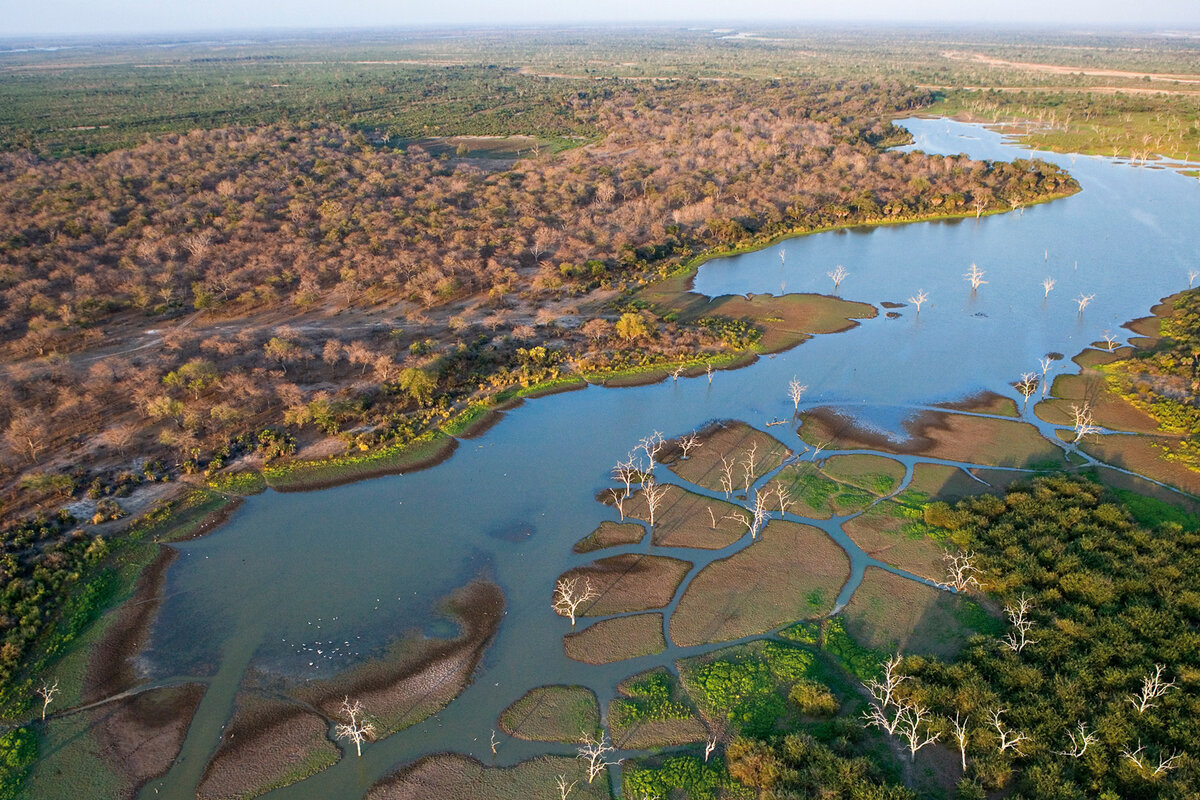
It sounds logistical, but in practice it's utterly seamless — and the flights themselves are unforgettable. Low over the floodplains, you watch elephant herds wade through the shallows, hippos scatter, and the water threading through the islands like liquid silver. Many guests say the scenic flights were among the most beautiful moments of the whole trip.
How It Works: From International Arrival to Camp
The journey usually unfolds like this: you fly internationally into Maun (the main safari gateway) or Kasane (near Chobe and Victoria Falls). From there, a light-aircraft transfer — scheduled or private — takes you to your first camp's airstrip. Flights are coordinated by the camps and your operator, so connections are built around your arrival.
Between camps, you simply fly on. A member of the camp team drives you to the airstrip, the plane lands, you climb aboard, and 15–45 minutes later you're touching down in a completely new landscape. There's no border faff, no long drives, no wasted days — just a short, scenic hop and a fresh guide waiting with a cool drink.


The Luggage Rules — Pack Light and Soft
The one thing every fly-in guest must know: luggage limits are strict, and they're for safety, not fuss. Light aircraft can only carry so much weight. The standard allowance is around 20kg (about 44lb) total per person, including hand luggage, packed in a soft-sided bag — no rigid suitcases, which won't fit in the small holds.
It sounds restrictive, but safari life is casual and most camps offer same-day laundry, so you need far less than you think. Think neutral, layerable clothing, a warm fleece for chilly morning drives, a hat, sunglasses, sun cream, your camera and binoculars. Your operator will send a detailed packing list — follow it, and you'll never miss the extra bag.
Design My Botswana Fly-In Safari
Building the Perfect Route
The art of a great Botswana fly-in safari is combining contrasting habitats. Because you can move so easily by air, you can experience three completely different worlds in a single week. A classic seven- to ten-day route might look like this:
Camp 1 — A water-based Delta camp for mokoro, boating and the shimmering heart of the Okavango (think Jao, Vumbura or Duba Plains).
Camp 2 — A big-cat land camp such as Mombo or Chief's Camp for predators and general game.
Camp 3 — A contrast finale — the surreal Kalahari salt pans at Jack's Camp, or the elephants and Victoria Falls of the Chobe–Zambezi region.
This variety is the secret to Botswana. Rather than staying in one place, you sample the Delta's water, the plains' predators and the desert's strange beauty — each reached in minutes by a scenic flight. See our guide to the best luxury safari lodges in Botswana for camp inspiration.


Is a Fly-In Safari Safe?
Yes. Botswana's safari air operators are experienced, professional and well regulated. Pilots fly these routes daily, aircraft are maintained to strict standards, and flights are grounded in genuinely poor weather. The planes are small, so if you're nervous about flying it's worth knowing in advance — but the low-level, short-hop nature of the flights, and the extraordinary views, win over most anxious flyers within minutes.
Fly-In vs Self-Drive
Botswana can also be explored by 4x4 self-drive — a rugged, adventurous, budget-friendlier way to see the country for experienced overlanders. But for most travellers, and certainly for honeymooners and those seeking comfort and the finest camps, fly-in is the way to go. It saves days of hard driving, unlocks the truly remote camps, and turns transfers into scenic highlights. If you'd rather drive, read about the alternative in our Botswana self-drive coverage; if you want the classic luxury experience, fly.
When to Go
Fly-in safaris run year-round. The dry season (July–October) offers the best big-game viewing as wildlife concentrates around water, and the flights reveal the Delta's channels at their most photogenic. The green season (November–April) is quieter, greener and better value, with dramatic skies and superb birdlife — and the scenic flights over a flooding, greening Delta are magical in their own right.
Private Tours Cape Town designs seamless fly-in safaris across Botswana — every flight coordinated, every camp hand-picked, every golden hour accounted for.