Key Takeaways
- Neutral earth tones are the rule — khaki, stone, olive and sand; leave the black and navy at home
- Kenya spans climates: pack for hot lowland parks and cool, misty highland mornings alike
- Bush flights (SafariLink, AirKenya and similar) limit you to around 15 kg in a soft bag
- Binoculars are as important as a camera — one pair per person changes the whole experience
- If you add a Kenyan coast finale, pack reef-safe sunscreen and light beachwear
- Kenya banned single-use plastic bags in 2017 — repack before you fly in
Why Packing for Kenya Is Its Own Art
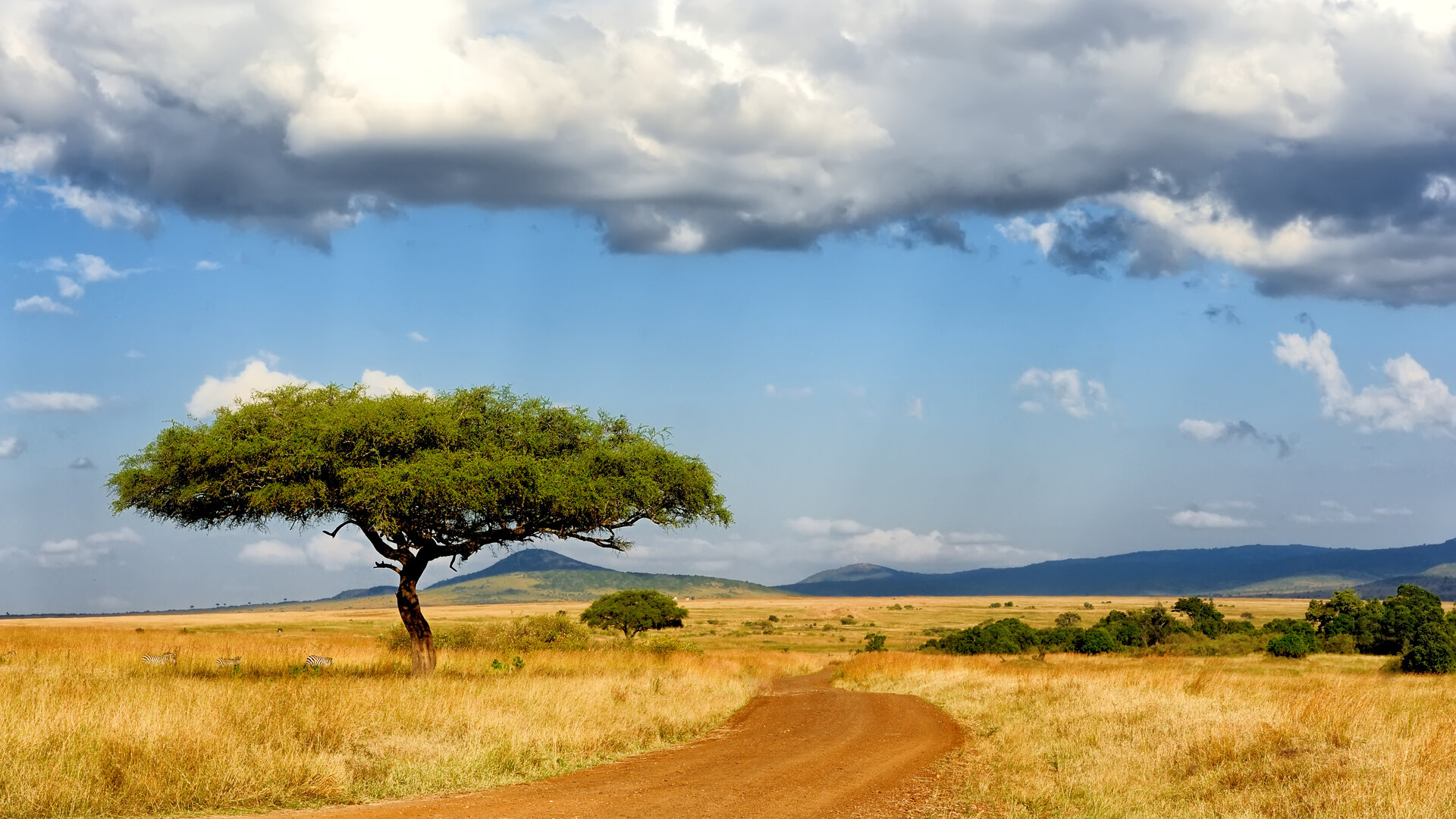
Kenya is not one landscape but many, and a well-planned safari can carry you through several in a week. You might photograph elephants against the snows of Kilimanjaro in dusty, sun-baked Amboseli in the morning, then find yourself pulling on a fleece against a chill highland breeze that same evening. Pack for only one of those climates and you will spend half your trip too hot or too cold.
The trick is versatility. A small, carefully chosen wardrobe of neutral, layerable pieces will see you comfortably through the plains, the highlands and — if you finish on the Indian Ocean — the coast. Add the discipline demanded by Kenya's small bush aircraft, and the case for packing light becomes overwhelming.
Here is exactly what to bring, organised so you can pack with confidence and leave the guesswork at home.
The Neutral Wardrobe: Colours That Work
On safari, your clothes should disappear into the landscape. Earth tones — khaki, stone, sand, olive and soft brown — keep you cool under the equatorial sun, hide the inevitable dust, and let wildlife relax in your presence. They also photograph beautifully against the tawny grass and blue skies.
Two colours to avoid: bright white, which glares in the heat and reveals every smudge of red-earth dust, and both black and dark blue, which are known to attract tsetse flies in some regions. Give bold prints and neon a miss entirely, and never pack camouflage — it is associated with the military in parts of East Africa and can cause genuine problems.
A practical capsule for a week might be three or four long- and short-sleeved shirts, two pairs of lightweight trousers, a pair of shorts, a fleece and a windproof outer layer. With laundry available at almost every camp, that really is enough.
The Complete Packing Checklist
Copy this list, pack against it, and you will arrive with everything you need and nothing you do not.
Layering for Kenya's Climate Zones
Kenya's game-viewing regions sit at very different altitudes, and that changes what you wear. The lowland parks — Amboseli, Tsavo and Samburu — are hot and dry, and lightweight short-sleeved shirts and shorts rule the daytime. The Masai Mara, higher up, has warm days but genuinely cold pre-dawn drives, so a fleece and windproof jacket are essential for that first golden hour. The central highlands around the Aberdares and Mount Kenya can be downright chilly, with mist and rain, calling for warmer layers and a light waterproof.
The universal answer is layering. Start a morning drive wrapped up — long sleeves, fleece, jacket, warm hat — and shed the layers one by one as the sun climbs. By midday you will be in a T-shirt; by the evening drive, you will be reaching for the fleece again. A buff or lightweight scarf is a small item that earns its place, keeping dust off your face on the drive and warmth around your neck at dawn.
Health, Documents and Money
Kenya's game areas are malarial, so antimalarial tablets, a strong DEET repellent and covered clothing at dusk are essential — visit a travel clinic well before you leave. Carry any prescription medication in its original packaging, along with a compact first-aid kit: plasters, painkillers, rehydration salts and remedies for an upset stomach.
For paperwork, most visitors need an electronic travel authorisation arranged online before arrival — sort it out early and travel with a printout. A yellow-fever certificate may be required depending on your route, so check the current rules. Bring travel insurance that covers safari activities, and carry a supply of US dollars in small denominations for tips and incidentals, alongside a card for larger payments.
Optics and Camera Gear
On a Kenya safari, a good pair of binoculars is not a luxury — it is the difference between spotting a distant leopard and missing it entirely. Bring one pair per person; sharing never works when the action is unfolding. An 8x42 or 10x42 pair strikes the ideal balance of magnification and steadiness.
For the camera, a zoom lens in the 200–400mm range brings the wildlife close, and a beanbag steadied on the vehicle door beats a tripod in the field. Pack ample memory cards and spare batteries, since remote camps may offer only limited charging, and a power bank keeps your phone and devices alive. A UK-style three-pin adapter fits Kenyan sockets. Keep a soft cloth handy — red dust finds its way onto everything.
Luggage Limits on Kenya's Bush Flights
If your itinerary hops between parks by light aircraft — the quickest and most scenic way to travel — you will face a firm luggage allowance of roughly 15 kg (33 lbs) per person, including hand luggage, in a soft duffel or holdall. Hard-shell suitcases will not fit the small holds and are turned away at the airstrip.
Same-day laundry at most camps makes this limit far easier to live with than it first appears. Roll your clothes, wear your heaviest layers on flying days, and keep documents, medication, valuables and camera gear in a small daypack that stays with you. If you are combining safari with the coast, ask your camp about storing anything you will not need in the bush.
Packing Responsibly in Kenya
Kenya takes conservation seriously, and a few small choices make you a better guest. The country banned single-use plastic bags in 2017, with strict penalties, so transfer toiletries into reusable pouches and avoid packing anything in plastic carrier bags. If your trip ends on the Indian Ocean, choose a reef-safe sunscreen to protect the coral, and pack a reusable water bottle to cut down on plastic throughout your journey.
Pack light, pack neutral, and pack thoughtfully. Kenya will give you far more than you carry in — and the lightest bag makes for the easiest, most joyful safari.
Private Tours Cape Town crafts seamless private safaris across Kenya and the wider region — well briefed, well planned, and packed with the moments that matter most.