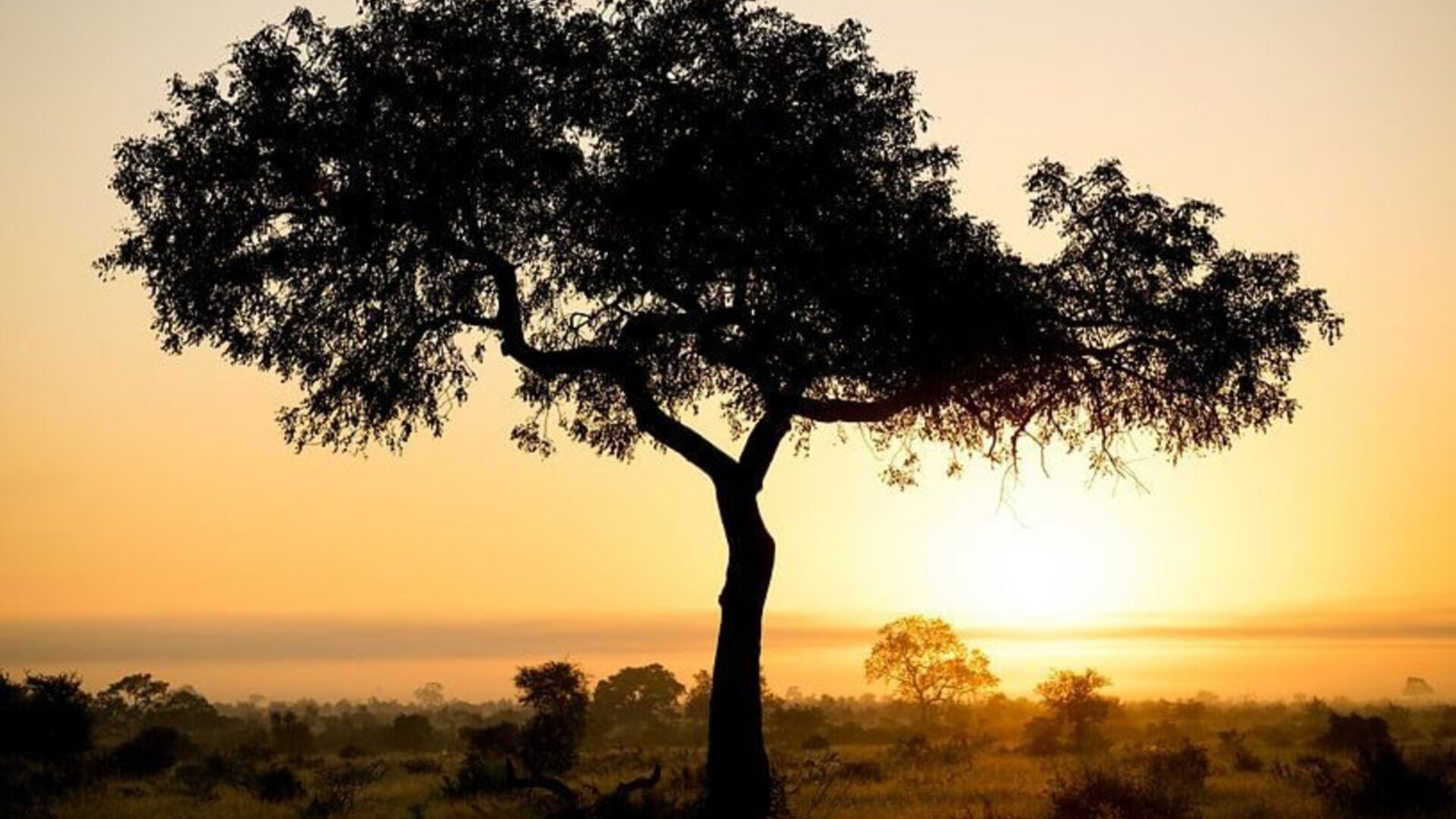
One country is unforgettable. Two or three countries on a single safari? That is the trip of a lifetime. A multi-country safari lets you combine the best of Africa — the Great Migration in Kenya and Tanzania, the Okavango Delta's waterways in Botswana, the walking safaris of Zambia, the Big Five in South Africa, the mountain gorillas of Rwanda and Uganda, and the thunder of Victoria Falls in Zimbabwe. Here are the proven combinations, the logistics, the costs, the visas, and the sample itineraries that work.
Victoria Falls — the heart of a Southern Africa multi-country adventure.
Why Combine Countries on One Safari?
Each African country offers something unique. Kenya has the Masai Mara and the drama of the river crossings. Tanzania has the endless Serengeti plains and Ngorongoro Crater. Botswana has the Okavango Delta's water-based magic. Zambia has walking safaris and wild, uncrowded parks. South Africa has the infrastructure, the luxury lodges and the malaria-free Big Five. Rwanda and Uganda have mountain gorillas you can look in the eye. Combine two or three countries and you experience the full spectrum of African wilderness — landscapes, ecosystems and wildlife you would miss if you stayed in one place.
The logistics are easier than you think. Africa's regional flight network, cross-border visas and experienced operators make multi-country trips smooth, safe and worthwhile.
The Best Multi-Country Safari Combinations
1. Kenya + Tanzania — The Classic Migration Combo
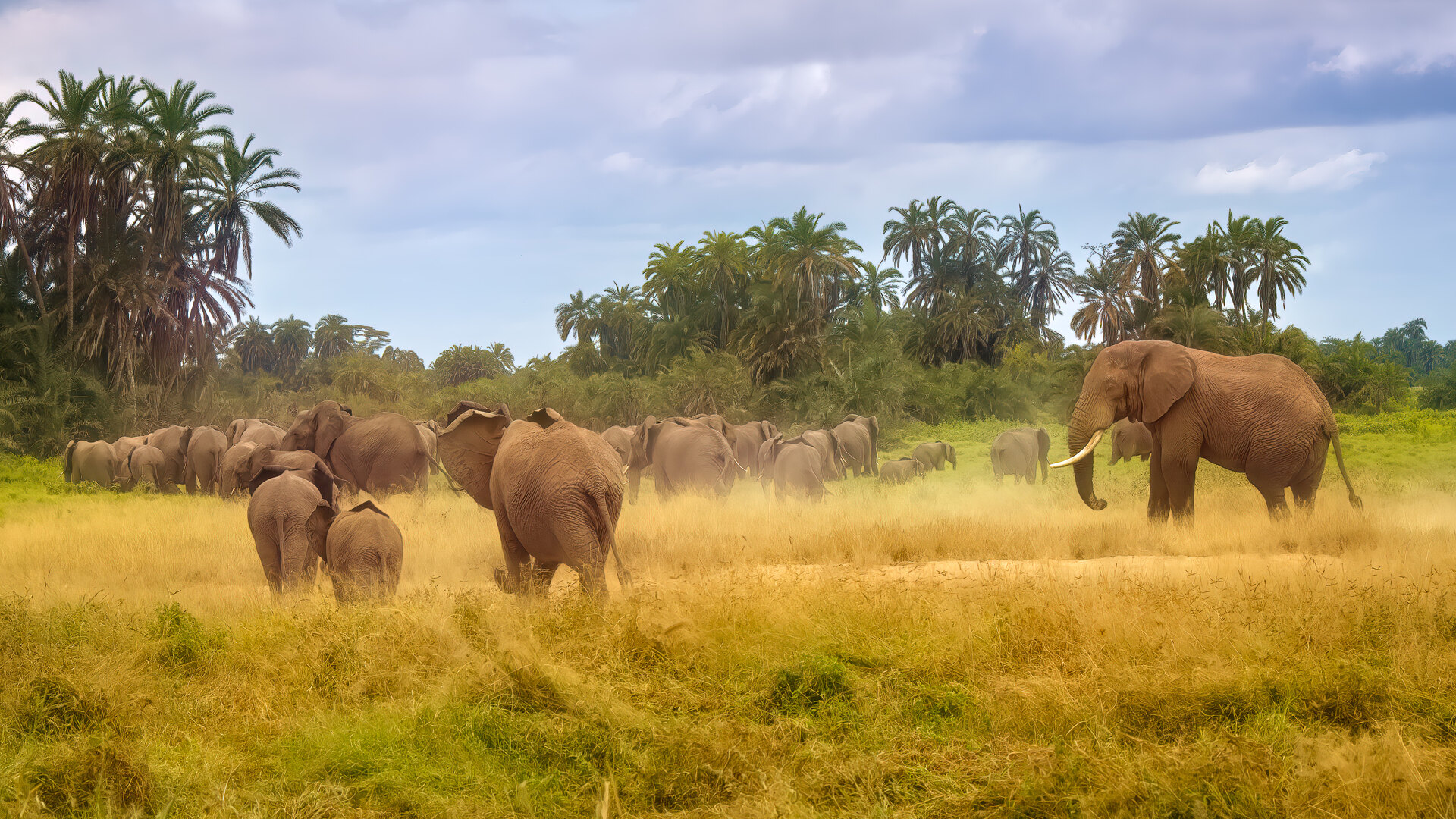
This is the ultimate East African pairing. Combine Kenya's Masai Mara (for the dramatic Mara River crossings and year-round Big Five) with Tanzania's Serengeti (for the vast migration herds, Ngorongoro Crater and fewer crowds). The two parks share an unfenced border, so the migration flows between them, and you can witness both chapters of the story.
Sample itinerary (10 days): Nairobi → 3 nights Masai Mara → fly to Serengeti → 4 nights Serengeti → 1 night Ngorongoro Crater → fly to Arusha/Kilimanjaro → home.
Best time: July–October for river crossings; December–March for calving season.
Cost: $6,000–$15,000 per person depending on lodges.
Read our Great Migration guide and Kenya safari guide for details.
2. Botswana + Zambia — Water, Walking & Wilderness
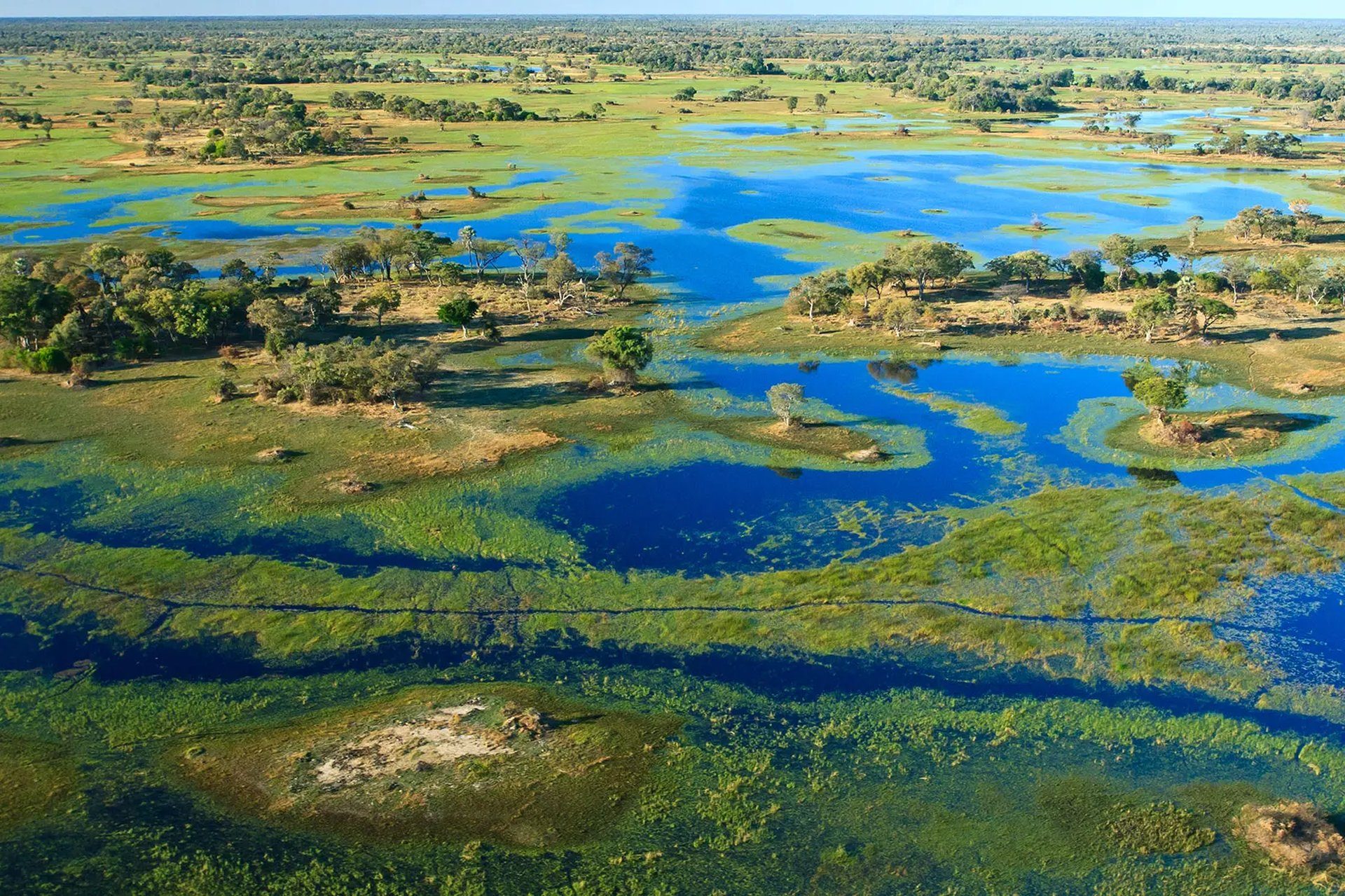
Pair Botswana's Okavango Delta and Chobe (mokoro canoe safaris, elephant herds, luxury water camps) with Zambia's South Luangwa or Lower Zambezi (walking safaris, wild dogs, leopards and intimate bush camps). This is the ultimate combo for repeat safari-goers who want something beyond game drives.
Sample itinerary (12 days): Johannesburg → fly to Maun → 3 nights Okavango Delta → 3 nights Chobe → fly to Livingstone/Lusaka → 4 nights South Luangwa → home.
Best time: May–October (dry season).
Cost: $8,000–$20,000 per person (Botswana is premium-priced).
See our Okavango Delta guide and Zambia safari guide.
3. Zimbabwe + Botswana — Falls, Elephants & Adventure
Combine Victoria Falls (Zimbabwe or Zambia side — rafting, bungee, helicopter flights, the falls themselves) with Botswana's Chobe National Park (the largest elephant concentration on earth, boat safaris on the Chobe River). The two are only 70 km apart, connected by a short drive and easy border crossing.
Sample itinerary (7 days): Victoria Falls (Zimbabwe side) → 2 nights → overland to Chobe (Botswana) → 3 nights → fly to Johannesburg → home.
Best time: April–October.
Cost: $3,500–$10,000 per person.
Explore our Victoria Falls guide and Victoria Falls & Chobe Safari.
4. South Africa + Mozambique — Bush & Beach
The ideal pairing: Big Five safari in Kruger or Sabi Sands (3–4 nights of leopards, lions and luxury lodges) followed by the pristine beaches and coral reefs of Mozambique's Bazaruto Archipelago (4–5 nights of snorkelling, dhow cruises and doing nothing). A short regional flight from Nelspruit to Vilanculos connects the two.
Sample itinerary (9 days): Johannesburg → 3 nights Sabi Sands → fly to Vilanculos → 5 nights Benguerra Island → home.
Best time: May–October (dry season for safari, warm and calm for the coast).
Cost: $5,000–$12,000 per person.
Read our Mozambique beach & safari combo guide and South Africa safari guide.
5. Rwanda + Uganda — Double Gorilla Experience
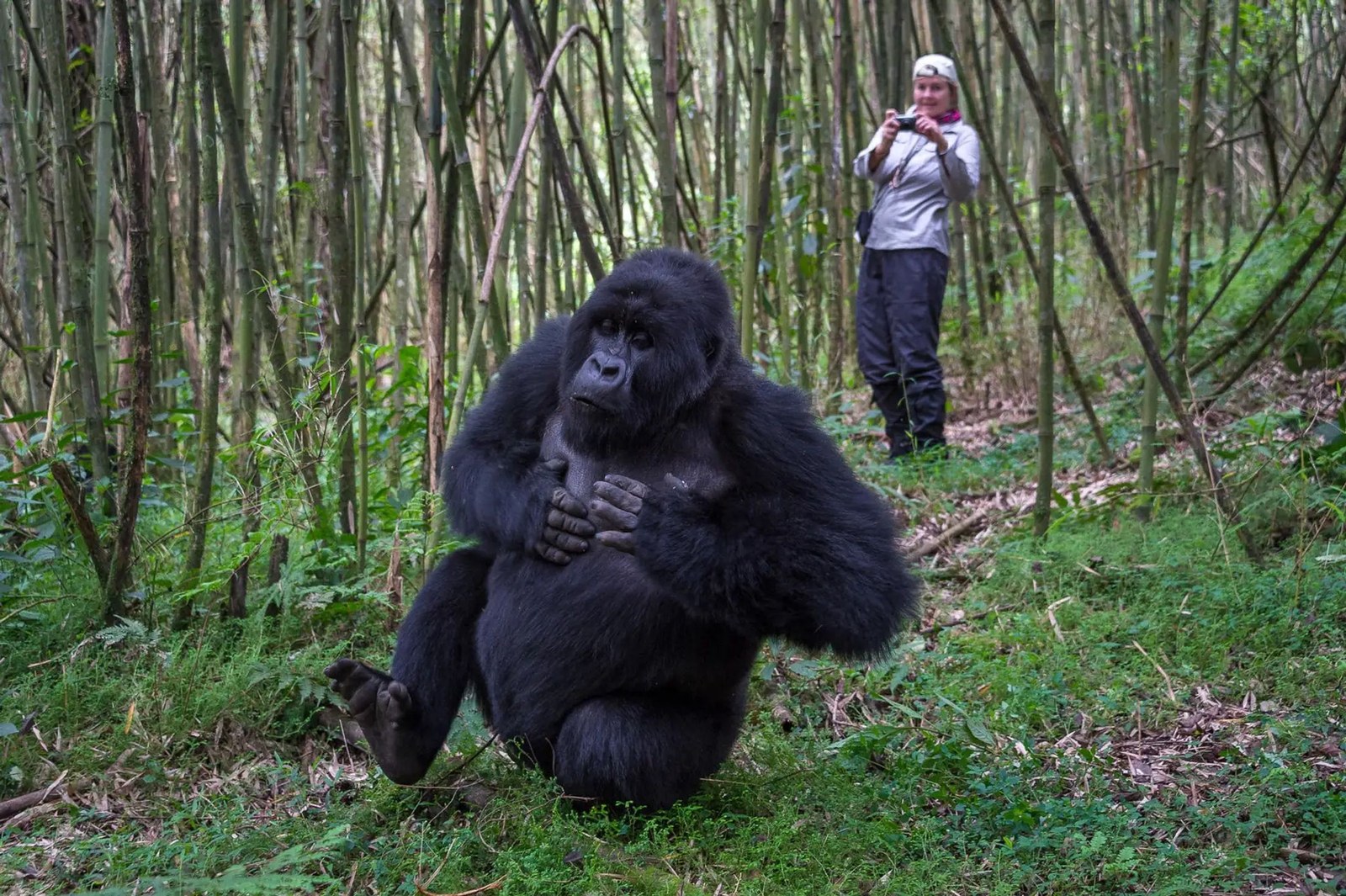
For the ultimate primate trip, combine gorilla trekking in Rwanda's Volcanoes National Park with Uganda's Bwindi Impenetrable Forest or Queen Elizabeth National Park (tree-climbing lions, chimpanzees, boat safaris). You can trek two different gorilla families, double your odds of incredible encounters, and see contrasting landscapes.
Sample itinerary (8 days): Kigali → 2 nights Volcanoes NP (gorilla trek) → overland to Bwindi (Uganda) → 3 nights (second gorilla trek) → 2 nights Queen Elizabeth NP → Entebbe → home.
Best time: June–September, December–February (drier trekking).
Cost: $6,000–$15,000 per person (gorilla permits alone are $1,500 each).
See our Rwanda & Uganda gorilla guide.
Logistics: Flights, Borders & Visas
Getting between countries
Most multi-country safaris use regional flights — either light aircraft to remote bush strips or scheduled airlines (like Airlink, Proflight, Ethiopian, Kenya Airways) between major hubs. Flying is quick (1–2 hours vs a full day overland), scenic, and the best use of your limited holiday time.
Overland border crossings work well in Southern Africa where countries are close (Victoria Falls to Chobe is 70 km, Kruger to Mozambique is drivable), but flying is essential for East Africa (Kenya to Tanzania, Rwanda to Uganda).
Visa requirements (check current rules)
Visa rules change, so always verify for your nationality, but here are the common patterns:
- South Africa & Botswana: Visa-free for most Western nationalities (90 days).
- Kenya & Tanzania: Visa-on-arrival or e-visa for most nationalities ($50–$100 USD). If you leave and re-enter Tanzania, you need a new visa (or a multi-entry visa).
- Zambia & Zimbabwe: Visa-on-arrival or e-visa. The KAZA UniVisa ($50 USD) covers both countries if you are moving between them.
- Rwanda: E-visa required ($50 USD).
- Uganda: E-visa or visa-on-arrival ($50 USD).
- Mozambique: Visa-on-arrival at Vilanculos airport for most nationalities (~$50–$80 USD, cash).
We provide full visa guidance when you book, including which to arrange in advance and which you can get on arrival.
Yellow fever vaccination
If your route involves flying from a yellow-fever country (e.g., Kenya, Tanzania, Uganda, Zambia) to South Africa, you need proof of yellow-fever vaccination. South Africa requires it for arrivals from endemic zones. Always carry your yellow-fever certificate if your itinerary touches multiple countries.
How Long Should a Multi-Country Safari Be?
Minimum: 10–12 days to combine two countries meaningfully.
Ideal: 12–16 days for two countries with breathing room.
Luxury: 16–21 days for three countries or two countries plus a beach extension.
Do not try to squeeze too much in. Safari is about depth, not a checklist. Spending 2–3 nights per camp is the minimum; 4–5 nights lets you truly settle in and see the rhythms of the place. Factor in at least one full travel day between countries (sometimes two if connections are tricky).
What Does a Multi-Country Safari Cost?
Costs vary enormously based on lodge category, season and countries, but rough benchmarks:
- Budget self-drive (Southern Africa only): $2,000–$4,000 per person for 2 weeks (car, fuel, budget lodges, park fees).
- Mid-range guided: $5,000–$10,000 per person for 10–14 days (mid-range lodges, internal flights, all-inclusive).
- Luxury: $10,000–$25,000+ per person for 12–16 days (luxury lodges, private vehicles, fly-in camps).
The big cost drivers are internal flights ($300–$800 per leg), the number of nights, and lodge category. Botswana and Rwanda (gorilla permits) are premium-priced; South Africa and Zambia offer more mid-range options. For a full cost breakdown, see our African safari cost guide.
Best Time for Multi-Country Safaris
The dry season — June to October — is the sweet spot for most multi-country combinations. Wildlife viewing is at its peak across Southern and East Africa, the Great Migration river crossings happen July–September, and weather is comfortable for gorilla trekking. November to March is green season: lush, fewer crowds, lower prices, but more rain and tougher game viewing in some areas. Match your timing to your priority sighting — see our best time to go on safari guide.
Common Mistakes to Avoid
- Trying to do too much. Three countries in 10 days means you will spend more time in airports than in the bush. Pick two countries, go deep.
- Underestimating travel time. Regional flights, border crossings and transfers take longer than they look on a map. Budget a full day for each country-to-country move.
- Ignoring visa and vaccination requirements. Check early. Some visas take weeks to process.
- Booking the cheapest option. Multi-country safaris are complex. Book through a reputable operator who handles logistics, connections and contingencies.
- Forgetting the single supplement. If you are travelling solo, budget for single-occupancy charges. See our solo safari guide.
Plan Your Multi-Country Safari
A multi-country safari is the ultimate African adventure, and we design itineraries that balance the destinations, the pace and the logistics so you see the best without the stress.
Explore the Serengeti Migration Safari, the Victoria Falls & Chobe Safari, the Beach & Safari Ultimate Mozambique, or the Ultimate Gorilla Wildlife Uganda. Or get in touch and tell us your wish list — we will build a multi-country itinerary that brings it all together.