Key Takeaways
- A Big Five and gorilla combo pairs Africa's two greatest wildlife encounters — the open-savanna Big Five safari and mountain gorilla trekking in the rainforest — in one trip.
- Mountain gorillas live in only three countries: Rwanda, Uganda and the DRC. Combos most often use Rwanda for its easy access, or Uganda for an all-in-one-country journey.
- The savanna half delivers lion, leopard, elephant, buffalo and rhino; the gorilla half delivers a hushed, arm's-length encounter with a habituated gorilla family.
- Gorilla permits are deliberately costly — around 1,500 US dollars in Rwanda, 800 in Uganda — and fund the conservation that has brought the species back from the brink.
- You need reasonable fitness, not athleticism; treks run one to six hours and porters are available. The minimum age is 15.
- Allow ten to fourteen days and aim for the dry months (June to October or December to February) for the best of both worlds.
Two Wildlife Wonders, One Journey
Ask any seasoned Africa traveller to name the continent's two most powerful wildlife experiences and you will hear the same pair again and again: a Big Five safari across the golden savanna, and an hour spent in the presence of wild mountain gorillas. They could hardly be more different. One is expansive and cinematic — vast plains, big skies, the raw drama of predator and prey. The other is intimate and profound — a steep climb into a misty forest to sit quietly beside creatures that share almost 98 percent of our DNA and gaze back at you with unmistakable intelligence.
For years travellers felt they had to choose. In fact, with a little clever routing, the savanna and the rainforest fold together into a single trip that many describe as the greatest of their lives. You spend the first half in the open, ticking off lion, leopard, elephant, buffalo and rhino from an open vehicle, and the second half in the green, tracking a gorilla family through the trees. The contrast is the whole point: two wildlife wonders, one unforgettable journey.
The Big Five Half: The Savanna Safari
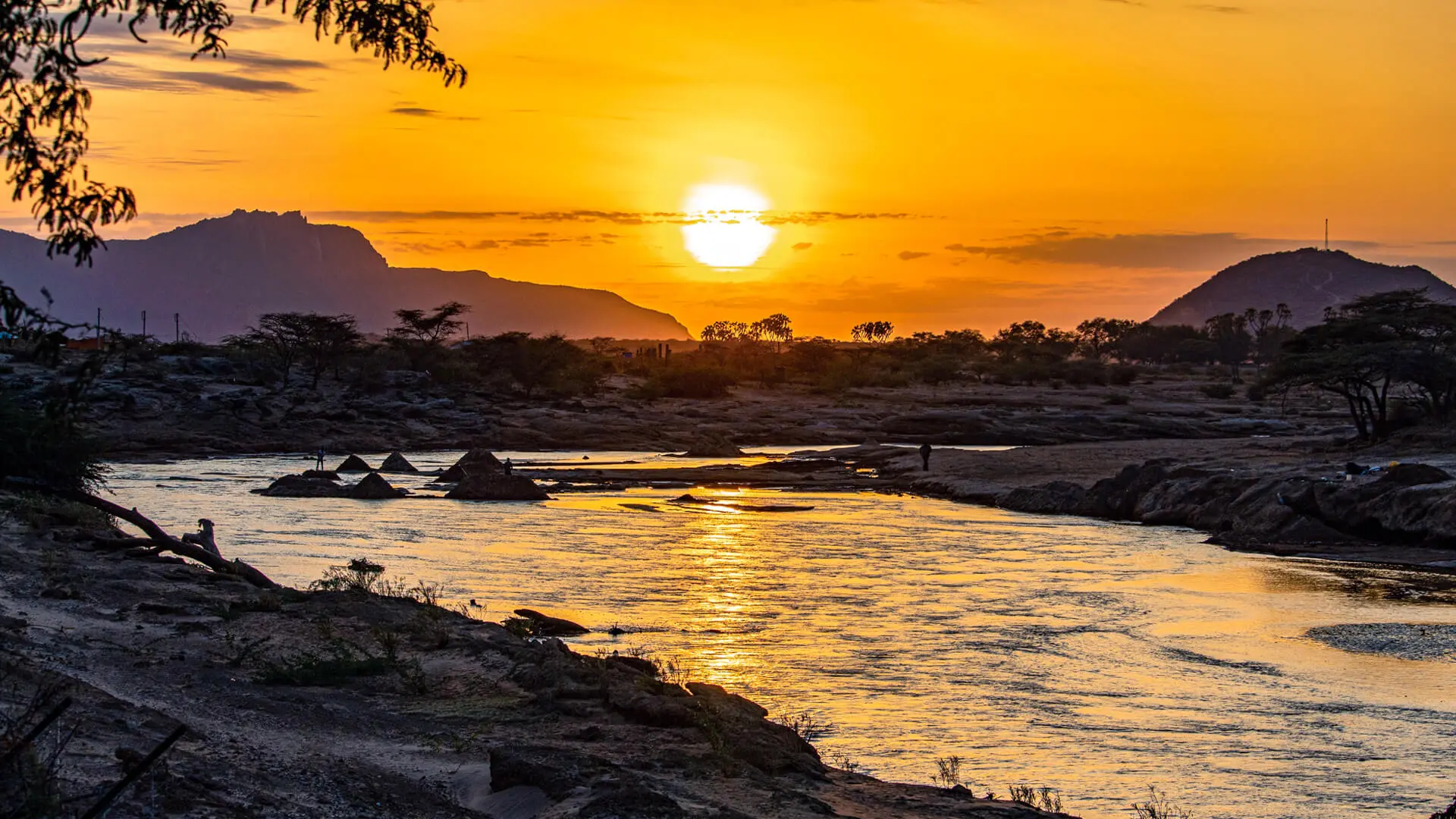
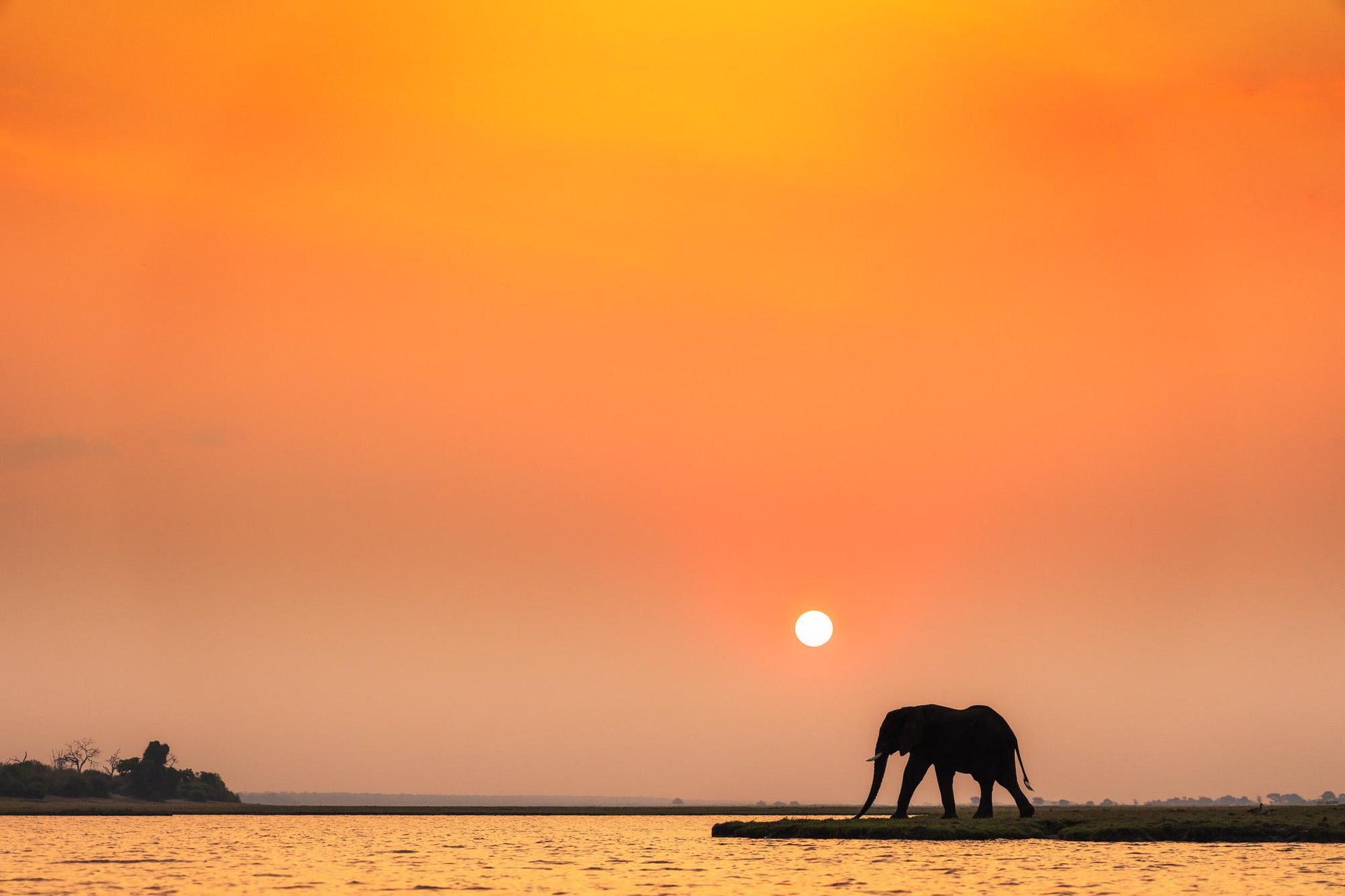
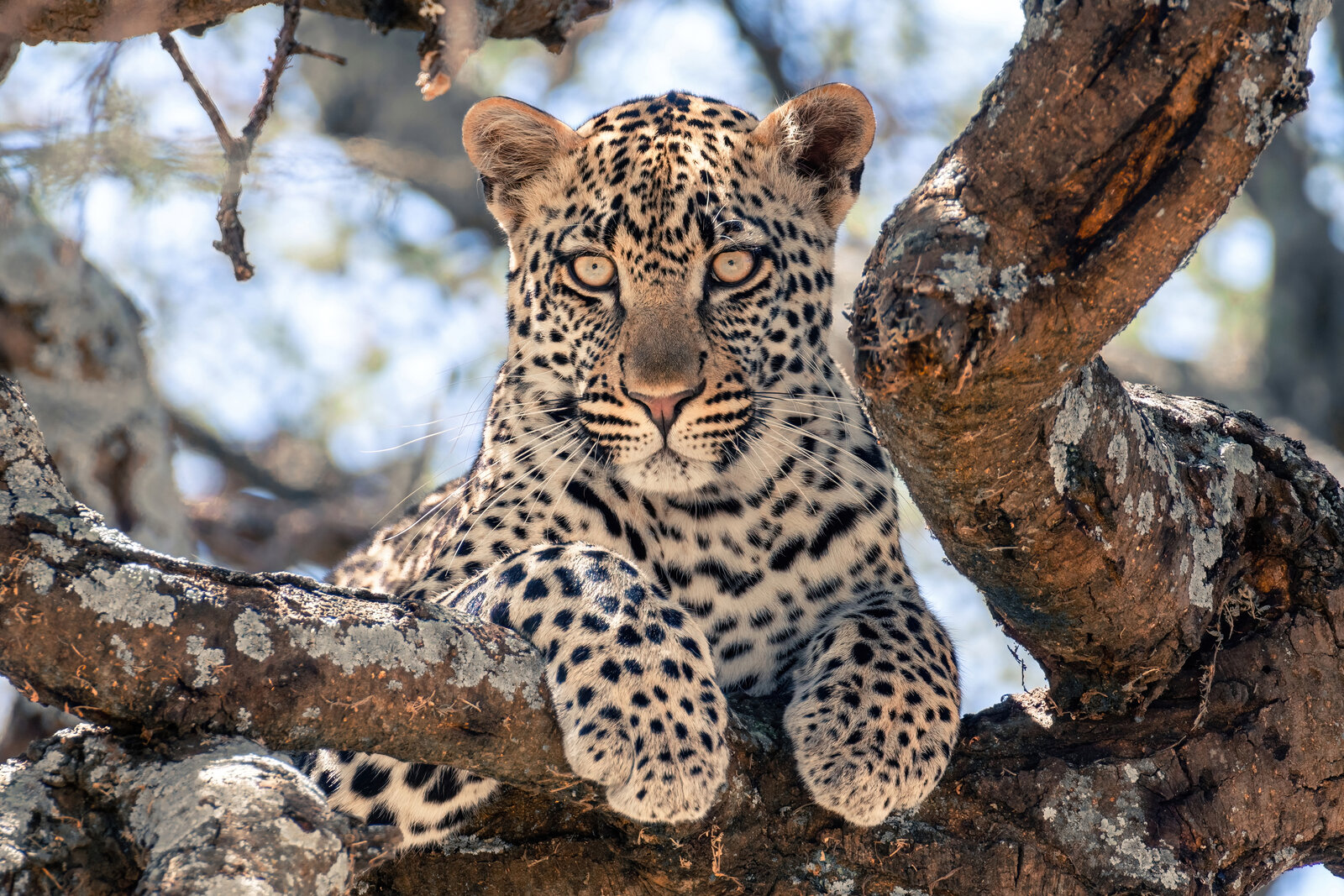
The savanna half is the classic African safari, and it delivers the Big Five — lion, leopard, elephant, buffalo and rhino — the animals that once defined the toughest quarry for hunters and now form the headline cast of every great game reserve. Depending on the route, this half might unfold across Kenya's Masai Mara, Tanzania's Serengeti, or the private reserves of Southern Africa such as the Sabi Sands beside the Kruger, where leopard sightings are the finest in Africa and rhino still walk the bushveld.
These are the days of the open vehicle and the golden hour: tracking a pride of lions at dawn, watching a leopard haul its kill into a tree, sitting among a breeding herd of elephants, and thrilling to the tension of a buffalo herd facing down predators. Add cheetah, giraffe, zebra, hippo and hundreds of birds, and the savanna half alone would justify the trip. It is the wide-screen, high-drama portion of the journey — and the perfect counterpoint to what comes next.
The Gorilla Half: Into the Rainforest
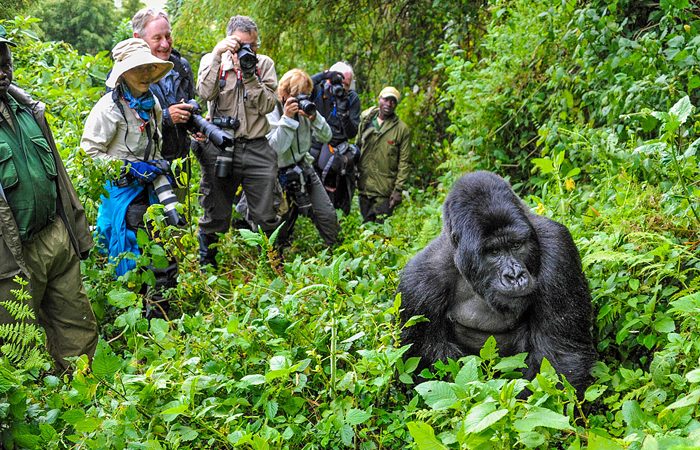
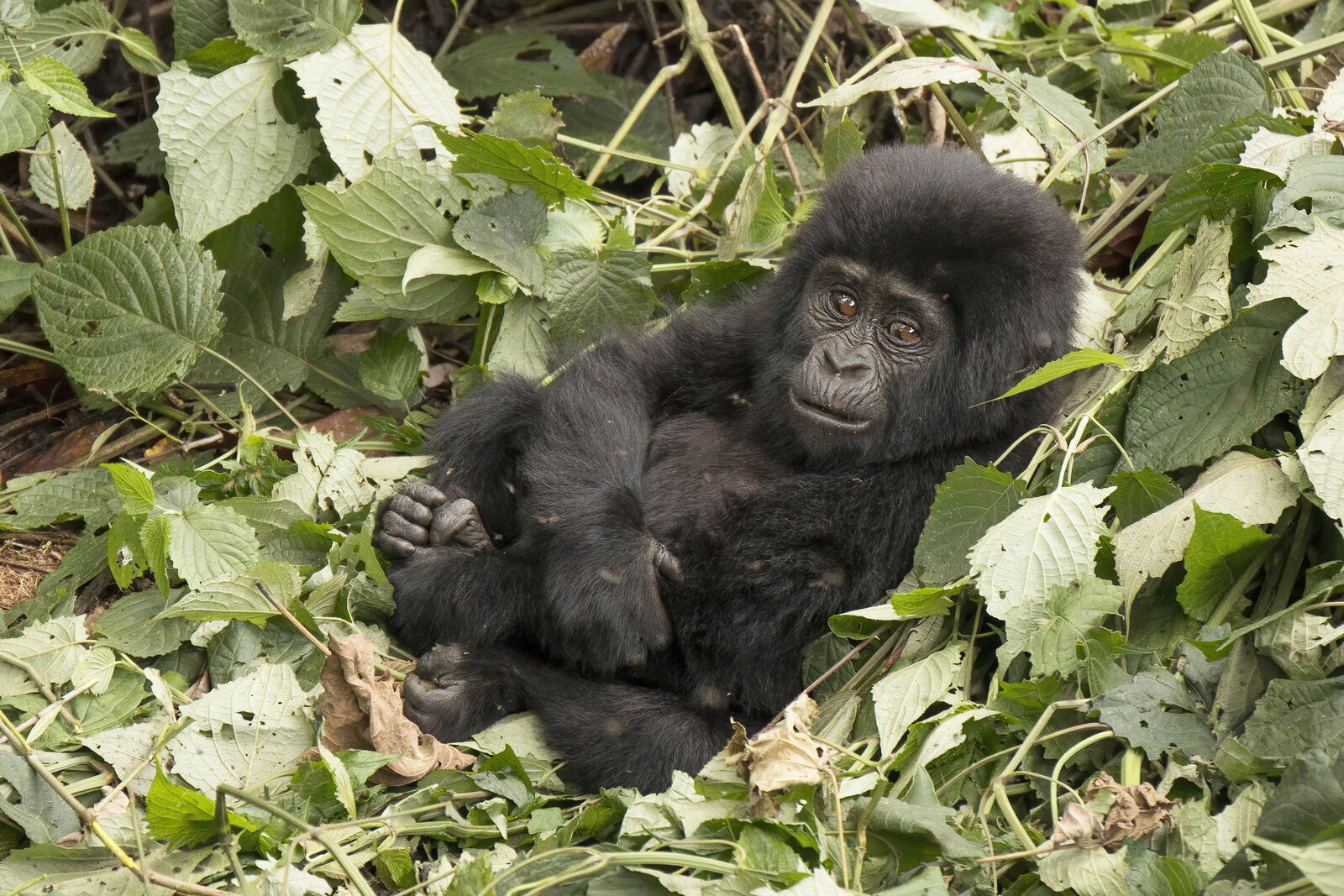
Then the whole trip changes gear. You trade the open plains for the steep, dripping green of an equatorial rainforest, high on the flanks of ancient volcanoes. Somewhere on those slopes lives a family of mountain gorillas, and after a briefing at the park headquarters you set off on foot with trackers and a guide to find them. The walk can take anywhere from an hour to most of a morning, climbing through bamboo and tangled undergrowth, until a hush falls and the trackers signal that the family is just ahead.
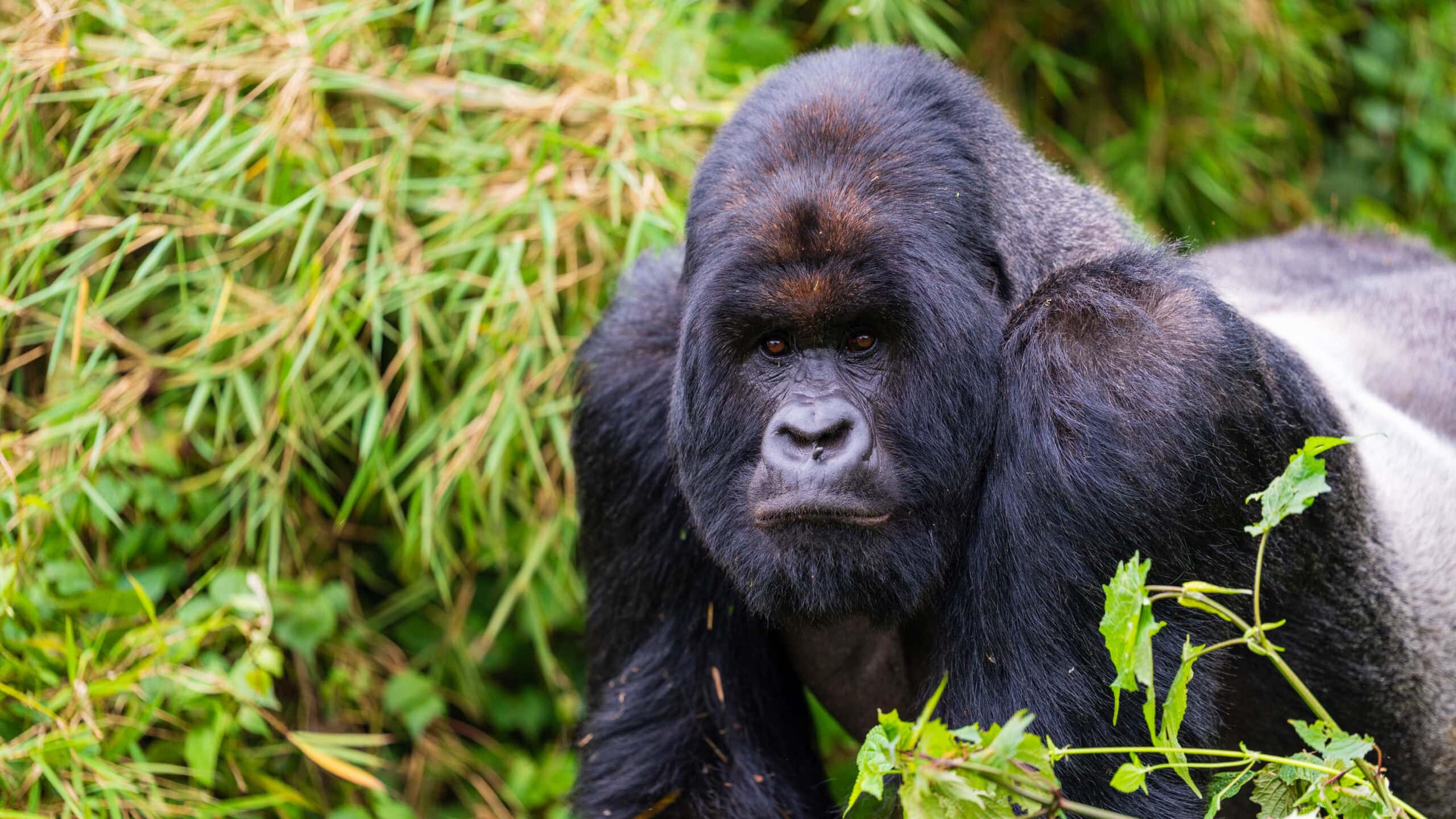
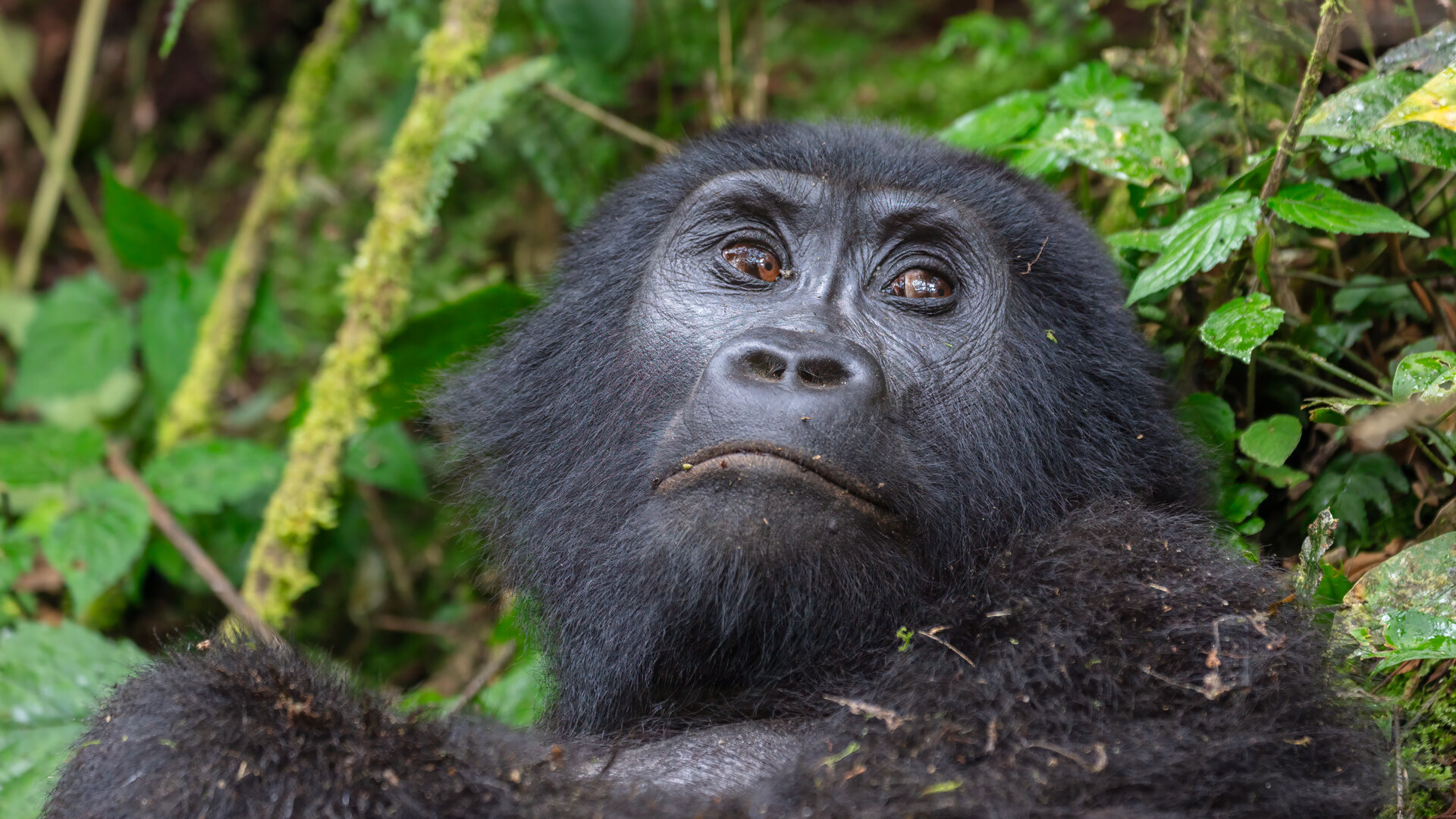
Nothing prepares you for that first sight. A silverback the size of a small car reclining in a clearing; females grooming; youngsters tumbling and thumping their chests in play; an infant peering at you from its mother's arms. You are allowed one magical hour in their company, close enough to hear them breathe and feed. It is calm, overwhelming and deeply moving — the kind of encounter that rearranges how you think about the natural world, and the emotional heart of the entire combo trip.
How to Link Them: The Best Routes
The art of the combo is in the linking, and there are several elegant ways to do it. The most popular pairs an East African savanna safari — Kenya's Masai Mara or Tanzania's Serengeti — with gorilla trekking in Rwanda's Volcanoes National Park, since Kigali is a clean, easy hub only a couple of hours' drive from the gorillas and connects well by air to the safari circuits. Rwanda's short transfers and excellent lodges make it the smoothest choice for most travellers.
A second option keeps everything in one country: Uganda offers its own savanna parks — Queen Elizabeth and Murchison Falls — alongside the gorillas of Bwindi and even chimpanzee trekking in Kibale, so you can build a rich all-Uganda journey. A third, for those who want the ultimate contrast, links Southern Africa's Big Five reserves (the Sabi Sands or a Kruger camp) with a flight up to Rwanda for the gorillas. Whichever route you choose, we handle every cross-border flight and transfer so the two halves feel like one trip, not two.
Permits, Fitness & What to Know
Gorilla trekking is carefully controlled, and understanding a few essentials helps you plan. Every trek requires a permit — currently around 1,500 US dollars per person in Rwanda and 800 in Uganda — and numbers are strictly limited, so permits must be secured well in advance. That cost is deliberate: it funds the rangers, trackers and conservation that have brought mountain gorillas back from the edge of extinction, one of the great conservation success stories of our time. Only a small group visits each habituated family per day, for a single closely managed hour.
On fitness, you need to be a reasonably active walker rather than an athlete. Treks range from about one to six hours through steep, muddy, high-altitude forest, and you can hire a porter to carry your daypack and give you a hand on the tough sections — always worth it, and a valuable source of local income. The minimum age is 15. Pack sturdy waterproof boots, garden gloves for grabbing vegetation, a rain jacket and long sleeves. With a decent base level of fitness and the right kit, the trek is well within reach of most travellers.
When to Go & How Long You Need
Both halves of the trip favour the dry seasons. In East Africa the main dry months are June to October and December to February, which are also the prime months for savanna game viewing, when animals concentrate around water and the grass is short. For the gorillas, those same drier windows mean firmer, less slippery forest trails, although gorillas are trekked all year and the forest is lush and beautiful even in the wetter months. Target June to September or December to February and you set yourself up for the best of both worlds.
For length, treat eight to ten days as the sensible minimum and ten to fourteen as ideal. A classic shape gives three to four nights to the savanna safari, two to three nights to the gorillas — enough for at least one trek, and ideally two — plus the travel days and a hub night in between. We always recommend building in a second gorilla trek if the budget allows: the two encounters differ with each family, and a spare day protects you against a single wet, tough-going morning. Give the trip room, and it becomes the journey of a lifetime.
| Element | What to Expect |
|---|---|
| Savanna half | 3-4 nights for the Big Five — Masai Mara, Serengeti or Southern Africa's private reserves |
| Gorilla half | 2-3 nights in Rwanda or Uganda, with one or two treks to a habituated family |
| Gorilla permit | Around US$1,500 in Rwanda, US$800 in Uganda — secured well in advance |
| Fitness & age | Reasonable walking fitness; treks of 1-6 hours; porters available; minimum age 15 |
| Best months | June to October or December to February for both game viewing and trekking |
| Ideal length | 10-14 days including travel and a connecting hub night |
Let Us Craft Your Big Five & Gorilla Combo
This is a trip of moving parts — cross-border flights, tightly limited permits, lodges in two very different worlds — and it rewards being planned by specialists who arrange it constantly. We secure your gorilla permits, choose the savanna reserves and forest lodges that suit your pace and budget, and stitch every transfer together so the whole journey flows as one. All you bring is a sense of wonder; we take care of the rest.
Ready for Africa's Two Greatest Encounters?
Our specialists design tailor-made Big Five and gorilla combo safaris — savanna and rainforest in one seamless private trip, with permits, lodges and every flight handled across East and Southern Africa.
Ready to explore? Browse our safari tours and packages →