Key Takeaways
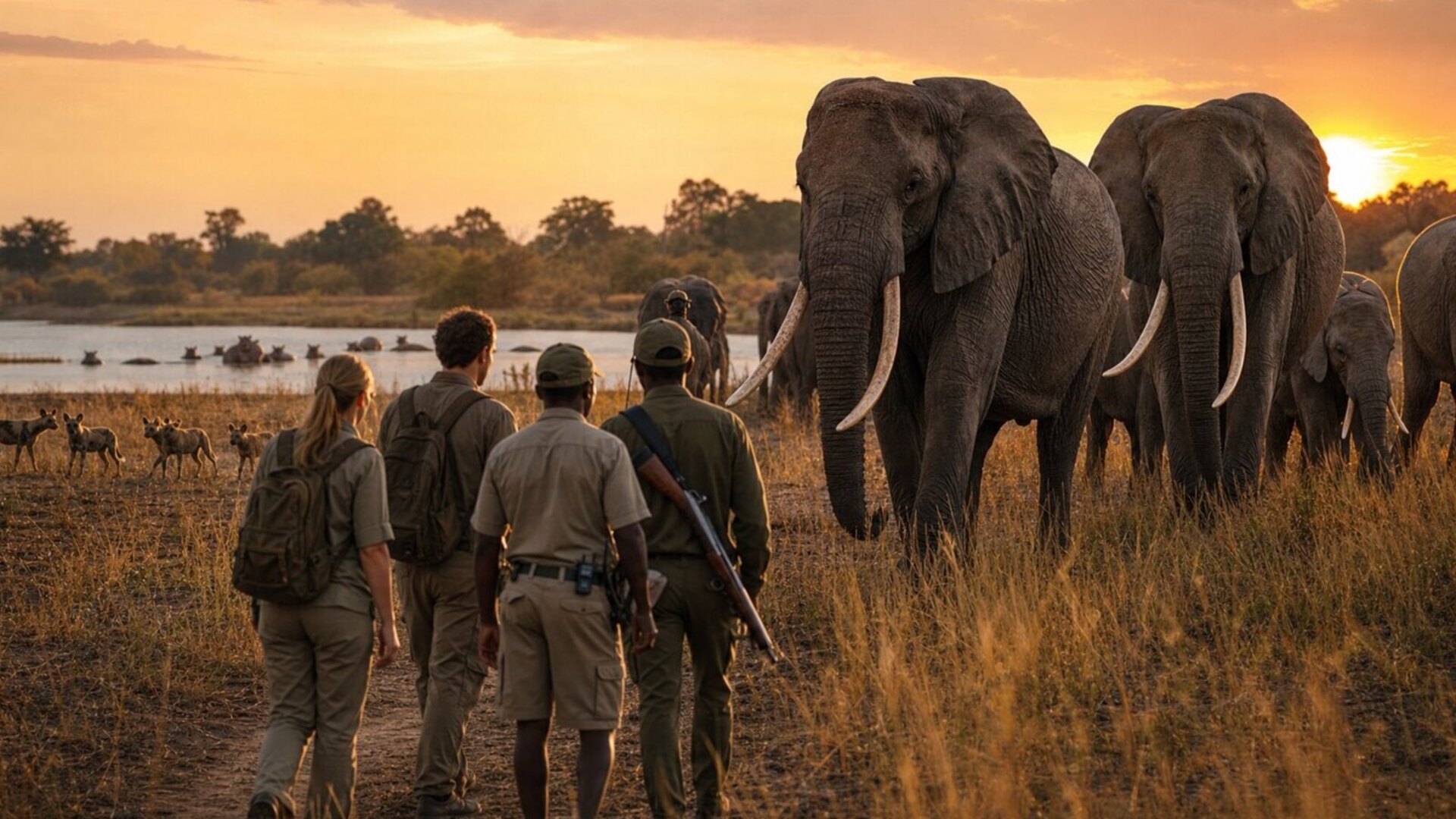
- Zambia is the birthplace of the walking safari. Its guiding is widely regarded as the finest in Africa, and its parks are wild, uncrowded and deeply authentic.
- First timers should start in South Luangwa. It offers the highest concentration of leopard, superb guiding and easy fly-in access — the perfect introduction.
- Pair a park with the Zambezi. The Lower Zambezi adds canoeing and river safaris, while Victoria Falls (the Zambia side, at Livingstone) is the natural adventure finale.
- The wild west and remote north are for the connoisseur — Kafue's Busanga Plains lions, Liuwa's wildebeest migration, Kasanka's ten-million-strong bat migration and Bangweulu's shoebill.
- Best time: the dry season, roughly May to October, for the clearest game viewing; the emerald season (December–April) for lush landscapes, birding and lower rates.
Zambia is the safari purist's safari. This is the country that invented the walking safari, where guiding standards are widely considered the best on the continent, and where you can still track lion on foot, drift a river past drinking elephants, and share a whole national park with barely another vehicle. The wilderness here is vast and genuinely wild — but the very scale that makes Zambia so rewarding can overwhelm first-time planners.
This guide ranks the ten safari destinations in Zambia worth building a trip around — not as a dry checklist of parks, but as trip-planning building blocks. For each, we tell you what it is genuinely best for, when to go, how easy it is to reach, and how to chain it with the others. If wildlife species are your priority, our Big Five Safari Zambia guide goes animal by animal, and for the complete overview start with the Ultimate Zambia Travel Guide. This article answers the bigger question: where should you go, and in what order?
How to Read Zambia: The Safari Regions
Before choosing destinations, understand the geography. Zambia's safari areas cluster into a few natural regions, and knowing them makes every other decision simple.
| Region | Headline Destinations | Best For |
|---|---|---|
| The Luangwa Valley | South Luangwa, North Luangwa | First-timers, walking safaris, leopard, world-class guiding |
| The Zambezi & the Falls | Lower Zambezi, Victoria Falls / Livingstone | Canoeing, river safaris, adventure and the classic finale |
| Kafue & the Western Plains | Kafue (Busanga Plains), Liuwa Plain, Lochinvar, Sioma Ngwezi | Big skies, floodplain lions, wildebeest migration, remoteness |
| The Remote North | Kasanka, Bangweulu Wetlands | The bat migration, shoebill, birding, true off-grid wilderness |
Most first safaris combine the Luangwa Valley + the Zambezi and Victoria Falls. Repeat visitors gravitate to Kafue and the western plains for solitude, and to the remote north for its once-in-a-lifetime natural spectacles. Below, the ten destinations that make each region sing — ranked by how much they should shape your trip.
The 10 Best Safari Destinations in Zambia
1. South Luangwa National Park — The Walking-Safari Capital
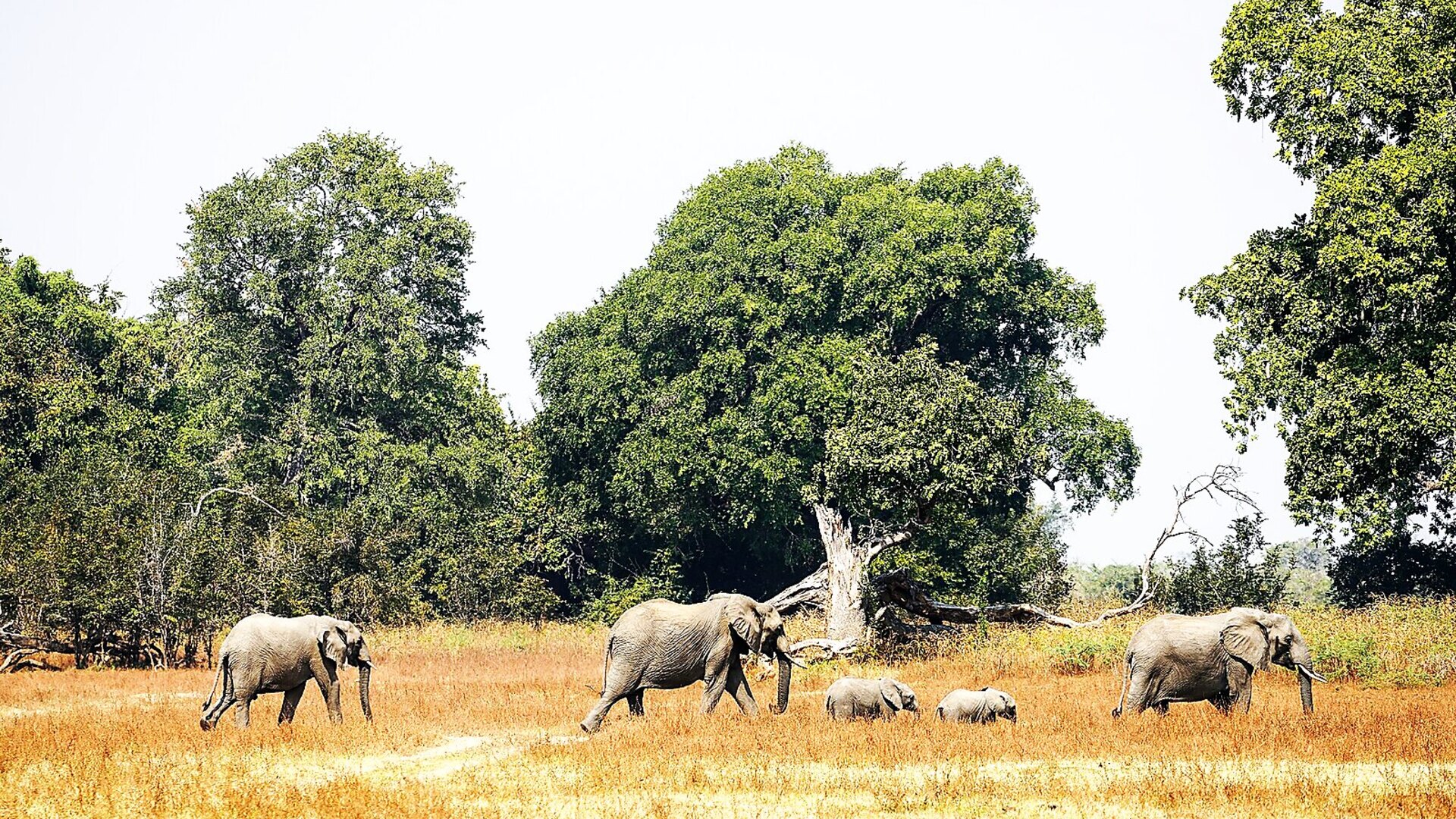
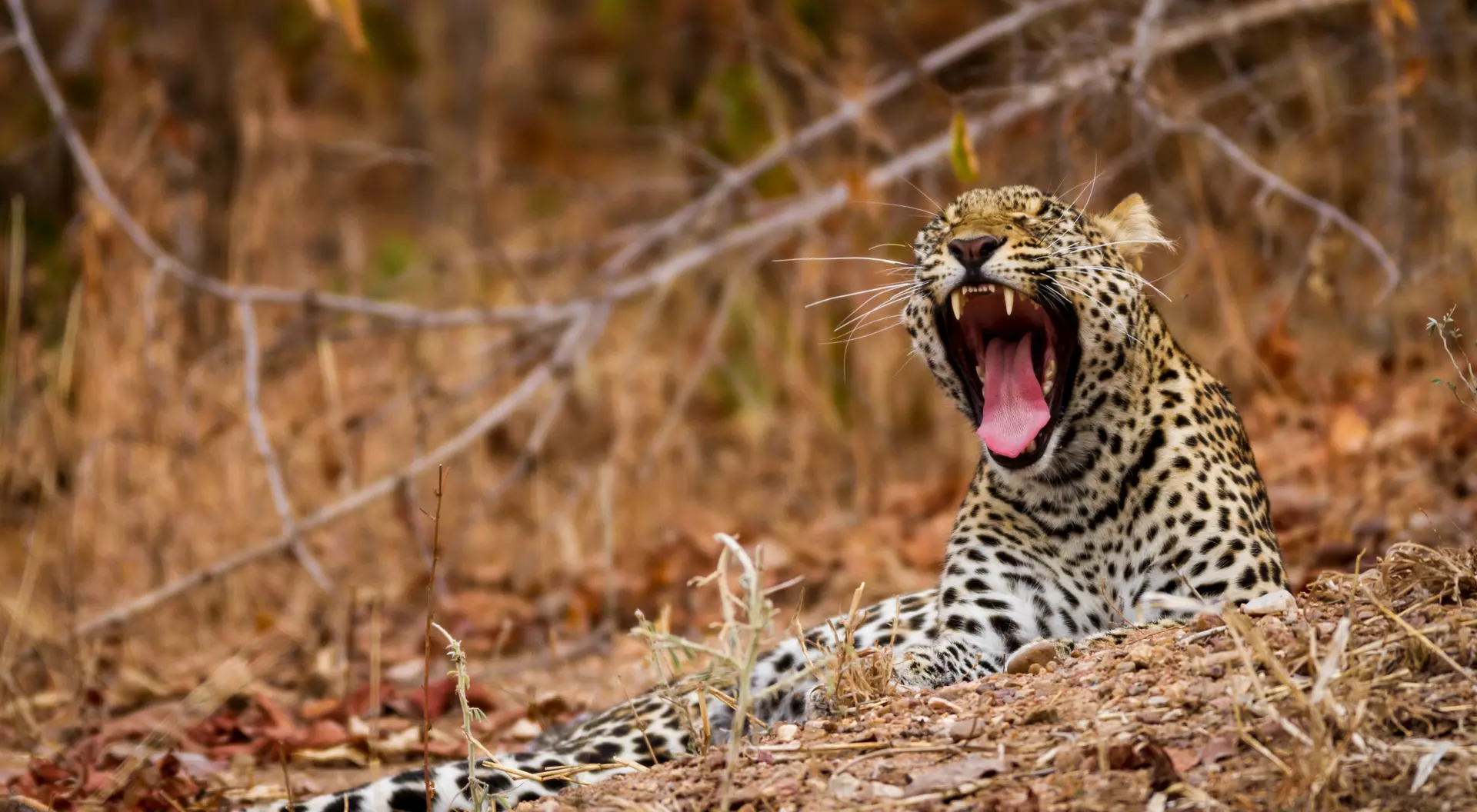
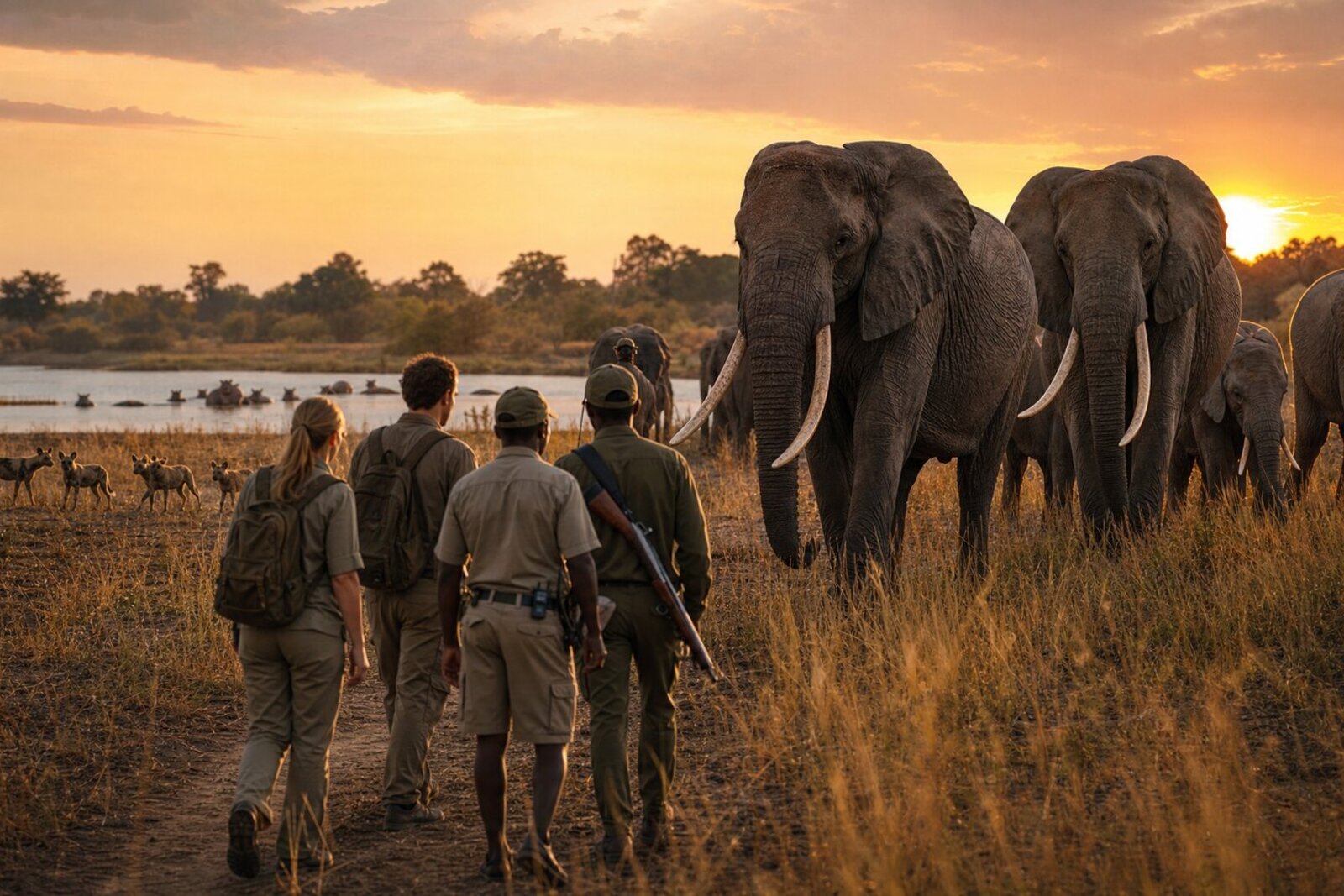
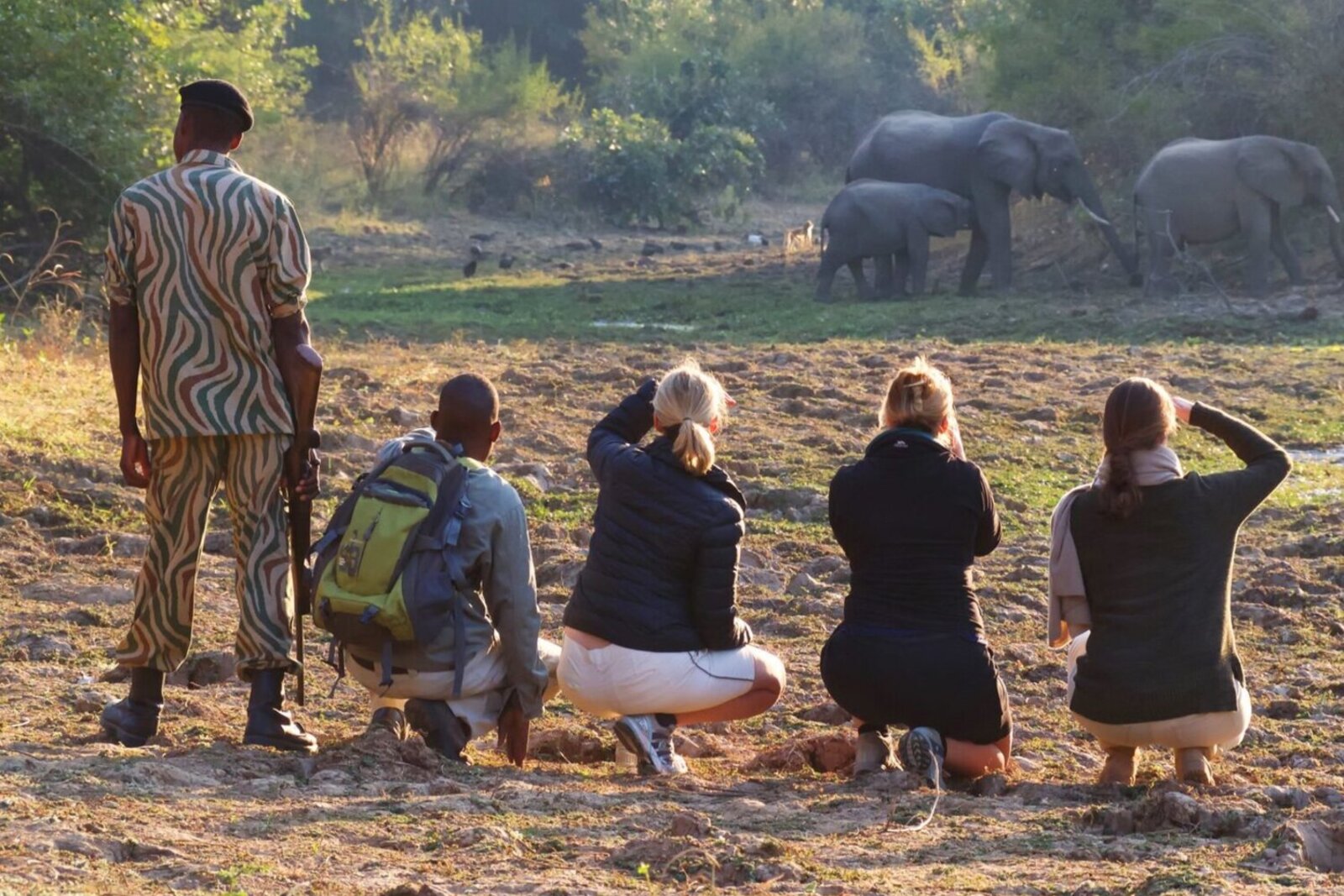
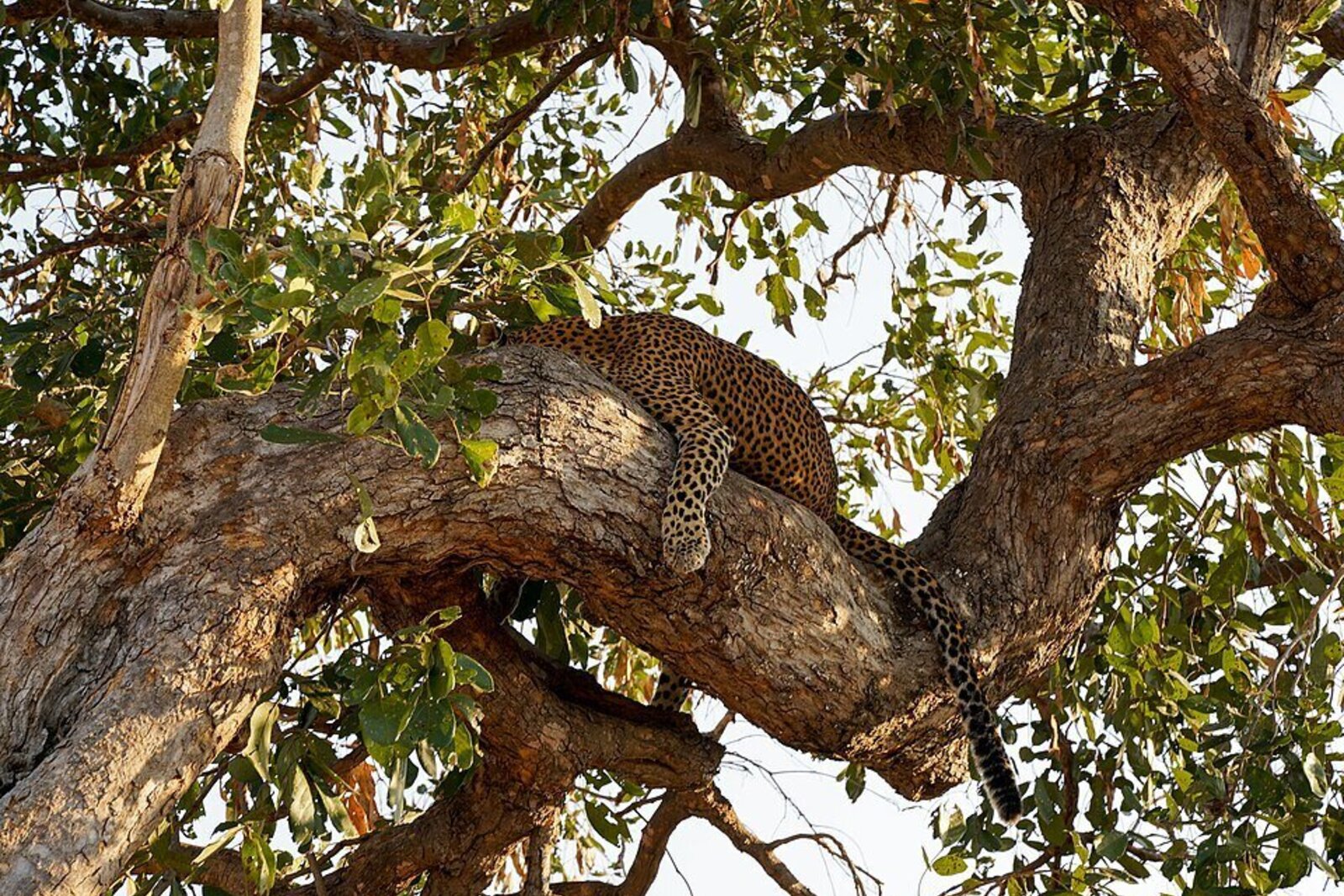
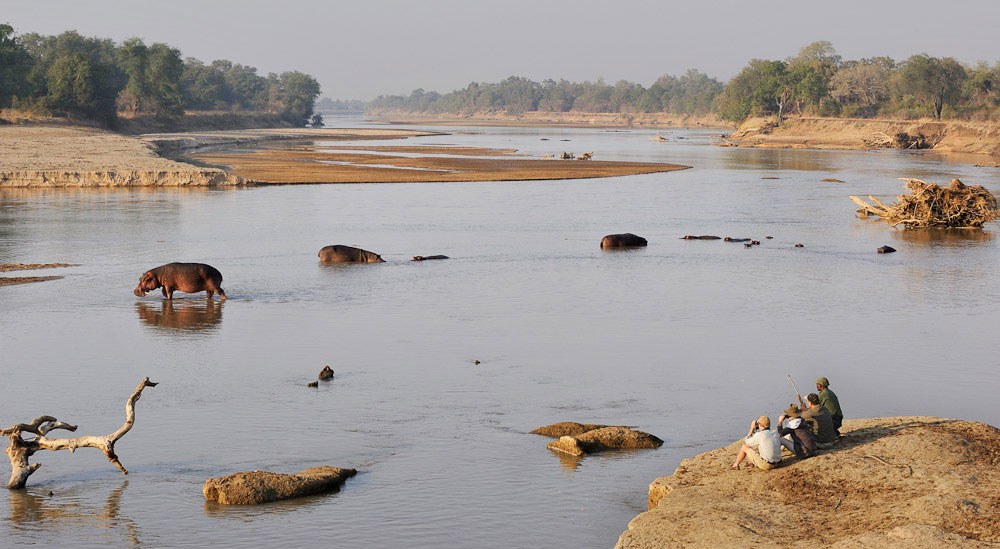
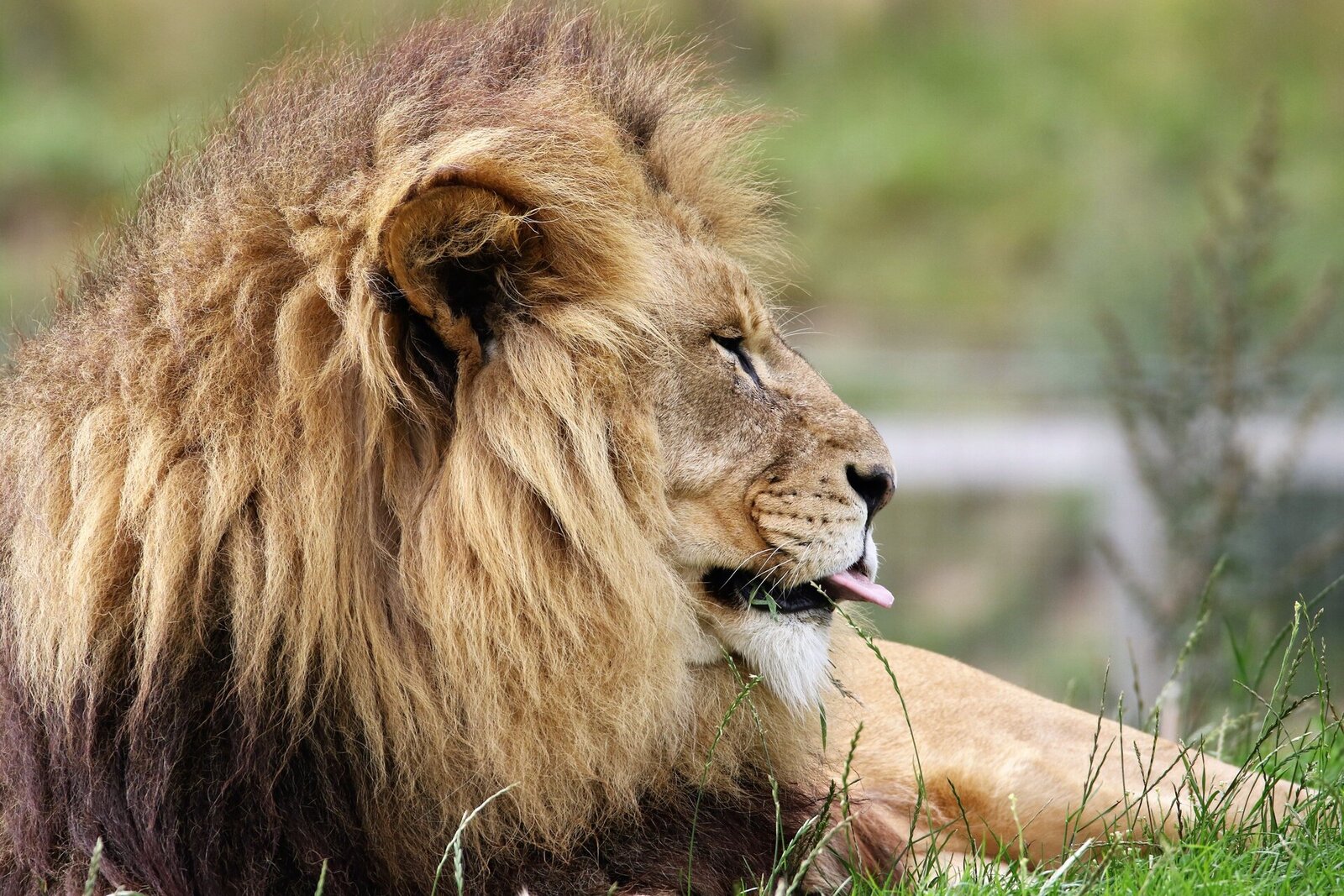
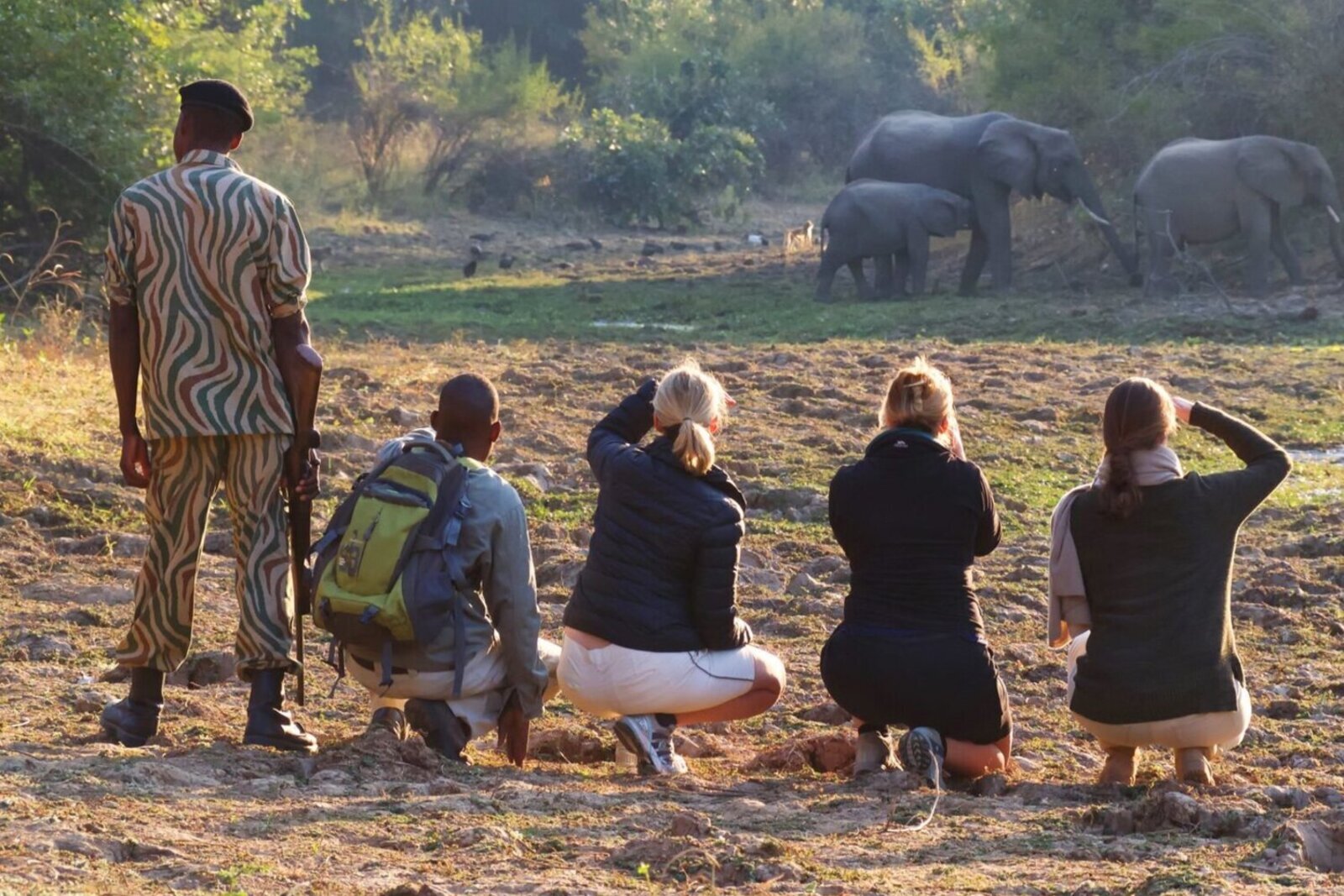
If you visit only one place in Zambia, make it South Luangwa. This is where the modern walking safari was born, and it remains the country's finest all-round park: a lush valley threaded by the meandering Luangwa River, holding one of Africa's densest concentrations of leopard, big prides of lion, huge elephant and buffalo herds, and endemic Thornicroft's giraffe. The guiding is exceptional, and night drives regularly deliver Africa's most elusive cats.
- Best for: Leopard, walking safaris, first-time visitors, world-class guiding
- When to go: May–October for the driest game viewing; the green emerald season (Dec–Apr) for birding and lush scenery
- Access: Easy — daily flights to Mfuwe from Lusaka, then a short transfer to the camps
- Reality: The perfect introduction to Zambia and a benchmark for African guiding. For timing, see our Best Time for South Luangwa guide.
2. Lower Zambezi National Park — Canoeing & River Safaris
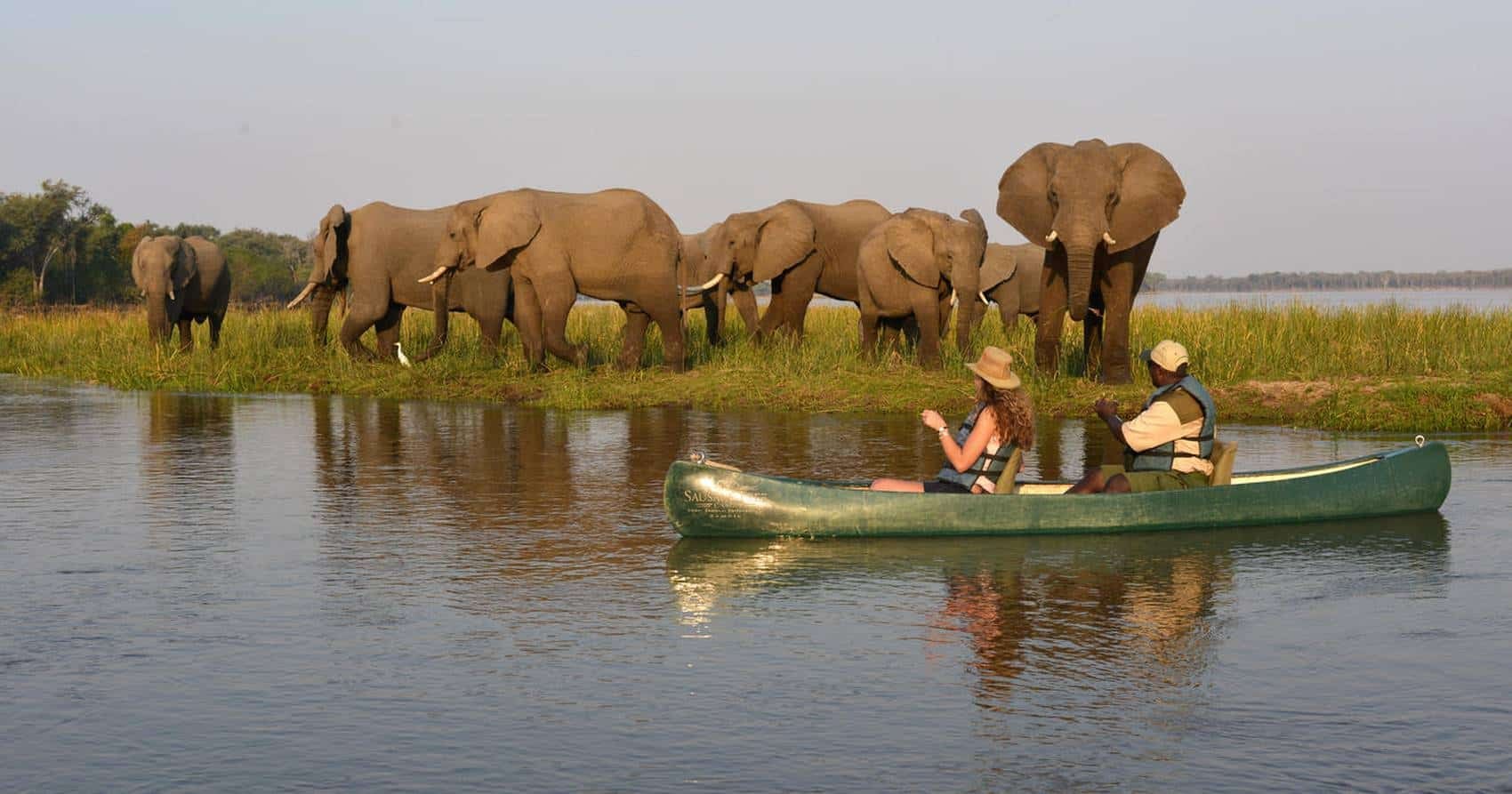
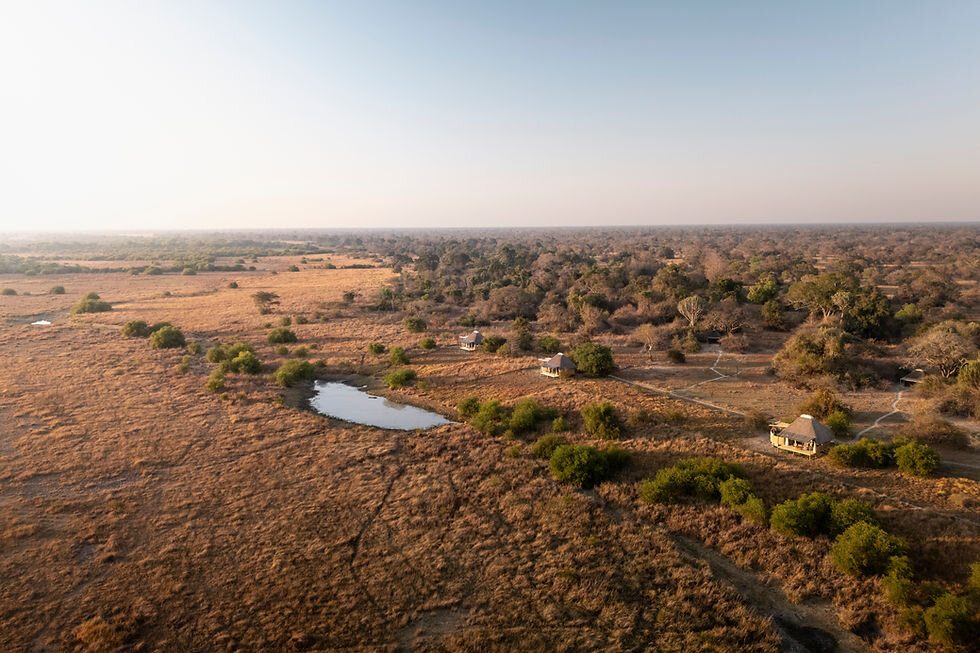
Facing Zimbabwe's Mana Pools across the great Zambezi River, the Lower Zambezi offers something few parks can: world-class canoeing safaris. Paddle silently past pods of hippo, drinking elephants and basking crocodiles, then track lion and leopard on the floodplain by vehicle or on foot. Add tiger-fishing and boat cruises at sunset, and it becomes the most romantic and adventurous park in the country.
- Best for: Canoeing, boat safaris, fishing, honeymoons, a change of pace
- When to go: May–October; the river and floodplain are at their most rewarding late in the dry season
- Access: A short flight from Lusaka to Jeki or Royal airstrip, then a road-and-boat transfer
- Reality: The ideal partner to a walking safari in Luangwa — a completely different, water-based experience.
3. Kafue National Park & the Busanga Plains — Vast Wilderness
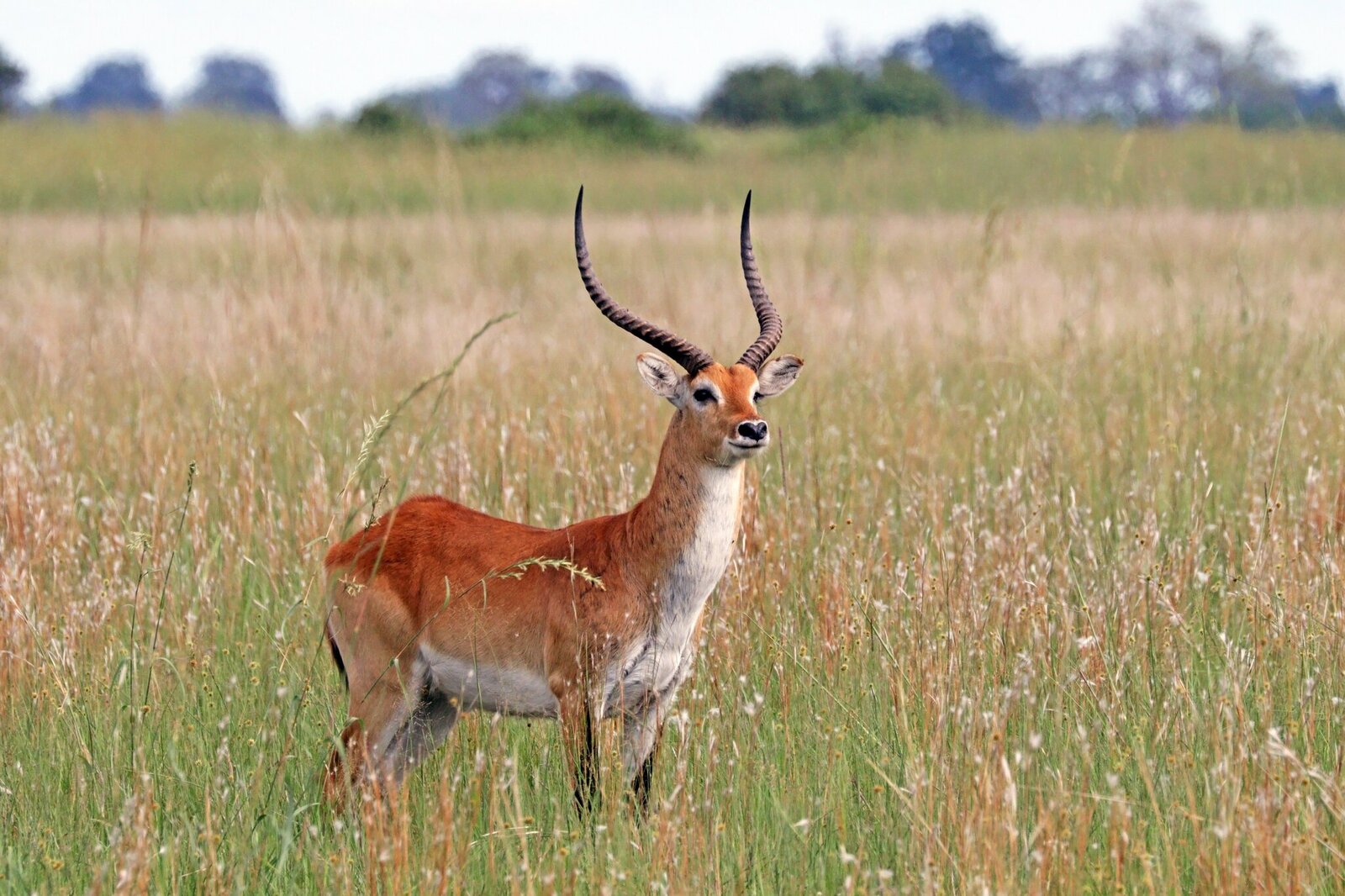
Kafue is Zambia's largest national park — roughly the size of Wales — and one of the least crowded great wildernesses in Africa. Its jewel is the seasonal Busanga Plains in the far north, where floodwaters retreat to reveal golden grasslands roamed by famous tree-climbing lions, cheetah, wild dog and vast herds of red lechwe and puku. Balloon safaris drift over the plains at dawn.
- Best for: Floodplain lions, cheetah, big-sky wilderness, few vehicles
- When to go: July–October, when the Busanga Plains dry out and wildlife concentrates
- Access: Fly-in to the northern airstrips; the Busanga camps open seasonally with the drying floods
- Reality: Immense and wild — perfect for a traveller who wants space, solitude and superb predator action.
The Luangwa Valley — Walking-Safari Country
4. Victoria Falls & Livingstone — The Adventure Finale
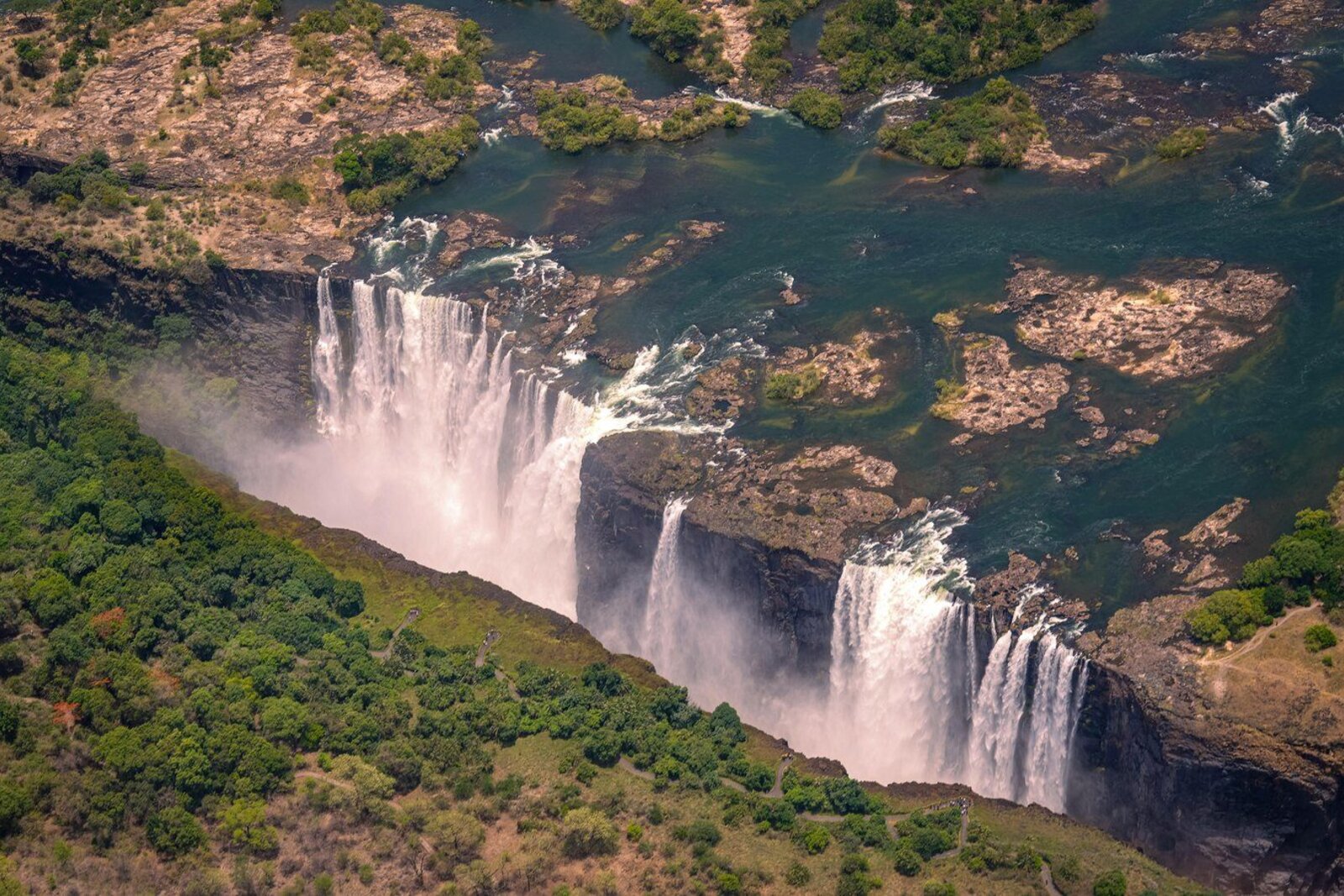
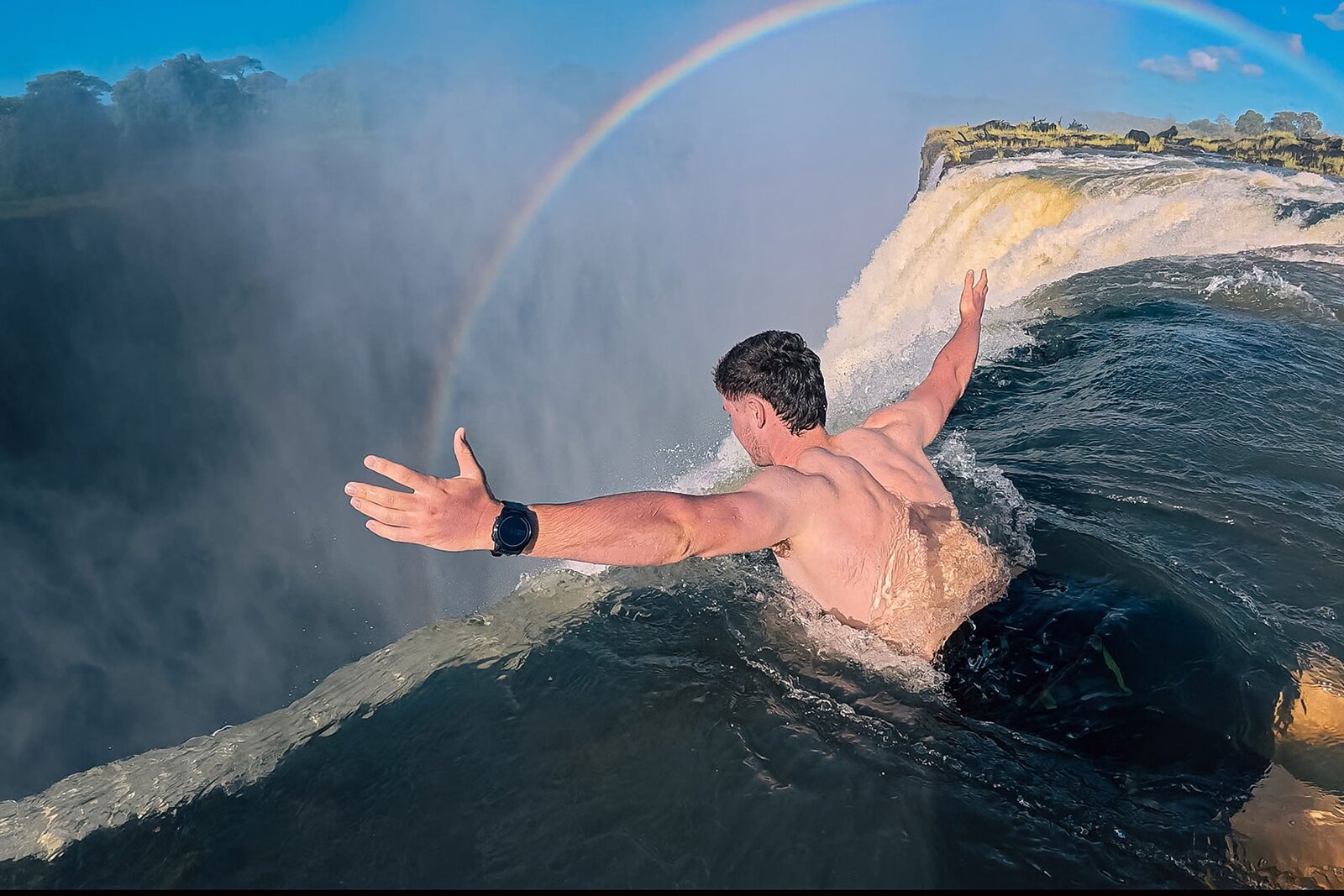
On Zambia's southern border, the Zambezi plunges into a mile-wide chasm to create Victoria Falls — one of the Seven Natural Wonders of the World. The Zambia side, reached from the town of Livingstone, delivers the closest, most thrilling views, the Knife-Edge Bridge, and in low water the legendary Devil's Pool, where you can swim on the very lip of the falls. Add sunset cruises, white-water rafting and microlight flights, and it is the perfect high-adrenaline bookend to a bush safari.
- Best for: The falls, adventure activities, Devil's Pool, a safari finale
- When to go: The falls are fullest Feb–May; Aug–Jan is best for Devil's Pool and rafting as water levels drop
- Access: Very easy — direct flights to Livingstone (Harry Mwanga Nkumbula) from Lusaka and Johannesburg
- Reality: The ideal start or end to any Zambia trip, and easily combined with a river or bush safari.
5. North Luangwa National Park — Wild Walking & Black Rhino
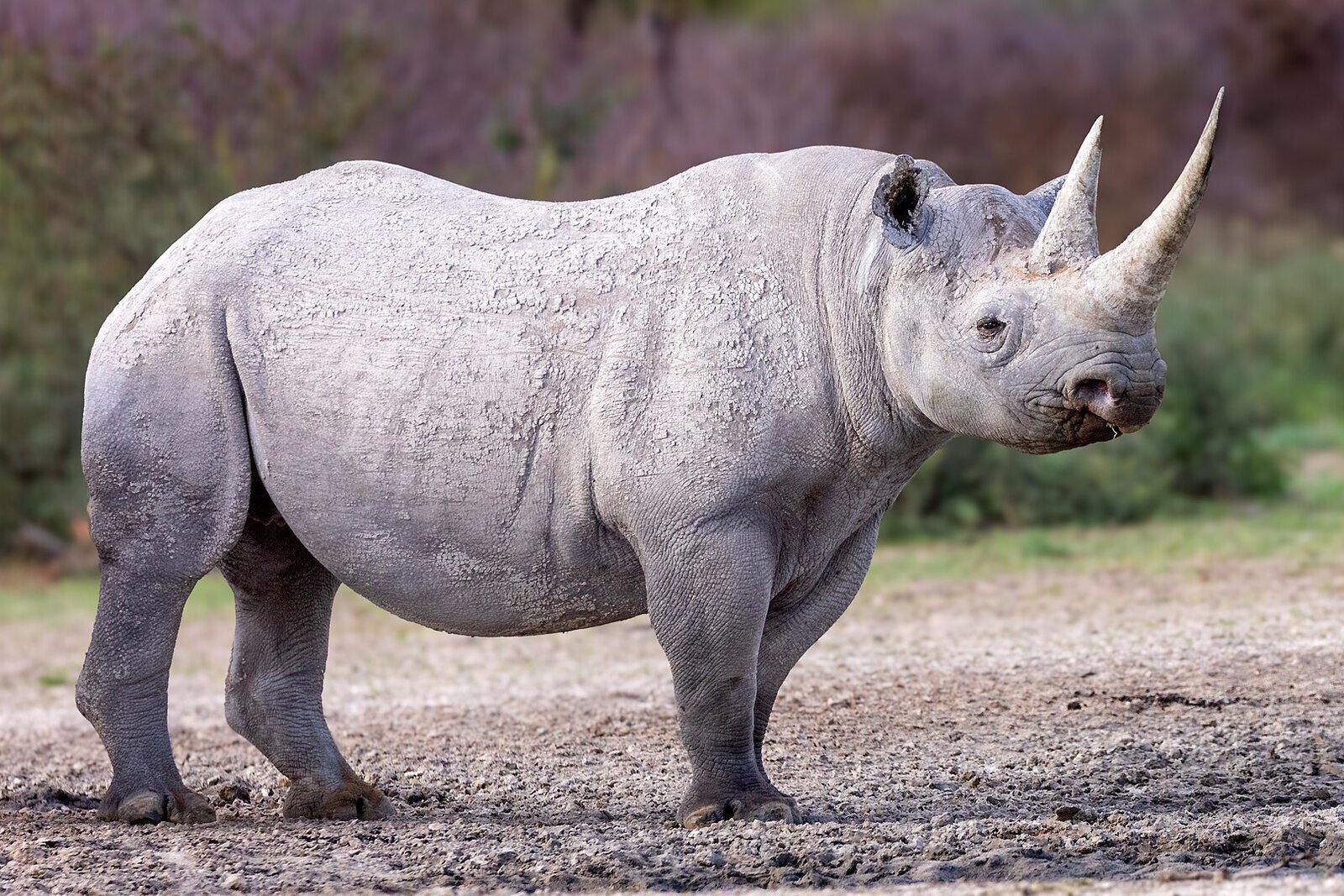
Remote, exclusive and accessible only on foot with a handful of camps, North Luangwa is one of Africa's great walking-safari wildernesses. It is also the site of a landmark conservation success: the reintroduction of black rhino, making it the only place in Zambia to see them in the wild. Huge buffalo herds, lion and hyena clans complete a raw, untamed picture.
- Best for: Immersive walking safaris, black rhino, seasoned safari-goers, true wilderness
- When to go: June–October only; the park's few camps operate strictly in the dry season
- Access: Fly-in to the valley; visited on foot with expert guides — no self-drive
- Reality: Not a first safari, but an unforgettable step up for those who loved South Luangwa and want to go deeper.
6. Liuwa Plain National Park — Zambia's Great Migration
In Zambia's far west lies one of Africa's best-kept secrets: Liuwa Plain, host to the continent's second-largest wildebeest migration. Tens of thousands of wildebeest gather on endless grasslands, drawing lion, cheetah, hyena and spectacular birdlife. Once the domain of the legendary lioness Lady Liuwa, the park is a story of remarkable recovery and offers a genuine end-of-the-earth wilderness.
- Best for: The wildebeest migration, wide-open plains, birding, remoteness
- When to go: The migration peaks with the rains, roughly November–December; the plains are also superb in the dry months
- Access: Fly-in via charter; one of Zambia's most remote and rewarding parks
- Reality: For the traveller who wants a migration spectacle without the crowds of East Africa.
7. Kasanka National Park — The Great Bat Migration
Tiny Kasanka in north-central Zambia hosts one of the planet's most staggering wildlife events: every year from roughly late October to December, an estimated ten million straw-coloured fruit bats descend on a small patch of swamp forest — the largest mammal migration on Earth by number. Beyond the bats, the park protects the shy sitatunga antelope, puku and rich birdlife in a beautiful mosaic of forest and wetland.
- Best for: The bat migration, birding, sitatunga, a unique natural spectacle
- When to go: Late October to mid-December for the bats; the rest of the year is quiet and green
- Access: By road from Lusaka or a charter flight; often paired with Bangweulu
- Reality: A niche but jaw-dropping add-on for wildlife enthusiasts and photographers.
The Zambezi, the Falls & Kafue's Plains
8. Bangweulu Wetlands — Home of the Shoebill
"Where the water meets the sky" — that is what Bangweulu means, and the Bangweulu Wetlands live up to it. This vast community-managed floodplain is the best place in Africa to search for the prehistoric-looking shoebill stork, and it teems with tens of thousands of endemic black lechwe, plus rich birdlife across its watery expanses. It is birding and wilderness travel at its most atmospheric.
- Best for: Shoebill, black lechwe, birding, off-grid wetland wilderness
- When to go: May–July for the best shoebill viewing by mokoro as waters recede
- Access: Charter flight or a long road journey; often combined with Kasanka
- Reality: A specialist destination — unmissable for birders, magical for anyone who loves wild, watery places.
9. Lochinvar & the Kafue Flats — A Birder's Paradise
On the Kafue Flats south of Lusaka, Lochinvar National Park is one of Africa's premier birding destinations, with more than 400 recorded species. Its seasonal floodplains hold enormous herds of the endemic Kafue lechwe, and the wetland scenery — dawn mist over water dotted with wading birds — is quietly spectacular. It is an easy, low-cost complement to a bigger safari.
- Best for: Birding, Kafue lechwe, wetland landscapes, an accessible add-on
- When to go: The dry season for game and easy access; the floods bring spectacular birdlife
- Access: By road from Lusaka — one of the more accessible wild areas in the country
- Reality: A specialist stop, best for birders and those wanting a quieter, scenic wetland experience.
10. Sioma Ngwezi & the Upper Zambezi — The Remote Frontier
In Zambia's far southwestern corner, Sioma Ngwezi National Park and the nearby Ngonye Falls on the upper Zambezi form one of the country's last true frontiers. Remote and lightly visited, this is a region of miombo woodland, riverine beauty and recovering wildlife — ideal for the self-sufficient, adventurous traveller who wants to explore beyond the established circuits.
- Best for: Adventurous travellers, the upper Zambezi, Ngonye Falls, genuine remoteness
- When to go: The dry season (June–October) for the most reliable access and roads
- Access: Remote — reached by long road journeys or charter; for the well-prepared explorer
- Reality: A frontier add-on for repeat visitors, best combined with a Barotseland cultural journey along the Zambezi.
Kafue, the Plains & the Wild North
Building Your Zambia Safari: How to Combine the Destinations
The art of a Zambia safari is combination. Here are the routes that work best, matched to how much time you have. These are frameworks — for fully costed, pre-designed trips see our Zambia Safari Tours guide, and for tailor-made departures our Private Safari Tours Zambia page.
The Classic Zambia (7 days): South Luangwa → Lower Zambezi. The definitive first safari — the best walking safari in Africa followed by canoeing on the great river, linked by short flights.
Bush & Falls (8–9 days): South Luangwa → Livingstone / Victoria Falls. Big-cat and walking country, then the drama of the falls and the Zambezi adventure hub — the most popular route for first-timers.
The Wild West (7–8 days): Kafue (Busanga Plains) → Liuwa Plain, or Kafue plus Livingstone. Floodplain lions, huge skies and the western migration, with almost no crowds — ideal for a second Zambia trip.
The Naturalist (10–12 days): Kasanka (bat migration) → Bangweulu (shoebill), or a Luangwa-plus-north combination. For travellers chasing Zambia's rarest natural spectacles.
💡 Planning Tip: Zambia is big and its best camps are reached by light aircraft, so distances and charter flights shape both your itinerary and your budget. A focused 7–9 day route pairing two complementary areas — a walking park with the Zambezi or the Falls — almost always beats a rushed dash across the whole country. For a realistic budget, see How Much Does a Zambia Safari Cost.
Best Time to Visit Zambia's Safari Destinations
| Season | Months | Game Viewing | Notes |
|---|---|---|---|
| Peak Dry | Jul–Oct | ★★★★★ Exceptional | Best all-round wildlife; Busanga Plains open; thin bush; book early |
| Early Dry | May–Jun | ★★★★☆ Very Good | Landscapes still green, drying fast; best shoebill viewing at Bangweulu; fewer crowds |
| Emerald / Green | Dec–Apr | ★★★☆☆ Variable | Lush and dramatic; superb birding; Kasanka bats (Nov–Dec) & Liuwa migration; some camps close |
| Falls Peak | Feb–May | ★★★★☆ Spectacular Falls | Victoria Falls at full thunder; Devil's Pool best Aug–Jan as water drops |
Verdict: For a first Zambia safari, aim for the dry season (May–October) across every park, when wildlife concentrates along the rivers and the walking is at its best. If Victoria Falls in full flood or lush green-season birding appeals, plan around the emerald months and check camp opening dates. For park-specific timing, see our Best Time for South Luangwa guide.
🦁 Ready to plan your Zambia safari? Browse pre-designed trips in our Zambia Safari Tours guide, compare accommodation in the Best Zambia Safari Lodges, or design a tailor-made trip via Private Safari Tours Zambia. Want the wildlife detail? See the Big Five Safari Zambia guide, and for the full overview the Ultimate Zambia Travel Guide.
Zambia Safari Destinations: Frequently Asked Questions
What is the best safari destination in Zambia?
For most travellers South Luangwa National Park is the single best destination, thanks to its exceptional guiding, world-leading walking safaris and one of Africa's densest leopard populations. But the honest answer depends on your trip: the Lower Zambezi is unbeatable for canoeing and river safaris, Kafue's Busanga Plains for floodplain lions and solitude, Victoria Falls for adventure, and Liuwa or Kasanka for once-in-a-lifetime natural spectacles. The strongest trips combine two or three complementary destinations.
Which Zambia safari region should a first-timer choose?
First-time visitors should start in the Luangwa Valley — specifically South Luangwa — for its superb guiding, easy fly-in access from Lusaka and reliable big-cat and elephant viewing. Pair it with the Lower Zambezi for canoeing, or with Livingstone and Victoria Falls for an adventure finale. This combination delivers the essence of Zambia with straightforward logistics.
How many days do you need for a Zambia safari?
Plan on at least 6–7 days to do Zambia justice — enough to combine a walking safari in South Luangwa with the Lower Zambezi or Victoria Falls. Add 2–3 nights for each additional park, and remember that light-aircraft transfers between remote areas take time. A focused 7–9 day route pairing two complementary regions almost always beats trying to see everything at once.
Why is Zambia famous for walking safaris?
Zambia is the birthplace of the modern walking safari, pioneered in South Luangwa in the 1950s and 60s. The country's guide-training and licensing standards are widely regarded as the most rigorous in Africa, so walking safaris here are both safe and extraordinarily immersive. South and North Luangwa are the spiritual home of the experience, with the Lower Zambezi and Kafue also offering excellent walking.
Can you combine a Zambia safari with Victoria Falls?
Yes — it is one of the most popular ways to travel. Victoria Falls sits on Zambia's southern border at Livingstone, with direct flights from Lusaka and Johannesburg. Most itineraries pair a bush safari in South Luangwa, the Lower Zambezi or Kafue with two or three nights at the falls for cruises, rafting and, in low-water season, a swim in Devil's Pool on the very edge of the falls.
Where can you see the wildebeest migration in Zambia?
Liuwa Plain National Park in Zambia's far west hosts Africa's second-largest wildebeest migration, when tens of thousands of animals gather on its vast grasslands, typically peaking with the rains around November and December. It is remote, uncrowded and reached by charter flight — a spectacular alternative to the better-known East African migration.
What is the Kasanka bat migration?
Every year from roughly late October to December, an estimated ten million straw-coloured fruit bats descend on a small patch of swamp forest in Kasanka National Park — the largest mammal migration on Earth by sheer number. At dawn and dusk the sky fills with bats in a breathtaking spectacle, making Kasanka a bucket-list stop for wildlife enthusiasts and photographers.
Which Zambia destination is best for avoiding crowds?
Almost all of Zambia is uncrowded compared with East or Southern Africa's busiest parks, but Kafue, Liuwa Plain, North Luangwa and the remote north (Kasanka and Bangweulu) offer the greatest solitude. In these areas you can enjoy sightings with few or no other vehicles — one of the defining pleasures of a Zambian safari.
How much does a Zambia safari to these destinations cost?
Costs vary widely by park and comfort level. Because Zambia's best camps are remote and reached by light aircraft, fly-in safaris typically run from about $600 to $1,500+ per person per night, with charter flights adding to the total. A week-long fly-in Zambia safari commonly costs $5,000–10,000+ per person, while road-based trips in South Luangwa can be more affordable. For a detailed breakdown, see our How Much Does a Zambia Safari Cost guide.
Final Word: Choosing Your Zambia Safari Destinations
Zambia's greatness lies in its wildness. You can track leopard on foot in the Luangwa, paddle a canoe past drinking elephants on the Zambezi, watch floodplain lions on Kafue's Busanga Plains, stand in the spray of Victoria Falls, and witness ten million bats darken the sky at Kasanka — all in one country, and almost always without another vehicle in sight.
- ✅ First safari? South Luangwa for walking and leopard, then the Lower Zambezi or Victoria Falls
- ✅ Been before? Kafue's Busanga Plains and Liuwa Plain for floodplain lions and the western migration
- ✅ Chasing spectacle? Kasanka's bat migration and Bangweulu's shoebill in the remote north
- ✅ Want it all? Combine a walking park, the Zambezi and the Falls over 8–12 days
The honest advice: choose the region that matches who you are as a traveller, give it enough days to breathe, and let the destinations you pick tell a single, coherent story rather than a rushed checklist. Do that, and Zambia will give you the wildest, most authentic safari of your life.
Ready to start planning? Explore our Zambia Safari Tours guide, browse the Best Zambia Safari Lodges, or begin with the comprehensive Ultimate Zambia Travel Guide.