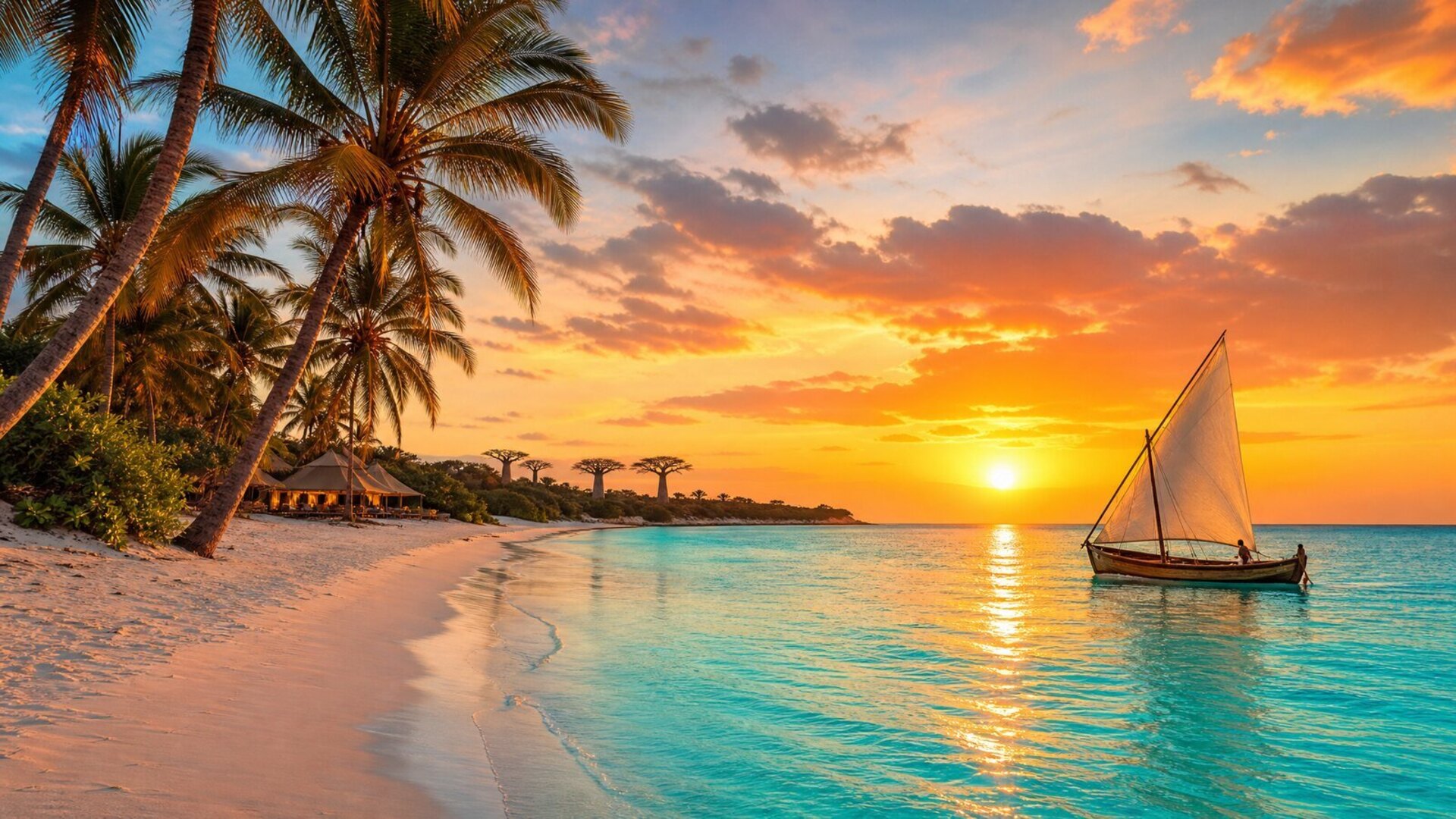
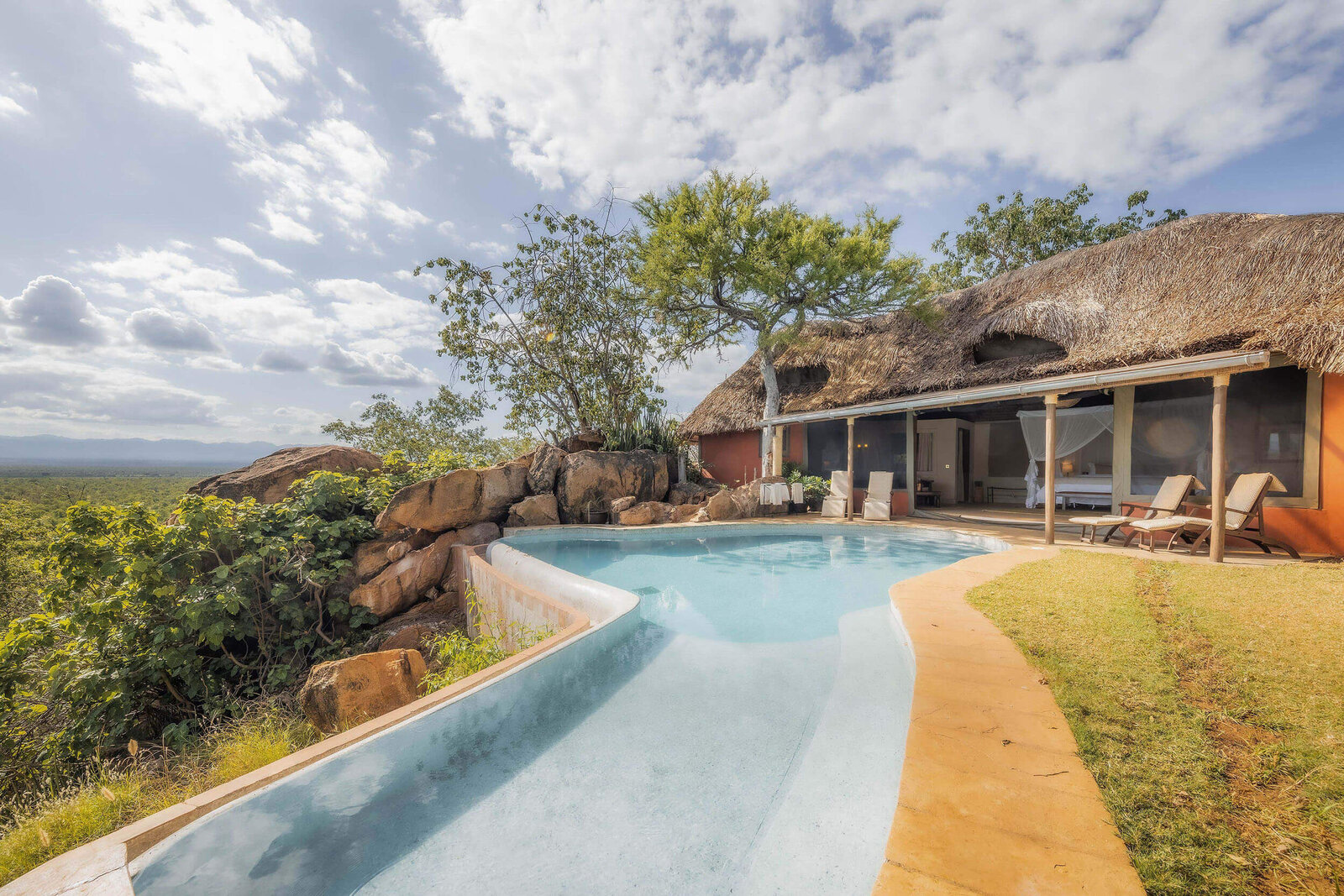
Everyone knows the Bazaruto — the turquoise sandbanks and barefoot-luxury lodges that finish so many South African safaris. But Mozambique is a long, wild country, and beyond that famous archipelago lies a coast and interior that only a fraction of travellers ever reach. This is the Mozambique of Swahili stone towns and dugongs, of a national park brought back from the brink, of a wilderness so vast it swallows the horizon, and of a capital where Portuguese cafés spill onto Indian-Ocean promenades.
This 2026 guide opens four of them — the Quirimbas Archipelago, Gorongosa National Park, the Niassa Special Reserve and Maputo & the South Coast — with the finest lodges, the wildlife and marine life you will meet, honest costs, the best time to go, and exactly how to weave them into one seamless private journey.
The Quirimbas Archipelago — Africa's Swahili Islands
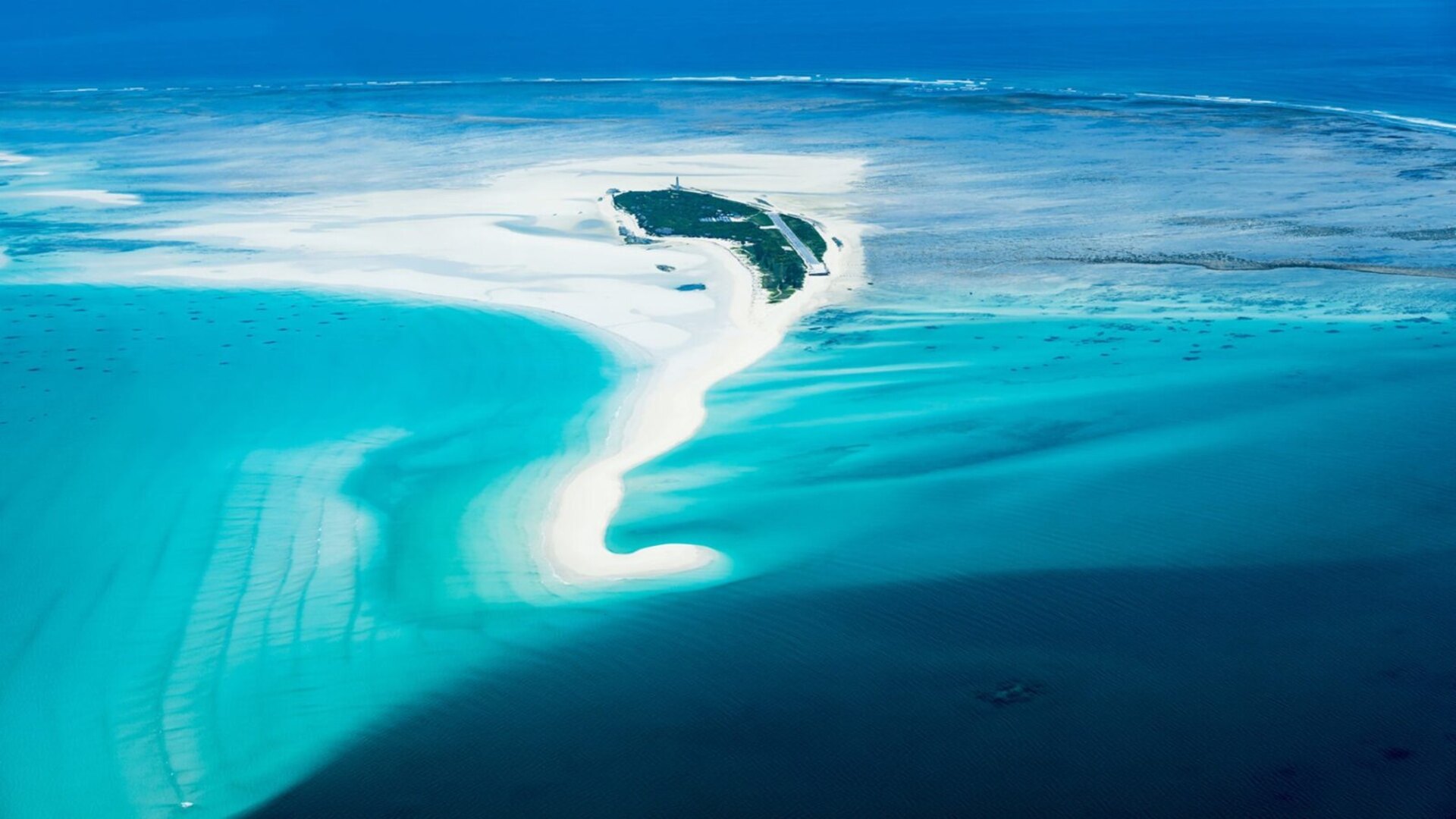
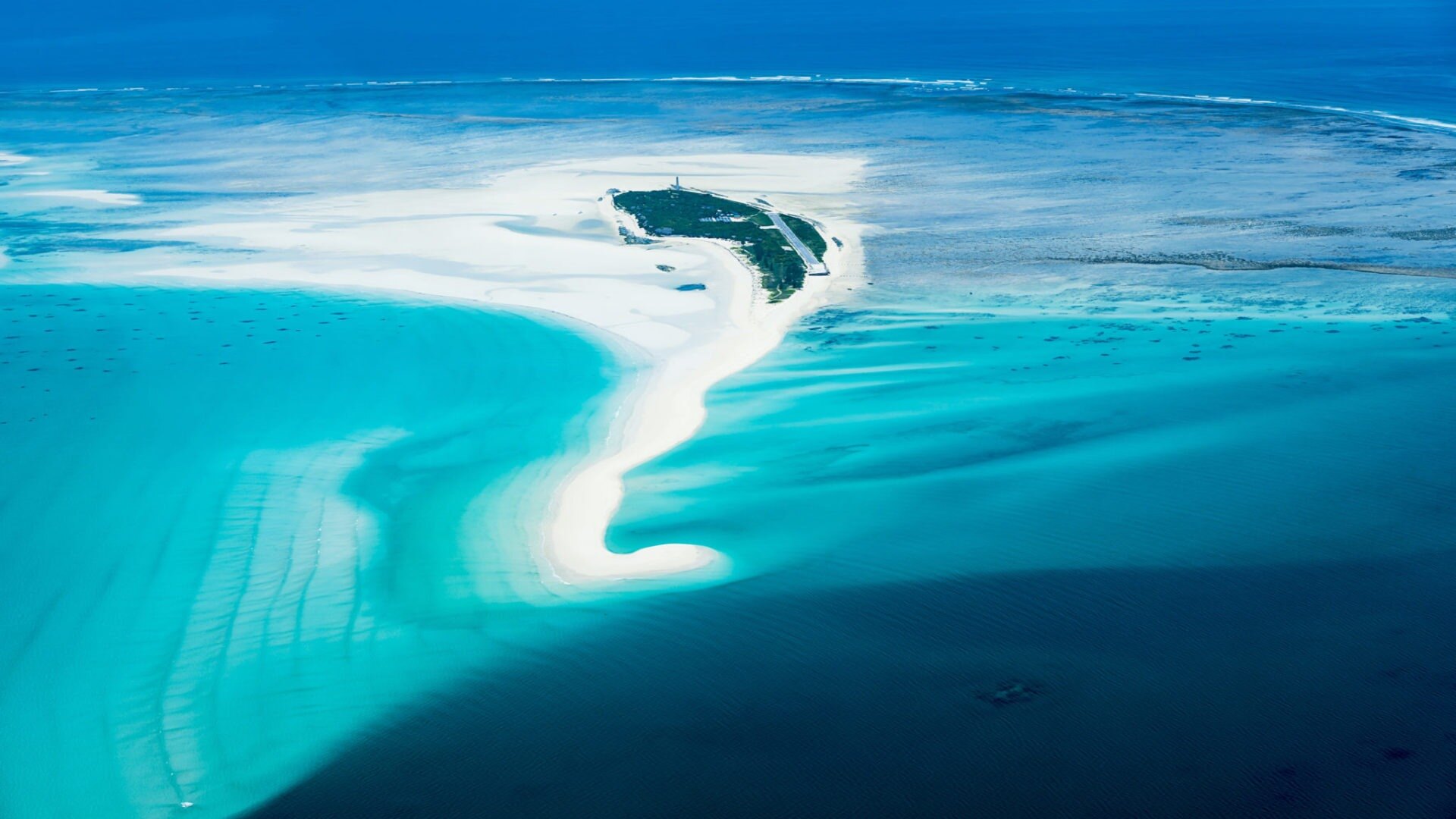
Strung along Mozambique's far northern coast, the Quirimbas Archipelago is a chain of thirty-two coral islands where the trade-wind history of the Indian Ocean is written into the coral-stone walls. For a thousand years, Swahili, Arab and later Portuguese traders sailed these channels; the crumbling forts and mansions of Ibo Island remain one of the most atmospheric places on the whole continent — a living museum where silversmiths still work by lamplight and dhows are built by hand on the beach.
Beneath the surface, the reefs are pristine. Steep drop-offs and untouched coral gardens make for some of the best diving and snorkelling in East Africa, with a good chance of turtles, reef sharks and the archipelago's shy dugongs. Days here move to the rhythm of the tide — a dhow safari between sandbanks at dawn, a barefoot lunch on a deserted island, a sundowner as the sky turns the colour of the coral. Lodges are few and gloriously private, from the over-water villas of the outer islands to the restored stone houses of Ibo itself.
Read the full Quirimbas Archipelago destination guide for lodges, experiences and sample island itineraries.
Gorongosa National Park — The Great Comeback
In the southern reach of the Great Rift Valley lies a park whose story is told in conservation circles around the world. Gorongosa National Park once rivalled the great reserves of East Africa, then lost almost all of its large animals during Mozambique's long civil war. What has happened since is one of the most ambitious wildlife-restoration projects ever attempted — and it is working.
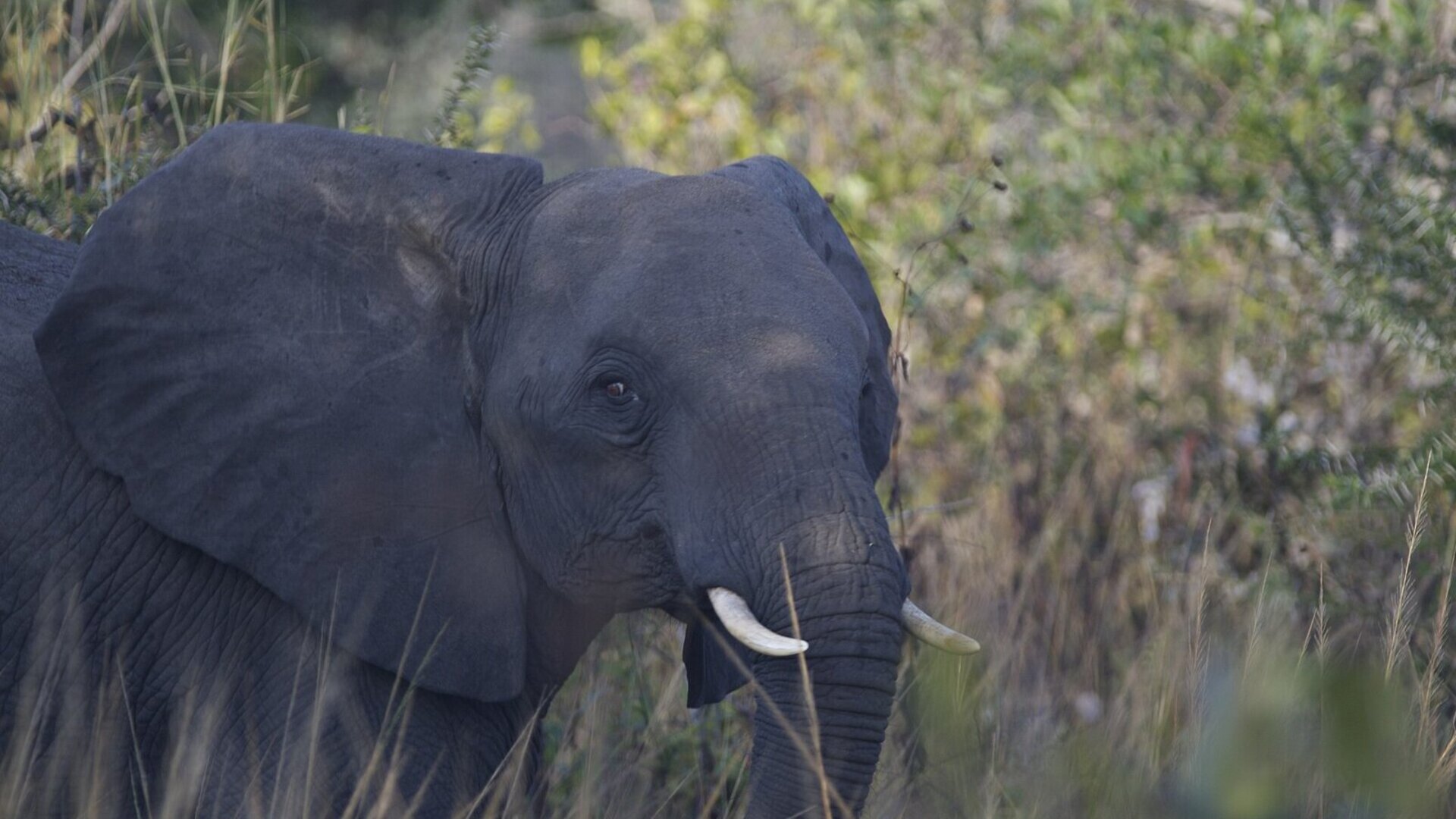
Lion prides have re-established themselves on the rift-valley floor. Elephant, buffalo and hippo have returned, wild dog have been reintroduced, and vast herds of waterbuck and antelope now move across the floodplain in numbers that astonish first-time visitors. Game drives run across open grassland and fever-tree forest, guided walks reveal the smaller wonders, and the birding — more than four hundred species — is exceptional. A visit here is more than a safari; it is a chance to witness an ecosystem healing in real time, and to meet the Mozambican rangers and scientists making it happen.
Explore the full Gorongosa National Park destination guide to plan drives, walks and conservation experiences.
The Niassa Special Reserve — Africa's Last Frontier
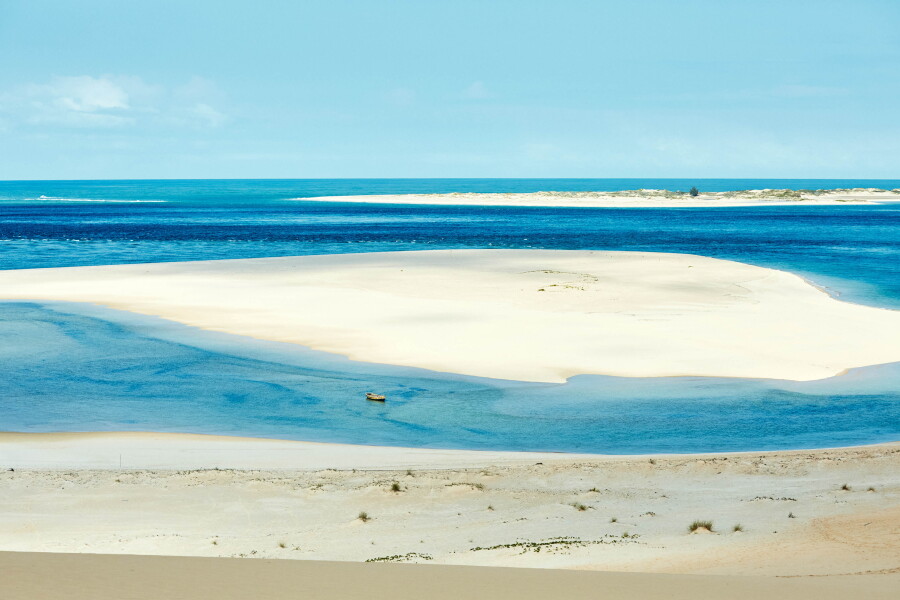
Few places on earth still feel truly untouched. The Niassa Special Reserve, sprawling across more than 42,000 square kilometres of Mozambique's remote north, is one of them — a wilderness larger than many countries, laced by the wide sandbars of the Lugenda River and studded with dramatic granite inselbergs that rise like islands from a sea of miombo woodland.
This is elephant country on an epic scale, and it shelters Mozambique's most important populations of lion and endangered African wild dog, along with sable, the endemic Niassa wildebeest and Boehm's zebra. Yet Niassa receives only a handful of guests each year. There are no crowds, no convoys of vehicles — just a few intimate camps reached by light aircraft, walking safaris that follow game trails through untracked bush, and nights under a sky undimmed by any other light for a hundred miles. For the seasoned traveller who has done the classic circuits and craves genuine remoteness, nothing in Southern Africa compares.
See the full Niassa Special Reserve destination guide for camps, walking safaris and Lugenda River experiences.
Maputo & the South Coast — Afro-Latin Soul and Ocean Giants
Mozambique's capital is one of Africa's most characterful cities. Maputo wears its history openly — wide jacaranda-lined avenues, Portuguese colonial façades, an iron market designed in the workshop of Gustave Eiffel, and a café culture where the espresso is strong and the seafood is unforgettable. It is a place to wander, to listen to marrabenta music drift from a bar at dusk, and to feel the Afro-Latin heartbeat that makes this coast unlike anywhere else in the region.
Just south lies the restored Maputo National Park, where elephant once again roam a coastline of dunes, wetlands and empty beaches. And a short flight up the coast, the waters off Tofo and Inhambane are among the finest places on earth to swim with whale sharks and manta rays — gentle giants that gather here in reliable numbers through the winter months. It is the perfect blend of culture, coast and marine adventure, and an easy, rewarding extension to a South African safari just across the border.
Discover the full Maputo & the South Coast destination guide for the city, the national park and the whale-shark waters of the south.
How Much Does It Cost in 2026?
Because these regions are remote and lightly visited, they reward those who invest in getting there. As a guide, comfortable island and lodge stays in the Quirimbas run from around $600–$1,200 per person per day, with the finest villas higher. Gorongosa's camps are more accessible, from roughly $450–$900 per day. Niassa, reached only by light aircraft and offering exclusive-use wilderness, typically runs from about $900–$1,800 per day including flights within the reserve. Maputo and the south coast are the most affordable, from around $300–$700 per day. Internal light-aircraft flights are essential to link the regions and are built into our private itineraries.
When to Go
For the wilderness parks of Gorongosa and Niassa, the dry season from May to November is best, with the late dry months of September to November offering the finest game viewing as animals gather at shrinking water. For the Quirimbas and the Maputo coast, that same May-to-November window brings calm, clear seas and excellent diving; whale sharks and mantas off the south coast are especially reliable from around June to November. The green season, December to March, is hot, lush and quiet — beautiful on the coast, though some inland camps close.
Weaving It All Together
Mozambique is long and narrow, so the secret to a great trip is flying between regions rather than driving. A northern journey pairs the diving and Swahili culture of the Quirimbas with the raw wilderness of Niassa. A conservation-and-coast journey combines Gorongosa with the central beaches. And a southern loop links Maputo, the Maputo National Park and the whale-shark waters of the south — the easiest add-on to a Kruger or Sabi Sands safari. Whichever you choose, our specialists arrange every flight, transfer and lodge as one seamless private tour.
Ready to see the Mozambique beyond the postcards? Speak to a Beyond Africa specialist and we will craft your private journey through the country's wild north and beyond.