Kruger National Park is one of the richest wildlife destinations on the planet. Across nearly two million hectares of Lowveld bushveld it shelters an extraordinary cast — the Big Five, nearly 150 mammal species, more than 500 birds, over 100 reptiles, and a supporting ensemble that stretches from the tiny Little Five to great herds of buffalo and elephant. This complete 2026 species guide from Beyond Africa Safaris covers what lives in Kruger, where and when to find each animal, and the field tips two decades of guiding have taught us.
Key Takeaways — Kruger National Park Animals
- The numbers: 147 mammal species, 500+ birds, 114 reptiles — including all of the Big Five (lion, leopard, elephant, rhino, buffalo).
- Populations: ~1,600 lions, ~30,000 elephants, ~40,000 buffalo, both rhino species, and one of the densest leopard populations on earth.
- Best time: dry winter (May–Sept) for big game at waterholes; green summer (Nov–March) for birding, migrants and newborns.
- Best place: the wildlife-dense south (Skukuza, Lower Sabie, Sabi Sands) for the Big Five; central plains for lion and cheetah; the north for birding and solitude.
- Best way: a guided private-reserve safari with off-road tracking and night drives makes the full Big Five — and the hardest species — close to guaranteed.
Whether you are planning your first safari or your tenth, understanding Kruger's wildlife — and where each animal lives and when it appears — is the key to a truly rewarding trip. Let's meet the animals.
The Big Five — Lion, Leopard, Elephant, Rhino & Buffalo
The Big Five — lion, leopard, elephant, rhino and buffalo — are the headline act of any Kruger safari, and the park is a global stronghold for every one of them. The term dates from the hunting era, when these were considered the five most dangerous animals to pursue on foot; today the only shooting is with a camera, and Kruger offers some of the finest Big Five viewing anywhere on earth.
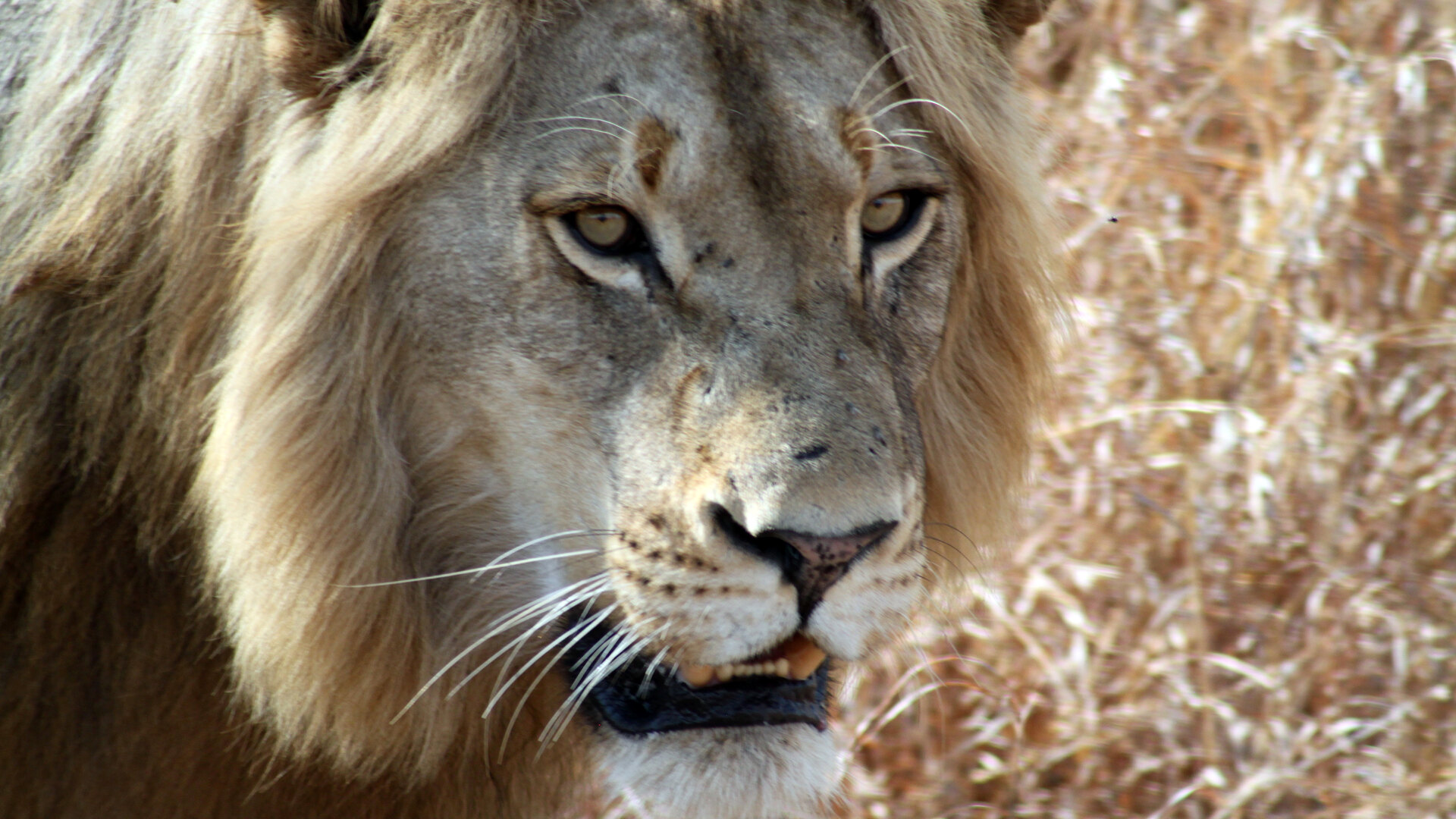
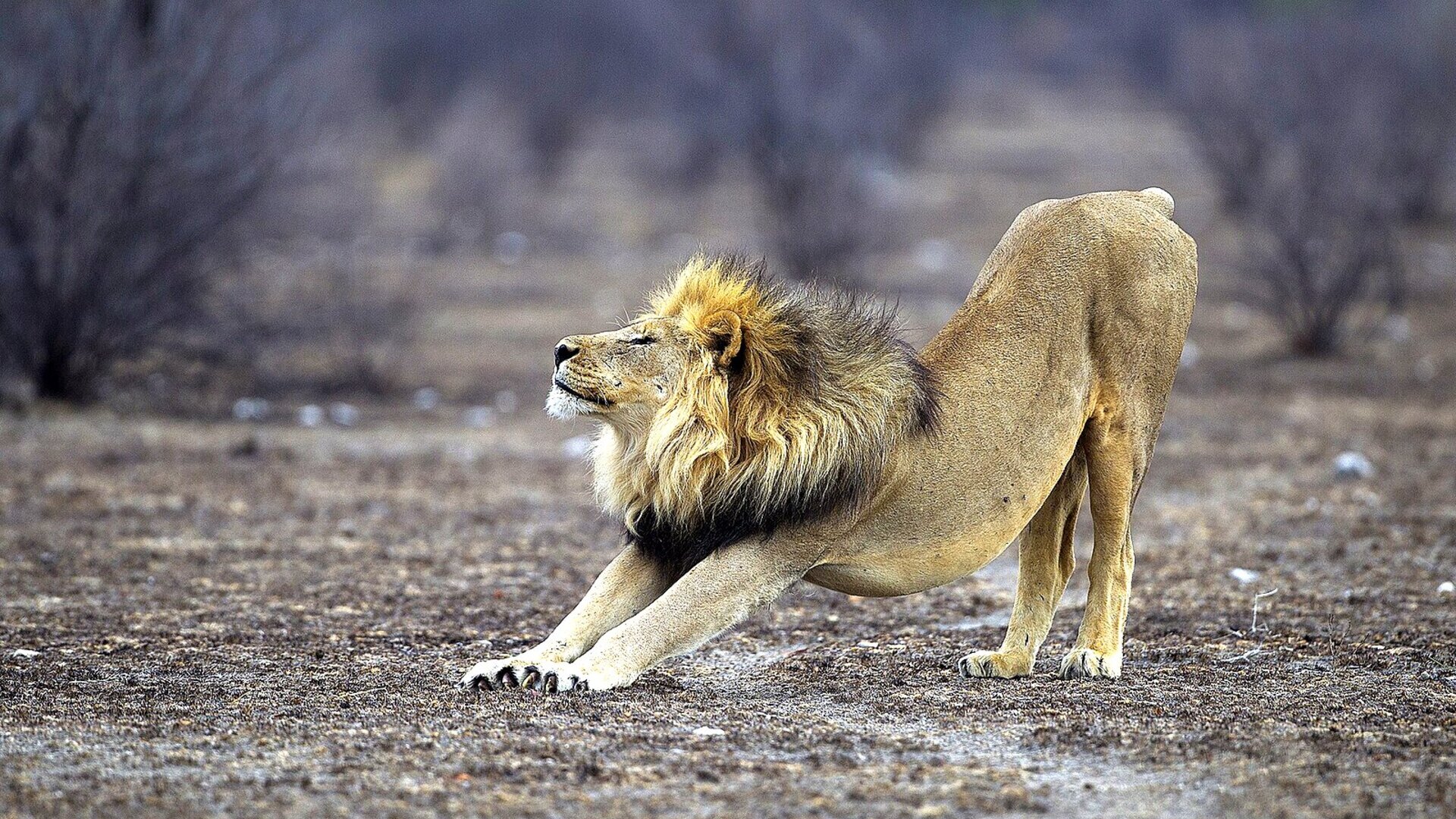
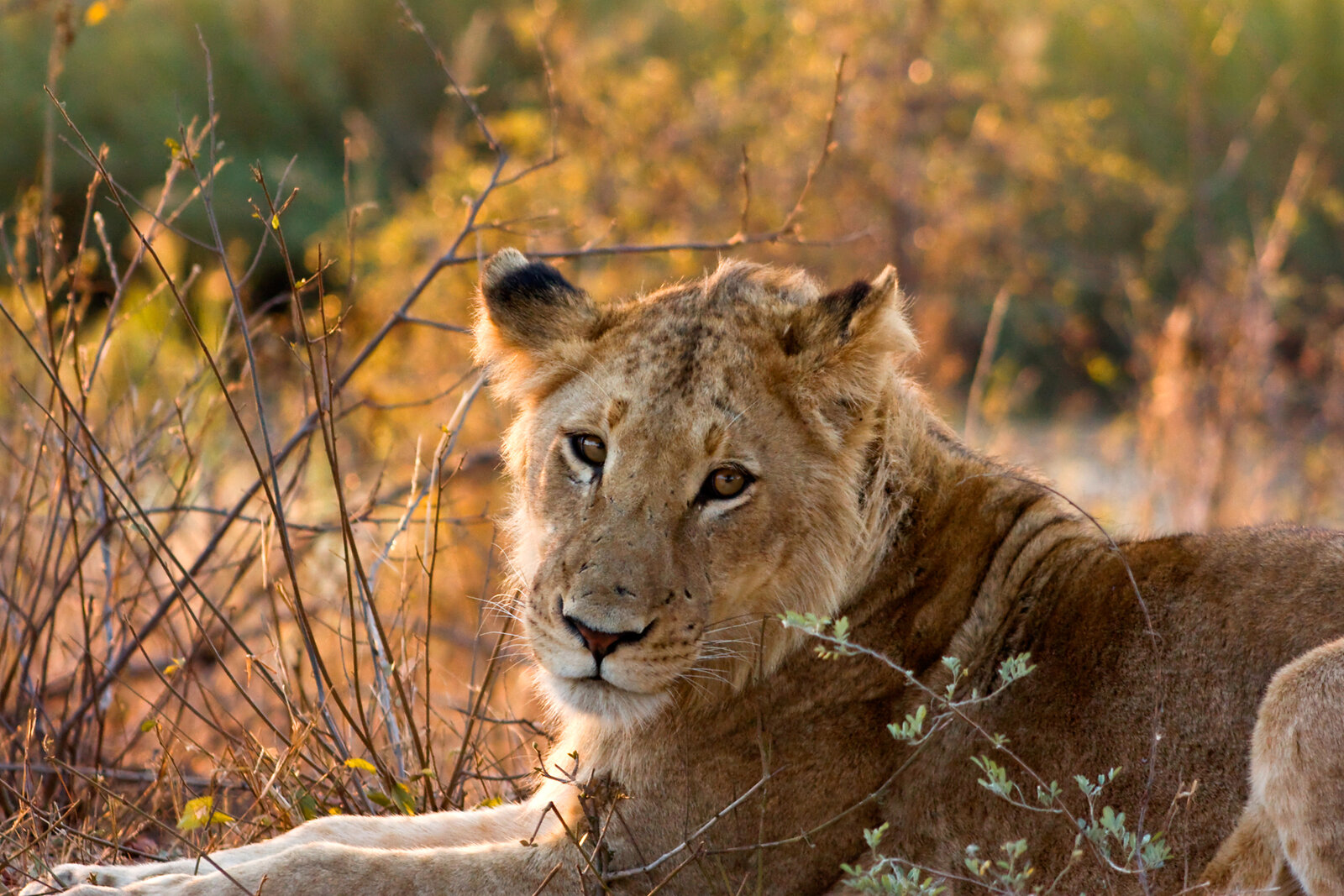
Lion: around 1,600 roam the park, in prides on the open plains and along the riverine bush. The central grasslands around Satara are classic lion country, but they are found throughout.
Leopard: the most elusive and coveted of the five. Kruger and the adjoining Sabi Sands — the leopard capital of the world — hold one of the densest, most viewable leopard populations anywhere, often draped in a marula or riverine tree.
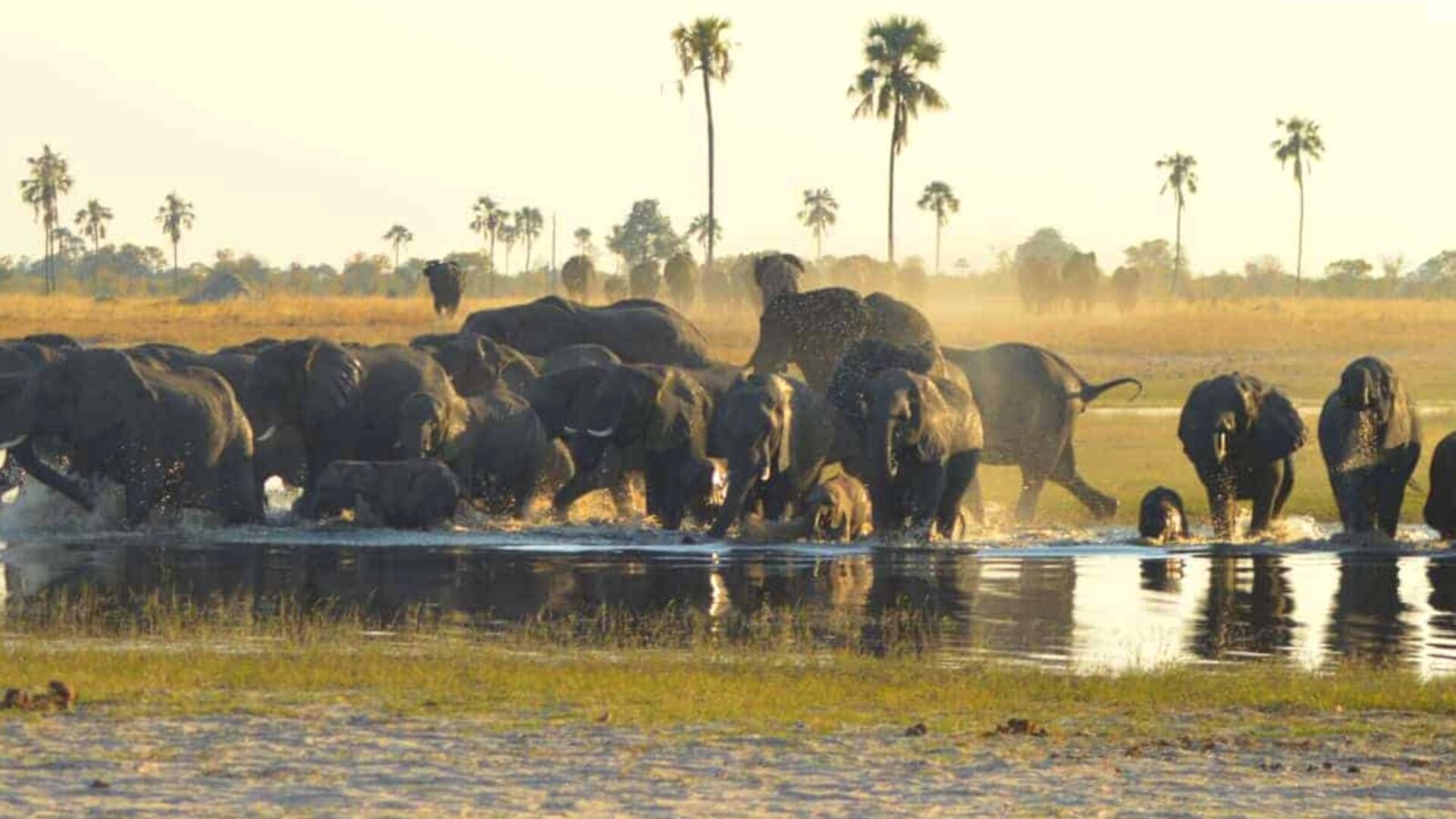
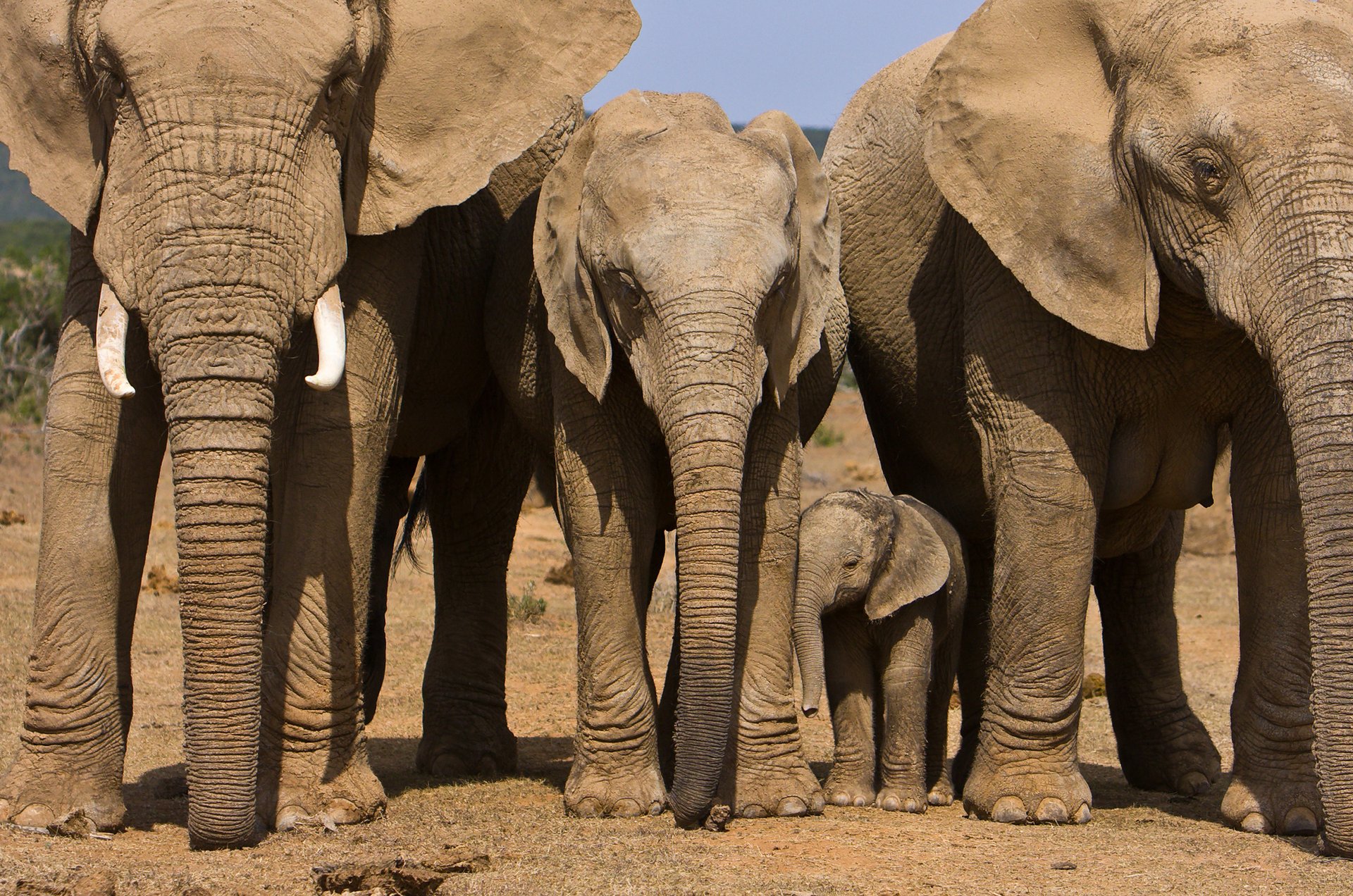
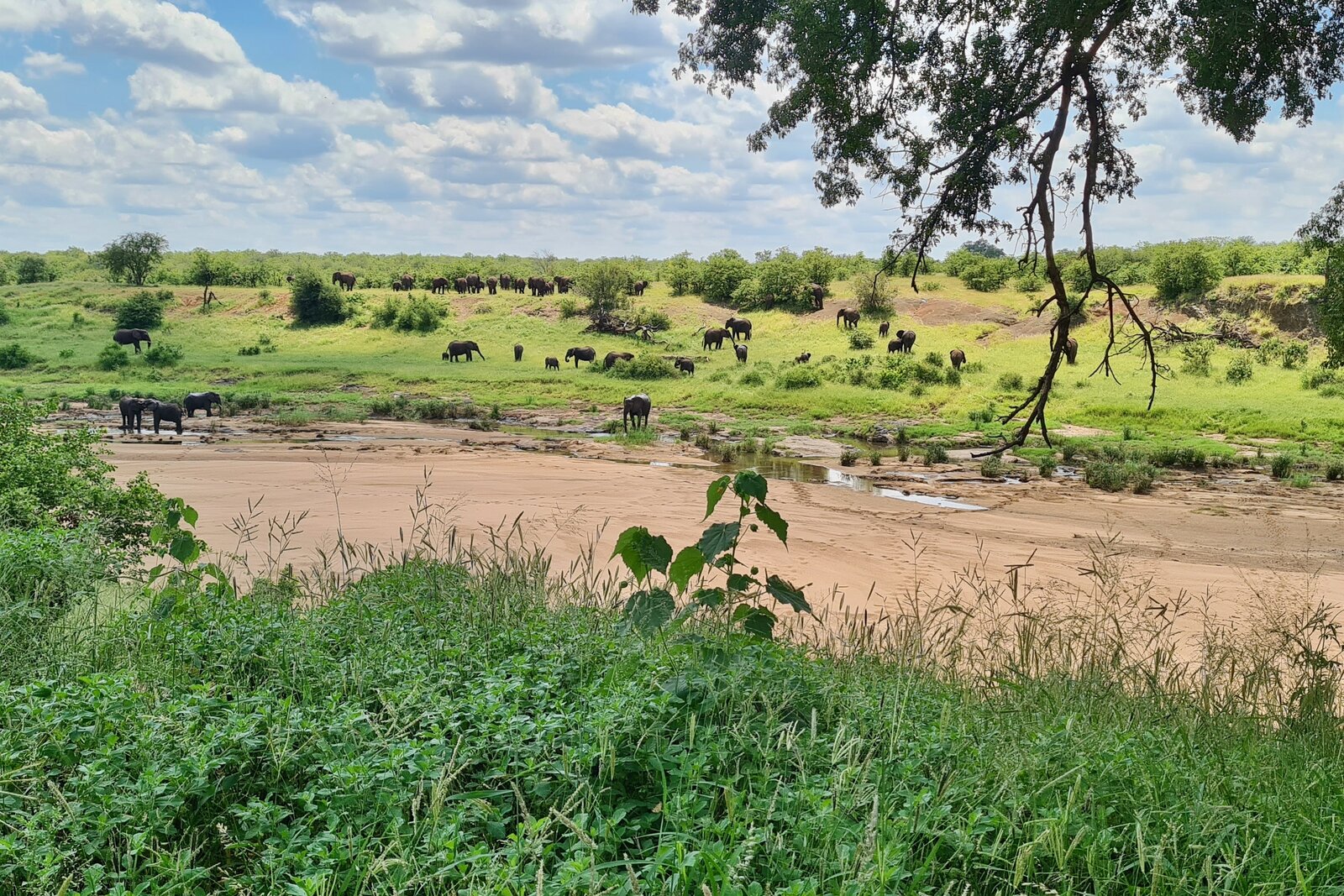
Elephant: some 30,000 of them, one of Africa's largest populations. Great breeding herds gather at rivers and waterholes, and the north around Letaba is especially elephant-rich.
Rhino: Kruger is a critical stronghold for both white and black rhino. White rhino graze the southern grasslands; the browsing black rhino is shyer and scarcer.
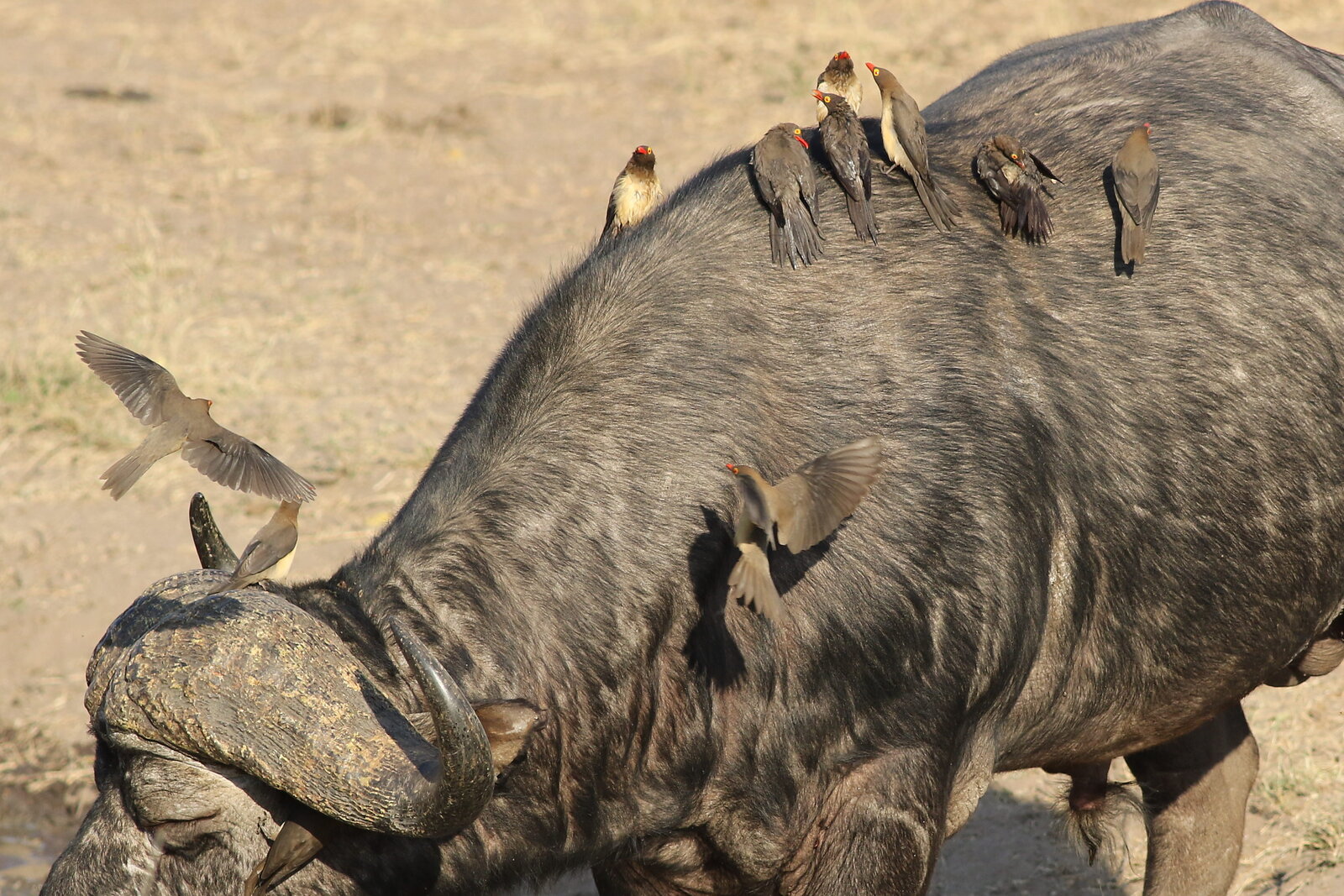
Buffalo: around 40,000 in vast herds, plus the solitary old bulls known as "dagga boys." Herds thousands strong are a signature Kruger spectacle.
Related journey: Where to See the Big Five in Kruger — Expert Spotting Guide →
The Big Cats & Predators — Cheetah, Wild Dog & Hyena
Beyond the celebrated lion and leopard, Kruger's predator guild is one of the most complete in Africa. This is one of the best places on the continent to see the endangered African wild dog, whose painted packs range widely across the park and hunt with astonishing coordination.
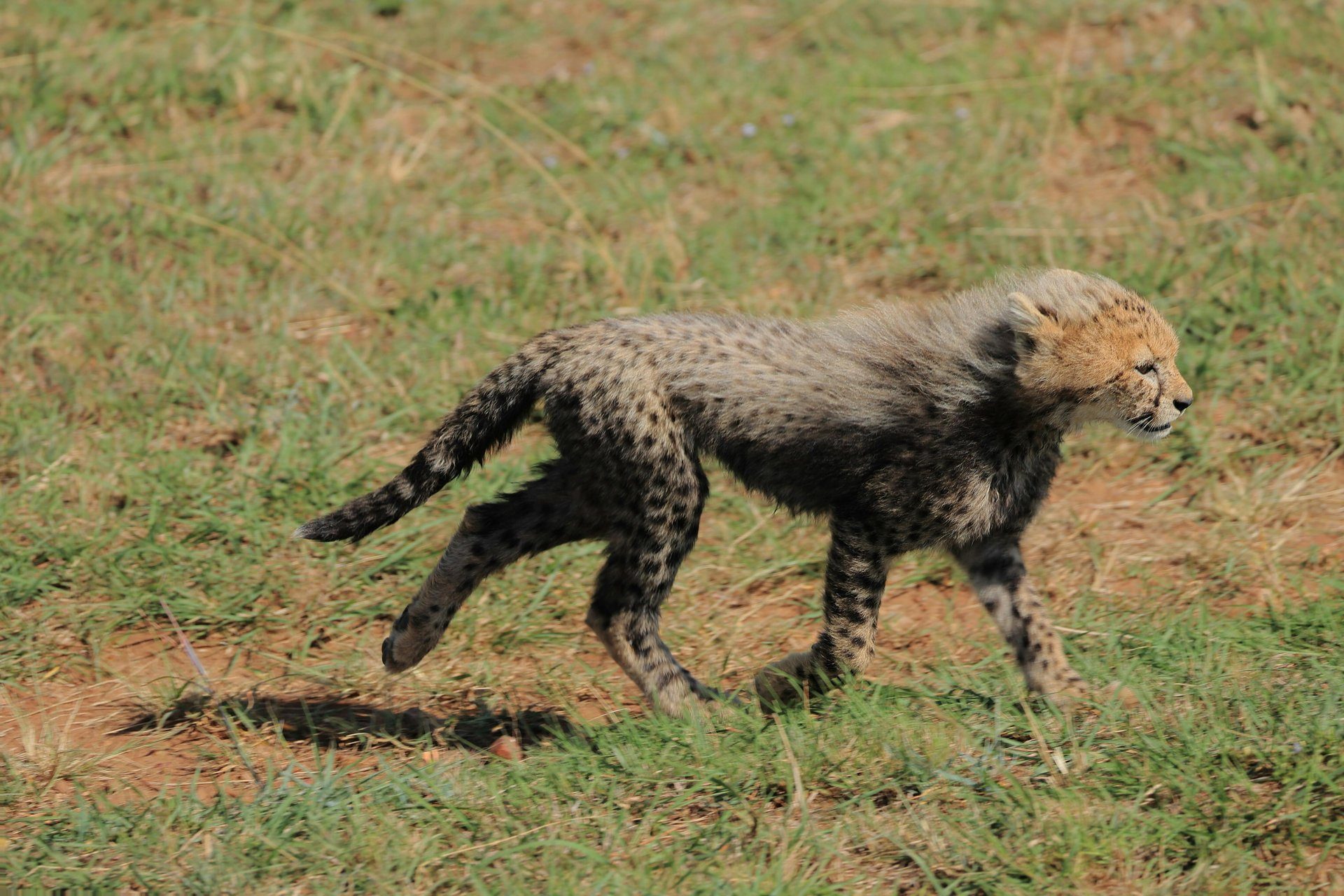
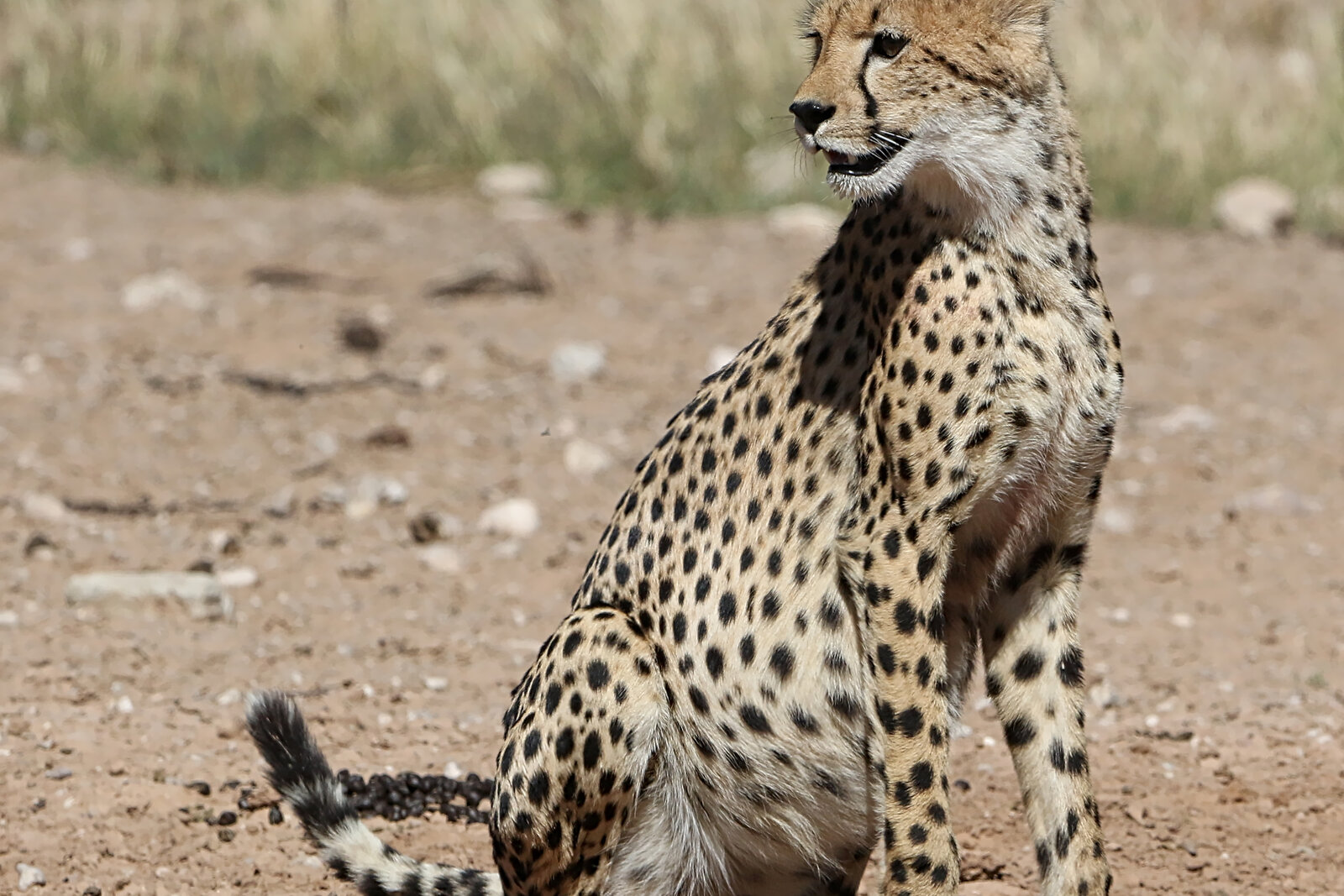
Cheetah favour the open central plains around Satara, where their speed has room to work — the grasslands here are prime cheetah country. Spotted hyena live in large, complex clans and are far more capable hunters than their scavenging reputation suggests; their whoops are one of the definitive sounds of a Lowveld night.
Smaller predators complete the picture: serval, caracal, African wildcat, civet, genet and several mongoose species. Many are nocturnal, which is why a spotlit night drive in a private reserve is the single best way to add these harder-to-see hunters to your list.
Related journey: Kruger Game Drive Guide — How to Get the Best Sightings →
Plains Game & Giants — Giraffe, Zebra, Hippo & Antelope
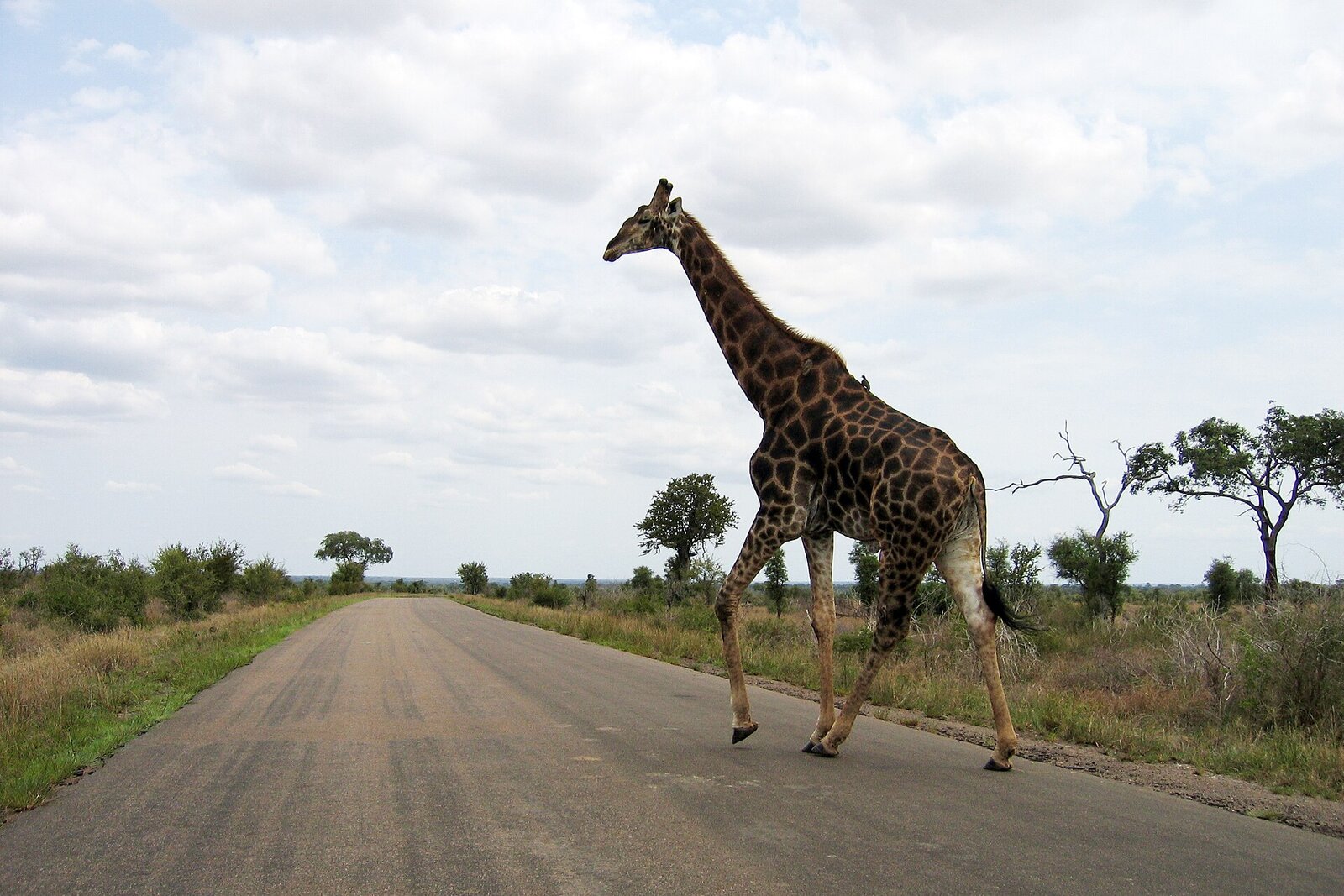
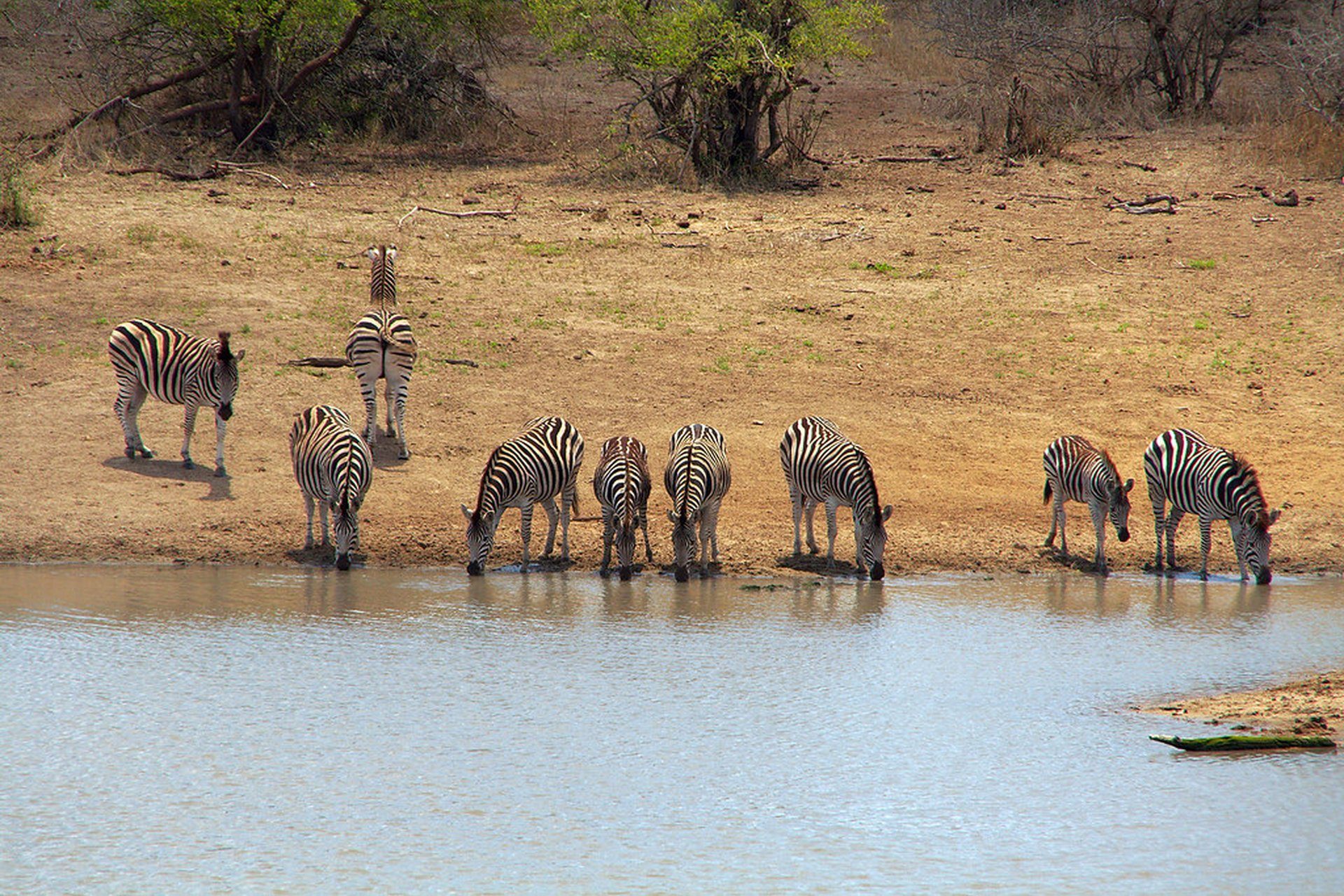
The Big Five may draw the headlines, but it is the supporting cast that fills every game drive with life. Giraffe browse the treetops, plains zebra and blue wildebeest graze in mixed herds, and antelope are everywhere — greater kudu with their spiralled horns, stately waterbuck, elegant nyala, shy bushbuck, and vast numbers of impala, the park's most abundant antelope and the staple prey of its predators.
The rivers teem with hippo and Nile crocodile, best watched from the bridges and river viewpoints at camps like Lower Sabie and Olifants. Warthog trot about with tails aloft, and troops of chacma baboon and vervet monkey are constant, characterful company.
These species are visible year-round across every region of the park, and they are the foundation of the whole ecosystem — no impala, no leopard. Learning to read the plains game is often what turns a good guide's sightings into great ones.
Kruger Wildlife at a Glance — Species & Where to See Them
A quick reference to the park's headline animals, their rough numbers and the best places to find them:
| Animal | Group | Est. Population | Best Region to See |
|---|---|---|---|
| Lion | Big Five | ~1,600 | Central plains (Satara), southern bush |
| Leopard | Big Five | High density (secretive) | Sabi Sands, Sabie River south |
| Elephant | Big Five | ~30,000 | Park-wide; north (Letaba) rich |
| Rhino (white & black) | Big Five | Global stronghold | Southern grasslands |
| Buffalo | Big Five | ~40,000 | Park-wide, near water |
| Cheetah | Predator | Uncommon | Open central plains (Satara) |
| African wild dog | Predator (endangered) | ~250–350 | Wide-ranging; central & north |
| Giraffe, zebra, kudu, impala | Plains game | Abundant | Park-wide, year-round |
| Hippo & crocodile | Rivers | Common | Sabie, Olifants & Letaba rivers |
Birds & the Little Five — 500+ Species to Discover
Kruger is a birding paradise, with well over 500 recorded species. Serious birders chase the "Big Six" birds — the martial eagle, lappet-faced vulture, saddle-billed stork, kori bustard, southern ground hornbill and the elusive Pel's fishing owl — but even casual visitors are dazzled by the everyday cast of lilac-breasted rollers, carmine and white-fronted bee-eaters, hornbills, fish eagles and a wealth of raptors.
The green summer (November to March) is the birding high season: migratory species pour in from Europe and the rest of Africa, and resident birds don their breeding plumage. Even between big-game sightings, the birdlife keeps a drive endlessly absorbing.
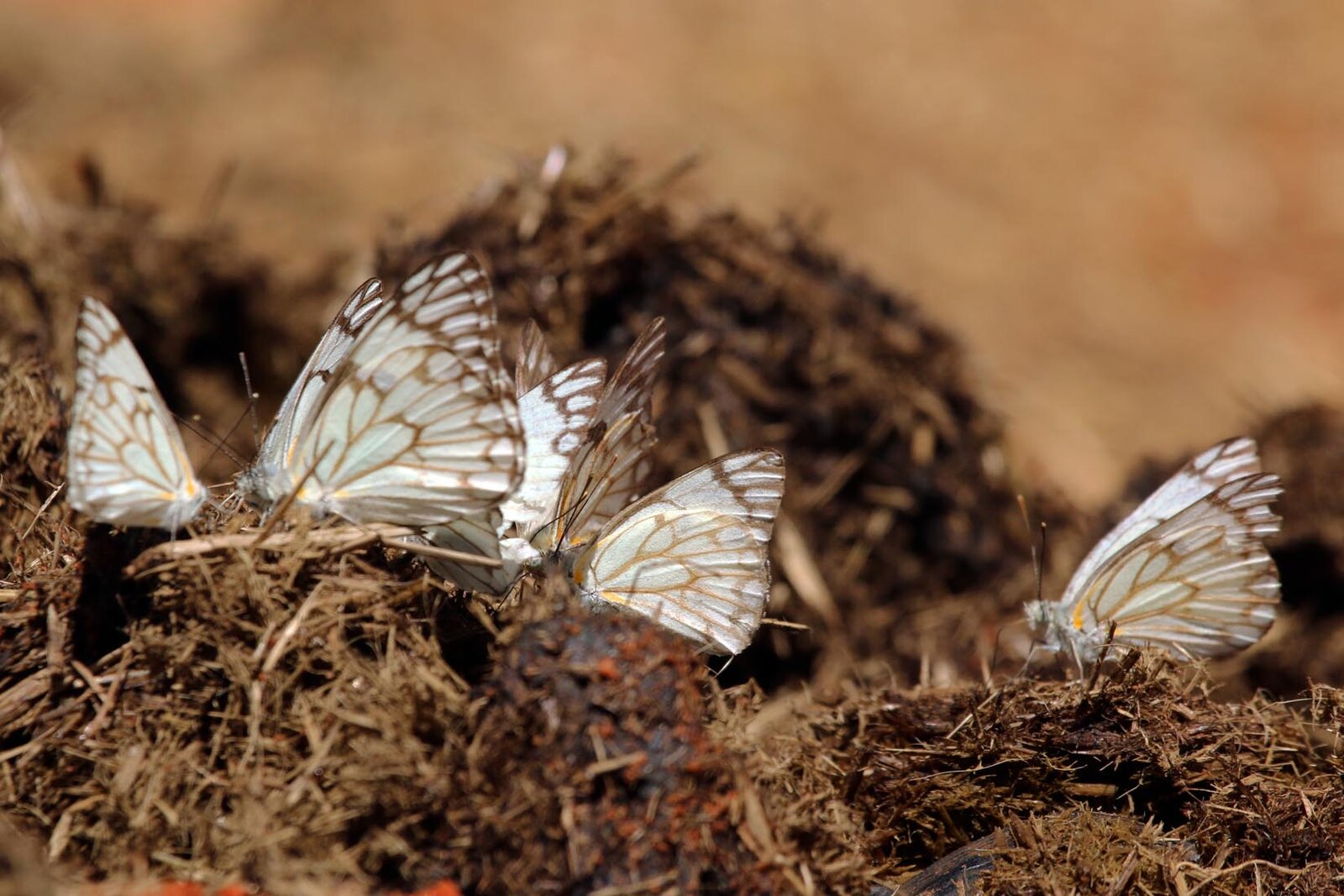
And then there are the Little Five — a delightful counterpart to the Big Five, each named for a larger cousin: the elephant shrew, the buffalo weaver, the leopard tortoise, the ant lion and the rhino beetle. Ticking them off is a favourite challenge for return visitors and a brilliant way to teach children — and yourself — to look closely at the smaller wonders of the bush.
Where & When to See Each Animal — A Field Strategy
Knowing what lives in Kruger is one thing; knowing where and when to find it is what makes a safari. Here is how the park's wildlife shifts with season and place:
| Season | What's Best | Why |
|---|---|---|
| Dry winter (May–Sept) | Big game, predators, Big Five | Thin bush and scarce water concentrate animals at rivers and waterholes — the best viewing of the year. |
| Green summer (Nov–March) | Birding, newborns, scenery | Migrant birds arrive, animals drop their young, and the bush turns lush and photogenic. |
| Time of day | Early morning & late afternoon | Predators hunt in the cool hours; midday heat sends most animals into the shade. |
By region: the wildlife-dense south (Skukuza, Lower Sabie, Sabi Sands) is best for the Big Five and leopard; the central plains (Satara) favour lion and cheetah; and the wild north (Letaba, Pafuri) rewards birders and elephant-lovers with far fewer vehicles.
Related journey: Best Time to Visit Kruger National Park — Month by Month →
Seeing the Wildlife — Self-Drive vs Guided Safari
The animals are the same whether you explore Kruger on a self-drive or from a private-reserve lodge — they roam freely across the unfenced borders. What changes is how close you get and how much you understand of what you are seeing.
On a self-drive you follow the public roads at your own pace, which is affordable and rewarding but limited to daylight and to what you can spot yourself. On a guided safari — especially in the Greater Kruger private reserves — an expert ranger and tracker read the bush for you, follow fresh tracks off-road to a predator, run spotlit night drives for nocturnal species, and interpret the behaviour unfolding in front of you.
For the richest wildlife experience — and the best chance at the hardest species like leopard, wild dog and the nocturnal hunters — a guided private-reserve safari is unmatched. To go deeper on the Big Five specifically, see our companion guide below.
Related journey: Private Safari Kruger National Park — The Insider's Guide →
Conservation — Why Kruger's Wildlife Thrives
Kruger's astonishing biodiversity is no accident. Proclaimed in 1926, it is one of the oldest and best-managed protected areas in Africa, and its scale — an unfenced ecosystem shared with the Greater Kruger private reserves — allows wildlife to move and breed across nearly two million hectares. That space is precisely what sustains healthy populations of wide-ranging species like elephant, lion and wild dog.
The park is also on the front line of rhino conservation, with dedicated anti-poaching efforts protecting one of the world's most important rhino populations. Every safari you take contributes directly, through park fees and lodge revenue, to keeping this extraordinary wilderness — and its animals — intact for the generations to come.
Plan a Safari Around Kruger's Wildlife
From the Big Five to the Little Five, from 30,000 elephants to 500 birds, the animals of Kruger National Park make it one of the greatest wildlife destinations on earth. Knowing what lives here — and where and when to find it — is the difference between a good safari and an unforgettable one.
Designing wildlife-focused journeys is what we do. Tell us the animals you most want to see — leopards in Sabi Sands, wild dogs on the central plains, the full Big Five, or the birding spectacle of the green season — and we will build the perfect safari around them, booked direct with the lodges and camps we know best.
👉 Ready to See Kruger's Wildlife for Yourself?
Tell us which animals top your list and how you like to travel, and we will craft a wildlife safari that puts you in the right place at the right time.
Plan My Wildlife Safari → View Kruger Safari Packages →Or reach us directly on WhatsApp at +27 78 471 4852 — we are here to help you experience the wildlife of Kruger National Park at its very best.