Key Takeaways
- The dry winter (May–September) is the best time for classic Big Five game viewing — thin bush and game concentrated at water.
- June to August is the peak: cool, dry, malaria risk at its lowest, and sightings at their easiest — it is also the busiest and priciest.
- The green summer (October–April) brings the bush to life — newborn game, migrant birds and dramatic skies — but tall grass hides wildlife.
- The shoulder months — May and September–October — are the sweet spot: excellent game viewing, softer prices and thinner crowds.
- The Kruger is a year-round destination; there is no bad time, only a different Kruger each season.
The Two Seasons That Define the Kruger
The Kruger has two faces, and everything about your safari flows from which one you visit. The park sits in the summer-rainfall lowveld of north-eastern South Africa, so its year divides cleanly into a long dry winter and a warm, wet summer. Understanding the difference is the single most useful thing you can do before you book.
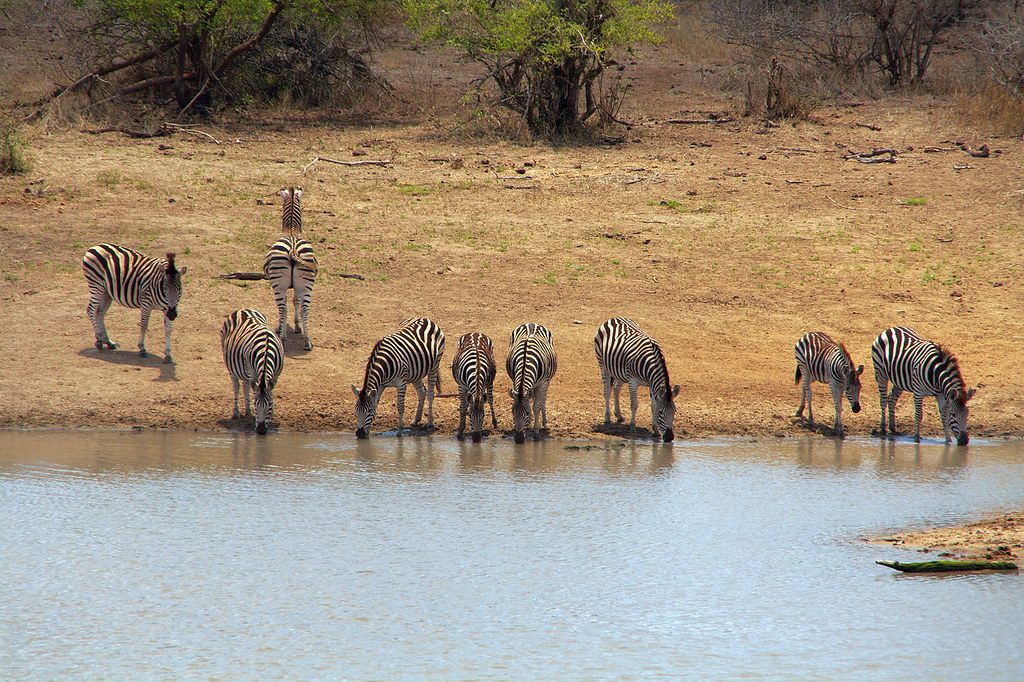
In the dry season, from May to September, months pass without rain. The grass yellows and collapses, the trees drop their leaves, and the seasonal pans dry up until the only water left is in the great rivers and a handful of waterholes. Animals have nowhere to hide and nowhere else to drink, so they concentrate — and game viewing becomes as easy as it ever gets in Africa.
In the green season, from October to April, the summer rains transform the park. The bush explodes into thick green, the pans fill, the impala drop their lambs and the migrant birds pour in. The wildlife scatters across a landscape suddenly rich in water and grazing, and while sightings take more patience, the Kruger has never looked more alive.
The Dry Season (May–September): Peak Game Viewing
If your priority is seeing the Big Five, come in the dry winter. This is the Kruger at its most reliable. With the bush stripped bare and water scarce, animals become visible and predictable — lions lie up near the last pools, elephants and buffalo trek to the rivers morning and evening, and leopards are easier to spot in the open branches. A patient self-drive or guided day in the game-rich south can turn up four of the Big Five with ease.
The weather helps too. Winter days are warm, dry and cloudless — usually 24–27°C — while nights and dawn drives are cold, sometimes near freezing, so you will want a fleece and a beanie for the early starts. Crucially, this is also when malaria risk falls to its lowest, which makes the dry season the natural choice for families and first-timers.
Why the dry season wins for game viewing:
- Thin bush — no tall grass or leaves to hide the wildlife.
- Concentrated game — animals gather at the rivers and remaining waterholes.
- Cool, clear weather — comfortable daytime drives and dust-free skies.
- Lowest malaria risk of the year — reassuring for families.
The trade-off is simple: the dry season is the busy season. June, July and August are the most popular and most expensive months, camps and lodges book out far ahead, and the roads around the best sightings can get crowded. If that matters to you, the shoulder months are the answer.
The Green Season (October–April): Birth, Birds & Emerald Bush
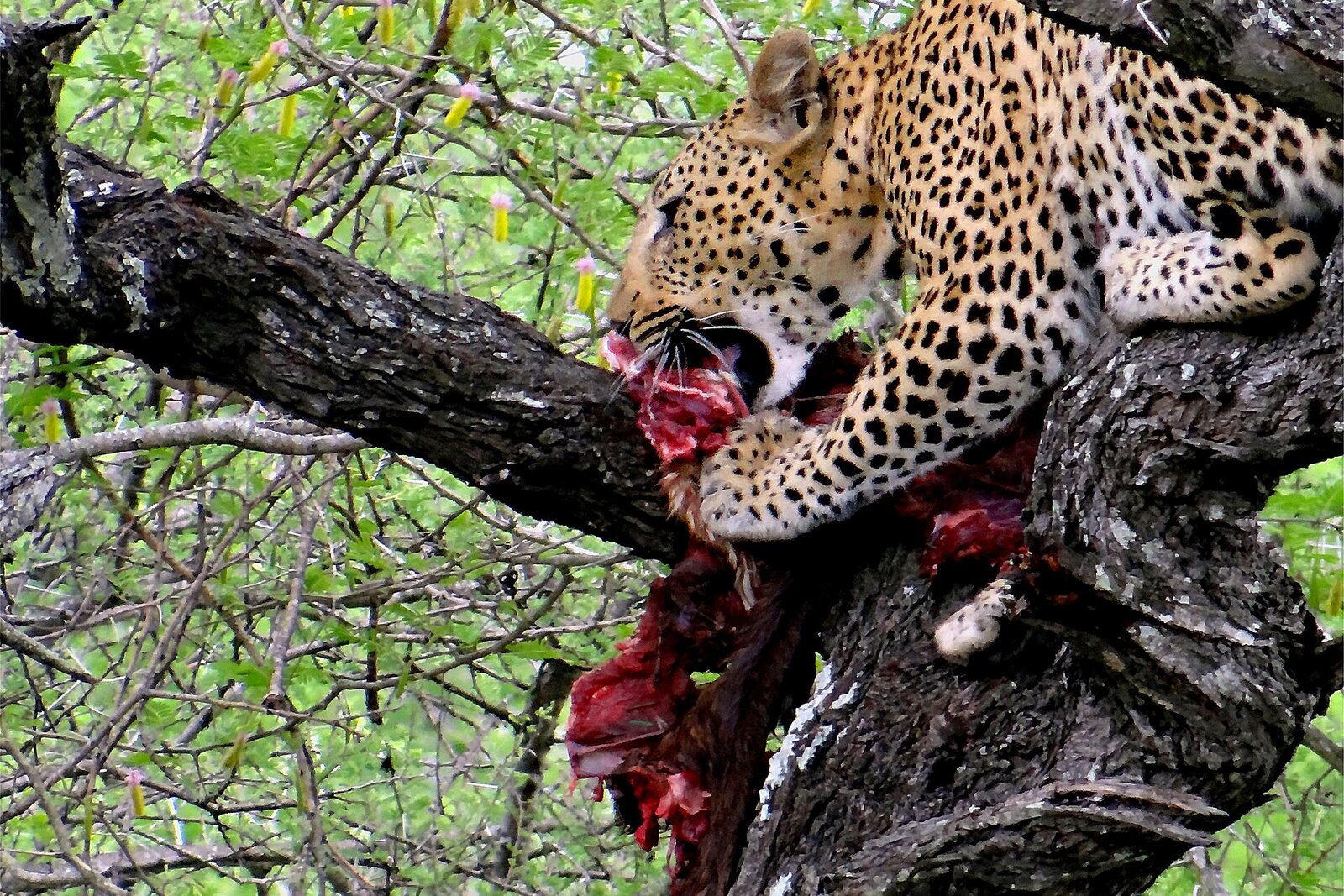
The green season is the Kruger for the connoisseur. When the first rains break the heat in October and November, the whole park comes alive. The bush turns a vivid green, the pans fill and shimmer, and within weeks the plains fill with newborn impala, wildebeest and zebra — the "calving season" that draws predators in for the drama of the hunt.
It is also the finest time for birding. From November to March the resident species are joined by migrant birds in their breeding plumage — European rollers, woodland kingfishers, storks and countless others — and the dawn chorus is extraordinary. Photographers love the season too: the light is dramatic, the skies are piled with cloud, and the green backdrops are far more beautiful than winter's dust.
The catch is that the wildlife disperses. With water everywhere, animals no longer need the rivers, and the tall grass and thick leaves make spotting them harder. Days are hot and humid — often above 32°C — with spectacular afternoon thunderstorms, and this is the higher-risk malaria period, so prophylaxis is essential. In return, you get lower prices, thinner crowds and a Kruger that feels wonderfully, wildly alive.
The Kruger Month by Month
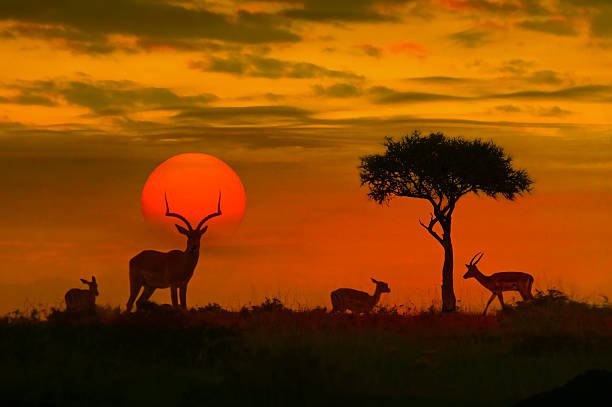
Here is the Kruger's year at a glance — the weather, the wildlife and what to expect each month, so you can match the season to the safari you want.
| Month | Season | What to expect |
|---|---|---|
| Jan–Feb | Green (peak wet) | Hot, humid, lush; superb birding & newborn game; lowest prices |
| Mar–Apr | Green (late wet) | Bush still green, cooling down; good value; Easter can be busy |
| May | Shoulder (early dry) | The sweet spot — bush thinning, game gathering, fewer crowds |
| Jun–Aug | Dry (peak) | Best game viewing, cool & dry, lowest malaria risk; busiest & priciest |
| Sep | Shoulder (late dry) | Excellent sightings, warming up, thinning crowds — a top month |
| Oct | Shoulder (dry ending) | Hot, dry, dramatic — game still at water before the rains break |
| Nov–Dec | Green (early wet) | Rains begin, bush greens, migrants arrive; festive season busy |
The Best Time for the Big Five & the Big Cats
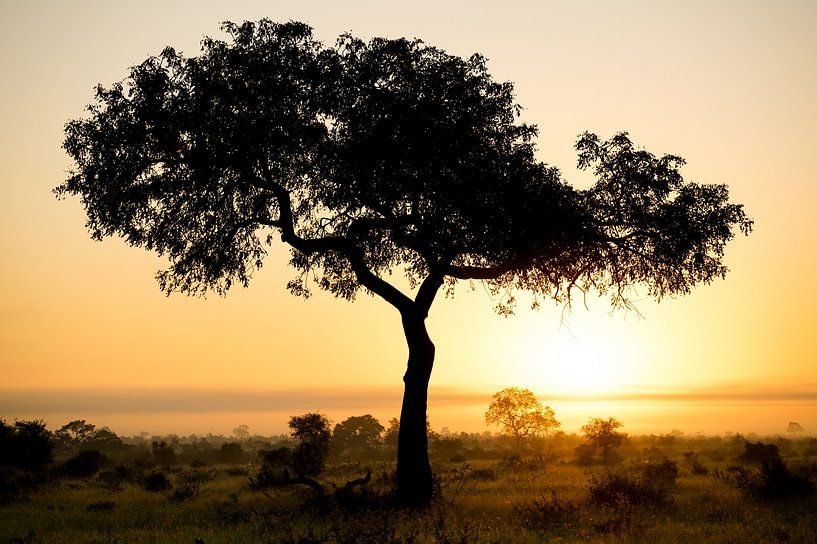
For the Big Five specifically, the dry months of June to September are unbeatable. Elephant and buffalo herds funnel to the rivers, rhino are easier to find in the open, lion prides hold territory around the shrinking water, and leopards show themselves in the bare riverine trees. The predator action peaks as prey is drawn into the open at the last waterholes.
That said, the green-season calving from November to February offers its own spectacle: with thousands of vulnerable newborns on the plains, lion, cheetah and wild dog hunt at their most active, and the drama of the chase is at its highest. If it is predator action you crave rather than easy tick-list sightings, the early green season is thrilling.
The Best-Value Time & Avoiding the Crowds
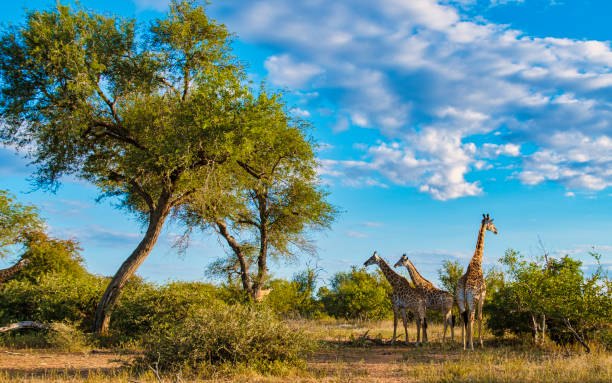
The shoulder seasons are the safari-planner's secret. Come in May, September or October and you get game viewing that is nearly as good as the deep-winter peak, but with softer rates, more availability and far fewer vehicles at each sighting. May catches the bush just as it dries out; September and October catch it at its thinnest, with animals packed around the last water before the rains.
For the very best value, the green season from January to March is the quietest and least expensive time to visit, and if you love birds, newborn game and a lush landscape, it can be the most rewarding of all. Avoid the peak-price windows — the South African school holidays, Easter and the festive season around Christmas and New Year — when the public rest camps in particular fill up months ahead.
Plan Your Kruger Safari With Beyond Africa
We are a Cape Town-based, tailor-made safari house, and the Kruger is our home ground. Once you know the season you want, we build the whole trip around it — the right camp or private-concession lodge, the best rooms before they vanish, guided drives or a supported self-drive, and a route that puts you in the right place at the right hour. You travel in exactly the Kruger you came for, whether that is the golden game-viewing winter or the emerald, bird-filled summer.
Ready to choose your season in the Kruger? 👉 Request a tailor-made Kruger quote → 👉 Browse our Kruger safari packages → 👉 WhatsApp us: +27 74 315 5782