Quick answer: The top 10 African safari animals to see in 2026 are the lion, leopard, elephant, rhino and buffalo (the Big Five), followed by the cheetah, hippo, giraffe, zebra and the wildebeest of the Great Migration. The single best region for the Big Five is South Africa's Sabi Sand; the greatest wildlife spectacle on earth is the Migration across the Serengeti and Masai Mara.
There is a single question behind every safari we have ever planned. Before the flights, before the lodges, before the budget, a traveler leans in and asks: "But will I actually see the animals?"
It is the right question. A safari is not a zoo with a fence and a feeding schedule. It is a wild, unscripted place where a leopard can melt into a riverbed and a herd of a thousand buffalo can appear over a ridge without warning. After eighteen years and thousands of game drives across ten African countries, we have learned exactly which animals reward the journey — and, more importantly, the precise reserve and month that turns "I hope we see one" into "we watched it for forty minutes."
This is our honest countdown. Not a generic list, but a ranking built on where we have personally driven, tracked and waited. For each animal you will find what makes it unforgettable, where your odds are highest, and when to go. Start at number ten and work your way to the animal that still stops every one of our guides mid-sentence.
10. The Zebra — Africa's Signature Stripes
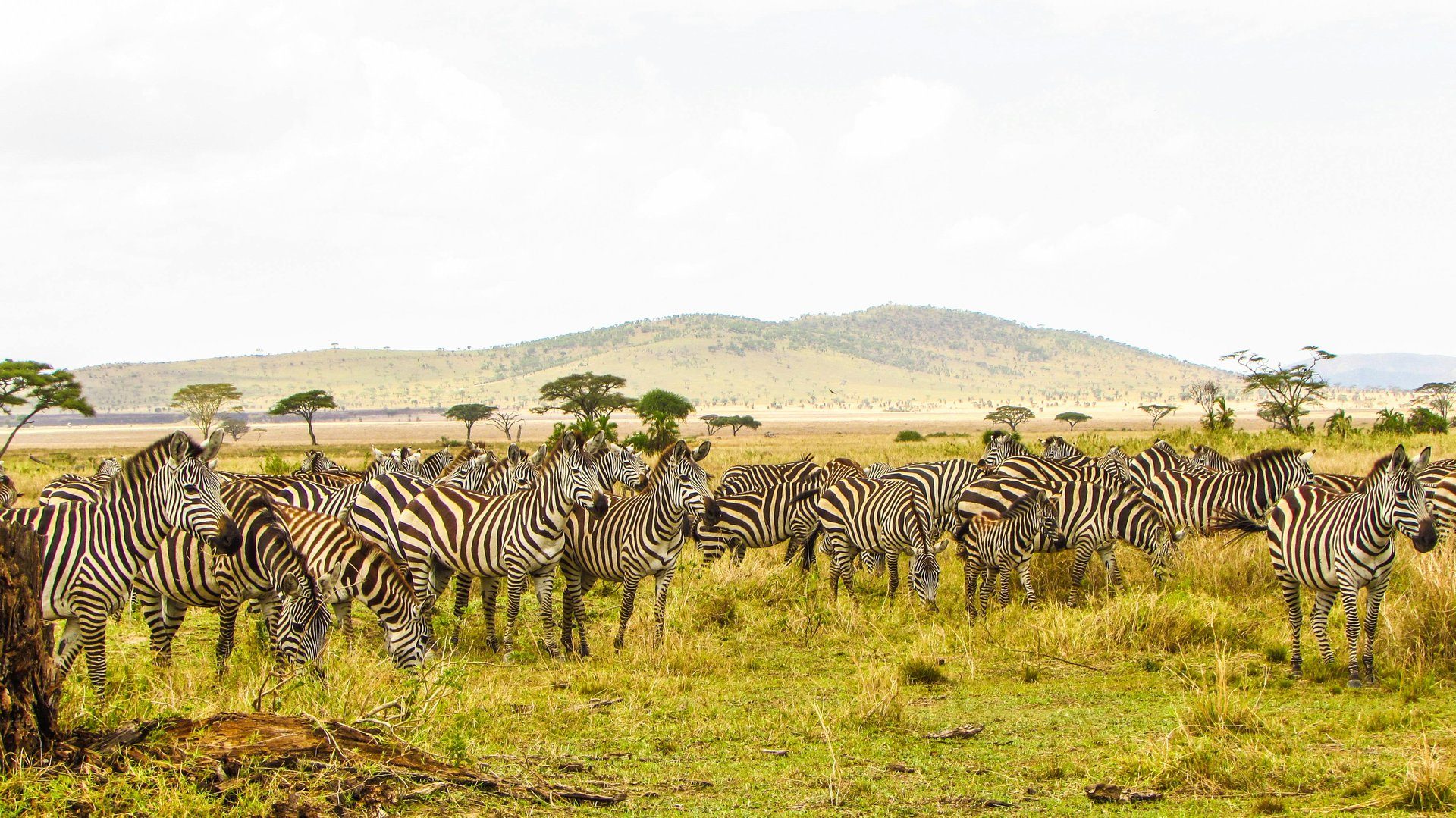
We start with an animal so common that travelers almost apologize for loving it. Do not. There is nothing ordinary about a herd of plains zebra flowing across golden grass, each coat a fingerprint no two of which are identical. Zebra are the metronome of the savannah — where they graze in numbers, lions are rarely far behind, which is why experienced guides read a zebra herd like a weather report.
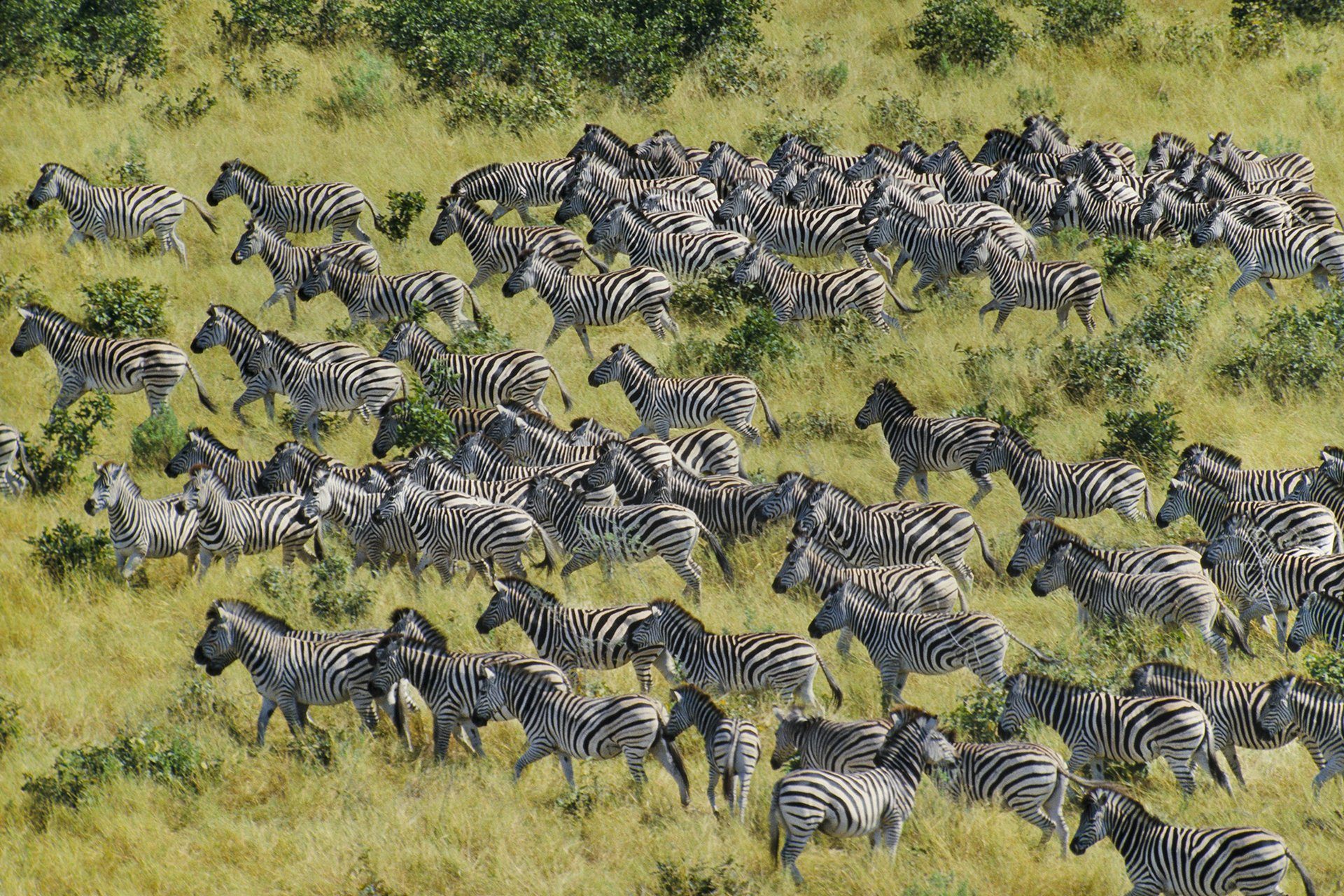
Best for: First-time travelers who want big, active herds and constant movement in the frame.
Where: Everywhere from Kruger to the Serengeti, but the Ngorongoro Crater and Masai Mara offer the densest concentrations.
When: Year-round; during the Great Migration, zebra travel alongside the wildebeest in vast mixed columns.
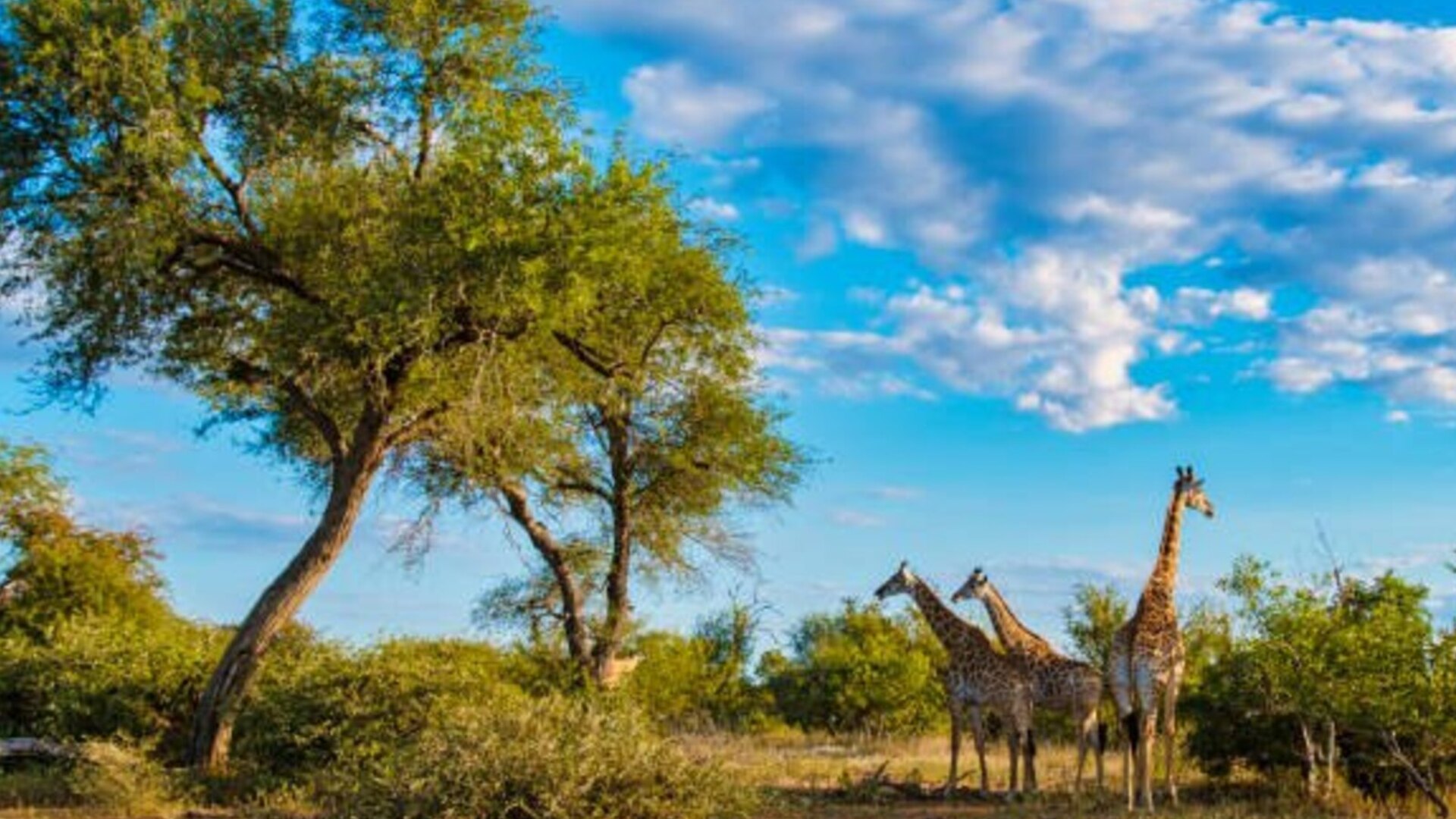
9. The Giraffe — The Gentle Giant of the Bushveld
No animal on this list changes the mood of a game drive quite like a giraffe. Vehicles that were buzzing with talk fall silent as a tower of giraffe drifts past at eye level with the tree canopy. At nearly six meters tall, they move with a slow, dreamlike grace, and watching one splay its legs to drink — its most vulnerable moment — is one of the quiet privileges of the bush.
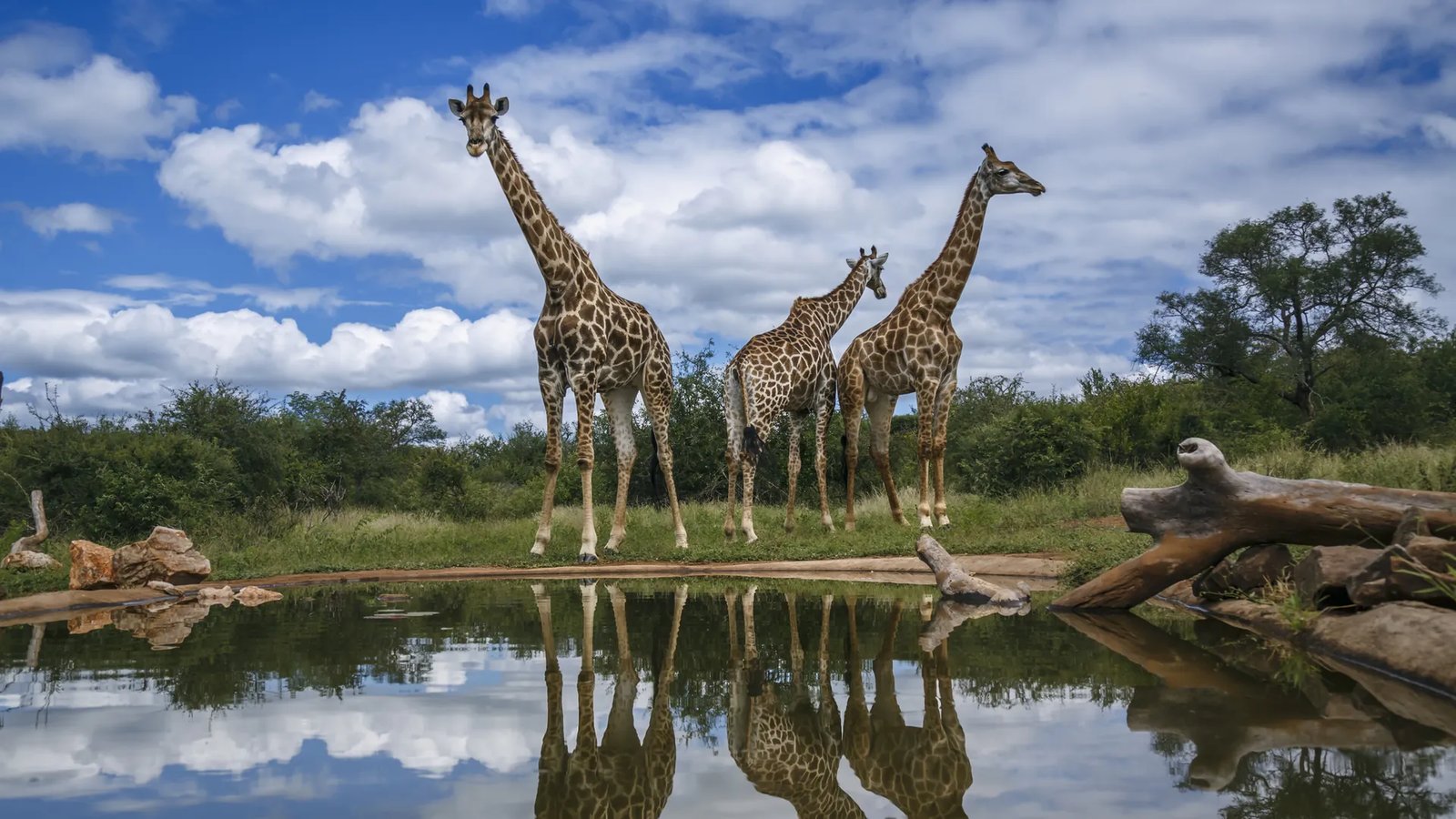
Best for: Photographers chasing clean silhouettes against a burning sky.
Where: Abundant across South Africa and East Africa; the Kruger region and the plains of the Serengeti deliver reliable sightings.
When: Year-round, with the best photographic light in the dry winter months.
8. The Hippopotamus — Deceptively Deadly at the Waterline
The hippo is the animal that surprises people most. It looks comical wallowing in a muddy pool, ears flicking, but it is responsible for more human fatalities in Africa than any big cat. A pod of hippos jostling and yawning in the shallows — those enormous jaws opening to a full ninety degrees — is a raw reminder that the bush runs on its own rules. At dusk they haul their vast bodies onto land to graze, and the low, rolling grunt that rolls across the water at night is a sound you never forget.
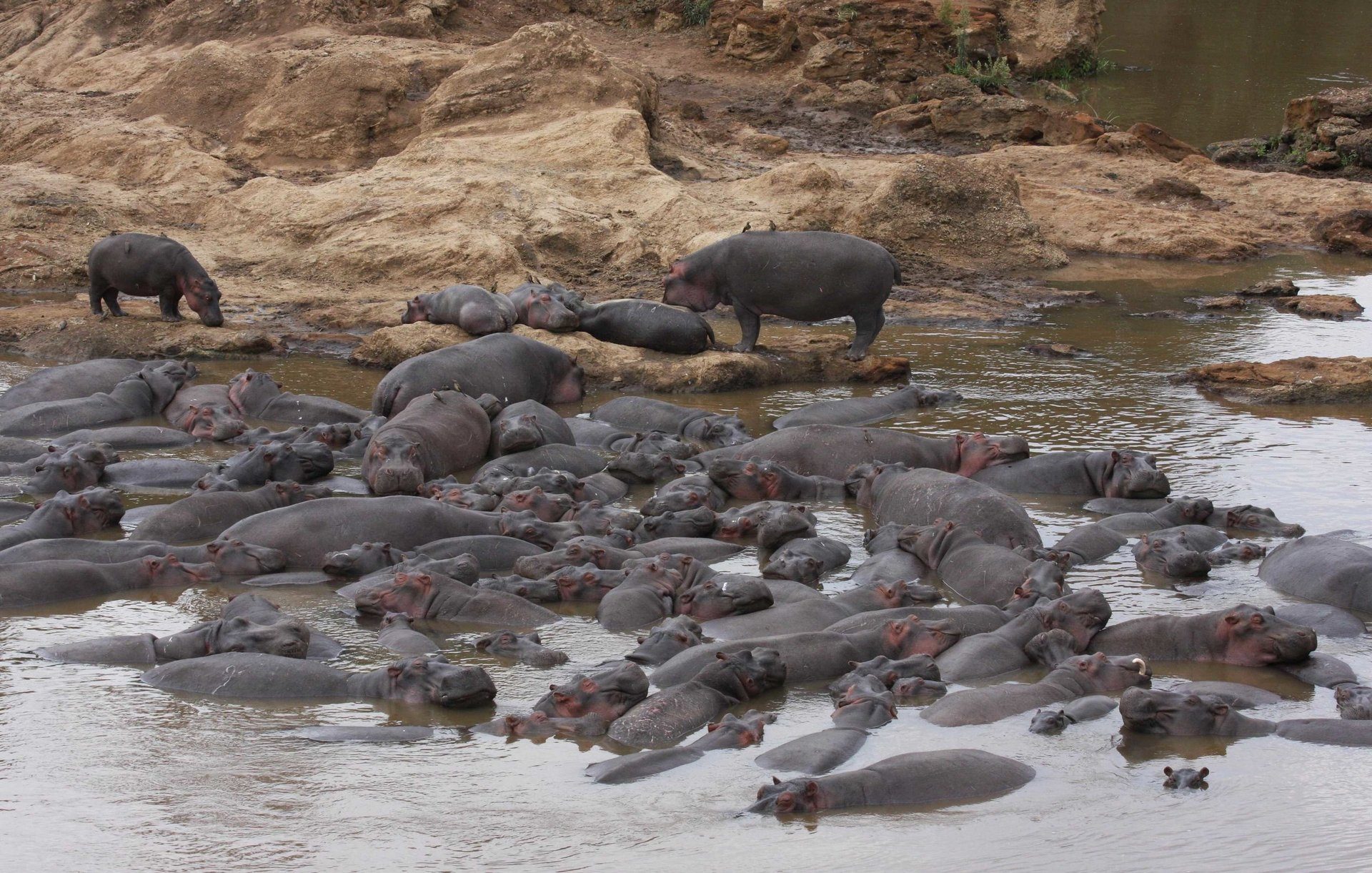
Best for: Travelers who love water-based game viewing and a boat cruise or mokoro trip.
Where: The Okavango Delta, the Chobe River and the Luangwa River in Zambia hold spectacular concentrations.
When: Dry season, when receding water forces hippos into crowded, dramatic pools.
Insider's note: Some of the most memorable sightings on this list happen from a boat or a mokoro dugout, not a vehicle. If hippos and the water world excite you, we will build at least two nights of water-based safari into your route rather than relying on drives alone.
7. The Cheetah — The Fastest Land Animal on Earth
Nothing prepares you for cheetah speed. From a standstill, a hunting cheetah reaches over one hundred kilometers an hour in three seconds, a blur of muscle and dust that ends a hunt before your brain has caught up. But the cheetah's magic is not only in the chase. It is in the stillness before it — a lean, tear-stained cat perched on a termite mound, scanning the plains with an intensity that makes the whole vehicle hold its breath. Cheetah numbers are under real pressure in the wild, which makes every sighting feel like a gift.
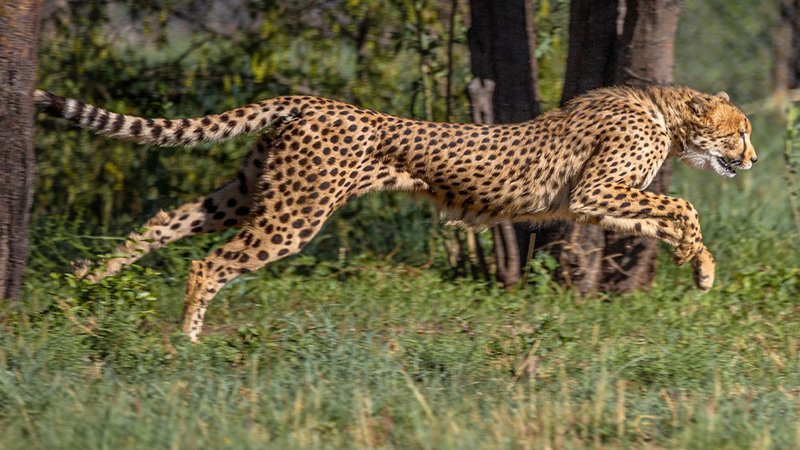
Best for: Big-cat lovers who want open-plains hunting drama.
Where: The open grasslands of the Serengeti, Masai Mara and the private reserves of the greater Kruger.
When: Dry season mornings, when cheetahs hunt in the cool early light.
6. The Buffalo — The Big Five's Unpredictable Bruiser
The Cape buffalo earns its place on the Big Five roll call not because it is beautiful, but because it is dangerous. Old bulls forced out of the herd — the "dagga boys" caked in dried mud — carry a grudge and a reputation among guides for being genuinely unpredictable. Seen in a great breeding herd, a thousand strong, buffalo become a moving wall of horn and muscle that even lions think twice about. Watching a pride test a buffalo herd is one of the great tension-filled standoffs of the African bush.
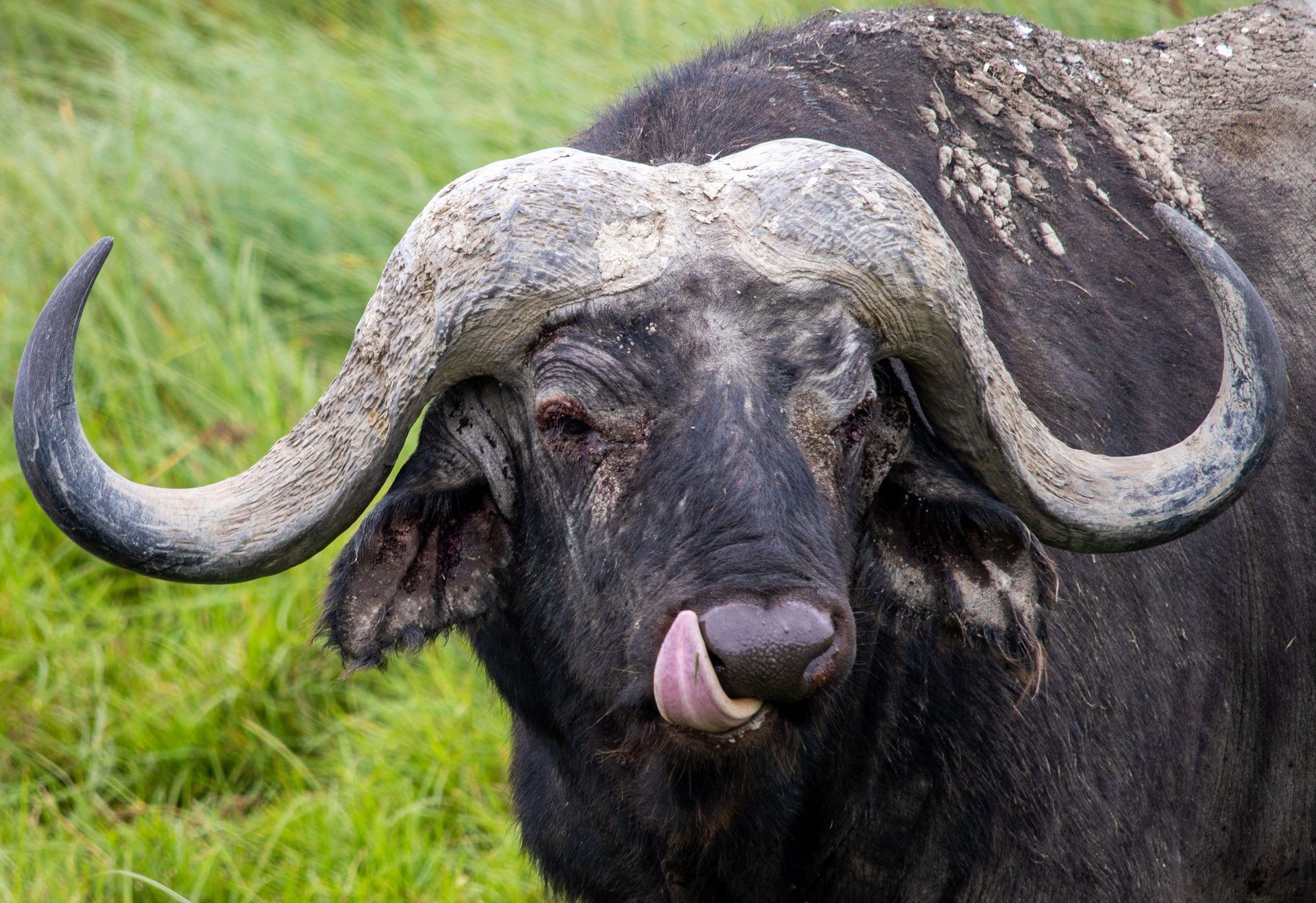
Best for: Travelers completing the classic Big Five checklist.
Where: The greater Kruger, Chobe and the Serengeti hold enormous herds.
When: Dry season, when buffalo gather around dwindling water sources.
5. The Rhinoceros — A Prehistoric Survivor Worth Protecting
To sit quietly with a rhino is to look at a living dinosaur. Both the bulky, grass-grazing white rhino and the rarer, hook-lipped black rhino carry an air of ancient permanence — and a heartbreaking fragility, given the poaching pressure that has pushed them to the edge. A rhino sighting today is never guaranteed and always earned, which is exactly why it moves so many of our travelers to silence. Choosing a well-protected reserve is not only better for your odds; it directly funds the anti-poaching teams keeping these animals alive.
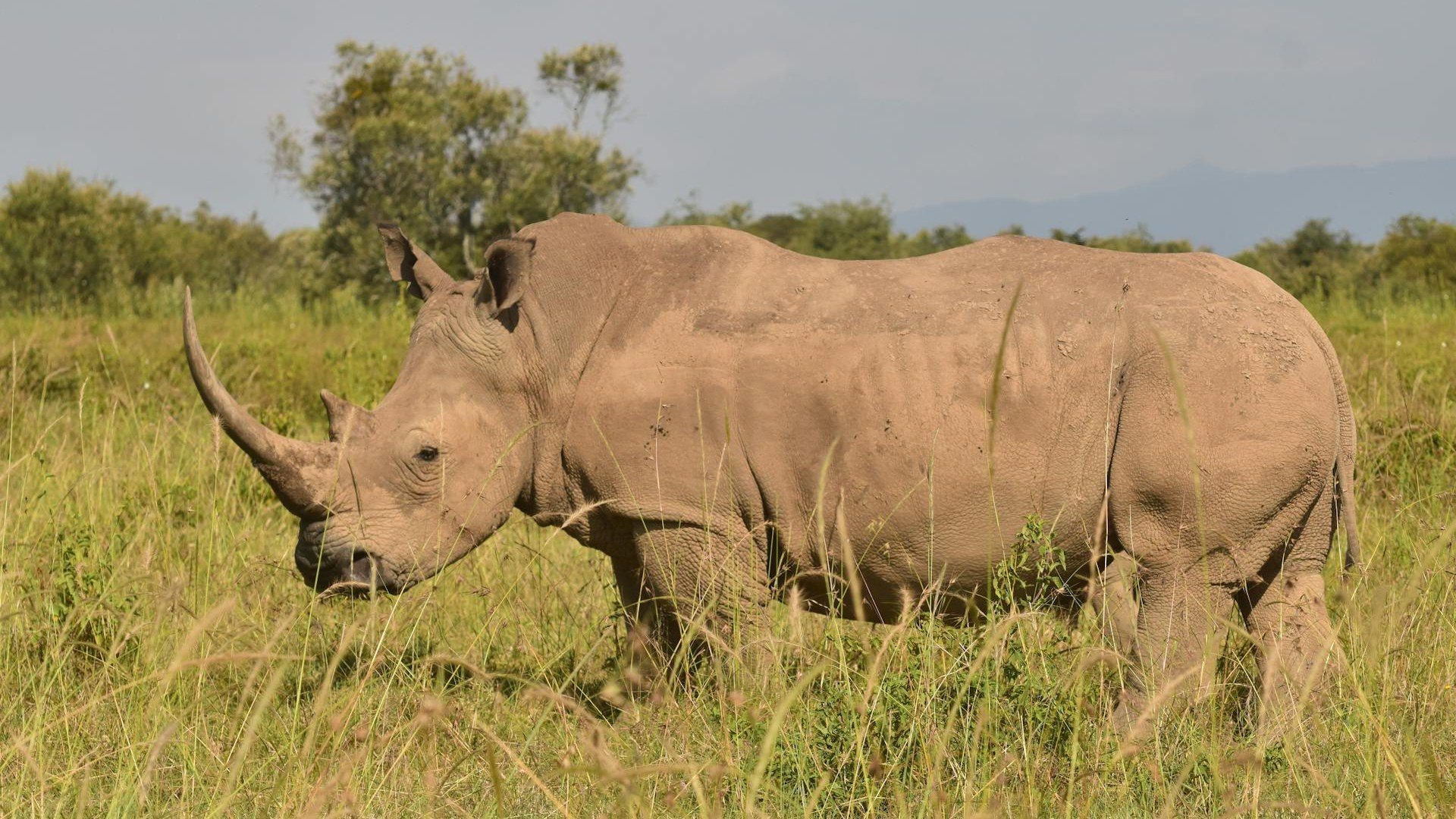
Best for: Conservation-minded travelers who value rare, meaningful sightings.
Where: South Africa protects the majority of the world's rhinos; well-managed private reserves such as those in the greater Kruger offer the best chances.
When: Dry season, in cooler morning and late-afternoon hours.
4. The Elephant — The Soul of the Savannah
If the lion is the king, the elephant is the elder. Nothing recalibrates your sense of scale like an adult bull, six tonnes of quiet intelligence, walking so close you can hear the low rumble in his chest — a sound that travels through the ground before it reaches your ears. Elephants live in tight matriarchal families, grieve their dead and remember water sources across decades. Spend an hour with a breeding herd, watching calves shelter beneath their mothers, and you understand why so many travelers rank the elephant as the animal that touched them most.
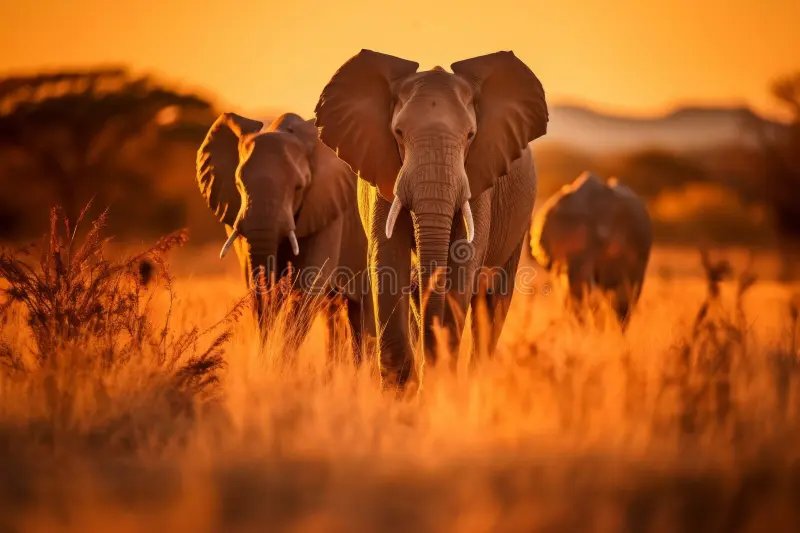
Best for: Everyone. No traveler is unmoved by a close elephant encounter.
Where: Chobe in Botswana holds the greatest elephant concentration on earth; the Okavango Delta and Kruger are also superb.
When: Dry season, when herds gather in huge numbers at the remaining rivers.
3. The Wildebeest & the Great Migration — The Greatest Show on Earth
A single wildebeest is an ungainly, comic creature. Two million of them, thundering across the plains in the largest overland migration on the planet, is a spectacle that redraws your idea of what nature is capable of. The climax is the river crossing: thousands of animals massing on a bank, hesitating, then plunging into crocodile-filled water in a churning, dust-and-spray chaos of survival. We have watched grown travelers weep at a Mara River crossing. It is, without exaggeration, one of the defining wildlife experiences a human being can have.
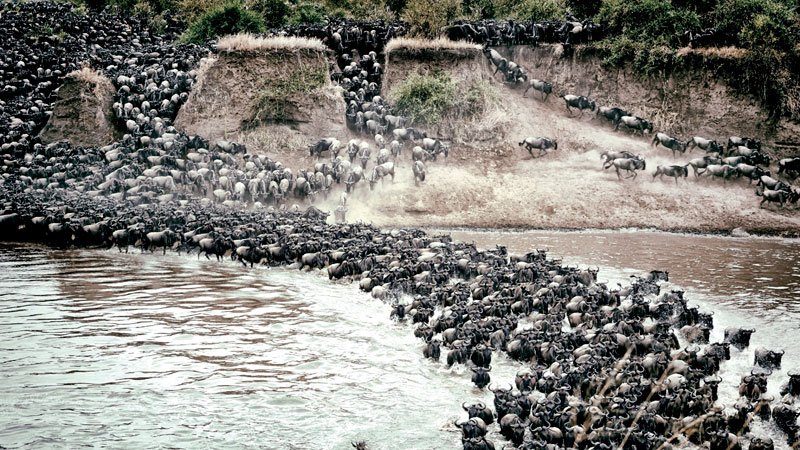
Best for: Bucket-list travelers who want the single biggest wildlife spectacle on earth.
Where: The Masai Mara in Kenya and the Serengeti in Tanzania — the two halves of the same great circuit.
When: River crossings peak July to September in the Mara; calving on the southern Serengeti plains runs January to March. See our Ultimate Great Migration Safari.
Insider's note: Migration timing shifts a little every year with the rains. There is no substitute for a local team tracking the herds week by week. We position our travelers in the right camp at the right time — not the average time from a guidebook.
2. The Leopard — The Ghost of the Bushveld
Ask any guide which animal they most love to find, and the answer is almost always the leopard. Solitary, secretive and draped in a coat that turns dappled shade into perfect camouflage, the leopard is the Big Five member most travelers fear they will miss. And across most of Africa, they are right to worry. The glorious exception is South Africa's Sabi Sand, where decades of respectful viewing have produced leopards so relaxed they will drape over a marula branch in daylight, a fresh kill hoisted beside them, and simply ignore your vehicle. It is the finest leopard viewing on the planet, and it is why we send so many first-time travelers there.
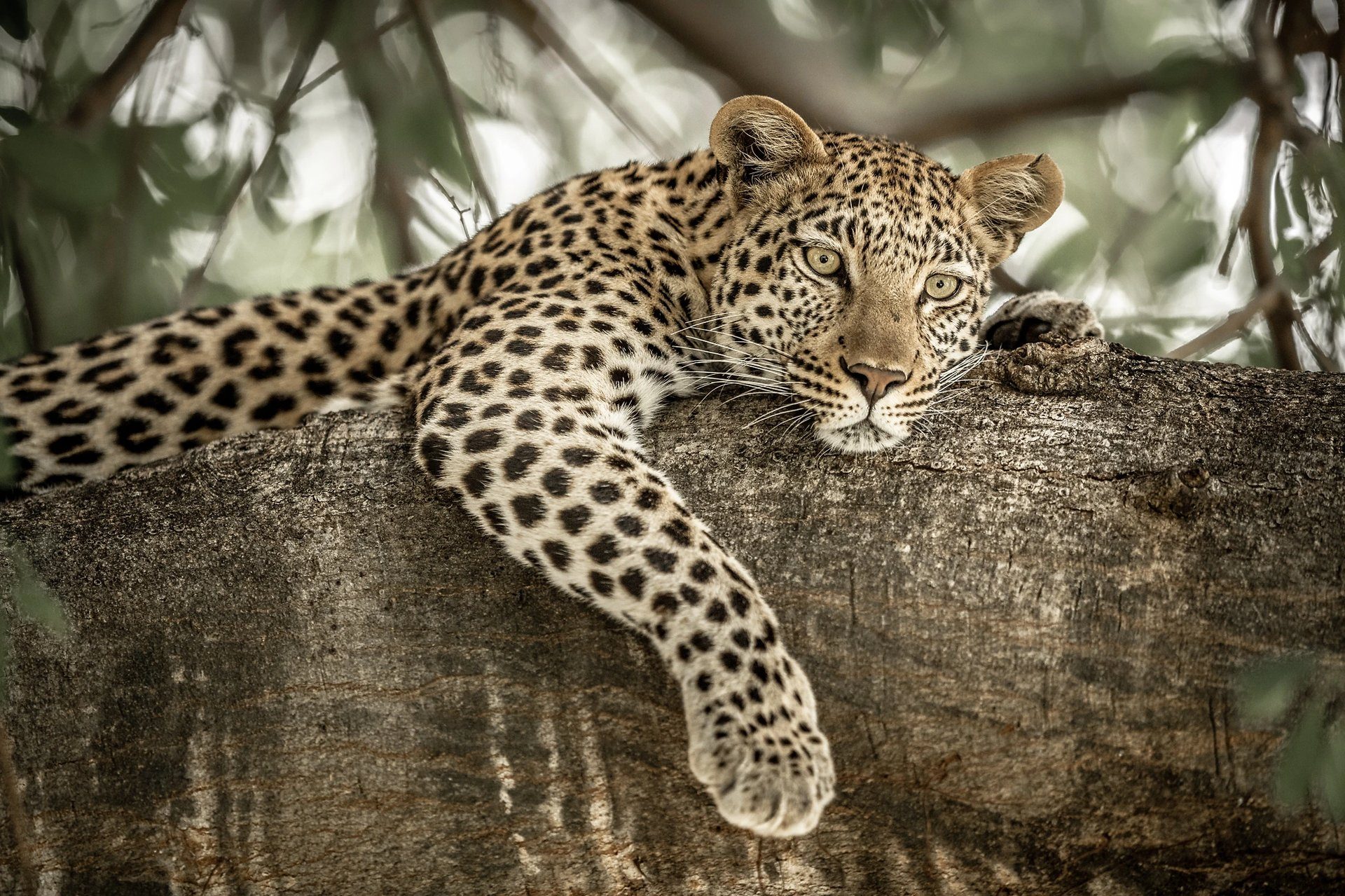
Best for: Big-cat obsessives and photographers who want that once-impossible tree-draped leopard shot.
Where: The Sabi Sand in South Africa is unmatched, full stop.
When: Year-round; the dry winter months offer the cleanest sightlines.
1. The Lion — The King That Every Safari Is Really About
It could only ever be the lion. Every other animal on this list is a supporting character in the story we all came to Africa to feel, and the lion is its beating heart. There is the sight — a black-maned male, golden and enormous, gazing across his territory at dawn. And then there is the sound. The first time you hear a lion roar in the dark, a deep concussive call that you feel in your ribs from three kilometers away, something ancient wakes up inside you. Watch a pride at rest, cubs tumbling over the flank of a lioness, and then watch them switch in an instant into coordinated hunters, and you will understand why humans have told stories about this animal for as long as we have told stories at all.
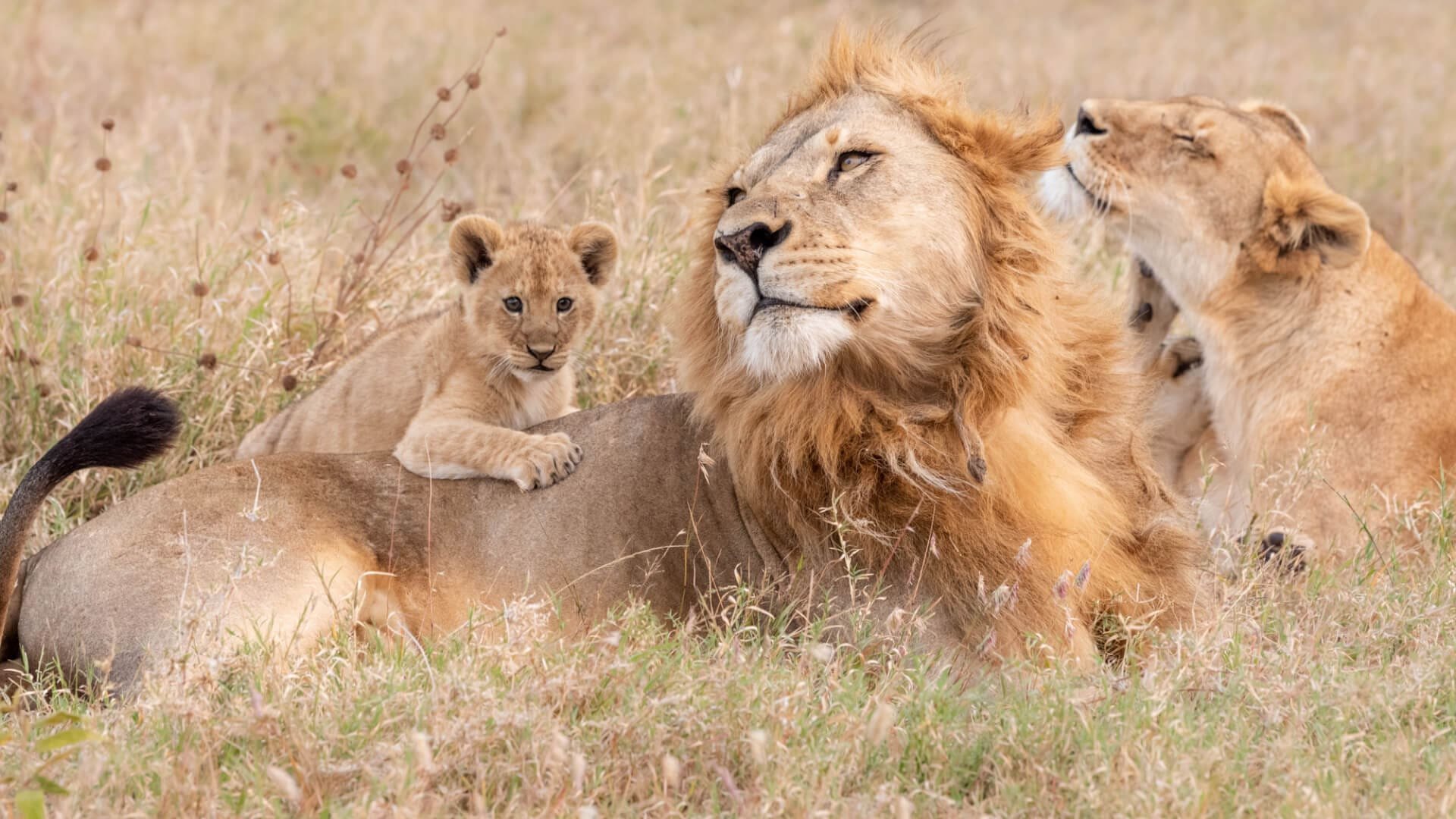
Best for: Every traveler. The lion is the reason the word "safari" carries the weight it does.
Where: The Serengeti and Masai Mara hold Africa's biggest prides; the Sabi Sand and greater Kruger deliver superb, reliable sightings.
When: Year-round; early morning and dusk are when lions are most active.
How to See Them All: Planning Your Wildlife Safari
Here is the honest truth we tell every traveler: no single reserve holds all ten of these animals at their best. The Sabi Sand gives you the finest leopard, lion, rhino and elephant viewing; the Serengeti and Masai Mara own the Great Migration, the biggest prides and open-plains cheetah; Botswana's Chobe and Okavango deliver elephant and hippo on a scale nowhere else can match.
The art is in the combination. A classic route that ticks off almost this entire list pairs a few nights in South Africa's Sabi Sand for the big cats and Big Five with a flight up to the Serengeti or Masai Mara for the Migration. For travelers who want it all in one sweep, our Ultimate South Africa Safari and Cape Town & Safari Combo are built exactly for this.
Let's Plan the Sightings You'll Never Forget
Tell us the three animals at the top of your list, and we will build the reserve, lodge and season around them. Since 2008 we have guided more than 5,700 travelers to a 4.9 out of 5 rating — one dream sighting at a time.
Explore Big Five SafarisBeyond Africa Safaris is a Cape Town-based safari specialist. Speak to our team on +27 74 315 5782 or email res@privatetourscapetown.com to start planning your wildlife bucket list.