Key Takeaways
- Kruger is the more affordable, accessible and flexible safari — self-drive or guided, easy to reach from Johannesburg, and superb value for the Big Five year-round.
- The Serengeti is the home of the Great Migration and offers the most dramatic, large-scale wildlife spectacle on Earth — but it is a pricier, fly-in safari.
- For rhino and a guaranteed complete Big Five, Kruger has the edge; for sheer numbers, big-cat drama and open-plains theatre, the Serengeti wins.
- Kruger is largely malaria-risk but easily managed; South Africa also offers malaria-free Big Five reserves. The Serengeti is a malaria area requiring prophylaxis.
- Best time differs: Kruger peaks in the dry winter (May-September); the Serengeti is a year-round migration story, with river crossings roughly July-October and calving in January-February.
- Kruger suits first-timers, families and budget-to-luxury travellers; the Serengeti suits bucket-list travellers chasing the Migration and willing to invest more.
- The ultimate answer for many is both — and we build seamless journeys that pair the two, or combine each with beaches, gorillas and more.
The Greatest Safari Debate: Kruger vs Serengeti
Ask a room full of seasoned safari-goers to name the finest safari on Earth and two words will dominate the argument: Kruger and Serengeti. They are the twin titans of African safari — one anchoring the south of the continent in South Africa, the other spreading across northern Tanzania in a plain so vast the name itself, Siringet, means 'the land that runs on forever'. Both are legends. Both will change you. But they are not the same safari, and choosing between them is one of the biggest decisions a first-time traveller faces.
Kruger National Park is the accessible, affordable, wonderfully flexible heart of the South African safari — a place you can self-drive in a hire car, reach in a few hours from Johannesburg, and experience at every budget from a simple rest camp to a five-star private lodge. The Serengeti is the boundless theatre of the Great Migration, where nearly two million wildebeest and zebra thunder across the plains and the big cats hunt in the open — a more remote, fly-in, higher-investment safari that delivers a spectacle nowhere else on Earth can match.
So which should you choose? Over the next twelve rounds we compare them honestly and in detail — wildlife, the Migration, predators, scenery, cost, access, lodges, health, crowds and more — and then give you a clear verdict. If you are also weighing other destinations, see our companion guides to Kruger vs the Masai Mara and the Serengeti vs the Masai Mara. Let the debate begin.
Meet the Two Giants
Kruger National Park covers nearly two million hectares of South African bushveld — mixed woodland, granite koppies and river systems — and holds all of the Big Five, more than 500 bird species and one of the densest predator populations anywhere. Along its unfenced western boundary lie the celebrated private reserves of the Greater Kruger, led by the Sabi Sands, where off-road tracking and night drives take luxury safari to another level. It is the flagship of the South African safari.
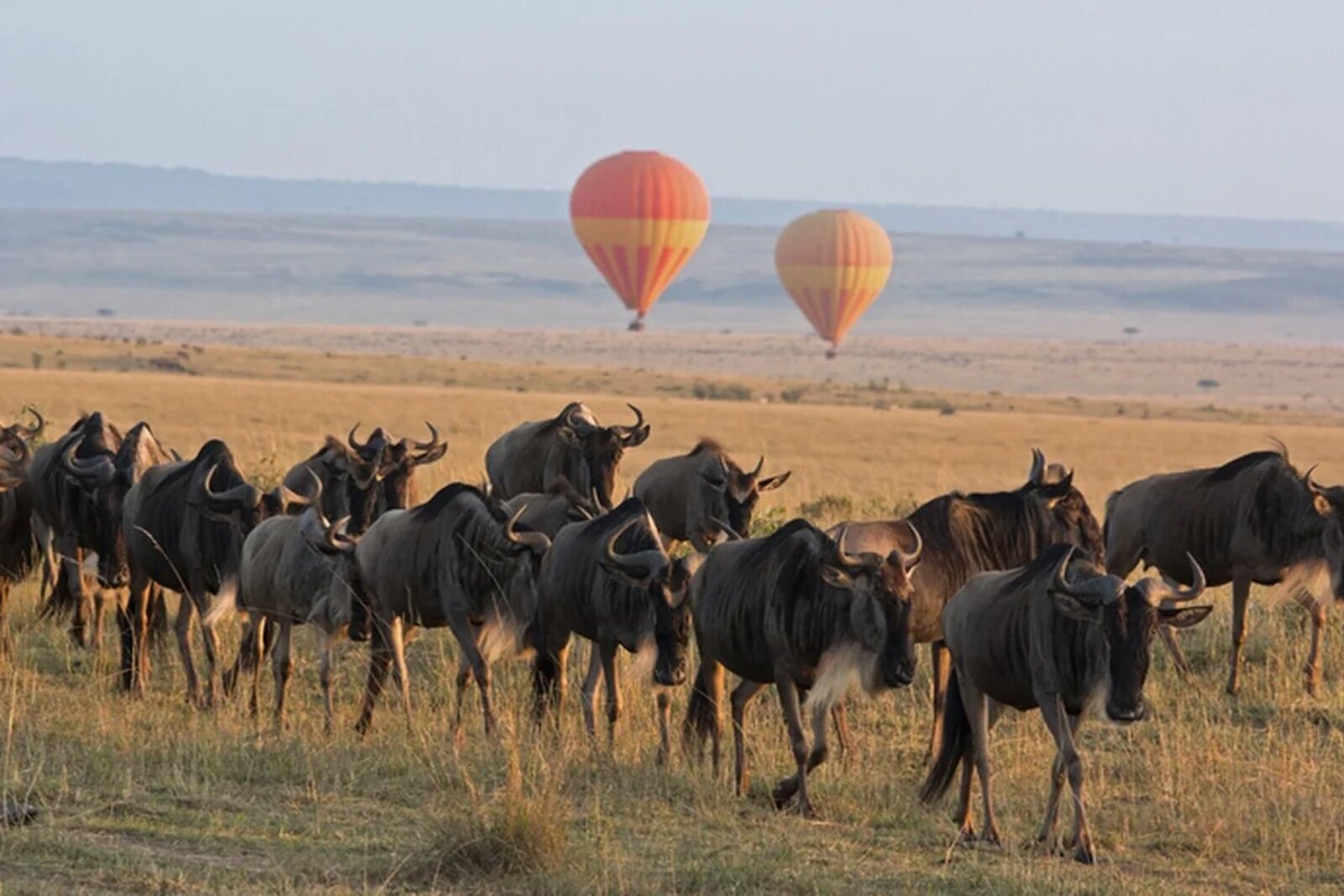
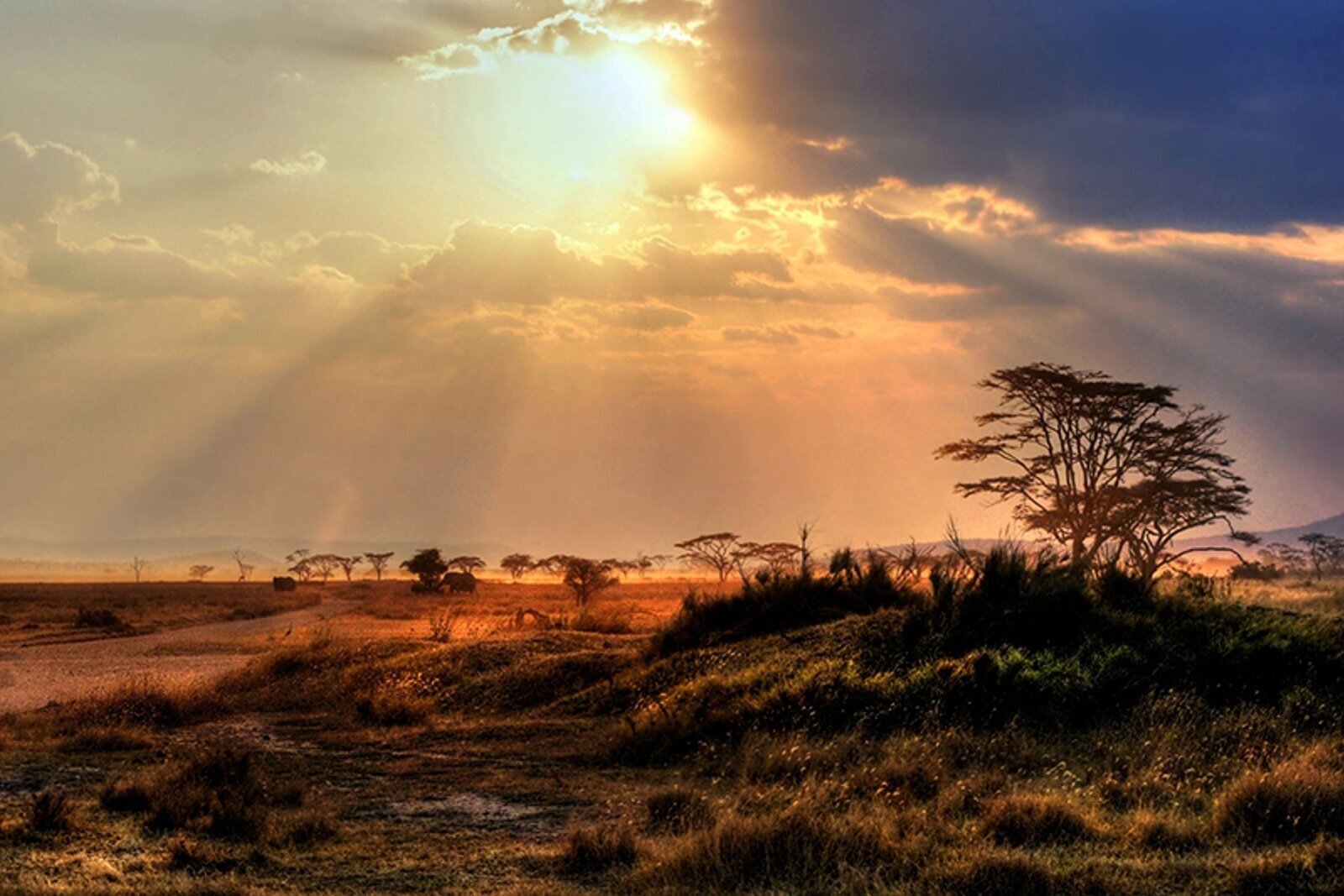
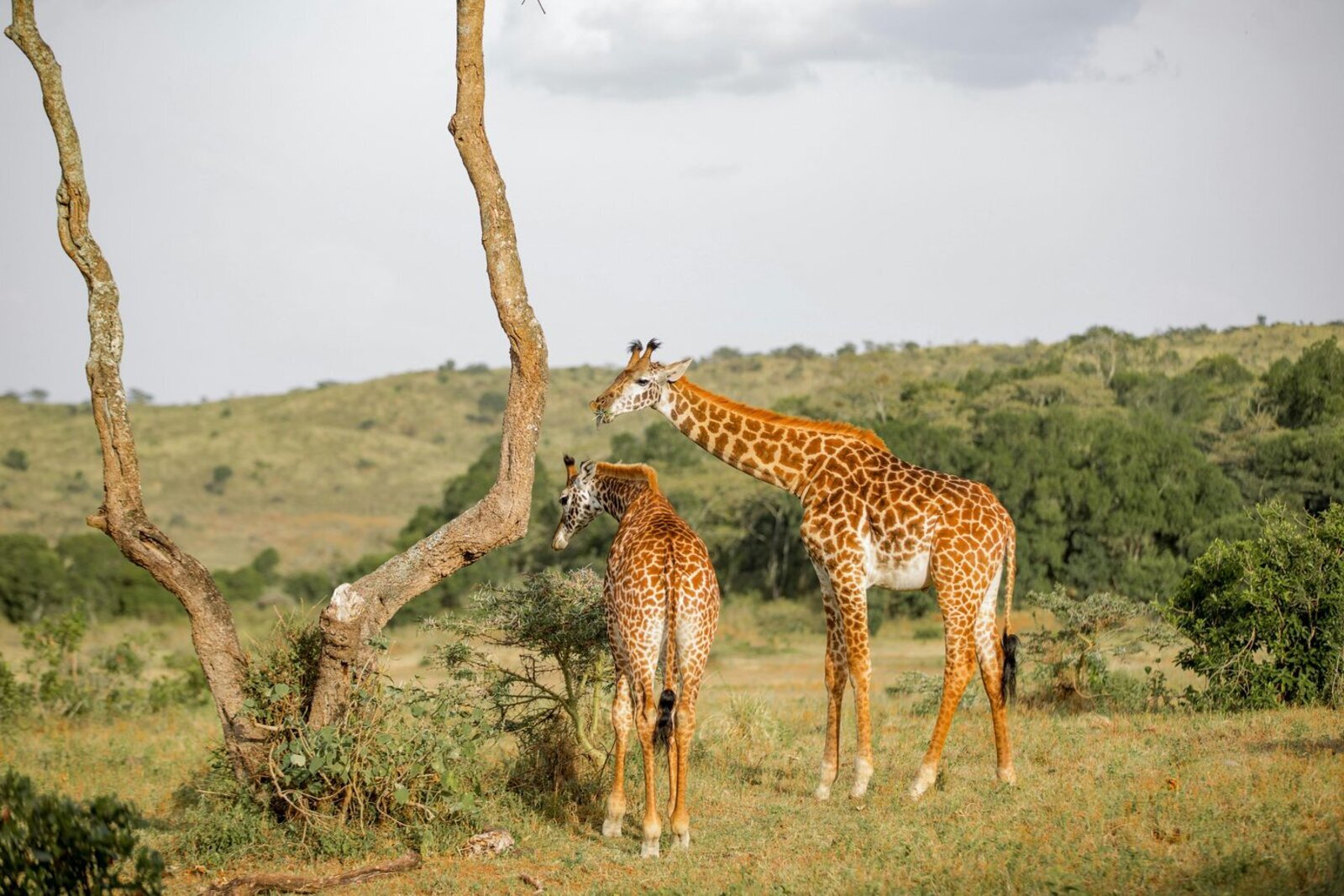
The Serengeti spreads across roughly 1.5 million hectares of northern Tanzania — endless short-grass plains, scattered umbrella acacias and seasonal rivers — and forms one ecosystem with Kenya's Masai Mara. It is defined above all by the Great Migration: the year-round movement of nearly two million wildebeest, zebra and gazelle following the rains, and the predators that shadow them. It is the beating heart of the East African safari.
In short: Kruger is the great all-rounder, endlessly accessible and superb value; the Serengeti is the great spectacle, remote and dramatic. Keep that distinction in mind as we score the rounds.
Round 1 — Wildlife & the Big Five
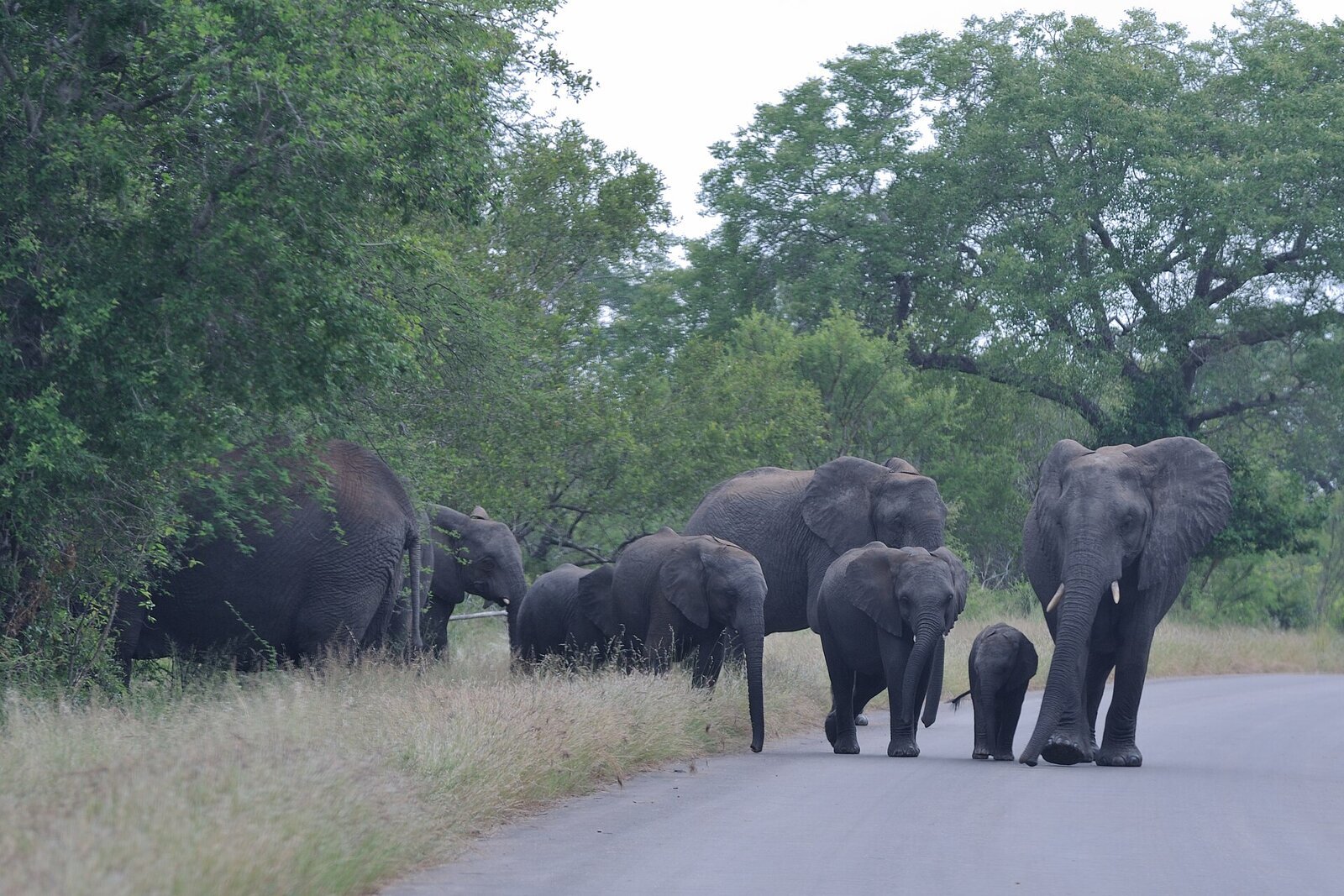
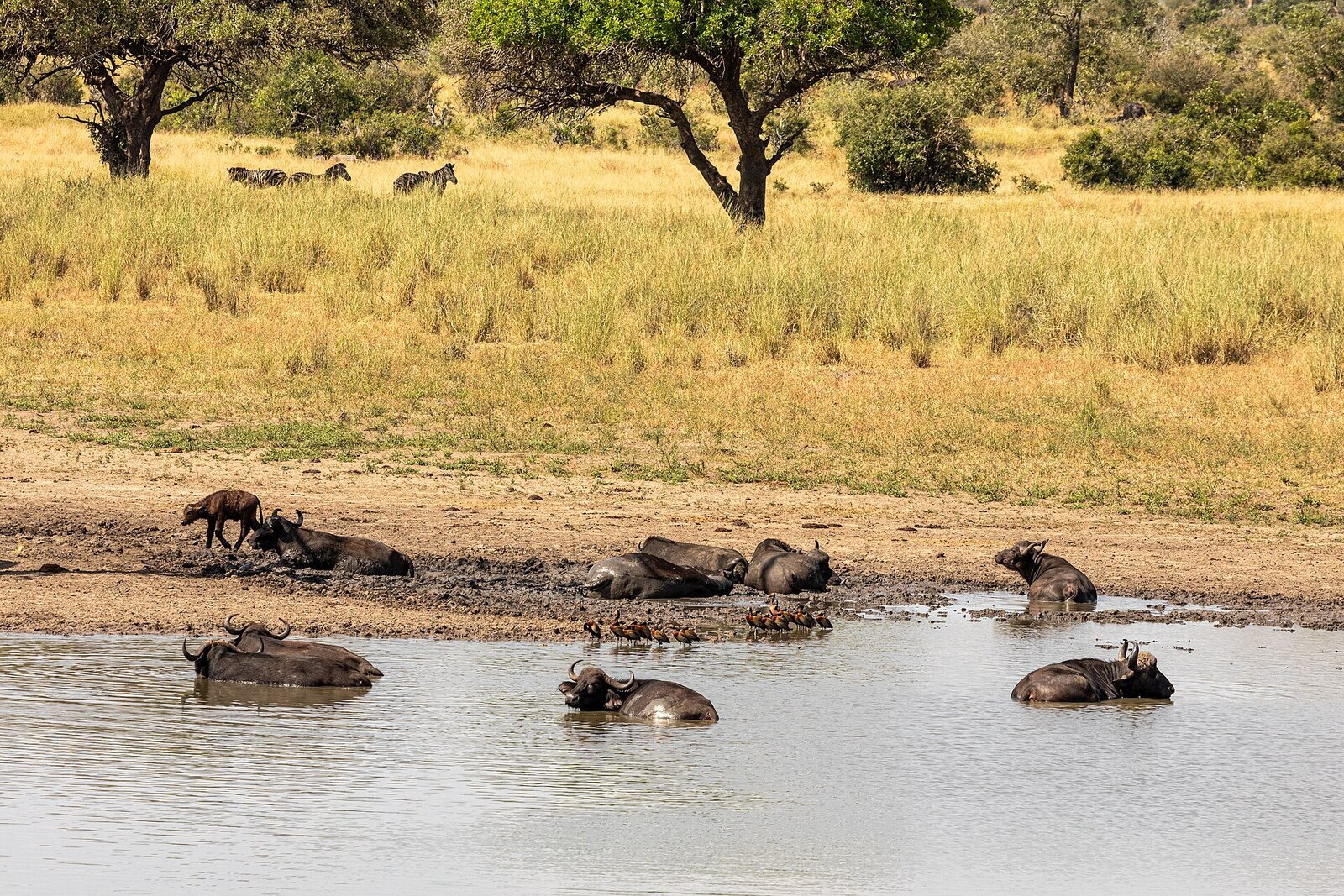
Both parks deliver the Big Five — lion, leopard, elephant, buffalo and rhino — but they weight them differently. Kruger's trump card is the rhino: it is one of the last great strongholds of both white and black rhino, and sightings, while never guaranteed, remain regular. Add outstanding leopard viewing (especially in the Sabi Sands), big elephant and buffalo herds and prolific lion, and Kruger offers the most complete, reliable Big Five experience in Africa.
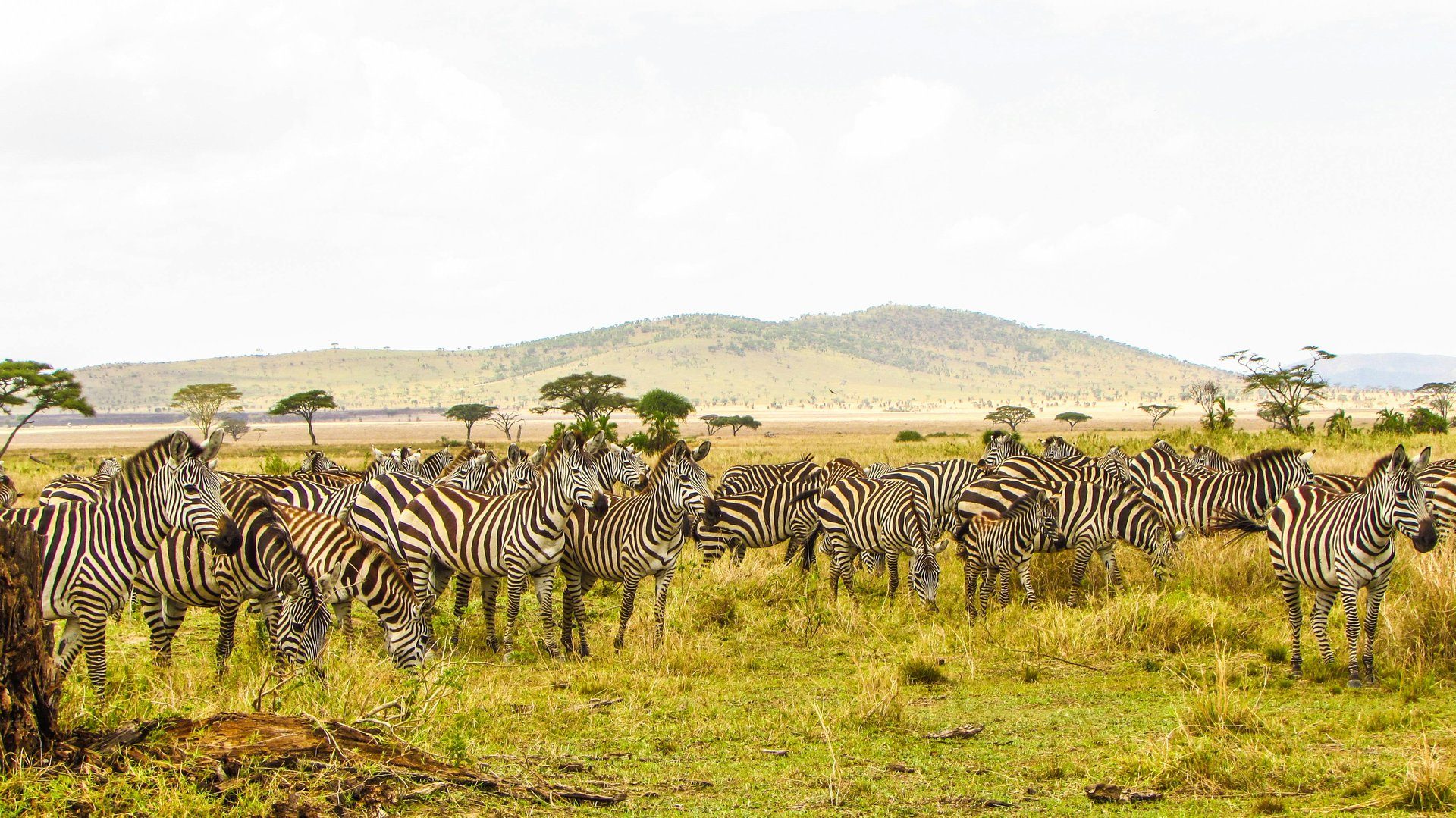
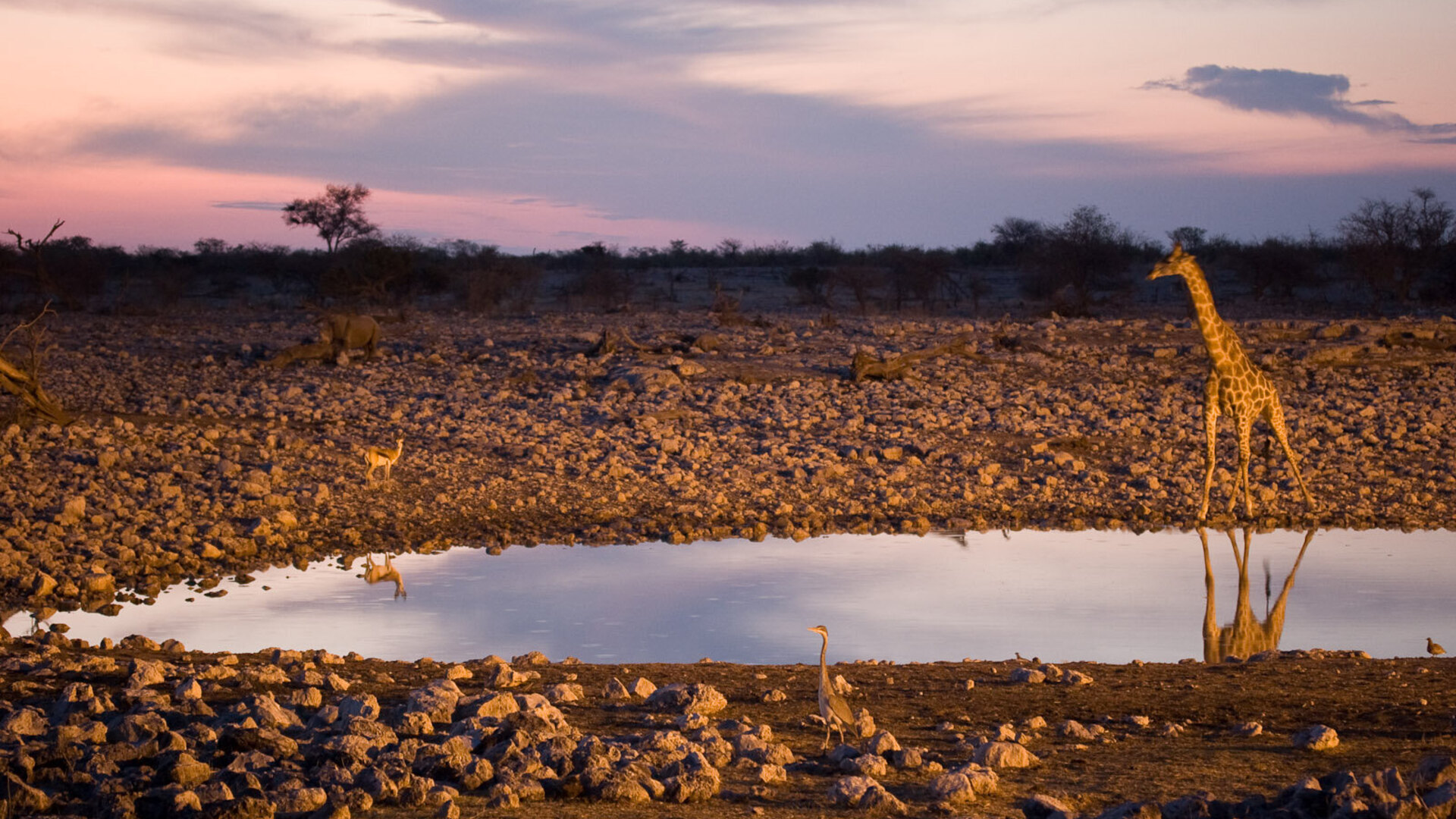
The Serengeti also holds the Big Five, but rhino are rare and hard to find — decades of poaching left only a small, protected black-rhino population. Where the Serengeti overwhelms is in sheer numbers of plains game and the predators that follow them: the wildebeest and zebra of the Migration darken the horizon, and lion densities on the plains are among the highest on Earth. For a guaranteed, complete Big Five — and for rhino — Kruger takes the round. For raw wildlife spectacle and volume, the Serengeti is peerless.
Round 1 verdict: Kruger for the complete, reliable Big Five (and rhino); the Serengeti for wildlife on an overwhelming scale.
Related journey: Classic Kruger Safari (4 days) →
Round 2 — The Great Migration: Serengeti's Trump Card
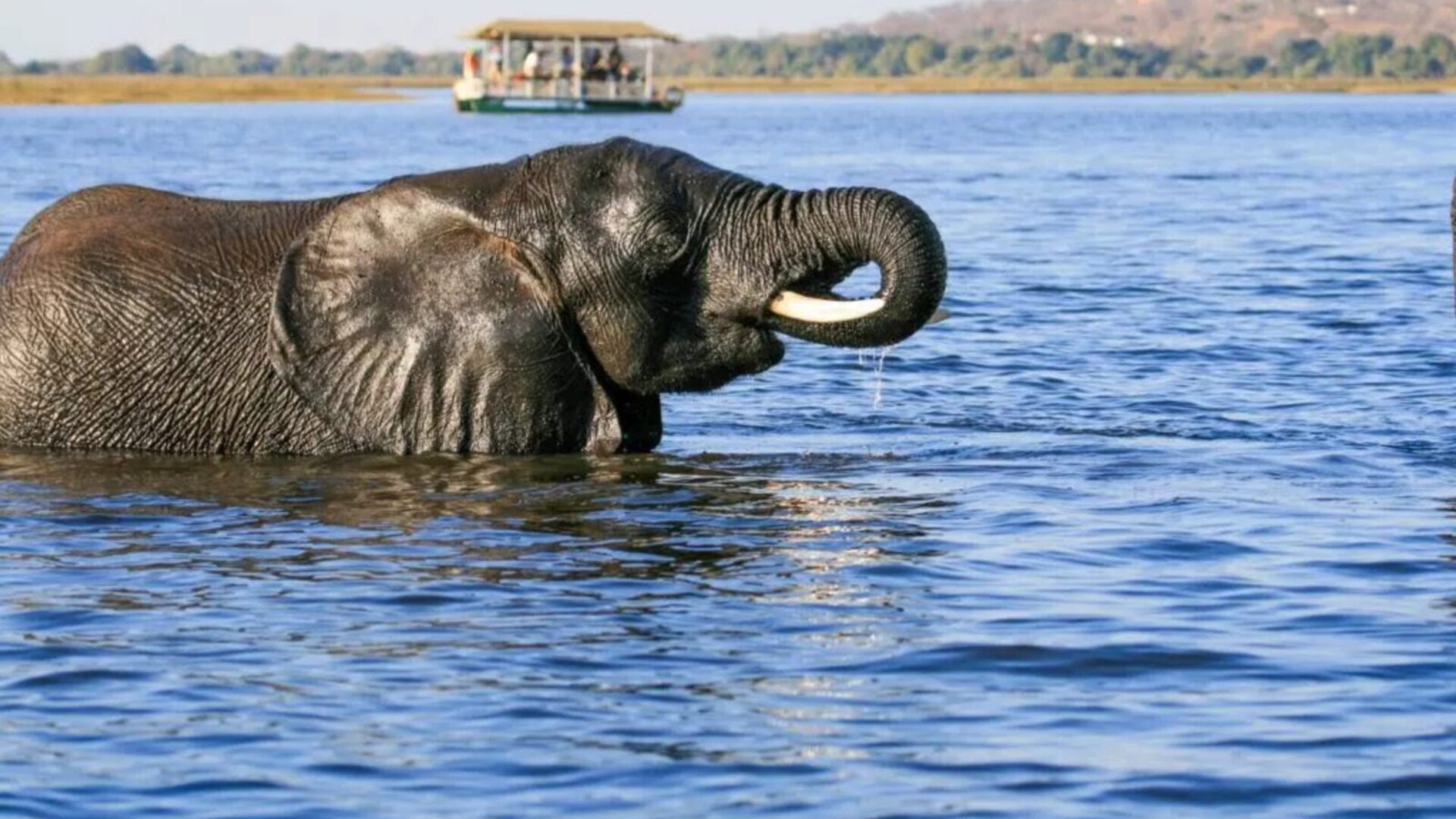
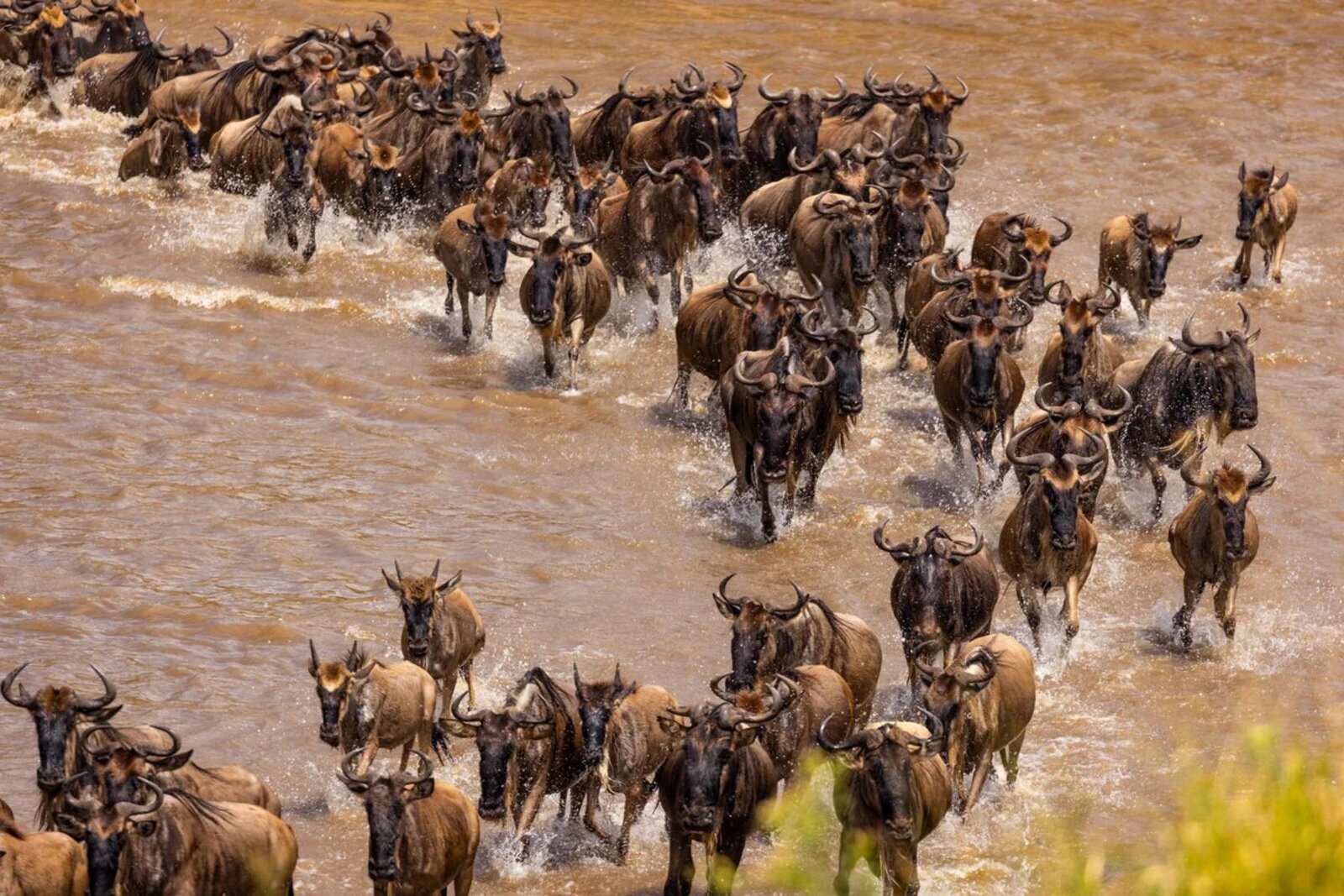
This is the round that decides it for many travellers. The Great Migration — the ceaseless, circular journey of nearly two million wildebeest, zebra and gazelle around the Serengeti-Mara ecosystem — is the largest overland animal migration on the planet, and there is simply nothing like it in Kruger or anywhere in southern Africa. From the dramatic Grumeti and Mara river crossings (roughly July to October) where crocodiles lie in wait, to the vast calving on the southern plains (January to February) when half a million calves are born in weeks, the Serengeti offers a year-round, ever-moving wildlife theatre.
Kruger has no migration on this scale. What it offers instead is consistency: superb Big Five and predator viewing every month of the year, with wildlife concentrating around rivers and waterholes in the dry season. That reliability is a genuine strength — you do not have to time your trip to a moving spectacle. But if witnessing the Migration is your dream, only the Serengeti (or the Mara) can deliver it.
Round 2 verdict: The Serengeti, decisively. The Migration is a bucket-list phenomenon Kruger cannot match. For the full picture, see our Great Migration safari guide.
Related journey: Serengeti Migration Safari (7 days) →
Round 3 — Predators, Big Cats & Density
For big cats, the Serengeti is extraordinary. Its open plains make lion, cheetah and (in the right areas) leopard easier to spot than in almost any wooded park, and the cheetah in particular thrive on the short grass where they can run down prey in full, thrilling view. The Migration also concentrates predators to spectacular effect — river crossings and calving season trigger some of the most dramatic hunting on the continent.
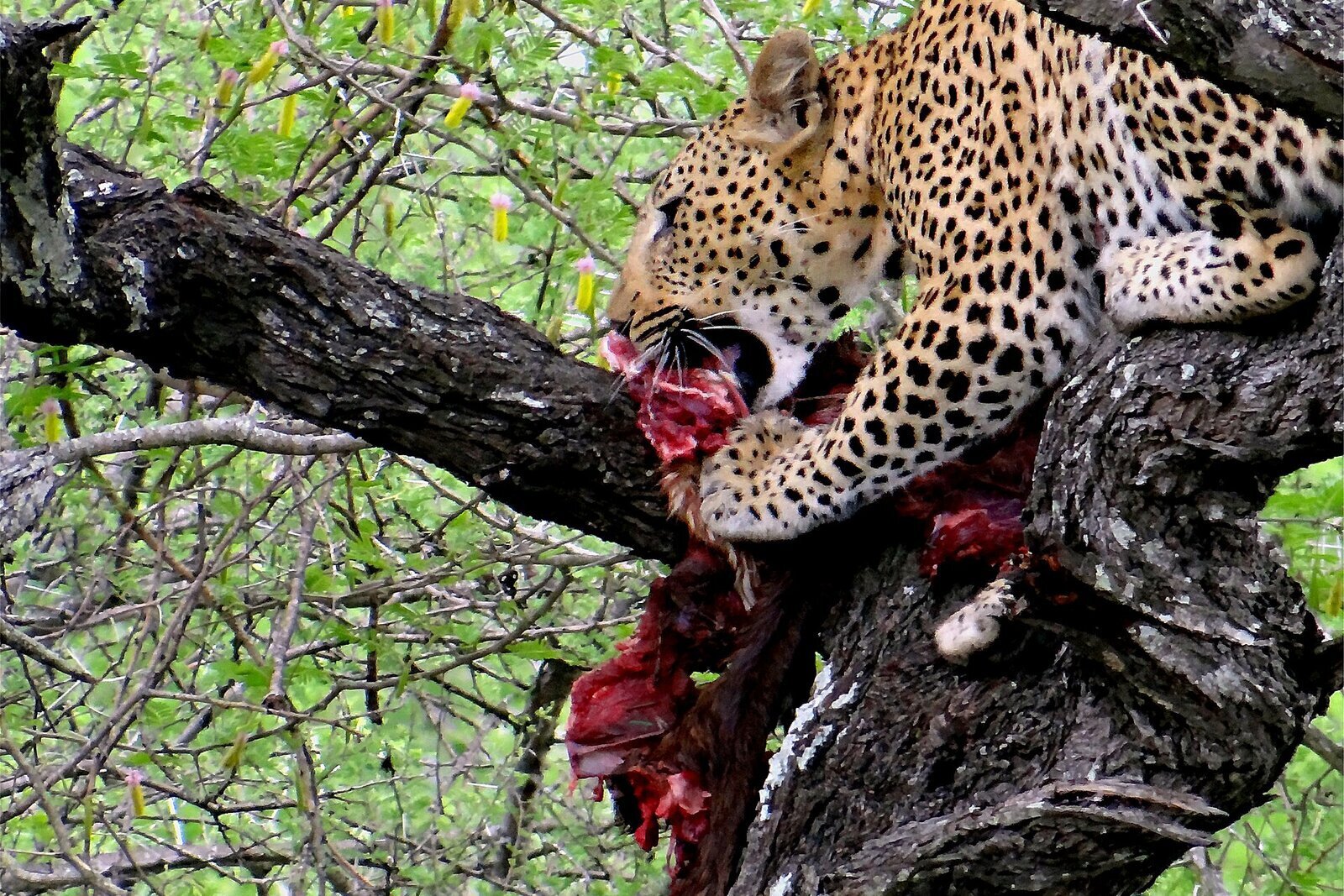
Kruger counters with the finest leopard viewing on Earth in the private Sabi Sands, where habituated leopards hunt and feed metres from the vehicle, plus strong lion prides and the ability — in the private reserves — to drive off-road and follow a hunt, and to run night drives after dark when the national park gates have closed. That off-road and after-dark access is something the Serengeti's national-park core does not generally permit.
Round 3 verdict: A close, glorious draw — the Serengeti for open-plains cheetah and lion density; Kruger's private reserves for intimate leopard encounters, off-road tracking and night drives.
Round 4 — Scenery & Landscapes
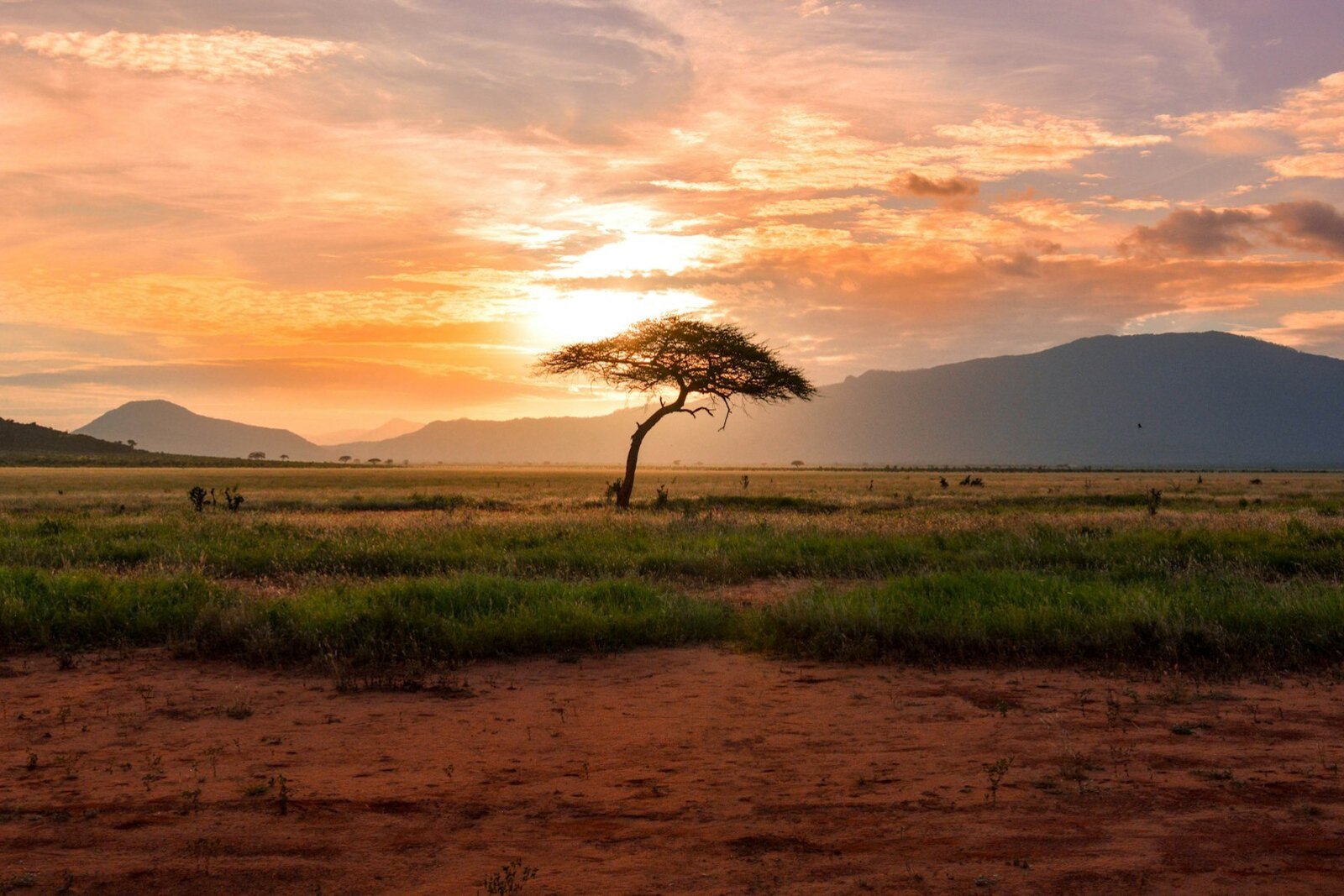
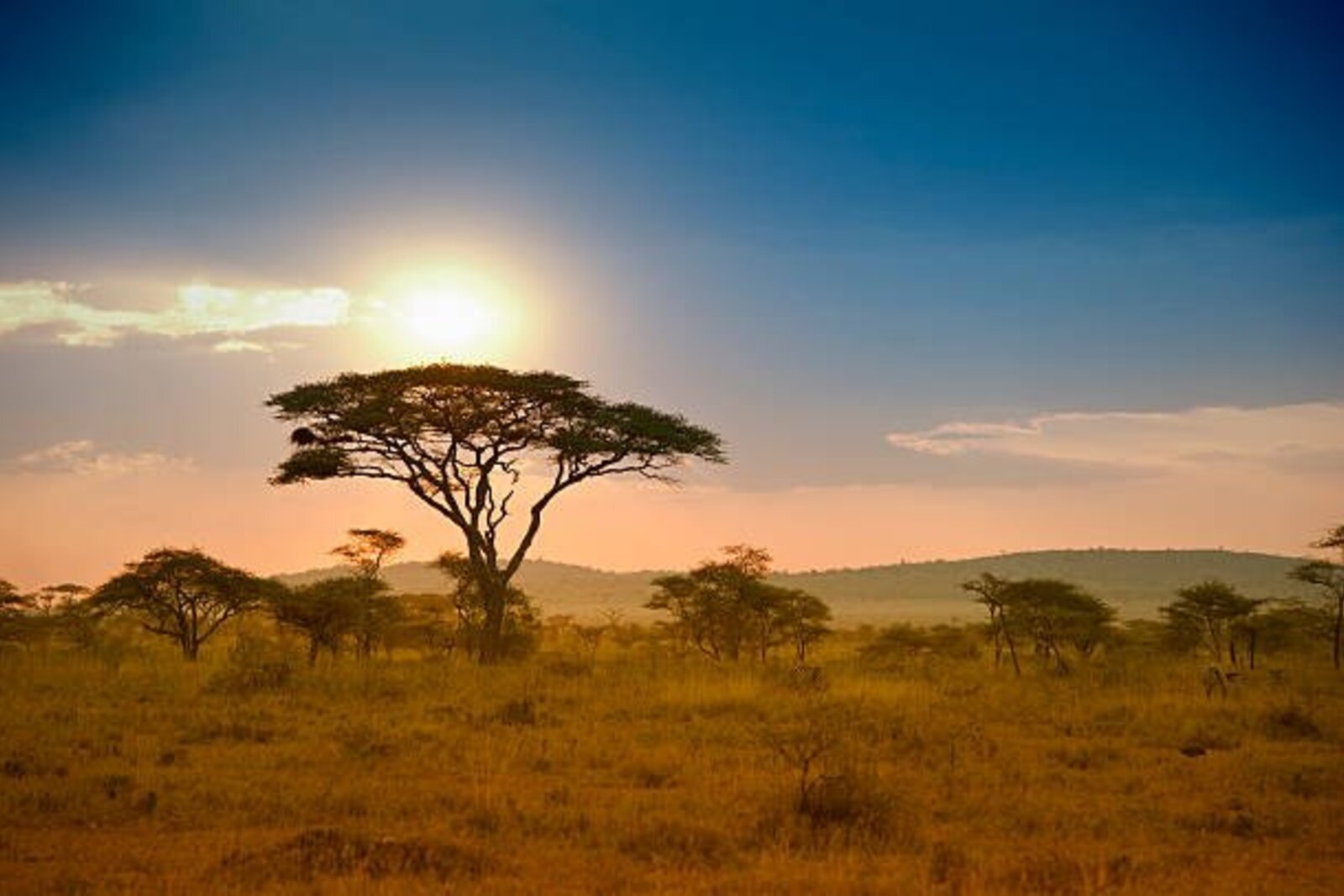
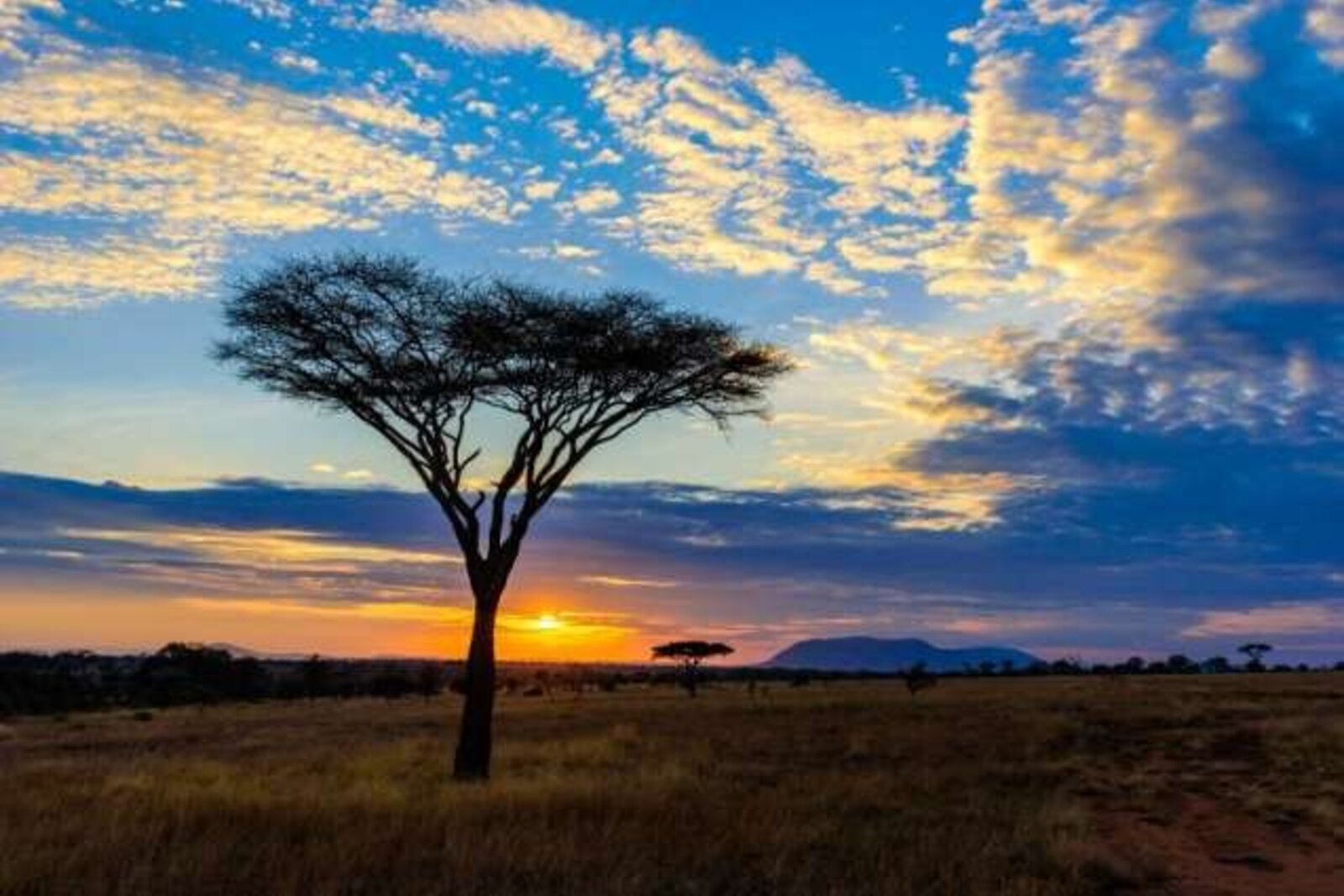
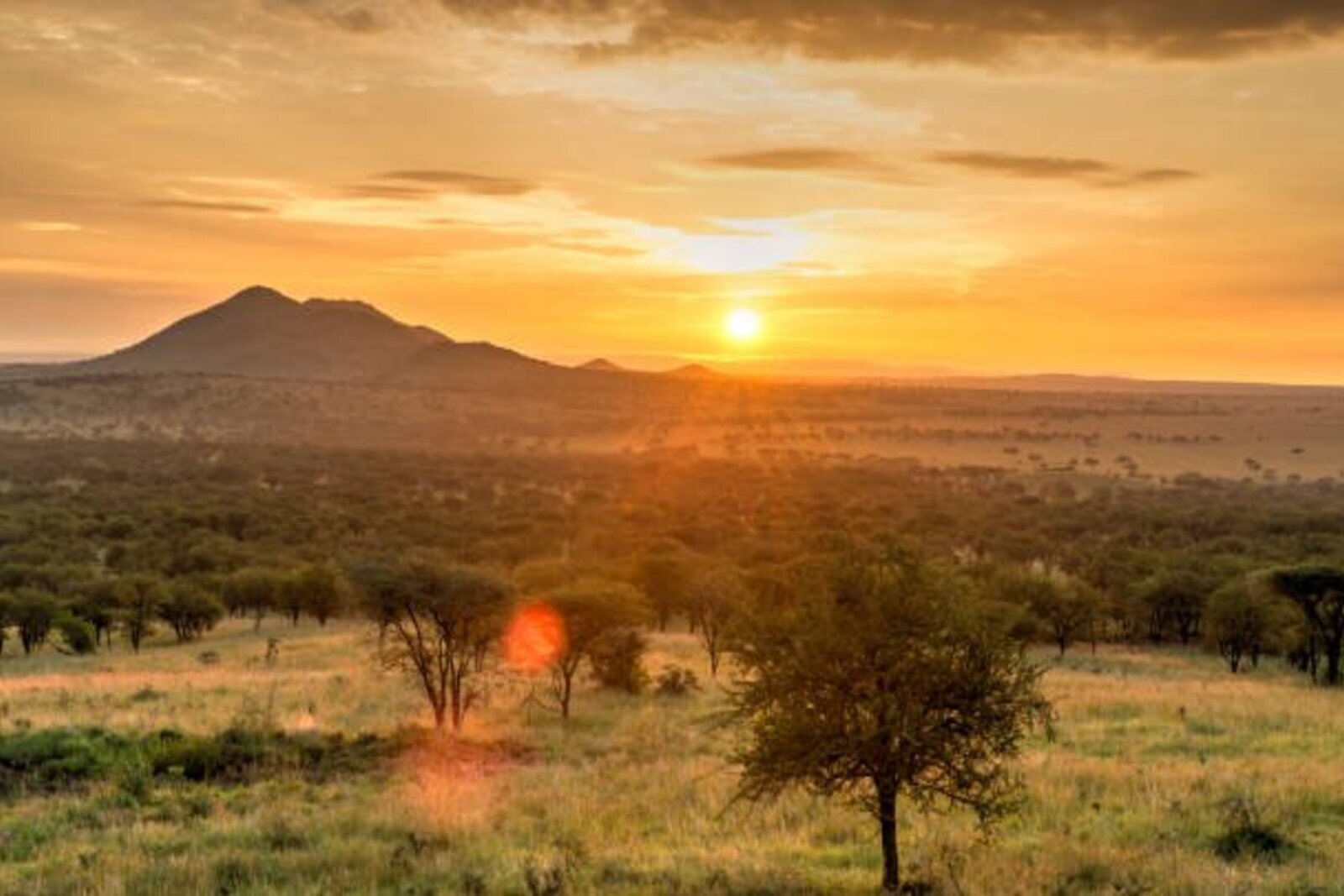
The two parks look utterly different. The Serengeti is the Africa of the imagination — vast, treeless golden plains punctuated by lone flat-topped acacias and granite kopjes, with skies so big the horizon curves away. At dawn, a hot-air balloon drifting over the herds is one of the great sights of world travel. Nearby, the Ngorongoro Crater adds a natural amphitheatre of staggering wildlife density.
Kruger is a subtler, more varied canvas — mixed bushveld and mopane woodland, granite outcrops, and the green ribbons of the Sabie, Olifants and Luvuvhu rivers. It lacks the Serengeti's cinematic openness but rewards with intimacy and diversity: a leopard in a riverine tree, elephants crossing a sand river, a sundowner on a granite koppie. For classic, sweeping safari scenery, the Serengeti wins; for varied, textured bushveld, Kruger holds its own.
Round 4 verdict: The Serengeti for the iconic, endless-plains grandeur; Kruger for varied, intimate bushveld beauty.
Round 5 — Cost & Value
This is where Kruger lands its heaviest blow. South Africa offers safari at every budget: self-drive with a hire car and rest-camp accommodation from a modest daily spend; comfortable guided lodges from around $350-$700 per person per day; and world-class private-reserve luxury in the Sabi Sands from roughly $800-$2,000+ per day. A quality three-night Kruger safari can start well under what an equivalent Serengeti trip costs.
The Serengeti is a bigger investment. Because it is largely fly-in (light-aircraft transfers between Arusha and the airstrips), and because the best camps follow the Migration, comparable quality typically runs from about $600 to $2,500+ per person per day, with premium mobile and crossing-season camps reaching higher. There is little true budget option in the Serengeti core, and park fees are significant.
Round 5 verdict: Kruger, comfortably — it is the better value at every tier and the only one of the two with a genuine self-drive budget route. For detail, see our guides to South Africa safari cost and Tanzania safari cost.
Related journey: Luxury Sabi Sands Safari (5 days) →
Round 6 — Accessibility & Getting There
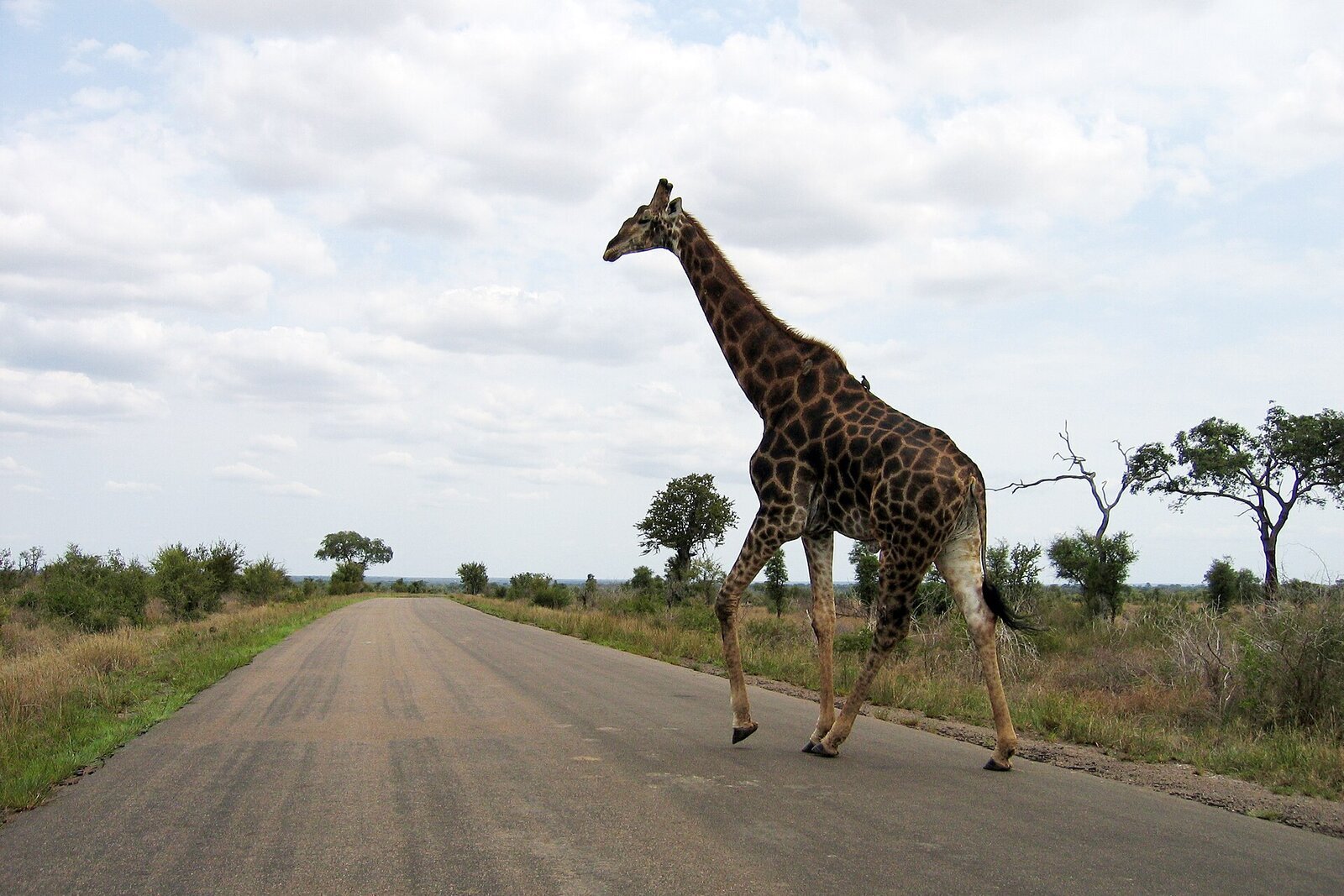
Kruger is one of the most accessible major safari destinations in Africa. It is a 4-5 hour drive from Johannesburg, or a short flight to Skukuza, Hoedspruit or Nelspruit airports, and its excellent network of tarred and gravel roads and well-run rest camps makes independent, self-drive travel genuinely easy. You can land, collect a car and be watching elephants the same afternoon.
The Serengeti requires more effort. Most itineraries fly from Kilimanjaro or Arusha to a bush airstrip in a light aircraft, and while that flight is spectacular, the park's remoteness and limited (often rough) road access make self-drive impractical for most visitors. Reaching the northern crossing country is a further hop again. It is a more logistically involved safari — one we handle end to end.
Round 6 verdict: Kruger, easily — for reachability, road access and the freedom to self-drive.
Round 7 — Self-Drive vs Fly-In
These two parks embody the two great styles of African safari. Kruger is the home of the self-drive safari: you set your own pace, stop as long as you like at a sighting, picnic at designated spots and sleep in everything from campsites to luxury lodges. It is empowering, flexible and affordable — ideal for confident, independent travellers and returning safari-goers. Guided game drives and fly-in luxury are equally available for those who prefer them.
The Serengeti is the classic fly-in, fully-guided safari: light-aircraft transfers, expert driver-guides in open 4x4s, and camps that move with the herds. You trade independence for reach and expertise — and gain the ability to be in exactly the right place for a river crossing or a calving-season hunt. The dawn balloon safari over the plains is a Serengeti signature with no Kruger equivalent.
Round 7 verdict: A style choice, not a winner — Kruger for self-drive freedom and flexibility; the Serengeti for a guided, fly-in, follow-the-Migration experience.
Related journey: Kruger Self-Drive Safari (7 days) →
Round 8 — Lodges & Accommodation
Both destinations offer some of the finest lodges on Earth, but with different character. Kruger spans the widest range of any safari region: SANParks rest camps and self-catering bungalows, mid-range guided lodges, and the legendary five-star private lodges of the Sabi Sands and Greater Kruger — places with private plunge pools, wine cellars and butlers, where the wildlife roams unfenced to the deck. The breadth means there is a perfect stay at every budget.
The Serengeti specialises in two beautiful forms: permanent luxury lodges and tented camps in the prime regions, and — uniquely — mobile tented camps that relocate seasonally to stay with the Migration. Sleeping under canvas as wildebeest graze past your tent, then waking for a crossing, is a quintessential Serengeti experience. Budget options are limited, but the quality at the top is sublime.
Round 8 verdict: A draw on quality — Kruger for the widest range at every budget; the Serengeti for atmospheric mobile camps that follow the herds.
Related journey: Luxury Sabi Sands Fly-In Safari (4 days) →
Round 9 — Malaria & Family-Friendliness
For families, this round matters enormously. Kruger lies in a malaria area, though the risk is low and easily managed with simple precautions, especially in the dry winter. Crucially, South Africa also offers superb malaria-free Big Five alternatives — Madikwe, Pilanesberg and the Eastern Cape reserves — so families with young children can enjoy a completely worry-free Big Five safari. That flexibility is unique to South Africa.
The Serengeti is a malaria region requiring antimalarial prophylaxis for all travellers, and its fly-in remoteness means medical facilities are further away. It is a magnificent family destination for older children and teens, but for very young children the logistics and health considerations make South Africa the gentler choice. See our malaria-free South Africa safari guide and South Africa family safari guide.
Round 9 verdict: Kruger and South Africa — for malaria-free options, easier logistics and family-friendliness.
Related journey: Madikwe Malaria-Free Family Safari (4 days) →
Round 10 — Crowds & Exclusivity
Popularity has a price. Kruger's public roads and waterholes can gather a line of cars at a good sighting in peak season, and its most famous rest camps fill quickly. The solution is the private Greater Kruger reserves, where vehicle numbers at a sighting are strictly capped and you often have a leopard entirely to yourself — genuine exclusivity beside the busy public park.
The Serengeti is vast enough to absorb visitors, but the headline events concentrate them: a dramatic Mara River crossing can draw a crowd of vehicles, and the central Seronera region is busiest. Exclusivity is found by choosing private concessions, mobile camps in quieter sectors, and travelling in shoulder seasons — exactly the kind of routing we specialise in.
Round 10 verdict: A draw — both have busy hotspots and both offer true exclusivity if you choose private areas and the right timing.
Round 11 — Why Not Both? Combining Kruger & the Serengeti
Here is a secret the debate often misses: you do not always have to choose. Because Kruger and the Serengeti excel at different things and peak at different times, they make a superb pairing on a longer trip or across two safaris in a lifetime. Many of our travellers do Kruger first — accessible, affordable, a perfect Big Five initiation — then return for the Serengeti and the Migration once they are hooked.
On a single grand journey we can combine South Africa (Kruger or a private reserve plus Cape Town and the winelands) with a flight north to Tanzania for the Serengeti and Ngorongoro — or pair either with Victoria Falls, gorilla trekking in Rwanda, or an Indian Ocean beach in Zanzibar. If you are weighing whole countries rather than parks, our South Africa vs Tanzania safari guide goes deeper.
Round 11 verdict: The most satisfying answer of all — both, sequenced perfectly, is a journey we build all the time.
Related journey: Ultimate South Africa Safari (14 days) →
The Verdict — Which Safari Should You Choose?
So, after twelve rounds: choose Kruger if you want the best value, the easiest access, the flexibility of self-drive or guided travel, a guaranteed complete Big Five (including rhino), malaria-free family options and the world's finest leopard viewing in the private reserves. It is the ideal first safari, the ideal family safari and the ideal budget-to-luxury safari.
Choose the Serengeti if the Great Migration is your dream, if you want the most dramatic open-plains wildlife spectacle on Earth, the highest big-cat densities, iconic endless-plains scenery and a classic fly-in, follow-the-herds experience — and if your budget can stretch to match the ambition. It is the ultimate bucket-list safari.
And if you cannot decide — do both, in the right order, at the right times. That is exactly what we design. Whichever way you lean, the team below knows both destinations intimately and will build the perfect journey around you.
| Factor | Kruger (South Africa) | Serengeti (Tanzania) | Winner |
|---|---|---|---|
| Big Five | All five, reliable; strong rhino | All five; rhino rare | Kruger |
| Great Migration | None | The greatest on Earth | Serengeti |
| Big cats | World-class leopard (Sabi Sands) | High lion & cheetah density | Draw |
| Scenery | Varied bushveld & rivers | Iconic endless plains | Serengeti |
| Cost & value | Budget to luxury; great value | Higher; largely luxury | Kruger |
| Getting there | Drive or short flight from Jo'burg | Fly-in via Arusha/Kilimanjaro | Kruger |
| Self-drive | Excellent & easy | Impractical for most | Kruger |
| Fly-in luxury | Superb (Greater Kruger) | Superb (mobile & permanent camps) | Draw |
| Malaria | Low risk; malaria-free options nearby | Malaria area; prophylaxis needed | Kruger |
| Family-friendly | Ideal, incl. malaria-free reserves | Best for older children | Kruger |
| Crowds | Busy public roads; private reserves quiet | Busy at crossings; vast elsewhere | Draw |
| Best for | First-timers, families, value, leopard | Migration, spectacle, bucket-list | Depends on you |
As the scorecard shows, Kruger wins on value, access and flexibility, while the Serengeti wins on spectacle and the Migration — and several rounds are honest draws. There is no universal 'better'; there is only the safari that is better for you. That is the conversation we love to have.
Best Time to Visit — Kruger vs Serengeti
Kruger is at its best in the dry winter, roughly May to September: the bush thins, animals gather at shrinking waterholes, days are mild and malaria risk is at its lowest. This is peak Big Five viewing. The green summer months (October to March) bring lush scenery, newborn animals and superb birding, with hotter, wetter afternoons. Kruger rewards you every month — you simply choose your style. See our best time to visit Kruger guide.
The Serengeti is a year-round destination because the Migration is always somewhere in the ecosystem. As a rule of thumb: the dramatic Grumeti and Mara river crossings run roughly July to October in the north; the great calving happens on the southern plains in January and February; and the herds move through the central and western corridor in between. General game viewing is strong all year, with the drier months offering easier sightings. See our best time to visit the Serengeti guide.
The practical takeaway: Kruger you time to the dry season for the best all-round viewing; the Serengeti you time to the Migration event you most want to witness. We plan both around your exact dates so each leg lands in its sweet spot.
Why Plan Your Safari With Beyond Africa Safaris
Knowing the difference between Kruger and the Serengeti is one thing; building the perfect journey around the right one — at the right time, in the right camps, with every flight and transfer handled — is another. That is what we do. As specialists in both South Africa and East Africa, we match you to the destination that fits your dreams, budget and dates, secure the finest lodges and mobile camps, and take care of every detail so you simply arrive and are swept away.
We never sell one-size-fits-all packages. Every journey below is a genuine starting point that we tailor completely around you — extend the bush, add Cape Town or Zanzibar, combine both parks, or design something entirely new. Real trips, real prices, and real people who know Kruger and the Serengeti personally.
Kruger, Serengeti — or Both?
Tell us what moves you — the leopards and easy access of Kruger, the Great Migration on the Serengeti plains, or a grand journey that captures both — and we will build the perfect private, tailor-made safari around it. Expert-planned, seamlessly run, unforgettable.