Tanzania and Kenya are the twin titans of the East African safari — neighbouring countries that share the legendary Serengeti-Mara ecosystem, the Great Migration and some of the most spectacular wildlife on the planet. Yet despite their shared border and common wildlife, they offer two genuinely different safari experiences. Tanzania is vaster, wilder and more remote, home to the iconic Serengeti and the wildlife-packed Ngorongoro Crater. Kenya is more accessible, better value and famous for its private conservancies and the dramatic Mara River crossings.
This complete Tanzania vs Kenya safari comparison for 2026 covers the Great Migration, the Big Five, costs, accessibility, lodges, beaches and best time to visit — to help you choose the perfect East African safari, or decide to combine both.
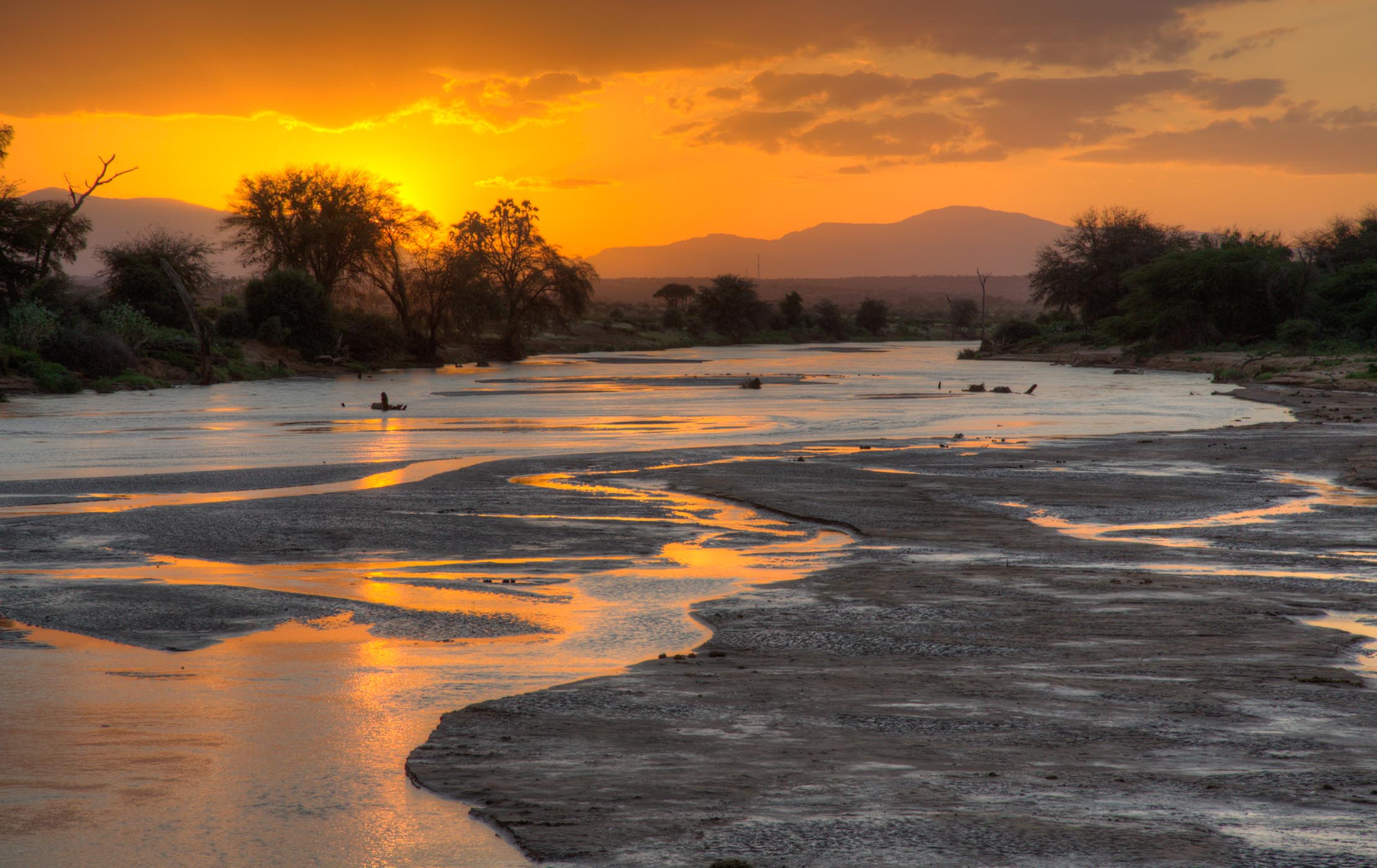
Tanzania — the endless Serengeti plains, the Ngorongoro Crater and the heart of the Great Migration.
Quick Answer: Tanzania vs Kenya at a Glance
Quick Comparison
Tanzania: Vaster and wilder, the iconic Serengeti, the wildlife-packed Ngorongoro Crater, year-round migration presence, calving season, Mount Kilimanjaro and Zanzibar. More remote, more expensive, fewer crowds. Best for immersive wilderness and the classic safari.
Kenya: Easier access, better value, superb private conservancies, the dramatic Mara River crossings (July-Oct), reliable rhino, Amboseli's elephants beneath Kilimanjaro. More developed, more affordable, busier in peak season. Best for accessibility, value and exclusivity.
The Great Migration: A Shared Spectacle, Two Different Stages
The Great Migration — over 1.5 million wildebeest and hundreds of thousands of zebra moving in an endless circular journey — is the headline act for both countries, because they share the same ecosystem. Where you should go depends entirely on when you travel.
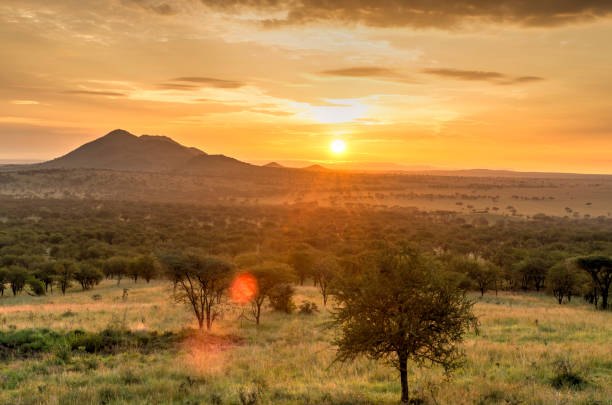
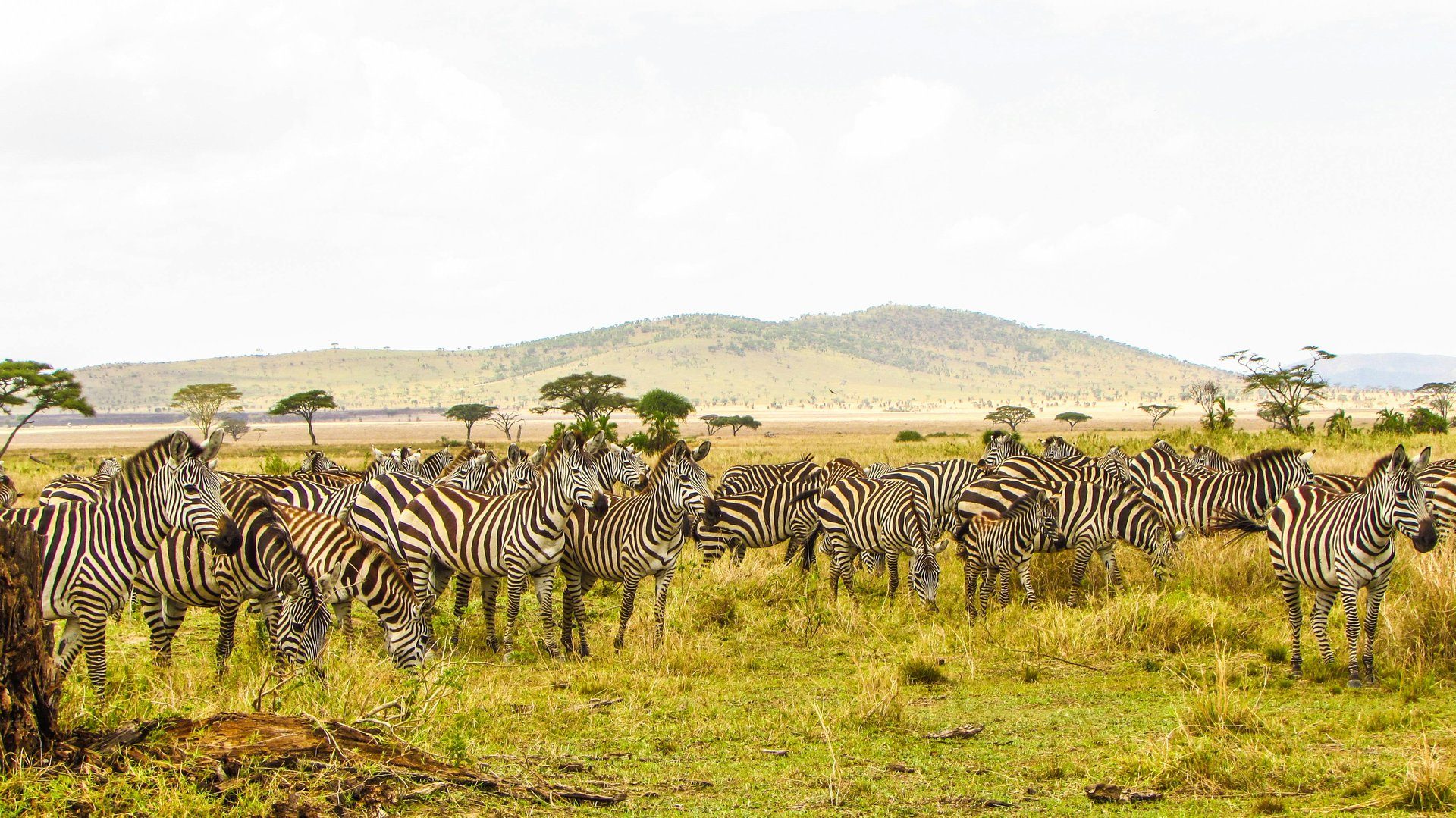
The Great Migration spends most of the year on Tanzania's Serengeti plains.
Tanzania (Serengeti): The herds spend roughly 70% of the year in the Serengeti. The dramatic calving season (late January to March) on the southern plains sees half a million calves born in a few weeks — a magnet for predators. The Grumeti River crossings occur around May-June.
Kenya (Masai Mara): From July to October, the herds cross into the Masai Mara, where the iconic Mara River crossings take place — wildebeest plunging into crocodile-filled waters in chaotic, unforgettable scenes. This is the Migration moment most travellers picture.
Winner: Tanzania for year-round presence and the calving season; Kenya for the dramatic July-October river crossings. The Migration is circular, so timing is everything.
Wildlife and the Big Five
Both countries deliver world-class Big Five viewing, but they have distinct strengths.
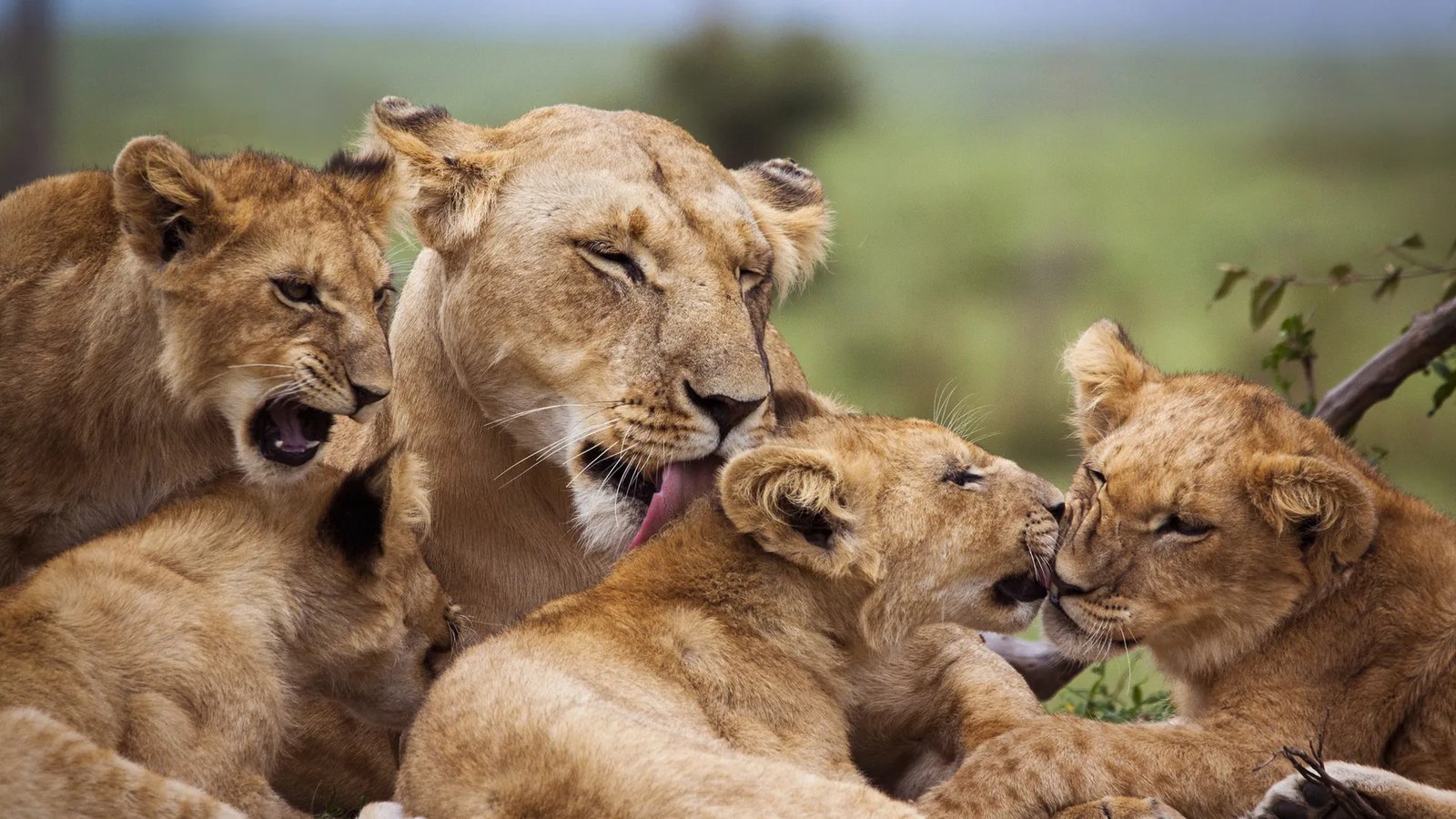
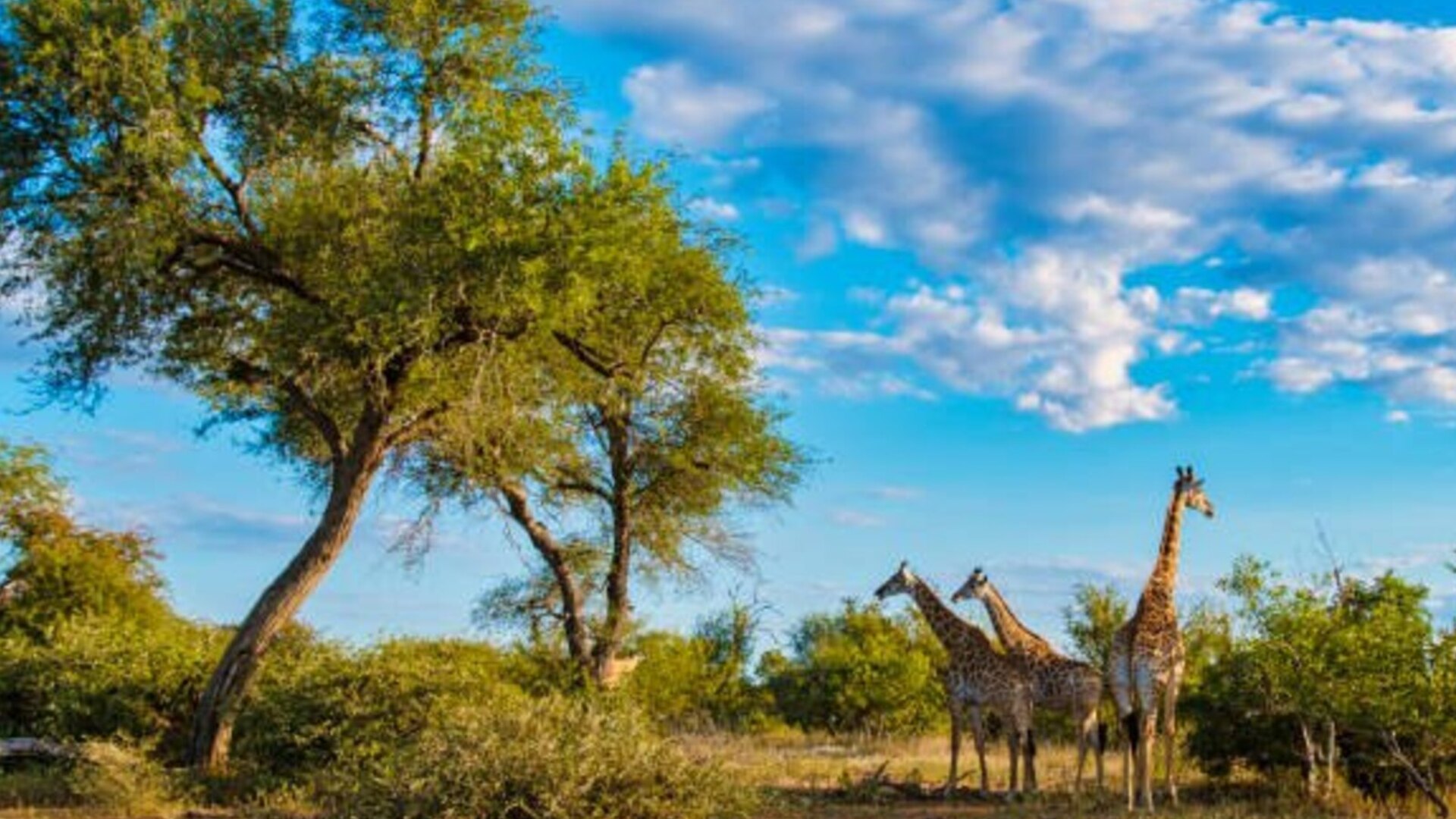
Both the Serengeti and the Masai Mara are renowned for prolific lion populations.
Tanzania's Wildlife Strengths
The Ngorongoro Crater is one of the wildlife wonders of the world — a collapsed volcanic caldera with an extraordinary density of animals packed into 260 km². It offers an excellent chance of seeing all the Big Five in a single day, including the rare black rhino. The Serengeti has prolific lions (including famous tree-climbing prides), leopards, elephants and cheetahs across its endless plains. Tanzania also holds vast, little-visited wildernesses like Nyerere (Selous) and Ruaha for those seeking true solitude.
Kenya's Wildlife Strengths
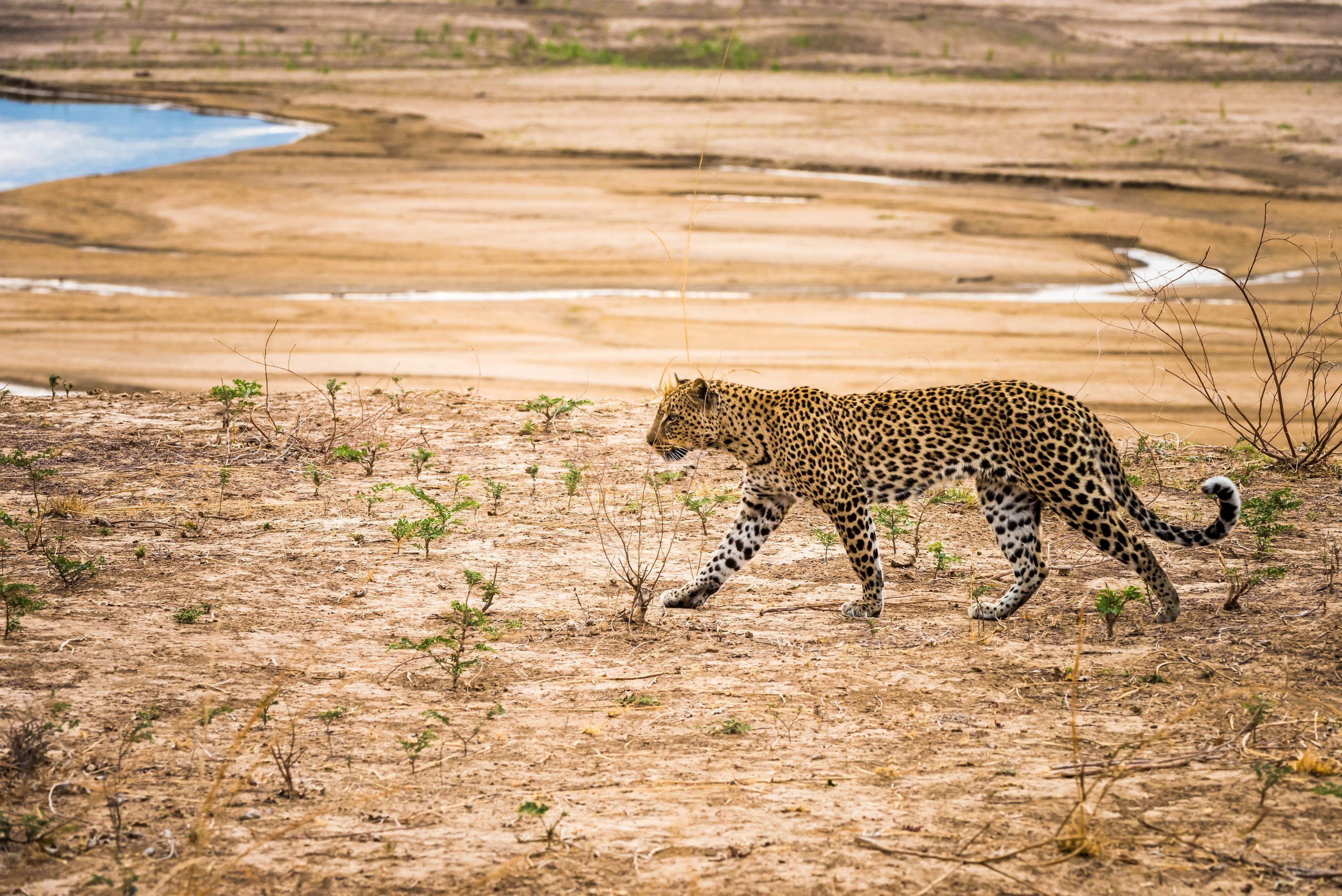
The Masai Mara offers some of the best big-cat viewing in Africa, with high densities of lion, cheetah and leopard on open plains that make sightings easy. Kenya is more reliable for rhino overall, with strongholds at Ol Pejeta and Lake Nakuru. Amboseli is world-famous for large elephant herds beneath the snow-capped peak of Mount Kilimanjaro — one of Africa's most iconic images. Kenya's private conservancies offer off-road driving, night drives and walking safaris that the national reserves do not.
Winner: Tie. The Ngorongoro Crater is unmatched for single-day Big Five density; Kenya's conservancies and rhino reliability give it the edge for exclusivity and a complete Big Five tick-list.
Accessibility: Kenya is Easier to Reach
Kenya holds a clear advantage here. Nairobi's Jomo Kenyatta International Airport is a major regional hub with abundant direct flights from Europe, the Middle East, Asia and beyond. From Nairobi, the Masai Mara is a quick 45-minute light-aircraft hop. Kenya's compact geography means shorter transfers and less time in transit.
Tanzania is reached via Kilimanjaro International Airport (best for the northern safari circuit) or Julius Nyerere International in Dar es Salaam. There are fewer direct long-haul options, and the larger distances between parks — the Serengeti is vast — often require internal flights, adding cost and travel time. The trade-off is that Tanzania feels wilder and less crowded once you arrive.
Winner: Kenya for ease of access and shorter transfers, ideal for first-time visitors and shorter trips.
Cost: Kenya Offers Better Value
Kenya is generally the more affordable destination. Higher tourism volume, more competition among lodges and operators, and shorter transfer distances all help keep prices down.
| Safari Style | Kenya (per person/day) | Tanzania (per person/day) |
|---|---|---|
| Comfortable / mid-range | $400 - $700 | $500 - $850 |
| Premium / luxury | $700 - $1,200 | $850 - $1,400 |
| Ultra-luxury / exclusive | $1,200 - $2,000+ | $1,400 - $2,500+ |
Tanzania's higher park fees, government taxes and the cost of internal flights between far-flung parks push prices up. That said, the premium often buys genuine remoteness and fewer vehicles at sightings.
Winner: Kenya for value; Tanzania for exclusivity and wilderness, at a price.
Lodges and Accommodation
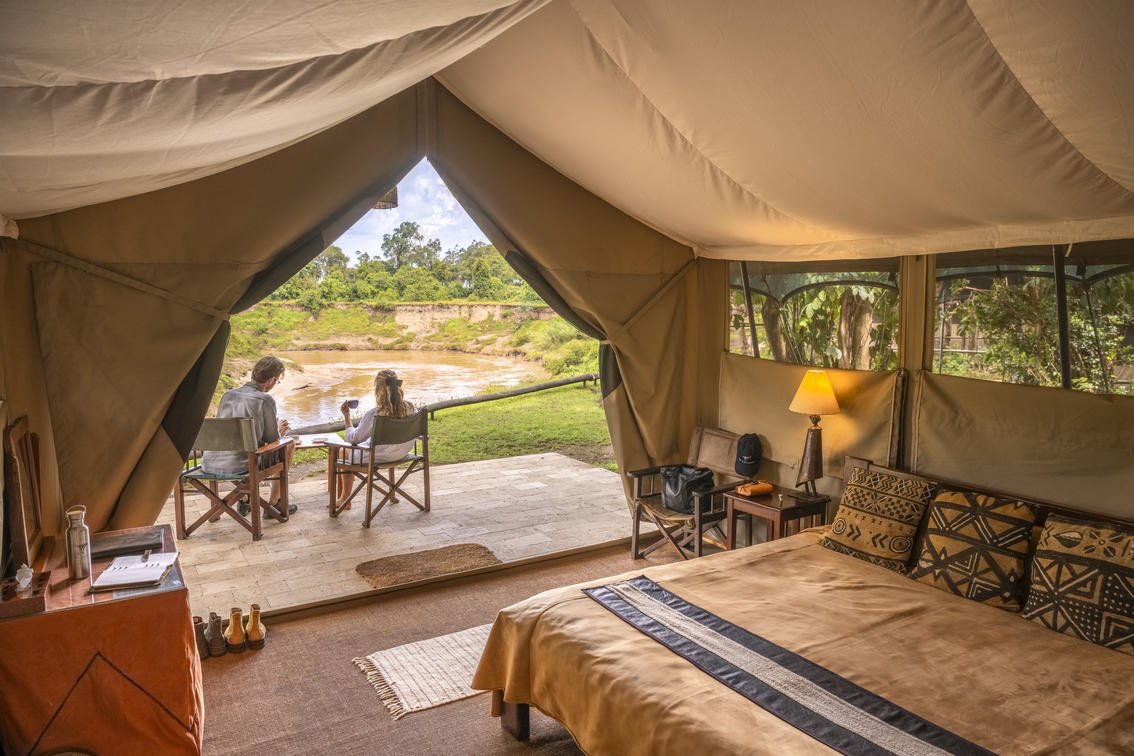
Both countries offer everything from comfortable tented camps to world-class luxury lodges. Tanzania's Serengeti is dotted with iconic camps that follow the Migration, and the Ngorongoro rim has dramatic crater-view lodges. Kenya's Masai Mara conservancies are renowned for exclusive, low-density camps where you may not see another vehicle all day — a major draw for travellers seeking privacy.
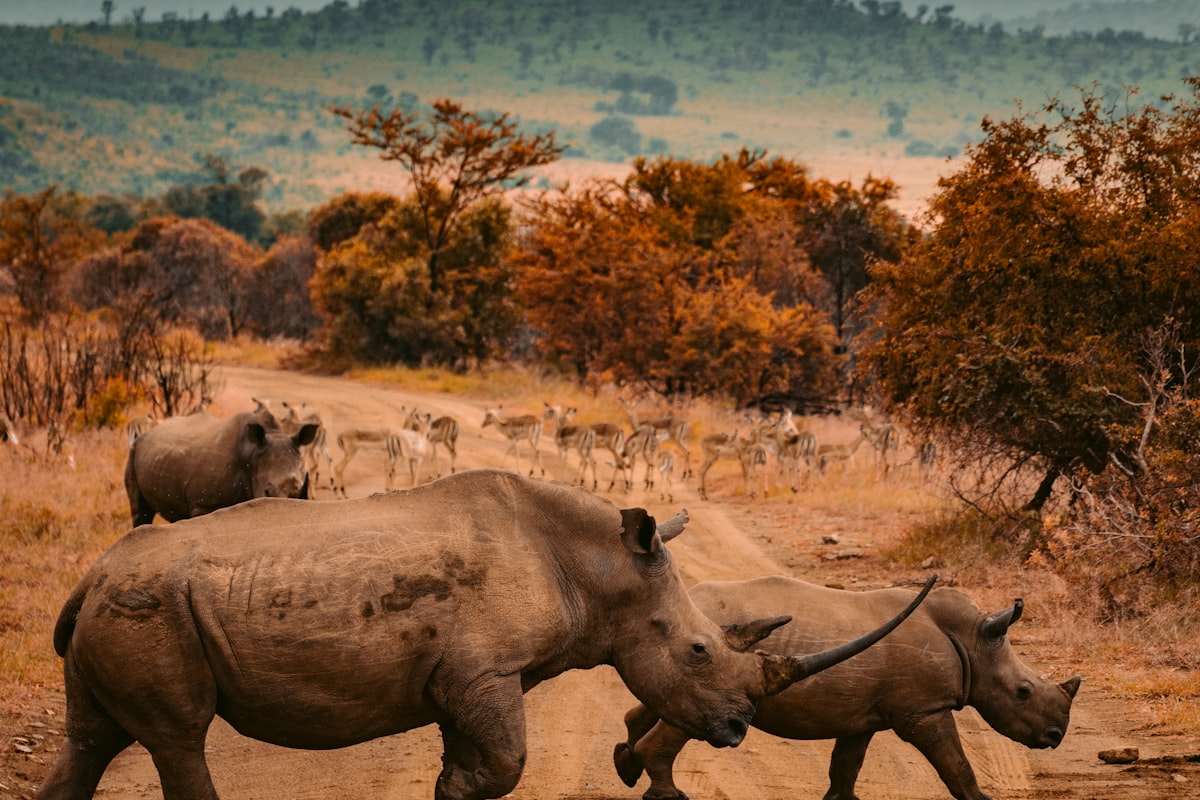
Kenya's private conservancies offer exclusive, low-density camps with off-road driving and night drives.
Winner: Tie. Tanzania for iconic mobile Migration camps and crater-rim lodges; Kenya for exclusive conservancy camps with off-road and night-drive access.
Beyond the Bush: Mountains, Beaches and Culture
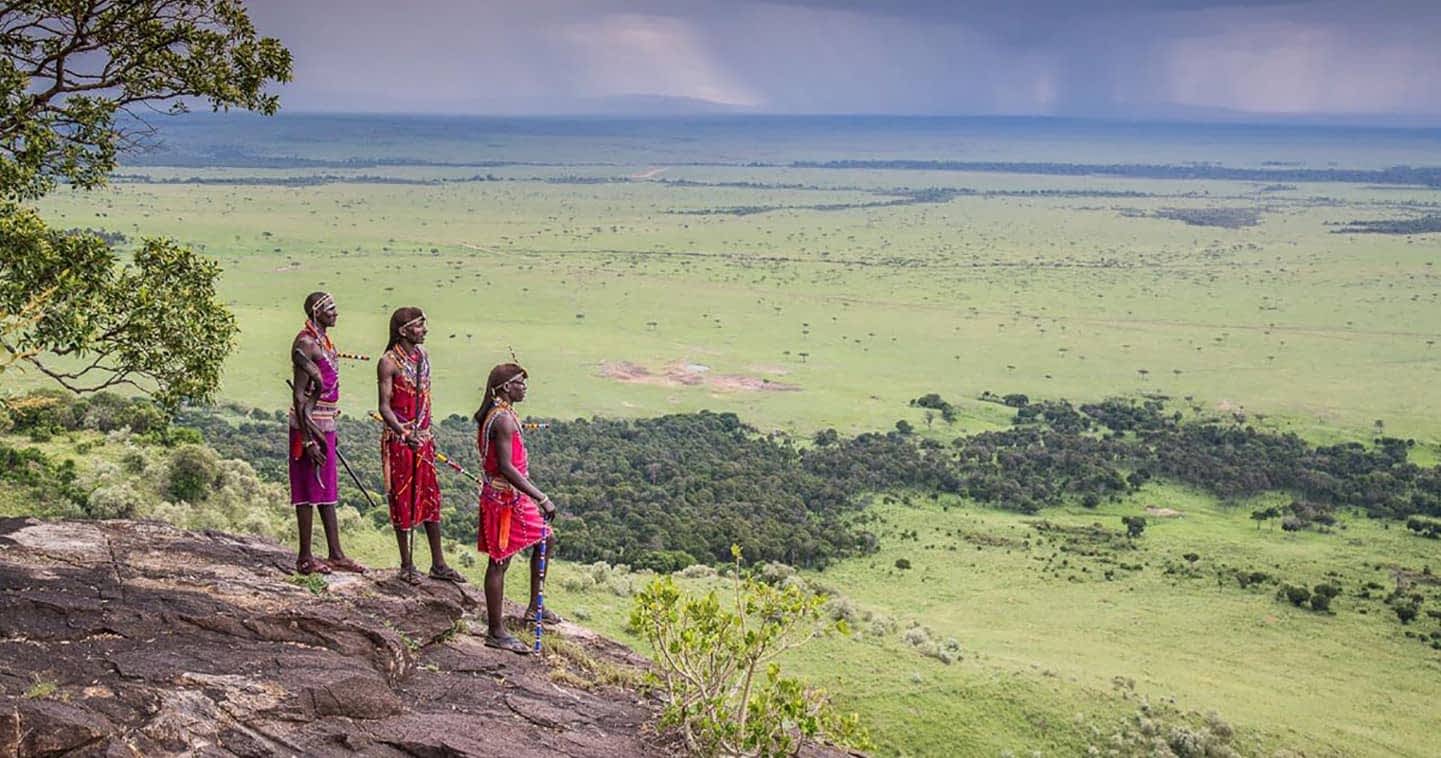
Tanzania is the premier destination for adventure beyond the safari. Mount Kilimanjaro, Africa's highest peak, draws trekkers from around the world, and Zanzibar offers a magical archipelago of historic Stone Town, spice tours and pristine beaches — the perfect post-safari unwind. Kenya counters with superb cultural experiences through its Maasai and Samburu communities, and the well-developed beaches of Diani and the Kenyan coast.
Winner: Tanzania for Kilimanjaro and Zanzibar; Kenya for cultural depth and convenient coastal extensions.
Best Time to Visit
Kenya: The dry season from July to October is peak — the Mara River crossings, excellent general game viewing and pleasant weather. The shorter dry spell of January-February is also good and quieter.
Tanzania: The dry season from June to October offers superb general game viewing across the Serengeti. For the calving season and predator action, visit the southern Serengeti from late January to March. The Ngorongoro Crater is excellent year-round.
How to Choose: Tanzania or Kenya?
Choose Tanzania if you want:
- Vast, remote, less-crowded wilderness
- The iconic Serengeti and the Ngorongoro Crater
- The calving season and year-round migration presence
- To add Mount Kilimanjaro or Zanzibar
- A classic, immersive safari and don't mind the premium
Choose Kenya if you want:
- Easier access and shorter transfers
- Better value for comparable quality
- Exclusive private conservancies with off-road and night drives
- The dramatic Mara River crossings (July-October)
- Reliable rhino and Amboseli's elephants beneath Kilimanjaro
Why Not Both? The Ultimate East African Safari
Because Tanzania and Kenya share the Serengeti-Mara ecosystem, combining them creates one of the finest safaris on earth. A popular 10-14 day itinerary links Kenya's Masai Mara and conservancies with Tanzania's Serengeti and Ngorongoro Crater, crossing by light aircraft or overland. You get the Mara River crossings, the endless Serengeti, the wildlife-packed Crater and the exclusivity of Kenya's conservancies — the best of both worlds.
Final Verdict: It Depends on Your Priorities
If you want a remote, immersive wilderness with the iconic Serengeti and the wildlife wonder of the Ngorongoro Crater — and you're happy to pay a premium and add Zanzibar — choose Tanzania. If you value easier access, better value, conservancy exclusivity and the dramatic Mara River crossings, choose Kenya. And if you can spare 10-14 days, combining the two delivers the ultimate East African safari.
The best safari is the one matched to your dream, your budget and your timing — and both Tanzania and Kenya will deliver memories that last a lifetime.
Plan Your Tanzania or Kenya Safari with Beyond Africa Safaris
We design private, tailor-made safaris across Tanzania, Kenya and combined East African itineraries — whether you want the Serengeti, the Ngorongoro Crater, the Masai Mara, the Great Migration or a bush-and-beach adventure with Zanzibar. We handle every detail — expert guides, handpicked camps, flawless logistics and unforgettable wildlife encounters.
Contact us to start planning your East African safari today.