Kruger National Park and the Masai Mara are two of the most famous safari destinations on earth — each iconic in its own right, each offering world-class wildlife, yet each a very different safari experience. Kruger is South Africa's Big Five flagship, vast and accessible, welcoming to self-drive adventurers and guided safaris alike, and remarkably affordable for the quality it delivers. The Masai Mara is Kenya's crown jewel, the stage for the Great Migration river crossings, home to prolific big cats and defined by exclusive conservancies and the drama of the open plains.
🦁 Planning Your Kruger Safari?
For the complete kruger safari resource - expert guides, honest costs, luxury lodges, curated itineraries, and everything you need to plan your trip - visit our comprehensive hub:
View Complete Kruger Safari Hub →This complete Kruger vs Masai Mara comparison for 2026 covers the Big Five, the Great Migration, costs, accessibility, lodges, best time to visit and how to choose the right safari for you.
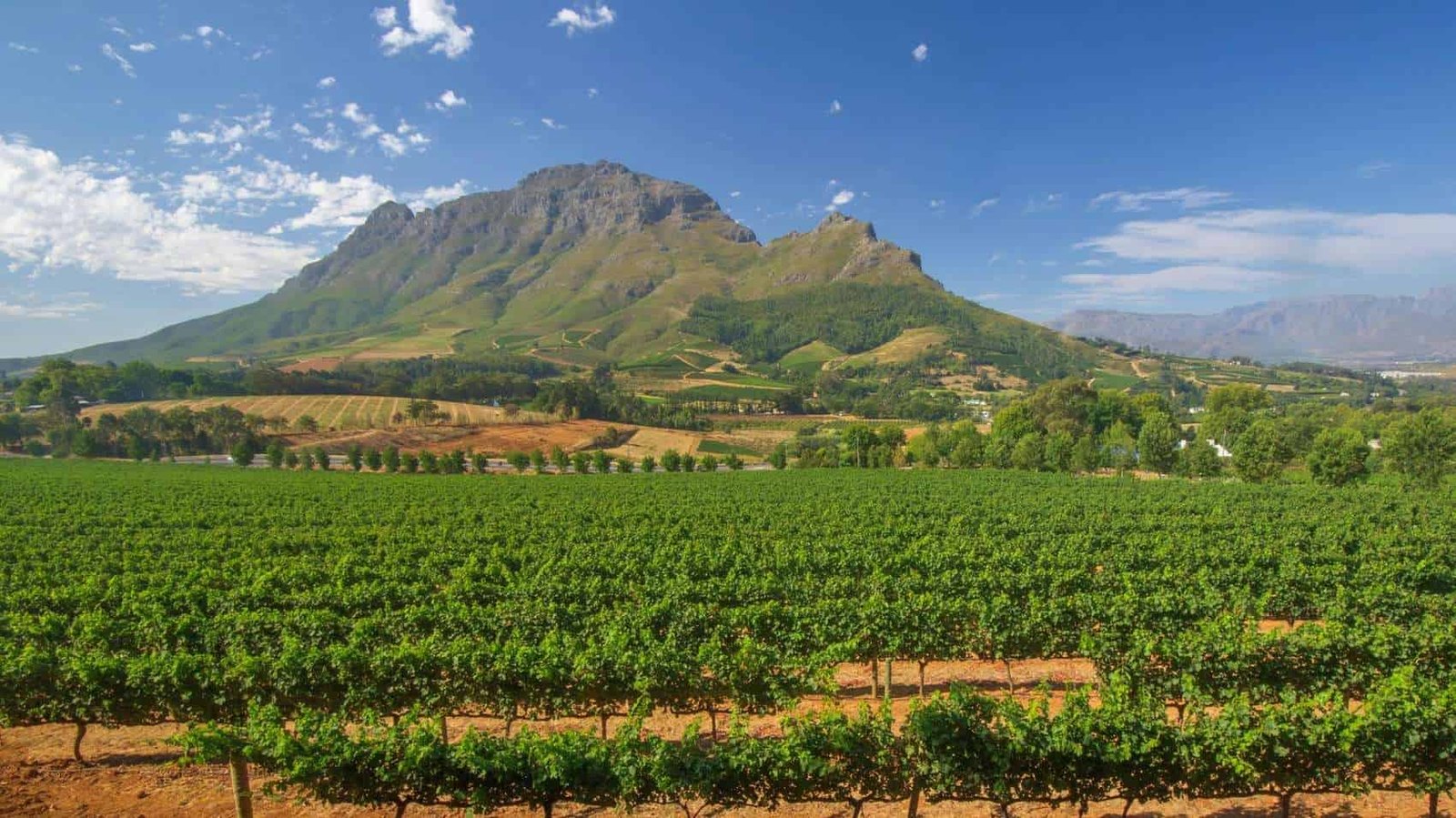
South Africa — Kruger's Big Five, the winelands, Table Mountain and the landscapes of one of the world's great safari countries.
Head-to-Head: Kruger vs Masai Mara
Quick Comparison
Kruger National Park: Vast (19,485 km²), accessible, excellent value, year-round Big Five, self-drive friendly, rhino stronghold, diverse habitats, wide range of lodges. Best for affordability, flexibility and comprehensive wildlife.
Masai Mara: Compact (1,510 km²), fly-in, premium pricing, Great Migration from July-Oct, prolific big cats, open plains, exclusive conservancies, luxury lodges. Best for the Migration spectacle and big-cat drama.
Size and Scale: Kruger is 13 Times Larger
Kruger spans nearly 20,000 square kilometres — roughly the size of Israel or Wales — making it one of Africa's largest national parks. The vast scale means diverse habitats, from riverine forest and open savanna to rocky kopjes and acacia thornveld, each supporting different wildlife communities. You can spend a week exploring Kruger and still only scratch the surface.
The Masai Mara National Reserve, by contrast, covers just 1,510 square kilometres, with an additional 1,500 km² in the surrounding private conservancies. The Mara is compact and concentrated, with the open plains creating excellent visibility and prolific wildlife density. The smaller size makes it easier to see multiple ecosystems in a short visit, but it also means more vehicle crowding at popular sightings, especially during the Migration.
Winner: Depends on preference. Kruger's vastness means variety, solitude and the feeling of true wilderness. The Mara's compactness means efficient game viewing and easier logistics.
Big Five Viewing: Both Excel, But Kruger Has More Rhino
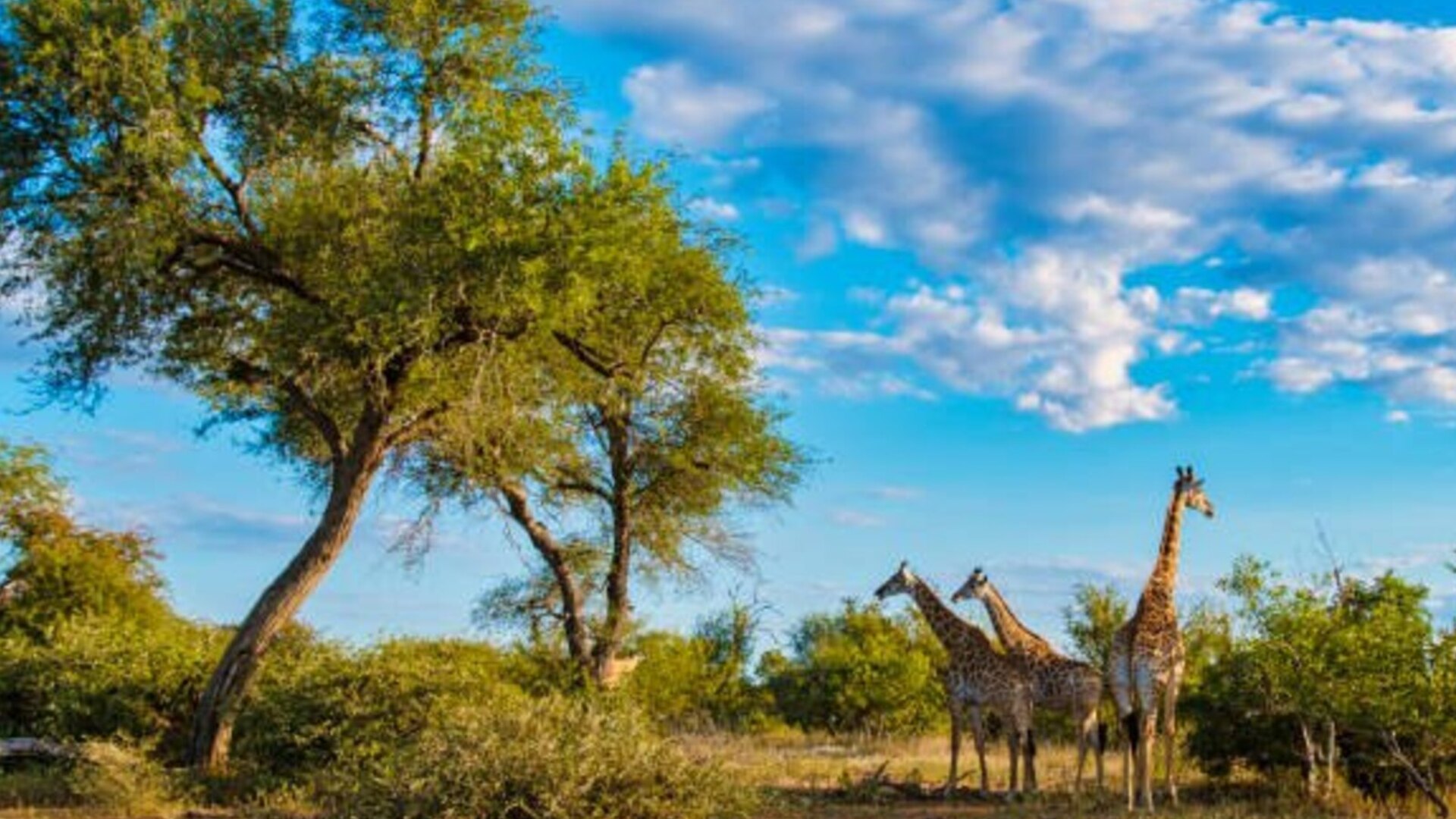
Both Kruger and the Masai Mara are outstanding Big Five destinations, but they have different strengths.
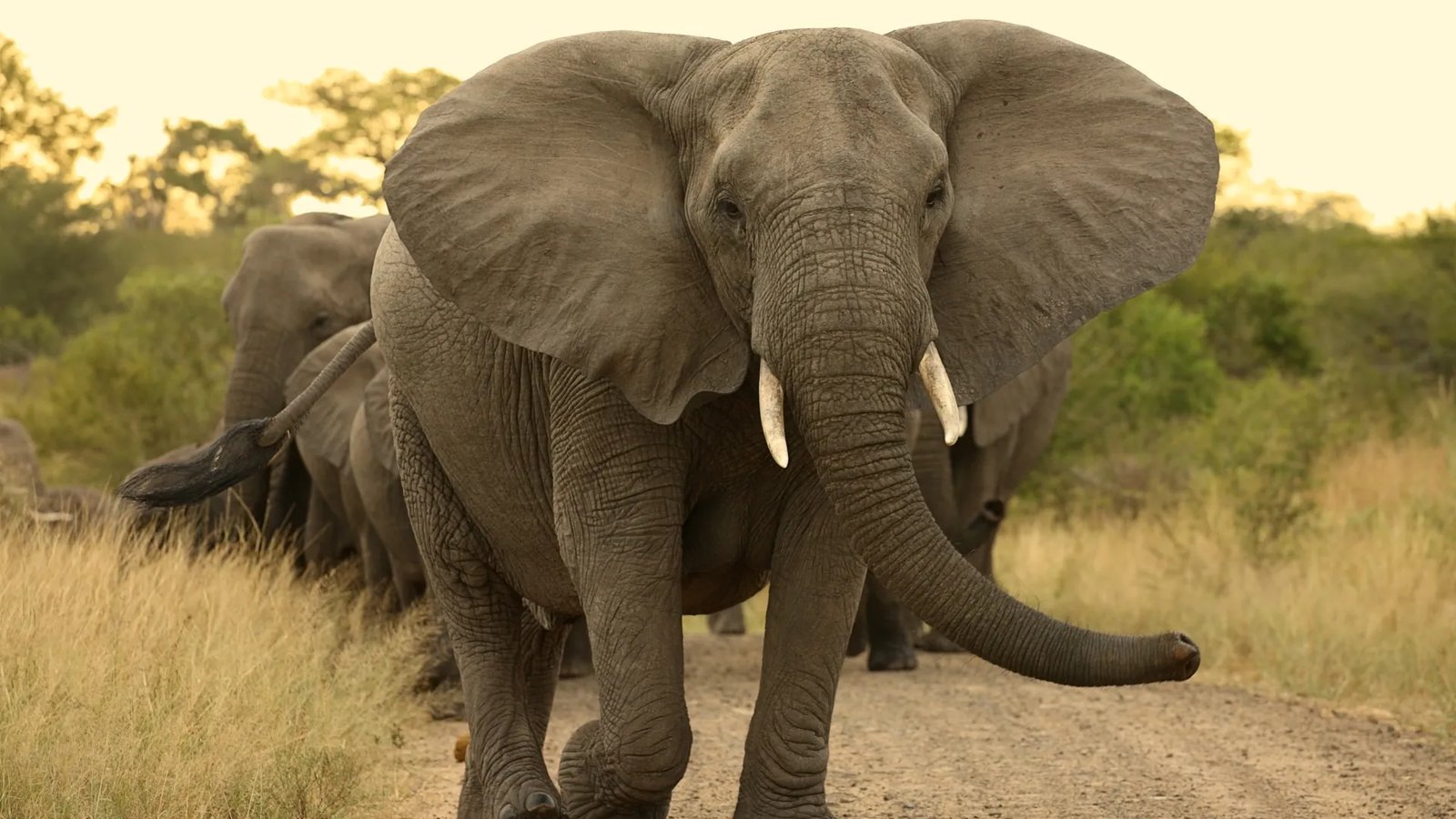
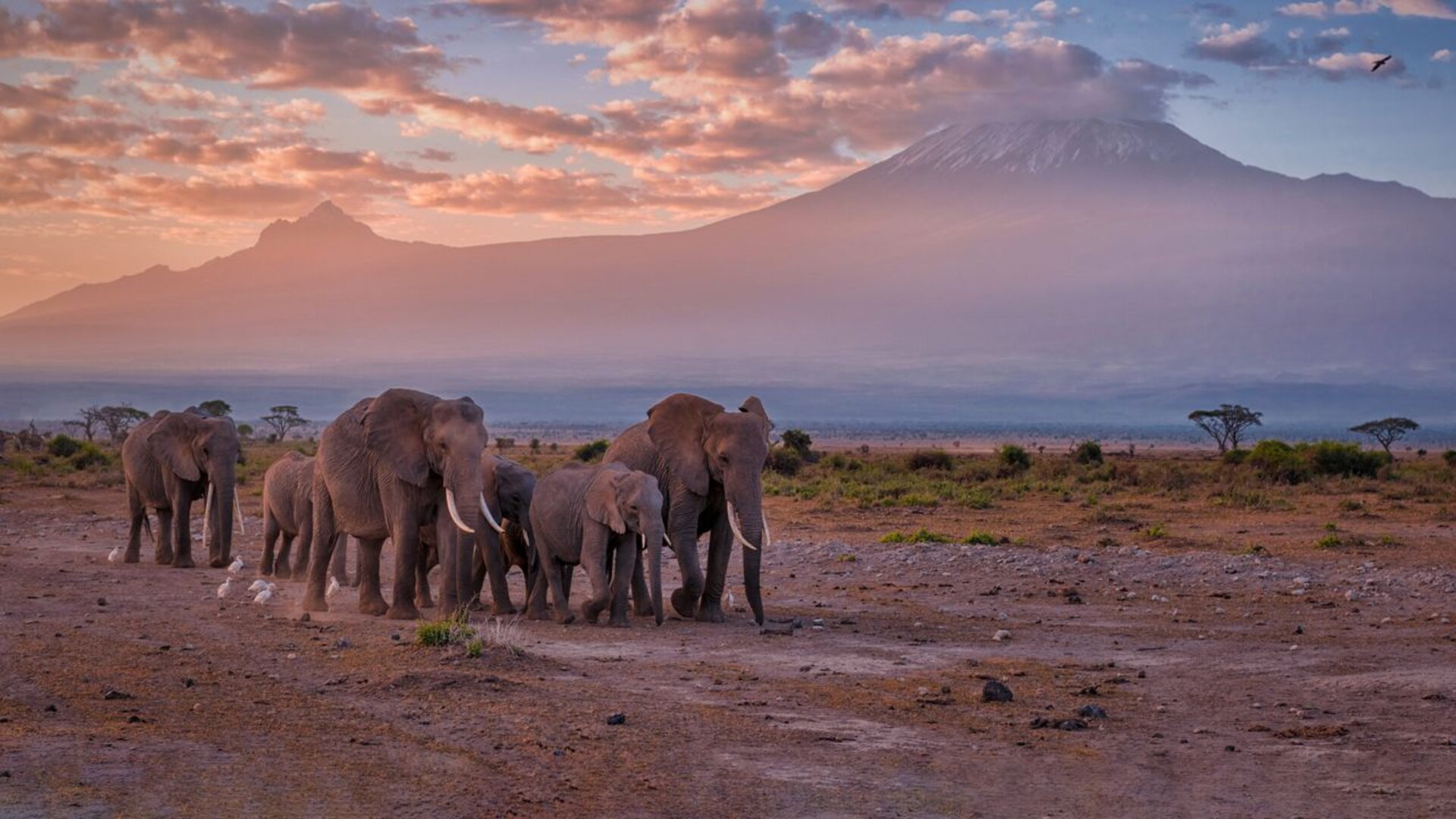
Elephant sightings are daily occurrences in both Kruger and the Masai Mara.
Lion
Kruger: Excellent lion populations throughout the park, especially in the central Satara region. Prides are large and visible.
Masai Mara: Prolific lions, with the open plains making sightings easy and dramatic. The Mara is famous for its big-cat action.
Winner: Slight edge to the Mara for sheer big-cat drama and visibility.
Leopard
Kruger (especially Sabi Sands): Kruger has excellent leopard populations, and the adjacent Sabi Sands private reserve is world-renowned for the best leopard viewing on earth — habituated cats seen almost nightly.
Masai Mara: Regular leopard sightings, especially in riverine areas and the Mara Triangle, though not as prolific as Sabi Sands.
Winner: Kruger (especially Sabi Sands) for consistent, close-up leopard encounters.
Elephant
Kruger: Large elephant populations throughout, especially in the northern regions.
Masai Mara: Good elephant numbers, though not as concentrated as in Kruger or nearby Amboseli.
Winner: Kruger for sheer elephant numbers.
Buffalo
Kruger: Huge buffalo herds, easily found near rivers and waterholes.
Masai Mara: Large herds on the plains and in the conservancies.
Winner: Tie — both excellent.
Rhino
Kruger: One of the last strongholds of both black and white rhino, with regular sightings in the southern and central regions.
Masai Mara: Rhino are rare due to poaching; sightings are uncommon outside the Mara Triangle and conservancies.
Winner: Kruger by a wide margin. For rhino viewing, Kruger is one of the best destinations in Africa.
Overall Big Five winner: Kruger for a complete, reliable Big Five experience year-round, especially rhino. The Mara wins for big-cat drama and open-plains viewing.
The Great Migration: The Mara's Unique Advantage
This is where the Masai Mara shines. From July to October, the Masai Mara hosts the climax of the Great Migration, as over 1.5 million wildebeest and hundreds of thousands of zebra cross the crocodile-filled Mara River in chaotic, dramatic scenes. The river crossings are one of nature's greatest spectacles — raw, visceral and utterly unforgettable.
Kruger has no equivalent Migration event. What Kruger offers instead is consistent, year-round wildlife viewing that does not depend on timing a specific event. The dry season (May-September) concentrates animals at waterholes and rivers, making sightings reliable and rewarding, but without the drama of a mass migration.
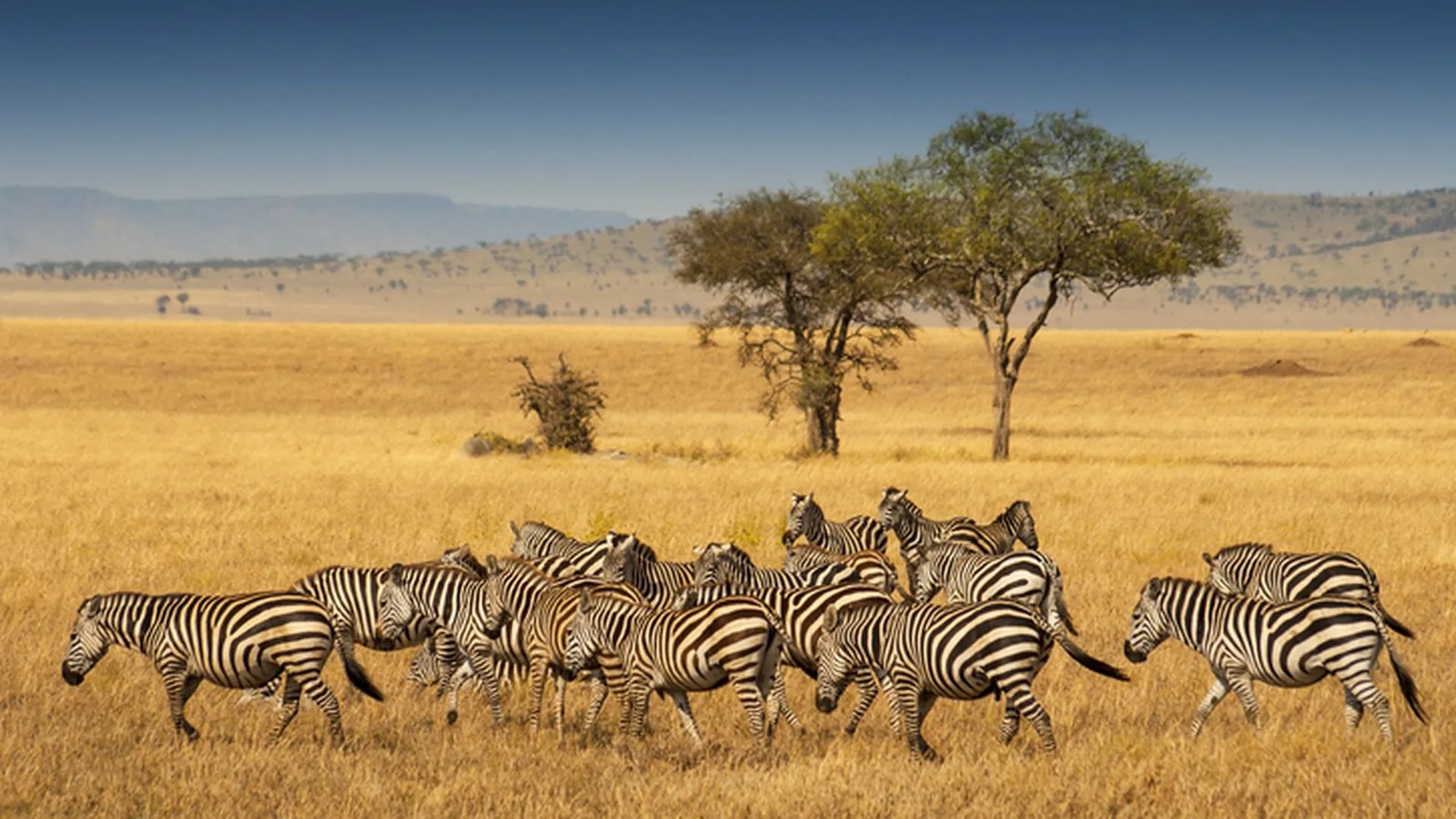
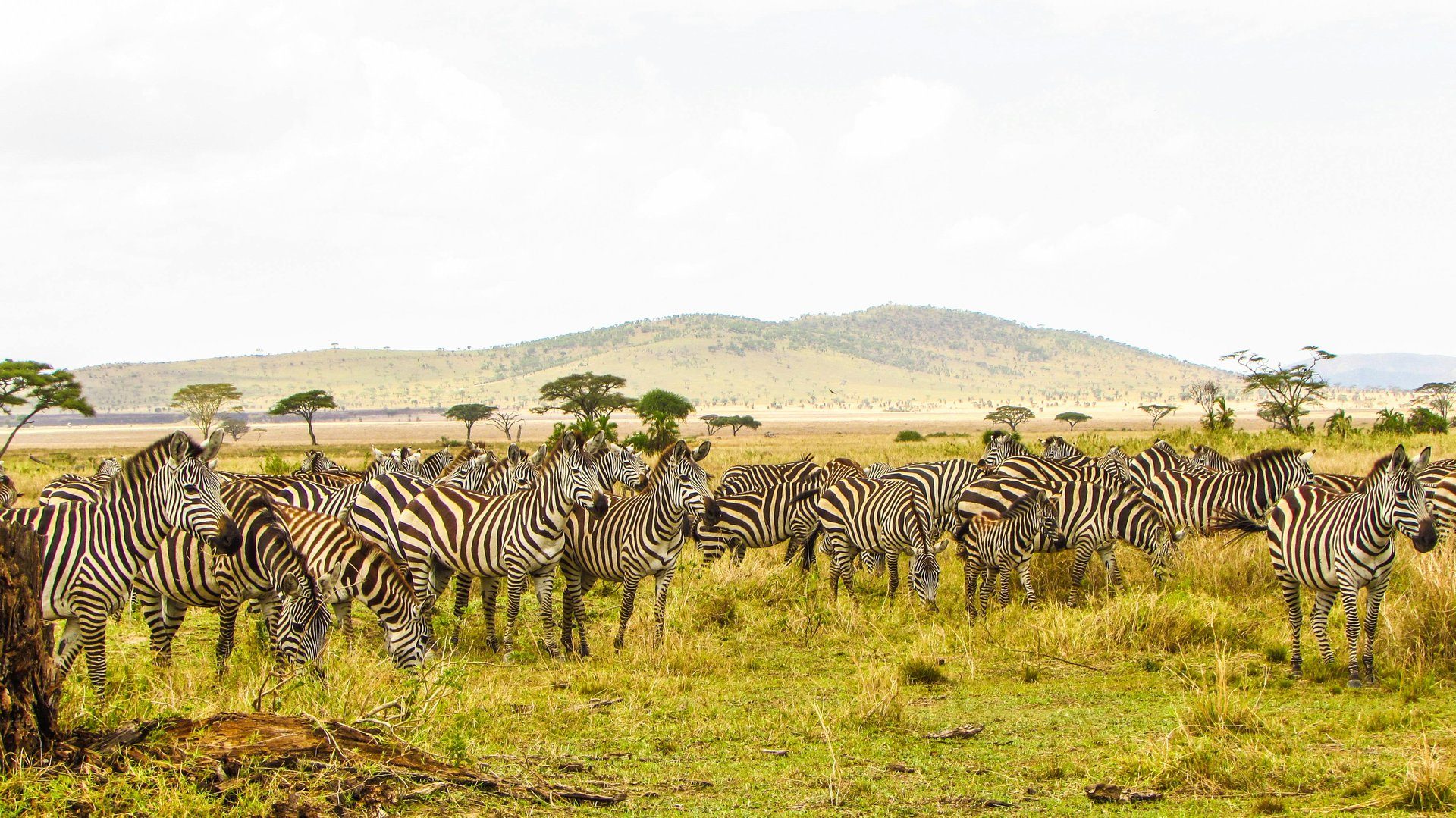
The Great Migration river crossings in the Masai Mara are one of Africa's most iconic wildlife events.
Winner: The Masai Mara for the Migration spectacle. If witnessing the crossings is your dream, the Mara from July to October is irreplaceable. If you want consistent Big Five viewing without timing constraints, Kruger wins.
Accessibility: Kruger is Far More Flexible
Kruger is one of the most accessible safari destinations in Africa. It is reachable by road from Johannesburg in 4-5 hours, or by direct flights to Skukuza, Hoedspruit or Kruger Mpumalanga International Airport. The park has an excellent network of tar and gravel roads, numerous entry gates, and a wide range of rest camps offering self-catering and full-board accommodation. Self-drive safaris are not only possible but common, making Kruger ideal for independent travellers, families and road-trippers.
The Masai Mara requires a flight from Nairobi (45 minutes to one of several airstrips) or a long, rough 5-6 hour drive on poor roads. Most Mara lodges are fly-in only, and self-drive is not practical due to the rough terrain, lack of signage and the difficulty of finding your way around the reserve and conservancies. The Mara is a fly-in, guided-safari destination — more exclusive, but less flexible.
Winner: Kruger by a wide margin. The accessibility, self-drive freedom and range of accommodation make it far more flexible and traveller-friendly.
Cost: Kruger Offers Exceptional Value
Kruger is significantly more affordable than the Masai Mara. A quality private safari in Kruger typically runs from around $350 to $1,800 per person per day for comfortable to luxury lodges, fully inclusive of game drives, meals, park fees and guiding. Self-drive safaris in Kruger's rest camps are even cheaper, starting from roughly $150 to $300 per person per day including accommodation and park fees.
The Masai Mara, by contrast, ranges from around $500 to $2,500+ per person per day for comparable quality, with top conservancy camps reaching $3,000 to $5,000 per day. A three-night Kruger safari costs roughly $1,000 to $5,400 per person; a three-night Mara safari costs $1,500 to $7,500+ for similar quality.
The cost difference is substantial. Kruger offers world-class Big Five viewing at a fraction of the price of the Mara, making it the clear winner for budget-conscious travellers, families and those seeking value without compromising quality.
Winner: Kruger for exceptional value. The Mara's premium pricing is justified during the Migration, but outside of July-October, Kruger delivers comparable wildlife at better prices.
Lodges and Accommodation: Both Offer World-Class Options
Both destinations offer a range of accommodation from comfortable to ultra-luxury.
Kruger
Kruger has an enormous range of accommodation, from basic rest camps and self-catering chalets to premium private lodges. The adjacent Sabi Sands private reserve is home to some of Africa's most luxurious camps — Singita, Londolozi, Leopard Hills — with world-class guiding, off-road driving, night drives and the finest leopard viewing on earth. Kruger's accommodation ladder means there is an option for every budget, from backpackers to honeymooners.
Masai Mara
The Mara is defined by its lodges and tented camps, many located in exclusive private conservancies like Mara North, Olare Motorogi and Naboisho. These conservancies offer low vehicle density, off-road driving, night drives and walking safaris, taking the experience beyond the public reserve. The lodges are luxurious, intimate and beautifully designed, with a focus on service and exclusivity.
Winner: Tie. Kruger offers more variety and budget options; the Mara offers more exclusivity and conservancy perks. Both have world-class luxury lodges.
Best Time to Visit: Kruger is More Flexible
Kruger: The dry winter months from May to September are the best time for game viewing, with sparse bush, animals at waterholes and excellent Big Five sightings. The shoulder months of April and October offer good wildlife at lower prices, and the green season (November-March) brings lush scenery, newborn animals and spectacular birding. Kruger delivers rewarding wildlife viewing year-round.
Masai Mara: The prime time to visit is July to October for the Great Migration river crossings. Outside of these months, the Mara is still excellent for resident wildlife — lion, leopard, cheetah, elephant and buffalo — but the Migration is the main event. Visiting the Mara outside of Migration season is like visiting Kruger in the wet season — still good, but not peak.
Winner: Kruger for year-round consistency. The Mara requires timing your visit around the Migration for the full experience.
Crowds and Exclusivity: The Mara's Conservancies Win
Kruger is a public park open to all, and during peak season (July-September), popular sightings can attract multiple vehicles — especially around lions or leopards. The park's vastness means you can find solitude by exploring quieter areas, but vehicle crowding is a reality. The adjacent Sabi Sands private reserve offers exclusivity, with limited lodges and vehicles, off-road driving and the freedom to follow wildlife.
The Masai Mara National Reserve itself can be crowded, especially during the Migration, when dozens of vehicles gather at river crossings. However, the private conservancies surrounding the Mara offer exceptional exclusivity, with strict vehicle limits, low guest numbers and the freedom to drive off-road and conduct night drives. Staying in a Mara conservancy is a completely different experience from the public reserve.
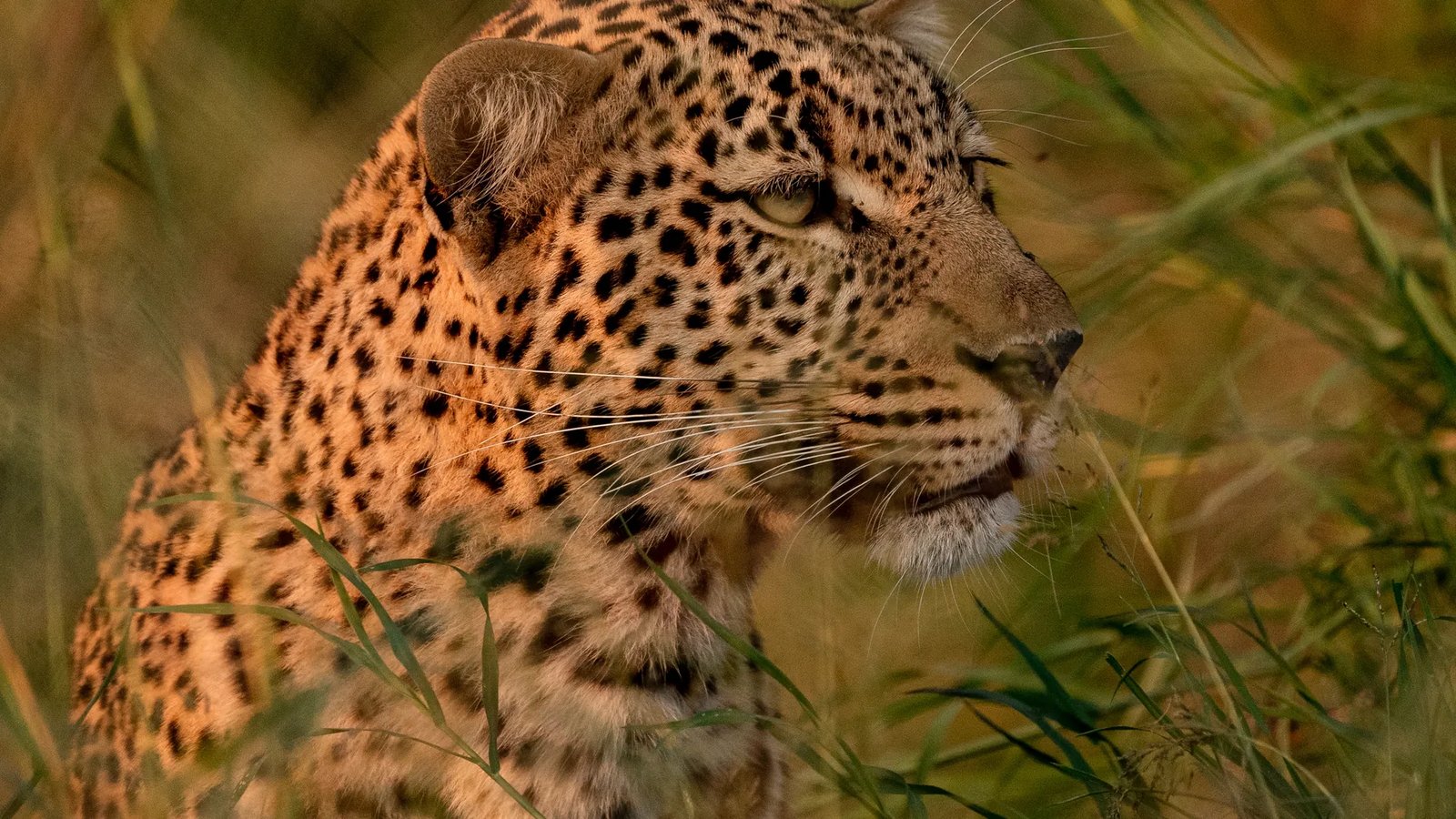
The Sabi Sands private reserve adjacent to Kruger offers world-class leopard viewing and exclusivity.
Winner: The Mara's conservancies for exclusivity and low vehicle density. Kruger's Sabi Sands is a strong alternative for exclusivity within the Kruger ecosystem.
Variety of Wildlife: Kruger's Diversity Wins
Kruger is home to 147 mammal species, including the Big Five, cheetah, wild dog, giraffe, hippo, crocodile, zebra and a vast array of antelope. The park's varied habitats — riverine forest, open savanna, rocky kopjes, thornveld — support different wildlife communities, making each region feel distinct. Kruger is also a birding paradise, with over 500 bird species.
The Masai Mara is famous for its big cats and the Migration, but its overall wildlife diversity is lower than Kruger. The open plains are ideal for predator viewing, but the habitat is less varied. The Mara's strength is the density and visibility of its wildlife, not its diversity.
Winner: Kruger for overall wildlife diversity and variety of habitats.
Which Safari is Right for You?
Both Kruger and the Masai Mara are world-class safari destinations. The right choice depends on what you want from your safari.
Choose Kruger if you want:
- Exceptional Big Five viewing year-round, especially rhino
- Significantly better value for money
- Self-drive freedom and flexibility
- A wide range of accommodation options, from budget to ultra-luxury
- Accessibility and ease of logistics
- Diverse habitats and wildlife variety
- The option to add Sabi Sands for world-class leopard viewing
Choose the Masai Mara if you want:
- To witness the Great Migration river crossings (July-October)
- Prolific big-cat action on open plains
- Exclusivity and low vehicle density (in conservancies)
- The iconic, postcard-perfect African landscape
- A fly-in, luxury safari experience
- The drama and spectacle of the Migration
Can You Visit Both?
Absolutely — and many travellers do. A popular itinerary is to visit the Masai Mara during the Migration (July-October) for the river crossings, then explore Kruger or Sabi Sands at another time for the comprehensive Big Five experience, leopards and value. Combining both gives you the best of East and southern Africa — the Migration spectacle and the classic Big Five safari.
Final Verdict: Kruger for Value and Consistency, the Mara for the Migration
If you want the Great Migration, the Masai Mara from July to October is one of the planet's greatest wildlife events — worth every penny. Outside of Migration season, Kruger offers comparable Big Five viewing, greater wildlife diversity, better accessibility and exceptional value. For first-time safari-goers, families, budget-conscious travellers and those seeking a comprehensive African wildlife experience, Kruger is the smarter choice.
The best safari is the one that matches your dream, your budget and your timing. Both Kruger and the Masai Mara will deliver a safari experience you will never forget.
Plan Your Kruger or Masai Mara Safari with Beyond Africa Safaris
We design private, tailor-made safaris in both Kruger and the Masai Mara — whether you want the Migration river crossings, the Big Five in Kruger, or a combined East-Southern Africa adventure. We handle every detail — expert guides, handpicked lodges, flawless logistics and unforgettable wildlife encounters in Africa's greatest safari destinations.
Contact us to start planning your African safari today.