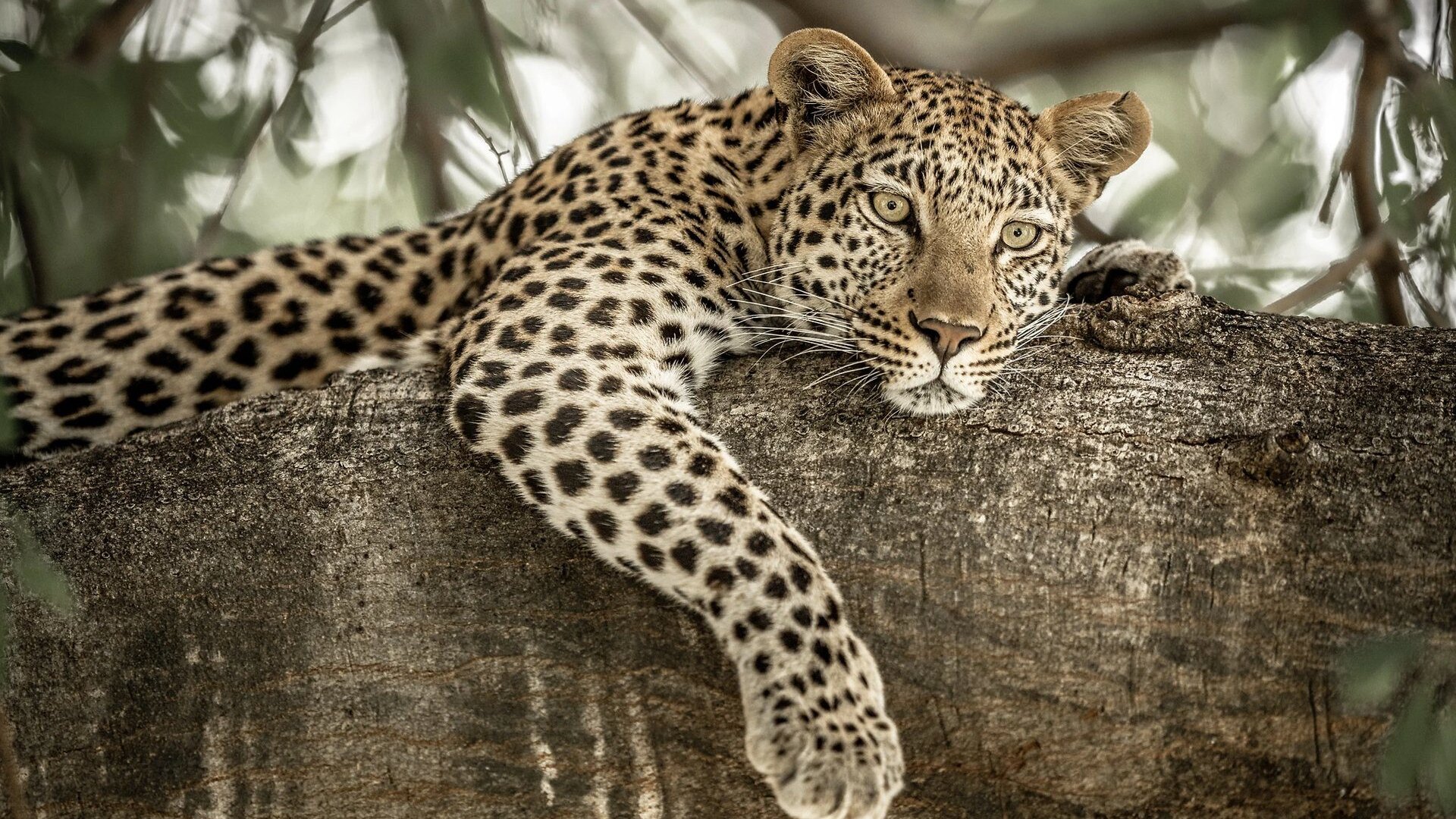
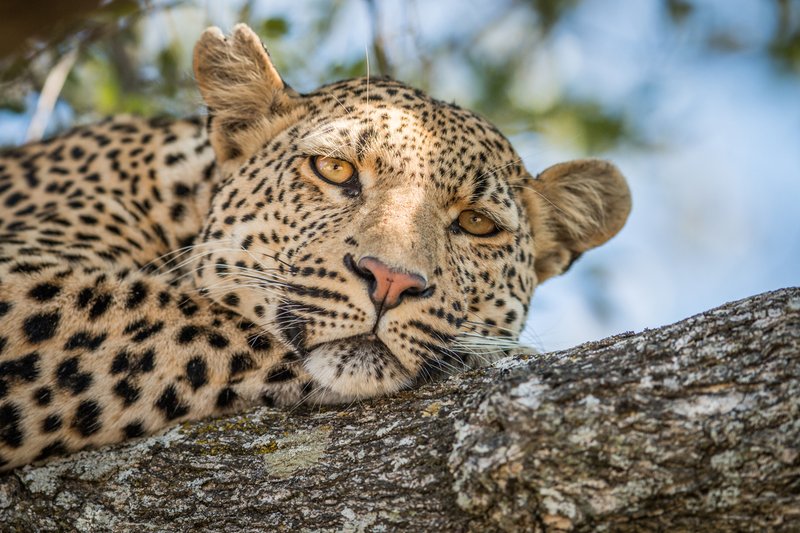
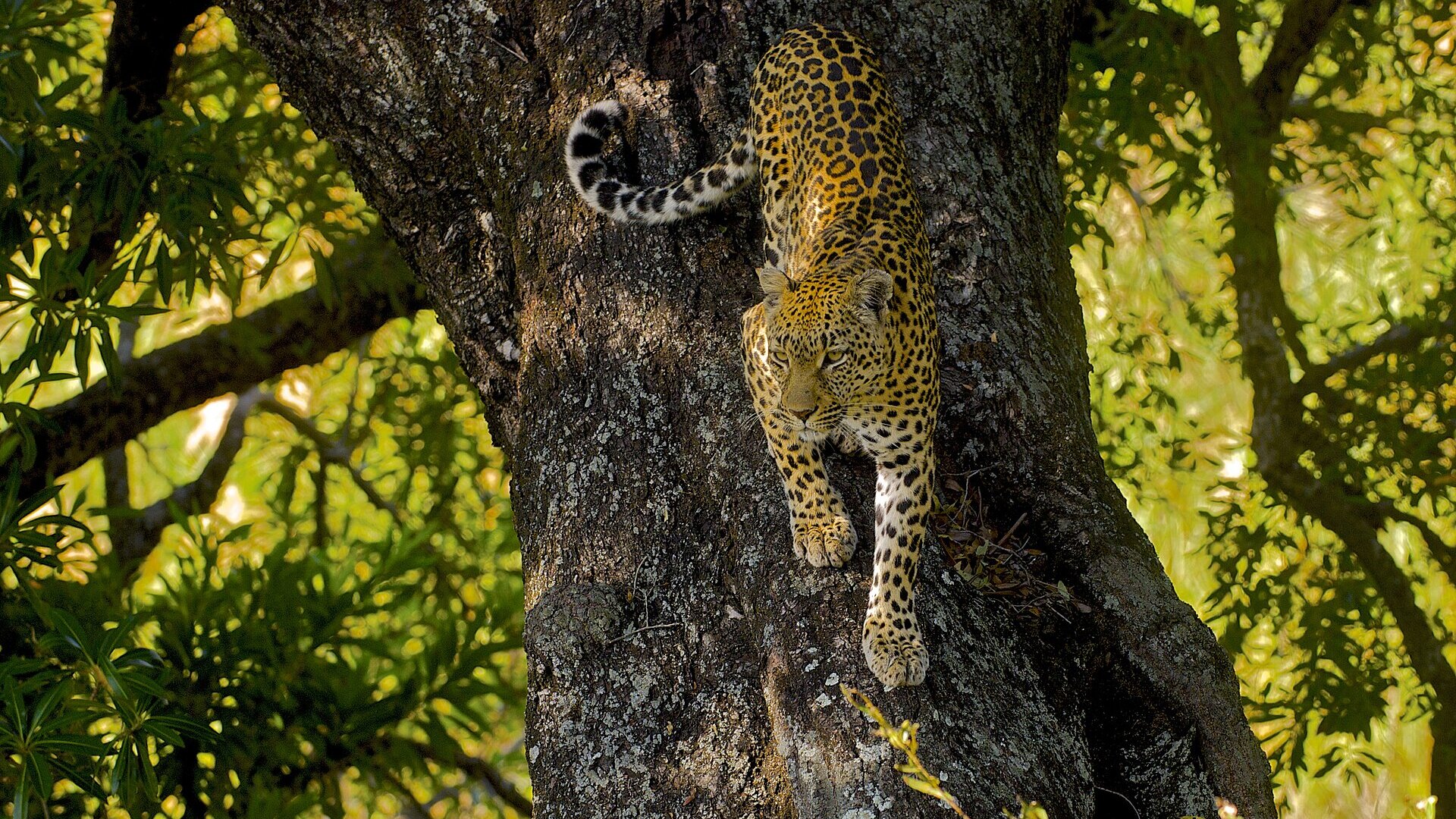
Most people picture a safari in daylight — golden mornings, the heat of midday, sundowners as the sky turns orange. But when the sun finally drops below the horizon, a completely different Africa wakes up. The night safari is the bush's secret second act: leopards on the prowl, eyes glowing from the darkness, and creatures you will never glimpse by day. This is the full 2026 guide to night game drives — what they are really like, the animals you will meet, how the spotlight works, where you can do them, and why a single night drive often becomes the highlight of an entire trip.
After dark, the predators come out — and the night drive begins.
Quick Answer
A night safari is a guided game drive after dark, where a spotter sweeps a powerful light to catch animals' glowing eye-shine. It reveals the nocturnal world — hunting leopards, prowling lions, genets, civets, bushbabies and owls — that daytime visitors never see. Night drives are mostly offered on private reserves (such as Sabi Sand and private concessions), where driving after dark with a spotlight is permitted.
What a Night Drive Is — and How It Differs
A night game drive usually departs in the late afternoon, runs through the magic of sunset, and then carries on into full darkness — or sets off after dinner, depending on the lodge. The defining tool is the spotlight: a powerful handheld lamp that the tracker or a dedicated spotter sweeps slowly across the bush. Most animals' eyes reflect the beam, glowing back as pinpricks of light, and an experienced spotter reads those colours and heights to identify species long before you can make out a shape.
The feel is utterly different from a daytime drive. Your world shrinks to the cone of the light and the sounds beyond it — a distant lion's contact call, the rasp of a leopard, the eerie cry of a bushbaby, the whir of nightjars. The cold air, the canopy of stars overhead with no light pollution, and the sense of the unseen all around make a night drive intensely atmospheric. It is the closest most of us will ever come to experiencing the bush as the animals do.
The Night Shift: Animals You'll Meet After Dark
Night drives reveal a roster of species that are difficult or impossible to see by day:
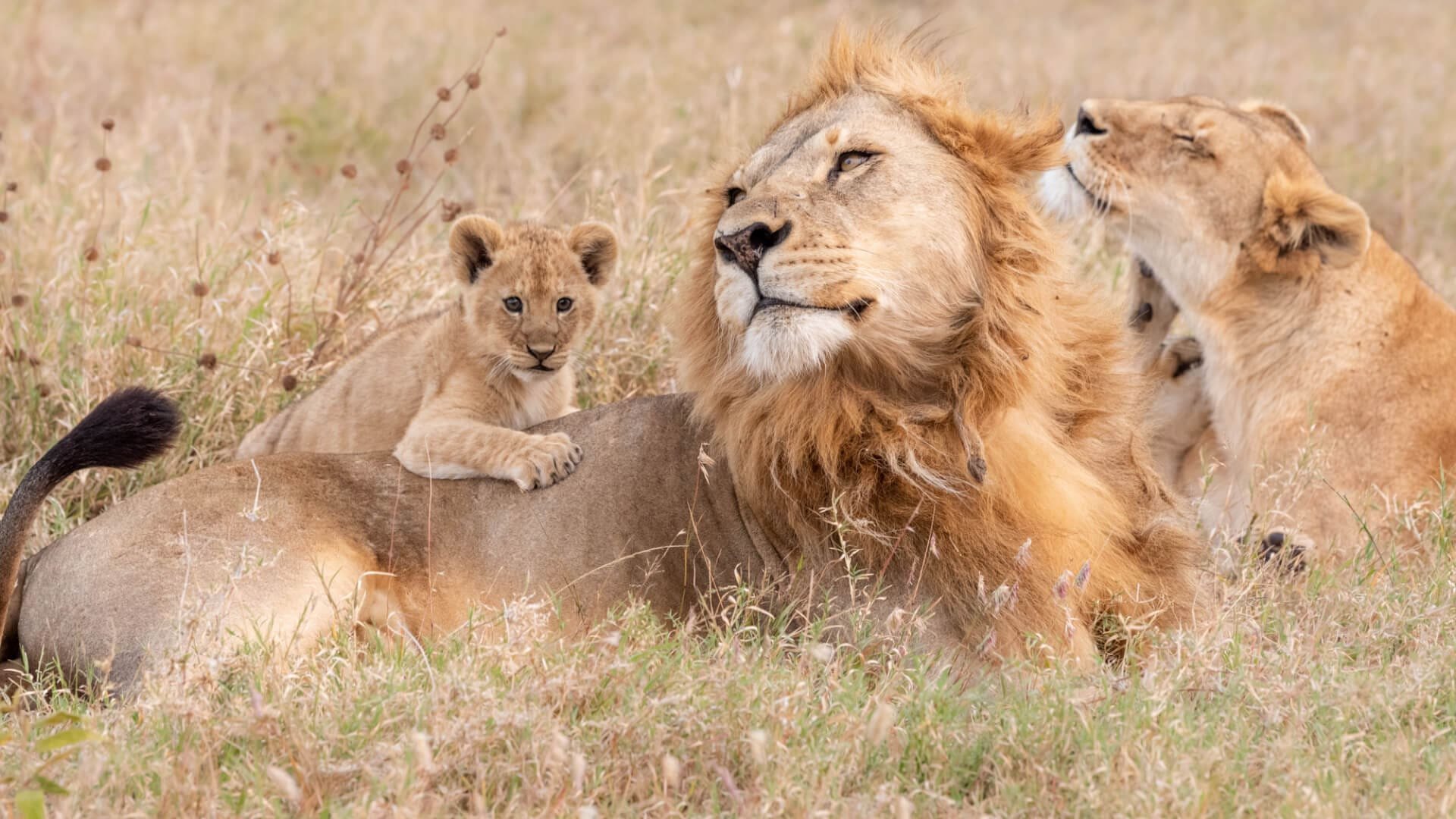
- Leopard — often most active after dark, and night is a prime time to find one moving, hunting or hauling a kill into a tree.
- Lion — frequently on the move at night, calling, patrolling territory, and beginning the hunt.
- Spotted hyena — far more active and bold after dark, often trotting purposefully through the night.
- Smaller nocturnal hunters — genets, civets, honey badgers and the elusive aardvark and porcupine.
- Bushbabies — wide-eyed primates leaping through the canopy, their cries giving them their name.
- Owls and nightjars — a whole nocturnal birdlife that the day never reveals.
Even familiar daytime animals behave differently at night — elephants feeding in the dark, antelope bunched and alert — which gives you a fresh read on the ecosystem you have been watching by day.
Where You Can Do a Night Safari
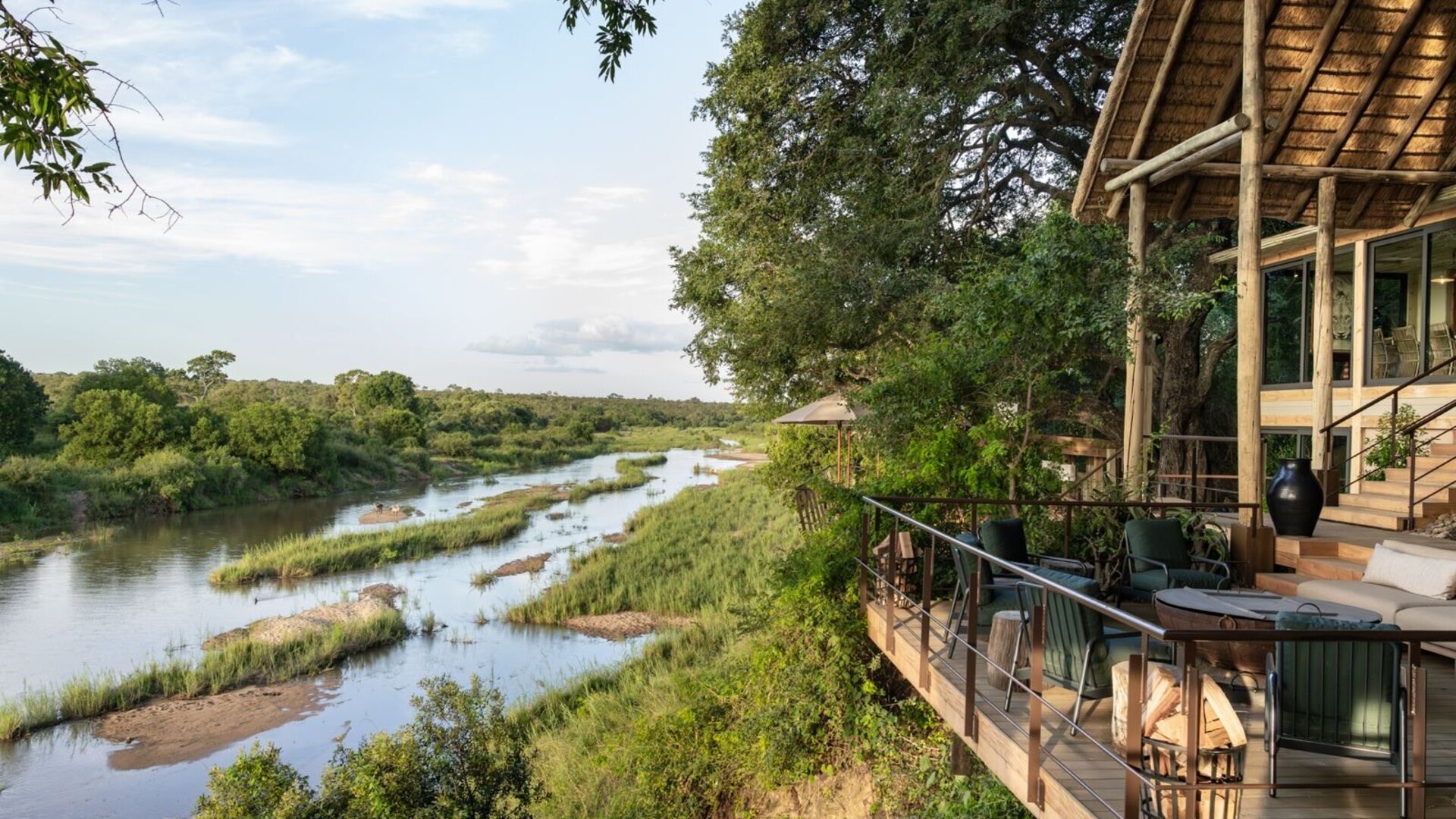
This is the single most important thing to check before you book, because night drives are not available everywhere. They are mainly the preserve of private reserves and concessions, where operators have the freedom to drive after dark, go off-road and use spotlights. South Africa's Sabi Sand and the private Kruger concessions are world-famous for night drives — Sabi Sand in particular is celebrated for leopard. Private areas in Botswana, Zambia's renowned night-drive culture, and other private concessions across the continent also deliver superb after-dark game viewing.
By contrast, in the public sections of many national parks — including the main Kruger park — independent driving after the gates close is not permitted, although some parks run their own organised night drives that you can book. The practical takeaway: if a night safari matters to you, choose a lodge or reserve that explicitly includes night drives, and confirm it when you book. Our team flags this on every itinerary.
What to Expect on the Night
You will set off rugged up — temperatures fall fast once the sun is down, and an open vehicle at speed in the dark is cold even after a scorching day. The drive often begins in daylight, pauses for a sundowner as the sky burns and then fades, and then the spotter switches on the lamp and the night shift begins. The pace can feel slower and more deliberate; much of the drama is in the searching, the sudden freeze when eye-shine appears, and the quiet thrill of edging closer to find out what it is.
Highlights come without warning. A leopard padding down the road ahead, lit silver-gold by the beam. A pride of lions rising to hunt. A tiny genet flowing along a branch. And always, above it all, a sky of stars so dense and bright it feels unreal. Many guests rate their night drive as the single most memorable hour of the whole safari.
How to Make the Most of It
- Dress warmly. Layers, a beanie and a jacket are essential; lodges usually add blankets and sometimes hot water bottles. Do not underestimate the night chill.
- Let your eyes adjust. Keep your own torch off and phone screens dark so you can see beyond the spotlight and catch movement at the edges.
- Manage your camera expectations. Night photography is hard. A fast lens and a steady hand help, but consider simply watching some sightings rather than fighting your settings — the memory will be sharper than a blurry frame.
- Trust the spotter. Their eyes are trained to read eye-shine and behaviour. Follow the beam, stay quiet, and let them work.
- Choose an ethical operator. Reputable guides use the light considerately — off the edge of an animal's eyes, briefly, and never in ways that disturb sensitive species or unfairly aid a hunt.
The Bottom Line
A night safari is one of those experiences that reorganises how you think about the bush. The same landscape you watched by day becomes a stage for hunters and shy nocturnal creatures, lit by a single beam and crowned by a galaxy of stars. Because night drives are mostly offered on private reserves, the key is choosing the right lodge — and if leopard after dark is the dream, few places rival Sabi Sand and the private Kruger concessions. Tell us you want night drives in your trip, and we will build it around reserves that do them brilliantly.