Key Takeaways
- Sabi Sands = South Africa's most exclusive private reserve, world's best leopard viewing, off-road freedom, night drives, ultra-luxury lodges
- Masai Mara = Kenya's big-cat kingdom, Great Migration July–October, highest predator densities on Earth, iconic endless plains
- Sabi Sands wins on intimacy, exclusivity, guaranteed Big Five (including rhino), and the finest private-reserve experience anywhere
- Masai Mara wins on spectacle, migration drama, and the highest lion/cheetah densities found anywhere in Africa
- Both offer world-class lodges; Sabi Sands tends toward intimate tented suites, Mara toward panoramic-view tented camps
- Sabi Sands is pricier per night but more accessible from Johannesburg; Mara requires fly-in logistics from Nairobi
- Best time: Sabi Sands dry season May–Sep for sightings, Mara July–Oct for Migration peak
- The ultimate answer for many: do both — Sabi for intimacy and leopards, Mara for migration spectacle, sequenced on one grand journey
The Greatest Luxury-Safari Debate of All
It is the question that divides safari connoisseurs and ignites debates in lodge lounges across Africa. Sabi Sands, or the Masai Mara? South Africa's most exclusive private reserve, where leopards pad past your vehicle in the golden hour and the lodge suites rival five-star hotels, or Kenya's legendary big-cat kingdom, where lions hunt across endless golden plains and the Great Migration thunders through every year between July and October.
Both deliver world-class luxury safari experiences. Both sit at the very top of Africa's wildlife hierarchy. Yet they could not be more different. Sabi Sands, an unfenced 65,000-hectare private reserve sharing a boundary with Kruger National Park, is famous for one thing above all: intimacy. Here, rangers can leave the roads, track a leopard off-road through the bush for as long as it takes, and stay with a sighting until the light fades. The result? Sabi Sands holds the title of the world's best place to see leopards, and its lodges — tented suites with private plunge pools, gourmet dining and personal butlers — are among the finest anywhere.
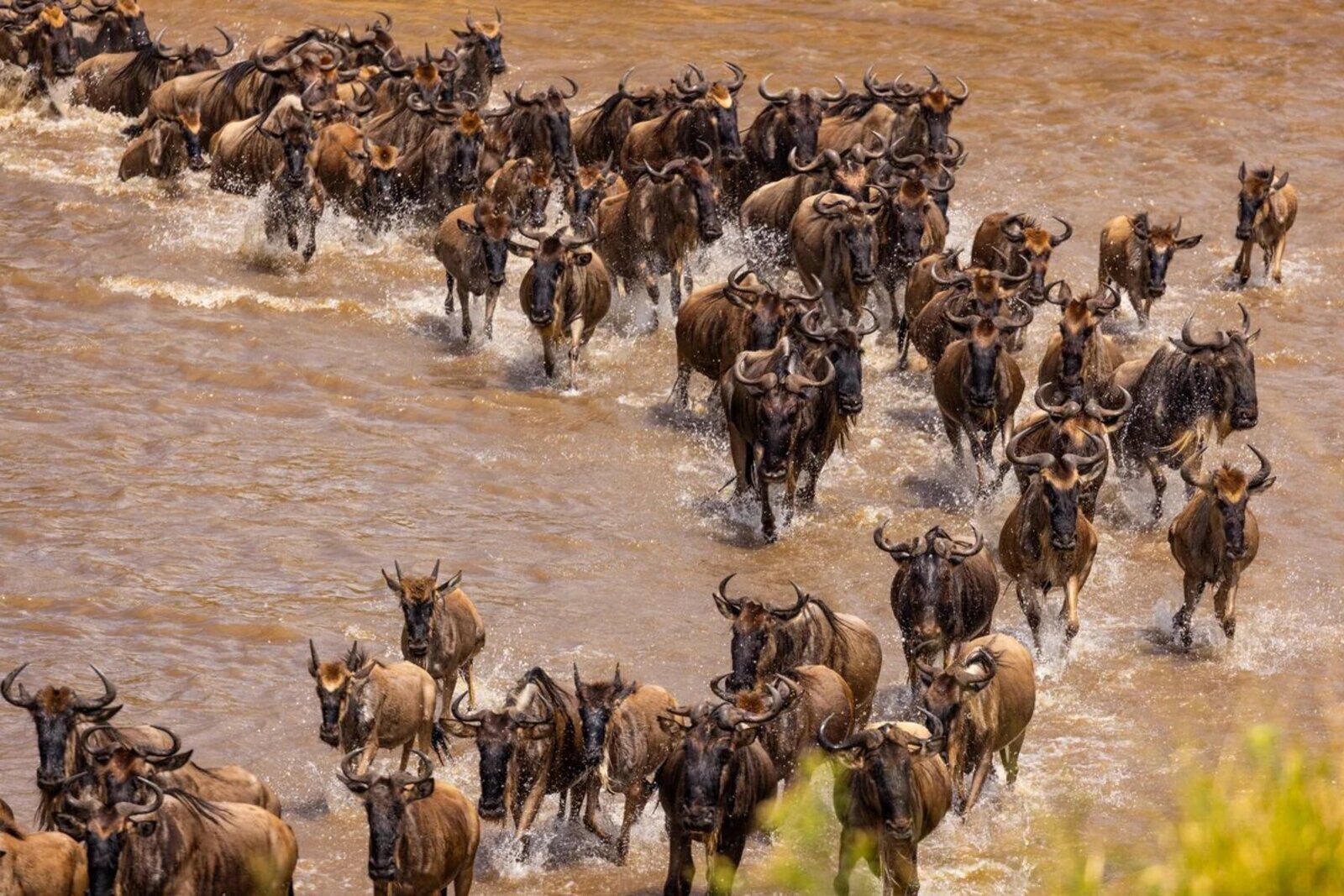
The Masai Mara, by contrast, is Kenya's 1,510 km² national reserve (plus adjoining private conservancies) celebrated for sheer spectacle. It is big-cat country at its most dramatic: the highest lion densities on Earth, cheetahs sprinting across the open plains in broad daylight, and leopards hauling impala into acacia trees against a backdrop of golden grass that stretches to the horizon. And every year, between July and October, over 1.5 million wildebeest and zebra pour into the Mara from the Serengeti in the greatest wildlife migration on the planet, crossing the crocodile-filled Mara River in scenes that define Africa itself.
So which is better? Neither. They excel at completely different things, appeal to different safari styles, and peak at different times of year. The real question is not which one wins, but which one fits you — or whether, like many of our travellers, the ultimate answer is to experience both.
Round 1: Exclusivity & the Private-Reserve Advantage
Sabi Sands is a private game reserve. That single fact changes everything about the safari experience. Unlike national parks, where vehicles must stay on designated roads and game drives end at sunset, Sabi Sands' rangers can drive off-road to follow wildlife, approach sightings from multiple angles for the perfect photographic composition, and conduct night drives to track nocturnal predators by spotlight. Only a limited number of vehicles are allowed at any one sighting, so you will never see the crowded scenes that can occur at popular kills in public reserves.
The Masai Mara National Reserve is a public park, subject to Kenya Wildlife Service regulations that restrict off-road driving and prohibit night drives. During peak Migration season, popular river crossings or large predator sightings can attract dozens of vehicles, and while the wildlife spectacle is magnificent, the experience can feel less intimate. However, the Mara also includes a network of private conservancies (such as Mara North, Olare Motorogi, and Naboisho) that offer the same exclusivity as Sabi Sands: off-road freedom, night drives, walking safaris, and strict vehicle limits at sightings. Many of the Mara's finest lodges sit within these conservancies.
So if you stay in a Mara conservancy rather than the main reserve, the exclusivity gap narrows significantly. But Sabi Sands' entire 65,000 hectares are private, with zero public access, whereas even the Mara conservancies share wildlife corridors with the busier main reserve. Round 1 verdict: Sabi Sands wins narrowly on pure exclusivity, though a conservancy-based Mara safari delivers much of the same intimacy.
Round 2: The Complete Big Five & Rhino Reality
Both Sabi Sands and the Masai Mara deliver exceptional Big Five viewing — lion, leopard, elephant and buffalo are reliably spotted in both destinations. The difference lies with the fifth member: rhino.
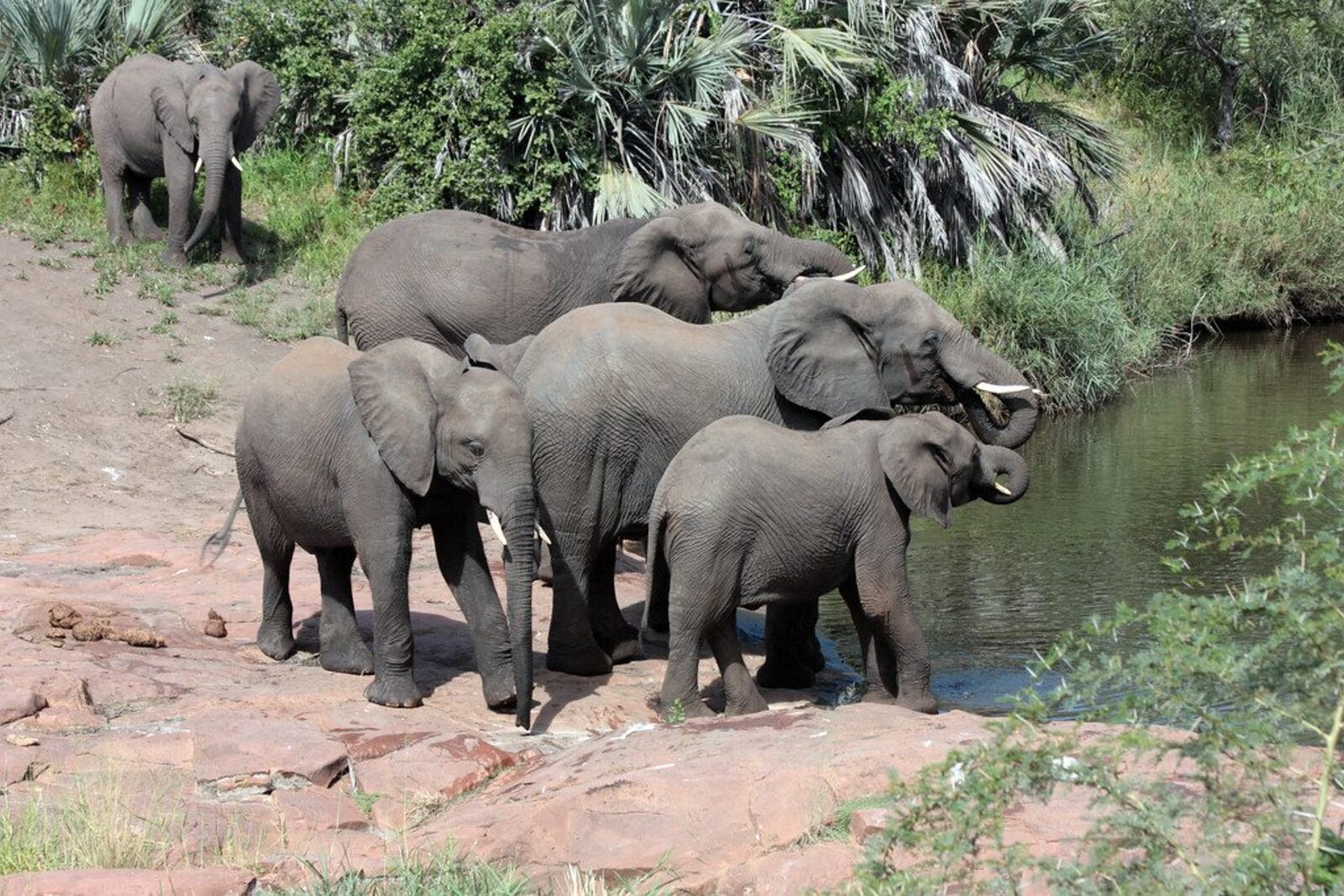
Sabi Sands is home to thriving populations of both white rhino and the rarer black rhino, a conservation success story decades in the making. Rhino sightings in Sabi are common, and many lodges track rhino daily. You will see the complete Big Five, guaranteed, often within a single three-night stay.
The Masai Mara historically had rhino, but decades of severe poaching decimated the population. A small number of black rhino persist in the reserve, concentrated in well-protected pockets, but sightings are rare and cannot be guaranteed. Some travellers spend a week in the Mara and never see a rhino. If completing the Big Five tick-list is a priority for you — particularly if this is your first or only African safari — that absence matters.
Round 2 verdict: Sabi Sands wins decisively on the complete Big Five. If rhino are non-negotiable, Sabi Sands is the safer choice.
Round 3: Leopard Guarantee vs Lion & Cheetah Royalty
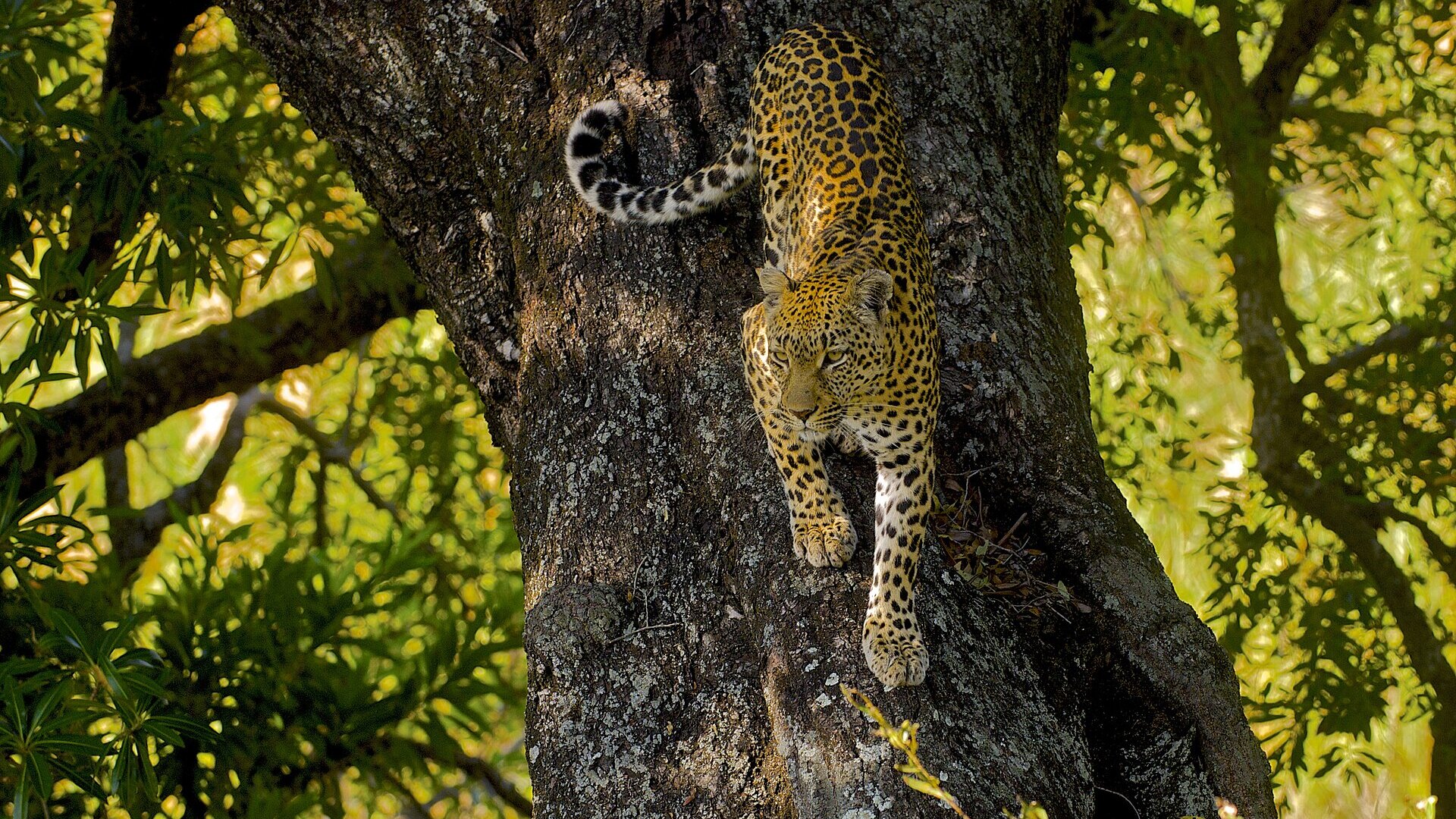
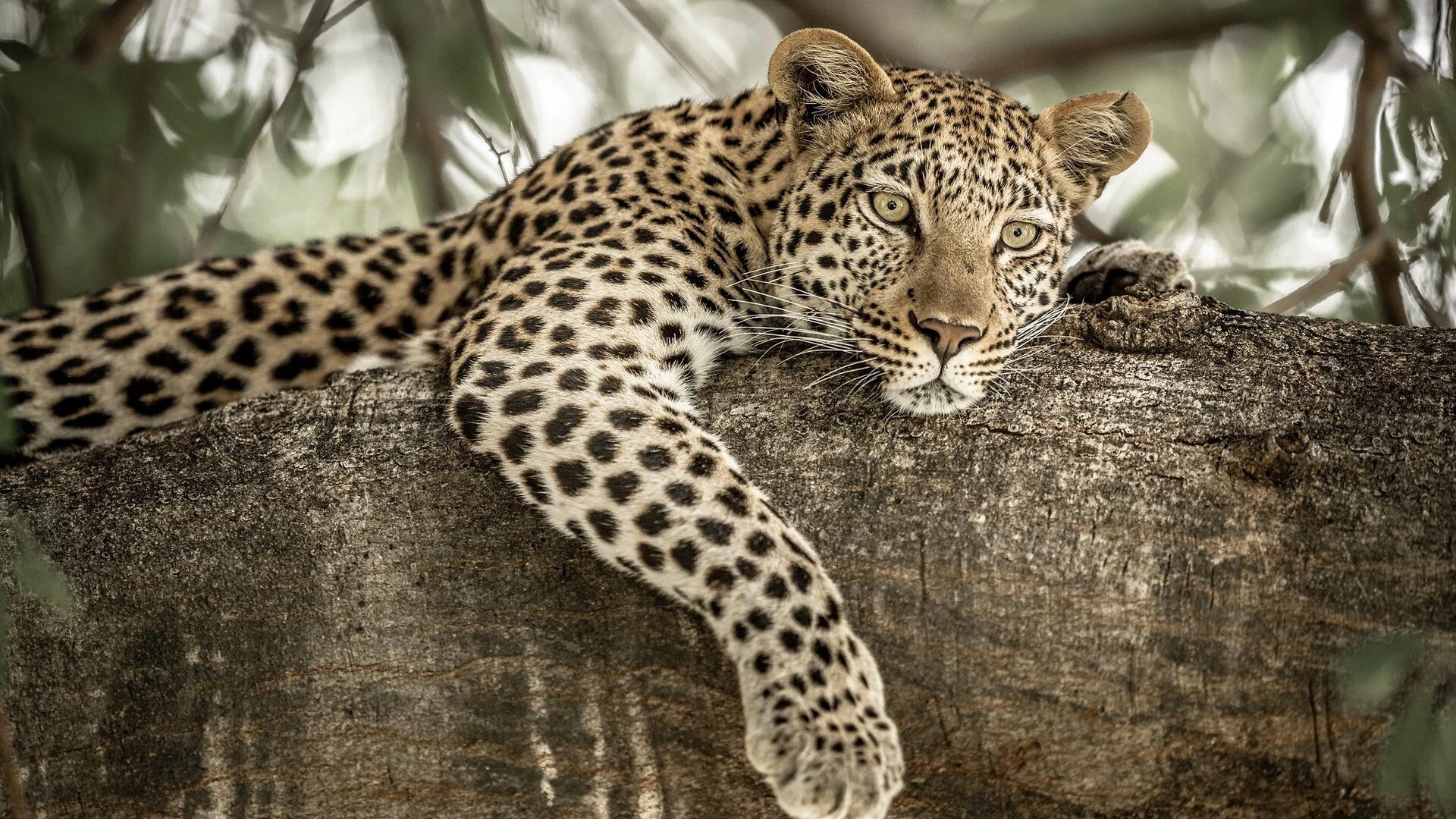
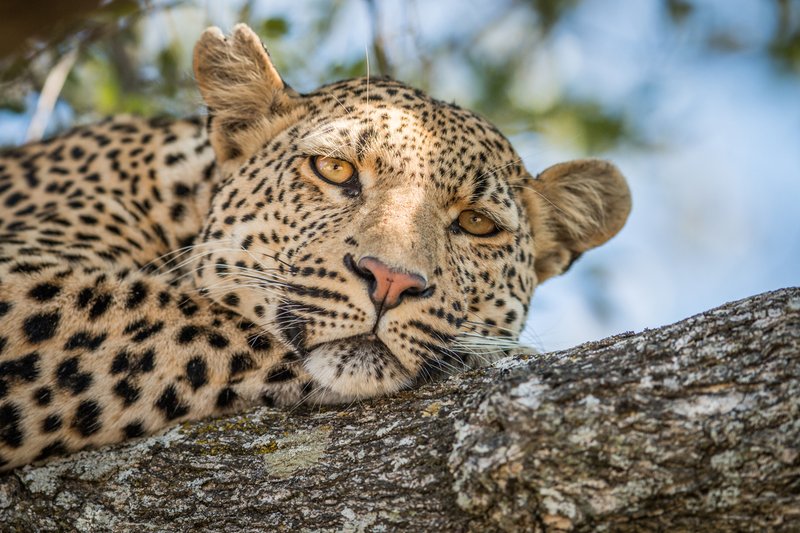
Sabi Sands is the leopard capital of the world. No other reserve on Earth can match it. The combination of high leopard density, unfenced private land allowing off-road tracking, and decades of habituation means that seeing leopards in Sabi Sands is not a matter of if, but how many and how close. Multiple sightings per stay are normal. Many lodges know individual leopards by name, track their territories daily, and can position your vehicle mere metres away as a leopard pads past in the golden hour or drapes itself across a fallen marula tree. If leopards are your dream, Sabi Sands is unmatched.
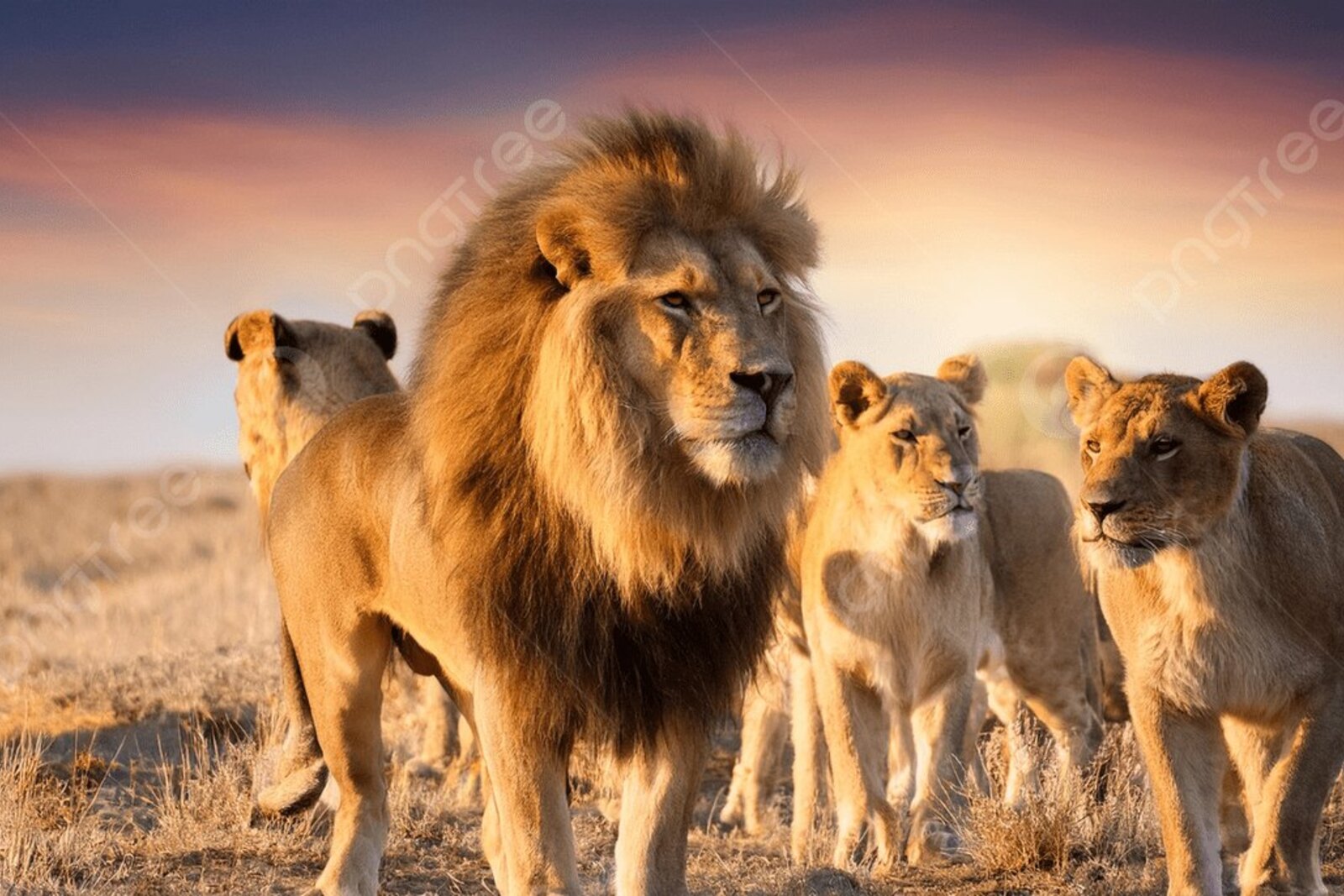
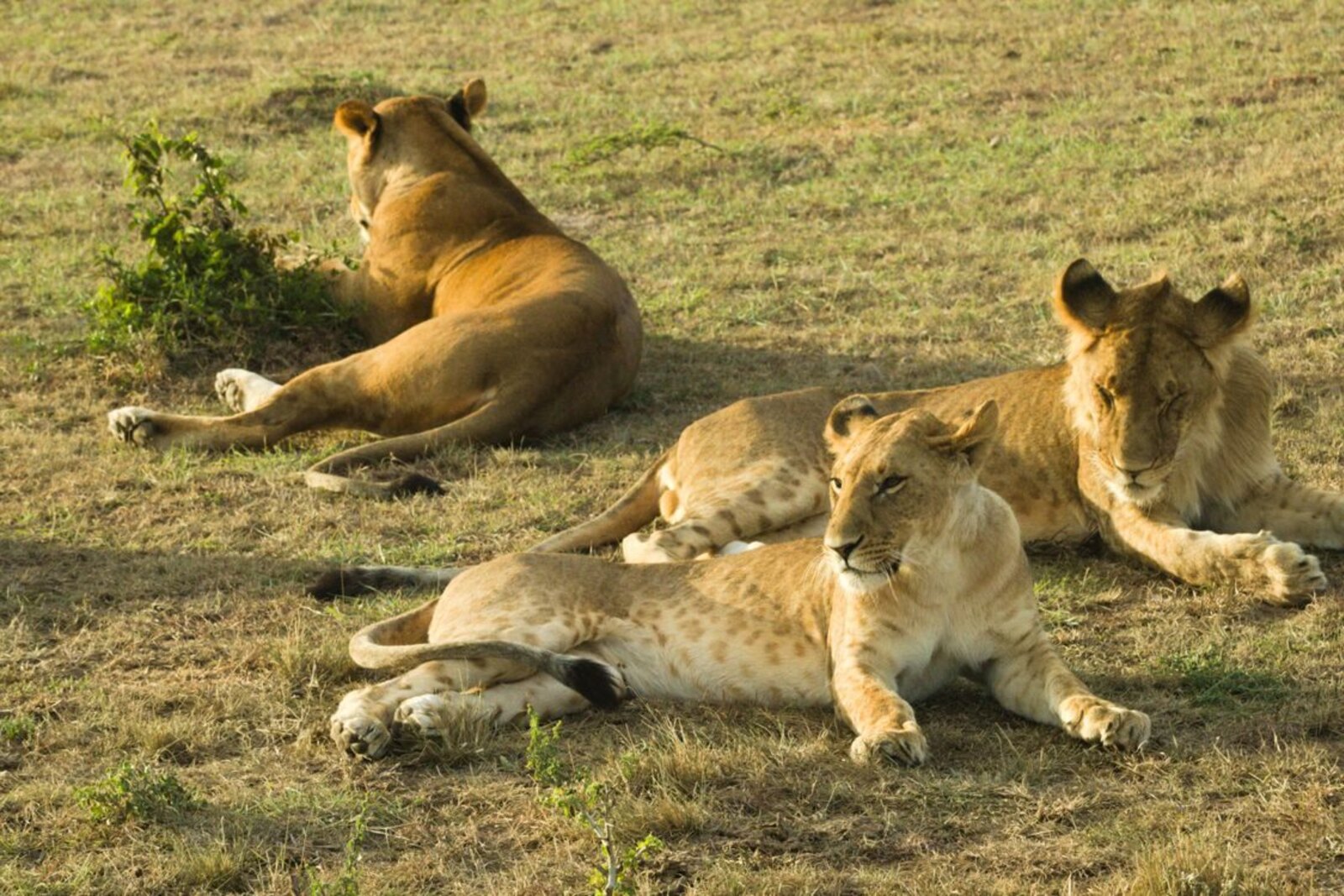
The Masai Mara, by contrast, is lion and cheetah country. The Mara ecosystem supports the highest lion densities recorded anywhere in Africa — prides of 20 or more individuals are a regular sight, and coalitions of male lions patrol the plains in scenes straight out of a wildlife documentary. Cheetahs, which favour open grassland for their high-speed chases, thrive here in numbers rarely seen elsewhere, and daytime cheetah hunts are one of the Mara's signature spectacles. The Mara also has leopards, and sightings are common (leopards favour the riverine forests and rocky outcrops), but they are not guaranteed in the same way as Sabi Sands.
Round 3 verdict: It depends what moves you most. Choose Sabi Sands if leopards are your obsession and intimate, guaranteed sightings matter. Choose the Mara if you want the highest lion densities on Earth, cheetah action on the open plains, and big-cat drama at its most cinematic.
Round 4: The Great Migration Spectacle
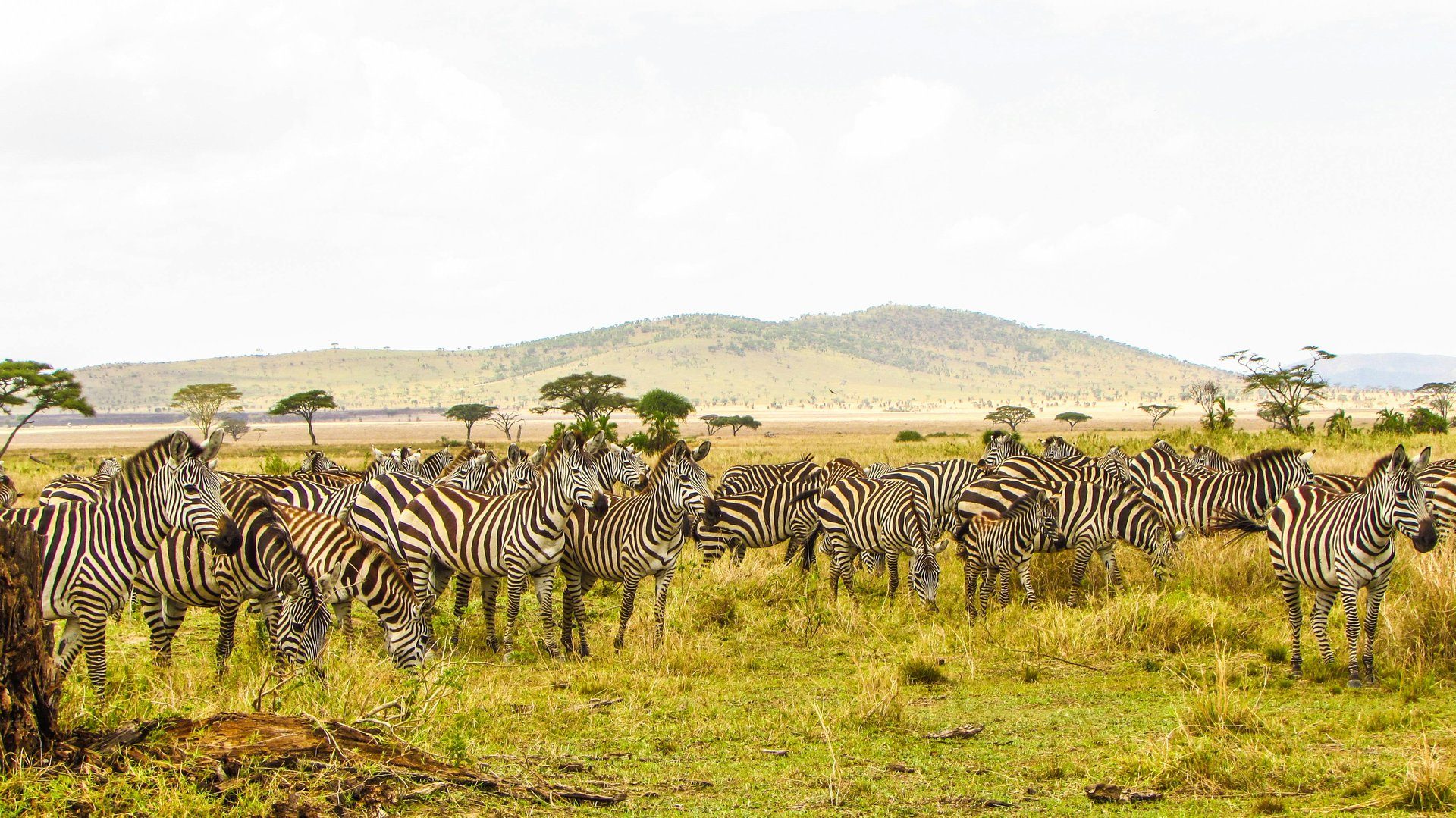
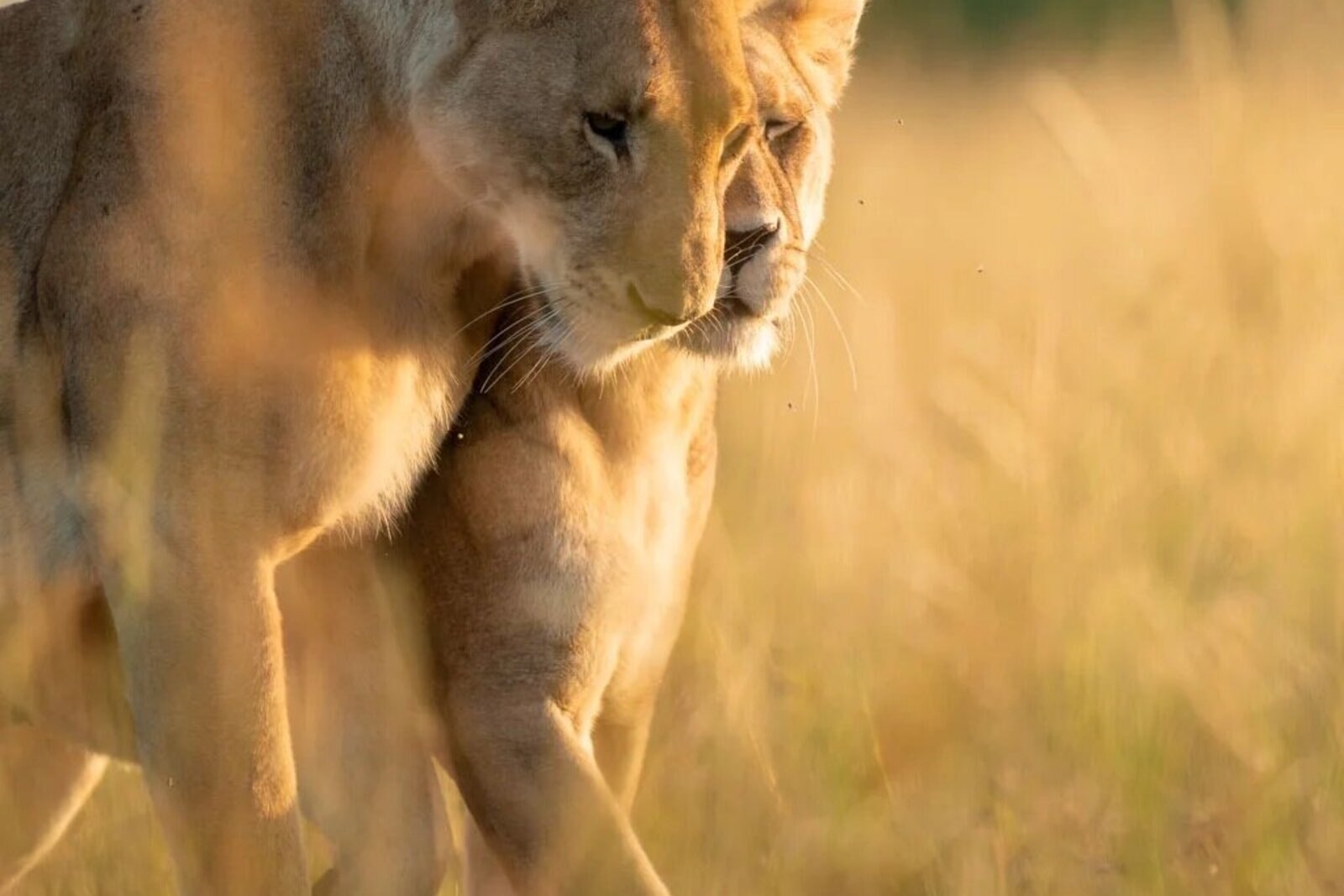
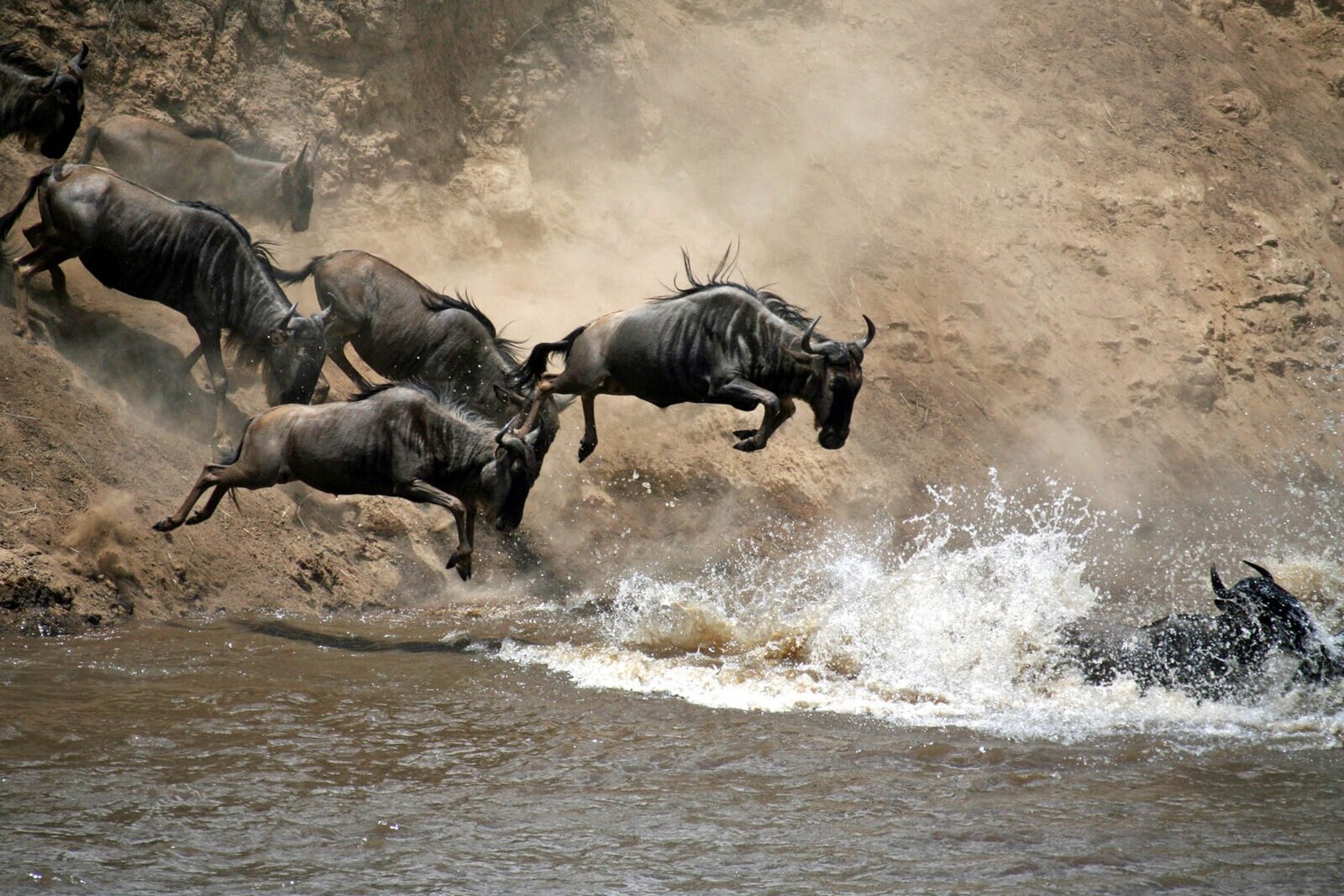
This is where the Masai Mara claims an advantage no other reserve can touch. The Great Migration — over 1.5 million wildebeest, 200,000 zebra and 18,000 eland moving in a continuous loop between Tanzania's Serengeti and Kenya's Masai Mara — is the largest terrestrial wildlife migration on the planet, and between July and October the herds are in the Mara.
The Mara River crossings, where thousands of wildebeest plunge into crocodile-filled waters in a chaotic, primal stampede, are among the most dramatic wildlife scenes you will ever witness. Witnessing a crossing — the thundering hooves, the dust, the predators waiting on the far bank, the sheer scale of it all — is a bucket-list moment that stays with you for life.
Sabi Sands has no migration. Wildlife here is resident year-round, which means sightings are consistent and reliable across all seasons, but you will not see anything on the scale of a million-strong herd flooding the plains. If the Migration is your dream, the Mara is the only answer in this comparison (though the Serengeti, covered in our Kruger vs Serengeti comparison, is the other pillar of the Migration ecosystem).
Round 4 verdict: The Masai Mara wins by default. No migration = no contest. If witnessing the Migration is your motivation for going to Africa, the Mara (or the Serengeti) is non-negotiable.
Round 5: Big-Cat Density & Daytime Action
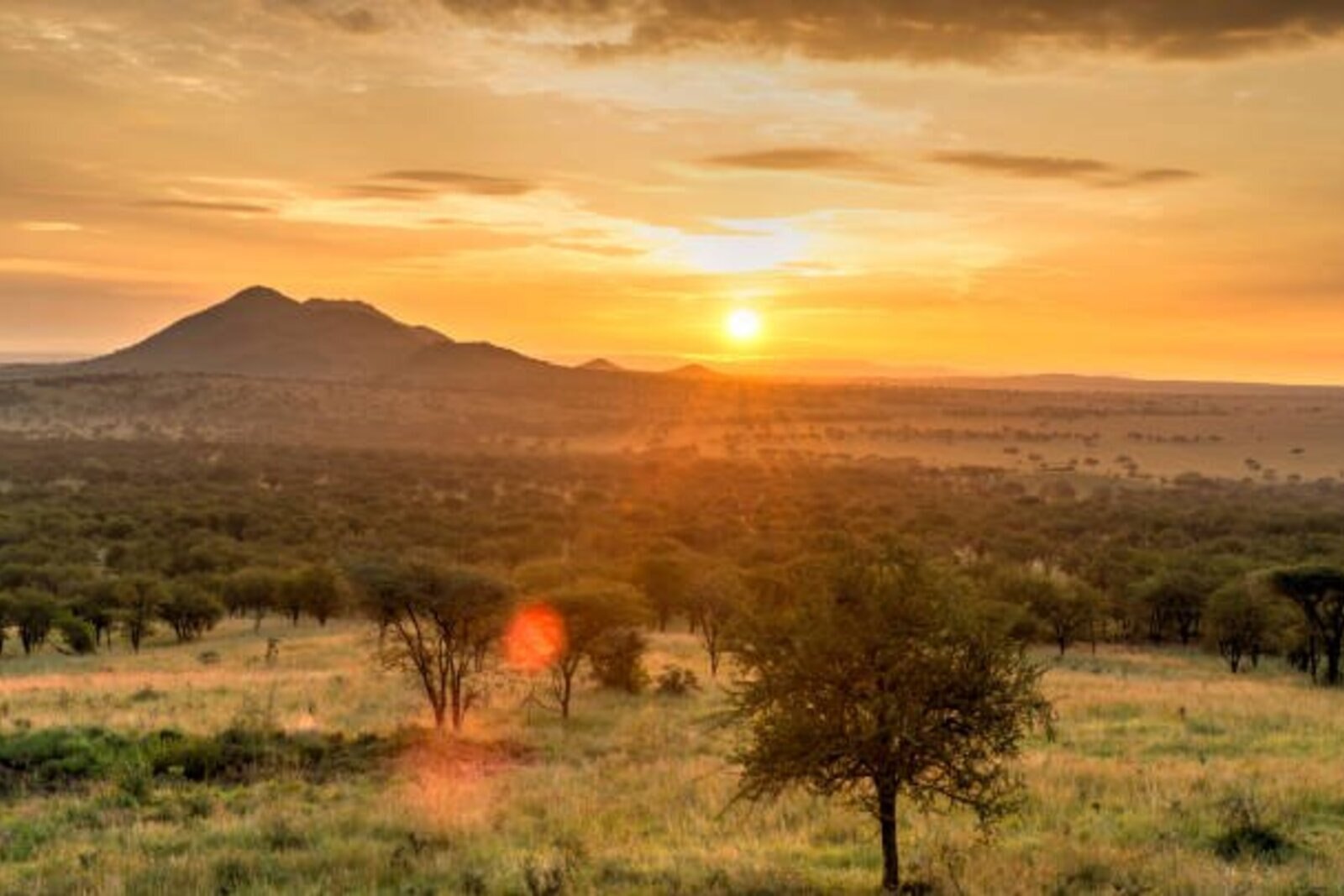
The Masai Mara holds the record for the highest predator densities in Africa. Research consistently shows lion densities in the Mara peaking at over 40 individuals per 100 km² during the Migration season — double or triple the density found in most other reserves. Cheetah numbers are similarly extraordinary, and the Mara is one of the few places on Earth where seeing a cheetah hunt in full daylight, across open grassland, is a realistic expectation rather than a once-in-a-lifetime fluke.
Sabi Sands, while smaller, also boasts exceptional predator density — particularly leopards, where it leads the world — but the thick bushveld vegetation means that sightings, while frequent, require more effort to find and follow. The Mara's open terrain makes wildlife far more visible: a pride of lions resting under an acacia is spotted from a kilometre away, and when a cheetah breaks into a sprint, the entire drama plays out in full view. That openness is a photographic and experiential advantage.
Round 5 verdict: The Mara wins on sheer predator numbers and the ease of daytime sightings. Sabi Sands counters with leopard supremacy, but the Mara's lion and cheetah spectacle — visible, abundant, dramatic — is unmatched.
Round 6: Off-Road Freedom & Night Drives
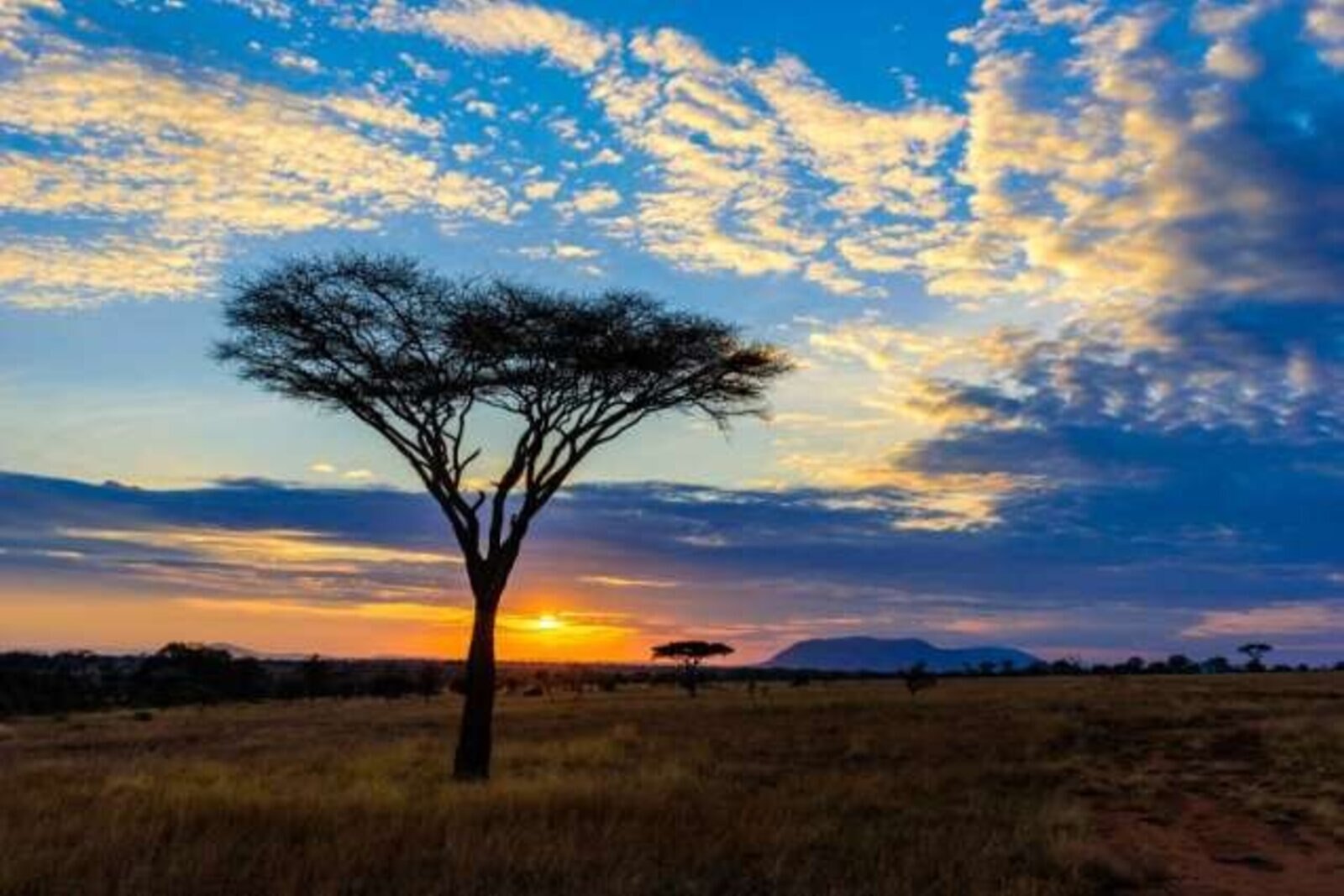
Sabi Sands' private-reserve status grants two privileges that transform the safari: off-road driving and night drives. When your ranger receives a radio call that a leopard has been spotted, the vehicle leaves the track, navigates through the bush, and positions itself exactly where the sighting is best — sometimes just metres from a leopard draped in a tree. When the sun sets, the game drive does not end: your ranger switches on a spotlight, and the nocturnal world emerges. Leopards on the hunt. Hyenas at a kill. Porcupines, civets, genets and the eyes of a dozen unseen creatures glowing in the beam. Night drives reveal an entirely different Africa, and they are a standard, included part of every Sabi Sands safari.
In the Masai Mara National Reserve, off-road driving is restricted and night drives are not permitted under Kenya Wildlife Service rules. However, the private conservancies (Mara North, Olare Motorogi, Naboisho, Ol Kinyei and others) do allow both. If you stay at a lodge in a conservancy, you enjoy the same freedoms as Sabi Sands. So this round is not Mara-versus-Sabi across the board; it is Mara main reserve versus Sabi and Mara conservancies.
Round 6 verdict: Sabi Sands and the Mara conservancies tie — both offer off-road and night-drive privileges. The Mara main reserve loses this round, so choose your Mara lodge carefully if these freedoms matter to you.
Round 7: Lodge Quality, Service & Design
Both Sabi Sands and the Masai Mara sit at the very pinnacle of African luxury safari accommodation. This is not a round where one destination wins outright; instead, each offers a slightly different flavour of five-star excellence.
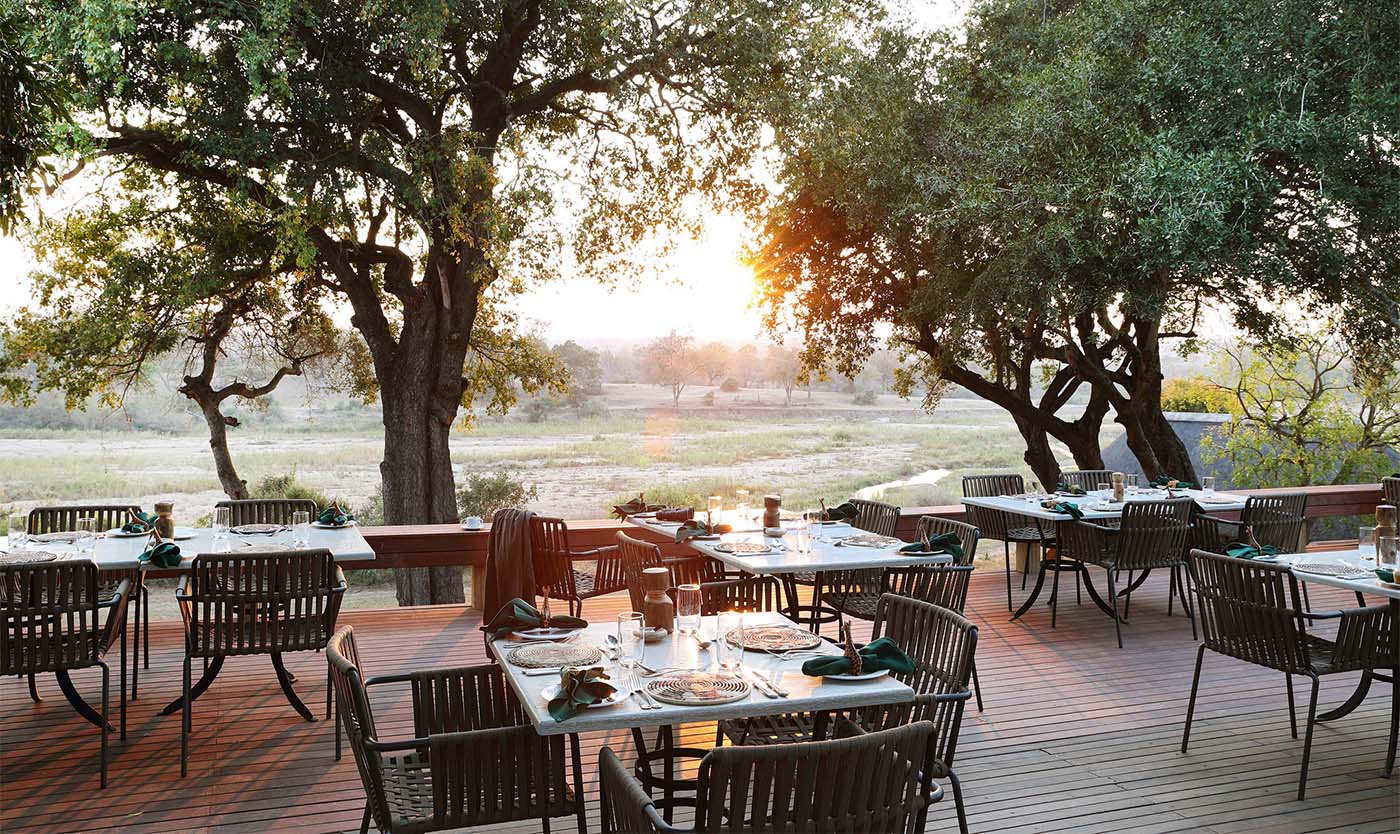
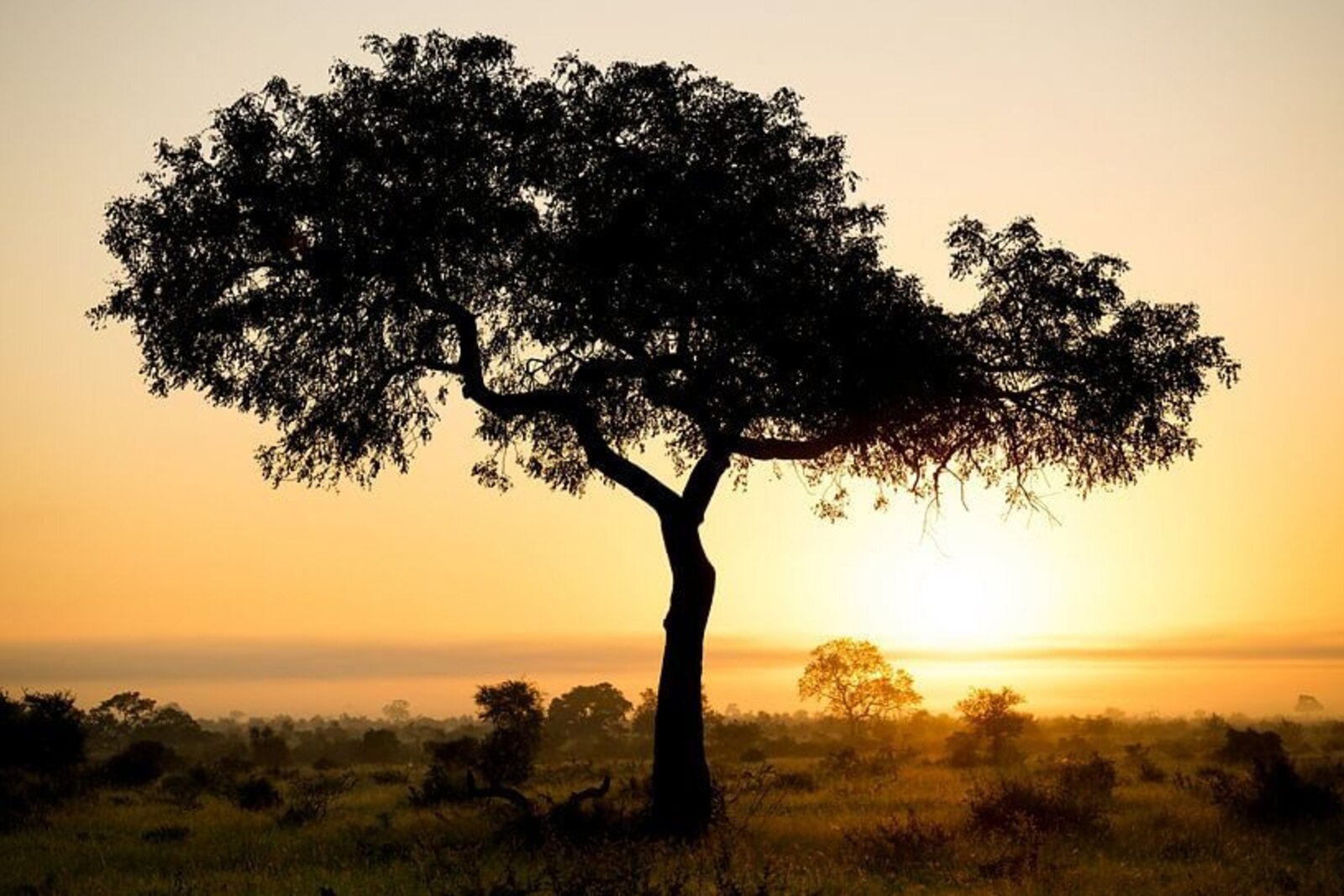
Sabi Sands lodges tend toward intimacy and exclusivity. Many are small (10–20 suites maximum), ultra-luxurious tented or glass-walled suites with private plunge pools, indoor-outdoor showers, and gourmet cuisine that rivals Michelin-starred restaurants. Lodges like Singita Ebony, Londolozi, &Beyond Kirkman's Kamp and Lion Sands set the global benchmark for safari luxury. The emphasis is on privacy, personalised service (often one ranger and tracker per vehicle), and a seamless blend of wilderness immersion and five-star comfort.
Masai Mara lodges and camps, particularly those in the conservancies, offer equally luxurious accommodation but often in a different style: classic tented camps with vast canvas suites, wraparound decks overlooking the plains, and floor-to-ceiling windows framing the endless African sky. Camps like Angama Mara, andBeyond Bateleur Camp, Cottar's 1920s Camp and Mahali Mzuri deliver world-class cuisine, impeccable service, and dramatic design. The Mara aesthetic leans slightly more toward the romantic, Out of Africa elegance, while Sabi Sands skews modern-luxe.
Value-wise, both are premium-priced. A three-night all-inclusive stay in a top-tier Sabi Sands lodge typically ranges from $1,500 to $3,000+ per person per night. The Mara's finest conservancy camps fall into a similar bracket. You are paying for exclusivity, expert guiding, and some of the best wildlife experiences on Earth.
Round 7 verdict: A tie. Both deliver world-class luxury; your choice comes down to aesthetic preference (modern intimacy in Sabi, classic canvas elegance in the Mara) rather than a clear quality winner.
Round 8: Value, Accessibility & Logistics
Accessibility: Sabi Sands is easily reached from Johannesburg, either by a scenic 5-hour drive through Mpumalanga (often combined with the Panorama Route) or a quick 1-hour regional flight to Skukuza or one of Sabi Sands' private airstrips. Johannesburg's O.R. Tambo International Airport is a major hub with direct flights from Europe, North America, the Middle East and Asia, making Sabi Sands logistically straightforward for international travellers.
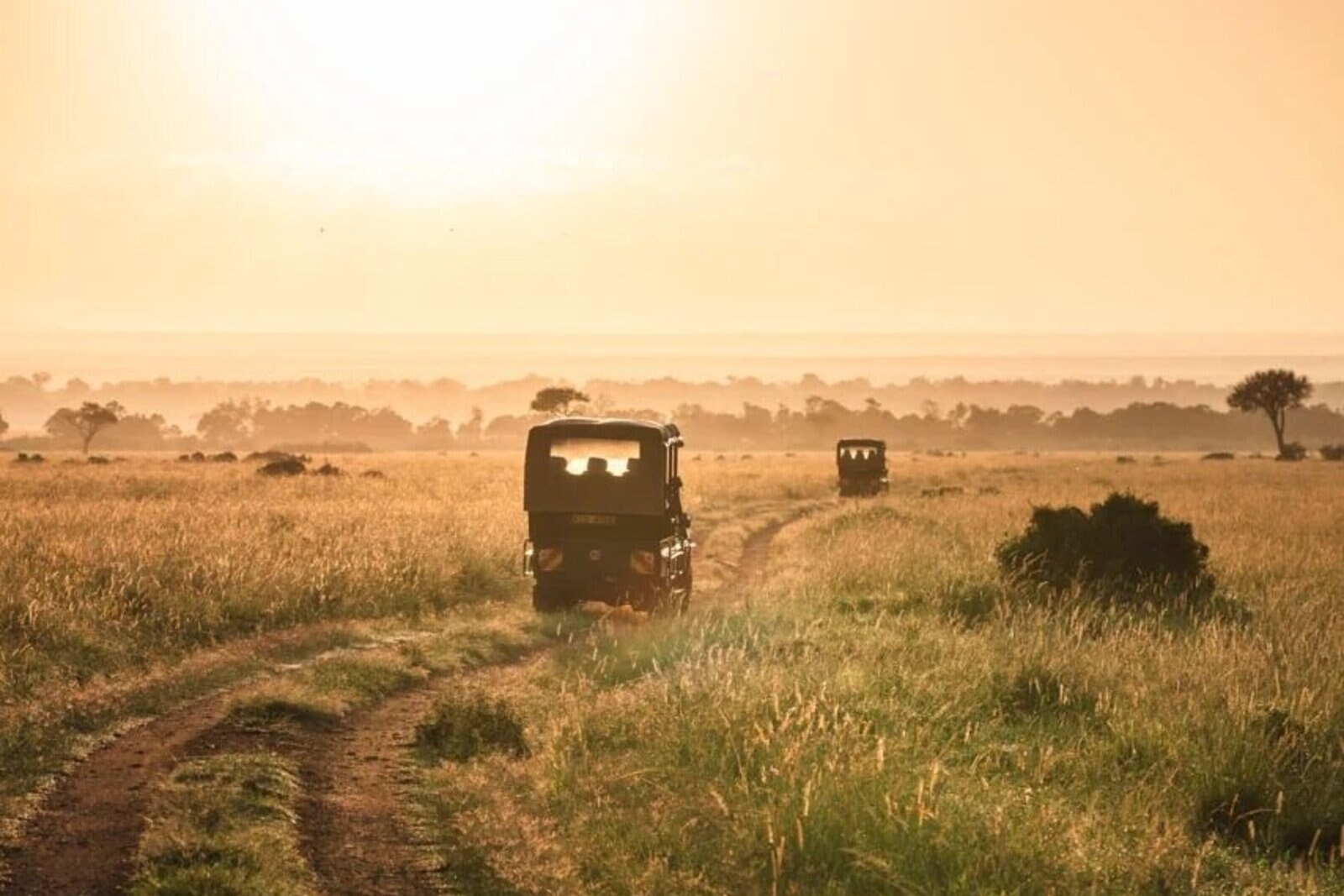
The Masai Mara requires a fly-in approach. After landing in Nairobi, you take a light-aircraft flight (approximately 45 minutes to 1 hour) to one of the Mara's airstrips. Road transfers from Nairobi (5–6 hours on rough roads) are possible but rarely recommended. The additional flight leg adds cost and complexity, though for many travellers the romance of flying low over the Rift Valley escarpment is part of the adventure.
Value: Comparing like-for-like luxury, Sabi Sands and the Mara cost similarly at the top end. However, on average, Sabi Sands offers slightly better value because South Africa's tourism infrastructure is more mature and competitive. A mid-tier luxury lodge in Sabi Sands might cost $800–$1,200 per person per night all-inclusive, whereas a comparable Mara conservancy camp starts closer to $1,000+. The Mara's fly-in logistics also add to the overall trip cost.
Round 8 verdict: Sabi Sands wins on accessibility and marginally better value. The Mara's fly-in requirement is an added hurdle (and cost), though for some travellers that remoteness is part of the appeal.
Round 9: Scenery & the African Aesthetic
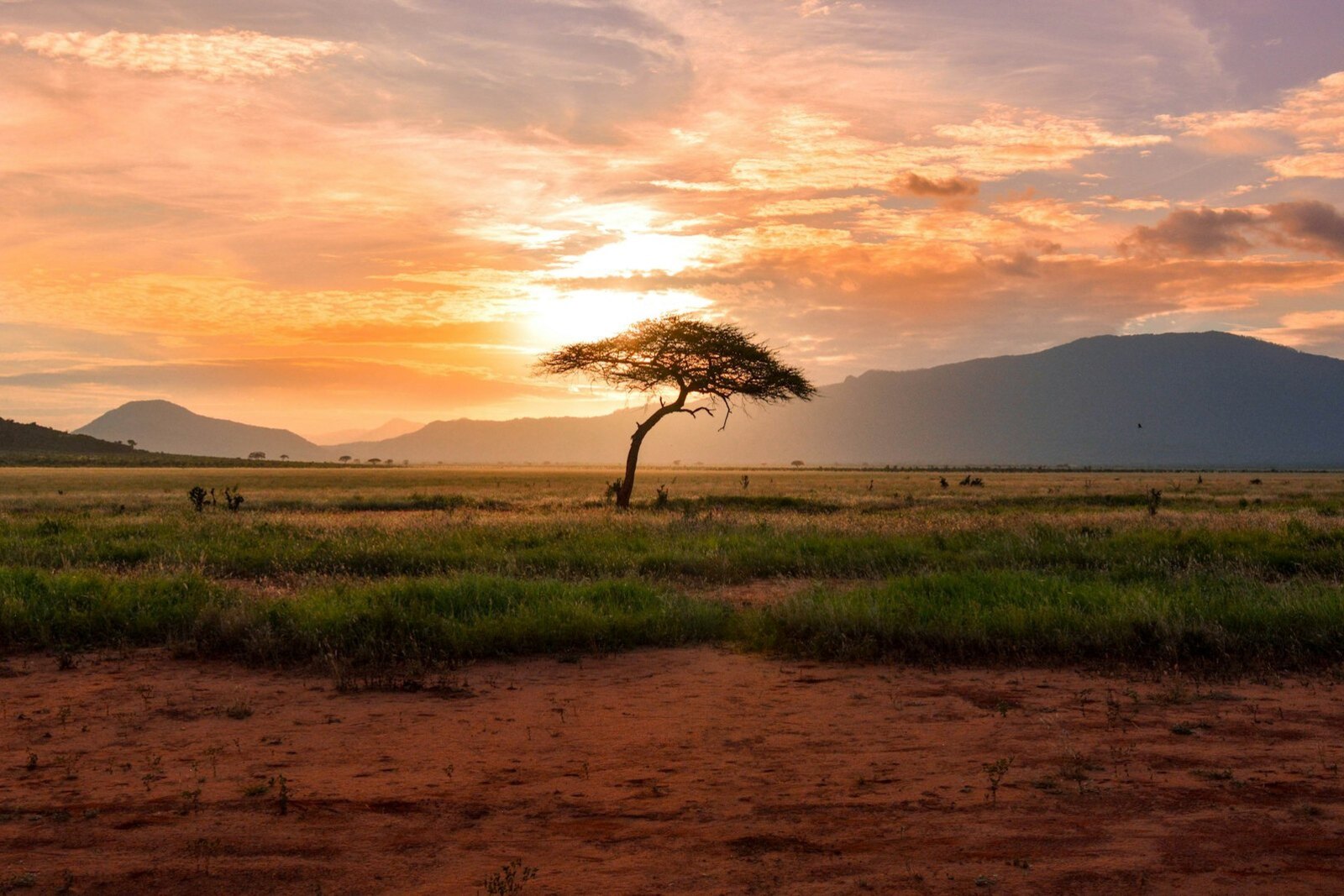
The Masai Mara delivers the Africa of postcards and documentaries: endless golden grasslands, lone acacia trees silhouetted against crimson sunsets, and horizons that stretch unbroken to the edge of the sky. It is the landscape that has come to symbolise Africa itself, and it is breathtakingly photogenic. The Mara's open terrain also means wildlife is visible from great distances, making for dramatic compositions — a cheetah on a termite mound scanning the plains, a pride of lions backlit by the setting sun, herds of wildebeest stretching to the horizon.
Sabi Sands, by contrast, is dense bushveld — riverine forests, thornveld thickets, open clearings and seasonal waterholes. The scenery is beautiful, varied and quintessentially South African lowveld, but it lacks the sweeping, cinematic grandeur of the Mara's plains. Sabi's landscape is more intimate: the beauty reveals itself up close, in the texture of the bush, the play of light through the fever trees, the stillness of a leopard in dappled shade. It is stunning, but in a quieter, less immediately iconic way.
If your mental image of Africa is the classic savannah — golden grass, flat-topped acacias, endless sky — the Mara will feel like stepping into that dream. If you prefer the mystery and intimacy of the bush, Sabi Sands will resonate more.
Round 9 verdict: The Mara wins on pure scenic iconography. Its landscape is the postcard. Sabi Sands is beautiful but different.
Round 10: Best Time to Go
Sabi Sands is a year-round destination, but the dry winter months (May to September) are peak season for game viewing. As the bush dries out and water becomes scarce, animals concentrate at permanent waterholes and rivers, making sightings more predictable. The cooler temperatures (days mild, nights cold) also mean animals are more active. The wet summer months (November to March) bring lush greenery, newborn animals and exceptional birding, though sightings can be slightly harder as wildlife disperses. Leopards, however, are spotted year-round.
The Masai Mara has two distinct seasons. The Migration season (July to October) is when over 1.5 million wildebeest and zebra flood the Mara from the Serengeti, and the river crossings peak in August and September. This is the Mara's busiest, most dramatic and most expensive period. Outside Migration season, the Mara is quieter and still excellent for resident big cats, elephants and plains game, but you will not see the herds or crossings. The Mara's short rains (November) and long rains (March–May) bring lush grass and fewer tourists, though some camps close.
If the Migration is your sole reason for visiting, the Mara in July–October is non-negotiable. If you want exceptional big-cat viewing without the Migration crowds (and lower rates), visit the Mara in January–March or June, or choose Sabi Sands any time between May and September.
Round 10 verdict: It depends on your priority. Mara July–October = Migration spectacle. Sabi Sands May–Sep = consistent dry-season excellence without the Migration frenzy.
Round 11: The Do-Both Verdict — Sequencing Perfection
Here is the secret the debate often misses: you do not always have to choose. Because Sabi Sands and the Masai Mara excel at completely different things and peak at different times, they make a superb pairing on a longer safari or across two trips in a lifetime. Many of our travellers do Sabi Sands first — for the intimacy, the leopards, the private-reserve magic, and the ease of access from Johannesburg — then return later for the Mara and the Migration spectacle once they are hooked.
On a single grand journey, we can combine South Africa (Sabi Sands or Greater Kruger, plus Cape Town and the Winelands) with a flight north to Kenya for the Mara and the Migration — or pair either with Tanzania's Serengeti, Victoria Falls, Rwanda's mountain gorillas, or an Indian Ocean beach escape in Zanzibar or Mozambique. Each leg complements the other: Sabi for leopards and exclusivity, Mara for lions and migration drama, all woven into one seamless, perfectly-timed itinerary.
If you are comparing countries rather than individual reserves, our South Africa vs Tanzania safari guide goes deeper into the broader landscape.
Related journey: Ultimate South Africa Safari (14 days) — Sabi Sands, Kruger, Cape Town & the Winelands →
Round 11 verdict: The most satisfying answer of all — both, sequenced perfectly. It is a journey we build all the time, and it is unforgettable.
| Aspect | Sabi Sands | Masai Mara |
|---|---|---|
| Location | South Africa (Greater Kruger ecosystem) | Kenya (bordering Tanzania's Serengeti) |
| Status | Private game reserve (65,000 ha) | National reserve + private conservancies (1,510 km²) |
| Exclusivity | Entire reserve private, strict vehicle limits | Main reserve public; conservancies offer privacy |
| Complete Big Five | Yes (rhino guaranteed) | Lion, leopard, elephant, buffalo guaranteed; rhino rare |
| Signature Wildlife | World's best leopard viewing | Highest lion & cheetah densities on Earth |
| Great Migration | No | Yes (July–October peak) |
| Off-Road Driving | Yes (entire reserve) | Conservancies yes; main reserve restricted |
| Night Drives | Yes (standard) | Conservancies yes; main reserve no |
| Lodge Style | Intimate tented/glass suites, modern-luxe | Classic tented camps, panoramic plains views |
| Access | 5h drive or 1h flight from Johannesburg | Fly-in from Nairobi (~1h light aircraft) |
| Best Time | May–Sep (dry season peak) | July–Oct (Migration); Jan–Mar/Jun (fewer crowds) |
| Value | $$$ (mid-tier luxury $800–$1,200 pn) | $$$+ (conservancy camps $1,000+ pn) |
| Scenery | Dense bushveld, riverine forest, intimate | Endless golden plains, iconic acacia silhouettes |
| Verdict | Intimacy, leopards, private-reserve perfection | Spectacle, Migration, highest big-cat densities |
Which wins? Neither. Sabi Sands wins on exclusivity, leopard guarantee, private-reserve freedoms and the complete Big Five. The Masai Mara wins on the Migration, lion and cheetah densities, and the iconic African plains aesthetic. Both deliver world-class luxury. The ultimate answer? Do both.
When to Go: Sabi Sands vs Masai Mara
Sabi Sands: Year-round destination. Dry season (May–September) is peak for concentrated wildlife sightings as animals gather at waterholes. Cooler weather means more active predators. Wet season (November–March) brings lush greenery, newborn wildlife, and excellent birding, though sightings can be trickier. Leopards are spotted year-round.
Masai Mara: Migration season (July–October) is the headline act, with August–September peak for river crossings. This is the Mara's busiest and most expensive period. Outside Migration, January–March and June offer superb resident big-cat viewing with fewer tourists and lower rates. Avoid long rains (March–May) when some camps close and roads can be impassable.
If the Migration is your dream, Mara July–October is non-negotiable. If you want leopards and intimacy without Migration crowds, Sabi Sands May–September is perfect. For the ultimate experience, visit Sabi Sands in the SA winter, then time the Mara for Migration season on a return trip or combined itinerary.
Why Book Sabi Sands or the Masai Mara with Beyond Africa Safaris
We have spent decades building relationships with the finest lodges in both Sabi Sands and the Masai Mara, and we know every camp, every conservancy, and every corner of both reserves intimately. Whether you are chasing leopards in Sabi's thornveld or timing a Mara River crossing to the day, we will craft the perfect itinerary, secure the best-positioned lodges, and handle every flight, transfer and detail.
Many of our travellers do not choose between Sabi Sands and the Mara — they experience both, sequenced perfectly across one grand journey or spaced across two separate trips. We combine Sabi Sands with Cape Town and the Winelands, then add a flight north to the Mara for the Migration. Or we pair the Mara with Tanzania's Serengeti, Rwanda's mountain gorillas, or a Zanzibar beach escape. Every element is timed, tested and seamless.
And because we are African-owned and operated from Cape Town, you are booking directly with the experts who live and breathe this continent — not through a distant middleman. Get in touch, and let's start planning your Sabi-Mara showdown (or your both-in-one masterpiece).
Ready to Experience Sabi Sands, the Masai Mara — or Both?
Whether it's leopards in the Sabi Sands bush, lions on the Mara plains, or the ultimate combined journey, we'll build it perfectly. Reach out now.