Key Takeaways
- A Serengeti safari costs roughly US$150–350 per person per day (budget), US$350–700 (mid-range), or US$800–2,500+ (luxury) — the tier you choose is the single biggest lever on the total.
- Fixed government charges are unavoidable: park entry is about US$70–83 per adult per 24 hours, plus a concession fee of US$50–71 per night inside the park, a vehicle fee, and 18% VAT on most services.
- Group size is the second-biggest lever — fixed costs like the vehicle, guide and park fees split across four travellers instead of two can cut hundreds of dollars a day per person.
- The extras that surprise people: a hot-air-balloon flight (US$550–700), tips (US$15–25 per day for your guide, plus camp staff), the visa (from US$50), and fly-in transfers (US$200–450 per leg).
- Travelling in the green season (March–May, November) instead of peak migration months can save 20–40% on lodging for game viewing that is often still superb.
How Much Does a Serengeti Safari Really Cost?
A Serengeti safari costs between about US$150 and US$2,500 per person per day in 2026, and where you land within that vast range comes down to four decisions: your accommodation tier, how many people share your vehicle, whether you fly or drive into the park, and the season you travel. The Serengeti is not a single product with a single price — it is a 15,000-square-kilometre ecosystem served by everything from simple public campsites to private mobile camps that follow the Great Migration, and the price follows the comfort.
The confusion most travellers run into is that a headline "daily rate" bundles together things that ought to be separated: the fixed government fees that nobody can avoid, the accommodation that swings the price most, the vehicle and guiding, and a tail of extras that rarely appear on the first quote. In this guide we pull those apart so you can see exactly where the money goes — and, more usefully, where you have the power to change it. By the end you will be able to build your own Serengeti budget to within a few hundred dollars, and know precisely which levers bring the total down without hollowing out the experience.
The four things that decide your Serengeti safari cost:
- Accommodation tier — from a US$40 public campsite bed to a US$2,000-a-night private migration camp, this is the single largest variable.
- Group size — the vehicle, guide and many fees are fixed per departure, so more travellers sharing means a lower cost each.
- Fly-in versus drive-in — light-aircraft transfers save a day of driving each way but add a few hundred dollars per leg.
- Season — peak migration and calving weeks command premium lodging rates; the green season is markedly cheaper.
Serengeti Park Fees & Government Charges — The Costs Nobody Can Avoid
Before a single night of accommodation, every Serengeti safari carries a floor of official fees set by the Tanzanian government and the national park authority. These are the same whether you are backpacking or booking the finest camp in the ecosystem, and understanding them is the first step to reading any quote honestly.
Serengeti National Park entry fee. The headline charge is the park entry (conservation) fee, which in 2026 sits at roughly US$70–83 per adult per 24-hour period (children pay a reduced rate). Crucially, this is a 24-hour permit, not a per-calendar-day charge — so a three-night stay inside the park incurs several days of fees. Rates are higher in the peak season and are subject to 18% VAT.
Concession / camping fees. If you sleep inside the park — as most Serengeti itineraries do — you also pay a nightly bed-night levy. Public campsites run around US$35–50 per person per night; special and seasonal campsites and the concession fees charged at lodges and tented camps run higher, typically US$50–71 per person per night. These are separate from, and stacked on top of, the park entry fee.
Vehicle fee. Each safari vehicle entering the park is charged a daily fee — usually US$17–50 per vehicle per day depending on where the vehicle is registered. Because this is per vehicle, it is one of the fees that shrinks per person as your group grows.
18% VAT. Value Added Tax of 18% applies to most tourism services in Tanzania, including park fees, accommodation and activities. Reputable operators fold this into their quoted price; if a quote looks suspiciously low, VAT is often what has been left off. When you are comparing prices, always confirm whether the figure is VAT-inclusive.
Add these together and a couple staying three nights inside the Serengeti can easily accrue US$700–1,000 in government fees alone before accommodation, guiding or transfers — which is precisely why the ecosystem has no genuinely "cheap" version. What varies enormously is everything built on top of that floor.
Budget, Mid-Range & Luxury — The Three Cost Tiers Explained
Once the fixed fees are covered, your accommodation and service tier decides almost everything else. Serengeti safaris fall into three broad bands, and knowing which one you belong in is the fastest way to a realistic budget.
Budget — about US$150–350 per person per day
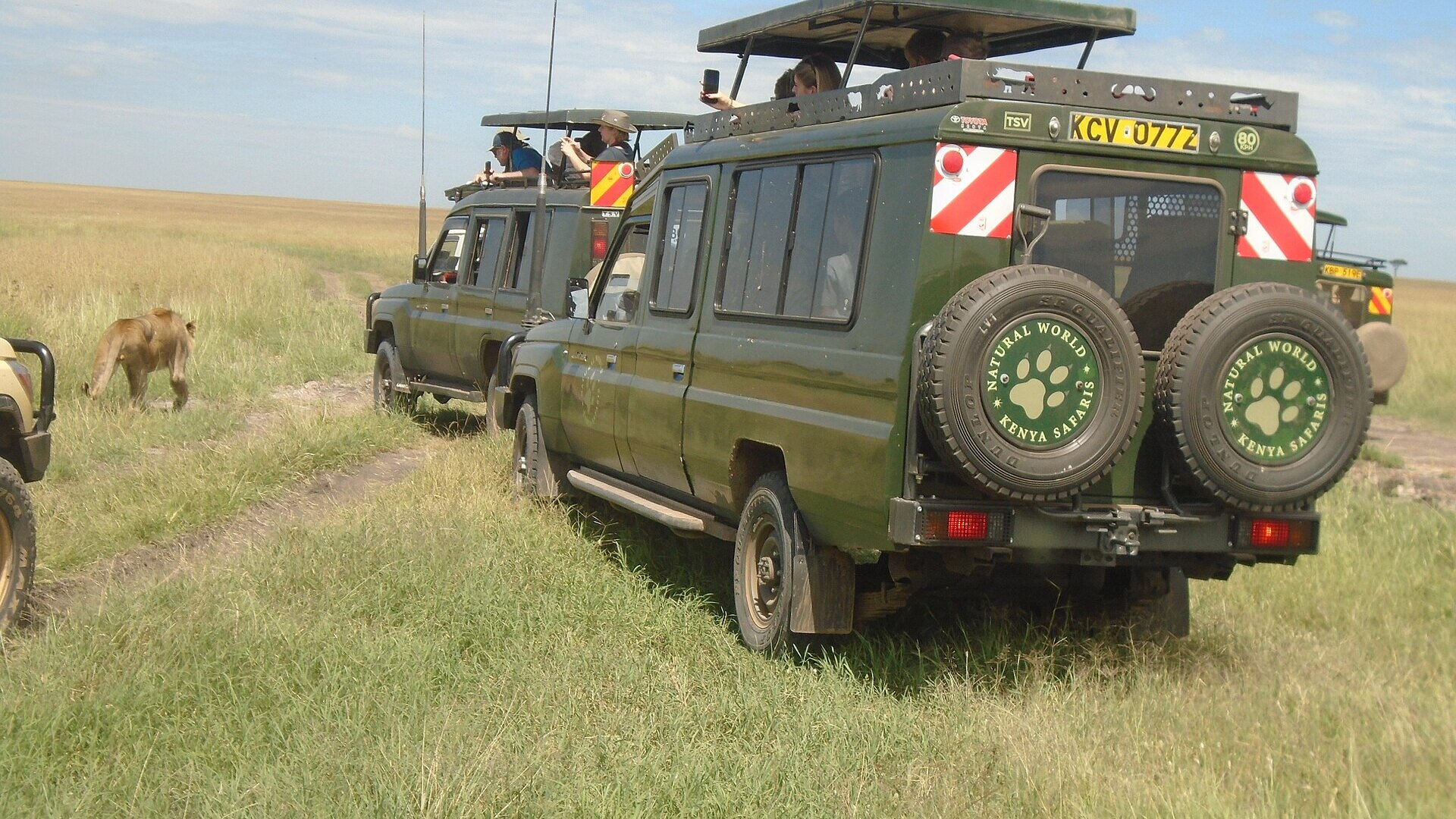
The budget tier is a genuine, rewarding Serengeti safari stripped of frills. Expect a shared 4x4 with a small group (typically up to six or seven guests), nights in public campsites or simple lodges, and full-board meals prepared by a camp cook. You still see the same wildlife on the same plains — the lions, the migration, the plains game — from the same style of vehicle. What you give up is privacy, comfort and location: budget camps often sit outside the park gates (which means longer transfers and more park re-entry) and the kit is basic. For young travellers, first-timers testing the water, and anyone who cares more about the animals than the thread-count, it is superb value.
Mid-range — about US$350–700 per person per day
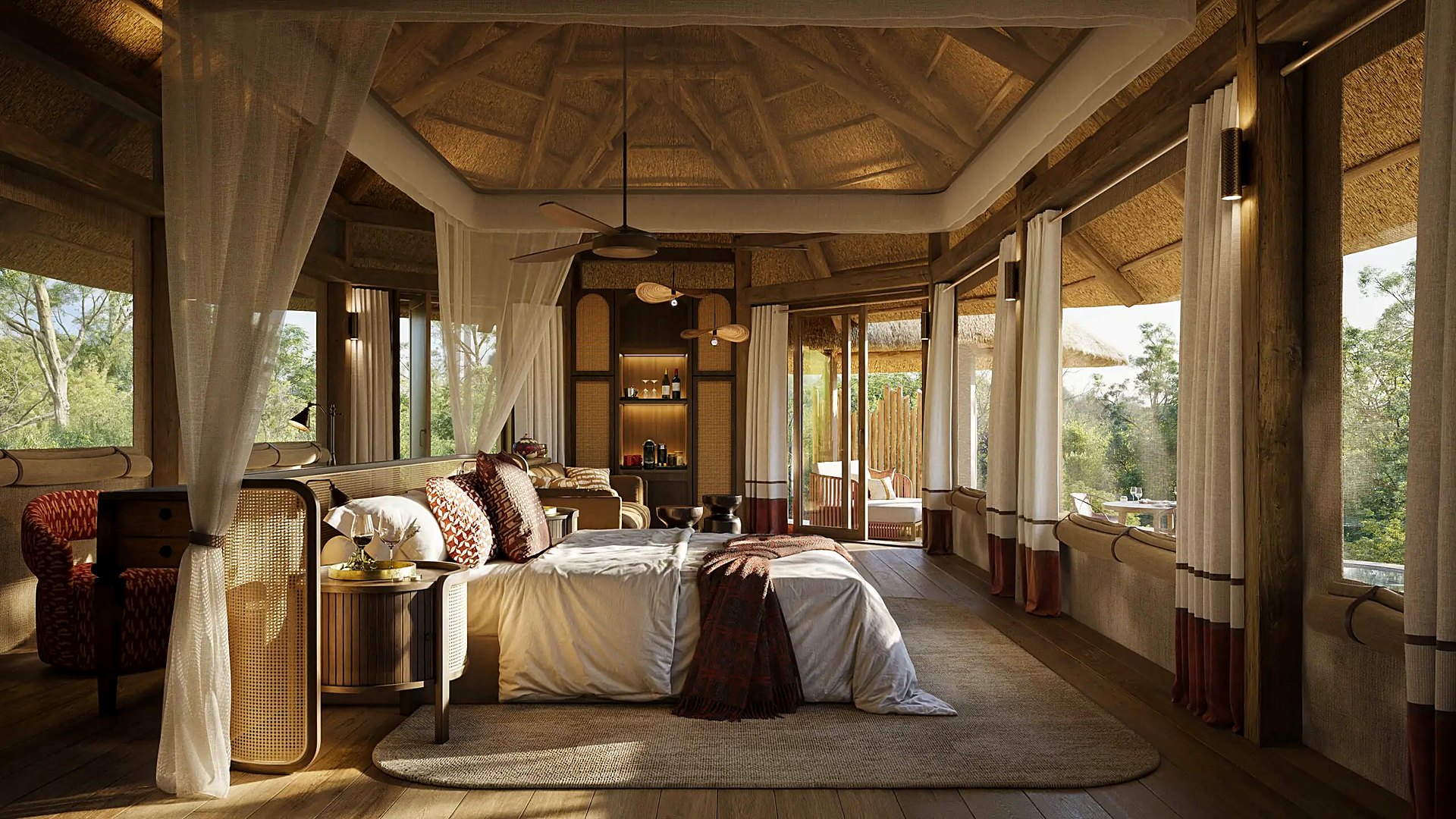
This is where most first-time safari-goers land, and for good reason. The mid-range tier buys a private 4x4 for your party (or a small guaranteed group), nights in comfortable tented camps and lodges with en-suite bathrooms, full board, and camps positioned inside or on the edge of the park so you are among the wildlife at dawn and dusk. The guiding is more experienced, the food better, and the pace yours to set. It is the sweet spot of value and comfort — a real safari without the ultra-luxury premium.
Luxury — about US$800–2,500+ per person per day
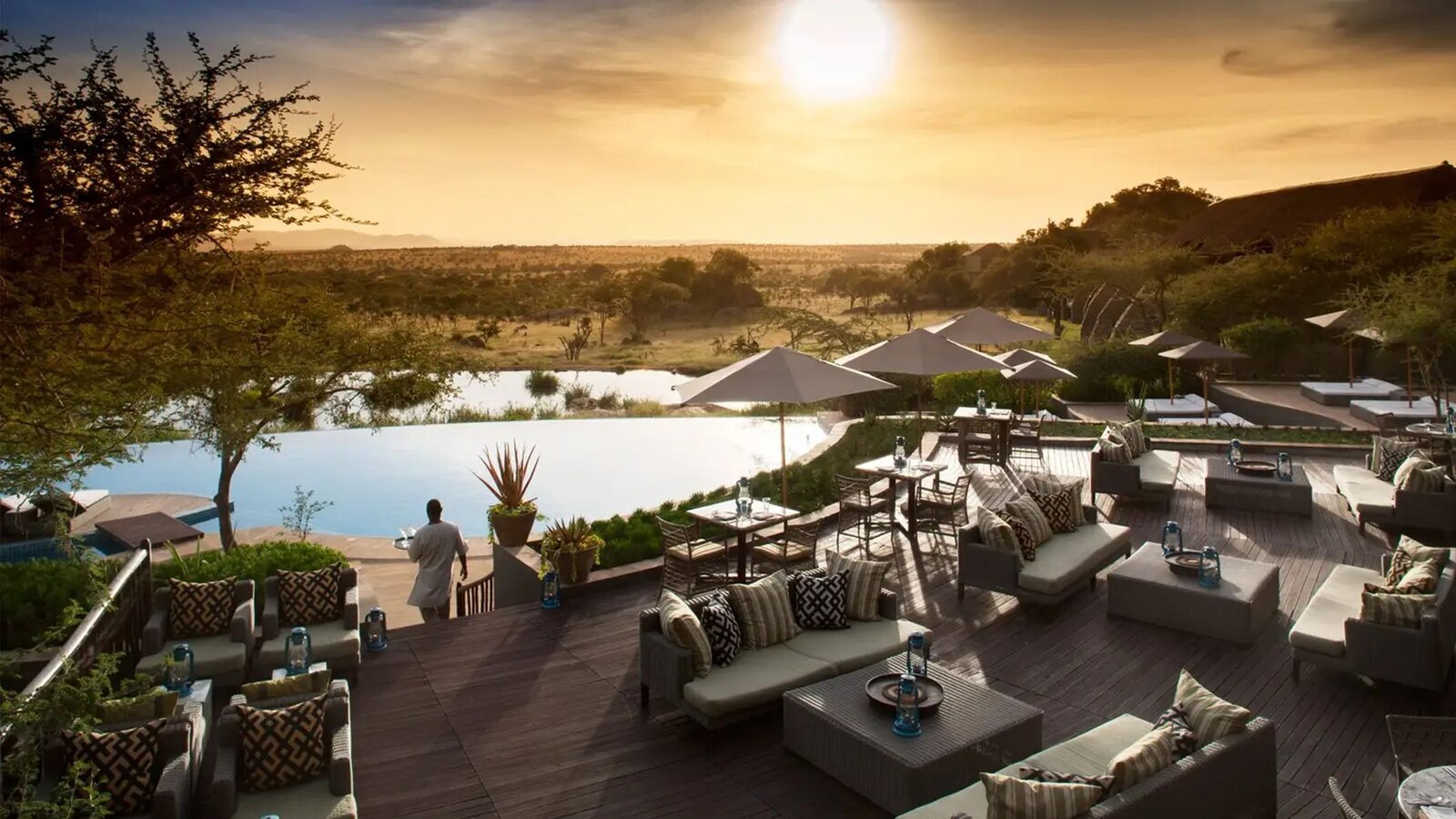
The luxury tier is where the Serengeti becomes extraordinary. Expect boutique lodges and private mobile camps that move with the migration, a private vehicle and a specialist guide, exclusive-use conservancy access away from the crowds, gourmet dining, and often fly-in transfers between camps. At the very top, private villas, walking safaris, private balloon charters and dedicated photographic guides push the figure well beyond US$2,500 a day. You are paying for space, exclusivity, location and a level of guiding that transforms what you see and understand.
The single most important thing to grasp is that all three tiers watch the same wildlife. The migration does not perform differently for luxury guests. What money buys in the Serengeti is comfort, privacy, position and expertise — not access to better animals.
What Drives the Daily Price — The Levers You Control
Within any tier, the daily rate still moves according to a handful of choices. Understanding them lets you fine-tune the cost without dropping a whole tier.
Private versus shared vehicle. A shared 4x4 splits the vehicle, fuel and guide across strangers, which is cheaper but means compromise on timings and sightings. A private vehicle — yours alone — costs more but transforms the experience: you stop where you like, stay as long as you like, and never miss a moment because someone else wanted lunch. Moving from shared to private is often the difference between the lower and upper end of a tier.
Location of your camp. Camps inside the park command higher concession fees but put you among the wildlife at first and last light — the golden hours. Camps outside the gates are cheaper but cost you time and additional park re-entry fees each day. In the Serengeti, position is worth paying for.
Standard of guiding. A knowledgeable, well-trained guide is the difference between driving past a thicket and understanding that a leopard is asleep in it. Specialist and photographic guides cost more but repay it many times over in what you actually see.
Meal and drinks basis. Most Serengeti camps are full board, but premium wines, spirits and champagne are usually extra at mid-range camps and included at the top tier. It is a small line, but worth checking.
Season & Timing — Peak vs Green Season Pricing
When you travel changes the price as much as where you sleep. The Serengeti runs a clear high and low season, and the swing is significant.
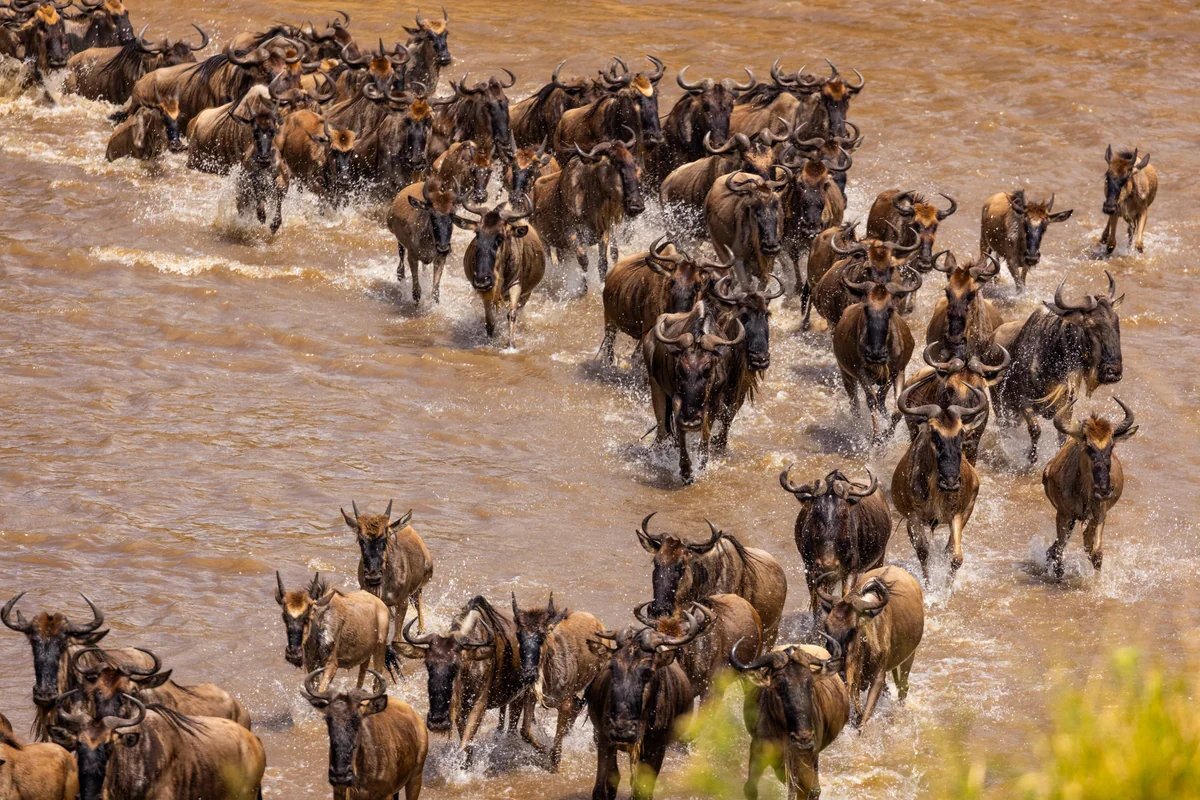
Peak season — June to October and January to February. These are the premium months. June to October is the classic dry season, when the migration is typically crossing the northern Serengeti and the Mara River, game concentrates around water, and the weather is reliably fine. January to February is the calving season on the southern short-grass plains — hundreds of thousands of wildebeest give birth within a few weeks, drawing dramatic predator action. In these windows, lodging rates run at their highest and the best camps sell out a year ahead. Expect to pay a 20–40% premium over green-season rates for the same camp.
Green season — March to May and November. The "green" or low season covers the long rains (March to May) and the short rains (November). Prices fall sharply, camps have space, and the landscape is lush and photogenic with newborn animals about. Game viewing is often still excellent — the resident lions, elephants and plains game do not leave — though the migration herds may be in less accessible parts of the ecosystem and some mobile camps close during the heaviest rains. For travellers on a budget who can be flexible, the green season offers the same Serengeti at a fraction of the cost.
The lesson is simple: if your dates are fixed to July or August, budget for the premium; if you can travel in the shoulder or green months, the savings on identical accommodation are among the biggest available to you.
The Hidden Extras That Rarely Appear on the First Quote
The tier and the fees give you the backbone of the cost. But a Serengeti budget is only honest once you have added the extras that first quotes routinely omit. None of them is a nasty surprise if you plan for it; all of them are a nasty surprise if you do not.
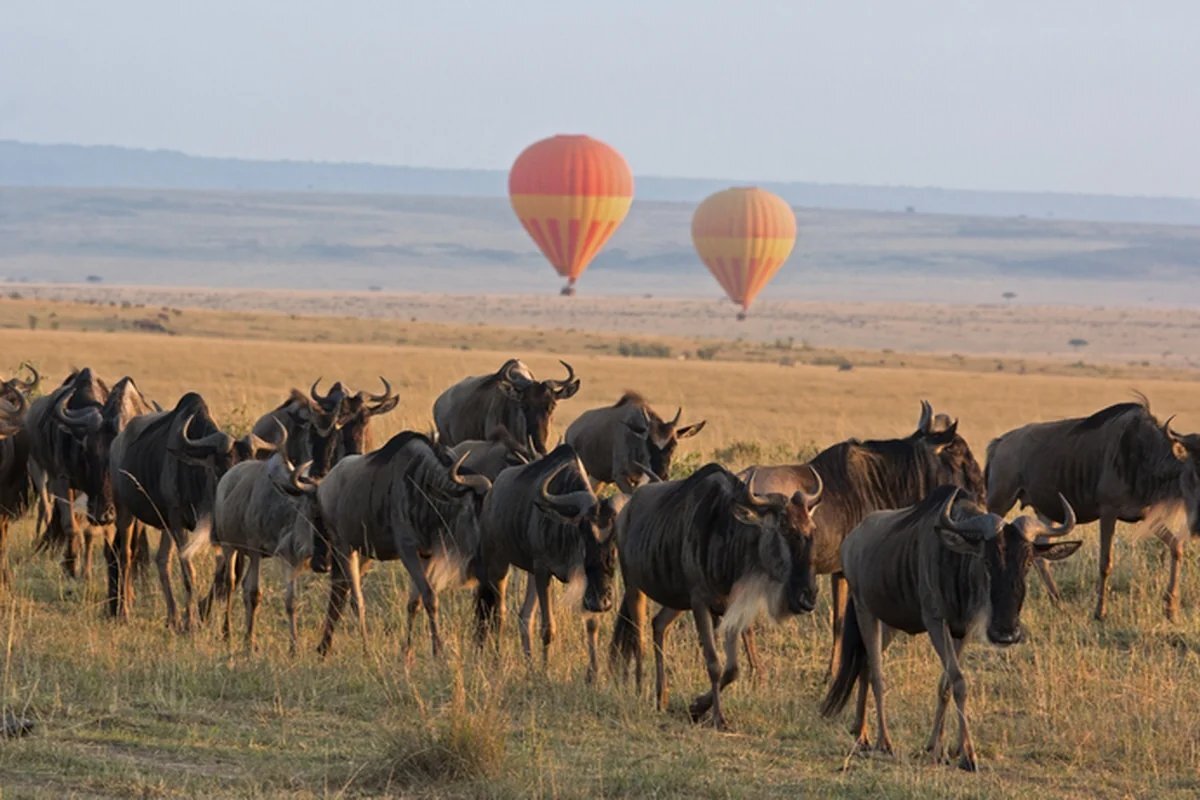
- Hot-air-balloon safari — US$550–700 per person. A dawn balloon flight over the plains, usually with a champagne bush breakfast on landing, is the Serengeti's signature splurge. It is optional, unforgettable, and almost never included in a base rate.
- Tips — US$15–25 per day for your guide, plus camp staff. Tipping is customary and expected. Budget roughly US$15–25 per day for your driver-guide (per group, not per person, if you share), plus around US$10–15 per day for camp staff, left in the communal tip box. Over a week this adds up to a meaningful line.
- Tanzania visa — from US$50. Most nationalities need a visa, available online (e-visa) or on arrival. It is around US$50 for a single-entry tourist visa, though US citizens pay more for the multiple-entry visa they are typically issued.
- Fly-in transfers — US$200–450 per leg. Light-aircraft flights between the arrival airport and the Serengeti airstrips, or between camps, save hours of driving but add a few hundred dollars each way. Worth it for time-poor travellers and long itineraries.
- Vehicle fee within the park — US$17–50 per vehicle per day. Sometimes quoted separately from the park entry fee; confirm whether it is included.
- Drinks, laundry and curios. Premium drinks at mid-range camps, laundry beyond the complimentary allowance, and purchases at community craft markets all sit outside the safari price.
- Travel insurance and international flights. Never included in a safari quote — budget for comprehensive cover (with medical evacuation) and your flights to Kilimanjaro International Airport separately.
How Group Size Changes the Per-Person Price
If there is one lever most travellers underestimate, it is the size of the party. A large share of a Serengeti safari's cost is fixed per departure, not per person: the 4x4 and its fuel, the driver-guide, and the per-vehicle park fee do not change whether one guest or six sit in the vehicle. Spread those fixed costs across more travellers and the per-person figure falls sharply.
A private vehicle and guide that feels expensive for a couple becomes excellent value for a family of four or a group of six. This is why multi-generational family trips and small groups of friends so often achieve a higher tier of experience for a lower cost each — the fixed backbone is simply divided more ways. It is also why solo travellers pay the most per head, and why joining a small guaranteed-departure group is the classic way for a solo or couple to keep the price down. When you plan, always run the numbers per person for your actual party size, not the generic "from" rate — the difference is often several hundred dollars a day.
Fly-In vs Drive-In — The Real Cost Difference
How you reach the Serengeti is a genuine cost-and-time trade-off. Driving in from Arusha — the classic overland route through Lake Manyara or the Ngorongoro Crater — is cheaper and lets you build a full northern-circuit itinerary that takes in several parks on the way. The downside is time: it is a long day on the road each way, and the extra parks add their own entry fees.
Flying in by light aircraft to one of the Serengeti's airstrips costs more — around US$200–450 per leg — but converts a day of driving into a 60–90-minute scenic flight, maximising your time on the plains. For short itineraries, for travellers who value time over money, and for reaching the remote northern and western Serengeti where the migration ranges, flying is often the better value even though the sticker price is higher. Many of the best itineraries combine the two: drive one way through the northern-circuit parks, fly the other to save a day. We build the transfers around your priorities, your budget and how much of your holiday you are willing to spend behind glass.
Sample Serengeti Safari Budgets (Worked Examples)
Numbers land better as whole trips than as daily rates. Here are three realistic 2026 examples, per person sharing, to anchor your planning. All are indicative and exclude international flights.
Budget — 4-day group camping safari, roughly US$900–1,400 per person. A shared 4x4 with a small group, public campsites or simple lodges, full board, driving in from Arusha via Lake Manyara and the Ngorongoro Crater with two nights in the Serengeti. Park, camping and vehicle fees included; balloon, tips and drinks extra. The most affordable way to genuinely experience the migration.
Mid-range — 6-day private lodge & tented-camp safari, roughly US$3,000–4,800 per person. A private 4x4 for your party, comfortable en-suite tented camps inside the park, full board, three nights in the Serengeti plus the Ngorongoro Crater and Tarangire. This is the classic first-timer's trip and the best balance of comfort and cost.
Luxury — 7-day fly-in private mobile-camp safari, roughly US$8,500–15,000+ per person. Light-aircraft transfers, a private vehicle and specialist guide, a mobile camp positioned with the migration, gourmet dining and exclusive-use conservancy access, with a balloon flight built in. The Serengeti at its most private and refined.
Notice how the per-day figure rises through the tiers, but so does what each day contains. Your job in planning is not to find the cheapest number — it is to match the tier and the extras to what will make the trip unforgettable for you, then to use group size, season and transfers to bring that within budget.
How to Save Money on a Serengeti Safari Without Ruining It
- Travel in the green or shoulder season. The same camp in April or November can cost 20–40% less than in August, for game viewing that is often still excellent.
- Fill your vehicle. Travel as a family or group of four to six so the fixed vehicle, guide and per-vehicle fees split further — the biggest single saving available.
- Mix your accommodation. Spend one or two nights at a special camp and the rest at solid mid-range camps, rather than paying top rates every night.
- Choose your camp location deliberately. A camp perfectly placed for the season's game means fewer hours (and less fuel and fewer park re-entries) chasing the animals.
- Combine drive-in and fly-in. Drive one way through the northern-circuit parks and fly the other to save a day without paying for two full flights.
- Book early for peak dates. The best-value rooms in June to October and the calving season go first; late bookers pay premium rates for what is left.
- Be honest about the extras. Decide upfront whether the balloon is a must — building it into the budget beats it derailing it later.
What a Beyond Africa Serengeti Safari Costs
We build Serengeti safaris as tailor-made private journeys rather than fixed shelf packages, so the price follows your ambitions. As a guide, our private mid-range Serengeti safaris generally run from around US$3,000 per person for a well-appointed week, our upper-mid and boutique-lodge trips from around US$5,000–7,500 per person, and our fly-in luxury and private mobile-camp journeys from around US$9,000 per person and upward. Those figures typically include your accommodation on a full-board basis, a private 4x4 and expert guide, all park, concession and vehicle fees, VAT, internal transfers and the everyday activities — the honest, all-in number rather than a stripped headline rate.
What sits outside is the same short list every operator excludes: international flights, your Tanzania visa, travel insurance, premium drinks, tips and optional extras such as the balloon flight. We itemise all of it in writing so you see exactly what your quote does and does not contain — no VAT surprises, no fees bolted on at the gate. And because we price to your party size, season and priorities, we can show you precisely how each lever in this guide changes your total.
Planning Your Serengeti Safari With Us
The Serengeti rewards planning more than almost any safari on Earth, because the same ecosystem can be a shoestring adventure or the most refined trip of your life, and the difference is a series of decisions you get to make. Tell us your budget, your dates, who is travelling and what you most want to see, and we will build a Serengeti safari that spends your money where it counts — on position, guiding and time on the plains — and saves it where it does not.
Talk to us and we will turn the numbers in this guide into a real, all-in Serengeti itinerary priced to your exact trip.