A Botswana safari costs between \$5,000–\$25,000 for 7 days, depending on your choice of budget, mid-range or luxury lodges. Here's your complete cost breakdown.
🌊 Planning Your Botswana Safari?
For the complete botswana safari resource - expert guides, honest costs, luxury lodges, curated itineraries, and everything you need to plan your trip - visit our comprehensive hub:
View Complete Botswana Safari Hub →Complete Budget Breakdown
Botswana is the most exclusive safari country in Africa — and by design, the most expensive. The government's "high-value, low-impact" tourism policy deliberately limits visitor numbers through a combination of small camp sizes, remote fly-in access, and private concessions that keep much of the Okavango Delta and the best wilderness areas off-limits to all but a few luxury operators. The result is wilderness on a scale you will see nowhere else, with game drives where you often have a sighting entirely to yourself. As a real-world guide for 2026, most travellers spend between $1,200 and $4,500+ per person per night in the Okavango Delta, and a typical seven-day safari lands somewhere between $5,000 and $25,000 per person depending on the style and regions you choose. Below we break down exactly what each tier buys, what drives the cost, what a whole trip really costs, and how to save without losing any of the magic.
What Makes Botswana the Most Expensive Safari in Africa
Five factors push Botswana's prices above every other safari country — understand these and you understand the whole budget:
- The luxury-only Okavango Delta. The world's largest inland delta is accessible only by light aircraft to tiny fly-in camps of 8–16 suites. No roads, no mid-market lodges, no budget options — the Delta is luxury-only by design and that defines the price.
- Small camp sizes and private concessions. Most Okavango camps hold fewer than 20 guests at a time, operating on exclusive-use concessions that ensure you rarely see another vehicle. Low occupancy drives high per-person rates.
- Included light-aircraft flights. Flying between camps in small Cessna bush planes is the only way to move in the Delta, and those flights — typically $250–500 per sector — are usually bundled into your all-inclusive rate.
- All-inclusive pricing. Almost every Botswana camp quote includes accommodation, all meals, premium drinks, twice-daily game drives, mokoro canoe excursions, walking safaris, park and concession fees, and the inter-camp flights. It is comprehensive, transparent, and priced accordingly.
- Government policy. Botswana caps bed nights via its concession system, deliberately keeping supply below demand to preserve the wilderness. That scarcity keeps rates high and the experience pristine.
Quick Comparison — 7-Day Trip, Per Person
| Tier | Price Range | Best For |
|---|---|---|
| Budget | $2,500-$5,000 | Value seekers |
| Mid-Range | $5,000-$10,000 | Balanced experience |
| Luxury | $10,000-$25,000 | Ultimate exclusivity |
Cost Per Person, Per Day by Safari Style
The clearest way to picture a Botswana budget is per person, per day. Every tier below is quoted per person per night and, from mid-range upwards, is almost entirely all-inclusive of meals, drinks, activities and — in the Delta — the light-aircraft flights:
| Safari Style | Per Person / Day | What It Includes |
|---|---|---|
| Basic group camping | $300–$350 | Participation camping, shared vehicles, public campsites, simple meals — the cheapest way to see Botswana |
| Budget private mobile | $400–$600 | Private guide and crew, mobile tented camps, a moving route through Moremi and the Delta fringe |
| Mid-range / glamping | $600–$1,100 | Comfortable tented camps and lodges, en-suite bathrooms, twice-daily game drives, good food |
| Luxury fly-in | $1,500–$3,000 | All-inclusive Delta and private-concession camps, light-aircraft transfers, premium drinks, mokoro and walking safaris |
| Ultra-luxury | $3,000–$4,500+ | Flagship icons (Mombo, Jao, Zarafa), private guide and vehicle, exclusive-use villas — the finest in Africa |
Cost by Region & Style (Per Person, Per Night)
Not every part of Botswana costs the same. Where you go shapes both the price and the character of your safari:
| Region & Style | Per Person / Night | What You Get |
|---|---|---|
| Okavango Delta — luxury fly-in camps | $1,200–$4,500+ | The world's most exclusive delta experience — fly-in only, 8–16 suites, private concessions, mokoro, all-inclusive |
| Moremi Game Reserve — tented camps | $600–$1,800 | The Okavango's wildlife heart, more accessible than the deep Delta, excellent mid-luxury and luxury options |
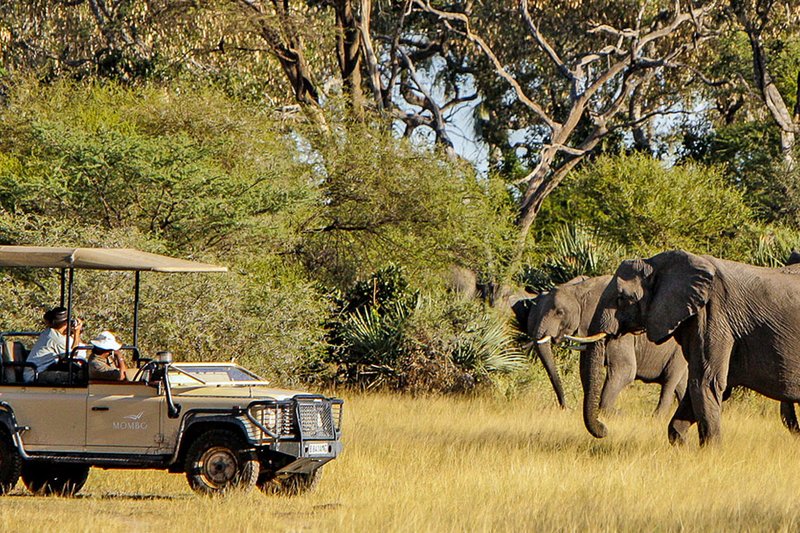
| Chobe National Park — lodges & camps | $400–$1,200 | Africa's highest elephant density, road-accessible from Victoria Falls, widest range of budgets |
| Makgadikgadi & Nxai Pan — salt-pan camps | $800–$2,500 | Desert landscapes, meerkat encounters, 1940s-style Jack's Camp, unique contrast to the wetlands |
| Linyanti & Selinda — private reserves | $1,000–$3,200 | Delta-level exclusivity with dry-season elephant and predator concentrations, fewer camps than Okavango |
| Mobile camping safaris — Okavango & Moremi | $350–$800 | The most affordable way into the Delta — participation camping, shared facilities, real wilderness immersion |
Month–by–Month Value & Season Calendar
Season is the single biggest lever on price. The gold stars below rate each month for value — more stars means more safari for your money. Peak dry-season (July–October) delivers the finest game viewing at the highest prices; the green season (November–March) can be 30–50% cheaper for lush, dramatic, uncrowded wilderness:
| Month | Season | Value Rating | Typical Saving vs Peak | Notes |
|---|---|---|---|---|
| January | Green (wet) | ⭐⭐⭐⭐⭐ | up to 40–50% off | Lush, dramatic skies, newborn animals, superb birding, lowest prices |
| February | Green (wet) | ⭐⭐⭐⭐⭐ | up to 40–50% off | Peak green-season value; occasional rain and thicker bush |
| March | Green → shoulder | ⭐⭐⭐⭐ | 30–45% off | Landscapes still green, prices beginning to climb |
| April | Shoulder | ⭐⭐⭐⭐ | 25–35% off | Floodwaters arriving, fewer crowds, excellent value |
| May | Shoulder | ⭐⭐⭐⭐ | 20–30% off | Delta filling, cool clear days, strong value before peak |
| June | Shoulder → peak | ⭐⭐⭐ | 10–20% off | Flood high, game concentrating, prices rising |
| July | Peak (dry) | ⭐⭐ | full rate | Prime game viewing, highest demand — book a year ahead |
| August | Peak (dry) | ⭐⭐ | full rate | Peak season, superb wildlife, top prices |
| September | Peak (dry) | ⭐⭐ | full rate | Excellent predator action, dry and hot, premium rates |
| October | Peak (dry) | ⭐⭐⭐ | slight easing late | Best big-game month, very hot, rates ease late in the month |
| November | Green (early) | ⭐⭐⭐⭐ | 25–40% off | First rains, dramatic value, green returning to the plains |
| December | Green (wet) | ⭐⭐⭐⭐⭐ | 30–50% off | Superb value, lush and quiet away from the festive fortnight |
Sample 7-Day Whole-Trip Budgets (Per Person)
Nightly rates tell only half the story. Here is what a complete seven-day Botswana safari really costs per person once you add everything up:
| Trip Style | 7-Day Total (pp) | 10-Day Total (pp) | What It Buys |
|---|---|---|---|
| Budget / mobile camping | $2,500–$5,000 | $4,000–$7,000 | Participation camping, shared trucks, basic facilities, genuine wilderness access |
| Mid-range lodges | $5,000–$10,000 | $8,000–$14,000 | Comfortable tented camps and lodges, en-suite bathrooms, twice-daily game drives |
| Luxury fly-in | $10,000–$18,000 | $16,000–$26,000 | Fly-in Delta camps, all-inclusive, mokoro, walking safaris, light-aircraft transfers |
| Ultra-luxury | $18,000–$25,000+ | $28,000–$40,000+ | Flagship Delta icons, private guide & vehicle, exclusive-use villas |
- Budget / mobile camping (Okavango + Moremi): $2,500–$5,000 total, with participation camping, shared trucks, basic facilities, and genuine wilderness access.
- Mid-range (Chobe + Moremi lodges): $5,000–$10,000 total, comfortable tented camps and lodges, en-suite bathrooms, good food, game drives twice daily.
- Luxury (Okavango Delta fly-in + Chobe): $10,000–$18,000 total, fly-in Delta camps, all-inclusive, mokoro, walking safaris, premium lodges, light-aircraft transfers.
- Ultra-luxury (Okavango icons + Linyanti): $18,000–$25,000+ total, the finest Delta camps (Mombo, Jao, Zarafa), private concessions, exclusive-use villas, private guide & vehicle.
Two costs sit outside these ranges: international flights (roughly $900–$1,800 return from Europe or North America to Maun or Kasane) and light-aircraft flights within Botswana. The good news is that most luxury Okavango quotes already include the key inter-camp flights as part of the all-inclusive rate, but if you self-drive Chobe or add extra destinations, budget around $250–500 per flight sector.
What Your Money Buys — Inside Botswana's Camps
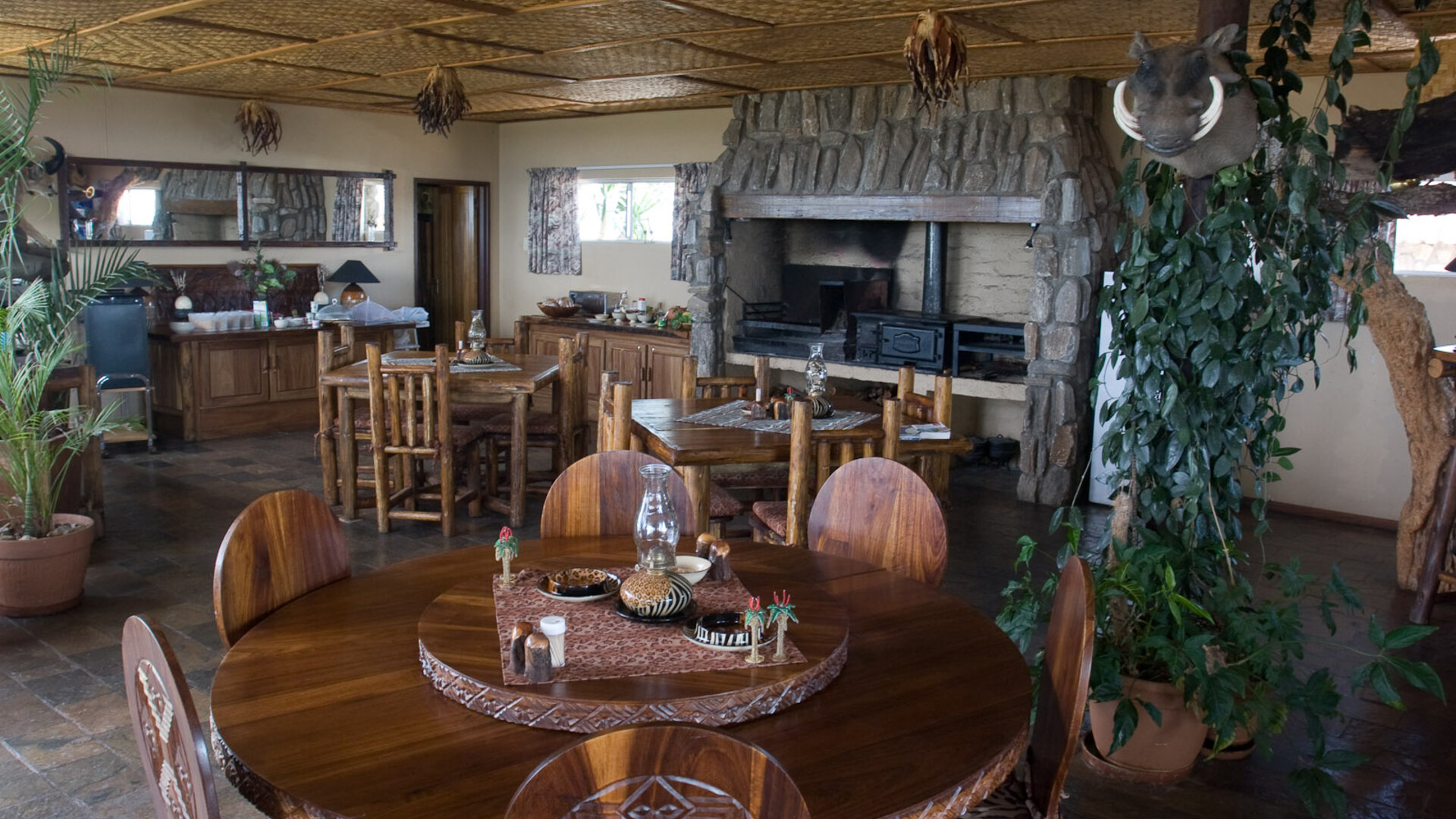
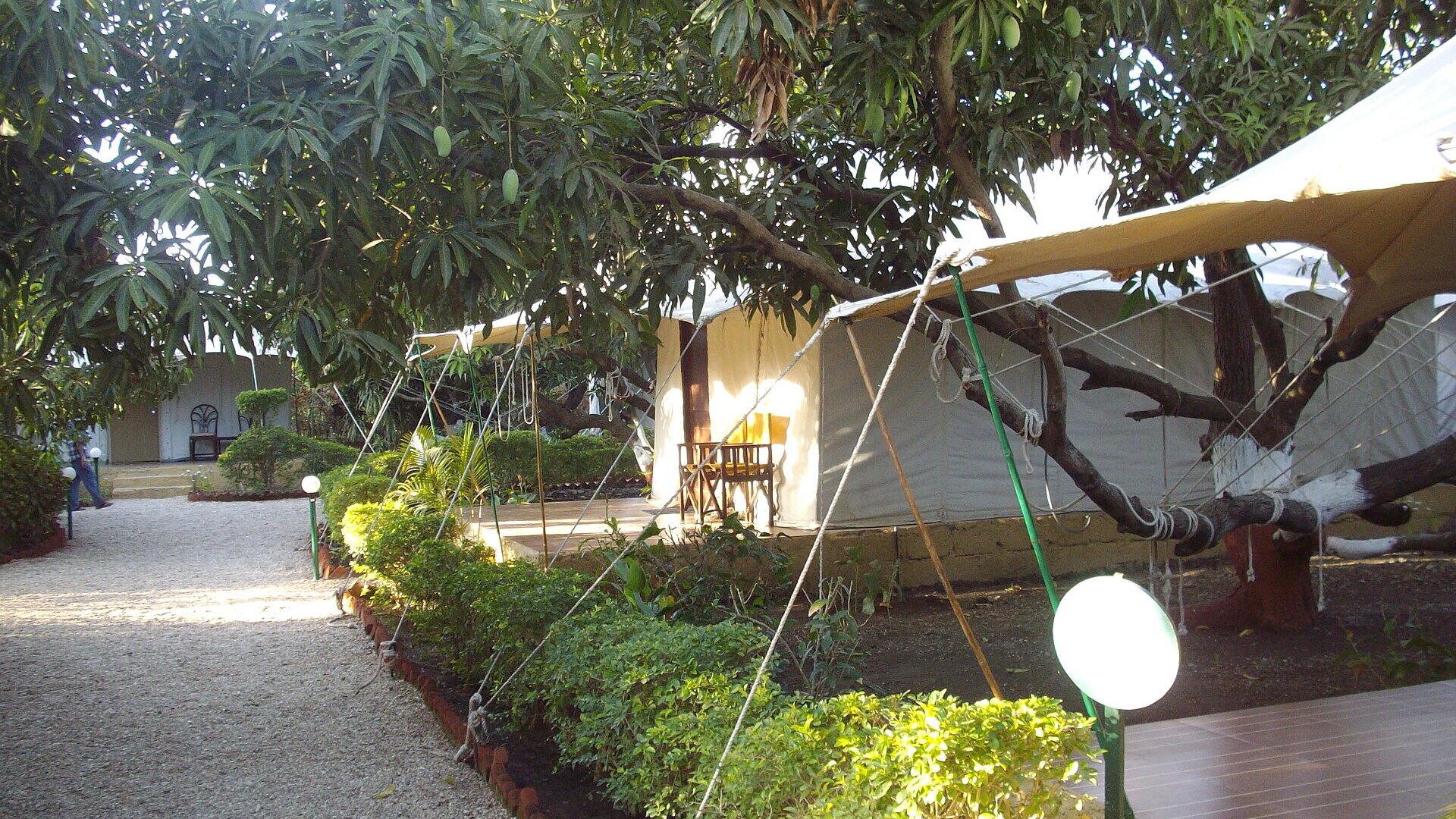
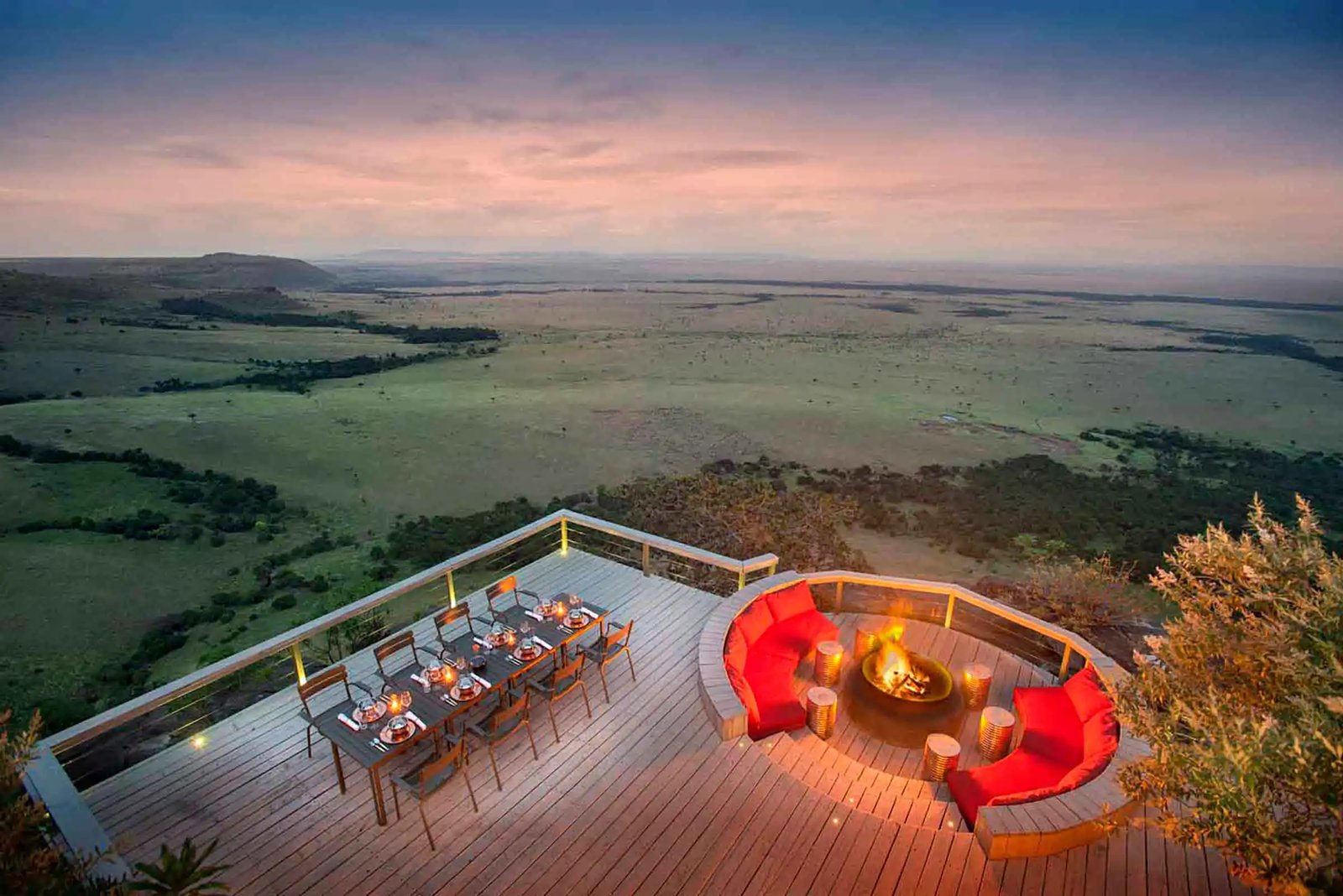
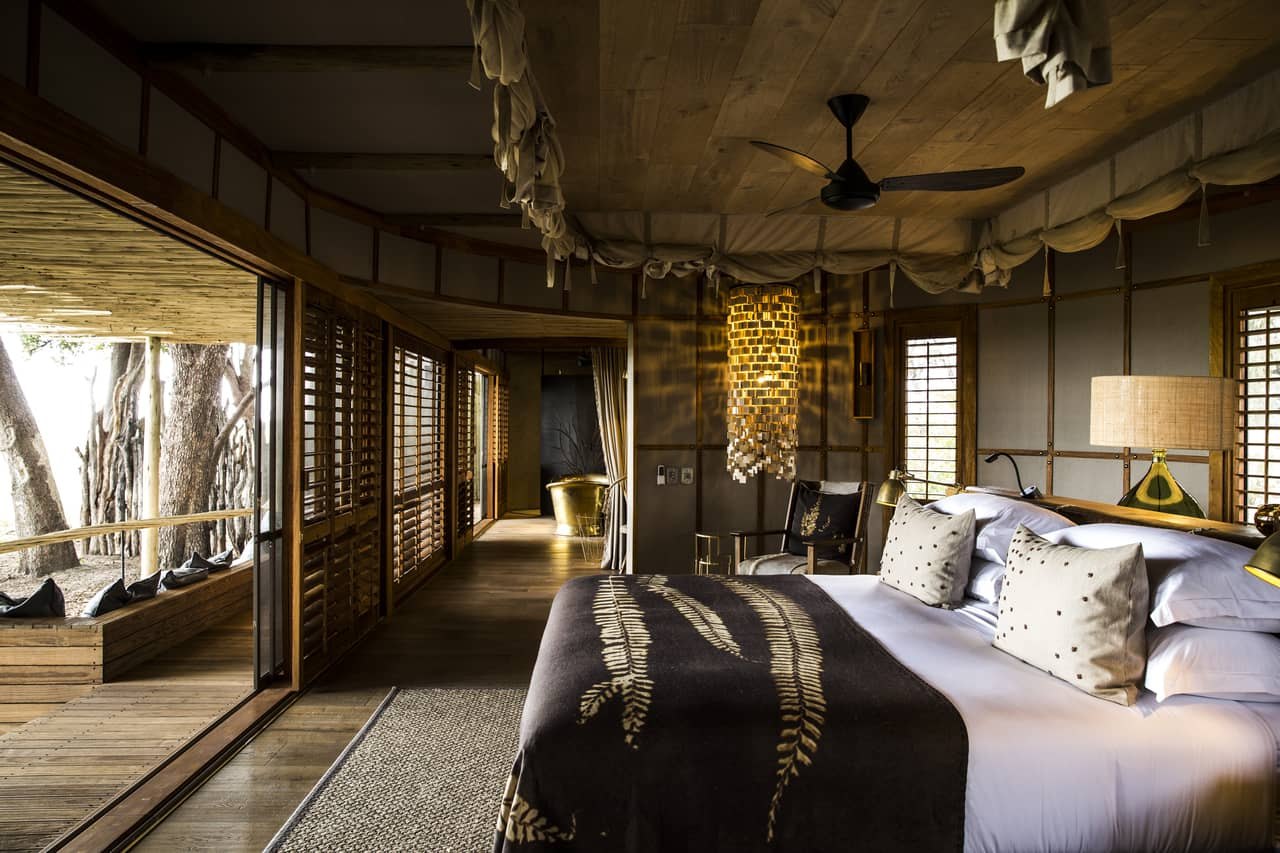
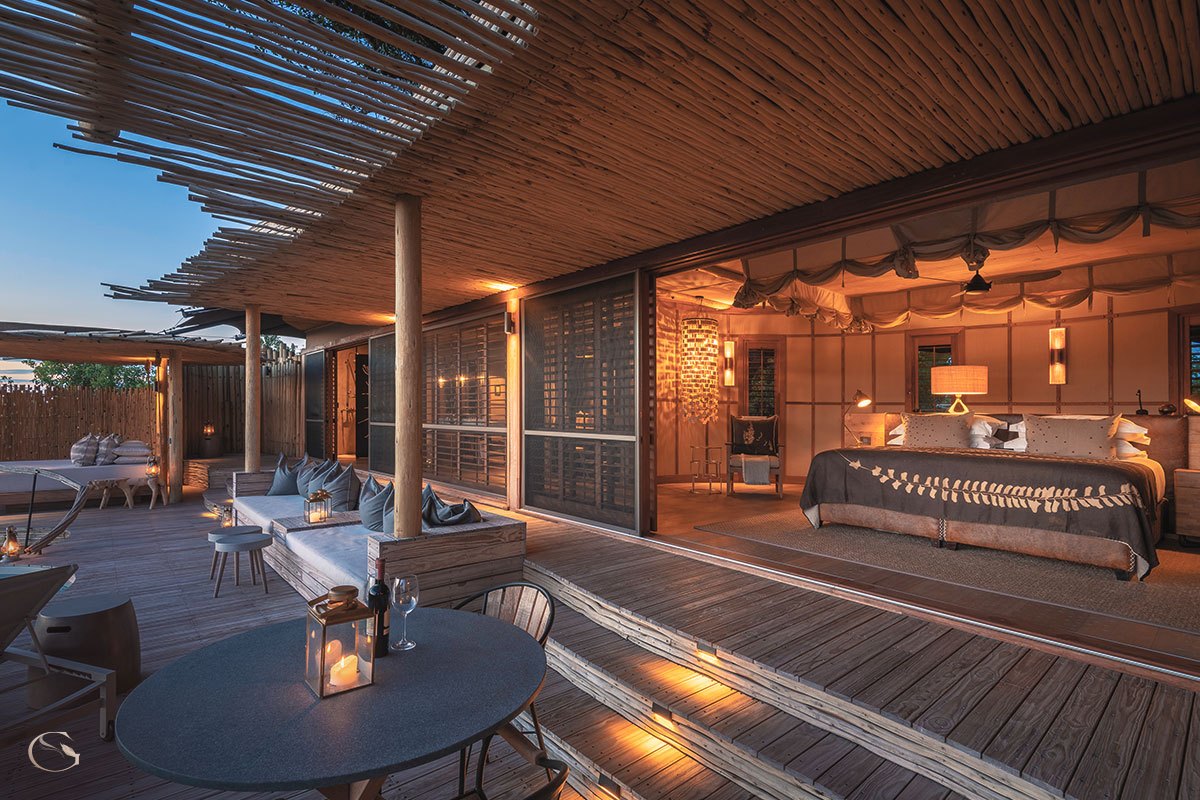
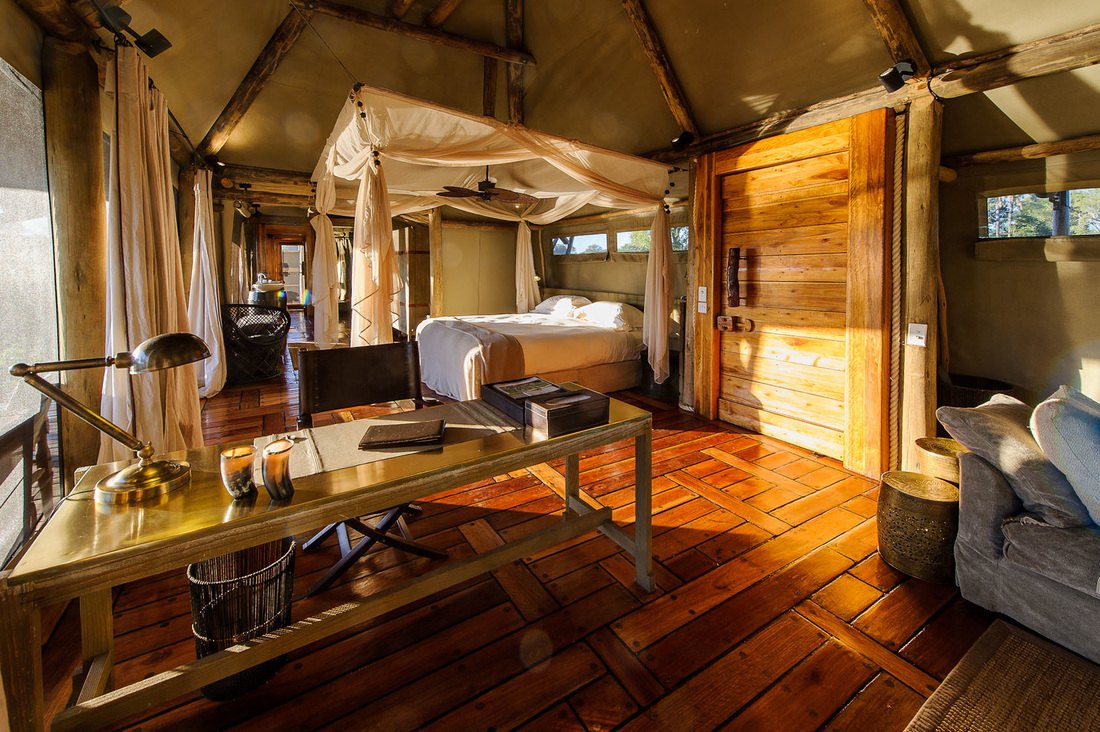
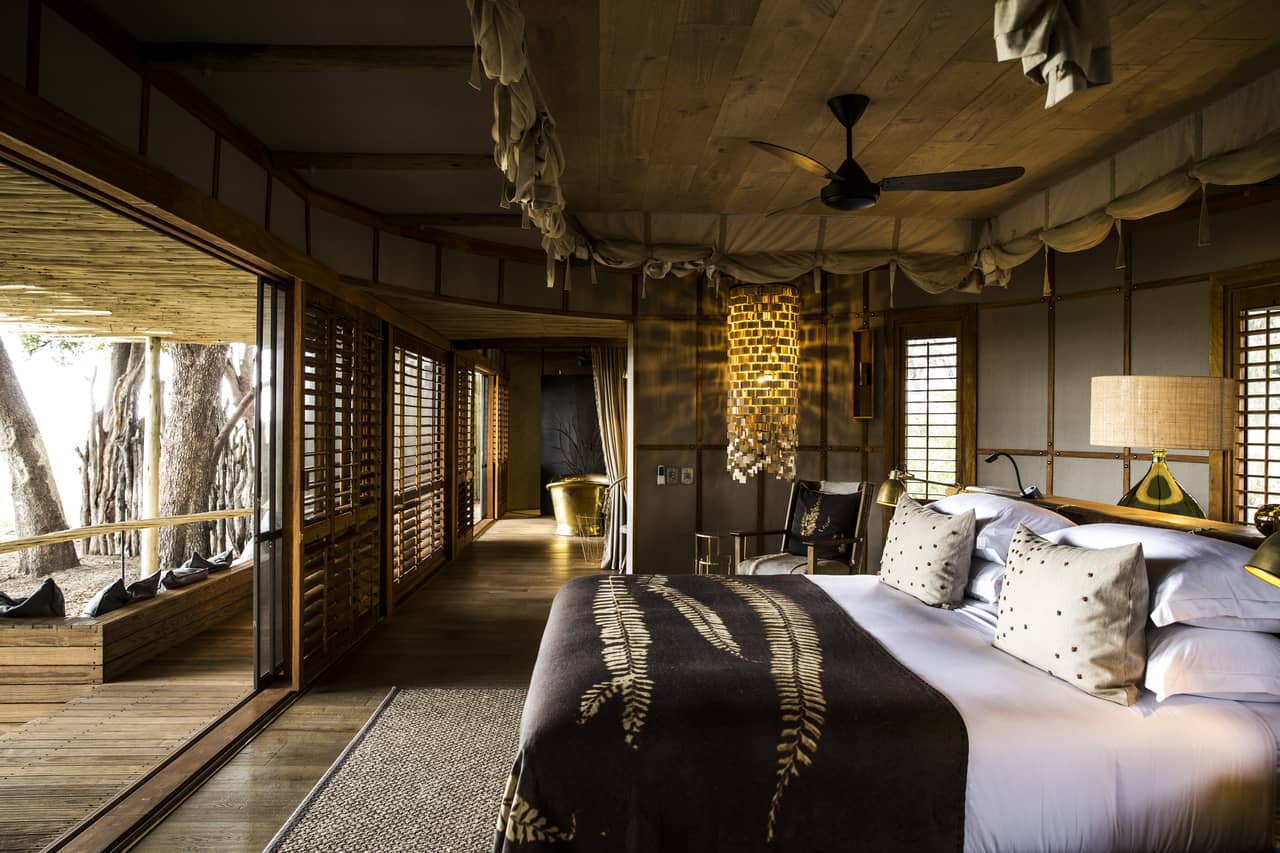
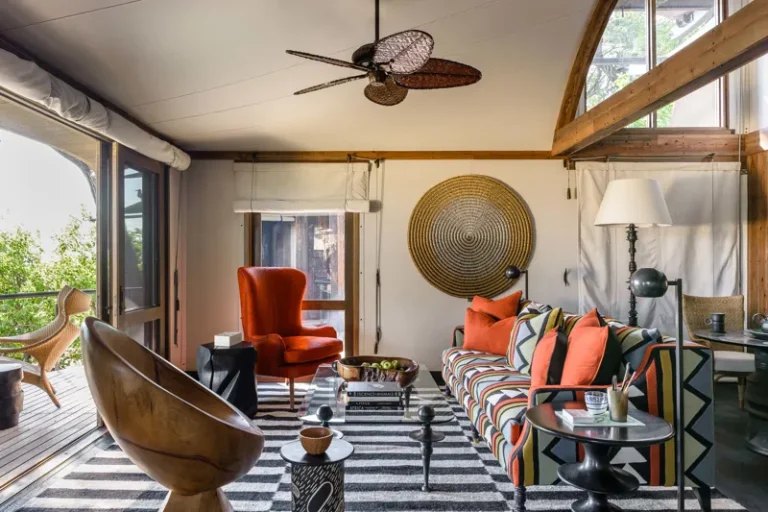
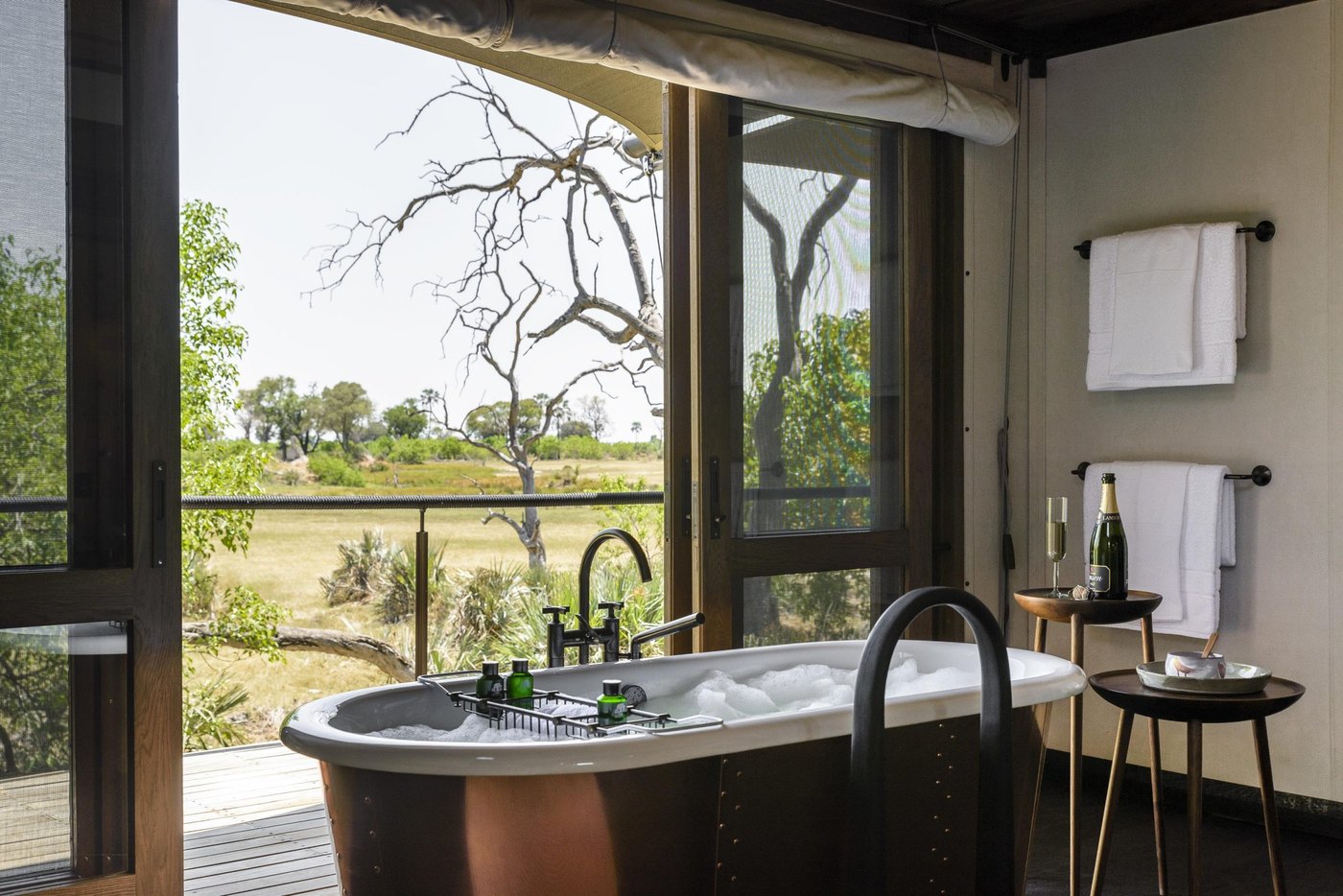
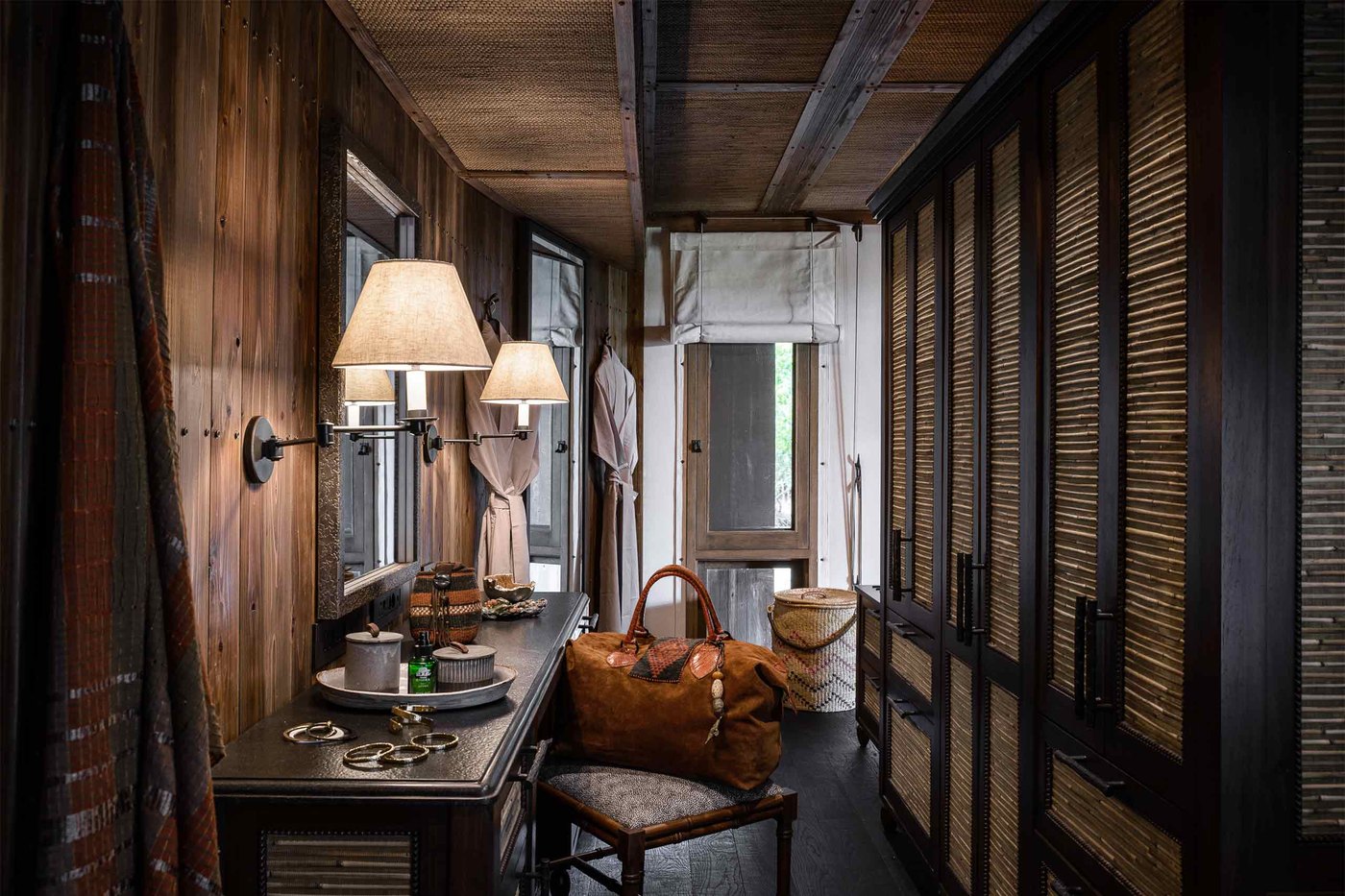
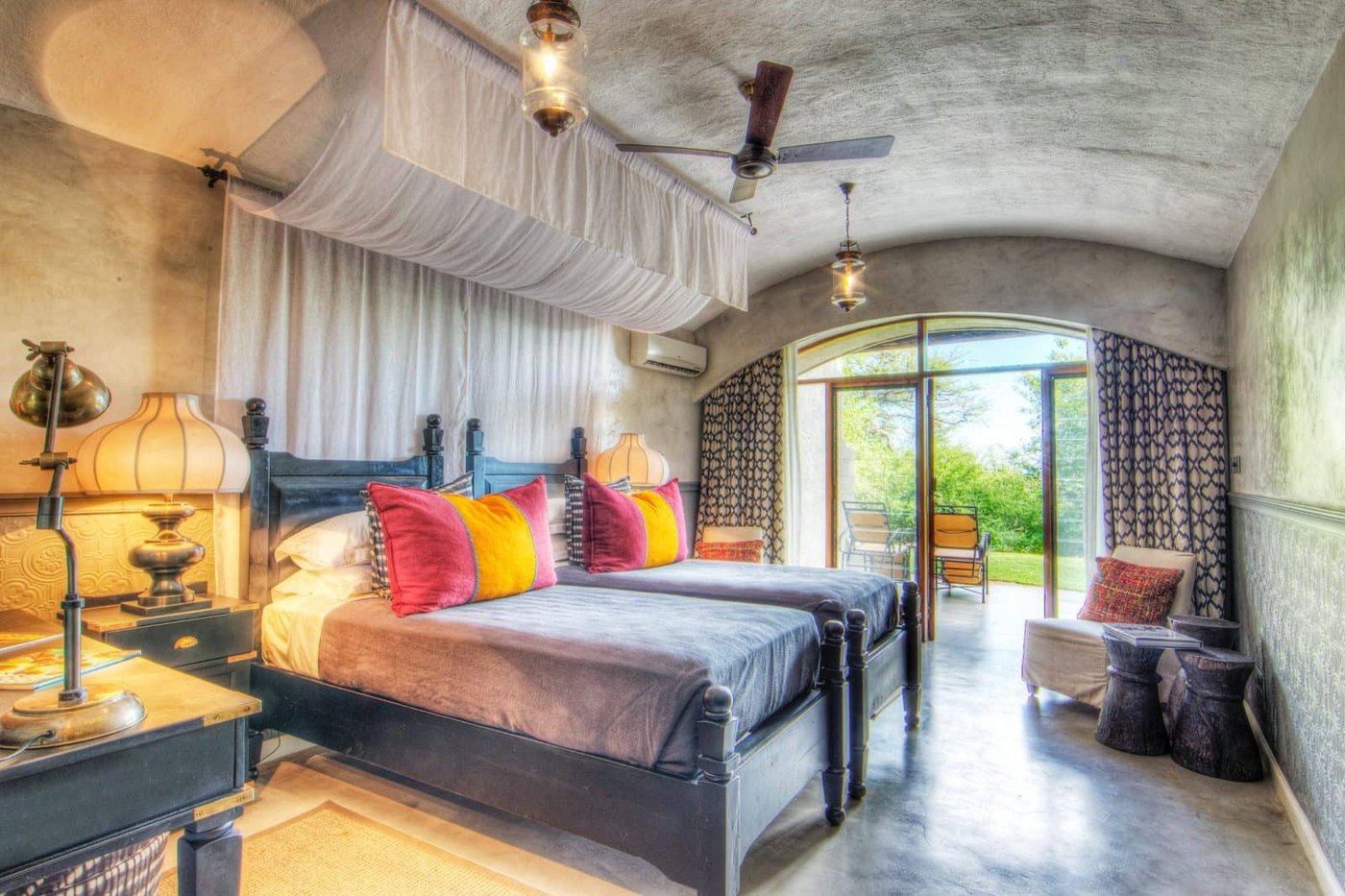
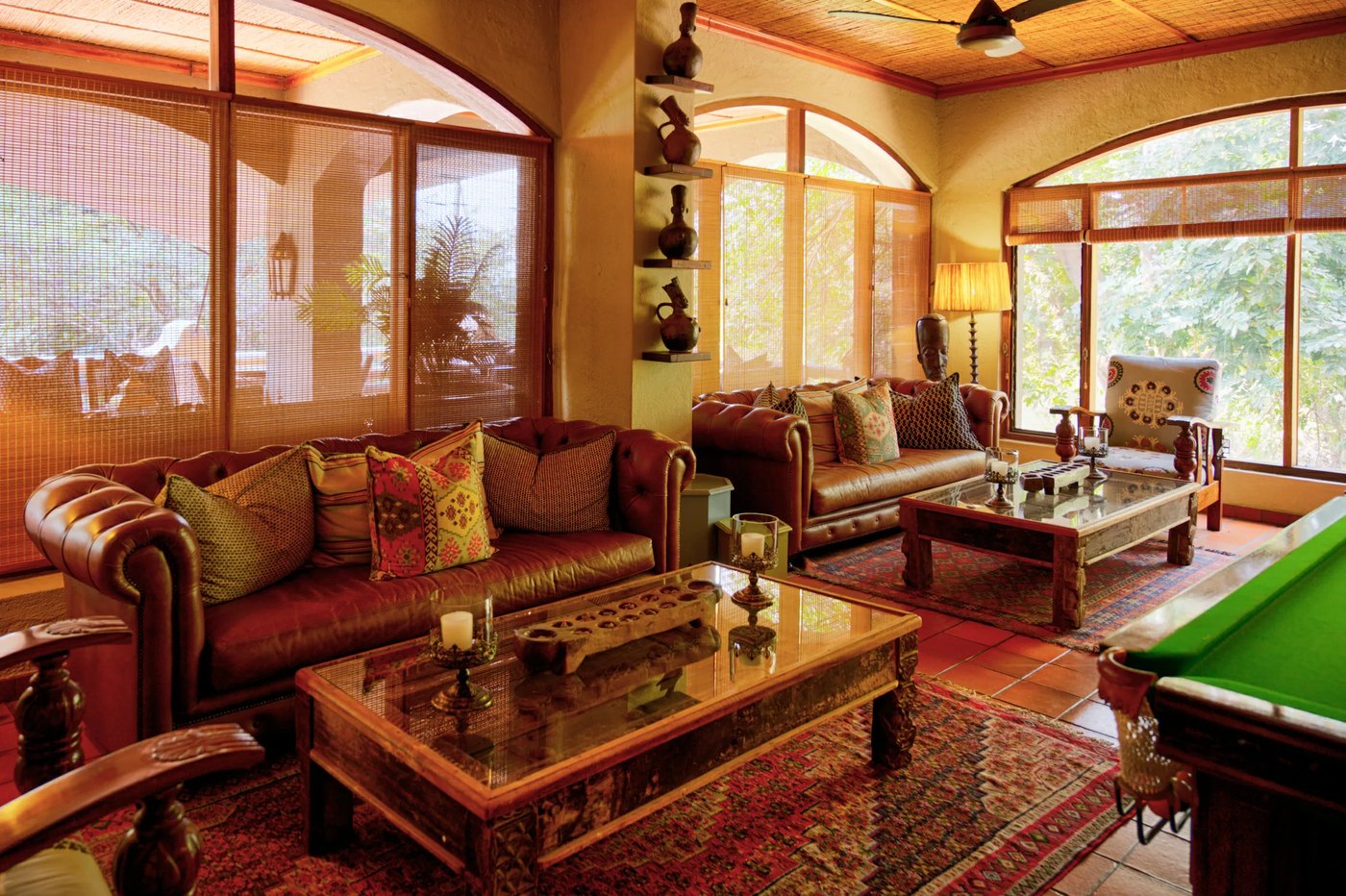
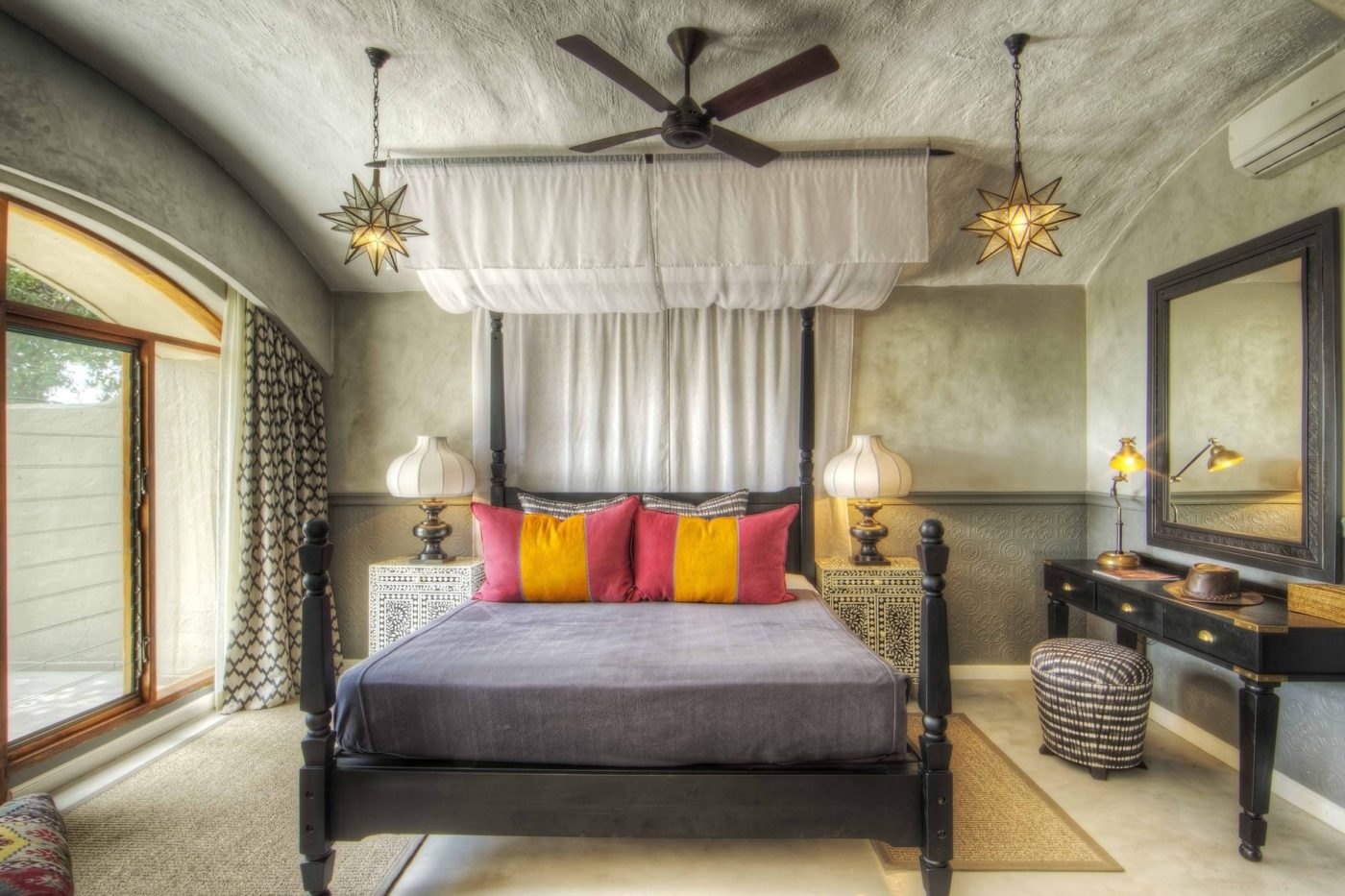
Numbers only tell part of the story. Here is exactly what each price tier looks like on the ground — from an ultra-luxury Delta flagship, to an all-inclusive luxury fly-in camp, to the best-value riverfront lodge in Chobe. Swipe each gallery to step inside the suites, pools and living spaces your rate pays for:
What's Included in a Botswana Safari Price
Botswana camp rates are almost always all-inclusive, which is why the nightly cost looks high but the value is transparent. Your rate typically covers your suite or tent, all meals (often gourmet), premium drinks (local spirits, wine, beer), twice-daily game drives with a private guide and tracker, mokoro canoe excursions (in the Delta), guided walking safaris, park and concession fees, laundry, and light-aircraft transfers between camps. What sits outside it: international flights to/from Botswana, visas (free for most nationalities), travel insurance, premium imported champagnes, spa treatments, curios, and gratuities for guides and camp staff (typically $20–30 per guest per day).
Costs That Sit Outside the Camp Rate
Botswana camp rates are wonderfully all-inclusive, but a realistic budget adds 15–25% on top for the things that sit outside the quoted price. Here is exactly what to plan for:
| Extra Cost | Typical Amount | Notes |
|---|---|---|
| International flights | $900–$1,800 return | To Maun or Kasane from Europe or North America |
| Extra light-aircraft sectors | $250–$500 each | Most inter-camp Delta flights are already bundled into luxury rates |
| Travel insurance | $150–$500 | Must include medical evacuation — essential for remote camps |
| Visas | $0 for most | Free for most nationalities; always check your passport |
| Gratuities | $20–$30 pp / day | Guides and camp staff, entirely at your discretion |
| Premium extras | Variable | Imported champagnes, spa treatments, curios, private-vehicle upgrades |
How Botswana Compares on Cost
Botswana carries the highest headline rates in Africa, but because almost everything is included, the real gap to its neighbours is smaller than it first appears. Here is how a comparable luxury safari stacks up across the region:
| Country | Luxury / Night (pp) | 7-Day Luxury Trip (pp) | Cost Character |
|---|---|---|---|
| Botswana | $1,200–$4,500+ | $10,000–$25,000+ | Africa’s most exclusive — fully all-inclusive, fly-in, low-volume |
| Kenya | $600–$2,000 | $6,000–$14,000 | Great value, wider range, larger lodges, Masai Mara crowds in peak |
| Tanzania | $700–$2,500 | $7,000–$16,000 | Serengeti & Ngorongoro; strong mid-to-luxury, migration premium |
| South Africa | $500–$1,800 | $5,000–$13,000 | Best-value Big Five, malaria-free options, easy access, self-drive possible |
| Zambia | $700–$1,600 | $6,500–$12,000 | Walking-safari heartland, South Luangwa, superb guiding, fewer crowds |
The takeaway: Botswana is not cheap, but it is not the outlier it looks either. Strip out the flights, park fees, drinks and activities that are usually extra elsewhere, and its all-inclusive rate buys the most exclusive, uncrowded wilderness on the continent.
How to Save on a Botswana Safari Without Losing the Magic
- Travel in the green season (November–March): Rates can drop 30–50% compared to peak dry-season (July–October), the landscapes are lush and dramatic, birdlife is superb, and newborn animals fill the plains. Some water-based Delta activities may be limited by high water levels, but the value is extraordinary.
- Choose Chobe over the Okavango Delta: Chobe National Park is road-accessible from Victoria Falls, offers a far wider range of lodges (including genuine mid-range and budget options), and delivers Africa's highest elephant densities at a fraction of the Delta's fly-in cost.
- Mobile camping safaris: Participation mobile camping is the most affordable way to experience the Okavango and Moremi — you help set up camp, share facilities, and sleep under canvas, but you gain real wilderness immersion at budget-friendly rates.
- Combine Botswana with neighbouring countries: A classic money-saver is to spend 3–4 nights in the Okavango (the irreplaceable Delta experience) and pair it with Victoria Falls or Zambia's South Luangwa, which are easier on the budget and just as rewarding for wildlife.
- Book direct through us: Booking through an operator like Beyond Africa means no third-party markup — the same camps, the same rates, with expert itinerary design and every flight and transfer handled seamlessly.
Recommended Safari Packages
Okavango Delta Safari
4-day mokoro and wilderness adventure
Chobe Elephant Safari
Africa's largest elephant herds from \$2,199
Explore the Destinations
Related Reading
Ready to Plan Your Botswana Safari?
Our specialists design tailor-made Botswana safaris — matched to the finest Delta camps, positioned for the water levels and the migrations, and woven into a seamless journey from the Okavango to Chobe to Victoria Falls. We know these camps personally, we book direct, and we deliver the low-impact, high-value Botswana experience you came for.