Key Takeaways
- The Kasanka fruit bat migration is the largest mammal gathering on Earth by sheer number — up to ten million straw-coloured fruit bats (Eidolon helvum) crammed into about one square kilometre of swamp forest.
- It happens in Kasanka National Park in central Zambia, a small, community-run reserve between the Bangweulu Wetlands and the Luangwa valley.
- The bats arrive from late October, peak through November, and thin out by mid-to-late December — a window of roughly six weeks and no longer.
- They come for fruit: the rains ripen wild loquat, waterberry and musuku across the region at exactly this time, and the mushitu swamp forest at Kasanka is the one roost big enough to hold them.
- The show is at dawn and dusk, when the whole colony lifts off to feed and returns — and when fish eagles, hawks and crocodiles come to hunt the edges of the swarm.
A Patch of Forest the Size of a Few Football Fields, and Ten Million Animals
There is no other wildlife event on the continent quite like it, and almost nobody has heard of it. People know the wildebeest crossing the Mara River. They know the elephants of Chobe and the gorillas of the Virungas. Very few know that the single biggest concentration of mammals found anywhere on the planet happens for six weeks a year above a swamp in central Zambia — not the biggest animals, but the most of them in one place, by a margin nothing else comes close to.
The numbers are hard to hold in your head. Up to ten million straw-coloured fruit bats pack into a roost of roughly one square kilometre — a patch of waterlogged forest you could walk across in fifteen minutes. The weight of bats alone has snapped mature trees. At dusk the colony lifts off the trees in a river of wings that takes the better part of an hour to clear the forest, and the sky over the swamp goes from open to solid and back again. Stand under it once and you understand why the few who make the trip talk about it for years.
So here is the whole thing, grounded in what actually happens at Kasanka — the animal, the reason, the timing, and how to go and stand under it yourself.
What the Straw-Coloured Fruit Bat Actually Is
The animal behind the spectacle is the straw-coloured fruit bat, Eidolon helvum — a big, handsome fruit bat with a wingspan close to three-quarters of a metre, a fox-like face, large dark eyes and the pale golden fur on the neck and shoulders that gives it its name. It is a true megabat: it finds its food by sight and smell, not by echolocation like the small insect-eating bats most people picture. These animals are fruit-eaters, pure and simple, and they travel to follow the fruit.
They are among the most widespread mammals in Africa, living in colonies across the middle of the continent from West Africa to the east. For most of the year those colonies are scattered and modest. What makes Kasanka extraordinary is that for a few weeks a huge share of them converge on one tiny roost at the same time — the one place and season where the fruit, the forest and the timing line up.
Why Ten Million Bats Come to One Swamp
They come for the fruit, and they come when the rains start. The first rains of the season, usually from late October, trigger a flush of wild fruit across the woodlands of central Africa — wild loquat, waterberry, musuku and red milkwood all ripen within the same few weeks. That sudden glut of food is what the bats are tracking. They cross long distances to reach the region, and then they need somewhere to sleep through the day in numbers.
That is where the mushitu comes in. Mushitu is a kind of evergreen swamp forest — tall, dense, permanently wet underfoot — and Kasanka holds a patch of it near the Kapabi swamp that is exactly the right structure for a daytime roost: thick enough to shelter the colony, wet enough to keep most predators out from below, and surrounded by enough fruiting woodland to feed millions of animals each night. There is nowhere else quite like it within reach, so the bats stack into this one square kilometre in their millions. Each night they fan out up to 50 or 60 kilometres to feed, and each dawn they pour back.
A single bat eats roughly twice its own body weight in fruit a night, and in the process it swallows and scatters seeds across the whole region. The colony is, in effect, the largest seed-planting machine in Africa — one reason the forests of the area depend on these animals far more than most people realise.


The Two Minutes at Dusk Nobody Forgets
The migration is not something you glance at from a vehicle. It is an event with a schedule, and the schedule runs on the sun.
At dusk, in the last of the light, the colony wakes. It starts as a trickle — a few hundred bats peeling off the trees — and within minutes becomes a flood. The air fills from the forest outward until the sky in every direction is moving, a dark churning mass against the fading orange, and the sound of all those wings becomes a steady rush you feel as much as hear. It takes close to an hour for the whole colony to clear the roost and spread out across the night to feed. Watching from an open clearing as the first wave rises and keeps on rising is the two or three minutes people travel across the world for.
At dawn the same thing runs in reverse, and many say it is better. The bats stream back to the roost in the grey first light, and this is when the hunters are waiting.
The Hunters That Come With the Swarm
A concentration of ten million animals does not go unnoticed. The bat migration pulls in its own gathering of predators, and the edges of the swarm at dawn and dusk are where the drama is.
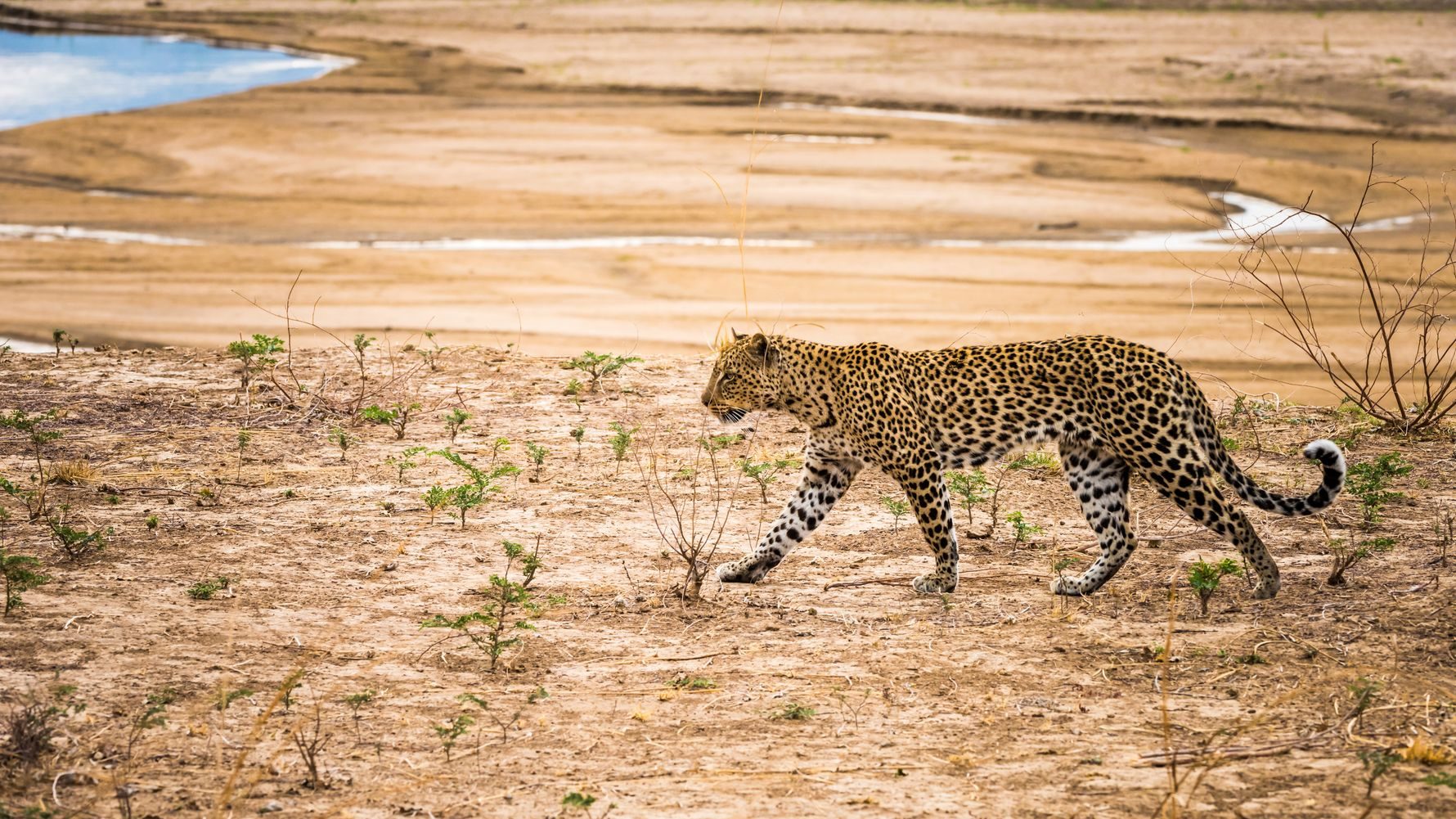
Raptors are the headline. Fish eagles, which usually take fish from the park's lakes, turn to bats for the season; so do hawks and the big crowned and martial eagles, stooping into the dense flights and plucking bats out of the air. The spectacle of an eagle hunting inside a moving wall of bats is one of the things that makes the dawn flight so hard to look away from. On the ground and in the water below, crocodiles and monitor lizards take the bats that fall, and leopards and other cats work the roost edge after dark. For a few weeks the whole food chain of Kasanka reorganises itself around this one food source.
When to Go: The Six-Week Window
This is the part that catches people out. The Kasanka bat migration is one of the shortest wildlife windows in Africa. Miss it by a fortnight either side and you miss it entirely. Here is the honest timing:
- Late October — the first bats arrive as the early rains begin. Numbers are building but still a fraction of the peak. A quieter time to visit, with the roost filling.
- November — the peak, without question. By mid-November the colony is at or near its full ten million and the dawn and dusk flights are at their most overwhelming. If you have one week to pick, it is the middle of November.
- Early-to-mid December — the bats begin to disperse as the fruit is used up and the rains settle in. Still a huge colony in the first week, thinning fast after that.
- By late December — they are gone. The roost empties almost as quickly as it filled.
The timing shifts a little year to year because it follows the rains, not the calendar. The one safe rule is to aim for November and build in a couple of days of flexibility. It is worth saying plainly: this is a rainy-season event. Expect warm, humid days, afternoon storms, and roads that can turn to mud — part of why Kasanka stays so quiet while the rest of the region waits for the dry months.
Where to Stand: The Fibwe Hide and the Forest Floor
There are two classic ways to watch the colony, and a good trip uses both.
The Fibwe hide is the famous one — a platform built high in a tall red mahogany tree on the edge of the Kapabi swamp, looking straight over the roost. From up there at first light you watch the bats stream back in their millions and the eagles work among them, and in the swamp below you have a real chance of the shy sitatunga, the semi-aquatic antelope Kasanka is also known for. Fibwe is one of the best wildlife hides in Africa for a reason.
The other way is from the forest floor and the open clearings, standing underneath the emergence at dusk as the colony lifts off directly overhead. Operators set up specific vantage points for this, including raised platforms, so you are in the right place as the sky fills. The two viewpoints give you completely different experiences of the same animals — the panorama from Fibwe at dawn, and the overwhelming scale from directly below at dusk — and seeing both over two or three evenings is how you do the migration properly.


What to Do at Kasanka Beyond the Bats
You go for the bats, but Kasanka is a proper little park in its own right, and the daylight hours between the dawn and dusk flights are worth filling. Here is how we rank the rest of it.
1. The Dusk Emergence From a Clearing
The main event. Standing in an open clearing or on a platform as the colony lifts off overhead at dusk is the single most overwhelming thing Kasanka offers, and the reason to come. Do it on your first evening and again on your last.
2. Dawn at the Fibwe Hide
First light from the high platform over the Kapabi swamp, watching the bats stream back and the eagles hunt among them, with a chance of sitatunga in the reeds below. The connoisseur's session, and for many the better of the two.
3. Raptors and Predators at the Roost
Fish eagles, hawks and larger eagles hunting inside the flights, crocodiles and monitors working below, and cats on the roost edge after dark. A few weeks a year the whole food chain reorganises around the colony, and it is a spectacle in itself.
4. Sitatunga at Kapabi Swamp
Kasanka is one of the most reliable places in Africa to see the shy, semi-aquatic sitatunga antelope, and the Fibwe hide looks straight over its swamp. A standout even without the bats.
5. Lake Wasa and the Waterways
Game drives and walks around the lakes and rivers turn up puku, bushbuck, elephants, hippos and a huge list of birds. Kasanka is a birding park of the first order, with hundreds of species packed into a small area.
6. Walking and Canoeing
Being a small, low-pressure reserve, Kasanka lets you walk with a guide and get onto the water by canoe — a quieter, closer way to take in the swamp forest and its birdlife between the flights.
How to Give Yourself the Best Chance
A few things make the difference between a good Kasanka trip and a missed one:
- Go in November. The window is short and the peak is narrow. Build the trip around the middle of November and leave a day or two of slack for the weather.
- Stay at least two nights, ideally three. You want several dawn and dusk sessions, both from Fibwe and from the clearings, and the chance to re-shoot if an evening clouds over.
- Come prepared for rain. This is the wet season. Light rain gear, a dry bag for cameras, and patience with muddy roads are all part of it. The reward for the discomfort is that you share the place with almost no one.
- Fly in if you can. Kasanka is remote — a long drive from Lusaka — and a light-aircraft transfer saves a hard day on the road at the wettest time of year. We build the logistics around getting you there rested and in time for the first flight.
Where Kasanka Fits in a Zambian Safari
Few people fly all the way to central Zambia for the bats alone, and the smart move is to pair Kasanka with the country's great game parks. The classic combination runs the bat migration together with South Luangwa, Zambia's finest wildlife park and the home of the walking safari, a few hundred kilometres to the east — leopards, enormous elephant and buffalo herds, and some of the best guiding in Africa. Others add the Lower Zambezi for canoeing beneath the escarpment, or the Bangweulu Wetlands next door for the prehistoric-looking shoebill. The bats give you an event found nowhere else on Earth; Luangwa and the Zambezi give you the classic safari around it.
Plan Your Kasanka Safari With Beyond Africa
We are a Cape Town-based, tailor-made safari house, and the Kasanka bat migration is exactly the kind of trip we are built to arrange — a short, weather-dependent window in a remote park where the timing and the logistics have to be right. We handle the flights into central Zambia, put you in the right camps for both the dawn hide and the dusk clearings, and build South Luangwa or the Lower Zambezi around it so the journey earns its distance.
Ready to stand under ten million bats? 👉 Request a safari quote → 👉 Browse our safari packages → 👉 WhatsApp us: +27 78 471 4852