Key Takeaways
- An affordable combined Kenya & Tanzania safari runs roughly US$250–450 per person per day at the value end, US$400–750 mid-range, and US$800–1,500+ for luxury — all-in of camps, vehicles, guides, park fees and most meals, land-only.
- A combined trip costs more than a single country because you pay high park fees in both, and safari vehicles usually can't cross the border — but smart planning turns that into a manageable, well-worth-it premium.
- Season is the single biggest lever. Travelling in the green season (roughly March–May) can cut the price of the very same journey by 30–50% versus peak migration months.
- Sharing lowers everything. Because vehicles and guides are priced per vehicle, travelling as a small group or family brings the per-person cost down dramatically.
- Booking direct saves the markup. Working with an owner-run operator rather than a chain of middlemen typically saves 15–25% — which is exactly how we quote: one honest, all-in number.
A combined Kenya and Tanzania safari is the trip of a lifetime — the Masai Mara and the Serengeti, two halves of the same endless plain, joined by the greatest wildlife spectacle on Earth. It is also the trip most people quietly assume is out of reach. The word "affordable" and the words "Kenya and Tanzania" rarely appear in the same sentence, and when they do, it's usually attached to a vague "from" price that melts the moment you ask what's included.
This guide fixes that. Written by a South African team who quote and run these journeys every week, it is our honest answer to a simple question: how do you do East Africa's greatest safari without spending a fortune? We'll itemise every part of the price — your camps, your vehicles and guides on each side of the border, the park fees in both countries, the cross-border logistics people forget, and the extras that catch travellers out — then show you two real, all-in worked examples and the exact levers that bring the number down. Affordable doesn't mean cheap, and it never means cutting the magic. It means spending cleverly, so every dollar buys you more wildlife, more wonder and more time in the wild.
The short answer — what a combined safari costs in 2026
If you only read one section, read this. These are honest 2026 guide ranges for a combined Kenya and Tanzania safari, per person sharing, and — importantly — land-only, meaning they exclude your international flights but include your camps, most meals, game drives, vehicles and guides, and park fees on both sides of the border.
| Tier | Per person / day | An 8-day combined trip (pp) | What you get |
|---|---|---|---|
| Value / Standard | ~US$250–450 | ~US$2,000–3,600 | Comfortable tented camps, shared or small-group 4x4, classic game drives |
| Mid-range / Comfort | ~US$400–750 | ~US$3,200–6,000 | Well-appointed lodges & camps, semi-private or private vehicle, more service |
| Luxury / Premium | ~US$800–1,500+ | ~US$6,400–12,000+ | Exclusive camps, private vehicle & guide, regional flights, high staff ratios |
Those ranges are wide for a reason: a combined safari can be a genuinely attainable overland adventure or a once-in-a-lifetime, fly-in indulgence — and everything in between. The rest of this guide explains exactly what moves you up and down that scale, and how to sit as low on it as you comfortably can.
What actually makes up the price — the building blocks
Every combined-safari quote, honest or not, is assembled from the same core parts. Understanding them is the single best defence against a misleading "from" price.
1. Your camps and lodges. This is usually the biggest line item, and it swings enormously — from comfortable tented camps just outside the parks to exclusive camps with a handful of tents and a butler. Your choice of camp tier sets the tone of the whole trip and most of the cost.
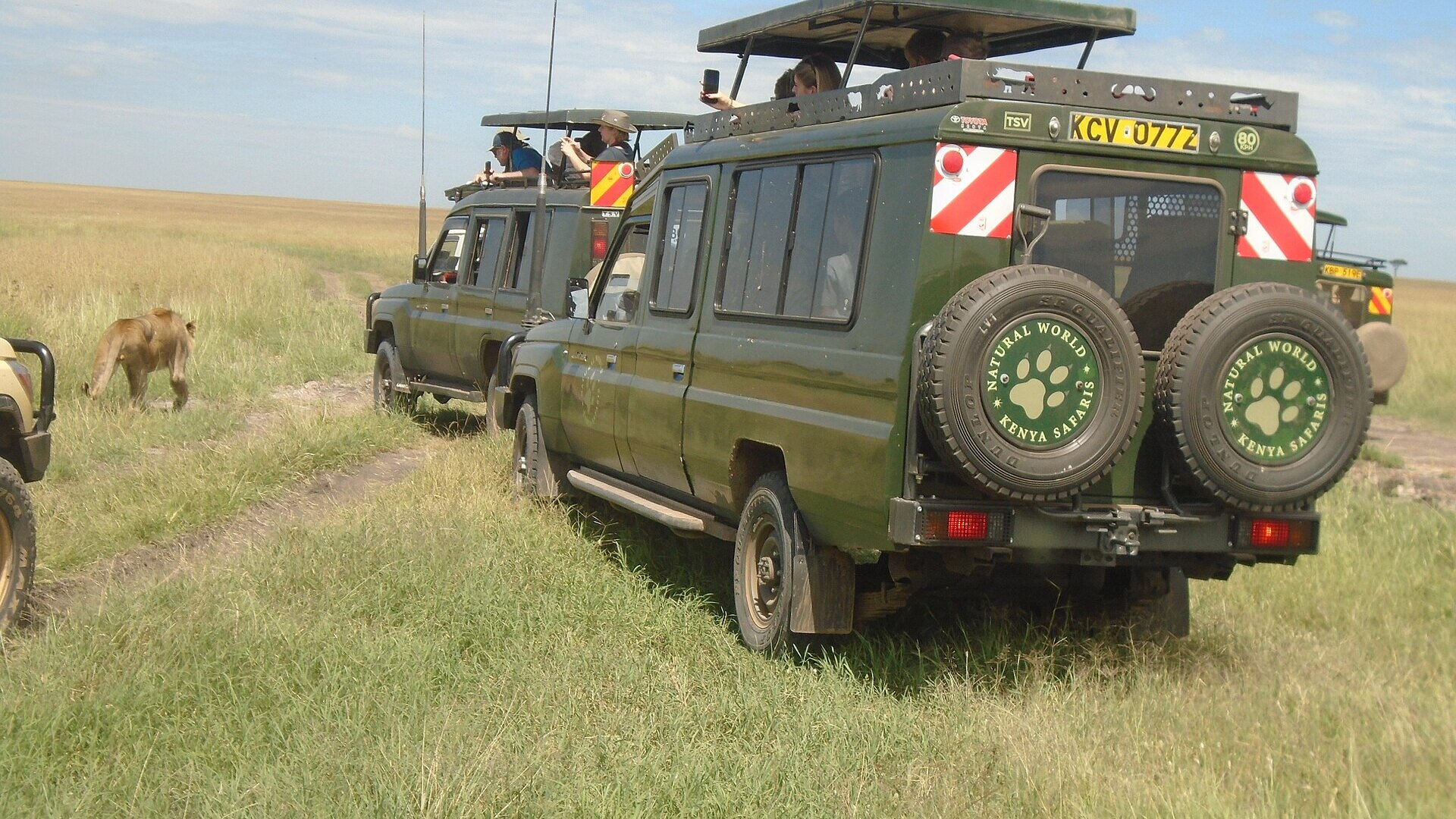
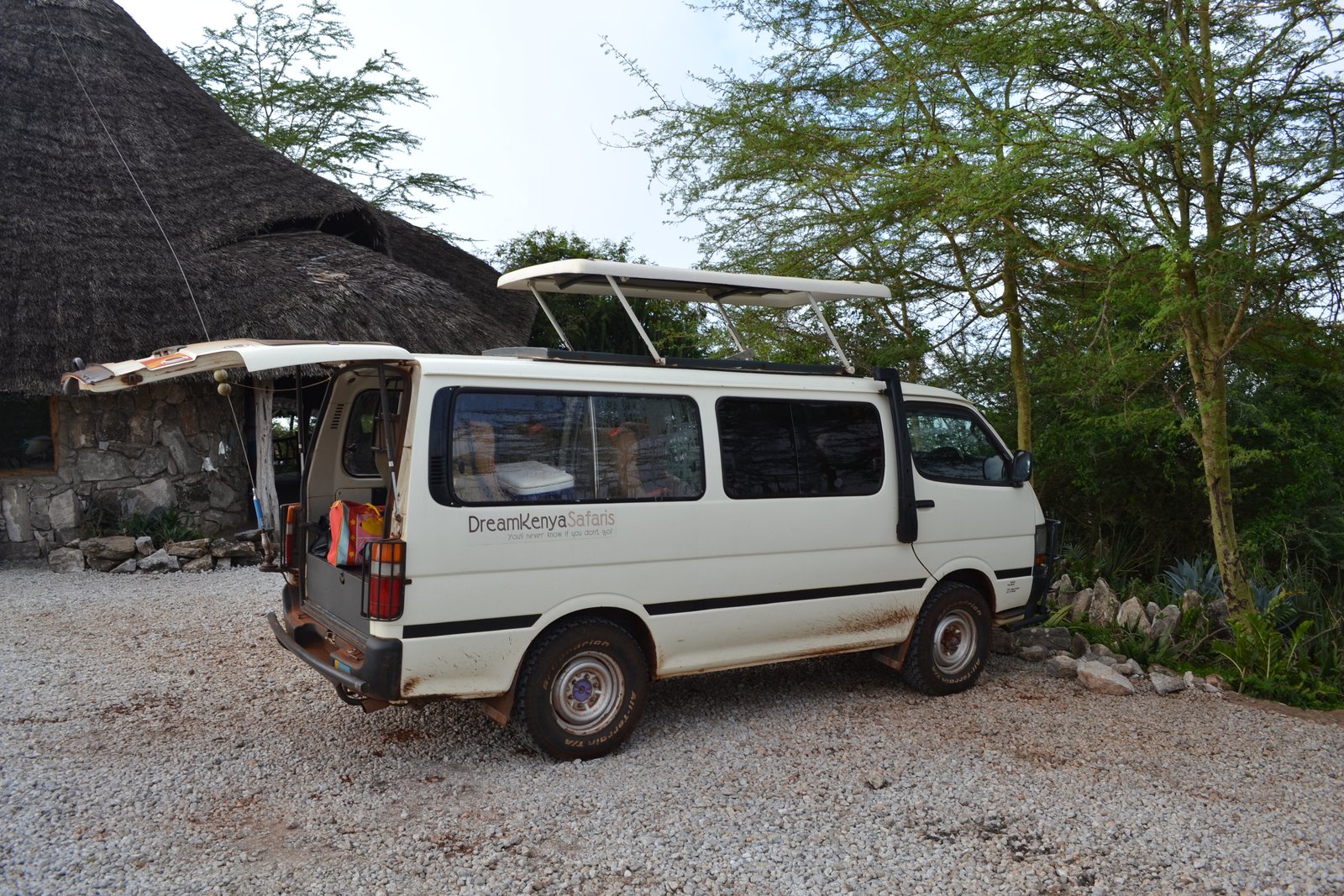
2. Your vehicles and guides — on both sides. Because safari vehicles generally can't cross the Kenya–Tanzania border, you effectively pay for transport and guiding twice: a 4x4 and driver-guide in Kenya, and another in Tanzania. Sharing that cost across a small group or family is the biggest single way to bring the per-person price down.
3. Park fees in two countries. The Masai Mara, the Serengeti and the Ngorongoro Crater are among Africa's most expensive protected areas, and a combined trip visits several of them. These fees are mandatory and detailed in the next section.
4. Crossing between the two countries. You either cross overland at the Isebania/Sirari border (cheaper, longer, and part of the adventure) or fly between the parks (faster, pricier). This choice alone can move the total by hundreds of dollars per person.
5. The extras. Balloon safaris, Maasai and cultural village visits, tips, drinks, visas and insurance sit on top of the base price — small individually, but they add up, and honest planning includes them from the start.
The 2026 park fees, plainly stated
Fees are the part of the price most companies bury — and on a two-country trip there are more of them. Here they are in the open. These are per adult, per day, for non-residents, and are set by each country's parks authority — not by us.
| Park / area | Country | Fee (per adult / day) |
|---|---|---|
| Masai Mara National Reserve | Kenya | ~US$100 green / ~US$200 peak |
| Serengeti National Park | Tanzania | ~US$70 (incl. VAT) |
| Ngorongoro Conservation Area | Tanzania | ~US$70 + vehicle/concession fees |
| Private conservancy fee (optional, Mara) | Kenya | ~US$100–130 (usually in rate) |
Two things to notice. First, the Masai Mara reserve fee roughly doubles in peak season (broadly July–December, spanning the migration), which is a big reason peak-season trips cost more. Second, because you're paying entry in two countries, park fees make up a larger share of a combined trip than a single-country one — which is precisely why the choice of season and the number of park-days you plan matter so much to the final bill.
Crossing the border — the logistics that quietly add up
Here's the single fact that shapes the cost of every combined safari: safari vehicles generally cannot cross the Kenya–Tanzania border. When you move between the Masai Mara and the Serengeti, you leave your Kenyan vehicle and guide, cross on foot at the Isebania/Sirari post (or fly between airstrips), and pick up a fresh Tanzanian vehicle and guide on the other side.
This is why a two-country trip costs more than one country twice over would suggest — you're effectively paying for two safari set-ups. But it's also entirely manageable once you know it's coming. Overland crossing is the affordable route: it's slower and involves a road day, but it's a fraction of the cost of flying and lets you watch the landscape change. Flying between parks by light aircraft saves the best part of a day and is wonderfully comfortable, but adds meaningfully to the total. Many of our travellers do exactly one flight leg — usually the longest hop — and drive the rest, capturing the convenience where it matters while keeping the cost sensible.
Two honest, all-in worked examples
Ranges are useful, but real numbers are better. Here are two realistic 2026 combined safaris, costed all-in (land-only, excluding international flights). Yours will vary with dates, camps and routing, but this is the shape of it.
Example 1 — two friends, 7 days, value tier, green season, overland
| Comfortable tented camps, 6 nights (per person, full board, green) | ~US$1,500 |
| Shared 4x4 & driver-guide, both countries (per-person share) | ~US$520 |
| Park fees — Mara + Serengeti + Ngorongoro (green) | ~US$700 |
| Overland border transfer + Nairobi/Arusha transfers | ~US$230 |
| All-in per person | ~US$2,950 |
A genuine two-country safari — the Mara, the Serengeti and the Ngorongoro Crater — for under three thousand dollars a person, land-only. That's the value tier done well: real wildlife, comfortable camps, and none of the magic sacrificed.
Example 2 — a family of four, 10 days, mid-range, shoulder season, one flight leg
| Mid-range lodges & camps, 9 nights (family of 4, full board) | ~US$11,500 |
| Private 4x4s & guides, both countries, 10 days | ~US$2,600 |
| Park fees — Mara + Serengeti + Ngorongoro (4 pax, shoulder) | ~US$2,800 |
| One regional flight leg (4 pax) + border & city transfers | ~US$1,200 |
| All-in total (family of 4) | ~US$18,100 |
| Per person | ~US$4,525 |
Notice how sharing camps and vehicles brings the family's per-person cost down close to the value tier, even at a more comfortable standard — and how travelling in the shoulder season, rather than peak, keeps both the camp rates and the reserve fees sensible. That sharing-and-season combination is the lever you control.
Peak vs green season — the biggest price lever you control
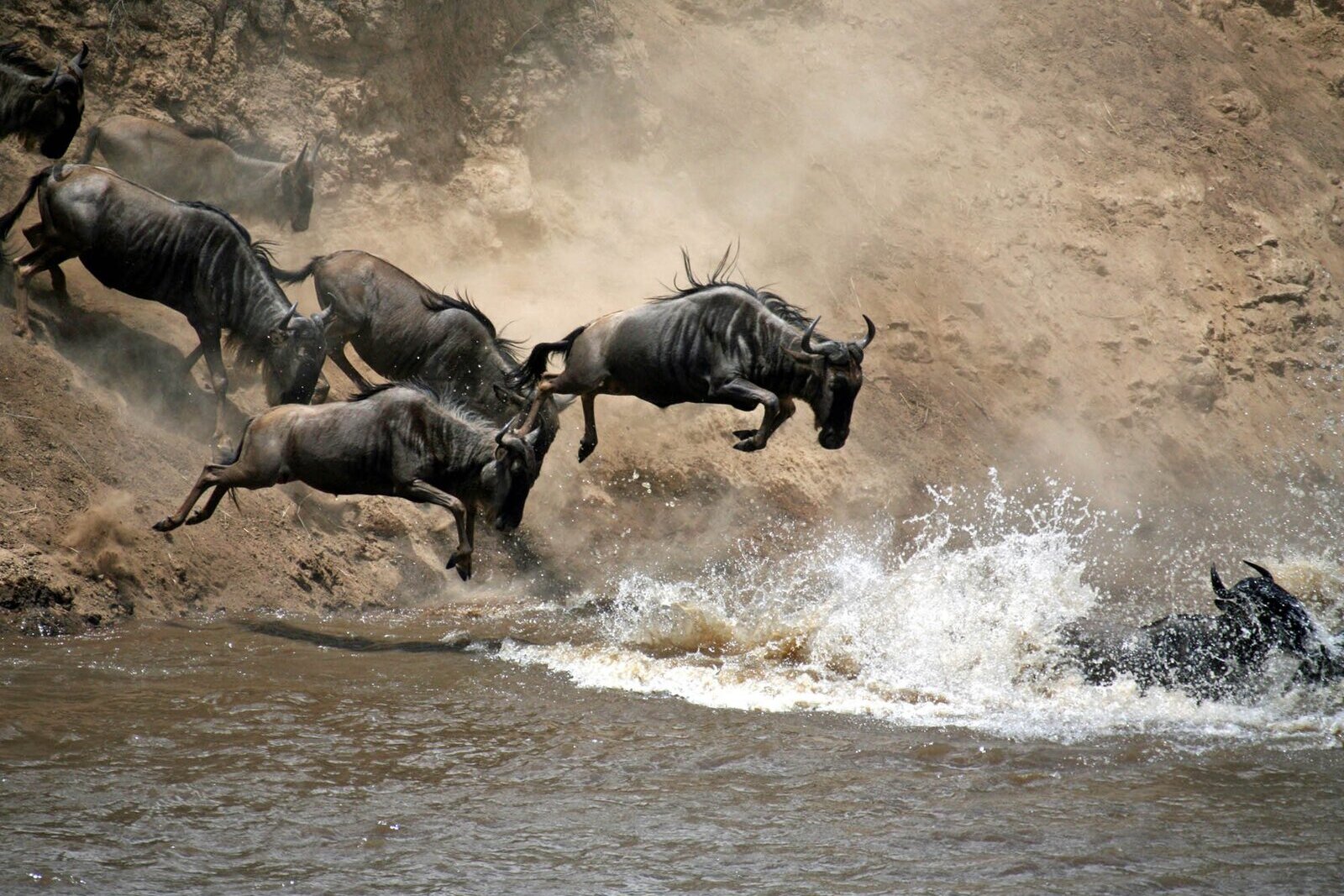
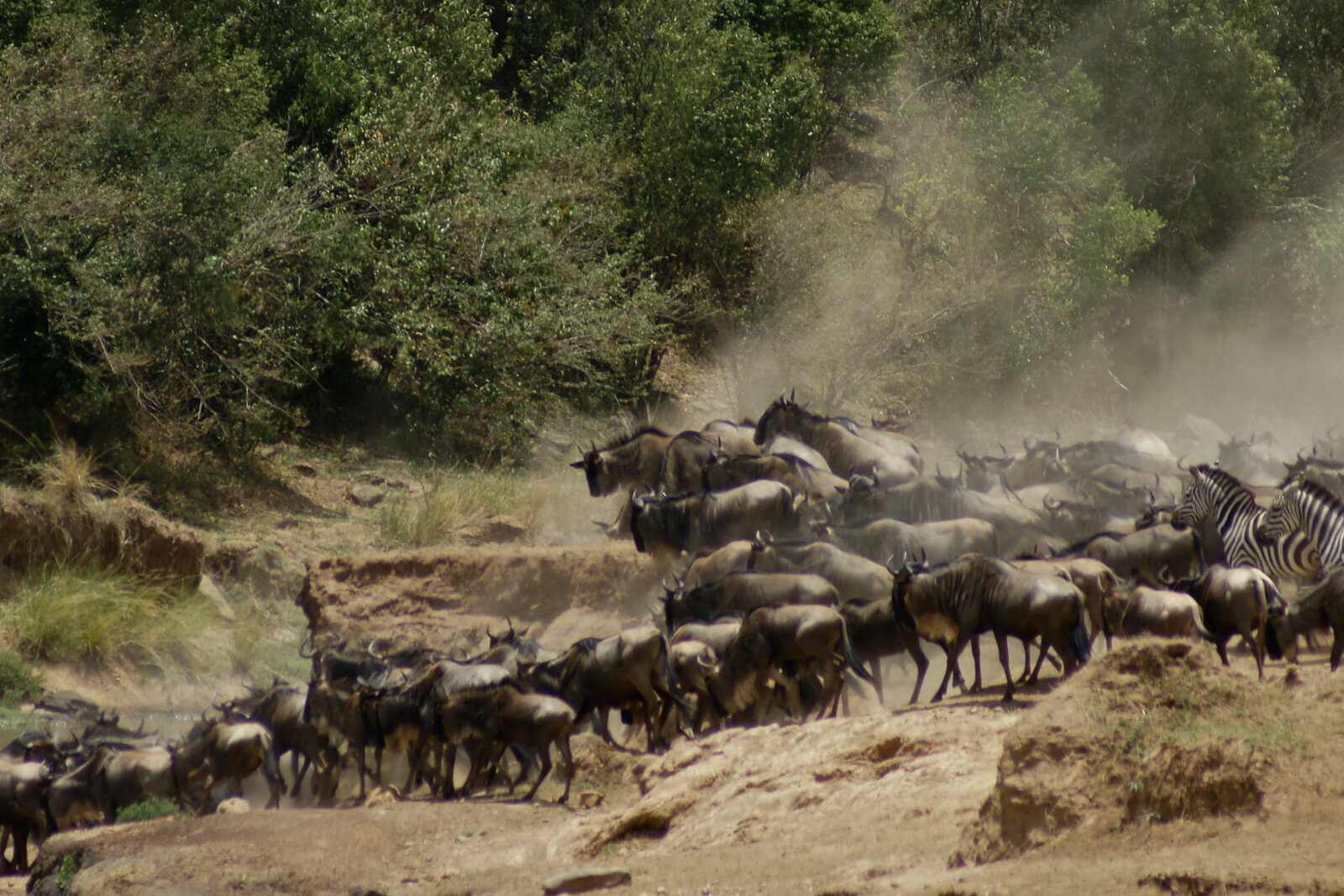
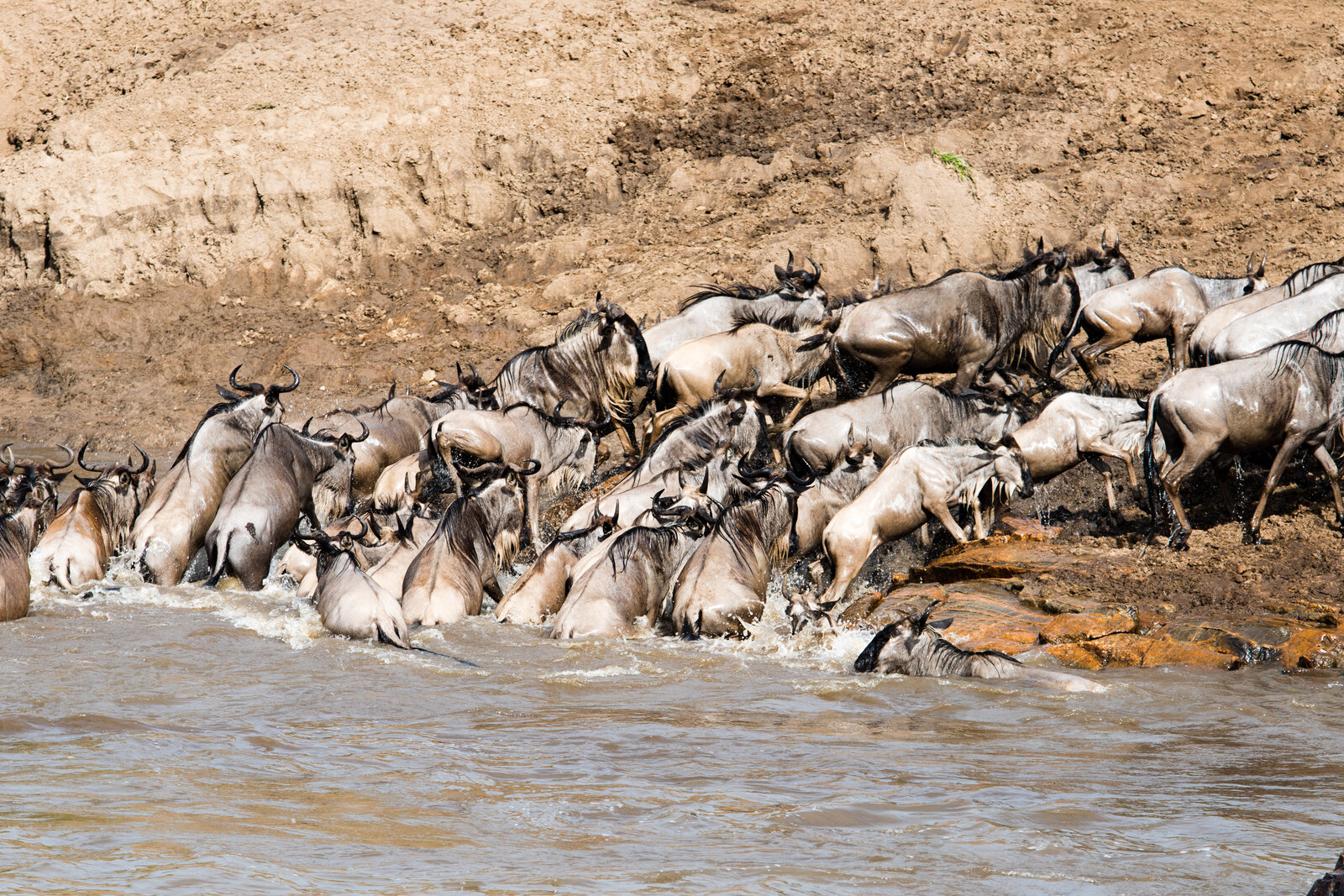
If budget matters, season is your most powerful tool. Peak season (broadly July–October, when the migration and its river crossings are in the Mara) brings the highest camp rates and the higher US$200 Mara reserve fee — a premium of 30–50% on the very same trip. Shoulder season (June and November) offers a happy middle: good conditions and 10–20% savings. Green season (roughly March–May) can cut camp rates by a third or more and halves the Mara reserve fee — for the same magnificent wildlife, lush emerald scenery and far fewer vehicles.
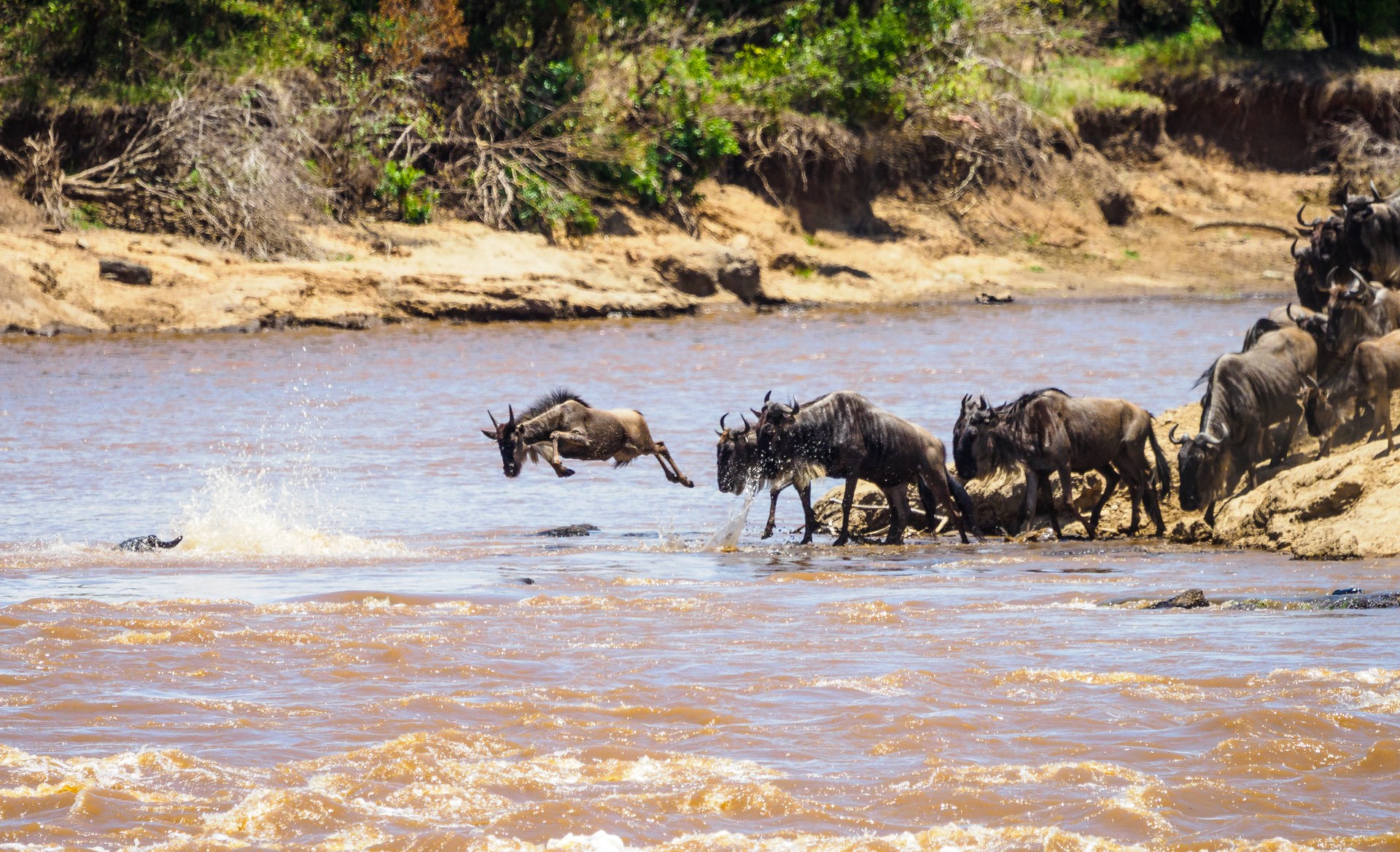
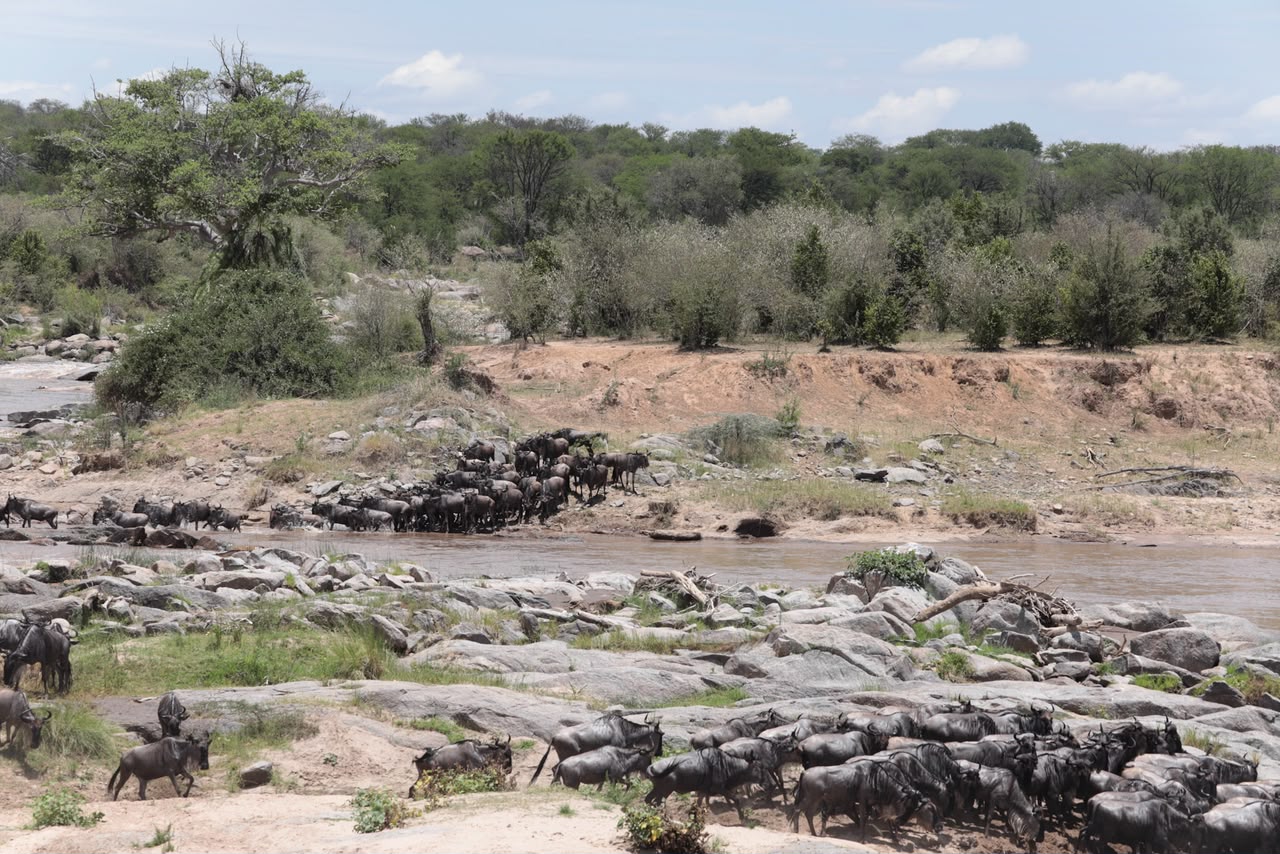
The trade-off is honest: outside July–October you won't have the peak Mara river-crossing spectacle. But the resident lion, cheetah, elephant and vast plains game are all there year-round, the Serengeti holds the migration at other times of year (including the dramatic calving season in the south), the birding is superb, and your money goes dramatically further. For value-minded travellers, green and shoulder season are where the smart trips live.
What's included — and what isn't
The gap between a cheap-looking quote and an honest one usually hides in this list. When we quote you a single all-in price, here's what sits inside it and what to budget separately.
| Typically included | Usually extra |
|---|---|
| Camp/lodge accommodation & most meals | International flights |
| 4x4 vehicles, guides & game drives (both countries) | Visas — Kenya eTA (~US$30) & Tanzania visa (~US$50–100) |
| Park & conservation fees in Kenya & Tanzania | Balloon safari (~US$450–595 pp) |
| Border & airstrip transfers | Tips (~US$10–20 pp/day), village visits (~US$20–100 pp), insurance |
One practical note on visas: Kenya and Tanzania each require their own entry document (Kenya's online eTA and a Tanzanian visa), so budget for both. The East Africa Tourist Visa is excellent value if you're extending into Uganda or Rwanda, but it does not cover Tanzania — a small detail worth getting right before you travel.
How to get the most safari for your money
Affordable doesn't mean compromised. Here's how our travellers get the best value on a combined safari without cutting the magic:
Travel green or shoulder. Shifting your dates out of peak season is the single biggest saving available — often 30–50%. Share the vehicles. Because your 4x4 and guide are priced per vehicle in each country, a small group or family slashes the per-person cost. Go overland where it counts. Crossing the border by road, and driving the shorter hops, saves substantially over flying every leg — and the landscapes are half the adventure. Mix your camps. A comfortable tented camp one night and a smarter lodge the next gives you value and a treat without paying luxury rates throughout. Plan your park-days deliberately. Because fees are daily and charged in two countries, a well-designed route that makes every park-day count keeps the biggest fixed cost in check. And book direct with an owner-run operator — cutting out the chain of middlemen typically saves 15–25%, folding camps, vehicles, fees, transfers and extras into a single honest price rather than a stack of marked-up parts.
Is a combined Kenya & Tanzania safari worth it?
For the traveller who wants to see East Africa's greatest wildlife in one journey, emphatically yes. The Masai Mara and the Serengeti are two halves of a single ecosystem, and standing in both — watching the same migration from either side of the border — is an experience that a single-country trip simply can't match. Doing it affordably doesn't diminish that; it makes it possible. With the right season, shared vehicles and an honest operator, the two-country dream sits far closer to reach than most people assume — and every dollar you save is a dollar that stays in your pocket, not a moment of magic lost.
The verdict — East Africa's greatest journey, kindly priced
A combined Kenya and Tanzania safari costs what you decide it costs — and now you know exactly which levers set the number. Value travellers can have a genuine two-country adventure — the Mara, the Serengeti and the Ngorongoro Crater — from under US$3,000 a person; families and couples seeking more comfort can craft a mid-range dream without ever touching luxury prices. The only thing that should never be part of the price is a nasty surprise.
That's our promise. We are an owner-run South African team; we choose the camps, guides and vehicles ourselves on both sides of the border, we show you every cost up front, and we fold flights of fancy and every real fee into one clear, honest number. Tell us your dates, your party and your budget, and we'll build you the affordable Kenya and Tanzania safari that fits — and make every cent of it count.