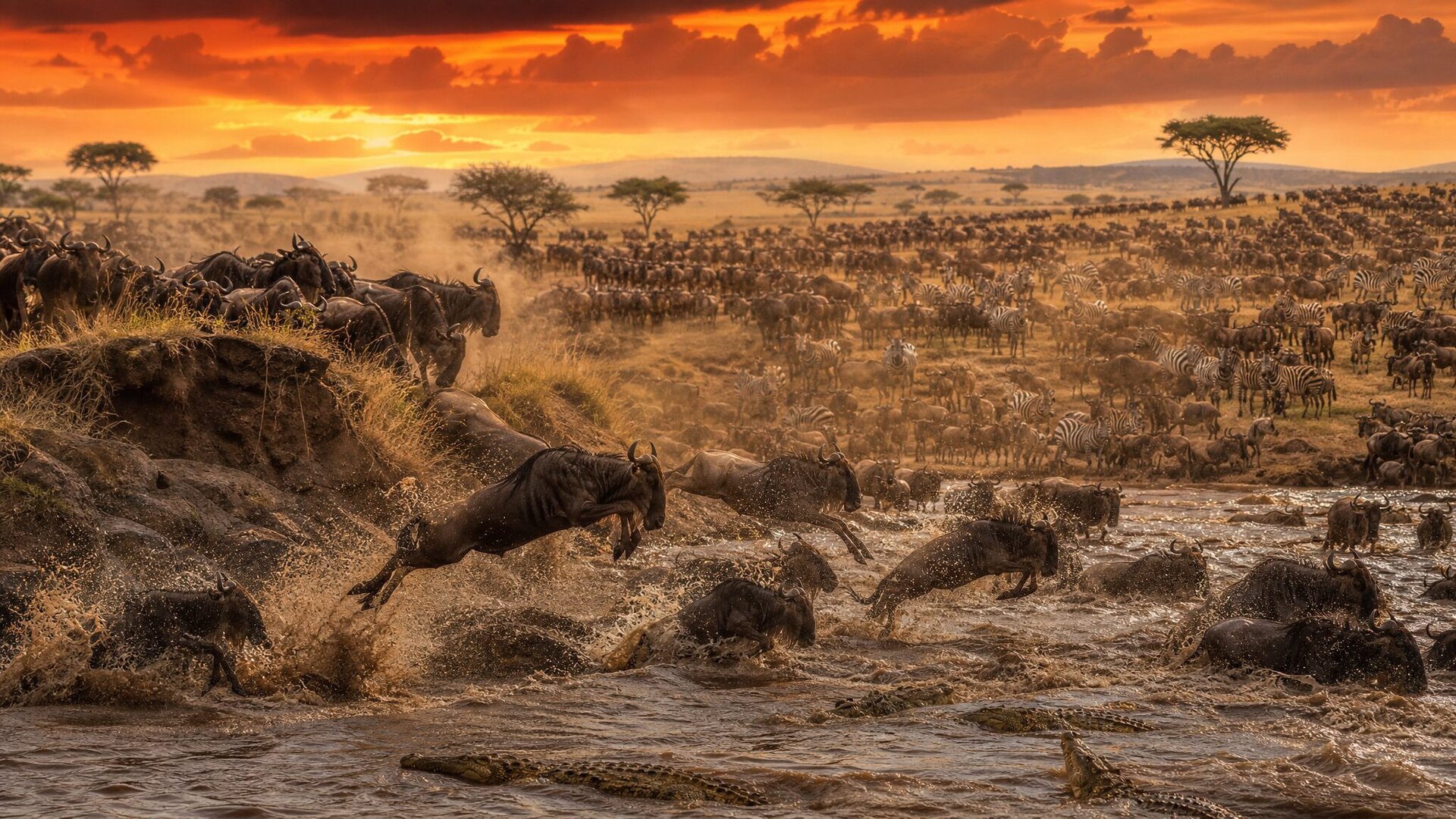
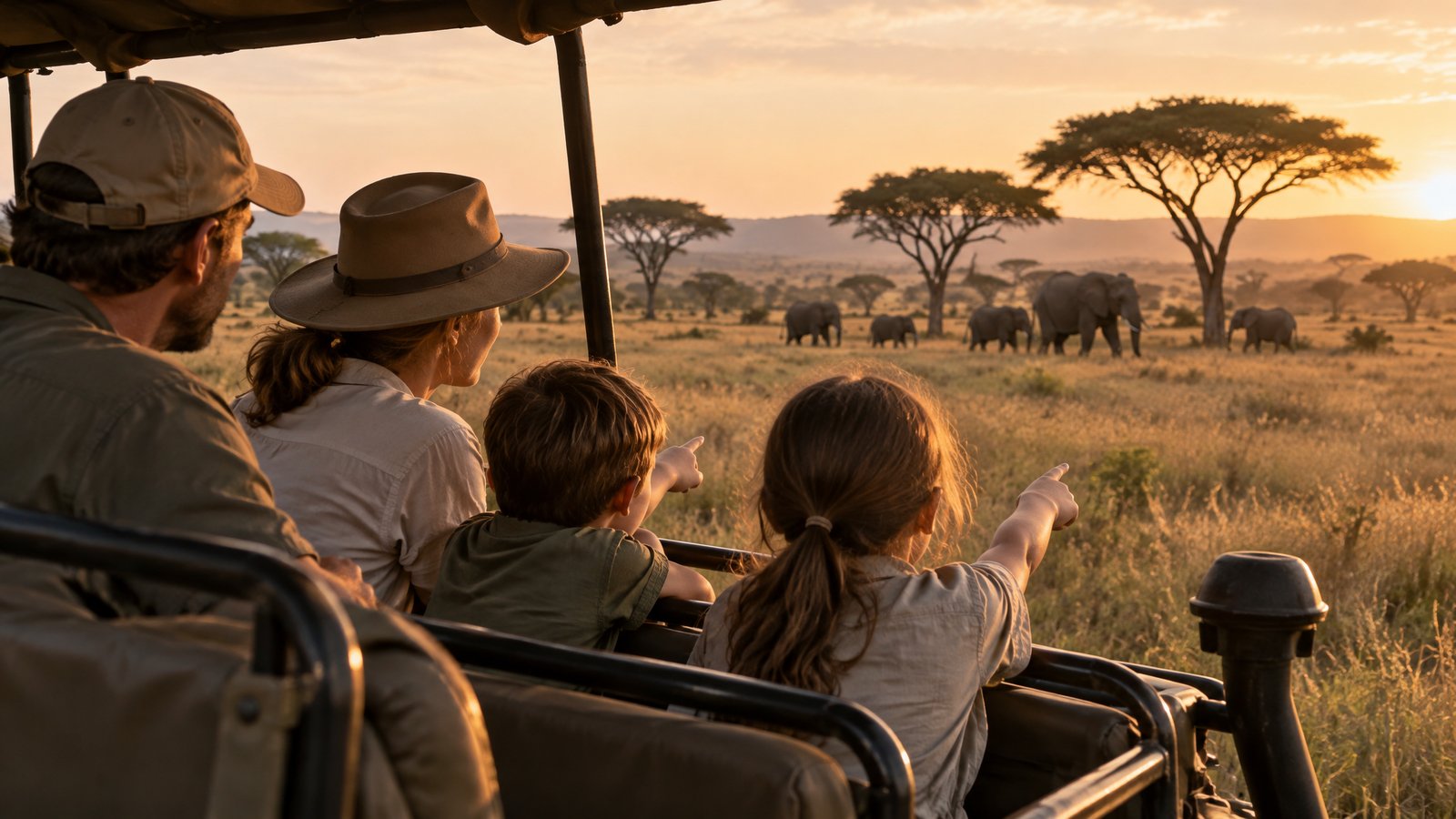
Everyone wants to see the river crossing. Fewer people know that the herds are only on the Mara River for a few months of the year, and that a safari booked for the wrong weeks will miss them entirely. After years of timing migration trips to where the wildebeest actually are, here are the ten packages we book — and exactly when each one works.
📋 Key Takeaways
- Timing is everything. River crossings run roughly July to October; calving is late January to March. Book the wrong month and you miss the herds.
- Kenya or Tanzania follows your dates. Tanzania from December to June, the Masai Mara and northern Serengeti for the July-to-October crossings.
- A private vehicle pays off. It lets you sit at a crossing for hours and leave camp before dawn — the difference between seeing a crossing and missing it.
- Prices are honest. Packages start near US$395 per person per night on safari; group and camping trips lower, fly-in higher. We quote every trip in writing.
- Book early. Crossing-season camps sell out ten to fourteen months ahead; calving camps six to nine.
How we chose these ten migration safaris
We did not build this list around the prettiest camps. We built it around the calendar — because the wildebeest migration is a moving target, and the single thing that makes or breaks a trip is being in the right place in the right month. Every package here is timed to where the herds genuinely are, and each is one we book for real travellers and hear back about. If you want the ranked, commercial pick of our best migration trips, our top great migration safari packages is the companion guide; this page is the shortlist built around the two headline events — the Ndutu calving and the Mara River crossings — plus the family, photographic and budget ways to see them. For the full year-round picture, read our great migration month-by-month breakdown.
| What the migration looks like | When | Where |
|---|---|---|
| Calving | Late January-March | Southern Serengeti & Ndutu plains |
| Herds moving north | April-May | Central Serengeti |
| Grumeti crossings | May-June | Western Corridor, Serengeti |
| Mara River crossings | July-October | Northern Serengeti & Masai Mara |
| Herds returning south | November-December | Eastern & southern Serengeti |
1. Mara River Crossing Safari (July-October)
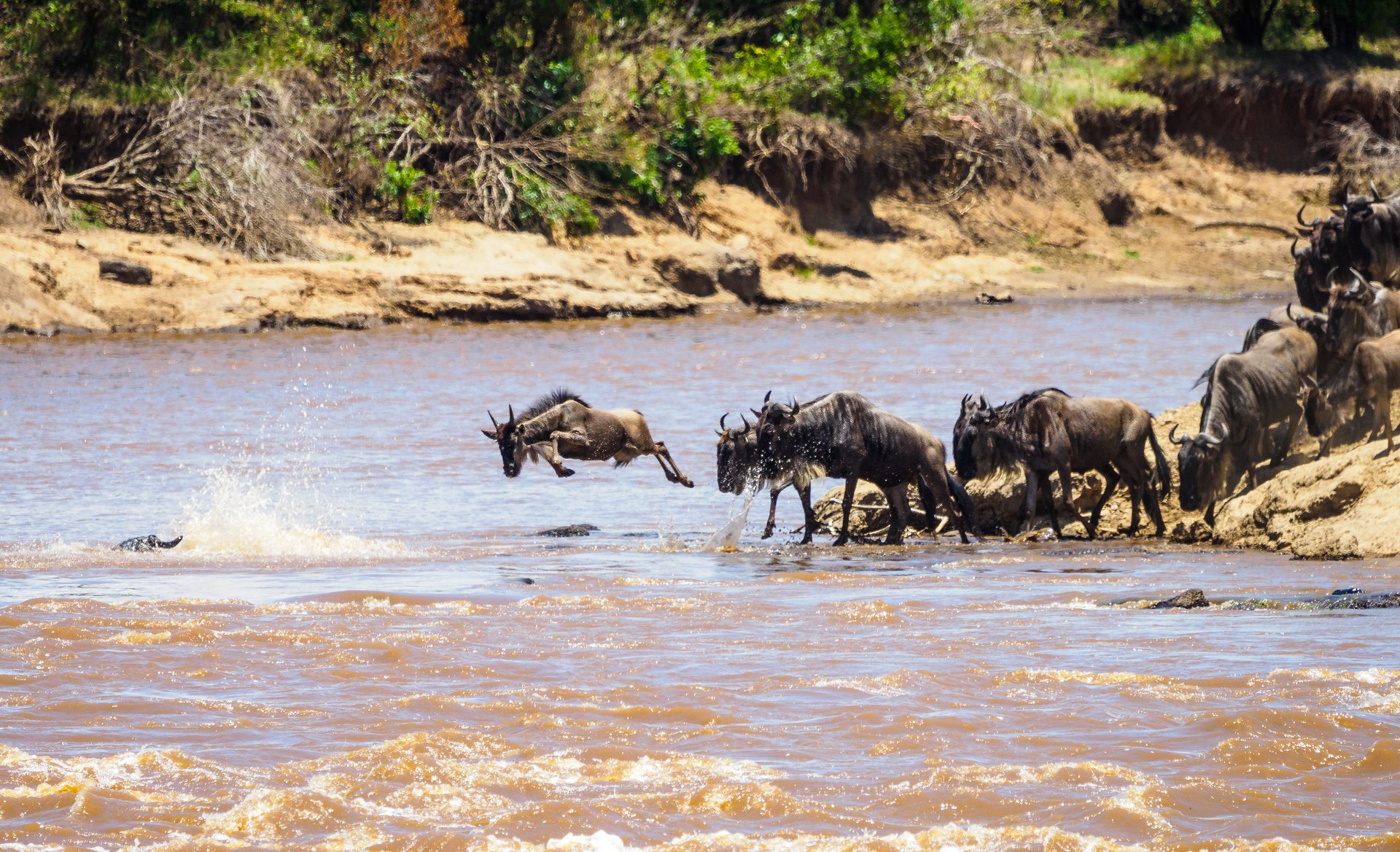
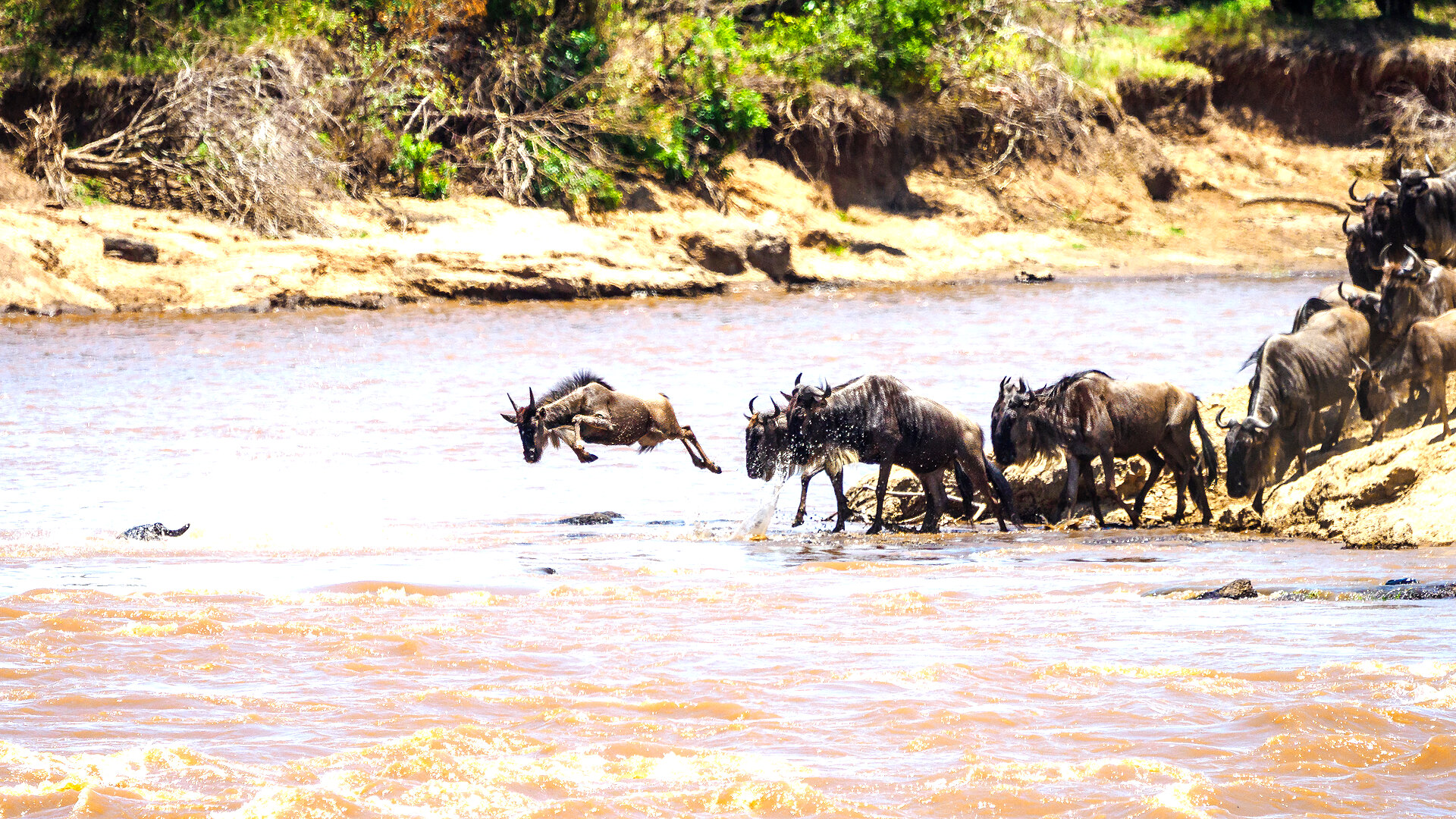
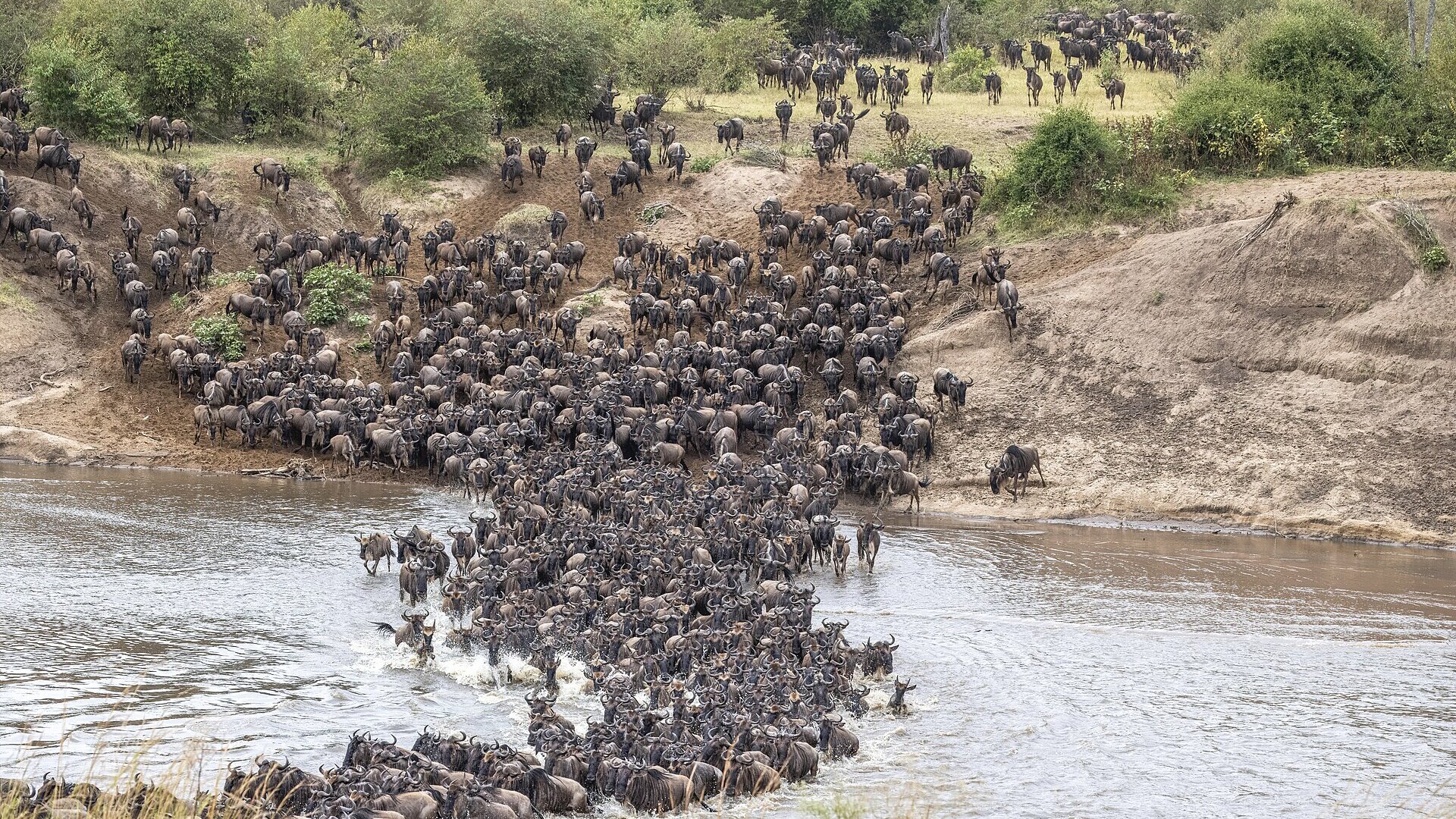
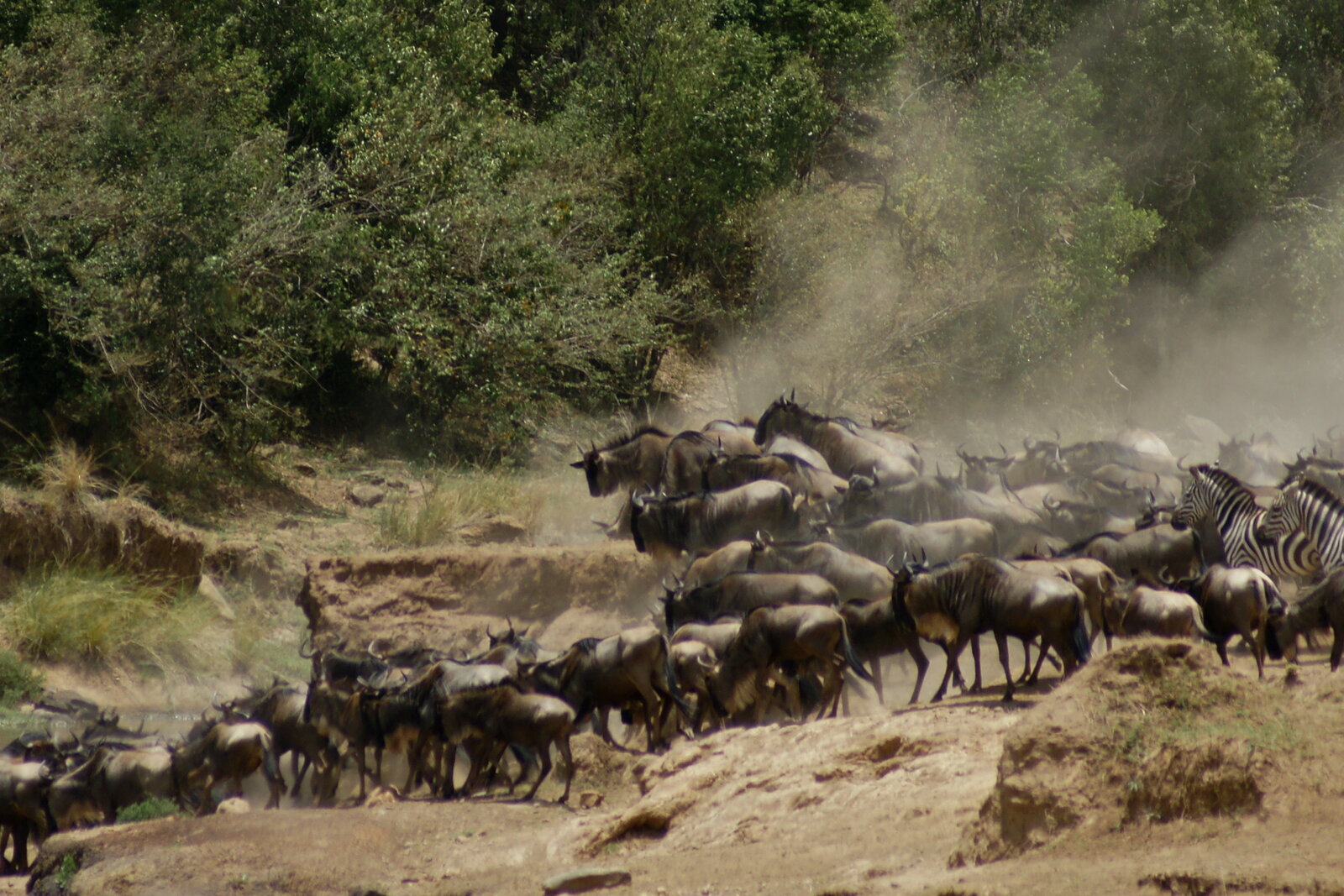
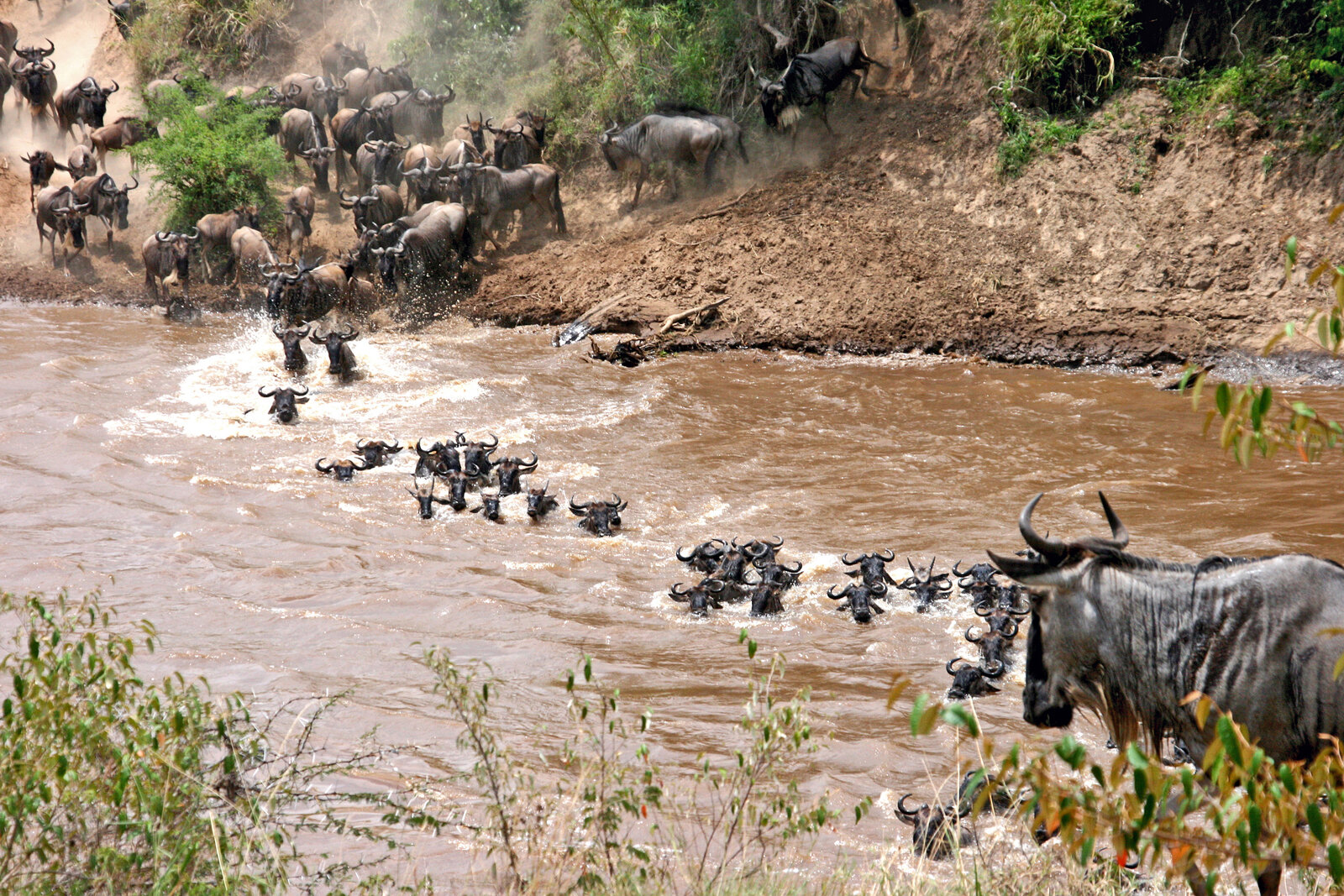
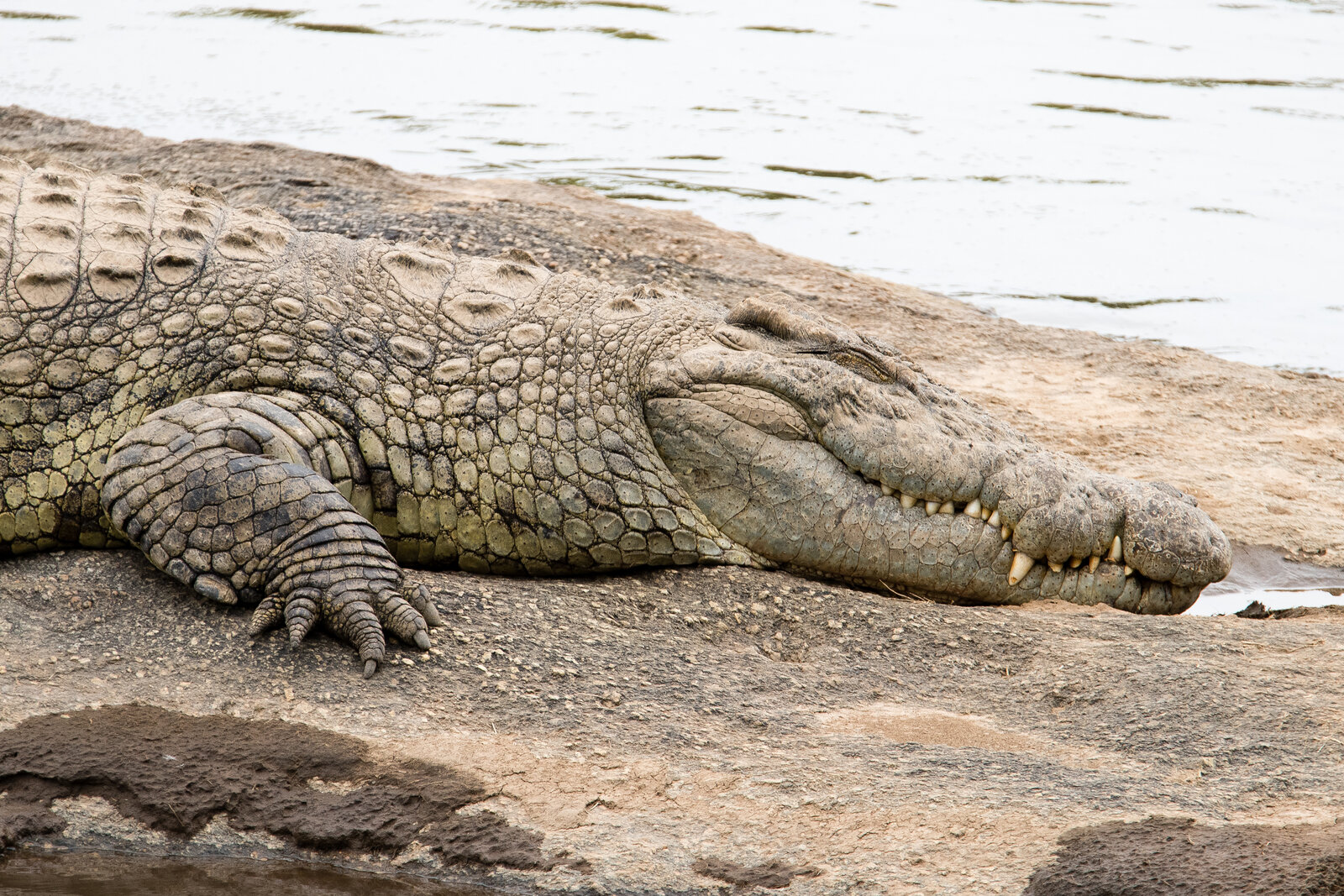
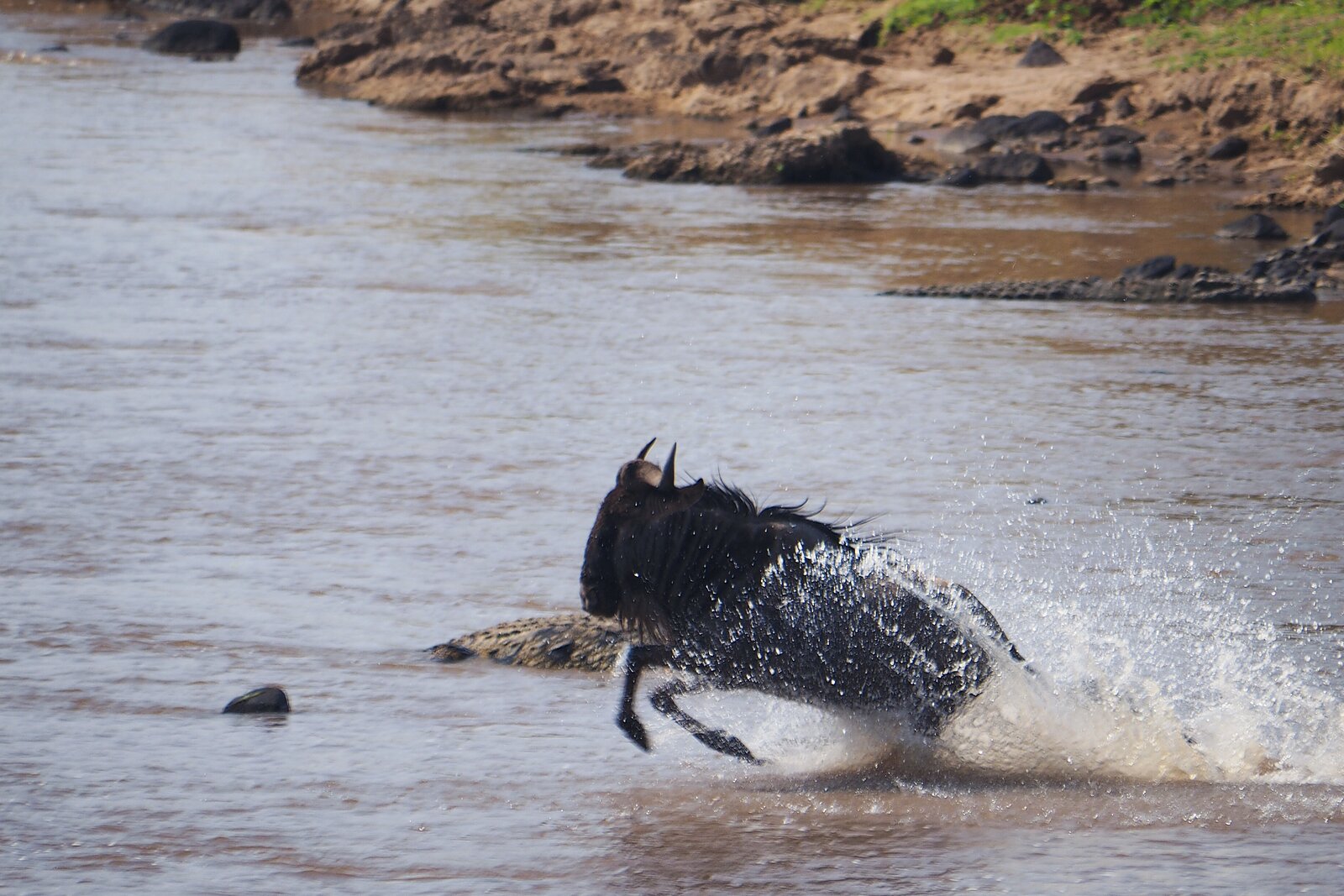
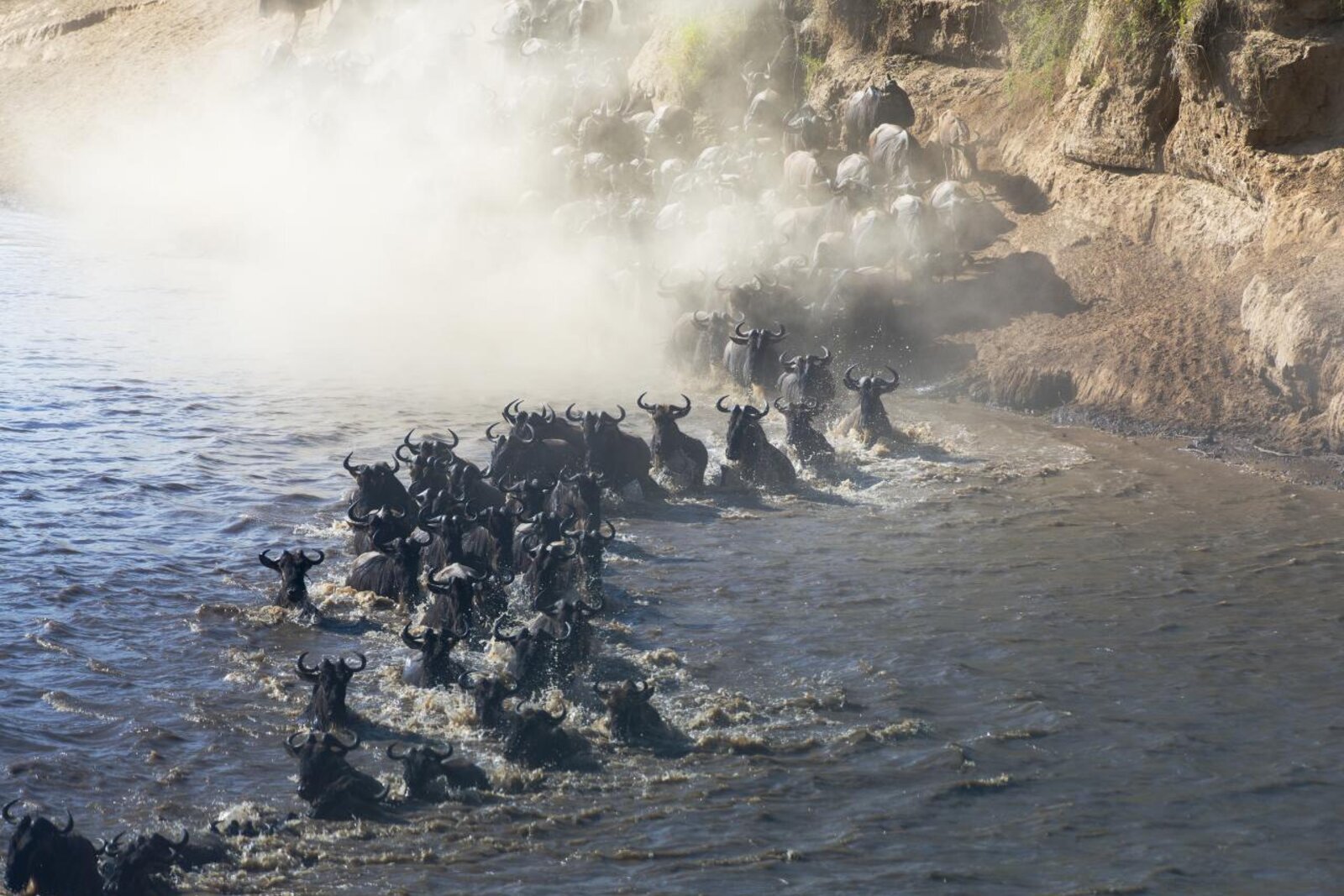
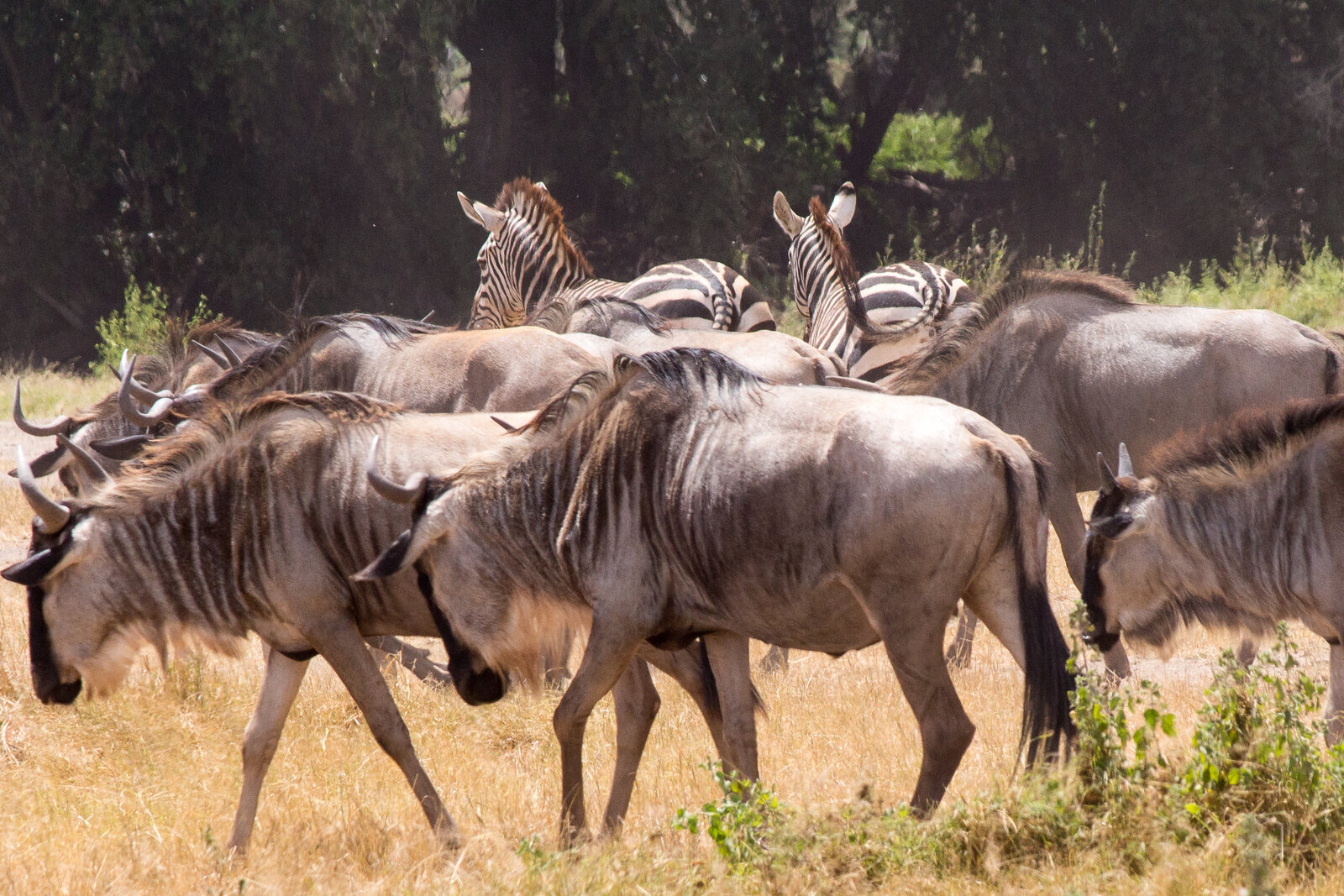
This is the trip most people mean when they say they want to see the migration. From about July to October the herds reach the Mara River, on the northern edge of the Serengeti and across the border in Kenya's Masai Mara, and to keep moving they have to cross — down steep banks, through water where crocodiles wait, in a churning mass of wildebeest and zebra. It is the most dramatic wildlife event in Africa, and when it happens in front of you it is impossible to forget. The honest caveat is that no crossing is guaranteed on any single day: the herds gather, hesitate, sometimes wait hours, sometimes turn back. That is exactly why we book a private vehicle and three or four nights in a camp right on the river, so you have the time and the position to be there when it breaks. Our Masai Mara river crossings guide explains how the crossings work and how to read the herds.
2. Ndutu Calving Season Safari (late January-March)
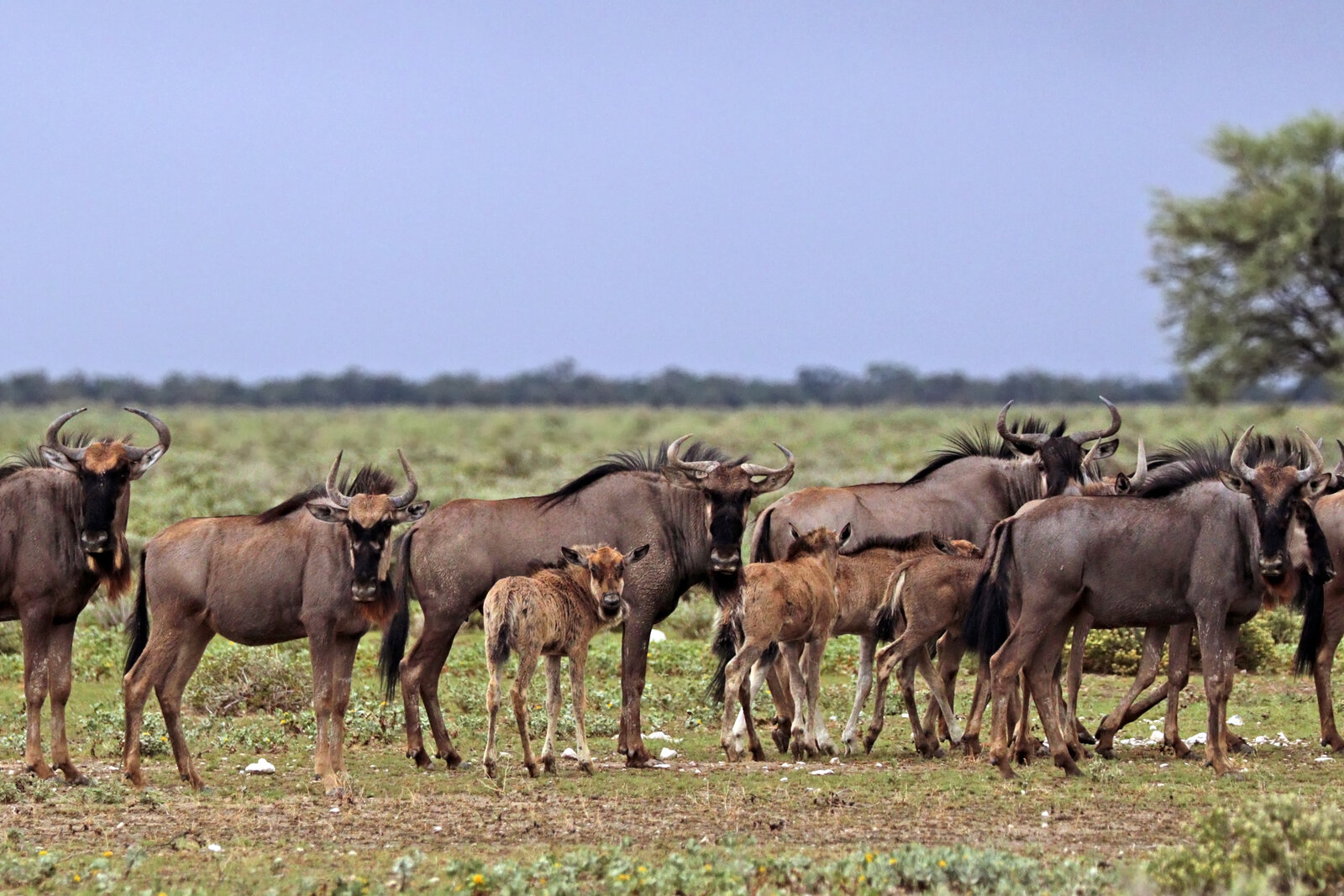
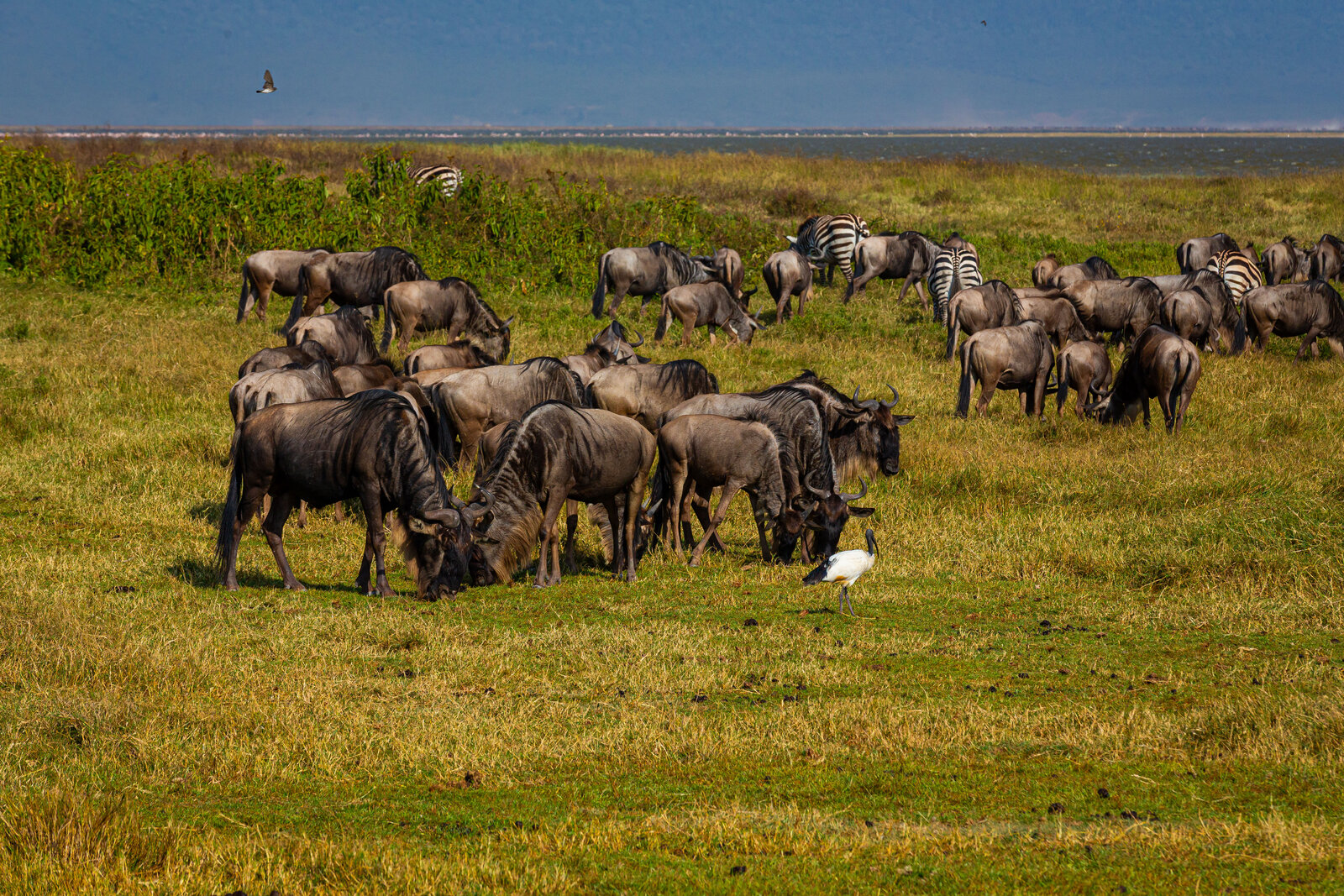
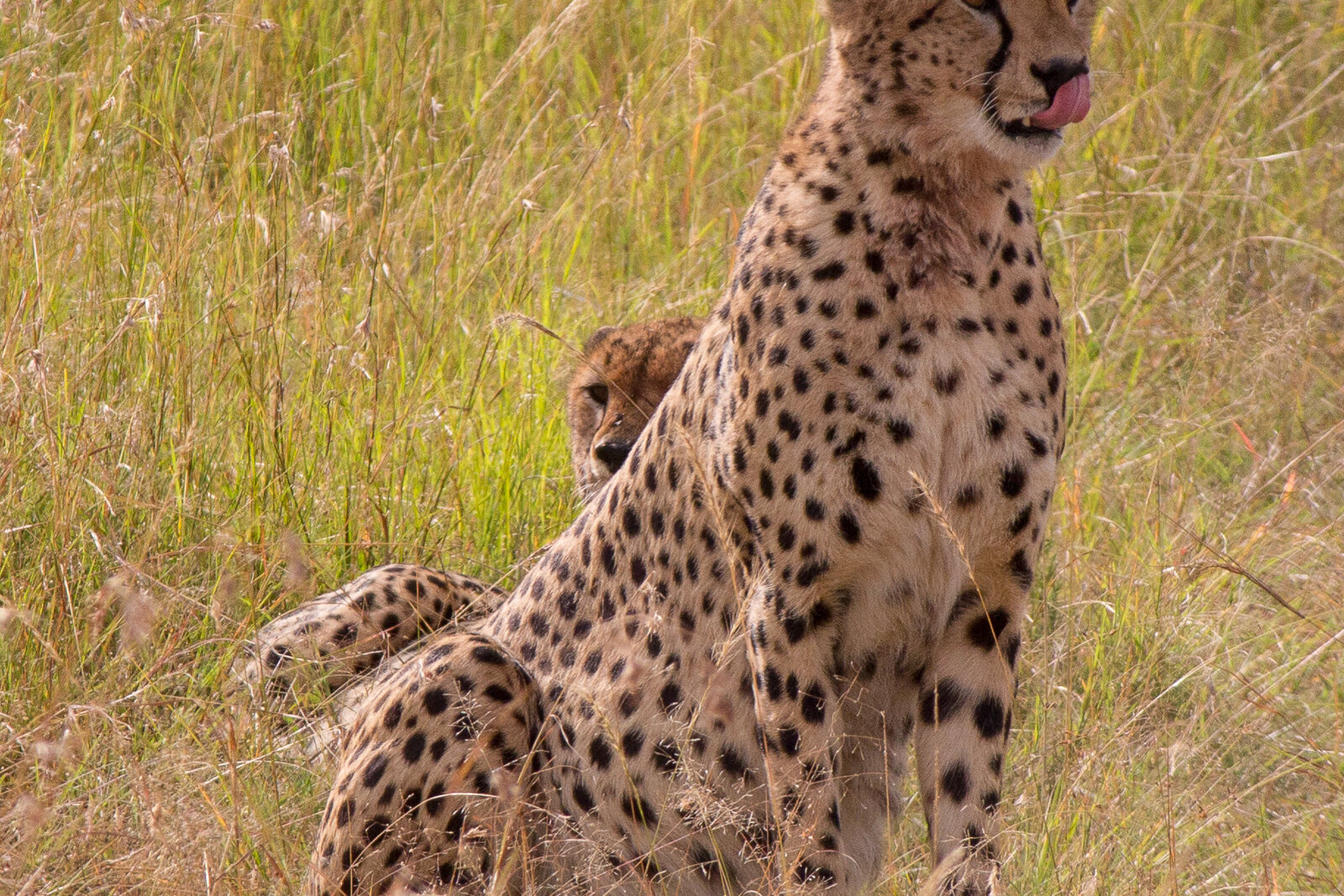
The other great set-piece of the migration happens at the opposite end of the year, and far fewer travellers see it. From late January through March the herds are down on the short-grass plains of the southern Serengeti and Ndutu, and this is where they give birth — around half a million calves in the space of a few weeks. The plains are dotted with newborns finding their legs, and the predators are never far: this is the best cheetah and lion viewing of the whole migration cycle. Camps here are quieter than the crossing-season ones and prices are noticeably lower, which makes calving an excellent choice for a first migration safari, for families, and for anyone who wants constant action without the crowds. Our Serengeti calving season guide and Ndutu calving safari page go deeper on the camps and the timing.
3. Combined Kenya + Tanzania Migration Safari
If your travel dates fall in the crossing months, the strongest trip is one that works both sides of the border. From July to October the herds move between the northern Serengeti in Tanzania and the Masai Mara in Kenya, crossing the Mara River in both directions depending on rain and grazing. A combined safari puts you in the northern Serengeti first, then flies you over the border into the Mara — or the reverse — so that wherever the crossings are happening that week, you are near them. It also doubles your chances of catching a crossing, since the river winds through both countries. These trips run seven to ten nights, use light aircraft to cross the border rather than long drives, and suit travellers who want to see the migration at its fullest. Our Serengeti versus Masai Mara comparison helps you understand how the two sides differ.
4. Luxury Fly-In Migration Safari
For travellers who want the migration without the long road transfers, a fly-in safari is the way to do it. Light aircraft hop you straight from the Serengeti airstrips to camps positioned on the herds, so instead of a six-hour drive you are on the plains within the hour. At the top end this means tented suites with private decks, plunge pools and butler service, a private vehicle and guide throughout, and camps in the remote northern Serengeti or exclusive Mara conservancies where vehicle numbers are capped. The conservancies are worth the premium during crossing season: fewer vehicles at each sighting, off-road driving that the national parks do not allow, and night drives. It is the most comfortable and the most expensive way to see the migration, from about US$950 per person per night upward, and for honeymoons and special trips it is what we book most.
| Migration safari package | Best months | Vehicle | From (pp, per night on safari) |
|---|---|---|---|
| Mara River crossing | Jul-Oct | Private | US$750 |
| Ndutu calving season | Late Jan-Mar | Private or shared | US$550 |
| Combined Kenya + Tanzania | Jul-Oct | Private | US$850 |
| Luxury fly-in | Year-round | Private | US$950 |
| Family migration | Late Jan-Mar, Jul-Oct | Private | US$650 |
| Photographic | Jan-Mar, Jul-Oct | Private | US$800 |
| Budget / group departure | Year-round | Shared | US$395 |
| Mobile camp | Follows the herds | Private or shared | US$650 |
| Balloon add-on | Any | n/a | US$500-600 pp |
| Migration + Zanzibar | Any safari month | Private | US$550 |
Prices are per person sharing per night on safari, all-inclusive (meals, game drives, park fees, 4x4 and guide), and are a 2026-2027 starting guide; group and camping trips start lower, peak crossing-season and ultra-luxury camps run higher, and international flights are excluded. Every trip is quoted in writing before you commit.
5. Family Wildebeest Migration Safari
The migration works well for families, provided the trip is built around the children rather than the postcard. The calving season is our first suggestion for families: the plains are full of newborns the kids can relate to, the action is constant so there is little waiting, and the distances between sightings are short. We use camps that genuinely welcome children, arrange family tents or adjoining rooms, and book a private vehicle so a tired six-year-old never holds up a shared drive. The one thing to plan for is that the Serengeti and Masai Mara are not malaria-free, so anti-malarial cover is part of the trip — we talk you through it. For families wanting more of Tanzania, our family safari Tanzania guide covers how to combine the migration with the northern circuit and a beach finish.
6. Photographic Migration Safari
If you are travelling to photograph the migration, the trip needs to be set up differently, and this package is built for the camera. We book a private vehicle with bean-bag supports, open sides for clean angles and charging points, and we plan around the light — dawn departures, late-afternoon positioning, and long, patient waits at crossing points rather than ticking off a list of animals. A specialist guide who understands where the herds will move and how to position the vehicle makes the difference between a good frame and a great one. Both the calving season, with its predator action on open plains, and the river crossings reward photographers, and we often pair the trip with a balloon flight for the aerial perspective. Group sizes are kept small so everyone has a clear shooting position.
7. Budget / Group Departure Safari (tented & camping)
You do not need a fly-in budget to see the migration. Our group-departure and camping safaris reach the same herds at a fraction of the cost by using shared 4x4 vehicles, comfortable tented camps or well-run campsites, and road transfers rather than light aircraft. A typical trip runs five to seven days from Arusha, takes in the Serengeti and often the Ngorongoro Crater on the way, and times itself to the herds' location for your dates. Vehicles carry a maximum of six or seven guests with a guaranteed window seat, and the guiding on these trips is genuinely good — the saving is in the logistics and accommodation, not the wildlife. For younger travellers and first-timers watching the budget, this is how to see the migration without compromising on actually finding it.
8. Mobile Camp Migration Safari (follows the herds)
The clever way to stay close to a moving migration is to stay in a camp that moves with it. Seasonal mobile camps relocate three or four times a year, following the herds from the Ndutu calving grounds in the south up through the Western Corridor and on to the northern Serengeti for the crossings. Because the camp repositions, you wake within minutes of the wildebeest rather than driving two or three hours to reach them — which means more time with the herds and better light at both ends of the day. The tents are proper safari canvas with en-suite bucket showers and real beds, comfortable rather than lavish, and the positioning is unbeatable. For travellers who care more about being on the herds than about plunge pools, a mobile camp is often the best value of all the options here.
9. Hot-Air Balloon Migration Safari
A balloon flight is the one add-on we rarely talk anyone out of over the migration. You leave camp in the dark, lift off as the sun comes up, and drift low over the plains while the herds move beneath you — and from the air the sheer scale of the migration finally registers in a way it never does from a vehicle. Flights run in both the Serengeti and the Masai Mara, last about an hour, and finish with a full bush breakfast set up on the plains, often with a glass of something cold. It costs roughly US$500 to US$600 per person and slots into any of the packages on this page. If your trip coincides with the crossings, a flight over the river country is extraordinary. Our balloon safari guide covers exactly what the morning involves.
10. Migration + Zanzibar Beach Extension
After days of early starts and dusty drives, most travellers are ready to slow down, and Zanzibar is a short flight from the Serengeti. Adding three or four nights on the island turns a migration safari into a complete trip: the drama of the plains followed by warm Indian Ocean water, white beaches and nothing on the schedule. It works for honeymooners, for families who want the children to burn off energy in the sea, and for anyone who would rather not fly home straight off a safari. We book beach lodges across the island to suit the budget, from relaxed to barefoot-luxury, and arrange the flights and transfers so the whole trip moves as one booking. The combination of the wildebeest migration and a Zanzibar finish is one of the most satisfying ways to structure an East Africa holiday.
| Region | When the herds are here | Getting there | Pairs well with |
|---|---|---|---|
| Ndutu / southern Serengeti | Late Jan-Mar (calving) | Fly to Ndutu or Seronera airstrip | Ngorongoro Crater |
| Western Corridor | May-Jun (Grumeti) | Fly to Grumeti airstrip | Central Serengeti |
| Northern Serengeti | Jul-Oct (crossings) | Fly to Kogatende airstrip | Masai Mara (Kenya) |
| Masai Mara (Kenya) | Jul-Oct (crossings) | Fly from Nairobi | Northern Serengeti, Zanzibar |
| Zanzibar | Any safari month | Short flight from the Serengeti | Any migration safari |
How to pick the right migration safari for you
Start with your dates, because they decide more than anything else. If you can travel in July, August, September or October, the Mara River crossings are within reach — choose the northern Serengeti, the Masai Mara, or a combined trip across both, and book early. If your window is late January to March, go for the Ndutu calving: constant action, newborns, superb predator viewing, quieter camps and lower prices. Then decide how you want to see it. A private vehicle is the upgrade we would protect above all others on the migration, because it lets you sit out a crossing or chase the light. Choose a mobile camp to stay on the herds, a fly-in for comfort, a group departure to keep costs down, or add a balloon and a Zanzibar finish to round the trip out. There is no single best migration safari — there is the one that matches your month and your travel style, and that is the conversation we have before quoting anything. For the full planning picture, our ultimate migration safari guide and best time for the migration in Tanzania go deeper still.
Book your wildebeest migration safari with Beyond Africa Safaris
We are a Cape Town-based team and we plan these East Africa trips ourselves, so when you ask whether the crossings will have started by your dates or which camp sits closest to the herds in March, you speak to someone who tracks the migration for a living. Tell us your rough dates and the kind of trip you have in mind — crossings, calving, luxury, family or budget — and we will come back, usually the same day, with two or three options timed to where the wildebeest will actually be, and clear per-person prices. Message Remondy on WhatsApp at +27 78 471 4852 or email reservations@privatetourscapetown.com, and we will put you on the herds at the right time.
Hero image: Beyond Africa Safaris.