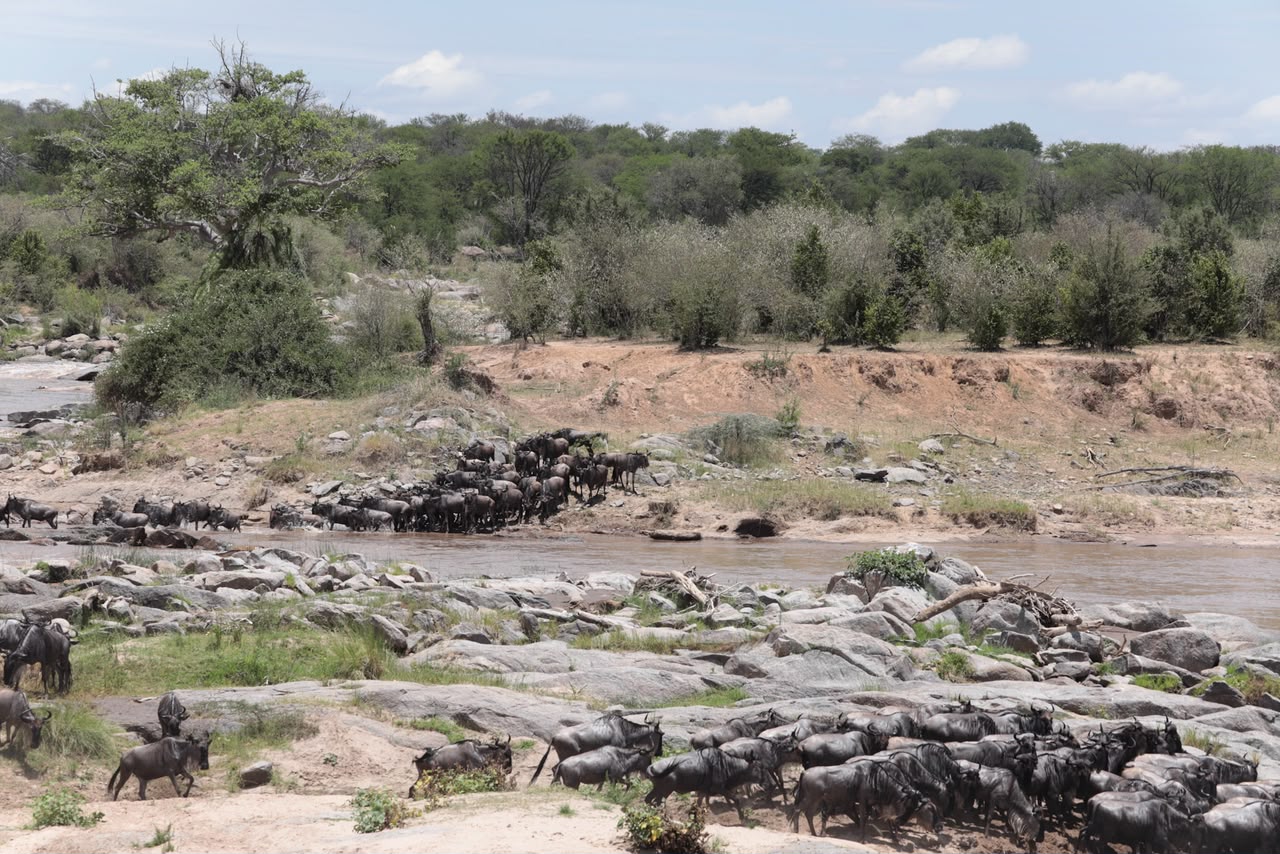
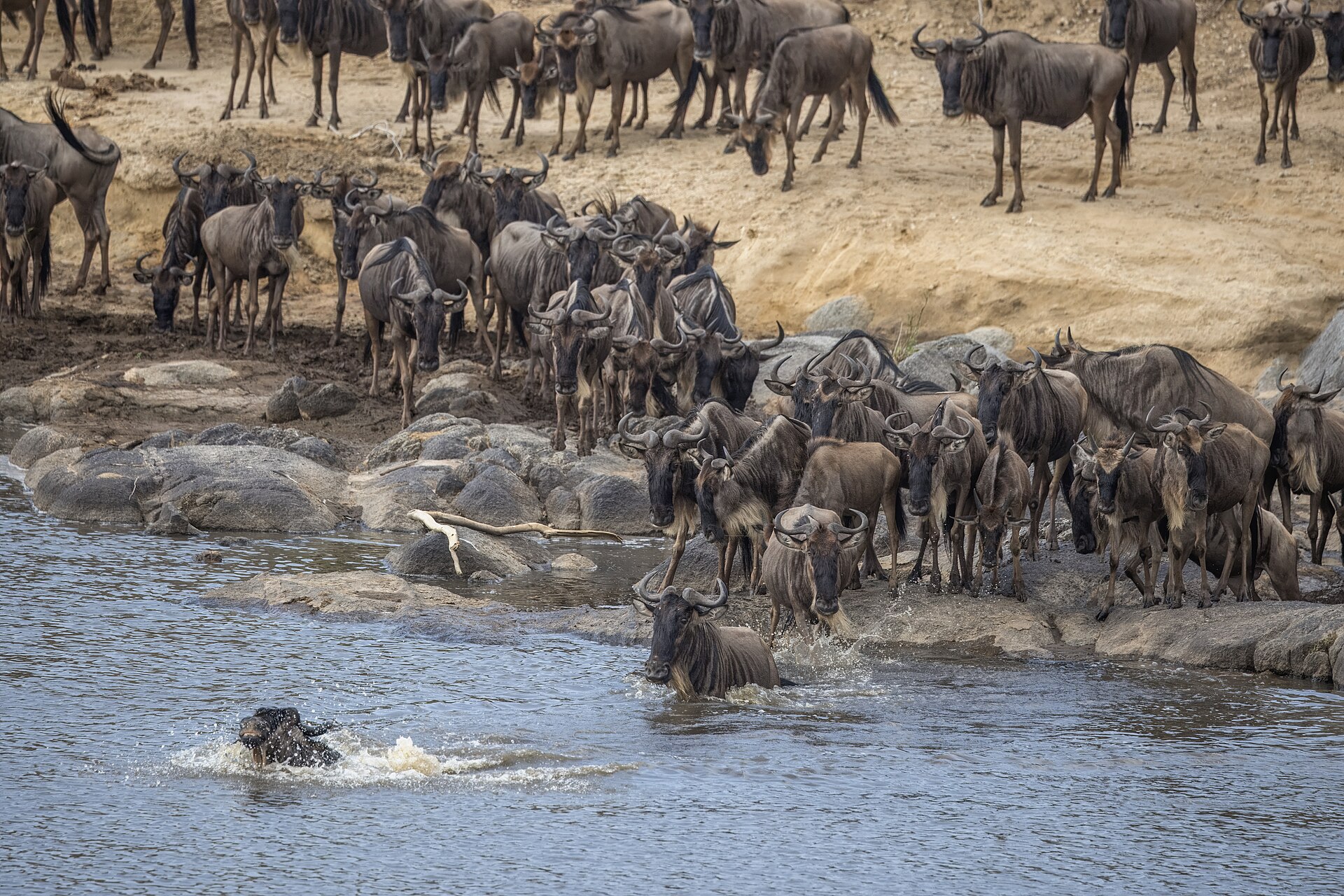
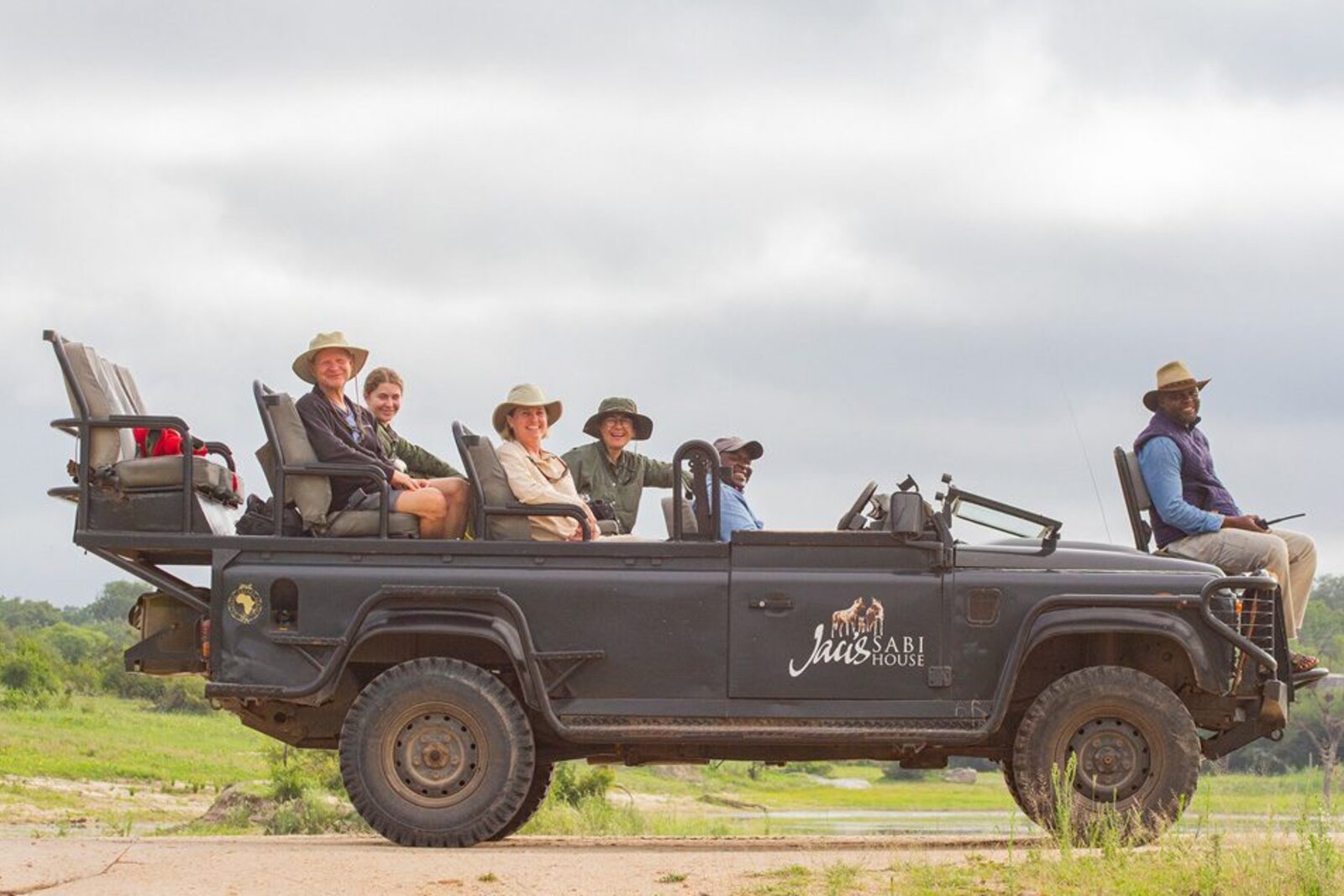
Ask most travellers when the Great Migration is at its best and they will say August — the month of the Mara River crossings, the crocodiles, the drama that fills every wildlife documentary. And the crossings are magnificent. But ask a safari guide, a wildlife photographer or a repeat migration traveller for their personal favourite chapter, and a surprising number will point instead to a quiet corner of the southern Serengeti in February: the calving season at Ndutu.
This is the migration's best-kept secret — a few extraordinary weeks when nearly half a million wildebeest are born on the open plains, and every predator for miles gathers to feed. Fewer vehicles, lower prices, and arguably the greatest concentrated wildlife theatre anywhere on earth. Here is everything you need to know to plan it.
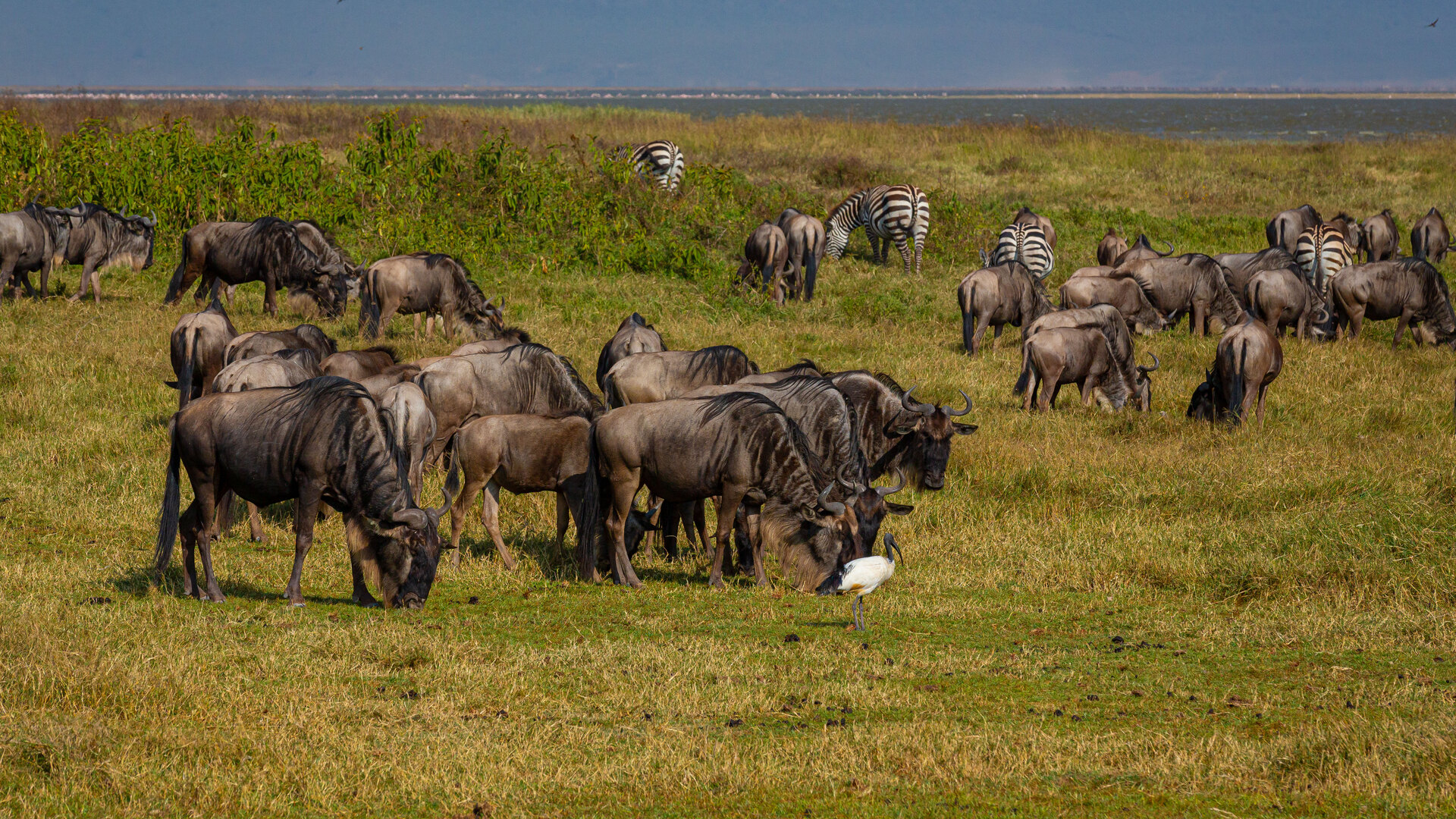
The Ndutu region of the southern Serengeti — where half a million wildebeest calves are born in just three weeks every February.
What Actually Happens at Ndutu
Ndutu lies on the southern edge of the Serengeti ecosystem, straddling the boundary with the Ngorongoro Conservation Area. Its short-grass plains are mineral-rich — fed by ancient volcanic ash from the highlands — and after the short rains of November and December they turn a brilliant, nourishing green. This is precisely why the wildebeest come here to give birth: the grass provides the calcium and protein that nursing mothers need.
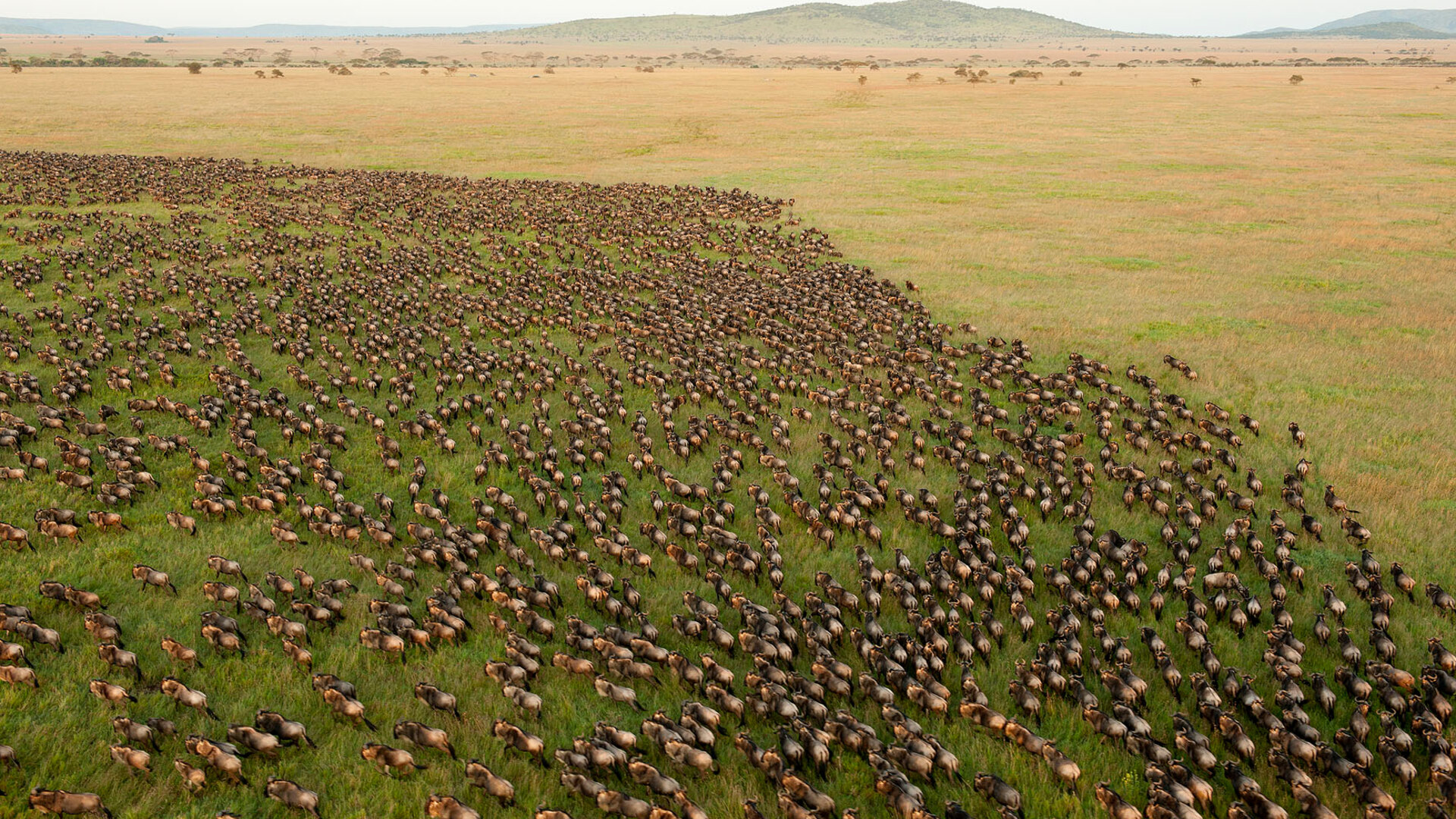
From late January the herds pour onto these plains, and from the first week of February the calving begins in earnest. At the peak, around 8,000 calves are born every day — some 300,000 to 500,000 in the space of just two to three weeks. It is one of the largest synchronised birthing events of any mammal on the planet, and it is a deliberate survival strategy: by flooding the plains with newborns all at once, the herd ensures that predators simply cannot eat them all.
Why the Predator Action Is Unmatched
That flood of vulnerable calves is a dinner bell heard across the ecosystem. Lion prides that would normally range widely concentrate on the plains. Cheetah — which favour exactly this kind of open, short-grass country — hunt in broad daylight with the plains laid bare for miles. Leopard, hyena, jackal and bat-eared fox all converge. Because the grass is short and the terrain flat and treeless, visibility is extraordinary: you can watch a cheetah select its target, stalk and sprint across open ground, with nothing hidden.
For this reason, calving season is the single best time of year on the entire migration circuit for predator sightings and for watching a hunt unfold from start to finish. Where the river crossings are about one heart-stopping event, calving is about sustained, daily, open-plains drama.
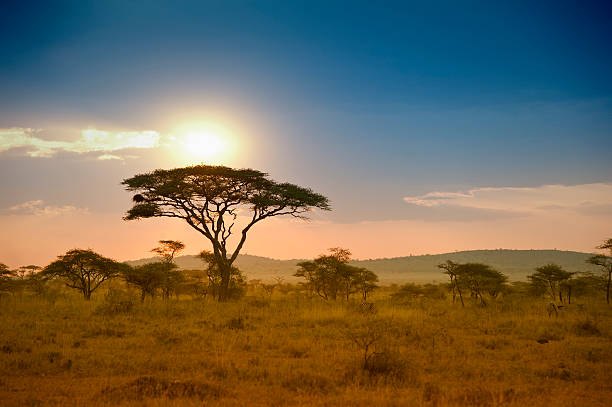
Lion prides concentrate on the calving plains in February — the greatest predator action of the year on the open Serengeti.
🦁 Plan a February Calving Safari With Us
Our specialists place you in a mobile camp right on the Ndutu plains at the height of the calving, with a private guide who tracks the predators daily. Fewer crowds, better value, unforgettable action.
Design My Calving Safari →When to Go: The Calving Calendar
| Period | What's Happening |
|---|---|
| Late January | Herds arrive on the short-grass plains; first calves appear. Green, lush landscapes. |
| Early–Mid February (peak) | Peak calving — thousands of births daily, maximum predator concentration. The prime window. |
| Late February | Calving tapers; plains full of young calves testing their legs. Still excellent action. |
| March | Herds begin to consolidate; as plains dry, the great northward journey slowly begins. |
If you can only choose one window, aim for the first three weeks of February. Because calving follows the rains, timing shifts slightly each year — which is exactly why we plan around ground reports from the camps, not a fixed date.
Where to Stay
The magic of Ndutu is that a well-placed mobile tented camp puts you to sleep among the herds and wakes you to their sound. Ndutu sits in a zone where limited off-road driving is permitted, so your guide can position the vehicle precisely for an unfolding hunt or a birth — something not allowed inside the national park proper. Most calving itineraries pair a few nights at Ndutu with the Ngorongoro Crater, which in February is green, dramatic and teeming with resident wildlife.
Combining Calving With the Rest of Your Safari
Calving is the opening chapter of the migration's year-long clockwise circle through the Serengeti. A classic February itinerary combines the Ndutu plains with the Ngorongoro Crater and, for those with time, the central Serengeti or a few days on Zanzibar's beaches to finish. To understand exactly where the herds move after calving — through the Grumeti in June and the Mara River from July — read our month-by-month migration guide, and for the wider context see our complete Great Migration guide.
📸 The Photographer's Migration
Open plains, daylight hunts and endless newborn drama make calving season the finest photographic chapter of the migration. Tell us your dates and we'll build a private, photography-focused itinerary around the peak.
Talk to a Safari Specialist →Why Calving Season Deserves Your Attention
The Mara crossings will always be the migration's most famous moment, and they earn their fame. But if you want the greatest concentration of predators, the best light on open plains, fewer vehicles, better value and the profound spectacle of new life arriving by the thousand, February at Ndutu is the connoisseur's choice. Explore our Tanzania safari hub, browse our Serengeti migration packages, use the trip planner, or contact our specialists to build a fully private calving-season safari around your dates.