🦁 Key Takeaways — African Safari from the USA
- Flight reality: 15–20 hours total from East Coast to East Africa (one stop); 15–17 hours nonstop to Johannesburg from ATL/JFK
- Visa ease: E-visa for Kenya & Tanzania (online, simple); visa-free for South Africa on arrival — US passport = seamless entry
- Budget reality: Flights $1,100–$2,200 return economy; expect $9,000–$20,000 per couple for 7-day all-inclusive safari + flights
- Best timing: June–October (US summer/fall) = dry season + Great Migration river crossings; Jan–Feb = calving season + winter escape
- Top picks: Tanzania Northern Circuit (Serengeti, Ngorongoro), Kenya Masai Mara, or Safari & Beach combo (Zanzibar, Indian Ocean coast)
Why American Travelers Choose African Safaris
An African safari sits near the top of almost every American traveler's bucket list — and for good reason. But turning that dream into a booked trip raises a wall of practical questions. How long is the flight? How much will it really cost in dollars? Do I need a visa, or shots? When should I go? And how do I make sense of a continent's worth of options from a desk in Chicago or Charlotte?
This guide answers all of it. We plan safaris for American travelers every week, and below is the honest, practical playbook — flights, budgets, paperwork, timing and the itineraries that consistently deliver the trip of a lifetime.
Getting There: Flight Routes From the USA
The distance is real, but the routing is simpler than most people expect. Nearly every American safari begins with one overnight connection:
- East Africa (Tanzania & Kenya): Fly to Kilimanjaro (JRO) or Nairobi (NBO) via a European hub (Amsterdam, London, Paris, Frankfurt), a Gulf hub (Doha, Dubai), or Addis Ababa. Total travel time from the East Coast is roughly 15–20 hours.
- Southern Africa (South Africa): Johannesburg (JNB) is served nonstop from Atlanta and New York in around 15–17 hours, or with one stop from other cities.
The trick is to fly overnight so you sleep across the ocean and arrive in the morning, fresh for a gentle first day. From the West Coast, add three to five hours and expect the connection to be your friend rather than your enemy.
What It Really Costs (in US Dollars)
| Safari Level | Per Person / Day | What You Get |
|---|---|---|
| Mid-range | US$500–$800 | Comfortable lodges & tented camps, shared or private guide, all-inclusive. |
| Premium | US$800–$1,500 | Excellent camps in prime locations, private guiding, superb food & service. |
| Luxury | US$1,500+ | The finest camps, exclusive concessions, private vehicles, flying between camps. |
These rates are typically all-inclusive — accommodation, game drives, professional guiding, park and conservation fees, and most meals. On top, budget roughly US$1,100–$2,200 per person for international economy flights, plus visas, tips and personal spending. A classic week-long East Africa safari for two commonly lands between US$9,000 and US$20,000 all-in before flights, with plenty of room in either direction. For a fuller breakdown, see our detailed guide on planning a Great Migration safari.
🇺🇸 Get a Free Custom Quote in US Dollars
Tell us your travel dates, budget and dream destinations and we'll build a fully costed, tailor-made safari itinerary — priced in dollars, with every park fee and transfer included. No guesswork, no hidden extras.
Request My Custom Quote →Visas, Vaccinations & Paperwork
For US citizens, Tanzania and Kenya both offer straightforward electronic visas obtained online before you fly, while South Africa grants a visa-free tourist stay on arrival. On health, most travelers are advised to be up to date on routine vaccinations and to consider hepatitis A and typhoid; antimalarial medication is recommended for most safari areas. A yellow fever certificate may be required depending on your exact routing and any countries you transit. Rules change, so confirm current requirements with a travel clinic and official guidance six to eight weeks out — and we walk every client through the exact steps for their itinerary.
When to Go
Two windows suit American travelers especially well:
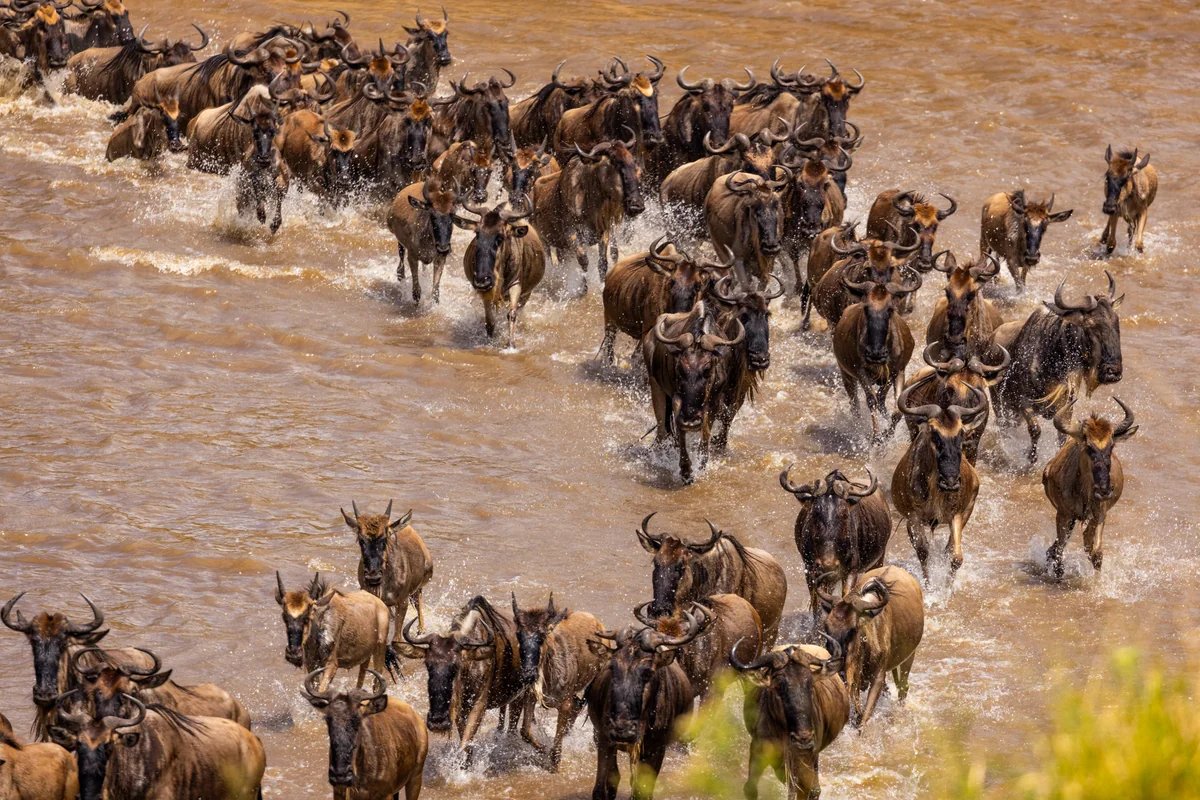
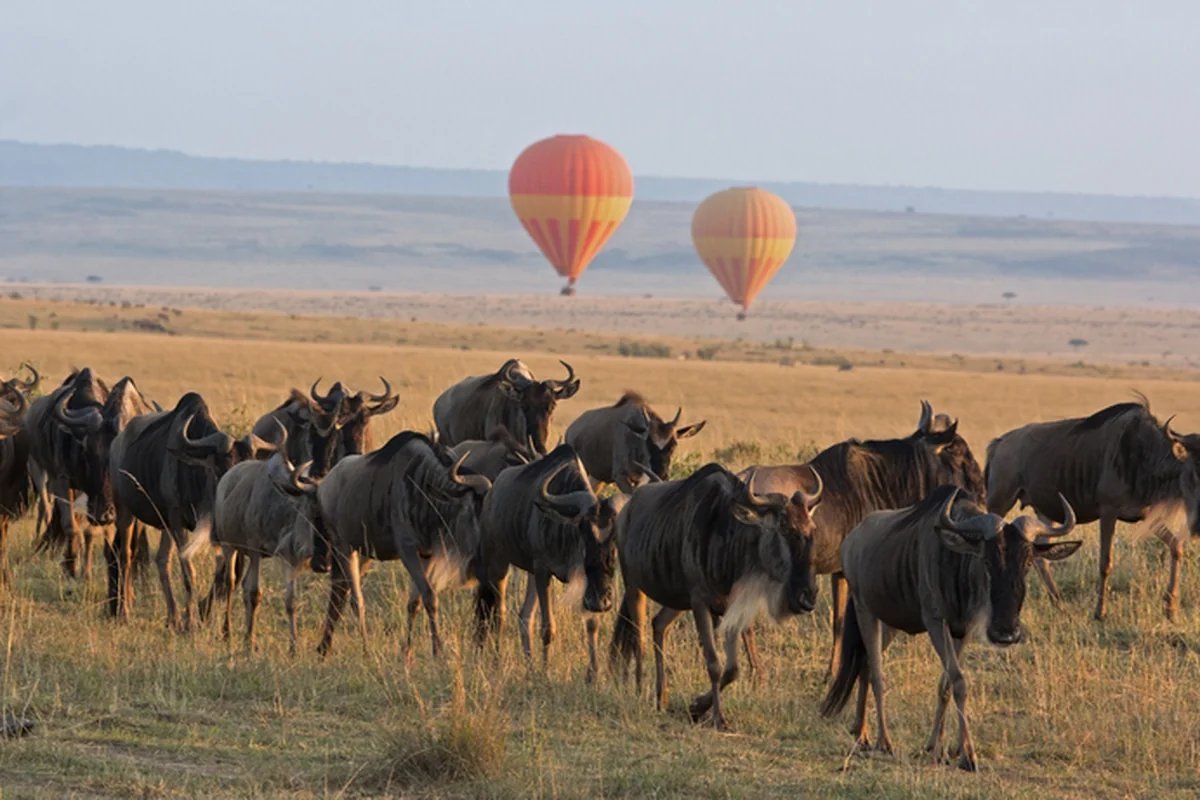
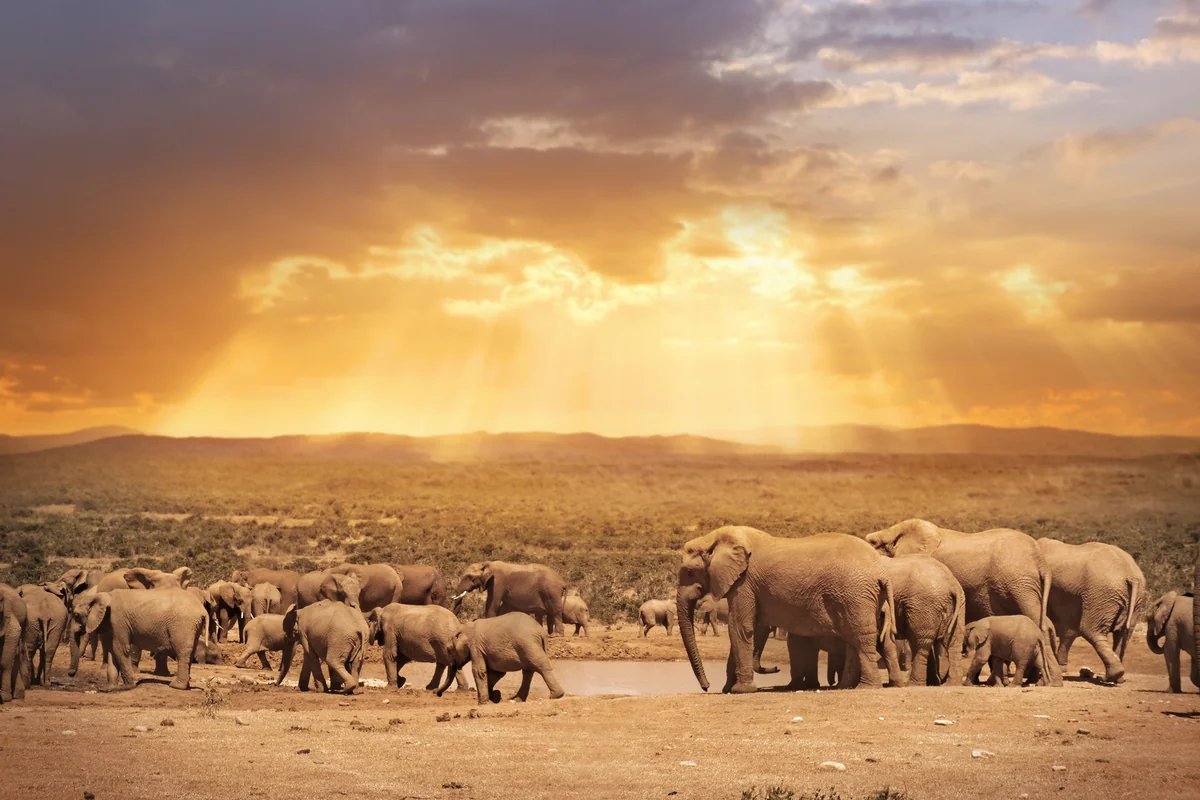
- June–October (US summer/fall): The classic dry season. Wildlife gathers at water, and the Great Migration reaches the northern Serengeti and Masai Mara for the famous river crossings.
- January–February (escape the winter): Dry, green and spectacular, with the Serengeti calving season delivering the best predator action of the year — see our Ndutu calving season guide.
To match your exact dates to the wildlife, our month-by-month migration guide shows precisely where the herds are all year.
Beating the Jet Lag
East Africa runs 7 to 10 hours ahead of US time zones. Because the eastbound overnight flight deposits you in the morning, the smartest approach is to arrive a day early, take a relaxed first day, and let the early safari starts reset your body clock. Most travelers feel fully adjusted within a day or two — and the excitement of that first game drive is a powerful cure.
The Best Itineraries for American Travelers
For a first safari from the USA, we most often recommend one of these:
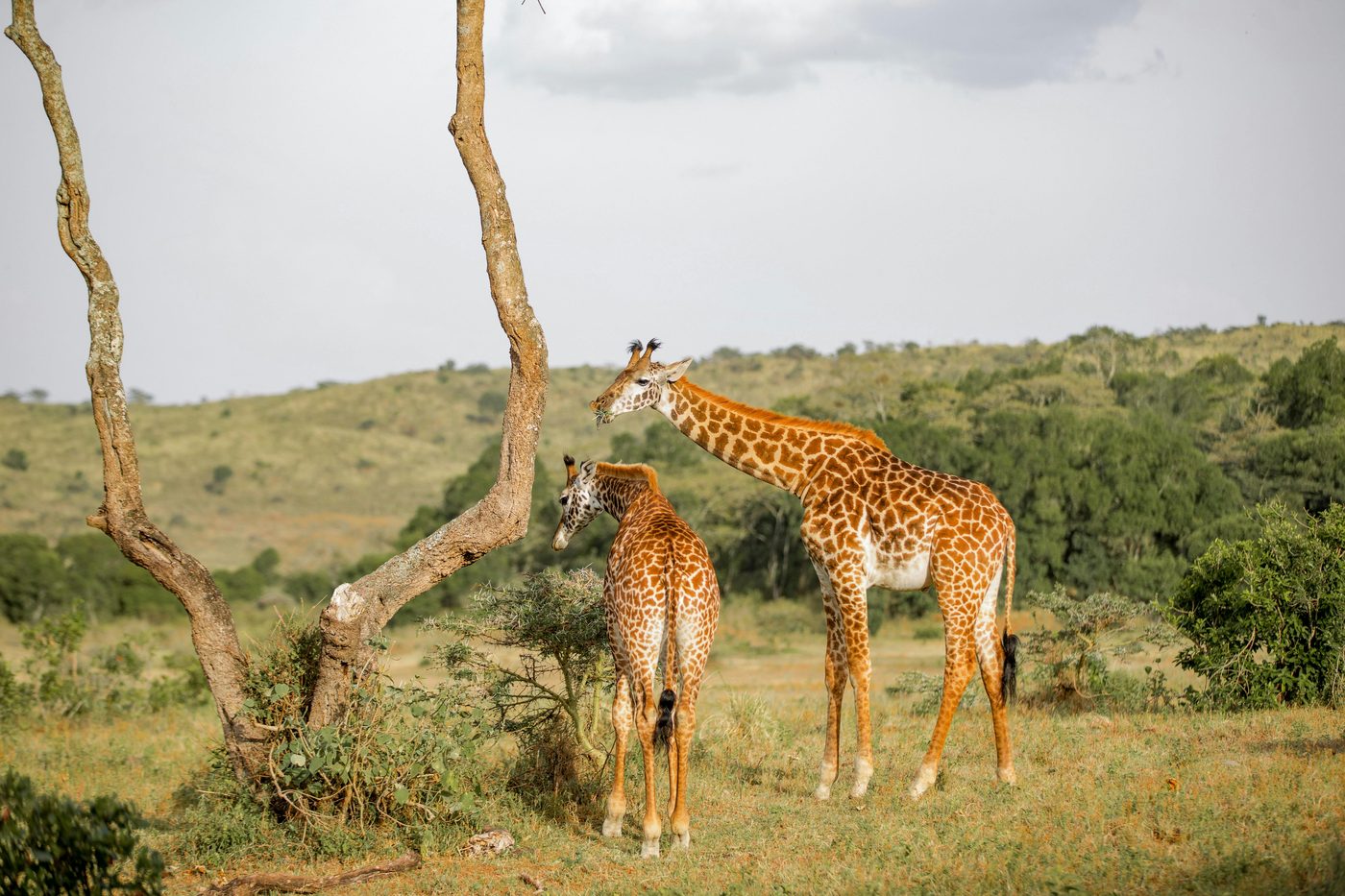
- Tanzania Northern Circuit: Serengeti, Ngorongoro Crater and Tarangire — the definitive East African safari, with the migration as the centerpiece.
- Kenya Classic: Masai Mara plus Amboseli beneath Kilimanjaro — see our Amboseli & Tsavo safari.
- Safari & Beach: Pair the bush with a few days on Zanzibar or the Indian Ocean coast — the perfect honeymoon or celebration trip.
- South Africa Big Five: Kruger National Park and Sabi Sands private reserves — visa-free, malaria-free options, superb wine country add-ons.
Each itinerary can be tailored to your exact dates, budget and interests. Explore our Tanzania safari hub, Kenya safari hub, and South Africa safari hub for full details, or contact our specialists to design a fully private, tailor-made journey.
🌍 Let Us Handle Every Detail
From your connecting flight to the best-placed camp, we manage the entire journey so you simply arrive and enjoy it. Speak to a specialist who plans American safaris every week.
Your Safari, Made Simple
The flights are long and the choices many, but with the right specialist an African safari from the USA is one of the most rewarding and surprisingly seamless trips you will ever take. Explore our Tanzania and Kenya safari hubs, browse our signature packages, use the trip planner, or contact our specialists to design a fully private, tailor-made safari built around your dates, budget and dreams.