We're Open8am–6pm SAST
WishlistPartner Portal
← Back to BlogSafari

Serengeti Calving Season: Southern Plains, Predator Drama & Newborn Wildebeest

Audio EditionListen to this story
0:000:00
Narrated by George — audio edition

Key Takeaways

  • The Serengeti calving season sees an estimated 300,000–500,000 wildebeest calves born on the southern plains and Ndutu in just a few weeks.
  • It runs from roughly late January to March, peaking in February — a reliable, predictable event unlike the river crossings.
  • The concentration of vulnerable newborns draws every predator, making it arguably the finest big-cat viewing of the entire year.
  • It is the migration's great secret: emerald plains, dramatic skies, superb game viewing, fewer visitors and better value.
  • The best base is a mobile or semi-permanent camp in the Ndutu / southern Serengeti area, right among the herds.
  • It combines beautifully with the Ngorongoro Crater — and with Zanzibar for a bush-and-beach finale.

What Is the Calving Season?

Everyone has seen the footage of the river crossings. Far fewer travellers know that the Great Migration has a second, arguably even more remarkable, spectacle — and it happens at the very start of the year, in near-solitude, on the green plains of the southern Serengeti.

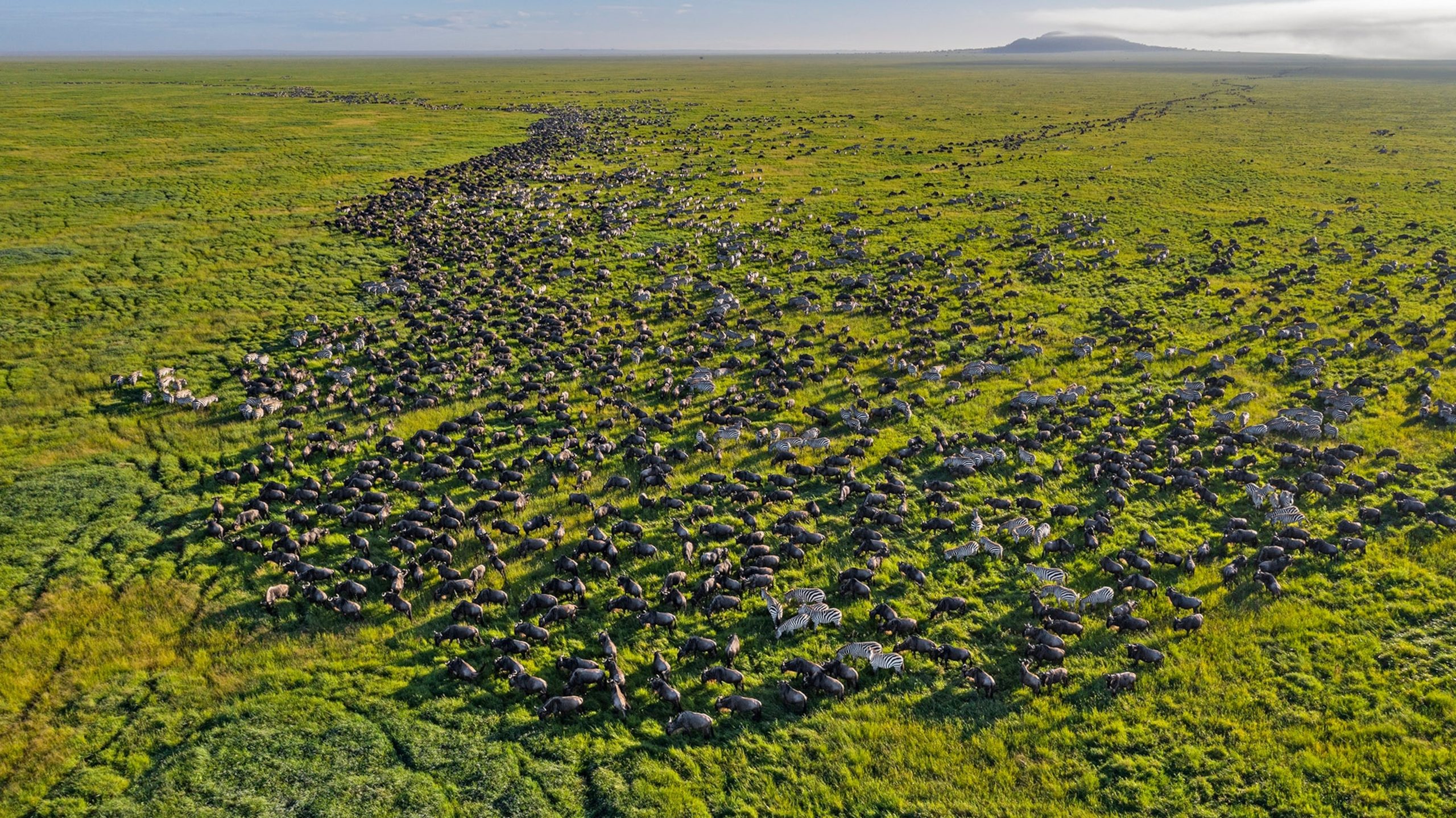
Each year, as the short rains green the southern short-grass plains around Ndutu, the great wildebeest herds gather there in their hundreds of thousands to give birth. And they do it together, in an extraordinary synchronised pulse: between late January and March, and peaking in February, an estimated 300,000 to 500,000 calves are born in the space of just two to three weeks. A newborn wildebeest can stand within minutes and run with the herd within hours — it has to, because the arrival of so much vulnerable young life draws every predator for miles. This is the calving season: nature at its most tender and its most raw, unfolding on emerald plains beneath dramatic skies, and witnessed by a fraction of the crowds that gather for the crossings.

The southern Serengeti in green season — cinematic footage from the calving plains.

When & Where It Happens

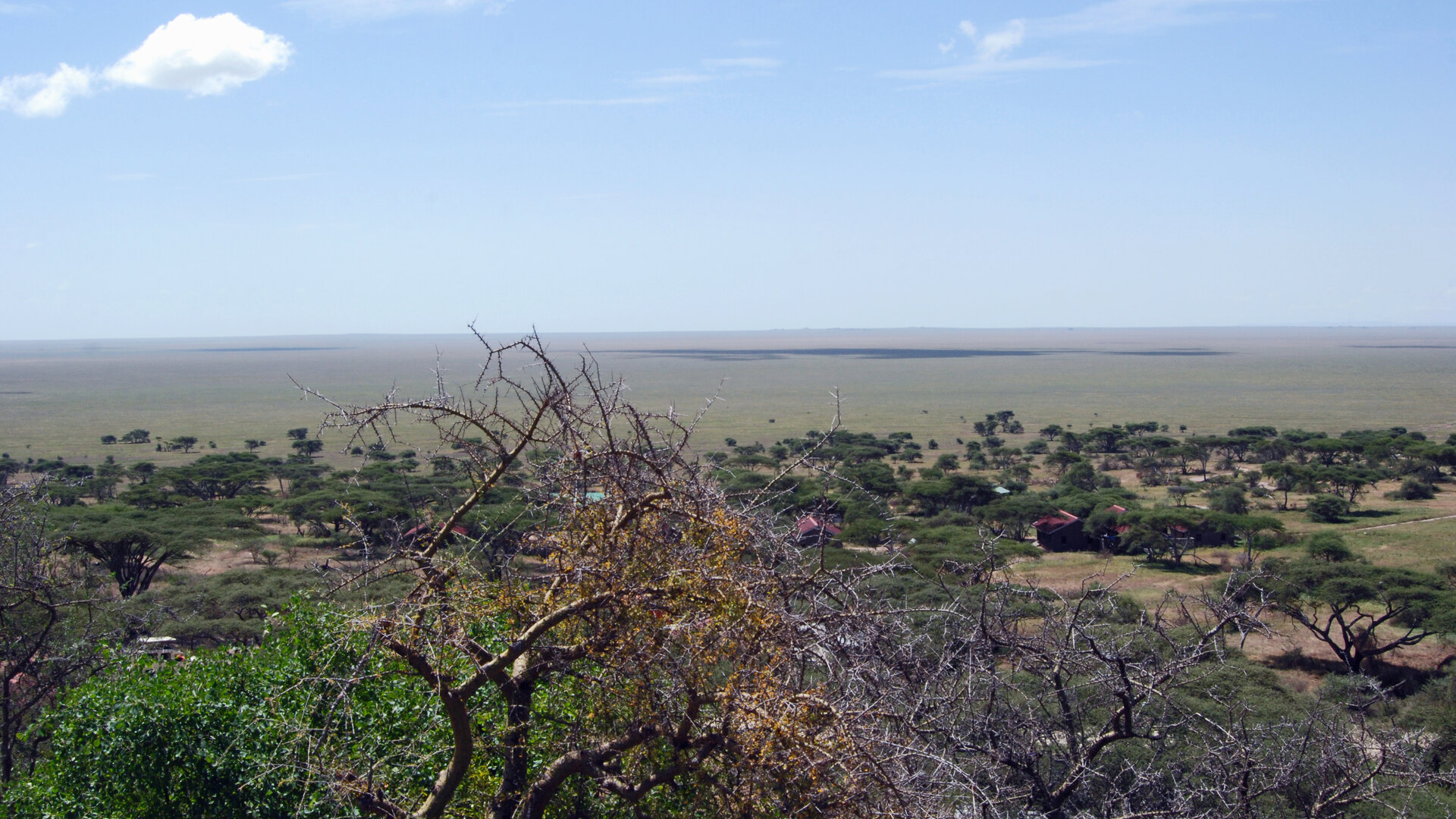
The calving unfolds on the southern short-grass plains of the Serengeti and around Ndutu, an area that straddles the boundary between the Serengeti National Park and the Ngorongoro Conservation Area. These plains are special: the volcanic soils are rich in the calcium and phosphorus that lactating mothers and fast-growing calves need, which is precisely why the wildebeest return here to give birth every single year.

The timing follows the short rains and shifts a little from year to year, but the reliable window is late January to March, with the peak in February. This predictability is the calving season's great advantage over the river crossings: while a crossing may or may not happen on any given day, the calving happens every year, in the same place, in a known window. Travel to Ndutu in February and you will be surrounded by the herds and their newborns — it is as close to a wildlife guarantee as Africa offers.
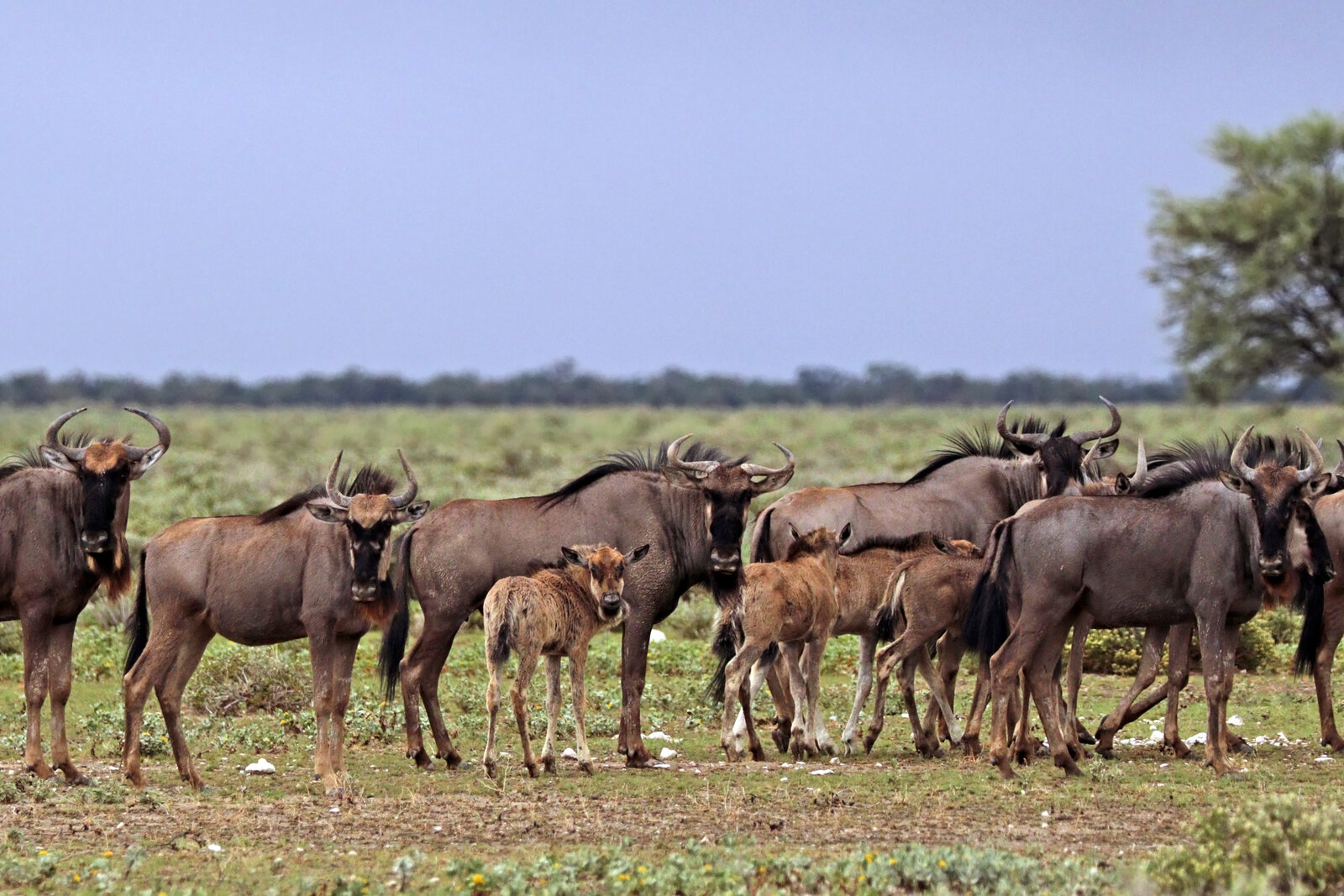
A newborn wildebeest calf standing beside its mother on green plains
A newborn finds its feet within minutes — it must, for the plains are full of watching eyes.

The Predator Drama

If the calving is the migration's most tender chapter, it is also its most dramatic. The arrival of half a million defenceless newborns is, to every predator in the ecosystem, the feast of the year — and they gather to the plains accordingly. Lion prides grow fat and bold; hyena clans patrol the herds; leopard lurk in the scattered acacias; jackal work the edges; and above all, the cheetah come into their own.

The flat, open short-grass plains of Ndutu are perfect cheetah country — nowhere else in Africa offers such reliable, visible high-speed hunts. For the safari-goer hoping to witness the drama of the hunt, the moment most people dream of and few ever see, the calving season offers arguably the finest predator viewing of the entire year. Sightings are frequent and, because the plains are so open, often unfold in full view. It can be hard to watch — this is the unvarnished reality of the wild — but it is also unforgettable, and it is the very engine that keeps the great herds strong.
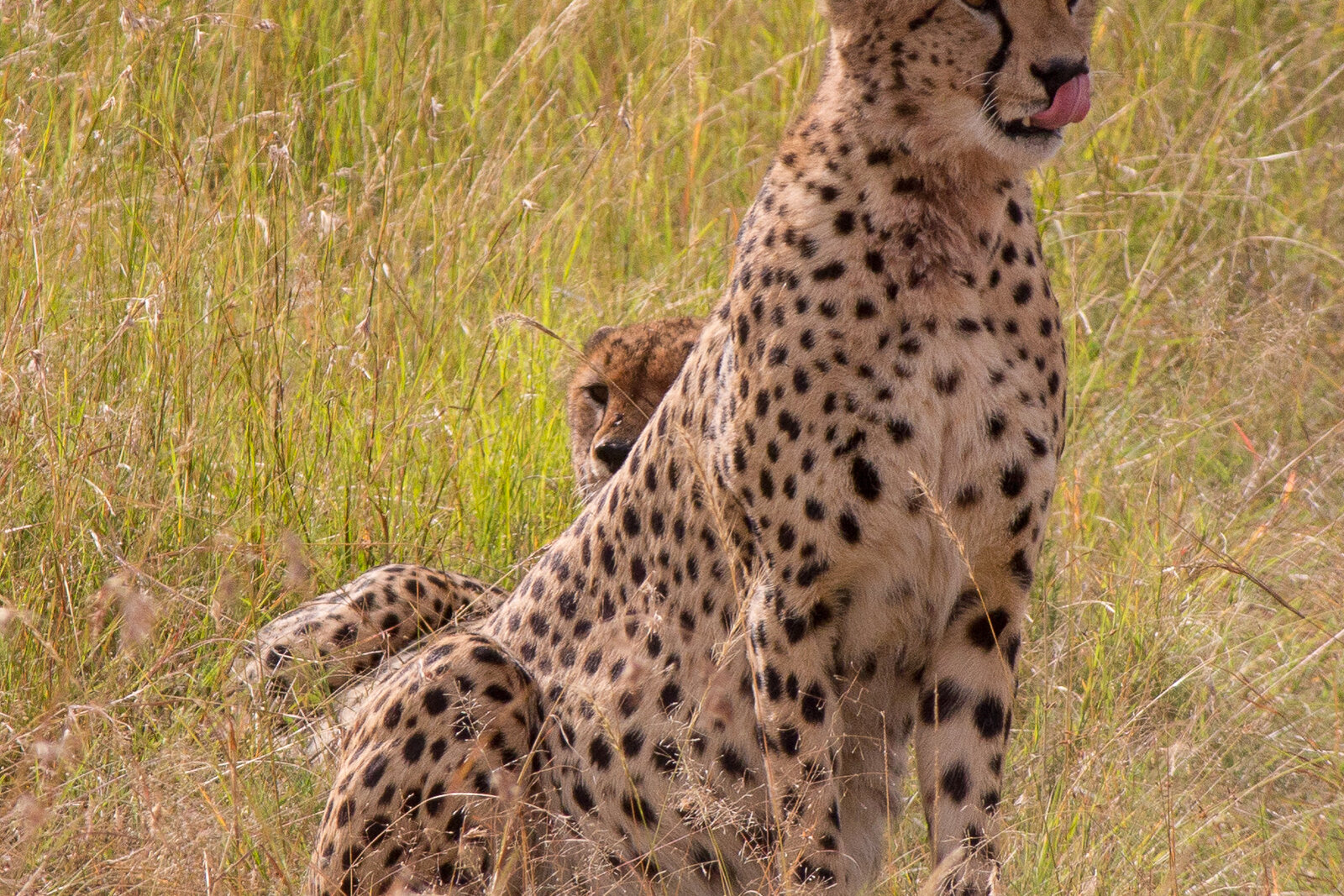
A cheetah in pursuit across the open Ndutu plains
A cheetah runs the open plains — Ndutu offers the finest cheetah viewing in Africa.

Why It's the Great Safari Secret

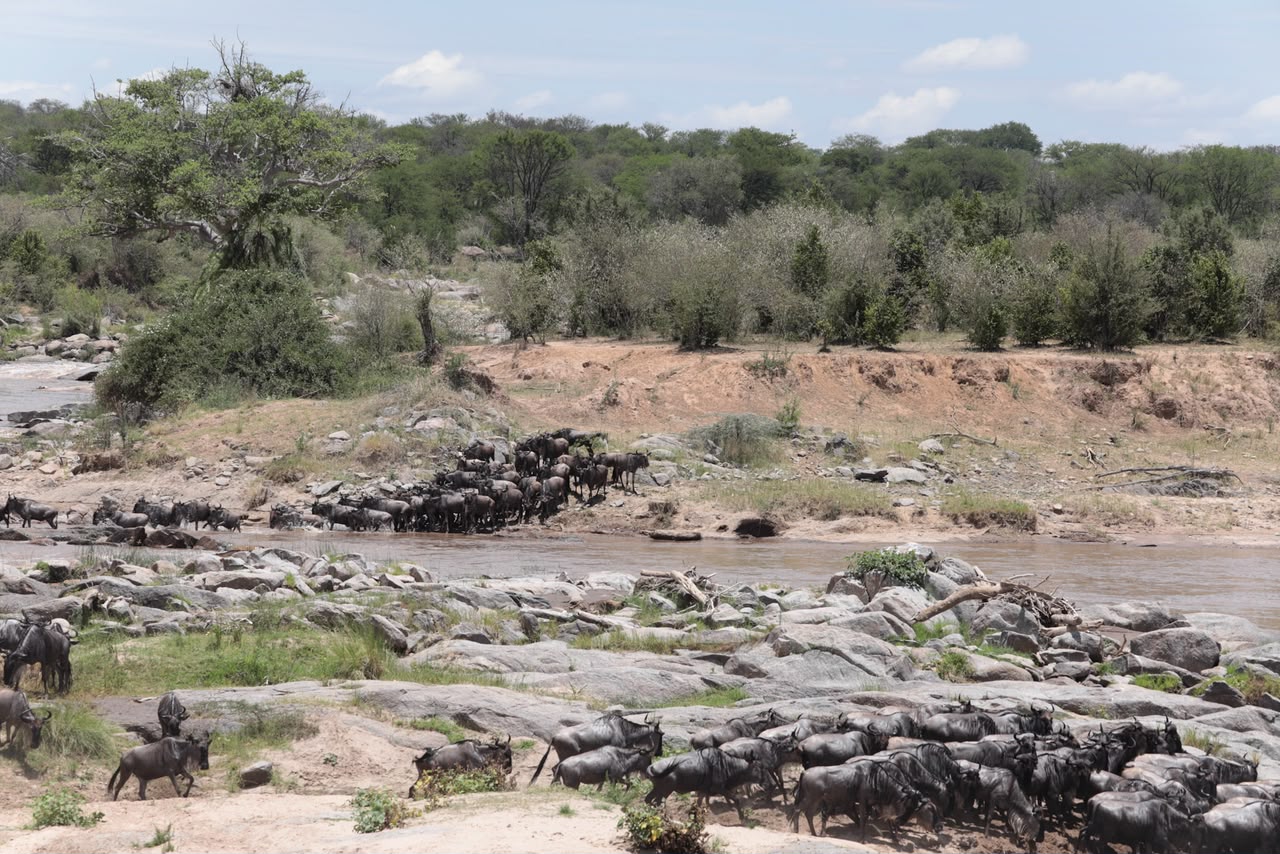
Here is the part seasoned safari-goers keep to themselves. While the crowds descend on the northern Serengeti and the Masai Mara for the river crossings from July to October, the calving season unfolds in relative peace. The southern plains in February are astonishingly rich — enormous herds, constant predator action, newborns everywhere — and yet you share it with a fraction of the visitors.

And it comes with a green-season dividend. The plains are lush and emerald rather than dusty gold; the skies build to dramatic, photogenic storms; the light is soft and glorious; migratory birds arrive in their thousands; and, crucially, camp rates are lower than in the peak crossing months. For photographers, for families, and for anyone who wants the full drama of the migration without the crush and at better value, the calving season is one of the great secrets of the African safari calendar. We tell our guests about it precisely because it so often becomes the highlight of their travelling lives.
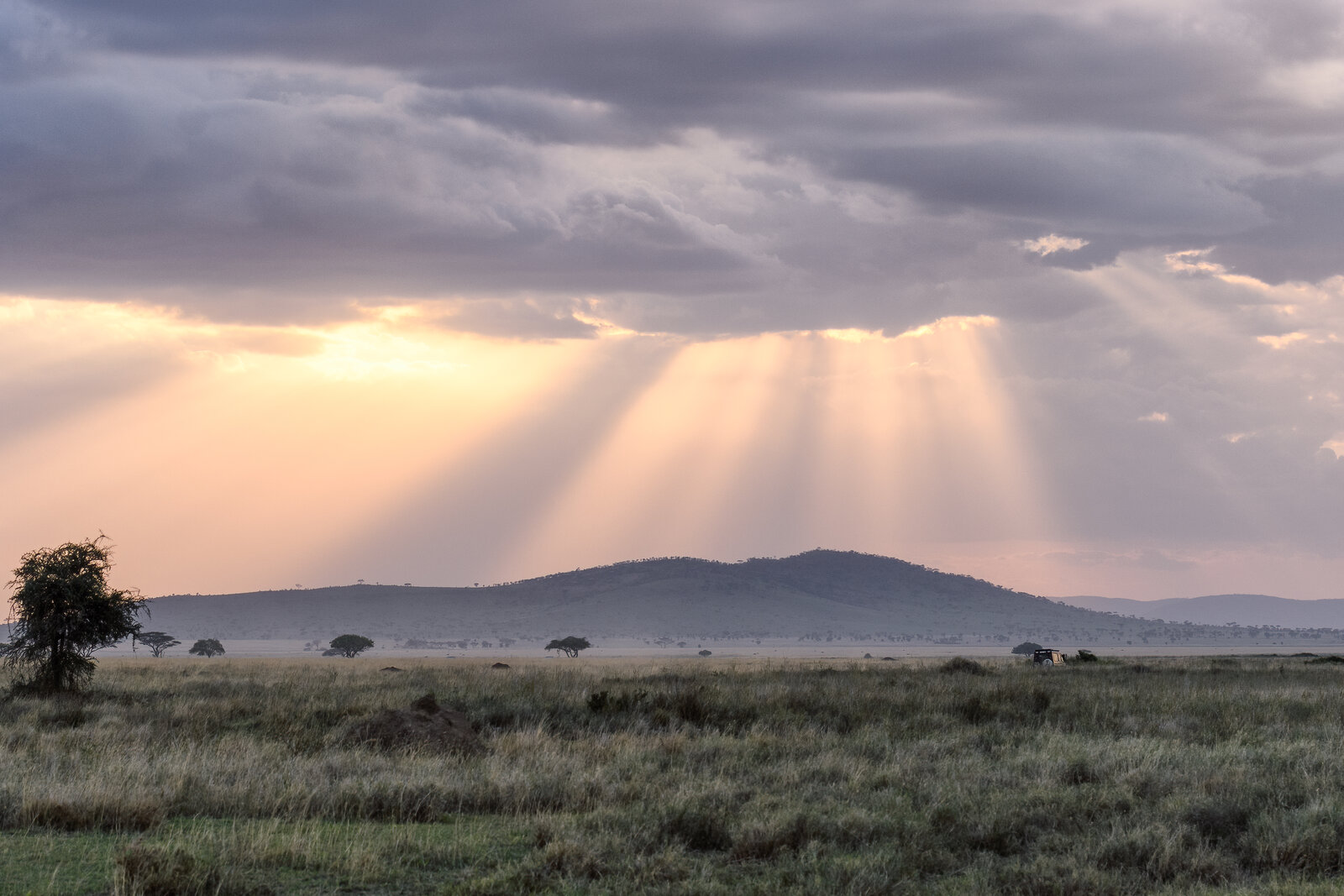
Dramatic storm clouds building over the green Serengeti
Green-season skies build to drama — the light every photographer dreams of.

The Best Camps for Calving Season

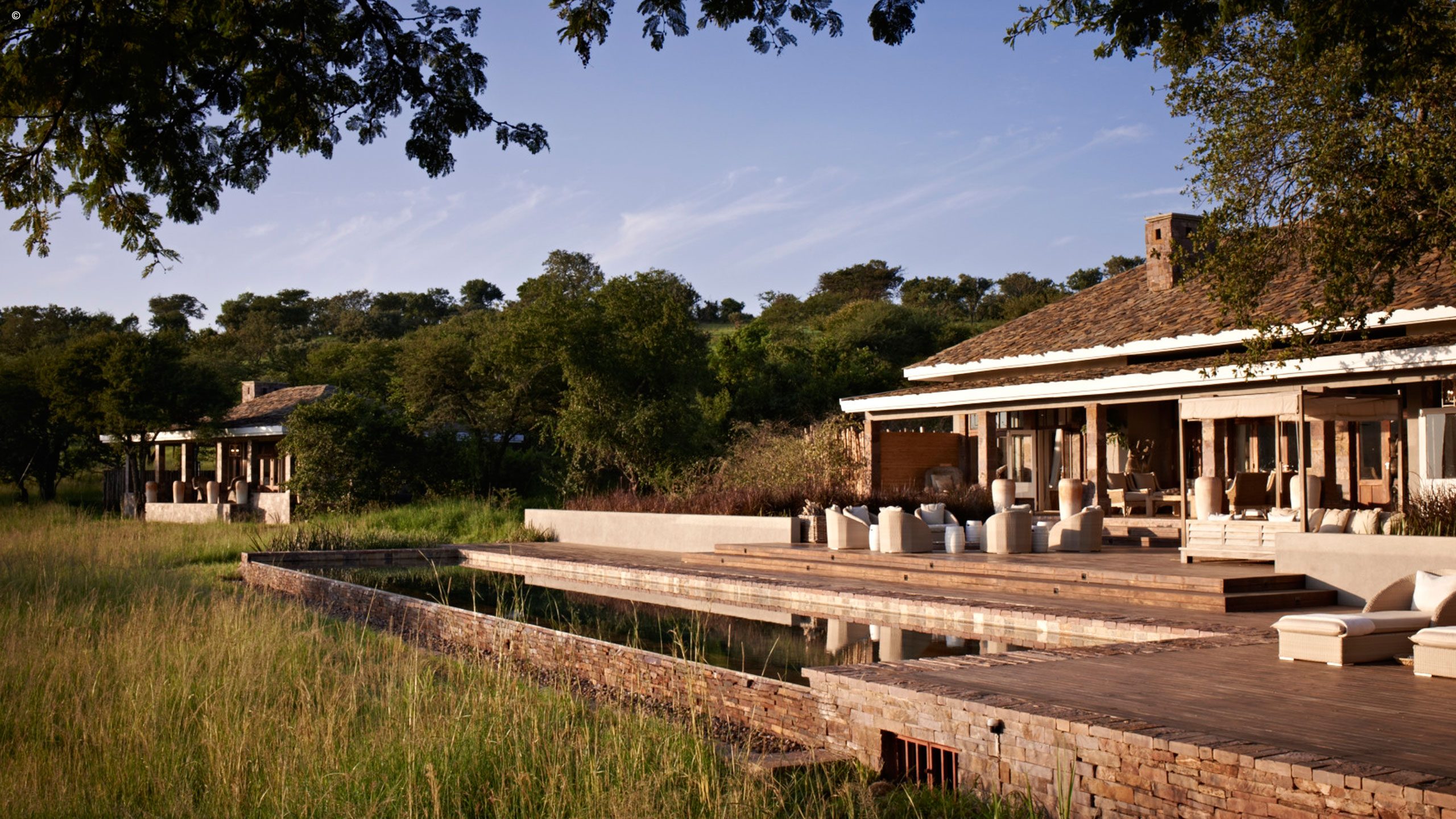
To experience the calving properly you need to be among the herds, and that means a mobile or semi-permanent camp in the Ndutu area or the southern Serengeti. This is where the migration-following mobile camps come into their own: each green season they pitch on the southern plains, placing you within a short drive — sometimes within sight — of the massed herds and the predators shadowing them.

Camps range from superb-value tented camps to genuinely ultra-luxury mobile camps with plunge-pool suites and butler service. Because the calving is a green-season event, availability is generally easier and rates kinder than in the peak crossing months — but the very best mobile camps in prime Ndutu position still book well ahead, so we recommend securing your safari six to twelve months out. We know these camps intimately and will place you exactly where the herds will be for your dates.

What to Expect & How to Plan

Expect warm days, lush green plains and occasional short afternoon rain showers — the green season's signature. The showers rarely disrupt game viewing; they tend to be brief, they settle the dust, and they often leave behind the most spectacular light and skies of the whole year. Bring a light waterproof, a good telephoto lens for the predator action and a wide lens for the sweeping herds and storm skies. Mornings and late afternoons offer the best light and the most active predators.

On planning and cost: allow at least three to four nights in the Ndutu / southern Serengeti to immerse yourself, and consider adding the Ngorongoro Crater — right next door — and a few beach days in Zanzibar for the perfect finale. Expect from around US$500 to US$1,000 per person per night at good mobile and tented camps, more at the ultra-luxury addresses; a typical all-inclusive week with private guiding, internal flights and park fees runs roughly US$6,500 to US$15,000 per person. Few safaris anywhere deliver so much drama for the money — which is exactly why the calving season deserves to be far better known than it is.

Month Calving-Season Conditions
Late JanuaryHerds gathering in the south; early births begin
FebruaryPeak calving — hundreds of thousands of newborns, peak predator action
MarchCalving winds down; plains still green, herds begin to drift
April–MayLong rains; herds move on — the calving window has closed

Ready to witness the migration's greatest secret?

The calving season delivers more drama for the money than almost any safari on earth. Tell us your dates and our specialists will place you in the perfect mobile camp right among the herds — and combine it with the Ngorongoro Crater and Zanzibar for an unforgettable green-season journey.

Start Planning Your Safari WhatsApp Us

Ready to explore? Browse our safari tours and packages →
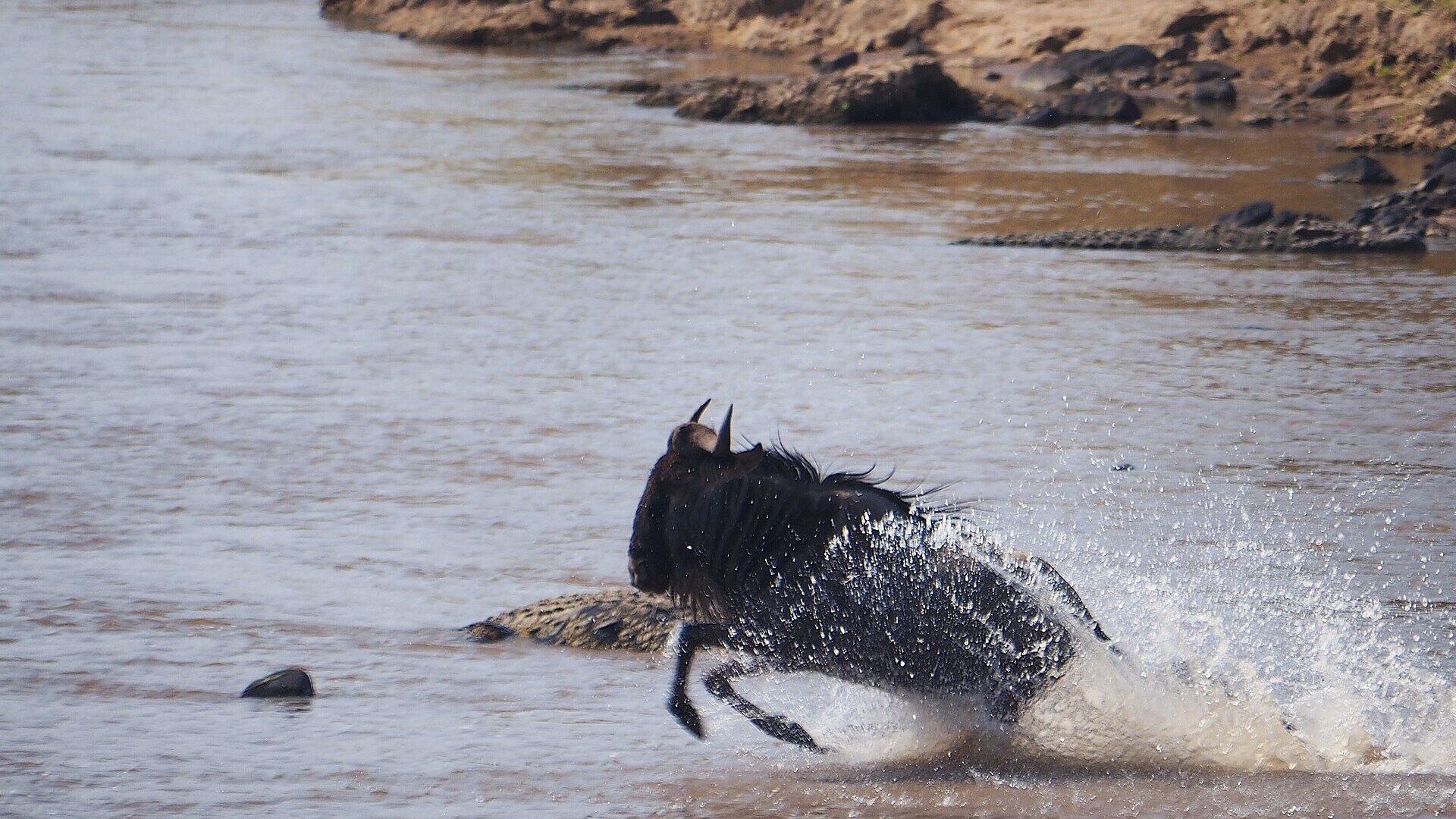
SERENGETI CALVING SEASON

New life, high drama, emerald plains

Each year on the southern Serengeti and Ndutu plains, half a million wildebeest are born in a matter of weeks — and every predator for miles gathers to the feast. The complete guide to the greatest, least-crowded chapter of the migration.

Frequently Asked Questions

The main calving season runs from roughly late January to March, with the peak of births typically in February. During these weeks the great wildebeest herds gather on the mineral-rich short-grass plains of the southern Serengeti and the Ndutu region, where an estimated 300,000 to 500,000 calves are born in the space of just two to three weeks. The timing shifts slightly year to year depending on the rains, but if you travel in February you are almost certain to be in the thick of it. It is one of the most reliable wildlife events in Africa — unlike the river crossings, the calving happens every year in a predictable window and place.

On the southern short-grass plains of the Serengeti and around Ndutu, an area that straddles the Serengeti and the Ngorongoro Conservation Area. These plains are rich in the calcium and phosphorus that lactating mothers and growing calves need, which is why the herds return here to give birth every year. The best base is a mobile or semi-permanent camp in the Ndutu area or the southern Serengeti, positioned right among the herds. Because the wildebeest concentrate here in enormous numbers, game viewing is superb and the drives are short.

Because the arrival of half a million vulnerable newborns is, for the predators, the greatest feast of the year — and they gather accordingly. Lion, cheetah, hyena, leopard and jackal all concentrate on the calving plains, and hunts are frequent and often visible across the open short grass. Cheetah in particular thrive here, as the flat, open plains suit their high-speed pursuit. For anyone hoping to witness predator action — the drama that most safari-goers dream of — calving season offers arguably the finest big-cat viewing of the entire year. It is raw and sometimes hard to watch, but it is the reality of the plains.

It is one of the best-kept secrets in African safari. You get astonishing concentrations of animals, superb predator action, adorable newborns, dramatic green-season skies and lush emerald plains — and yet far fewer visitors than the river-crossing months, plus noticeably better value. The trade-off is occasional short afternoon rain showers, but these rarely disrupt game viewing and clear quickly, often leaving spectacular light. For photographers, families and anyone who wants the migration without the crowds, calving season is a wonderful, and often more affordable, choice.

Because it falls in the green season, calving-season safaris often represent excellent value compared with the peak river-crossing months. Expect from around US$500 to US$1,000 per person per night at good mobile and tented camps in the Ndutu and southern Serengeti area, and more at the ultra-luxury mobile camps. A typical week, all-inclusive with private guiding, internal flights and park fees, ranges from roughly US$6,500 to US$15,000 per person depending on the camps. The combination of lower green-season rates and spectacular wildlife makes it one of the best value-for-drama safaris in all of Africa.

Absolutely, and we highly recommend it. The Ndutu calving plains sit right on the edge of the Ngorongoro Conservation Area, so a calving safari combines beautifully with a day or two exploring the Ngorongoro Crater — a natural amphitheatre packed with wildlife, including black rhino and some of the largest lions in Africa. A classic green-season itinerary pairs the southern Serengeti and Ndutu for the calving with the crater for its scenery and Big Five, and can be finished with a few beach days in Zanzibar for the perfect bush-and-beach combination.

Make It Happen

Safari Packages

Ready to experience it yourself?

Let our local experts craft a private journey around the places you just read about.

Explore ToursPlan My Trip
Curated For You

You May Also Like

The endless golden plains of the Serengeti stretching to the horizon under blue skySafari

Top 10 Things to Do in the Serengeti 2026 — Beyond Game Drives

The Serengeti is the greatest wildlife show on earth — but it is so much more than game drives alone. From floating above the plains in a hot air balloon at sunrise to walking alongside your guide through the bush, from visiting the cradle of humankind at Olduvai Gorge to sharing tea with a Maasai elder, these are the top 10 things to do in the Serengeti that turn a safari into the journey of a lifetime.

5 Aug 2026 · 17 min
The endless golden plains of the Serengeti stretching to the horizon under blue skySafari

Top 10 Things to Do in the Serengeti 2026 — Beyond Game Drives

The Serengeti is the greatest wildlife show on earth — but it is so much more than game drives alone. From floating above the plains in a hot air balloon at sunrise to walking alongside your guide through the bush, from visiting the cradle of humankind at Olduvai Gorge to sharing tea with a Maasai elder, these are the top 10 things to do in the Serengeti that turn a safari into the journey of a lifetime.

5 Aug 2026 · 17 min
An aerial view of the Okavango Delta's silver channels and emerald islands in Botswana contrasted with the classic bushveld of Kruger National ParkSafari

Okavango Delta vs Kruger 2026: The Water Wilderness vs the Classic Bushveld

The Okavango Delta and Kruger National Park are the two great safari icons of Southern Africa — and they could hardly be more different. The Okavango is the world’s largest inland delta: a shimmering water wilderness of palm islands and papyrus channels, explored by mokoro, famous for wild dogs and pristine exclusivity — and priced as one of Africa’s ultimate luxuries. Kruger is the archetypal bushveld: a vast, accessible, astonishingly affordable park where you can self-drive to a full Big Five, and where the private Sabi Sand reserves deliver the finest leopard viewing on earth. So which one wins? We break it into ten decisive rounds — landscape, water, Big Five, predators, wild dogs, safari style, exclusivity, cost and logistics — with a full comparison table, honest price tiers and the verdict on which to choose, or how to combine both.

5 Aug 2026 · 17 min read
Simple, Personal, Expert-Led

How It Works

From first message to the trip of a lifetime — planning your safari with us is effortless.

  1. 1

    Share Your Dream

    Tell us who is travelling, your dates and what you long to see. One quick message is all it takes to begin.

  2. 2

    We Design It

    Your specialist crafts a private, tailor-made itinerary — the right camps, the right season, every detail considered.

  3. 3

    Refine Together

    We fine-tune the journey with you until every day feels perfect, then handle flights, transfers and permits.

  4. 4

    Travel With Confidence

    Set off knowing every detail is handled and a dedicated specialist is on call from your first game drive to home.

Your Journey Starts Here

Let Our Experts Craft Your Perfect Safari

Every itinerary is handcrafted by our team of local specialists who have spent 18+ years exploring Southern and East Africa. From Big Five game drives to gorilla trekking — we create journeys that stay with you forever.

Start PlanningChat with Us
Chat