Key Takeaways — 2026 Rankings At a Glance
- Best for river crossings: Northern Serengeti Migration — Mara River Crossings 6 Days (July–Oct)
- Best classic circuit: Serengeti Migration Safari 7 Days — the most complete migration experience
- Best luxury: Luxury Tanzania Fly-In Safari 8 Days — no roads, private camps, maximum wildlife density
- Best for couples: Masai Mara Balloon Honeymoon 7 Days — aerial migration at dawn, Big Cat Diary country
- Best value: Serengeti Value Northern Circuit 7 Days — the full migration circuit at a sensible price
- Best short trip: Migration Highlights 3 Days — for when time is tight but the migration is calling
- Best hidden gem: Liuwa Plain Wildebeest Migration 6 Days — Africa's secret second migration, almost no crowds
- Peak crossing season (Aug–Sep) packages book 12–18 months in advance — plan early for 2026
The Great Migration is not one event — it is a year-round circuit of two million animals across the Serengeti-Mara ecosystem, wearing a different face every month. The best package for you depends entirely on which face you want to see: the hushed tenderness of calving season, the thunder of the river crossings, the aerial sweep of a dawn balloon flight or the rare silence of Africa's second migration in Zambia's Liuwa Plain.
We have assembled, tested and ranked the ten best packages available for 2026 and 2027. Each is a real, bookable itinerary — not a marketing concept. For a full planning framework including the complete month-by-month calendar, see our ultimate Great Migration safari guide. For pricing deep-dives on wildebeest migration packages by type, see our wildebeest migration safari packages guide. And for timing month by month, our Great Migration month-by-month calendar is your field manual.
How We Ranked These Packages
Each package was evaluated across five criteria: migration access (proximity to active herds and crossing sites), accommodation quality (camp positioning and standards), seasonal match (whether the timing actually puts you in front of the right event), guide expertise (naturalist depth and local knowledge) and value (what you receive at the price point). The rankings reflect the best overall score — not just the most expensive option.
1. Serengeti Migration Safari — 7 Days
Best for: The complete migration circuit, serious wildlife photographers, first-timers who want to do it right.
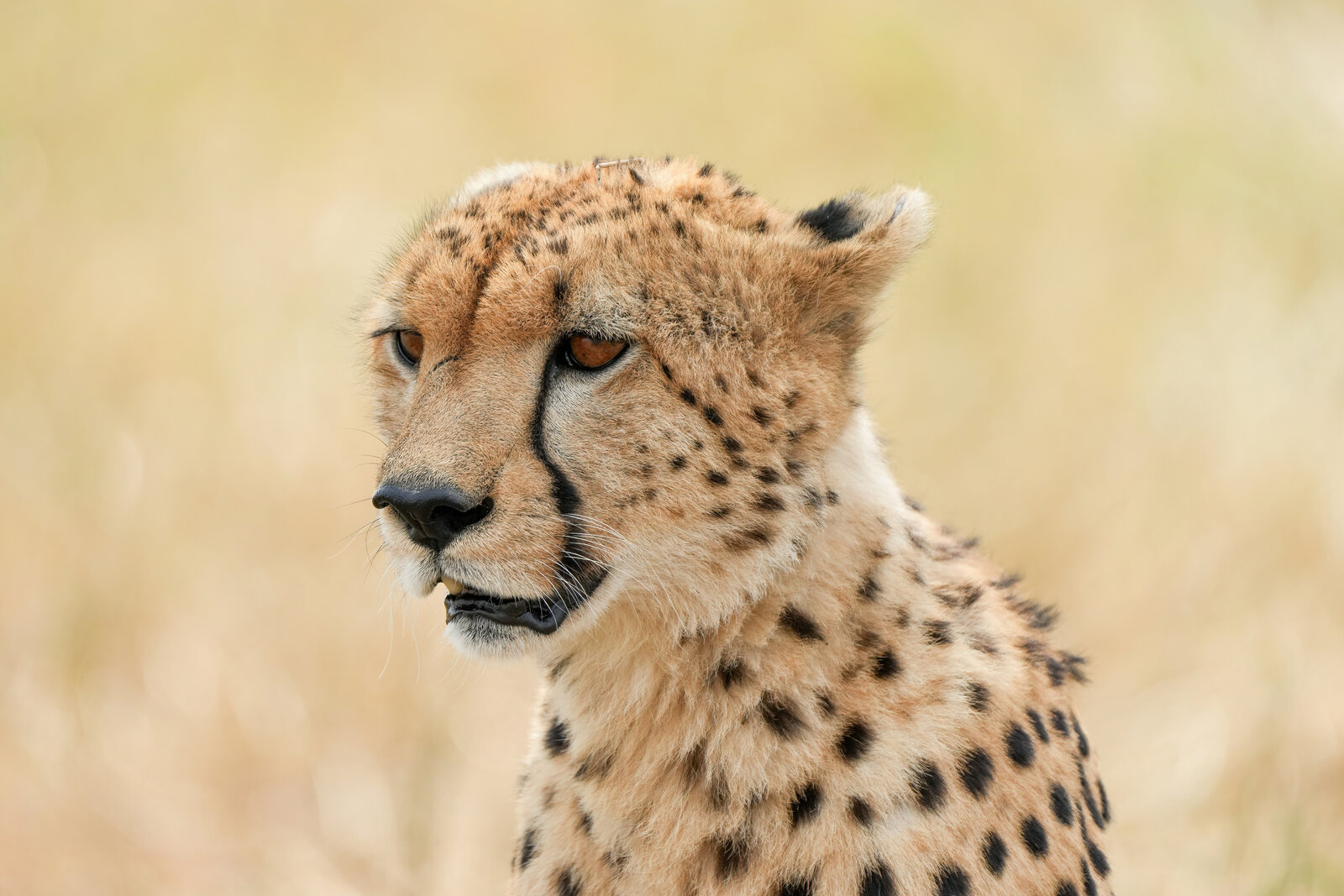
This is the flagship package — the one we recommend to travellers who ask simply, "which is the best?" Seven days in the Serengeti gives you enough time to follow the herds from the southern calving plains through the central corridor and into the northern sector, depending on season. Game drives in open 4x4s with expert naturalist guides, nights in well-positioned tented camps with real views, and the full Serengeti experience: lion prides, cheetah on the termite mounds, leopard in the fig trees and the ever-present background rumble of the migration.
The package works in any season but is at its most spectacular from July to October when the northern Serengeti fills with wildebeest and the Mara River crossings begin. It combines a Serengeti entry from Arusha with a minimum of 4 nights inside the park — enough to witness multiple ecosystem zones in a single trip. See the full itinerary and pricing on our Serengeti Migration Safari (7 Days) page.
Best season: July–October (river crossings). January–March (calving + predators). Ideal for: Solo travellers, couples, serious wildlife enthusiasts. Highlights: Northern Serengeti, Seronera, Ndutu (seasonal), expert naturalist guides.
2. Northern Serengeti Migration — Mara River Crossings (6 Days)
Best for: Witnessing the river crossings up close — the most dramatic single moment in wildlife.
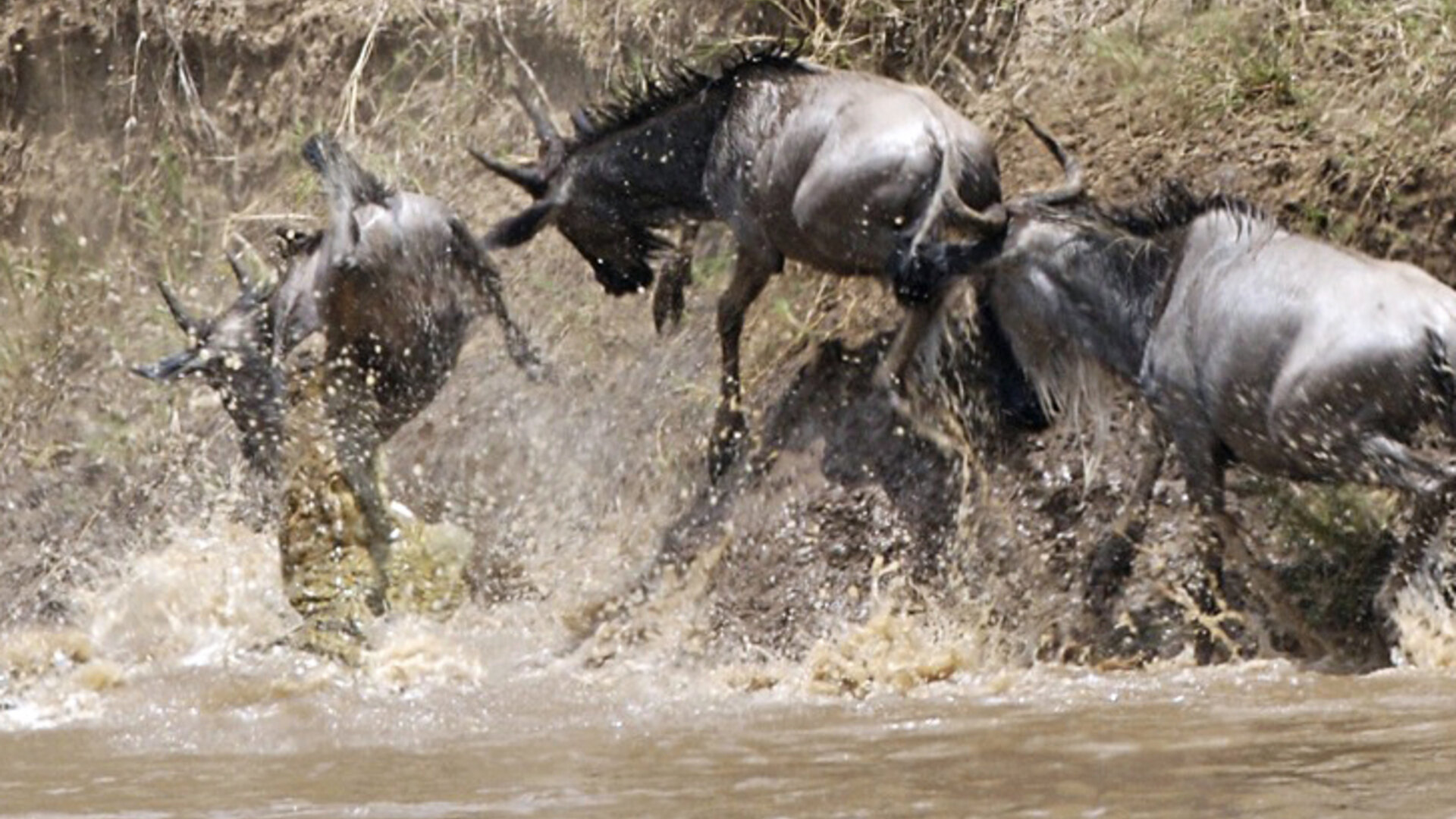
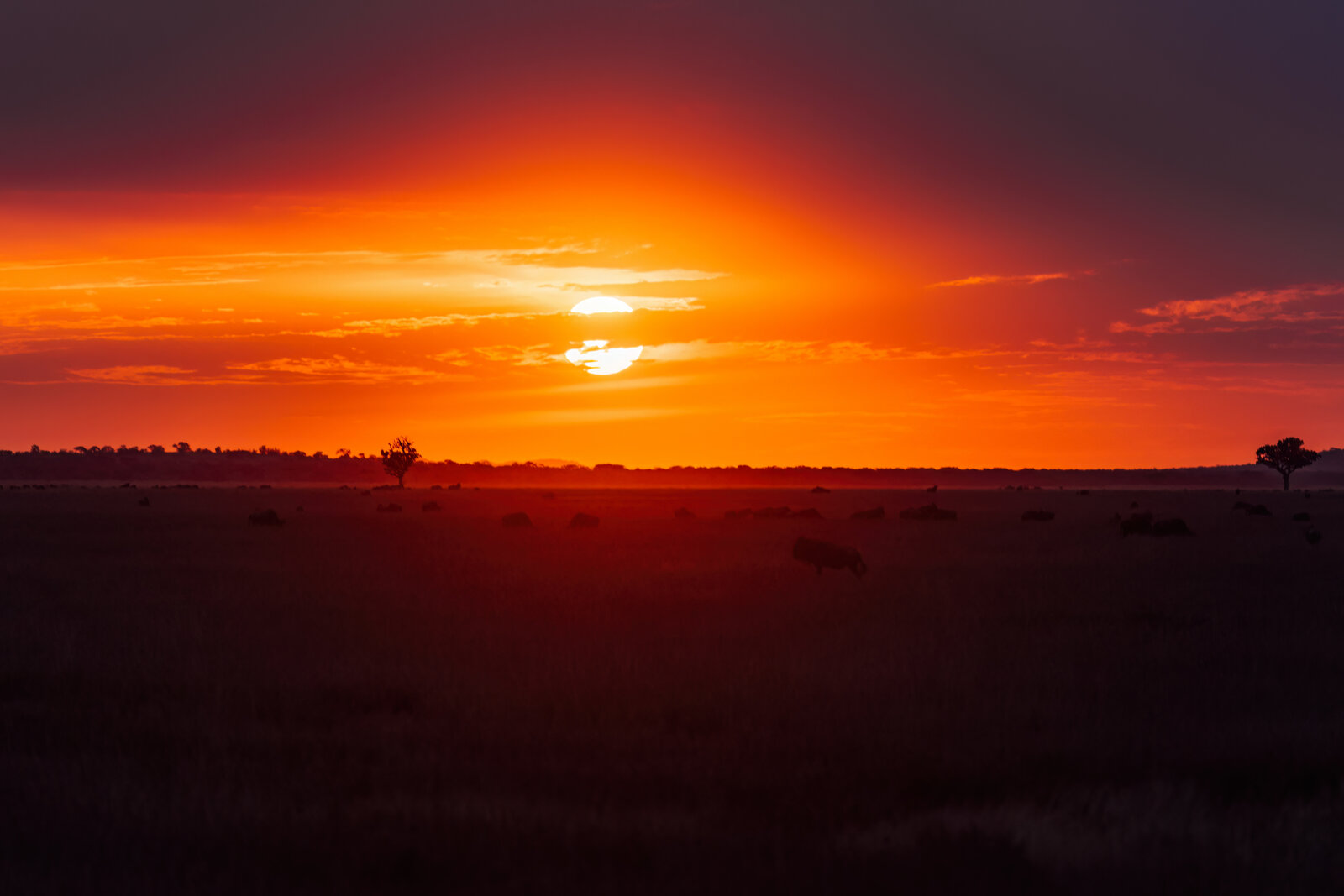
If the Mara River crossings are your reason for coming to Africa, this is your package. Six days based in the northern Serengeti during the crossing season (July–October), with your camp positioned within 30 minutes of the primary crossing points on the Tanzanian side of the Mara River. You will spend long hours at the riverbank — reading the herds, watching the scouts test the water, and being there when the wave breaks.
The northern Serengeti offers the crossings on the Tanzanian side of the river, before or after the herds cross into Kenya. The advantage: you avoid the vehicle concentrations of the Kenyan Mara and experience the crossings in a more intimate setting. At least 4 nights in the north is essential — crossings are not guaranteed on any given day, but with 4 nights you give yourself real odds. Full itinerary and pricing on our Northern Serengeti Migration — Mara River Crossings (6 Days) page.
Best season: July–October only (outside this window the herds are elsewhere). Ideal for: Wildlife photographers, bucket-list travellers, anyone who has been on a 'regular' safari and wants the next level. Highlights: Lamai Wedge, Kogatende sector, Mara River crossing points.
3. Ultimate Great Migration Safari — 7 Days
Best for: Combining the full migration story with multi-park coverage.
This package is built around the idea of following the migration arc — not just one snapshot of it. Seven days covering multiple Serengeti sectors with a guide who understands the seasonal movement, giving you the context and the wildlife simultaneously. It works best when you want to understand the migration as an ecosystem event rather than simply witness a crossing.
Typically structured as two nights in one Serengeti sector, then a move to a second sector (and potentially a crater or conservancy addition), this package delivers the most complete single-trip migration story. Full details on our Ultimate Great Migration Safari (7 Days) page.
Best season: Year-round — the itinerary adapts to the season. Ideal for: Return visitors, naturalists, families wanting depth over spectacle. Highlights: Multi-sector Serengeti coverage, flexible seasonal routing, expert naturalist guides.
4. Luxury Tanzania Fly-In Safari — 8 Days
Best for: The migration at its most refined — no long drives, maximum wilderness immersion.
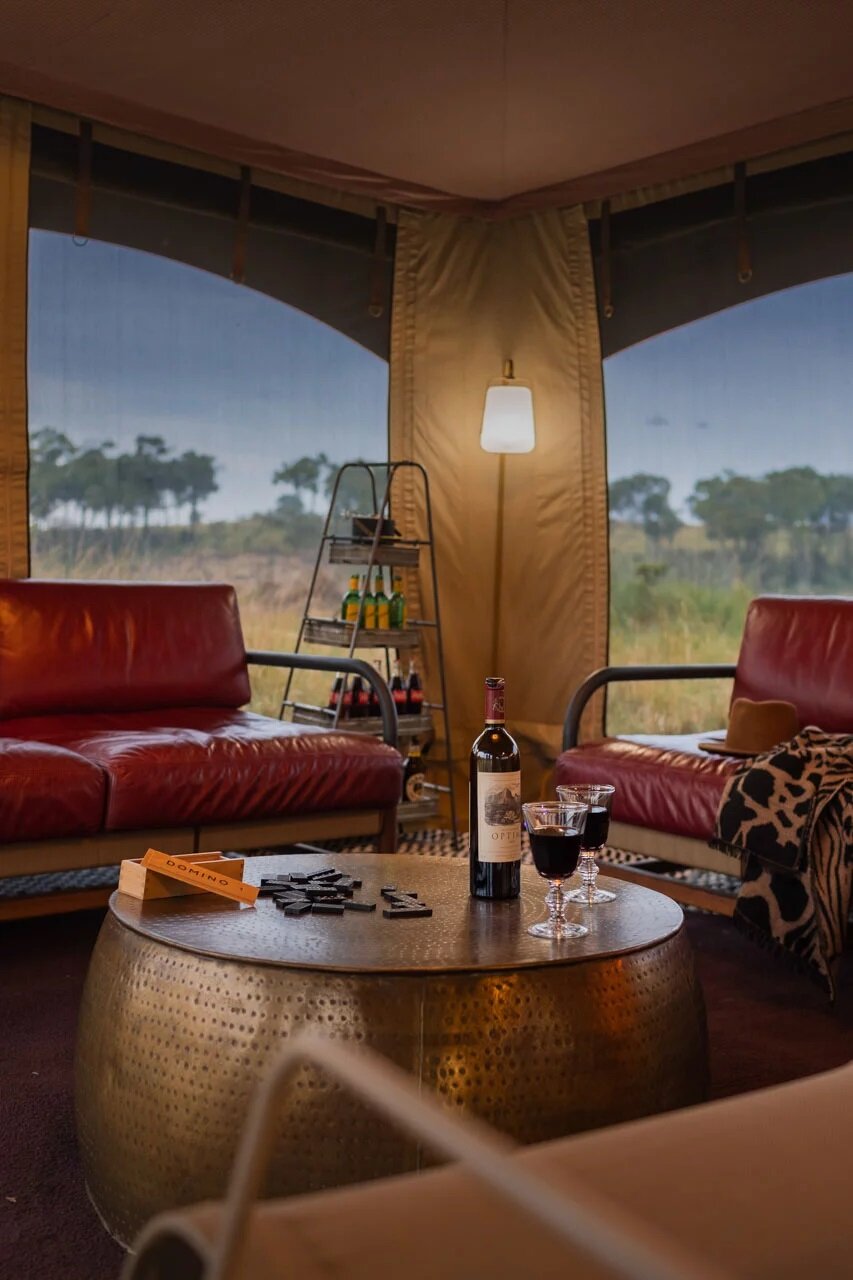
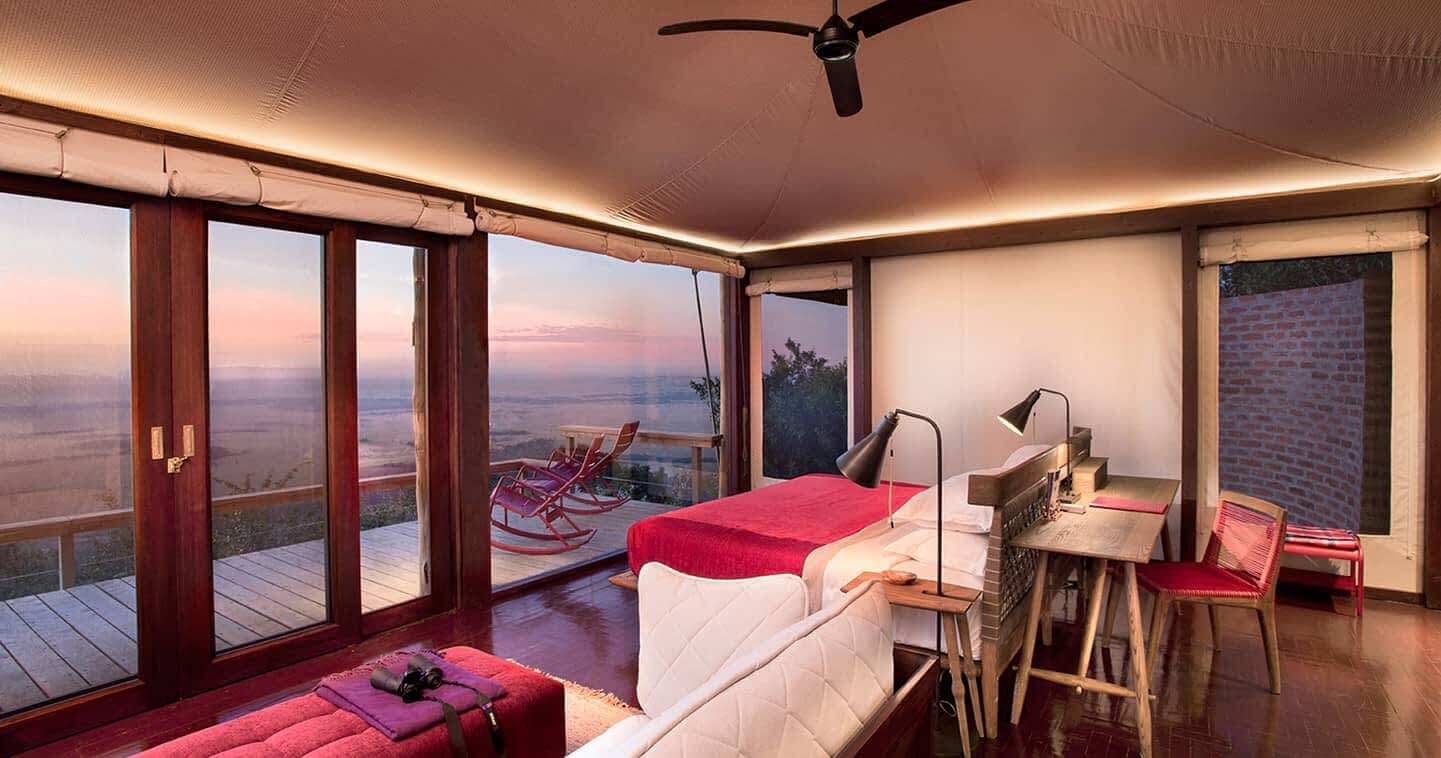
Every transfer in this package is by light aircraft. You fly into your first Serengeti camp over the migration plains, and you leave the same way — spending eight days in remote locations that would take half a day to reach by road. Private camps, small guest numbers and guides who have been tracking the same family groups for decades define the experience.
The fly-in format means you access sectors of the Serengeti that road-based visitors rarely reach — remote northern camps during crossing season, secret calving-zone fly camps in January. The wildlife density is the same; the vehicle density is not. Prices are at the top of the migration market, but the experience justifies every cent. See our Luxury Tanzania Fly-In Safari (8 Days) for details.
Best season: June–October for northern crossings. January–March for fly-camp calving immersion. Ideal for: Luxury travellers, return visitors who want to go deeper, special occasions. Highlights: Private fly camps, remote northern Serengeti, exclusively small groups.
5. Masai Mara Balloon Honeymoon — 7 Days
Best for: Couples — the migration from 300 metres in the air at dawn, followed by Big Cat Diary country.
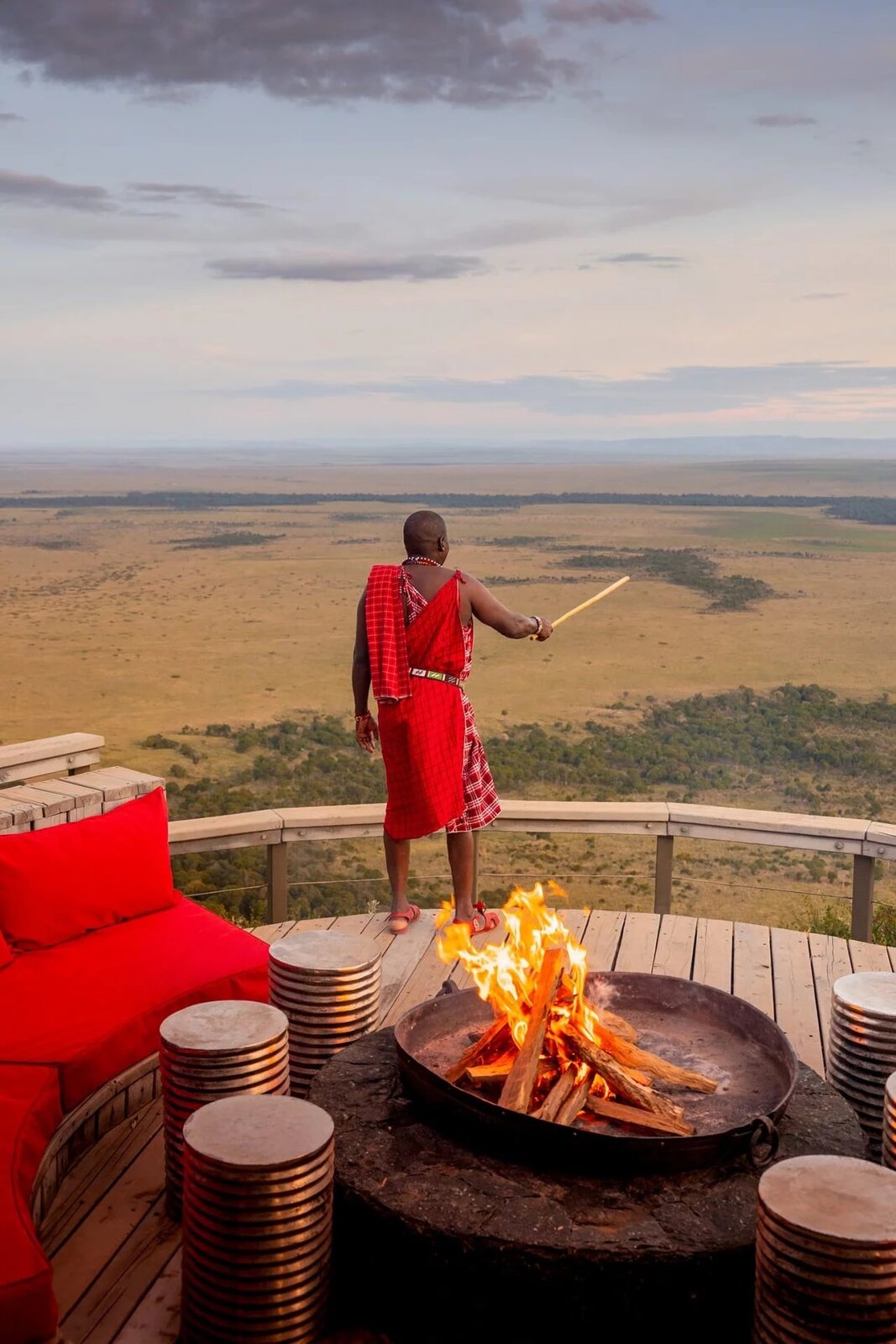
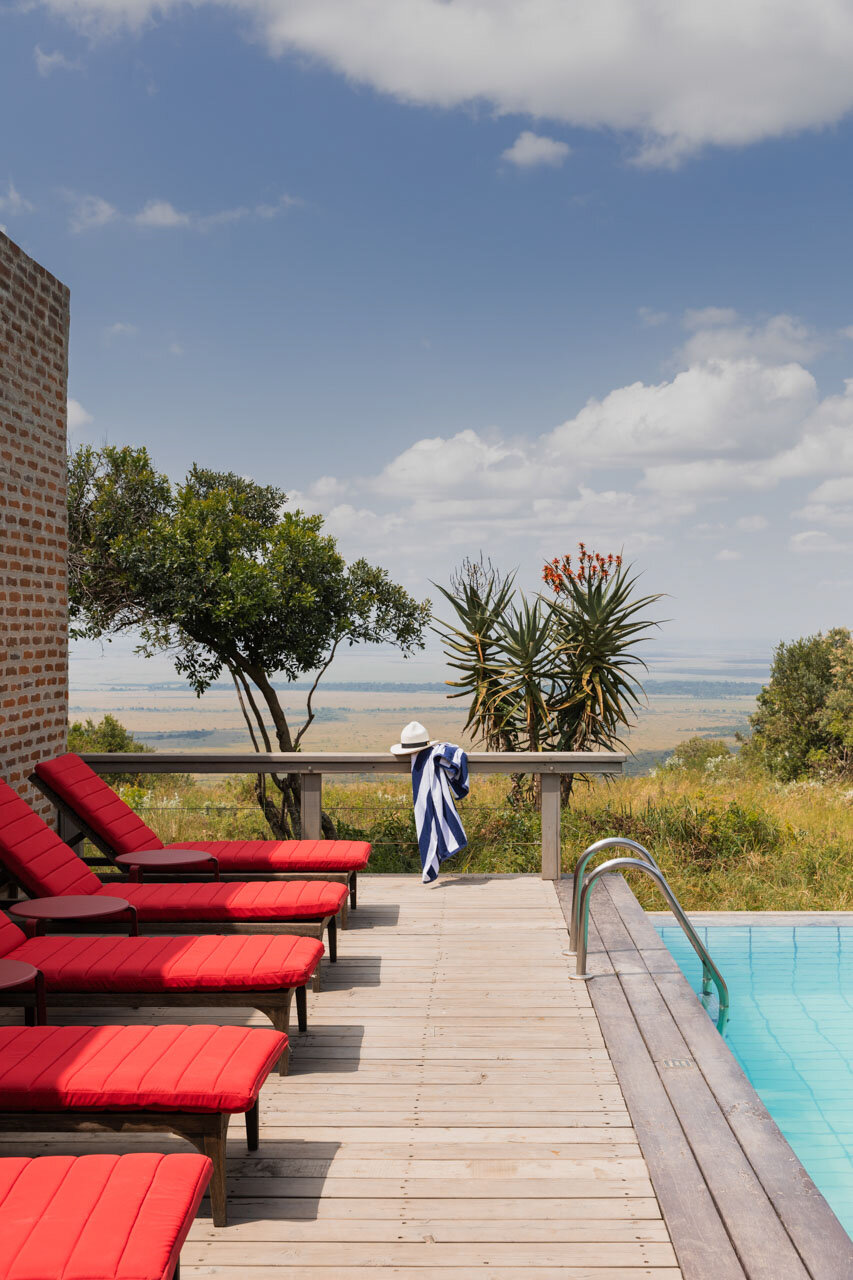
This package was built for two reasons: the hot-air balloon ascent over the migration plains at first light, and the most romantic camp positioning in the Masai Mara. Seven days in the Mara during the July–October crossing season, with a sunrise balloon flight included — you lift off as the mist clears, drift over wildebeest columns half a mile long, and land to champagne on the plains.
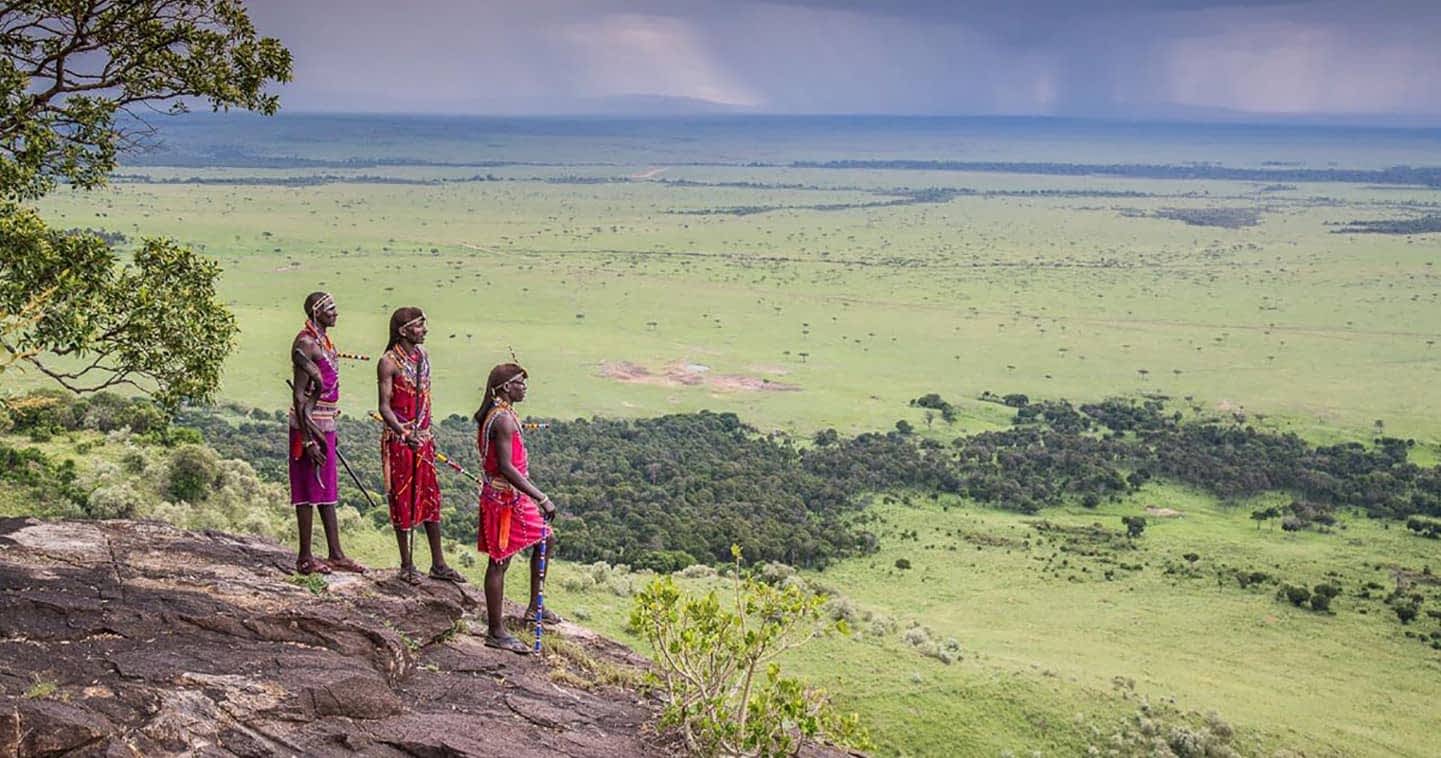
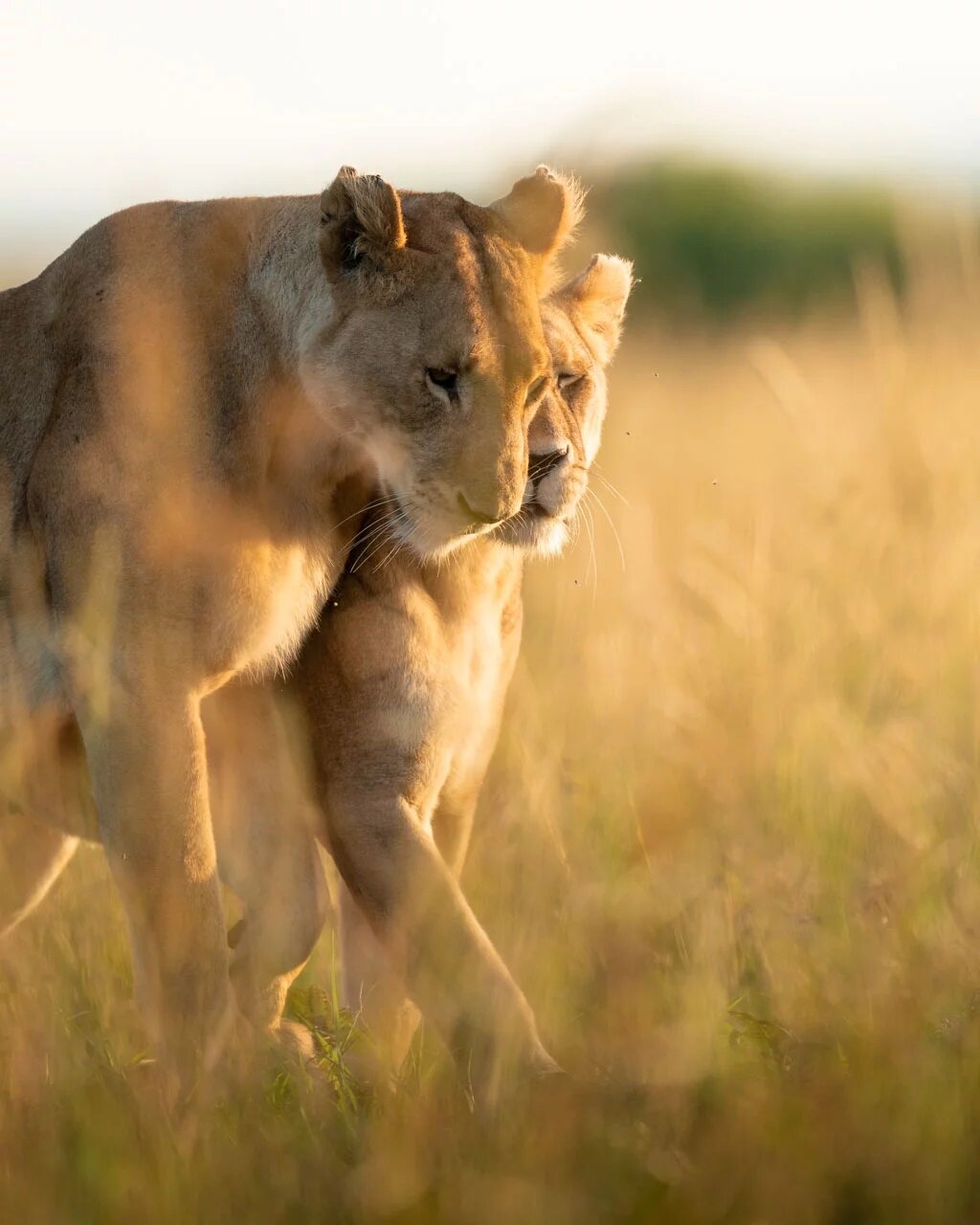
The Masai Mara is the stage for the BBC's Big Cat Diary — it has the highest lion density in Africa and world-famous cheetah visibility. Combine that with balloon migration views, candlelit dinners in the bush, and a Zanzibar beach extension and this becomes one of the finest safari honeymoon packages in Africa. Full details on our Masai Mara Balloon Honeymoon (7 Days) page. For a deeper look at Mara migration options, see our Masai Mara Great Migration packages guide.
Best season: July–October (crossing season, balloon season). Ideal for: Couples, honeymooners, anniversary travellers. Highlights: Dawn balloon flight, private Mara camp, Big Cat Diary country, optional Zanzibar extension.
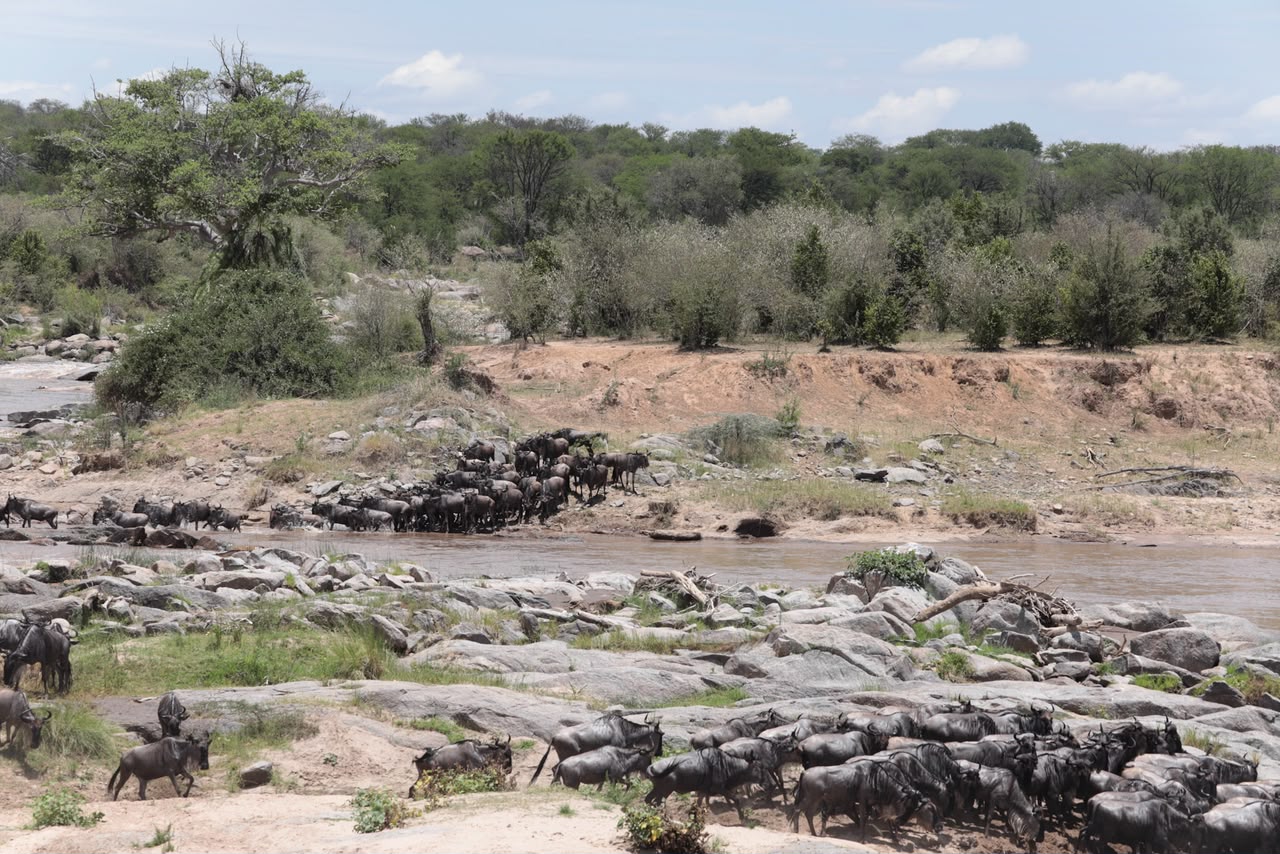
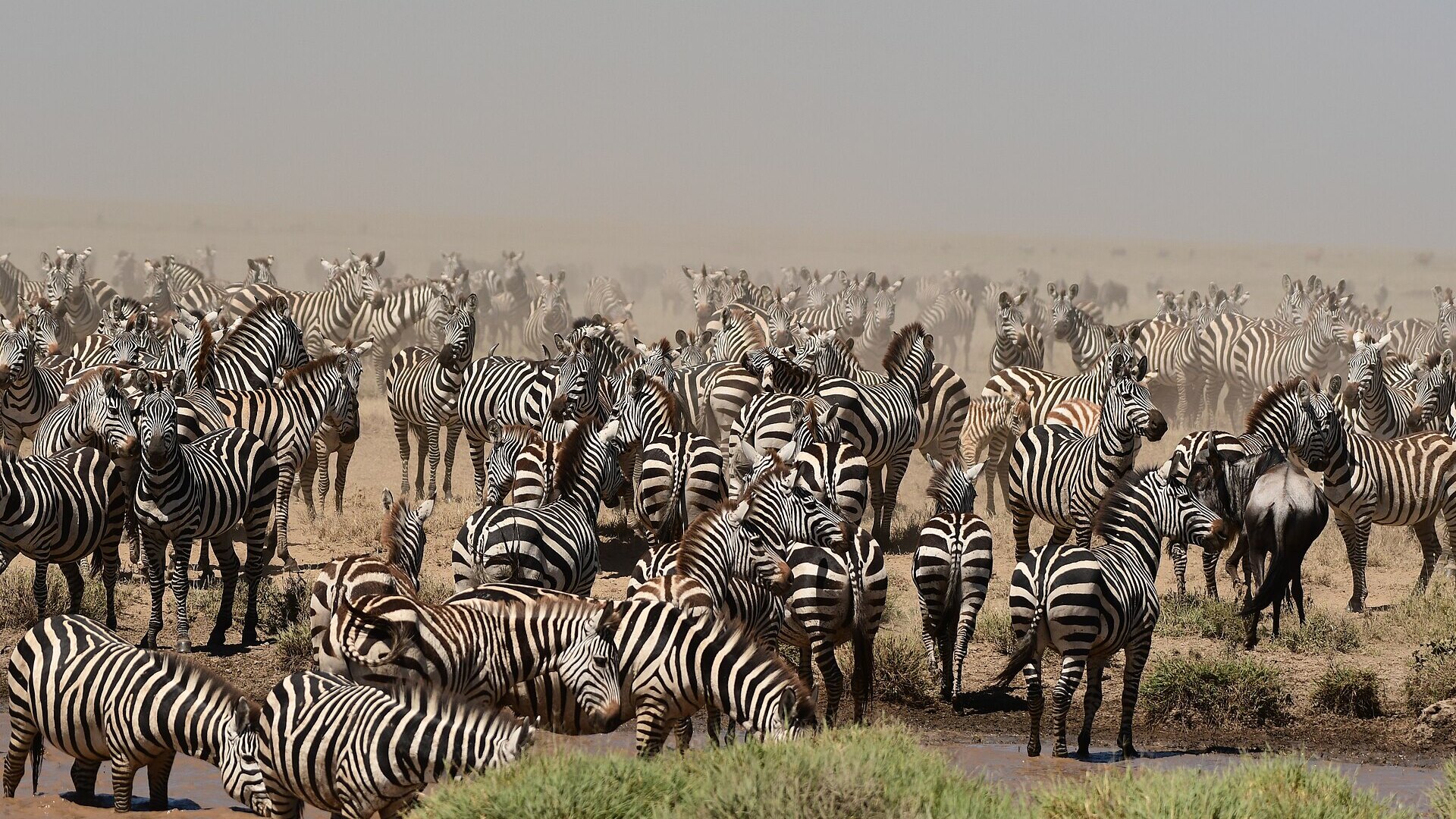
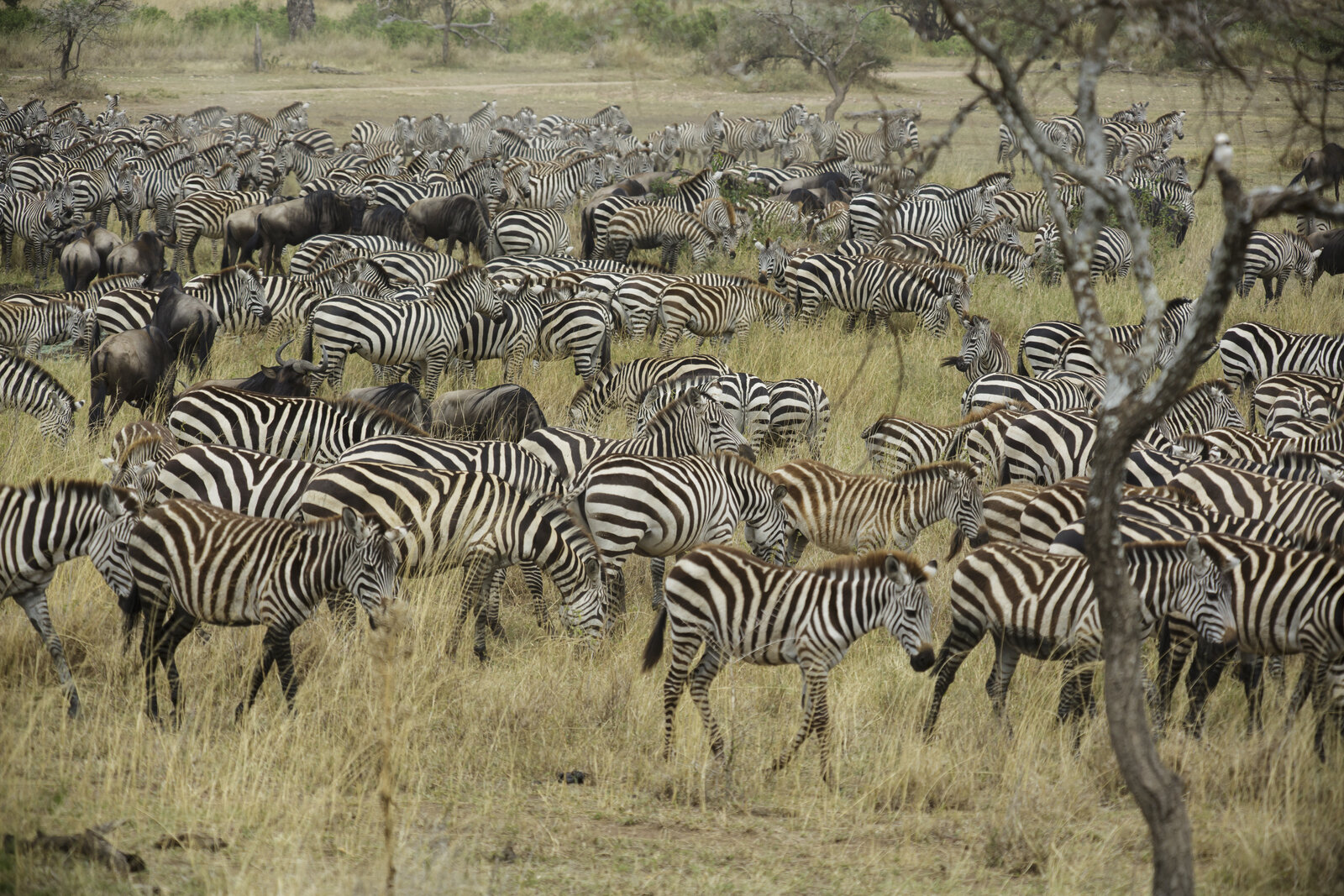
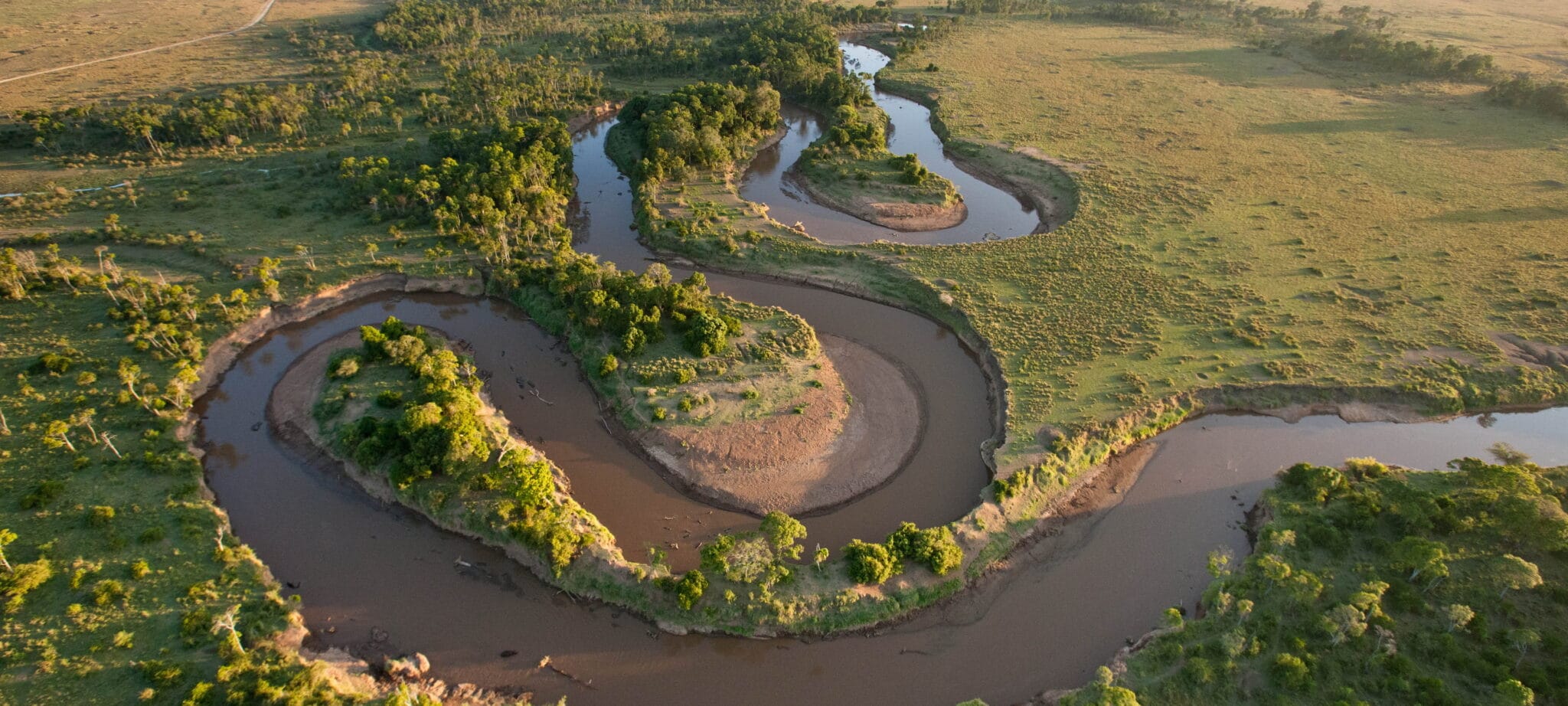
The Great Migration in motion — two million animals on the move across the Serengeti-Mara ecosystem
6. Kenya Giraffe + Samburu + Masai Mara Safari — 7 Days
Best for: Adding Kenya's northern wildlife to your migration experience — the full Kenya story.
The Great Migration is the centrepiece, but Kenya offers so much more. This seven-day package begins in Samburu — Kenya's dramatic northern wilderness — where you encounter the Samburu Special Five: reticulated giraffe, Grevy's zebra, Somali ostrich, gerenuk and beisa oryx. Then south to the Masai Mara for the migration itself, arriving during the prime crossing window.
Starting in Samburu gives you a wildlife contrast that deepens the Mara experience enormously — you understand the diversity of Kenya's ecosystems rather than seeing the Mara in isolation. The giraffe segment between Samburu and the Mara also covers Laikipia, where black rhino and wild dog sightings are possible. Full itinerary on our Kenya, Giraffe, Samburu & Masai Mara Safari (7 Days) page.
Best season: July–October for the Mara migration component. Ideal for: Kenya specialists, naturalists, return visitors. Highlights: Samburu Special Five, Laikipia, Masai Mara crossings, exceptional wildlife diversity.
7. Serengeti Value Northern Circuit — 7 Days
Best for: The best migration experience at the most sensible price — the smart choice for conscious travellers.
There is a persistent myth that a worthwhile migration safari has to cost a fortune. This seven-day package proves otherwise. The Northern Circuit covers the Serengeti's most productive wildlife zones — Seronera, the Western Corridor, the northern sector — in comfortable, well-positioned camps at a price that leaves budget for the rest of your life.
The wildlife is identical to what premium packages offer. The difference is that you are in a tented camp rather than a private fly camp, and transfers are by road rather than light aircraft. The migration does not care which vehicle you arrive in. For any season and any budget tier above camping, this is our top value recommendation. Full details on our Serengeti Safari — Value Northern Circuit (7 Days) page.
Best season: Year-round; best value in the green season (April–June). Ideal for: Budget-conscious wildlife enthusiasts, younger travellers, families watching costs. Highlights: Northern Serengeti, Seronera, Western Corridor, authentic tented camp experience.
8. Migration Highlights — 3 Days
Best for: When you have limited time but the migration is calling — the best short-break option.
Not every traveller can commit to a seven-day safari, and not every itinerary has the room. The Migration Highlights package is built for exactly this situation: three focused days in the Serengeti during the active migration period, with every hour optimised for wildlife. Two nights inside the park, long morning and afternoon game drives, and no wasted time on logistics.
Three days is enough to witness the migration in movement — a column of wildebeest streaming across the plains, a river crossing if the timing aligns, or the calving herds with predators in the south. It will not give you the depth of a seven-day trip, but it will absolutely give you Africa. Full details on our Migration Highlights (3 Days) page.
Best season: July–October for crossing season; January–March for calving action. Ideal for: Business travellers, those combining with other destinations, short-break Safari seekers. Highlights: Maximum wildlife per hour, flexible departure points, compact and efficient.
9. Liuwa Plain Wildebeest Migration — 6 Days
Best for: Africa's secret second migration — 45,000 wildebeest and almost no other vehicles.
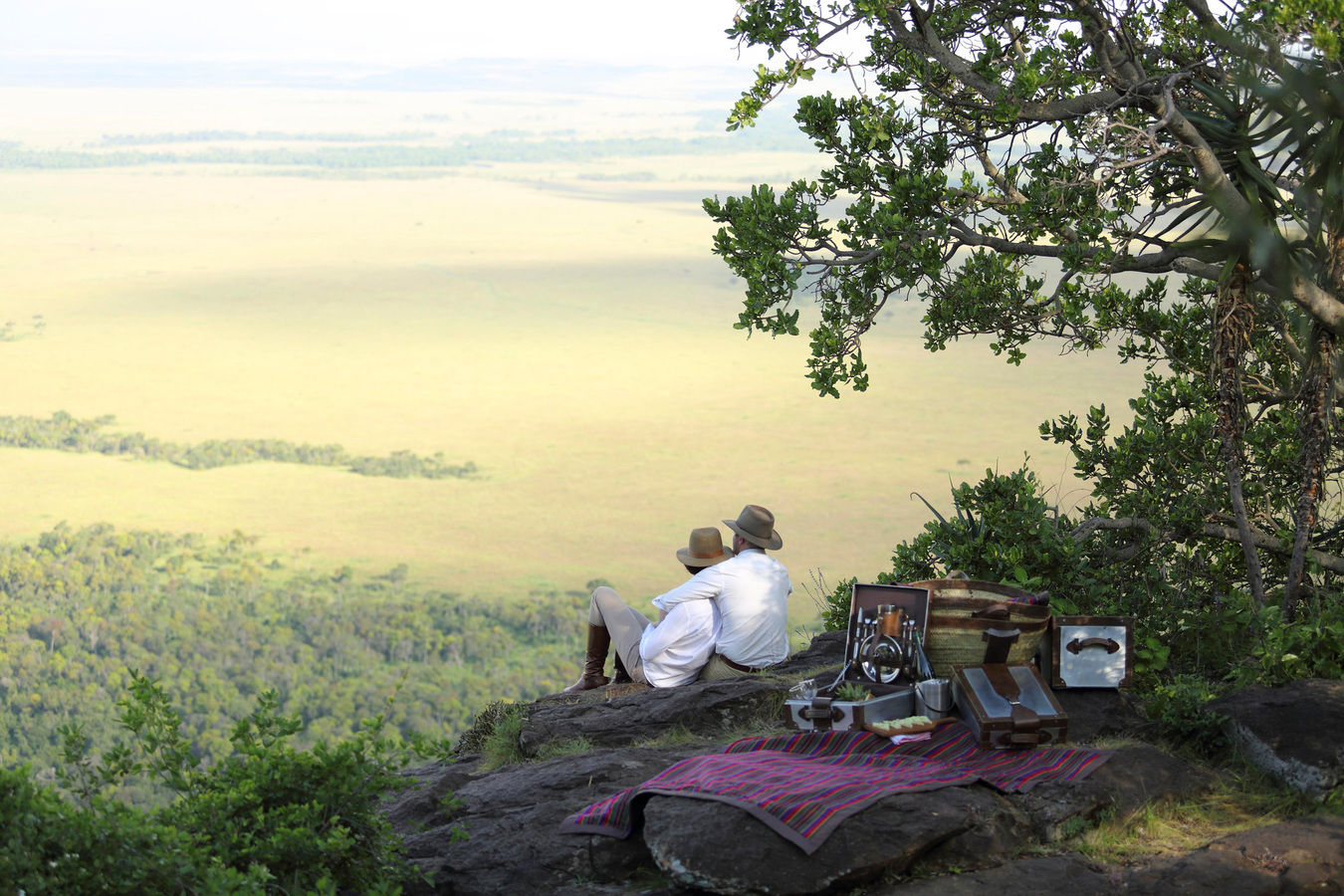
Almost no one knows about this one, and that is precisely what makes it extraordinary. Zambia's Liuwa Plain National Park hosts Africa's second-largest wildebeest migration — 45,000 wildebeest on a vast floodplain in western Zambia, with the lion pride that has been documented by National Geographic and the highest density of zebra in Zambia. The park typically sees fewer than 400 visitors a year.
If the Serengeti-Mara ecosystem has begun to feel slightly crowded at the primary crossing points, Liuwa is the antidote — the same species, the same drama, virtually zero other vehicles. The package runs October–December (post-rain arrival) and February–April (peak herd season), based at the only camp in the park. Full details on our Liuwa Plain Wildebeest Migration Safari (6 Days) page.
Best season: October–December (arrival) and February–April (peak herd season). Ideal for: Experienced safari travellers, photographers, those who have done the Serengeti and want the undiscovered version. Highlights: 45,000 wildebeest, Liuwa lion pride, virtually private wilderness, Zambia's western park network.
10. Cross-Border Migration Chase — Kenya + Tanzania Combined
Best for: Following the herd on both sides of the border — the complete migration story in one trip.
The Great Migration crosses an international border twice a year. A cross-border package — typically 10–14 days — puts you in front of the Tanzanian crossings in the northern Serengeti and then moves you across to Kenya's Masai Mara to follow the herds as they fan out across the Mara Triangle and the private conservancies.
The advantage of the cross-border format is that you track the herds in both directions of the crossing — you see them arrive and you see them leave. The crossing points change daily, and having 5–7 nights on each side dramatically increases the odds of a front-row crossing experience. Combine with our Masai Mara Great Migration packages for the Kenya side, and our ultimate Great Migration safari guide for the full Tanzania circuit context. Together with our Great Migration month-by-month calendar, you can time the cross-border chase precisely.
Contact our team to build a custom cross-border itinerary for your dates — this is a fully tailored package assembled around the actual herd movement forecasts for 2026 and 2027.
Best season: July–October (when herds are in the northern sector and crossing both ways). Ideal for: Serious migration chasers, return visitors, multi-week travellers. Highlights: Both sides of the Mara River border, multiple crossing events, Kenya conservancies + Serengeti wilderness.
2026 Price Guide — What to Budget
| Package | Duration | From (per person) | Peak Season |
|---|---|---|---|
| Serengeti Migration Safari | 7 days | US$3,800 pp | Jul–Oct |
| Northern Serengeti — River Crossings | 6 days | US$4,200 pp | Jul–Oct |
| Ultimate Great Migration Safari | 7 days | US$4,500 pp | Year-round |
| Luxury Tanzania Fly-In Safari | 8 days | US$8,900 pp | Jun–Oct |
| Masai Mara Balloon Honeymoon | 7 days | US$5,100 pp | Jul–Oct |
| Kenya — Giraffe + Samburu + Mara | 7 days | US$4,800 pp | Jul–Oct |
| Serengeti Value Northern Circuit | 7 days | US$2,900 pp | Year-round |
| Migration Highlights | 3 days | US$1,600 pp | Jul–Oct, Jan–Mar |
| Liuwa Plain Wildebeest Migration | 6 days | US$3,200 pp | Feb–Apr |
| Cross-Border Migration Chase | 10–14 days | US$6,500 pp | Jul–Oct |
| Great Migration Masai Mara & Serengeti | 8 days | US$3,950 pp | Jul–Oct |
Prices shown are from rates per person sharing, based on 2 adults. Park fees, accommodation, meals, game drives and internal transfers included. International flights excluded. Peak season (Aug–Sep) rates apply at premium above base. Contact us for exact 2026 pricing for your dates.
Choosing the Right Package — The Quick Decision Guide
Still unsure which to choose? Use this fast filter:
- I want to see a Mara River crossing → packages #1, #2, #5 or #10 (Jul–Oct only)
- I want to see calving season → packages #1, #3 (Jan–Mar, Ndutu, southern Serengeti)
- I want maximum luxury → package #4 (fly-in, private camps)
- I'm travelling as a couple / on honeymoon → package #5 (balloon + Big Cat Diary country)
- I have 3 days or fewer → package #8 (Migration Highlights)
- I'm on a budget → package #7 (Value Northern Circuit)
- I've already done the Serengeti → package #9 (Liuwa Plain — Africa's secret migration)
- I want to follow the herd on both sides of the border → package #10 (Cross-Border Chase)
For the full month-by-month breakdown of where the herds are and which package timing matches each phase, use our Great Migration month-by-month calendar. And for the complete planning framework — route, animals, timing and logistics — our ultimate Great Migration safari guide is the companion read.
Great Migration Safari Packages by Region — Serengeti vs Masai Mara
Choosing between a Kenya-based and Tanzania-based migration package is the single most consequential decision in planning your trip. The migration does not stop at the border — but the experience on each side differs enormously.
Tanzania (Serengeti) Packages
The Serengeti hosts the migration for roughly ten months of the year. From the calving grounds at Ndutu in the south (January–March) through the central Seronera corridor and into the northern sector for the Mara River crossings (July–October), the circuit is almost entirely inside Tanzania. Serengeti-based migration packages give you the most complete annual story — the wildebeest are almost always within reach regardless of when you travel. Packages based in the northern Serengeti (Kogatende, Lamai) focus on Tanzanian-side crossings from July to October, where you see the herds massing before the plunge into Kenya. The Serengeti Migration Safari 7-Day and the Northern Serengeti Mara River Crossings 6-Day above are the flagship Tanzania options.
Kenya (Masai Mara) Packages
The Masai Mara receives the migration from roughly July to October, when the herds push north through the Loita Hills and fan across the Mara Triangle and private conservancies. Kenya packages are season-specific — come outside this window and the migration is gone. But during those four months, the Mara offers something the Serengeti cannot: private conservancies with no vehicle limits, walking safaris within herd columns, and the BBC Big Cat Diary's 50-year concentration of lions and cheetah. River crossings on the Kenyan side of the Mara River are the most-filmed single wildlife event on Earth. Our Masai Mara Balloon Honeymoon and the Kenya Giraffe + Samburu + Mara package are the top Kenya-specific options in this ranking.
Cross-Border Migration Packages (Kenya + Tanzania Combined)
The most complete migration experience combines both countries — typically 10–14 days with at least 5 nights on each side of the border. You witness the crossings on the Tanzanian side first, then follow the herds into Kenya as they fan across the Mara, before the return crossing brings them back south. Cross-border packages cost more but deliver the strongest probability of multiple crossing events and the full ecosystem context. Package #10 — the Cross-Border Migration Chase — is built around exactly this logic. For Kenya-side specifics, our Masai Mara Great Migration packages guide goes deep on the Mara conservancy options.
River-Crossing Packages vs Calving-Season Packages — The Key Differences
Two moments define the Great Migration in popular imagination: the river crossings (July–October) and the calving season (January–March). Each requires a completely different package type, a different base camp location and a different mindset. Here is how they compare commercially:
| Feature | River-Crossing Packages | Calving-Season Packages |
|---|---|---|
| Season | July–October | January–March |
| Base location | Northern Serengeti or Masai Mara | Southern Serengeti (Ndutu area) |
| Wildlife highlight | Crocodile ambush, mass crossing chaos | 500,000 newborn wildebeest in 3 weeks |
| Predator activity | Lion and cheetah on crossing routes | All five predators — peak hunting season |
| Price premium | Peak (+20–35% vs green season) | Green season (lower base camp rates) |
| Crowd level | High at crossing points — stay private conservancy to escape vehicles | Lower overall crowds, shorter daylight hours |
| Booking lead time | 12–18 months for top camps | 6–9 months for Ndutu camps |
| Best packages above | #1, #2, #5, #6, #10 | #1, #3, #4 |
Neither season is definitively better — they are different experiences for different interests. If dramatic spectacle and immediate visual impact matter most, the river crossings are the draw. If you want predator action, intimate wildlife encounters and the sense of witnessing the birth of an entire generation, calving season delivers something the crossings cannot.
Migration Package Tiers — Budget, Mid-Range, Luxury & Ultra-Luxury
Great Migration safari packages span a wide price range — from US$1,600 per person for a focused 3-day trip to US$12,000+ per person for a private fly-in experience. Understanding what each tier delivers helps you choose the right package rather than simply the most expensive one.
Budget Migration Packages (US$1,600–US$3,000 per person)
At this tier you are trading private aircraft and exclusive camps for the same wildlife — the migration has no regard for what you paid. Budget migration packages use road transfers and group camp vehicles (6–10 guests per departure), with accommodation in well-run standard tented camps or mid-range lodges. The Migration Highlights 3-Day package and the Serengeti Value Northern Circuit 7-Day sit here. Park fees and meals are included; the trade-off is less flexibility on game drive timing and camp positioning relative to active herd zones.
Mid-Range Migration Packages (US$3,000–US$5,000 per person)
The mid-range tier is where most independent travellers land for a serious migration safari. Camps are well-positioned relative to active zones, guides hold stronger naturalist credentials, and game drive vehicles carry 4–6 guests. The Serengeti Migration Safari 7-Day and the Northern Serengeti Mara River Crossings 6-Day sit squarely here. You get a genuine migration experience — the difference versus the luxury tier is access to remote fly-camp sectors and private vehicle exclusivity.
Luxury Migration Packages (US$5,000–US$8,500 per person)
Luxury packages include private or semi-private game vehicles, camps with fewer than 20 guests total, full-board dining and a professional safari host rather than just a driver-guide. The Masai Mara Balloon Honeymoon and the Kenya Giraffe + Samburu + Mara package sit at the top of this range. At this tier, camps are chosen specifically for migration access — you are not sharing crossing sightings with 40 vehicles. Night drives, bush dinners and walking encounters within private conservancies are standard.
Ultra-Luxury Migration Packages (US$8,500+ per person)
The Luxury Tanzania Fly-In Safari 8-Day defines this tier. Every element — transfers, camps, guides, meals, activities — is private. You access remote fly-camp sectors of the northern Serengeti that road guests cannot reach in a day. Exclusive-use tented camps, bush dining, night drives in private conservancies and the undivided attention of an expert guide define the experience. Availability is strictly limited — the best fly camps carry 6–12 guests total — and booking 18 months in advance for crossing season is standard at this level.
Booking a Great Migration Safari Package from the USA, UK & Australia
Beyond Africa Safaris assembles Great Migration packages for international travellers from three primary markets. Here is what travellers from each country need to know before booking.
Booking from the United States
US travellers flying into Nairobi (NBO) or Kilimanjaro (JRO) connect to the migration camps via domestic light aircraft. From New York, Kenya Airways flies direct to Nairobi; connections via Doha or Dubai to Kilimanjaro run 16–20 hours total. US citizens require a valid passport and an East Africa Tourist Visa — obtainable online for Tanzania or on arrival for Kenya. Travel insurance with emergency evacuation cover is required for all Beyond Africa packages. Most US travellers book 10–14 months in advance for peak season (August–September).
Booking from the United Kingdom
UK travellers have some of the most direct routings to East Africa — London Heathrow to Nairobi with Kenya Airways is a direct overnight flight of approximately 8.5 hours, and connections to Kilimanjaro via Nairobi or Addis Ababa run 12–15 hours. UK passport holders apply for East Africa Tourist Visas online for Tanzania; Kenya ETA is processed online in advance. The UK market books early — many river crossing season packages for 2026 are already near capacity as of October 2026.
Booking from Australia
Australian travellers typically route through Dubai (Emirates), Doha (Qatar Airways) or Singapore (Singapore Airlines) to Nairobi or Kilimanjaro — total journey times of 20–26 hours. Australian citizens need East Africa Tourist Visas for Tanzania (online) and Kenya ETA (online). The Australian migration travel season closely mirrors the Northern Hemisphere school holidays (July–September), creating strong demand for crossing-season packages. Australians booking for 2027 calving season have more flexibility; 2026 crossing-season slots are limited.
Ready to Book Your Great Migration Safari Package?
Our team has assembled and field-tested every package on this page. We build around the actual herd movement forecasts for your travel dates — not a generic brochure itinerary. Contact us for current availability and exact 2026–2027 pricing.