Why Arusha National Park Deserves Your Full Attention
Arusha National Park is the Northern Circuit's hidden gem — and Tanzania's most gloriously underrated safari destination.
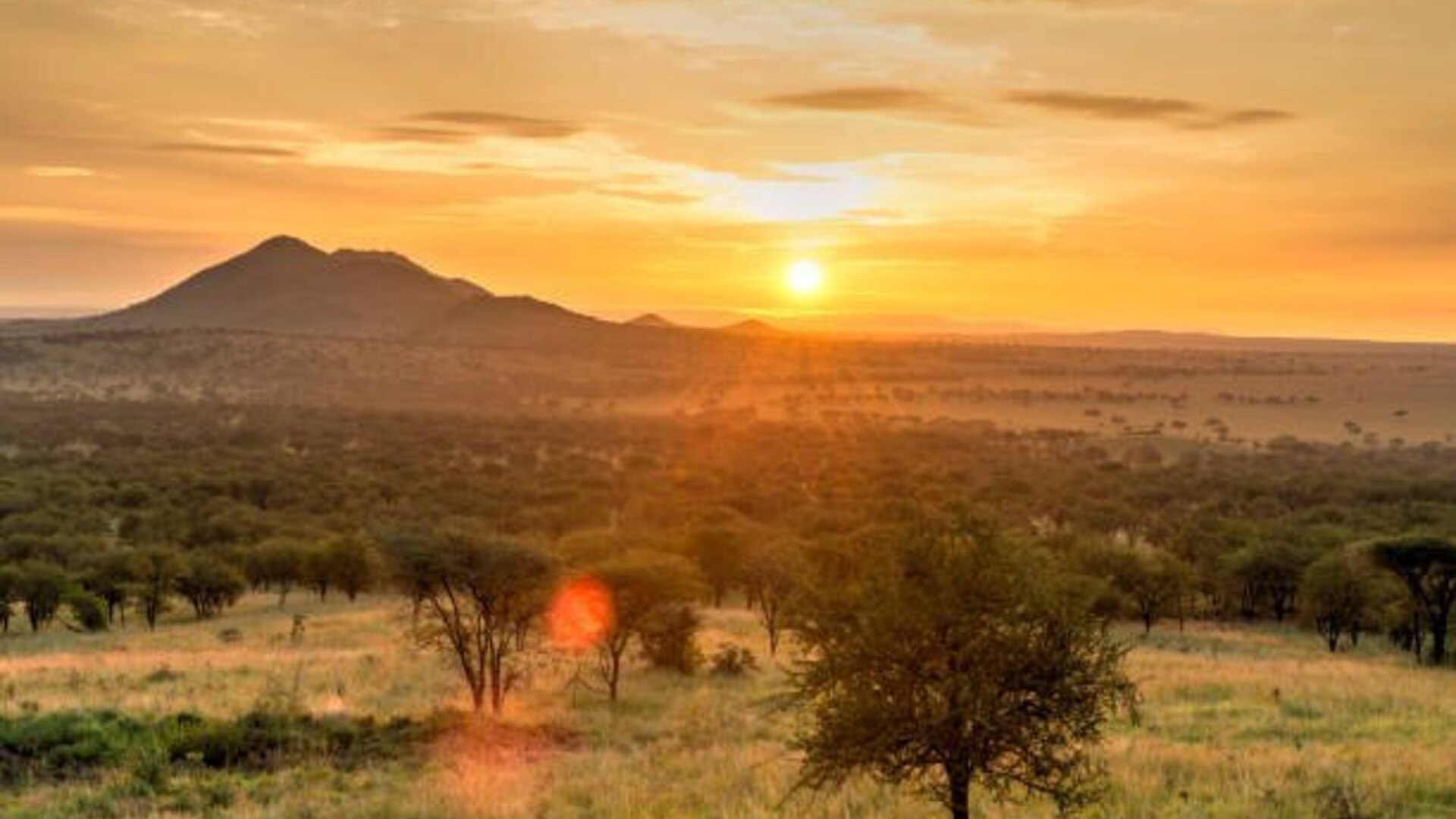
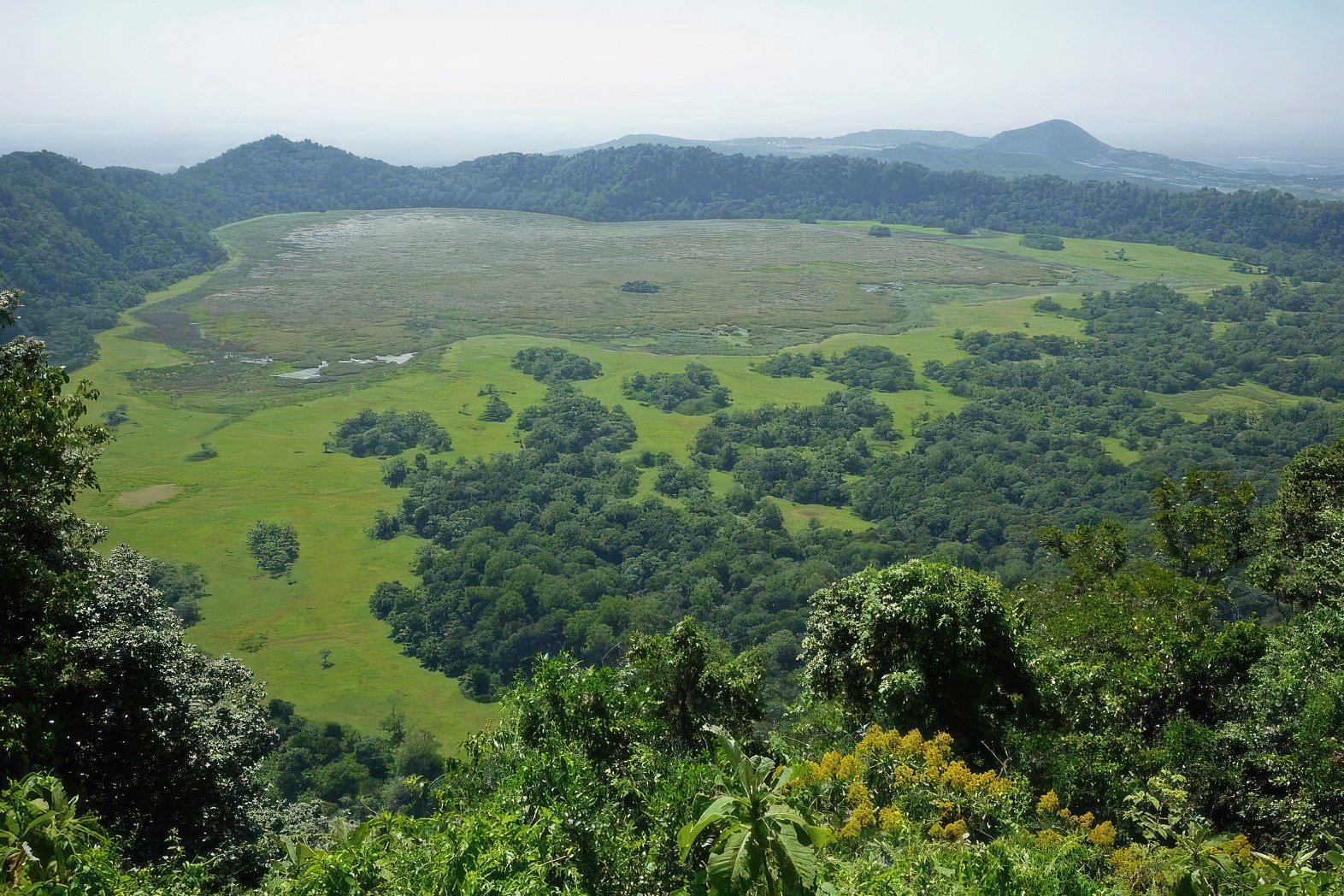
At just 552 km², it's one of Tanzania's smallest parks, yet it punches far above its weight. Sitting 30 kilometres northeast of Arusha town and a mere 60 km from Kilimanjaro International Airport, Arusha National Park packs three distinct ecosystems into one accessible package: the towering volcanic cone of Mount Meru (4,566m), the flamingo-studded Momella Lakes, and the lush, forested bowl of Ngurdoto Crater — Tanzania's "little Ngorongoro."
But here's what sets Arusha apart: it's one of the only Tanzanian parks where you can leave your 4x4. Walking safaris with armed rangers let you track colobus monkeys through montane forest, hike to crater viewpoints, and feel the crunch of volcanic ash underfoot. Canoe safaris glide silently past flamingo flocks on the Momella Lakes. And if you're craving altitude, the Momella Route up Mt Meru is East Africa's finest acclimatization trek before tackling Kilimanjaro.
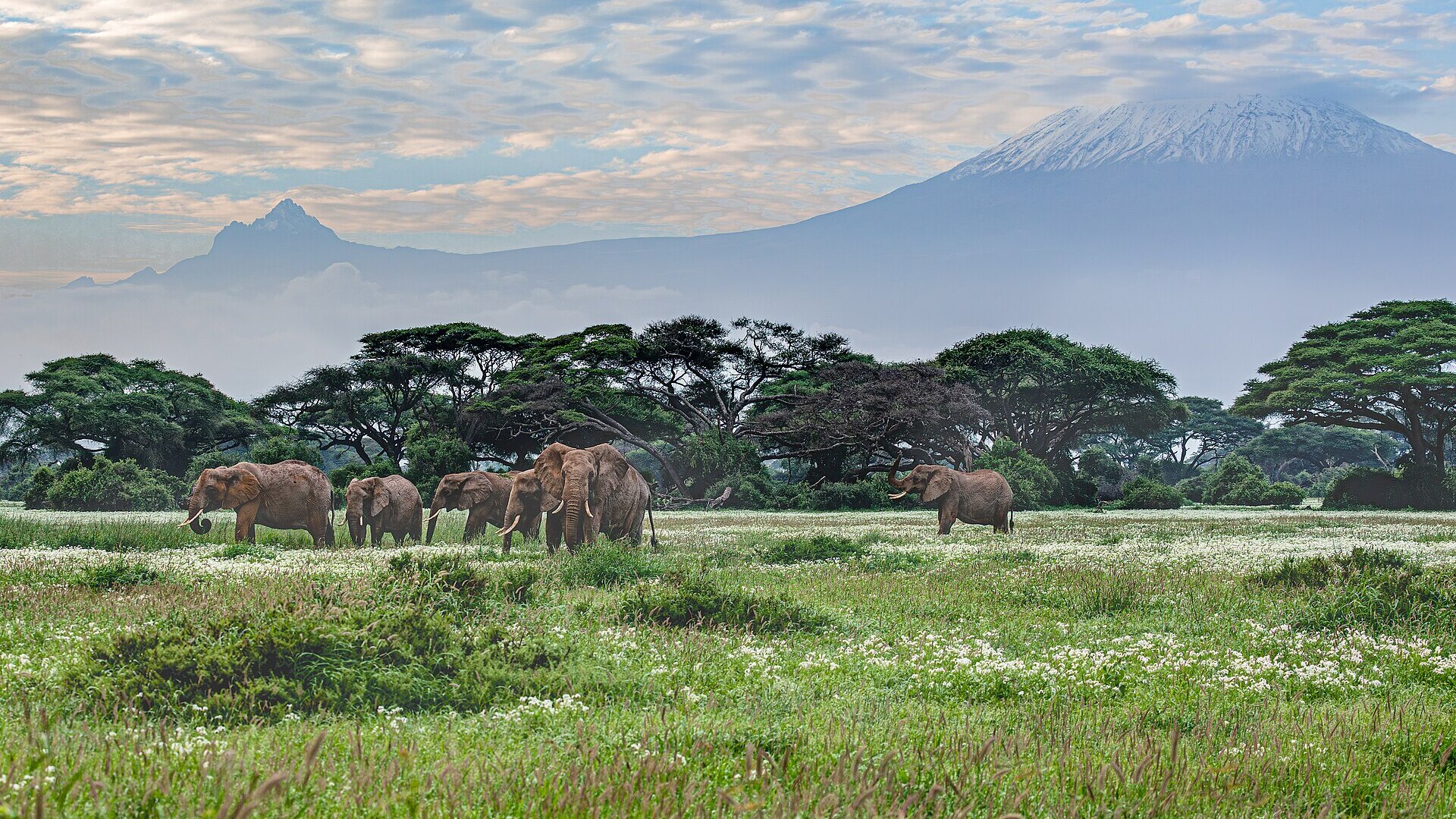
Wildlife here is present — giraffes roam in huge concentrations (some of the highest densities in Africa), buffalo herds patrol the crater floor, elephants browse the forest edges, and over 400 bird species make this a birder's paradise. Lions and rhinos are absent, yes — but that's precisely why you can walk here, and why Arusha delivers something the Serengeti cannot: intimate, ground-level immersion in the wild.
For safari-goers flying into Arusha, this park is the perfect warm-up or cool-down day before or after the Northern Circuit's heavy hitters. For climbers, it's the best Kilimanjaro prep trek. For families, it's a safe, accessible introduction to African wildlife. And for anyone who values diversity, accessibility, and unique experiences over sheer scale, Arusha is unmissable.
This guide gives you everything: wildlife, seasons, activities, lodges, costs, and how to weave Arusha into the perfect Tanzania itinerary.
What Makes Arusha National Park Special
1. Three Distinct Ecosystems in One Park
Arusha's genius lies in its compact diversity. You can drive from montane rainforest to alkaline lakes to open savanna in under an hour:
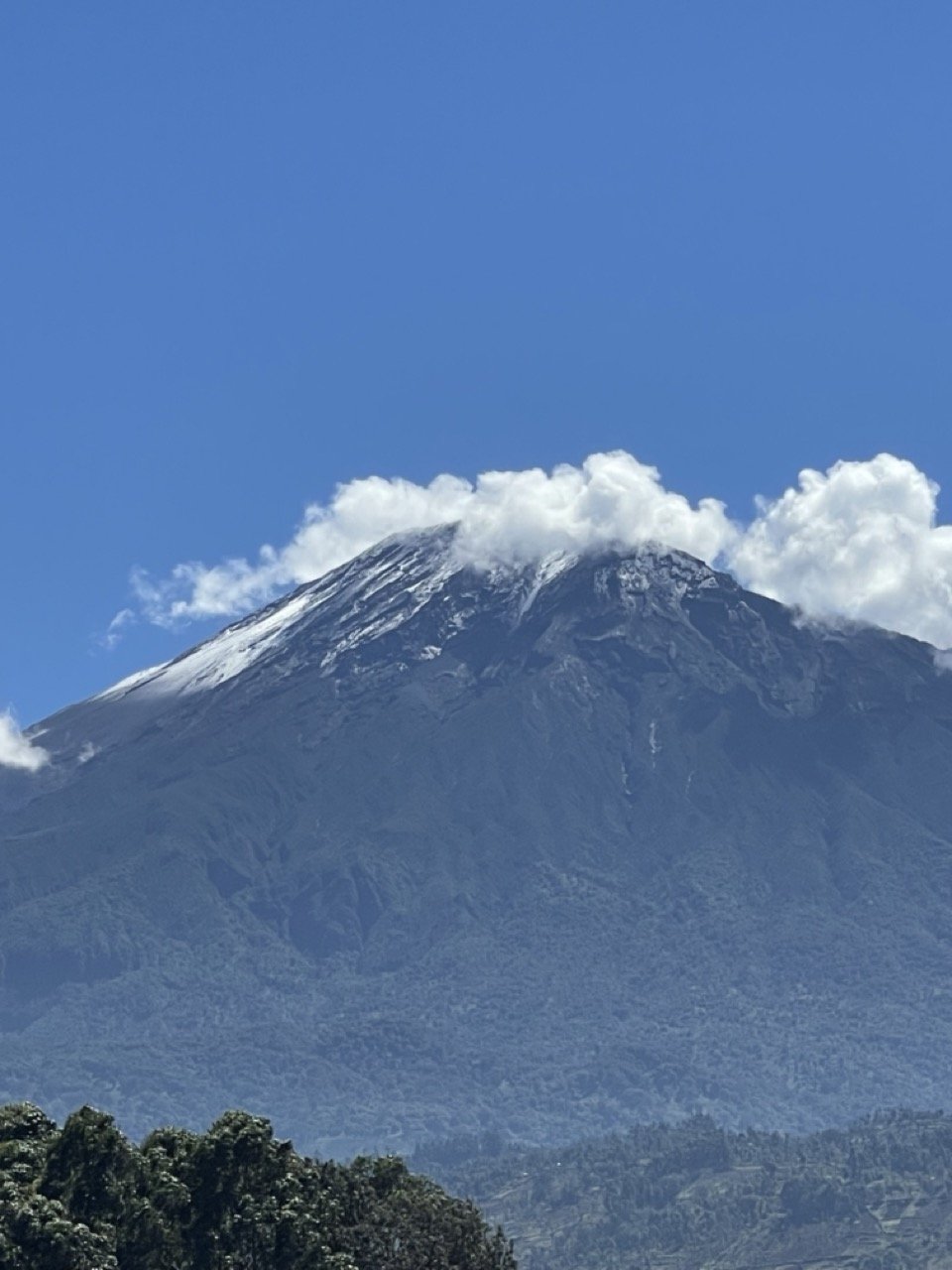
- Mount Meru (4,566m): Africa's fifth-highest peak dominates the park's western horizon. The Momella Route to the summit is a 3–4 day trek through cloud forest, moorland, and volcanic desert — with sunrise views over Kilimanjaro that rival the Roof of Africa itself.
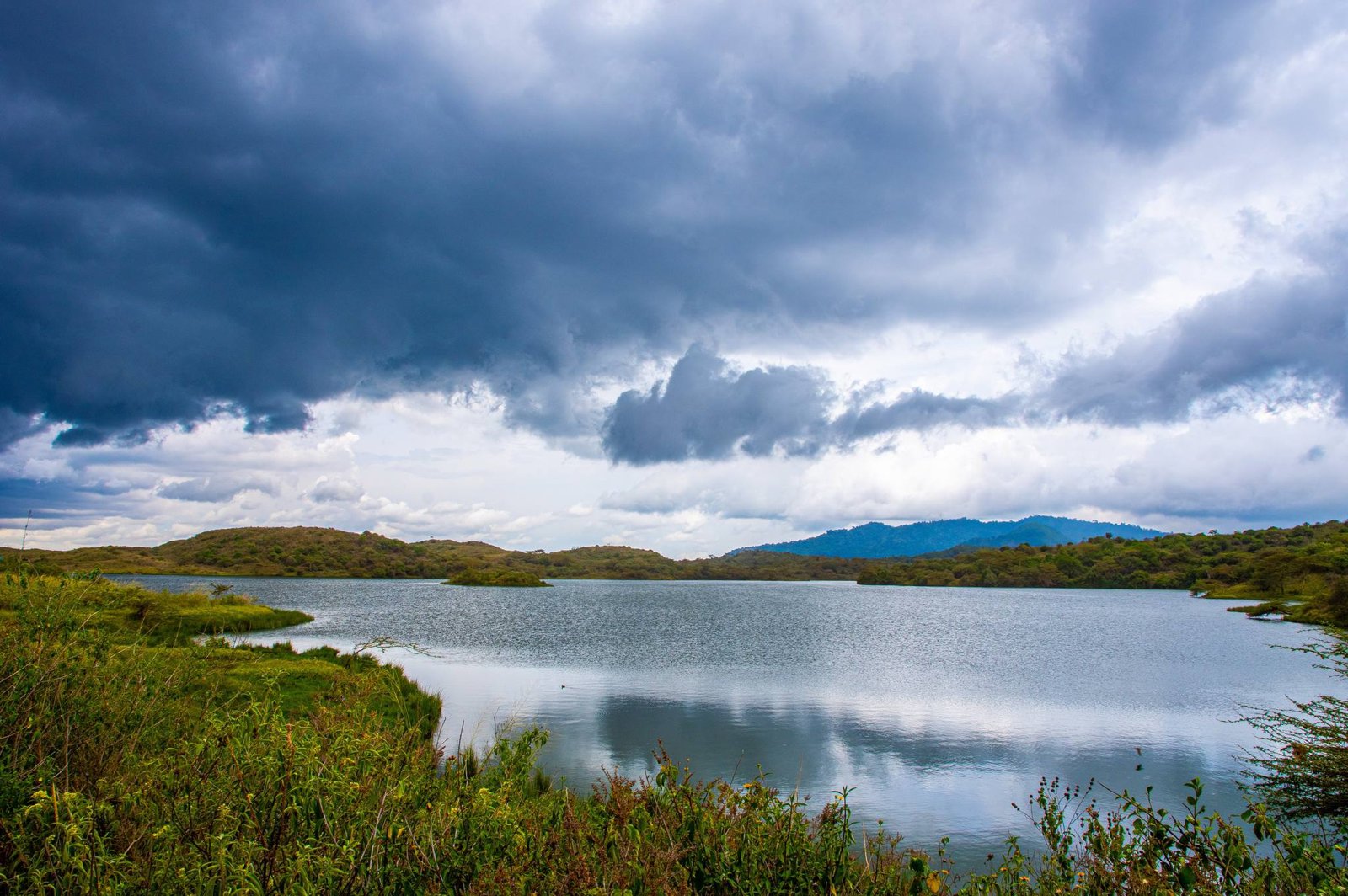
- Momella Lakes: Seven shallow, alkaline lakes fed by underground springs. Each has a different mineral content, giving them subtly different hues (green, blue, turquoise). Lesser flamingos feed on algae here, and the birdlife is phenomenal — African fish eagles, pelicans, herons, crowned cranes, and over 400 other species.
- Ngurdoto Crater: A 3.6 km-wide extinct volcanic caldera with steep, forested walls plunging 400m to a swampy floor. You can't drive down (it's a sanctuary), but the rim viewpoints deliver sweeping vistas of buffalo, warthog, and waterbuck grazing below.
2. Walking Safaris & Canoe Trips
Arusha is one of the few Tanzanian parks that permits walking safaris and canoe trips — activities forbidden in most of the Northern Circuit due to predator density.
Walking safaris (2–4 hours) are led by armed park rangers and typically cover the montane forest zones and crater rim. You'll track black-and-white colobus monkeys (Kilimanjaro colobus), spot blue monkeys, listen for forest birds, and learn to read animal tracks. The sensory immersion — hearing bushbuck calls, smelling wild sage, feeling volcanic soil — is something no vehicle can deliver.
Canoe safaris on Small Momella Lake are serene, early-morning affairs. You paddle silently past flamingo flocks, watch hippos yawning in the reeds, and get eye-level with waterbirds. It's one of Tanzania's most peaceful wildlife experiences.
3. Black-and-White Colobus Monkeys
Arusha is the best place in Tanzania to see black-and-white colobus monkeys (Colobus angolensis palliatus). These striking, long-haired primates live in the park's montane forest canopy, feeding on leaves, flowers, and bark. They're most active in the morning and late afternoon, and their acrobatic leaps between branches are a photographer's dream.
You'll also see blue (diademed) monkeys, olive baboons, and vervet monkeys — but the colobus is the star.
4. Giraffe Central
Arusha has one of the highest giraffe densities in Africa. Masai giraffes — the world's tallest subspecies, with irregular, star-shaped spots — roam the park's grasslands in large herds. Seeing 20+ giraffes browsing beneath acacias with Mt Meru looming behind is an iconic Arusha moment.
Wildlife at Arusha National Park
The Big Picture
Arusha has 3 of the Big Five: buffalo (common), elephants (present but shy), and leopards (rare, mostly nocturnal). Lions and rhinos are absent. But what it lacks in Big Five completeness, it makes up for in unique species and experiences.
What You'll See
| Species | Status | Where to Look |
|---|---|---|
| Giraffe | ★★★★★ Common | Open grasslands, acacia zones |
| Buffalo | ★★★★★ Common | Ngurdoto Crater floor, grasslands |
| Zebra | ★★★★☆ Common | Savanna plains, near Momella Lakes |
| Colobus Monkey | ★★★★★ Common | Montane forest, walking safari routes |
| Warthog | ★★★★☆ Common | Grasslands, crater floor |
| Bushbuck | ★★★★☆ Common | Forest edges, thick bush |
| Flamingo | ★★★★☆ Seasonal | Momella Lakes (water levels vary) |
| Elephant | ★★☆☆☆ Rare | Forest zones, usually solitary bulls |
| Leopard | ★☆☆☆☆ Very Rare | Forest, nocturnal — extremely elusive |
Birdlife (400+ Species)
Arusha is a birding paradise. The Momella Lakes alone host over 100 species: lesser flamingos, great white pelicans, African fish eagles, grey-crowned cranes, Egyptian geese, and more. In the forest, look for Hartlaub's turaco, silvery-cheeked hornbill, and bar-tailed trogon. Raptors include augur buzzards and crowned eagles.
Activities at Arusha National Park
1. Game Drives (Half-Day or Full-Day)
Standard game drives cover the park's key zones: Momella Lakes loop (flamingos, waterbuck, giraffe), Ngurdoto Crater rim (viewpoints and buffalo herds), and the open grasslands. A half-day drive (4–5 hours) hits the highlights; a full-day drive (7–8 hours) includes a picnic stop and more comprehensive coverage.
2. Walking Safaris (2–4 Hours)
Guided by armed park rangers, walking safaris cover the montane forest and crater rim. You'll track colobus monkeys, learn bush skills, and get ground-level perspectives on the ecosystem. Walks typically start early morning (6:30–7:00 AM) for the best wildlife activity.
3. Canoe Safaris (2 Hours)
Paddle across Small Momella Lake in the early morning, gliding past flamingos and hippos. It's a peaceful, intimate way to experience the park's aquatic birdlife. Canoes seat 2–3 people plus a ranger-guide.
4. Mount Meru Climb (3–4 Days)
The Momella Route is the only path to Mt Meru's summit (Socialist Peak, 4,566m). It's a spectacular trek through montane forest, heath, moorland, and volcanic ash desert, with overnight stops at Miriakamba Hut (2,514m) and Saddle Hut (3,570m). Summit day starts at 1:00 AM for sunrise views over Kilimanjaro.
Most climbers do a 3-day/2-night itinerary (fast ascent) or 4-day/3-night (better acclimatization). It's the perfect Kilimanjaro warm-up trek.
5. Birdwatching
With 400+ species, Arusha is a birder's dream. Bring binoculars and a field guide. The Momella Lakes are the hotspot, but the forest and crater rim deliver forest specialists.
When to Visit Arusha National Park
Best Time: Dry Season (June–October)
The dry season is optimal for wildlife viewing:
- June–September: Peak dry season. Vegetation is thin, animals congregate around water sources, and trails are dry for walking safaris and Mt Meru climbs.
- October: Still dry but warming up; excellent for birdlife as migrants arrive.
Also Good: December–February
The short dry season (December–February) coincides with the Northern Circuit's calving season. Weather is warm and sunny, and wildlife viewing remains excellent.
Wet Season: March–May & November
The long rains (March–May) and short rains (November) bring lush, green scenery and peak birdlife. Wildlife is harder to spot due to dense foliage, but the park is less crowded and scenically stunning. Mt Meru climbing is trickier (muddy trails).
Month-by-Month Guide
| Month | Wildlife | Weather | Notes |
|---|---|---|---|
| Jan–Feb | ★★★★★ | Warm & dry | Calving season; excellent birding |
| Mar–May | ★★★☆☆ | Long rains | Lush & green; fewer visitors |
| Jun–Oct | ★★★★★ | Dry & cool | Peak season; best for game drives & climbing |
| November | ★★★☆☆ | Short rains | Birdlife peaks; scenery stunning |
| December | ★★★★☆ | Dry & warm | Festive season; good all-round |
Where to Stay: Arusha National Park Accommodation
Inside the Park
A handful of lodges and tented camps sit within or on the park boundary, offering immersive bush experiences at the foot of Mount Meru:
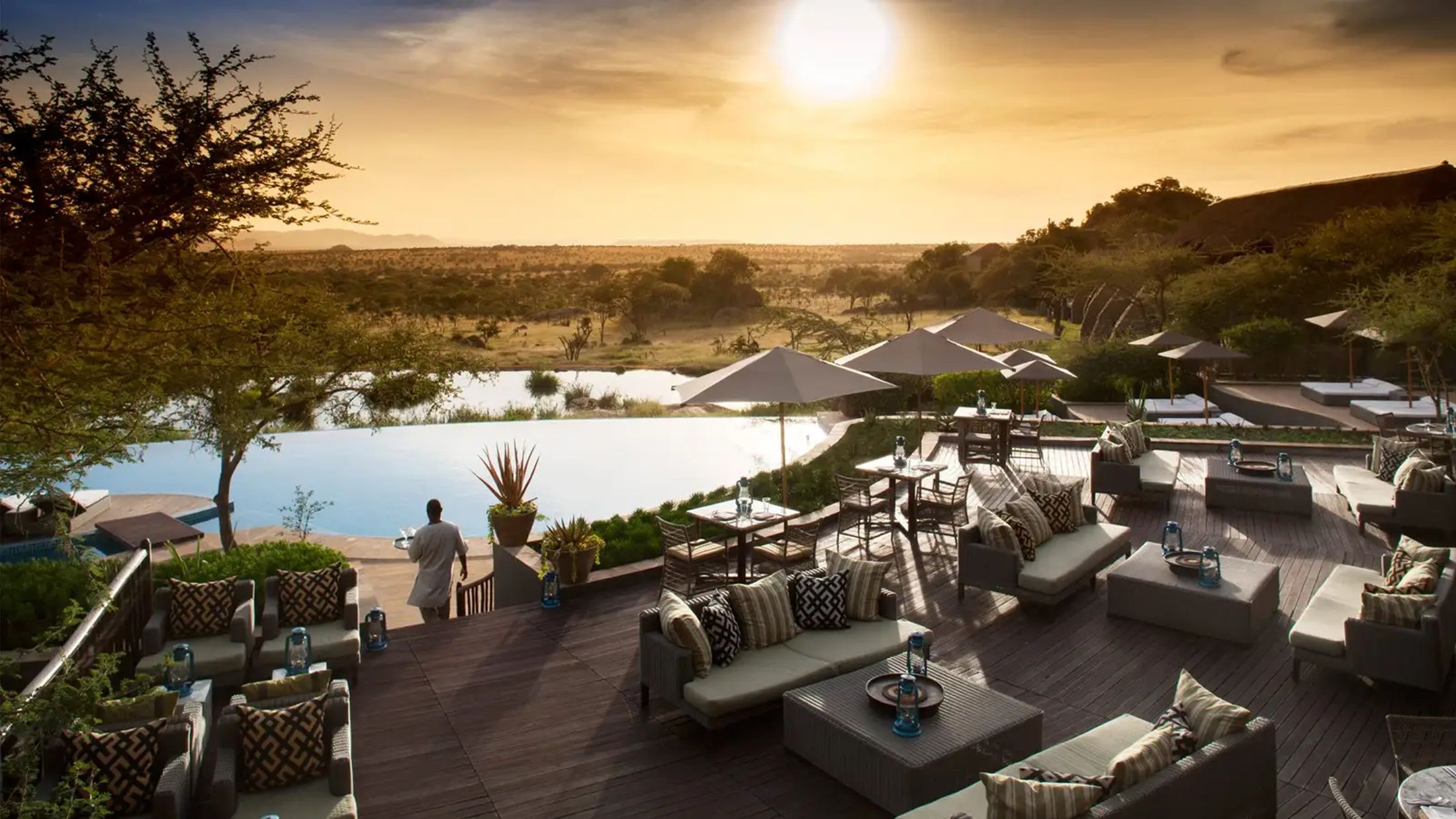
- Hatari Lodge (luxury, $300–$500/night): A historic lodge on the park's northern boundary with panoramic Mt Meru and Kilimanjaro views, on the former set of the 1962 John Wayne film Hatari!
- Momella Wildlife Lodge (mid-range, $120–$200/night): Rustic lodge overlooking the Momella Lakes, also linked to the Hatari! film history.
- Tented camps (mid-range to luxury): Several mobile and semi-permanent camps offer canvas-under-canvas immersion near the park gates.
Arusha Town (30 km Away)
Most visitors base themselves in Arusha town, which offers a huge range of accommodation at all budgets:
- Budget: Hostels and guesthouses ($20–$50/night)
- Mid-range: Comfortable hotels and lodges ($80–$150/night)
- Luxury: High-end lodges and hotels ($200–$400/night)
Mount Meru Climbing Huts
The Momella Route has two mountain huts:
- Miriakamba Hut (2,514m): First night stop; dormitory-style bunks
- Saddle Hut (3,570m): Second night; basic bunks, stunning views
Hut fees are included in climbing packages. Bring a warm sleeping bag (temperatures drop below freezing at altitude).
Getting There & Practical Information
How to Get to Arusha National Park
- From Arusha Town: 30 km (40 minutes) via the Momella Road
- From Kilimanjaro International Airport (KIA): 60 km (1 hour)
- From Moshi: 80 km (1.5 hours)
Roads are tarmac to the park gates, then graded gravel inside. 4x4 is recommended but not essential for game drives.
Park Fees (2026 Rates)
| Category | Cost |
|---|---|
| Adult (foreign non-resident) | $53.10/day |
| Child (5–15 years) | $17.70/day |
| Vehicle (under 2 tons) | $40/day |
| Walking safari ranger fee | Included in entry |
| Mt Meru climb (3–4 days) | $900–$1,500/person (all-inclusive package) |
What to Pack
- For Game Drives: Binoculars, camera, sun hat, sunscreen, neutral-colored clothing
- For Walking Safaris: Sturdy hiking boots, long trousers, insect repellent
- For Mt Meru Climb: Warm sleeping bag, layers (fleece, down jacket), headlamp, trekking poles
Arusha National Park in Your Tanzania Itinerary
Option 1: Day-Trip from Arusha
Perfect for travelers with limited time or as an arrival/departure day activity. Depart Arusha at 7:00 AM, enjoy a half-day game drive + walking safari, return by 2:00 PM.
Option 2: Northern Circuit Warm-Up
Spend a full day at Arusha (drive + walk + canoe) before heading to Tarangire, Ngorongoro, and Serengeti. It's a gentle introduction to Tanzanian wildlife and gets you safari-ready.
Option 3: Kilimanjaro Acclimatization
Climb Mt Meru (3–4 days) before attempting Kilimanjaro. The altitude gain helps your body adjust, and Meru's sunrise views over Kili are unforgettable.
Option 4: Post-Northern-Circuit Cool-Down
After the intensity of Serengeti and Ngorongoro, Arusha's walking safaris and canoe trips offer a peaceful, reflective end to your safari before flying home.
Final Verdict: Is Arusha National Park Worth It?
Absolutely — if you value unique experiences over Big Five box-ticking.
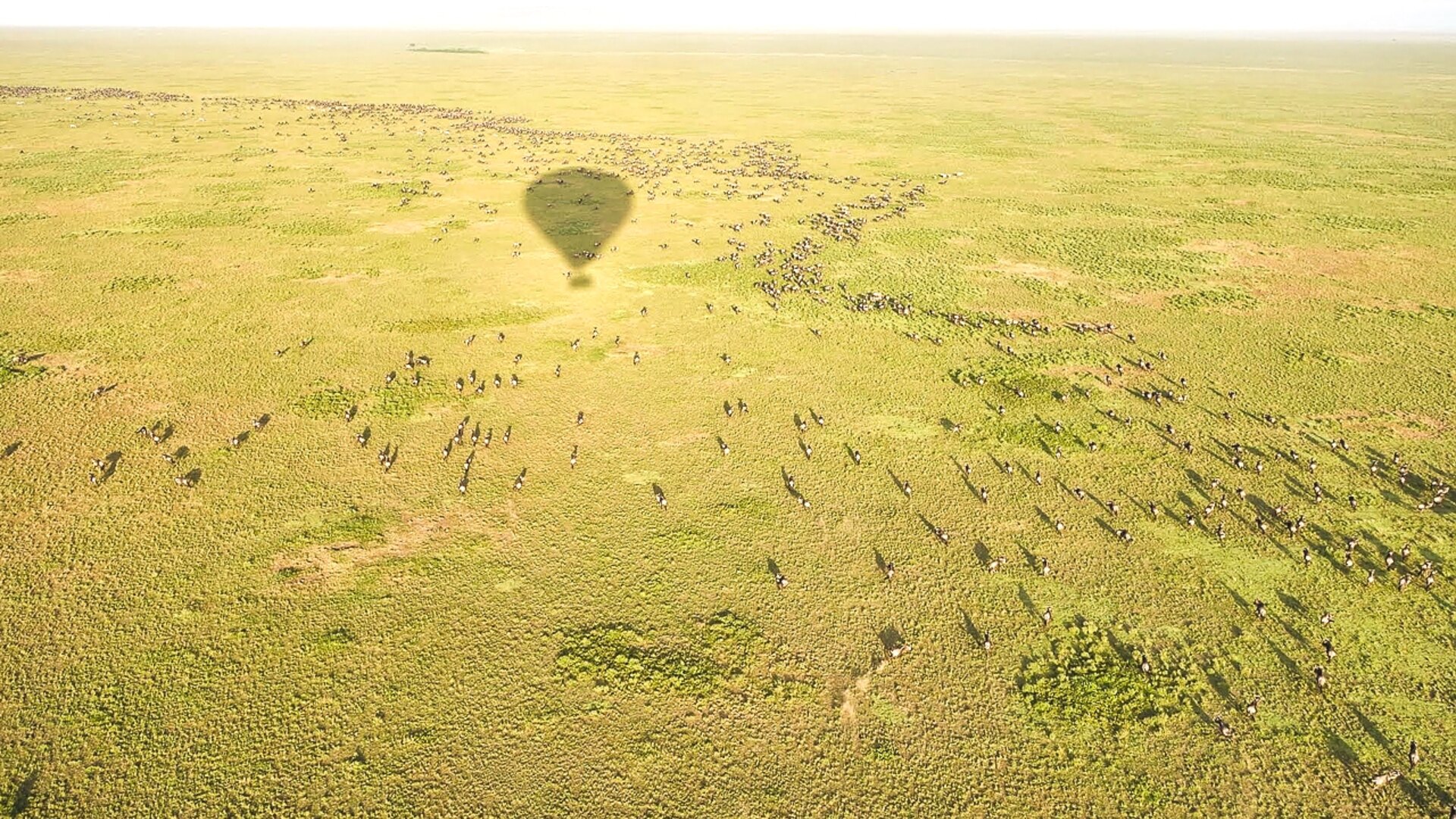
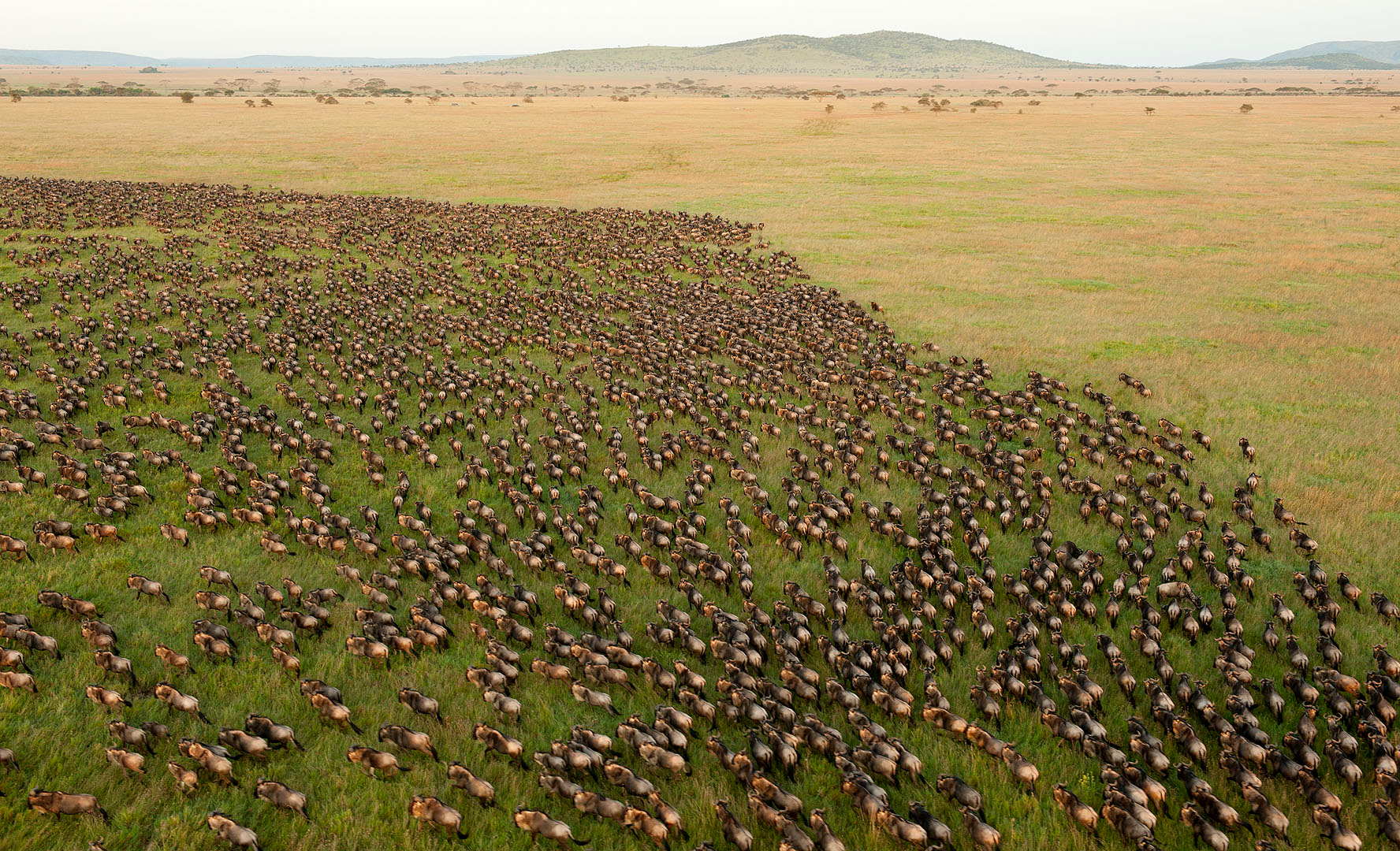
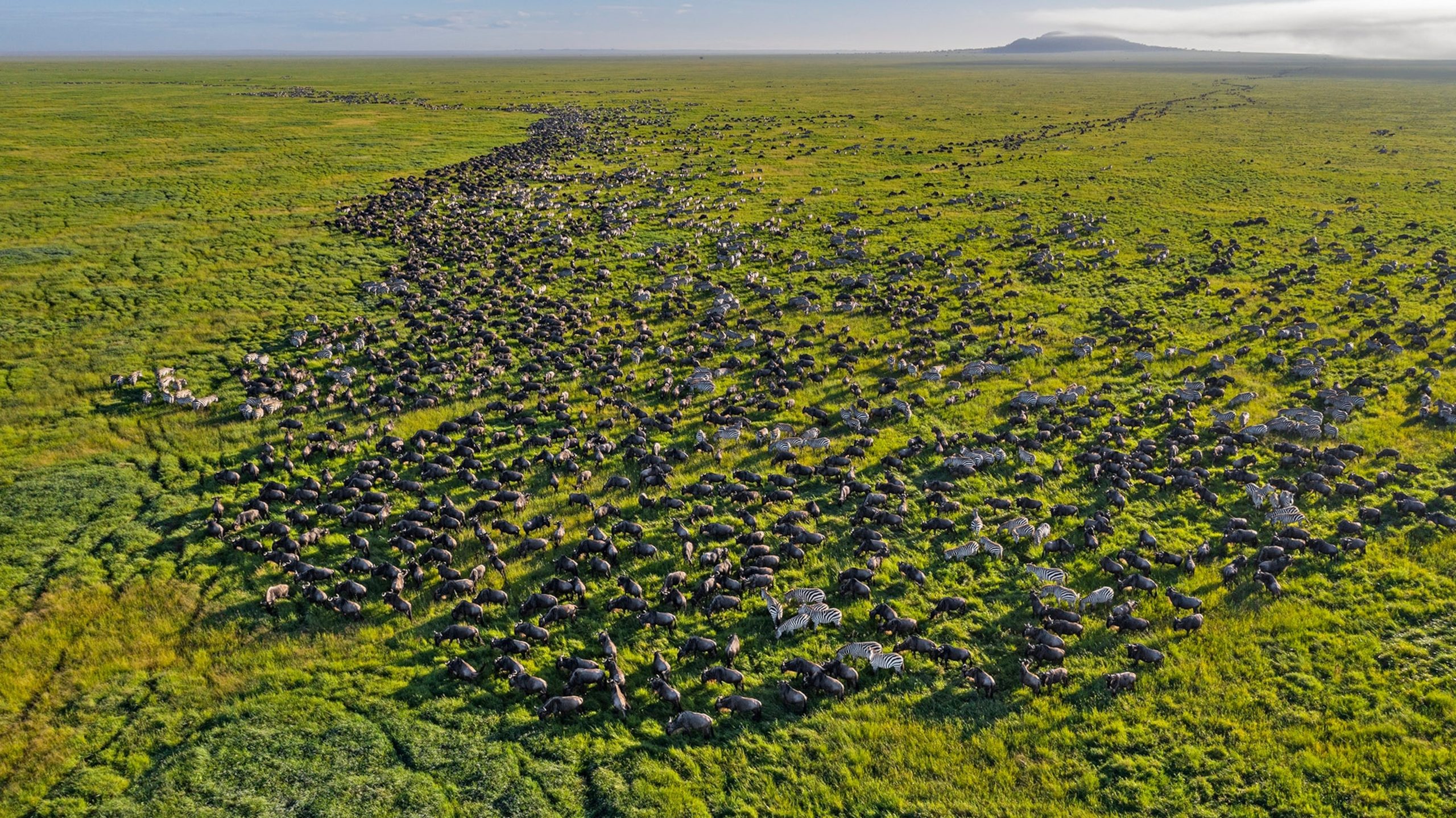
Arusha won't deliver the Serengeti's vast herds or Ngorongoro's Big Five density. But it offers something those parks cannot: walking safaris, canoe trips, colobus monkeys, Mt Meru climbing, and intimate, on-foot immersion in one of Tanzania's most accessible and diverse landscapes.
For families, birders, climbers, and anyone seeking authentic bush experiences beyond the vehicle window, Arusha is unmissable. And for anyone flying into or out of Arusha town, it's the perfect day-trip — a safari experience that respects your time, budget, and desire for something beyond the ordinary.
Don't skip it. Arusha National Park is the Northern Circuit's hidden gem, and it's hiding in plain sight.