Key Takeaways
- The climb and the safari are neighbours — Mount Kilimanjaro and the northern safari circuit share the same gateway airport, so pairing them adds almost no travel time.
- Summit first, safari second: reaching Uhuru Peak and then unwinding on the Serengeti plains is the arc that most of our travellers remember for life.
- Machame (6–7 days) and Lemosho (7–8 days) give the best scenery and summit success; Marangu and Rongai suit specific needs.
- Kilimanjaro is a walk, not a technical climb — no ropes or ice axes, but altitude is the real test, and extra days on the mountain dramatically raise your chances.
- A full combo of 10 to 13 days lets you climb, rest and safari the Serengeti and Ngorongoro Crater without rushing a single moment.
- Plan on roughly $4,500 to $9,000 per person for a quality private climb-and-safari combo in 2026, depending on route, camps and lodges.
The One Journey That Has Both Roofs of Africa
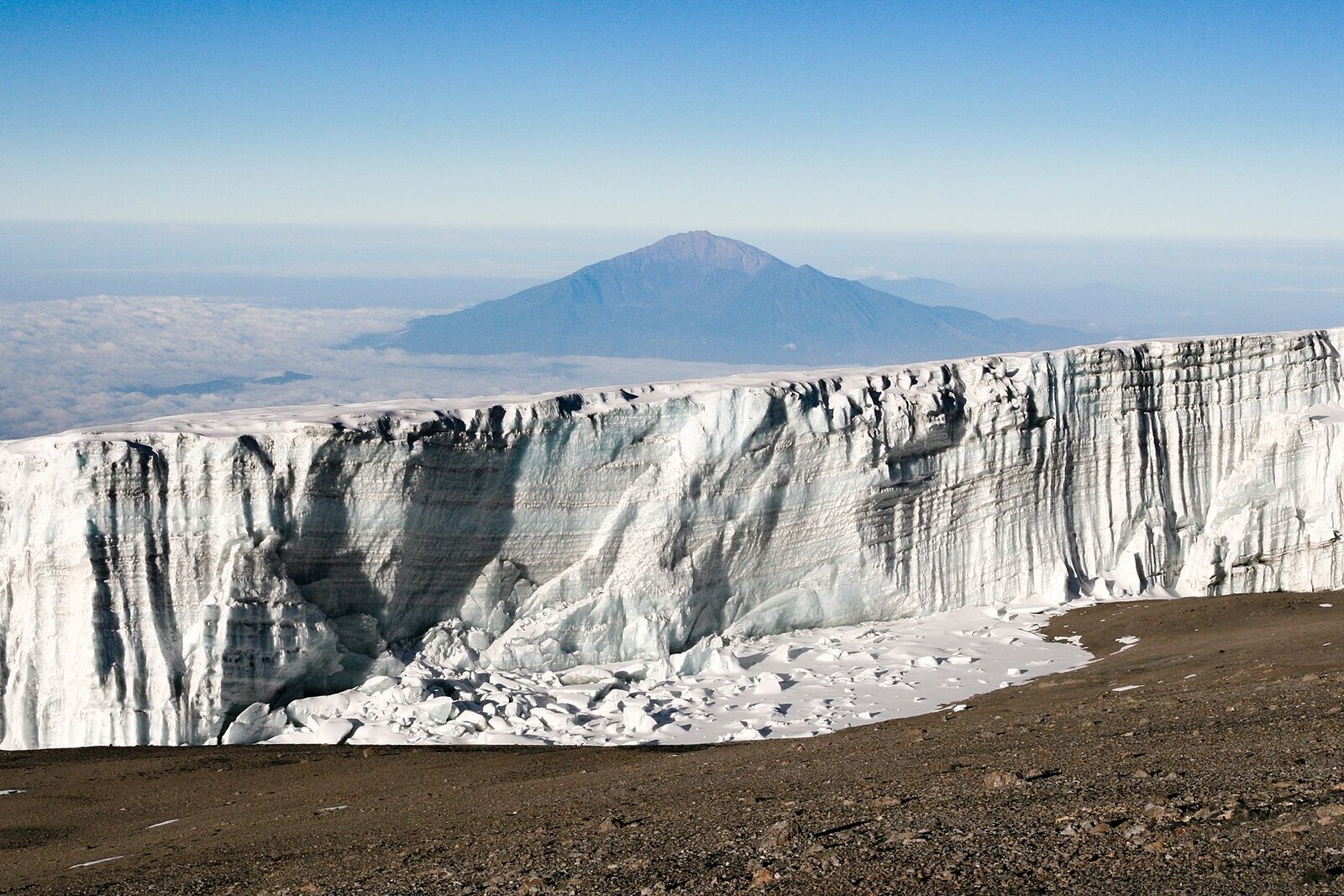
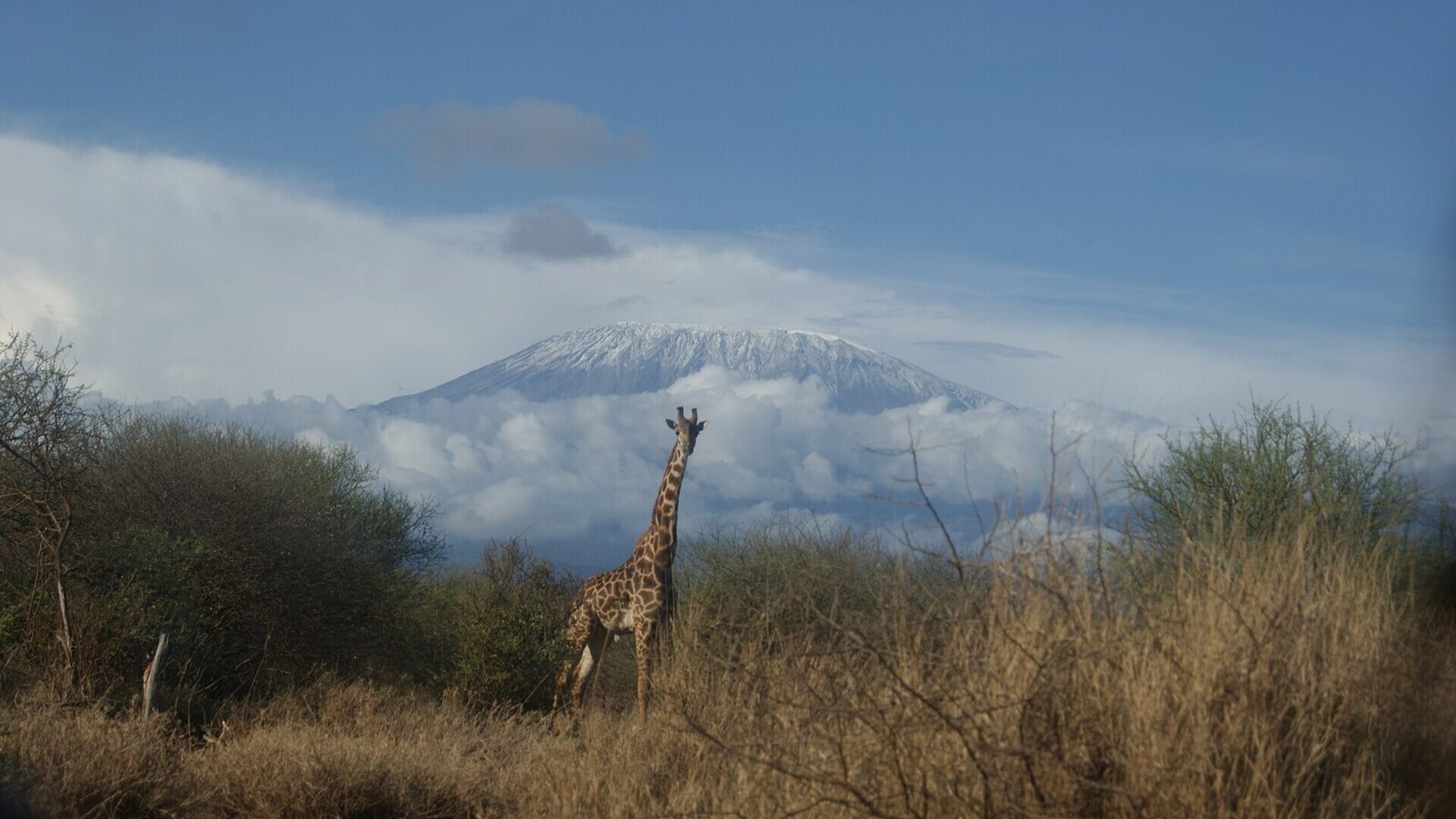
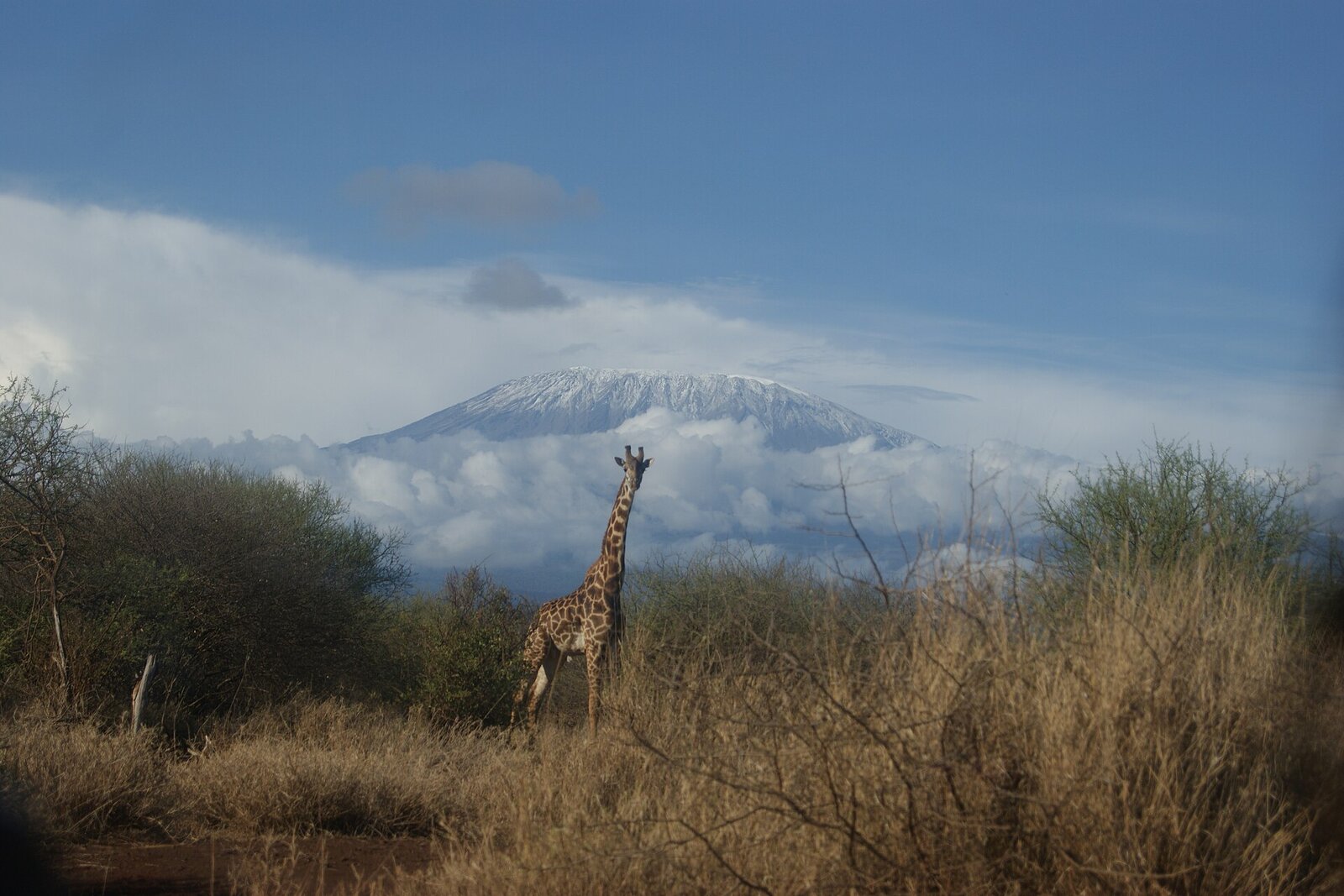
Tanzania holds two of the greatest experiences on the continent, and they sit barely an hour apart. To the east rises Mount Kilimanjaro — at 5,895 metres the highest point in Africa and the tallest free-standing mountain on Earth, its glaciers catching the first light above a plain of elephants. To the west spread the Serengeti and the Ngorongoro Crater, the stage of the great migration and the densest concentration of big cats anywhere. Most travellers pick one. The ones who pick both come home changed.
A Kilimanjaro climb and safari combo is the rare trip that pairs raw physical achievement with pure wild reward. You spend your first days walking from rainforest to ice, earning a sunrise from the roof of the continent. Then you trade your boots for a game-viewer, and the same country that tested you now spoils you — lions on the plains, a crater floor teeming with life, and a hot shower under the stars. This guide shows you exactly how to put the two together.
Why Climb and Safari Belong Together
The case for combining the two is partly practical and partly emotional. Practically, both journeys begin at Kilimanjaro International Airport, the same gateway that serves Arusha and the northern safari circuit. There is no long internal repositioning: you land once, climb, and drive or take a short bush flight into the parks. Adding a safari to a climb — or a climb to a safari — costs you a transfer, not a second holiday.
Emotionally, the sequence is everything. After the discipline of the mountain, the cold nights and the pre-dawn summit push, the plains feel like a gift you have paid for in full. There is a particular joy in watching a lioness stretch in the morning sun from a warm vehicle, knowing that two days earlier you stood on ice at 5,895 metres. The climb sharpens the safari, and the safari softens the climb. Together they tell one complete story of Tanzania.
Choosing Your Kilimanjaro Route
There is no single path up Kilimanjaro. Seven established routes wind to the summit, each with its own character, and your choice shapes your scenery, your comfort and, above all, your chance of standing on top. The golden rule is simple: the more days you spend on the mountain, the better your body acclimatises and the higher your success rate. Rushing is the single biggest reason climbers turn back.
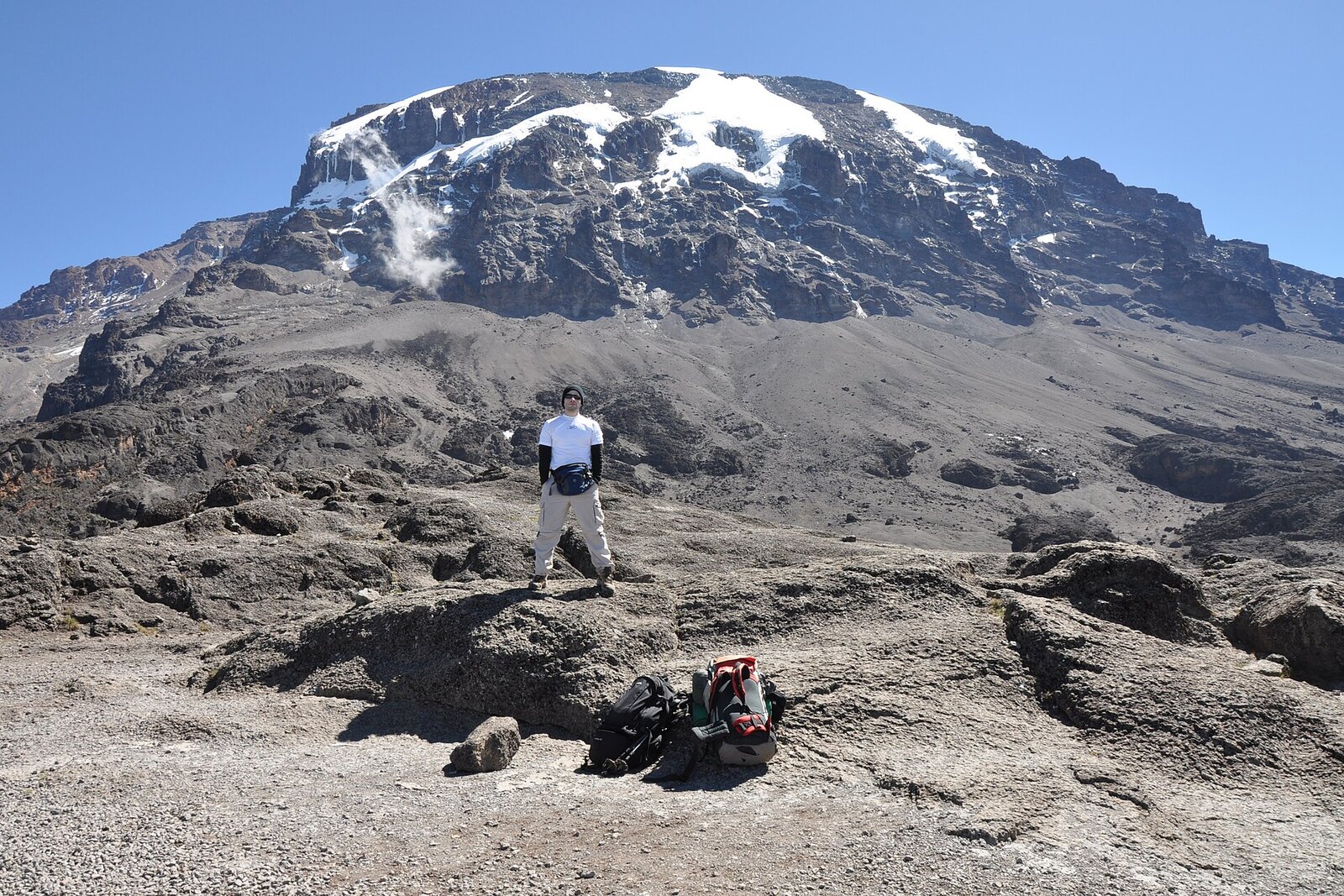
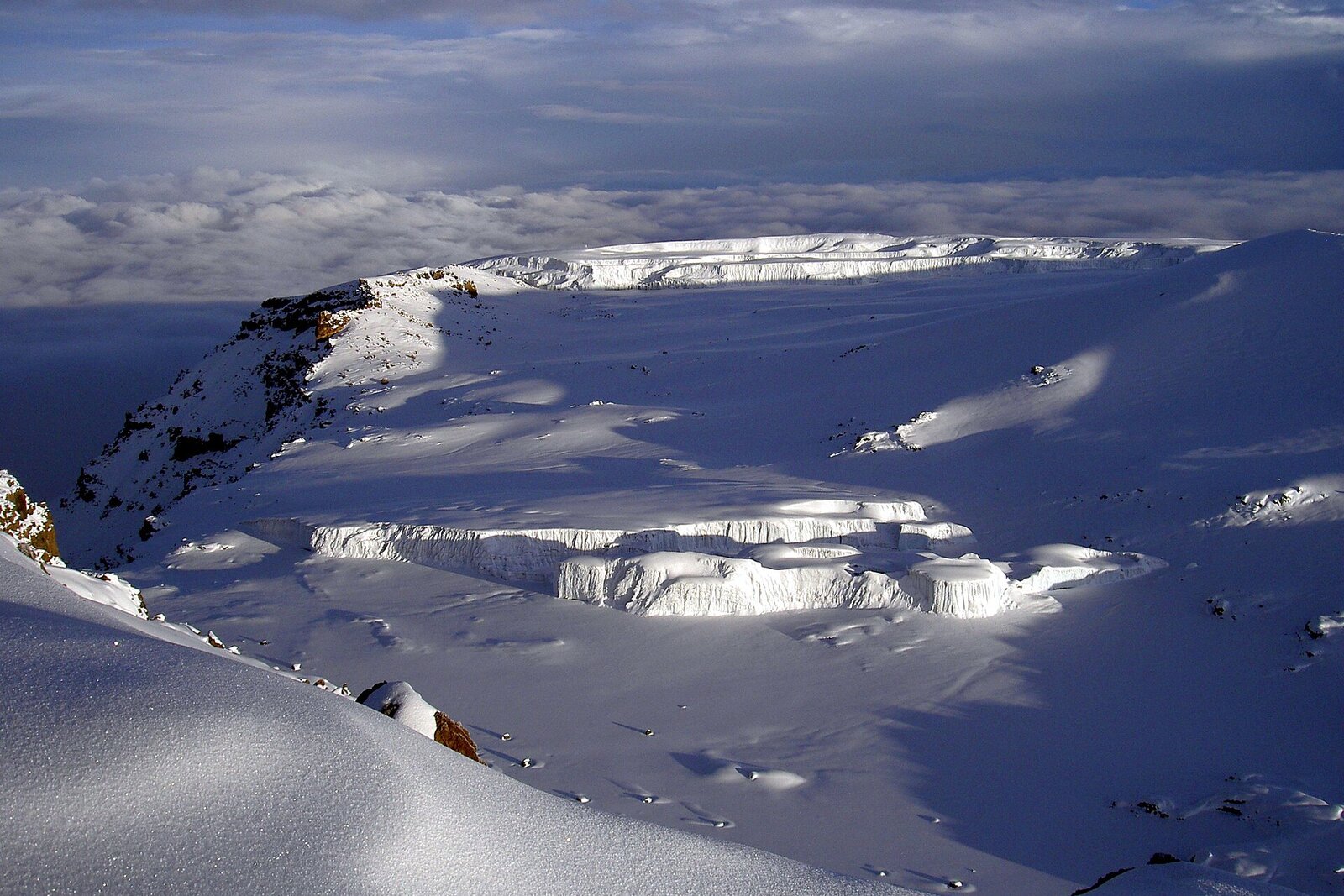
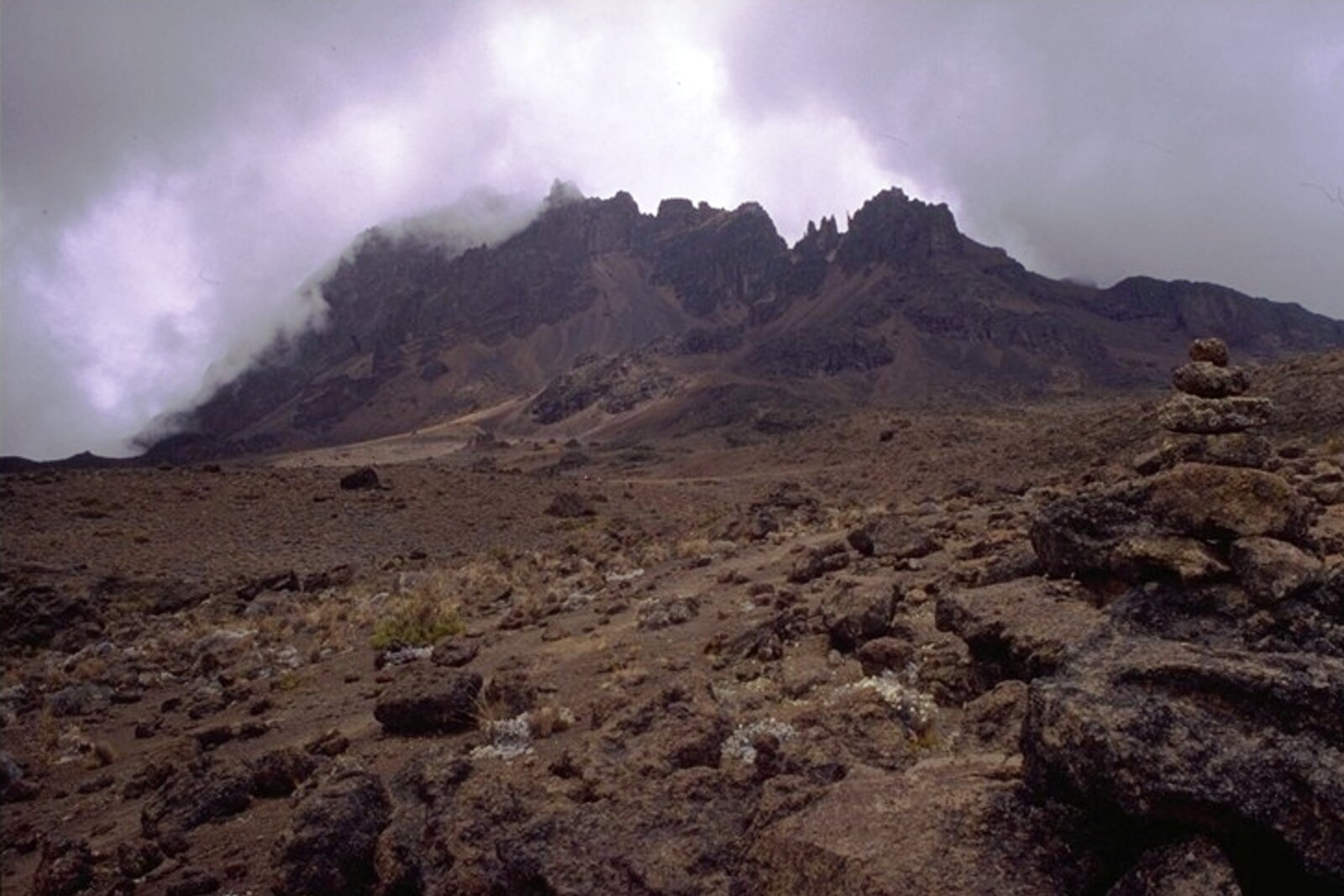
For most travellers combining a climb with a safari, we recommend Machame or Lemosho. Machame — the "Whiskey Route" — is the most popular for good reason: dramatic scenery, an excellent acclimatisation profile over six or seven days, and a high summit rate. Lemosho is quieter, wilder and even better for acclimatisation, approaching from the west across the Shira Plateau before joining the Machame path. Both deliver the mountain at its most beautiful.
Related journey: Serengeti Migration Safari — 7 Days →
What the Climb Is Really Like
Kilimanjaro is not a technical mountain. There are no ropes, no crampons and no ice axes on the standard routes — if you can walk uphill for several hours a day, you can attempt it. What makes it hard is not the terrain but the altitude, and the strange, thinning air of the final push. The climb rewards patience, a slow pace, and the Swahili mantra you will hear a hundred times: pole pole, slowly slowly.
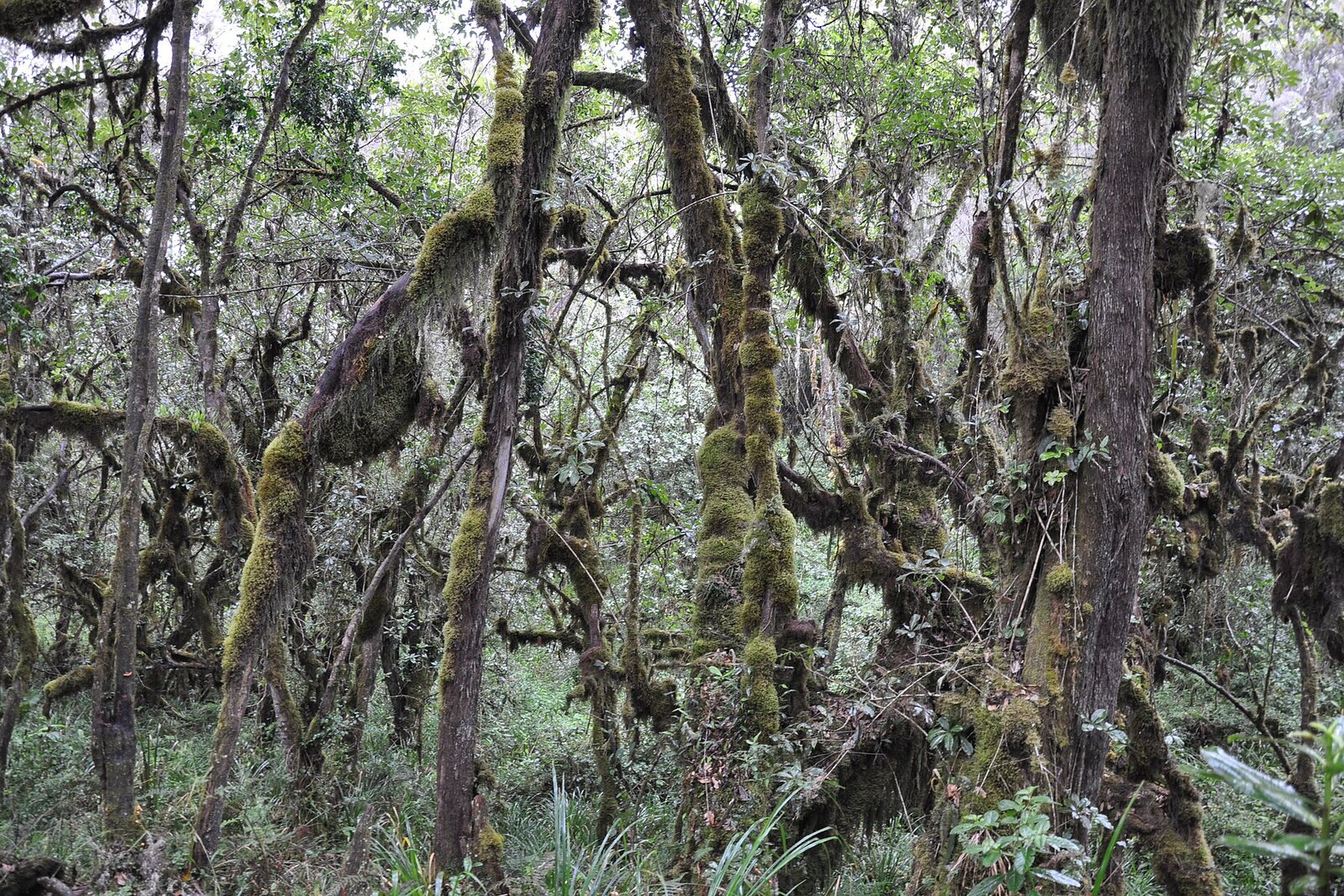
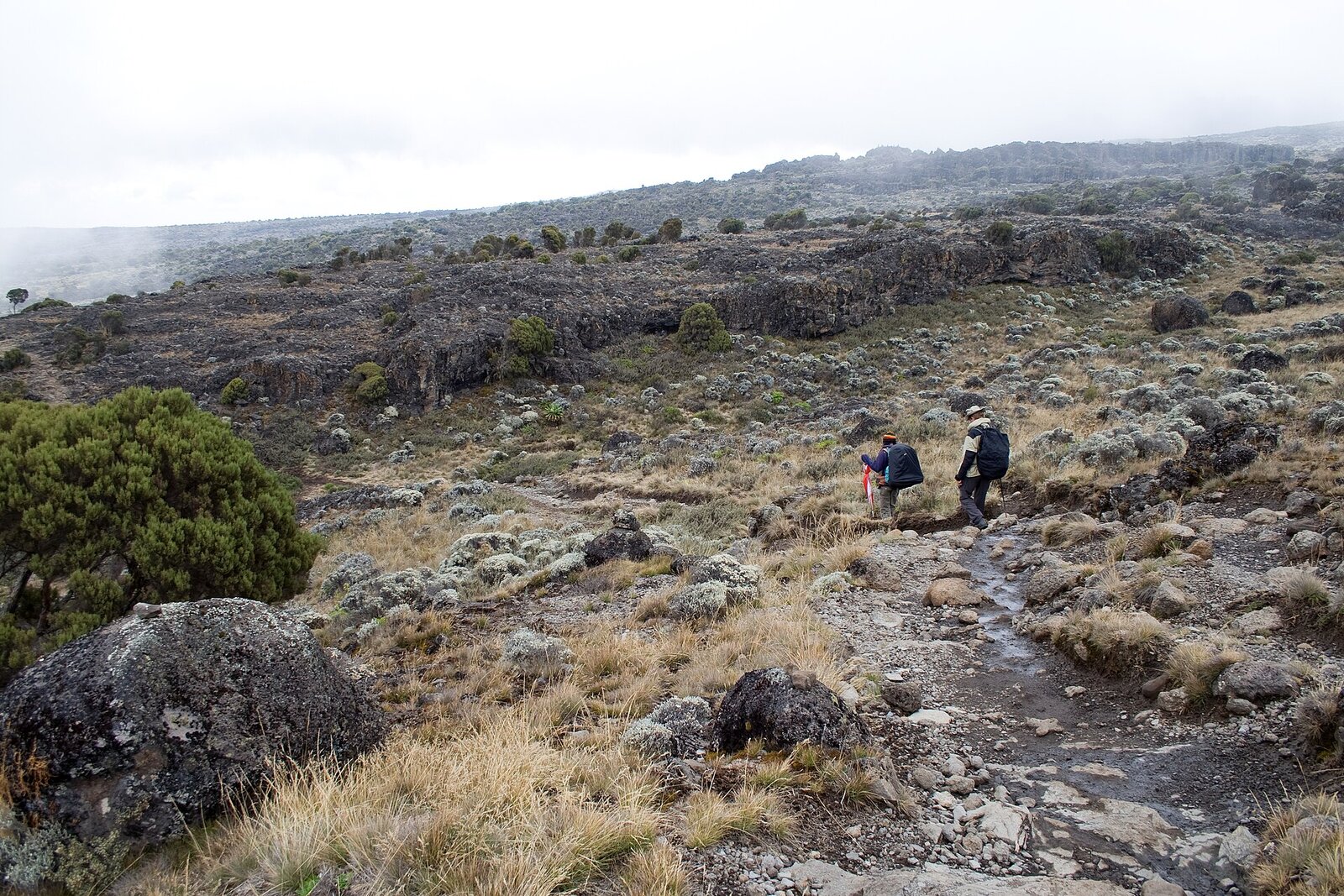
The magic of Kilimanjaro is that you walk through five climate zones in a single trek, as though crossing from the equator to the arctic in a week. You begin in dripping montane rainforest loud with colobus monkeys, rise into open heath and moorland studded with giant lobelia, cross a high alpine desert of dust and boulders, and finally step onto the arctic summit zone of ice and glacier. Each day the world grows starker and the sky grows closer.
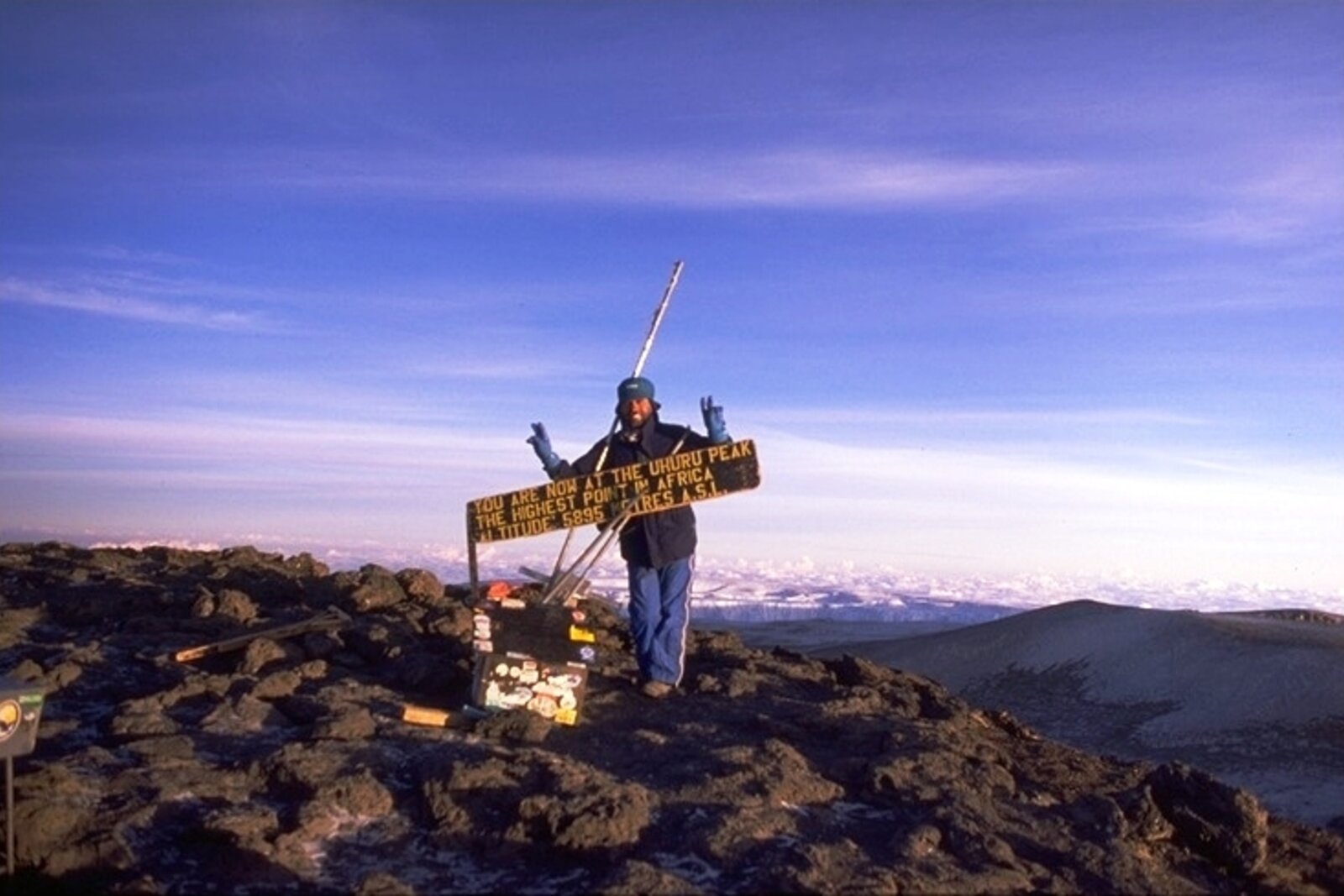
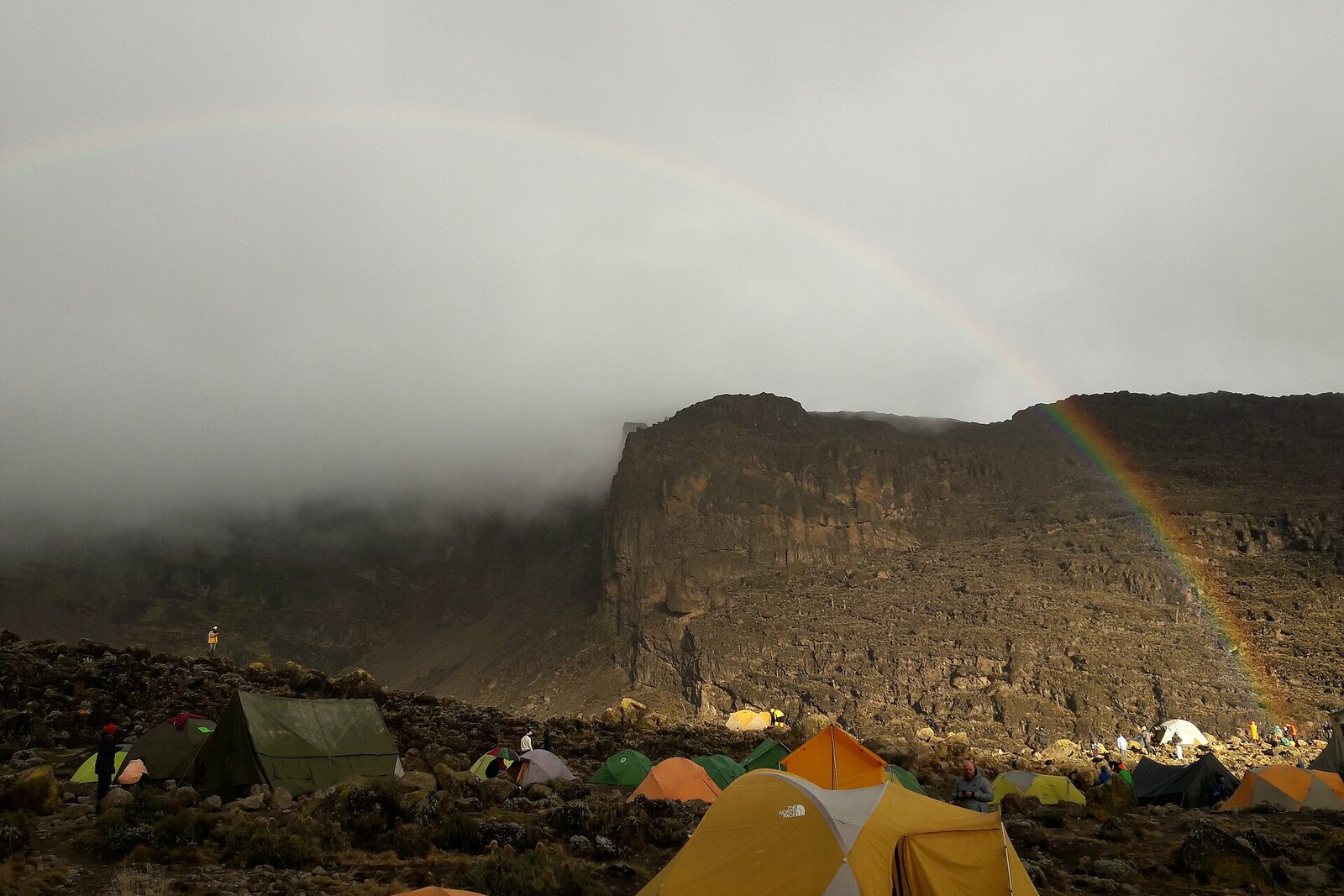
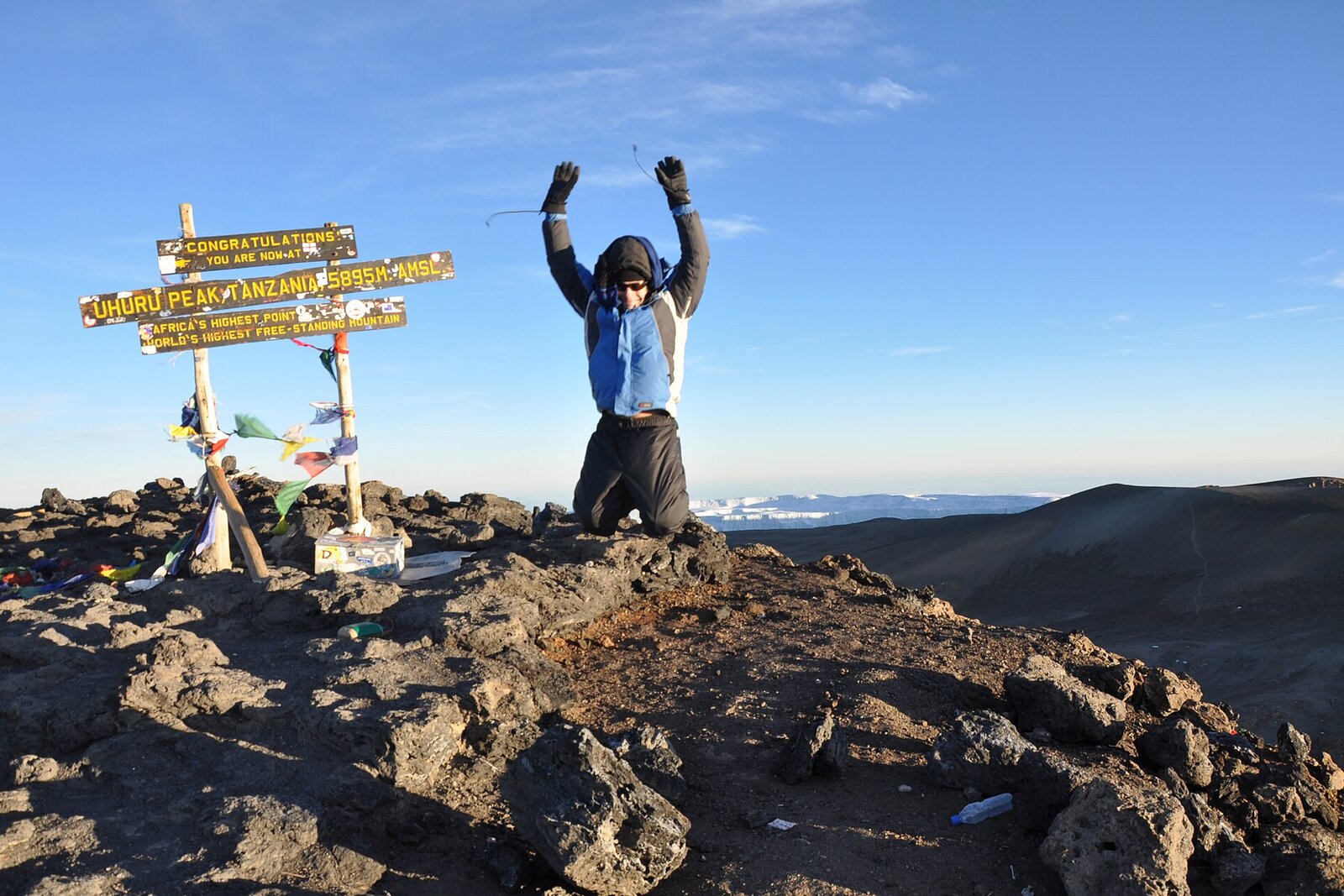
Summit night is the part every climber remembers. You leave camp around midnight under a sky thick with stars, head-torches strung out across the scree, and climb for six or seven hours in the cold and dark. Dawn arrives as you reach the crater rim at Stella Point, and the last hour along the rim to Uhuru Peak unfolds past the great glaciers, glowing gold and pink. Standing at the sign, above the clouds and the whole of Africa, is a feeling that words never quite hold.
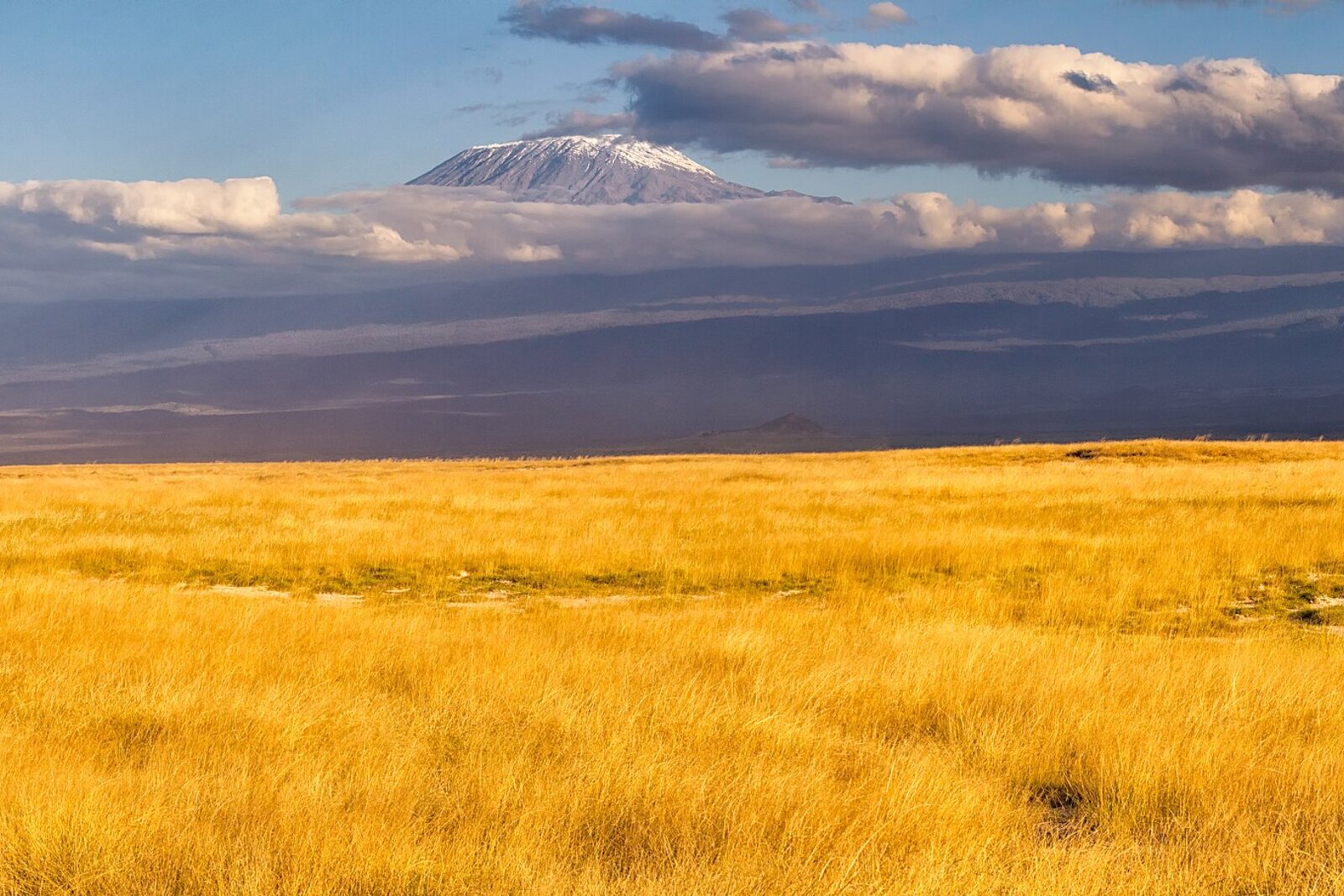
The Safari Half — Serengeti, Ngorongoro & Tarangire
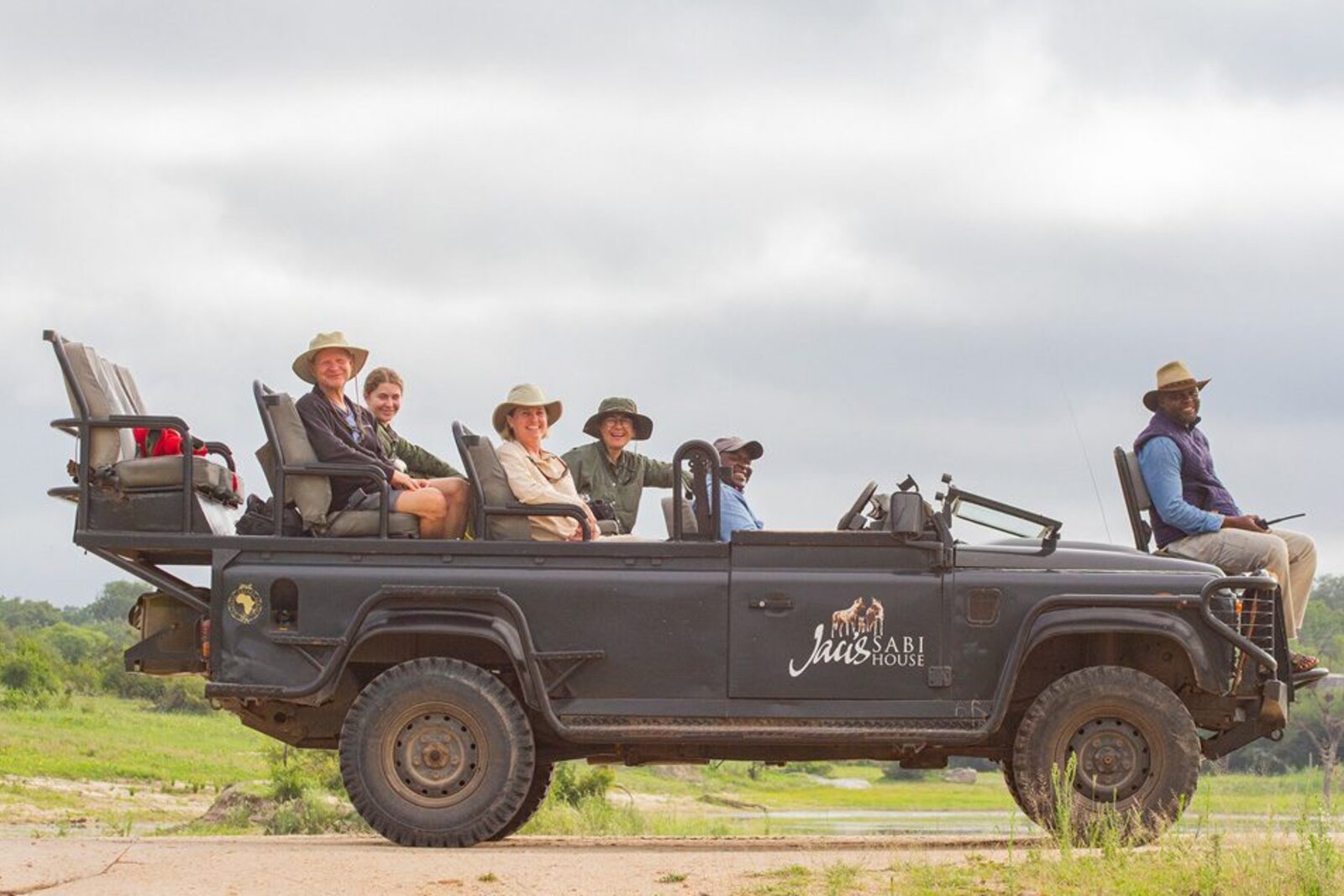
Come down off the mountain and the northern safari circuit is waiting less than half a day away. This is arguably the finest safari region on the planet, and it makes the perfect reward for tired legs — game viewing here is done from a comfortable vehicle, with a cold drink and a soft bed at the end of every day.
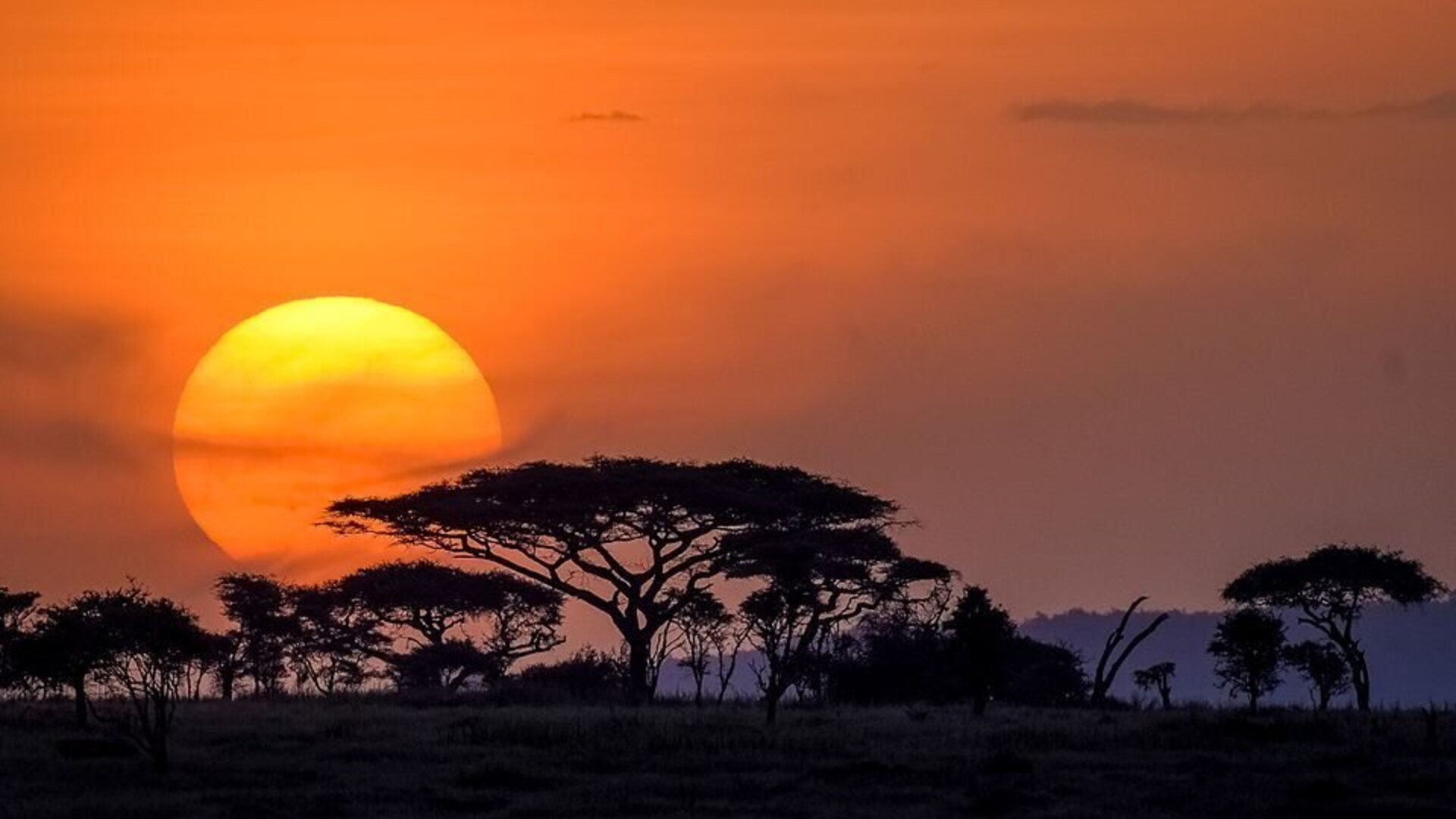
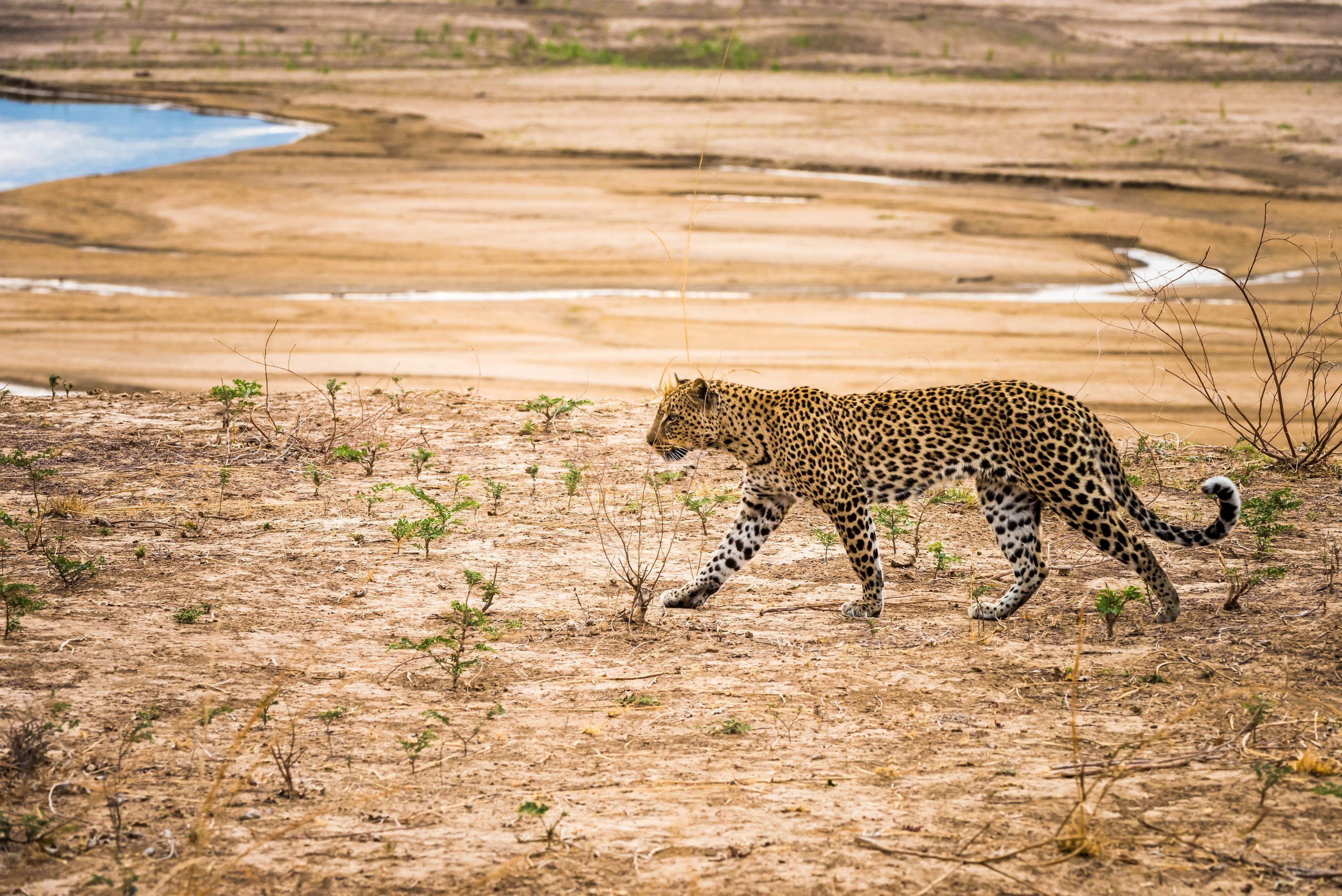
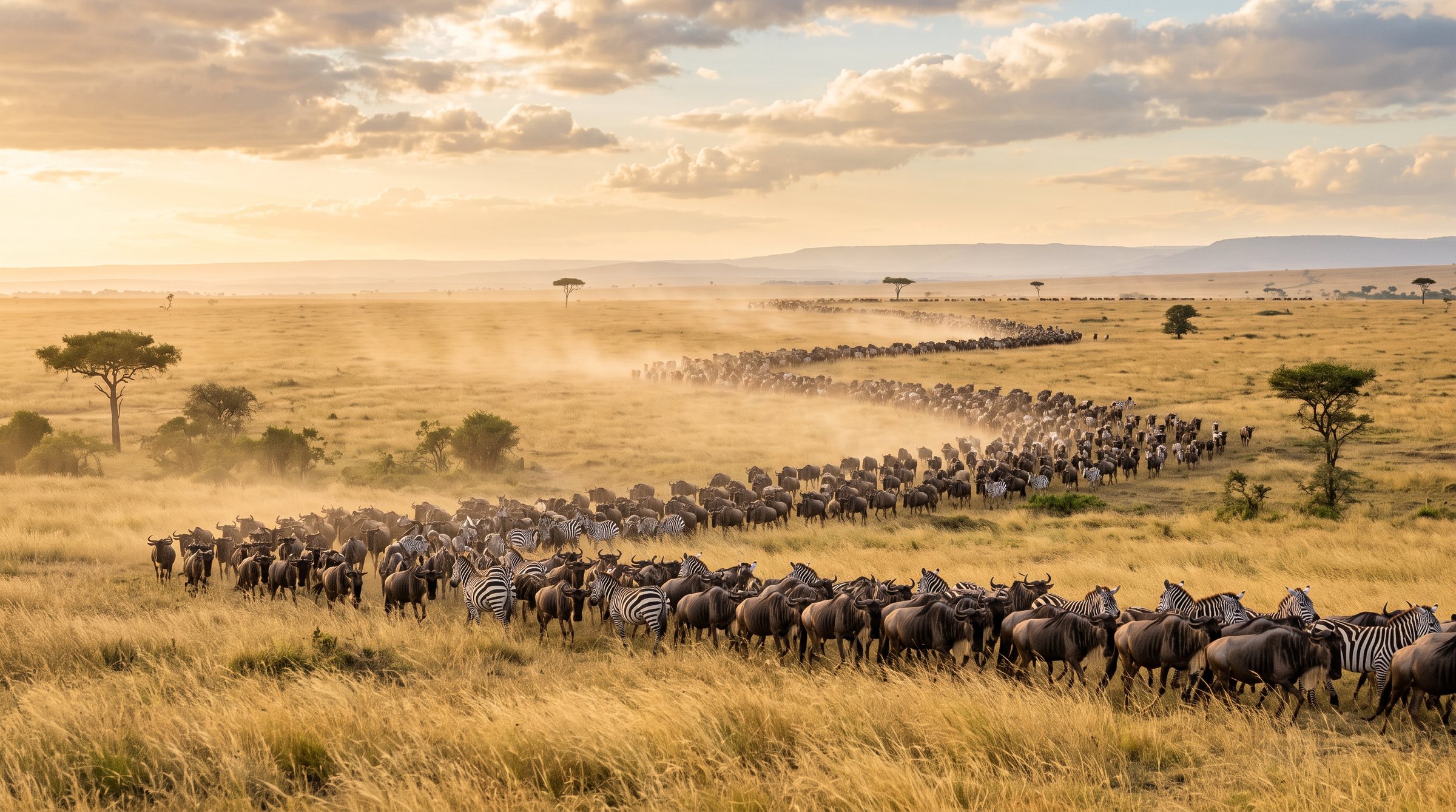
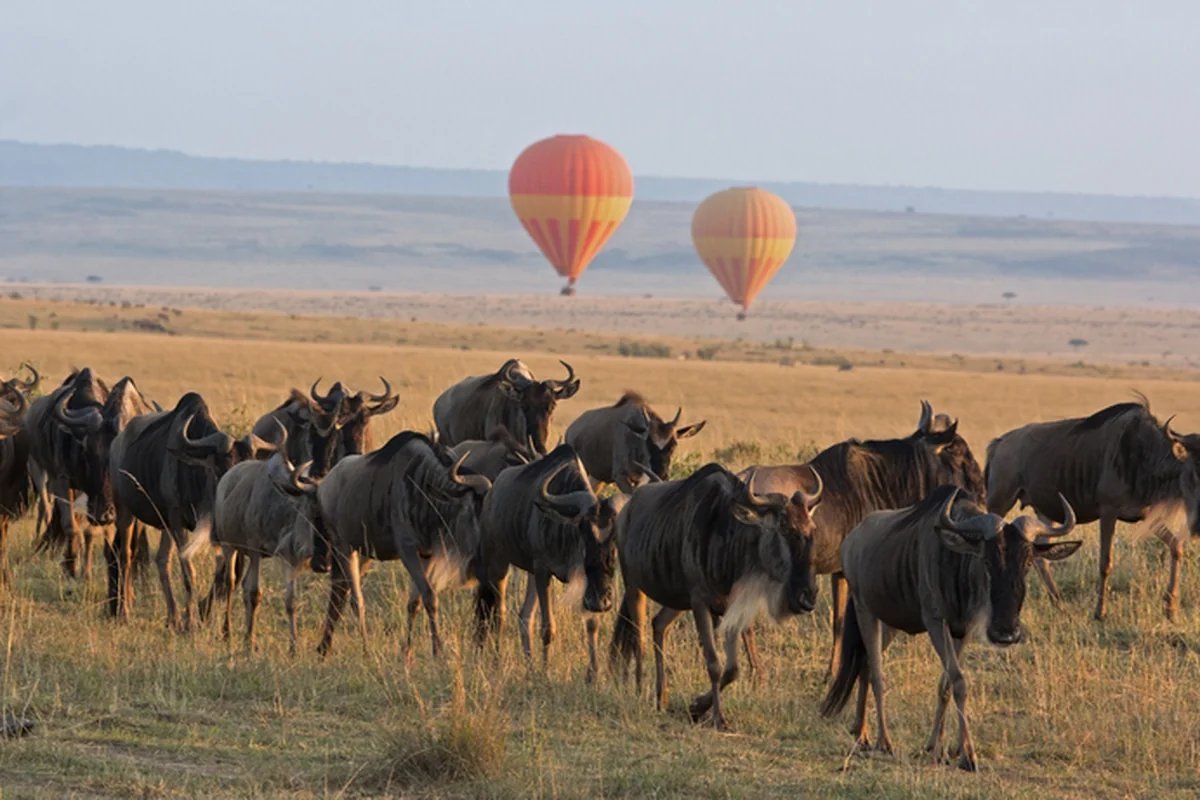
The Serengeti is the headline: nearly 15,000 square kilometres of golden plains that host the great migration, where close to two million wildebeest and zebra move in a restless circle, pursued by lion, cheetah and hyena. Depending on the month you might witness the river crossings of the north or the calving herds of the south. The Ngorongoro Crater, an hour further, is a collapsed volcanic caldera whose walls shelter a self-contained world of some 25,000 animals — the single best place in Africa to see the endangered black rhino and complete the Big Five in a morning.
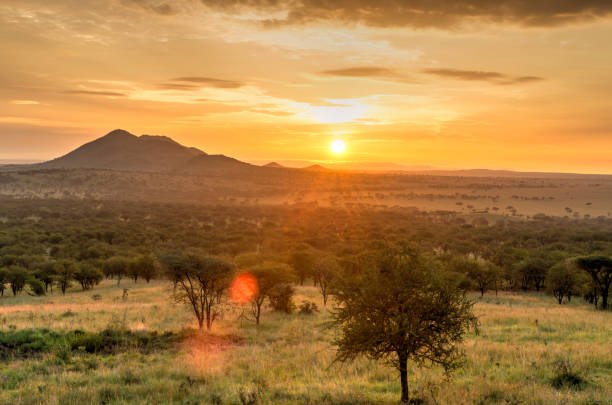
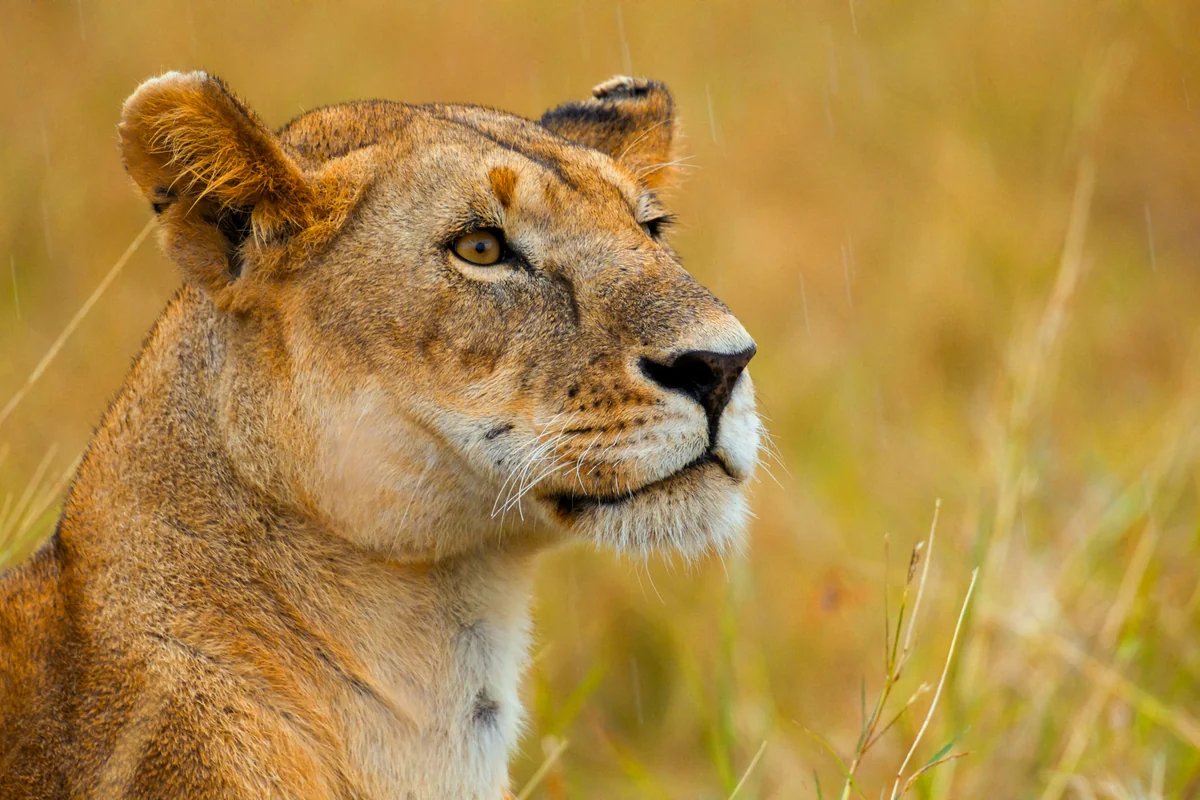
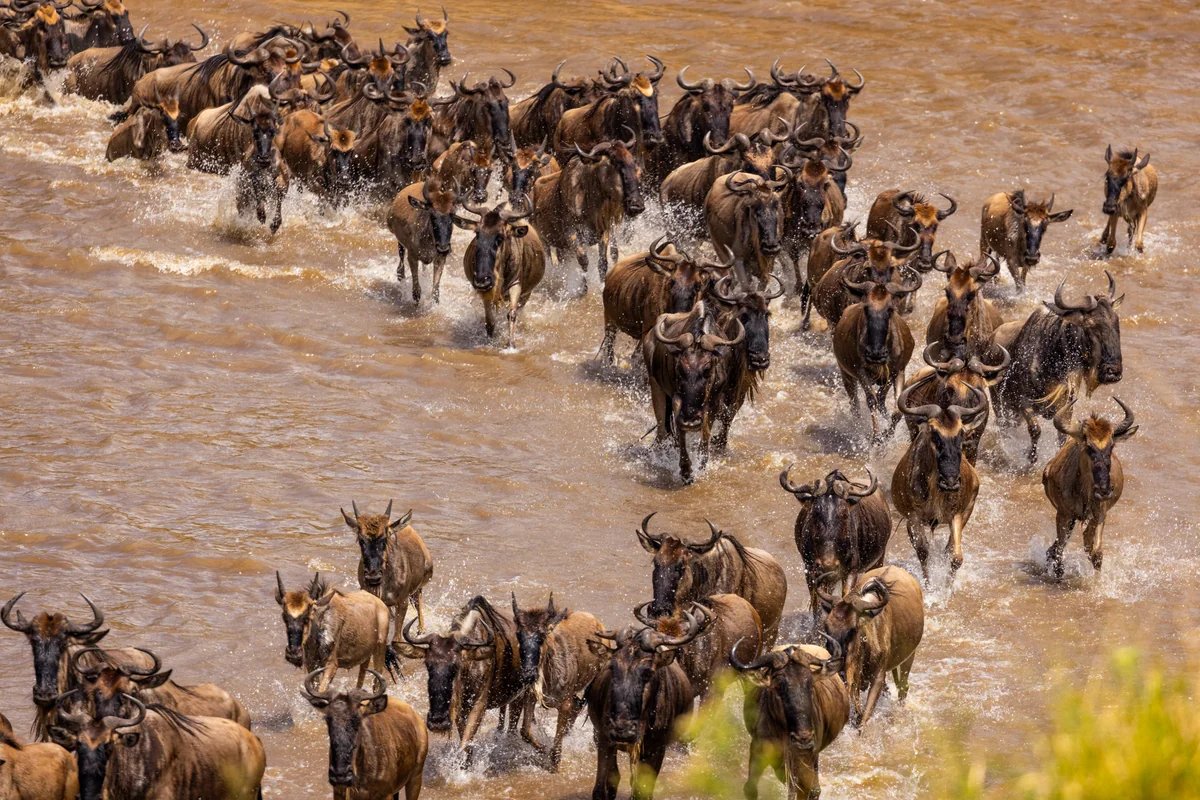
Between the mountain and the Serengeti sits Tarangire National Park, famous for its ancient baobabs and vast elephant herds, and often the ideal first stop as you leave Kilimanjaro behind. A classic combo weaves all three — Tarangire, the Ngorongoro Crater and the Serengeti — into three or four days of world-class game viewing after the climb.
How to Sequence the Trip
Almost without exception, we advise our travellers to climb first and safari second. The reasons are both physical and emotional. Physically, you tackle the mountain while you are fresh and before any safari indulgence softens your resolve; a stomach settled by simple trail food is also less likely to trouble you at altitude. Emotionally, coming down to the plains turns the safari into a celebration — the perfect decompression after the discipline of the climb.
How many days? A realistic, unhurried combo runs 10 to 13 days on the ground. Budget six to eight days for the climb depending on route, one recovery night in Arusha or on a coffee farm, and three to four days on safari. Squeezing it tighter is possible but unwise — the mountain does not reward a rushed body, and the Serengeti deserves more than a single night. Below are two itineraries that get the rhythm right.
Related journey: Ngorongoro Crater & Serengeti Ultimate — 7 Days →
When to Go & What It Costs in 2026
The happy news for combo travellers is that the best months for the mountain and the best months for the safari overlap beautifully. Aim for the two dry seasons: January to mid-March and June to October. These months bring the clearest summit conditions, the safest trails and the finest general game viewing, with animals gathering at shrinking water sources. June to October also coincides with the dramatic river crossings of the migration in the northern Serengeti.
Avoid the long rains of April and May, when the trails turn to mud and many camps close. The short rains of November lightly touch both mountain and plains but rarely spoil a well-planned trip. For a green, quieter and often better-value window, the calving season of late January and February in the southern Serengeti is a magnificent time to pair with a climb.
On cost, an honest combo is a serious but worthwhile investment. A reputable, ethically run private Kilimanjaro climb — with well-paid porters, quality gear and proper safety — typically runs $2,500 to $4,500 per person depending on route and length. A quality northern-circuit safari of three to four days adds roughly $1,800 to $4,500 per person, depending on whether you choose comfortable tented camps or ultra-luxury lodges. Together, a full combo lands between about $4,500 and $9,000 per person in 2026, before international flights.
Preparing Body and Mind for the Combo
You do not need to be an athlete to climb Kilimanjaro, but you do need to be ready. Three to four months of steady preparation — long walks with a daypack, hill repeats, stairs and some cardio — will transform your experience. The fitter you are, the more you will enjoy the climb rather than merely endure it. Mental readiness matters just as much: expect cold, expect a hard summit night, and trust the slow pace your guides set.
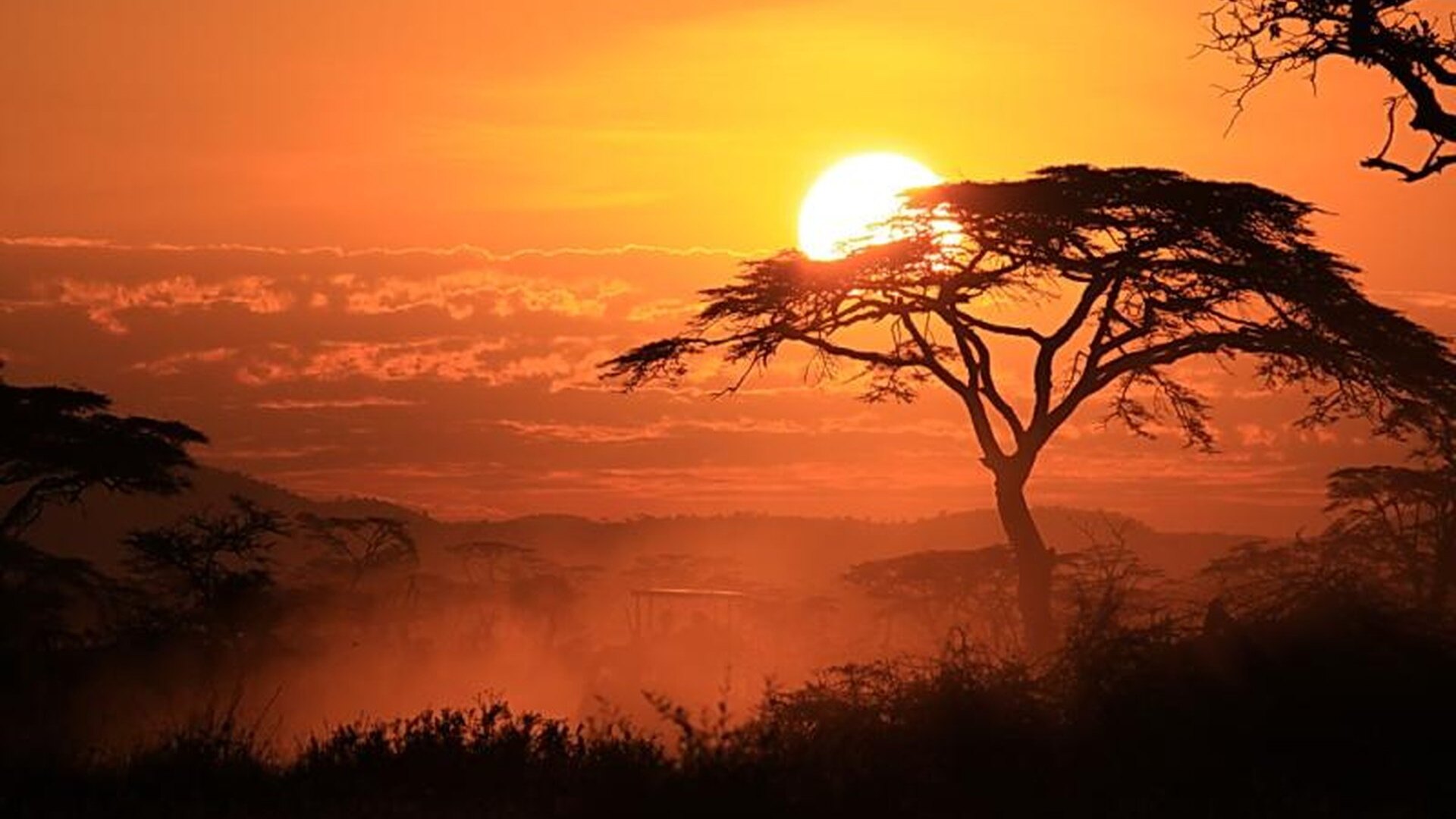
The single greatest lever on success is acclimatisation, which is why we steer travellers toward the longer routes. Add a day where you can, hydrate relentlessly, walk slowly, and let your body build the red blood cells it needs. Come the safari, the only preparation required is a fully charged camera and a willingness to rise before dawn — the plains are at their most magical in the first golden hour.
Why Plan Your Climb & Safari Combo With Us
A Kilimanjaro climb and safari combo has more moving parts than almost any trip in Africa — the right route, ethical and experienced mountain crews, permits, park fees, the hand-off from summit to safari, and lodges that sell out a year ahead. We plan the whole arc as one seamless journey, so the day you descend the mountain your safari vehicle is already waiting, your recovery night is booked, and every detail is handled.
We work only with mountain operators who treat their porters fairly and put safety first, and we pair the climb with the finest camps and lodges on the northern circuit. Whether you want great value or ultra-private luxury, we match the trip to your fitness, your budget and your dreams — and we are with you from the first email to the summit photograph and the last lion at dusk.
Ready to Climb Kilimanjaro and Safari the Serengeti?
Our specialists design tailor-made Kilimanjaro climb and safari combos — the right route for your fitness, ethical mountain crews, and the finest lodges on the Serengeti and Ngorongoro. We handle every permit, transfer and hand-off so all you do is climb, celebrate and be moved.
Start Planning Your Combo Browse Safari Packages WhatsApp Us