We're Open8am–6pm SAST
WishlistPartner Portal
← Back to BlogSafari

Katavi National Park Safari Guide: Tanzania's Wildest, Most Remote Wilderness

Audio EditionListen to this story
0:000:00
Narrated by George — audio edition

Key Takeaways

  • Katavi is Tanzania's third-largest national park and its most remote — fewer than 1,500 visitors per year versus tens of thousands in the Serengeti.
  • The park is famous for thousands-strong buffalo herds and the densest hippo population in Tanzania — hundreds crowding shrinking pools in the dry season.
  • Best time: June to October, with September and October the peak for wildlife concentrations at the Katuma River.
  • Top camps include Chada Katavi, Katavi Wildlife Camp, and Mbali Mbali Katavi Lodge — all offering exclusive, expert-guided safaris.
  • Katavi pairs beautifully with Ruaha (southern circuit) or Mahale Mountains (chimpanzee trekking) for a complete western Tanzania wilderness experience.
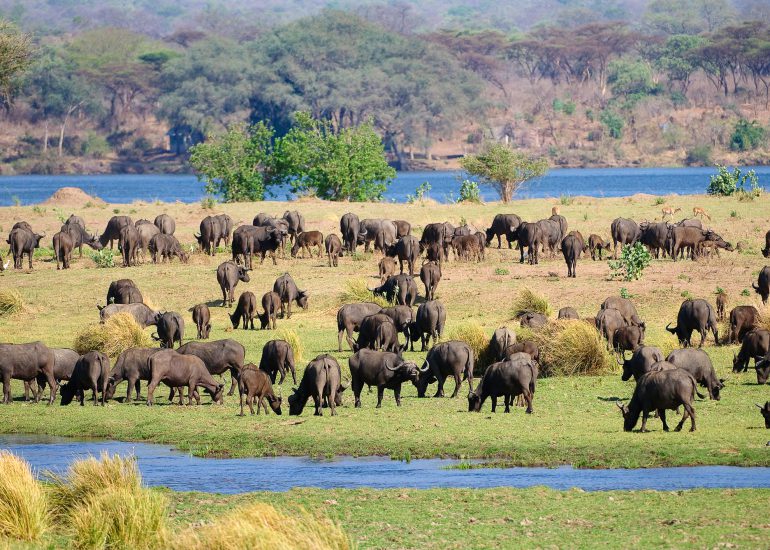
The Katuma River in the dry season — where thousands of buffalo gather and the wilderness feels prehistoric

Why Katavi Is Tanzania's Last Great Wilderness

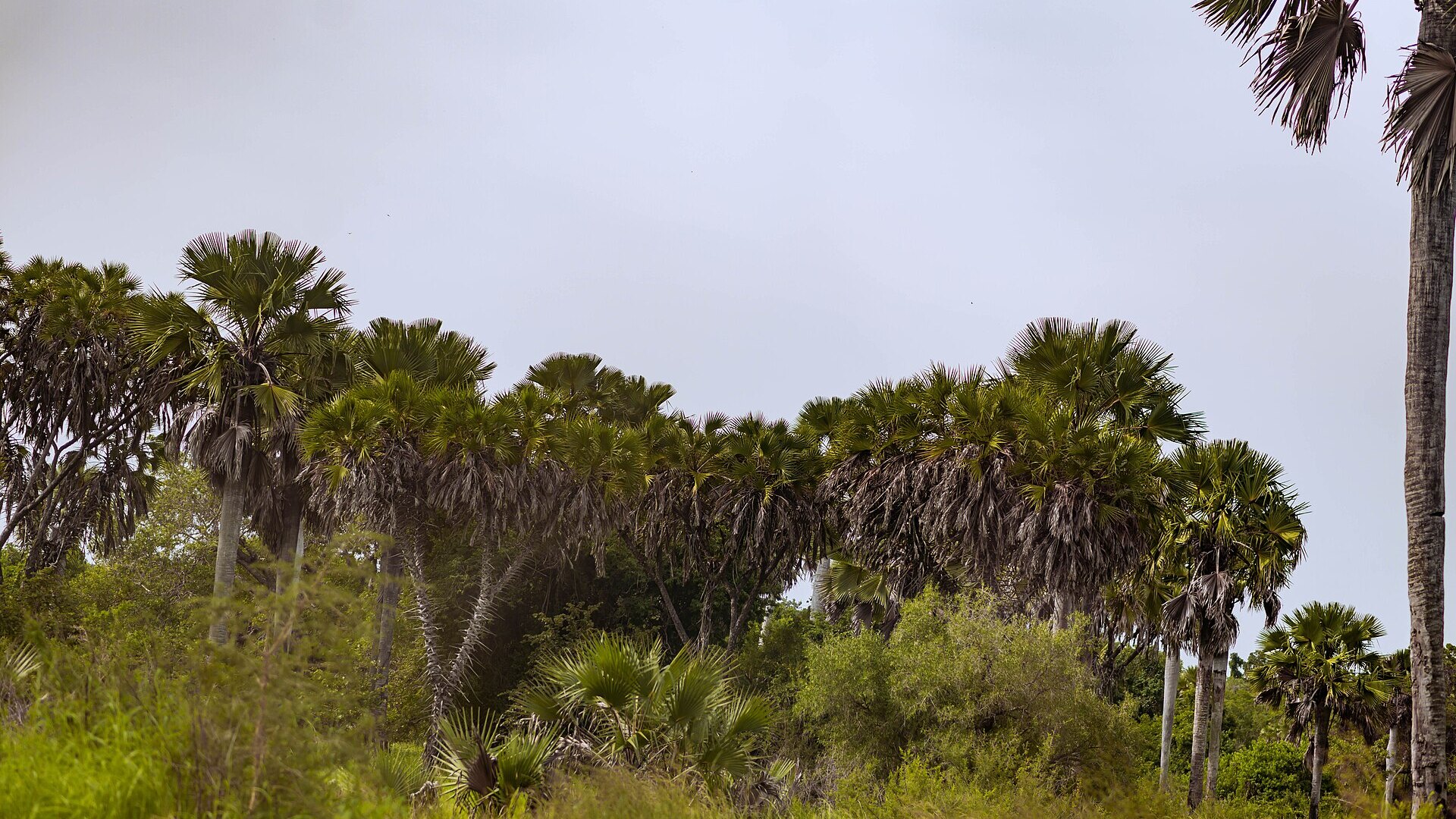
If Ruaha is remote, Katavi is a different planet. Sitting in far western Tanzania in the Rukwa Rift Basin, Katavi National Park spans 4,471 square kilometres of floodplains, miombo woodland and seasonal lakes — bigger than the Serengeti, yet visited by a tiny fraction of the crowd. The numbers tell the story: fewer than 1,500 people visit Katavi in an entire year, compared to tens of thousands who pass through the northern parks every month. The result is a safari experience so raw and uncrowded that you can drive for hours without seeing another vehicle, and the only sounds are the grunts of buffalo and the explosive territorial battles of hippos.

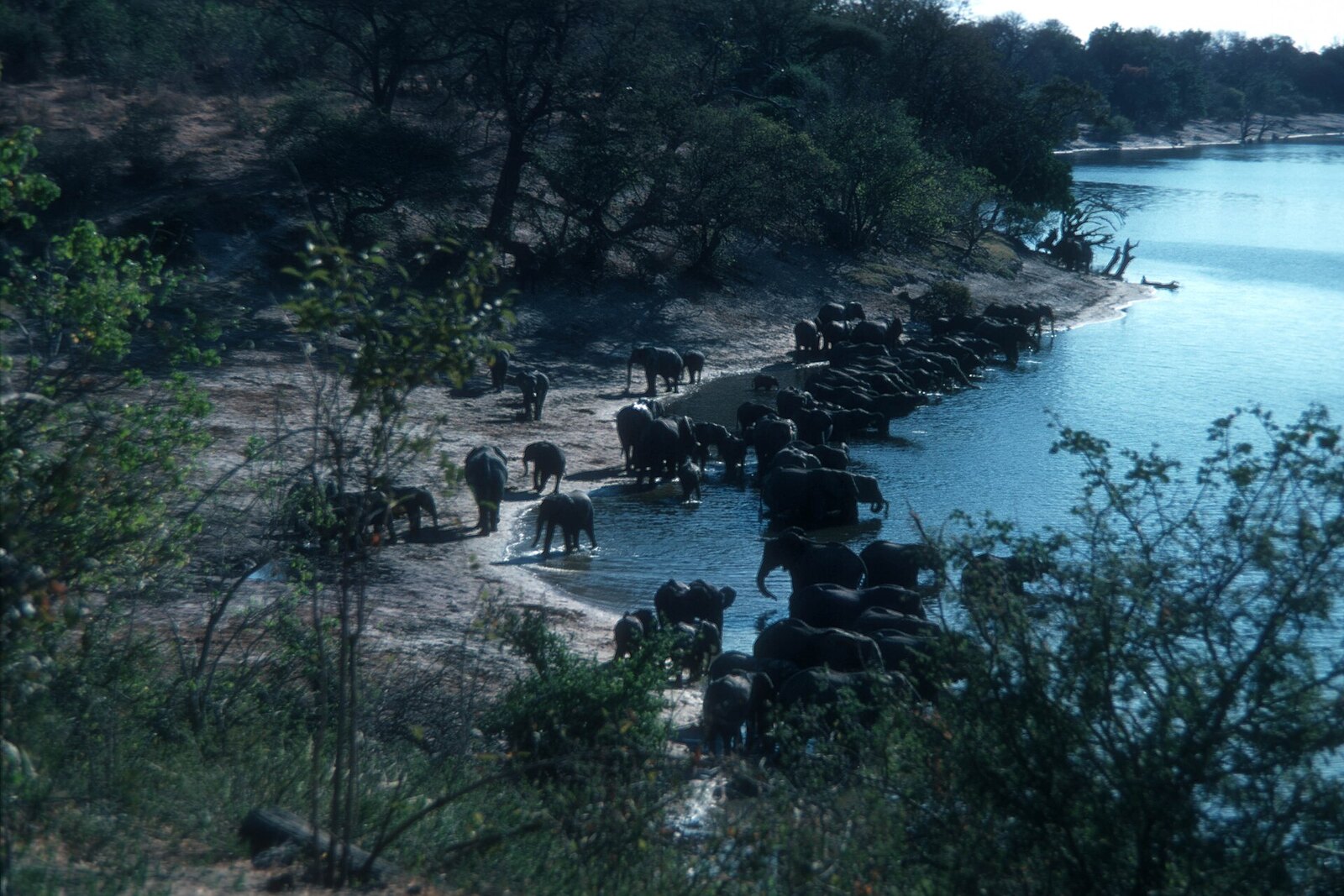
The lifeline is the Katuma River. In the wet season it floods the vast Katisunga and Chada plains, turning the park into a shimmering wetland dotted with thousands of waterbirds. But as the dry months take hold from June onwards, the river shrinks to a series of isolated pools, and that is when the drama begins. Buffalo herds thousands strong gather on the floodplains, kicking up clouds of dust visible for kilometres. Elephants dig for water in dry riverbeds. And hundreds of hippos crowd into the remaining mud wallows, jostling for space in scenes so primeval they feel lifted from the Pleistocene.

What sets Katavi apart is not just the wildlife density — it is the exclusivity. With only a handful of small camps operating across the entire park, and each one receiving perhaps a dozen guests at a time, you experience the bush as it was a century ago: vast, silent, and utterly yours. Walking safaris and fly-camping are the norm here, not the exception. This is the park seasoned safari-goers visit when they want the Africa most travellers will never reach.

We send you west for the Tanzania the northern circuit cannot give you — a wilderness so remote that your footprints might be the only human sign for kilometres, and game viewing so exclusive that entire buffalo super-herds can be yours alone.

At a glance, Katavi National Park spans 4,471 km², fewer than 1,500 visitors per year, protected since 1974 — and the best time to be here is June – October.

Katavi vs Ruaha vs Serengeti: Which Tanzania Safari Is Right for You?

Tanzania's three headline safari destinations each offer completely different experiences. The Serengeti is the iconic, accessible plains star. Ruaha is the remote southern predator capital. Katavi is the wildest, most exclusive wilderness of all. This table helps you choose (or better yet, combine them).

Factor Katavi National Park Ruaha National Park Serengeti National Park
Size 4,471 km² — third-largest in Tanzania 20,226 km² — Tanzania's largest park 14,763 km² — famous endless plains
Signature Wildlife Thousands-strong buffalo herds, densest hippo population, roan/sable antelope 10% of world's lions, huge prides, wild dogs, both kudu species Great Migration (2 million wildebeest), big cat capital, plains game
Landscape Vast floodplains, Katuma River, miombo woodland, seasonal lakes Rugged baobab hills, Great Ruaha River, miombo woodland Vast open plains, kopjes, acacia woodlands
Visitors Per Year <1,500 — most exclusive park in Tanzania ~20,000 — minimal crowds, drive hours without seeing another vehicle ~350,000+ — vehicle congestion during migration season
Activities Walking safaris, fly-camping, game drives, absolute exclusivity Walking safaris, fly-camping, night drives, predator tracking Game drives, hot-air balloon safaris, migration witnessing
Access Fly-in only, 4–5h from Arusha/Dar, often via Ruaha Fly-in only (1–2h from Dar/Zanzibar/Selous) Fly-in or drive from Arusha (5–6h)
Best For Serious safari veterans, exclusivity seekers, buffalo/hippo spectacles, true wilderness Serious wildlife enthusiasts, repeat safari-goers, exclusivity seekers, predator fans First-time safari, migration spectacle, classic African experience

Best Luxury Lodges & Camps in Katavi National Park

Katavi's camps are small, seasonal, and designed for immersion. These are the properties we return to — each one real, superbly located, and chosen for its guiding and sense of place.
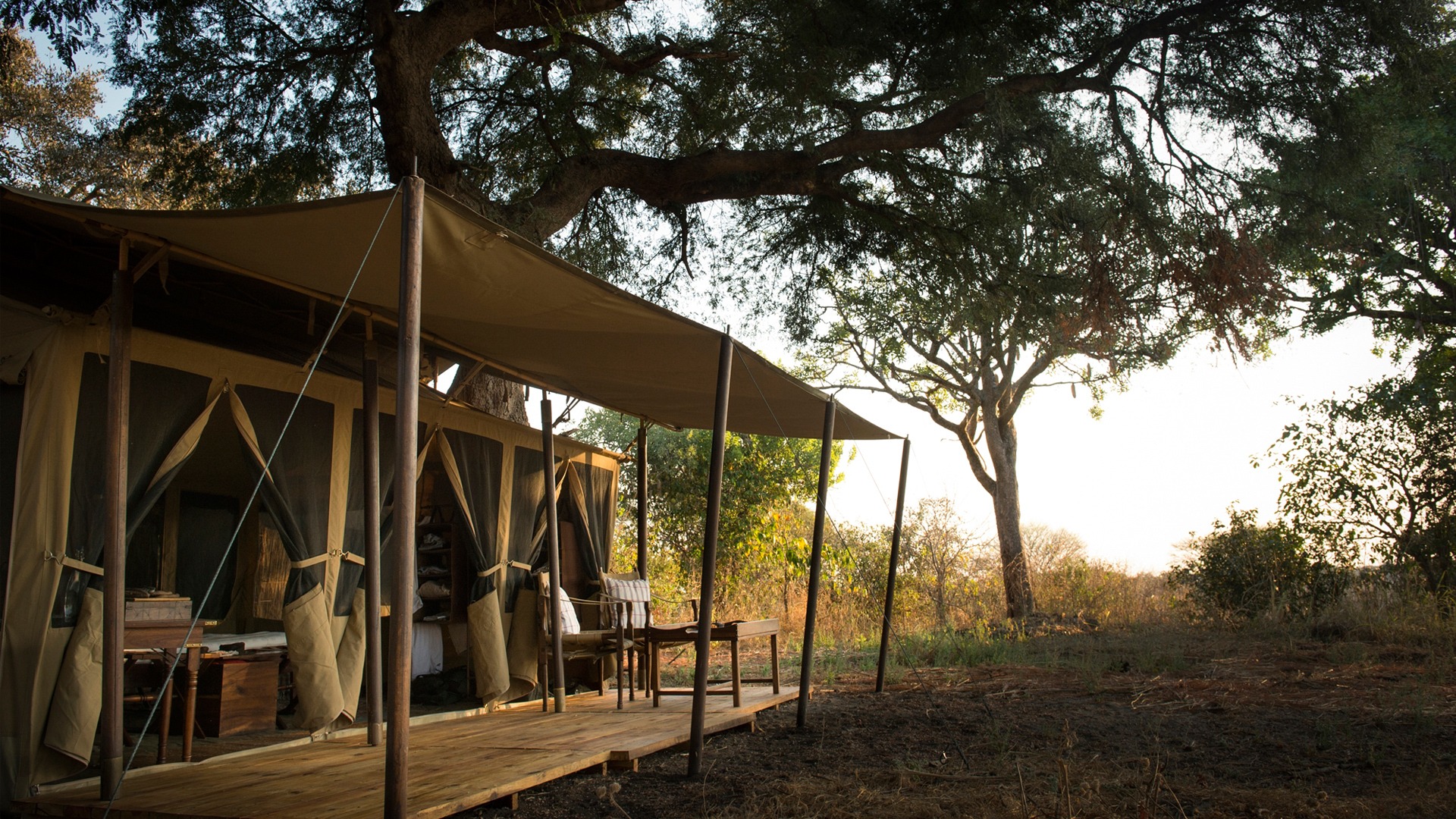
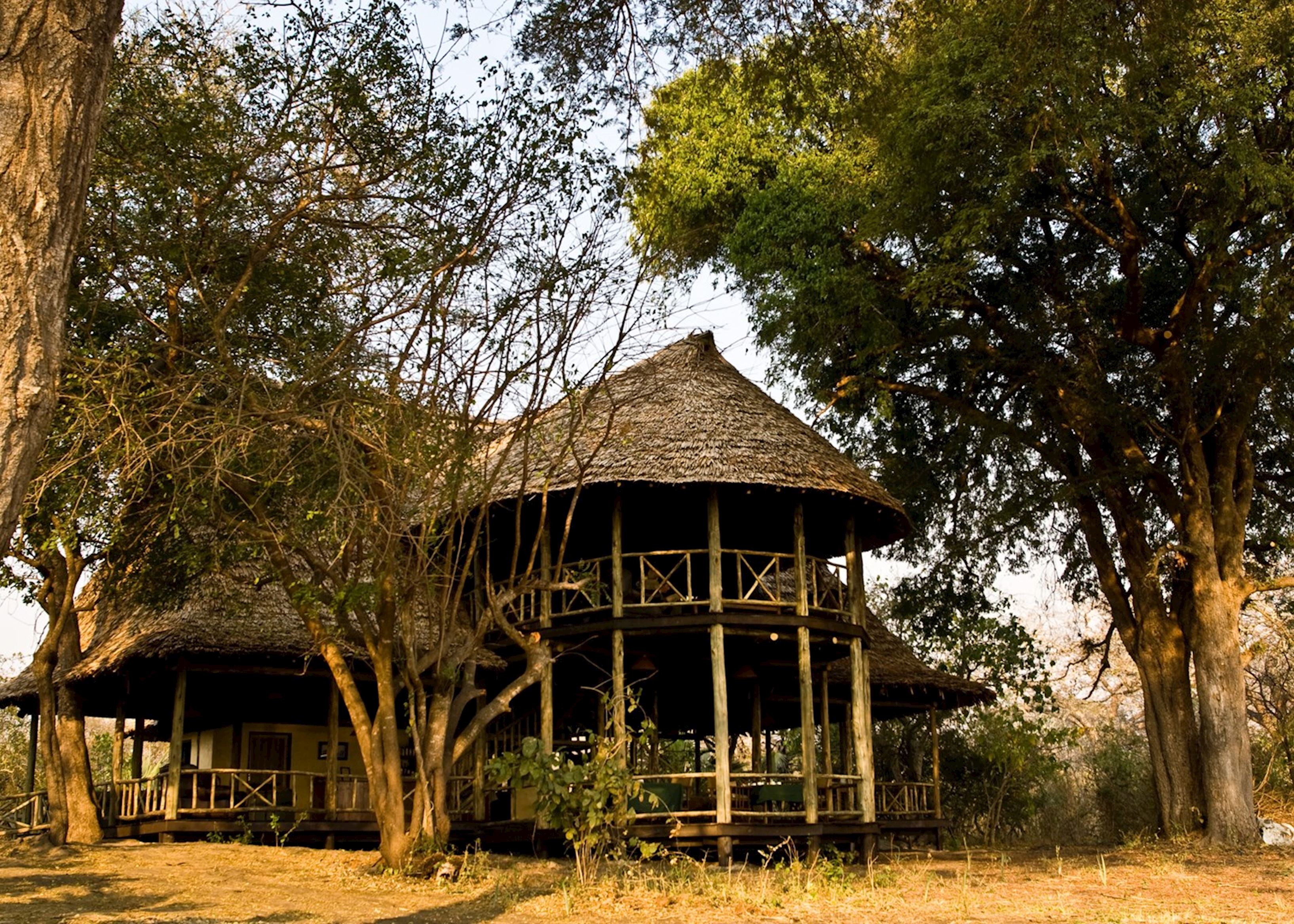
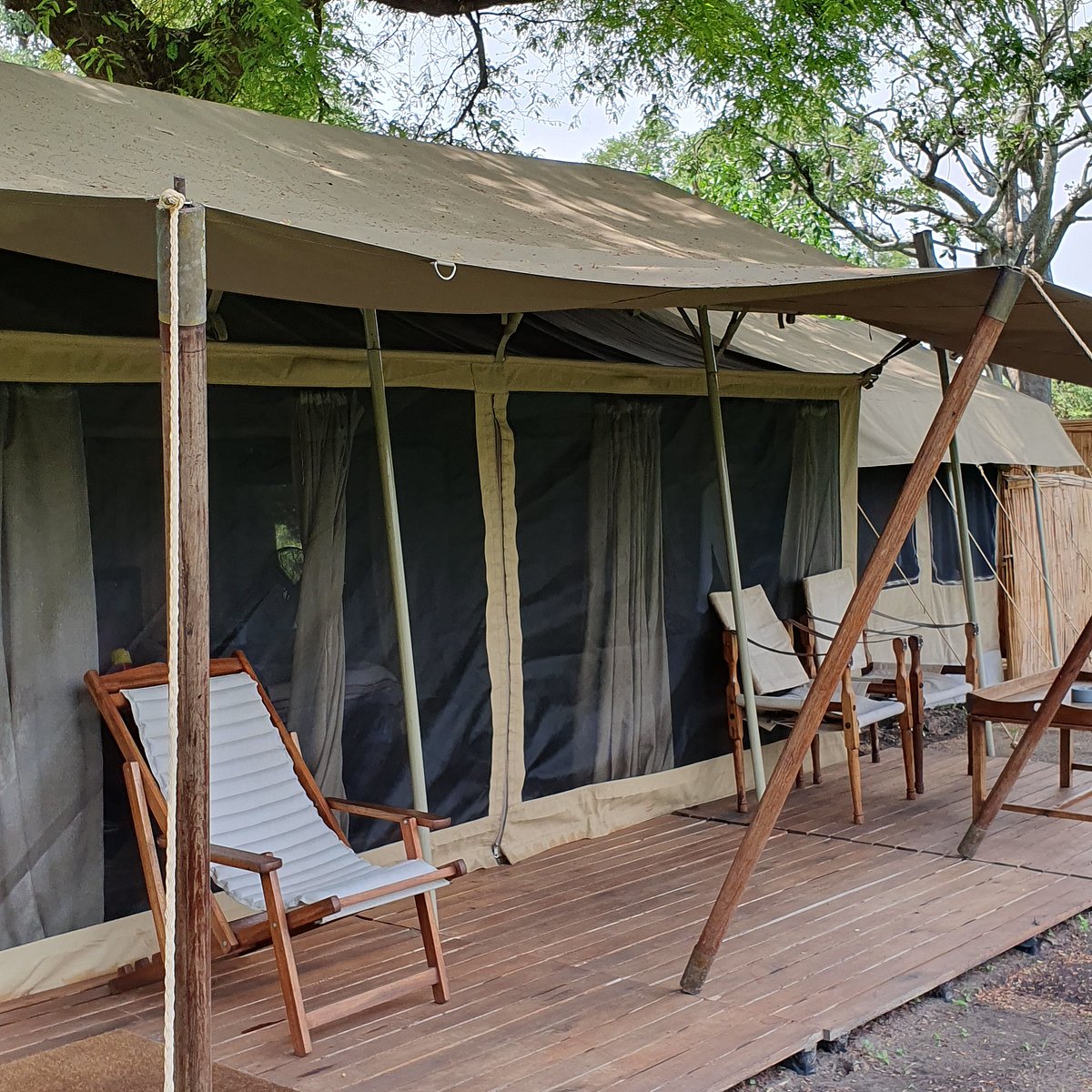
Classic Meru-style tented suite at Chada Katavi with wooden deck overlooking the Chada floodplain
Outdoor bucket shower at Chada Katavi — authentic expedition-style luxury in the bush
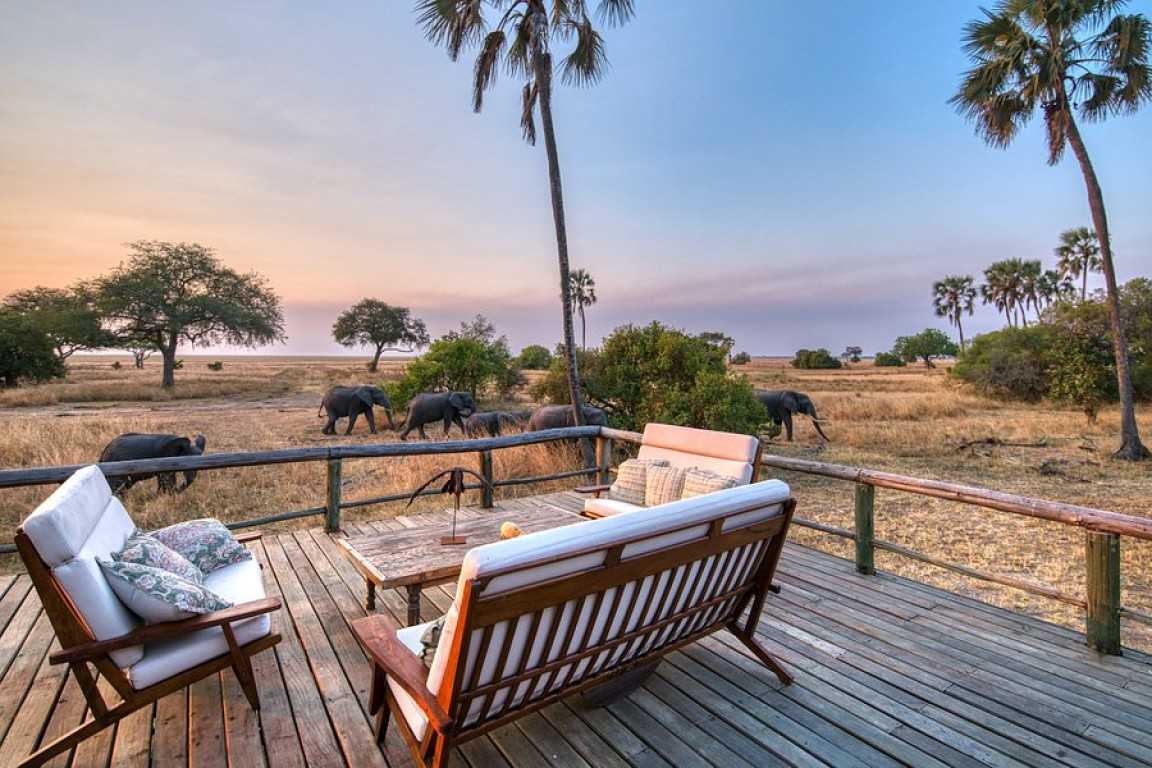
View from Chada Katavi across the vast Chada floodplain with buffalo herds in the distance
CHADA KATAVI

Chada Katavi — Nomad Tanzania's classic expedition-style camp on the edge of the Chada floodplain. Swipe to explore.

Chada Katavi (Nomad Tanzania) is the gold-standard camp in the park — six large Meru-style canvas tents on elevated wooden decks, eco-flush bush bathrooms with outdoor bucket showers, and a dining tent that feels like something from the golden age of safari. The guiding here is exceptional, and the camp's position on the Chada floodplain puts you in the heart of the buffalo super-herds. Nomad also offers fly-camping — sleeping under the stars in a satellite camp after a day's walking. Rates from around US$780 per person per night, fully inclusive, open June to mid-November.
Spacious safari room at Mbali Mbali Katavi Lodge with indoor and outdoor shower
Swimming pool at Mbali Mbali Katavi Lodge overlooking the Katisunga plains
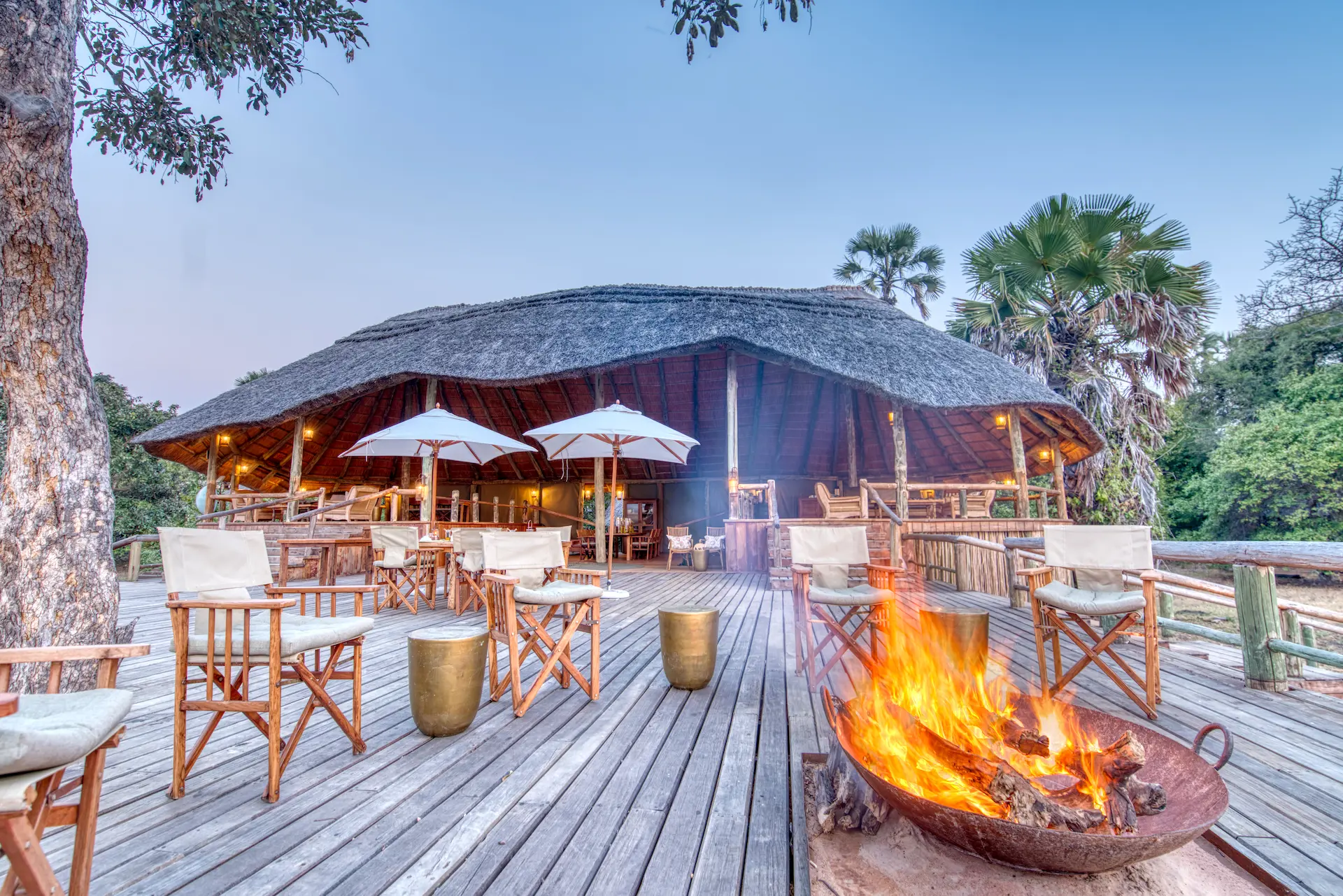
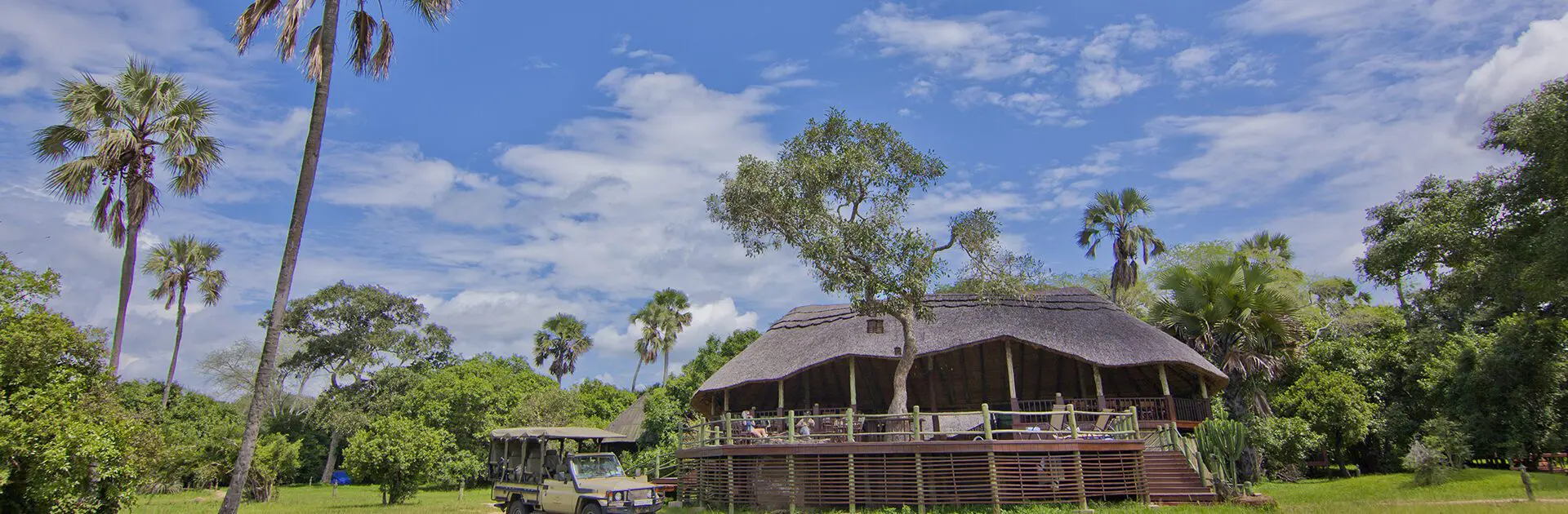
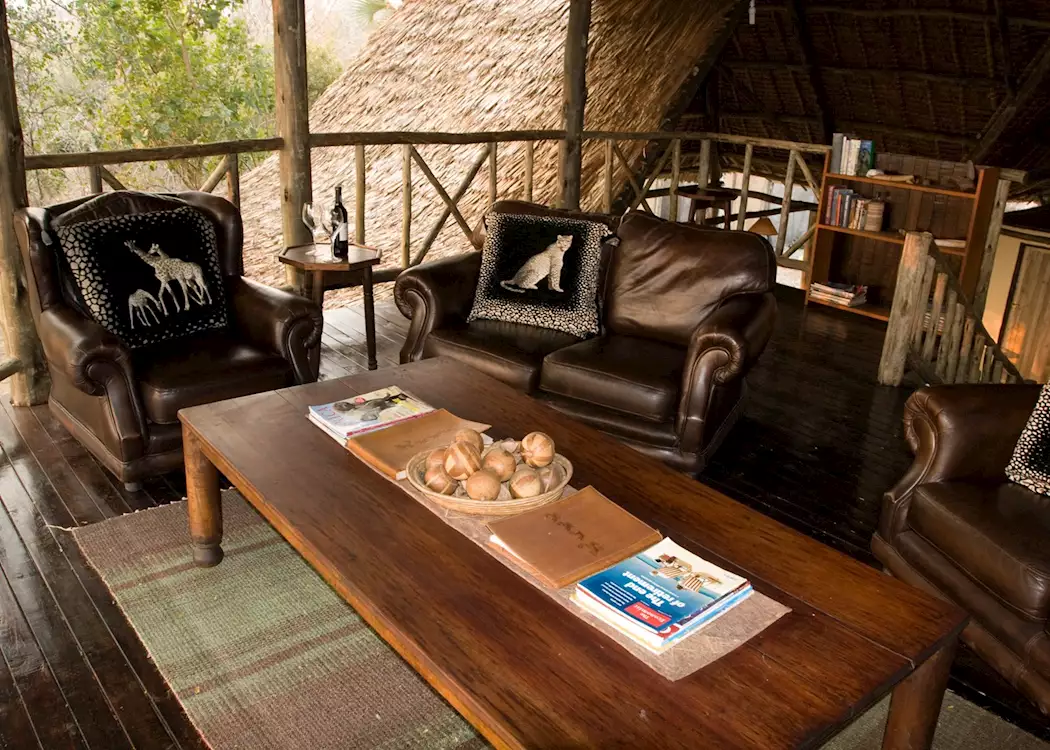
Main deck and lounge area at Mbali Mbali Katavi Lodge with panoramic wilderness views
MBALI MBALI KATAVI LODGE

Mbali Mbali Katavi Lodge — a more comfortable base with pool, air-con suite, and spectacular Katisunga plains views. Swipe to explore.

Mbali Mbali Katavi Lodge (formerly Katuma Bush Lodge) is the choice for those who want the wilderness with a little more comfort. Eleven well-appointed safari rooms plus a Sable Suite with air conditioning, butler service, and an outdoor spa tub. The lodge has a swimming pool (rare in Katavi) and a large open-sided communal area with lounge, dining and viewing deck. The location overlooks the Katisunga floodplain, and game drives often depart straight from camp into buffalo herds. Rates from around US$600 per person per night, fully inclusive.
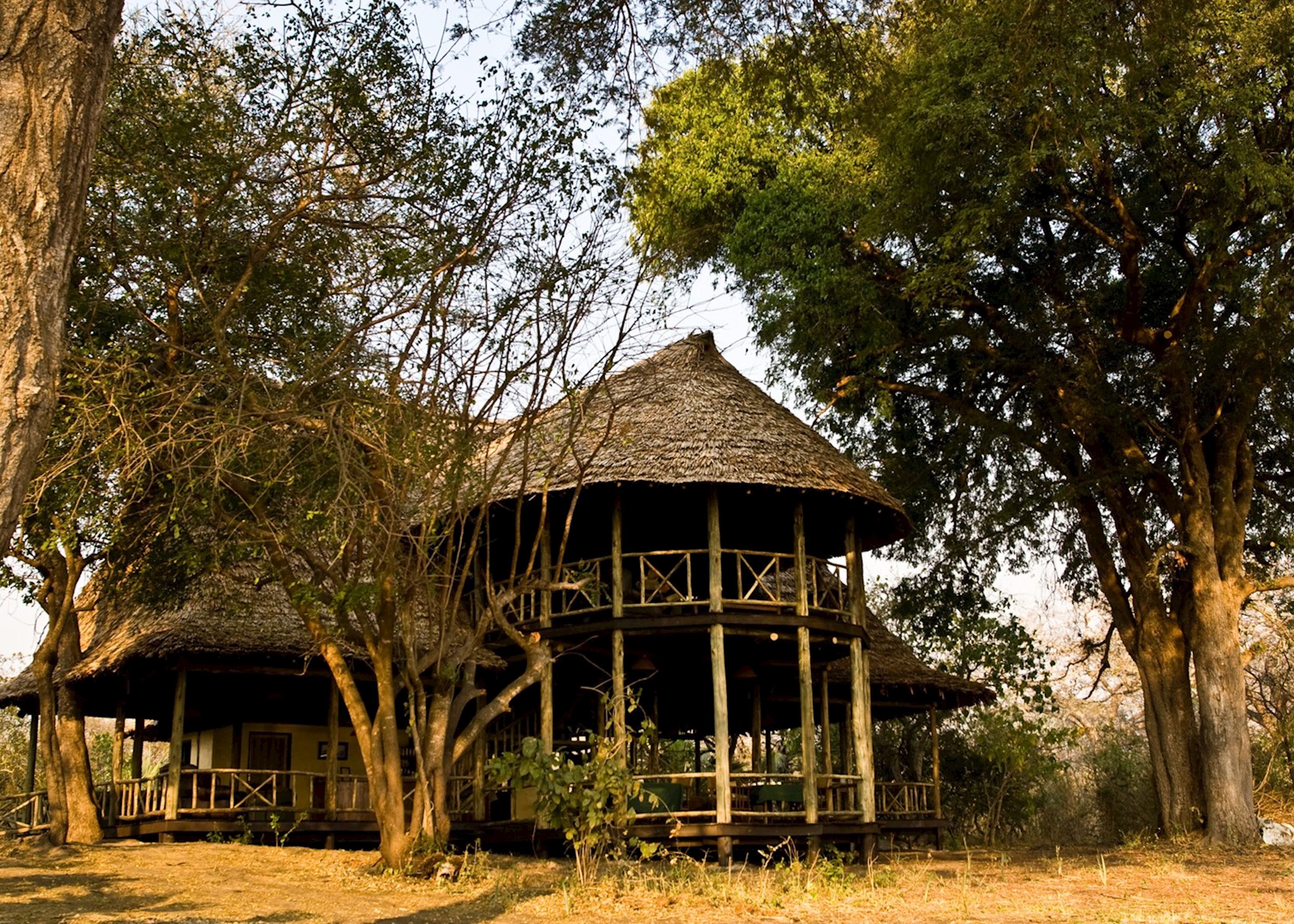
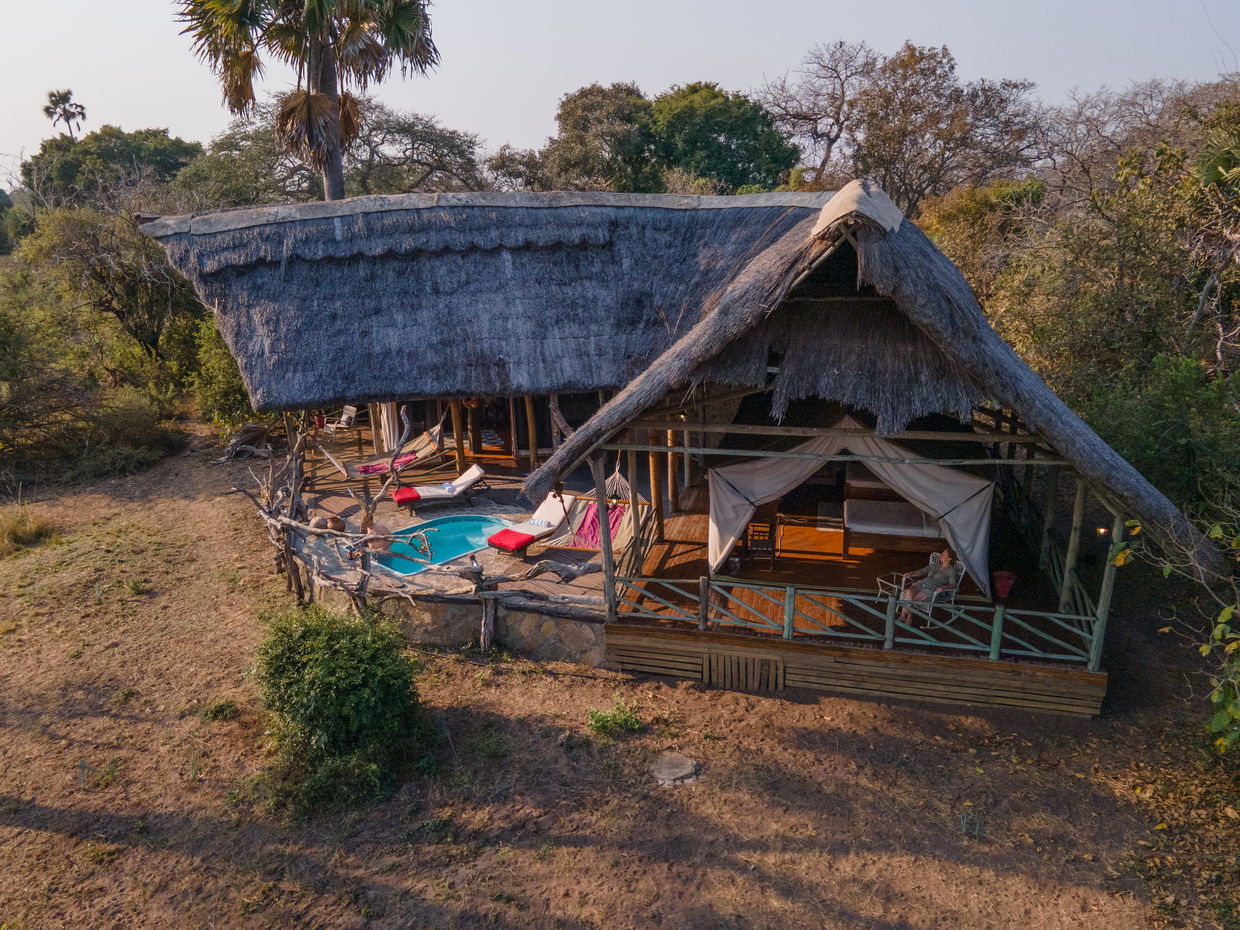
Large Meru-style tent on wooden platform at Katavi Wildlife Camp with river views
Katuma River view from Katavi Wildlife Camp with hippos and buffalo visible on the banks
Intimate dining setup at Katavi Wildlife Camp under the stars with lantern light
KATAVI WILDLIFE CAMP

Katavi Wildlife Camp — classic riverside Meru tents overlooking the Katisunga floodplain and Katuma River. Swipe to explore.

Katavi Wildlife Camp (also known as Foxes' Camp) sits on the banks of the Katuma River overlooking the Katisunga floodplain. Large Meru-style tents on raised wooden platforms, each with an en-suite bathroom and a private deck where you can watch hippos and buffalo at the river's edge. The camp is rustic-luxurious in the best sense — comfortable, atmospheric, and utterly remote. Guiding is highly personalized, and the camp's riverside location means game viewing often happens from your tent. Rates from around US$650 per person per night, fully inclusive.
When to Visit Katavi: Month-by-Month Wildlife Guide

Katavi is a dry-season park. The drama builds from June onwards as the Katuma River shrinks, peaks in September and October when wildlife concentrations are at their most spectacular, and then resets with the rains. This table walks you through the year.

Month Wildlife & Conditions Why Visit / Why Not
Jan – Feb Wet season, lush and green, wildlife dispersed, excellent birding with migrants Most camps closed. Roads impassable. Best skipped unless you're a serious birder.
Mar – May Long rains, park transforms to wetland, wildlife hard to spot, camps closed Avoid. Logistics impossible, most camps shut, game viewing poor.
Jun Dry season begins, Katuma River still flowing, buffalo herds gather on floodplains, camps reopen Good. Shoulder season, fewer guests, excellent buffalo viewing, landscapes still green.
Jul – Aug River shrinking, wildlife concentrations building, thousands-strong buffalo herds, predator action increases Excellent. Prime dry season, great game viewing, cooler temperatures, still quiet.
Sep – Oct Peak dry season, Katuma River reduced to isolated pools, hundreds of hippos crowding mud wallows, epic buffalo super-herds, best predator viewing PEAK — best time. The greatest wildlife spectacles of the year. Book months in advance.
Nov Short rains begin, first storms, wildlife still concentrated, camps start to close mid-month Fair. End-of-season, still good game viewing early month, then camps close.
Dec Green season, wildlife dispersed, most camps closed, roads deteriorating Skip. Park essentially closed for tourism.

What to Expect: Katavi Safari Cost & Budget Breakdown

Katavi is a fly-in, all-inclusive destination. Rates below are per person per night and include guiding, all meals, house drinks, and most activities. They exclude flights and park fees.

Lodge Tier Example Properties Rate per Person per Night (USD, Fully Inclusive)
Top Luxury Chada Katavi, Palahala Luxury Camp US$780 – 950+
Premium Comfort Katavi Wildlife Camp US$600 – 750
Good Value Luxury Mbali Mbali Katavi Lodge US$600 – 700

Additional Costs: Katavi National Park fees are around US$50 per person per day. Scheduled flights from Arusha or Dar es Salaam run roughly US$400–700 return, often stopping at Ruaha. A typical 3-night Katavi safari (fly-in, all-inclusive) runs US$2,500–4,000 per person total, excluding international flights.
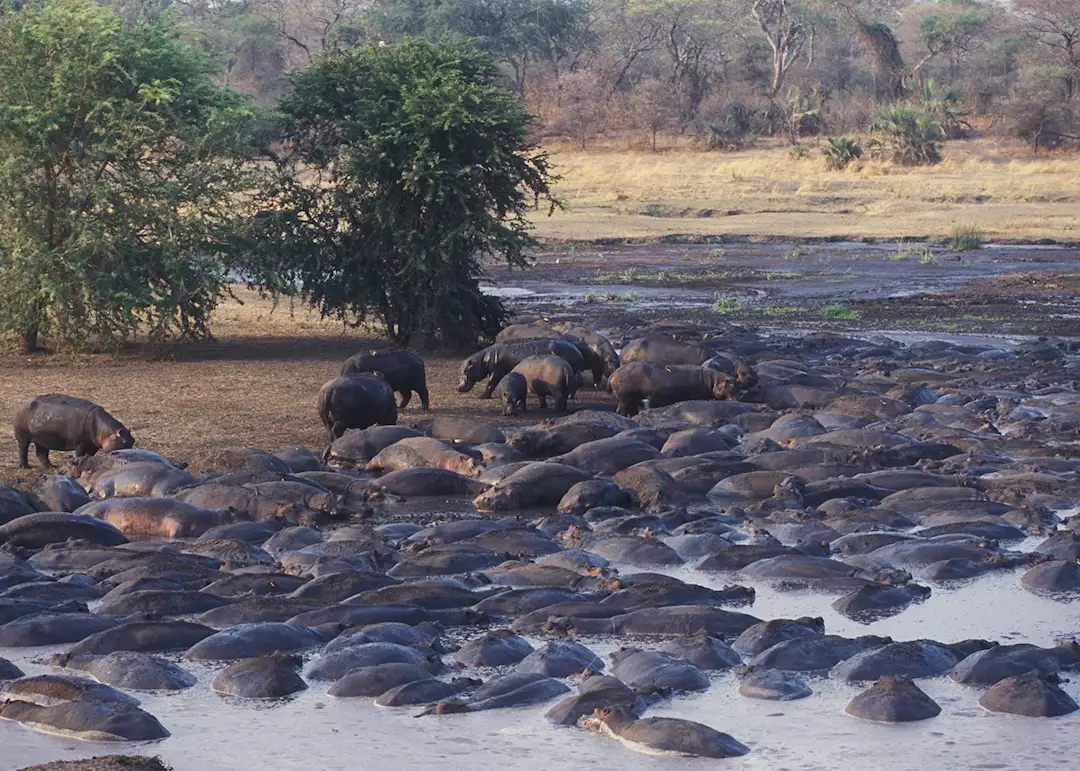
Hundreds of hippos crowded into a shrinking pool at Katuma River in Katavi National Park during the dry season
The hippo spectacle — hundreds crowding shrinking pools in epic territorial battles

How We Plan Your Katavi Safari

We are a Cape Town-based, tailor-made safari house. Katavi is the park we send serious safari veterans to when they want the Africa the northern circuit cannot give them — vast, silent, and utterly exclusive. We build the full southern circuit (Ruaha + Katavi, or Katavi + Mahale for chimps) around your priorities, handle all fly-in logistics, and place you with the guides who know where the buffalo super-herds and hippo spectacles are at their most dramatic.

A well-planned Katavi safari is not rushed. Three nights is the sweet spot, giving you time for game drives, walking safaris, and perhaps a fly-camp under the stars. Pair it with Ruaha for the ultimate predator-and-buffalo southern double, or Mahale for chimpanzee trekking on Lake Tanganyika. And when the wilderness is done, Zanzibar's white sand is a short flight away — the classic bush-and-beach finish.

Get in touch and we will build it around you — or reach us directly on WhatsApp.
Frequently Asked Questions

Katavi sits in far western Tanzania, hours by light aircraft from Arusha or Dar es Salaam, with no road access worth considering. The park receives fewer than 1,500 visitors per year — compared to tens of thousands in the Serengeti — so you can drive for an entire morning without seeing another vehicle. This remoteness is precisely its appeal: Katavi offers one of the most exclusive, untouched safari experiences left in Africa.

June to October is prime, with September and October the absolute peak. As the Katuma River dries to isolated pools, wildlife concentrates in staggering numbers: thousands-strong buffalo herds, elephants, and hundreds of hippos packed into remaining mud wallows. The green season (November–April) is lush and excellent for birding, but most camps close and roads become impassable.

Katavi holds some of the largest buffalo herds anywhere in Africa — gatherings of several thousand animals are common on the Katisunga and Chada floodplains. It also has the densest concentration of hippos in Tanzania. In the late dry season, hundreds crowd into shrinking pools in dramatic, explosive territorial fights — one of the greatest wildlife spectacles on the continent.

Top luxury camps include Chada Katavi (classic Nomad expedition-style tented camp, 6 Meru tents, exceptional guiding, from US$780 pp/night), Katavi Wildlife Camp (riverside Meru tents overlooking Katisunga floodplain, from US$650 pp/night), and Mbali Mbali Katavi Lodge (more comfortable with pool and air-con suite, 11 rooms, from US$600 pp/night). All offer expert guiding, walking safaris, and exclusive game viewing with virtually no tourist traffic.

Almost everyone flies in by light aircraft — typically a 4–5 hour scheduled flight from Arusha or Dar es Salaam, often via Ruaha. Overland access is possible but involves a grueling 2–3 day 4x4 journey and is rarely recommended. The park\'s remoteness is part of its charm, and fly-in logistics are handled seamlessly by safari operators.

Yes. Katavi pairs beautifully with Ruaha National Park for a classic southern-circuit double (both remote, both predator-rich, both uncrowded). The other natural pairing is Mahale Mountains National Park for chimpanzee trekking on the shores of Lake Tanganyika — the ultimate western Tanzania wilderness circuit.

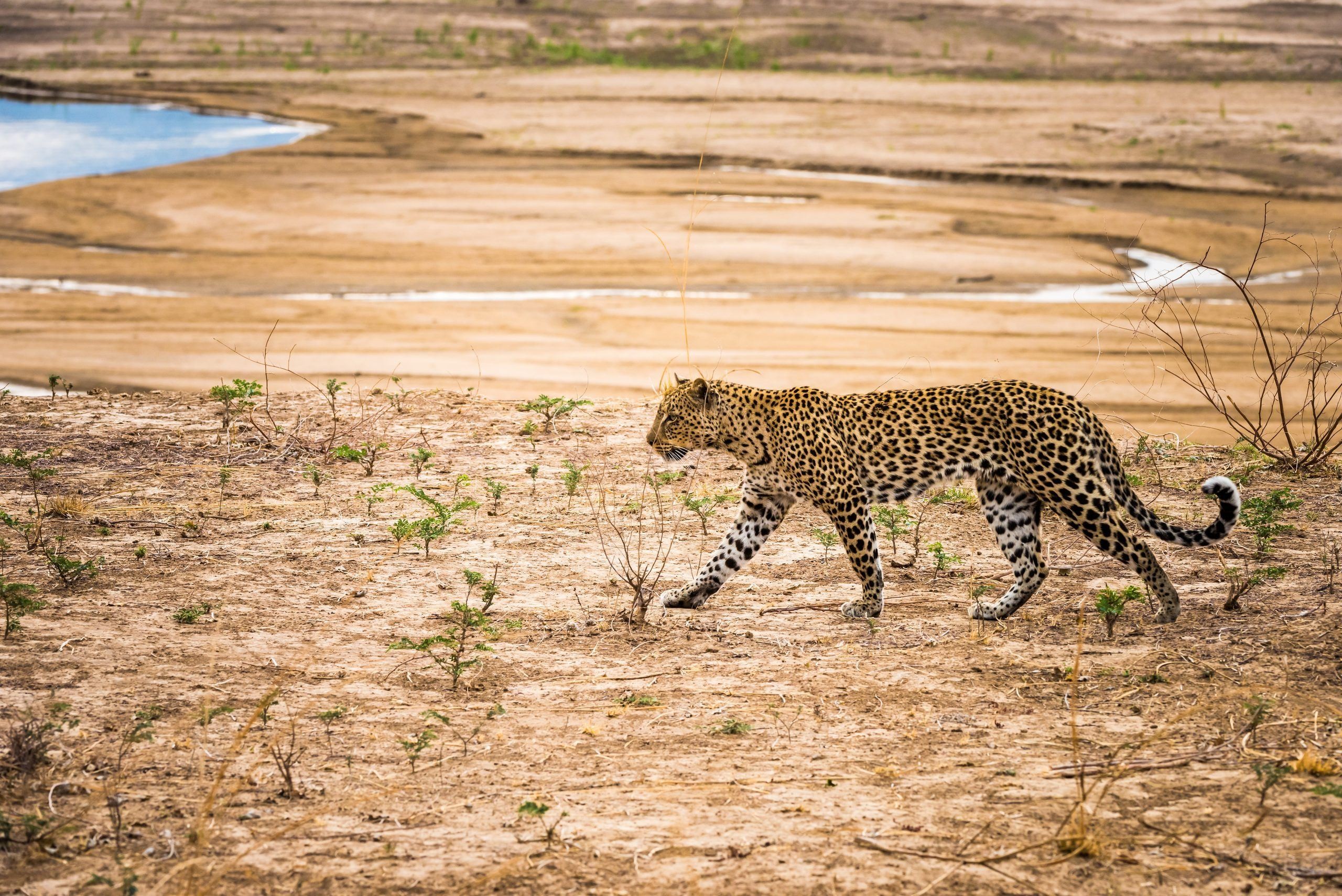
Katavi has four of the Big Five — lion, elephant, leopard and buffalo in outstanding numbers — but no rhino. What it lacks in rhino it more than makes up for with the finest buffalo viewing anywhere, healthy populations of wild dog and cheetah, and a raw wilderness atmosphere the northern parks can no longer offer.

Yes — walking safaris are one of Katavi\'s signature experiences. Accompanied by an armed ranger and expert guide, you can track buffalo, explore dry riverbeds, and experience the bush on foot in a way few other Tanzanian parks permit. Some camps also offer fly-camping — sleeping under canvas in a temporary satellite camp deep in the wilderness.

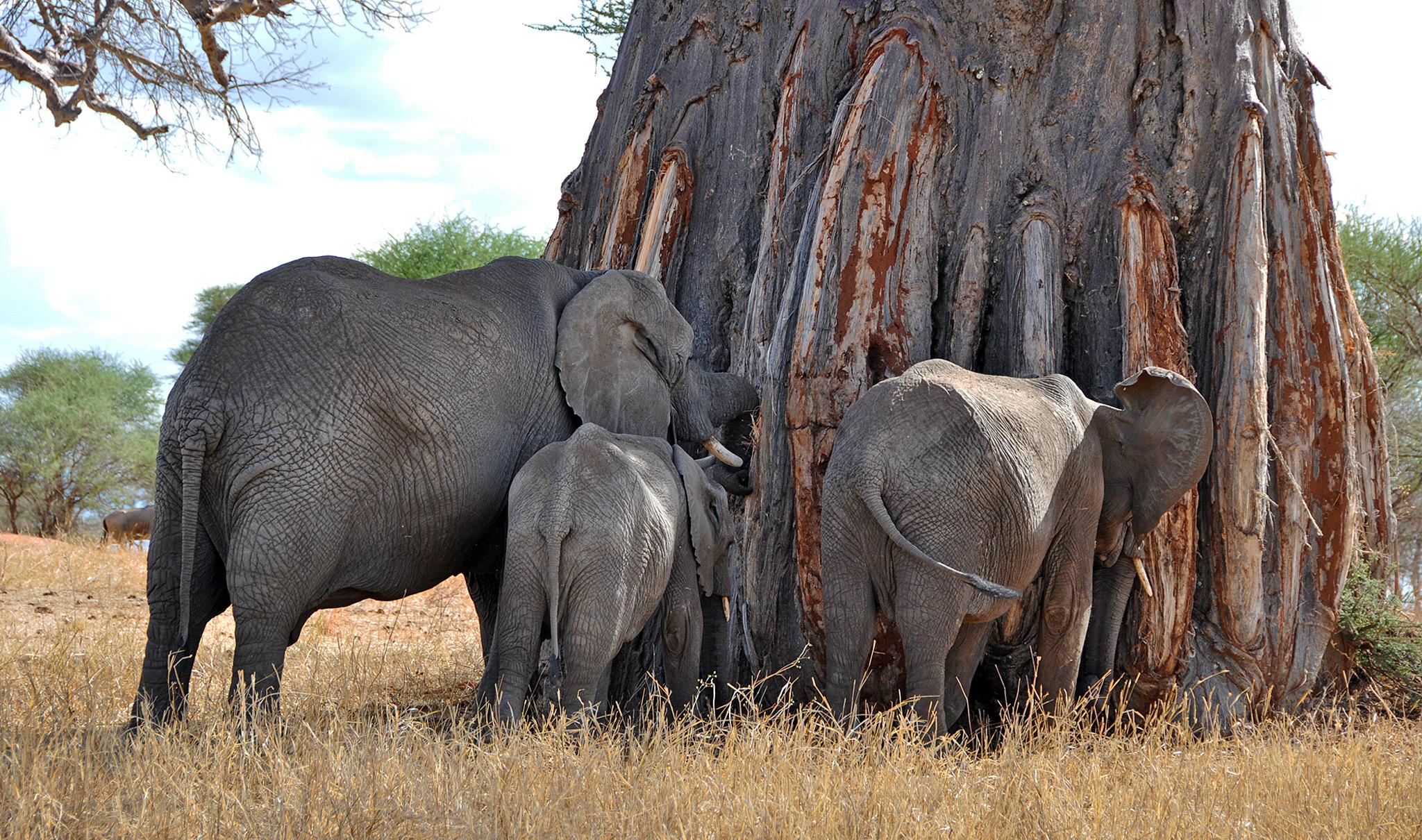
Katavi holds roughly 3,000 elephants, large lion prides, leopards, cheetahs, spotted hyenas, and endangered African wild dogs. The park is also one of the few places in Tanzania where you can see roan and sable antelope, both rare and spectacular. Birdlife exceeds 400 species, including fish eagles, storks, and seasonal migrants.

Make It Happen

Safari Packages

Ready to experience it yourself?

Let our local experts craft a private journey around the places you just read about.

Explore ToursPlan My Trip
Curated For You

You May Also Like

Simple, Personal, Expert-Led

How It Works

From first message to the trip of a lifetime — planning your safari with us is effortless.

  1. 1

    Share Your Dream

    Tell us who is travelling, your dates and what you long to see. One quick message is all it takes to begin.

  2. 2

    We Design It

    Your specialist crafts a private, tailor-made itinerary — the right camps, the right season, every detail considered.

  3. 3

    Refine Together

    We fine-tune the journey with you until every day feels perfect, then handle flights, transfers and permits.

  4. 4

    Travel With Confidence

    Set off knowing every detail is handled and a dedicated specialist is on call from your first game drive to home.

Your Journey Starts Here

Let Our Experts Craft Your Perfect Safari

Every itinerary is handcrafted by our team of local specialists who have spent 18+ years exploring Southern and East Africa. From Big Five game drives to gorilla trekking — we create journeys that stay with you forever.

Start PlanningChat with Us
Chat