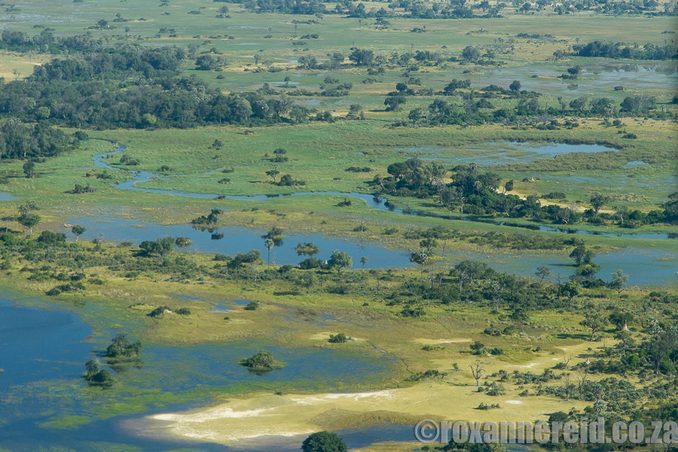
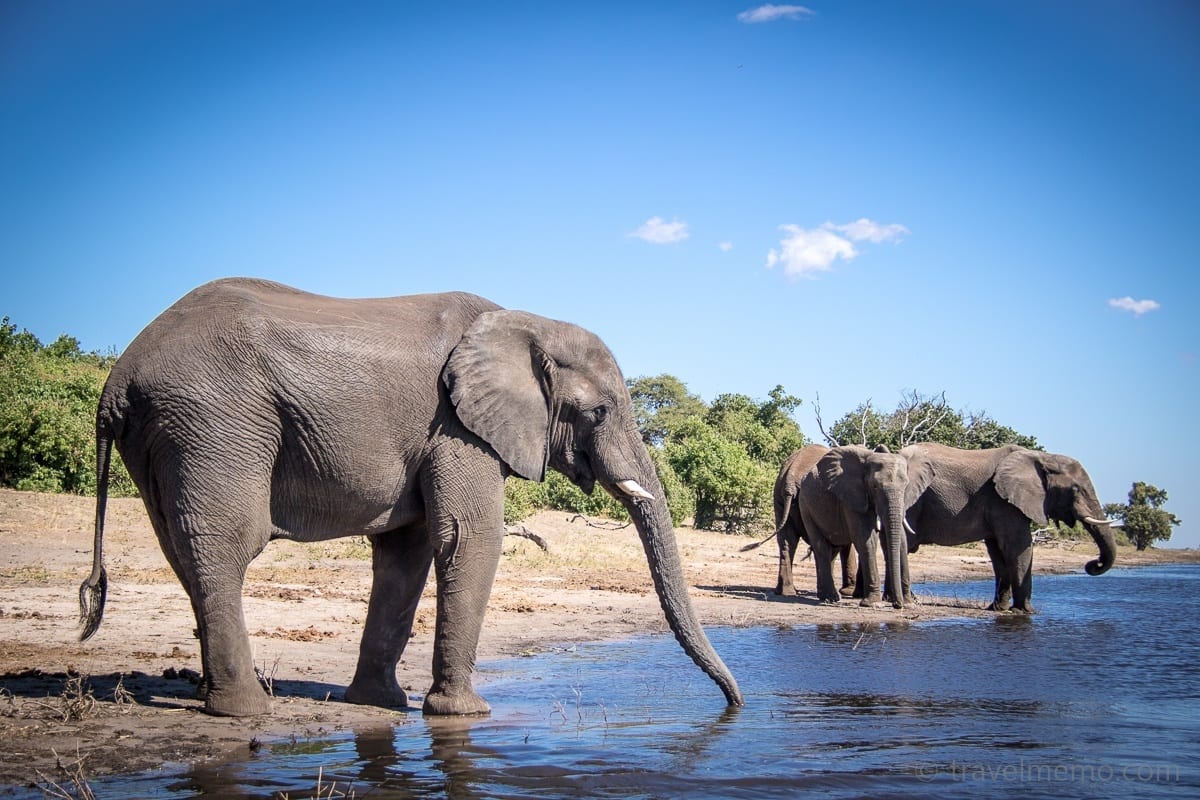
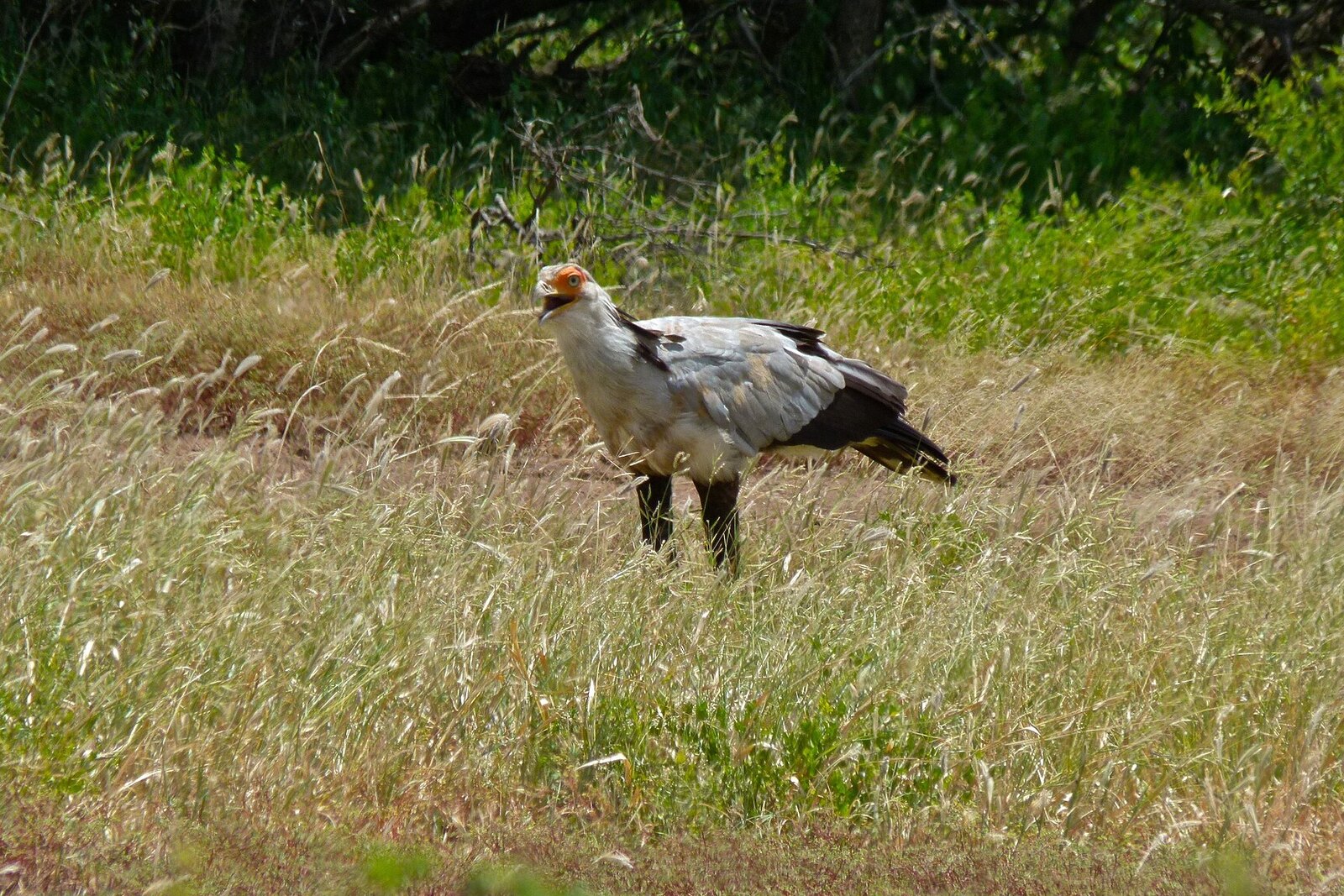
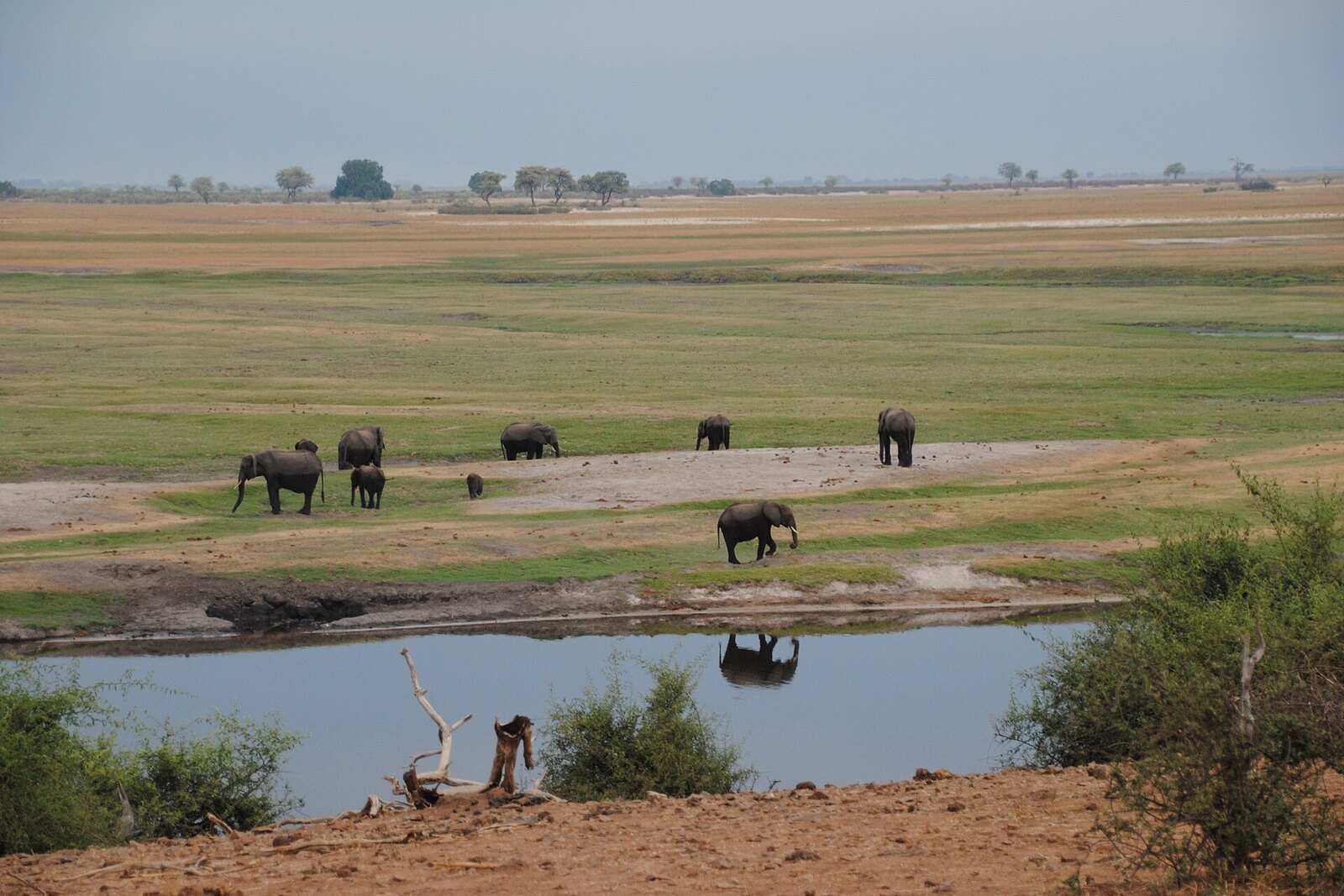
Savute is not gentle Africa. It is raw, harsh, and legendary — a place where lions hunt elephants, the Savuti Channel flows and dries to the rhythm of tectonic forces beneath the Kalahari, and the wildlife drama unfolds on an ancient, unyielding stage. Located in the western corner of Chobe National Park in northern Botswana, Savute Marsh is one of the continent's most dramatic wildlife arenas, defined by sweeping grasslands, dead camelthorn skeletons, and predator densities that rival the Serengeti. The famous Gubatsa Hills rise 90 meters from the plains, their volcanic rock faces etched with ancient San Bushmen paintings. This is where secretary birds stalk through the grass, where massive elephant herds converge in the dry season, and where spotted hyena clans patrol territories under African skies. Savute does not promise comfort or ease. It promises something rarer: the pulse of wild Africa, unfiltered and unforgiving.
We time your Savute stay to the season and the channel's current state. Dry, flowing, or in between — each phase brings different wildlife dynamics. We tell you what to expect now, not what the brochure promised five years ago.
At a glance, Savute Marsh spans the western Chobe National Park, 200 km from Kasane, famous for elephant-hunting lions, the mysterious Savuti Channel (flows/dries for decades), Gubatsa Hills rock art, 300+ bird species — and the best time is May–October (dry season peak).
Why Go
- Elephant-hunting lions — the only lions in Africa with a documented, multi-generational behavior of hunting young elephants
- The Savuti Channel mystery — a waterway that flows and dries for decades at a time due to tectonic shifts, creating a constantly evolving ecosystem
- Gubatsa Hills — 90m volcanic outcrops with ancient San rock paintings and panoramic marsh views
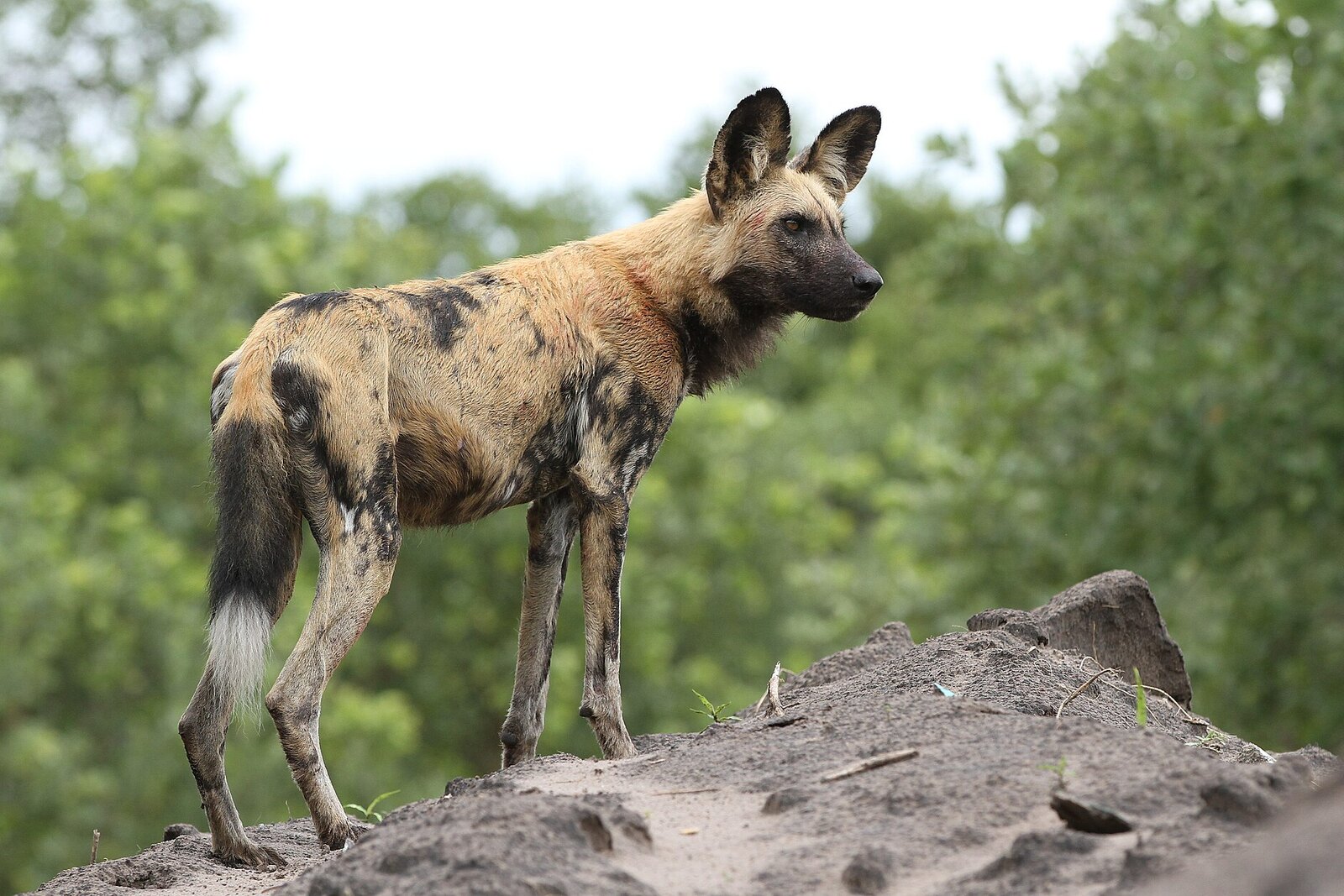
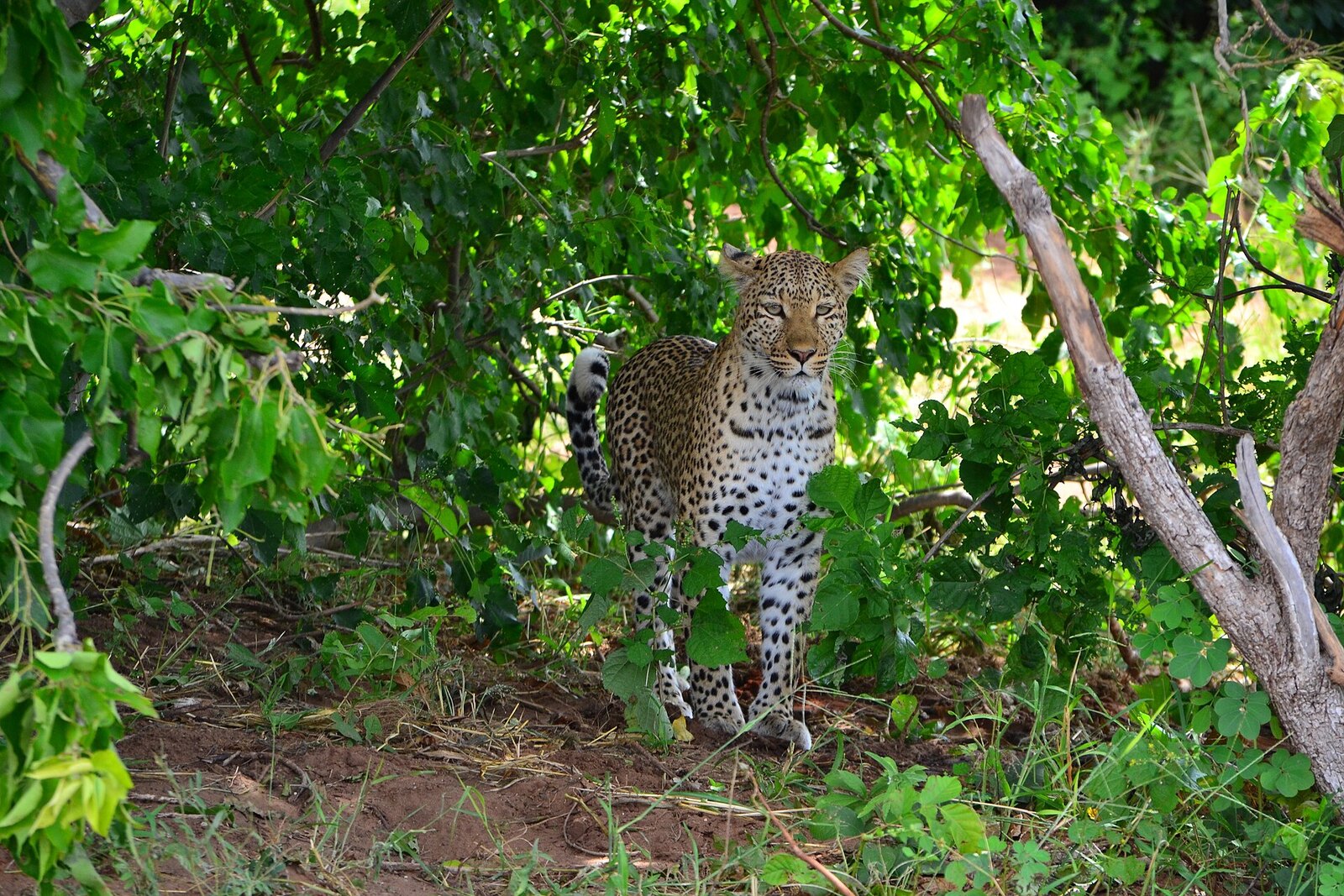
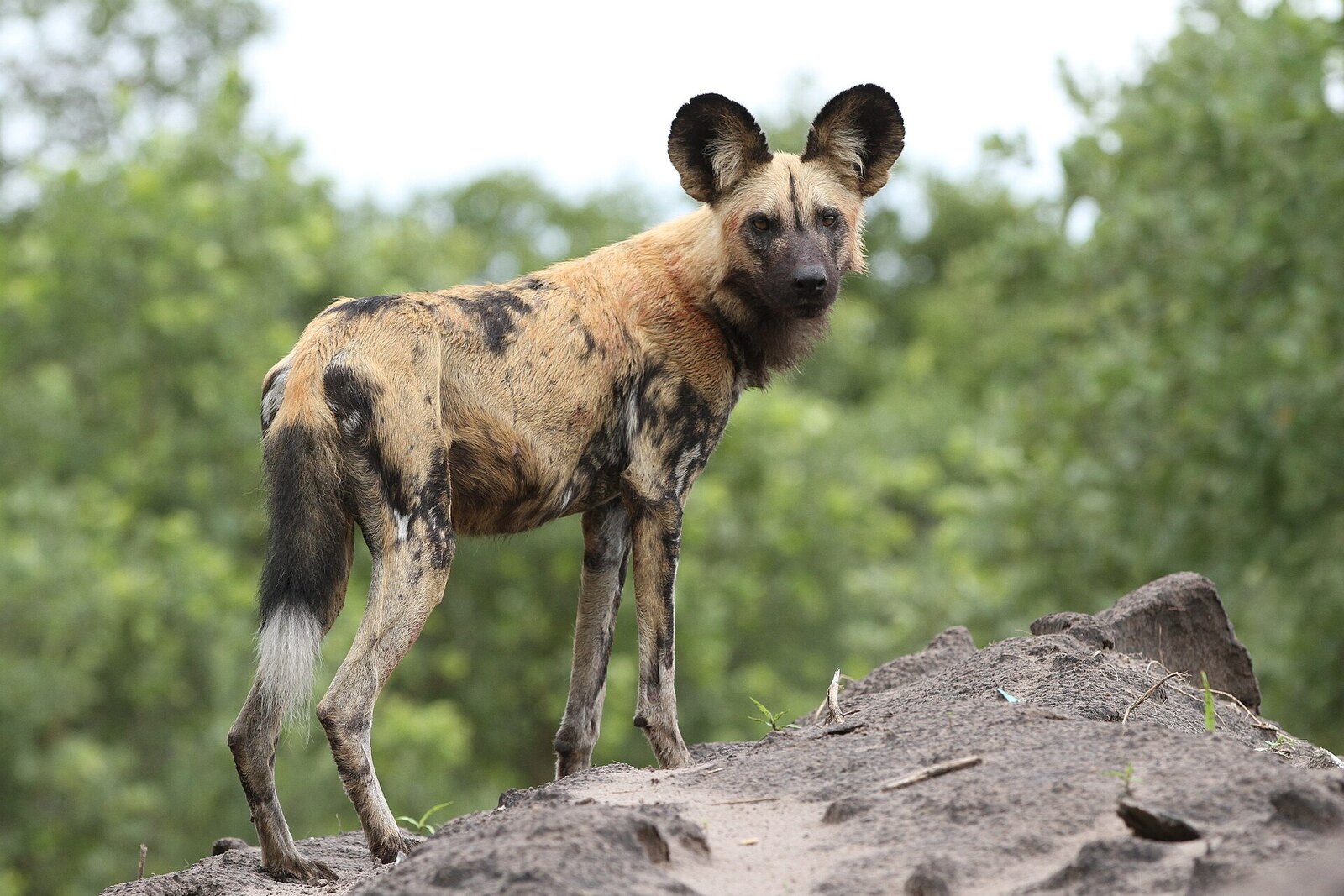
- Predator paradise — lions, spotted hyenas in massive clans, leopards, cheetahs, and African wild dogs
- Massive dry-season concentrations of elephants, buffalo, zebra, and wildebeest
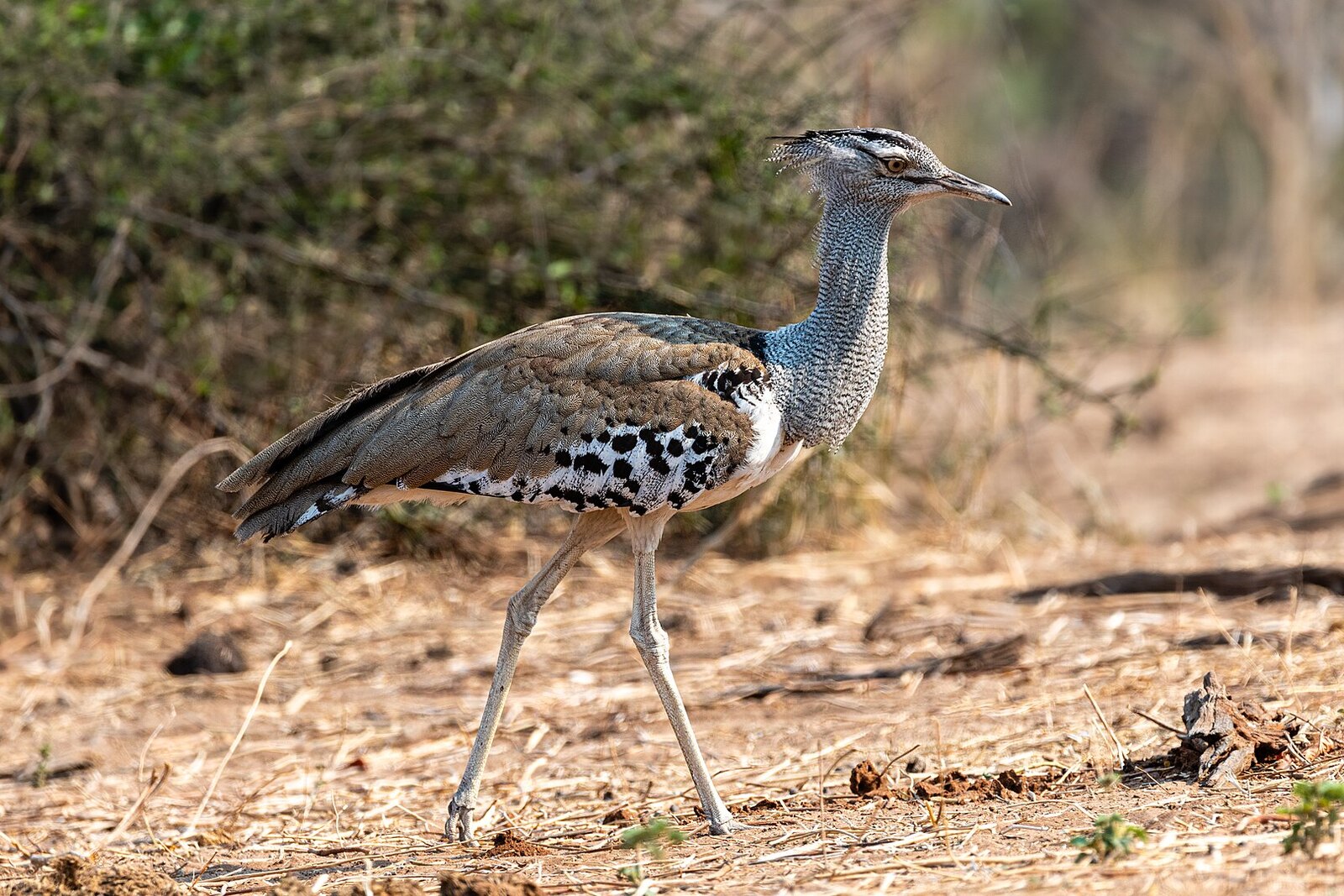
- 300–450 bird species, including secretary birds, kori bustards, and red-billed quelea mega-flocks
- Harsh, post-apocalyptic beauty — dead camelthorn forests and cracked earth when the channel is dry
🌊 Planning Your Botswana Safari?
For the complete Botswana safari resource — expert guides, honest costs, luxury lodges, curated itineraries, and everything you need to plan your trip — visit our comprehensive hub:
View Complete Botswana Safari Hub →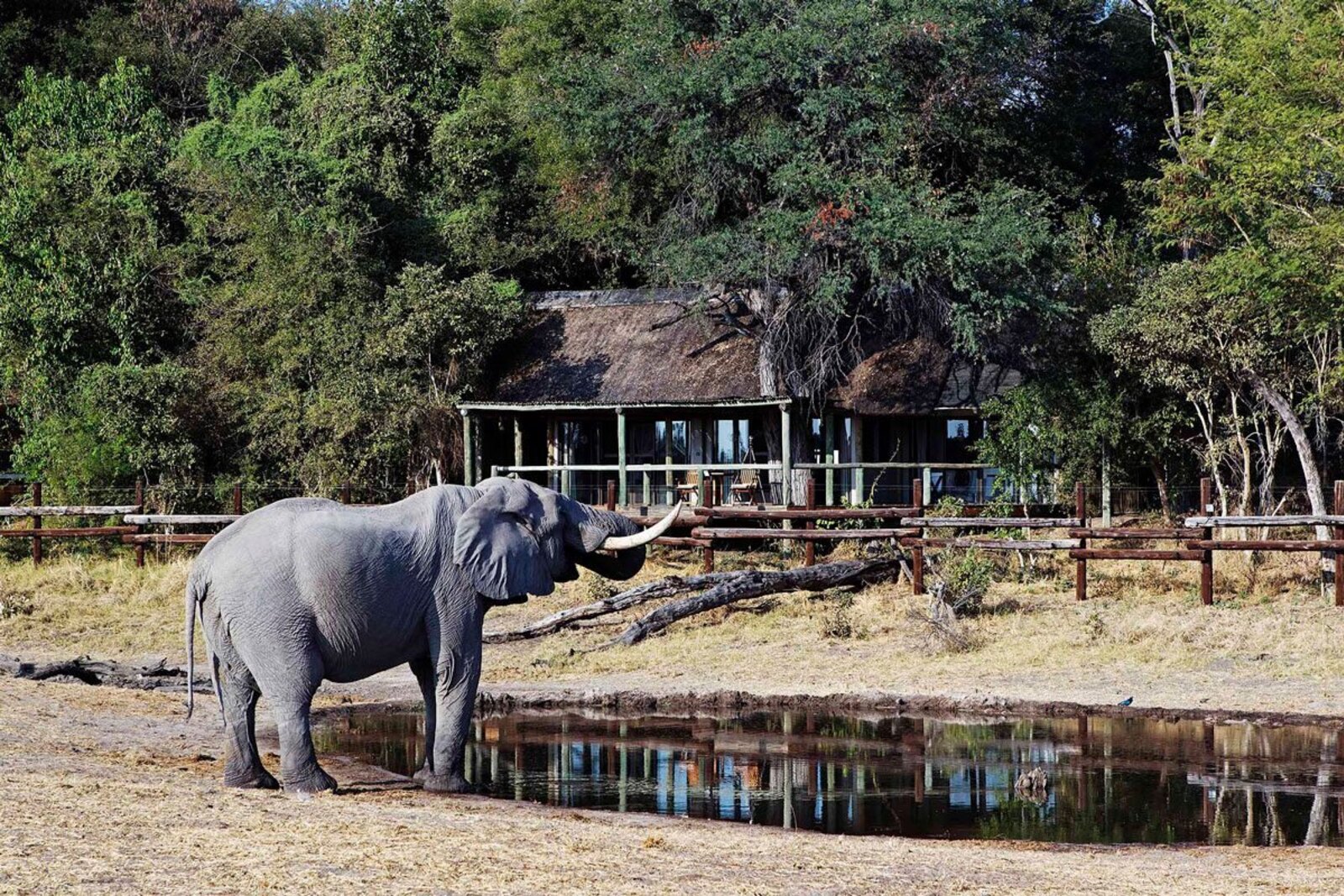
The Mysterious Savuti Channel: Africa's Tectonic Waterway
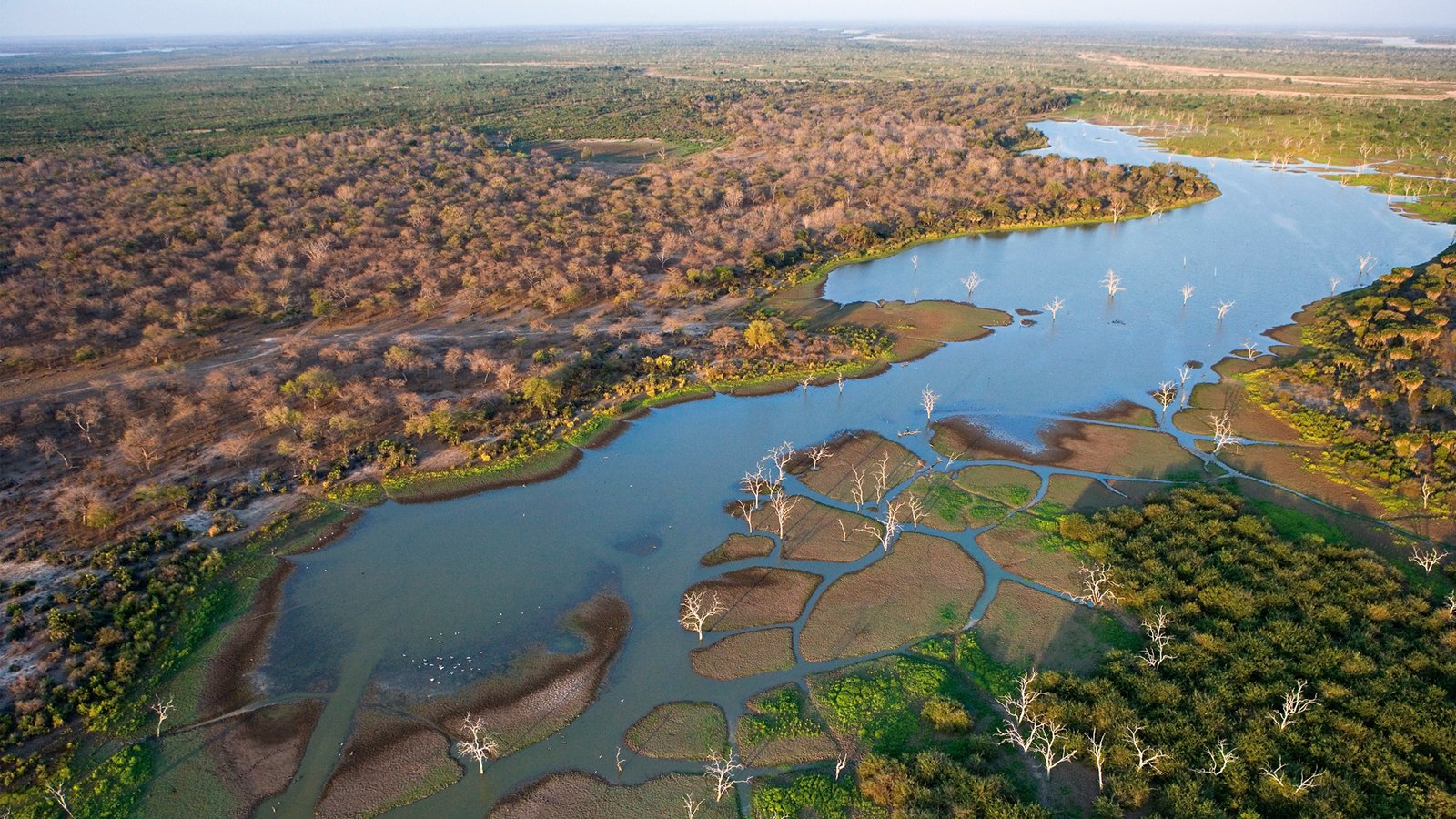
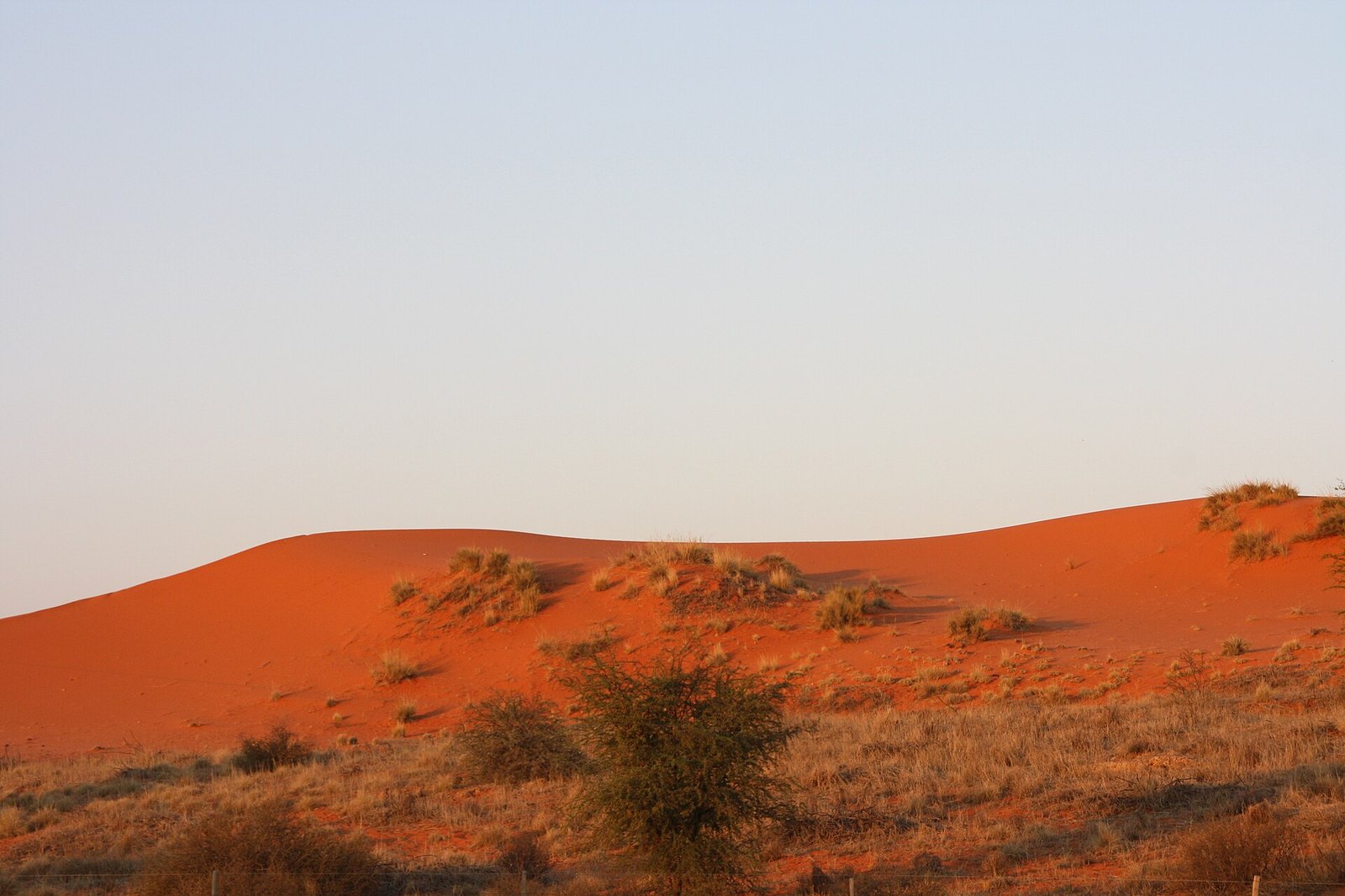
The Savuti Channel is one of Africa's strangest natural phenomena. Running roughly 100 kilometers from the Linyanti River system to the Savuti Marsh and the vast Mababe Depression, this waterway has an unpredictable history of flowing for decades, then drying up for decades, driven by tectonic plate movements deep beneath the Kalahari Desert. The last major flow began in 2008 after being dry for nearly 30 years. Before that, it flowed from the 1950s to 1982, then stopped.
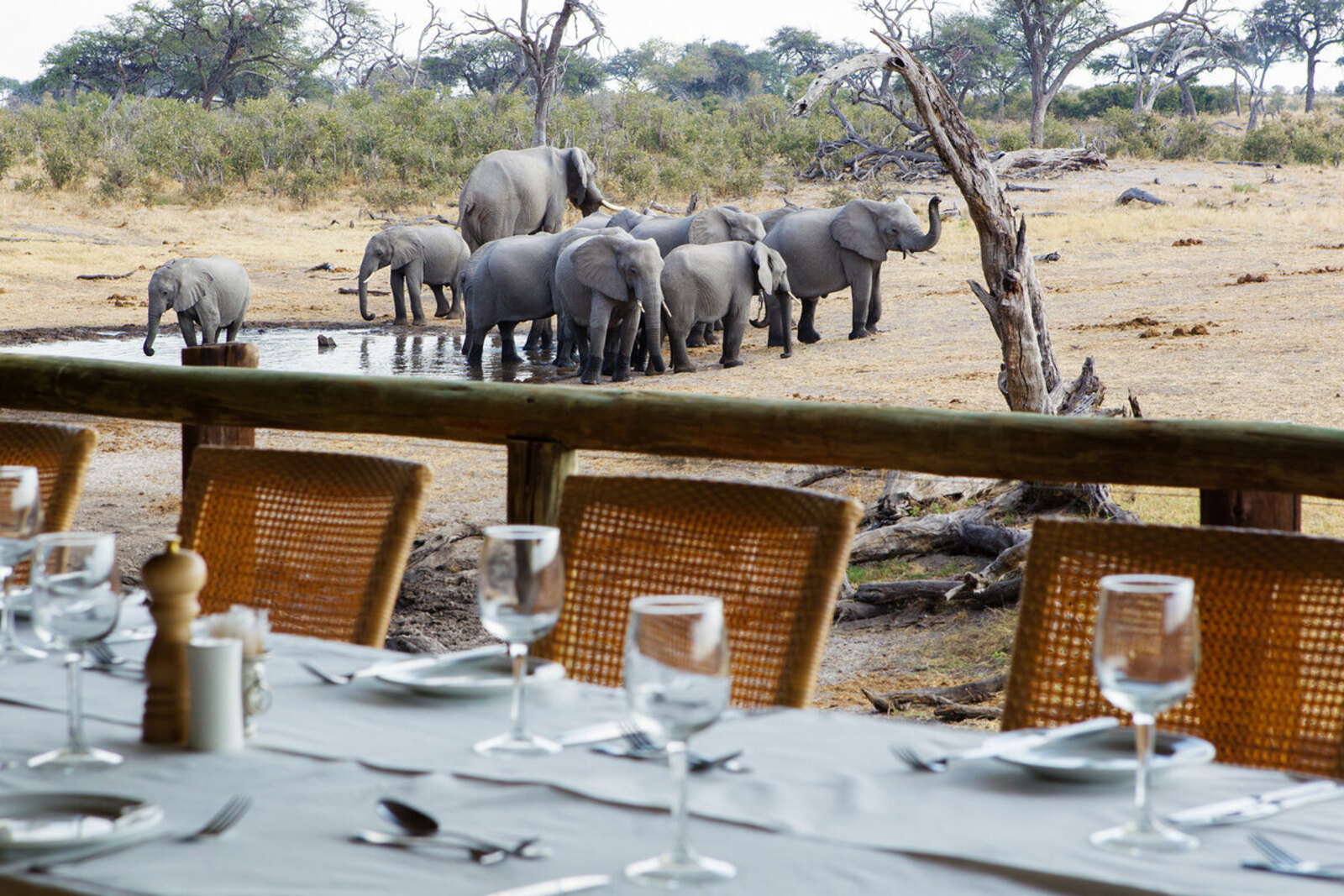
When the channel is dry, Savute becomes a harsh, almost lunar landscape. Dead camelthorn trees — their skeletal branches bleached white by the sun — stand in silent testimony to the water that once flowed here. Wildlife adapts. Elephants dig for underground water. Predators patrol the few remaining artificial waterholes. The ecosystem tightens into a battle for survival.
When the channel flows, transformation is swift. Within weeks, the floodplain greens. Fish populations explode. Hippos and crocodiles return. Waterbirds arrive in thousands. The entire food web resets. But no one knows how long it will last this time — a year, a decade, or longer. This tectonic unpredictability is what makes Savute so dynamic, so challenging, and so utterly compelling.
Elephant-Hunting Lions: A Savute Specialty
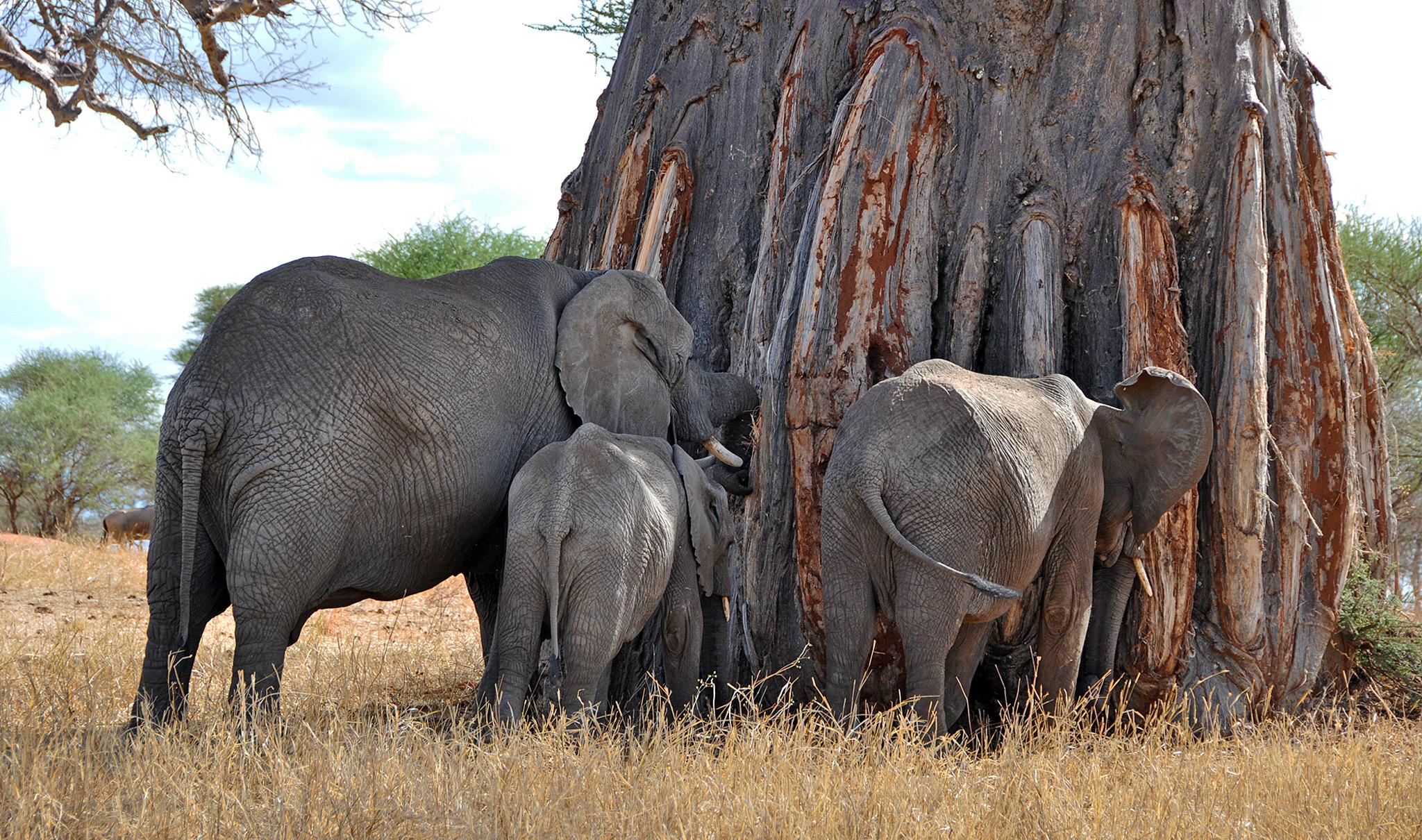
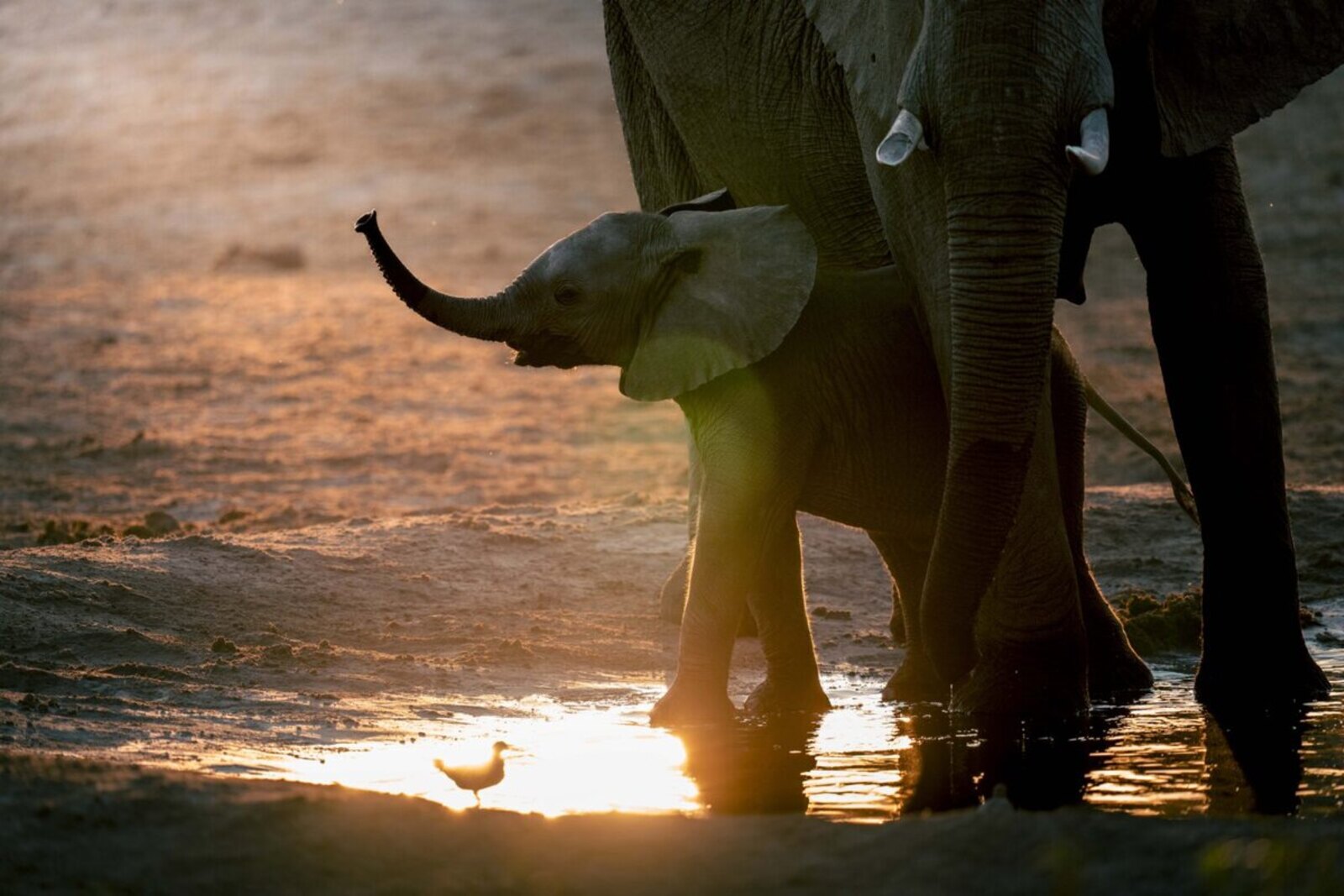
Savute is the only place in Africa where lions have developed and passed down a specialized behavior: hunting elephants. This is not opportunistic scavenging. It is coordinated, learned predation on young elephants, typically targeting calves and sub-adults during the dry season when massive elephant herds converge on the marsh.
The behavior was first documented in the 1990s and has been observed across multiple lion prides and generations. The technique requires teamwork, patience, and immense courage. A pride will isolate a young elephant from the herd, then attack in waves, targeting the trunk and hindquarters until the elephant collapses from exhaustion and blood loss. It is brutal, primal, and mesmerizing — a glimpse into an evolutionary adaptation found almost nowhere else.
Sightings are never guaranteed. The behavior is most common in the late dry season (September–October) when elephant herds are largest and other prey is scarce. But even a single sighting — or the evidence of a recent kill — is enough to understand why Savute holds such a legendary place in African wildlife lore.
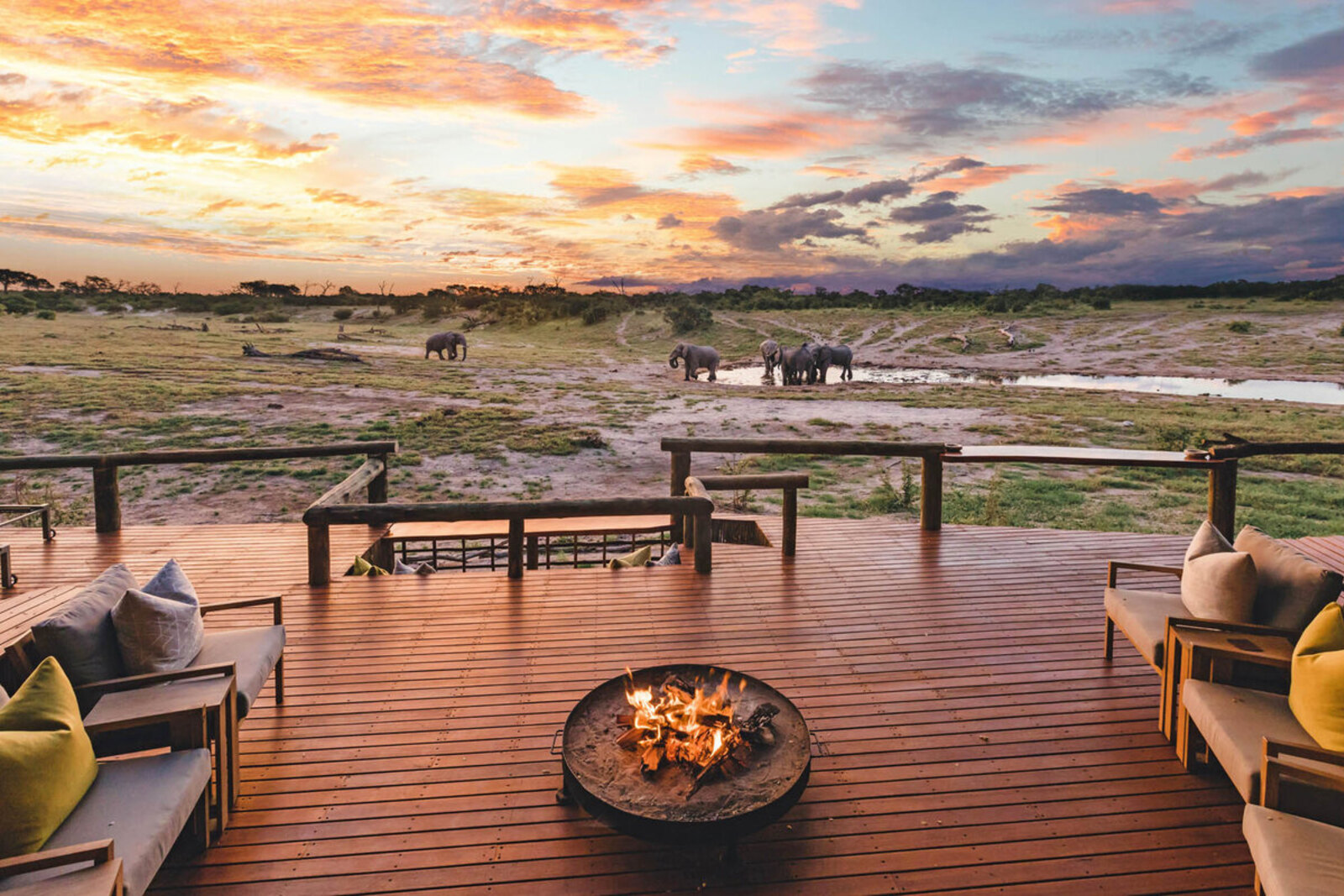
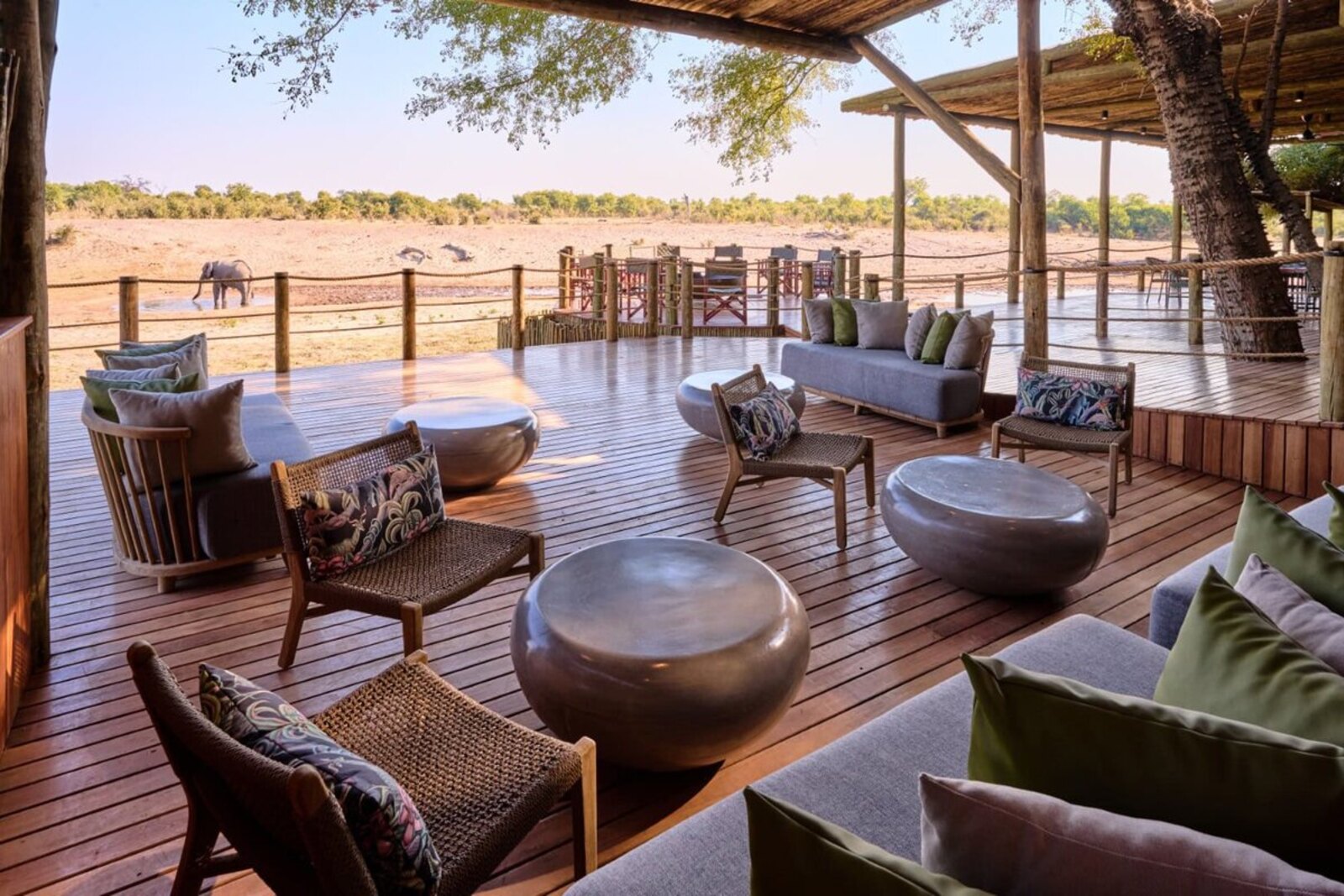
The Gubatsa Hills: Ancient Rock and San Art
Rising 90 meters above the Savute plains, the Gubatsa Hills are a series of volcanic rock outcrops that have stood here for millions of years. They are geologically ancient, spiritually significant, and visually commanding. The hills were once a refuge and a lookout point for the San Bushmen, southern Africa's earliest inhabitants, and their rock faces still bear faded paintings — human figures, animals, geometric symbols — created thousands of years ago.
Most Savute lodges offer guided walks to the hills. The climb is moderate, the views panoramic. From the summit you can see the Savuti Marsh spread out below, the dead channel winding through the grasslands, and — if you are lucky — distant elephant herds moving across the floodplain. It is a rare combination of cultural heritage, geological wonder, and wildlife spectacle in a single, half-day excursion.
Predators of Savute: Lions, Hyenas, Leopards, Cheetahs & Wild Dogs
Savute is a predator's paradise. The open grasslands, high herbivore density, and limited escape cover create ideal hunting conditions. Lions are the most visible and the most famous, but they are far from alone.
Spotted hyenas operate in massive clans, sometimes 30 or more individuals strong. They are equally skilled hunters and scavengers, and in Savute they often challenge lions for kills. Leopards patrol the mopane woodlands and rocky outcrops, dragging impala carcasses into trees to avoid theft. Cheetahs hunt on the open plains, using their speed to run down young zebra and springbok. African wild dogs — one of Africa's most endangered carnivores — den in the region and hunt in coordinated packs, chasing prey for kilometers until it collapses from exhaustion.
The density of predators means competition is fierce. Multi-species feeding frenzies are common. A single elephant carcass can draw lions, hyenas, vultures, and jackals in a chaotic, opportunistic scramble. For wildlife photographers and safari purists, Savute is unmatched.
Best Time to Visit Savute Marsh
The dry season (May–October) is peak time for Savute. As natural water sources dry up across the region, wildlife concentrates around the Savuti Channel (if flowing) and the few remaining artificial waterholes. Elephant herds can number in the hundreds. Zebra and wildebeest migrations pass through. Predator-prey interactions intensify. September and October are the most spectacular months but also the hottest, with daytime temperatures exceeding 35°C (95°F).
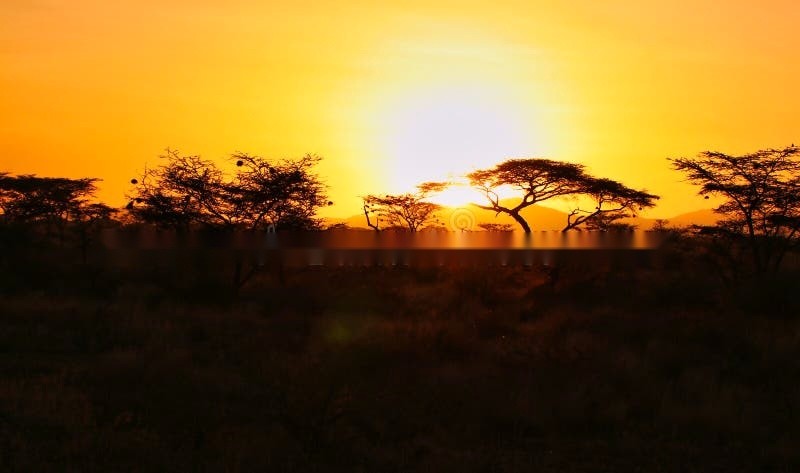
The wet season (November–April) transforms Savute. The grasslands green. Thunderstorms roll across the marsh. Zebra herds migrate in from the south. Newborn animals attract predators. Birding is at its best, with migratory species arriving from Europe and Asia. The landscape is lush and photogenic, though game viewing can be more challenging as animals disperse into thicker bush. For photographers seeking dramatic skies and green backdrops, the wet season is underrated.
Shoulder months (April and November) offer a balance: decent wildlife concentrations, fewer tourists, and lower lodge rates. The marsh is in transition, and that unpredictability is part of the Savute experience.
Getting to Savute
Savute is remote. Most visitors fly in by light aircraft from Maun (roughly 1 hour) or Kasane (30–45 minutes), landing at bush airstrips near the lodges. Your camp arranges the flight and a short road or boat transfer from the airstrip. Fly-in safaris maximize time on game drives and avoid the long, rough overland journey.
Self-drive is possible for experienced 4x4 travelers. The drive from Kasane to Savute is around 200 km and can take 5–7 hours depending on road conditions. The route is sandy, corrugated, and challenging. You need a fully equipped 4x4, GPS or detailed maps (Google Maps is unreliable here), spare fuel, water, and basic recovery gear. Campsites in Savute must be booked months ahead through Botswana's Department of Wildlife and National Parks.
Sample Savute Itinerary: 3 Days in Predator Country
Day 1: Fly into Savute airstrip from Maun or Kasane. Settle into your lodge, then head out for a late-afternoon game drive along the Savuti Channel and marsh edges. Watch for elephants at the waterhole and predators on evening patrol. Sundowners on the plains as the light fades. Night drive back to camp, spotlighting for nocturnal species.
Day 2: Early-morning game drive targeting predators — lion prides often rest under acacia trees, while cheetahs hunt on the open grasslands. Mid-morning return to camp for brunch and siesta. Afternoon guided walk to the Gubatsa Hills to see San rock art and panoramic marsh views. Evening game drive focusing on elephant herds and waterhole action. Dinner under the stars with hyena calls echoing across the marsh.
Day 3: Final morning drive to explore the dead camelthorn forests and search for leopards. Fly out mid-morning or continue to Chobe Riverfront, the Okavango Delta, or Victoria Falls.
Savute vs. Chobe Riverfront
Savute and the Chobe Riverfront are both part of Chobe National Park, but they could not be more different. Chobe Riverfront is lush, green, and defined by the permanent Chobe River. It is famous for massive elephant herds drinking at the water's edge, hippos, crocodiles, and boat cruises. It is accessible, affordable, and family-friendly.
Savute is harsh, semi-arid, and remote. It is defined by predators, tectonic mysteries, and a raw, unfiltered wildness. There are no boat cruises. The focus is on 4x4 game drives, walking safaris, and overnight stays in small, intimate camps. Savute is for safari purists who want intensity over comfort, drama over ease.
Ideally, combine both. Start in Savute for the predator action, then move to Chobe Riverfront for the elephants and boat safaris. Together, they offer a complete Chobe experience.
What to Pack for Savute
- Neutral-colored clothing (khaki, olive, beige) for game drives
- Warm layers for early-morning drives (it can be near-freezing in winter)
- Sun hat, sunglasses, and high-SPF sunscreen (the marsh offers little shade)
- Binoculars and a camera with a long lens (300mm or more for wildlife)
- Insect repellent (mosquitoes are present, especially near water)
- Closed walking shoes for Gubatsa Hills hikes
- Reusable water bottle (lodges provide filtered water)
- Headlamp or flashlight for camp use after dark
Savute Conservation & Community
Savute falls within Chobe National Park, a fully protected reserve managed by Botswana's Department of Wildlife and National Parks. Hunting is banned. Tourism is carefully regulated to minimize environmental impact. The lodges operate on eco-sensitive principles: solar power, water recycling, waste management, and minimal footprint construction.
Local communities benefit through employment at lodges, cultural tourism (Gubatsa Hills visits), and conservation levies that fund schools, clinics, and infrastructure in nearby villages. Botswana's "high-value, low-volume" tourism model — fewer visitors paying premium rates — ensures that wildlife and people both thrive.
Final Thoughts: Savute's Raw, Unyielding Magic
Savute does not coddle. It does not promise easy sightings or comfortable conditions. It promises something rarer: the raw pulse of wild Africa, where tectonic forces shape the land, where lions hunt elephants, and where the drama of survival unfolds daily on an ancient, unforgiving stage. If you want Instagram-perfect sunsets and gentle river cruises, go to Chobe Riverfront. If you want to witness nature at its most primal, most intense, and most unpredictable, Savute is calling.