Key Takeaways
- Mozambique is two safaris in one country. A bush-and-wildlife trail through restored national parks (Gorongosa, Niassa, Zinave) and an Indian Ocean marine frontier (Bazaruto, Quirimbas) where dugongs, whale sharks and humpback whales replace the Big Five.
- Start with Gorongosa. Africa's greatest conservation comeback — lions, elephants and thousands of buffalo on the vast Urema floodplain. This is where Mozambique's safari story begins.
- Add the coast. Bazaruto Archipelago is the world's finest marine-safari destination, with dugongs, whale sharks, manta rays and pristine reef. Bush-and-beach is Mozambique's signature move.
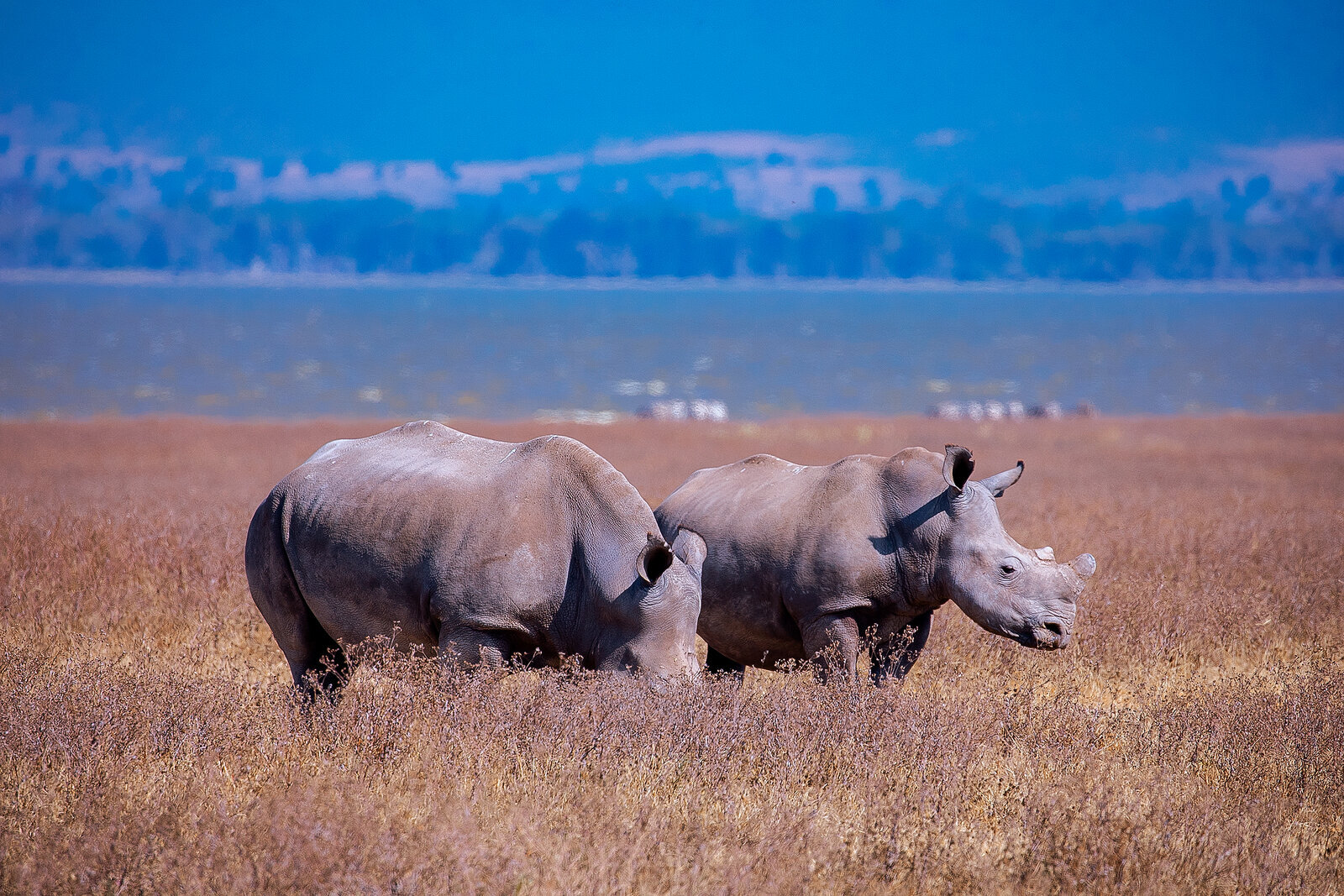
- Zinave is the Big Five newcomer. Nine white rhinos arrived in June 2026, making Zinave Mozambique's first complete Big Five park — and the continent's newest rewilding frontier.
- Best time: May to November for bush safaris; October to March for marine encounters. The shoulder months (May–June, October–November) let you combine both.
Mozambique is Africa's great comeback story. A country devastated by civil war has rebuilt its wildlife reserves from almost nothing, while its 2,500-kilometre Indian Ocean coastline shelters some of the planet's most extraordinary marine life. The result is a safari destination unlike any other — one where a morning game drive watching lions on a floodplain can become an afternoon snorkelling alongside a whale shark in turquoise water.
This guide ranks the ten safari destinations in Mozambique worth building a trip around — terrestrial parks, marine reserves and the bush-and-beach combinations that make this country unique. For each, we tell you what it is genuinely best for, when to go, how to reach it, and how it fits into a broader itinerary. For the comprehensive country overview, see our Ultimate Mozambique Travel Guide. If you want accommodation detail, our Best Mozambique Bush & Beach Lodges guide goes property by property. For the Big Five species story, see Big Five Safari Mozambique. This article answers the bigger question: where should you go, and in what order?
How to Read Mozambique: Three Safari Regions
Before choosing destinations, understand the geography. Mozambique's safari areas fall into three regions, and knowing them makes every other decision simple.
| Region | Headline Destinations | Best For |
|---|---|---|
| Central Bush Safari | Gorongosa, Zinave, Marromeu, Limpopo | Lions, elephants, buffalo, Big Five rewilding, floodplain game drives, the Gorongosa restoration story |
| Northern Wilderness | Niassa Special Reserve, Quirimbas Archipelago, Gilé | Remote frontier wildlife, wild dogs, sable antelope, reef diving, Ibo Island history |
| Southern Coast & Marine | Bazaruto Archipelago, Maputo Special Reserve, Pomene | Dugongs, whale sharks, humpback whales, coastal elephants, pristine beaches, marine safaris |
Most first-time Mozambique safaris combine a Central bush park (Gorongosa or Zinave) + the Southern coast (Bazaruto or Vilanculos). Return visitors add Niassa for raw wilderness or the Quirimbas for remote reef and history. Below, the ten destinations that make each region sing — ranked by how much they should shape your trip.
The 10 Best Safari Destinations in Mozambique
1. Gorongosa National Park — Africa's Greatest Conservation Comeback
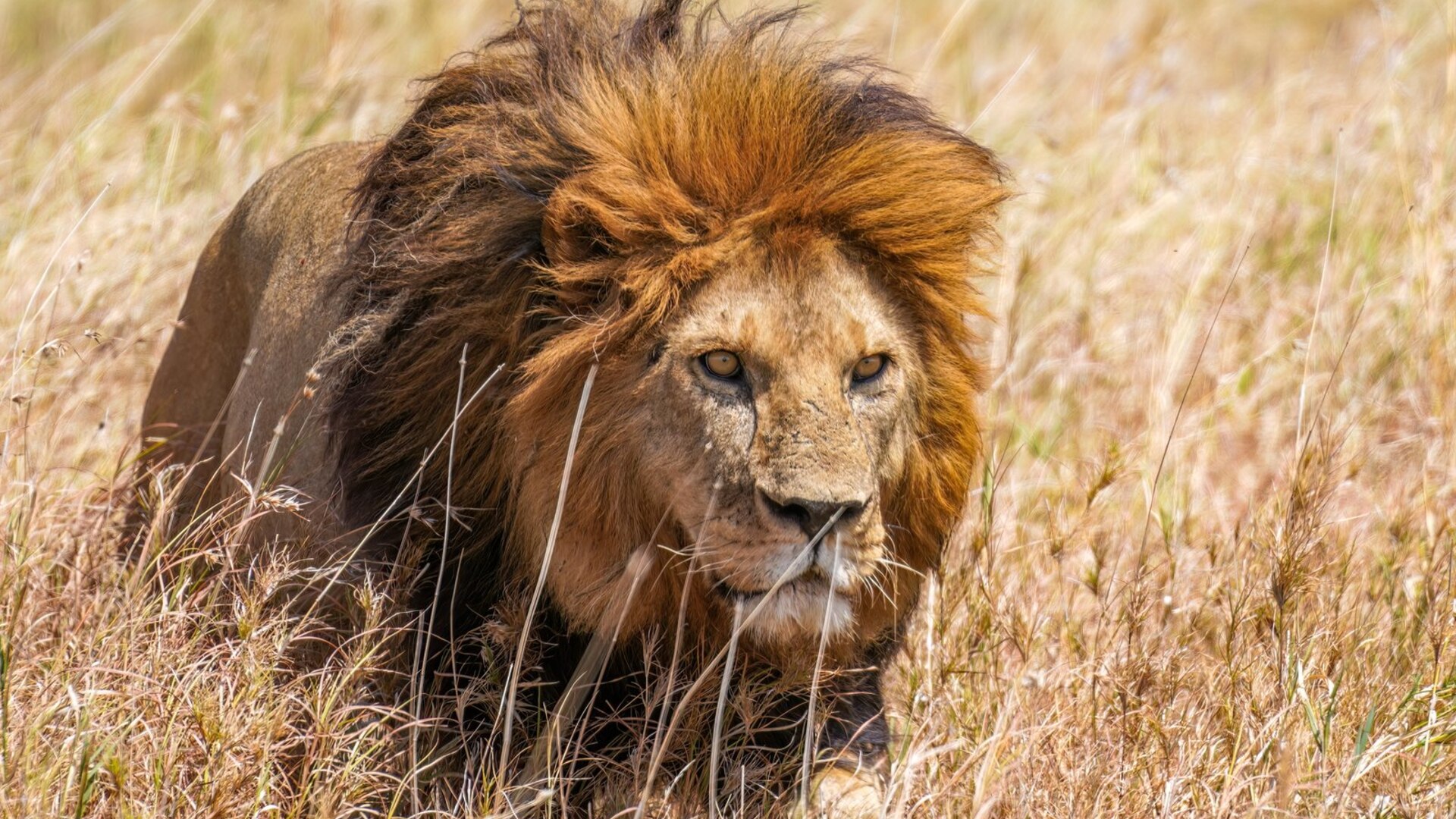
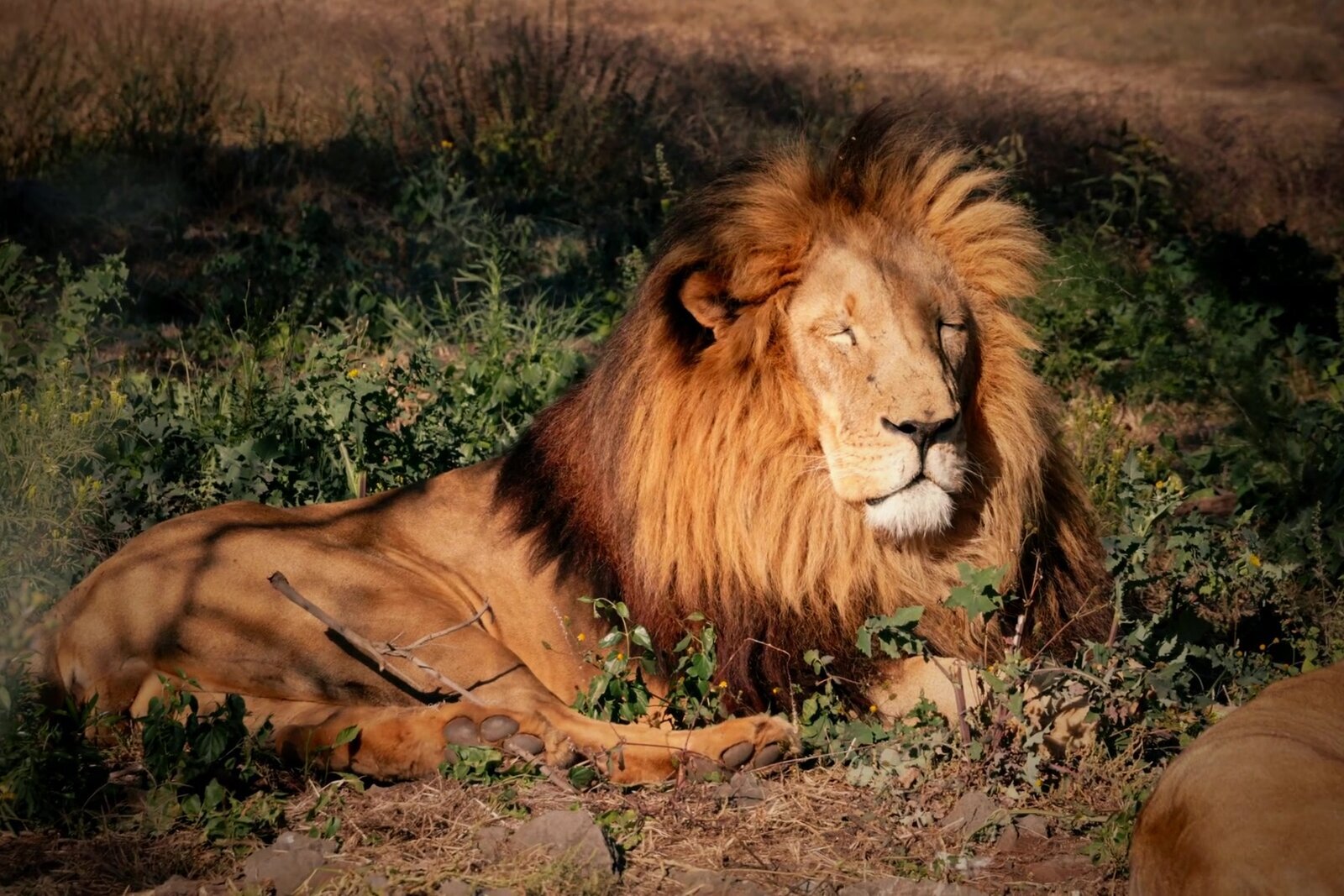
There is no safari story on the continent more powerful than Gorongosa. During Mozambique's civil war (1977–1992), the park lost over 95% of its large animals. Today, thanks to one of the most ambitious restoration projects in conservation history — led by the Carr Foundation and the Mozambican government — buffalo herds number in the thousands, elephant and lion populations are recovering strongly, and the vast Urema floodplain teems with life once more.
A game drive across the floodplain at dawn, with buffalo moving through the mist and a lion pride watching from the tree line, is one of Africa's most emotional safari experiences — not just for what you see, but for what it represents.
- Best for: Lions, elephants, buffalo herds, the Urema floodplain, birding (over 500 species), the conservation restoration story
- When to go: June–October for the best dry-season game concentration; the floodplain is spectacular May–November
- Access: Fly to Beira (international) then light aircraft or drive ~3 hours to the park; or domestic flight from Maputo
- Stay: 3–4 nights minimum. For detailed park coverage, see Gorongosa National Park Safari Guide.
2. Niassa Special Reserve — Africa's Last Wild Frontier
If you want to know what Africa felt like before the modern world arrived, fly to Niassa. At 42,000 km² — larger than Switzerland — this is one of Africa's largest protected areas and one of its least visited. The reserve holds significant populations of elephant, lion, wild dog, sable antelope, leopard and over 400 bird species, spread across miombo woodland, riverine forest and rocky inselbergs.
You will share this immense wilderness with almost no other visitors. Walking safaris here are not a luxury add-on — they are the point. The silence, the scale and the sense of genuine discovery are unlike anywhere else in southern or East Africa.
- Best for: Remote wilderness, walking safaris, elephants, wild dogs, sable antelope, near-total solitude
- When to go: June–November (dry season); camps close during the rains (December–April)
- Access: Charter flight from Pemba or Lichinga — this is fly-in only. Not a first-time add-on, but for experienced safari travellers it is transformative.
- Stay: 3–5 nights. Combine with the Quirimbas coast for a complete northern Mozambique journey.
3. Zinave National Park — Mozambique's Newest Big Five Park
Zinave is the continent's newest rewilding frontier. Since 2016, the Peace Parks Foundation and Mozambique's ANAC have translocated over 2,500 animals — including elephant, buffalo, wildebeest, zebra, impala and lion — into this 408,000-hectare wilderness on the Save River. In June 2026, nine white rhinos arrived from South Africa, making Zinave Mozambique's first complete Big Five destination.
The park is still raw and rustic — Tondo Camp and Figtree Camp are modest, the roads are adventurous, and the wildlife is rebuilding. That is exactly the point. You are watching an entire ecosystem being reborn in real time.
- Best for: Big Five rewilding, Save River landscapes, watching a conservation project unfold, adventurous safari-goers
- When to go: May–October for dry-season game concentration around the Save River
- Access: Fly to Vilanculos then drive ~200 km / 3–5 hours by 4×4; or charter flight direct
- Stay: 2–4 nights. Pair with Bazaruto for a bush-and-beach combo. For full detail, see Zinave National Park Safari.
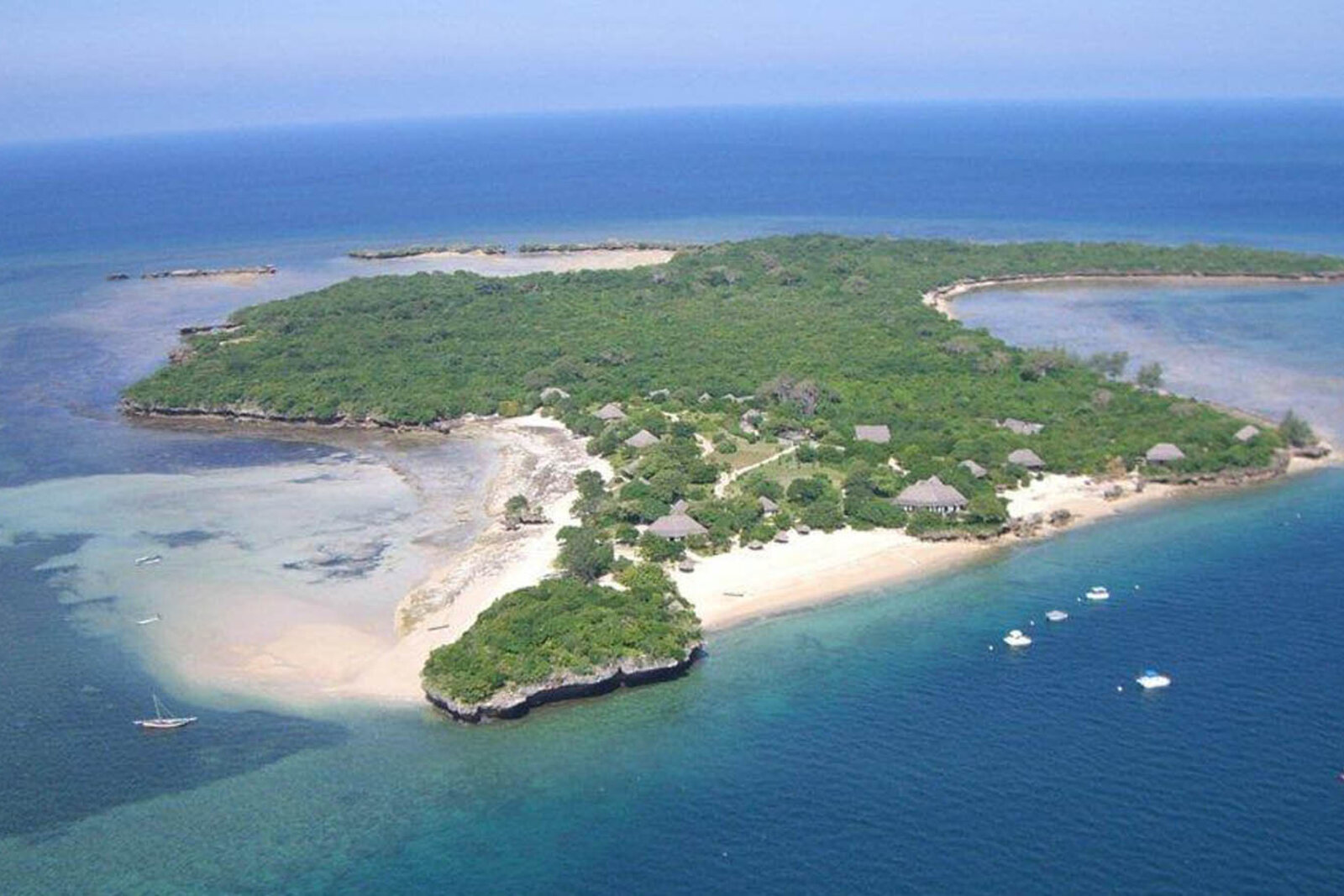
The Bush Safari Heartland — Gorongosa, Niassa & Zinave
4. Maputo Special Reserve — Where Elephants Meet the Ocean
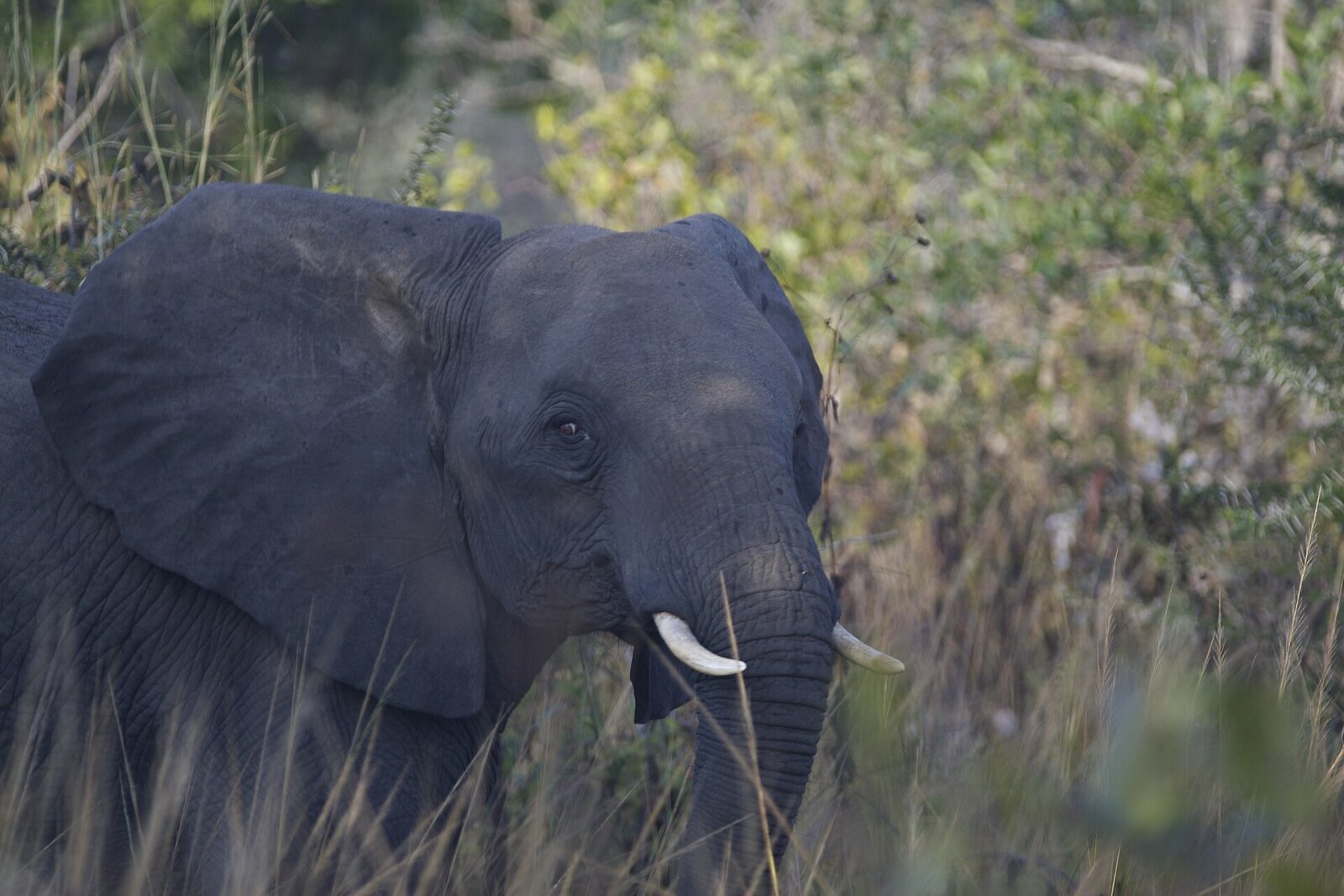
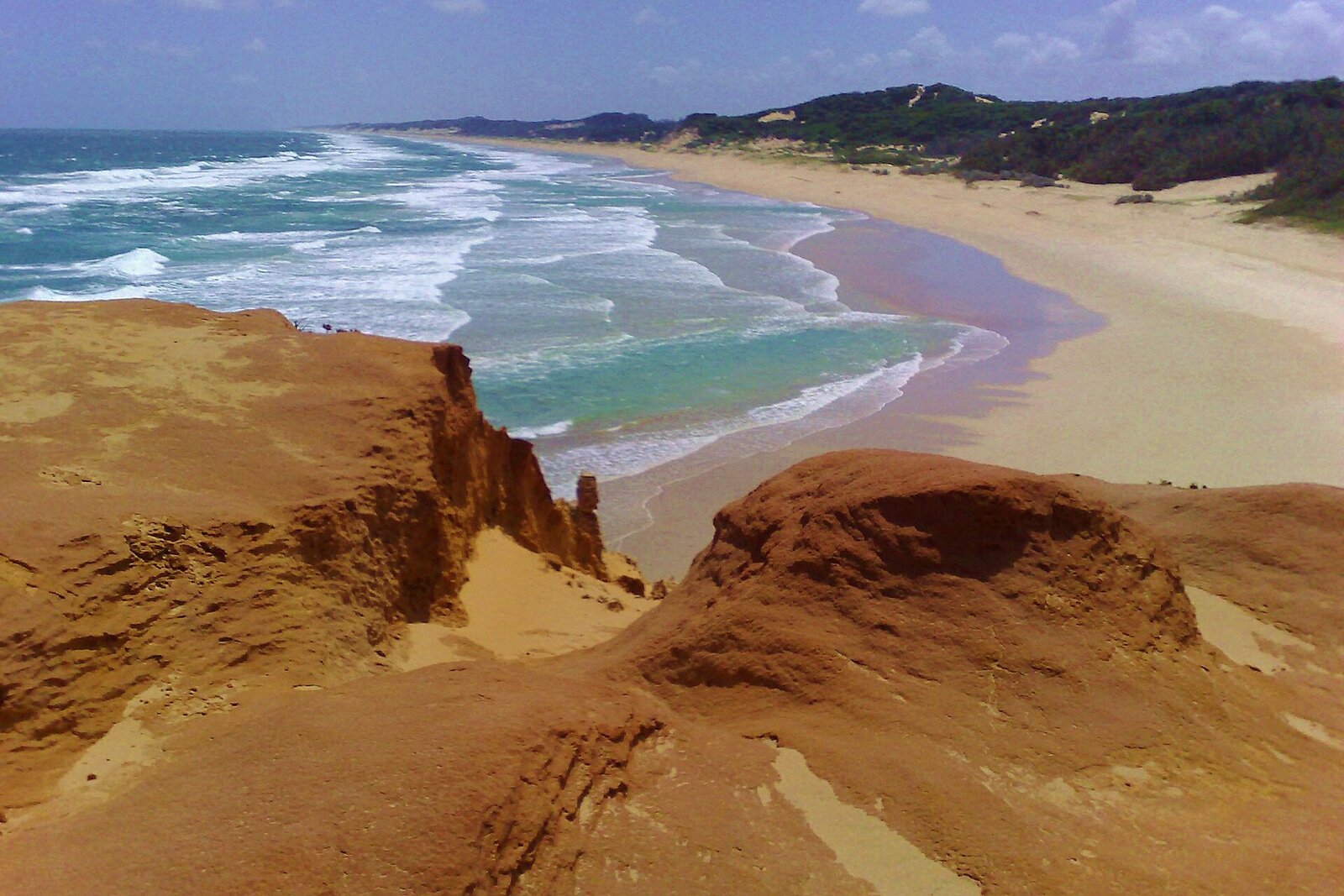
An hour south of Maputo, the Maputo Special Reserve (formerly Maputo Elephant Reserve) protects one of Africa's most unusual wildlife spectacles: elephants walking on pristine beaches. The reserve connects to the Ponta do Ouro Partial Marine Reserve, creating a land-and-sea conservation corridor where forest-dwelling elephants share the landscape with dolphins, sea turtles and seasonal humpback whales just offshore.
- Best for: Coastal elephants, pristine beaches, snorkelling and diving at Ponta do Ouro, proximity to Maputo
- When to go: Year-round for elephants and beach; June–November for humpback whales offshore; October–March for turtle nesting
- Access: Drive from Maputo (~2 hours) or boat transfer from Kosi Bay (South Africa) — the easiest Mozambique safari to reach from Johannesburg
- Stay: 2–3 nights. Perfect as a standalone weekend escape or the beach extension to a Kruger or Swaziland safari.
5. Bazaruto Archipelago — The World's Finest Marine Safari
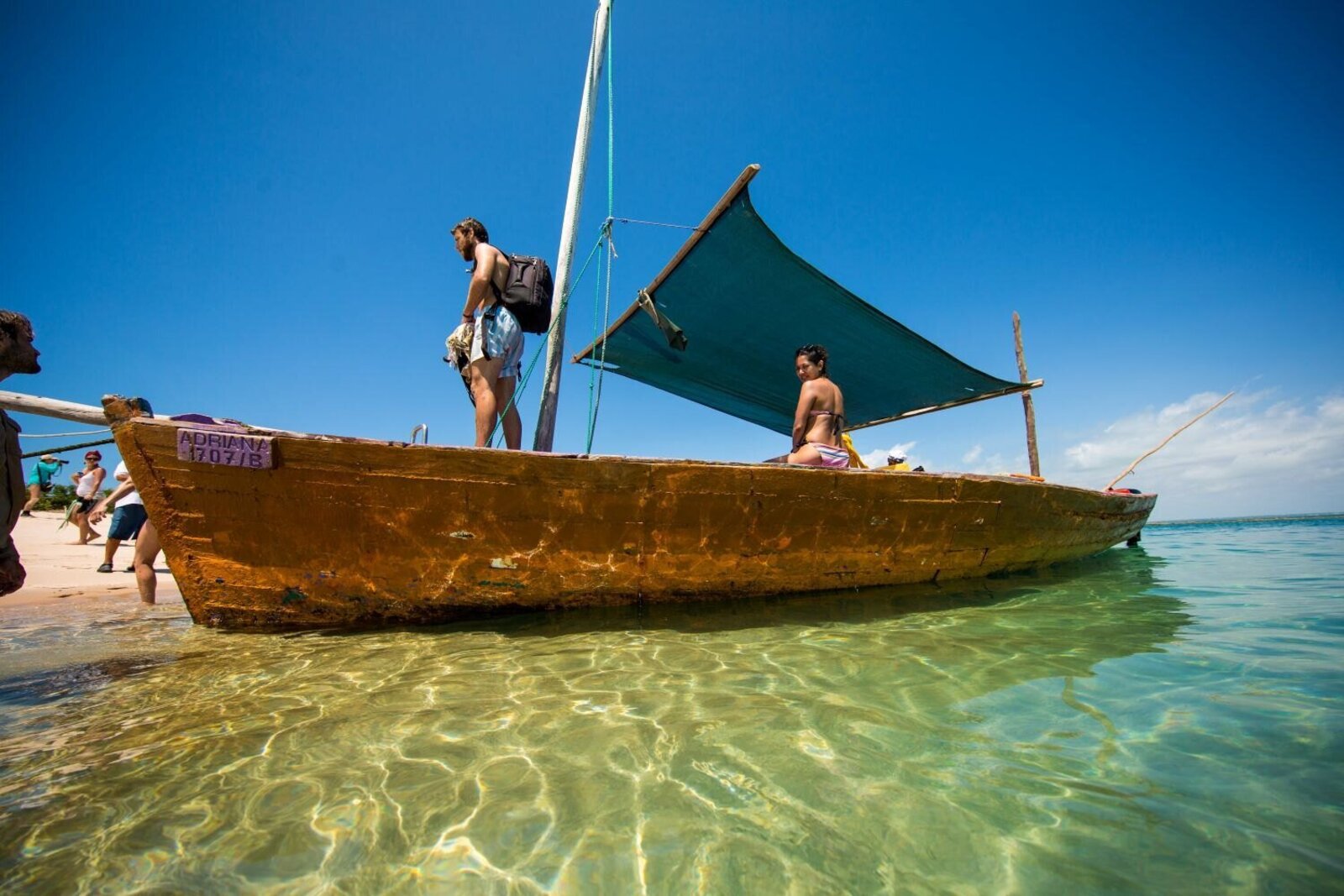
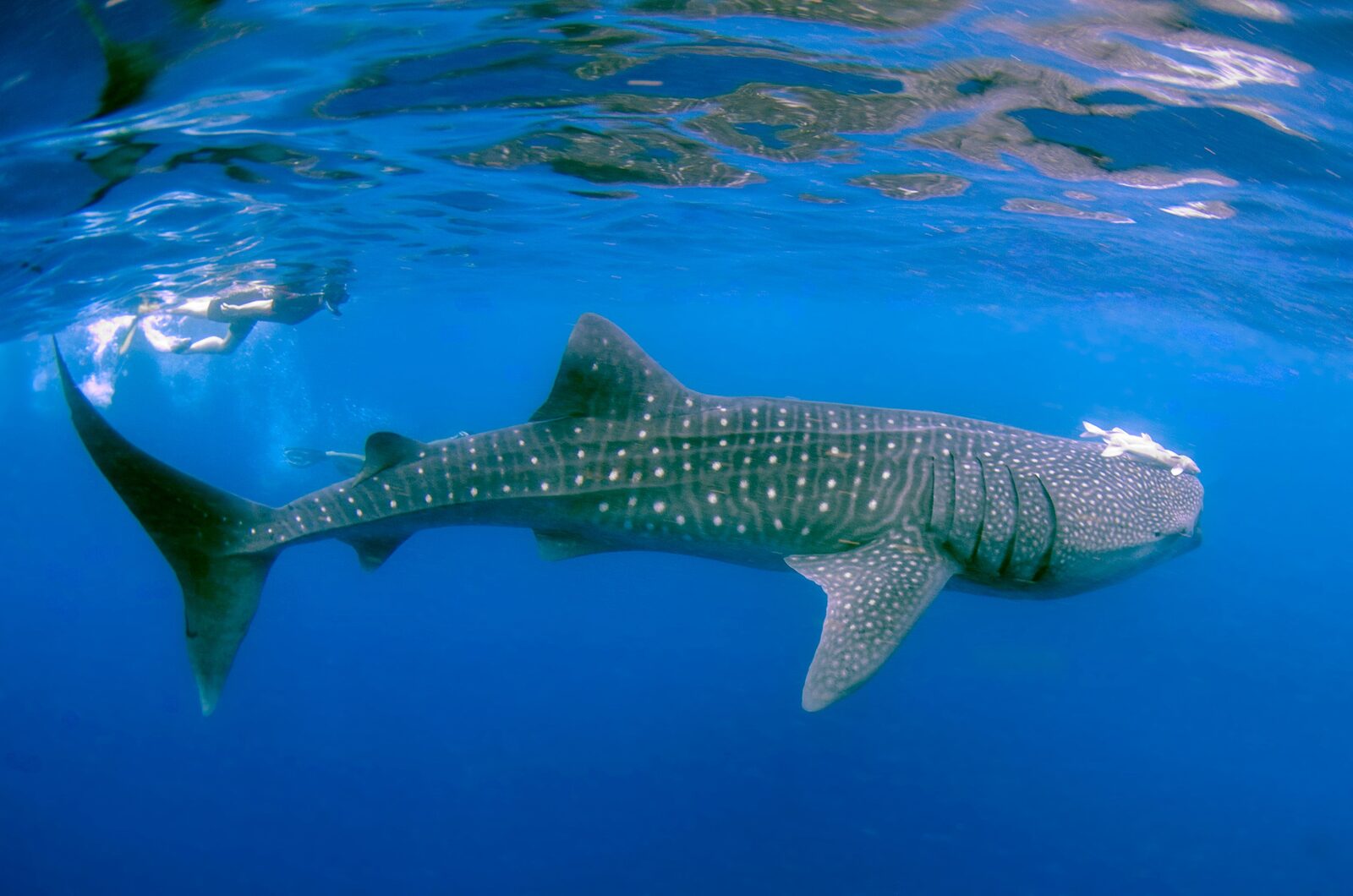
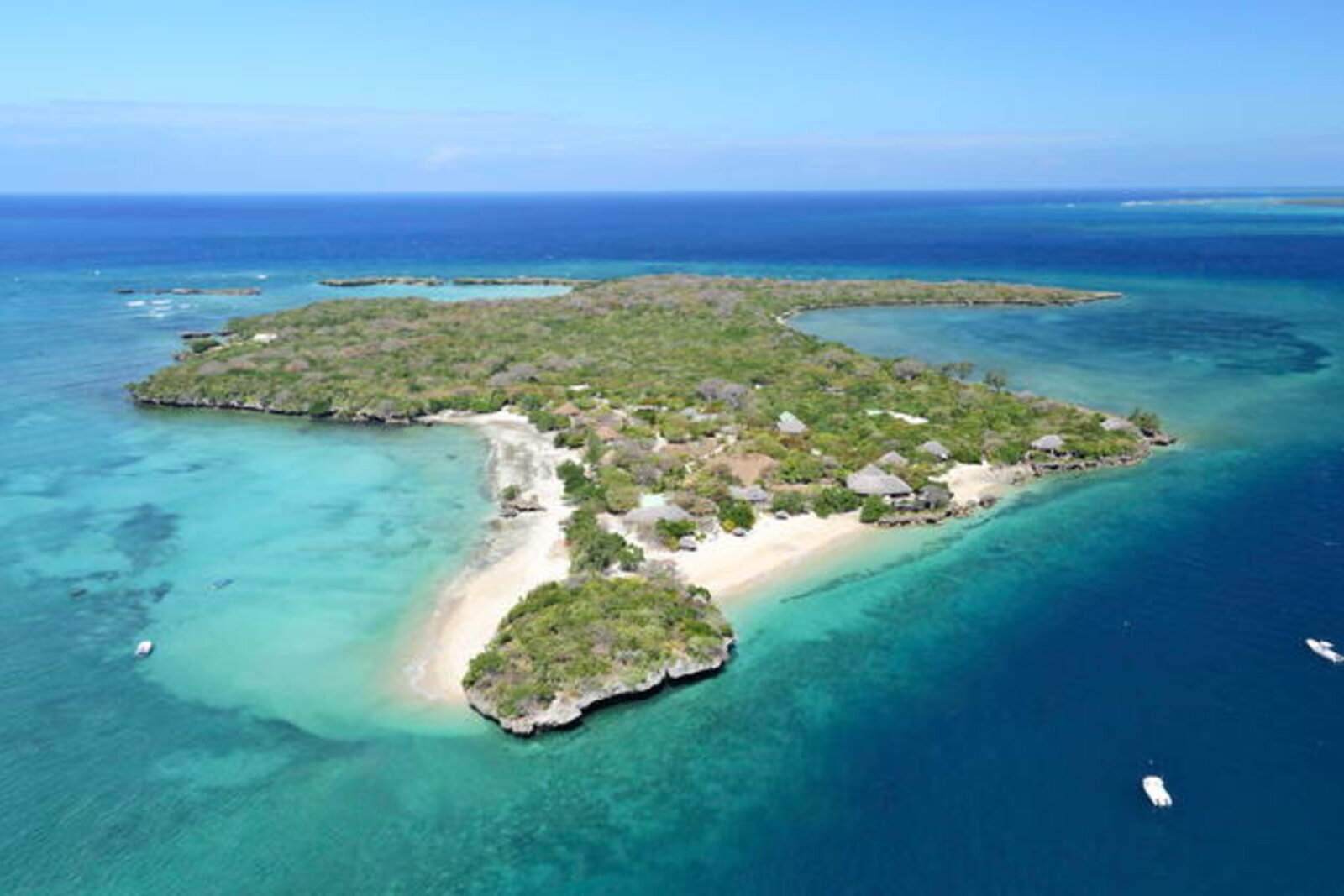
If Gorongosa is the heart of Mozambique's bush safari, Bazaruto is the soul of its ocean. This chain of five islands — Bazaruto, Benguerra, Magaruque, Santa Carolina and Bangué — floats in turquoise waters off Vilanculos, protecting one of the Indian Ocean's last viable populations of dugongs alongside whale sharks, manta rays, dolphins, five species of sea turtle and seasonal humpback whales.
A marine safari here — snorkelling with a whale shark at dawn, sailing a traditional dhow at sunset, and diving pristine coral reefs between — is unlike any game drive on earth. The archipelago also holds some of southern Africa's finest barefoot-luxury island lodges.
- Best for: Dugongs, whale sharks, manta rays, humpback whales (June–November), pristine reef diving, dhow sailing, island luxury
- When to go: Year-round diving; whale sharks peak October–March; humpback whales June–November; best visibility September–November
- Access: Fly to Vilanculos (domestic from Maputo or Johannesburg), then speedboat or helicopter transfer to island lodges
- Stay: 3–5 nights. The natural beach partner to a Gorongosa or Zinave bush safari.
6. Quirimbas Archipelago — Reef, History & the Wild North
The Quirimbas are the wilder, more remote alternative to Bazaruto — a string of 27 coral islands stretching along the northern coast, with the southern islands protected as Quirimbas National Park. The diving is world-class (pristine hard coral, manta rays, whale sharks), and the islands carry centuries of Swahili trading history, nowhere more evocatively than on Ibo Island, with its crumbling Portuguese forts and silversmiths.
- Best for: Pristine reef diving, Ibo Island history, mangrove kayaking, remote island solitude, very few visitors
- When to go: May–November for the best diving conditions and pleasant temperatures; whale sharks October–March
- Access: Fly to Pemba (domestic from Maputo), then boat or light aircraft to the islands
- Stay: 3–5 nights. Combine with Niassa for the definitive northern Mozambique expedition.
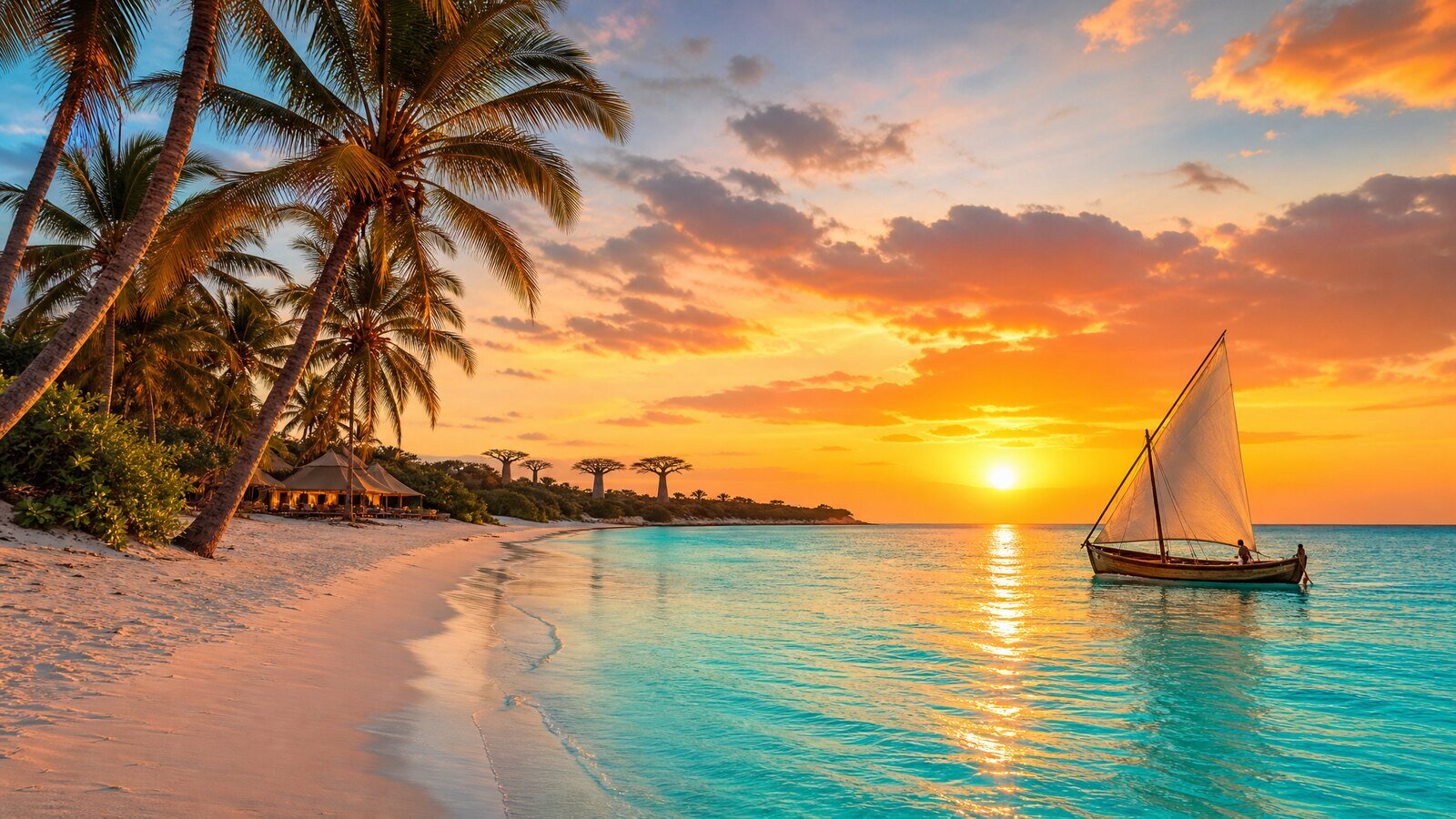
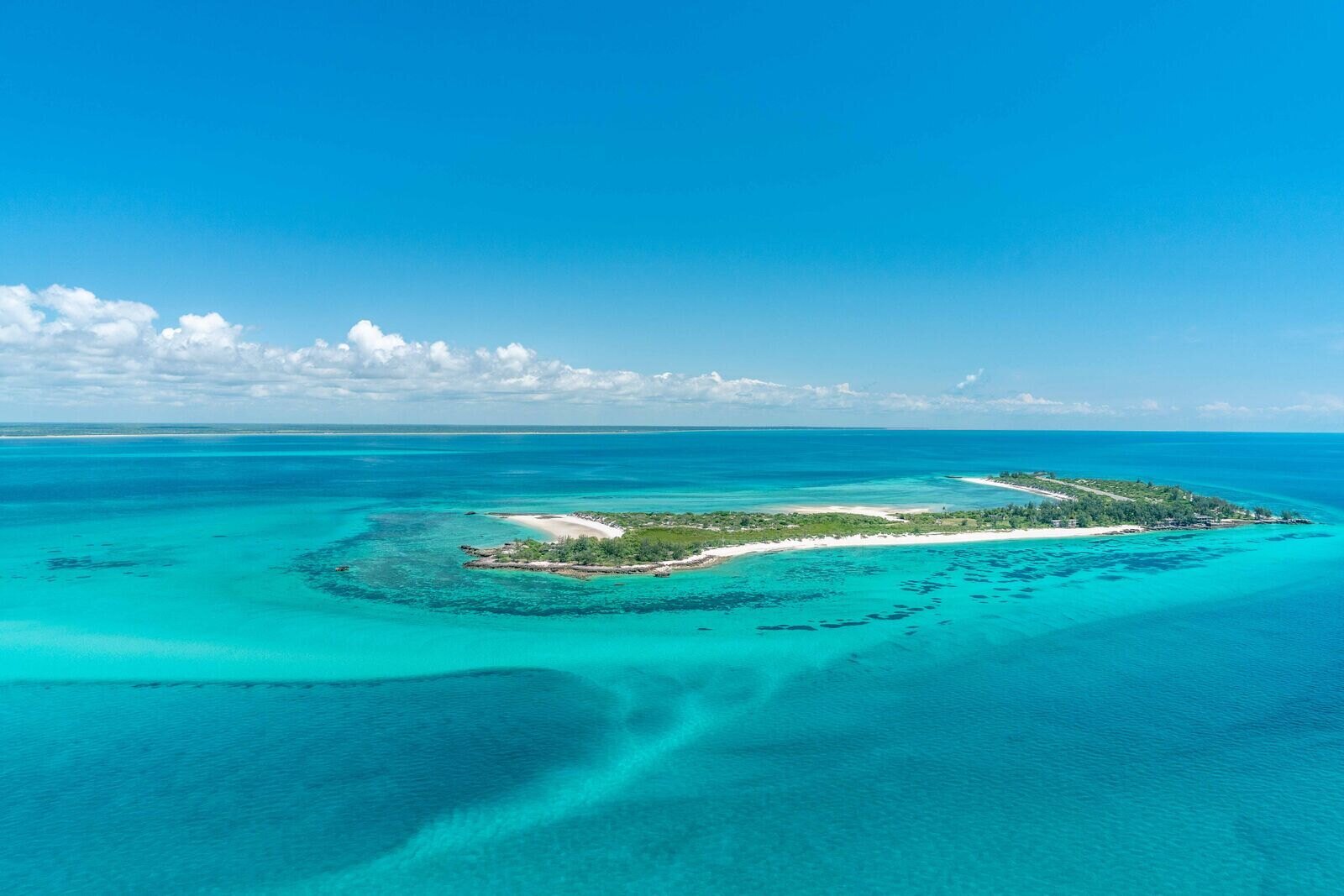
The Marine Frontier — Bazaruto, Quirimbas & Maputo Coast
7. Limpopo National Park — Where Mozambique Meets Kruger
Sharing a western boundary with South Africa's Kruger National Park, Limpopo National Park is the Mozambican component of the Great Limpopo Transfrontier Conservation Area. The vision is a borderless wilderness where animals move freely between Kruger, Limpopo and Zimbabwe's Gonarezhou. Wildlife numbers are still rebuilding — elephants and other species are crossing from Kruger naturally as fences come down — but the landscapes of mopane woodland, sandstone gorges and the Shingwedzi River are already magnificent.
- Best for: Transfrontier conservation experience, Kruger overflow wildlife, wild landscapes, adventurous 4×4 self-drive
- When to go: May–October for dry-season access and game concentration
- Access: Drive from Kruger's Pafuri gate (border crossing at Giriyondo or Pafuri) or from Chokwe/Massingir in Mozambique
- Stay: 2–3 nights. Best experienced as a cross-border extension to a Kruger safari.
8. Marromeu Reserve — Buffalo Herds & the Zambezi Delta
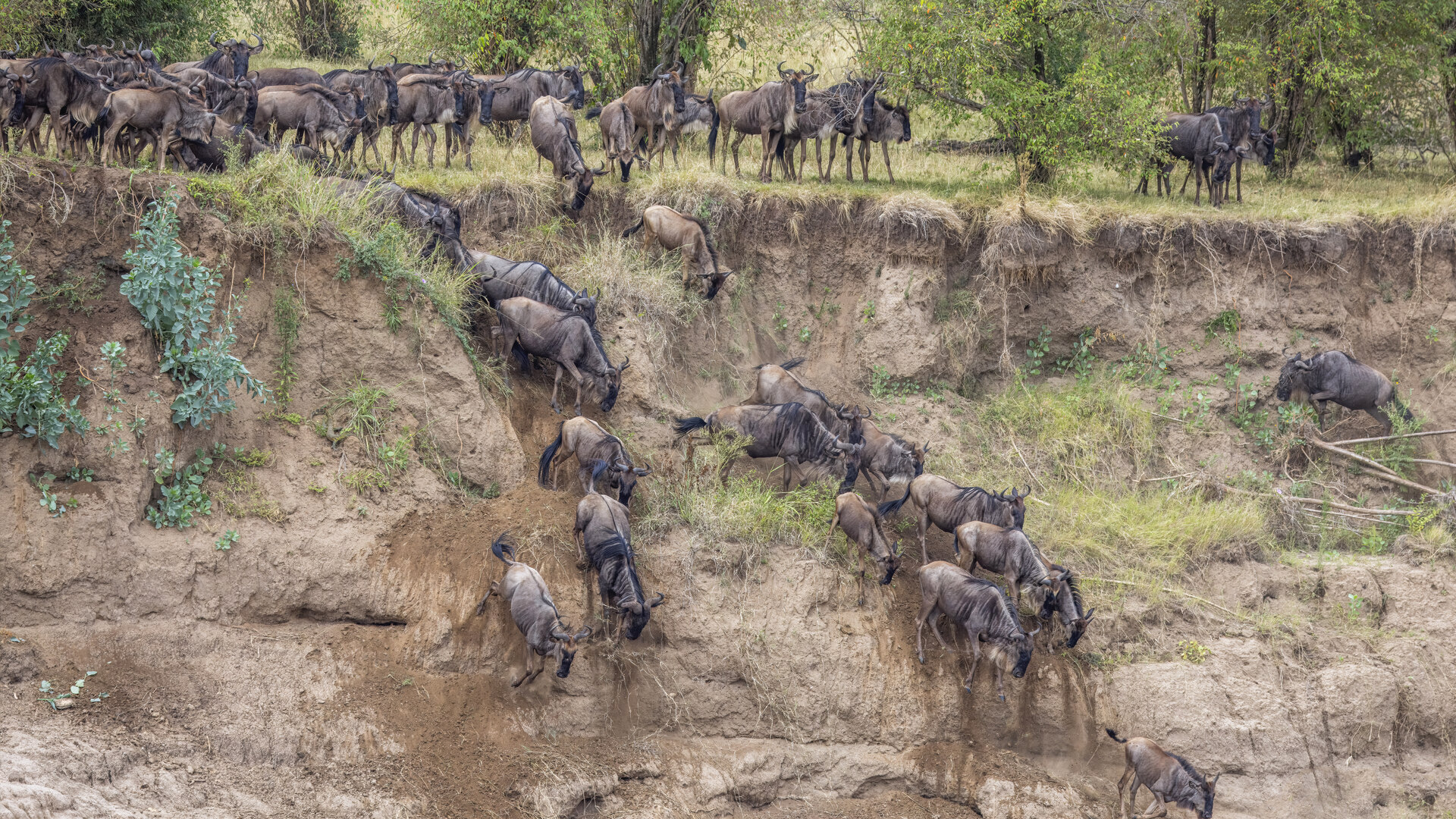
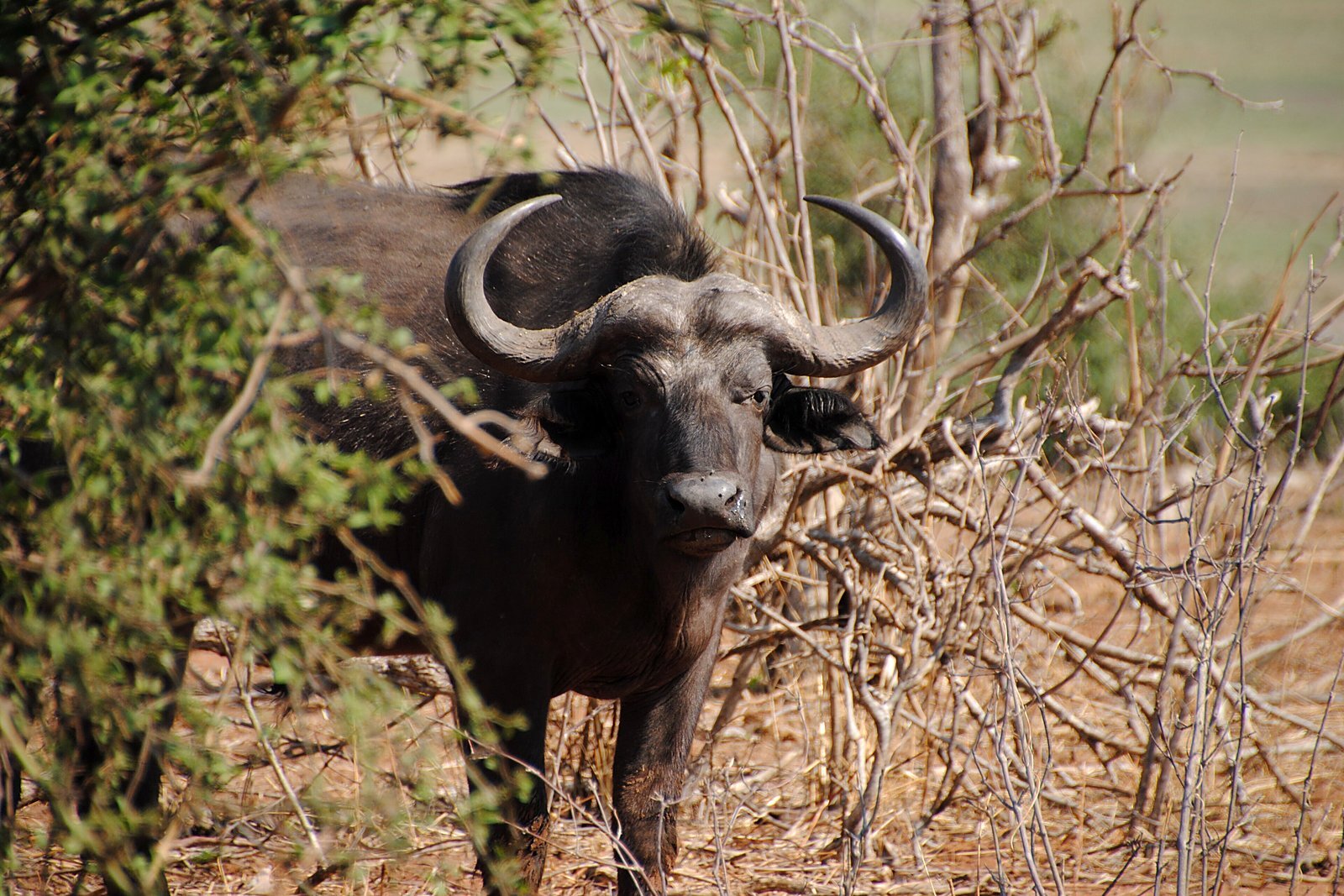
The Marromeu Complex protects the southern bank of the vast Zambezi Delta — one of Africa's largest wetland systems. Before the civil war, Marromeu held one of the continent's greatest buffalo concentrations (over 55,000 animals). The herds were devastated during the conflict but are slowly recovering, and the reserve's combination of floodplain, palm savanna, mangrove and open grassland supports a remarkable diversity of waterbirds, hippo, crocodile and seasonally large herds of buffalo and waterbuck.
- Best for: Buffalo herds, Zambezi Delta wetlands, waterbird spectacles, genuine off-the-grid wilderness
- When to go: June–October for dry-season access; the delta floods December–April, making access nearly impossible
- Access: Charter flight from Beira or Quelimane — very limited infrastructure, expedition-level logistics
- Stay: 3–5 nights. A specialist destination for experienced safari travellers and conservation enthusiasts.
9. Pomene Reserve — Remote Coastal Bush-and-Beach Solitude
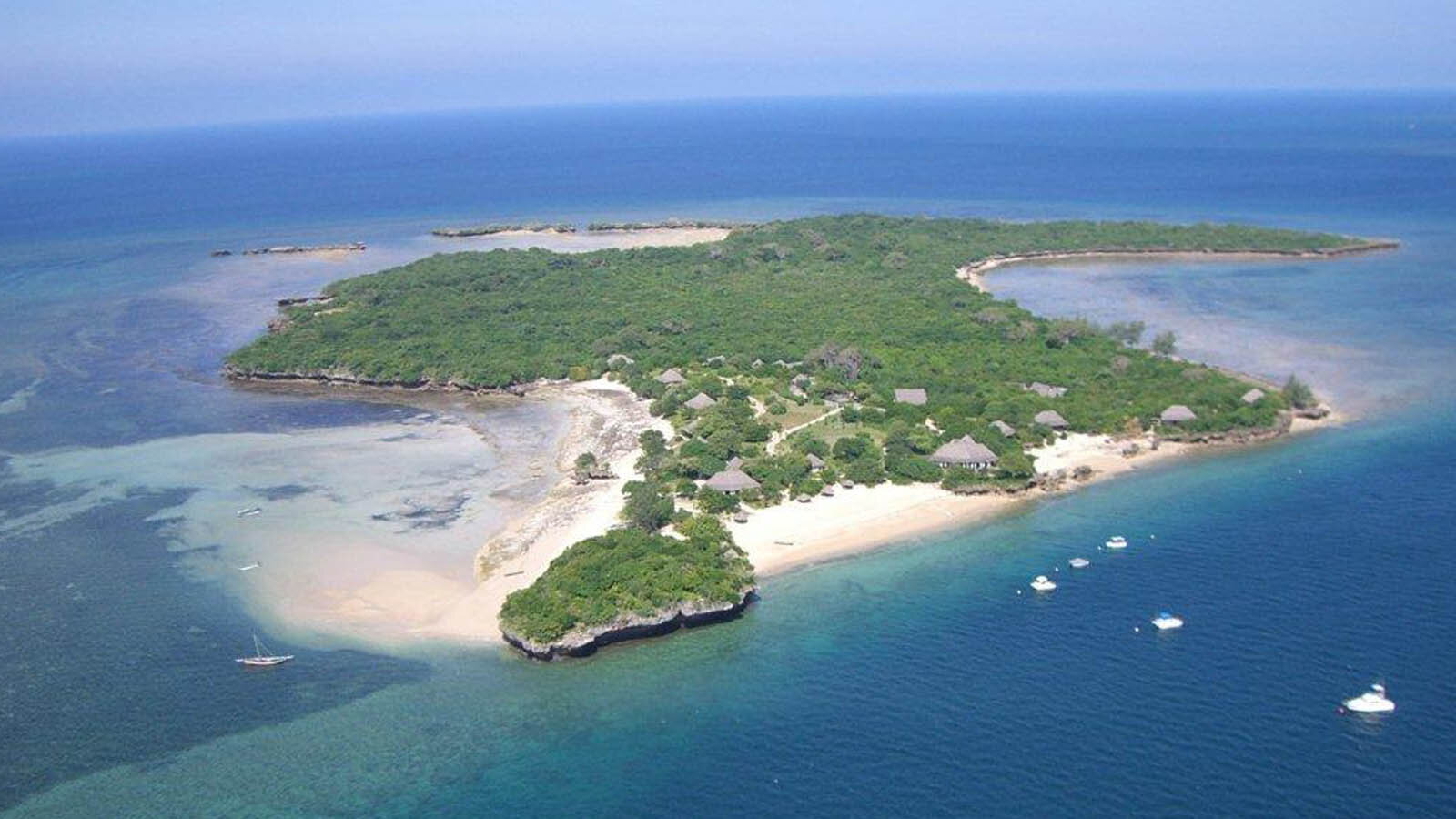
Pomene sits on a remote stretch of the Inhambane coast between Vilanculos and Inhambane town, where a tidal lagoon, coastal forest and untouched beaches create a private bush-and-beach world far from any tourist trail. Wildlife is modest (small antelope, birdlife, marine turtles), but the solitude is total. This is Mozambique at its most peaceful — a place to decompress after a big bush safari, with snorkelling, kayaking and fishing replacing game drives.
- Best for: Remote beach solitude, tidal lagoon exploration, birding, turtle nesting (November–February), total switch-off
- When to go: Year-round; April–November for drier weather and pleasant temperatures
- Access: Drive from Vilanculos (~3 hours, 4×4 recommended) or from Inhambane (~4 hours)
- Stay: 2–3 nights. The ultimate bush-and-beach exhale after Gorongosa or Zinave.
10. Gilé National Reserve — Montane Forest & Community Conservation
Gilé (recently upgraded to national reserve status) protects a rare fragment of montane and miombo forest in Zambezia province, one of the most biodiverse yet least-explored corners of Mozambique. The reserve is a community conservation story — managed in partnership with surrounding communities and international NGOs, with elephant and buffalo populations slowly recovering after decades of poaching.
- Best for: Montane forest ecology, community-based conservation, birdwatching, genuine off-the-beaten-track adventure
- When to go: June–October for the driest access; trails can be impassable in the rainy season
- Access: Fly to Quelimane then drive (~4 hours, 4×4 essential) — very limited tourism infrastructure
- Stay: 2–3 nights. For conservation enthusiasts and completists — not a mainstream safari pick, but a meaningful one.
The Wilderness Frontier — Marromeu, Pomene & Gilé
Building Your Mozambique Safari: How to Combine the Destinations
The art of a Mozambique safari is the bush-and-beach combination — terrestrial wildlife and Indian Ocean marine encounters woven into one journey. Here are the routes that work best, matched to how much time you have. For fully costed, pre-designed trips see our Mozambique Safari Tours guide, and for tailor-made departures our Private Safari Tours Mozambique page.
The Classic Bush-and-Beach (7–10 days): Maputo → fly to Gorongosa (3–4 nights safari) → fly to Vilanculos → Bazaruto Archipelago (3–4 nights marine safari + beach) → Maputo. This is the signature Mozambique journey — the one that converts sceptics. See our Mozambique Beach Safari Combo Guide for the full route.
The Zinave Pioneer (7–8 days): Vilanculos → drive to Zinave (3 nights rewilding safari) → return to Vilanculos → Bazaruto (3–4 nights). For travellers who want to see the Big Five rebuild happening in real time.
The Wild North Expedition (10–12 days): Pemba → Quirimbas (3–4 nights diving + Ibo Island) → charter to Niassa (3–4 nights bush) → Pemba. The most remote and adventurous circuit in Mozambique — very few visitors see this.
The Grand Mozambique (14+ days): Gorongosa + Zinave + Bazaruto + Quirimbas, or Gorongosa + Niassa + Quirimbas + coast. The comprehensive journey for travellers who want bush, beach, marine and frontier in one trip.
💡 Planning Tip: Internal flights are essential in Mozambique — distances are enormous and roads can be challenging. LAM Mozambique Airlines, Airlink and charter operators connect Maputo, Beira, Vilanculos, Pemba and the parks. Budget for at least two internal flights and spend the saved days on safari, not on the road. For a realistic budget breakdown, see Best Time to Visit Mozambique.
Best Time to Visit Mozambique's Safari Destinations
| Season | Months | Bush Safari | Marine Safari |
|---|---|---|---|
| Dry / Cool | May – August | ⭐ Peak game viewing — animals at water, clear roads | Humpback whales arrive (Jun); good diving visibility |
| Dry / Warm | September – November | ⭐ Best game concentration — dry and hot | ⭐ Whale sharks peak; best reef visibility; humpbacks to Nov |
| Wet / Green | December – April | Lush and green; some roads close. Birding excellent. Lower rates. | Whale sharks + manta rays strong; turtle nesting Dec–Feb |
The sweet-spot months for a bush-and-beach combination are May–June (dry season beginning, whales arriving, whale sharks still present) and October–November (peak dry-season game, peak whale-shark season, excellent reef visibility). These windows let you get the best of both worlds in one trip.
Practical Planning Notes
Flights: International flights land in Maputo (MPM) from Johannesburg, Nairobi, Addis Ababa and Dar es Salaam. Beira and Pemba handle domestic connections to the parks and islands. Book internal flights early — availability is limited.
Health: Mozambique is a malaria zone. Prophylaxis is essential for bush safaris. Yellow fever vaccination is required if arriving from an endemic country. Consult your travel health specialist at least six weeks before departure.
Currency: The Mozambican metical (MZN). US dollars are widely accepted at lodges and for safari activities. ATMs are available in Maputo, Vilanculos, Beira and Pemba but unreliable in rural areas — carry cash.
Road conditions: Main highways (EN1) are tarmac; park roads and coastal tracks require 4×4, especially in the wet season. Self-drive is possible but demanding — most visitors combine internal flights with guided transfers.
Ready to plan your Mozambique safari? Whether you want the Gorongosa comeback, Bazaruto's marine magic, Zinave's Big Five rewilding or all three woven together, our team builds every journey around what matters most to you. Start with our Mozambique Bush & Beach Combo Guide or get in touch for a tailor-made itinerary.