Zinave National Park is one of the great untold stories of African conservation — and in 2026 it became something more: Mozambique's newest Big Five wilderness. Spread across roughly 408,000 hectares of miombo woodland, sand forest and floodplain along the Save River in Inhambane Province, Zinave has been reborn over the past decade through a partnership between Mozambique's ANAC (the National Administration for Conservation Areas) and the Peace Parks Foundation. Where the bush once fell silent, elephant herds now move through the tree line, sable and buffalo graze the plains, and — as of June 2026 — white rhinos once again walk the savanna.
This is not a polished, high-traffic safari destination. It is a frontier — raw, remote and genuinely wild. And that is exactly the point. We send travellers to Zinave who want to witness a wilderness in the act of coming back to life, guided by the very people rebuilding it, with no other vehicles at the sighting and no queue at the gate. This is our honest, in-depth guide to what a Zinave safari actually involves in 2026.
- Big Five since June 2026: nine white rhinos, translocated 1,650 km from South Africa, completed the Big Five in Zinave.
- 408,000 hectares of protected wilderness on the Save River, part of the Great Limpopo Transfrontier Conservation Area.
- 2,500+ animals across 16 species rewilded since 2016 under the ANAC–Peace Parks partnership.
- Rustic in-park camps (Tondo and Figtree) plus wild campsites — or fly into Vilanculos and pair a Bazaruto beach base with guided Zinave excursions.
- Best time: the dry season, May to October, with July to September the peak for game concentrated at the river and pans.
- Getting there: roughly 3–5 hours overland from Vilanculos (international airport) by high-clearance 4x4.
Mozambique's Newest Big Five Park — The June 2026 Milestone
For most of the twentieth century, Zinave's wildlife was decimated — first by decades of unregulated hunting, then by the long civil war that emptied so much of Mozambique's bush. When Peace Parks and ANAC signed their 20-year co-management agreement in 2015 and began rewilding in 2016, lion, leopard, elephant, buffalo and rhino were either gone or reduced to a handful of ghosts.
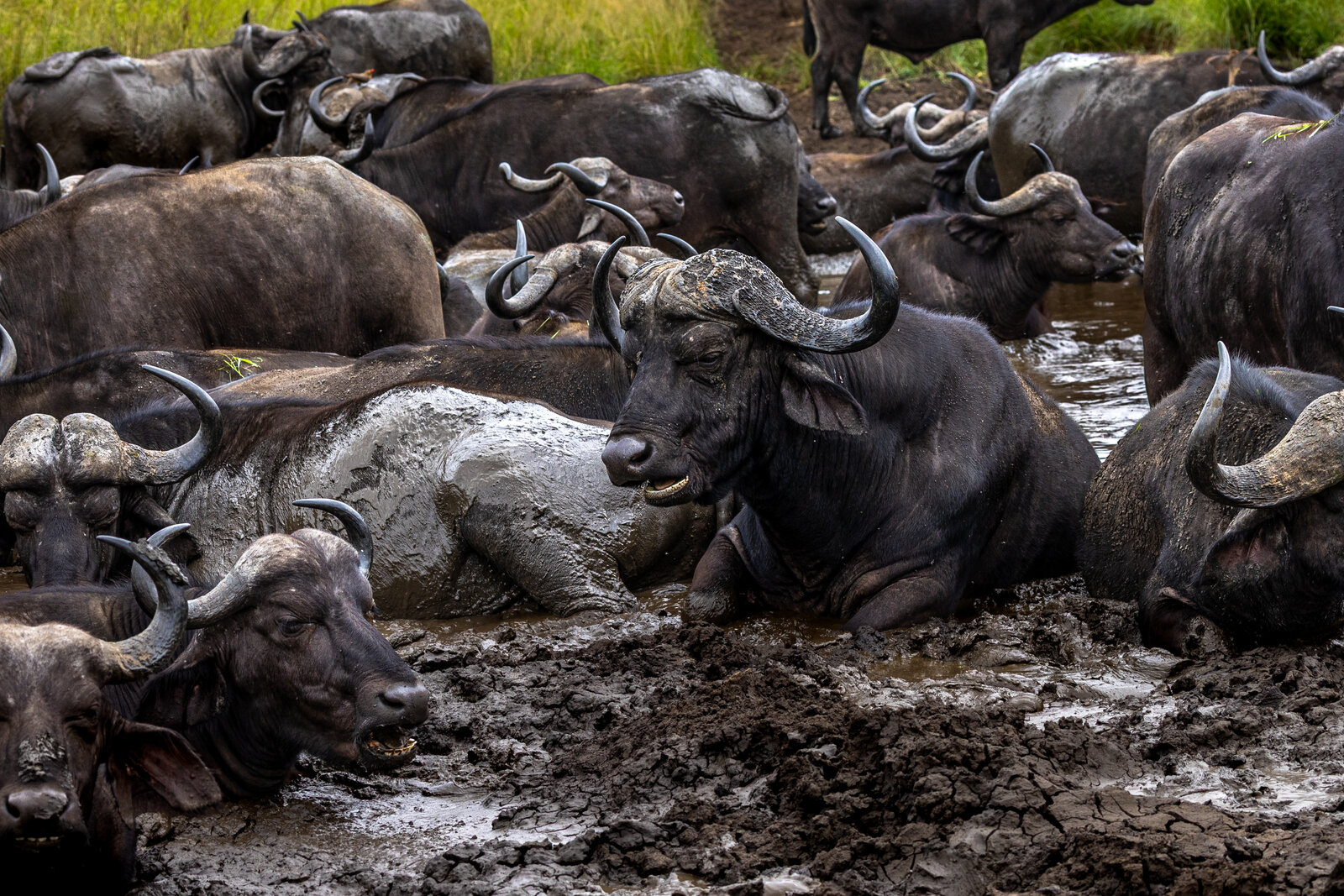
What has happened since is remarkable. Elephant, buffalo, giraffe, sable, zebra, wildebeest and more were reintroduced. Lions and leopards returned — some translocated, some arriving naturally along the ecological corridors of the Great Limpopo Transfrontier Conservation Area. And in June 2026, the final piece fell into place: nine female white rhinos were moved 1,650 kilometres from a reserve in South Africa to Zinave, completing the park's Big Five. It followed the 37 rhinos introduced from 2022 and the seven rhino calves — including a critically endangered black rhino — born on Zinave soil since.
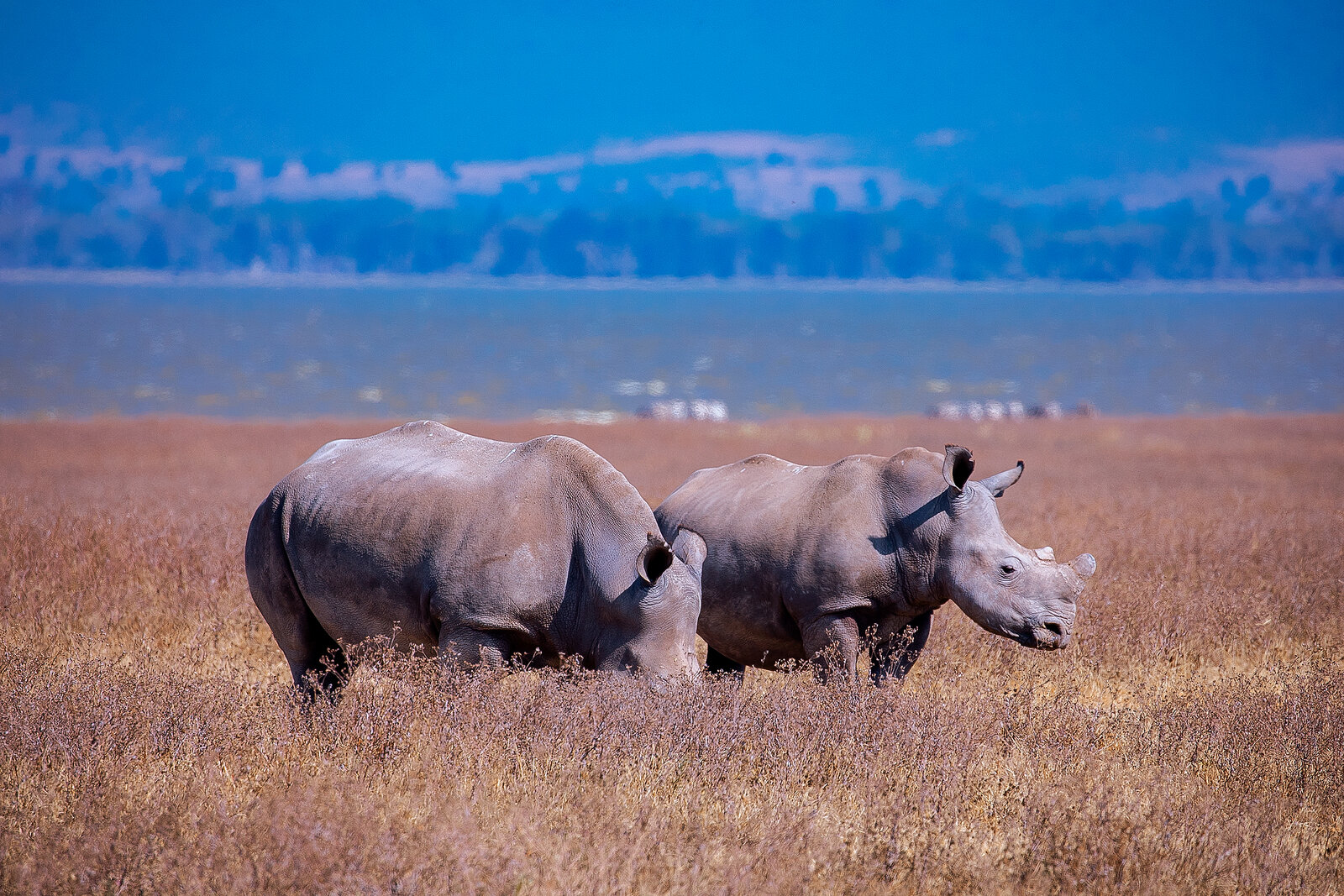
To stand in Zinave now and know that rhinos have returned to a landscape that lost them entirely is to understand what conservation can actually achieve. This is not a park coasting on an old reputation. It is a wilderness being rebuilt, animal by animal, in real time — and 2026 is the year it earned its place among Africa's Big Five destinations.
A Decade of Rewilding on the Save River
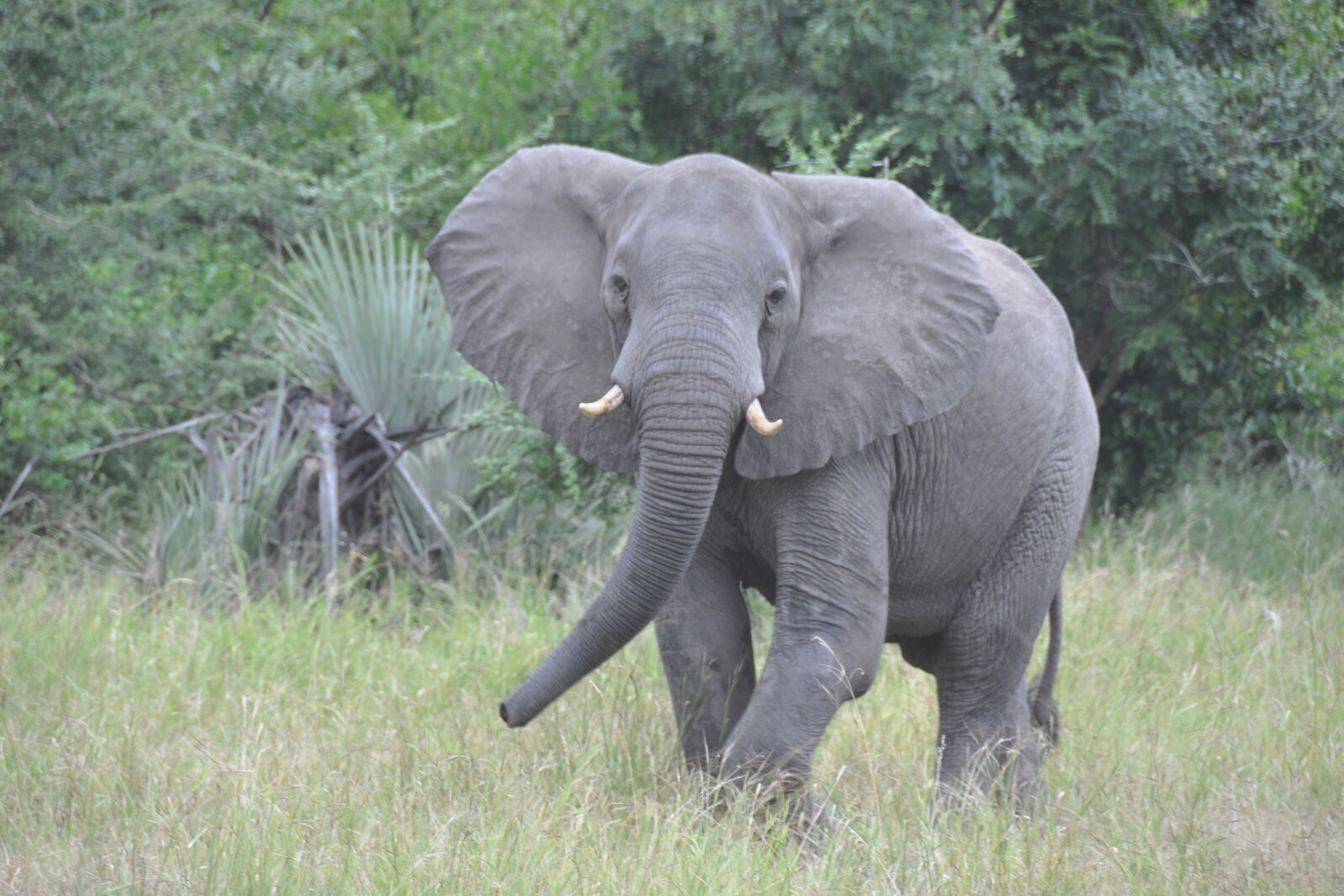
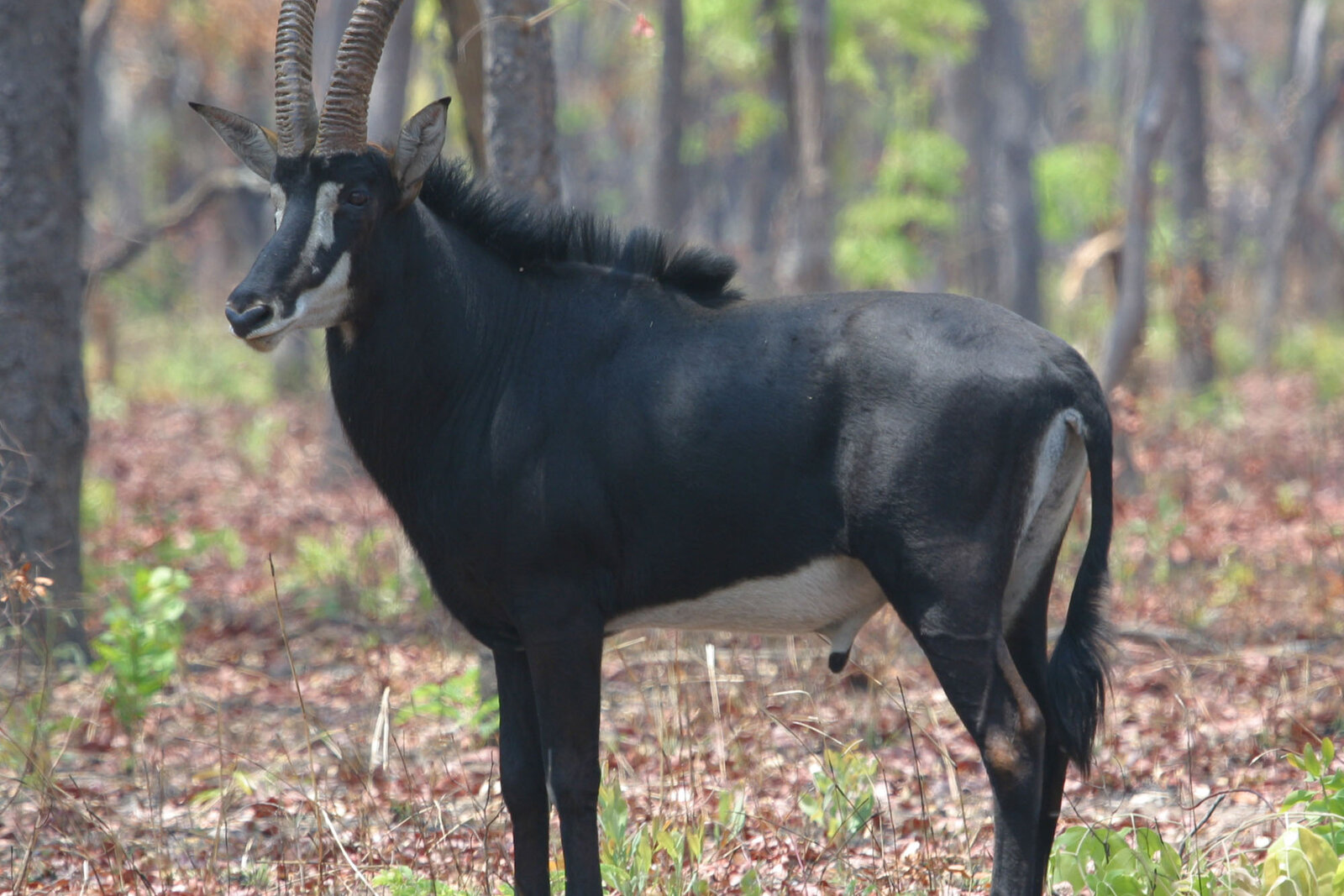
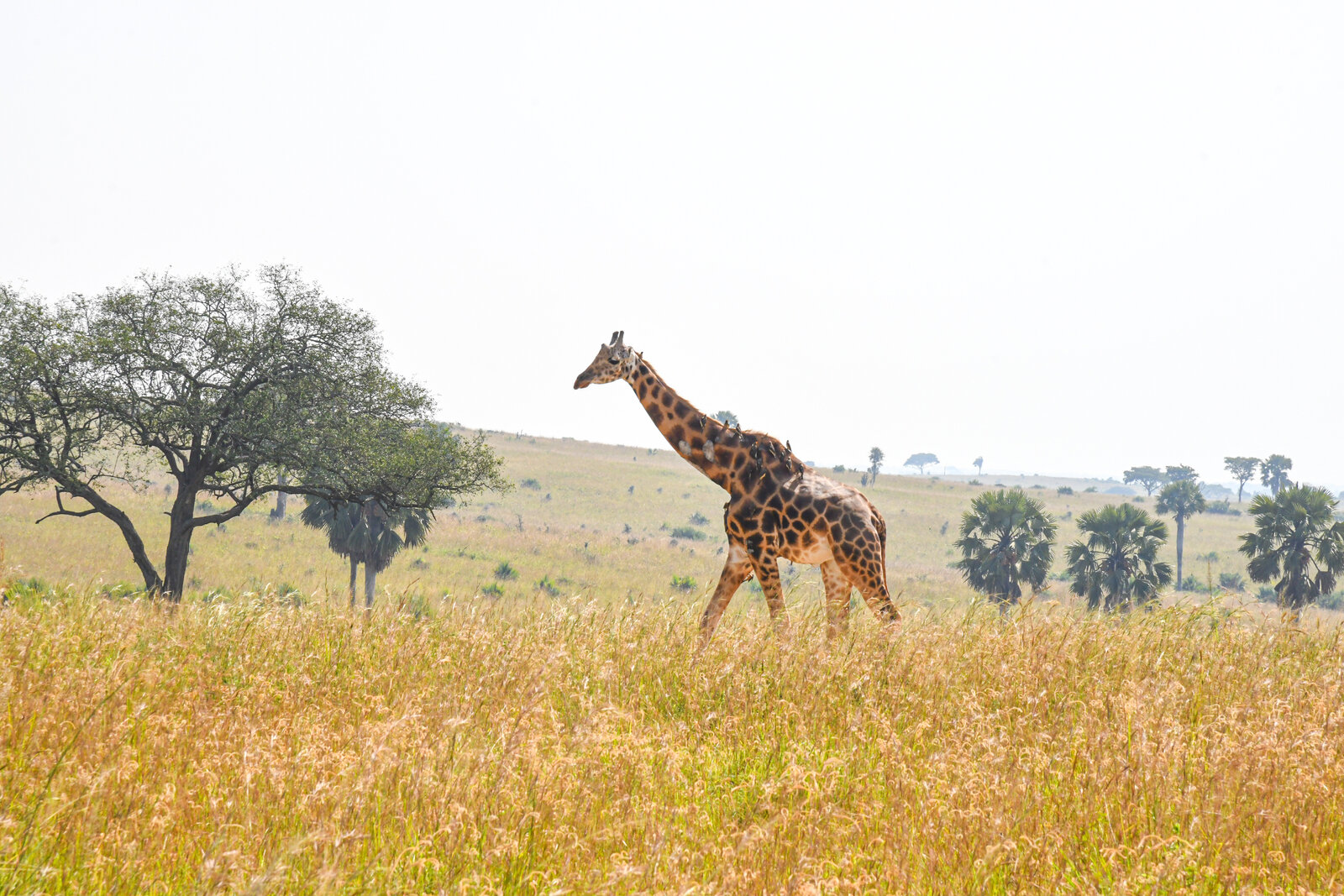
The scale of what has been achieved at Zinave is hard to overstate. Since 2016, more than 2,500 animals across 16 species have been translocated into the park — one of the largest wildlife reintroduction efforts ever undertaken on the continent. Herds of elephant and buffalo, towers of giraffe, and the park's prized sable antelope now move across plains that were, within living memory, all but empty.
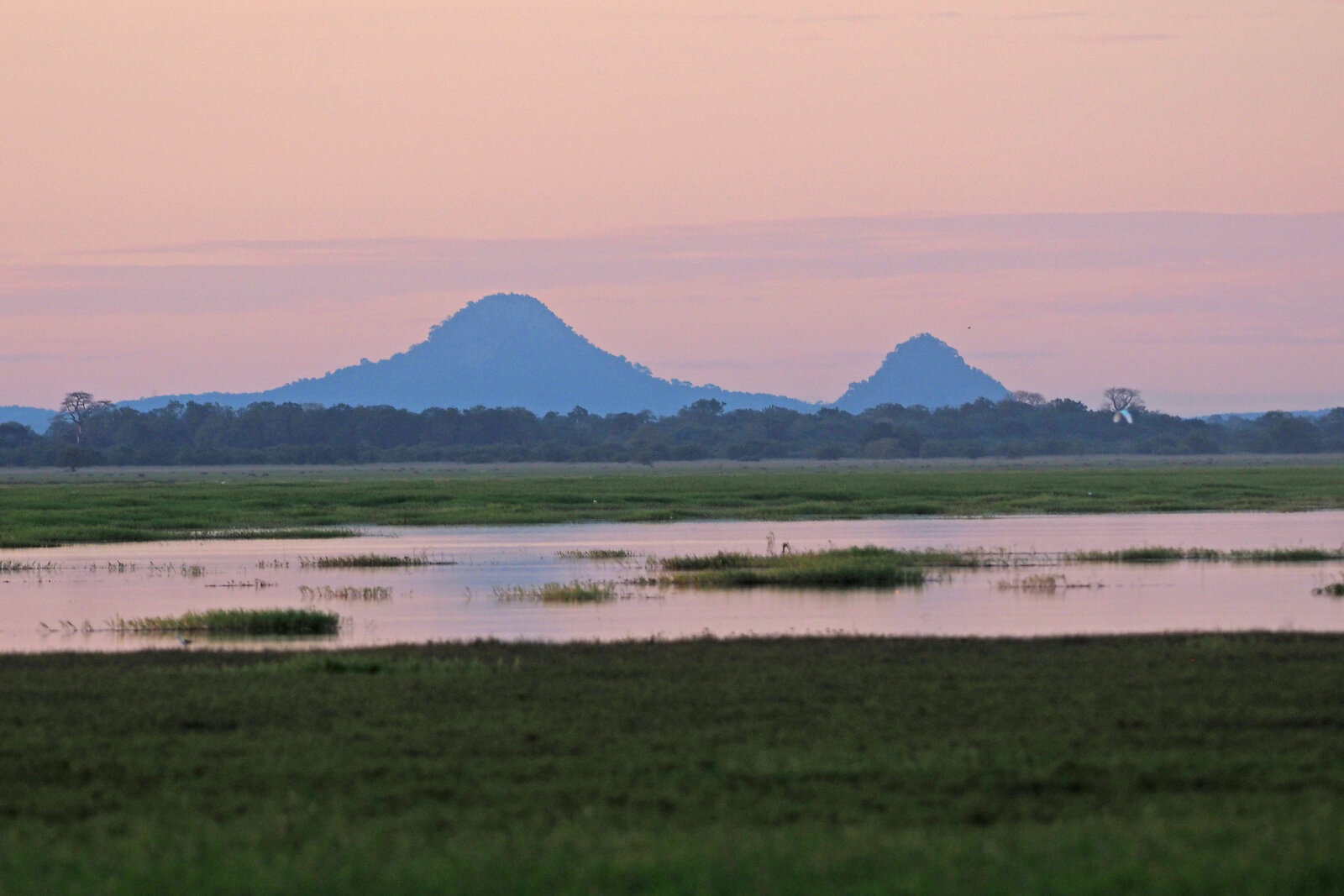
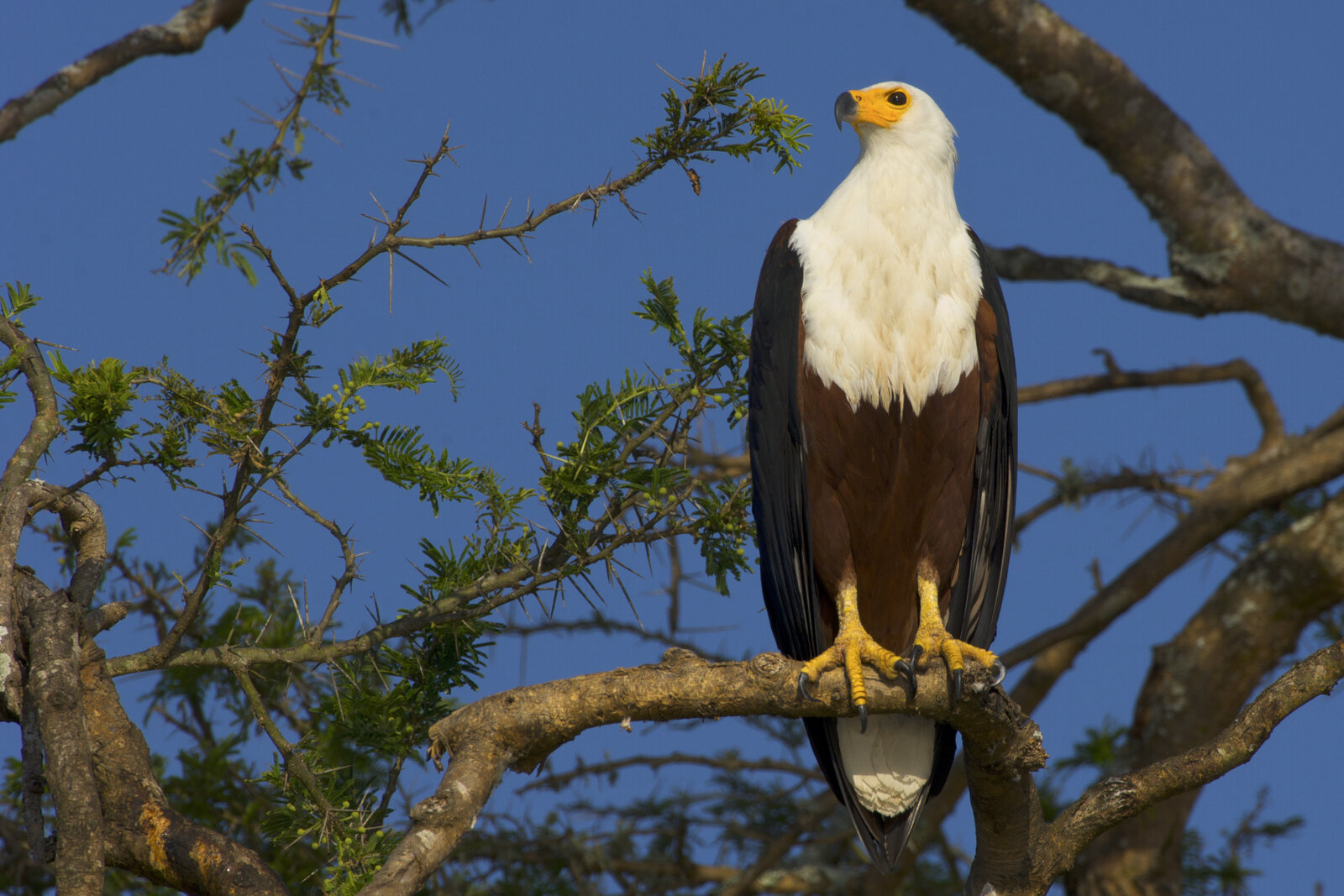
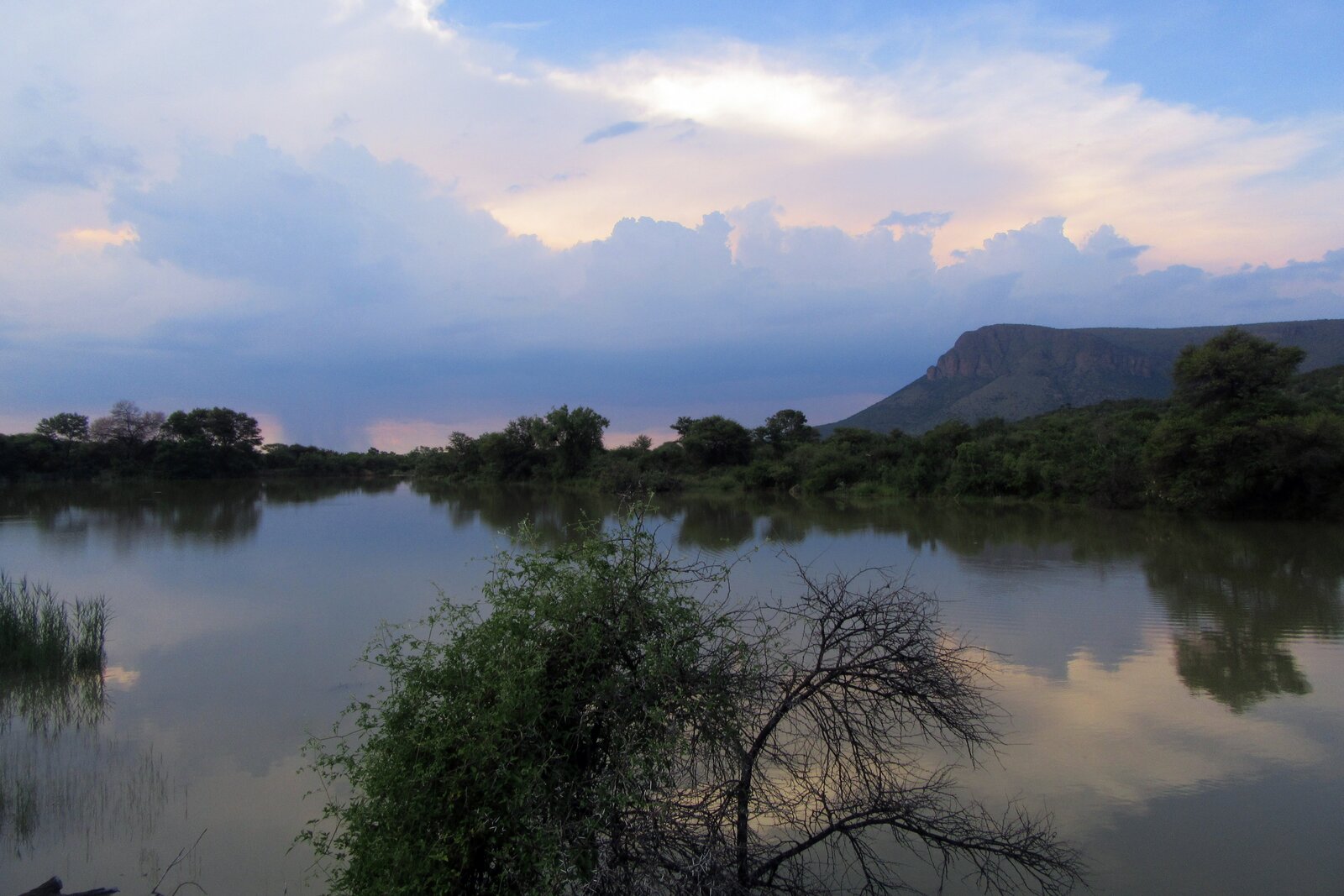
The Save River is the lifeblood of it all. In the dry months it becomes the great gathering point — game funnelling down to drink, predators shadowing the herds, and the riverine forest ringing with birdsong. This is prime habitat for African fish eagles, storks, herons and a rich cast of waterbirds, making Zinave as rewarding for birders as it is for big-game travellers.
None of this would hold without protection, and Zinave has invested heavily. A cohort of around 100 rangers, aerial surveillance, and cutting-edge "Smart Park" technology — LoRaWAN communication towers and EarthRanger real-time monitoring — keep the reintroduced wildlife safe. Just as importantly, the park works hand in hand with surrounding communities on water provision, conservation agriculture and livelihoods, on the principle that lasting conservation has to work for people too.
The Wildlife — What You'll Actually See
Let us be honest about Zinave, because honesty is how we do things. This is a rewilding park, not the Serengeti. Densities are still building, some species remain elusive, and lion and leopard sightings take patience and luck rather than being guaranteed. What you gain in return is a wilderness almost entirely to yourself, and the thrill of tracking game in a landscape where every sighting feels earned.
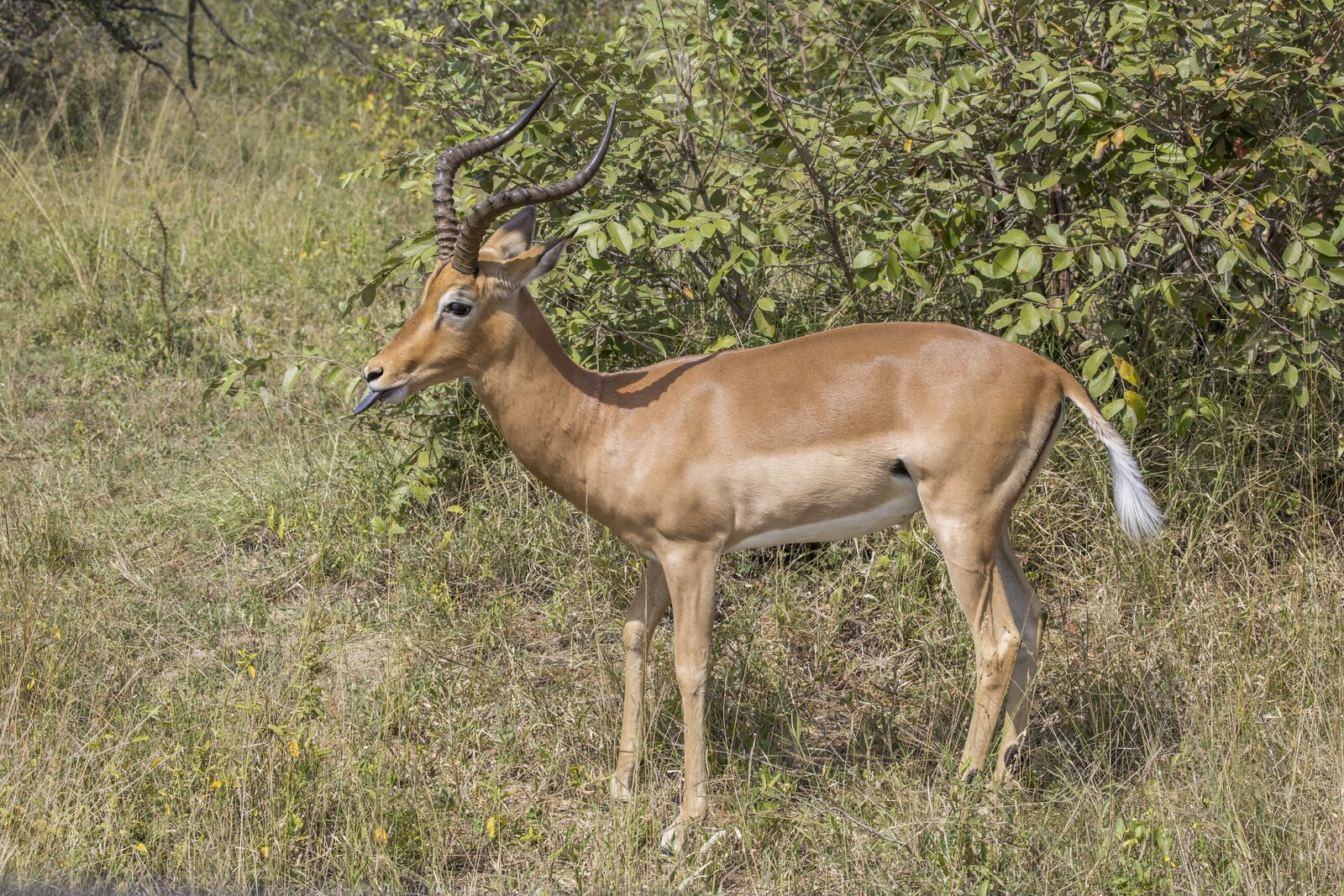
On a typical few days you can expect strong sightings of elephant, buffalo, giraffe, zebra, wildebeest, kudu, waterbuck, warthog and impala, with the beautiful and increasingly common sable antelope a real highlight. Rhino and the big cats are the prizes that reward the patient. The birding is excellent year-round, and the sheer sense of space — of being somewhere genuinely off the map — is the constant.
A Wilderness in Motion — Watch
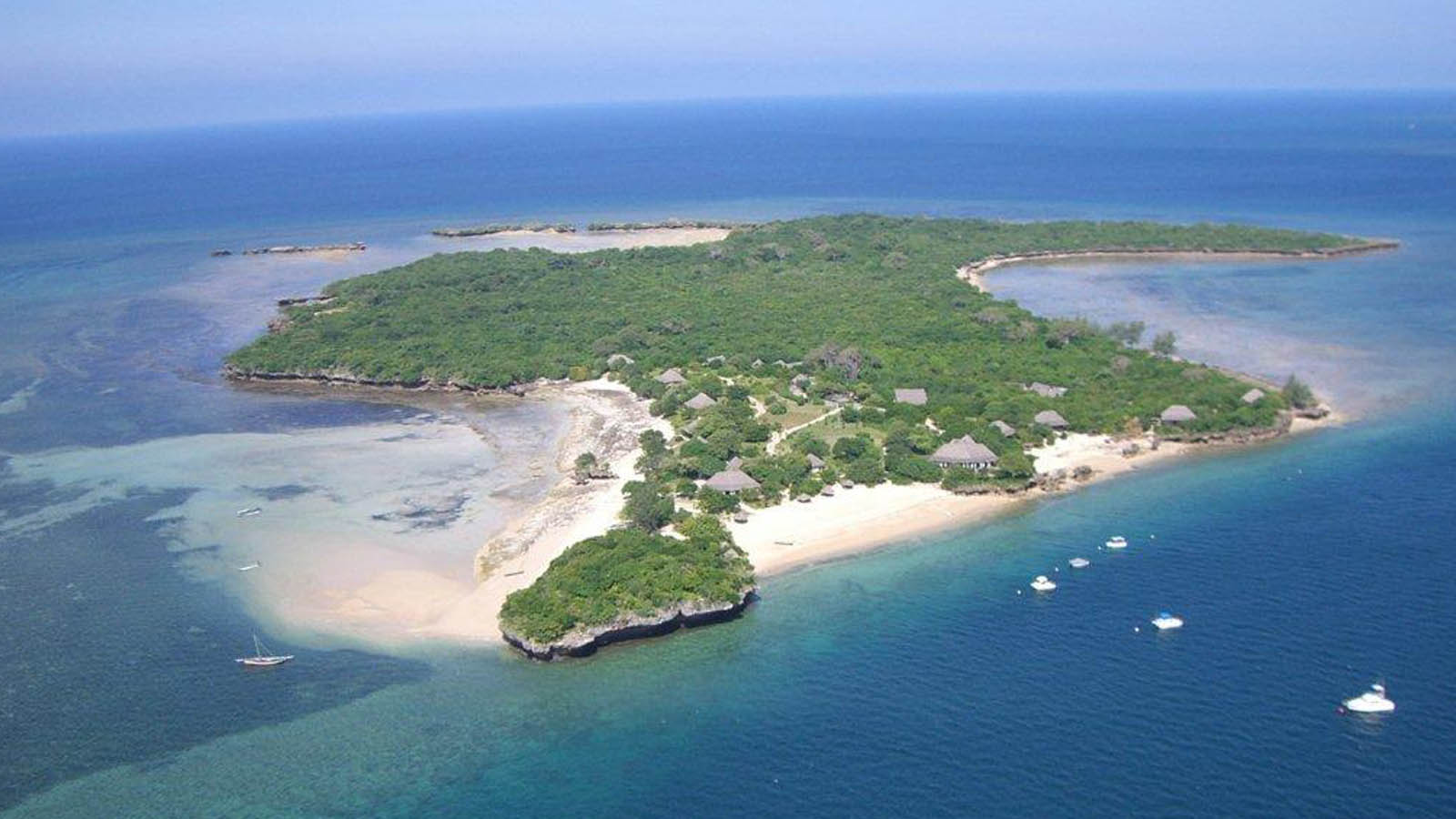
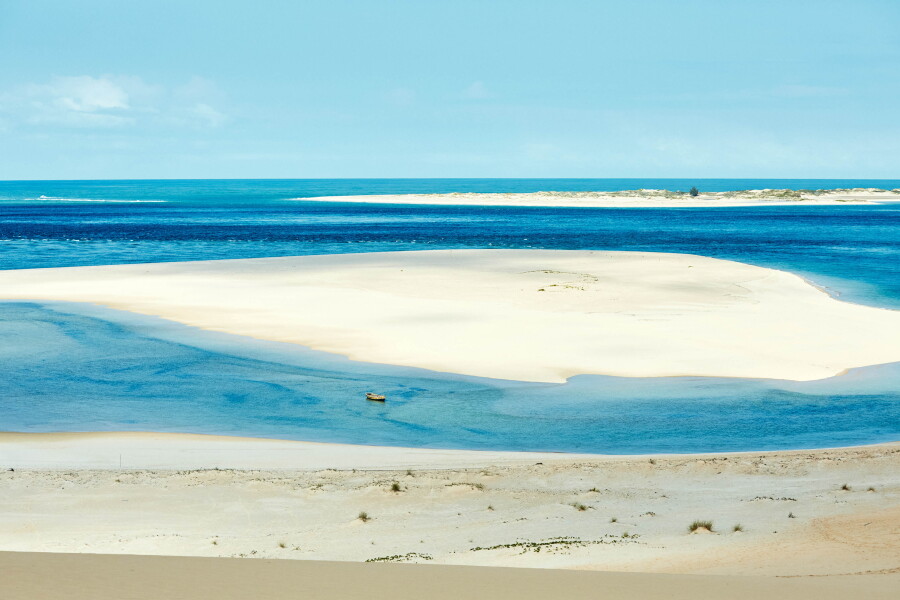
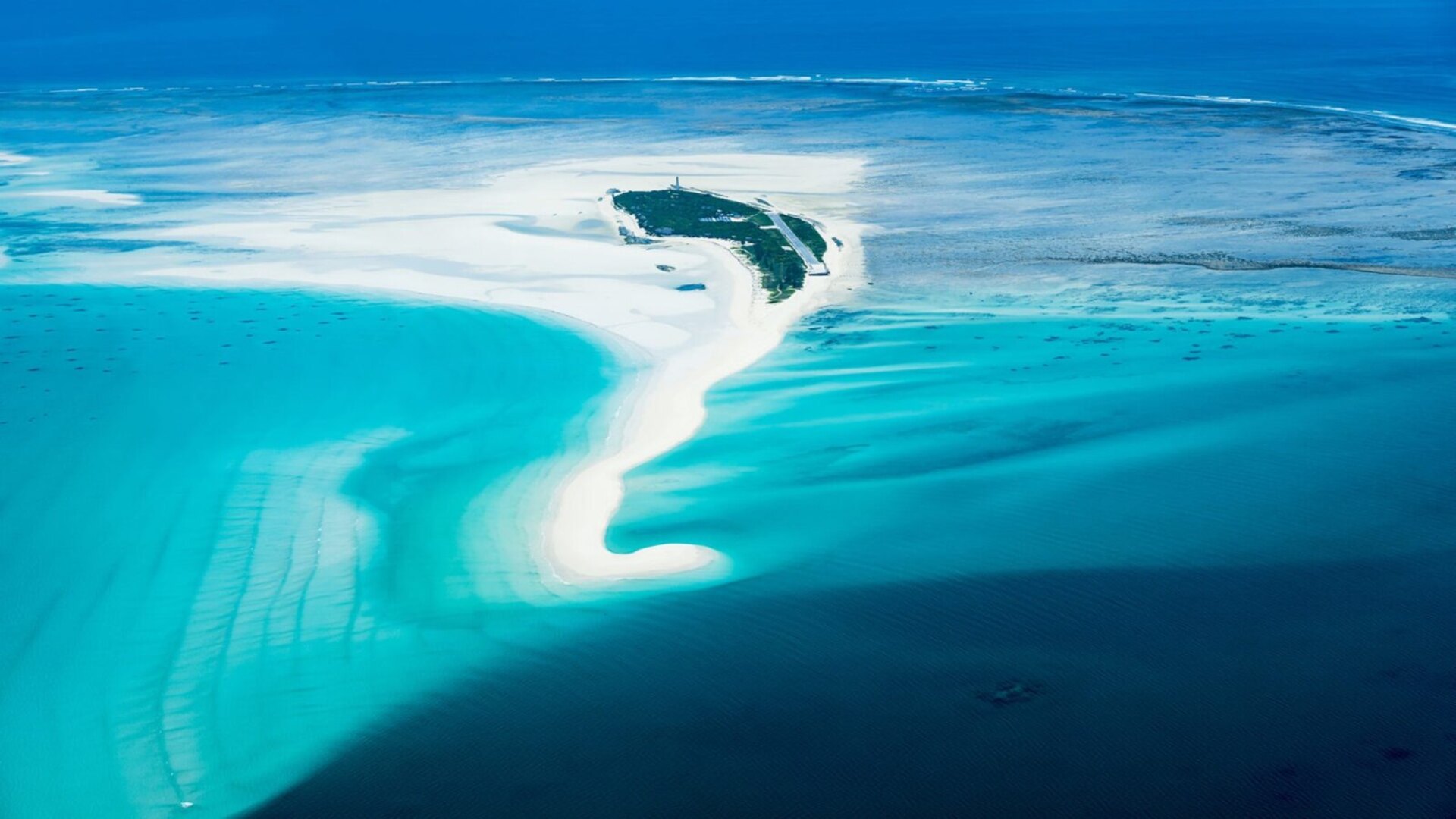
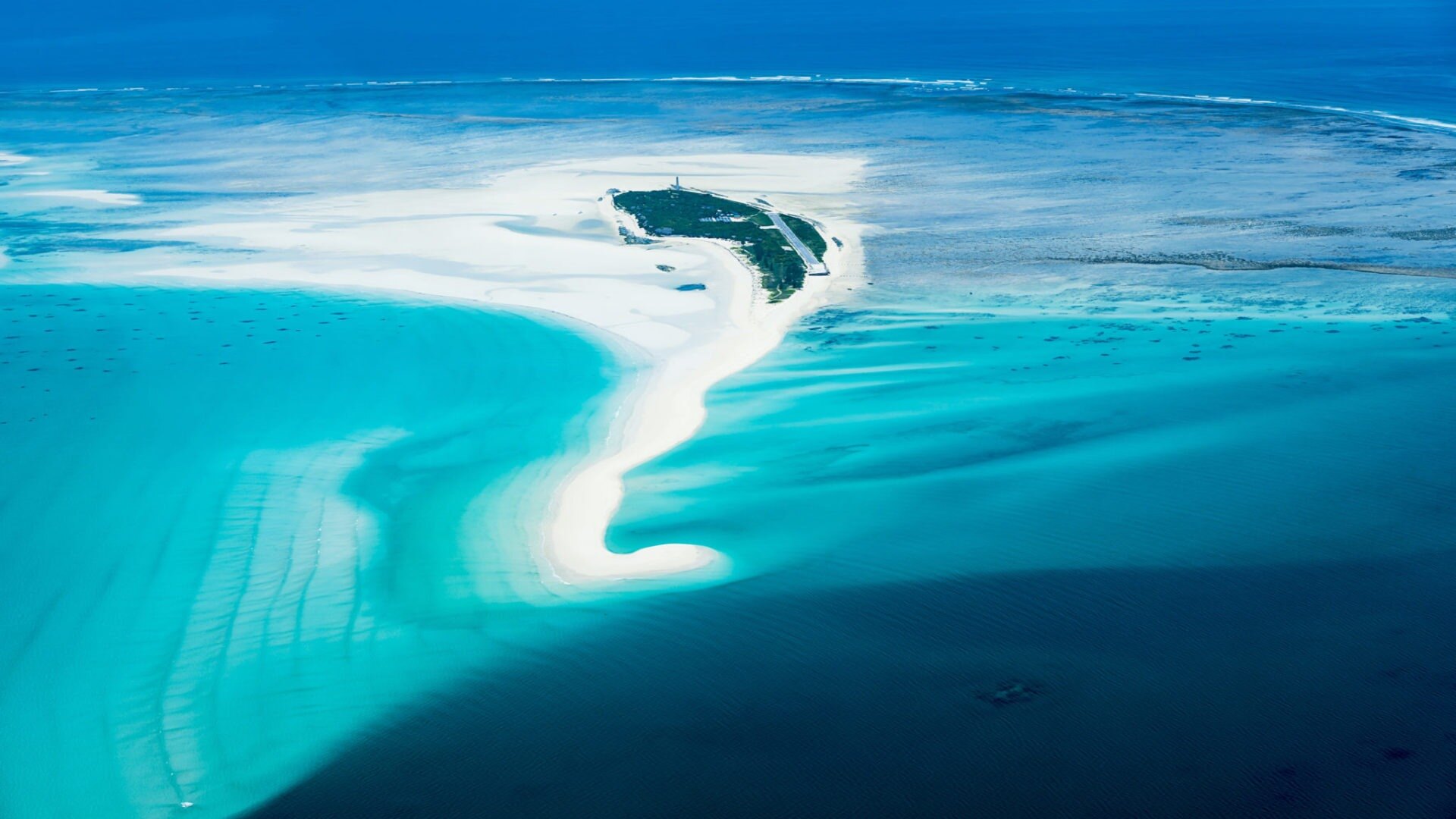
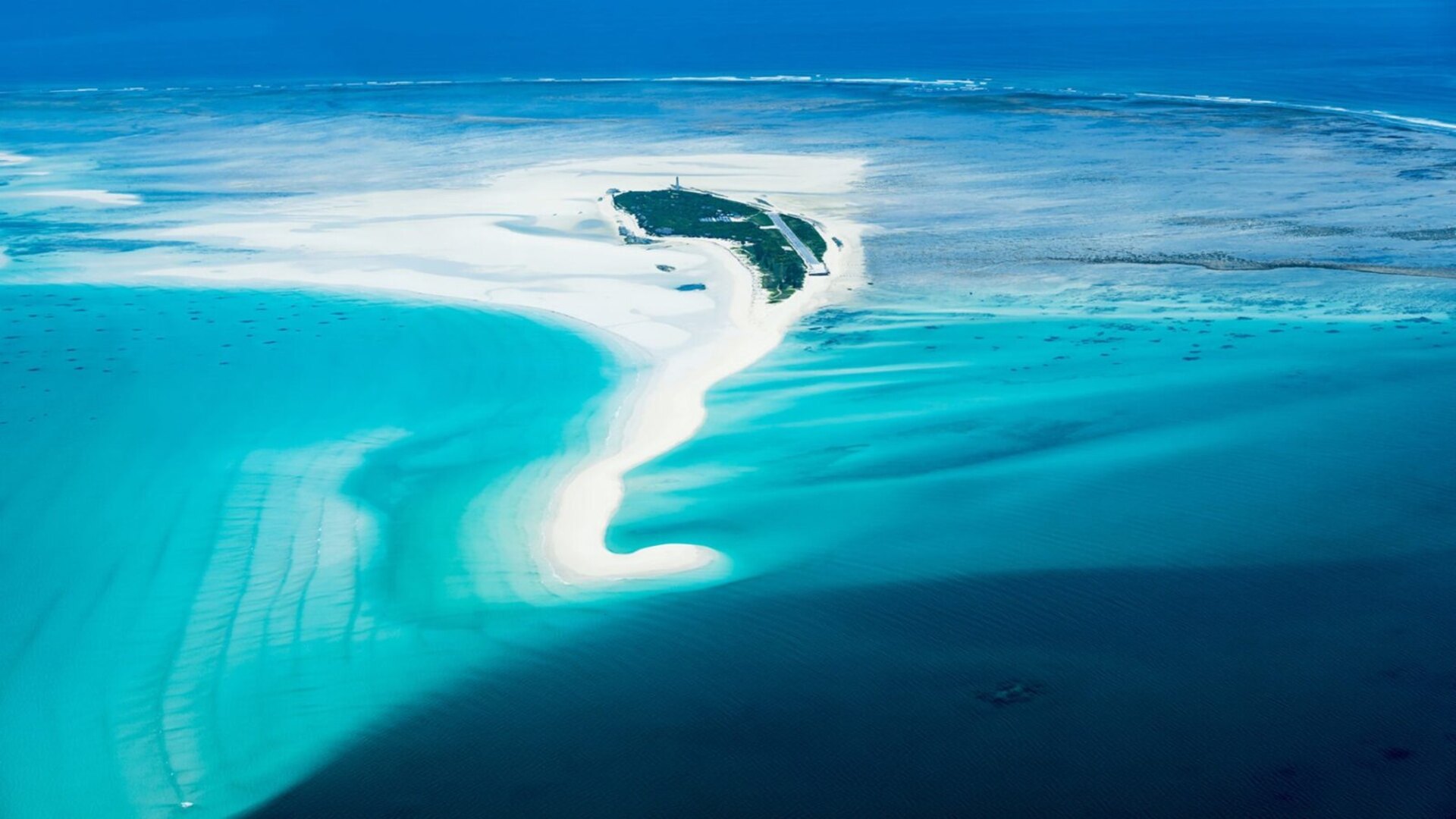
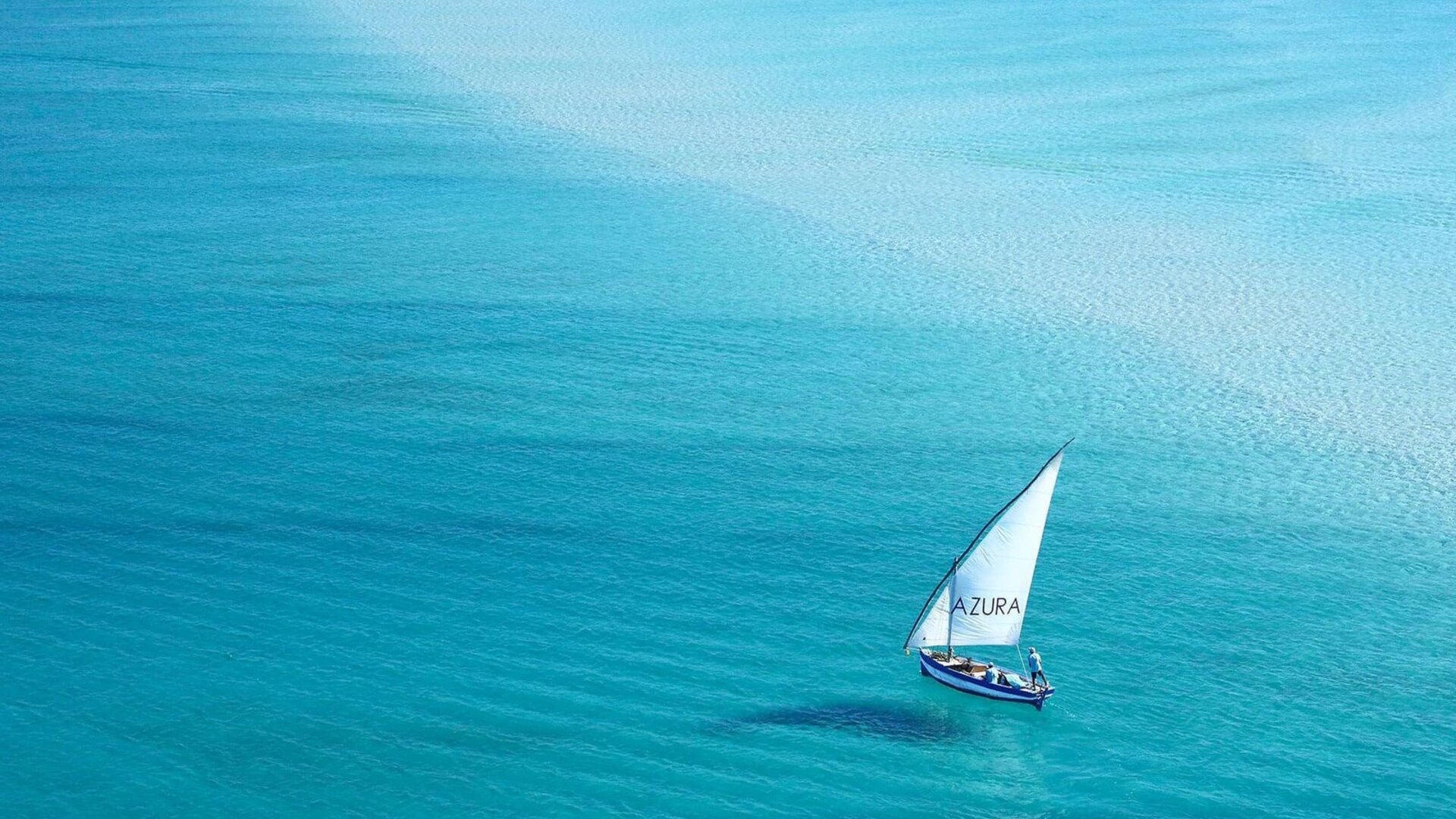
Before we get into the practicalities, take a moment to feel the place. This is the wild coast and bush country of Mozambique — the landscapes that frame a Zinave journey and the Vilanculos gateway you'll fly into.
Where to Stay — Rustic Camps or a Vilanculos Luxury Base
This is where honesty matters most. There are no five-star lodges inside Zinave. Accommodation in the park is rustic, self-sufficient and built for genuine bush travellers — and for many people that is precisely its appeal. There are, broadly, two ways to experience Zinave, and we tailor which one suits you.
Option 1 — Stay Inside the Park (Rustic & Authentic)
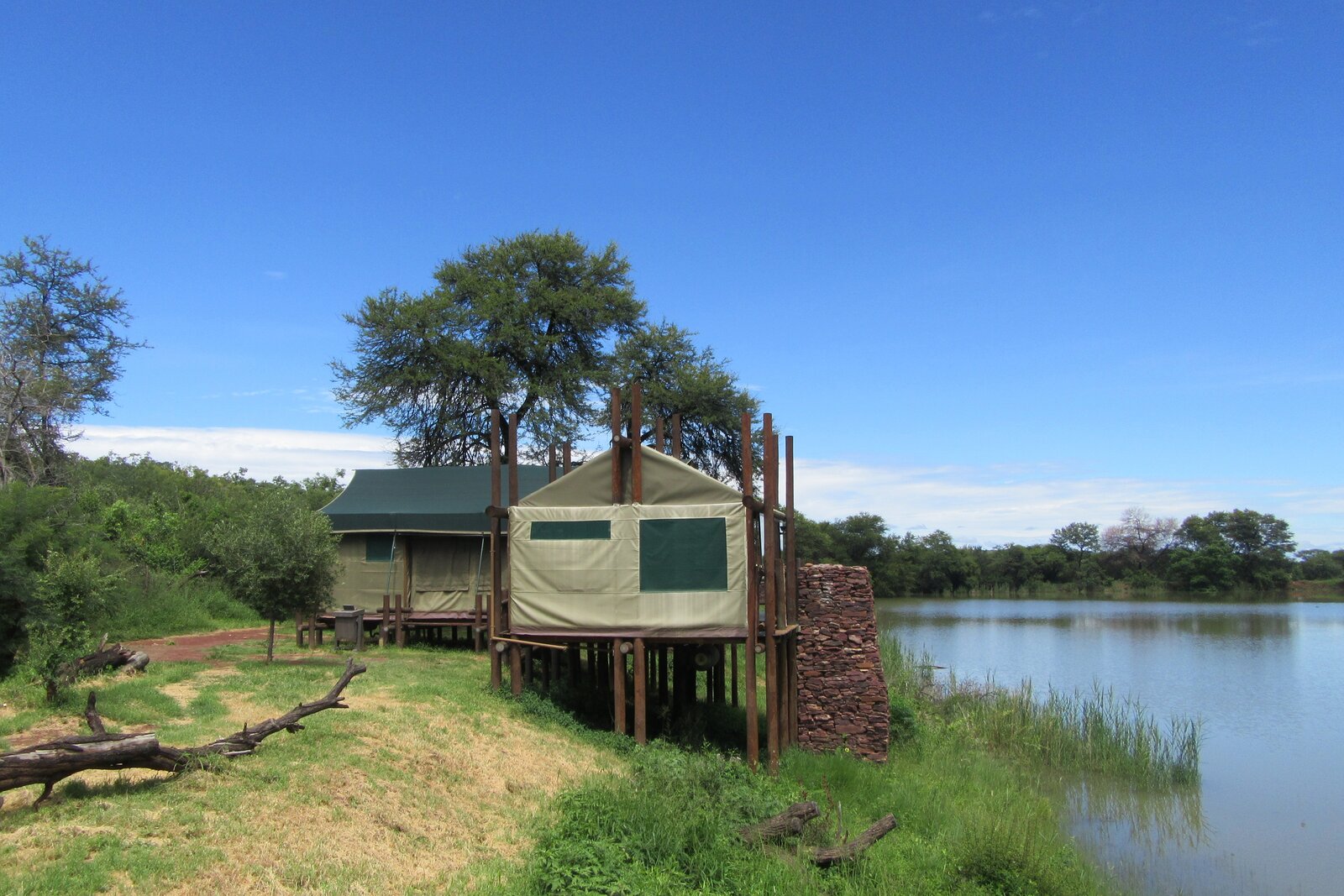
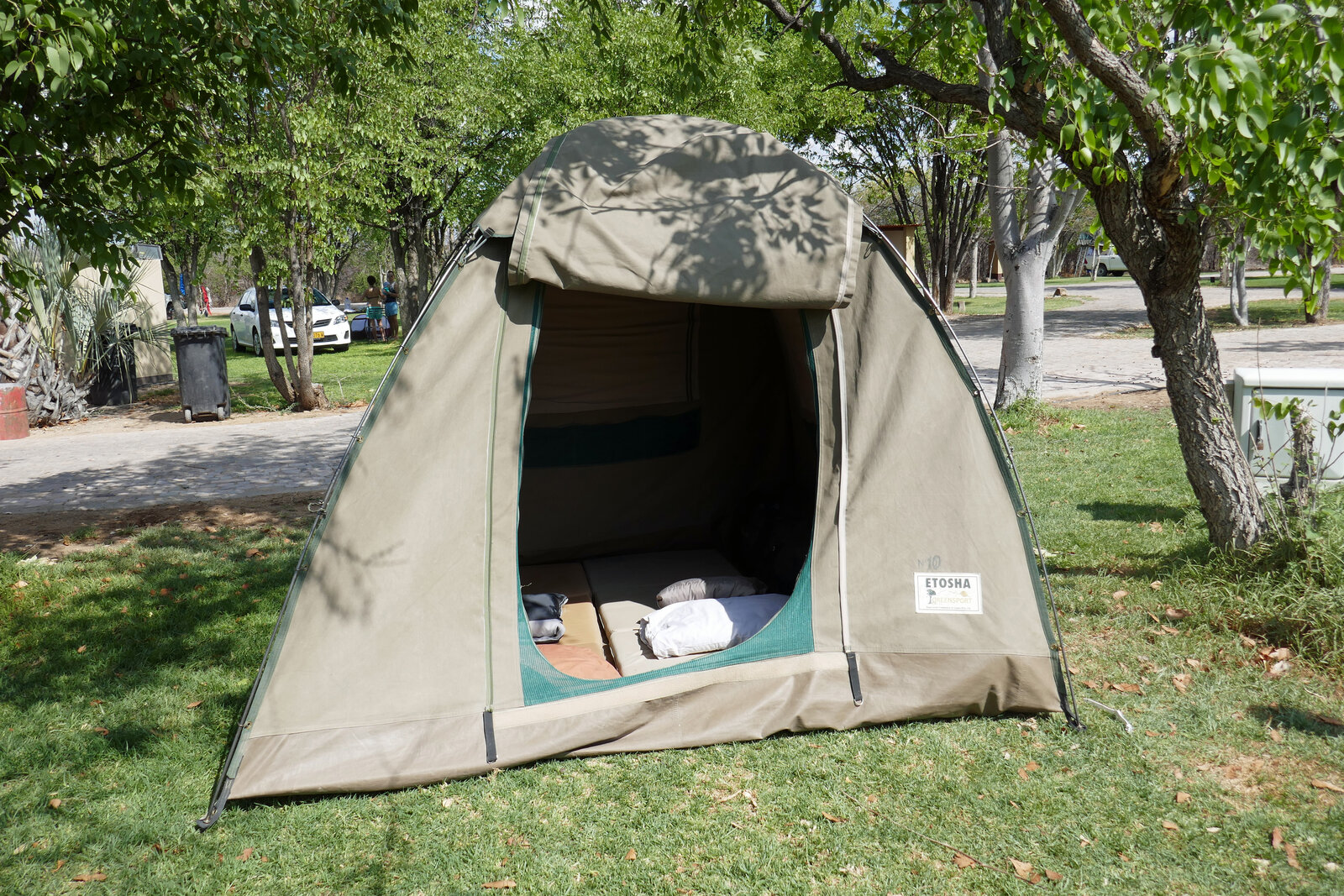
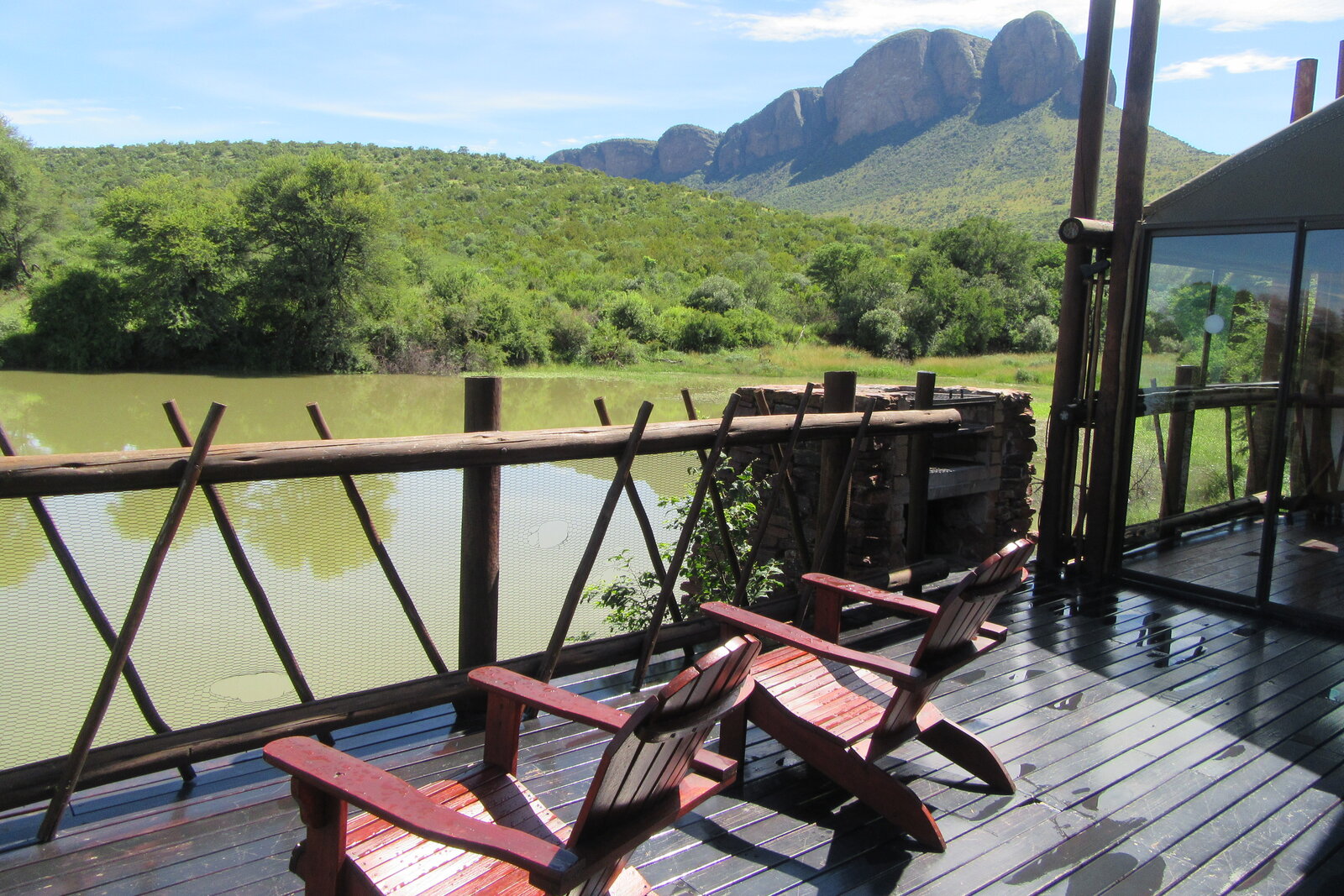
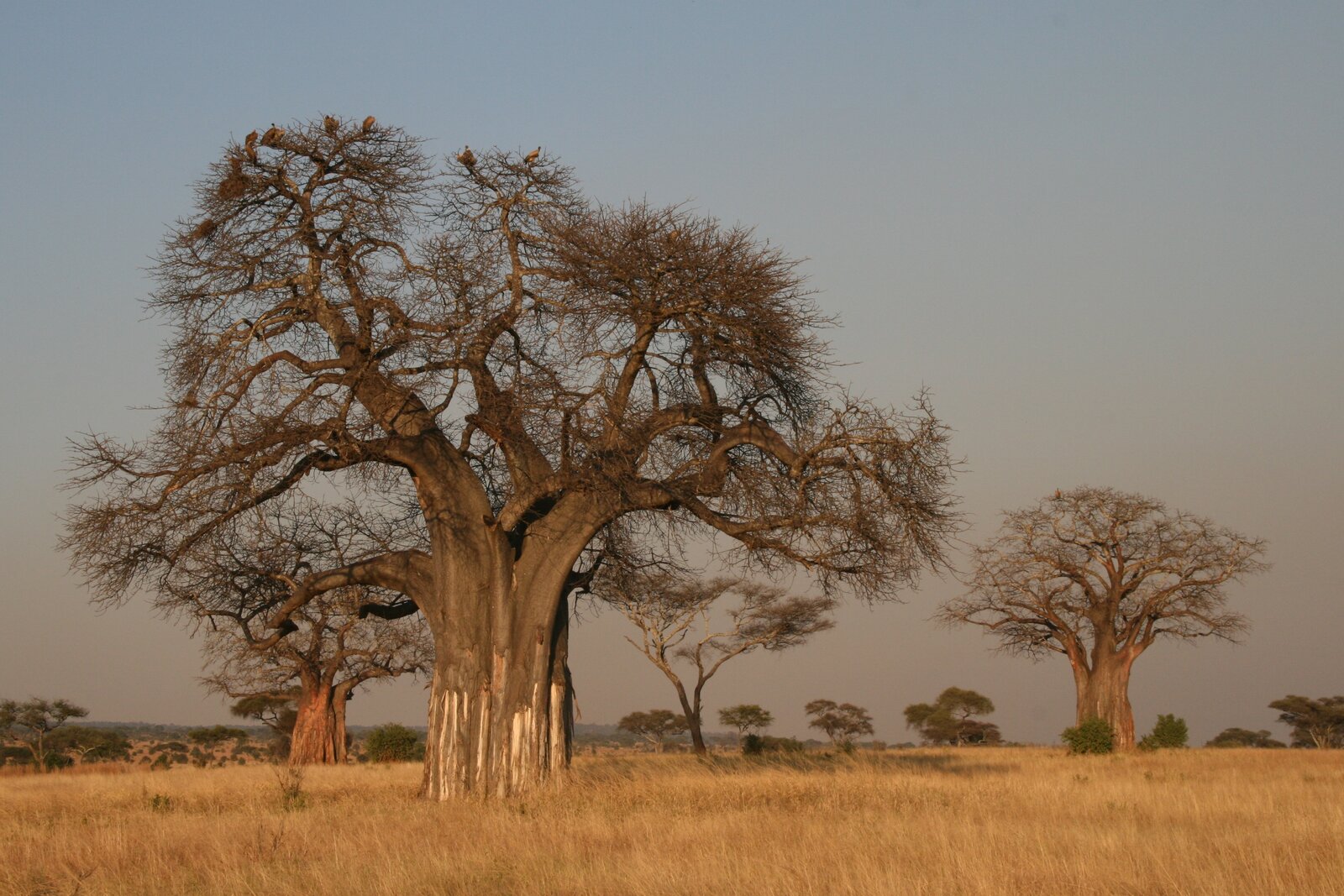
Tondo Camp is the main base, set near the park headquarters on the southern bank of the Save River — standing safari tents on raised platforms, a communal kitchen and solar power. Figtree Camp is a rustic self-catering option with dome and medium safari tents. For the truly self-sufficient there are wild campsites — Mabunda Pan, Baobab Campsite and Hippo Pools — with no facilities, for those who want nothing between them and the bush.
Option 2 — A Vilanculos or Bazaruto Luxury Base (Fly-In Comfort)
If you want Zinave's wildlife but crave a soft bed and an ocean view at the end of the day, we build the journey the other way around: fly into Vilanculos, base yourself at a luxury lodge on the coast or on a Bazaruto Archipelago island, and run guided full-day and overnight excursions into Zinave from there. It is the perfect answer for travellers who want to pair the frontier bush with the turquoise water Mozambique is famous for — the classic bush-and-beach, reimagined around the country's newest park.
How to Get to Zinave National Park
Zinave sits inland in Mabote District, Inhambane Province. The gateway is Vilanculos, which has an international airport served by flights from Johannesburg and Maputo. From Vilanculos it is roughly 200 kilometres and 3 to 5 hours by road to the park, on a mix of tar and sand tracks. A high-clearance 4x4 is essential — this is not a self-drive-in-a-sedan destination.
Most of our travellers fly into Vilanculos and let us handle the overland leg with a guided vehicle, so the journey itself becomes part of the safari rather than a logistical headache. Those combining Zinave with the Bazaruto islands simply add a short boat or light-aircraft hop from Vilanculos.
Best Time to Visit Zinave
The dry season, May to October, is the best time for a Zinave safari. As the bush thins and the pans dry out, game concentrates along the Save River and the remaining waterholes, and the sandy tracks are at their most passable. July to September is the peak — cooler, dry and with the strongest game viewing.
The green season (November to April) brings heat, dramatic skies, newborn animals and superb birding, but also rain that can make the sand roads difficult and some areas inaccessible. For a first visit focused on wildlife, aim for the dry months.
Park Fees & Practicalities
Zinave's conservation fees are modest — in the region of US$10 per person per day, plus camping fees where applicable (always confirm current rates with the park or through us when booking). This is part of what makes Zinave such good value for the adventurous: the wilderness is vast, the fees are low, and the crowds are simply not there.
Come prepared for a genuine bush environment: this is a malaria area, so take prophylaxis and cover up at dusk; bring everything you need if you're camping at the wild sites; and travel with a guide or a properly equipped 4x4 and recovery gear. It is a frontier — that is the reward and the responsibility.
💬 Plan your Zinave safari with Beyond Africa Safaris
We know the ground team, the camps, the road in from Vilanculos and exactly how to pair Zinave with the Bazaruto islands. Message us on WhatsApp: +27 74 315 5782 or email enquiries@privatetourscapetown.com and we'll build your Mozambique itinerary from scratch. Browse our Mozambique & safari packages or get in touch to start planning.
Who Is a Zinave Safari For?
Zinave is for the adventurous traveller — the one who values wilderness and story over thread count, who would rather have a sighting to themselves than share it with ten vehicles, and who is moved by the idea of witnessing a landscape being brought back from the brink. It suits conservation-minded travellers, keen birders, seasoned safari-goers looking for somewhere genuinely new, and anyone who wants to say they were there before Zinave became famous.
It is less suited to travellers who need luxury lodges inside the park, guaranteed Big Five sightings on day one, or an easy tarmac arrival. For those travellers, we would pair a short, guided Zinave excursion with a luxury Bazaruto beach base — the best of both worlds. Either way, we build it honestly around what Zinave actually is: Mozambique's newest, wildest and most hopeful safari frontier.
The Verdict
Zinave National Park is a rare thing — a safari destination you can visit at the very moment it is coming into its own. In 2026 it earned its Big Five, and it did so not by trading on the past but by rebuilding, animal by animal, on the banks of the Save River. Go now, while it is still a frontier: for the empty tracks, the returning herds, the rhinos that walk here again, and the quiet pride of a Mozambican park writing one of conservation's great comeback stories. We would be honoured to take you.