🦍 Key Takeaways — The Gorilla Habituation Experience
- Four hours, not one: a full morning with a wild family, versus the single hour every standard trek allows
- Only in southern Bwindi: the Rushaga and Nkuringo sectors of Uganda — nowhere else offers it
- Permit price: around US$1,500 per person, against US$800 for a standard Bwindi trek
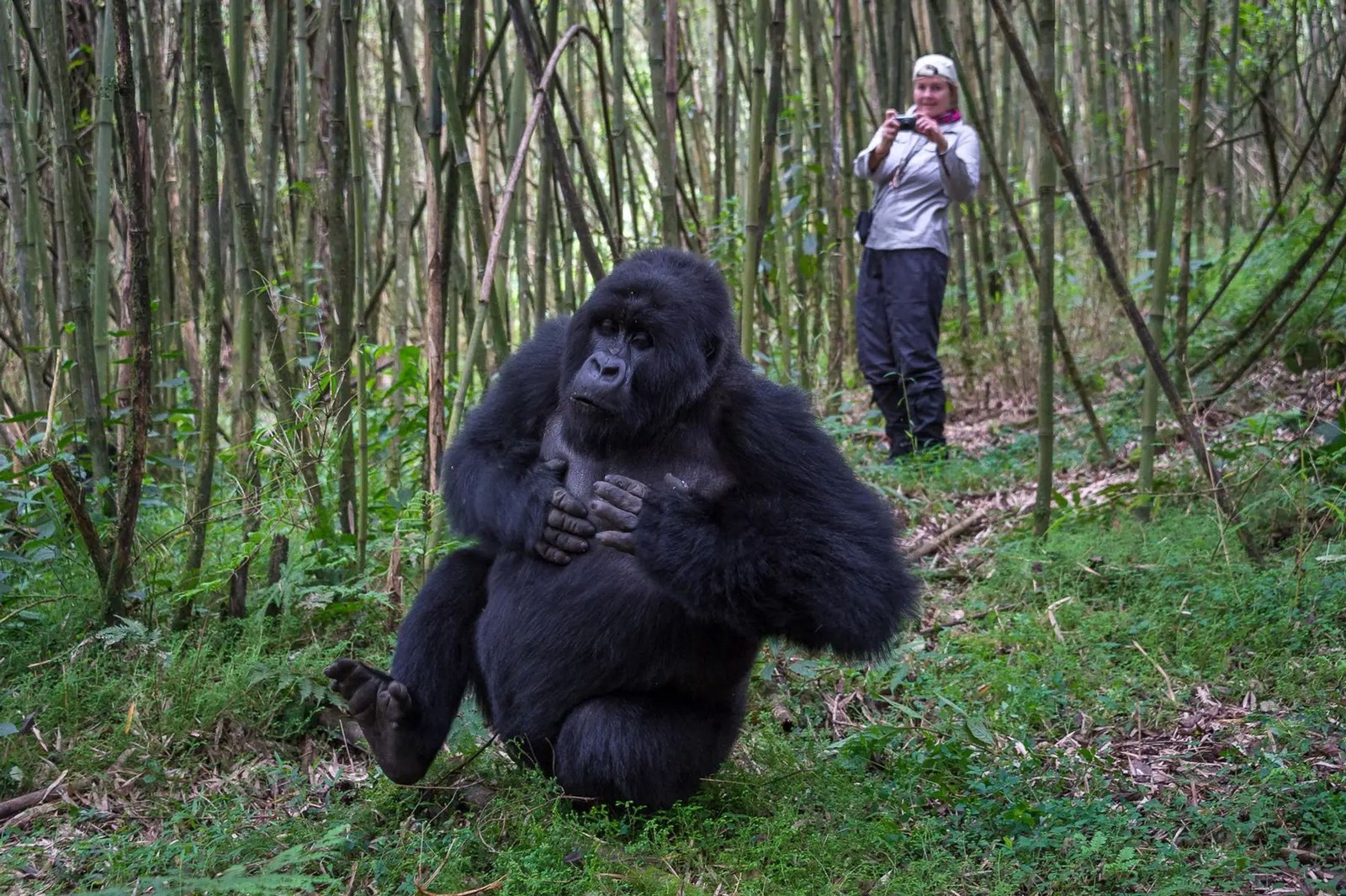
- Tiny groups: a maximum of four visitors, walking with the trackers and researchers who know the family
- Best trails: June–August and December–February are driest; permits for these months go first
What the Habituation Experience Actually Is
Most people who plan a gorilla trip picture the classic scene: a hike through forest, one hour beside a gorilla family, then the walk back out. That single hour is the rule almost everywhere mountain gorillas are visited, and it is strictly enforced to protect the animals.
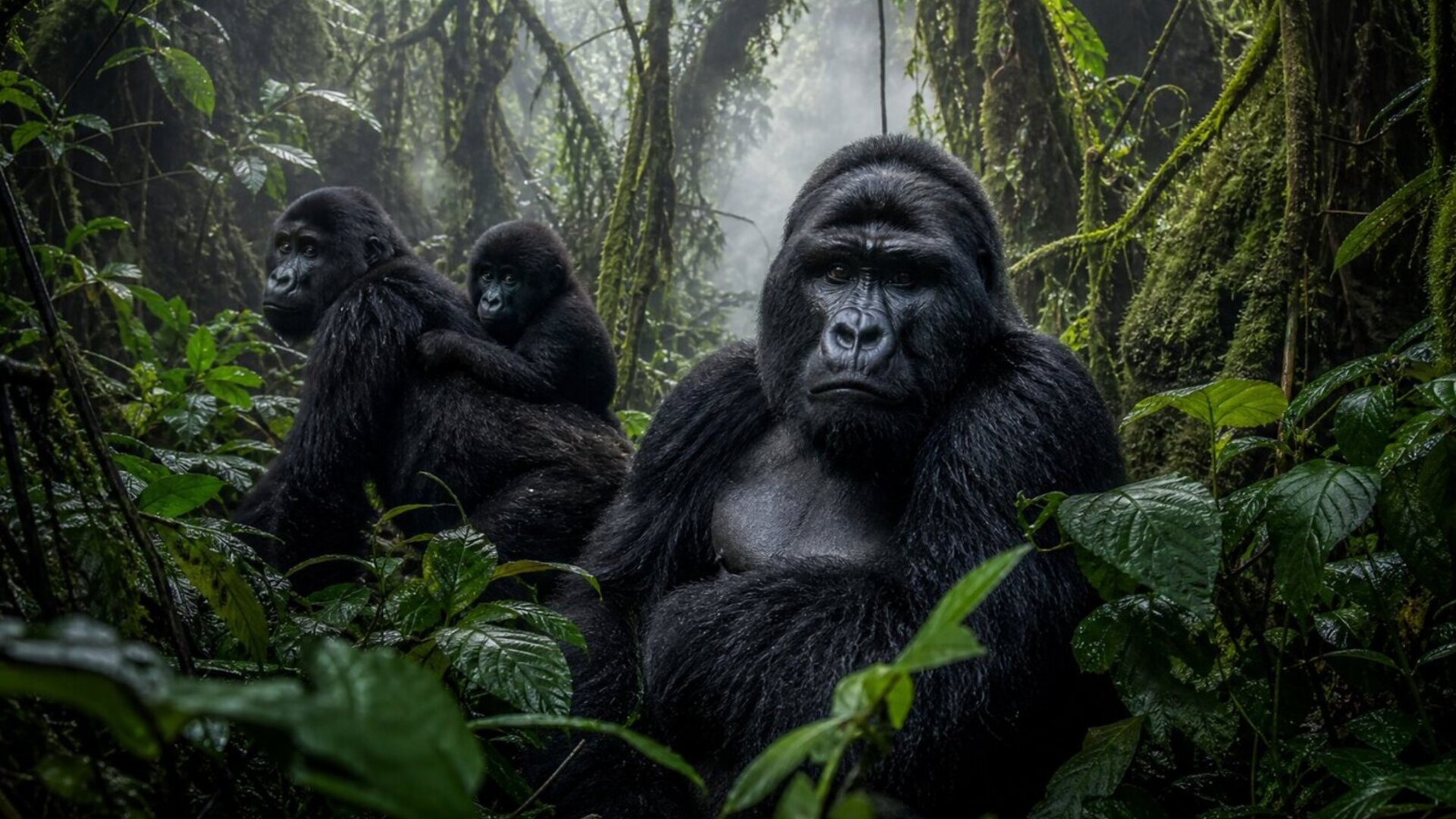
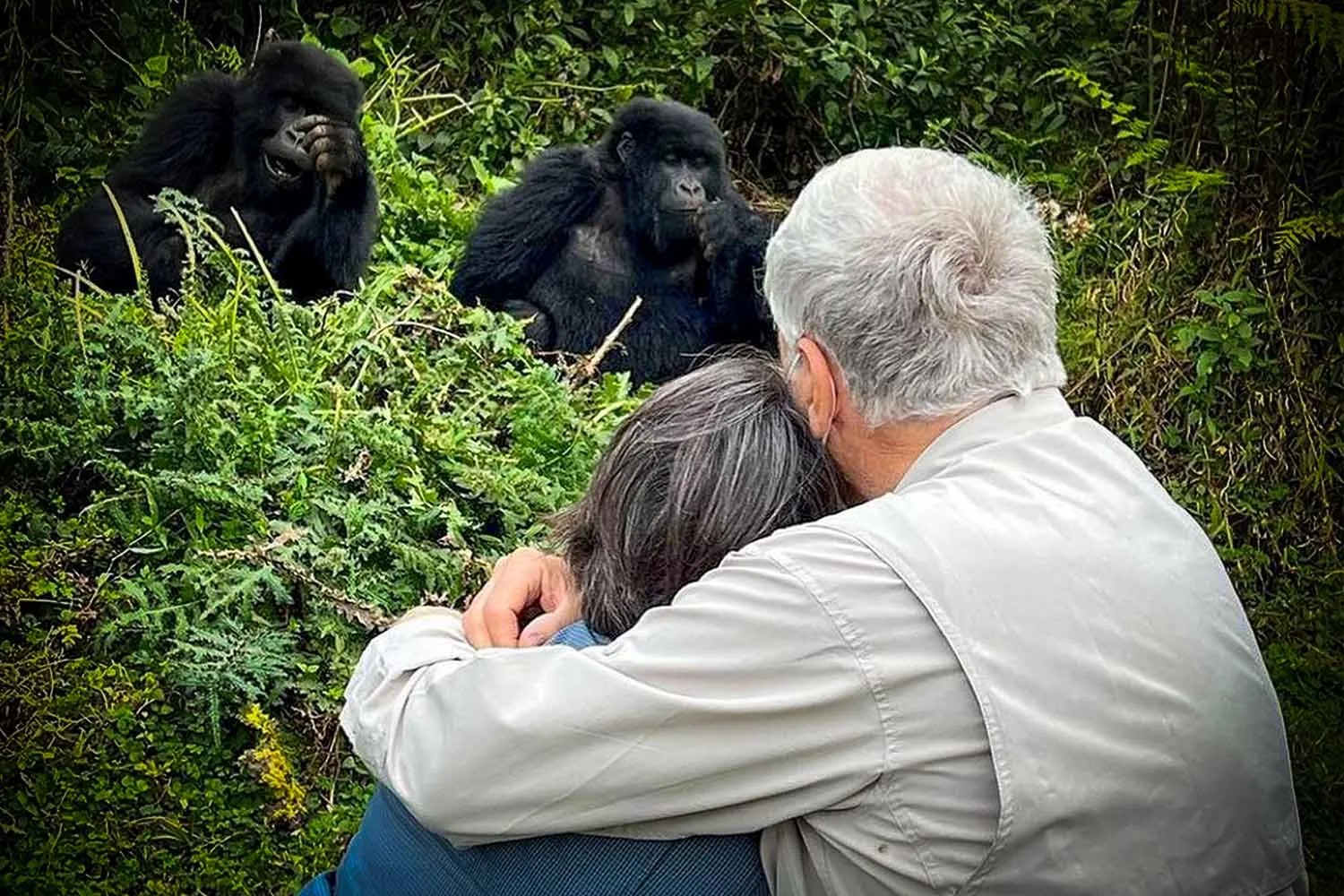
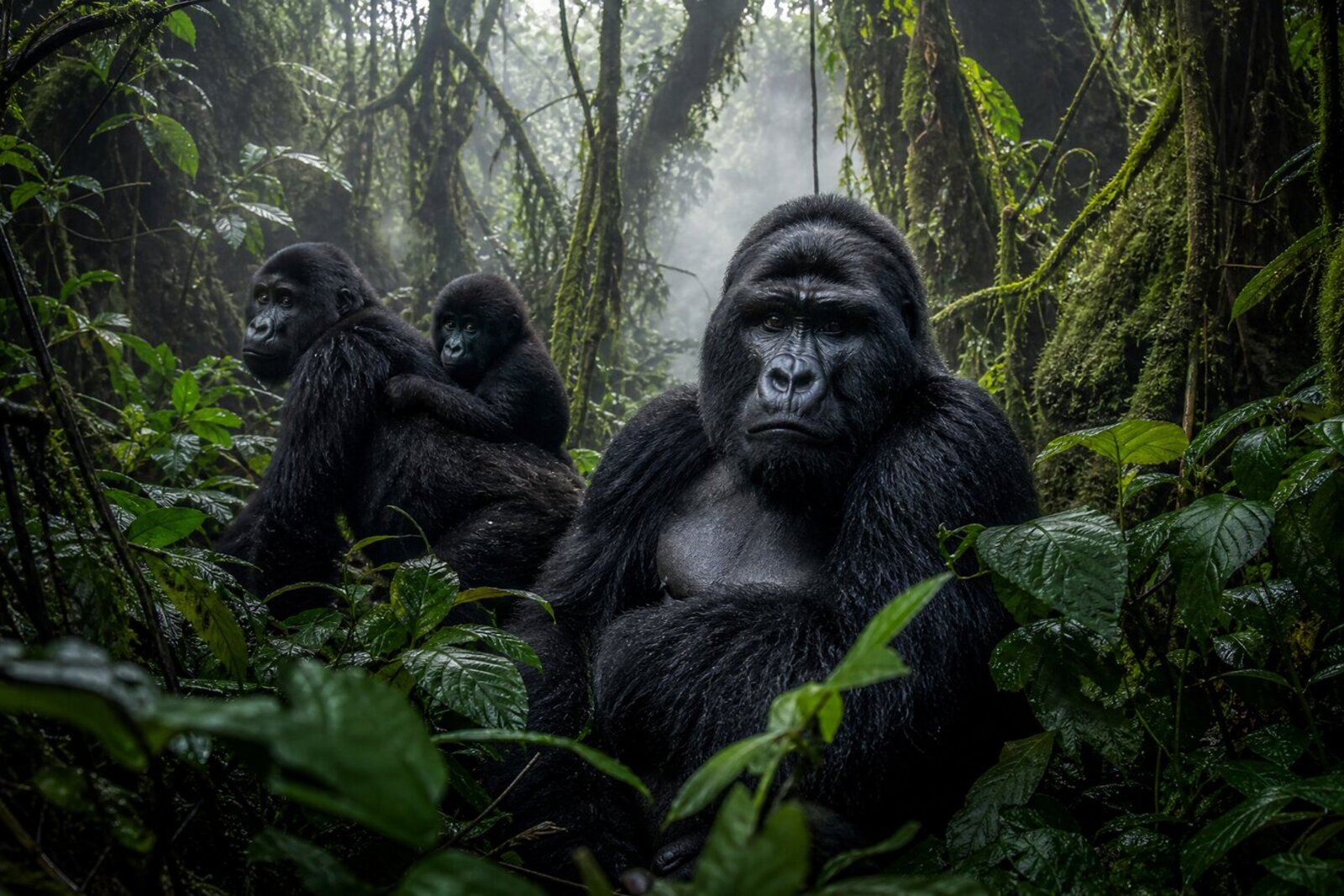
Southern Bwindi offers a different thing entirely. The gorilla habituation experience gives you four hours with a family that is still being accustomed to people — the slow, careful process rangers call habituation. A wild family takes two to three years of near-daily visits from trackers before it is calm enough for general tourism. During that window, the Uganda Wildlife Authority allows a handful of visitors to join the team at work. You are not watching a settled, fully habituated group; you are there while the family is still learning that humans mean no harm.
The practical effect is more time, far fewer people, and a morning spent with the researchers and trackers rather than in a general tourist line. It is the longest, quietest gorilla encounter available anywhere, and it is the single best answer to the question we hear most often: is one hour really enough?
Habituation vs Standard Trekking: The Real Differences
Both activities end with you standing in the forest near wild mountain gorillas. What changes is how long you stay, how many people are with you, and what state the family is in. Here is the honest side-by-side:
| Detail | Standard Trek | Habituation Experience |
|---|---|---|
| Time with the family | One hour | Four hours |
| Group size | Up to 8 visitors | Maximum 4 visitors |
| Permit price (foreign non-resident) | US$800 | Around US$1,500 |
| Who you walk with | Ranger guide | Trackers and researchers |
| Family status | Fully habituated | Semi-wild, in training |
| Where | All Bwindi sectors, Rwanda, DRC | Rushaga & Nkuringo only |
One point worth being straight about: because the habituation families are semi-wild, they can move more and settle less than a tourist-ready group. Some of your four hours may be spent tracking rather than sitting. For many travellers that is exactly the appeal — it feels like fieldwork, not a viewing slot. If you want a guaranteed calm sit-down encounter with the minimum of walking, the standard trek is the better fit, and our what to expect on a gorilla trek guide walks through that version in detail.

Where It Happens: Rushaga and Nkuringo
The experience is tied to geography. Bwindi Impenetrable National Park has four trekking sectors: Buhoma and Ruhija in the north, Rushaga and Nkuringo in the south. The habituation experience runs only in Rushaga and Nkuringo, because that is where the families currently in training live.
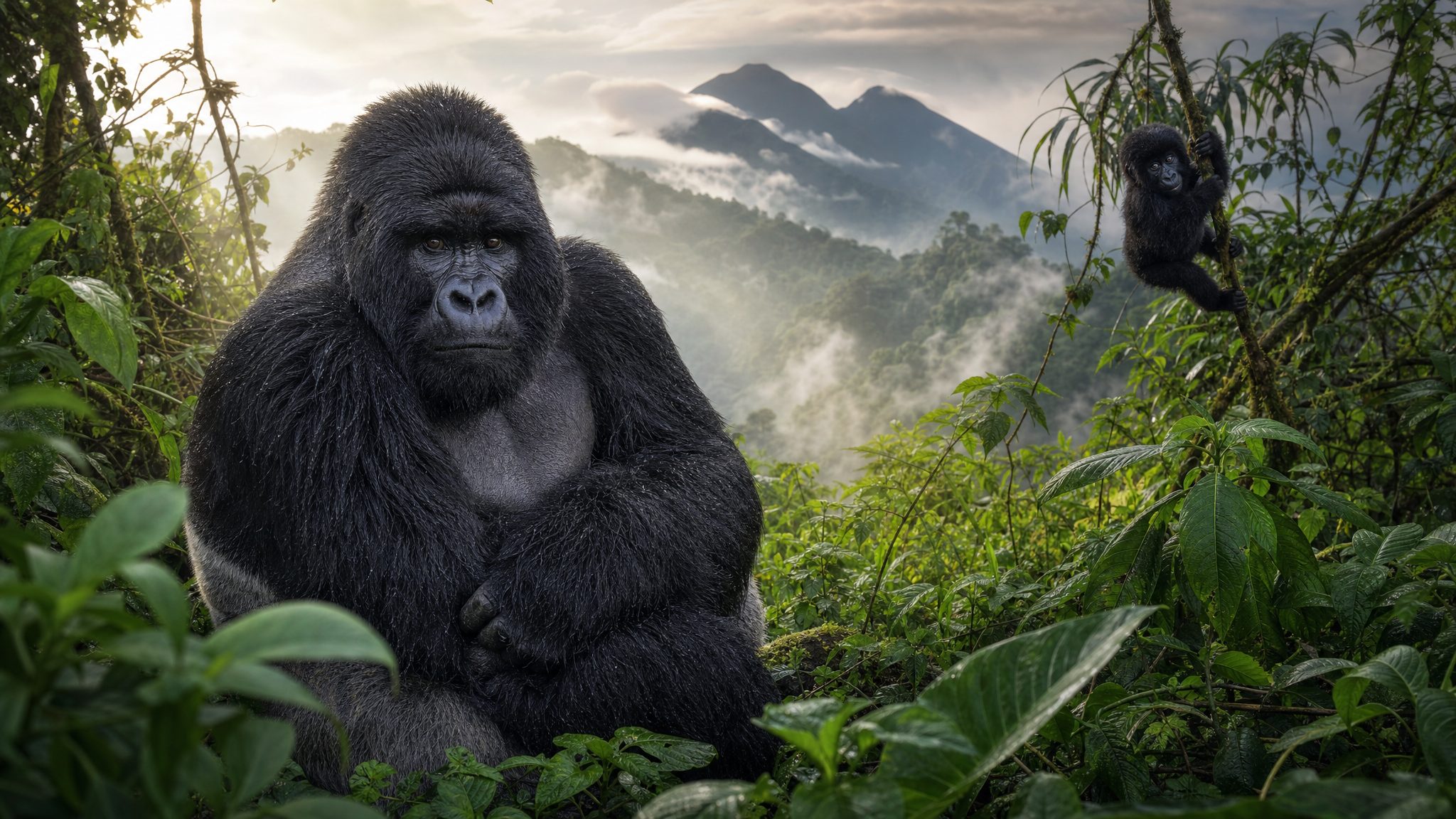
Rushaga holds the largest number of gorilla families in Bwindi and is the main base for habituation. Nkuringo, on the park's southern edge, is known for steep ground and open views toward the Virunga volcanoes. Both are reached from the Kisoro side rather than the northern Buhoma road, which matters for your routing: most travellers fly from Entebbe to the Kisoro airstrip, or drive in from Kigali in Rwanda, which is often the shortest road approach to the south.
No other place offers this. Rwanda's Volcanoes National Park and the parks of the Democratic Republic of Congo run standard one-hour treks only. If the four hours are what you are after, southern Bwindi is the single destination that provides them — a point worth remembering when you compare countries in our Rwanda versus Uganda breakdown.
The Permit: Price, Numbers and How to Secure One
The habituation permit is issued by the Uganda Wildlife Authority and priced at around US$1,500 per person for foreign non-residents. For comparison, a standard Bwindi trekking permit is US$800, and permits in Rwanda sit higher again. The premium buys three things that cannot be had any other way: the four hours, the four-person cap, and the time with the research team.
Supply is the real constraint. Only a small number of habituation permits are released per day across Rushaga and Nkuringo, and the dry-season dates are taken first — often six months to a year ahead for the busiest months. Because the permit is the fixed point everything else hangs on, the booking order matters:
- Lock the permit date first. Lodges, flights and transfers can all be arranged around a confirmed permit; the reverse rarely works.
- Book well ahead for June–August and December–February. These are the months that sell out.
- Bring your passport details early. Permits are issued against the named traveller and are not freely transferable.
- Plan a buffer day. Southern Bwindi is remote; a spare day protects you against a delayed flight or a washed-out road.
We hold and secure these permits for clients as part of planning the trip, so the date is confirmed before anything else is booked. If you would rather see how the standard permits and costs compare across both countries, our gorilla trekking cost guide lays out the full picture.
🦍 Secure a Habituation Permit & Trip
Habituation permits are few and go early. Tell us your preferred month and we will check live availability in Rushaga and Nkuringo, hold the date, and build the lodges, flights and transfers around it.
Check Permit Availability →What a Habituation Day Looks Like
You start early. After a sunrise briefing at the sector headquarters, you meet the tracking team and set off with the trackers who have usually located the family's night nests at first light. The walk in can be short or can run a few hours, depending on where the family moved overnight and how far they have fed since.
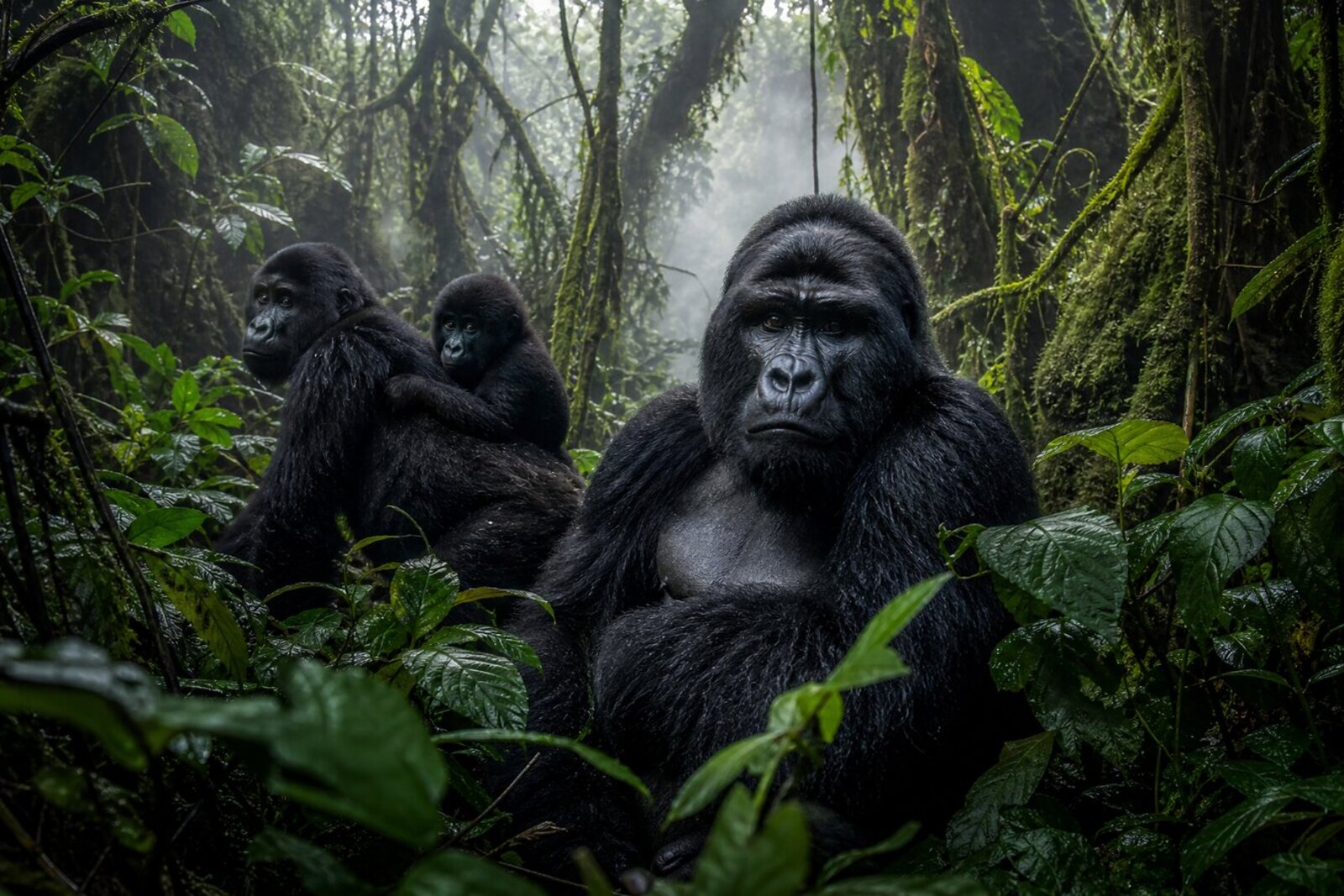
When you reach them, the rhythm is unlike a standard trek. There is no countdown to a single hour. The researchers work quietly — noting who is present, how the youngsters are behaving, how close the family will tolerate people that day. You stay at the required distance, keep your voice low, and watch a wild family simply live: a silverback feeding, females grooming, juveniles testing their nerve by edging toward the group and retreating again. Over four hours you see behaviour that the one-hour window rarely allows — the family moving, resting, shifting feeding spots, the social order playing out at its own pace.
Because the group is capped at four, there is room to actually see. No jostling for a sightline, no line of visitors behind you. It is the closest a traveller can get to the daily work of gorilla conservation, and most people come out of the forest quieter than they went in.
Fitness, Terrain and What to Pack
Bwindi earned the word "impenetrable" honestly. The forest sits between roughly 1,160 and 2,607 metres, the ground is steep, and the trails turn to thick mud after rain. Add the fact that habituation families are semi-wild and can lead the trackers a longer chase, and this is a harder morning than a standard trek on average. You do not need to be an athlete, but you should be able to manage several hours of uphill walking on uneven ground.
Two things make it far easier. First, hire a porter — they carry your bag, give a steady hand on the slick sections, and the fee supports families living beside the park. Second, train a little beforehand: a few weeks of hill walks pays off. For a full kit list and conditioning advice, our Bwindi gorilla trekking guide covers it in depth. The essentials:
- Waterproof hiking boots with good ankle support, worn in before you travel
- Gaiters and gardening-style gloves for grip on wet vegetation and nettles
- Rain jacket and long trousers — the forest can wet you through in minutes
- At least two litres of water and a packed lunch for the longer day
- A dry bag for your camera and a walking pole for the descents
When to Go and How to Build the Trip
Mountain gorillas are resident all year, so the experience is available in every month. The choice is about trail conditions and how many other visitors are about:
- June–August and December–February (drier): firmer trails, easier walking, the most reliable weather — and the first permits to sell out. Book early.
- March–May and September–November (wetter): greener forest, fewer people and a better chance of last-minute permits, in exchange for heavier mud underfoot.
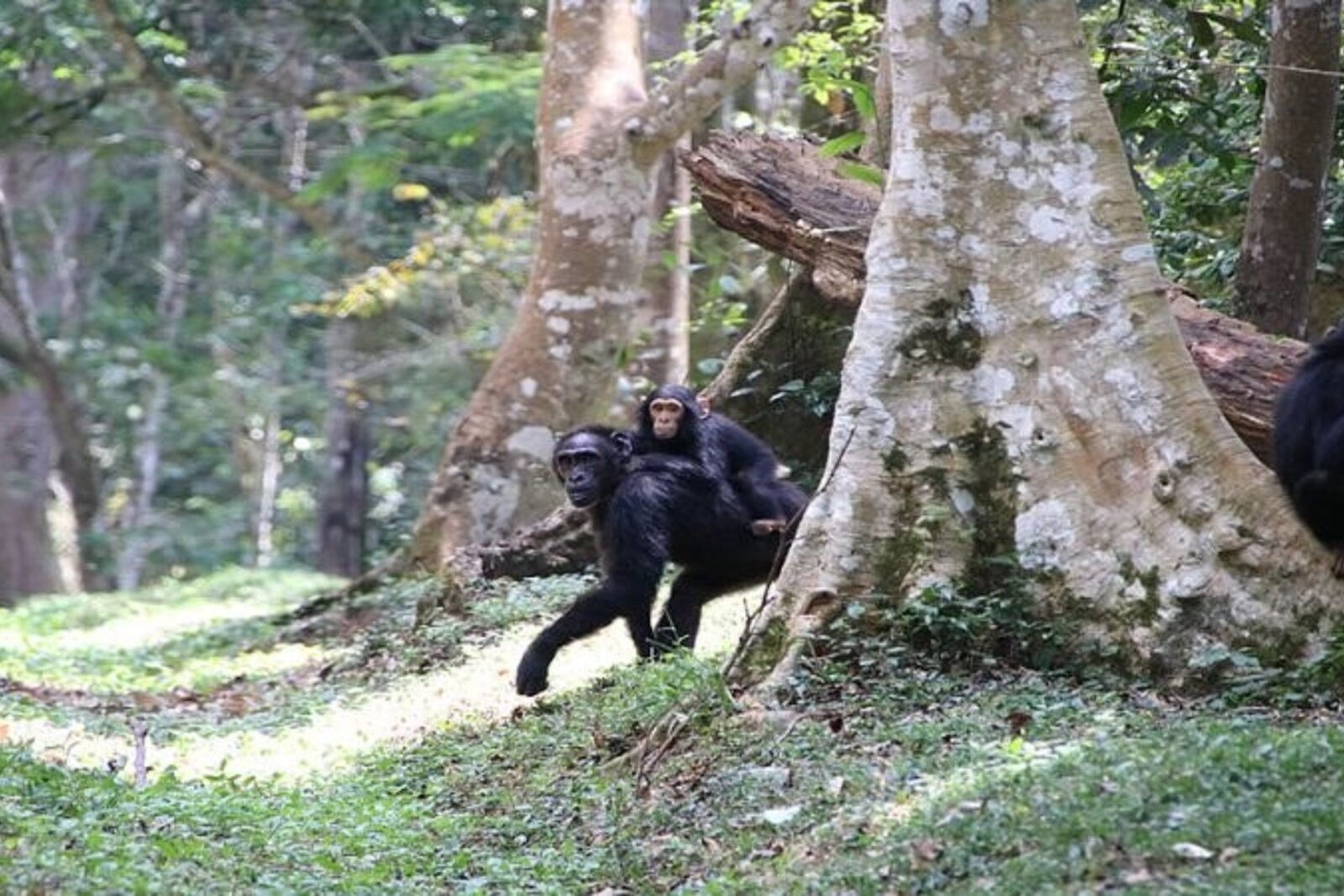
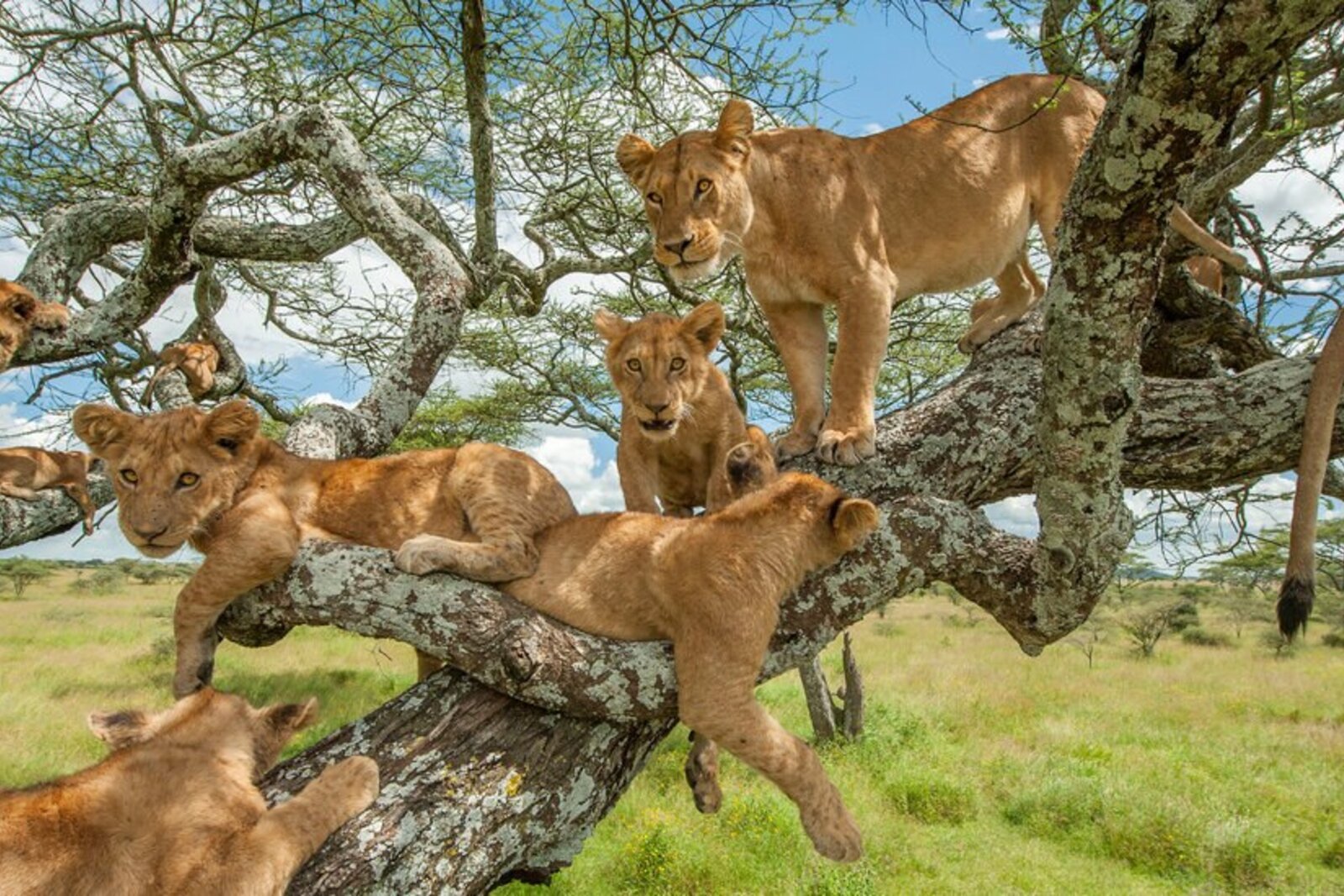
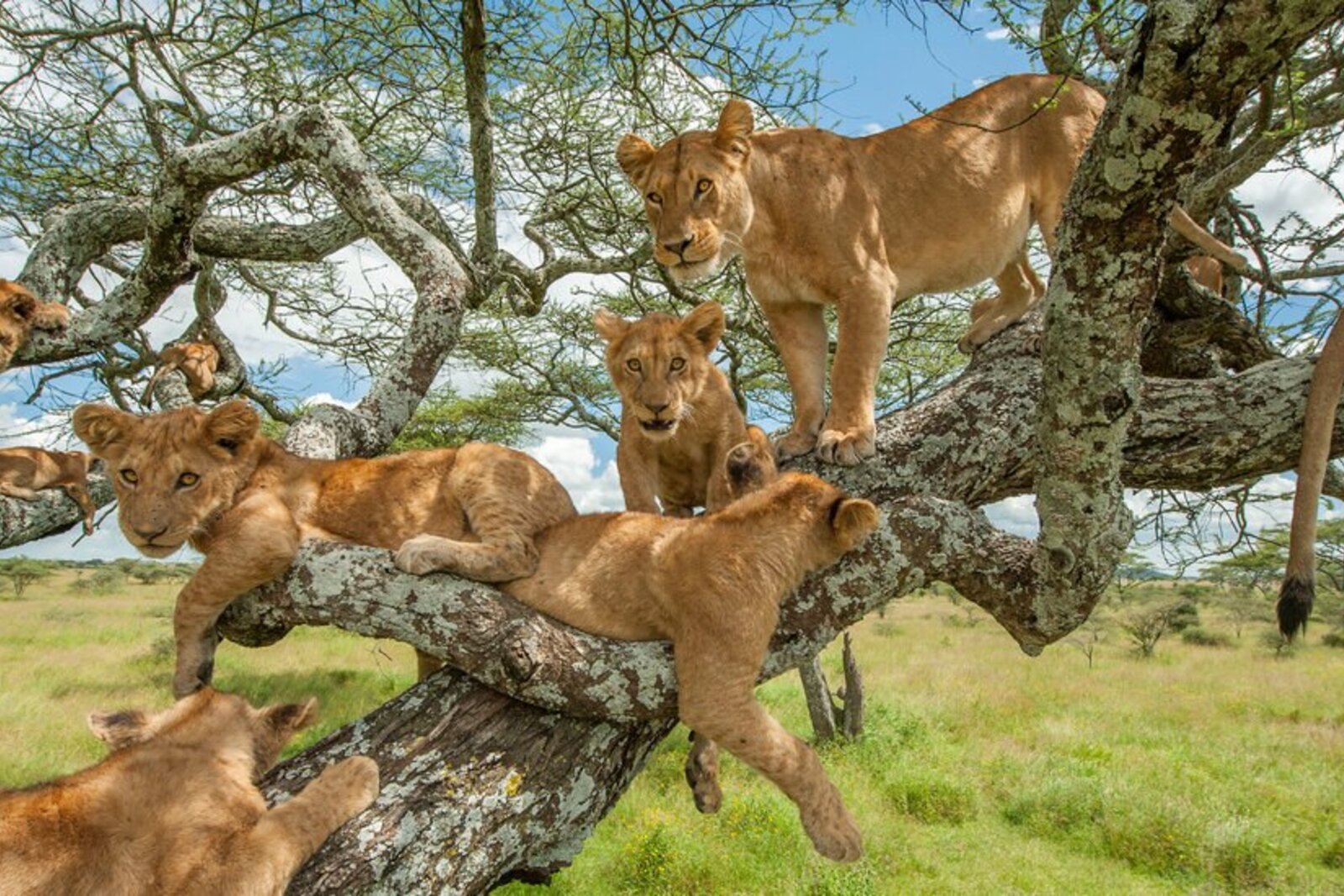
Few people fly all the way to southern Bwindi for a single morning, and they are right not to. The habituation experience sits best at the centre of a longer route. The pattern we build most often adds a standard one-hour trek on a separate day, chimpanzees in Kibale Forest, and big game in Queen Elizabeth National Park, with the whole plan anchored to the confirmed habituation date. From there, Uganda joins up naturally with a savannah safari in Kenya or Tanzania. For the groundwork, our best time to go and Uganda safari planning guides are the place to start, and the gorilla trekking hub pulls the whole subject together.
🌍 Let Us Handle Every Detail
From the habituation permit to the lodges, the Kisoro flight and the wider safari, we plan the whole journey so you arrive and simply walk into the forest. Speak to a specialist who arranges Uganda gorilla trips every week.
Is the Habituation Experience Right for You?
If one hour has ever felt too short, this is the answer — four hours, four visitors, and a morning spent with the people who know the family by name. It asks more of you in fitness, in budget and in patience with a semi-wild group, and it gives back the deepest gorilla encounter on the continent. For first-time visitors who want a calm, settled sighting with less walking, a standard trek remains the wiser choice, and there is no wrong answer between the two.
Either way, the permit is the piece that decides everything, and it is the piece we secure first. Read more across our Bwindi guide and southern Bwindi lodges, browse our safari packages, or contact our specialists to build a private Uganda journey around your habituation date.