Key Takeaways
- Bwindi Impenetrable Forest protects roughly half of the world’s remaining mountain gorillas — only about 1,000 survive in the wild.
- A Uganda gorilla trekking permit costs US$800 per person, notably less than Rwanda’s US$1,500, and includes one hour with a habituated family.
- Bwindi has four trekking sectors — Buhoma, Ruhija, Rushaga and Nkuringo — each with its own habituated gorilla families and lodges.
- Treks last anywhere from one to eight hours through steep, muddy forest; a maximum of eight visitors are permitted per gorilla family per day.
- Gorilla trekking is possible year-round, but the drier months of June to September and December to February offer firmer trails.
- Bwindi pairs perfectly with Uganda’s other parks — Queen Elizabeth’s tree-climbing lions, Kibale’s chimps and Murchison Falls.
Why Bwindi Is the Gorilla Capital
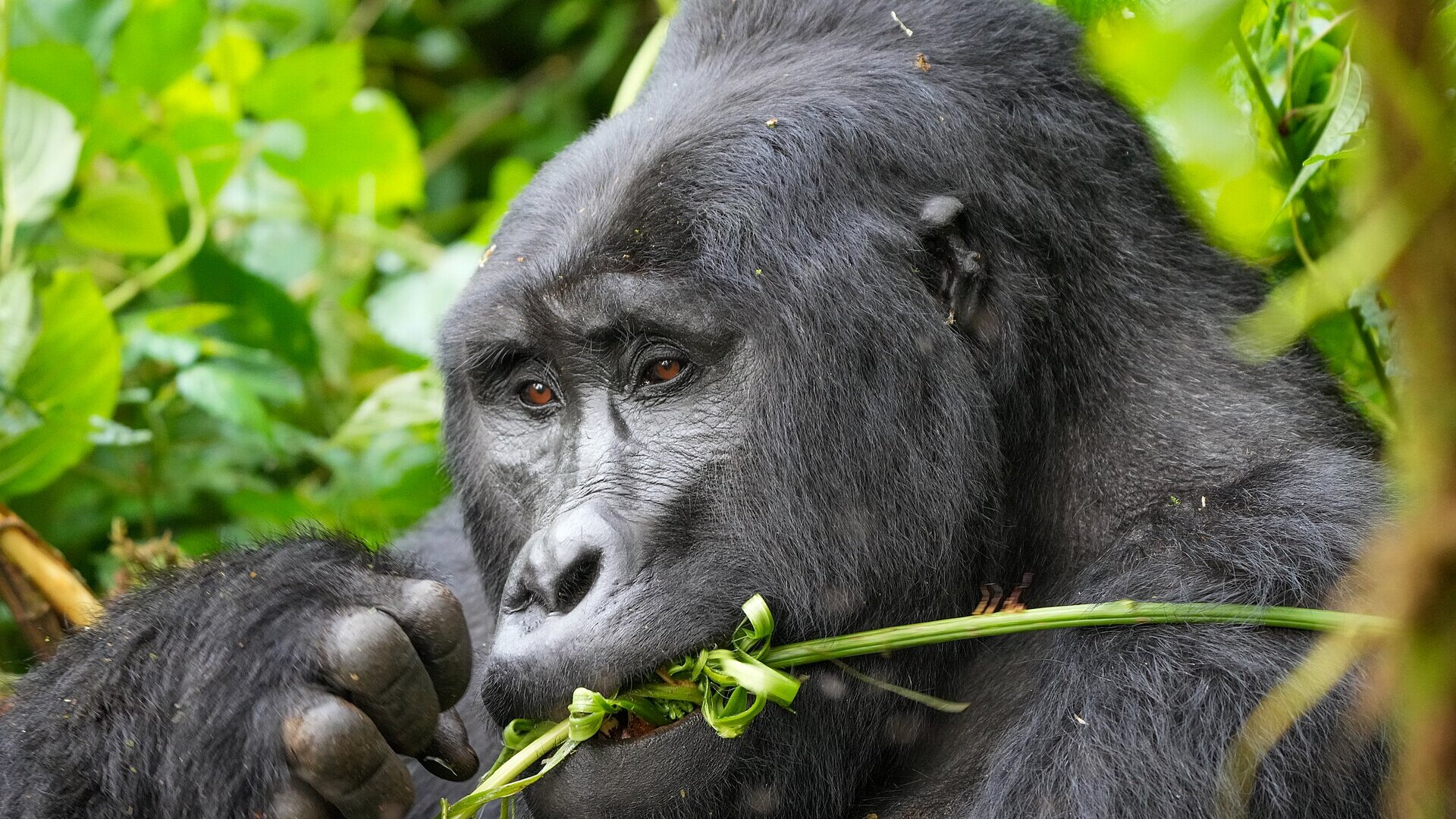
There are moments in travel that rearrange something inside you, and standing seven metres from a wild silverback is one of them. In the far southwest of Uganda, along the rim of the Albertine Rift, lies Bwindi Impenetrable National Park — a tangle of ancient rainforest so dense that its name is no exaggeration. This 331-square-kilometre UNESCO World Heritage Site shelters nearly half of all the mountain gorillas left on Earth, a species that numbers only around 1,000 individuals in total.
Bwindi is old — one of the few African forests to survive the last Ice Age — and its biodiversity is staggering: over 120 mammal species, 350 birds and more than 200 butterflies live beneath its dripping, moss-hung canopy. But it is the gorillas that draw travellers from every corner of the world. To trek into this forest, find a habituated family, and share one quiet hour with them is one of the greatest wildlife experiences on the planet.
An Ancient Forest, a Rare Privilege
Gorilla trekking is one of conservation’s great success stories. Decades of protection, community involvement and strictly controlled tourism have lifted mountain gorilla numbers from the brink — they are now the only great ape whose population is growing. The permit fees travellers pay go directly into protecting the forest and supporting the communities around it, which means your trek is not just an encounter, it is an act of conservation.
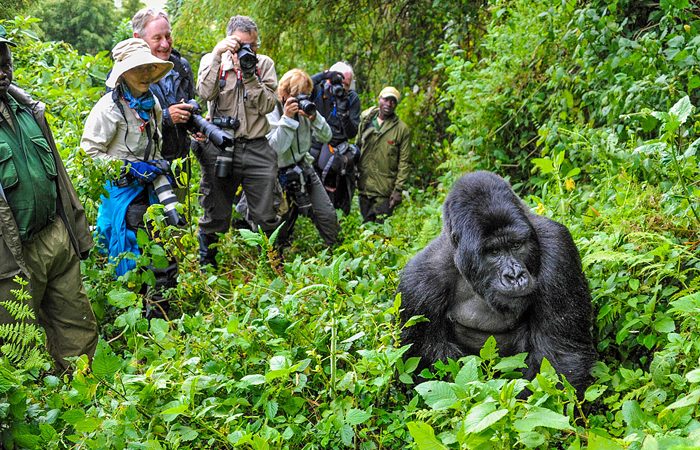
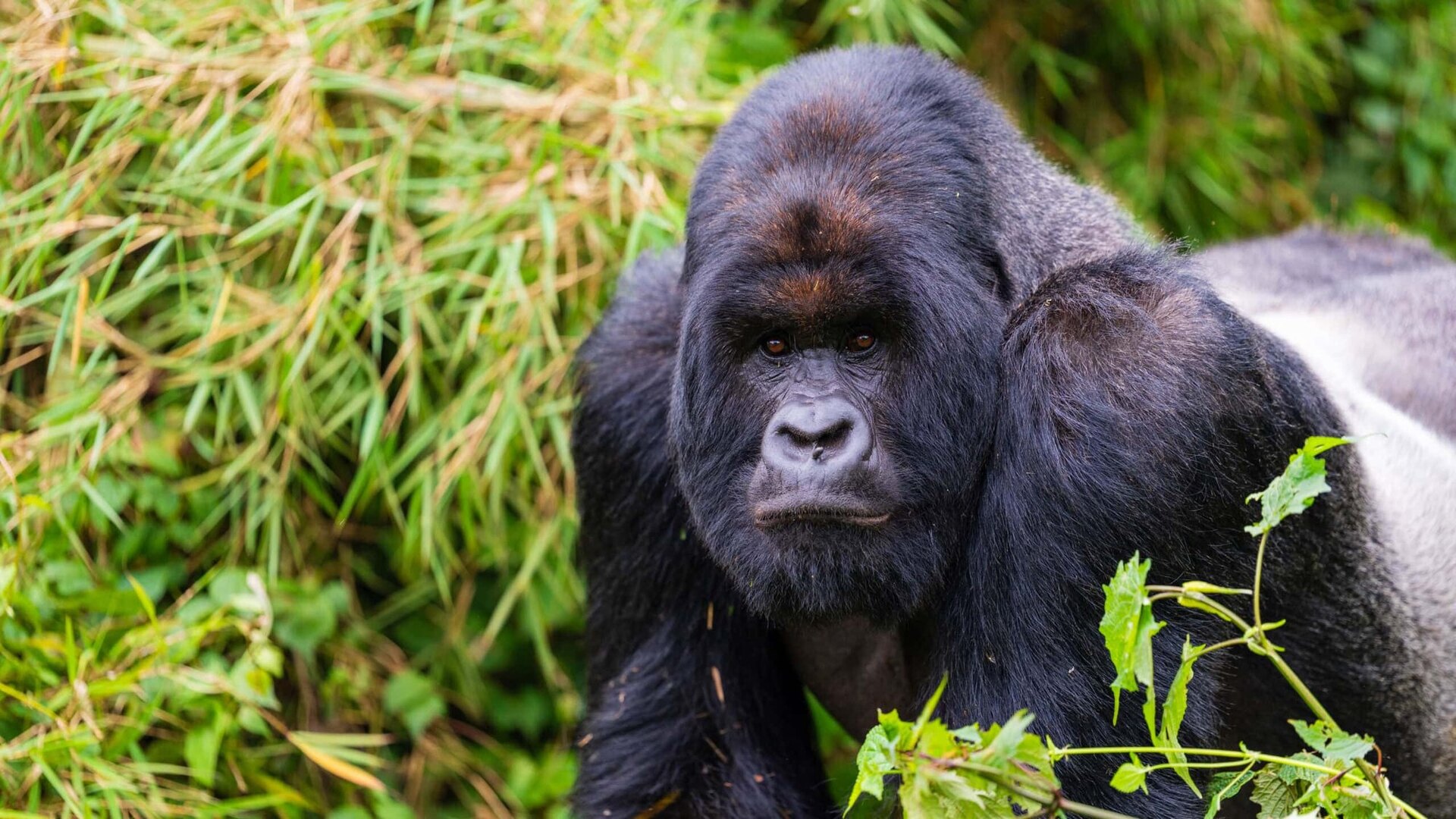
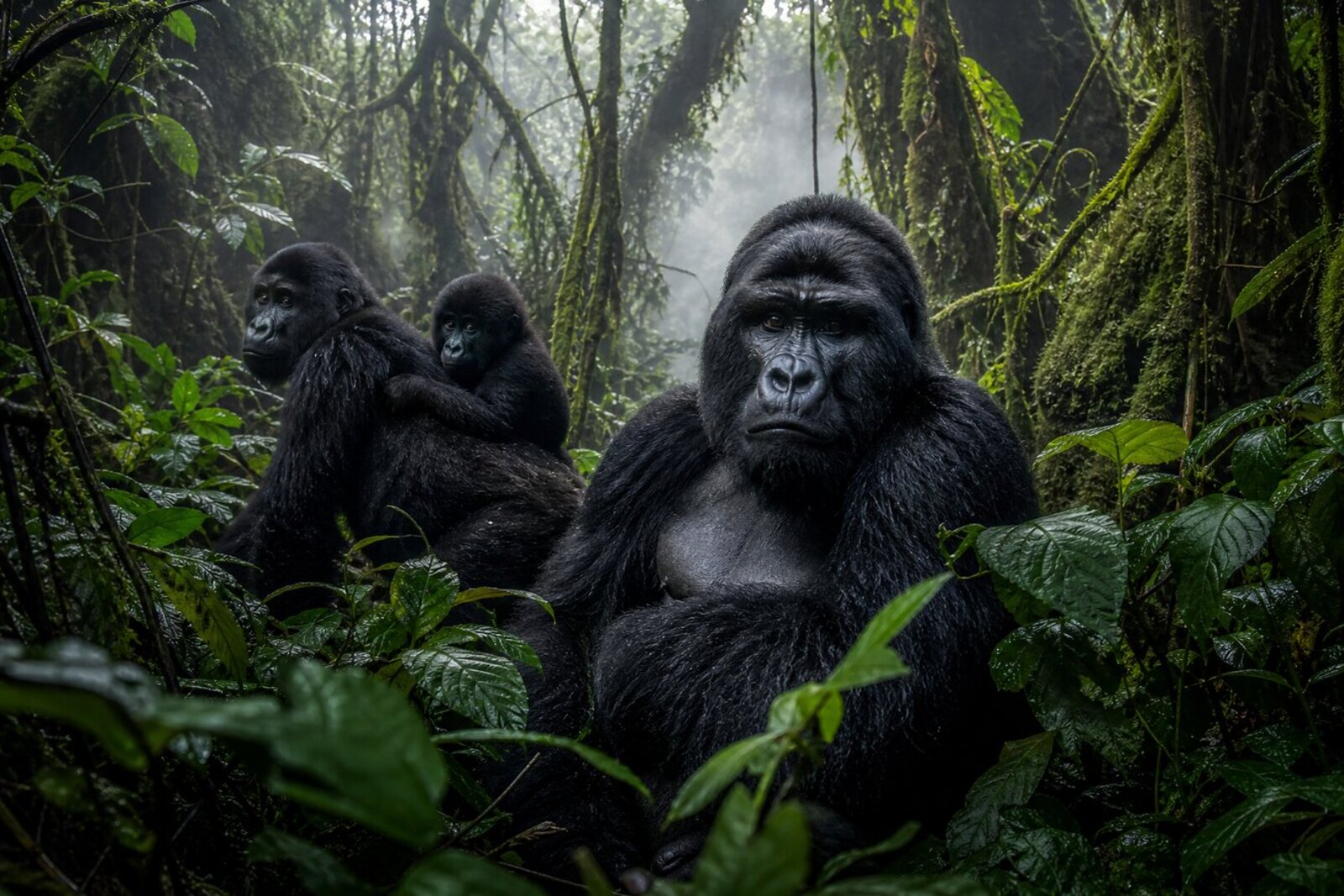
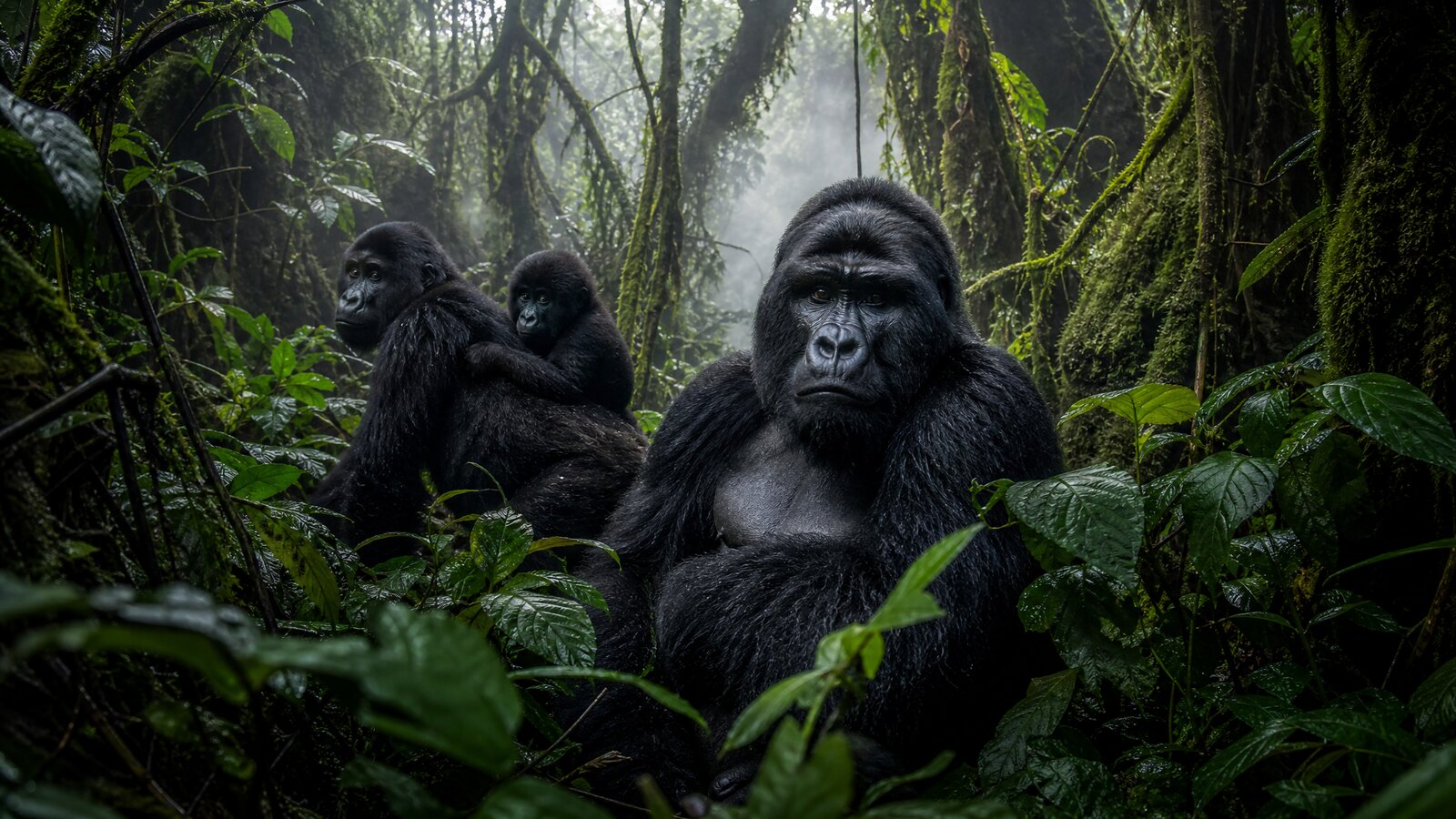
The gorillas of Bwindi live in habituated family groups, each led by a dominant silverback and slowly, patiently accustomed to human presence over years so that a small number of visitors can observe them without stress. Every trek is different — the forest, the terrain and the family’s mood combine into something you will never quite be able to describe to those who have not done it.
Permits & Cost
A Uganda gorilla trekking permit costs US$800 per person for foreign non-residents, set by the Uganda Wildlife Authority. That single fee includes park entry, ranger guides and one precious hour with a habituated gorilla family. It is significantly cheaper than neighbouring Rwanda, where a permit costs US$1,500 — one of the main reasons Uganda has become the value gateway to mountain gorillas.
Permits are strictly limited: only eight visitors per gorilla family per day, which keeps the experience intimate and the gorillas protected. Because demand is high — especially in the dry peak months — permits should be secured six to twelve months ahead. We arrange your permits, lodges and internal logistics as one package so nothing is left to chance. For the ultimate encounter, Bwindi’s Rushaga sector also offers a four-hour gorilla habituation experience, spending extended time with a family still being habituated.
Related journey: Gorilla Tracking Adventure Uganda — 4 Days →
The Four Trekking Sectors
Bwindi is trekked from four sectors, each with its own trailhead, habituated families and lodges. Choosing the right one matters, because it decides where you stay and how tough your trek is likely to be.
| Sector | Location | Character |
|---|---|---|
| Buhoma | North | The original sector, excellent lodges, good trail network, easy to reach. |
| Ruhija | East | High-altitude, cooler, quieter, superb forest birding alongside gorillas. |
| Rushaga | South | The most habituated families, and home to the gorilla habituation experience. |
| Nkuringo | South | The most scenic and most challenging, with steep terrain and grand views. |
Buhoma and Rushaga are the most popular and best served by lodges. Nkuringo rewards the fit with dramatic scenery, while Ruhija suits those who love birds and cooler air. We match your sector to your fitness, your lodge and your permit allocation so everything lines up perfectly on trek day.
What the Trek Day Is Really Like
The day begins early. After breakfast you gather at the sector headquarters for a briefing at around 7:30 AM — the rangers explain the rules, allocate you to a gorilla family based on fitness, and introduce your guides and trackers. Advance trackers have often already set out to locate the family from where they nested the night before.
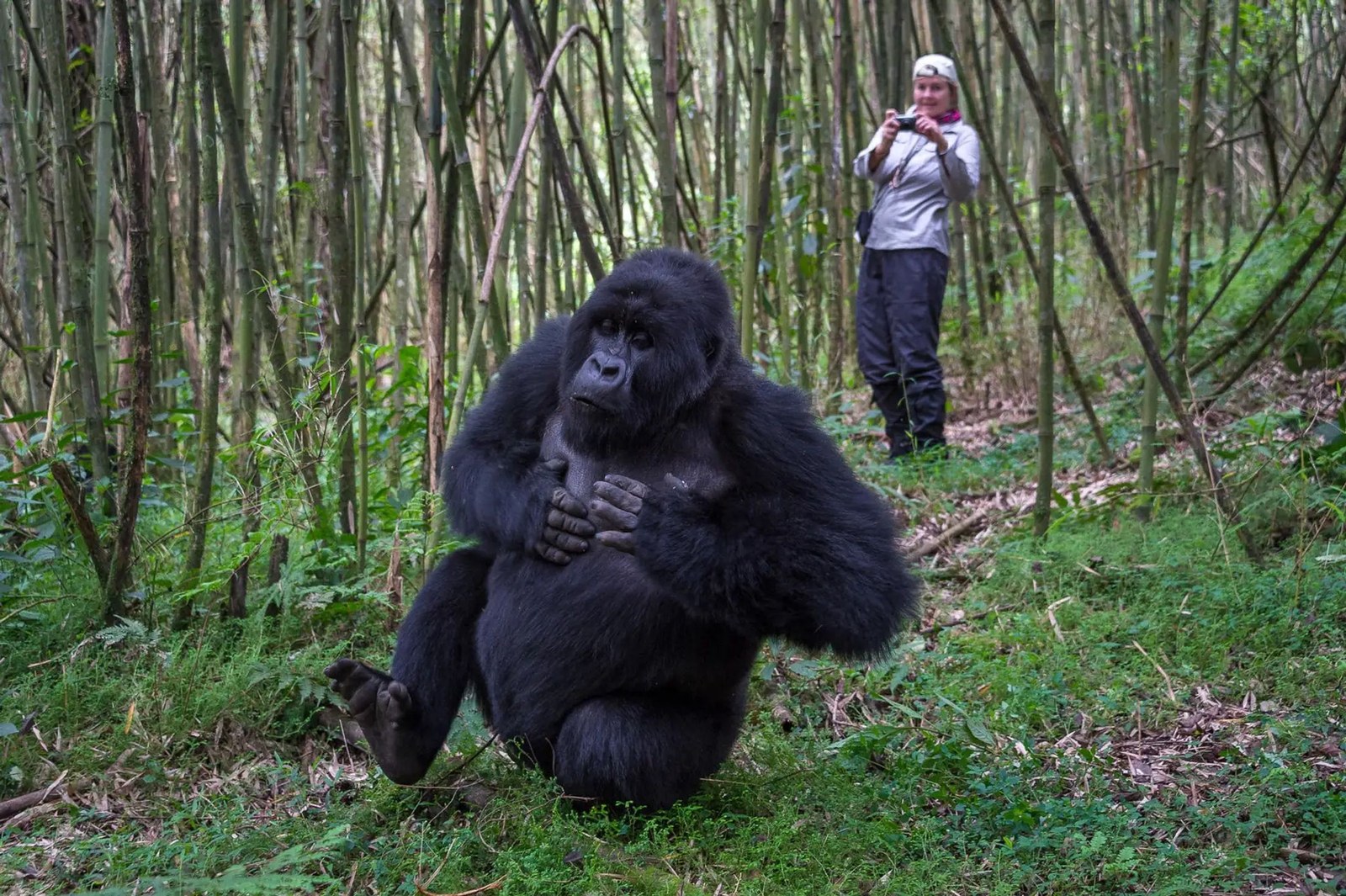
Then you walk into the forest. The trek can last anywhere from one to eight hours, climbing muddy slopes, crossing streams and pushing through dense vegetation with the help of guides and a walking stick. It is humid, green and utterly alive. When the trackers radio that the family is close, you leave your bags, and the pace slows to a hush.
And then, there they are. You spend exactly one hour with the family from about seven metres away — a silverback dozing in a shaft of light, juveniles tumbling through the vines, a mother cradling her infant. Gorillas share around 98% of our DNA, and the eye contact is unforgettable: calm, intelligent, unmistakably familiar. The hour passes in a heartbeat, and you emerge from the forest changed.
Best Time, Fitness & the Finest Lodges
Gorilla trekking is possible year-round, but the drier months — June to September and December to February — bring firmer trails and easier walking, which is why they are peak season. The wet seasons (March to May, October to November) mean muddier treks and heavier forest, but also fewer visitors, greener scenery and easier permit availability. The gorillas themselves are found regardless of season.
You do not need to be an athlete, but a moderate level of fitness helps enormously — the terrain is steep and slippery. Porters are available at every trailhead to carry your daypack and give a helping hand on tough sections, and hiring one both eases your day and supports the local community. Good boots, gaiters, gloves and a waterproof are essential.
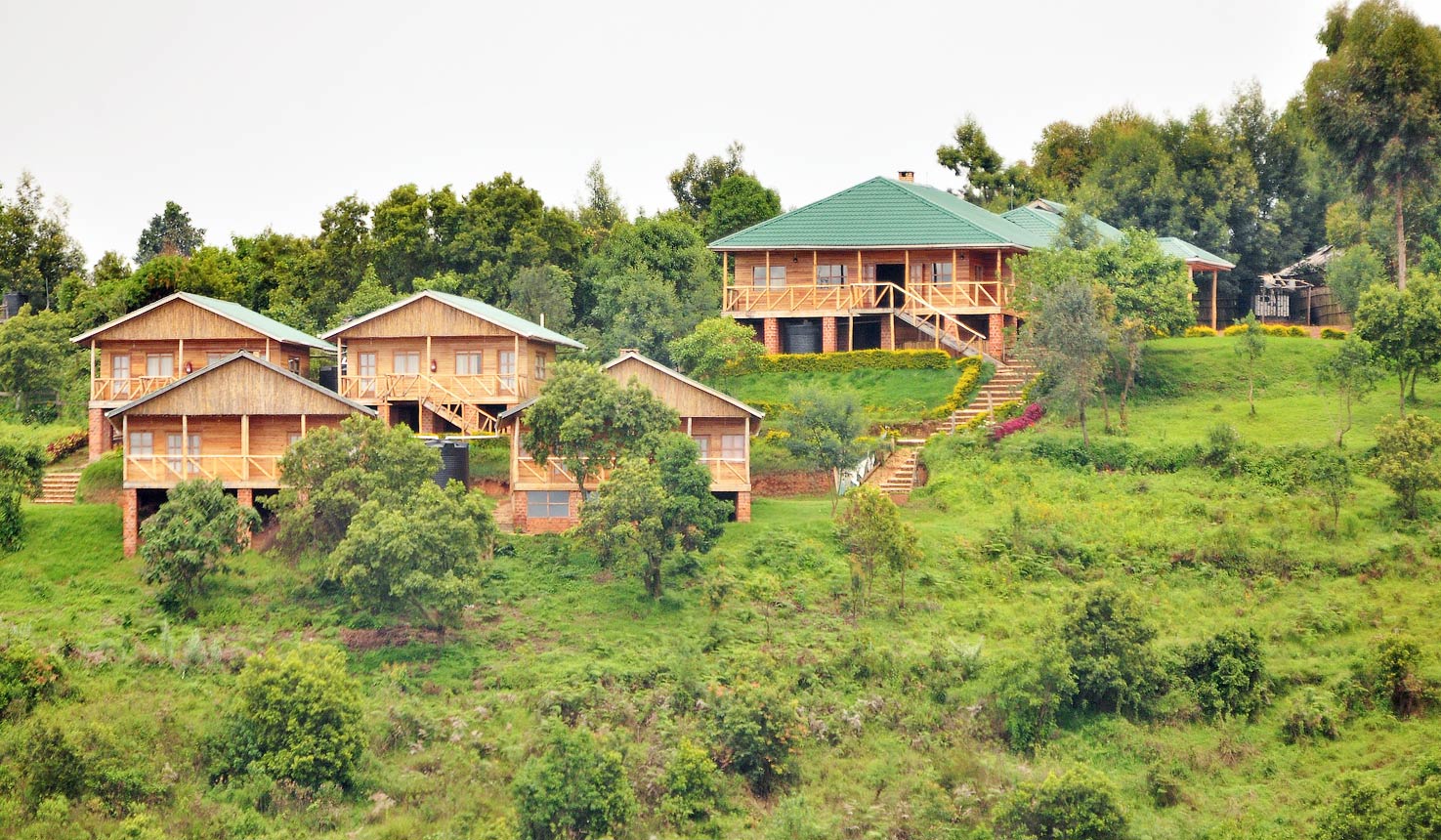
The lodges on the forest edge are superb, from intimate luxury tented camps to stone cottages with fireplaces and views over the canopy to the Virunga volcanoes beyond. Staying in the sector where you trek means the shortest possible transfer to the briefing point — we always match your lodge to your permit sector.
Related journey: Ultimate Gorilla & Wildlife Uganda — 8 Days →
Planning Your Uganda Gorilla Safari
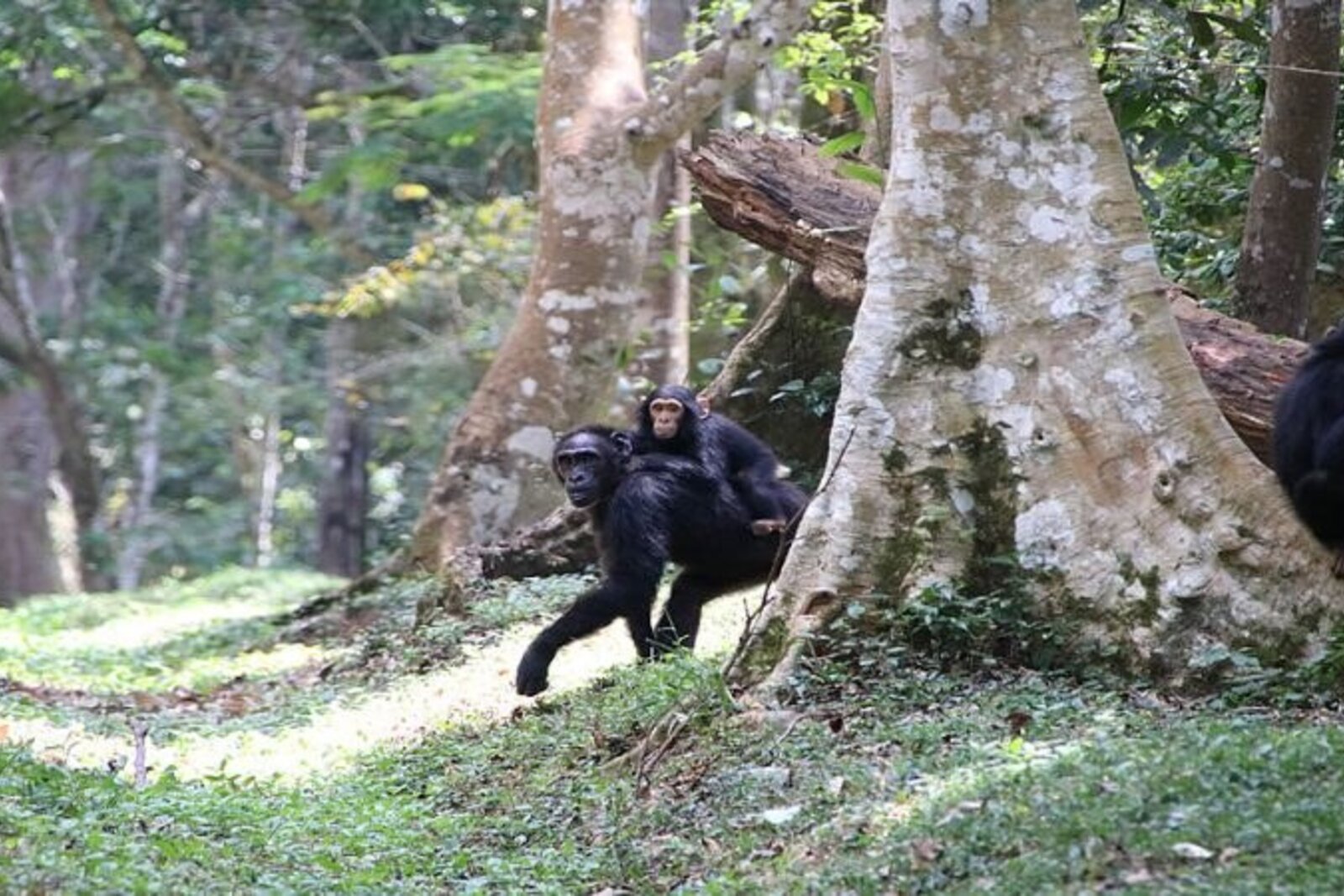
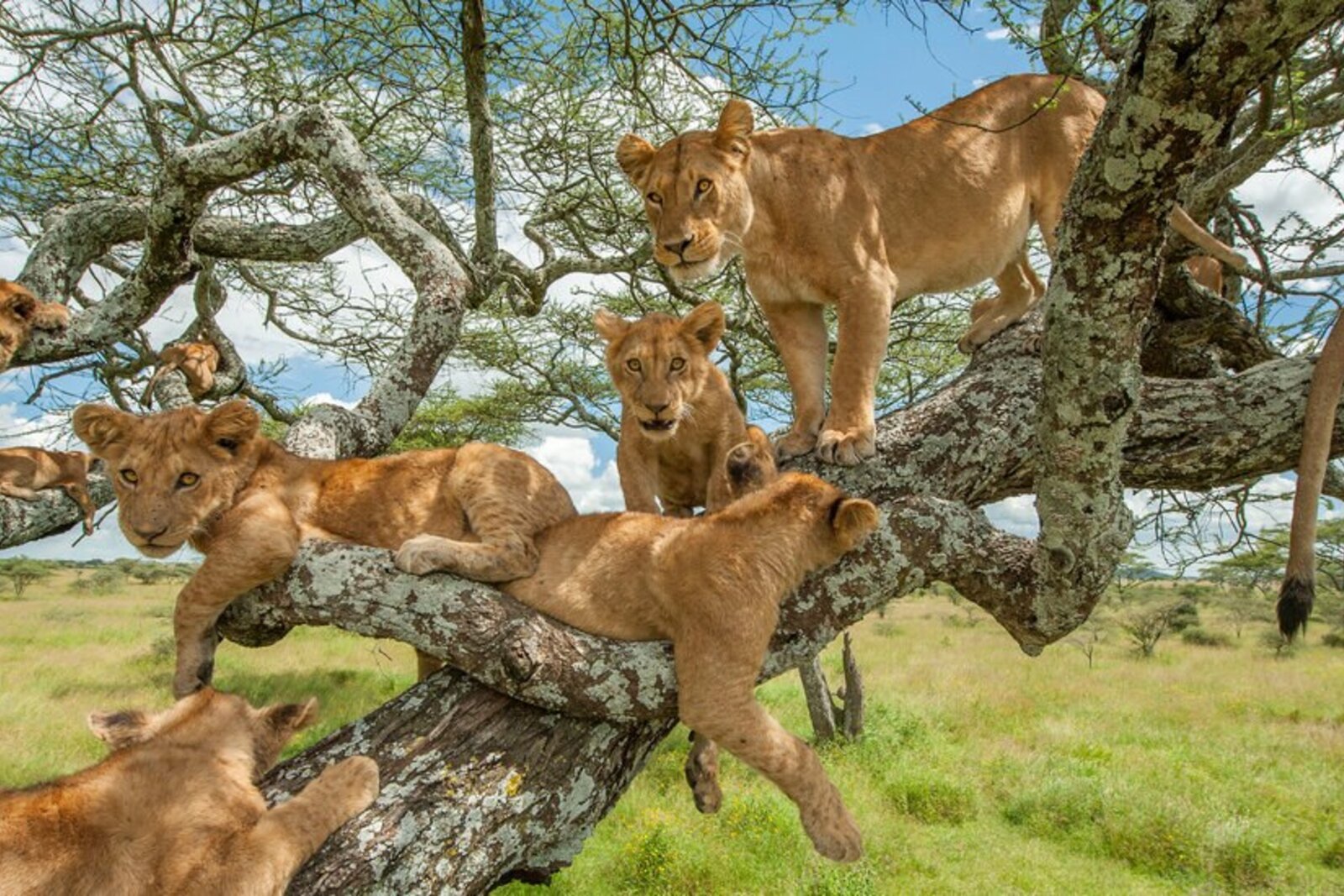
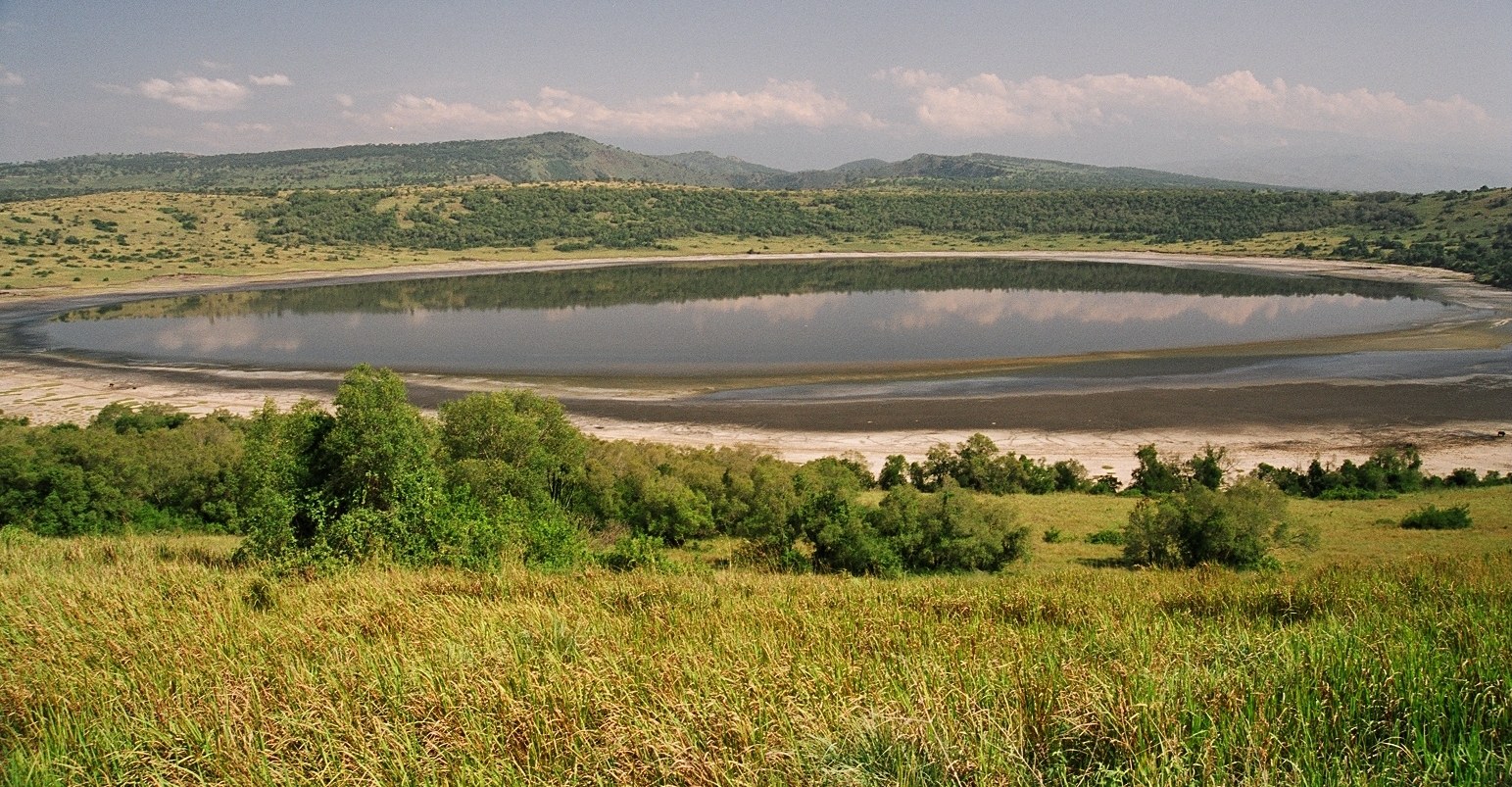
Bwindi is reached by a scenic road journey or a short light-aircraft flight from Entebbe to the Kihihi or Kisoro airstrips, followed by a lodge transfer. Most travellers combine their gorilla trek with the rest of Uganda’s riches: the tree-climbing lions and Kazinga Channel of Queen Elizabeth, the chimpanzees of Kibale, and the thundering Murchison Falls on the Nile. A classic circuit runs seven to ten days.
Uganda also links naturally with Rwanda for a two-gorilla-park adventure, or with a Kenyan or Tanzanian safari for the full East African experience. We handle permits, internal flights, 4x4 transport and lodges as one seamless plan.
Why Book Your Bwindi Gorilla Trek With Us
We plan Uganda the way we would want our own family to travel — securing your permits early, matching your sector to your fitness and lodge, and handling every flight, transfer and briefing so trek day is effortless. We book direct with the finest forest-edge lodges, safeguard the permits that sell out first, and build Bwindi into a complete Uganda or East Africa journey.
Ready to Plan Your Bwindi Gorilla Trekking Safari?
Our specialists design tailor-made Uganda gorilla safaris — permits secured, the right sector and lodge matched to you, and every detail handled. We book direct, protect the permits that sell out first, and stitch Bwindi into a wider Uganda journey so all you do is arrive and be moved.