Key Takeaways
- Kruger lies in a low-to-moderate malaria risk zone — real, but far lower than most tropical malaria areas.
- Risk is highest in the wet summer (roughly November to April) and very low in the dry winter (May to September).
- Simple bite-prevention — covering up at dusk, repellent, nets or screened rooms — cuts the practical risk to very small.
- Anti-malaria tablets are a medical decision; always consult a travel clinic or doctor before you travel.
- Malaria can move fast in young children, so many families with toddlers choose a malaria-free reserve instead.
- Madikwe, Pilanesberg, Amakhala and Addo offer the full Big Five experience with no malaria risk at all.
Is Kruger Really a Malaria Area?
Let us answer the question plainly, because the fear is often bigger than the fact. Yes, the Kruger National Park lies within a malaria zone — but it is classified as low-to-moderate risk, not the high-transmission territory people sometimes imagine. Malaria here is seasonal, patchy and, for the short-stay traveller taking sensible precautions, statistically very unlikely. Enormous numbers of families visit every year, in every season, and come home with nothing but photographs and memories.
It helps to understand why the risk exists at all. Malaria is carried by a particular mosquito that breeds in warm, standing water and bites between dusk and dawn. That means the risk is tied tightly to temperature and rainfall, which is why it rises and falls so dramatically through the year. It also means the defences are wonderfully simple: interrupt the bite, and you interrupt the disease. The rest of this guide shows you exactly how — and offers a completely risk-free alternative if you would simply rather not think about it.
Risk by Season and Region
Timing is the single biggest factor in your malaria risk, and the good news is that the lowest-risk season is also the finest for game viewing. The dry winter, from about May to September, brings cool nights and almost no standing water, so the mosquito population collapses and the risk becomes very low. This is peak safari season precisely because the sparse vegetation and animals gathering at water make sightings superb — and, as a bonus, the malaria risk is at its annual floor.
The wet summer, roughly November to April, is the higher-risk window, peaking in the humid late-summer months. The bush is lush and beautiful and the birding is spectacular, but the warmth and rain let mosquitoes breed, so precautions matter more. Geographically, the far northern reaches of the park around the Pafuri and Punda Maria region carry slightly more risk than the popular south, though the difference is modest. In short: if malaria worries you, favour the dry winter, and take extra care if you travel in high summer or head far north.
How to Prevent Malaria on Safari
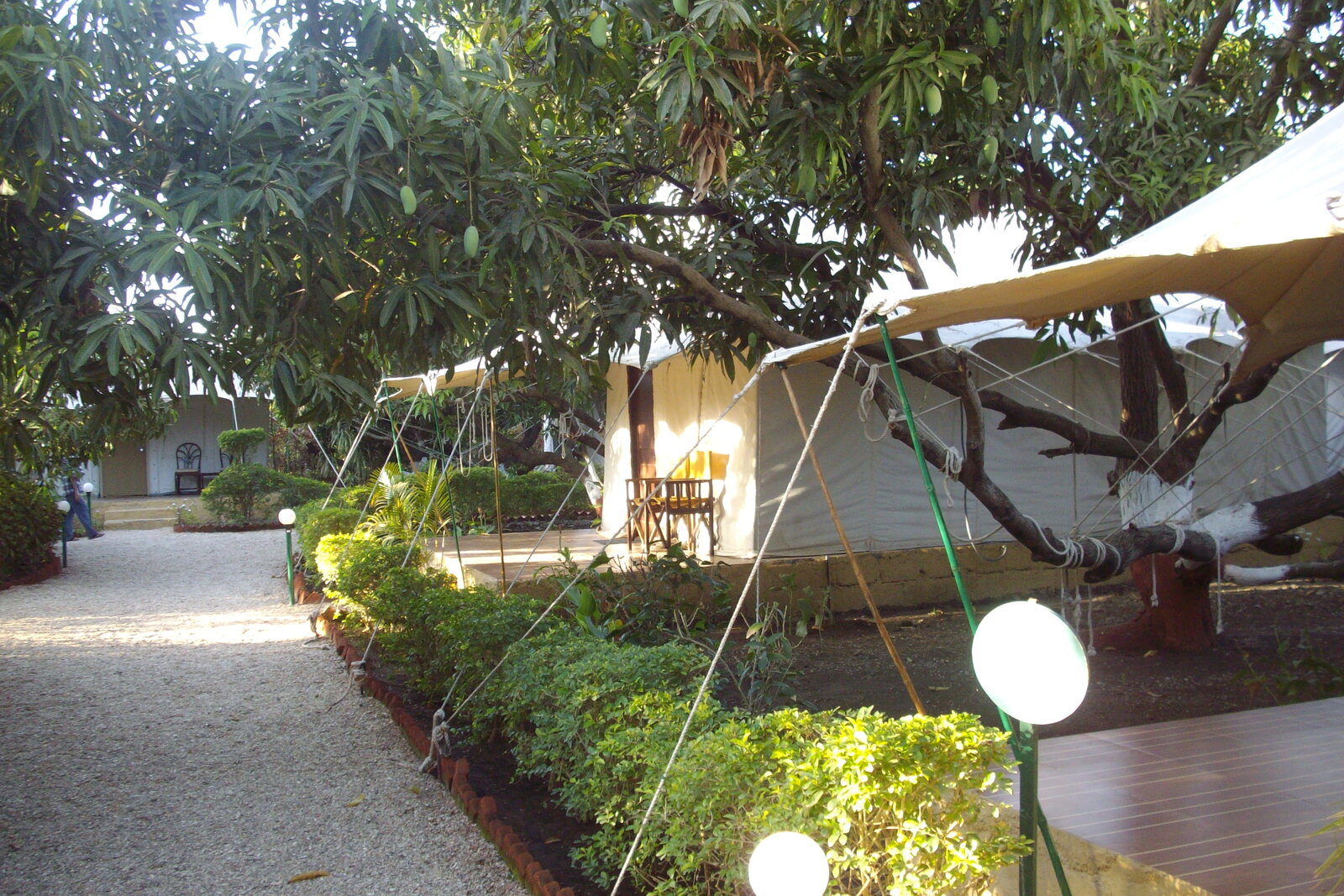
Because the malaria mosquito bites only between dusk and dawn, prevention is really about those hours — and it is refreshingly straightforward. As the sun drops, change into long sleeves and long trousers, ideally in light colours, and apply a good insect repellent to any exposed skin, reapplying as directed. At night, sleep under a mosquito net if your room has one, or in a screened or air-conditioned room with the windows closed. These three habits alone remove the overwhelming majority of the risk.
A few extra touches help. Avoid heavy perfumes and aftershaves in the evening, as strong scents can attract mosquitoes. Burn a coil or use a plug-in repellent on your veranda at sundowner time. Keep your tent or room zipped and closed during the day so nothing settles inside. None of this dampens the romance of a bush evening — in fact, sitting covered and content around the fire with a drink in hand, repellent quietly doing its work, is exactly how a safari evening should feel. Good habits, not anxiety, are the whole of it.
Should You Take Anti-Malaria Tablets?
Prophylaxis — a course of anti-malaria tablets taken before, during and after your trip — is the most reliable chemical layer of protection, and many travellers take it for the main park, particularly in the wet season. It is not, however, a decision we or any travel website can make for you. Whether tablets are right depends on the season you are travelling, your general health, your age, whether you are pregnant, and any medication you already take, some of which can interact. That is precisely why the one piece of advice we give firmly is this: speak to a travel clinic or your doctor well before you depart.
Book that appointment several weeks ahead, because some regimens must begin before you travel and continue after you return. Be honest with the clinician about your full itinerary and any health conditions, and follow their guidance to the letter. Some visitors travelling in the low-risk dry winter, after taking medical advice, choose to rely on rigorous bite-prevention alone; others prefer the reassurance of tablets year-round. Both can be reasonable — the point is that a qualified professional, not a blog, should help you choose. We will happily remind you to make that call in good time as part of planning your trip.
| Malaria Question | The Honest Answer |
|---|---|
| Is Kruger a malaria area? | Yes — low-to-moderate risk, strongly seasonal |
| Highest-risk months | Wet summer, roughly November to April (peak late summer) |
| Lowest-risk months | Dry winter, May to September — also best game viewing |
| Core prevention | Cover up at dusk, repellent, net or screened room |
| Anti-malaria tablets | A medical decision — consult a doctor or travel clinic |
| Worry-free alternative | Malaria-free reserves: Madikwe, Pilanesberg, Amakhala, Addo |
Safari with Children in a Malaria Area
For families, malaria deserves a little extra thought, and we would rather be candid than reassuring. Malaria can progress quickly in small children, and some prophylactic drugs are not recommended for babies and very young toddlers, which narrows the options for chemical protection. Bite-prevention still works — nets, covering up, repellent suited to a child's age — and the low-risk dry winter reduces the concern considerably. Plenty of families do take older children to Kruger and have a wonderful, safe time.
That said, for parents of babies and toddlers, the simplest and most relaxing answer is often to remove the question altogether. South Africa is blessed with superb malaria-free Big Five reserves, so you do not have to trade the safari dream for peace of mind. Many families choose to see the Big Five somewhere with zero malaria risk, then spend the rest of the holiday on the beaches of the Cape or the Garden Route. We help families make this call all the time, matching the destination to the age of the children so that nobody spends the trip worrying instead of watching lions.
The Best Malaria-Free Alternatives
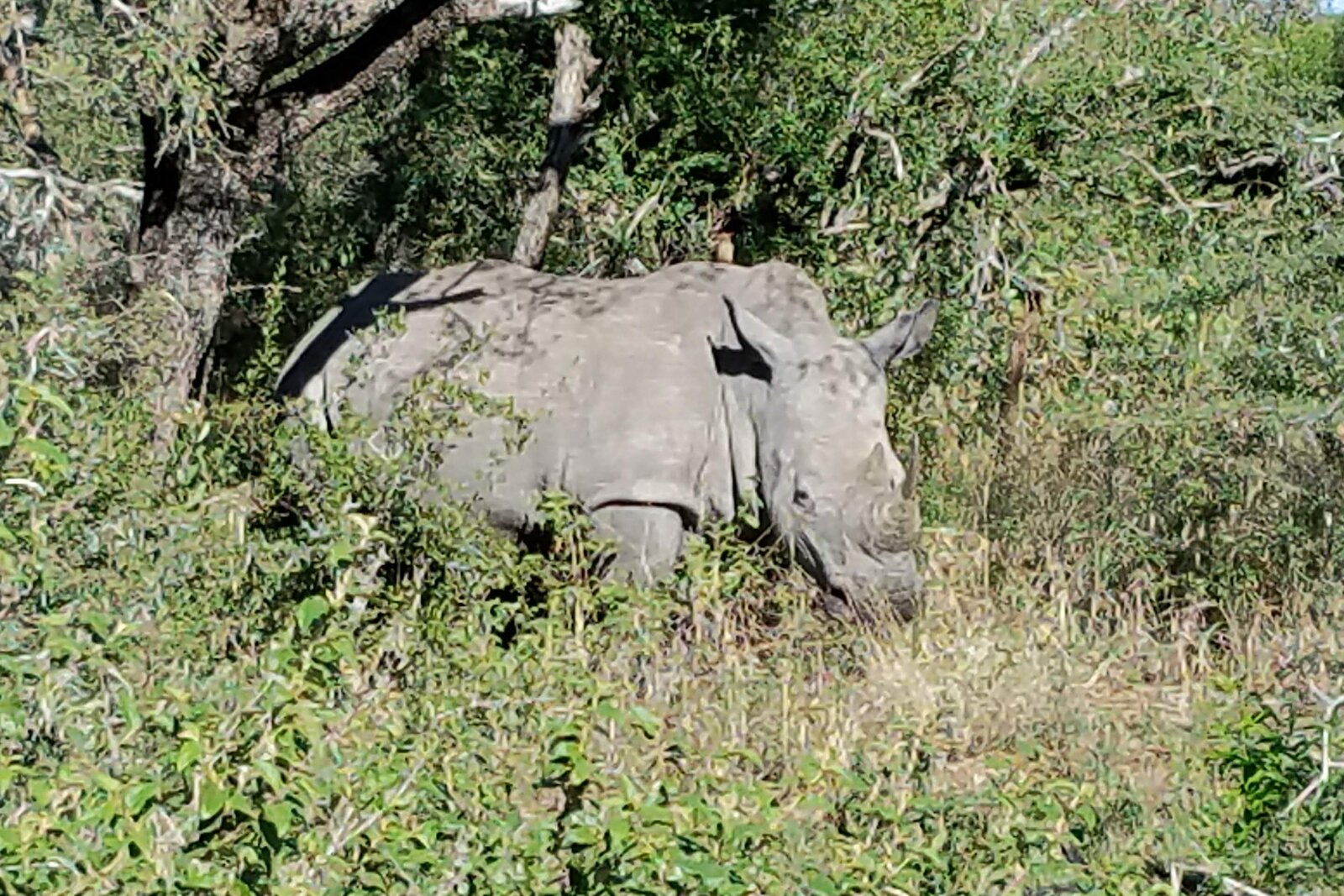
Here is the reassuring truth that surprises many first-time visitors: you can see the Big Five in South Africa with no malaria risk whatsoever. In the North West province, the great reserves of Madikwe and Pilanesberg sit in malaria-free country and deliver excellent lion, elephant, rhino and even wild dog sightings, within easy reach of Johannesburg. In the Eastern Cape, the malaria-free reserves of Amakhala, Shamwari and Addo combine Big Five game viewing with the added charm of pairing beautifully with Cape Town and the Garden Route.
These reserves are especially loved by families with young children, by older travellers, and by anyone who simply prefers not to take tablets or think about mosquitoes at all. The experience is every bit a proper safari — open-vehicle game drives, expert guides, comfortable lodges — just without the malaria question hanging over it. If that appeals, tell us, and we will build you a malaria-free safari that stands shoulder to shoulder with Kruger for wildlife, and then thread it together with the rest of South Africa's wonders.
Let Us Plan Your Safari — With or Without the Worry
Malaria should never be the reason you miss the safari of a lifetime. If you love the idea of Kruger, we will help you travel in the lowest-risk season, brief you on precautions, and remind you to see a travel doctor in good time. If you would rather not think about it at all, we will build you a magnificent malaria-free Big Five safari instead. Either way, the wildlife, the wild horizons and the sundowners are yours — with your peace of mind fully intact.
Want a Safari That Fits Your Family's Peace of Mind?
Whether you choose the Kruger in the low-risk season or a completely malaria-free Big Five reserve, our specialists will plan a safe, seamless safari matched to your travellers — including families with young children.
Ready to explore? Browse our safari tours and packages →