We're Open8am–6pm SAST
WishlistPartner Portal
← Back to BlogSafari

Kruger Weather & Climate: A Month-by-Month Guide to What to Expect

Audio EditionListen to this story
0:000:00
Narrated by George — audio edition

Key Takeaways

  • Kruger has two clear seasons: a cool, dry winter (May-September) and a hot, wet summer (November-March).
  • Winter mornings can drop to around 6 degrees Celsius, so warm layers for dawn drives are essential.
  • Summer days often climb past 30 degrees with high humidity and dramatic afternoon thunderstorms.
  • The rains fall in summer as short, spectacular storms, turning the bush lush and green.
  • April and October are lovely shoulder months, catching the best of both seasons.
  • Whatever the season, dress in neutral-coloured layers — warm for cold dawns, light for hot afternoons.

Kruger's Two Seasons at a Glance

The Kruger sits in South Africa's Lowveld, a warm, subtropical belt of low-lying bush, and its climate is refreshingly simple to understand: there are two seasons, and they could hardly be more different. The winter, from roughly May to September, is cool and bone-dry, with clear blue skies, cold mornings and almost no rain. The summer, from November to March, is hot and wet, with high humidity, a lush green landscape and dramatic afternoon thunderstorms. Between them sit two short, lovely shoulder months — April and October — that borrow the best of each.

This clear seasonal rhythm matters because weather shapes a safari at every turn. It decides what you pack, how you feel on a pre-dawn game drive, whether the bush is thick and green or thin and golden, and even how easy the animals are to spot. Neither season is right or wrong — a winter safari and a summer safari are simply different pleasures. The purpose of this guide is purely practical: to tell you exactly what the weather does through the year, month by month, so that whenever you travel, the climate is something you have planned for rather than something that catches you out.

From lush green summers to dry golden winters, the Kruger's mood changes completely with the seasons

The Dry Winter (May to September)

Winter is the Kruger's dry season, and for many visitors it is the classic time to come. The defining feature is the contrast between the temperatures of morning and afternoon. Dawn is genuinely cold — often around 6 to 10 degrees Celsius, and colder still with the wind chill of an open game vehicle — which comes as a real surprise to travellers who imagined Africa as uniformly hot. But the cold does not last. By mid-morning the sun has warmth in it, and the afternoons settle into a beautiful, dry mildness in the mid-20s, perfect for being out in the bush.

Beyond the temperatures, winter's great gift is its dryness and clarity. Rain is rare, the skies are a clean, cloudless blue, and the humidity is low, so the days feel crisp and comfortable. The bush thins out as the grass dies back and many trees lose their leaves, which makes animals far easier to spot, and with surface water scarce, game concentrates at the rivers and waterholes. It is no accident that winter is the most popular season for a first safari: the weather is reliable and the viewing is at its easiest. Just come prepared for those cold, dark starts — a warm jacket, hat and gloves for the dawn drive are non-negotiable.
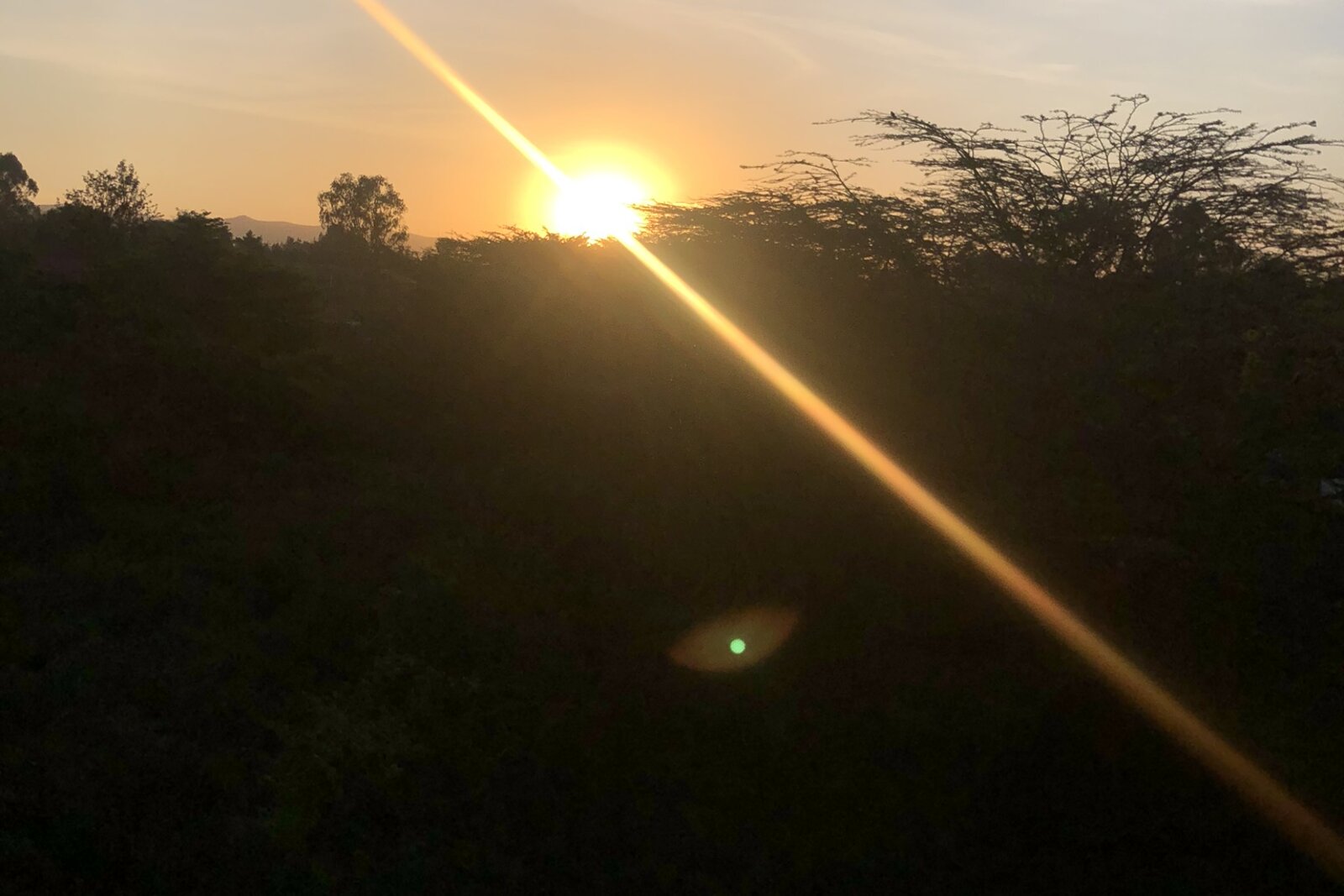
The sun flaring through a screen of trees
Winter thins the bush and lowers the light — clear, dry and wonderful for game viewing

The Wet Summer (November to March)

Summer flips the picture entirely. From November the heat builds and the rains arrive, and by the height of summer in January and February the Kruger is hot, humid and gloriously green. Daytime temperatures regularly climb into the low-to-mid 30s Celsius, and in the Lowveld can push higher still, with the humidity making the middle of the day feel heavy. This is why summer game drives run early and late, chasing the cooler hours at either end of the day and resting through the fierce heat of noon. With light clothing, plenty of water and a good hat, it is entirely comfortable — but there is no pretending it is not hot.

The rain is central to summer's character, and it is not the grey, all-day drizzle some travellers fear. Kruger's summer rain typically comes as short, spectacular afternoon and evening thunderstorms: the heat builds through the day, towering clouds gather, and the sky breaks in a dramatic downpour before clearing to leave the air washed and fresh and the light golden. Mornings are usually bright regardless, so drives are rarely lost to weather. And the reward for the heat and the storms is a landscape transformed — vivid green bush, full waterholes, migrant birds in their breeding plumage, and, best of all, the newborn animals that arrive with the summer rains. It is the bush at its most alive.
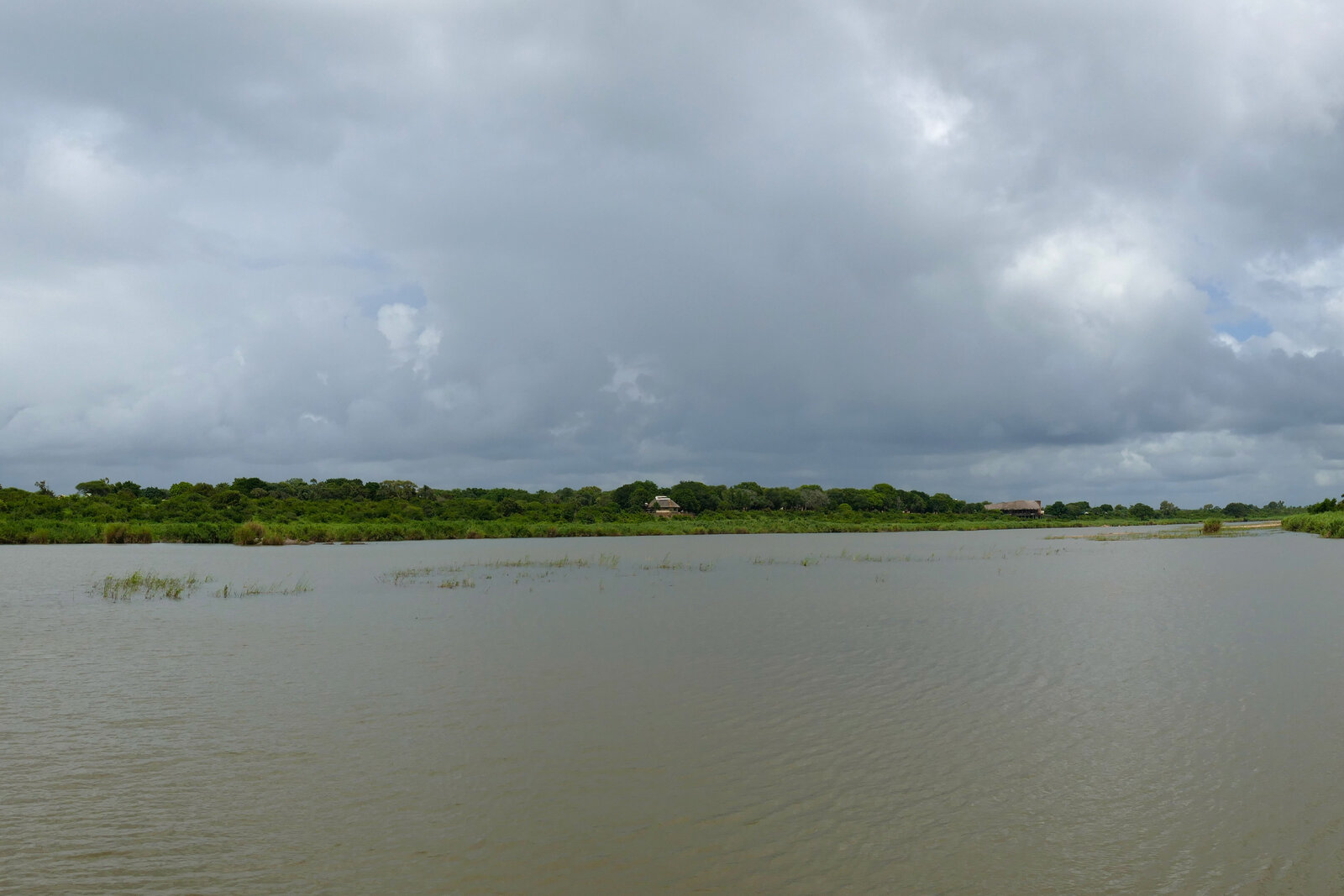
A river and floodplain under heavy grey storm clouds
Summer afternoons build towards thunderstorms that break the heat and green the bush

The Shoulder Months (April and October)

In between the two great seasons lie two short, transitional months that many seasoned safari-goers quietly regard as the sweet spot. April, just after the summer rains, catches the tail of the green season: the bush is still lush and the light beautiful, but the worst of the heat and humidity has broken and the crowds have thinned. It is a soft, comfortable time to travel, with warm days and pleasantly cool evenings, and the newborn animals of summer now a little older and easier to see.

October sits on the other side of the year, at the very end of the dry winter and just before the rains return. It is the hottest of the dry months, with temperatures climbing steadily, but it offers some of the finest game viewing of the entire year: the bush is at its thinnest and driest, and every animal in the park is drawn to the last remaining water, concentrating wildlife around the rivers and waterholes in extraordinary numbers. If you can take the building heat, October rewards you richly. Both shoulder months are excellent choices for travellers who want to sidestep the extremes and the crowds alike.
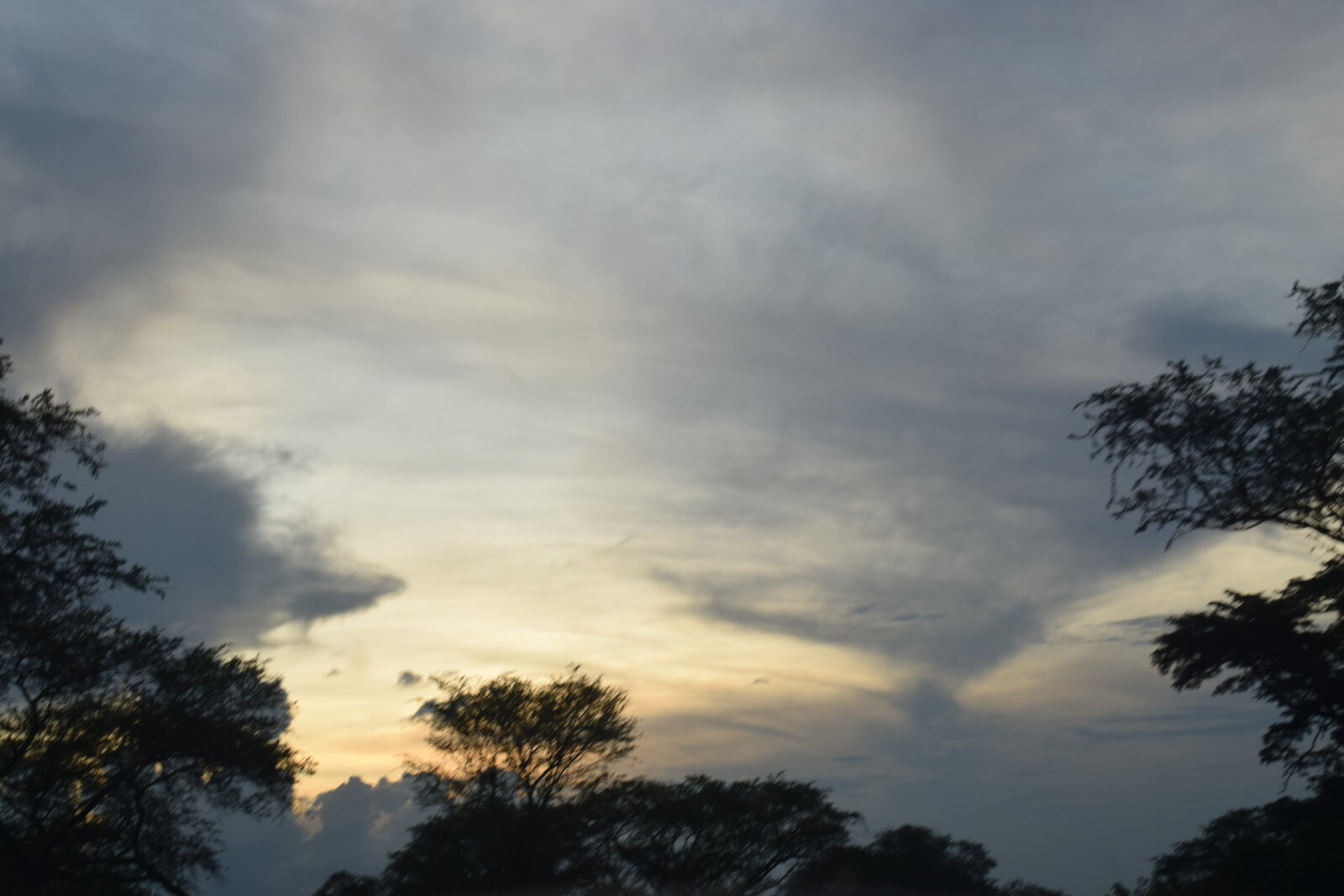
Moody clouds with the sun breaking through above a tree silhouette
The shoulder months bring soft skies and some of the loveliest light of the whole year

Month-by-Month Temperatures and Rainfall

Every year varies a little, but the broad pattern is remarkably consistent, and the table below gives you a reliable sense of what to expect through the seasons. The temperatures are typical daytime highs and dawn lows, and the rainfall reflects the general trend rather than an exact forecast. Use it to picture the climate you will actually meet, and to plan both your timing and your packing with confidence.

Season Weather & What to Expect
Midwinter (Jun-Jul)Cold dawns ~6C, mild days ~24C, dry and low humidity — crisp, clear and easy game viewing
Late winter (Aug-Sep)Cool dawns, warm days ~27C, dry and warming up — dusty, with excellent viewing
Spring shoulder (Oct)Warm to hot ~30C+, building humidity but still mostly dry — superb waterhole game
Midsummer (Dec-Feb)Hot ~32C+, warm nights, wet and humid with afternoon storms — lush, green, newborn animals
Autumn shoulder (Apr)Warm ~28C, cool evenings, rain easing off but still green — soft, comfortable and quieter
Early winter (May)Mild days ~25C, cooling dawns, drying out — the green fading to gold

What to Pack for the Kruger Climate

Whatever the season, the golden rule of packing for the Kruger is layers — because the temperature swing between a cold dawn and a warm afternoon can be dramatic, especially in winter. For a winter safari, bring a genuinely warm fleece or jacket, a beanie and gloves for those chilly early drives, alongside lighter shirts and trousers for the middle of the day. You will use all of it, often within the same morning. For summer, pack light, loose, breathable clothing in neutral colours, a wide-brimmed hat, strong sunscreen and a light waterproof layer for the afternoon storms.

A few essentials apply all year round. Neutral, earthy colours — khaki, olive, beige, brown — are best for game viewing, while it is worth avoiding bright white, which spooks animals, and dark blue and black, which are said to attract tsetse flies in some areas. Bring closed, comfortable walking shoes, good sunglasses, insect repellent, any personal medication and a reusable water bottle, and do not forget a swimming costume for the lodge pool in the heat of the day. Pack thoughtfully for the season and the climate becomes a pleasure rather than a problem — leaving you free to lose yourself entirely in the bush.

Let Us Match Your Safari to the Season

Every season in the Kruger has its own particular magic, from the crisp, easy game viewing of a dry winter to the lush, storm-lit drama of a green summer. Tell us when you can travel and what you hope to see, and we will match the timing, the camps and the pace to the weather — and make sure you arrive perfectly prepared for whatever the Lowveld sky has in store.

Want to Travel in the Perfect Season for You?

Whether you dream of crisp winter mornings or the lush green of the summer rains, our specialists will match your Kruger safari to the season — and pack the itinerary with the very best of it.

Start Planning Your Safari WhatsApp Us

Ready to explore? Browse our safari tours and packages →
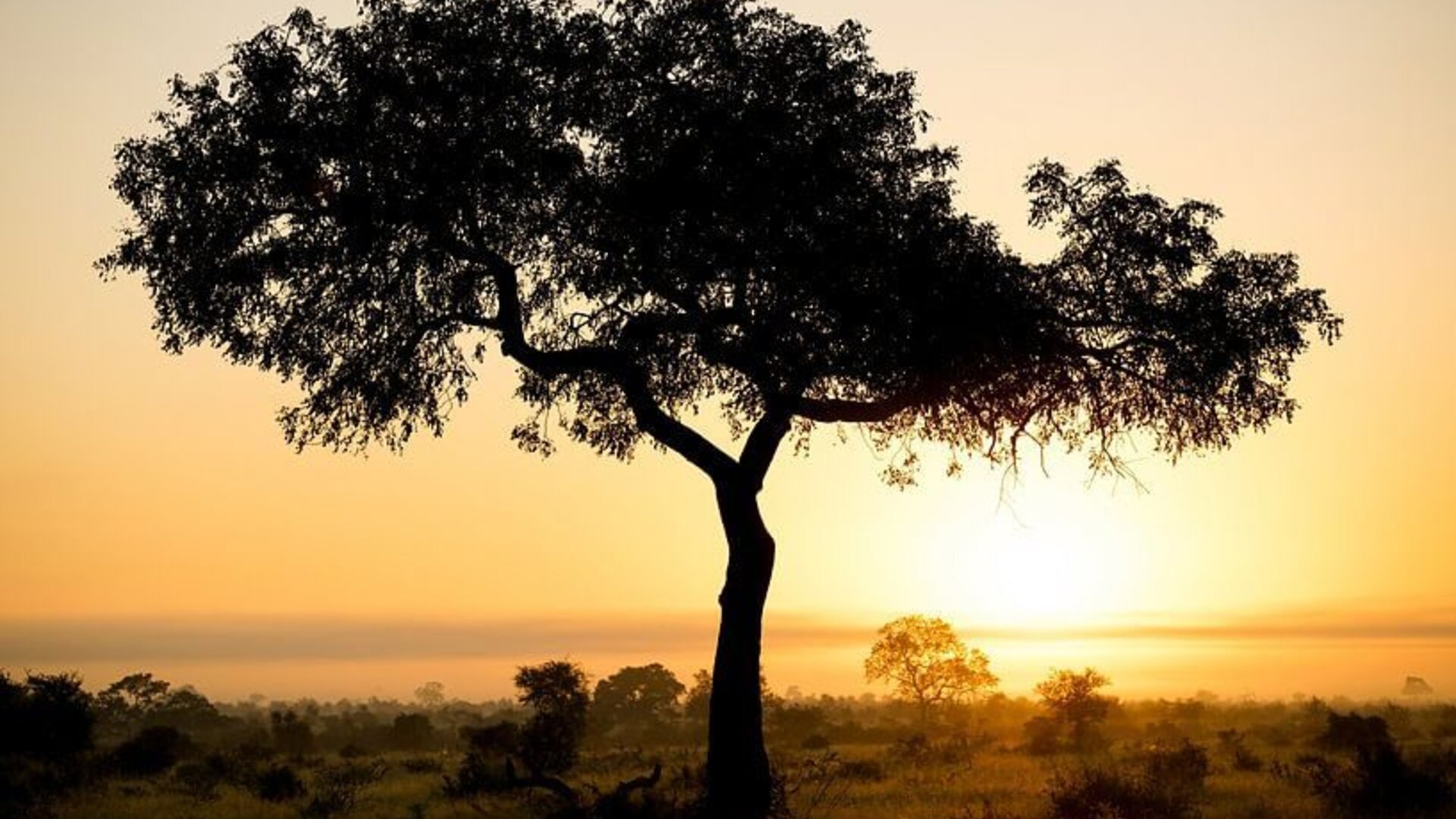
KRUGER, SEASON BY SEASON

Kruger has two clear seasons — a cool, dry winter and a hot, wet summer — and each has its own distinct mood

A practical, month-by-month look at Kruger's weather — temperatures, rainfall, humidity and what to pack — so that whenever you travel, the climate holds no surprises and you arrive perfectly prepared.

Frequently Asked Questions

Kruger has a subtropical climate with two clear seasons. The winter, from about May to September, is dry and mild: cold mornings that can drop to around 6 degrees Celsius, warm, sunny afternoons in the mid-20s, clear skies and almost no rain. The summer, from November to March, is hot and wet: daytime temperatures often climbing past 30 degrees, high humidity, lush green bush and dramatic afternoon thunderstorms. April and October are pleasant shoulder months in between. Whichever season you choose, the days are generally sunny and the climate is comfortable for a safari if you pack sensibly.

Winter mornings in the Kruger are genuinely cold, which surprises many first-time visitors expecting Africa to be hot all year. On a dawn game drive in June or July, temperatures can sit around 6 to 10 degrees Celsius, and the wind chill in an open vehicle makes it feel colder still, so a warm jacket, hat and gloves are essential for the early start. By mid-morning the sun has real warmth, and afternoons are pleasant at around 23 to 26 degrees. The key is layering: dress warmly for the dawn drive and peel it off as the day heats up.

Summer in the Kruger is hot and humid. Daytime temperatures regularly reach the low-to-mid 30s Celsius and can push higher in the Lowveld, with humidity rising sharply through the wet months. The heat is most intense in the middle of the day, which is exactly why summer game drives run early and late, with a long midday rest. It is very manageable with light, breathable clothing, plenty of water, a hat and sunscreen — and the payoff is a green, beautiful landscape, newborn animals and spectacular afternoon storms.

The rains fall in the summer, broadly from November to March, with the wettest months usually January and February. Kruger rain rarely means grey, drizzly days: it typically arrives as short, dramatic afternoon and evening thunderstorms that build in the heat, break in a spectacular downpour, and clear to leave the air fresh and the light golden. Mornings are often bright and clear even in the wet season, so game drives are rarely rained off. The rain is what turns the bush a vivid green and fills the waterholes, and it is central to summer's particular beauty.

Very little. The winter months from May to September are the dry season, and rain is genuinely rare during this period — many weeks pass without a drop. Skies are clear and blue, humidity is low, and the air is crisp and comfortable. This dryness is one of the great advantages of a winter safari: the bush thins out and the grass dies back, water becomes scarce so animals concentrate at the remaining waterholes, and game viewing is at its easiest. If you want reliably dry, sunny weather with no chance of a washout, winter is the season to choose.

Pack for layers, whatever the season. In winter, bring a warm fleece or jacket, a beanie and gloves for cold dawn drives, plus lighter clothes for warm afternoons. In summer, focus on light, breathable, neutral-coloured clothing, a wide-brimmed hat, strong sunscreen and a light rain layer for afternoon storms. Year-round essentials include closed walking shoes, sunglasses, insect repellent, a reusable water bottle and a swimming costume for the lodge pool. Neutral colours like khaki, olive and beige are best for game viewing, and it is worth avoiding bright white and very dark blue or black.

Make It Happen

Safari Packages

Ready to experience it yourself?

Let our local experts craft a private journey around the places you just read about.

Explore ToursPlan My Trip
Curated For You

You May Also Like

Golden-hour sunset over the Chobe River with elephant herds gathering at the water's edgeSafari

Best Time to Visit Chobe National Park 2026: A Month-by-Month Safari Guide

There is no single best time to visit Chobe National Park — only the best time for the safari you want. The dry winter, from May to October, is the classic season: the floodplains dry out, water shrinks to the Chobe River, and thousands of elephants — sometimes hundreds in a single afternoon — gather along the banks to drink and bathe, creating the greatest elephant spectacle in Africa. The green summer, from November to April, brings the rains, lush grass and newborn game, and while the elephants disperse inland, the birding is superb and the riverfront is wonderfully uncrowded. This month-by-month guide walks you through Chobe's year — the peak dry months, the shoulder seasons that balance price and wildlife, the birding of the wet season, the weather to expect and the crowds to plan around — so you arrive in exactly the Chobe you came for.

27 Jul 2026 · 16 min read
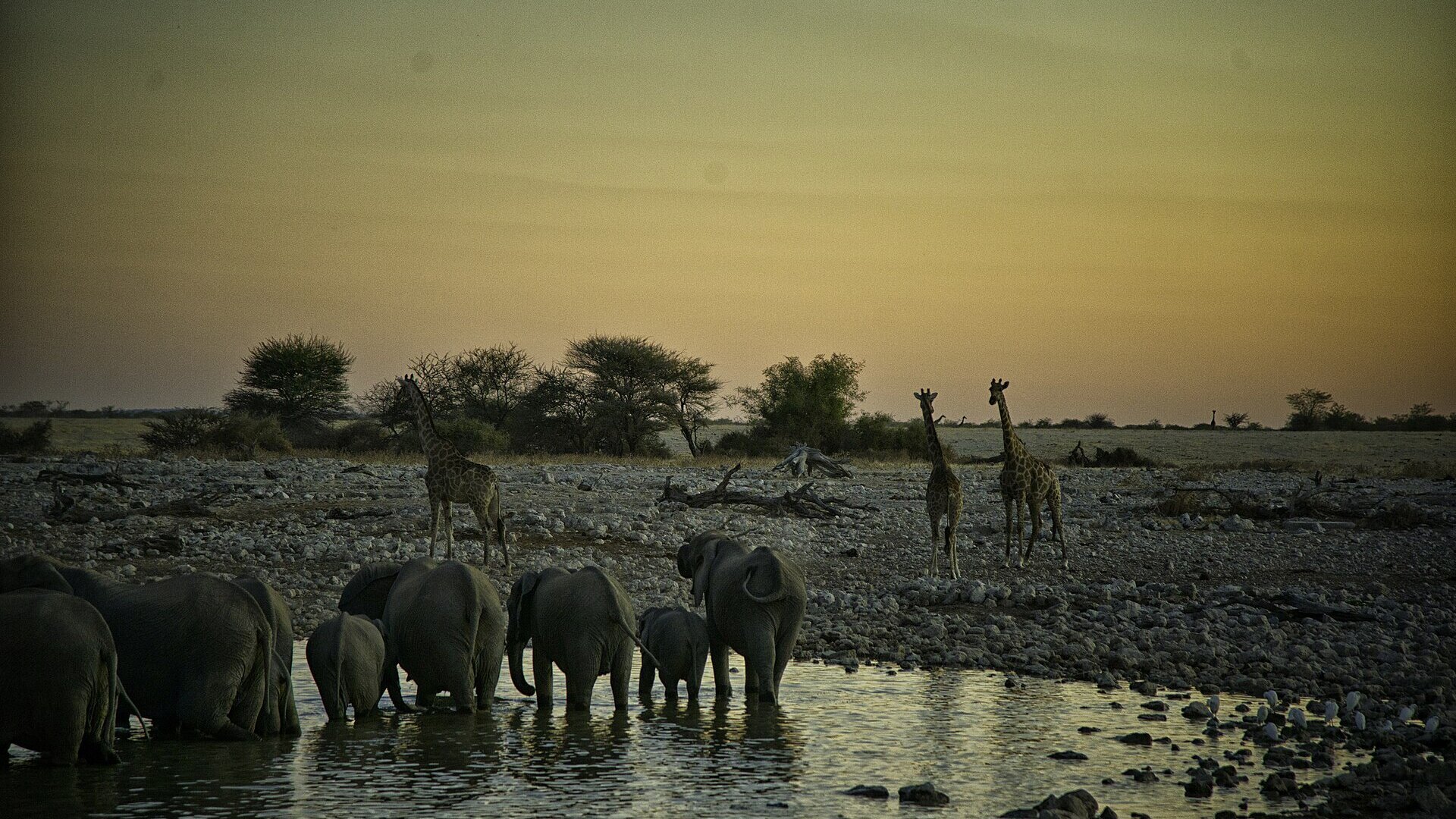
Golden-hour light over a waterhole in Etosha National Park with wildlife gathering to drinkSafari

Best Time to Visit Etosha National Park 2026: A Month-by-Month Safari Guide

There is no single best time to visit Etosha National Park — only the best time for the safari you want. The dry winter, from May to October, is the classic game-viewing season: the grasslands dry to gold, water shrinks to the artificial waterholes, and the animals gather where you can watch them — often from a floodlit hide at night. The green summer, from November to April, brings the rains, lush grass and newborn game, and while the wildlife disperses to the seasonal pans across the park, the birding is superb and the salt pan fills with shallow water, creating mirror-like reflections and flamingo flocks. This month-by-month guide walks you through Etosha's year — the peak dry months, the shoulder seasons that balance price and wildlife, the birding and calving of the wet season, the weather to expect and the crowds to plan around — so you arrive in exactly the Etosha you came for.

27 Jul 2026 · 16 min read
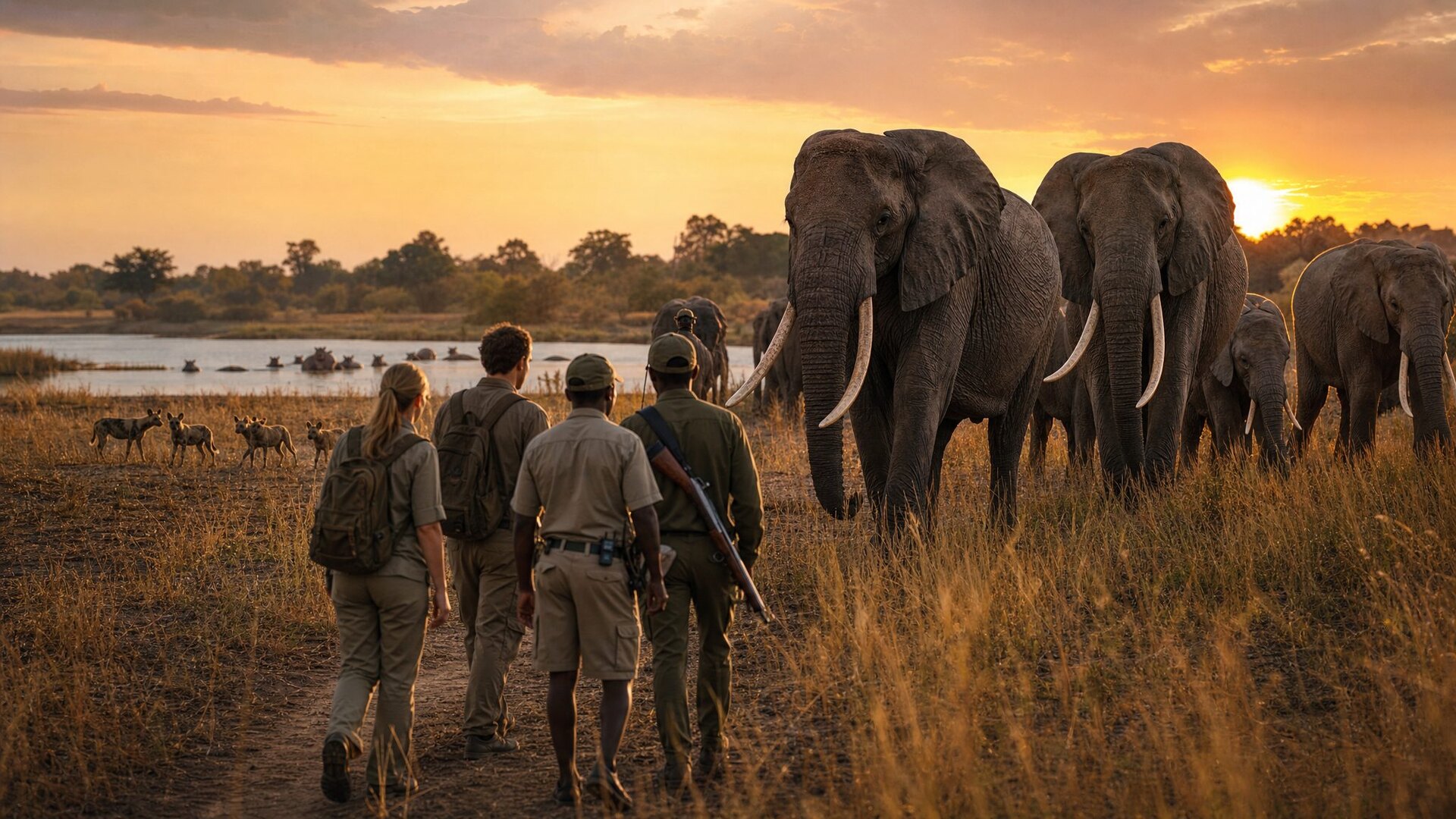
Golden-hour sunset over the Luangwa River with elephants and hippos along the banksSafari

Best Time to Visit South Luangwa National Park 2026: A Month-by-Month Safari Guide

There is no single best time to visit South Luangwa National Park — only the best time for the safari you want. The dry winter, from May to October, is the classic walking safari season: the bush thins, water concentrates at the Luangwa River, and the wildlife — including the park's famous leopards — gathers along the riverbanks where you can walk among them with an armed guide. The green summer, from November to April, brings the rains, lush grass and newborn game, and while the walking trails close and the wildlife disperses, the birding is superb and the park transforms into a green wilderness. This month-by-month guide walks you through South Luangwa's year — the peak dry months, the shoulder seasons that balance price and wildlife, the birding and calving of the wet season, the weather to expect and the crowds to plan around — so you arrive in exactly the South Luangwa you came for.

27 Jul 2026 · 16 min read
Simple, Personal, Expert-Led

How It Works

From first message to the trip of a lifetime — planning your safari with us is effortless.

  1. 1

    Share Your Dream

    Tell us who is travelling, your dates and what you long to see. One quick message is all it takes to begin.

  2. 2

    We Design It

    Your specialist crafts a private, tailor-made itinerary — the right camps, the right season, every detail considered.

  3. 3

    Refine Together

    We fine-tune the journey with you until every day feels perfect, then handle flights, transfers and permits.

  4. 4

    Travel With Confidence

    Set off knowing every detail is handled and a dedicated specialist is on call from your first game drive to home.

Your Journey Starts Here

Let Our Experts Craft Your Perfect Safari

Every itinerary is handcrafted by our team of local specialists who have spent 18+ years exploring Southern and East Africa. From Big Five game drives to gorilla trekking — we create journeys that stay with you forever.

Start PlanningChat with Us
Chat