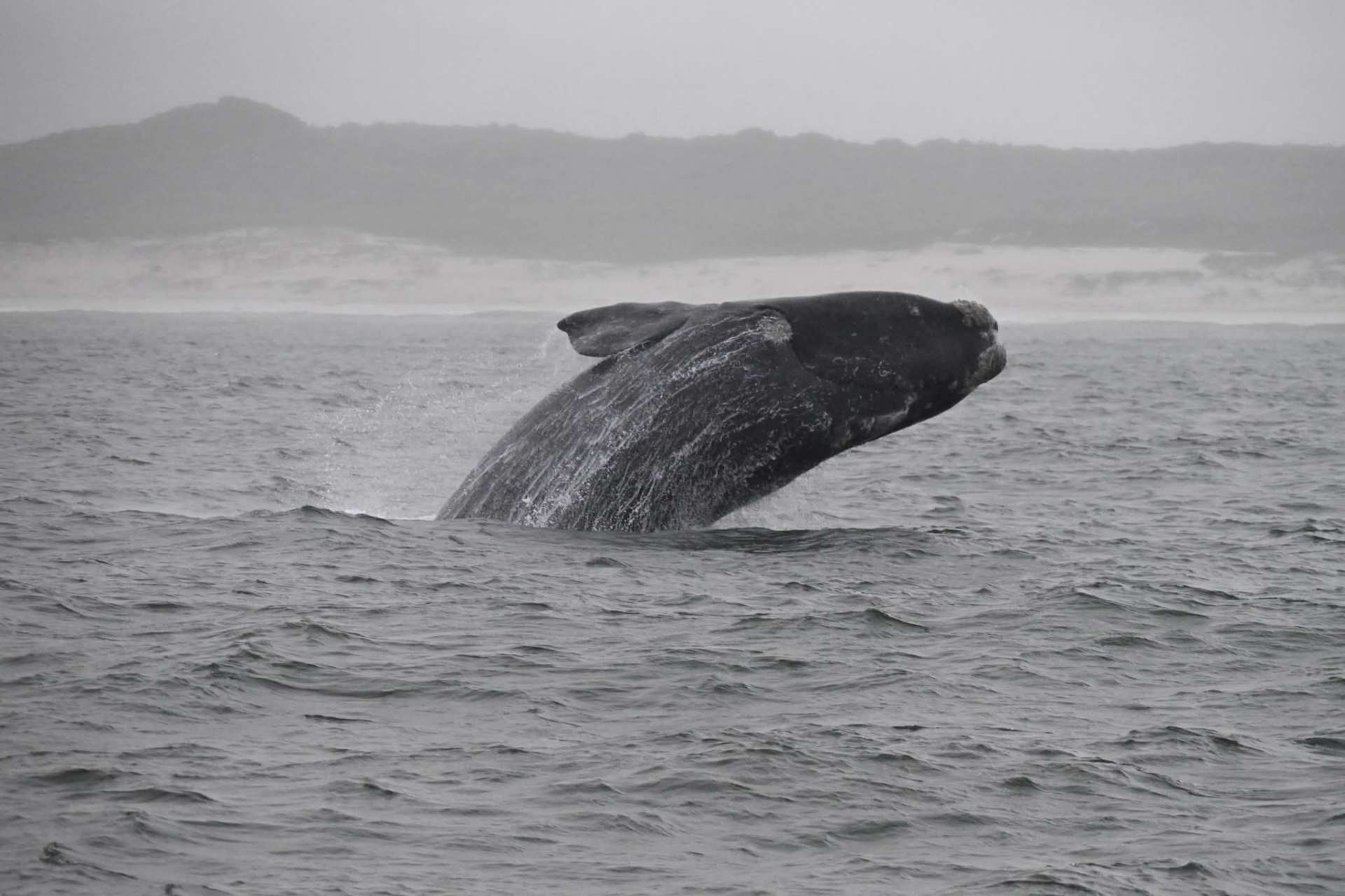
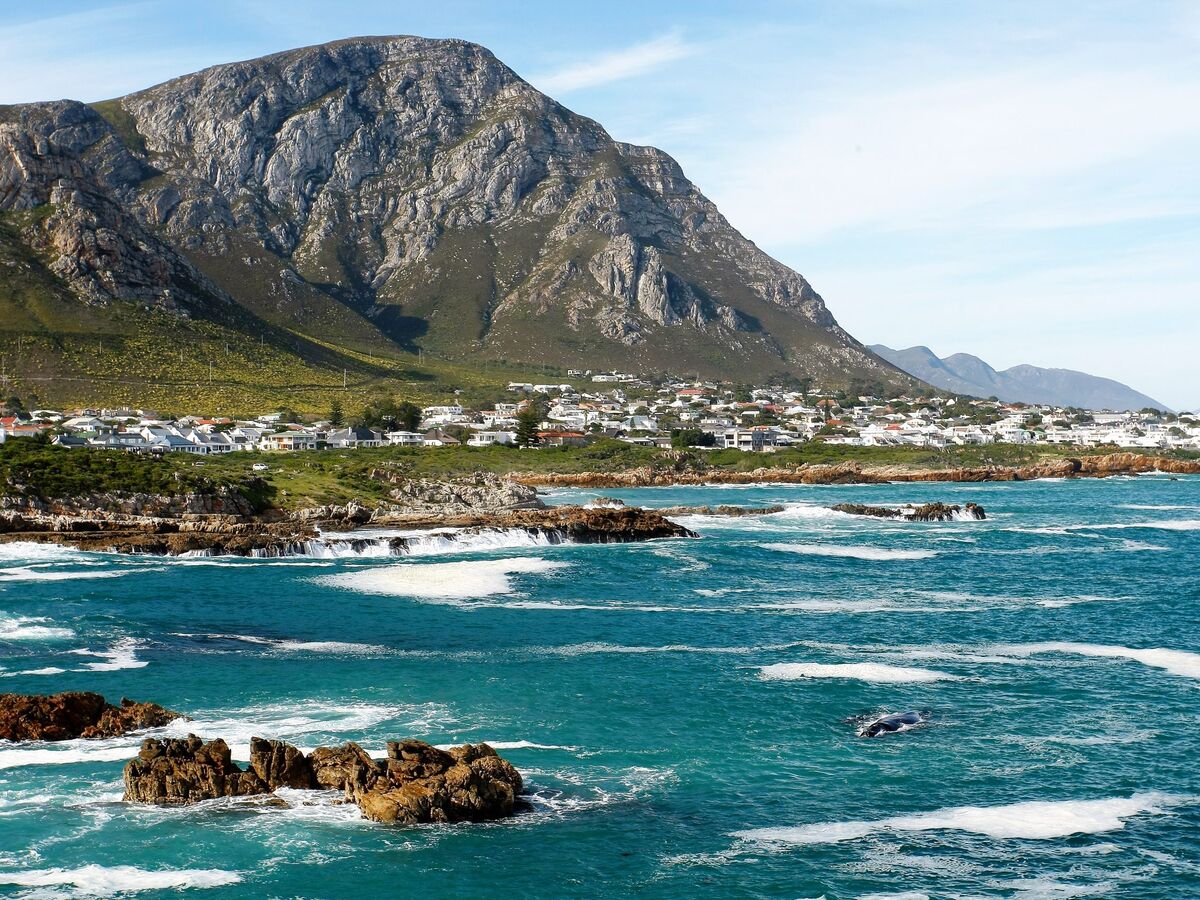
There are few things in African travel as easy to love, and as easy to arrange, as watching a whale in South Africa. For roughly half the year the country’s southern and eastern coasts become one of the great whale theatres on the planet. Southern right whales, humpbacks and Bryde’s whales leave the cold, food-rich waters of the Southern Ocean and move into the warm, sheltered bays along the Cape and KwaZulu-Natal to court, mate, give birth and raise their calves. Many of them do all of this astonishingly close to land — often within a stone’s throw of a cliff path, a harbour wall or a quiet beach.
That closeness is the whole point. In most of the world, seeing a whale means a long boat trip out to open water. In South Africa you can stand on solid ground, coffee in hand, and watch a forty-tonne animal breach clean out of the sea. It is this land-based viewing, more than anything, that makes the South African coast the answer to the question so many travellers ask: where are the best places to see whales in South Africa?
This guide maps eight of them — the coastal towns, reserves and bays where your chances are highest and the experience is richest. We have grouped them roughly west to east, from the Overberg bays just beyond Cape Town, along the Garden Route, and up to the subtropical shores of KwaZulu-Natal. For each spot you will find which whales you are most likely to see, whether the viewing is best from land or by boat, and where to read the full local guide. If you want the season broken down month by month, our companion pillar on the best time for whale watching in South Africa does exactly that.
Why South Africa is the world’s best place to watch whales from land
Three things combine to make South Africa exceptional. First, geography: the coast is lined with wide, shallow, sheltered bays — Walker Bay, De Hoop’s marine reserve, San Sebastian Bay, Plettenberg Bay — that whales choose as safe nurseries because the water is calm and predators are few. Second, the whales themselves: the southern right whale, the star of the Cape season, deliberately hugs the shoreline, so it is routinely seen just beyond the breakers. Third, access: cliff paths, coastal roads and lookout points run right along these bays, so no boat is needed to have a world-class sighting.
The result is a coast where a family with young children, a couple on honeymoon, or a solo traveller with an afternoon to spare can all reliably see whales without spending a cent on a boat ticket — though the boat trips, where they run, are superb too. Below, the eight best places to see whales in South Africa, and how to choose between them.
At a glance: the 8 best whale-watching spots compared
| Spot | Region | Best viewing | Main whales | Peak months |
|---|---|---|---|---|
| Hermanus & Walker Bay | Overberg | Land & boat | Southern right | Aug–Oct |
| De Hoop Nature Reserve | Overberg | Land | Southern right | Aug–Oct |
| Gansbaai & Dyer Island | Overberg | Boat | Southern right, Bryde’s | Jul–Oct |
| False Bay & Cape Peninsula | Cape Town | Land & boat | Southern right, Bryde’s | Aug–Oct |
| Witsand & San Sebastian Bay | Overberg | Land | Southern right | Aug–Oct |
| Mossel Bay | Garden Route | Boat | Southern right, Bryde’s | Jul–Oct |
| Plettenberg Bay | Garden Route | Land & boat | Southern right, humpback, Bryde’s | Jul–Oct |
| St Lucia & iSimangaliso | KwaZulu-Natal | Boat | Humpback | Jun–Sep |
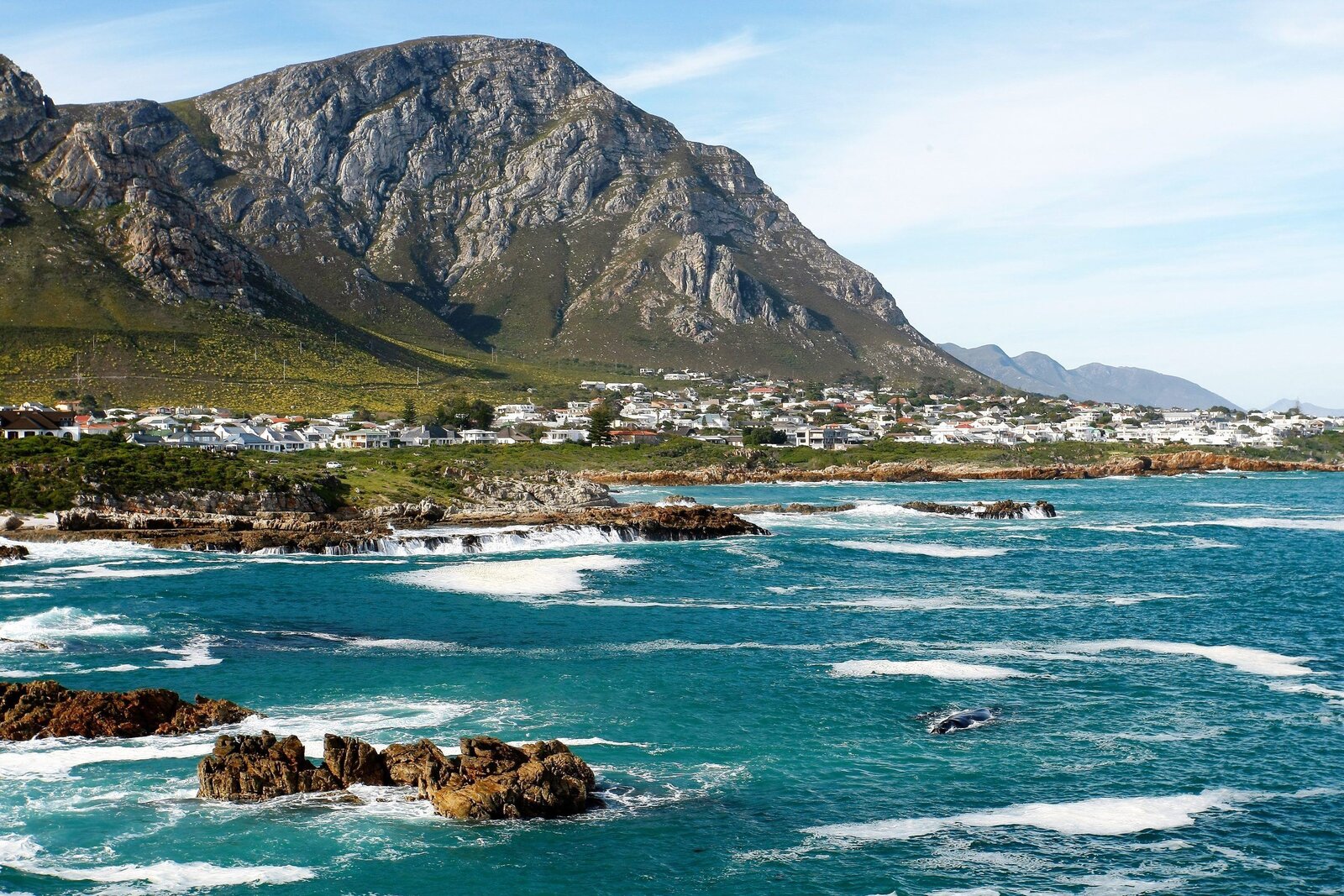
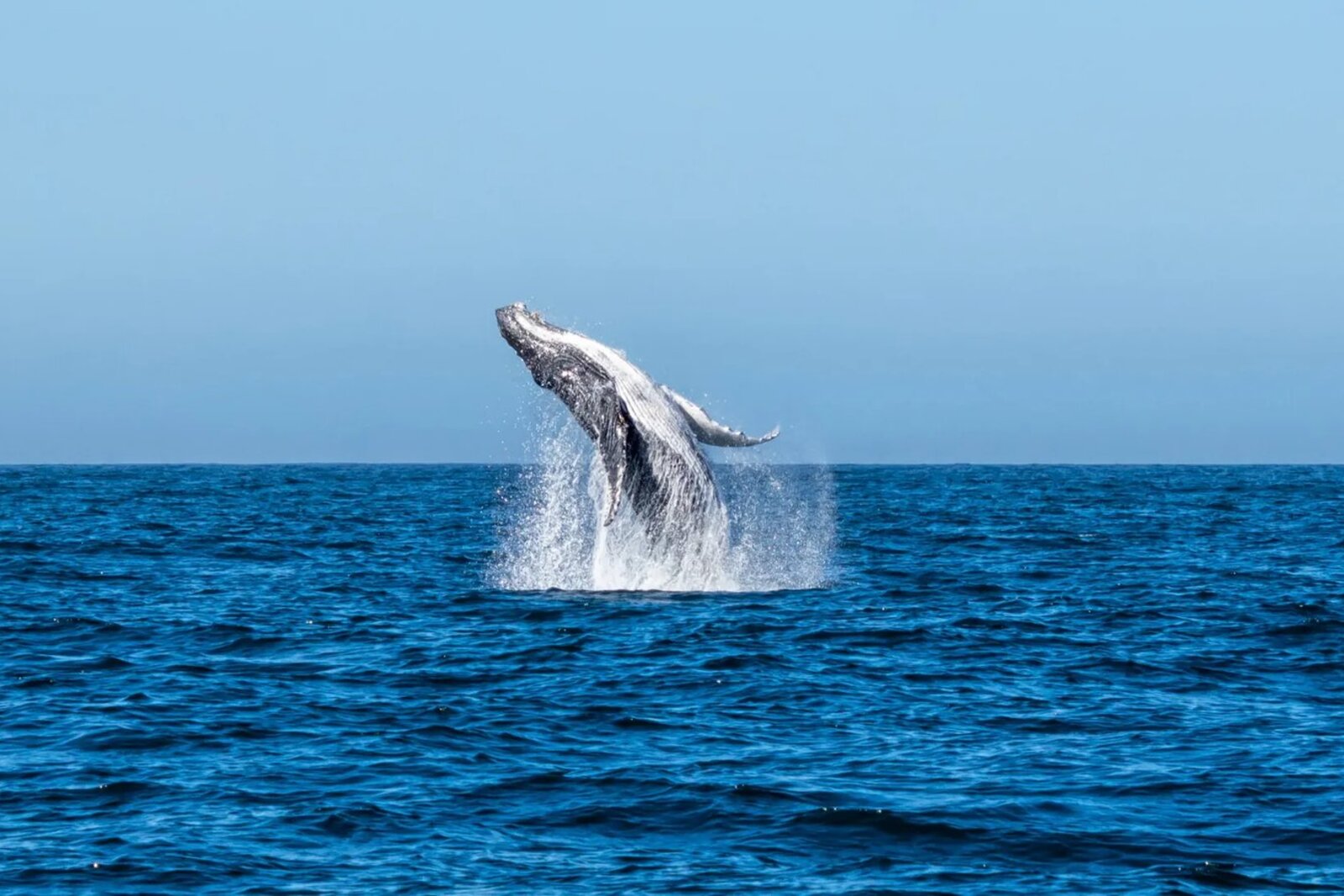

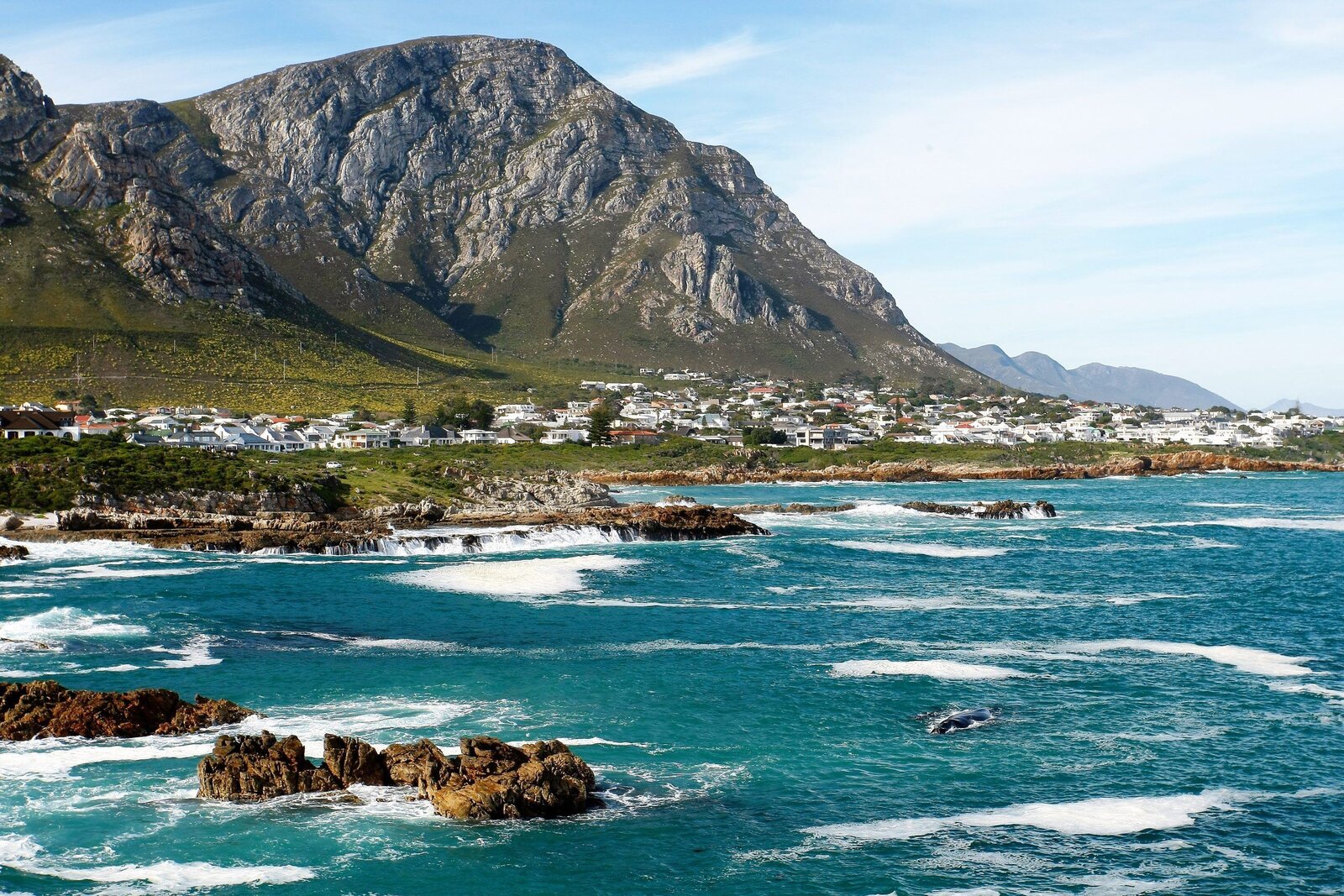
1. Hermanus & Walker Bay — the whale-watching capital
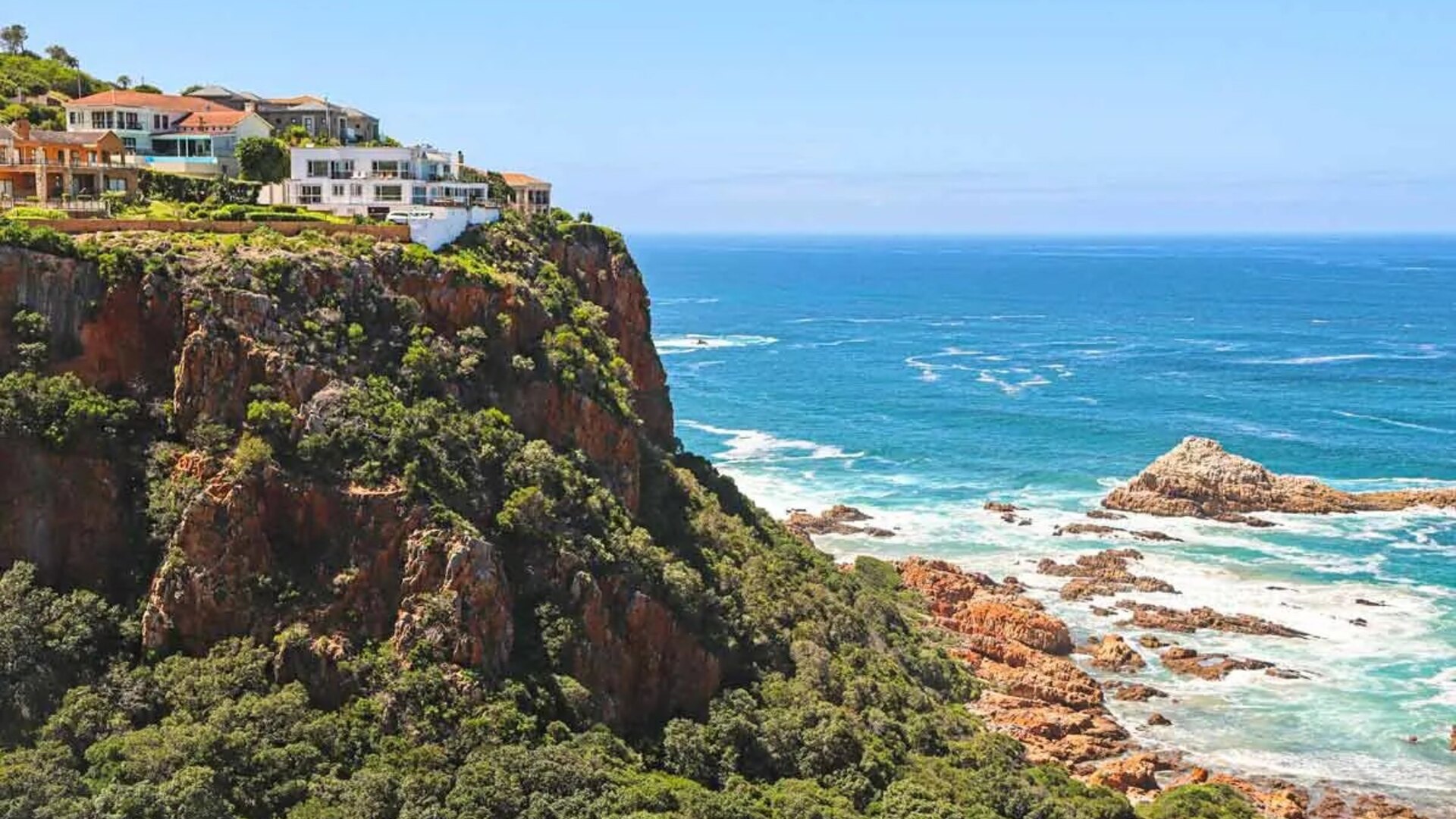
If you only have time for one whale stop, make it Hermanus. This Overberg town, about an hour and a half by road from Cape Town, is widely regarded as offering the best land-based whale watching in the world, and it has built its whole identity around the animals. A cliff path runs for some twelve kilometres along Walker Bay, and from spring the water below fills with southern right whales that come in to calve. You do not scan the horizon here; you look almost straight down and watch mothers nursing their young.
Hermanus is also home to the world’s only whale crier, who walks the town blowing a kelp horn to announce where whales have been spotted, and to a spring whale festival that turns the season into a celebration. When you want to get closer, licensed boat operators run trips out into the bay, and shorter sea-based excursions leave from the New Harbour. For everything on the town — the cliff-path lookouts, timing, festivals and how to combine it with the Winelands — read our full Hermanus whale watching guide and our dedicated round-up of Hermanus whale watching tours.
Which whales: overwhelmingly southern rights, with occasional humpbacks and Bryde’s whales. Best viewing: land, superbly — and boat when you want the closer angle. Good to know: the cliff path is free, open all day, and pushchair- and wheelchair-friendly in parts.
2. De Hoop Nature Reserve — the great southern right nursery
Roughly three hours east of Cape Town, where wheat fields give way to a wilderness of white dunes and limestone cliffs, De Hoop Nature Reserve protects one of the most important southern right whale nurseries on the entire coast. Its marine protected area shelters a shallow, calm bay that draws hundreds of mothers and calves at the height of the season — densities that can rival, and in some counts exceed, anywhere else in the country.
What makes De Hoop special is the sense of solitude. There are no boats and no crowds; you walk out to a lookout above Koppie Alleen and watch whales in a landscape that feels utterly wild, with only the wind and the surf for company. It is the most cinematic whale watching in South Africa, and a natural pairing with a night or two at the reserve’s lodge. Because it is a marine reserve, viewing is strictly land-based, which keeps the whales relaxed and close.
Which whales: southern rights, in large numbers. Best viewing: land only. Good to know: allow a full day from Cape Town, or stay over; the last stretch of road is gravel but well maintained.
3. Gansbaai & Dyer Island — whales and the Marine Big Five
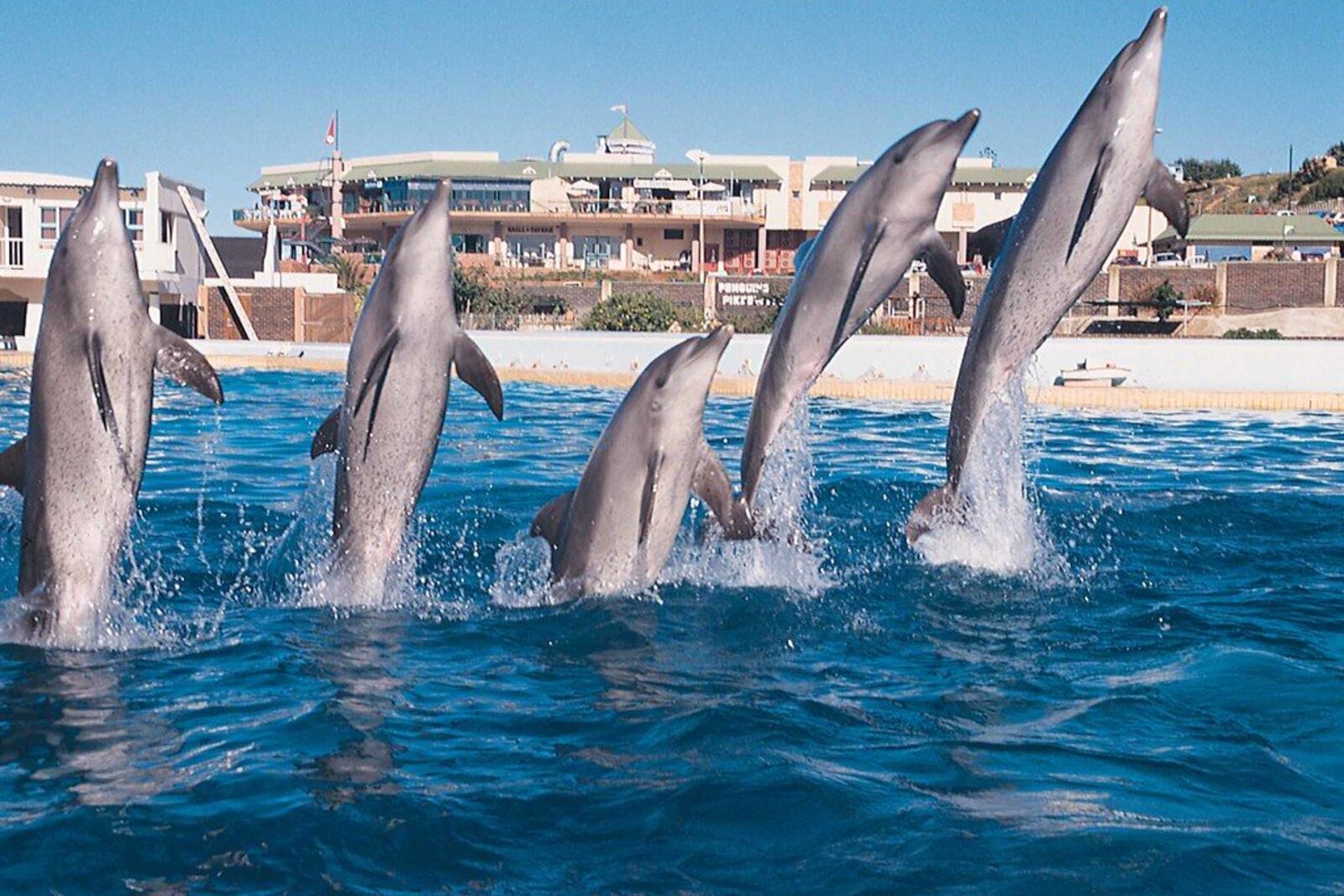
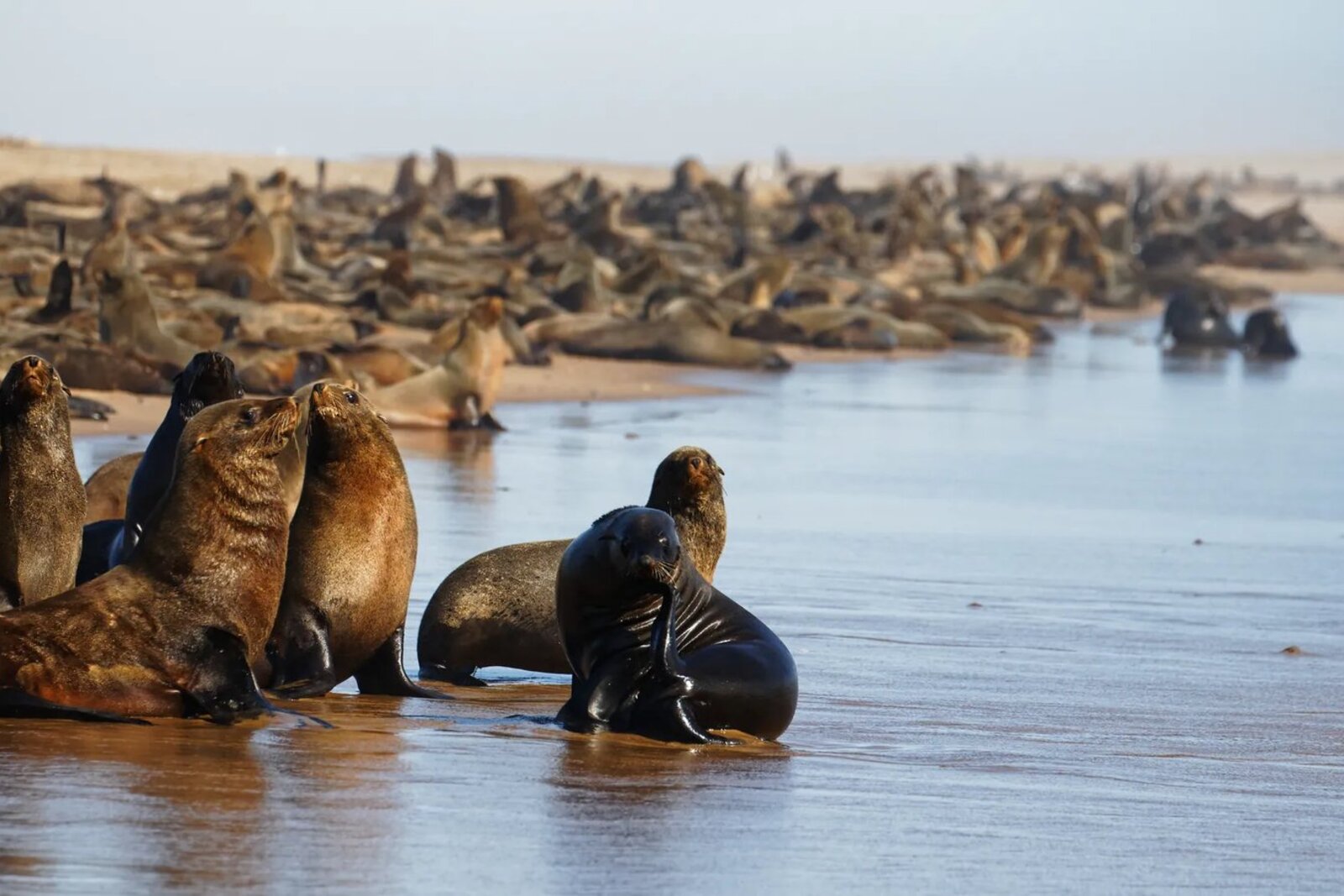
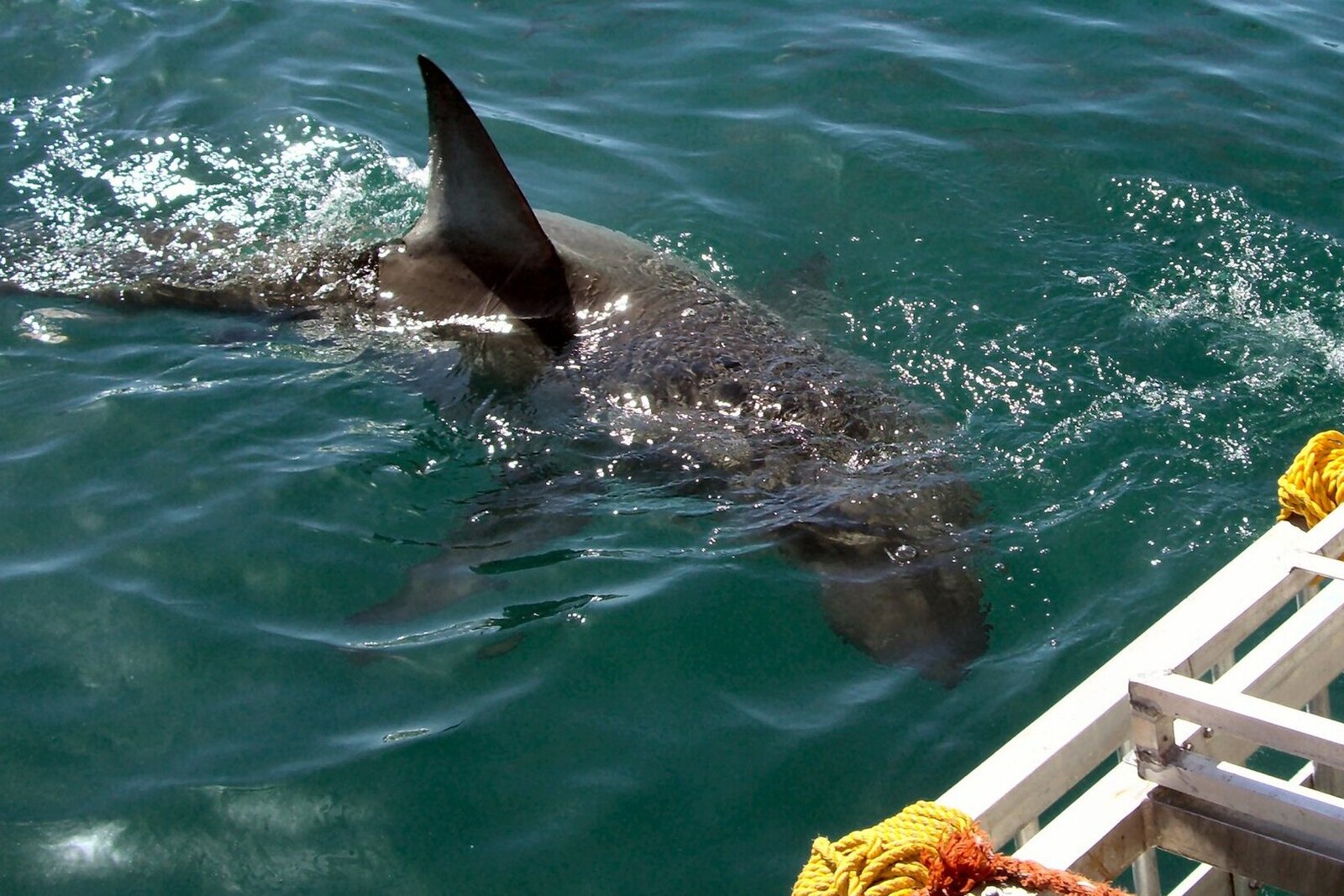
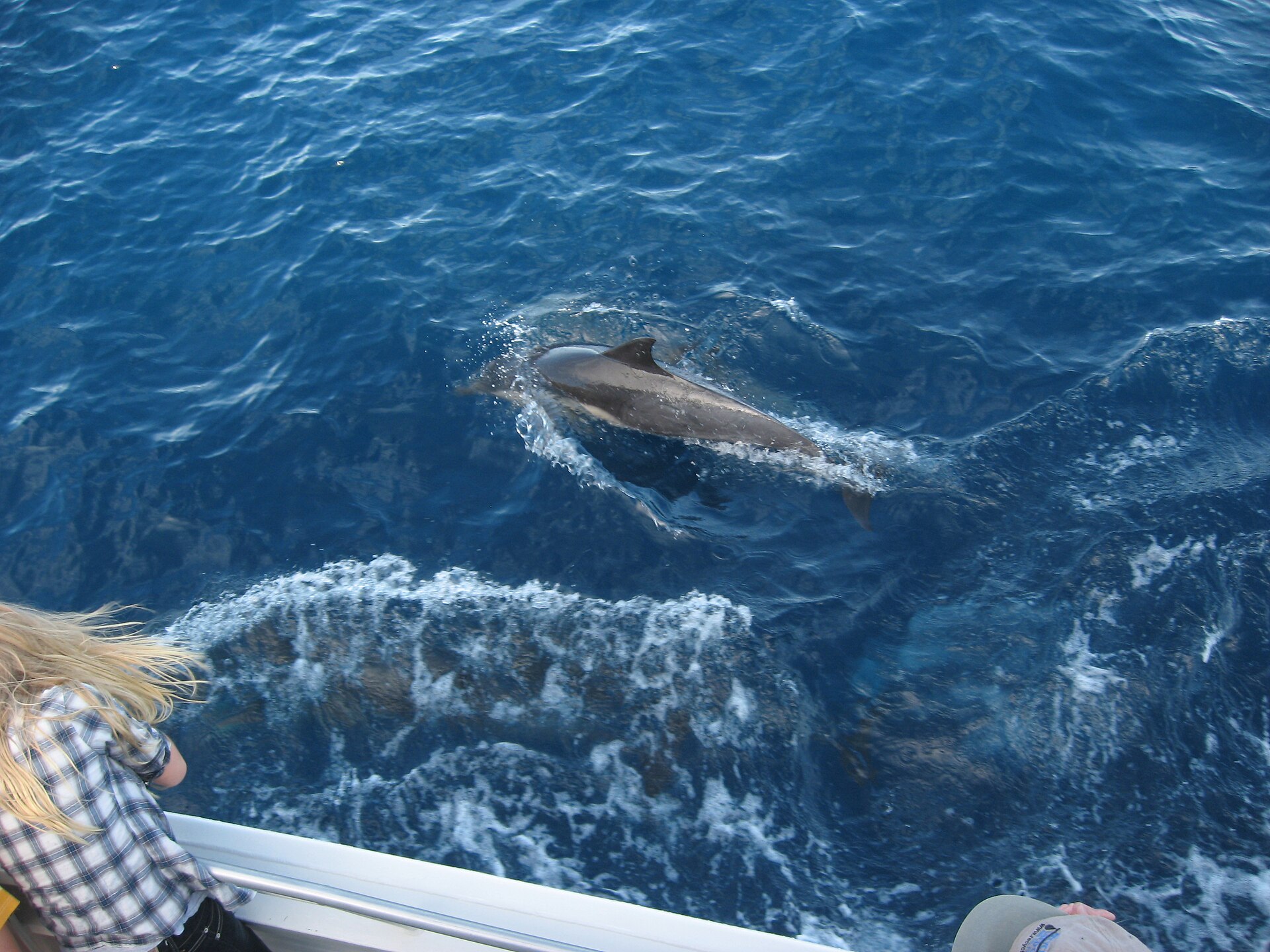
A little south-east of Hermanus, the fishing town of Gansbaai sits beside one of the richest stretches of ocean in the country. The channel between the mainland and Dyer Island — nicknamed Shark Alley for its great white sharks — also draws southern right and Bryde’s whales, Cape fur seals, African penguins and huge pods of common and bottlenose dolphins. Together these make up what is often called the Marine Big Five, and Gansbaai is the best place to see the whole cast in a single boat trip.
Because the whales here are usually a touch further out than at Hermanus, Gansbaai is fundamentally a boat destination, and its operators run some of the best whale-watching cruises on the coast. It is also the natural base for adding a great white shark encounter to your trip. To understand how the whales fit into the wider ocean spectacle, read our guide to the Marine Big Five of South Africa.
Which whales: southern rights and Bryde’s whales, alongside the rest of the Marine Big Five. Best viewing: boat. Good to know: Gansbaai pairs beautifully with Hermanus — many travellers do both in one Overberg loop.

4. False Bay & the Cape Peninsula — whales on Cape Town’s doorstep
You do not have to leave Cape Town to see whales. False Bay, the great curve of sea on the eastern side of the Cape Peninsula, is a genuine southern right nursery in its own right, and the coastal towns strung along it — Simon’s Town, Fish Hoek, Muizenberg and Kalk Bay — put whales within a short drive of the city centre. The elevated coastal road known as Boyes Drive, above Kalk Bay, is one of the finest free whale lookouts anywhere near a major city.
For visitors short on time, this is the most convenient whale watching in the country: you can spend the morning on Table Mountain and the afternoon watching whales, or fold a sighting into a Cape Point day. Bryde’s whales are resident in the bay year-round, while southern rights arrive for the winter and spring. For the full picture of viewing sites, timing and how the city’s season works, see our dedicated guide to the Cape Town whale watching season.
Which whales: southern rights in season, resident Bryde’s whales, and occasional humpbacks. Best viewing: land, with boat trips from Simon’s Town. Good to know: it slots neatly into a Cape Town itinerary without a dedicated whale day.
5. Witsand & San Sebastian Bay — the whale nursery
Where the Breede River meets the sea, the small holiday village of Witsand looks out over San Sebastian Bay — a broad, shallow, protected sweep of water that locals proudly call the whale nursery. Each spring it fills with calving southern right whales, and because the bay is so sheltered, the whales settle close in and stay for weeks. It is quieter and less known than Hermanus, which is exactly its charm: whale watching here feels like a secret.
Viewing is land-based, from the village’s lookout points and beaches, and the relaxed pace makes it a lovely family stop. Witsand sits roughly midway between the Overberg and the Garden Route, so it is easy to build into a self-drive route east from Cape Town, especially for travellers weighing up the Garden Route versus the Whale Route.
Which whales: southern rights, in a dense spring gathering. Best viewing: land. Good to know: peaks slightly later in the season, often September into October.
6. Mossel Bay — the gateway to the Garden Route’s whales
Mossel Bay marks the western start of the Garden Route, and it is the region’s most dependable whale-watching base. Its boat operators run trips year-round, which sets it apart from the strictly seasonal Cape bays: southern rights and Bryde’s whales are the headline acts in winter and spring, but resident Bryde’s whales and enormous pods of common dolphins keep the ocean busy through the rest of the year too.
For travellers driving the Garden Route, Mossel Bay is an easy, well-organised first whale stop, with a working harbour, good operators and a gentle bay. It pairs naturally with the inland game reserves of the region for a bush-and-ocean combination. See our overview of the Garden Route for how the whale coast links to the forests, lagoons and reserves inland.
Which whales: southern rights and Bryde’s whales, plus year-round dolphins. Best viewing: boat. Good to know: because sightings run year-round, it is a good fallback outside the main Cape season.
7. Plettenberg Bay — the variety hotspot
Further east along the Garden Route, Plettenberg Bay offers the most varied whale watching in the country. Southern rights arrive to calve in the sheltered bay, migrating humpbacks pass close by on their way north and south, and a small resident population of Bryde’s whales lives here year-round — so on a single boat trip you have a genuine chance of three whale species, plus dolphins and seals. Add the bay’s beaches, forests and lagoon, and Plett becomes one of the finest family bases on the coast.
The town supports excellent, conservation-minded boat operators, and the bay’s size means trips rarely feel crowded. Land-based viewing is good too, from Robberg Nature Reserve and the town’s lookouts. Plett is the strongest single argument for driving the eastern half of the whale coast rather than stopping at the Overberg.
Which whales: southern rights, humpbacks and resident Bryde’s whales. Best viewing: land and boat. Good to know: the humpback window opens earlier than the southern-right peak, giving a long overall season.
8. St Lucia & iSimangaliso — the humpback highway
The story changes on the far eastern coast. In KwaZulu-Natal, the star is the humpback whale, and the season belongs to the winter months when thousands of them stream north up the warm Indian Ocean coast to breed off Mozambique, then return south with their calves. The subtropical shoreline of the iSimangaliso Wetland Park — a UNESCO World Heritage Site — and the town of St Lucia sit right on this humpback highway.
Viewing here is boat-based, launched through the surf, and it comes with a bonus found nowhere in the Cape: the chance to combine whales with a genuine Big Five safari on the same trip, since the park’s game reserves lie just inland. From roughly June, this is also the run-up to the legendary sardine run further south. For the full regional picture — sites, operators and how to build a bush-and-beach trip — read our KwaZulu-Natal whale watching guide.
Which whales: humpbacks, primarily, with some southern rights. Best viewing: boat. Good to know: the KZN season runs a little earlier than the Cape’s, peaking in the depths of winter.
The whales you will see — and how to tell them apart
Four whales dominate South African waters, and knowing which is which makes every sighting richer.
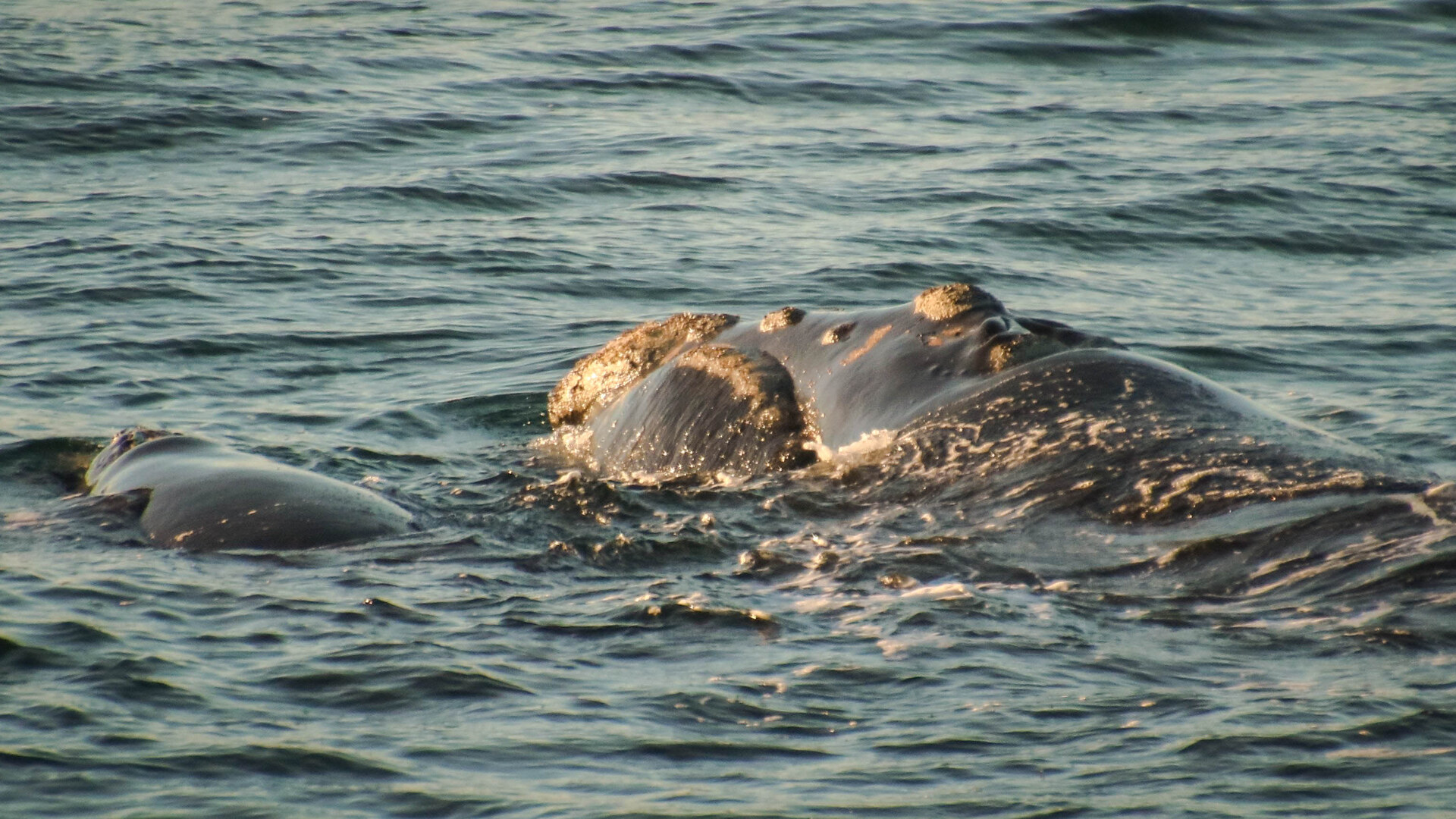
The southern right whale is the one that made the Cape famous. Large, black and stocky, with no dorsal fin and rough patches of skin called callosities on its head, it is the whale you will see nursing calves close to shore from Hermanus to Plett. Its distinctive V-shaped blow and habit of lifting its tail to the wind (“sailing”) make it unmistakable.
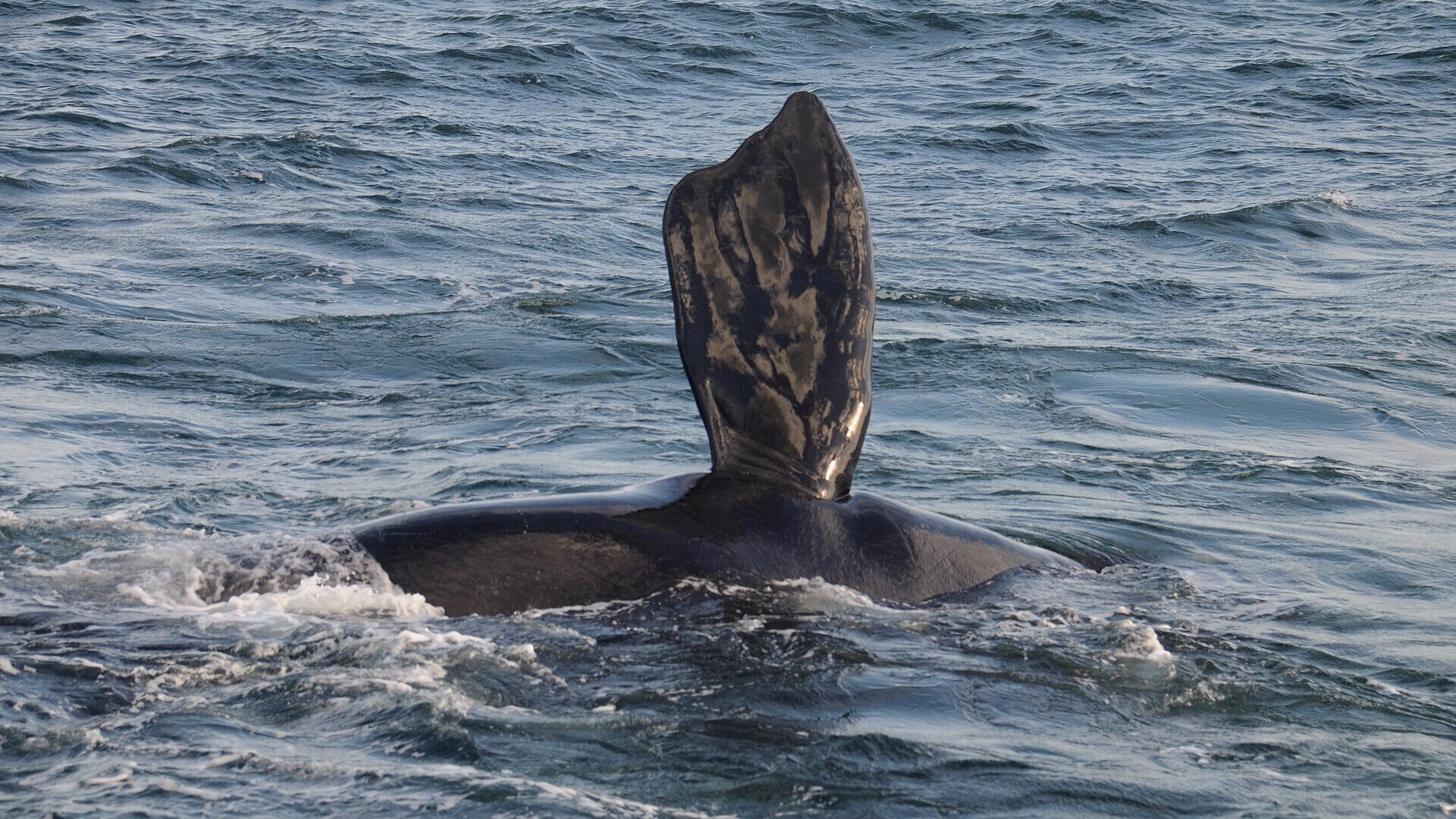
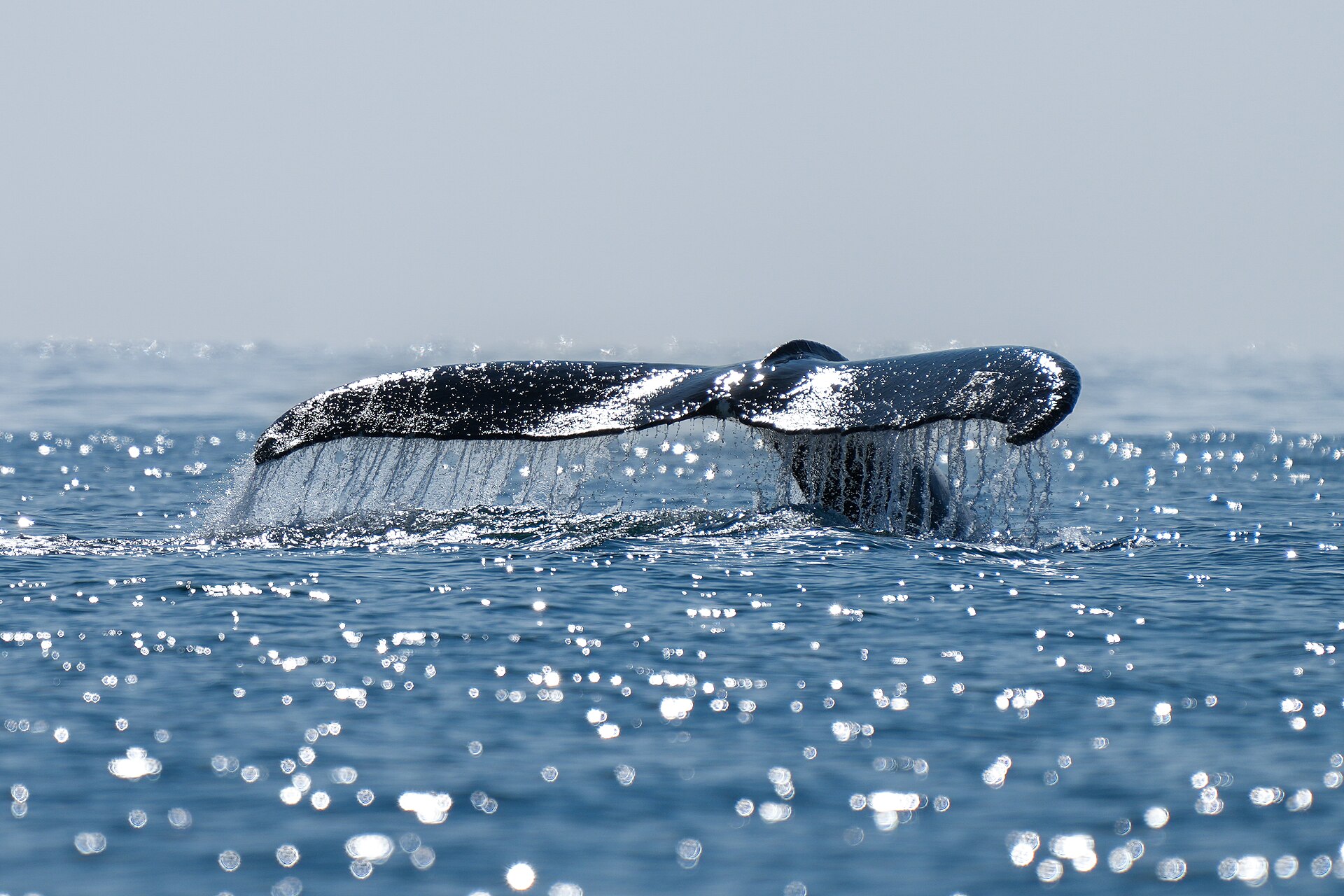
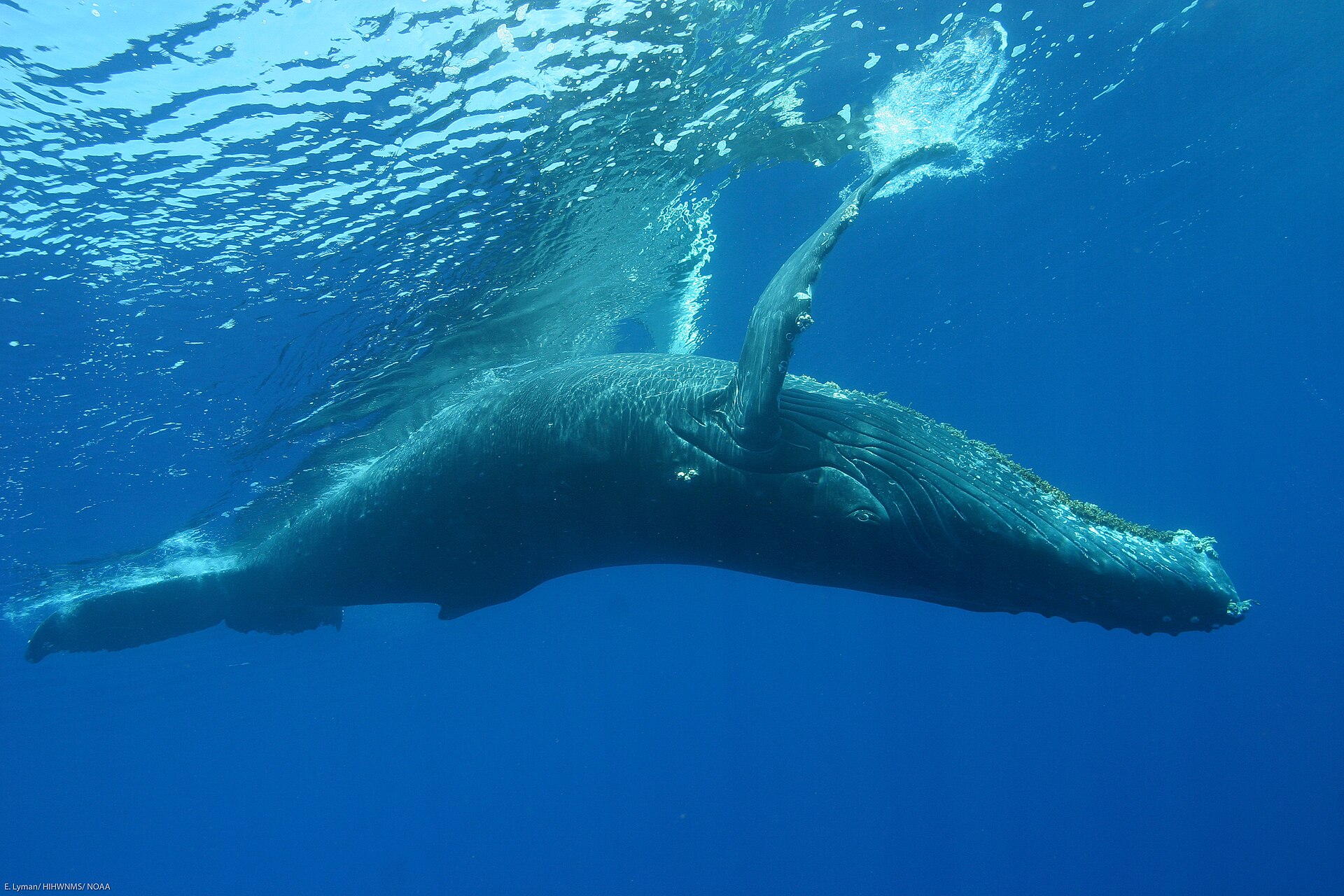
The humpback whale is the acrobat — long-winged, dark above and pale below, famous for breaching and for the great flukes it throws up as it dives. Humpbacks are travellers, passing the Cape on migration and gathering in numbers off KwaZulu-Natal.
The Bryde’s whale (pronounced “broo-dess”) is the quiet resident, present year-round in warmer bays such as False Bay, Mossel Bay and Plett. Sleeker and shyer than the others, it rarely breaches but is a lovely bonus sighting.
Finally, pods of orcas — killer whales — pass through from time to time, especially off the Cape, and are the ocean’s great wildcard. Add the dolphins, seals, sharks and seabirds of the coast and you begin to see why South Africa’s shoreline is a wildlife destination in its own right.
| Whale | Where it is easiest to see | How to recognise it |
|---|---|---|
| Southern right | Overberg & Garden Route bays, close to shore | No dorsal fin, callosities on head, V-shaped blow |
| Humpback | KwaZulu-Natal; Cape on migration | Long white flippers, frequent breaching, raised tail flukes |
| Bryde’s | False Bay, Mossel Bay, Plett (year-round) | Sleek, small dorsal fin, rarely breaches |
| Orca | Anywhere off the Cape (unpredictable) | Black-and-white markings, tall triangular dorsal fin |
Land-based or boat-based? Choosing how to watch
One of the joys of whale watching in South Africa is that you rarely have to choose blindly — different spots suit different styles. Land-based viewing costs nothing, works on your own schedule, is perfect for families and travellers prone to seasickness, and at the best sites (Hermanus, De Hoop, Witsand, Boyes Drive) it delivers sightings every bit as good as a boat. Boat-based viewing, by contrast, gets you closer, opens up spots where the whales stay a little further out (Gansbaai, Mossel Bay, St Lucia), and adds the thrill of being at sea level as a whale surfaces alongside.
| Consideration | Land-based | Boat-based |
|---|---|---|
| Cost | Free | Paid (a permitted operator) |
| Best for | Families, flexible timing, seasickness-prone | Closer views, photography, further-out whales |
| Top spots | Hermanus, De Hoop, Witsand, False Bay | Gansbaai, Mossel Bay, Plett, St Lucia |
| Weather risk | Low — go any time | Trips can be cancelled in rough seas |
Our advice: base yourself somewhere with superb land viewing, watch for free whenever the mood takes you, and add one well-chosen boat trip for the close encounter. In the Overberg that means Hermanus for land plus a Gansbaai cruise; on the Garden Route, Plettenberg Bay does both from one bay.
Combining whales with a safari and the Cape
The best South African trips rarely stop at whales alone. In the Cape, the whale bays sit within easy reach of Table Mountain, the Cape Winelands and the malaria-free Big Five reserves inland, so a single itinerary can pair a morning on the Hermanus cliff path with an afternoon of wine tasting and, days later, a Big Five game drive. On the Garden Route, whale watching at Plett or Mossel Bay slots between forest walks, beaches and the region’s game reserves. And in KwaZulu-Natal, the humpback coast and the Big Five reserves of Zululand are close enough to combine bush and ocean in one loop.
This is where whale watching stops being a day out and becomes part of the shape of a whole holiday. Our team builds these journeys constantly — folding a whale morning into a Cape Town and safari trip, or weaving the whale coast through a wider Garden Route route — so the ocean and the bush feel like one continuous story rather than two separate trips.
Planning your whale-watching trip: the essentials
A few practical notes will make any of these spots more rewarding. Bring binoculars — even at close-range sites they transform a sighting. Wear layers and a windbreaker; the coast is breezy and mornings are cool in the whale months. Mornings generally offer calmer seas and better light than afternoons, especially for boat trips. And be patient: whales move on their own schedule, and the reward for lingering an extra half-hour on a cliff is often the breach you will remember for life.
On timing, the short version is that the Cape season runs from roughly June to November, peaking from August to October, while KwaZulu-Natal peaks a little earlier in the depths of winter. Because the exact best window shifts by species and by coast, we have given the full month-by-month breakdown its own home: read our companion guide to the best time for whale watching in South Africa before you lock in dates.
Responsible whale watching: how South Africa protects its whales
Part of what makes whale watching in South Africa so good is how carefully it is managed. The whales you see today are the descendants of a population that was hunted almost to extinction — southern rights were so named because they were considered the “right” whale to kill, floating when dead and yielding huge quantities of oil. By the time whaling ended, only a few hundred survived in the whole Southern Ocean. Their recovery, to the thousands that now return to the Cape each year, is one of conservation’s quiet triumphs, and the country guards it closely.
On the water, only a limited number of licensed boat-based whale-watching operators are permitted in each coastal zone, and they must keep a set distance from the animals unless the whales themselves choose to approach. This regulation keeps the whales relaxed and the sightings sustainable, and it is why a permitted trip is always worth choosing over an unregulated one. On land, you can watch as long and as often as you like without disturbing anything — which is another reason the cliff paths of Hermanus, De Hoop and Witsand are such treasures. Whichever spot you pick, watching quietly and letting the whales set the terms is both the ethical choice and, usually, the way to the best sighting.
Whale watching with children, and getting the photograph
Few wildlife experiences travel as well with children as land-based whale watching. There is no boat to book, no seasickness, no fixed departure time, and the sheer scale of a breaching whale lands instantly with even the youngest travellers. The Hermanus cliff path, the lookouts at De Hoop and the gentle beaches of Witsand are ideal for families: pack snacks, bring binoculars the children can share, and let them spot the blows on the horizon. Many towns also run child-friendly whale festivals and interpretive centres during the season.
For photographers, the advice is simple but worth stating. A telephoto lens or a good zoom helps enormously from land, though at the closest sites a phone can capture surprisingly good frames. Shoot in the softer light of early morning when the sea is calmest and glare is lowest. Watch the whale’s behaviour rather than the viewfinder — a whale that has breached once will often breach again, so keep the camera ready and your eyes on the water. And do not spend the whole encounter behind a lens; the memory of watching a forty-tonne animal rise from the sea with your own eyes is the one that lasts.
A whale-watching route from west to east
If you have time to travel the coast, the whale spots line up into one of South Africa’s great road trips. Start in the Overberg, an easy drive from Cape Town: give Hermanus a couple of nights for the cliff path and a Gansbaai boat trip, then push on to the wild dunes of De Hoop. Carry on east through Witsand and its whale nursery, then join the Garden Route proper at Mossel Bay for a year-round boat trip, and reach Plettenberg Bay for the greatest variety of species on the coast. Travellers with more time — or those flying in to the other side of the country — can add KwaZulu-Natal’s humpback coast and pair it with a Zululand Big Five safari.
Done well, a route like this turns whale watching from a single outing into the spine of a two- or three-week South African holiday, threading the ocean together with the Winelands, the Garden Route’s forests and lagoons, and the Big Five reserves inland. It is exactly the kind of journey our team enjoys building most.
Where will you see your first whale?
Whether it is a southern right rolling in the shallows below the Hermanus cliff path, a humpback breaching off St Lucia, or a Bryde’s whale surfacing quietly in False Bay, South Africa makes the whale encounter that most travellers dream of genuinely easy to have. Choose the coast that fits your route, give the season a little room, and let us help you fold it into a trip that reaches from the ocean to the heart of the bush. When you are ready, our team will map the whole thing around you.