Of all the wildlife you can plan a trip around in South Africa, whales are the most obliging. The Big Five keep their own hours; the Great Migration shifts with the rains. But the whales run almost to a timetable. Every year, as the southern winter sets in, they leave the cold, food-rich waters of the Southern Ocean and swim north to the warm, sheltered bays of the Cape and KwaZulu-Natal to court, mate, give birth and raise their young. They arrive, they gather, they peak, and they leave — in the same rhythm, year after year.
That predictability is a gift to anyone planning a holiday, because it means the single most important decision you make is when you go. Get the timing right and you can stand on a cliff path and look down on mothers nursing their calves in water so clear you can count the barnacles. Get it wrong by a couple of months and you will have a beautiful coastline entirely to yourself, with barely a fin in sight. This guide exists to make sure it is the former.
Below we break the South African whale season down month by month, then by species and by coast, so you can match your dates to exactly the experience you are after. If instead you already know your dates and want to know where to point the car, our companion guide to the best places to see whales in South Africa maps the eight finest spots coast by coast.


The short answer: the best time for whale watching in South Africa
If you want the peak in a single sentence: the best time for whale watching in South Africa is from June to November, with the true peak from August to October, and September and October the finest weeks of all. That is the window when the greatest number of southern right whales are in the Cape bays with their newborn calves, when the water is calmest and the light is at its clearest, and when land-based viewing is at its very best.
The rest of the picture fills in around that core. Humpback whales follow their own migratory highway up the east coast, so KwaZulu-Natal has a slightly broader window that runs from June into December. Bryde’s whales live off the coast year-round and do not migrate at all, which is why a boat trip out of Mossel Bay or Plettenberg Bay can find whales in months when the Cape cliffs are quiet. And even in the deep off-season, the dolphins, seals, penguins and great white sharks of the Marine Big Five keep the ocean worth a look. But if the migratory giants are what you have come for, plan your trip inside that June-to-November window, and aim for the middle of it.
South Africa’s whale season, month by month
Whale season builds like a tide. It comes in slowly through June and July, reaches its full height in the bright weeks of August, September and October, and ebbs away through November. Here is how each month actually feels along the coast.
| Month | Whales present | Activity level | What to expect |
|---|---|---|---|
| June | First southern rights & humpbacks arrive | Building | The season opens; early sightings, fewer crowds, cool crisp days. |
| July | Southern rights settling into Cape bays | Good | Mothers move in to calve; reliable land-based sightings begin. |
| August | Southern rights in numbers; humpbacks passing | Excellent | One of the two peak months; bays filling with mothers and calves. |
| September | Maximum southern right numbers | Peak | The classic high point; the Hermanus whale festival; calves everywhere. |
| October | Southern rights & calves; humpbacks still moving | Peak | Superb, often the calmest, clearest days; well-grown, playful calves. |
| November | Last mothers and calves; humpbacks tapering | Good, tapering | Strong early in the month, quietening as whales head south. |
| December – May | Resident Bryde’s whales, dolphins, Marine Big Five | Quiet (migratory whales gone) | Boat trips still find Bryde’s whales and dolphins; the off-season. |
June — the season opens
June is the quiet, hopeful start. The first southern right whales begin to appear in the Overberg bays, and on the east coast the leading edge of the humpback migration starts to move past KwaZulu-Natal. Numbers are still modest, so you may watch a bay for a while before a broad black back rolls up. But June has real advantages: the coast is uncrowded, accommodation is easy to find, and the winter air is crisp and clear. For travellers who want the whales without the spring crowds, it is an underrated month.
July — the whales settle in
Through July the southern rights arrive in earnest and, crucially, the pregnant females move into the calm, protected bays to give birth. This is when land-based viewing becomes genuinely reliable: from the cliff paths of Hermanus and the dunes of De Hoop you can expect to see whales on most days. Winter storms can still blow through the Cape, so it pays to keep your plans flexible, but a settled week in July can be magnificent.
August — the peak builds
August is the first of the two truly great months. The bays fill with mothers and their newborn calves, and the animals settle into the slow, close-to-shore behaviour that makes South African whale watching unique. You are no longer scanning the horizon; you are looking almost straight down. The weather begins to soften as spring approaches, and the whole coast tilts into its high season.
September — the high peak
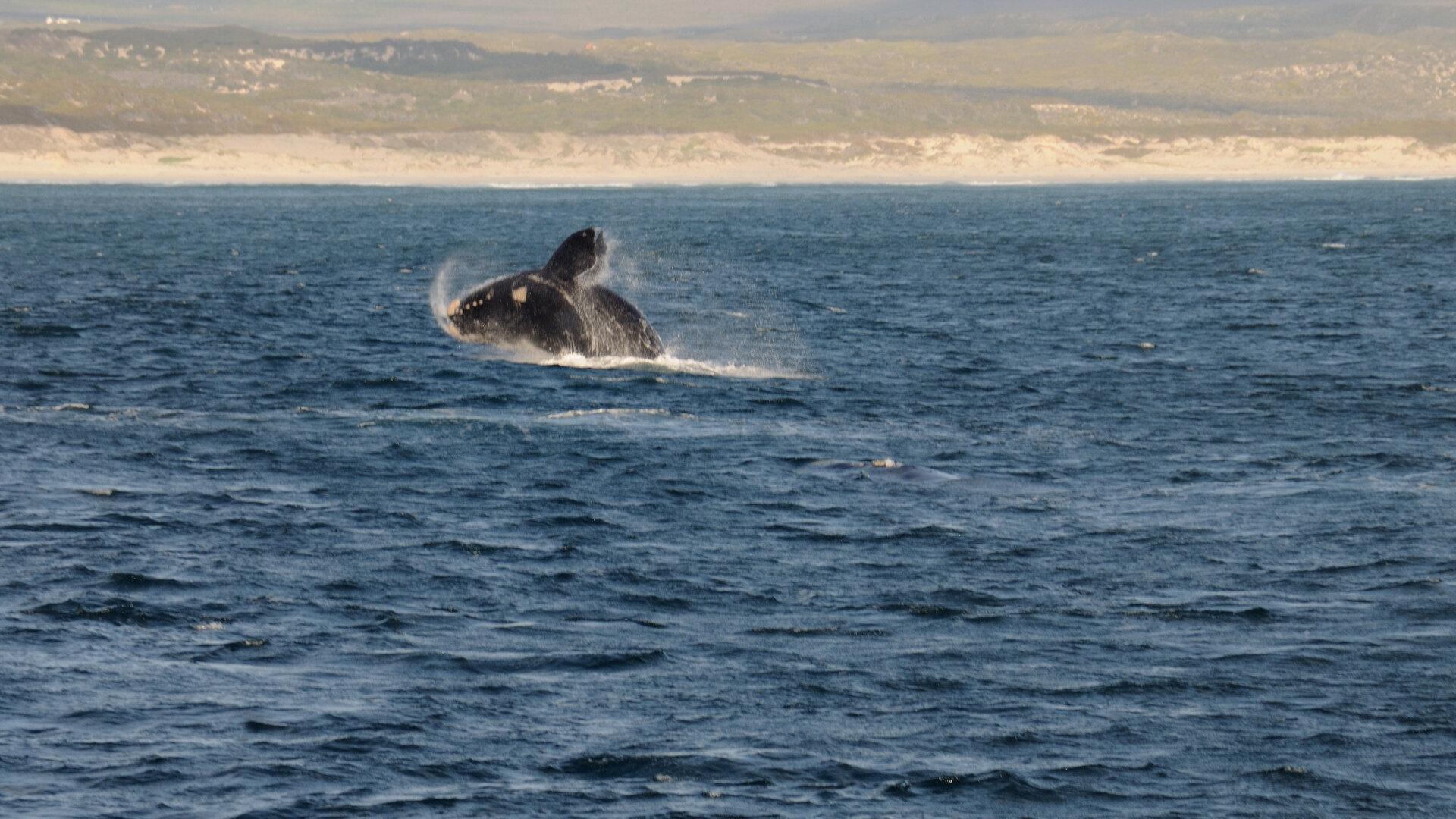
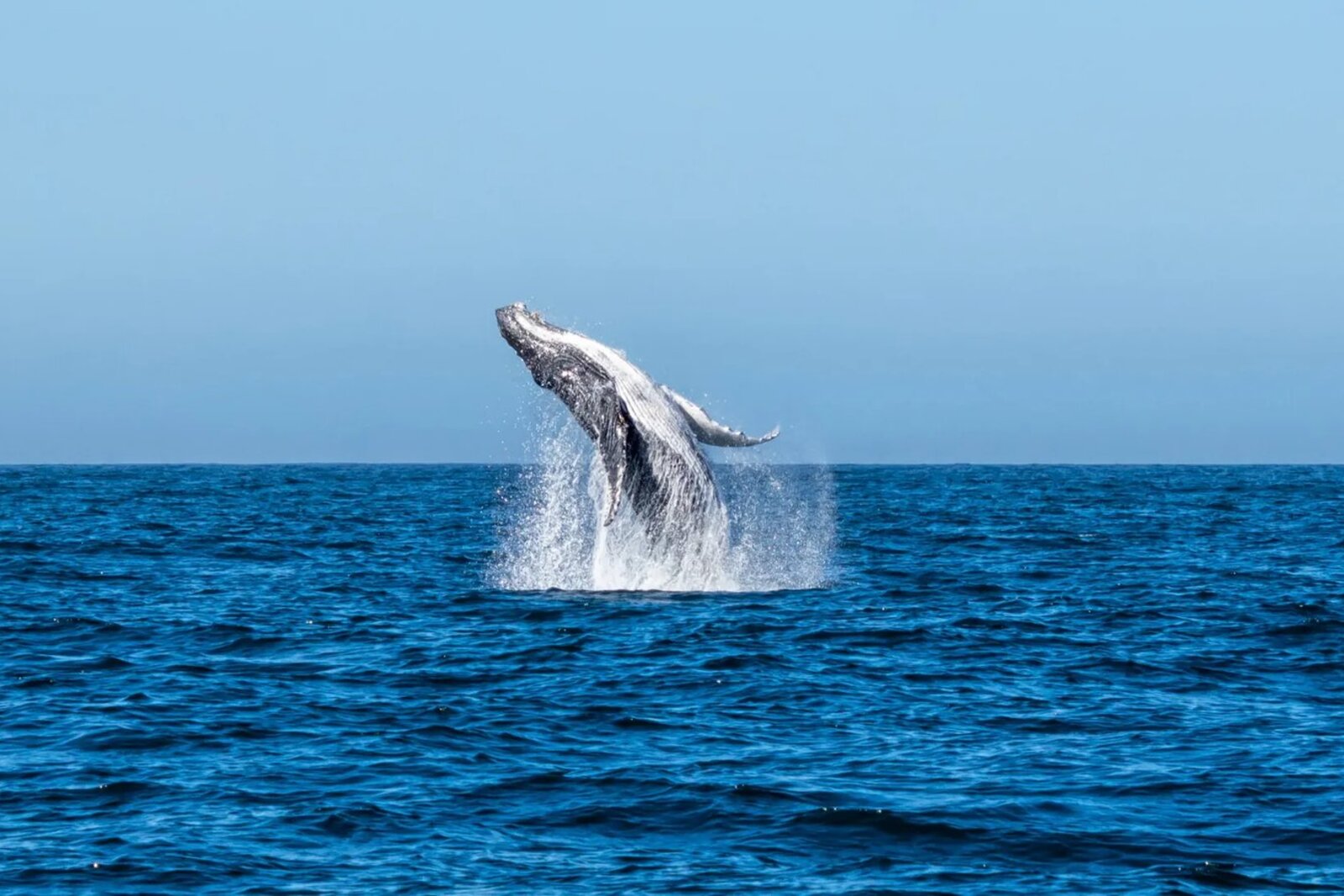
If there is a single best month, it is September. Southern right numbers are at or near their maximum, the calves are strong and active, and the town of Hermanus throws its annual whale festival to celebrate the season. Long, bright spring days and calm bays make for superb viewing, and breaches, lob-tailing and sailing — when a whale lifts its tail like a sail to catch the wind — are all on the cards. It is, unsurprisingly, the busiest time on the coast, so book ahead.
October — the peak continues
October holds the peak and, for many, improves on it. The crowds of the September festival thin a little, the weather is often at its most settled, and the calves are now bigger, bolder and endlessly entertaining. Some of the calmest, clearest sea days of the whole season fall in October, which makes it a favourite among photographers. It is a wonderful, slightly quieter alternative to September for very similar whale numbers.
November — the season winds down
By November the great gathering begins to break up. The mothers, their calves now strong enough for the journey, turn south and head back to the Southern Ocean. The first two weeks can still deliver excellent sightings, especially of late calves, but by month’s end the Cape bays fall quiet. On the east coast, humpbacks are still passing, so KwaZulu-Natal holds on a little longer.
December to May — the quiet months
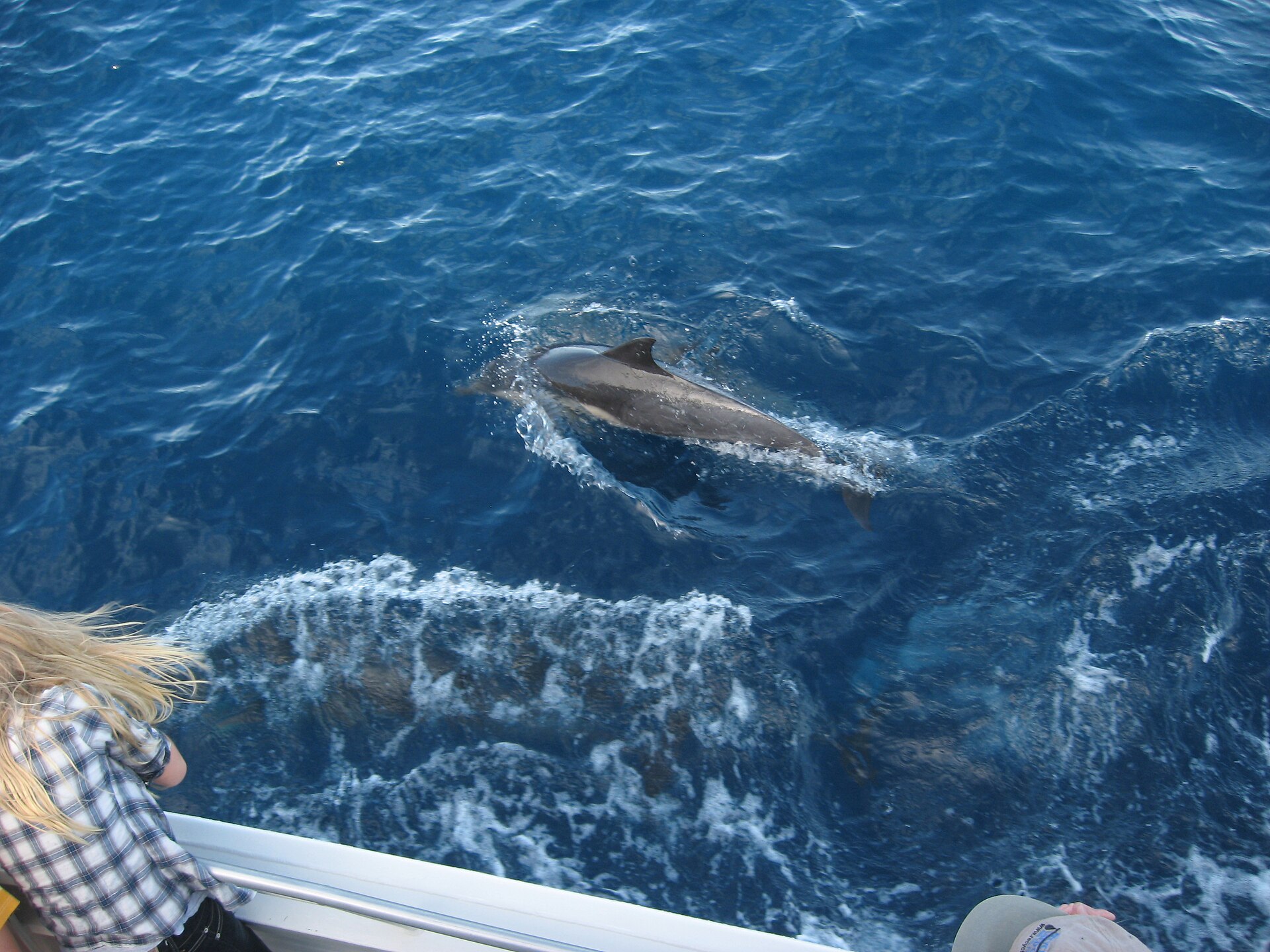
From December the migratory whales are essentially gone from the Cape, and the coast enters its off-season for the big animals. This is not the same as an empty ocean, though. Resident Bryde’s whales live off the southern Cape all year, dolphins move in huge pods along the Garden Route, and the seals, penguins and great white sharks of the Marine Big Five are always present. A summer boat trip out of Mossel Bay or Gansbaai can still be thrilling — it is simply a different show. For the classic mother-and-calf spectacle, though, you will want to return in winter and spring.
Whale by whale: when each species arrives
Not all of South Africa’s whales keep the same diary. The three main species you are likely to encounter — plus the orca that occasionally appear — each have their own timing, and knowing which one you most want to see can sharpen your dates.
| Species | Season | Peak | Where to find them |
|---|---|---|---|
| Southern right whale | June – November | August – October | Overberg & Cape bays: Hermanus, De Hoop, Walker Bay, Witsand |
| Humpback whale | June – December | June – August (north) & Oct – Dec (south) | KwaZulu-Natal coast; passing the Cape en route |
| Bryde’s whale | Year-round (resident) | No true peak — present all year | Off the southern Cape & Garden Route, best by boat |
| Orca (killer whale) | Occasional, any month | Unpredictable | Open water off the Cape; a rare bonus, never guaranteed |
Southern right whales — the headline act
The southern right is the whale South Africa is famous for. Its season runs from June to November and peaks from August to October, when females come into the sheltered bays to calve and stay for weeks at a time. Because they linger so close to shore, they are the reason South Africa offers the best land-based whale watching on Earth. If your priority is watching a mother and calf from a cliff top, plan around the southern right’s peak — September and October above all.
Humpback whales — the long-distance travellers
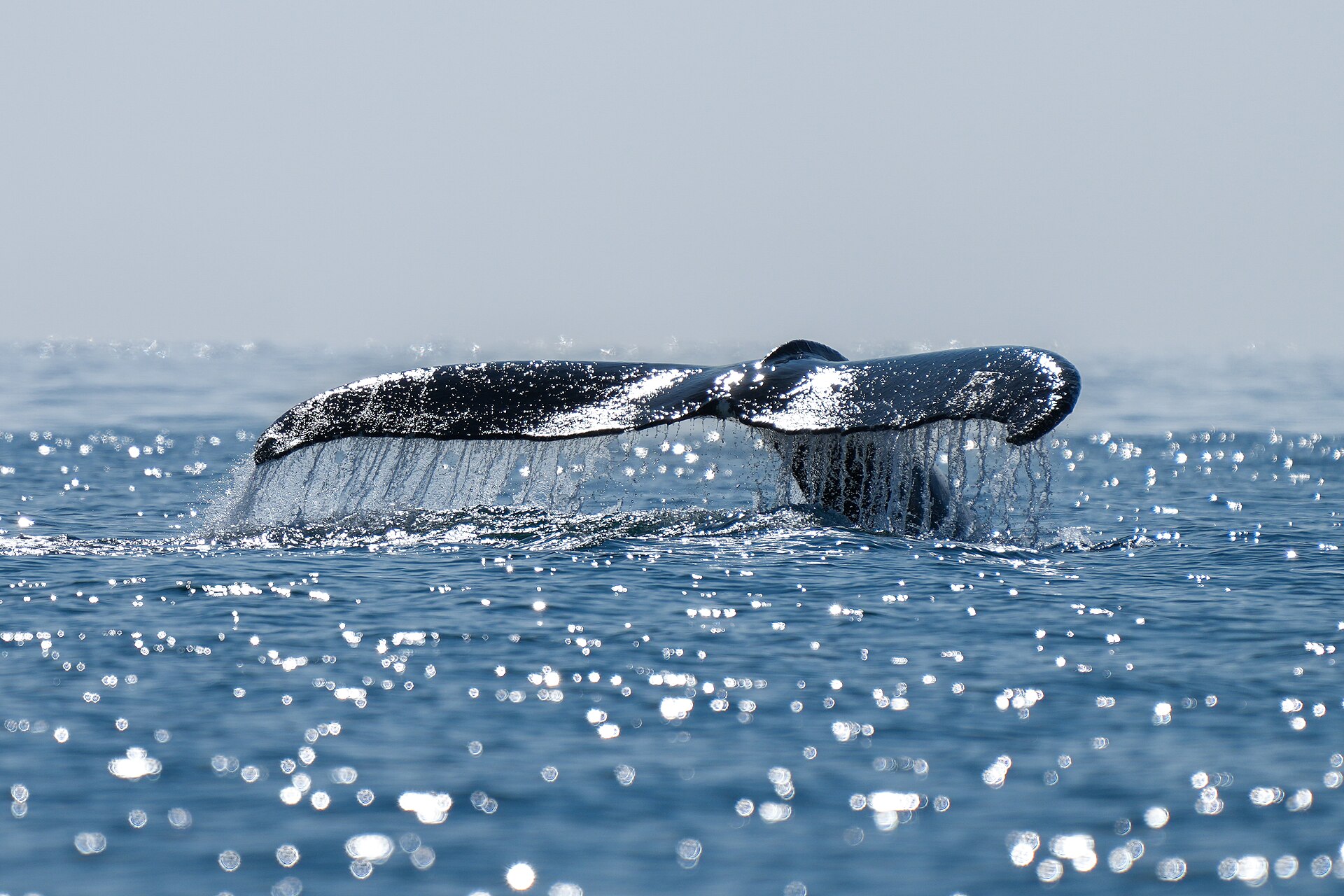
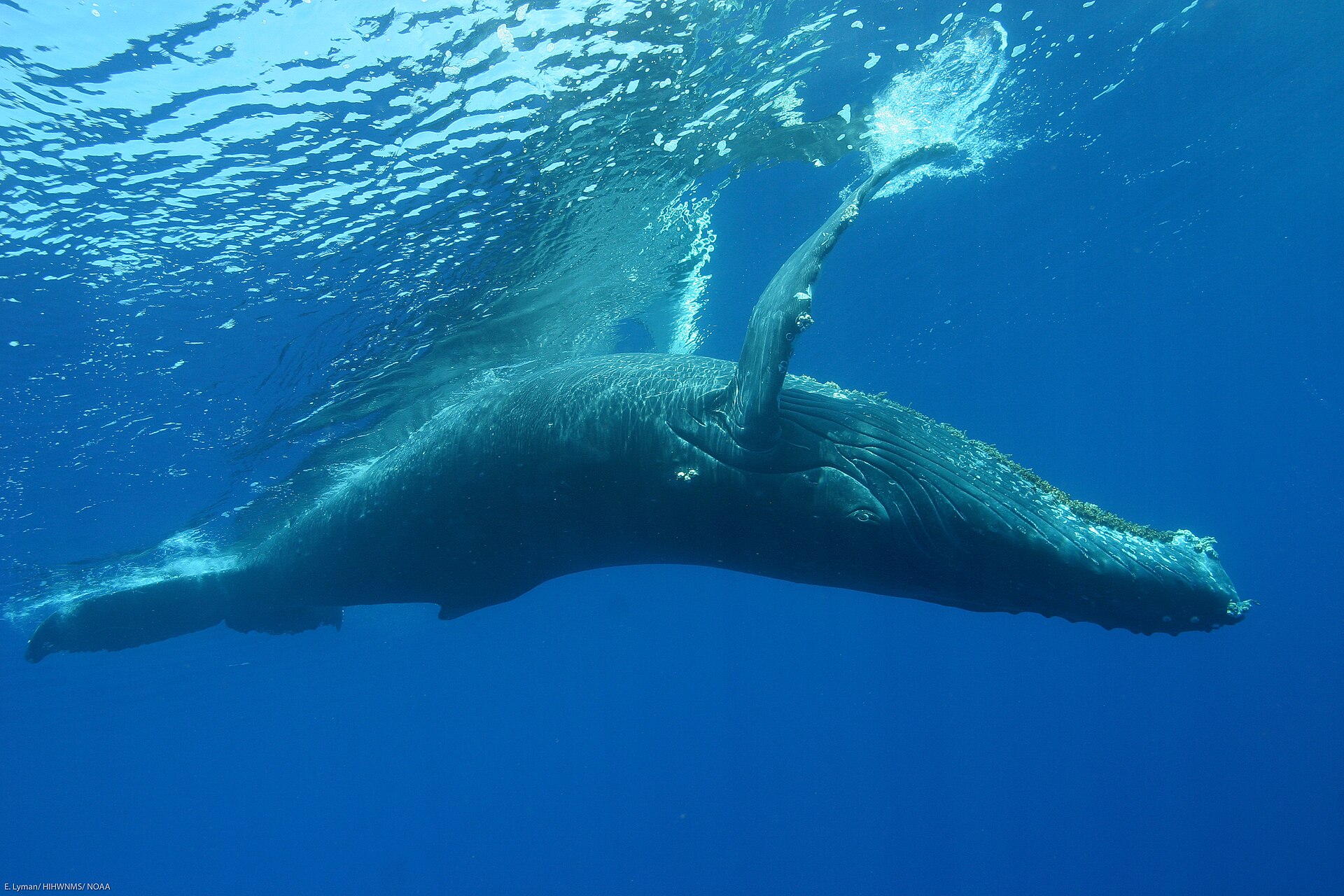
Humpbacks are travellers rather than residents. They stream up the east coast from June, following a route past KwaZulu-Natal so consistent it is nicknamed the humpback highway, then pass south again later in the year. This gives the KZN coast a slightly longer and earlier window than the Cape, and it means humpbacks are the species you are most likely to see on a boat trip out of St Lucia or Sodwana. For the humpback migration in particular, June to August on the east coast is prime.
Bryde’s whales — the year-round locals
The Bryde’s whale is the one that breaks the calendar. It does not migrate at all, living off the southern Cape coast throughout the year. It is more elusive than the showy southern right and is best looked for by boat, but its constant presence is exactly why a whale-focused boat cruise can succeed even in the summer off-season. If you are travelling outside the main window, the Bryde’s whale is your best bet.
Orca — the wild card
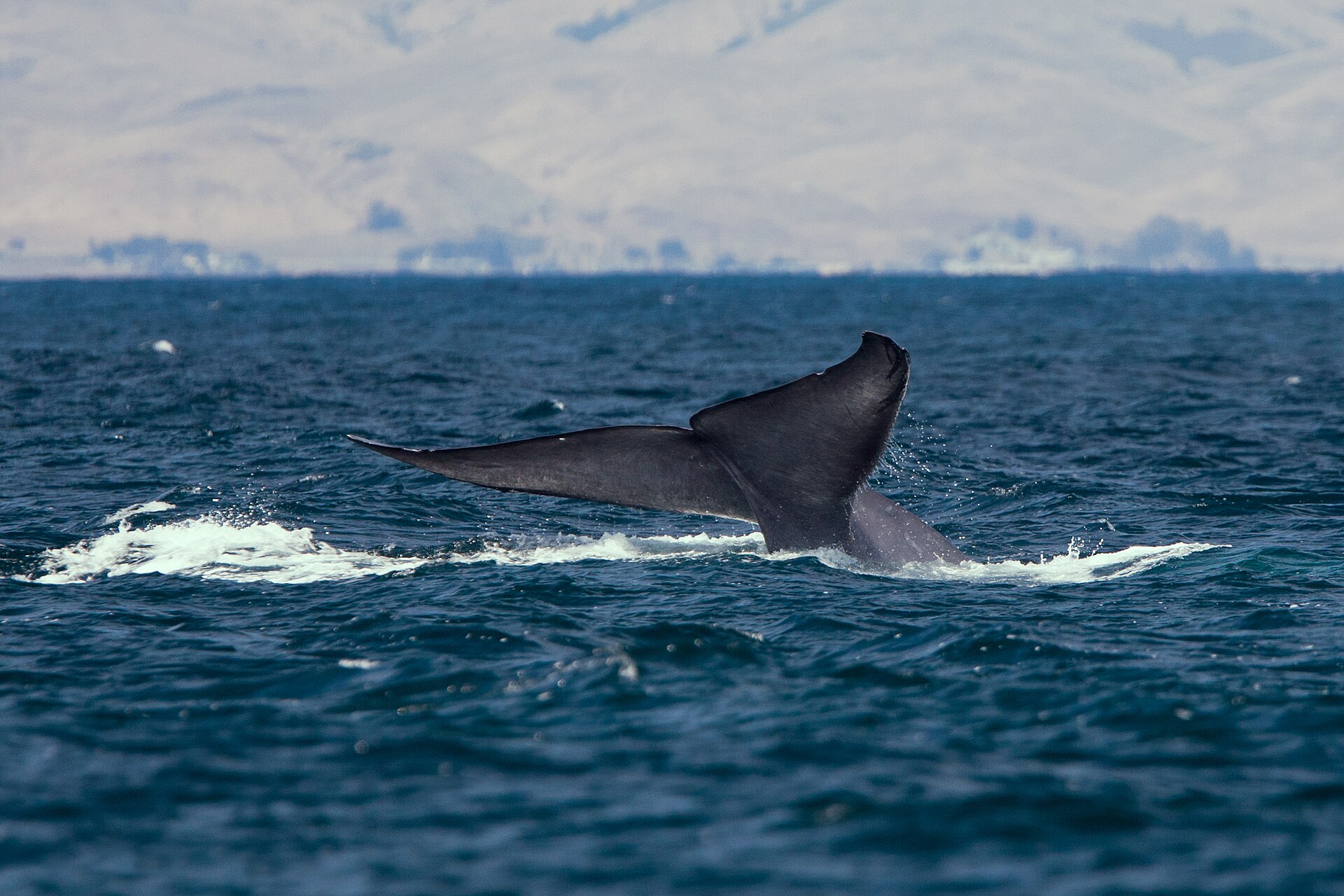
Orca, or killer whales, are the rare wild card of the South African coast. They can appear in any month, hunting off the Cape, and in recent years a few individuals have become locally famous. They are never guaranteed and cannot be planned for — but an orca sighting is the sort of once-in-a-lifetime bonus that makes any trip unforgettable.
Timing by coast: where to be, and when
South Africa’s whale coast is long, and the best month shifts as you travel along it. Broadly, the Overberg and Cape bays are all about the southern right’s spring peak, the Garden Route stretches the season with its year-round residents, and KwaZulu-Natal marches to the humpback’s slightly earlier drum.
| Region | Best months | Main species | Land or boat |
|---|---|---|---|
| Overberg (Hermanus, De Hoop, Gansbaai, Witsand) | August – October | Southern right | Superb from land; boats add close encounters |
| Cape Town & False Bay | August – November | Southern right, humpback | Land & boat both good |
| Garden Route (Mossel Bay, Plettenberg Bay) | July – December, plus year-round residents | Southern right, humpback, Bryde’s | Best by boat; some land viewing |
| KwaZulu-Natal (St Lucia, Sodwana) | June – November | Humpback | Boat-based |
The practical takeaway is simple. For the classic cliff-top spectacle, base yourself in the Overberg between August and October. For a broader mix of species and a season that stretches into summer, the Garden Route rewards a boat trip almost any time. And for the humpback migration, head to the KwaZulu-Natal coast from June. For the full geography of each of these spots — the exact towns, cliff paths and harbours — see our dedicated guide to the best places to see whales in South Africa.
The peak weeks: when is the absolute best time?
Travellers often ask us to name the single best fortnight of the year, and while the whales do not read calendars, our honest answer is the last two weeks of September and the first two weeks of October. In that four-week stretch the southern right numbers are at their fullest, the calves are strong and active, the spring weather has usually settled, and the days are long and bright. It is the window that gives you the highest chance of watching a whale breach clean out of the water — the moment everyone comes for.
There is a trade-off, of course. Those same weeks bring the largest crowds and the highest accommodation prices of the season, especially around the Hermanus whale festival in late September. If you would rather trade a fraction of the whale numbers for calmer towns and better value, the shoulder weeks of late July, early August or mid-November are excellent choices, with plenty of whales and far fewer people.
Land-based or boat-based, season by season
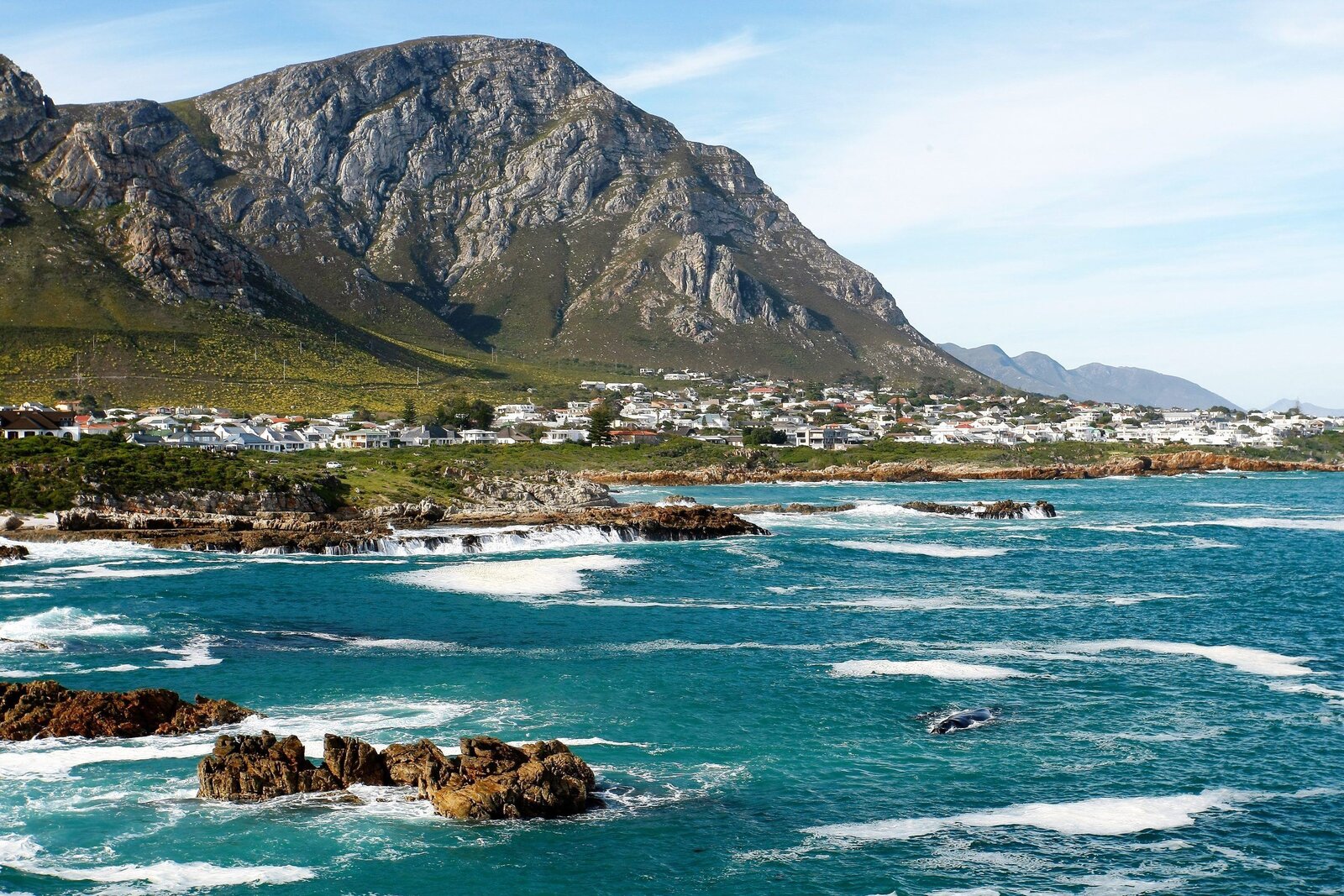
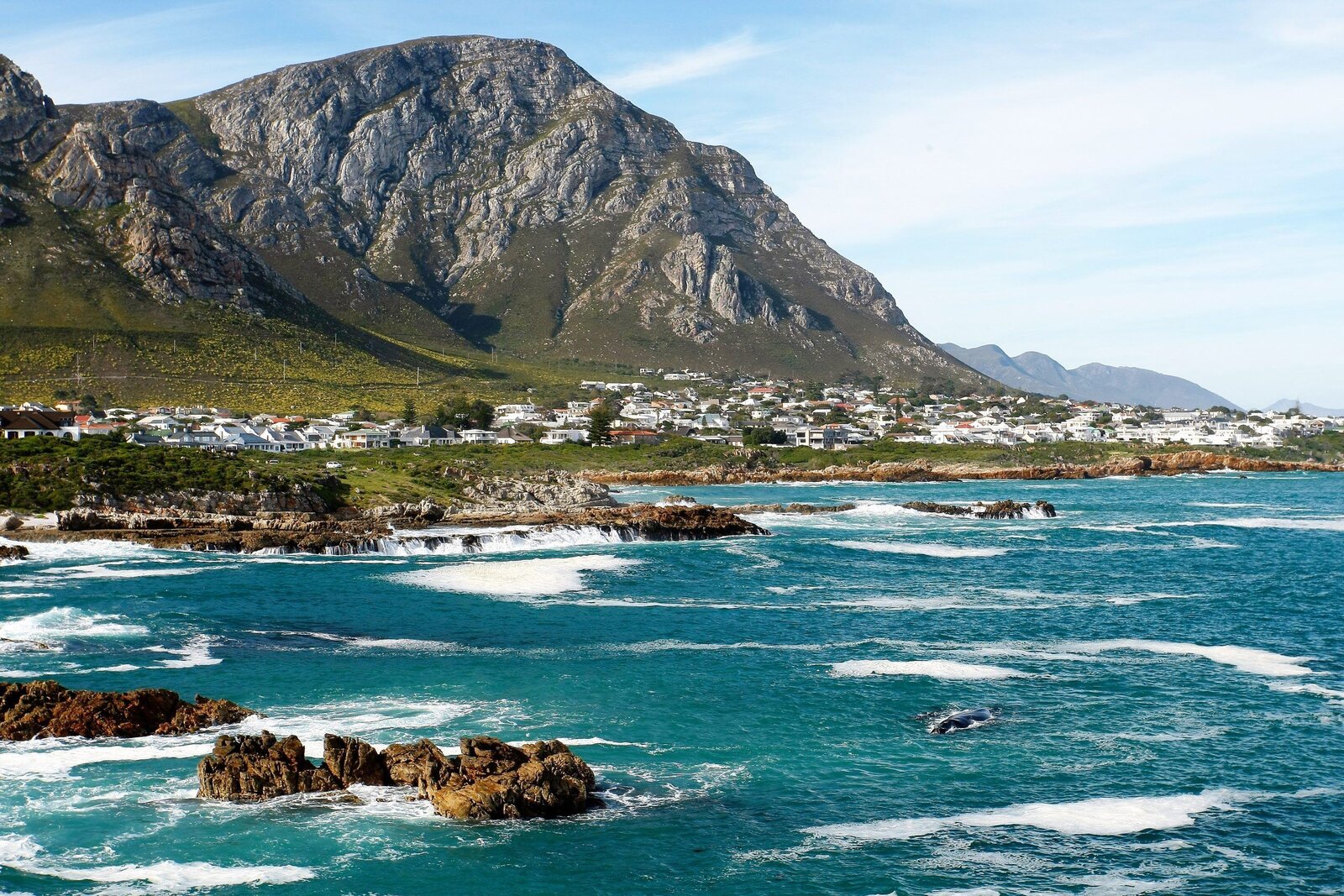
How you watch whales in South Africa is closely tied to when you go. During the peak, from August to October, the southern rights are so close to shore in the Overberg that land-based viewing is not just adequate but world-beating — you simply walk a cliff path and look down. A boat trip in these months adds an extra dimension, letting you appreciate the sheer scale of the animals from the water, but you do not need one to have an unforgettable day.
Outside the peak the balance tips towards boats. In the shoulder months and the summer off-season, when the migratory whales are fewer or gone, a boat trip out of Mossel Bay, Plettenberg Bay or Gansbaai gives you the mobility to find the resident Bryde’s whales, dolphins and other marine life that a cliff-top viewer would miss. As a rule of thumb: in spring, let the whales come to you from the land; out of season, go out and find them by boat.
Timing whales alongside the rest of your trip
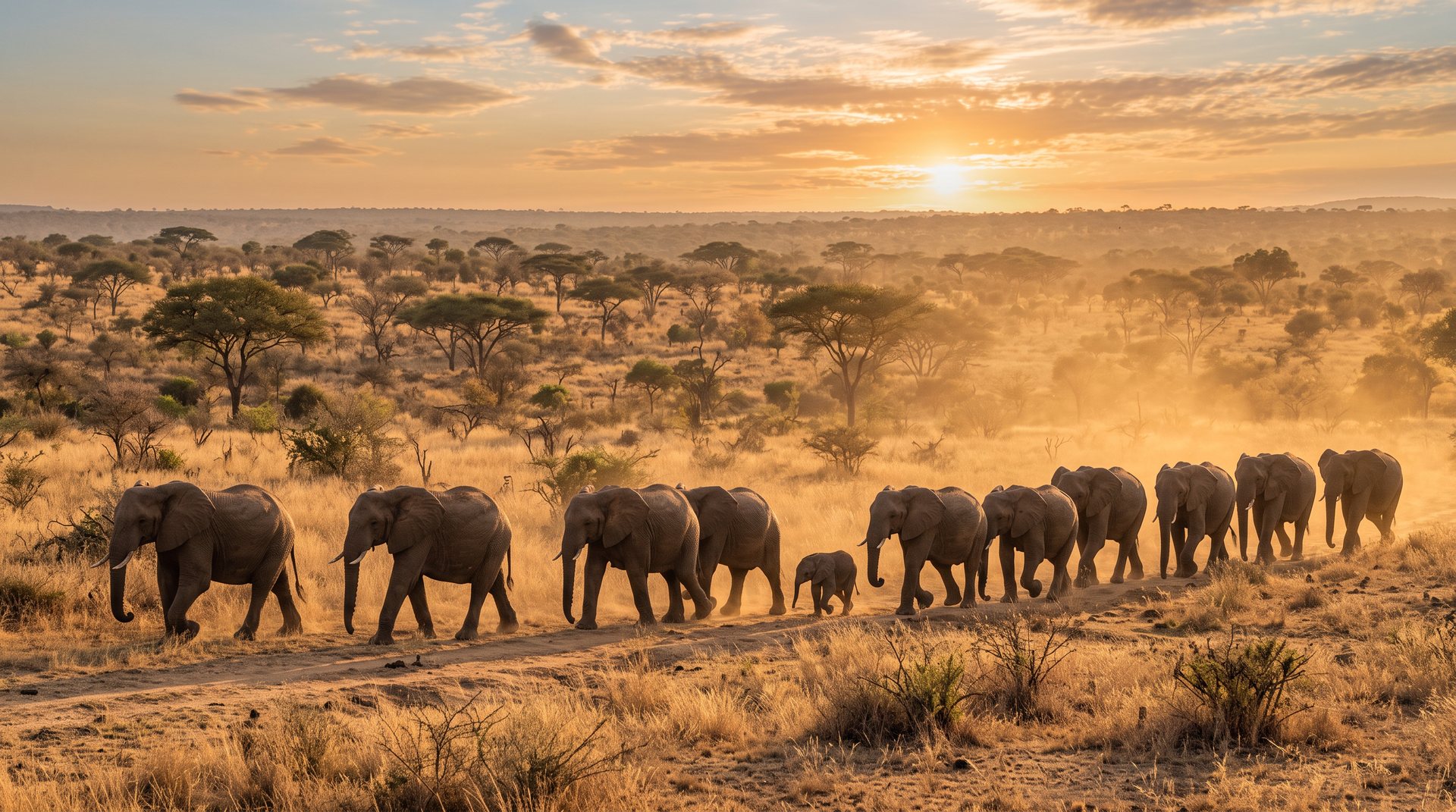
One of the quiet joys of the South African whale season is how well it lines up with everything else worth doing in the country. The peak whale months of August to October fall squarely in the dry winter and early spring, which is also the very best time for a Big Five safari: the bush is thin, the waterholes draw the game, and the malaria-free reserves of the Eastern Cape and the great parks of the north are at their finest. In other words, the same trip that puts you on a cliff above the whales can put you in a game vehicle among elephants a few days later.
Spring adds a further bonus. Late August and September are also when the Namaqualand wildflowers carpet the Northern Cape, and when Cape Town begins to warm towards its glorious summer. A well-planned September or October itinerary can weave whales, wine, wildflowers, Table Mountain and a Big Five safari into a single seamless journey. For the bigger picture of how the country’s seasons fit together, our guide to the best time to visit South Africa sets it all out month by month.
Events and festivals to time your trip around
The whale season has its own social calendar, and the centrepiece is the annual whale festival held in Hermanus, usually across a weekend in late September. It is timed to coincide with the peak of the southern right season and turns the whole town into a celebration of the animals, with markets, music and the famous whale crier walking the streets with a kelp horn to announce fresh sightings. If a festive atmosphere appeals, planning around that weekend is a wonderful way to experience the peak — just book your accommodation months ahead, because the town fills up completely.
If crowds are not your thing, the same peak whale numbers are present for weeks on either side of the festival. Arriving in early September or mid-October gives you the same magnificent viewing with a far calmer coastline.
Planning by month: what to book, and when
Because the season is so predictable, the smart move is to book in proportion to demand. The table below is our rule of thumb for how far ahead to plan, depending on when you travel.
| Travel window | Whale experience | Crowds & prices | How far ahead to book |
|---|---|---|---|
| June – July | Building; reliable land sightings by July | Low | A few months is ample |
| August | Excellent; peak building | Rising | Four to six months |
| September (festival) | Peak; maximum numbers | Highest | Six months or more |
| October | Peak; often calmest seas | High but easing | Four to six months |
| November | Good early, tapering | Moderate | A few months |
| December – May | Off-season; Bryde’s & dolphins by boat | Low for whales (high summer for the Cape) | Book boats locally; Cape stays busy in summer |
Responsible whale watching, whatever the month
Whenever you visit, the way South Africa manages its whales is worth understanding, because it shapes what you can and cannot do. Boat-based whale watching is strictly permit-controlled, and licensed operators must keep a respectful distance and let the whales choose whether to approach. This regulation is precisely why the encounters here feel so calm and natural — the whales are relaxed because they are never harassed. From land there are no such limits, which is another reason the cliff-path viewing of the Overberg is so special: you can watch for as long as you like without disturbing a thing. Choosing a properly licensed boat operator, in any month, is the single most important thing you can do to keep the experience good for the whales and for the travellers who follow you.
Whale watching with children and cameras
The peak months are also the most family-friendly, and for a simple reason: when the whales are close to shore in spring, children do not need a boat, a strong stomach or great patience to see them. A short walk along the Hermanus cliff path in September will almost certainly deliver whales, which makes it one of the easiest big-wildlife experiences in the country to share with young children. For photographers, October often edges out September: the seas are frequently calmer, the light is clean, and the well-grown calves are at their most active. Bring a zoom lens for detail, but do not forget to simply watch — a breach happens fast, and the best memory is often the one you saw with your own eyes rather than through a viewfinder.
When will you plan your whale trip?
South Africa gives you a rare thing in wildlife travel: a spectacle you can genuinely book by the calendar. Aim for the June-to-November window, target August to October for the peak, and treat late September and early October as the crown of the season, and you give yourself the very best chance of standing on a cliff and watching a forty-tonne whale lift itself clean out of the sea. Match those dates to a Big Five safari and a few days in Cape Town and the Winelands, and you have one of the finest trips Africa can offer.
When you are ready to turn these dates into a journey, we would love to help you plan it — from choosing the right coast for your travel window to weaving the whales into a wider South African adventure. Explore our guide to the best whale-watching spots, browse our whale-season tours below, or get in touch to build a trip timed to perfection.