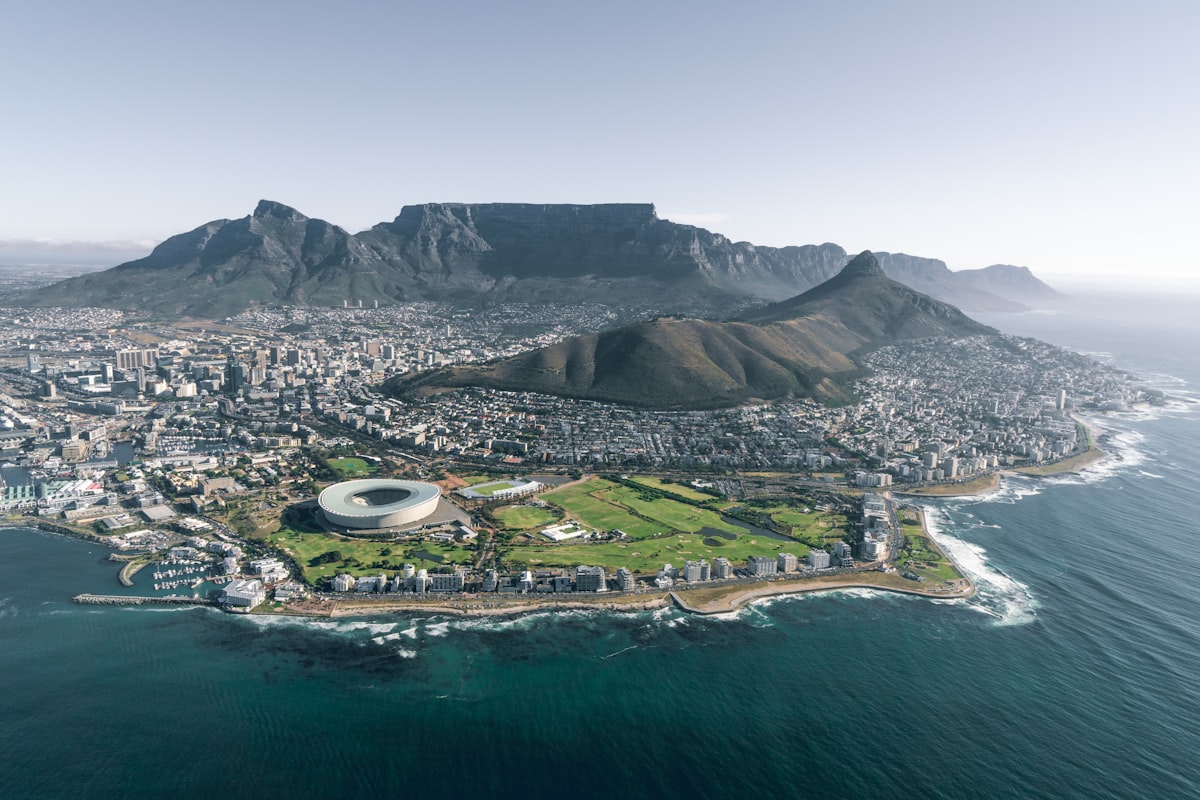
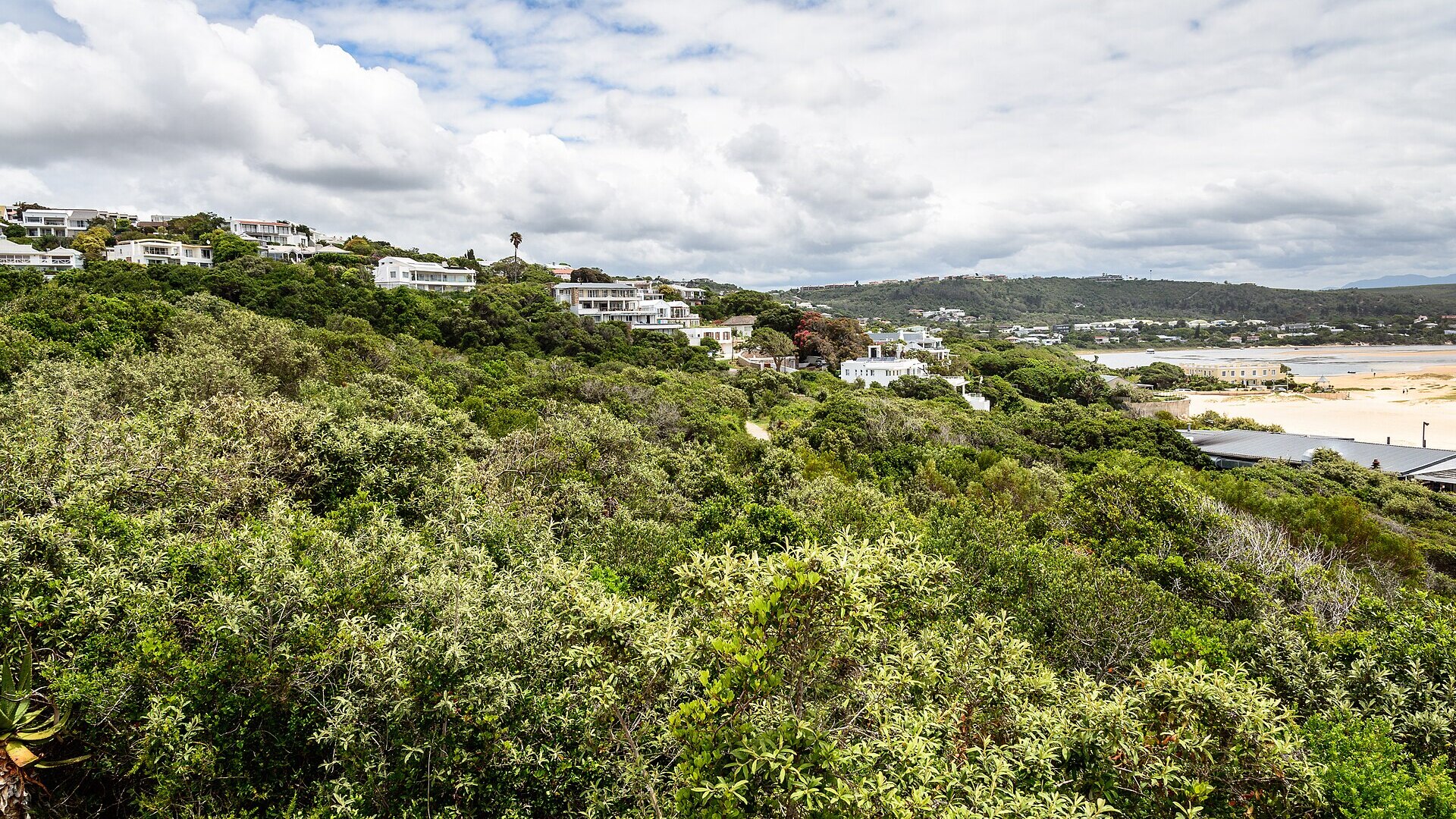
Key Takeaways
- The Garden Route is a ~300 km coastal drive of forests, lagoons and beach towns from Mossel Bay to Storms River — best over 5–8 days.
- The Whale Route is a shorter, slower Cape coast arc via Hermanus and Gansbaai — best over 2–4 days, peaking for whales June–November.
- Choose the Garden Route for variety, adventure and family time; choose the Whale Route for close whale encounters and a shorter escape.
- Both are malaria-free and pair naturally with a Big Five reserve in the Eastern or Western Cape.
- The best answer is often both — we thread the Whale Route into the start of a Garden Route journey as one private, chauffeured route.
Garden Route vs Whale Route: The Quick Answer
If you have a week or more and want variety, choose the Garden Route. If you have a few days and want whales close enough to hear them breathe, choose the Whale Route. That is the honest short version — but the real answer depends on your time, your season and what makes a trip unforgettable for you. Both routes begin within easy reach of Cape Town, both trace spectacular coastline, and both are entirely malaria-free. Where they diverge is in pace, distance and character.
The Garden Route is the grand classic — a 300-kilometre ribbon of indigenous forest, mountain passes, lakes, lagoons and surf towns that rewards a slow, multi-day drive. The Whale Route is the Cape's quieter treasure — a shorter coastal arc along Walker Bay where, for half the year, Southern Right whales gather to calve within metres of the shore. Below we compare them properly, then show you how we combine the two.
Garden Route vs Whale Route at a Glance
| Garden Route | Whale Route | |
|---|---|---|
| Length | ~300 km (Mossel Bay–Storms River) | ~200 km (Cape Town–Gansbaai loop) |
| Ideal length of stay | 5–8 days | 2–4 days |
| Signature draw | Forests, lagoons, adventure, beaches | Land-based whale watching |
| Best season | Year-round; spring & summer for beaches | June–November (peak Sept–Oct) |
| Big Five nearby | Yes — Eastern Cape reserves | Yes — Western Cape reserves |
| Best for | Families, first-timers, variety-seekers | Couples, short escapes, wildlife lovers |
The Garden Route: The Grand Coastal Classic
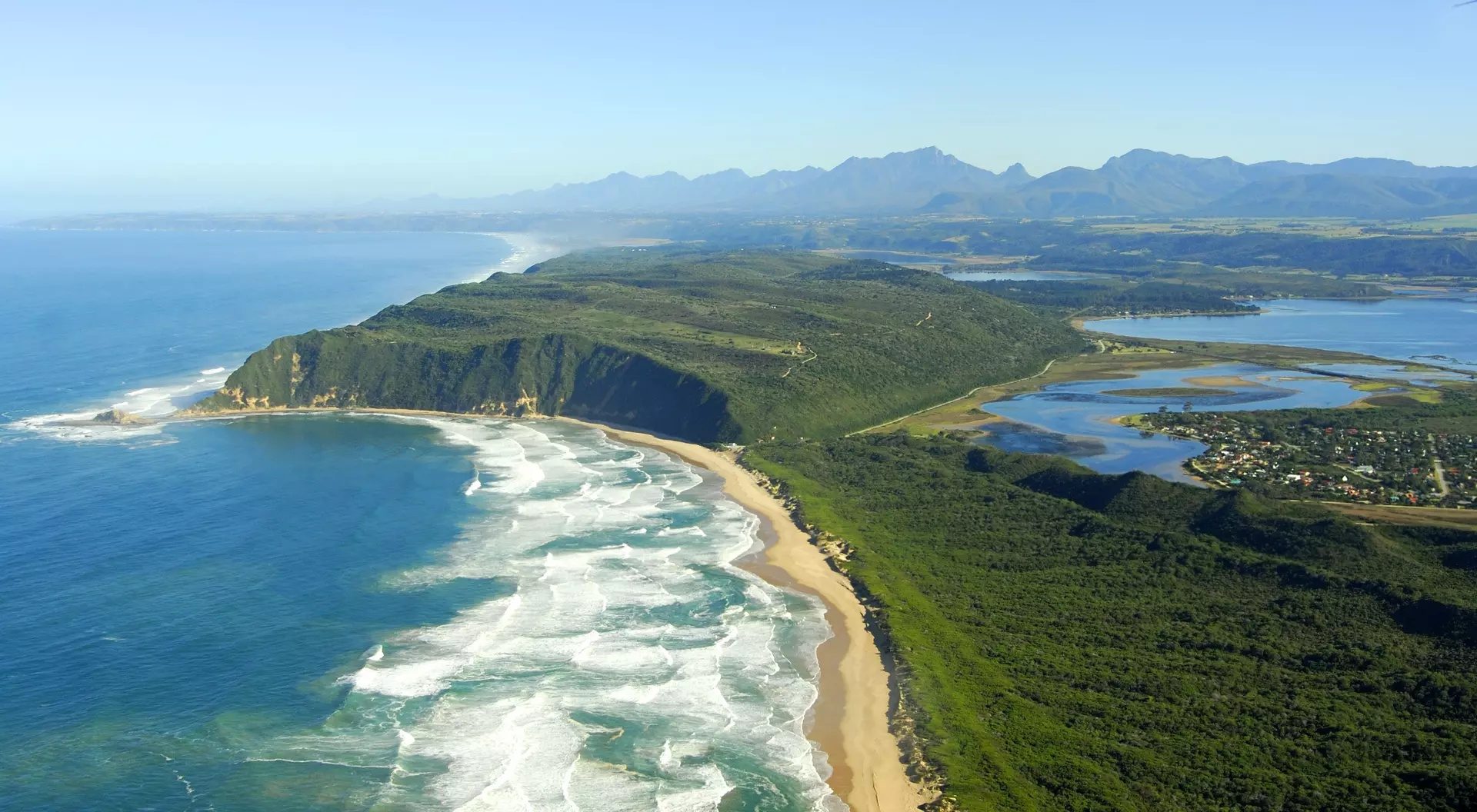
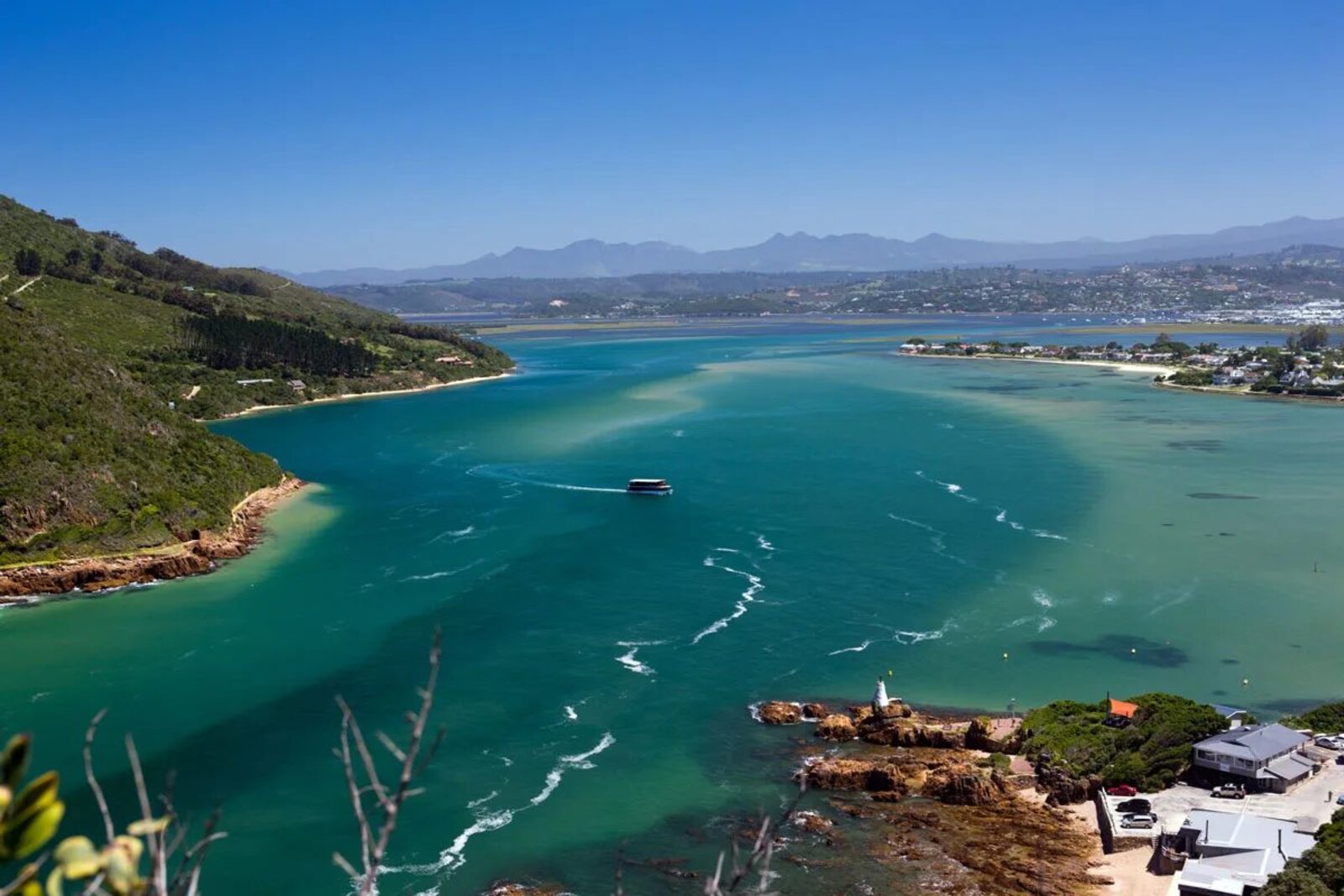
The Garden Route is South Africa's most celebrated road trip for good reason — it packs an extraordinary range of landscapes into a single, easy drive. Officially running from Mossel Bay in the west to the Storms River in the east, it threads together indigenous Afromontane forest, freshwater lakes, tidal lagoons, golden beaches and the mountain passes of the Outeniqua and Tsitsikamma ranges. It is lush, green and temperate — the "garden" name is well earned — and it never feels rushed.
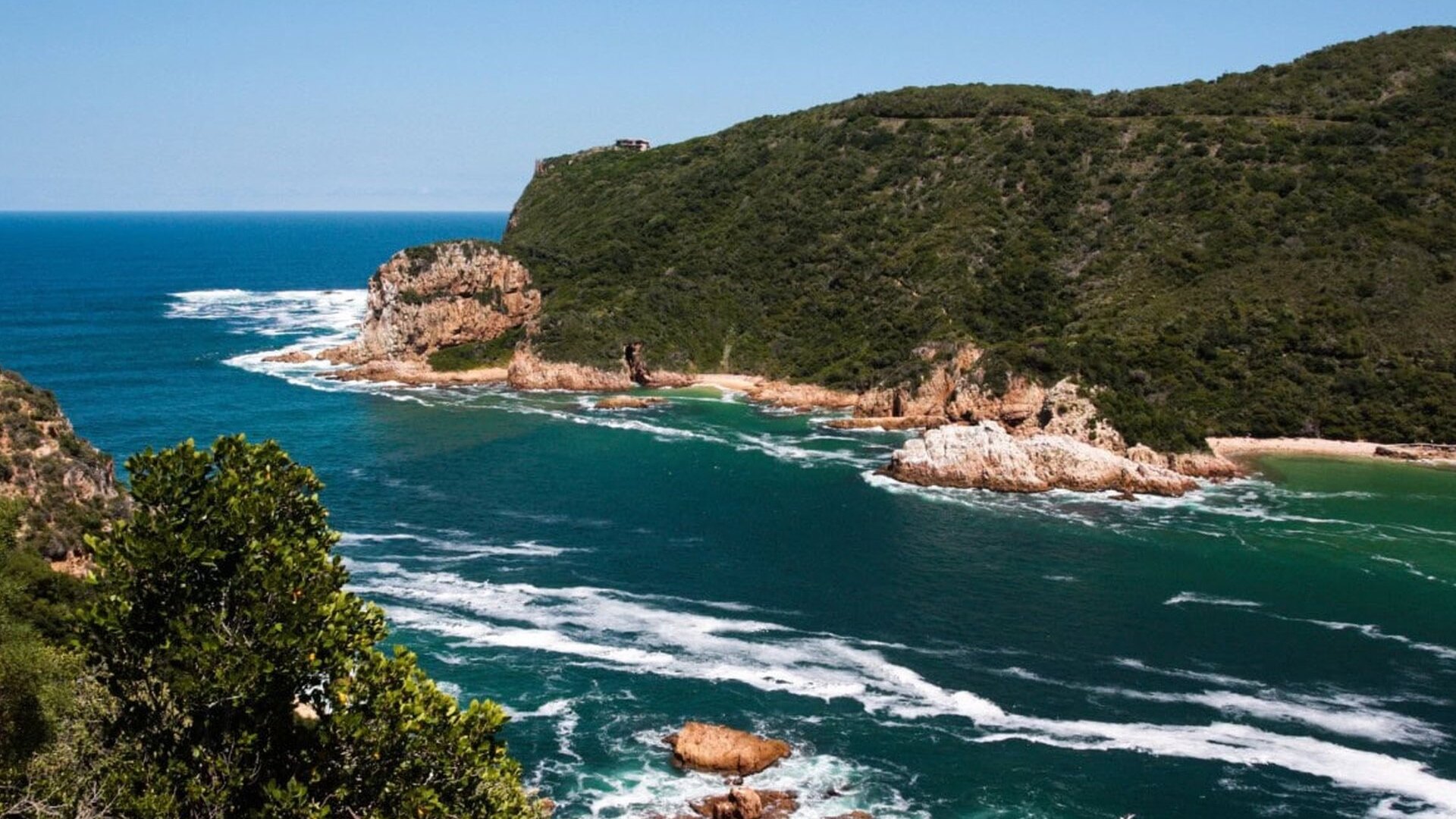
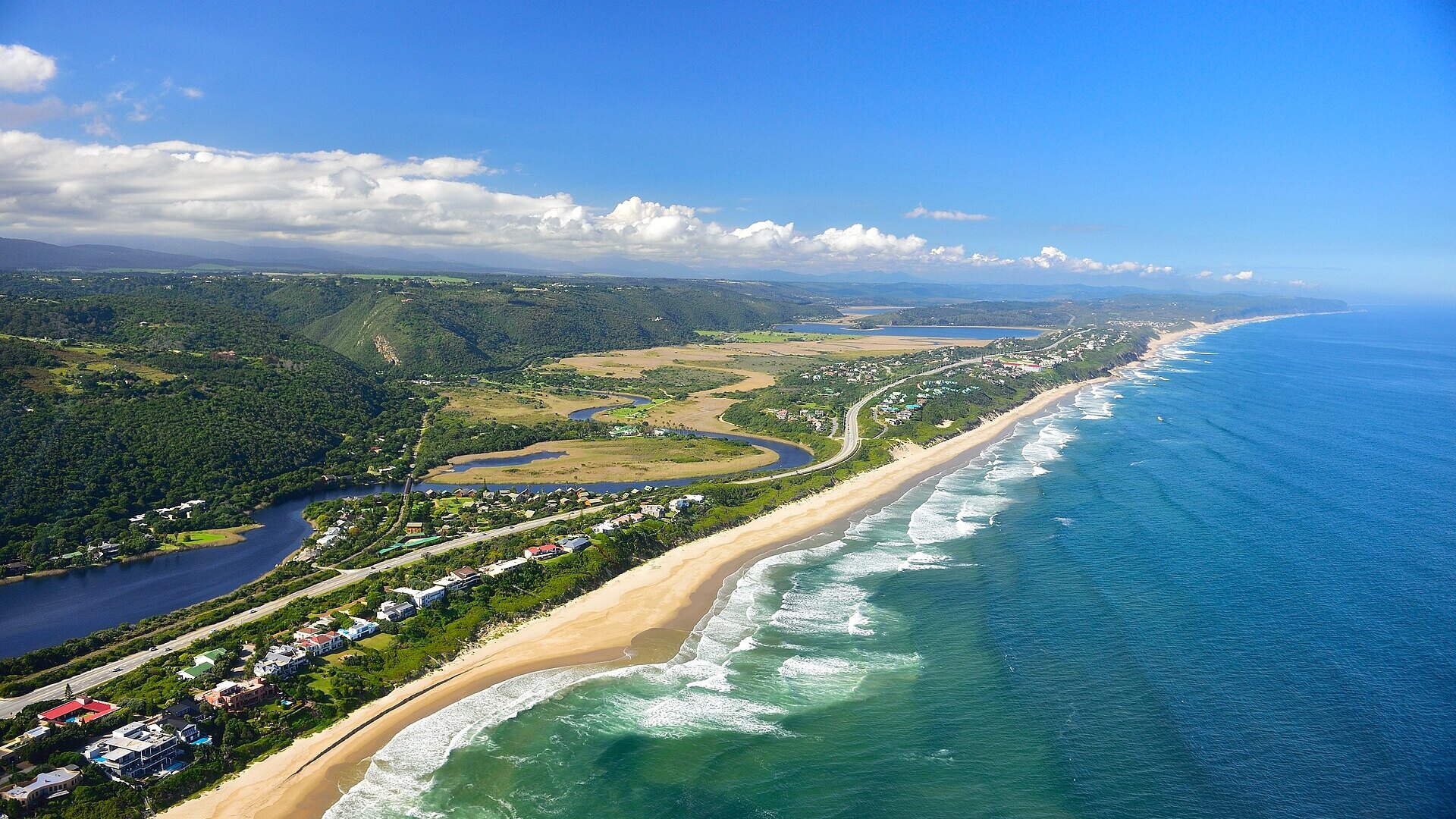
The great towns along the way each have their own character. Knysna sits on a shimmering lagoon guarded by dramatic sandstone Heads. Plettenberg Bay is the glamorous beach capital, all long sands and dolphins offshore. Wilderness is a village wrapped in lakes and forest, and the Tsitsikamma section delivers the drama — suspension bridges, the highest commercial bungee on earth, and canopy tours through ancient yellowwoods.
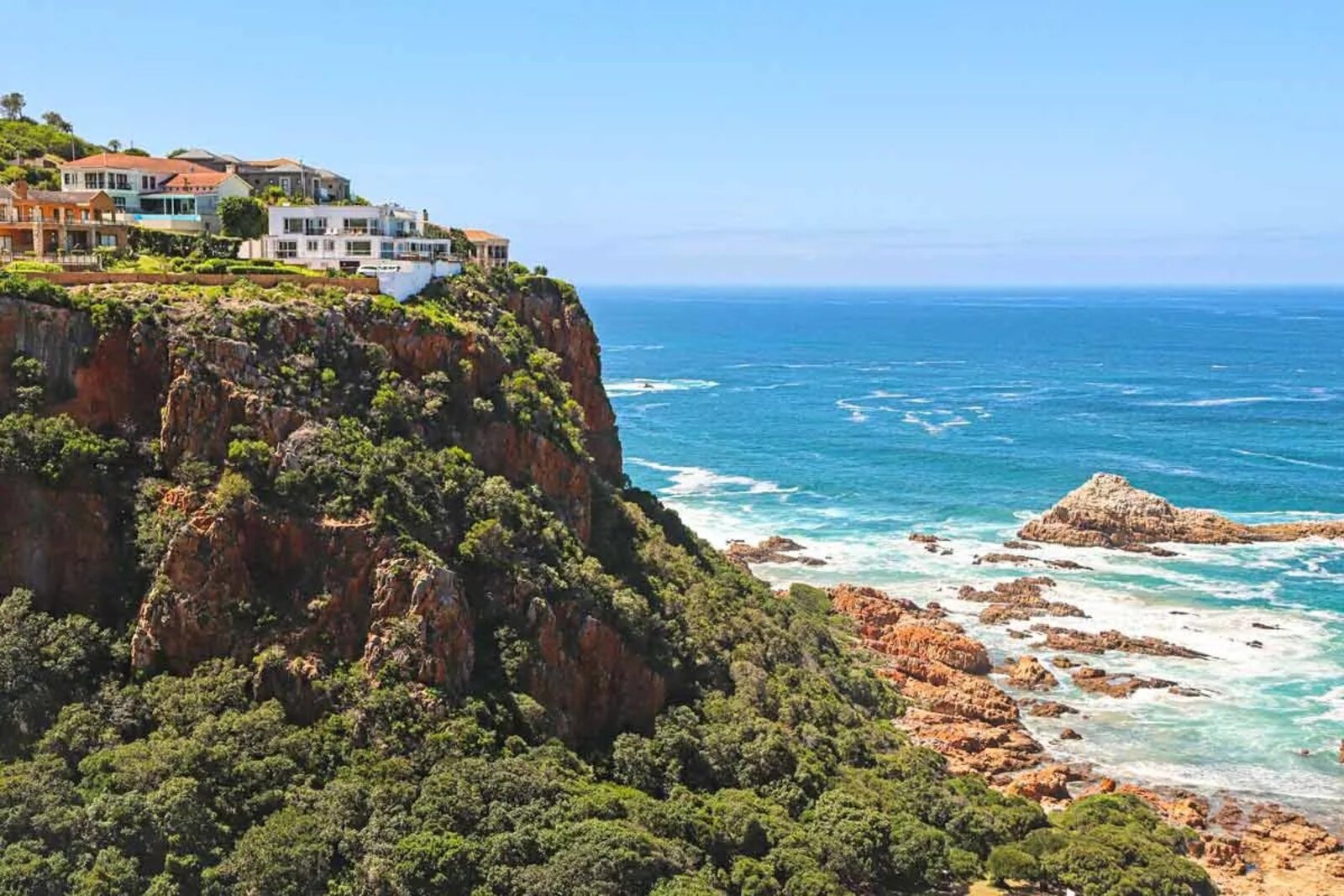
Who it suits: the Garden Route is the ideal choice for families, first-time visitors and anyone who wants variety — beaches one day, forest hikes the next, adventure activities, and a malaria-free Big Five reserve at either end. It is best savoured over five to eight days, with unhurried overnight stops rather than a dash.
Related journey: Garden Route Safari Experience — 12 Days →
Wildlife on the Garden Route
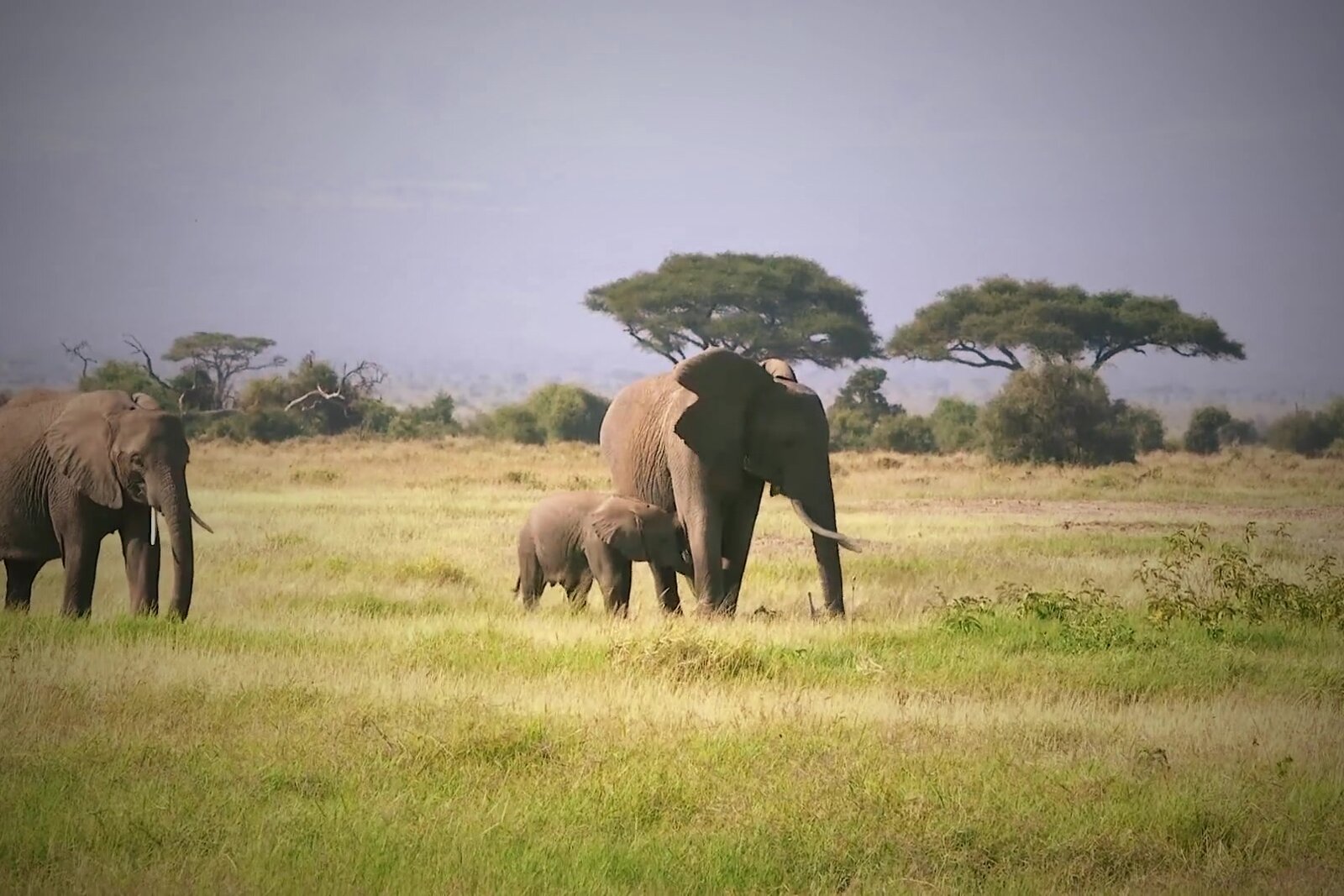
Beyond the scenery, the Garden Route delivers genuine wildlife. Marine life is a highlight — dolphins, seals and, in season, whales pass Plettenberg Bay and Mossel Bay. Bird life in the lakes and estuaries is superb. And at the eastern end lie the malaria-free Big Five reserves of the Eastern Cape — Addo Elephant National Park, Shamwari, Kwandwe and Amakhala — which let you finish a coastal drive with lions, elephants and rhino, all without anti-malarial medication.
The Whale Route: The Cape's Coastal Secret
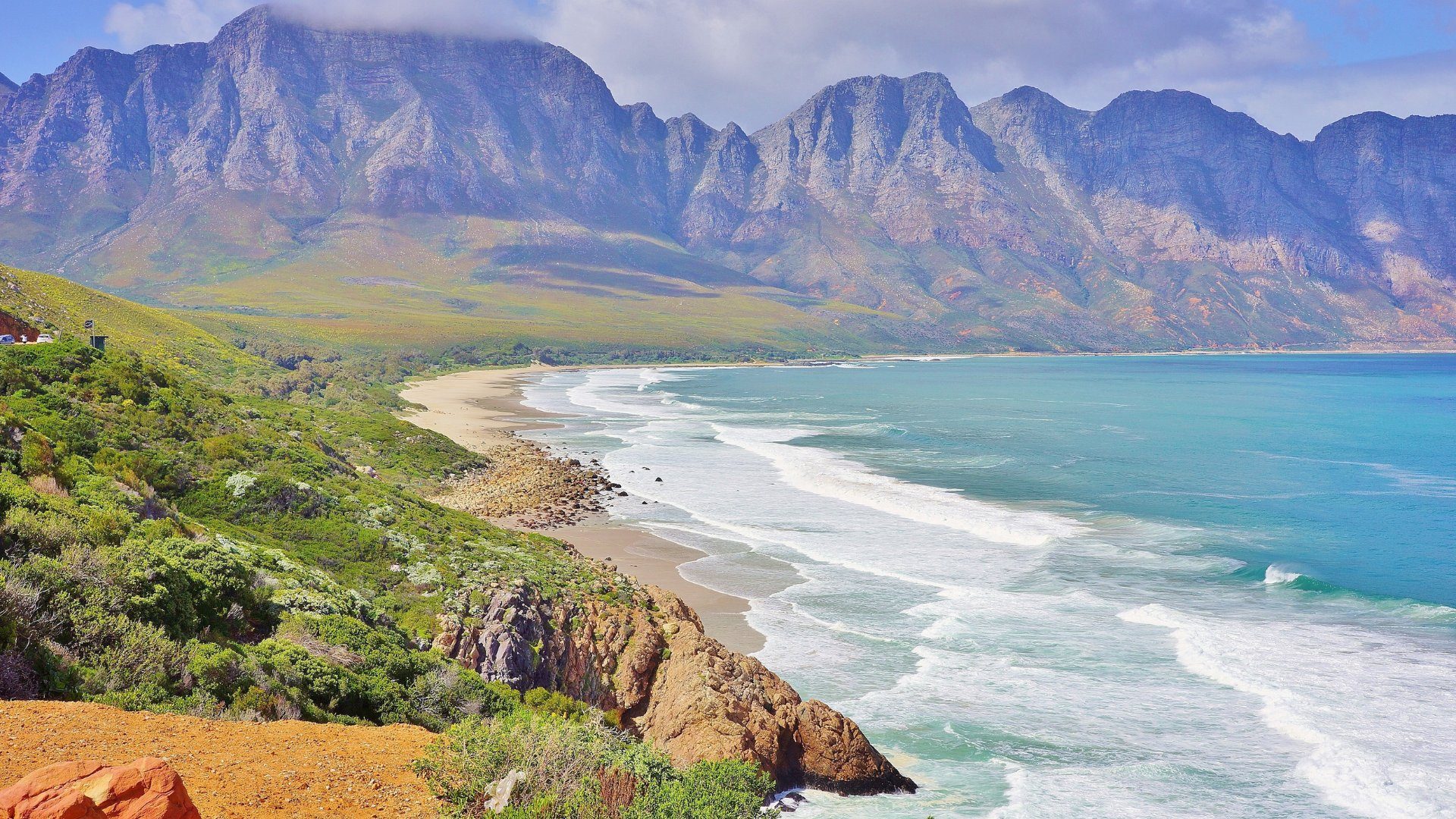
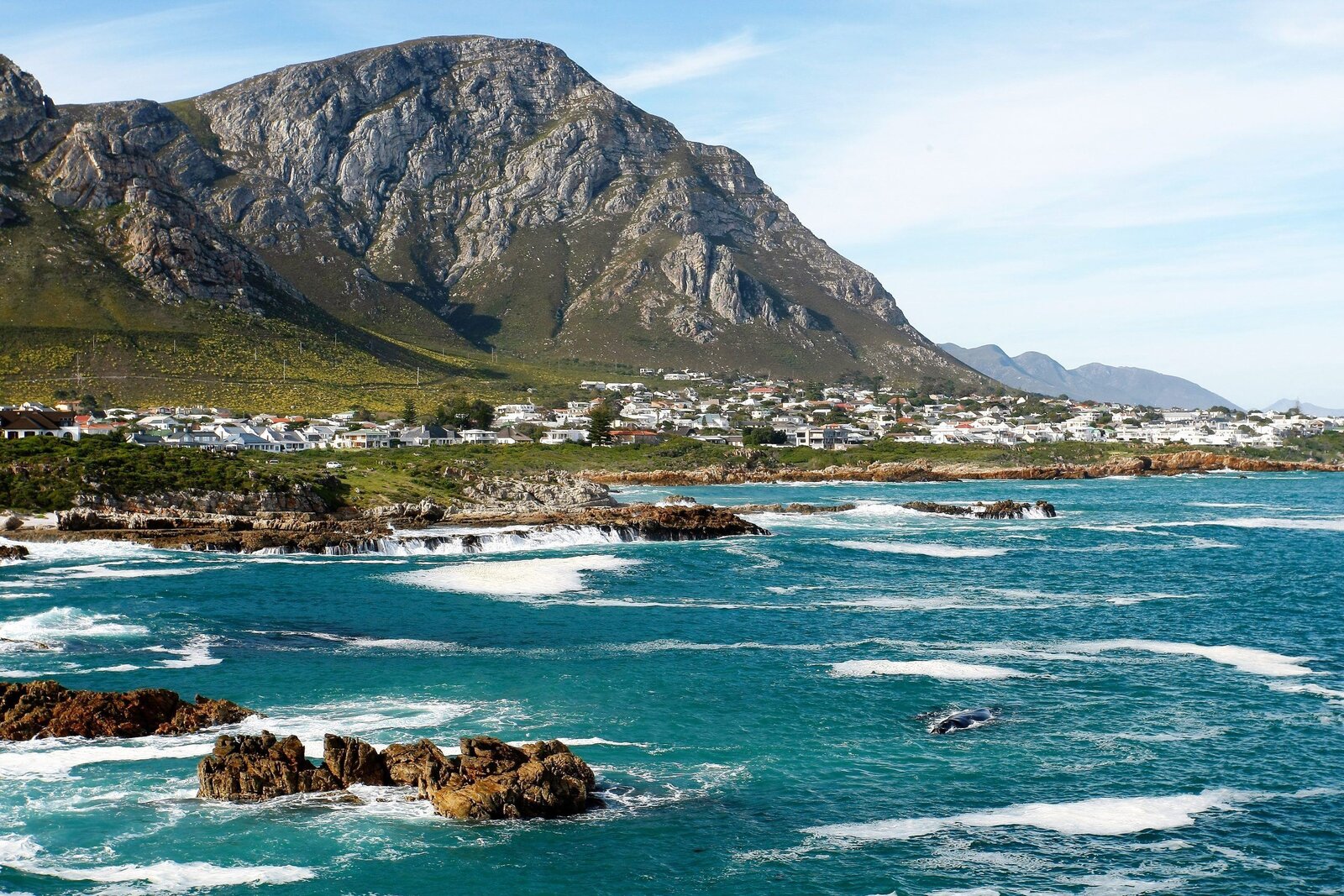
The Whale Route is shorter, slower and built around one of the greatest wildlife spectacles on the planet — land-based whale watching. Running east from Cape Town along the Cape Whale Coast through Betty's Bay, Kleinmond and, above all, Hermanus, this is a coastline where you can watch Southern Right whales calve and breach from the cliff paths, often just metres offshore. Hermanus is widely rated among the finest places on earth for whale watching from dry land — no boat required.
The route continues to Gansbaai, the great white shark and marine wildlife capital, and can loop back through the apple orchards and mountains of the Overberg. It is a gentler, more intimate drive than the Garden Route — less about ticking off towns, more about slowing down, walking the cliff paths and letting the ocean set the pace.
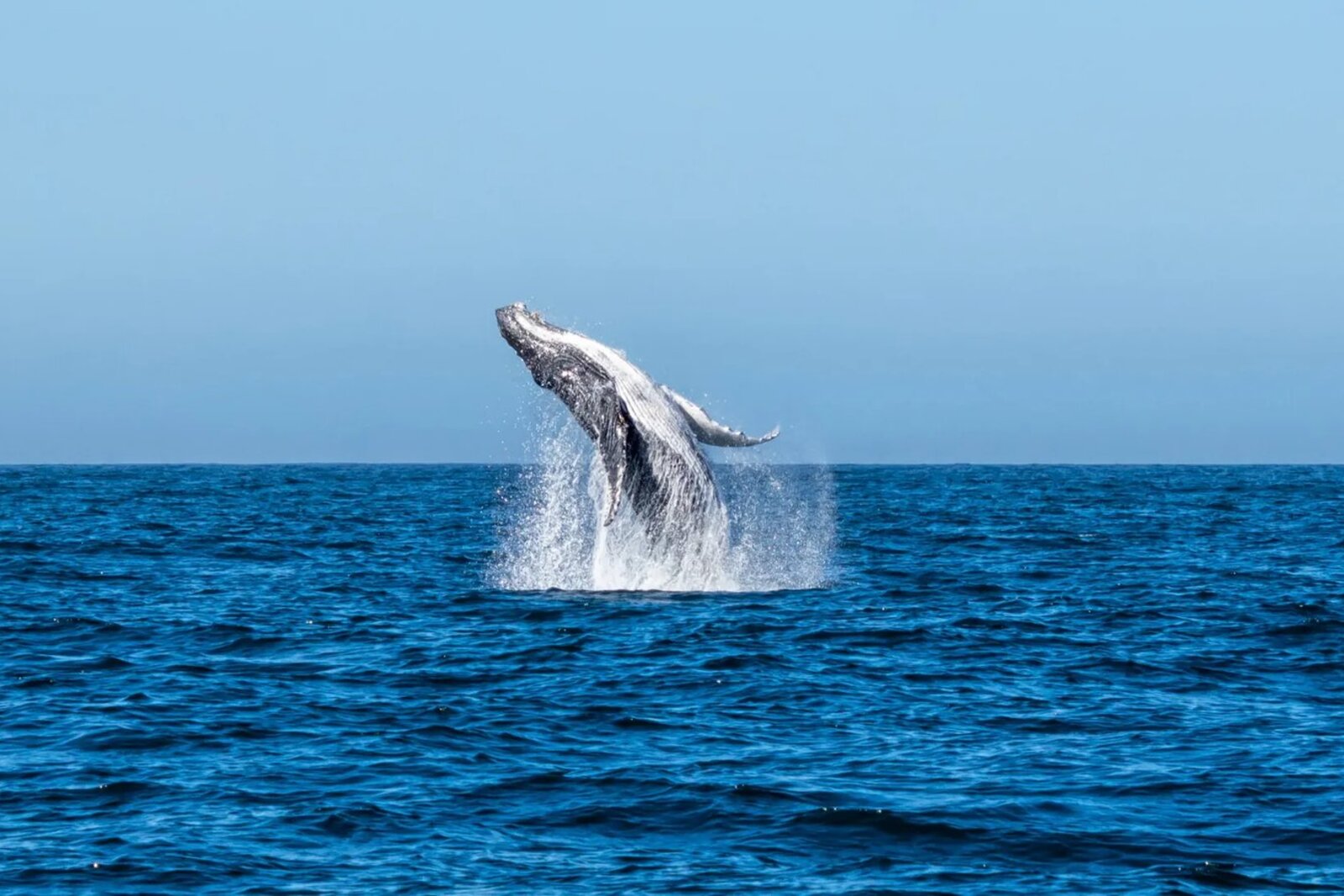
Who it suits: the Whale Route is perfect for couples, for travellers short on time, and for wildlife lovers who want a concentrated, unforgettable encounter. Two to four days is plenty — and it pairs beautifully with Cape Town at one end and a Western Cape safari reserve at the other.
Related journey: Cape Town & Safari Combo — 10 Days →
When to Go for Whales
The whale season on the Cape Whale Coast runs roughly from June to November, peaking in September and October when mothers and calves are most numerous close to shore. Time your Whale Route trip in this window and the sightings are extraordinary; travel outside it and the coastline is still lovely, but the whales will have returned to the Southern Ocean. This is the single most important timing decision on either route.
Which Route Is Right for You?
- Choose the Garden Route if you have 5+ days, are travelling as a family or first-timer, want variety — forest, beach, adventure, wildlife — and love a proper multi-stop road trip.
- Choose the Whale Route if you have a few days, are travelling as a couple, want an intimate escape near Cape Town, and can travel between June and November for the whales.
- Choose both if you want the complete Cape coastal experience — and this is what we most often recommend, because the two routes complement each other perfectly.
There is no wrong answer here — only the route that fits your time, your season and your travelling style. And because both begin on Cape Town's doorstep, combining them is far easier than most travellers expect.
Why Not Both? Combining the Two Routes
The smartest Cape road trip we build starts on the Whale Route and flows into the Garden Route. Leave Cape Town heading east, spend two or three days on the Cape Whale Coast — Hermanus for whales, Gansbaai for sharks — then continue along the coast to join the Garden Route at Mossel Bay and follow it through Knysna and Plettenberg Bay to the Tsitsikamma. Finish with a malaria-free Big Five safari in the Eastern Cape, and fly home from Port Elizabeth (Gqeberha).
Done as one private, chauffeured journey, it removes every logistical headache — no self-drive navigation, no worrying about the best whale-watching spots or lodge check-ins. Your guide knows exactly where the whales are gathering that week and where the light falls best on the passes. Ten to fourteen days covers the whole arc comfortably, and it is, quite simply, one of the great coastal journeys on earth.
Plan Your Cape Coastal Road Trip
We are a private, tailor-made travel house based in Cape Town, and the Garden Route and Whale Route are two of the journeys we know best. Tell us your dates, who is travelling and whether whales, forests, beaches or a Big Five finish matter most — and we will design the perfect Cape coastal road trip, whether that is one route, the other, or a seamless combination of both.
Ready to choose your route — or take them both? 👉 Request a Cape road trip quote → 👉 Browse our tours & safari packages → 👉 WhatsApp us: +27 74 315 5782