Key Takeaways
- Cape Town, the Garden Route and the Eastern Cape's Big Five reserves line up along one coastal road east — a journey that combines a great city, a legendary drive and a real safari.
- The Garden Route delivers coast, indigenous forest, lakes, whales and adventure between Mossel Bay and Storms River; the Eastern Cape delivers the safari finale.
- The Eastern Cape reserves around Addo and Gqeberha (Port Elizabeth) are malaria-free, making this the safest Big Five safari in Africa for families with young children.
- You need about 9 to 12 days to enjoy Cape Town, the Garden Route and a proper safari without rushing — though shorter versions work if you focus.
- The route works beautifully as a self-drive on excellent roads, or as a fully guided private trip with a driver-guide handling every leg.
- It is a year-round journey, with warm, dry summers (November to April) ideal for pairing beach time with game drives.
The Route Overview
South Africa's southern coast hides one of the most satisfying journeys in travel: a single road east from Cape Town that strings together a world-class city, the fabled Garden Route, and a malaria-free Big Five safari — all without ever leaving the coast for long. Where East African itineraries hop between distant parks by light aircraft, this one unrolls at ground level, mile after mile, so the landscape changes gradually from Table Mountain's slopes to ancient forest to Big Five bushveld.
The geography is refreshingly simple. Cape Town anchors the western end. Head east and you cross the Overberg and the whale coast onto the Garden Route proper, which runs along the ocean between roughly Mossel Bay and the Tsitsikamma forest. Keep going and you cross into the Eastern Cape, where a cluster of private game reserves and the elephant-famous Addo Elephant National Park sit within easy reach of the city of Gqeberha (Port Elizabeth). Coast, forest, safari — in that order, on one road.
What makes it special is the variety packed into a single trip. In a week and a half you can summit Table Mountain, taste Cape wine, walk in ancient forest, watch whales from a cliff, and then track lion, elephant and rhino on a game drive — with no malaria risk and no internal flights required. It is the best all-round introduction to South Africa there is.
Cape Town to the Garden Route
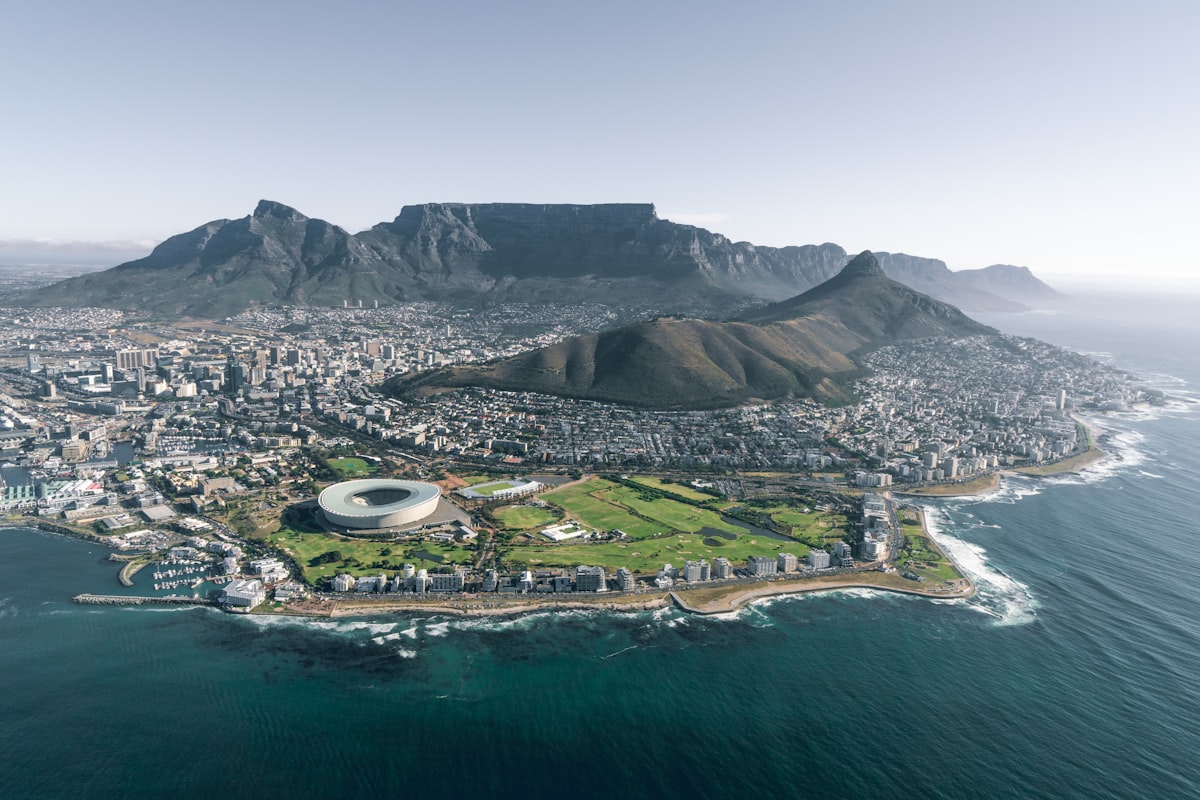
Every version of this trip begins in Cape Town, and it deserves three or four days before you point the car east — Table Mountain, the Cape Peninsula and Cape Point, the penguins at Boulders, the Constantia and Stellenbosch winelands, and the city's beaches and restaurants. It is one of the world's great cities, and rushing it is a mistake. Treat it as the warm-up act that makes the wilder east feel earned.
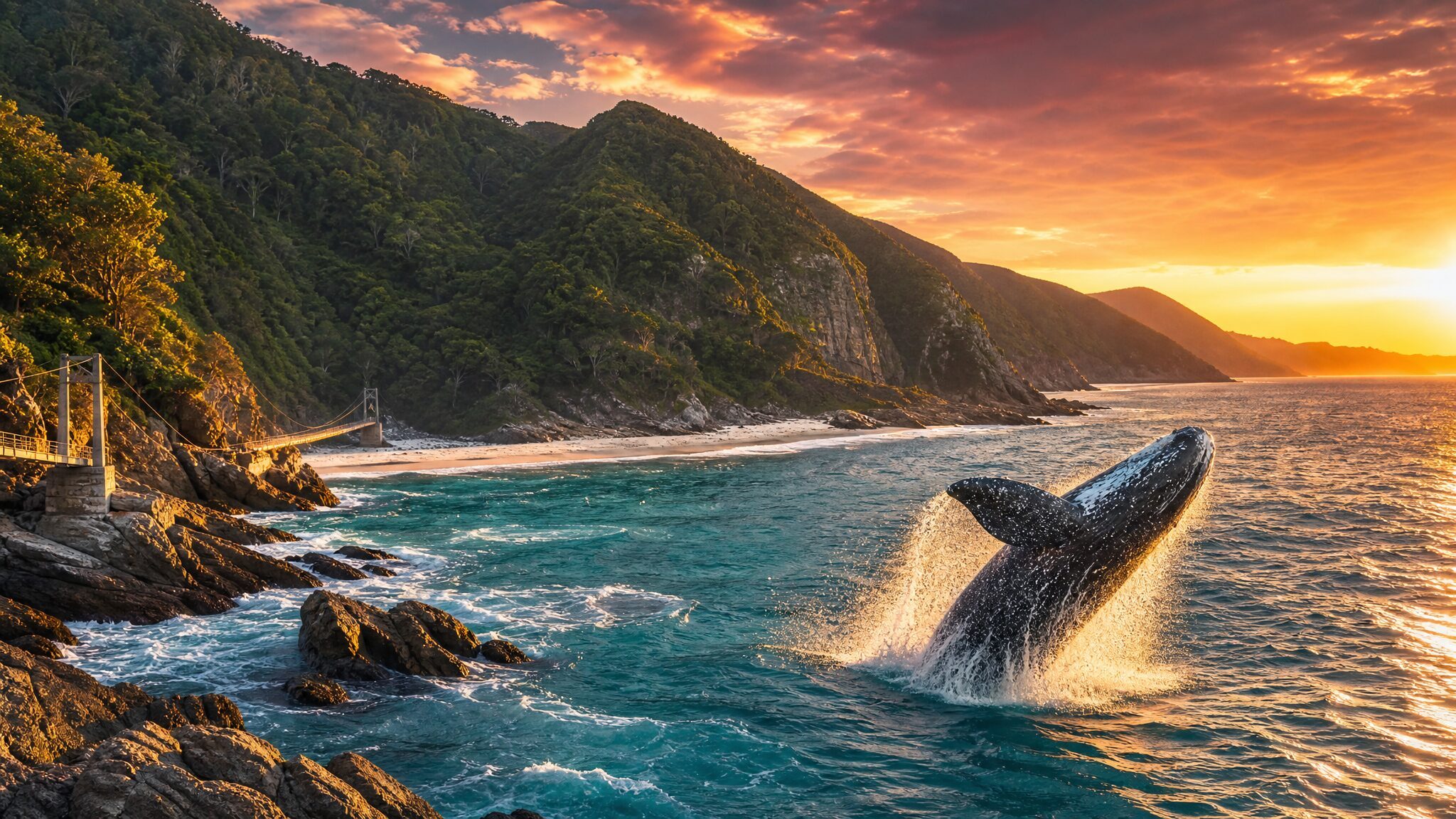
Leaving the city, the classic route runs through the Overberg — the rolling farmland and fynbos country beyond the mountains — and along the whale coast towards Hermanus, where, in season, southern right whales come astonishingly close to shore. From there the road threads east past Mossel Bay, the unofficial start of the Garden Route, where the coast begins its most beautiful stretch. Many travellers break the drive here, or push on to Wilderness with its lakes and long beach.
This first leg sets the tone: big skies, ocean on your right, mountains on your left, and a sense of the country opening up. The driving is easy on excellent tarred roads, the distances are manageable, and every stop earns its place. By the time you reach the heart of the Garden Route, Cape Town already feels like a different world.
Garden Route Highlights
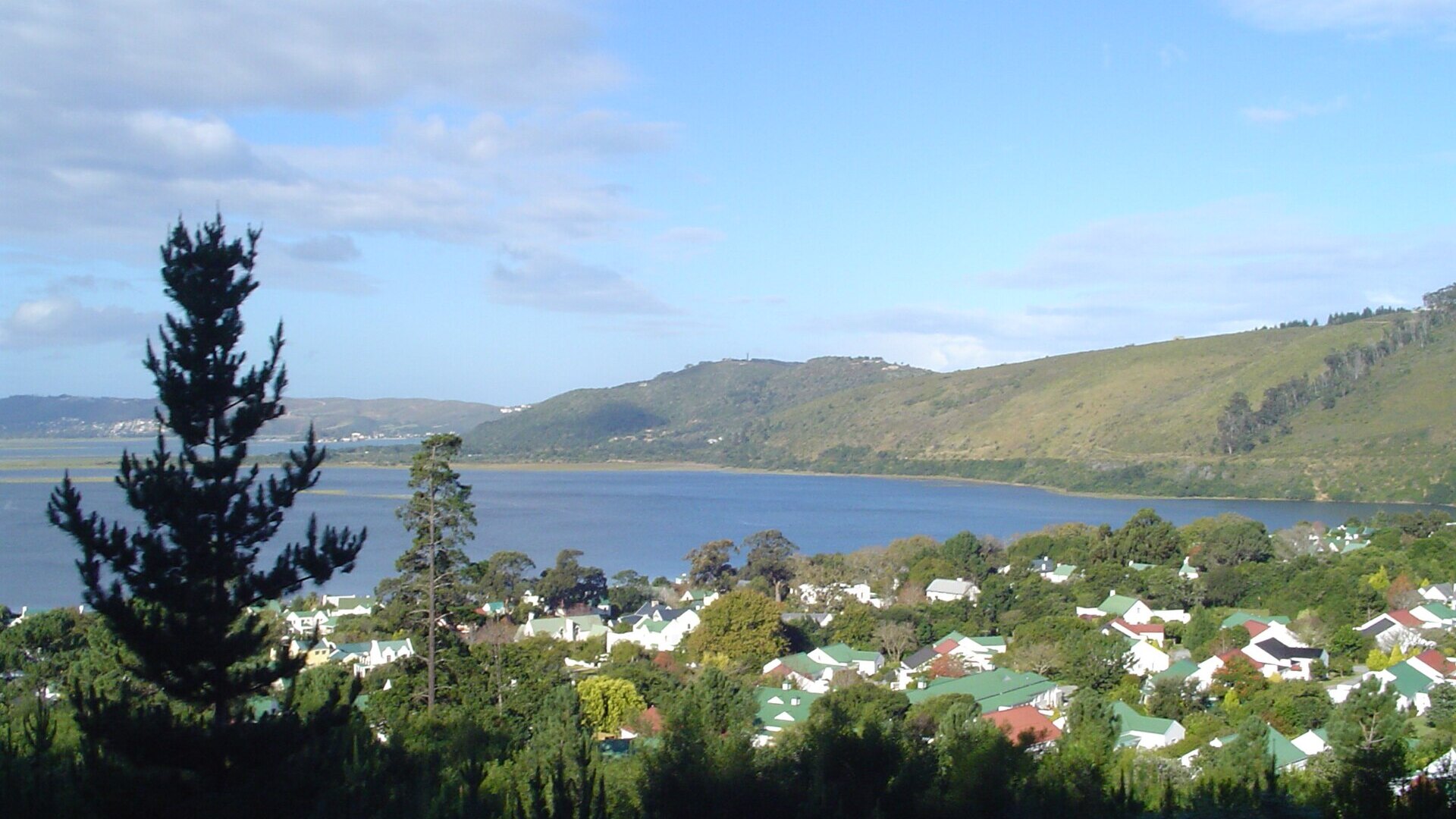
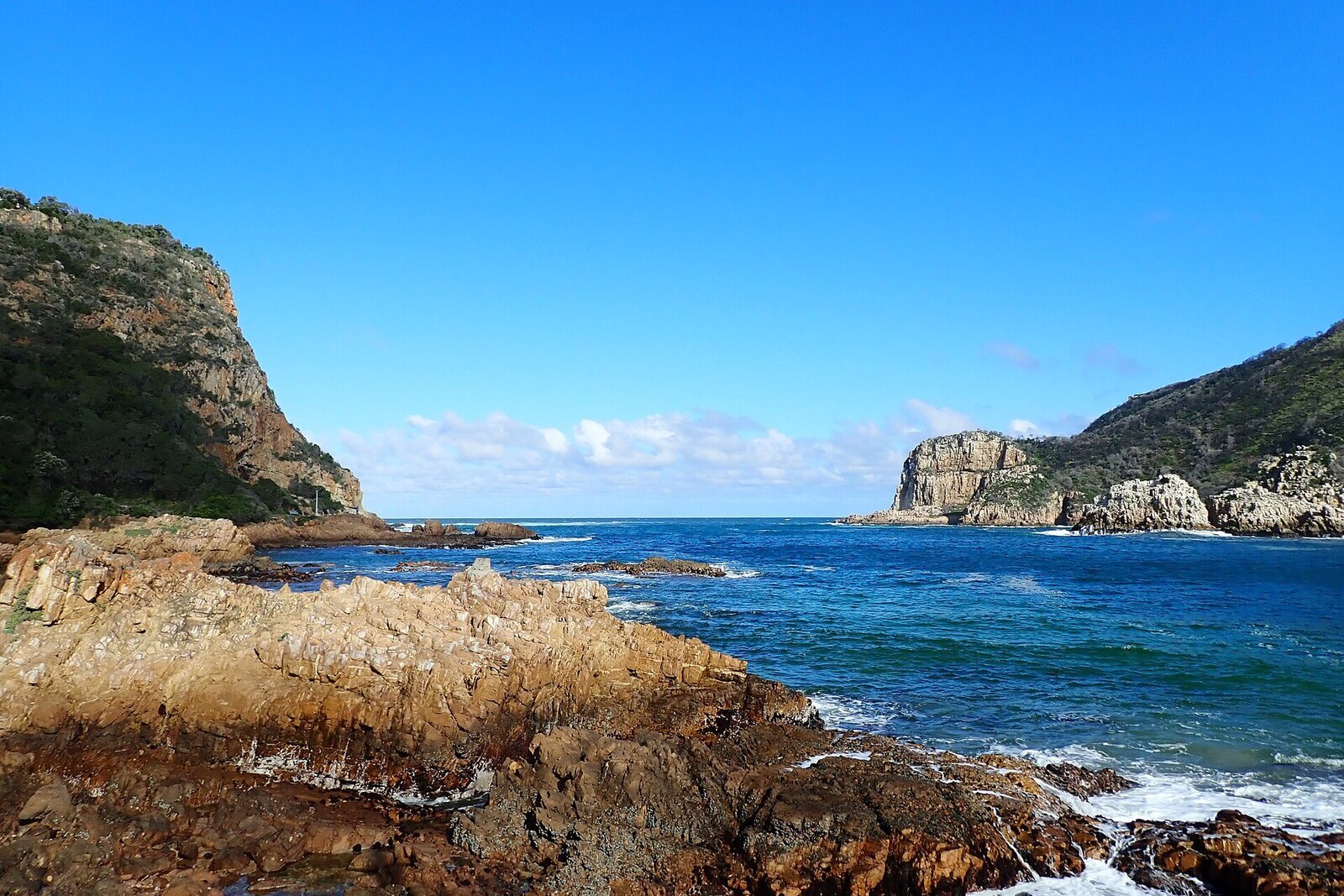
The Garden Route proper is the lush ribbon of coast, forest and lagoon between Wilderness and Storms River, and it is the scenic centrepiece of the journey. Knysna, built around a beautiful lagoon guarded by the towering sandstone cliffs of the Knysna Heads, is the natural hub — a town of oysters, boat trips and easy charm. Nearby Wilderness offers lakes and forest walks, while the whole region is stitched together by indigenous forest, the last strongholds of the Cape's ancient hardwoods.
Plettenberg Bay, a short hop east, is the coast's smart beach town, with golden sands, dolphin and whale watching, and a marine-rich bay. It is also a gateway to adventure: canopy tours through the treetops, the world-famous Bloukrans bungee jump, and boat-based wildlife trips. Further on, the Tsitsikamma section of the Garden Route National Park is the dramatic finale, where the forest tumbles down cliffs to meet a wild ocean at the Storms River mouth, crossed by a much-photographed suspension bridge.
How long you linger is up to you, but two or three nights spread across the Garden Route lets you swim, walk in the forest, take a lagoon cruise and still keep moving east. It is a place that rewards slowing down — and it is the perfect decompression before the focus and early mornings of the safari leg.
Into the Eastern Cape — Big 5, Malaria-Free
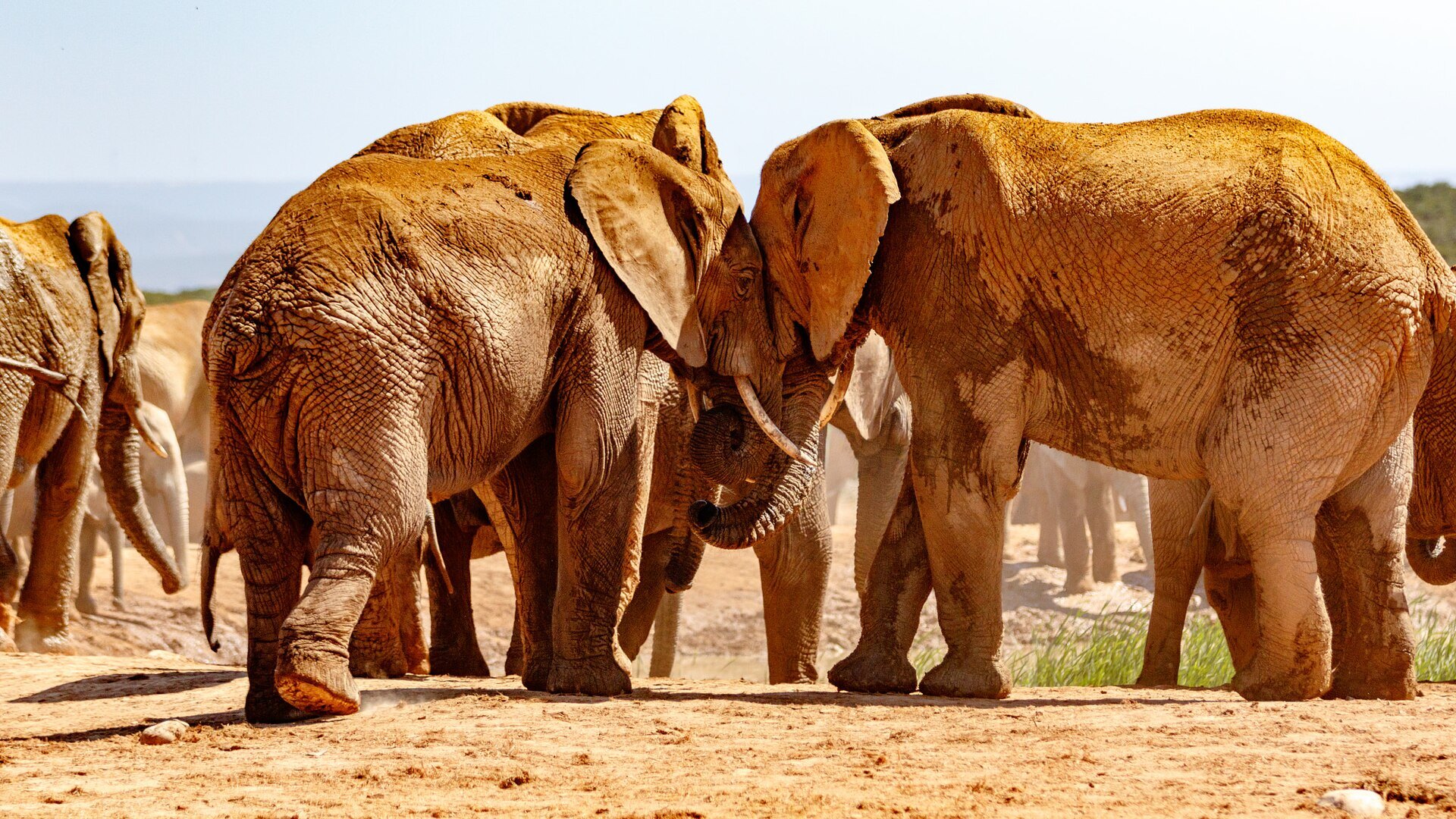
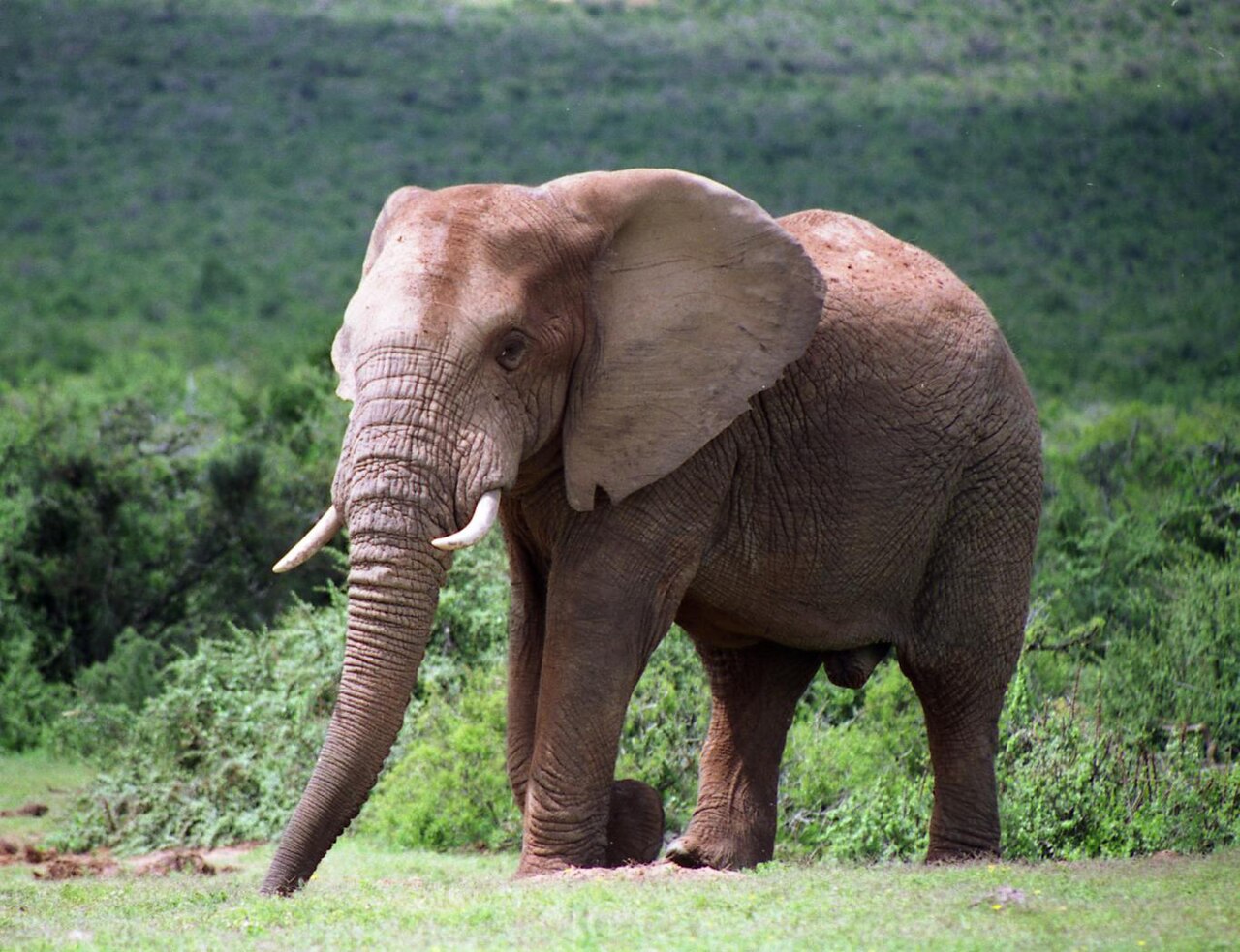
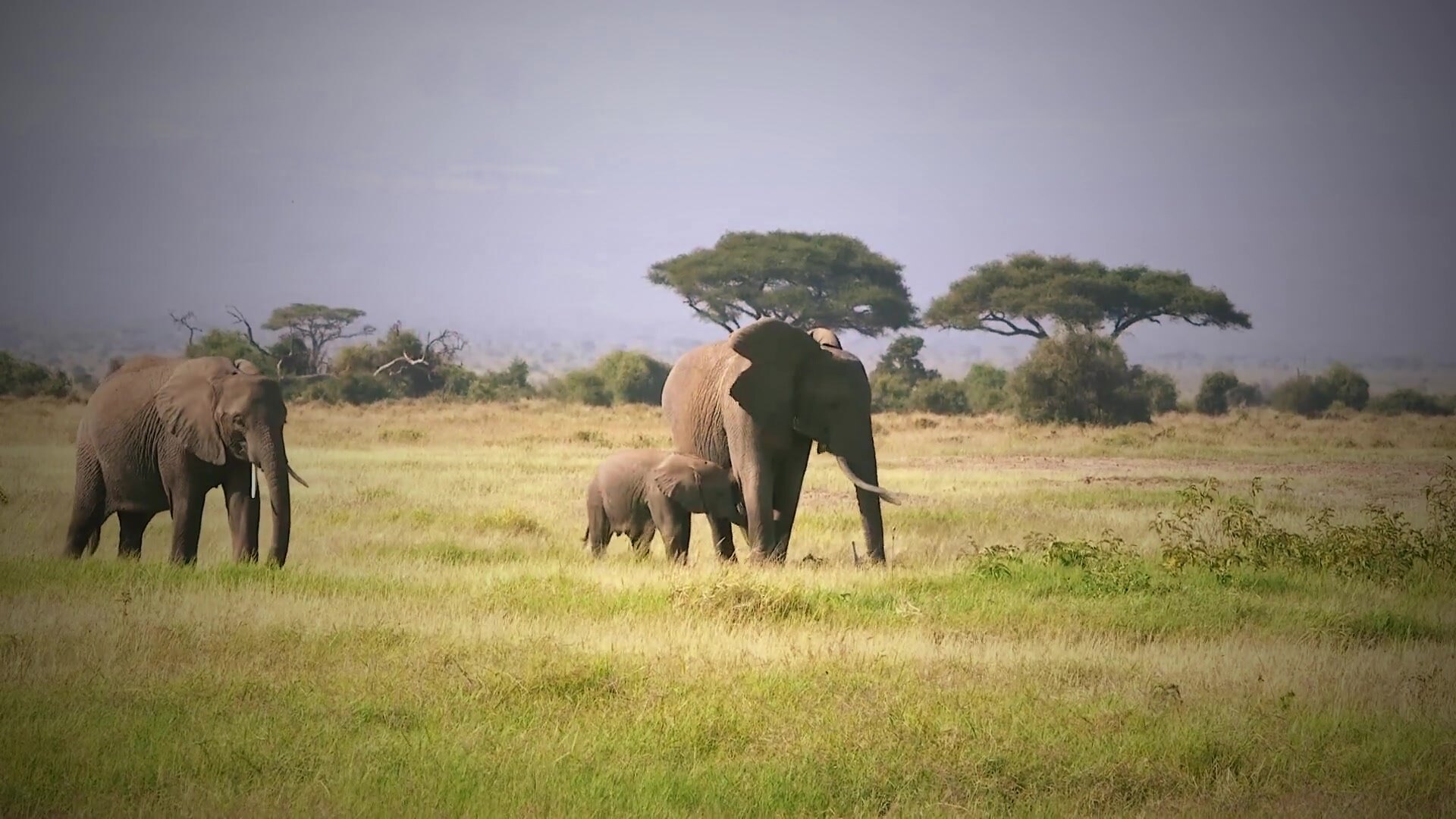
Cross beyond Tsitsikamma and you enter the Eastern Cape, where the journey delivers its wildlife payoff. Within an easy drive of Gqeberha (Port Elizabeth) sits a cluster of private game reserves — Shamwari, Kwandwe, Amakhala, Kariega, Lalibela and Pumba among them — plus the public Addo Elephant National Park, the third-largest park in the country and home to a huge population of elephants. Together they make the Eastern Cape South Africa's premier malaria-free Big Five region.
That malaria-free status is the region's trump card. It means families with young children, pregnant travellers and anyone who would rather not take anti-malarial medication can enjoy a genuine Big Five safari — lion, elephant, buffalo, rhino and, at some reserves, leopard — with complete peace of mind. The private reserves offer classic guided game drives with rangers, comfortable-to-luxurious lodges, and often extra activities like river cruises, horseback safaris and guided walks. Addo adds its own magic and even claims a "Big Seven", folding in the great white shark and southern right whale of its marine section.
Because the reserves are so close to the Garden Route and to Gqeberha's airport, they slot perfectly onto the end of the drive. Two or three nights on safari here rounds off the journey with the animals everyone comes to Africa to see — and you can fly home directly from Gqeberha, or loop back, without ever having entered a malaria zone.
The Ideal Itinerary Length
The honest answer is that this route rewards time, and the sweet spot is nine to twelve days. A typical shape is three or four nights in Cape Town, two or three along the Garden Route, and two or three on safari in the Eastern Cape, plus the driving days in between. That gives each section room to breathe — the city, the coast and the bush each get their due, and you never feel you are racing to the next stop.
Can you do it faster? Yes, with focus. A tighter seven-to-eight-day version might give Cape Town two nights, compress the Garden Route to a couple of key stops, and still deliver two nights on safari — a wonderful trip, just busier. Conversely, if you have two weeks or more, you can add the winelands in depth, extra beach time in Plettenberg Bay, or a longer safari, and the route only gets better.
The one thing we gently steer travellers away from is trying to add a Kruger safari onto this route to "see it all" — that means flights and backtracking that break the elegant flow. The beauty of the Cape-to-Eastern-Cape journey is precisely that it is one continuous coastal line. Let it be what it is, and it will be one of the best trips you ever take.
Planning the Journey
This is a journey that works two ways. As a self-drive, it is superb: the roads are excellent and well signposted, the distances are comfortable, and having your own car lets you stop for whales, viewpoints and farm stalls on a whim. As a fully guided private trip, it is effortless: a driver-guide handles every kilometre and every check-in, and hands you to expert rangers at the reserve. Which suits you depends on how much you enjoy driving and how hands-off you want to be — and we arrange either seamlessly.
On timing, the route is genuinely year-round, but the warm, dry summer months from November to April are ideal for pairing beach time with game drives, while winter (June to September) brings whales to the coast and crisp, excellent game viewing to the reserves. Whenever you come, we match the season to your priorities and choose reserves and lodges to fit your budget, from comfortable family lodges to ultra-luxury.
Most of all, we take the logistics off your plate — the car or driver, every lodge and lodge transfer, park bookings, the sequencing that keeps the light and the driving in your favour, and the flights in and out of Cape Town and Gqeberha. You simply travel the road and enjoy the change from coast to forest to Big Five bush. Talk to us and we will build your Cape Town to Eastern Cape journey around exactly the trip you want.
Ready to explore? Browse our Garden Route & Eastern Cape safari packages →