Key Takeaways
- 🦁 These ten are the African places trending hardest for 2027 — chosen on what is actually happening on the ground, not on repeating last year's lists.
- 🦁 The Great Migration leads for a reason: in 2027 the river-crossing window on the Mara falls across the quieter shoulder months, before the August crowds.
- 🦁 KAZA — the five-country Kavango-Zambezi wild across Botswana, Namibia, Zambia, Zimbabwe and Angola — is the single biggest conservation story on the continent, and new camps are opening through 2027.
- 🦁 Two of these peg to a fixed date: Namaqualand flowers for roughly six weeks from mid-August, and the island whale and whale-shark seasons off Zanzibar and Mozambique.
- 🦁 The year's advantage is timing. The best guides, camps and light-aircraft seats on all ten are limited and book a year out, so a 2027 trip is a 2026 decision.
Towards the end of every year the travel world settles on the same handful of African names, and the lists start to read like copies of each other. We plan trips to these places for a living, all year, so this is the version written from the ground rather than from a press release. Ten destinations, ranked by how strong the case for 2027 actually is: what is new, what the year does to the wildlife and the weather, and the honest reason each one is trending.
The thread running through all ten is the same thing it always is for us — see them privately, at your own pace, with a guide who knows the ground. The places below are extraordinary on their own. How you travel them is what turns a good trip into the one you talk about for years.
1. The Great Migration — Serengeti and Masai Mara
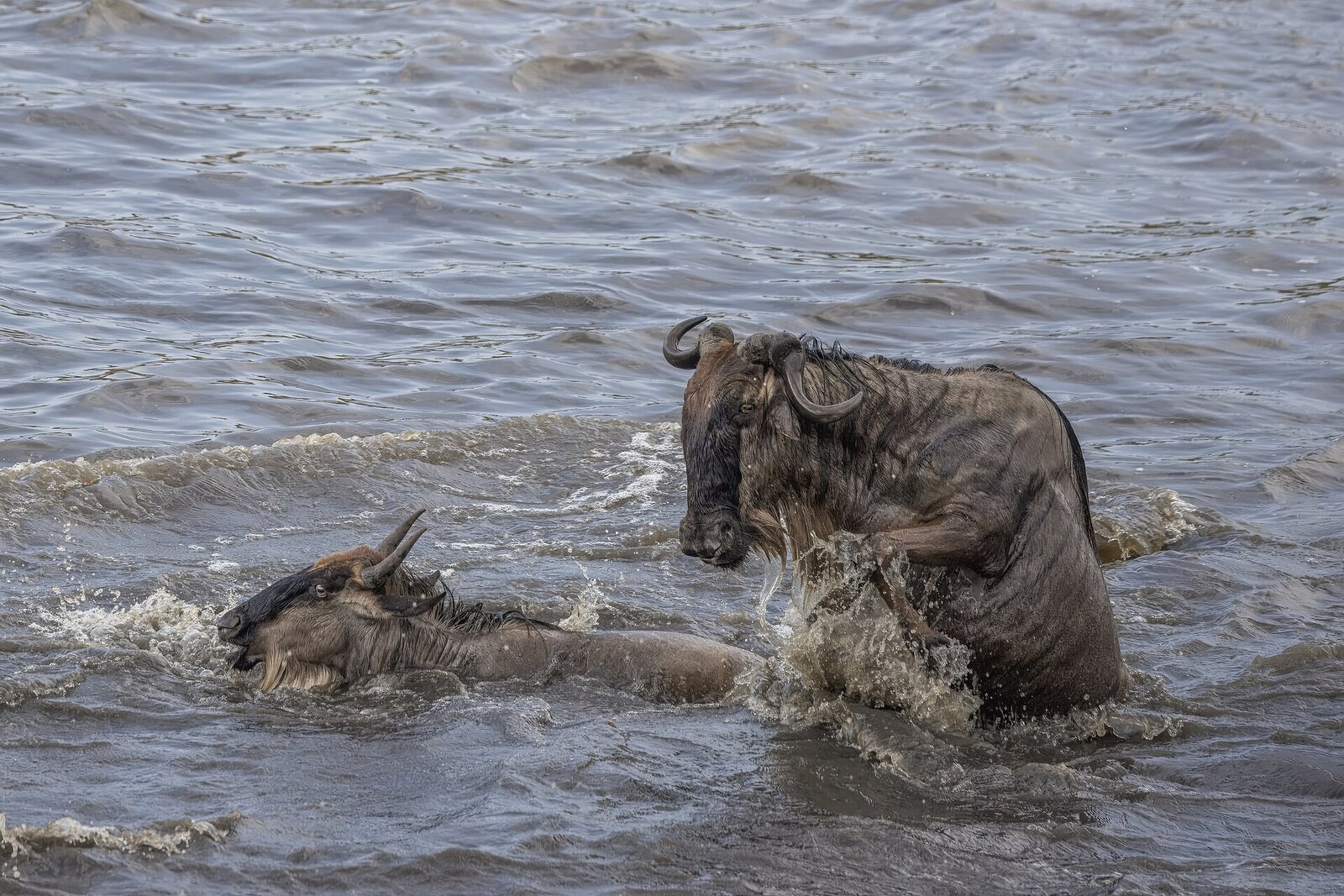
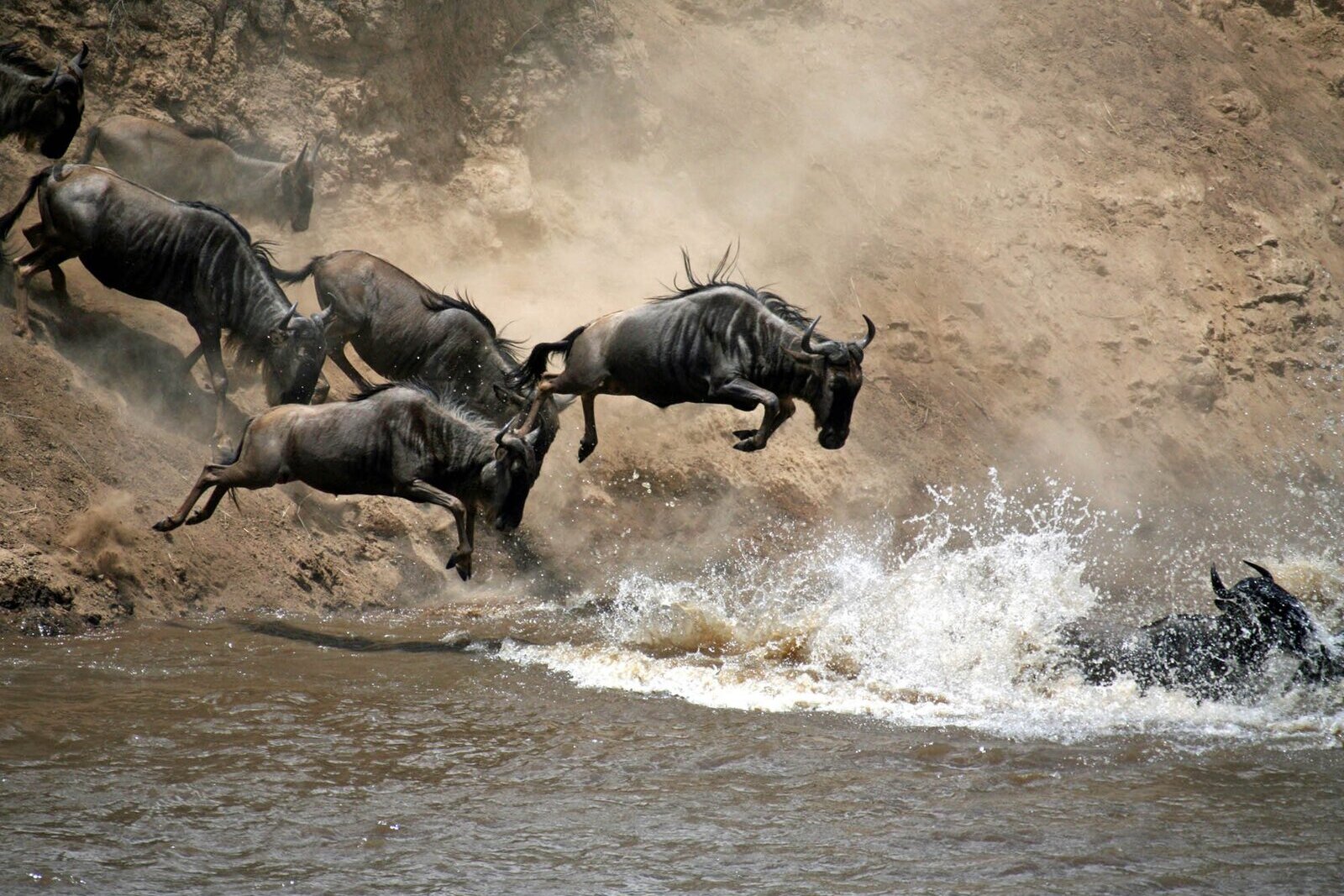
No single wildlife event on Earth moves more animals, and 2027 is a strong year to see it. Around two million wildebeest, zebra and gazelle follow the rains in a slow clockwise loop between Tanzania's Serengeti and Kenya's Masai Mara, and the drama people picture — the herds piling into the Mara and Grumeti rivers while crocodiles wait — runs from roughly July to October.
The reason to go in 2027 is the timing. The crossings tend to build through the shoulder of the season, and the early window in July and the tail in late September and October carry the same spectacle with a fraction of the vehicles that crowd the famous August weeks. Point your trip at the northern Serengeti or the Mara in those months and you get the event without the queue. For the full rhythm of the year, our month-by-month migration guide lays out where the herds are and when, and the Masai Mara river-crossings guide covers the crossings themselves. When you are ready to put dates to it, start with a Great Migration safari.

2. KAZA — the Kavango-Zambezi wilderness
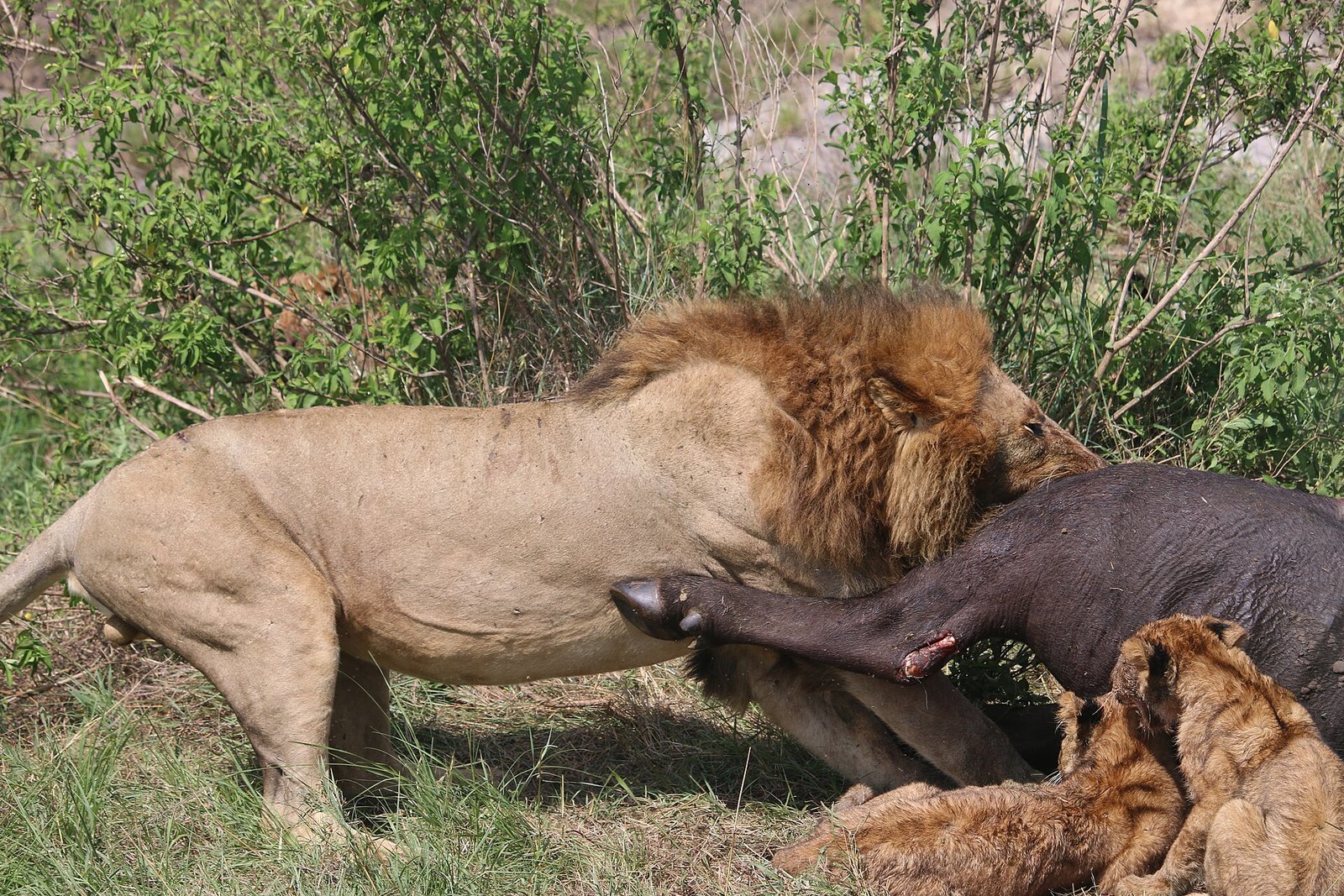
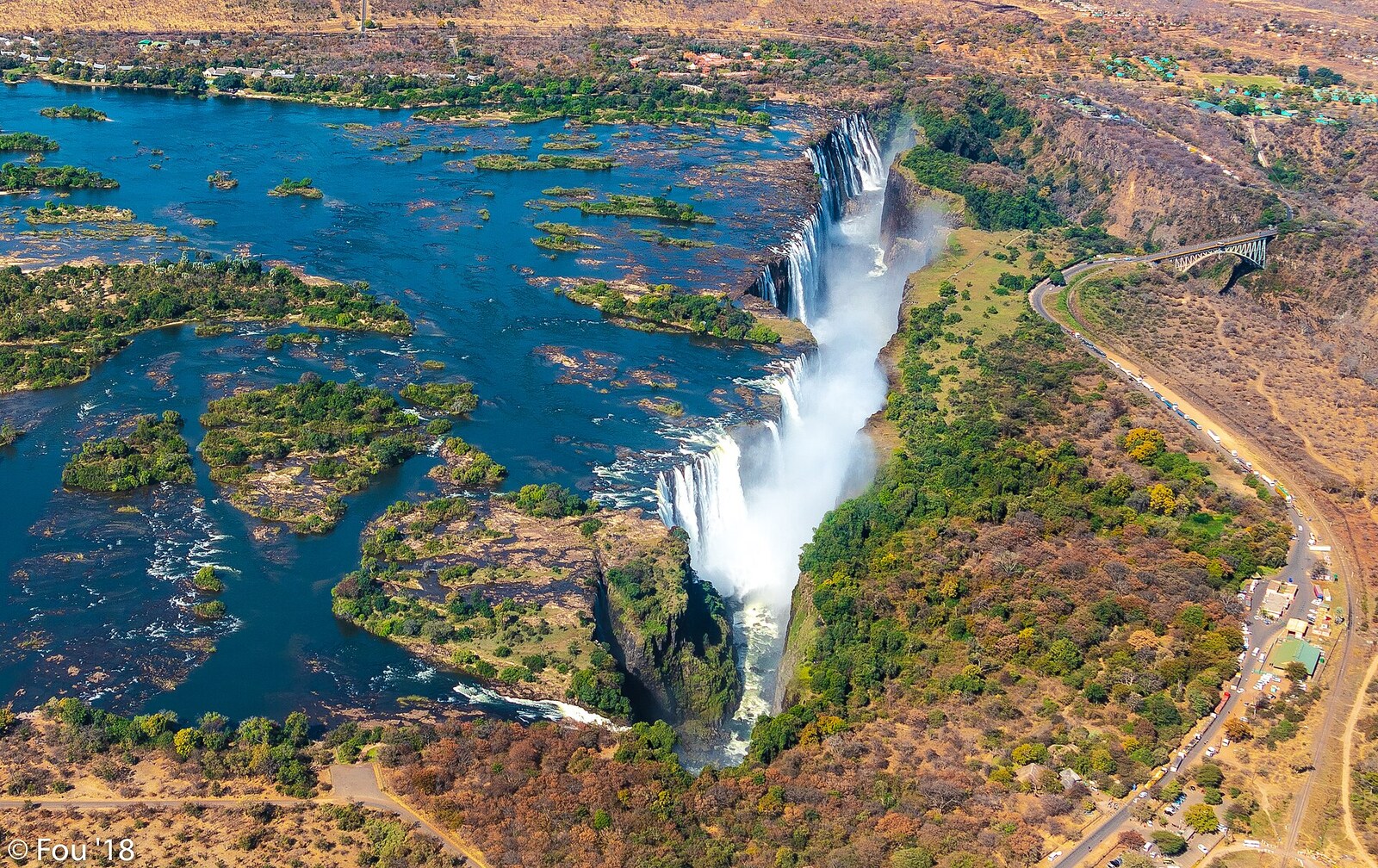
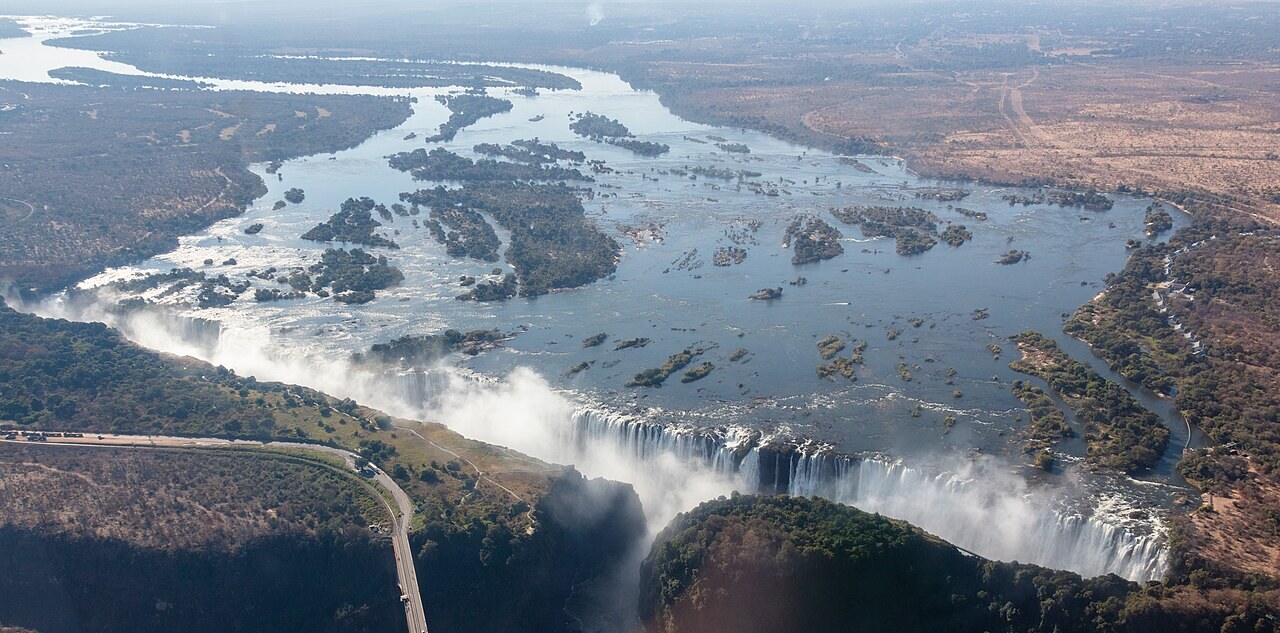
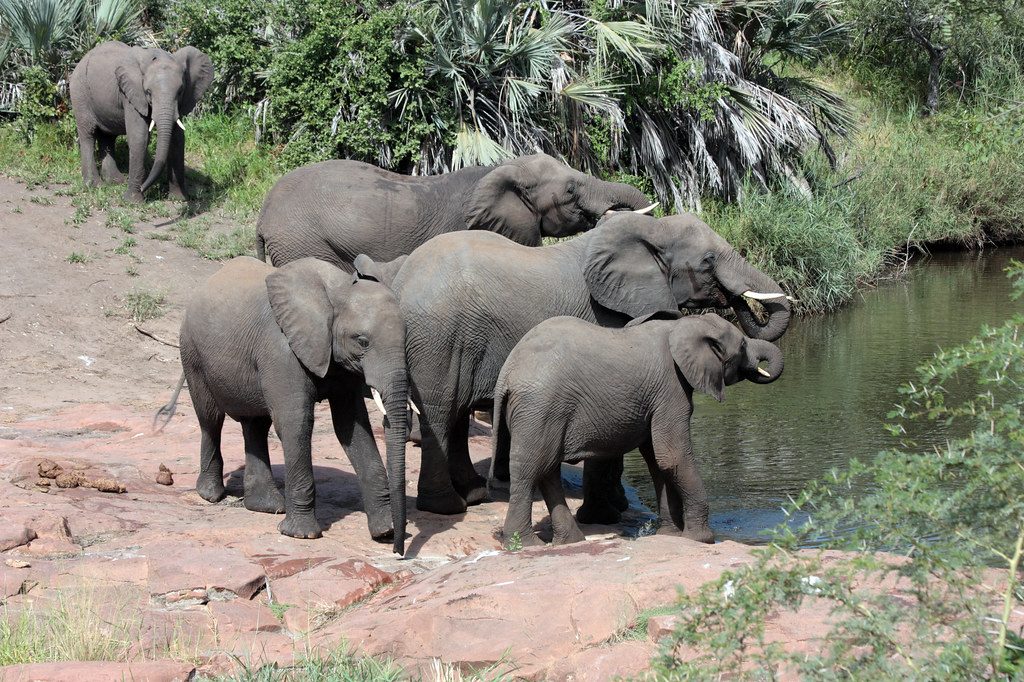
If one place defines 2027, it is this. KAZA — the Kavango-Zambezi Transfrontier Conservation Area — is the largest protected wild on the planet, a single joined-up landscape the size of France spread across five countries: Botswana, Namibia, Zambia, Zimbabwe and Angola. At its heart sit Victoria Falls, Chobe's elephant herds and the northern edge of the Okavango, with corridors that let animals move between them as they did before the borders existed.
It is trending because it is genuinely changing. New camps are coming on line through 2027, Zambia has opened visa-free entry to travellers from dozens of countries, and Angola is stepping into the guided-safari market for the first time, adding a side of the region almost no one has seen. A single trip can stand on the lip of the Falls, track elephant along the Chobe River and glide the Okavango's channels by mokoro. Our Victoria Falls, Chobe and Okavango packages stitch the three together, the best Chobe safari lodges cover where to sleep on the river, and the KAZA UniVisa guide handles the border logistics.


3. Madagascar
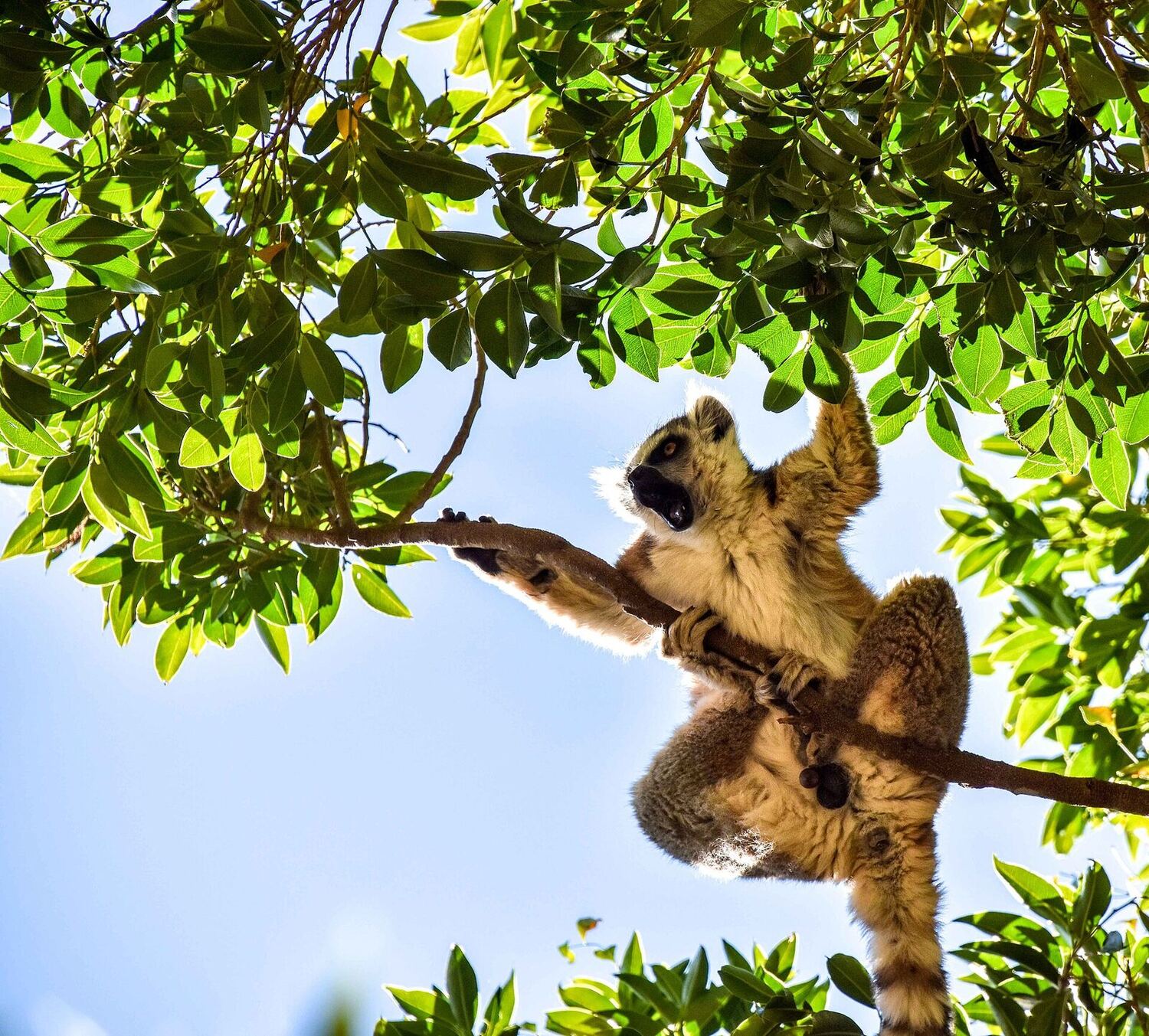
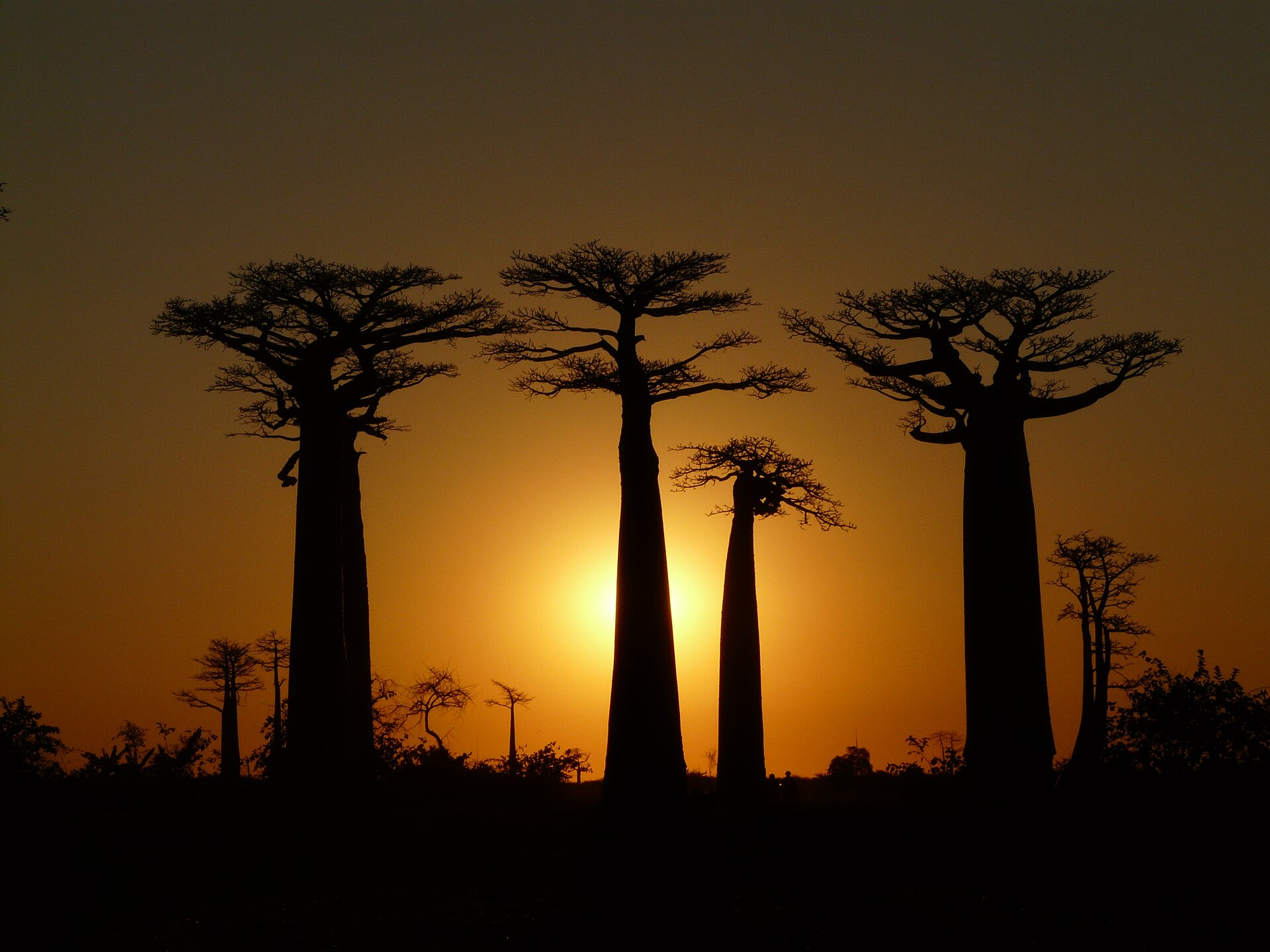
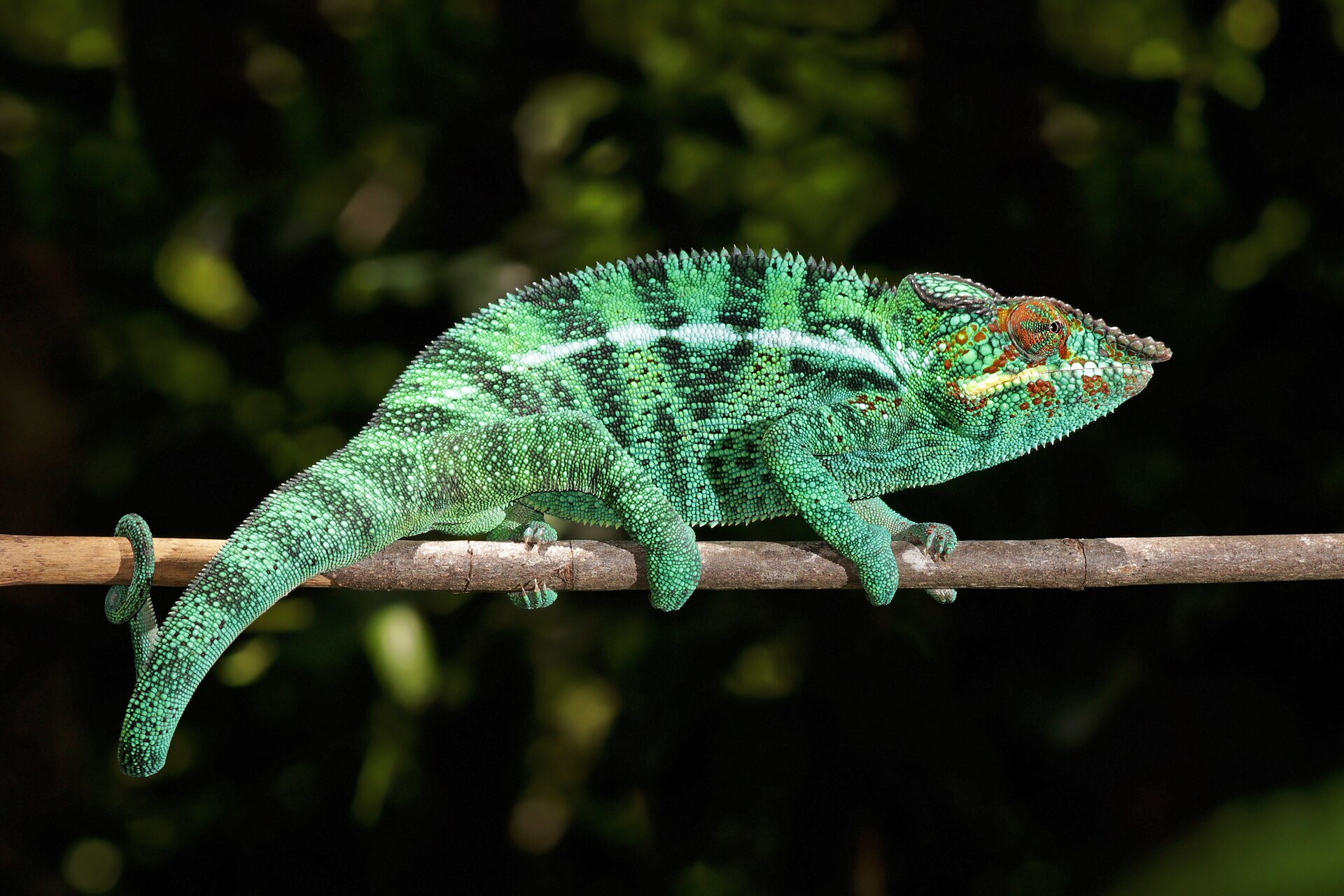
Madagascar has landed on the global 2027 shortlists, and the case holds up. The island broke away from the mainland so long ago that roughly nine in ten of its plants and land animals live nowhere else — more than a hundred kinds of lemur, around half the world's chameleon species, and the cat-like fossa. It remains, by the standards of famous wildlife destinations, lightly travelled.
2027 is a real milestone for its forests: a rainforest corridor at Andasibe-Mantadia, replanted to reconnect two separated blocks of forest, is due to close the gap in December 2027, and lemurs are already using the regrown stretches. Go while it is quiet and part of what you pay for is that work. We make the full case in why Madagascar is one of the best places to travel in 2027, and our ultimate Madagascar travel guide covers the regions, routes and lodges for a first trip.

4. Zanzibar
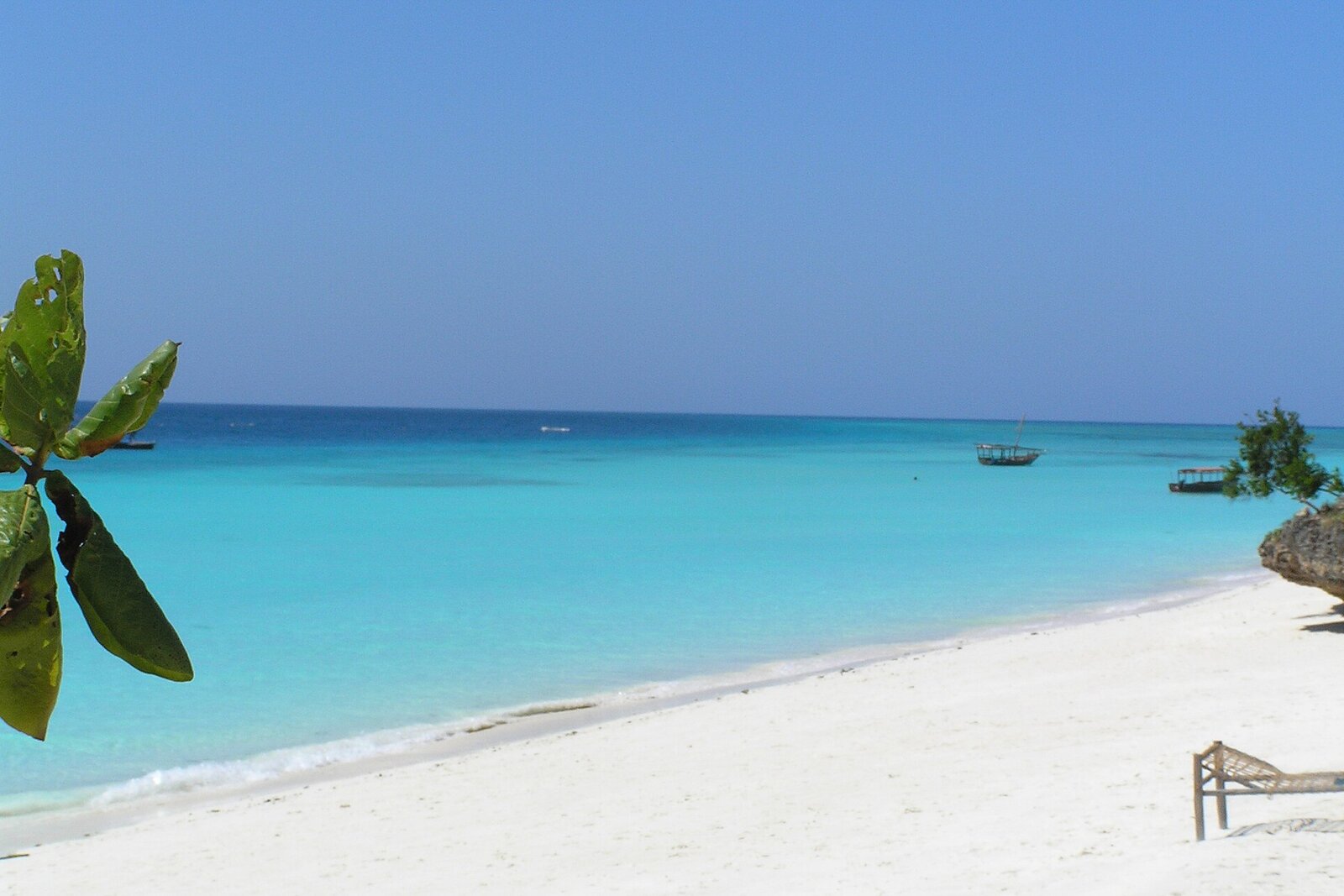
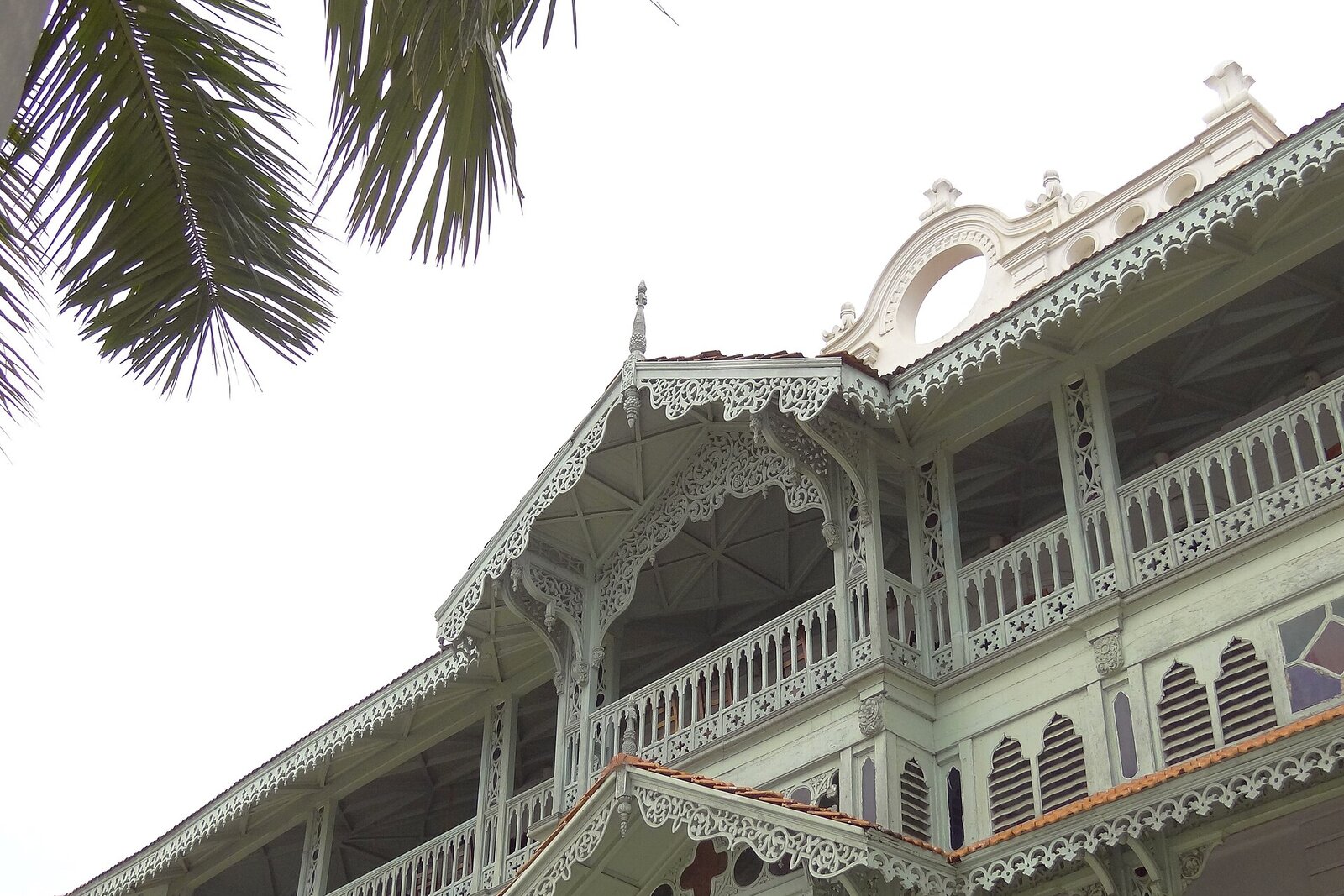
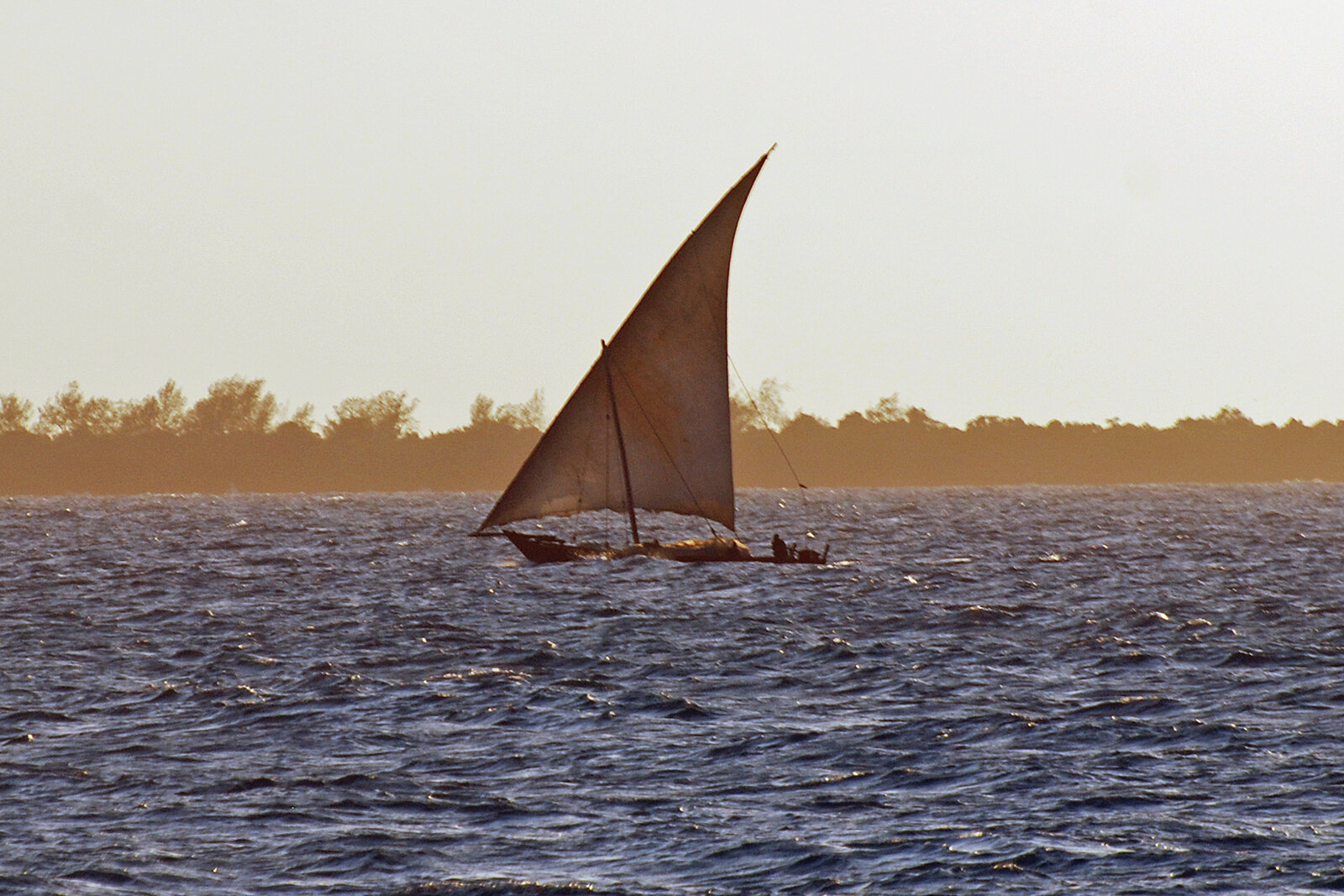
The spice islands off Tanzania are having a moment, and it is driven by the top end of the market. A run of high-end lodges and resorts has opened along the north and east coasts, pulling Zanzibar out of its old backpacker reputation and into a proper barefoot-luxury destination — while Stone Town's coral-stone lanes, carved doors and dhow harbour keep the history that the beaches alone cannot give you.
It also pairs better than almost anywhere. A few days on the reef after the dust of the plains is the classic East African finish, and humpback whales pass the channel between roughly August and October. Our things to do in Zanzibar covers the island beyond the sand, the best time to visit Zanzibar sorts the seasons, and a safari and Zanzibar beach combo is how most of our travellers put the two halves together.
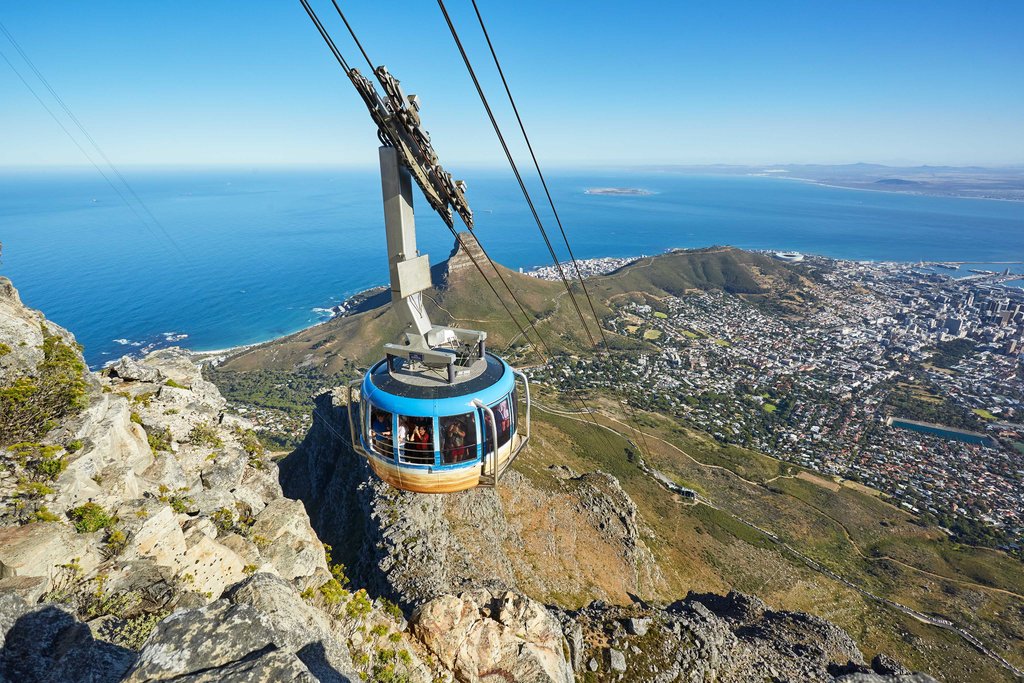
5. The Cape in bloom — Namaqualand and Cape Town
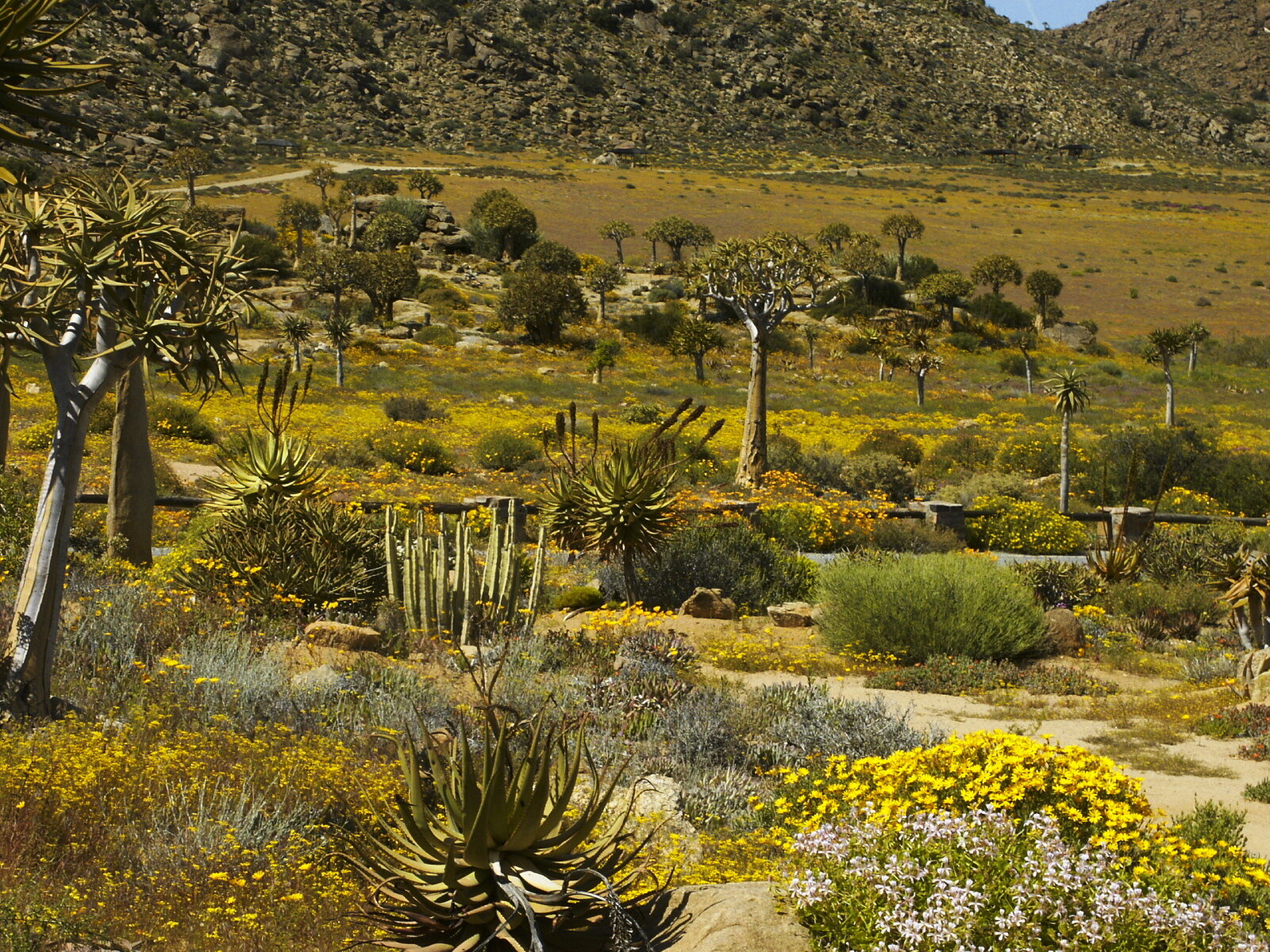
For a few weeks each spring, the semi-desert of South Africa's west coast does something that has to be timed to the week: Namaqualand turns from bare brown veld into sheets of orange, white and purple daisies running to the horizon. The bloom is weather-dependent and short — roughly mid-August into September — which is exactly why it reads as an event rather than a backdrop, and why 2027 is worth planning around early.
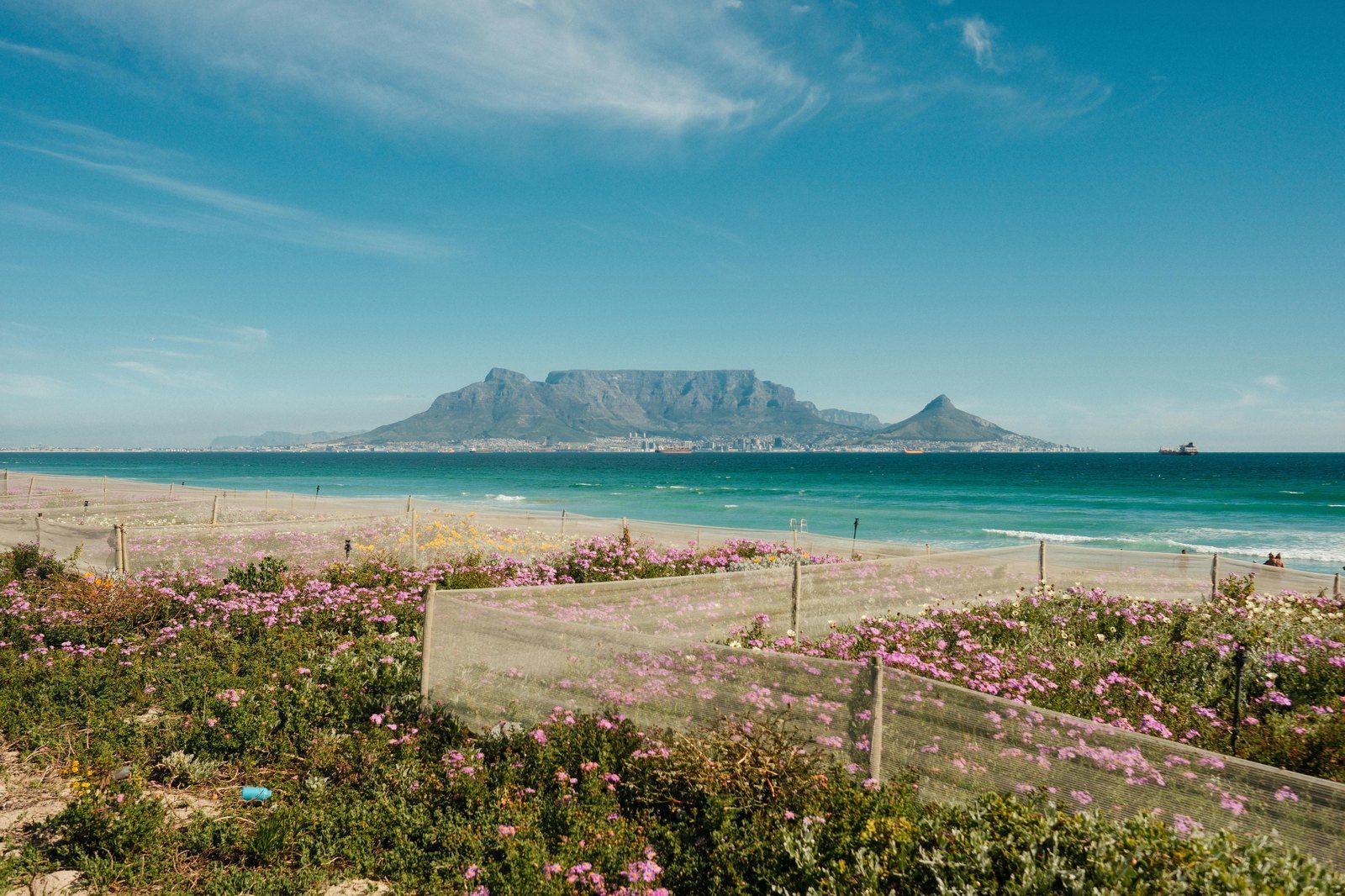
Build it off Cape Town and you get one of the great city-and-wild pairings anywhere: Table Mountain, the Cape Peninsula and the Winelands at one end, the flower roads a few hours north at the other. Our Namaqualand flower season guide tracks the timing year to year, the best time to visit Cape Town helps you line it up with the city, and Cape Town safari tours add Big Five country within reach of the harbour.

6. Botswana — the Okavango Delta
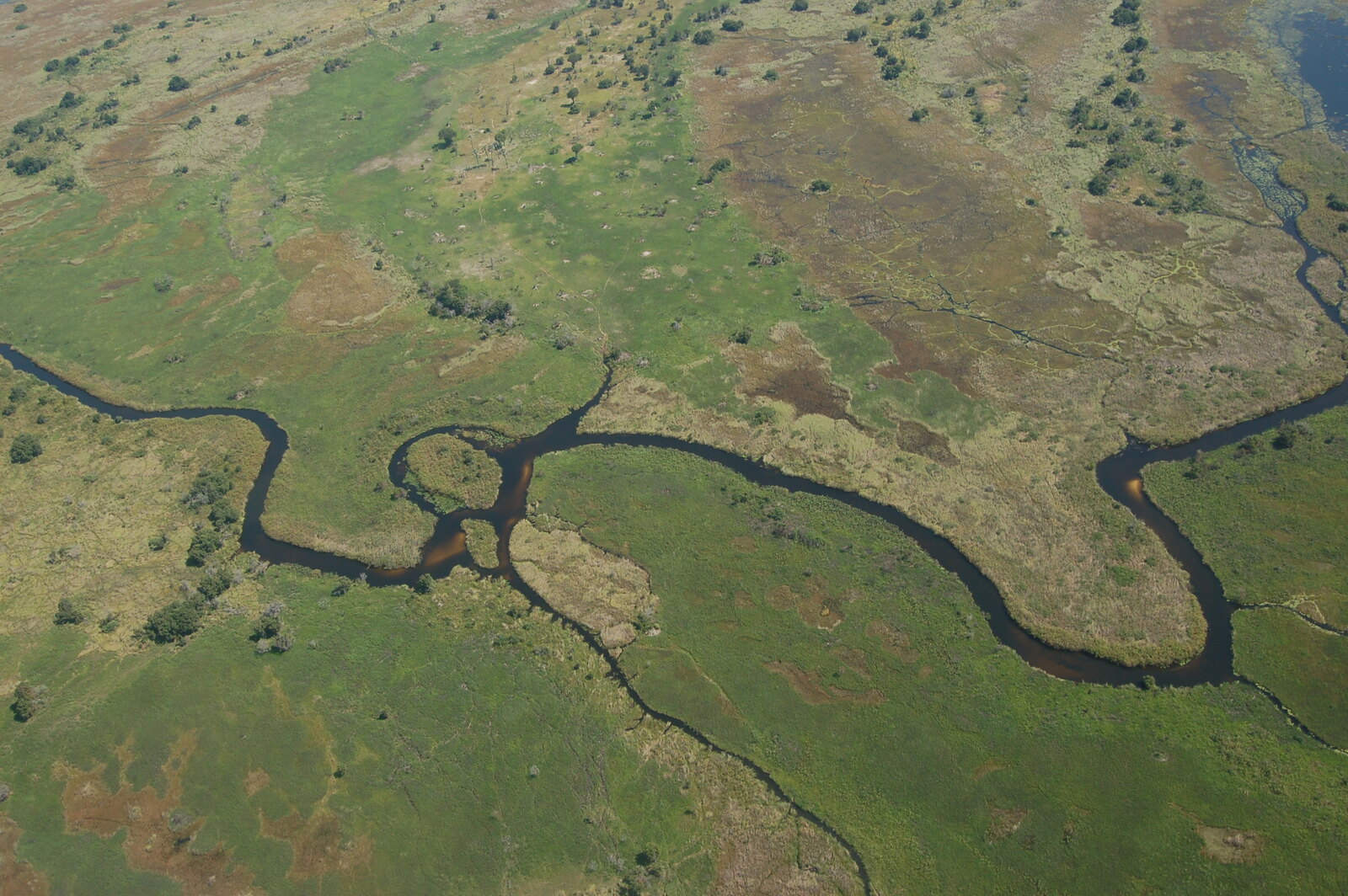
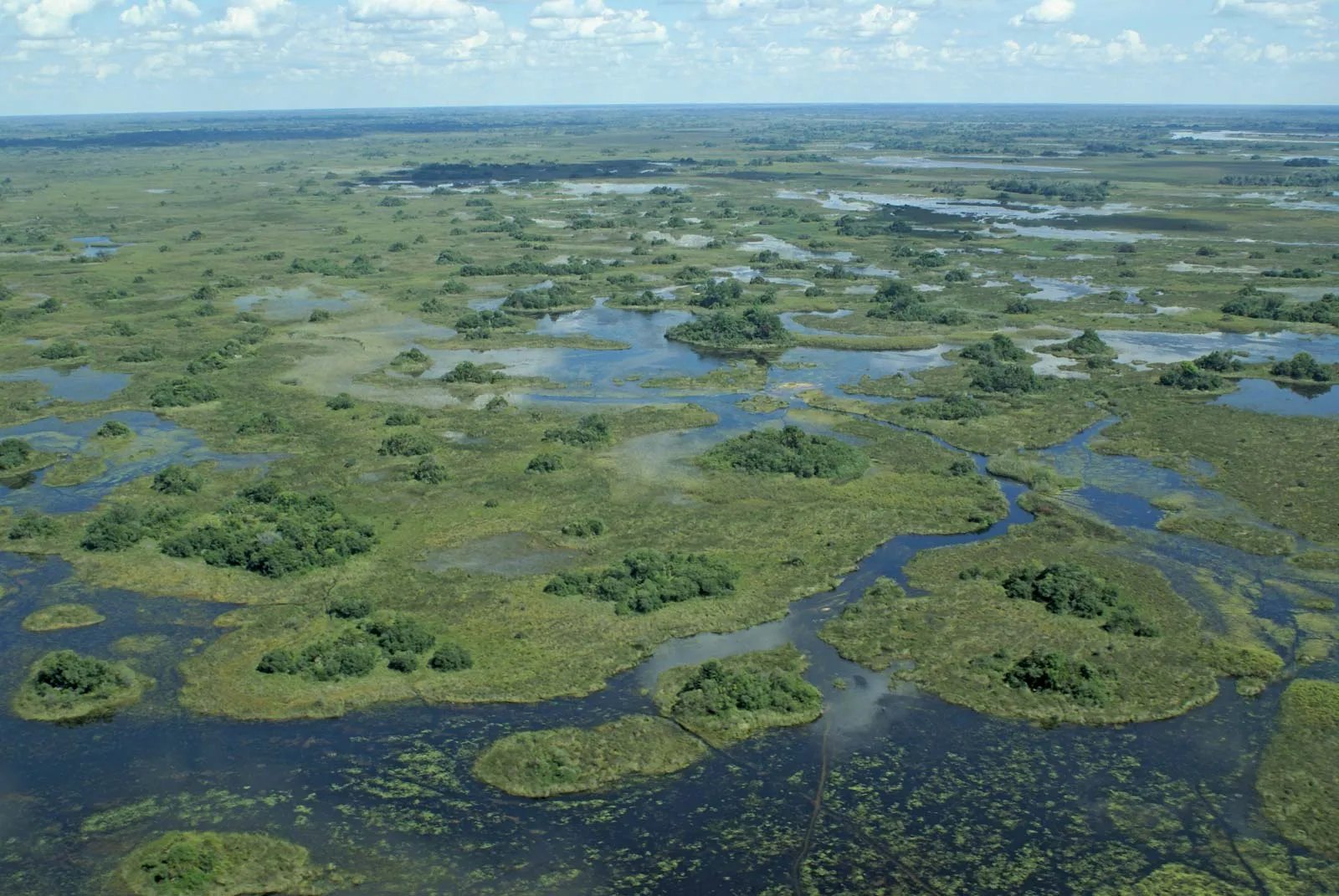
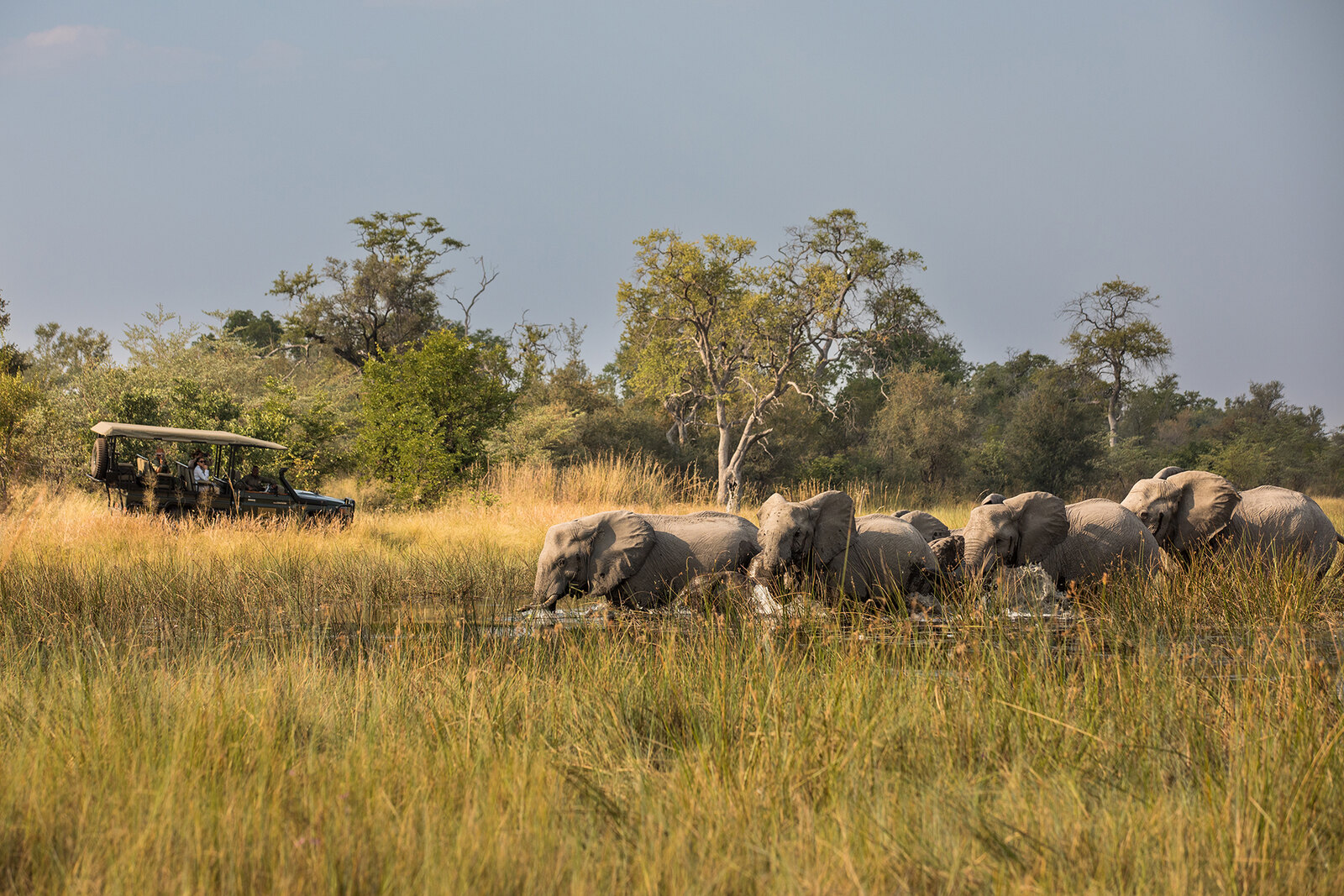
Botswana is the quiet standard the rest of Africa measures itself against, and the Okavango Delta is why. Each year a river floods into the Kalahari and vanishes into the sand, and for a few months that improbable wetland fills with life — elephant wading between islands, red lechwe scattering across the shallows, wild dogs denning on the fringes, and some of the best big-cat watching on the continent. The country's low-volume, high-value model keeps the camps small and the sightings private.
The flood usually peaks around June to August, which makes the dry winter the sweet spot, and 2027's camp openings across the wider KAZA region give you more ways to combine the Delta with Chobe and the Falls. Our pick of the best Okavango Delta safari lodges covers the water camps and the land camps, and the best safari lodges in Botswana for 2026-2027 widens it to the whole country.
7. Kenya — Tsavo and the classic parks
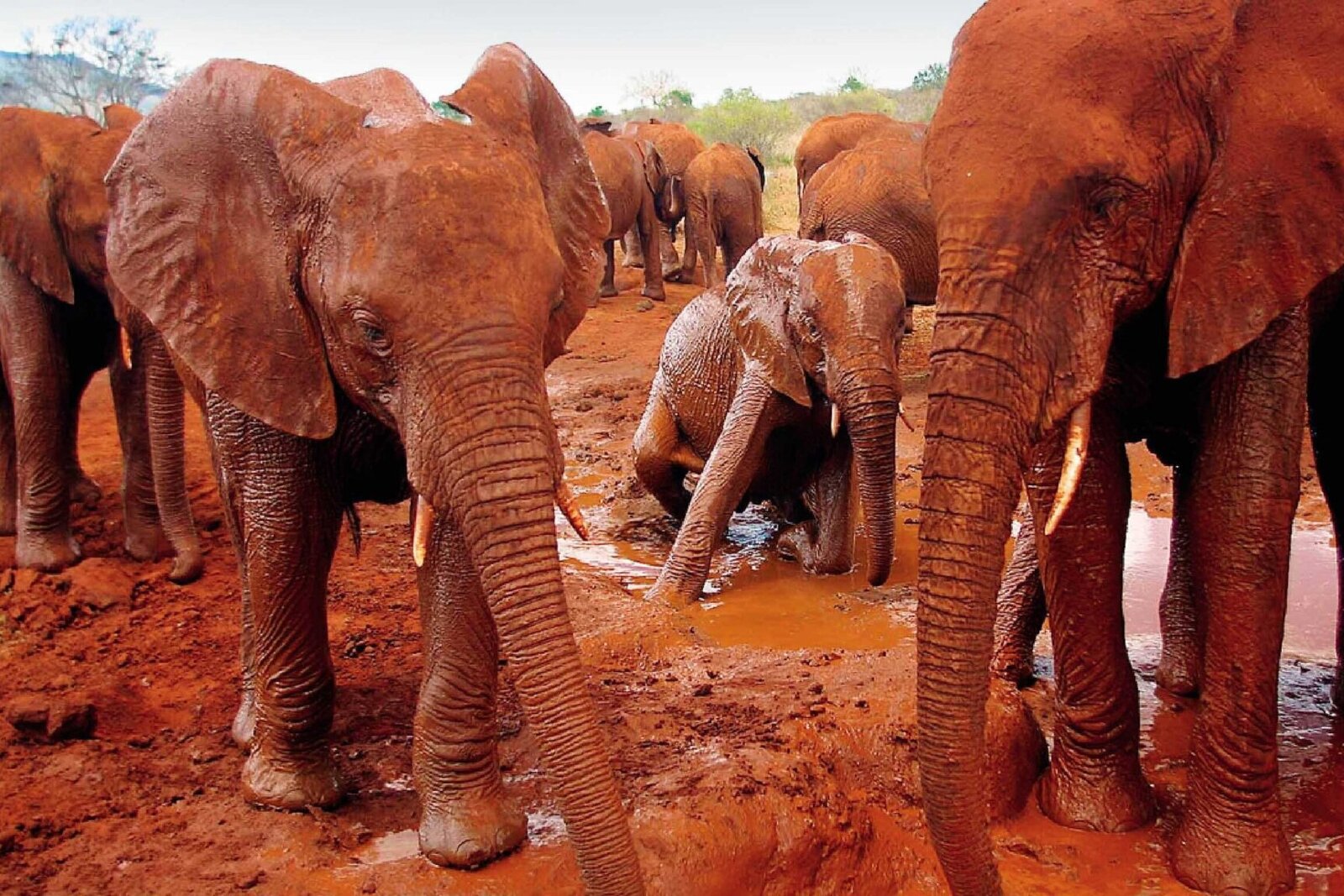
Kenya is where the safari itself was more or less invented, and 2027 is a good moment to go back to it — partly because the global lists have turned their attention to Tsavo, the vast red-earth parks in the southeast that most first-timers skip. Tsavo East and West together make one of the largest protected areas in Africa, famous for elephants dusted rust-red by the soil, open plains that run for miles, and a fraction of the vehicles you find further west.
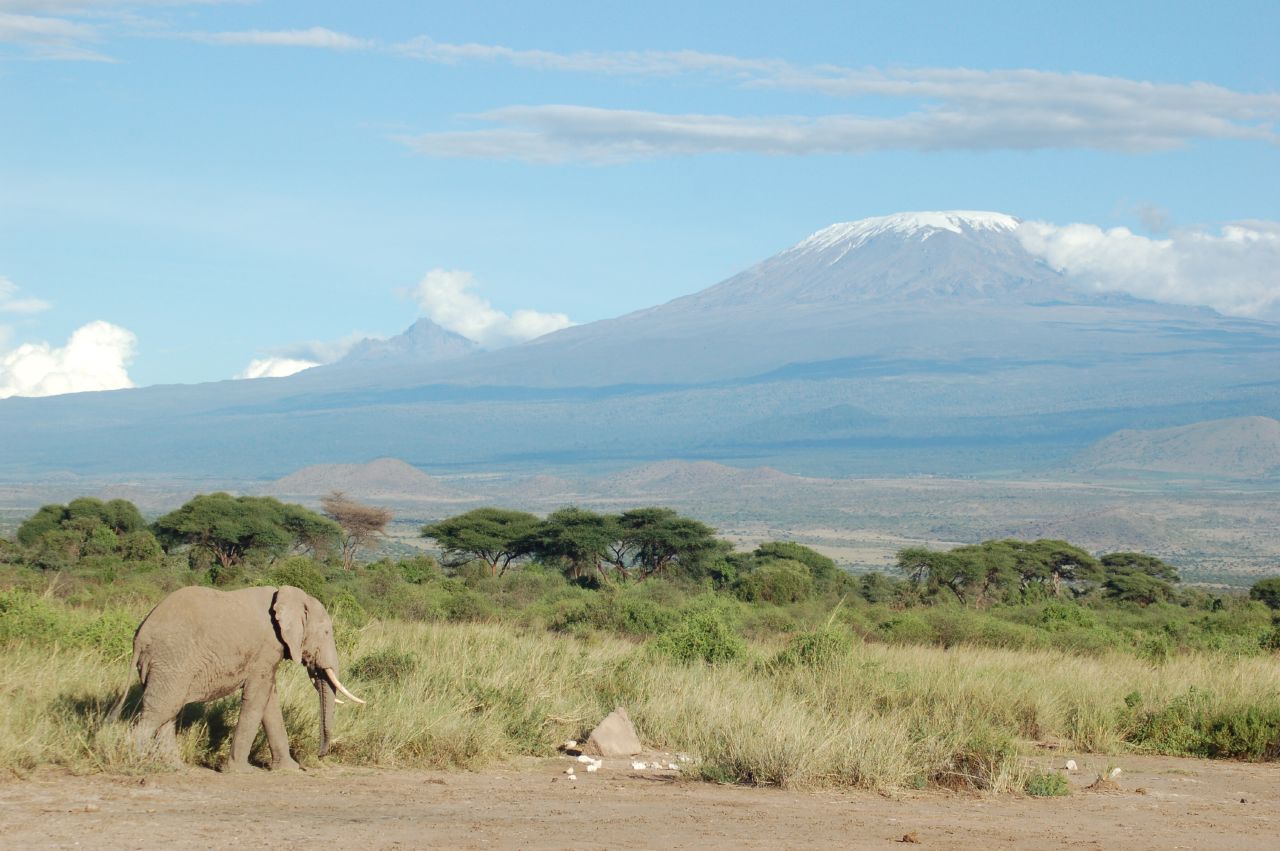
Pair Tsavo with Amboseli's elephant herds under Kilimanjaro and the Masai Mara's big cats and you have a Kenya trip that covers the country's full range rather than one corner of it. Our guide to the best Kenya safari lodges covers where to base yourself, and Amboseli versus the Masai Mara helps you decide how to split the classic parks.
8. Rwanda and Uganda — the mountain gorillas
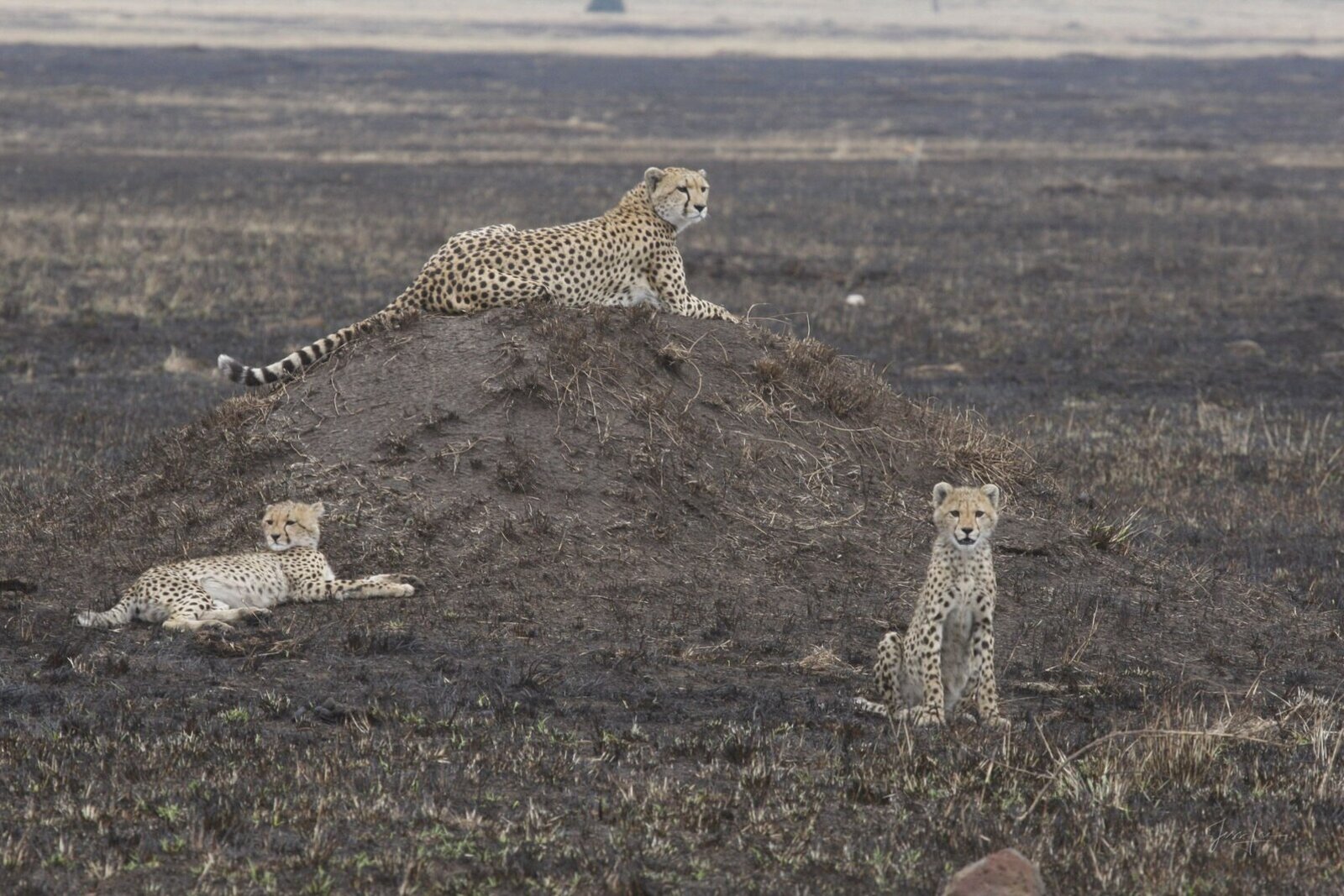
An hour with a mountain gorilla family stays with people for the rest of their lives, and it is one of conservation's genuine success stories — numbers have climbed back above a thousand in the wild, the only great ape whose population is growing. The treks run in the forested volcanoes along the Rwanda-Uganda border, with Rwanda's Volcanoes National Park the polished, quick-access option and Uganda's Bwindi the wilder, better-value one.
It stays on the 2027 radar because permits are deliberately limited and demand keeps rising, so the practical advice is simple: decide early and hold your dates. Our guide to where to see gorillas in Africa compares every country that offers it, the Bwindi gorilla trekking guide covers the Uganda side in detail, and the best luxury gorilla lodges in Rwanda handle where to stay above the forest.


9. Mozambique — the Bazaruto islands
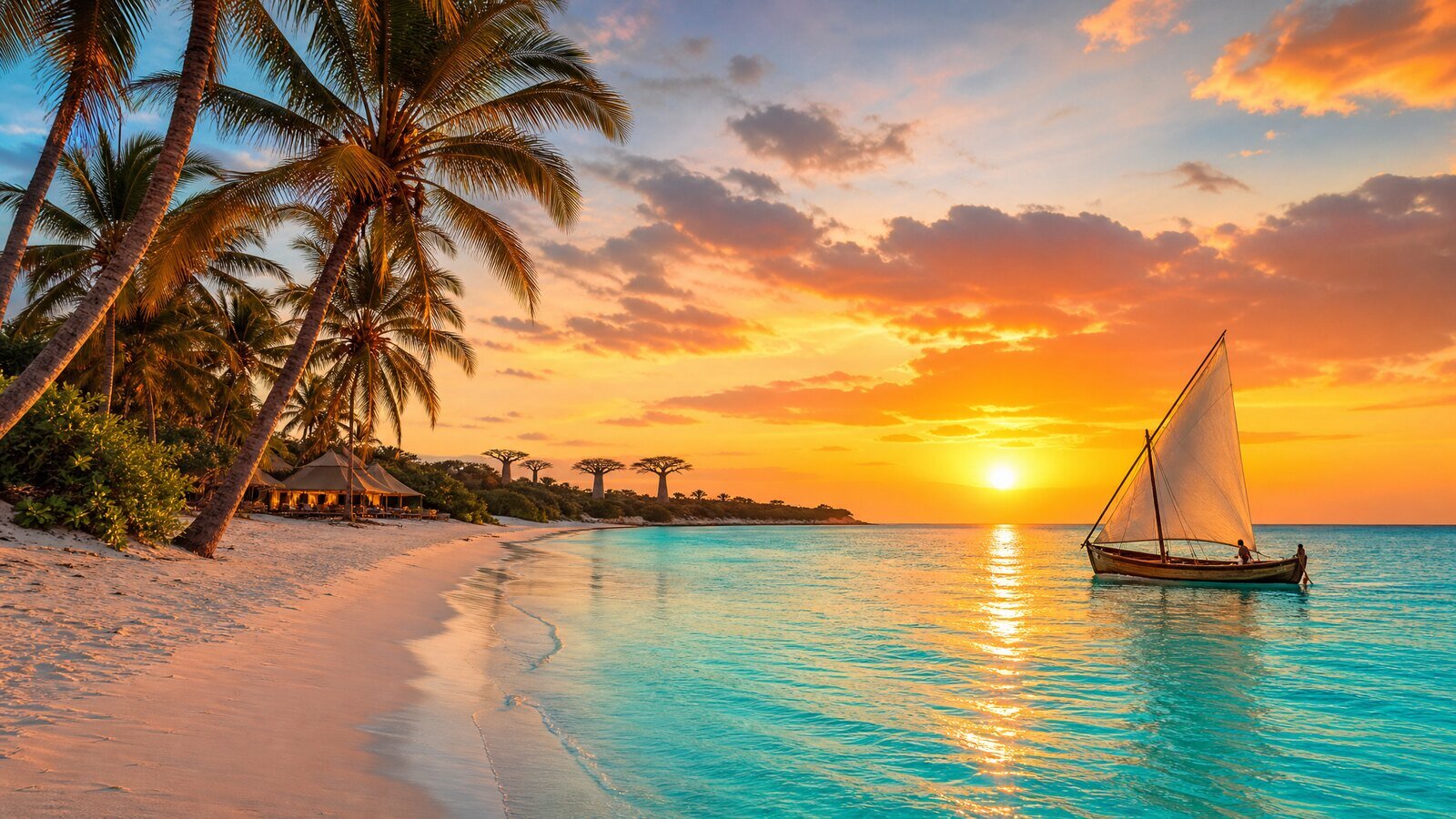
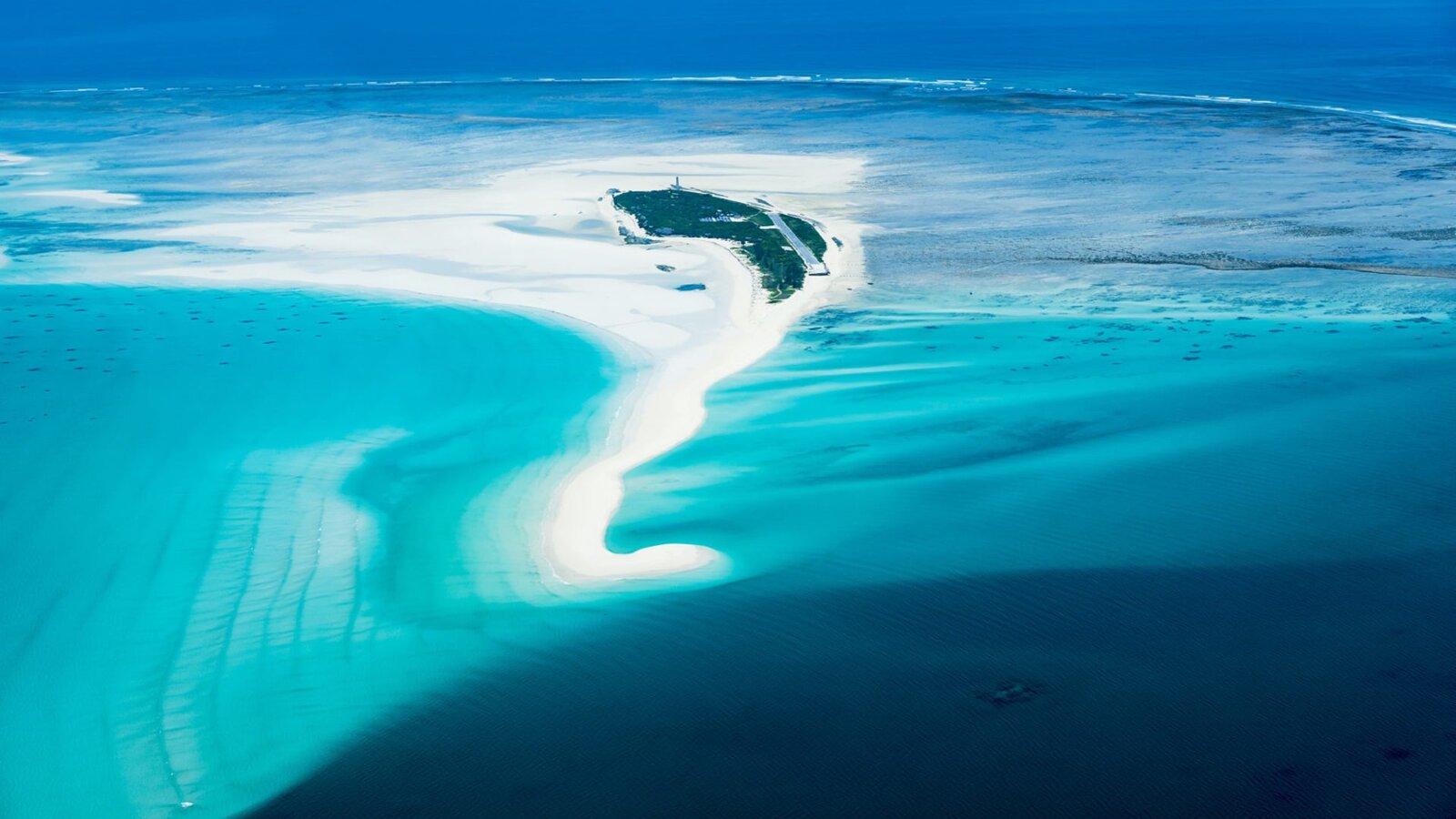
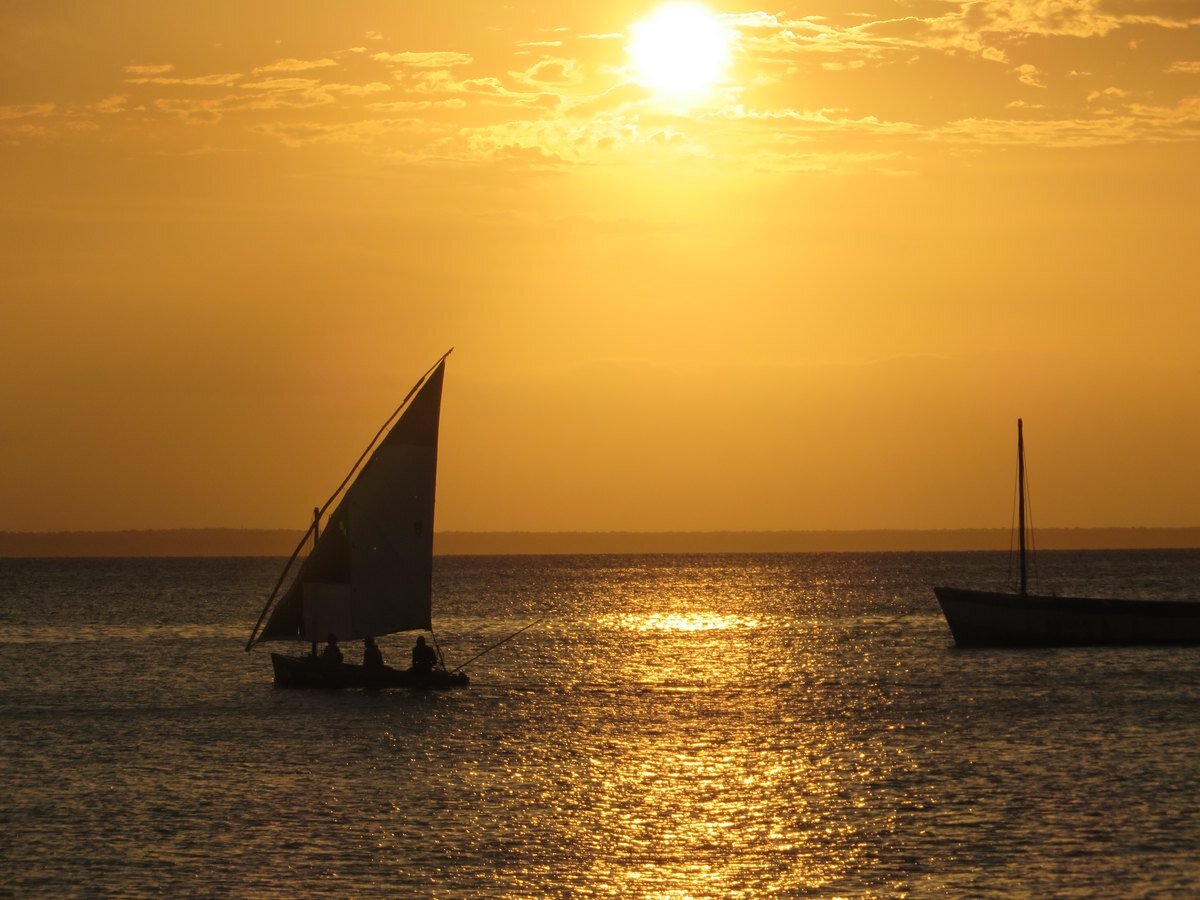
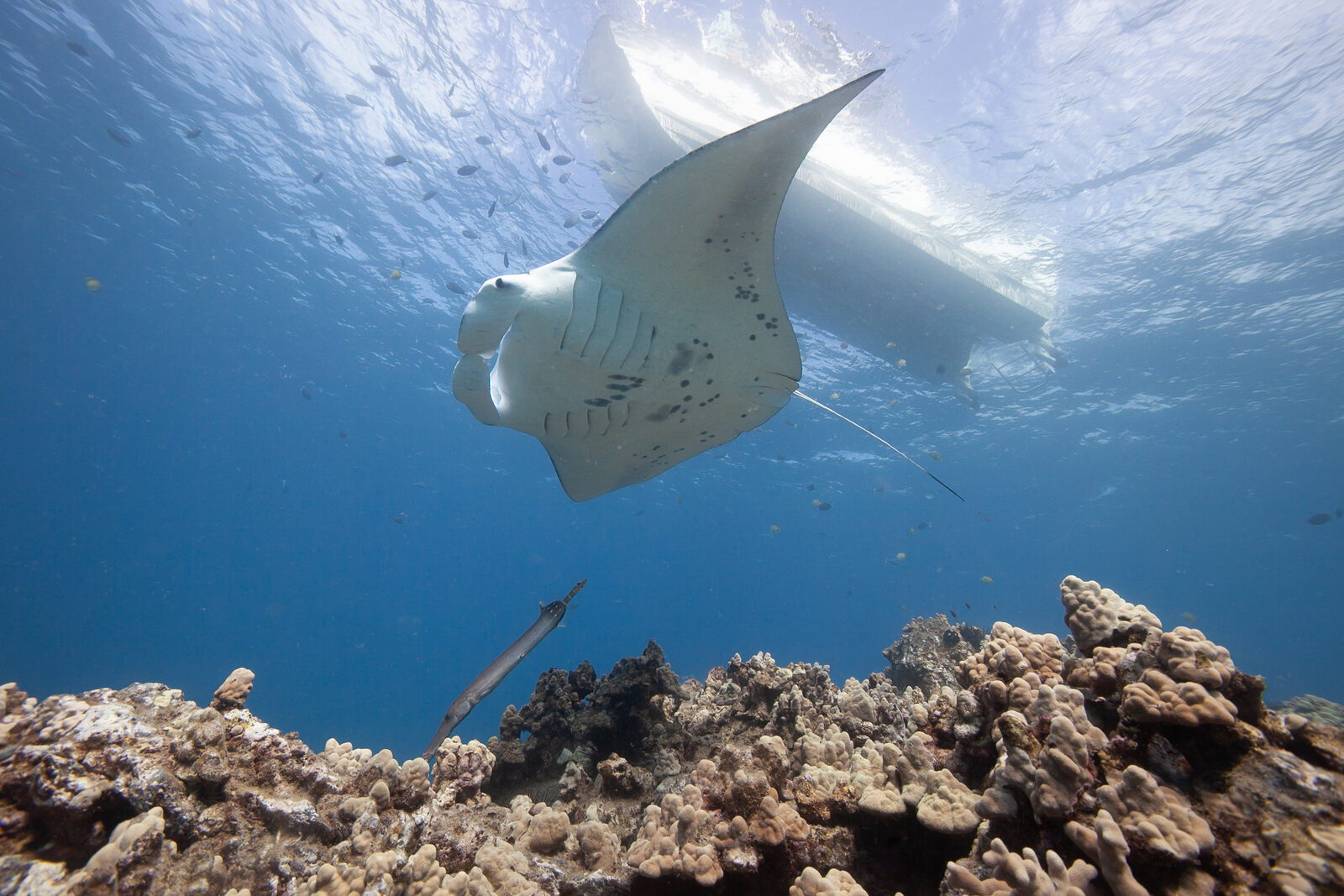
After the bush, the Indian Ocean. The Bazaruto Archipelago off Mozambique is a chain of sand islands ringed by turquoise shallows and coral, where the water is warm enough to swim year-round and the marine life runs to dolphins, turtles, manta rays and one of the last healthy populations of the shy, elusive dugong. A handful of small lodges on the islands keep it exclusive, and it is the beach half most of our Southern African trips end on.
It is trending for the same reason Zanzibar is — the top of the market has moved in — but Bazaruto stays quieter and wilder, with marine-park protection around it. Humpback whales pass between roughly July and October. Our Bazaruto Archipelago guide covers the islands and the diving, and the best Mozambique bush-and-beach lodges show how to join a mainland safari to the sand.
10. Kruger and the Sabi Sand
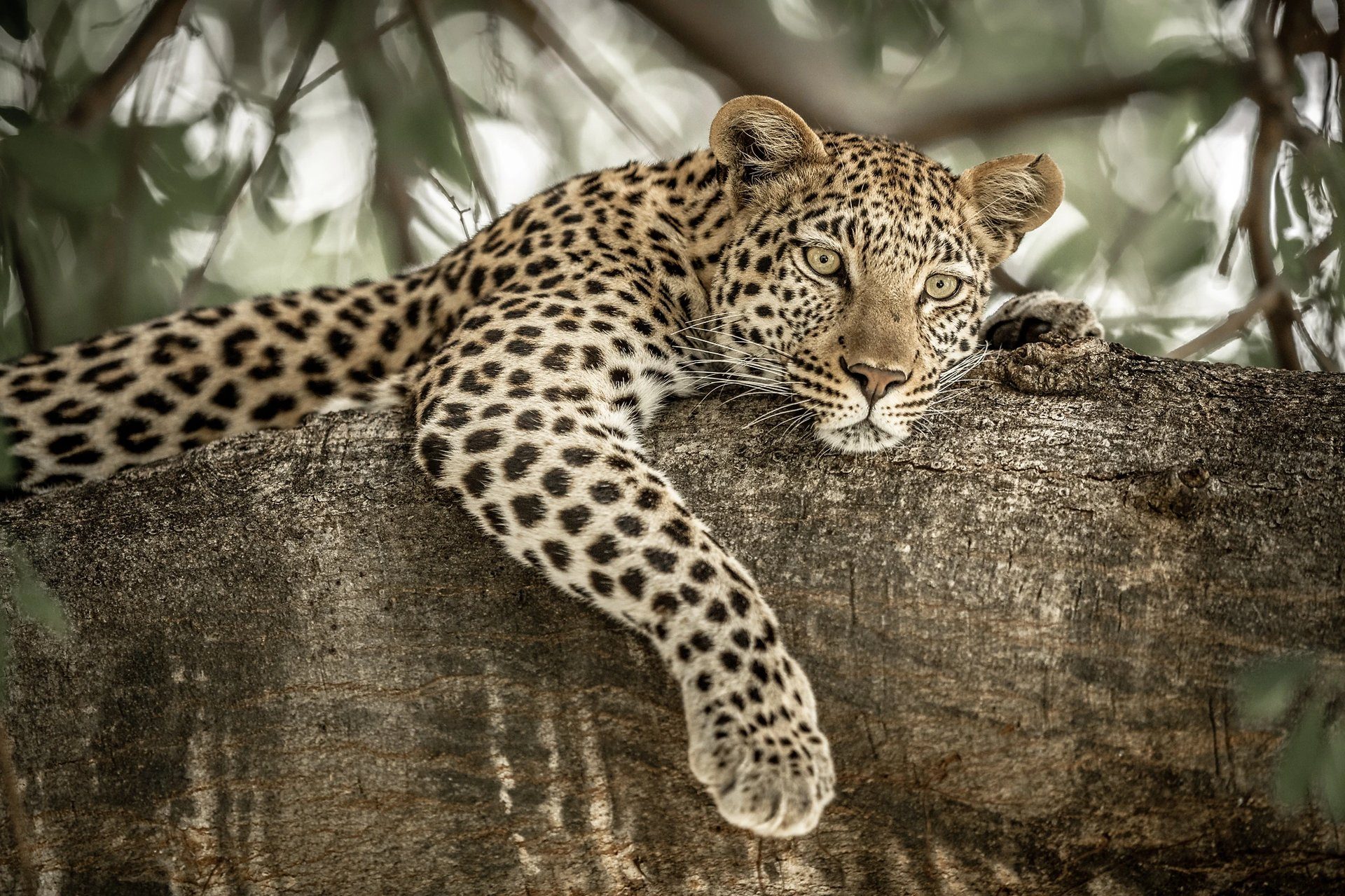
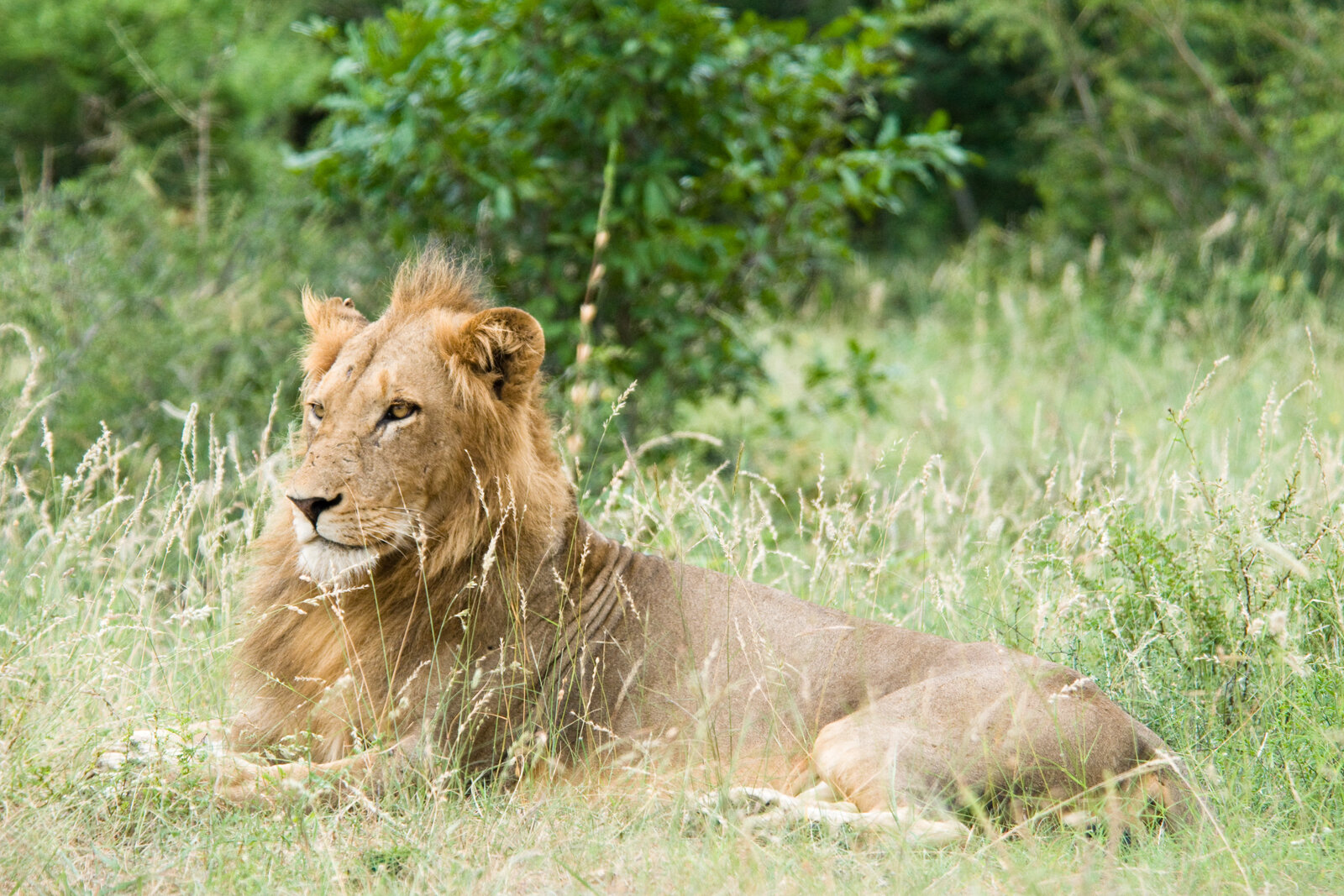
The last place on the list is the one most people can actually fit around real life, and that is the point. The Greater Kruger — the national park and the private reserves that share its unfenced western boundary, above all the Sabi Sand — gives you the surest Big Five watching in Africa, year-round, a short flight or an easy drive from Johannesburg. The Sabi Sand in particular is the finest leopard country on the continent, with habituated cats seen at close range almost daily.
For 2027 it earns its place as the easy, dependable anchor — the trip for first-timers, for families, and for anyone who wants a few certain days of game viewing to bolt onto Cape Town or the Falls. Our Kruger National Park safari guide covers the park itself, and the best Kruger safari lodges cover the private reserves where the game viewing is at its best.

How to choose between them
Ten places, one year, and almost no one does all of them — so the real question is which to put together. A few honest rules of thumb. If this is a first African trip, anchor it on one certain thing and add one contrast: the Greater Kruger plus Cape Town, or the Mara plus Zanzibar. If it is the wildlife above all, the Great Migration, the Okavango and the Sabi Sand are the three that rarely disappoint. If a fixed date is the hook — the flowers, the gorilla permits, a whale season — build the whole trip backwards from it, because those windows do not move for anyone.
The one thread across all ten is that the good stuff is limited. The best guides, the small camps and the light-aircraft seats are the bottleneck, not the parks, and for 2027 they are already filling. A trip that year is really a decision this year.
Plan your 2027 trip
This is the part we do. Tell us which of the ten pulls at you — the herds on the Mara, the five-country KAZA wild, the lemurs of Madagascar, a week that ends on an island — and we build the journey privately around your dates, your pace and the way you like to travel. If you are still weighing it up, our which African safari is right for you guide is a good place to think it through, and our wider pick of the best safari destinations in Africa goes beyond this year's list.
When you want a real person and a real plan, reach us any time on WhatsApp or through our contact page. The ten places are set. The trip is yours to shape — and 2027 is the year to hold it.