Key Takeaways
- The KAZA UniVisa is one visa that covers both Zambia and Zimbabwe — perfect for Victoria Falls, which straddles the border between the two countries.
- It costs US$50, is valid for 30 days, and allows unlimited crossings back and forth between Zambia and Zimbabwe during that window.
- Around 65 nationalities qualify, including the USA, UK, Canada, Australia, New Zealand and most EU and Commonwealth countries.
- It also permits day trips into Botswana (for a Chobe safari) via the Kazungula border — you return on the same UniVisa without buying a new one.
- You buy it on arrival — at Victoria Falls or Livingstone airports, or at the land borders — in cash US dollars. It is not available online.
- If you only ever want to see one side and never cross, a single-entry country visa is cheaper — but almost everyone at the falls ends up wanting both.
What the KAZA UniVisa Actually Is
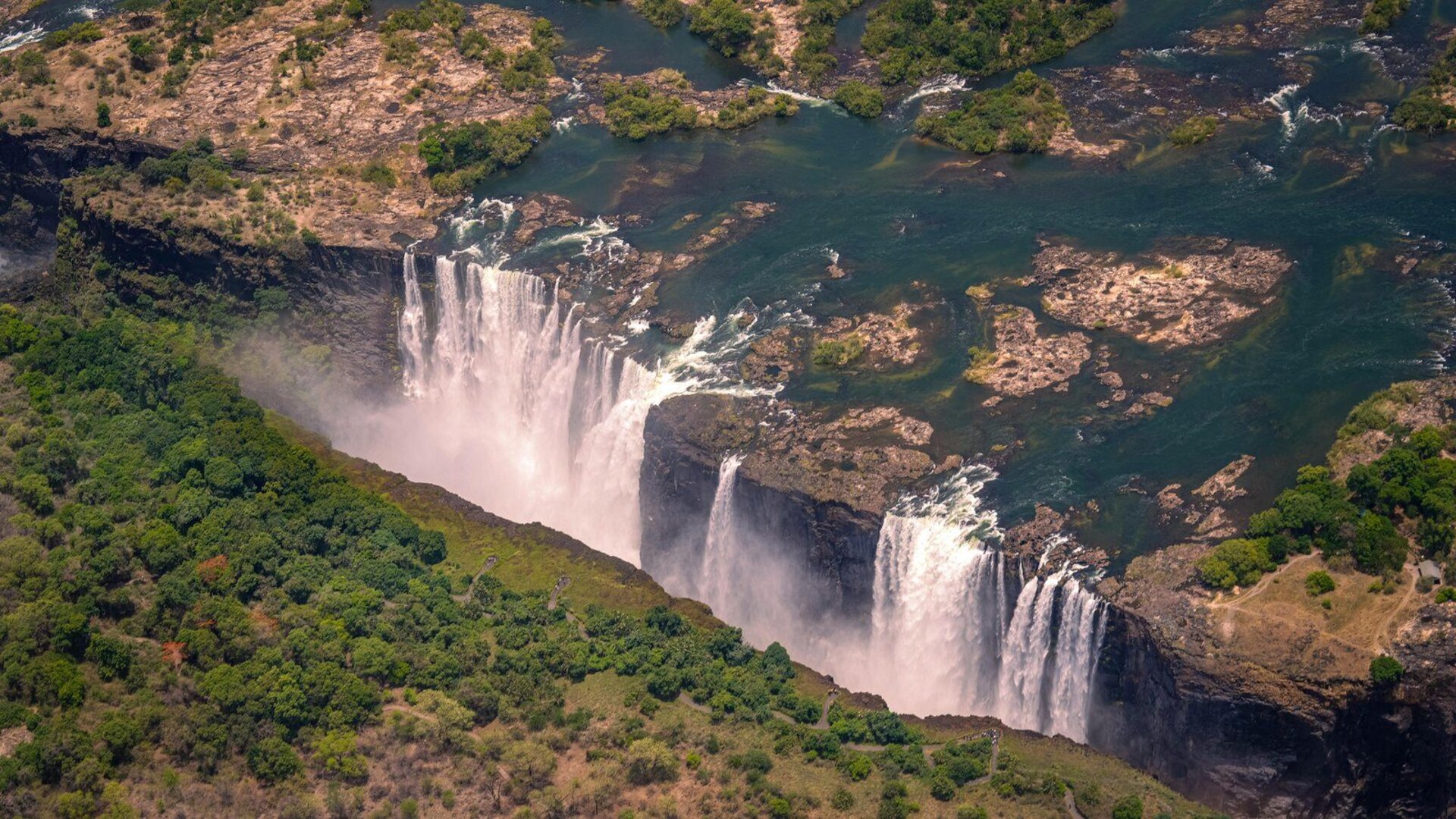
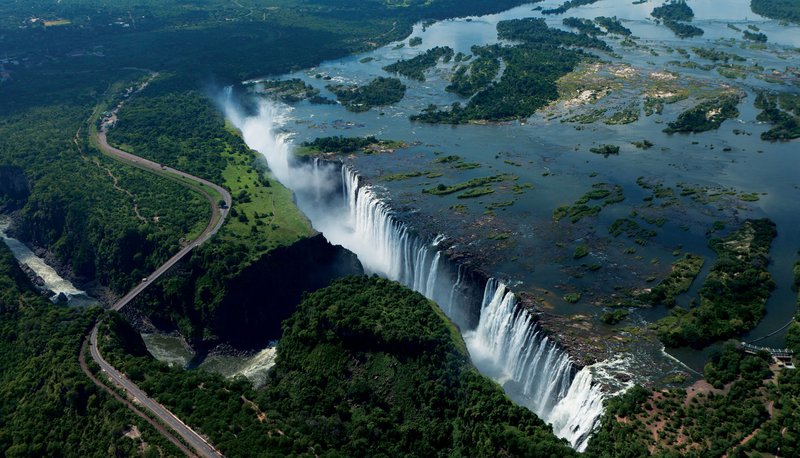
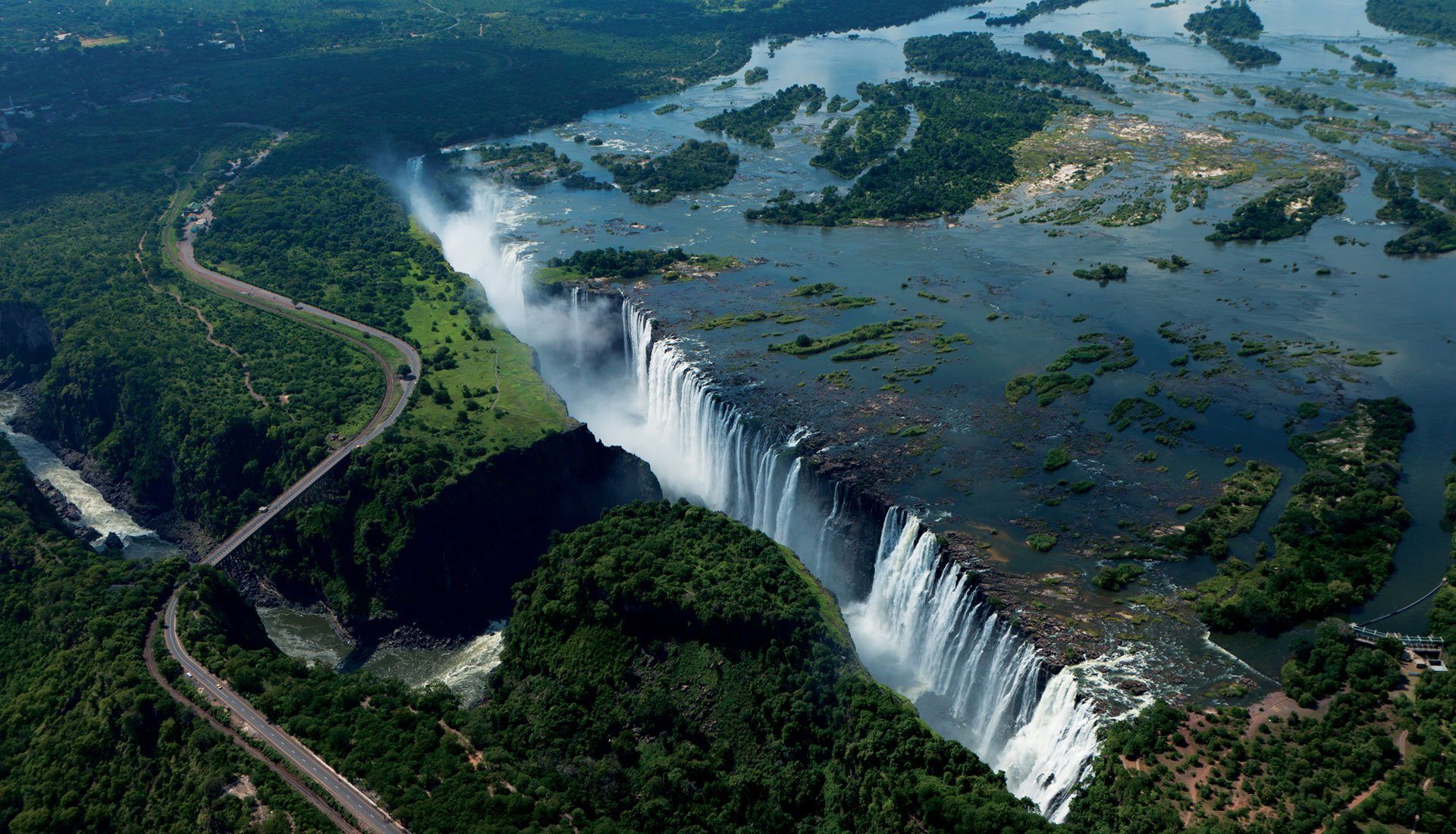
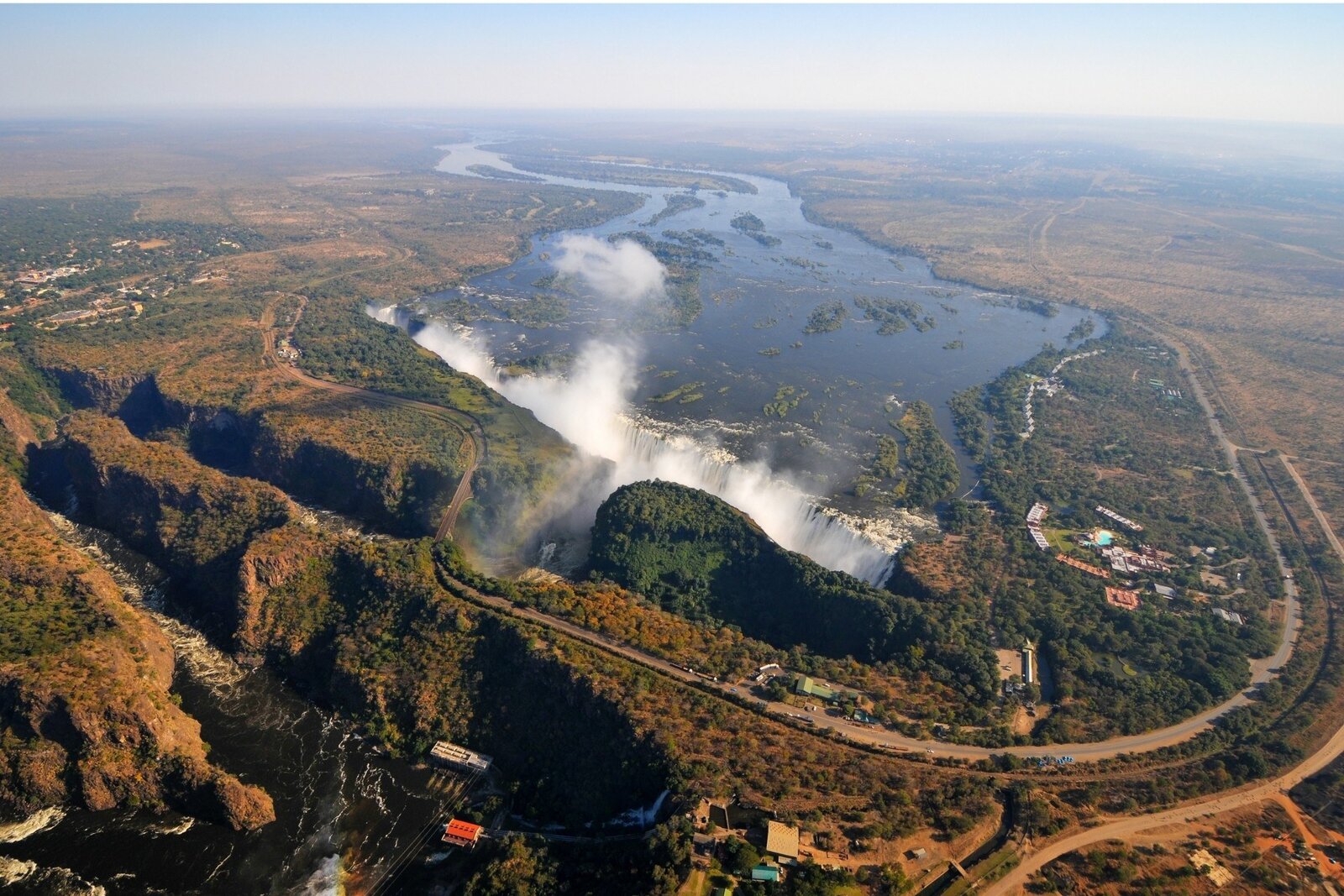
Victoria Falls has a geography problem for travellers: the falls themselves sit exactly on the border between Zambia and Zimbabwe. The Zimbabwean side has the town of Victoria Falls and roughly three-quarters of the falls' panoramic frontage; the Zambian side has Livingstone, the Knife-Edge Bridge and Devil's Pool. To experience the falls properly, most visitors want to stand on both — and historically that meant buying two separate visas and paying twice.
The KAZA UniVisa solves this. KAZA stands for the Kavango–Zambezi Trans-Frontier Conservation Area, a vast five-country conservation partnership spanning Zambia, Zimbabwe, Botswana, Namibia and Angola — one of the largest protected wilderness areas on Earth. The UniVisa is the travel document that came out of that partnership: a single visa, jointly recognised by Zambia and Zimbabwe, that lets you move freely between the two countries around the falls for the life of the visa.
In practical terms, it means you land in Livingstone, cross the Victoria Falls Bridge to the Zimbabwean side for lunch, come back for a sunset cruise on the Zambian bank, and cross again the next morning — all on one US$50 document. For a destination built around a border, it is the single most useful thing in your travel wallet.
Who Qualifies — Eligible Countries
Around 65 nationalities are eligible for the KAZA UniVisa. The list covers virtually every country whose travellers make up the bulk of Victoria Falls tourism: the United States, United Kingdom, Canada, Australia, New Zealand, Ireland, and the great majority of European Union nations (Germany, France, Italy, Spain, the Netherlands, Scandinavia and more). Most Commonwealth countries qualify, along with a number of Asian, Gulf and South American nations.
If you hold one of these passports, you do not need to apply in advance — you simply buy the UniVisa on arrival (covered below). If your nationality is not on the eligible list, you generally need to arrange a standard visa for each country separately, either on arrival or in advance depending on your passport. The eligible-countries list is reviewed periodically, so if you are unsure, confirm your specific nationality's status before you travel rather than assuming.
One important detail: the UniVisa is a tourist document. It is intended for holidaymakers moving around the falls region, not for business travel, long stays or onward migration. For the overwhelming majority of Victoria Falls visitors — couples, families, honeymooners and safari-goers — it is exactly the right document.
Cost, Validity & What It Covers
The KAZA UniVisa costs US$50 per person. Children under a certain age are often exempt or reduced — check current rules for your family — but for adults, budget US$50 each. It is valid for 30 days from the date of issue, which comfortably covers any normal Victoria Falls itinerary, whether you are there for three nights or two weeks combining the falls with a wider safari.
The single most valuable feature is that it permits unlimited crossings between Zambia and Zimbabwe for those 30 days. You are not buying a one-way or single-entry ticket — you can cross the Victoria Falls Bridge as many times as you like. Cross for a helicopter flight on one side, cross back for a bungee jump off the bridge, cross again for dinner: as long as you are moving between Zambia and Zimbabwe, the one visa carries you.
What it does not do is cover countries outside the agreement. Namibia and Angola, despite being KAZA partners, are not part of the UniVisa entry scheme — you need separate arrangements for those. And the visa's clock does not reset when you re-enter: it expires 30 days after it was first issued, regardless of how many times you have crossed. Plan your itinerary to sit comfortably inside that window.
Where & How to Get It
You buy the KAZA UniVisa on arrival — it is not an e-visa and there is no reliable online application, so do not pay any third-party website claiming to sell it in advance. It is issued at the main entry points on both sides of the falls: Victoria Falls International Airport and the Victoria Falls land border on the Zimbabwean side, and Kenneth Kaunda / Harry Mwaanga Nkumbula (Livingstone) Airport and the Livingstone land border on the Zambian side. It is also available at the Kazungula border with Botswana.
Payment is in cash US dollars, and this catches people out: bring crisp, clean US$50 in newer notes (older or torn notes are sometimes refused), and have the exact amount ready. Card facilities at borders are unreliable, so treat cash as the only option. Fill in the arrival card, pay at the immigration desk, and the officer stamps the UniVisa straight into your passport — the whole process usually takes a few minutes once you are at the front of the queue.
A practical tip: whichever side you fly into, ask specifically for the "KAZA UniVisa" rather than a single-country visa. If you accept a standard single-entry Zambia or Zimbabwe visa by default, you will have to pay again to cross to the other side. Say the words "KAZA UniVisa" at the desk and you get the border-hopping version.
The Botswana Day-Trip Provision — Chobe
Here is the feature that turns the UniVisa from useful into brilliant: it includes a provision for day trips into Botswana. If you cross from Zambia or Zimbabwe into Botswana at the Kazungula border for a day — most commonly to do a Chobe National Park safari — you can return on the same UniVisa without buying a new one, provided you come back within the visa's validity.
This is the legal backbone of the hugely popular Chobe day trip from Victoria Falls. You leave the falls in the morning, cross at Kazungula into Botswana, spend the day on a Chobe game drive and a Chobe River cruise among the largest elephant population in Africa, and return to your hotel on the Zambian or Zimbabwean side by evening — all without a fresh visa fee for the falls side. It is one of the great day trips in Africa, and the UniVisa is what makes it frictionless.
Two caveats worth knowing. First, Botswana itself may have its own entry formalities or fees at Kazungula, separate from your UniVisa — a reputable operator handles these for you. Second, the day-trip provision is for genuine day trips: if you plan to stay overnight in Botswana or continue deeper into the country, that is a different arrangement. For a classic dawn-to-dusk Chobe safari, though, the UniVisa has you covered.
Planning Your Victoria Falls Trip Around It
The smartest way to use the UniVisa is to stop thinking in terms of "the Zambian side" versus "the Zimbabwean side" and start treating the whole falls as one destination you can move around freely. A classic three-night pattern: base yourself on one side, spend a full day exploring the falls viewpoints there, cross the bridge for a day on the other side, and dedicate your third day to a Chobe day trip in Botswana. One US$50 visa carries all of it.
Because the visa lasts 30 days, it also stitches beautifully into a longer safari. Many of our travellers use the falls as the finale or opener to a wider journey — pairing it with Chobe, the Okavango Delta, Hwange or a Zambian bush camp. The UniVisa handles all the Zambia–Zimbabwe movement while your operator arranges the internal flights and transfers. You get the falls from every angle, a Chobe safari, and seamless border-hopping without ever queuing for a second visa.
If you would rather not think about any of it, that is exactly what we are here for. We build private Victoria Falls and Chobe itineraries that sequence your crossings, activities and the Botswana day trip so the UniVisa does maximum work — and we brief you on exactly how much cash to carry and what to say at the border.
Ready to explore? Browse our Victoria Falls & Chobe safari packages →