Here is the thing nobody selling safaris likes to admit: there is no single best African safari. There is only the one that fits you — the people in your party, the time of year you can actually travel, the pace you enjoy, and the thing you quietly hope to feel on the first morning. A couple on their tenth anniversary and a family with a seven-year-old want almost opposite trips, and both can have the holiday of their lives on the same continent in the same month.
So this guide does not rank places. You will not find a numbered list of parks with a winner at the top. Instead it works the way a good consultant actually works with you on the phone: a few honest questions, then a route toward the trip that suits the humans involved. Read the section that sounds like your group, skim the trade-offs, glance at the month table, and you will know far more than a top-ten article could ever tell you.
Key Takeaways
- 🦁 Choose by who is going and what you want to feel first — country and park come after that, not before.
- 🦁 First safari? A malaria-free Big Five reserve or the Kruger area gives you the most wildlife for the least worry.
- 🦁 Families lean to South Africa; couples lean to a bush-and-beach pairing; photographers lean to open country and long light.
- 🦁 The dry season (roughly June to October) is the single biggest lever on how much you see.
- 🦁 Give each area at least three nights, and most people are happiest across two or three areas in seven to ten nights.
Start with who is going and what you want to feel
Before a map, before a lodge, before a price, sit with two questions. First, who is actually travelling — a couple, a family with young children, three generations, a group of friends, a solo traveller? Second, what do you want the trip to feel like? Some people want to be moved, to sit in silence while a herd crosses in front of the vehicle. Some want their children wide-eyed and safe. Some want the camera to do the talking. Some want a long lie-in, a pool, and two unhurried game drives a day.
Every real decision flows from those two answers. The country, the reserve, the style of camp, the length — all of it falls into place once you are honest about the people and the feeling. Get this part right and the rest is logistics. Get it wrong and you can book the most famous camp on the continent and still come home flat.

The handful of questions that decide your safari
When a traveller calls us, the conversation almost always turns on the same five things. You can answer them yourself right now:
- How much time do you have? Four nights, a week, or two weeks changes the whole shape of the trip. Short trips want one strong region; longer trips can pair bush with coast or combine countries.
- Is malaria a concern? With young children, grandparents or anyone who would rather not take prophylactics, the malaria-free reserves of South Africa's Eastern Cape, the Waterberg and Madikwe answer that in one move.
- What is the honest budget per person? Not to judge it — to match it. The same wildlife is on offer at a comfortable camp and at a flagship lodge; the difference is space, service and setting, not the quality of the sightings themselves.
- When can you actually go? School holidays, work, weather back home. The month you travel often decides the country more than taste does.
- What is the one thing you would hate to miss? The great river crossings, a leopard, your children on a walk with a guide, a single quiet sundowner with no other vehicle in sight. Name it, and the plan builds around it.
That is the framework. The sections below take the most common answers and tell you, plainly, where they point.
If this is your first safari
A first safari carries a lot of hope and a little anxiety, and the right trip removes the anxiety without dulling the hope. For most first-timers the honest answer is South Africa, and often the greater Kruger or a malaria-free Big Five reserve. The reasons are practical. You fly into a major hub, transfers are short, English is everywhere, the roads and lodges are excellent, and the Big Five are genuinely reliable rather than a matter of luck. You can be on a game drive the afternoon you land.
Greater Kruger private reserves such as Sabi Sand give you off-road access and close, calm leopard sightings. If children or older parents are along, the malaria-free reserves give the same wildlife without the medication question. A first safari does not need to be a three-country expedition; three or four nights in one strong reserve, done well, sends people home converted. You can always go deeper and further on the second trip — and almost everyone comes back for a second trip.
If you are taking the family
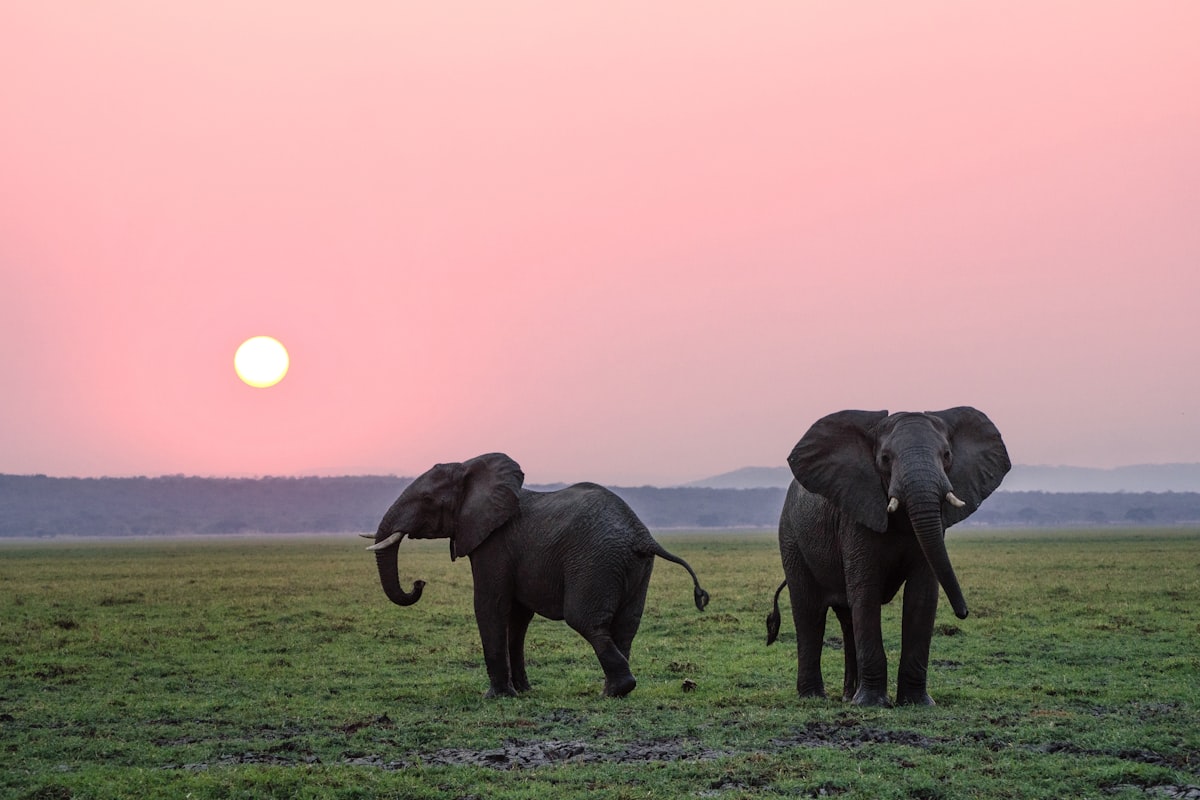
A family safari lives or dies on two details: a camp that genuinely welcomes children, and a region that keeps travel short and worry low. South Africa leads here for a reason. Malaria-free reserves remove the single biggest concern for parents, drive times from the airport are measured in minutes not hours, and many lodges run family units, flexible meal times, and children's programmes with guides who know how to hold a six-year-old's attention for an hour.
Look for lodges that take children of your kids' ages on game drives, or that offer a dedicated junior guide so the adults still get their quiet morning. Shorter drives, a pool for the midday heat, and an age-appropriate bush walk matter more than a famous name. A classic family shape is a few nights in a malaria-free reserve followed by Cape Town and the coast, so the trip has animals, a city and a beach in one loop. Teenagers can handle more — a walking element, a longer transfer, a second country — while families with little ones are happiest keeping it simple and close.
If it is the two of you
For couples — honeymooners, an anniversary, or simply time away together — the brief changes from reliability to romance and privacy. This is where a bush-and-beach pairing earns its reputation. A few nights of game drives and firelit dinners, then a flight to the Indian Ocean: Mozambique's Bazaruto and Benguerra islands, Zanzibar, or the Seychelles. You come home with both the thrill of the wild and the stillness of the sea, and the contrast is the whole point.
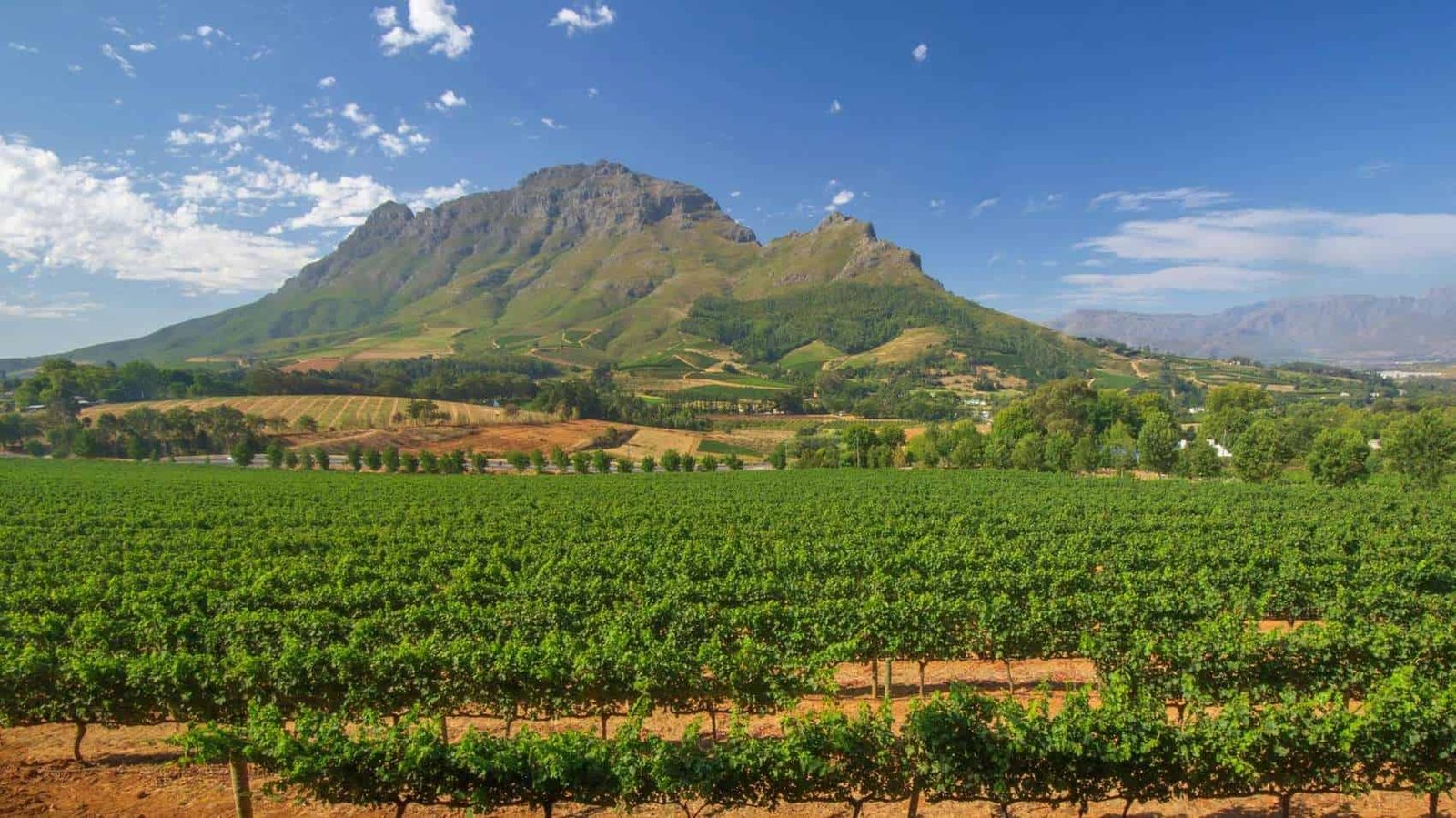
If you would rather keep both feet on the mainland, the Cape Winelands give you a slower, elegant counterweight to the bush — vineyard lunches, mountain drives and quiet mornings. For the safari half, smaller owner-run camps with just a handful of suites buy you privacy that a large lodge cannot. Ask for a private vehicle if the budget allows; nothing shapes a couple's safari more than deciding your own pace rather than sharing it with strangers.
If you live behind the camera
Keen photographers want different things from the same safari, and the plan should reflect that. You want open country where you can see animals approach and the light can reach them — the plains of the Serengeti and the Masai Mara, the Okavango's channels, or the sparse, graphic landscapes of Namibia. You want long golden light, which means dry-season months and camps that let you stay out through the best hours rather than rushing back for breakfast.
Three things matter more than the brochure. First, a private vehicle or a low-density camp, so you can position for the shot without four other guests needing a different angle. Second, a guide who understands photography — where to sit for the light, how close is close enough, when to wait. Third, enough nights in one area to work a subject properly rather than ticking boxes. A photographer who spends four unhurried mornings on the same pride will come home with far more than one who sees five parks in five days. If big cats and raptors are your subjects, pair this guide with our field guide to the eagles of Africa for the birds you will want to be ready for.
If you have done the classics and want beyond the crowds
Some travellers have already seen the famous parks and want somewhere that feels like the early days of safari — fewer vehicles, wilder country, a sense of being properly far away. Africa still holds plenty of it, and these places reward people who already know how a game drive works.
Gorongosa in Mozambique is one of conservation's great comeback stories, now open to a handful of guests. South Luangwa in Zambia is the home of the walking safari and some of the finest guiding on the continent. Mana Pools in Zimbabwe lets you walk among elephants on foot with an expert. Tswalu, in South Africa's southern Kalahari, is vast, private and quiet, with aardvark and pangolin among its specialities. The Skeleton Coast and wider Namibia trade big herds for sheer scale and silence. None of these are first-safari choices, and that is exactly their appeal — they ask a little more of you and give a great deal back.
The trade-offs nobody spells out
Every safari decision is a trade-off, and knowing them upfront saves disappointment. Three come up again and again.
Density versus solitude. The places with the most reliable, high-volume wildlife are also the busiest. A great sighting in a popular park can mean several vehicles. A remote camp may make you work harder for a leopard but give you that leopard entirely to yourselves. Decide which matters more to you before you book, because you rarely get both at once.
Luxury versus immediacy. A flagship lodge is a wonderful thing, but the most memorable moments on safari are usually free — the smell of the bush at dawn, a lion calling in the dark. Spend where it changes the experience (a private vehicle, more nights, a better guide) rather than only on thread count. The animals do not know how much your suite cost.
Access versus remoteness. The further you go from a hub, the wilder it gets and the more small flights and transfers you stack up. That is a fair price for solitude if you have the time and the appetite; it is a poor one if you have four nights and small children. Match the remoteness to the days and the people you actually have.
When you go changes everything
The month you travel is the single biggest lever most people overlook. As a rough rule, the dry winter season — around June to October across much of southern and eastern Africa — is prime game viewing: thin bush, animals gathered at water, cool clear mornings. The green season brings newborns, dramatic skies, birds in breeding colour and lower prices, at the cost of thicker vegetation and some rain.
A few timing anchors worth knowing:
- General Big Five game viewing: strongest in the dry months, roughly June to October.
- The great river crossings in the Masai Mara: broadly July to September, though wildlife never reads a calendar exactly.
- Calving in the southern Serengeti: around late January to February, with predators close behind.
- Green-season value and newborns: November to March in much of the region, with better rates and fewer vehicles.
For the detail on one of the most popular starting points, our guide to the best time to visit South Africa breaks the year down region by region.

How long, and how to combine
Two numbers save most planning headaches. Give every area at least three nights, and build most trips around two or three areas in seven to ten nights. Three nights lets a camp settle you in, gives the weather and the wildlife room to deliver, and means a quiet first day does not sink the whole stop. Fewer than that and you spend as much time in transit as on game drives.
From there, combinations do the heavy lifting. Pair a Big Five reserve with Cape Town and the coast for variety. Pair bush with an island for a honeymoon. Pair two parks in different ecosystems — plains and delta, river and desert — so no two days look the same. A fortnight can comfortably hold two countries; a week is happiest in one. The art is resisting the urge to add one more stop: an extra night where you already are almost always beats an extra flight to somewhere new. If you are weighing it all up against money, our honest look at how much an African safari costs sets realistic expectations before you commit.
Quick match, by who you are
- 🦁 First safari: greater Kruger or a malaria-free Big Five reserve, three to four nights, dry season.
- 🦁 Family: malaria-free South Africa plus Cape Town and the coast; short transfers, child-friendly camp.
- 🦁 Couple / honeymoon: small bush camp plus an Indian Ocean island or the Cape Winelands.
- 🦁 Photographer: open country (Serengeti, Mara, Okavango, Namibia), private vehicle, long light, more nights in one place.
- 🦁 Been before: Gorongosa, South Luangwa, Mana Pools, Tswalu or the Skeleton Coast.
Why plan this with a person
You can book a safari from a website in ten minutes. Whether it is the right one for your group is a different question, and it is the one a good consultant exists to answer. We have been arranging private journeys across Africa since 2008, and the value is not in access to secret lodges — it is in asking the five questions above, hearing your real answers, and steering you away from the trip that looks great online but would not suit the people actually going.
That means matching the month to the wildlife you care about, the camp to the ages in your party, the pace to your temperament, and the budget to where it genuinely changes the experience. It means someone on the other end of the phone if a flight shifts or a child falls ill. Tell us who is travelling and what you want to feel, and we will build the answer around you rather than around a ranked list. If you are still weighing destinations in the abstract, our overview of the best safari destinations in Africa is a useful companion to this guide — read it for the places, read this for the fit.
Beyond Africa Safaris (Pty) Ltd, 3 Socrates Way, Century City, Cape Town 7441. Tell us about your group and we will match you to the right trip.